

How Does Outdoor Sports Equipment Transform Performance, Safety, and Future Innovation?
Outdoor sports continue to evolve as athletes and enthusiasts seek higher durability, improved comfort, and enhanced performance from the gear they use.
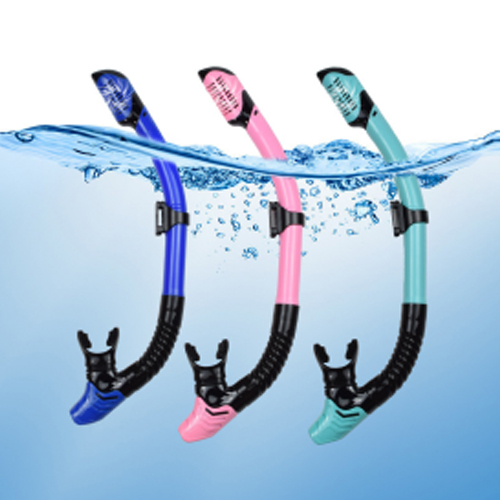
How Do High-Performance Materials Enhance Outdoor Sports Equipment?
Modern outdoor sports gear increasingly relies on advanced plastics, engineered polymers, lightweight metals, and hybrid materials to balance strength, weight, and environmental resistance. These upgraded materials help athletes withstand harsh weather, abrasive terrains, and extended use without compromising flexibility or comfort.
Below is a summary of common performance parameters used to evaluate Outdoor Sports equipment:
Key Product Parameters (Example for Outdoor Sports Gear Components)
| Parameter | Description | Performance Impact |
|---|---|---|
| Material Composition | High-density plastics, reinforced polymers, aluminum alloys | Enhances durability, reduces weight |
| Temperature Resistance | Stable from −40°C to 120°C depending on product type | Prevents deformation and cracking |
| UV Resistance | Built-in UV stabilizers for long outdoor exposure | Reduces color fading and material degradation |
| Waterproof Rating | IPX4–IPX7 depending on the component | Ensures protection in rain or humidity |
| Abrasion Hardness | Surface strength measured in cycles | Improves longevity on rugged surfaces |
| Load Capacity | Tested load-bearing performance | Increases safety and reliability |
| Anti-corrosion Properties | Surface treatment or anti-rust metals | Extends lifespan in wet/salty environments |
| Recyclability | Eco-friendly polymer blends | Supports sustainable manufacturing |
These performance parameters determine how well a product performs in real outdoor scenarios—from hiking, camping, and climbing to kayaking, cycling, and adventure sports.
Well-designed outdoor sports products respond to key questions that users typically ask: How durable is the equipment under stress? How does it perform in cold or wet environments? How much load can it handle?
The continued improvement of specialized materials makes outdoor sports more accessible, safe, and enjoyable for all levels of users.
How Does Product Functionality Influence User Experience and Safety?
Function always defines value in outdoor sports equipment. High-function products prioritize ergonomic design, weather adaptability, and mechanical stability. Each function is engineered based on the “how” behind athlete behavior and outdoor challenges.
Functional Advantages in Outdoor Sports Equipment
-
Enhanced Grip and Anti-Slip Surfaces
Optimized surface textures provide stability on uneven terrains such as rocky trails, wet grounds, and snowy surfaces. These functional designs minimize slipping risks, allowing users to maintain control in unpredictable conditions. -
Shock Absorption and Impact Resistance
Many sports gear components integrate internal cushioning layers or energy-dissipating materials. This improves comfort and significantly reduces injury risks during high-intensity activities. -
Lightweight Structural Design
Lightweight products reduce fatigue during long outdoor activities. Whether used in helmets, water bottles, bike parts, or backpack frames, engineered weight reduction improves overall performance. -
Weather-Adaptive Performance
Outdoor sports gear must perform consistently across seasons—whether under strong sunlight, rainfall, or low temperatures. Water-resistant polymers, UV-stable surfaces, and reinforced structural elements allow equipment to handle environmental extremes. -
Long-Term Reliability with Low Maintenance
Products designed for minimal upkeep reduce user burden. Corrosion-resistant metals and dirt-repellent polymers help maintain appearance and function even after long-term exposure to natural elements.
Understanding these functions is essential for selecting reliable outdoor sports gear. Consumers increasingly ask how specific features enhance efficiency and how equipment adapts to real-world challenges.
How Will Future Trends Shape the Outdoor Sports Industry?
The outdoor sports industry continues to expand rapidly as global interest in health, adventure, and eco-friendly lifestyles grows. Several major trends are transforming how outdoor sports products are made and used.
Future Trends and Their Impact
-
Eco-Driven Manufacturing
Sustainable materials—recyclable polymers, biodegradable blends, and low-emission production processes—are becoming key differentiators. The demand for green innovations keeps increasing, especially among environmentally conscious consumers. -
Smart Integration in Outdoor Gear
Technology-enhanced sports equipment will continue to emerge. These include modular parts, sensors for tracking performance, and customizable fit adjustments for improved comfort and safety. -
Ultralight and High-Strength Design Revolution
Weight reduction continues to be a priority. Advanced composite materials will allow for thinner, stronger, and more flexible structural components. -
Ergonomic and Human-Focused Engineering
More products will adopt ergonomic shaping to align with human biomechanics. This trend improves endurance and comfort while reducing strain during prolonged outdoor activities. -
Globalization of Recreational Sports
As more people participate in outdoor fitness and travel-oriented sports, the demand for versatile, durable, easy-carry equipment continues to grow. Products with multi-functionality and compact design will dominate the future market.
The industry’s future depends on answering a central question: How can outdoor sports equipment deliver more safety, comfort, and performance while maintaining environmental responsibility?
Manufacturers that innovate in material science, design optimization, and sustainability will shape the next era of Outdoor Sports technology.
How Do Buyers Make Informed Decisions When Choosing Outdoor Sports Products?
Outdoor sports consumers often face an overwhelming number of choices. Understanding how to assess key technical parameters helps guide smarter purchasing decisions.
Critical Factors That Influence Buying Choices
-
Performance Based on Real-World Testing
Products tested in simulated and natural environments offer more reliable performance data. -
Material Transparency
Clear descriptions of plastic blends, metal types, and composite materials help users evaluate durability and long-term performance. -
Design That Fits Purpose
Equipment optimized for specific sports—hiking, mountaineering, water sports, cycling—provides better safety and comfort. -
Correct Load and Pressure Ratings
Essential for structural components used in climbing gear, outdoor furniture, or carrying tools. -
Resistance to Weather and Abrasion
High outdoor exposure requires gear capable of resisting corrosion, cracking, fading, or deformation. -
User Comfort and Adjustability
Ergonomic shaping, lightweight design, and smooth edges enhance the overall user experience during long-duration outdoor activities.
Consumers increasingly ask:
How can I evaluate durability before buying? How do I choose the right material for long-term outdoor use?
A structured understanding of product specifications ensures better purchasing decisions.
Common FAQs About Outdoor Sports
Q1: How to choose outdoor sports equipment that offers both durability and lightweight performance?
A: High-density engineered polymers and aluminum alloy components provide the ideal balance of lightweight structure and superior endurance. Look for products that specifically list parameters such as UV resistance, abrasion hardness, and temperature tolerance. These indicators reflect how well the equipment performs under long exposure to sunlight, friction, and changing weather conditions. Additionally, ensure that the load capacity meets or exceeds the intended activity requirements to maintain safety.
Q2: How to maintain outdoor sports equipment to ensure long service life?
A: Proper maintenance involves regular cleaning to remove dust, mud, and salt residue, especially after use in humid or coastal environments. Store equipment in ventilated areas away from direct sunlight to prevent UV damage. For metal components, occasional lubrication or anti-rust coating can prevent corrosion. Periodic inspection of joints, straps, and plastic parts ensures that any wear can be addressed before it leads to failure.
Outdoor sports equipment continues to advance through technological innovation, eco-driven material development, and enhanced functional design. Products engineered with high-quality plastics, metals, and composite materials deliver superior durability, weather resistance, and ergonomic comfort, making outdoor activities safer and more enjoyable. As the global outdoor sports market evolves, the focus remains on answering how equipment can provide better performance, withstand harsher conditions, and support sustainable lifestyles.
In this industry, manufacturers with strong capabilities in precision engineering and material optimization play a vital role. Ningbo (P&M) Plastic Metal Products Co., Ltd. is recognized for its commitment to delivering reliable, high-performance components for outdoor sports applications. For product inquiries or custom manufacturing needs, contact us to explore professional solutions tailored to your outdoor sports requirements.