

How Can Health Monitoring Accessories Molding Revolutionize the Medical Device Industry
Article Summary: The world of health monitoring is rapidly advancing, with wearable devices, sensors, and other medical accessories becoming essential in patient care. One critical aspect behind the high-quality and reliable performance of these devices is the precision in molding their components. This article explores Health Monitoring Accessories Molding, the techniques used, materials involved, advantages, industry applications, and challenges faced. It also highlights how P&M leads the industry with innovative molding solutions to meet the growing demand for health monitoring devices.
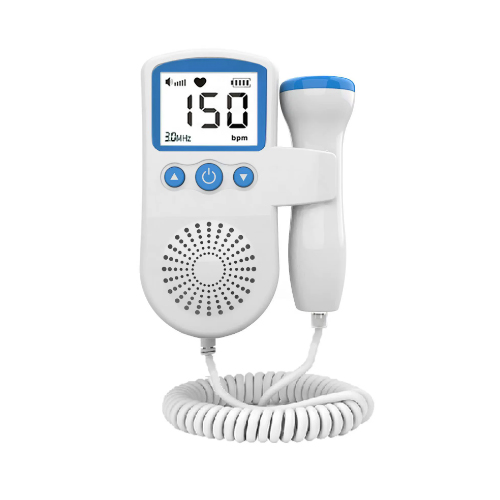
Table of Contents
- Introduction to Health Monitoring Accessories Molding
- Materials Used in Health Monitoring Accessories Molding
- Advanced Molding Techniques
- Key Advantages of Quality Molding
- Applications in Medical Devices
- Current Industry Trends
- Quality Control and Standards
- Common Challenges and Solutions
- Frequently Asked Questions (FAQ)
- Conclusion and Contact
Introduction to Health Monitoring Accessories Molding
Health monitoring accessories, including wearable devices, smart bands, sensors, and connectors, rely heavily on precision molding. Health Monitoring Accessories Molding ensures that components are produced with high dimensional accuracy, durability, and biocompatibility. Companies like P&M specialize in producing molded components that enhance both the performance and longevity of health devices.
Materials Used in Health Monitoring Accessories Molding
The choice of materials is crucial in health monitoring accessory manufacturing. The materials must not only be durable but also safe for skin contact and capable of withstanding repeated wear and environmental conditions.
| Material | Key Properties | Typical Application |
|---|---|---|
| Medical-grade Silicone | Soft, flexible, hypoallergenic | Wearable straps, sensor pads |
| Polycarbonate (PC) | High impact resistance, transparency | Sensor housings, display covers |
| ABS Plastic | Durable, lightweight, easy to mold | Device casings, connectors |
| Thermoplastic Polyurethane (TPU) | Elastic, abrasion-resistant | Flexible bands, protective components |
Advanced Molding Techniques
Modern health monitoring accessories require advanced molding techniques to ensure precision, reliability, and high-volume production. Some commonly used methods include:
- Injection Molding: Ideal for producing complex shapes with high precision and repeatability.
- Overmolding: Combines multiple materials for enhanced functionality, such as soft-touch grips on rigid components.
- Compression Molding: Useful for silicone and elastomeric components to maintain biocompatibility.
- Insert Molding: Integrates electronic components into molded parts to streamline assembly and enhance reliability.
Key Advantages of Quality Molding
High-quality molding in health monitoring accessories provides several benefits for manufacturers, patients, and end-users:
- Enhanced product durability and longevity
- Improved user comfort and wearability
- Precise component fit for better device performance
- Faster production cycles with reduced waste
- Compliance with medical and safety standards
Applications in Medical Devices
Health monitoring accessories molded components have applications in a wide range of medical devices, including:
- Wearable fitness and health tracking devices
- Smart watches with heart rate and SpO2 sensors
- Portable glucose monitors and medical sensors
- Wireless patient monitoring systems
- Telehealth accessories for remote diagnostics
Current Industry Trends
The health monitoring accessories industry is evolving rapidly. Some notable trends include:
- Integration of AI and IoT in wearable health devices
- Miniaturization of components through precision molding
- Focus on sustainable and recyclable molding materials
- Rapid prototyping and 3D molding technologies
- Enhanced customization for patient-specific accessories
Quality Control and Standards
Quality control is paramount in health monitoring accessories molding. Manufacturers like P&M adhere to stringent standards:
- ISO 13485: Medical device quality management systems
- FDA compliance for biocompatibility
- Regular material and process audits
- Precision inspection using advanced metrology tools
- Traceability and documentation for every batch
Common Challenges and Solutions
Despite technological advances, health monitoring accessories molding faces several challenges:
- Material compatibility: Ensuring biocompatibility without compromising performance. Solution: Use certified medical-grade polymers.
- Miniaturization: Achieving precision in tiny components. Solution: Utilize advanced injection and insert molding technologies.
- High-volume production: Maintaining consistency at scale. Solution: Implement automated production lines and rigorous quality checks.
- Cost management: Balancing quality with affordability. Solution: Optimize mold design and reduce material waste.
Frequently Asked Questions (FAQ)
Q1: What is Health Monitoring Accessories Molding?
A: It is the process of creating components for health monitoring devices using precision molding techniques to ensure durability, biocompatibility, and performance.
Q2: Which materials are commonly used?
A: Medical-grade silicone, polycarbonate (PC), ABS, and thermoplastic polyurethane (TPU) are commonly used due to their flexibility, safety, and durability.
Q3: What are the benefits of overmolding in health devices?
A: Overmolding allows combining soft and hard materials, improving grip, comfort, and functionality of wearable accessories.
Q4: How does P&M ensure quality in molding?
A: P&M follows ISO 13485 standards, uses FDA-approved materials, and implements strict quality control procedures including precision inspection and traceability.
Q5: Can molded components be customized for specific patient needs?
A: Yes, modern molding technologies allow for customization, miniaturization, and integration of electronics for patient-specific devices.
Conclusion and Contact
In summary, Health Monitoring Accessories Molding plays a vital role in ensuring the functionality, safety, and comfort of modern wearable and medical devices. Companies like P&M leverage advanced molding techniques, high-quality materials, and rigorous quality control to produce reliable health monitoring accessories that meet the ever-growing industry demands. For innovative solutions and high-quality molded components for your health devices, contact us today to discuss your project requirements and discover how we can help transform your health monitoring products.