

A Guide to Common Steels Used in Injection Molds: How to Choose the Right Mold Material?
In the process of injection mold manufacturing, the selection of mold steel plays a critical role in determining mold lifespan, product quality, and overall production cost. For the plastics industry, different product structures, material properties, and production volumes require different performance characteristics from mold steel. Therefore, understanding commonly used mold steels is essential for optimizing product development and cost control.
In general, mold steels used for injection molding need to offer good hardness, wear resistance, polishability, and a certain level of corrosion resistance. At the same time, machinability and thermal stability are also important to ensure dimensional accuracy and consistent surface quality during long-term production.
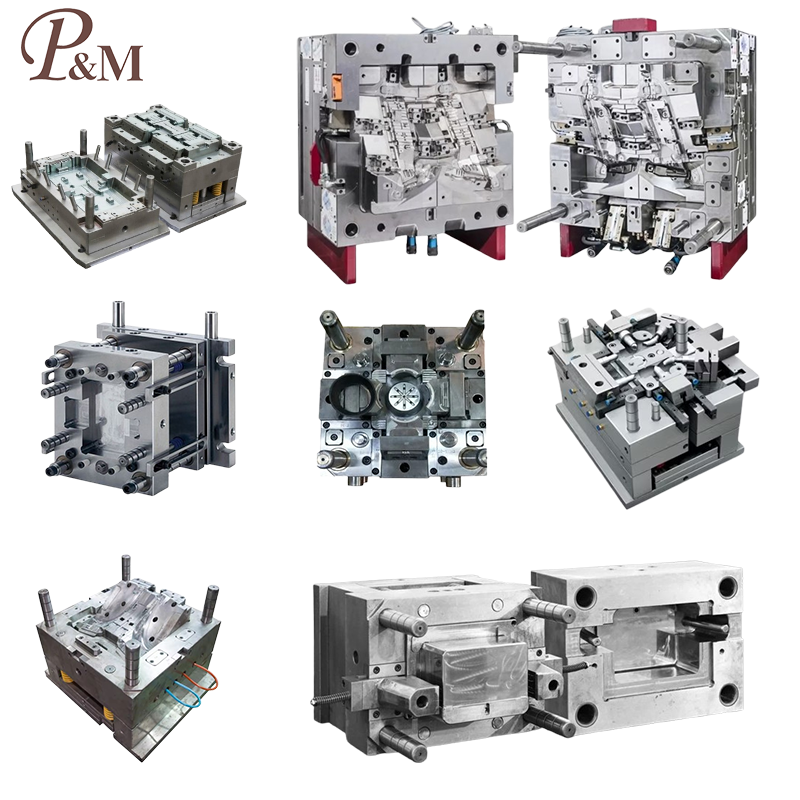
In practical applications, P20 steel is one of the most widely used materials. It is a pre-hardened mold steel that can be machined directly without additional heat treatment. With good machinability and moderate hardness, P20 is commonly used for medium-volume production molds, especially for products with relatively simple structures or lower surface requirements, such as household items and containers. Its balanced cost and performance make it a popular choice.
For applications requiring better surface finish or mirror polishing, 718 steel is often preferred. As an upgraded version of P20, 718 offers higher purity and better uniformity, resulting in superior polishing performance. It is widely used for transparent parts, optical components, and products with high surface quality requirements.
In cases where corrosion resistance is critical—such as when processing glass fiber-filled materials or manufacturing medical and food-related products—S136 stainless mold steel is commonly selected. S136 provides excellent corrosion resistance and outstanding polishability, effectively preventing rust and extending mold life, making it ideal for high-precision and high-demand applications.
For molds requiring high wear resistance and long production runs, H13 steel is also a common choice. It offers high strength and excellent heat resistance, performing reliably under high-temperature or high-load conditions. However, compared to P20-type steels, H13 is more expensive and more difficult to machine.
In addition, for cost-sensitive or low-volume projects, materials such as 45# Steel are sometimes used for prototype molds or short production runs. These materials are economical and easy to process, but their wear resistance and lifespan are limited.
Overall, there is no “best” mold steel—only the most suitable one for a specific application. For small to medium production volumes, P20 or 718 can provide a good balance between cost and performance. For high-gloss or transparent products, S136 is a safer choice. For high-volume production or abrasive materials, higher-grade steels such as H13 should be considered.
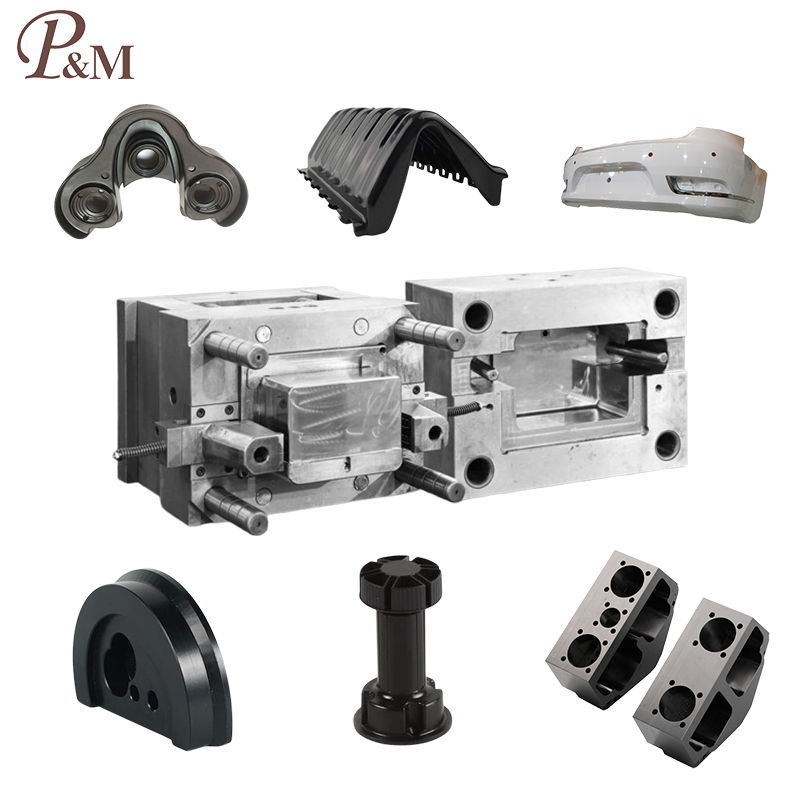
In real-world projects, selecting the right mold material not only reduces initial tooling investment but also minimizes maintenance costs and improves production stability. Therefore, clear communication between the engineering team and clients regarding product requirements, material properties, and expected production volume is essential to achieving the best balance between cost and performance.