
Why Is Assembly Toy Molding a Game-Changer in Modern Manufacturing
Article Summary: Assembly toy molding is revolutionizing the toy manufacturing industry by combining precision, efficiency, and creativity. This blog explores the process, materials, benefits, challenges, and future trends of assembly toy molding, while highlighting P&M's expertise in delivering high-quality molded toys. Whether you are a manufacturer, designer, or investor, this guide provides comprehensive insights into this booming sector.
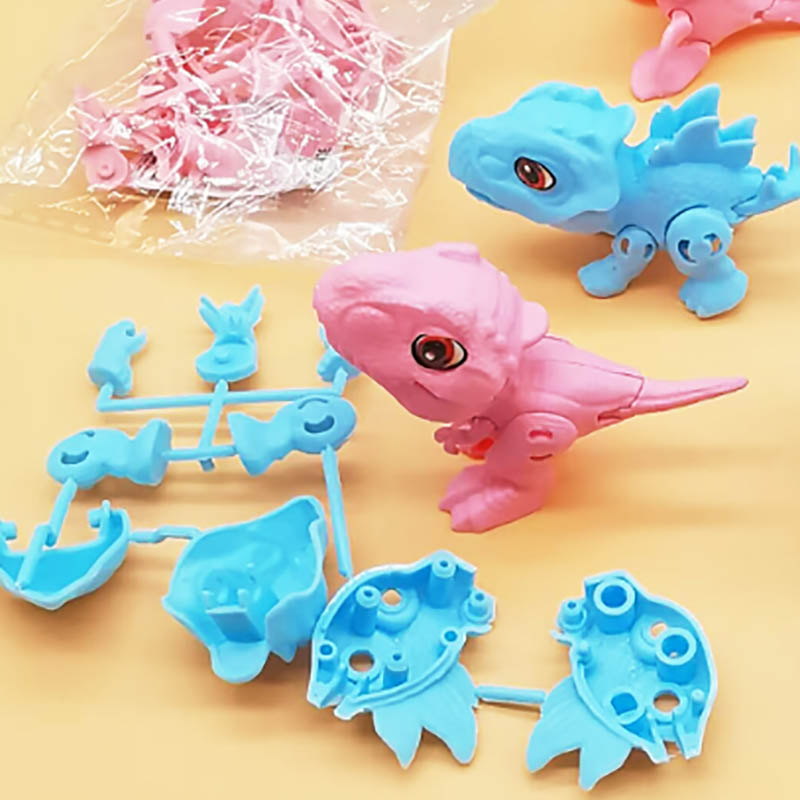
Table of Contents
- What is Assembly Toy Molding?
- Key Materials Used in Assembly Toy Molding
- The Manufacturing Process of Assembly Toy Molding
- Benefits of Assembly Toy Molding
- Common Challenges in Assembly Toy Molding
- Industry Trends and Future of Assembly Toy Molding
- Frequently Asked Questions
What is Assembly Toy Molding?
Assembly toy molding is a manufacturing technique where multiple parts of a toy are molded separately and then assembled to form a complete product. This method allows for intricate designs, improved quality, and flexibility in toy production. Companies like P&M specialize in precision molding that meets international safety and quality standards.
Unlike traditional single-piece molding, assembly toy molding enables manufacturers to:
- Create complex designs with movable parts.
- Use multiple materials for different parts.
- Ensure higher durability and safety for children.
Key Materials Used in Assembly Toy Molding
The choice of materials in assembly toy molding significantly affects the toy's durability, safety, and appearance. Common materials include:
| Material | Characteristics | Common Use |
|---|---|---|
| ABS Plastic | Strong, durable, impact-resistant | Action figures, construction toys |
| Polypropylene (PP) | Lightweight, flexible, chemical-resistant | Building blocks, educational toys |
| Polyethylene (PE) | Soft, safe for children, inexpensive | Outdoor toys, ride-ons |
| Thermoplastic Elastomer (TPE) | Soft-touch, flexible, safe | Figurines, interactive toys |
The Manufacturing Process of Assembly Toy Molding
Assembly toy molding typically involves the following steps:
- Design & Prototyping: Using CAD software to design toy parts and create prototypes.
- Injection Molding: Melting plastic pellets and injecting them into molds for individual parts.
- Cooling & Demolding: Parts are cooled and removed from molds carefully to maintain quality.
- Assembly: Parts are snapped, screwed, or glued together according to design specifications.
- Quality Inspection: Each toy undergoes strict quality checks for safety, durability, and appearance.
- Packaging: Final toys are packaged for shipment and retail.
P&M ensures every step is optimized for efficiency and high-quality results, meeting global standards in toy manufacturing.
Benefits of Assembly Toy Molding
Assembly toy molding provides numerous advantages for manufacturers and consumers alike:
- Precision: Enables detailed, complex toy designs.
- Flexibility: Allows mixing materials for different parts of a toy.
- Cost-Efficiency: Reduces waste by molding individual components.
- Safety: Meets stringent international toy safety standards.
- Durability: Produces toys that can withstand heavy use by children.
Common Challenges in Assembly Toy Molding
Despite its advantages, assembly toy molding also presents challenges:
- Tooling Costs: High initial investment in molds for multiple parts.
- Complex Assembly: Requires precise assembly lines to maintain product quality.
- Material Compatibility: Some materials may not bond well or behave differently under stress.
- Time-Consuming Design Changes: Adjustments in one part may affect overall assembly.
P&M addresses these challenges through advanced technology, skilled workforce, and quality control measures to ensure seamless production.
Industry Trends and Future of Assembly Toy Molding
The assembly toy molding industry is evolving rapidly, with several key trends shaping its future:
- Eco-Friendly Materials: Increasing use of biodegradable and recyclable plastics.
- Smart Toys: Integration of electronics and connectivity for interactive experiences.
- 3D Printing: Rapid prototyping and small-scale production are enhancing customization.
- Automation: Robotics and AI streamline assembly processes and reduce errors.
Companies like P&M are at the forefront of these innovations, providing manufacturers with cutting-edge assembly toy molding solutions.
Frequently Asked Questions
1. What types of toys are suitable for assembly toy molding?
Assembly toy molding is ideal for action figures, educational toys, building blocks, and any toys that require multiple parts or movable components.
2. How long does the assembly toy molding process take?
The timeline varies depending on design complexity, but typical production runs can take from several weeks to a few months.
3. Is assembly toy molding safe for children?
Yes, when conducted by reputable manufacturers like P&M, the toys comply with international safety standards such as ASTM and EN71.
4. Can multiple materials be used in one toy?
Absolutely. Different parts can be molded from materials best suited to their function, such as rigid plastics for structure and soft plastics for safety.
5. How can P&M help with assembly toy molding?
P&M offers full-service molding solutions, from design and prototyping to production and quality control, ensuring high-quality toys that meet international standards.
In conclusion, assembly toy molding is transforming the toy manufacturing landscape by enabling complex designs, safe materials, and efficient production. Companies like P&M provide expert solutions that meet the needs of modern manufacturers. For more information on how we can elevate your toy production, contact us today and explore innovative molding solutions that bring your designs to life.