
Home
>
Product > Electronic Appliances and Instruments > Bathroom Appliances > Bath towel heating rod Moulding
Product
- Core Customization Service
- Health Care
- Electronic Appliances and Instruments
- Maternal and Child Supplies Molds
- Recreational Sports
- Home Furnishing Art
- Auto Accessories
- Transportation and Warehousing
- Lighting Fixtures
- Construction Equipment
- Packaging Product
- Educational & Laboratories
- Clothing Luggage Accessories
- Care and Cleaning Products
- Agriculture & Forestry
- Mechanical Equipment
- Pet Supplies
- Kitchenware
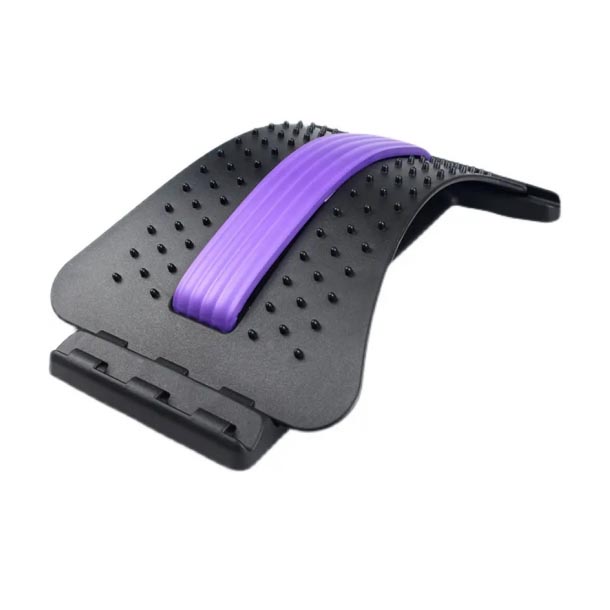
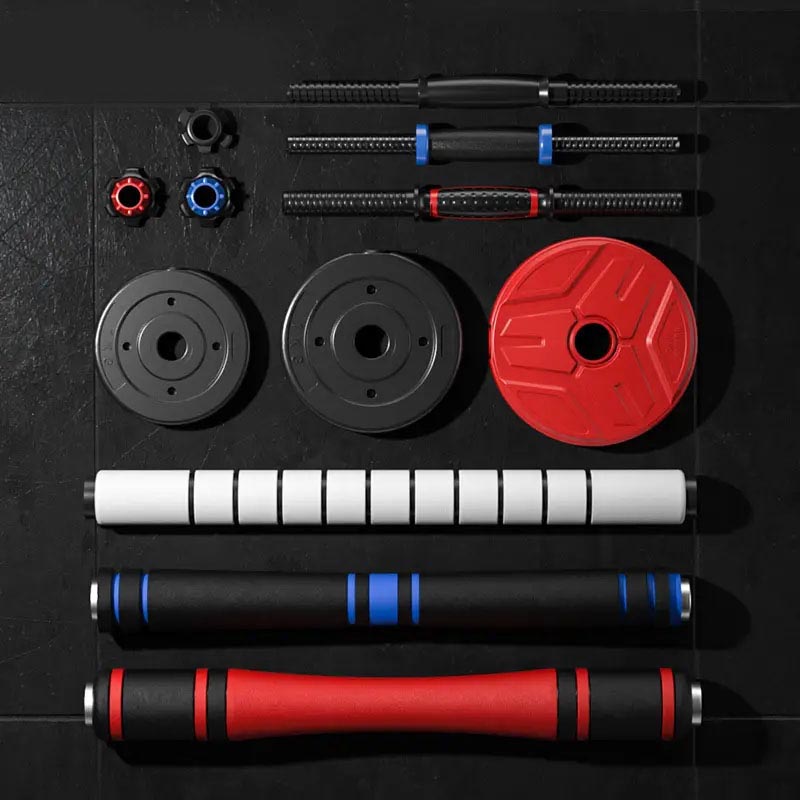
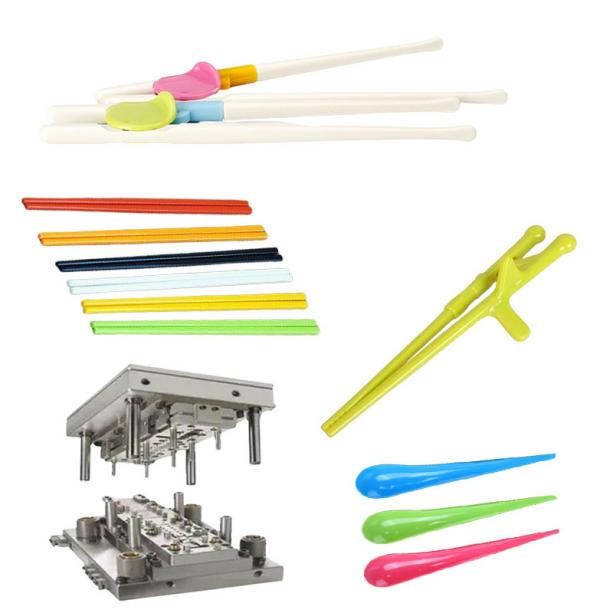
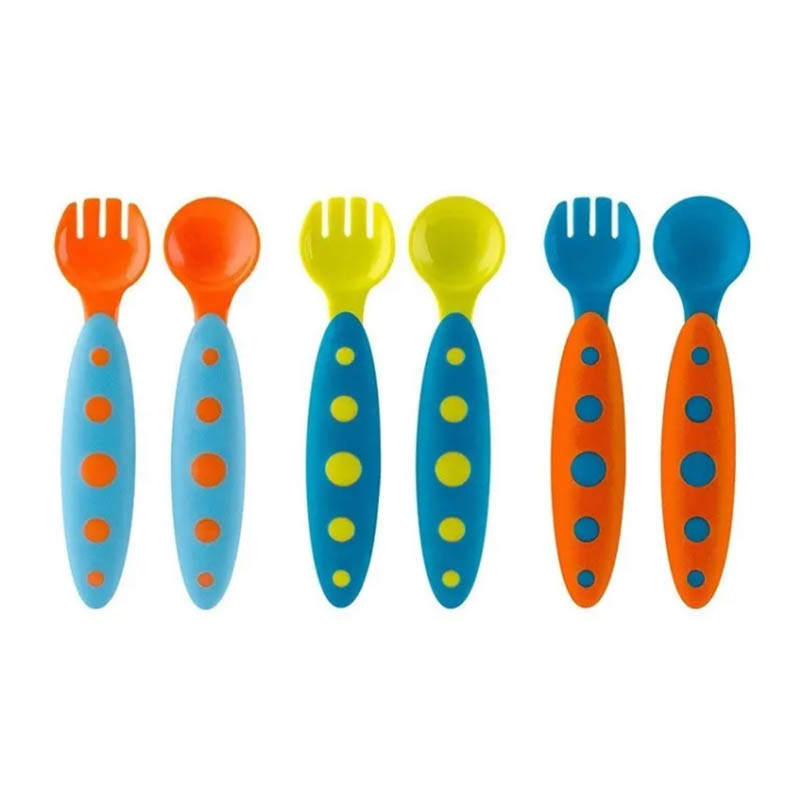


Bath towel heating rod Moulding
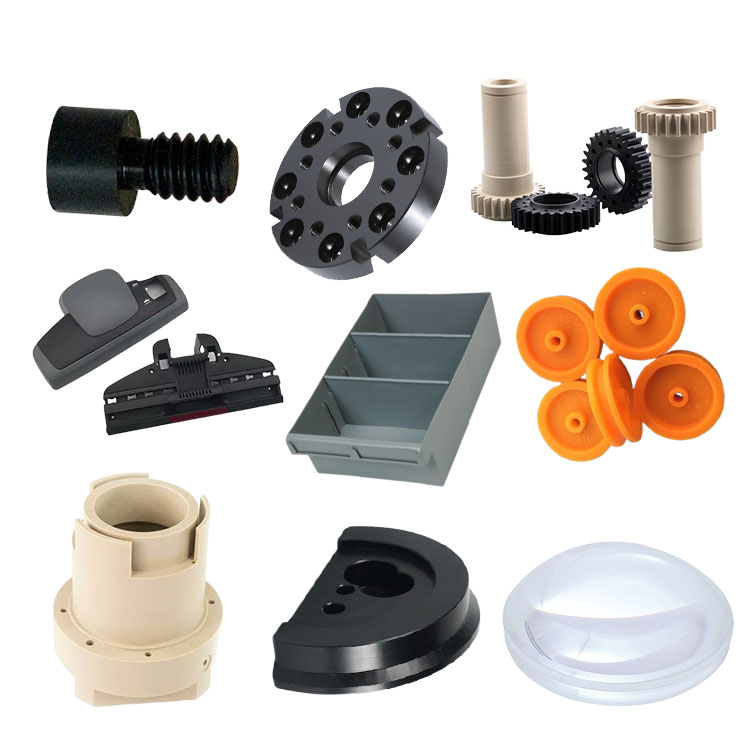
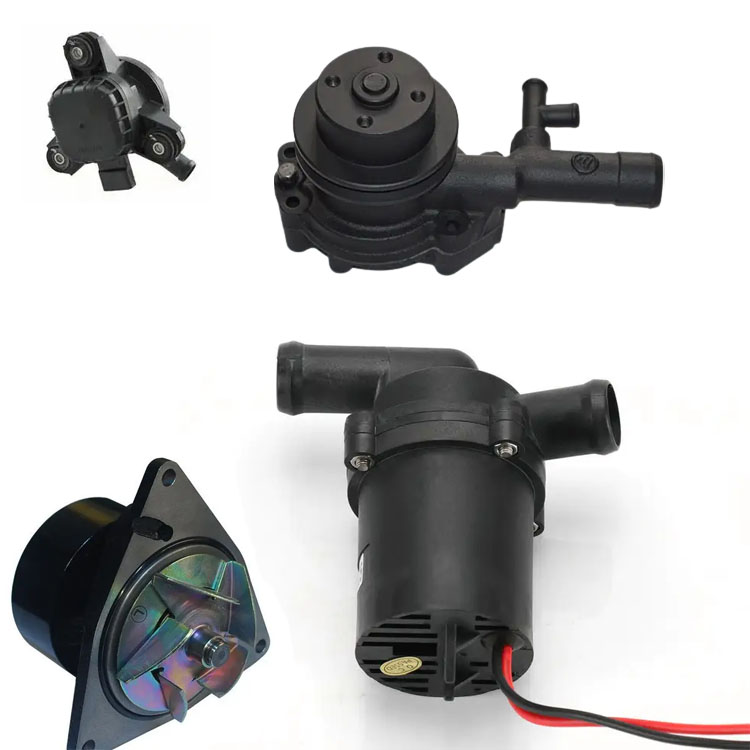
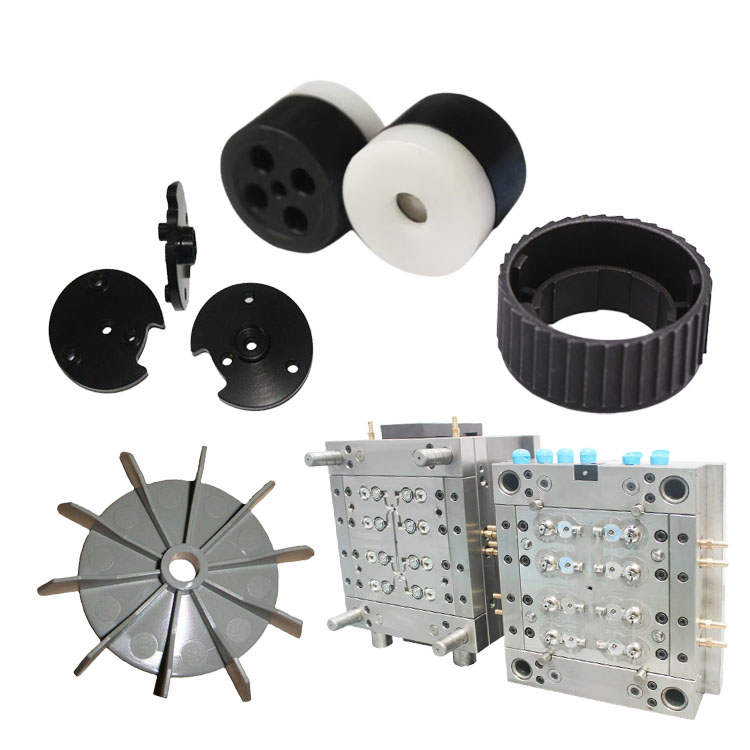
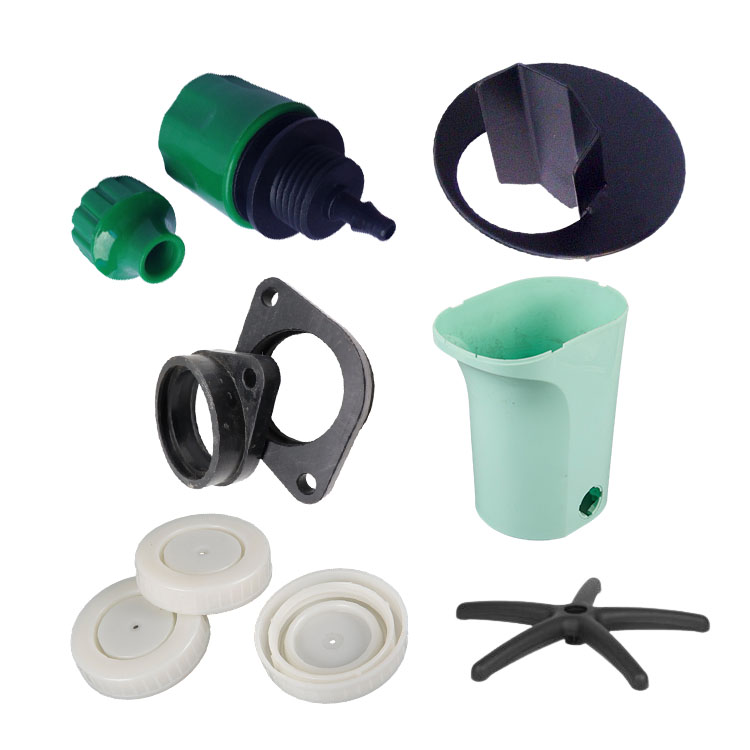
Ningbo (P&M) Plastic Metal Products Co., Ltd. has 17 years of mold manufacturing technology and can customize Bath towel heating rod moulding. We provide professional customized Bath towel heating rod moulding services, and we are a professional Bath towel heating rod moulding manufacturer. We have sufficient experience in selecting product raw materials and mold materials. In the process of customizing Bath towel heating rod moulding, our factory can provide one-stop service. We have design and production capabilities related to Bath towel heating rod moulding, such as: CAD design, mold manufacturing, injection molding, plastic product production, assembly and other technologies.
Send Inquiry
Product Description
In addition, our company has established cooperative relationships with plastic raw material suppliers, printing manufacturers, etc. to ensure the supply of raw materials and printing quality. Through our rich experience and perfect supply chain, our company can provide customers with high-quality customized Bath towel heating rod moulding products to meet their specific needs. At the same time, we have 10 years of professional foreign trade service experience, understand the foreign trade process, and better serve our customers. For Bath towel heating rod moulding products, we can make corresponding plastic parts, which is mainly done through injection molds.


As a common heating and storage fixture in bathrooms, the plastic components of a heated towel rail—including end caps, mounting bases, junction boxes, thermostat housings, bracket sleeves, and decorative covers—are constantly exposed to a humid, warm environment. Consequently, these components demand high standards regarding heat resistance, moisture resistance, electrical insulation, dimensional stability, and surface aesthetics. The injection molding process must be centered on core requirements such as heat resistance, moisture protection, insulation, and assembly precision. This entails establishing a comprehensive set of control protocols—spanning raw material selection, mold design, processing parameters, post-processing, and quality inspection—to ensure that the final product is safe, reliable, aesthetically consistent, and capable of withstanding long-term use without deformation or cracking.
Raw material selection must satisfy a dual standard of both heat resistance and safety. Depending on the specific application area, primary structural components—such as bases and end caps—should ideally be fabricated from heat-resistant modified ABS, reinforced PP, or heat-resistant nylon. Components such as junction boxes and thermostat housings, which are critical to electrical safety, must be manufactured using flame-retardant grade materials to comply with relevant electrical safety regulations. All materials utilized must exhibit excellent heat resistance, capable of withstanding continuous operating temperatures ranging from 40°C to 70°C without softening, deforming, or releasing harmful substances. Furthermore, they must possess superior hydrolysis resistance to adapt to the high-humidity environment of a bathroom, thereby preventing dimensional changes or cracking caused by moisture absorption. Hygroscopic materials must be thoroughly dried prior to processing; specifically, heat-resistant ABS requires drying at 75–85°C for 2–4 hours, while nylon materials require drying at 80–90°C for 4–6 hours. This drying process is essential to prevent post-molding defects such as bubbles, silver streaks, or internal voids. The use of recycled materials or mixed-grade scraps is strictly prohibited to ensure the stability of the material's mechanical properties, thereby guaranteeing both structural integrity during installation and overall operational safety.
Mold design must strike a balance between structural precision and long-term production stability. The plastic components of heated towel rails often feature symmetrical structures, with circular or irregular cross-sections; some components also incorporate threads, snap-fit features, or mounting holes. Consequently, the mold cavities must be engineered to ensure high dimensional accuracy and excellent concentricity, thereby preventing eccentricity or misalignment issues that could compromise proper assembly. Furthermore, sealing surfaces and mating surfaces must undergo mirror polishing to prevent the formation of sink marks or surface pits, which could otherwise lead to excessive assembly gaps or compromised sealing performance. The cooling system should be distributed uniformly, with enhanced cooling applied to areas of greater wall thickness to minimize warping and deformation caused by uneven shrinkage, thereby ensuring a tight fit between the plastic component and the metal heating rod body. Gate locations must be selected judiciously; priority should be given to submarine gates or pin-point gates to prevent visible marks on cosmetic surfaces while simultaneously ensuring smooth melt flow during filling. Weld lines should be positioned away from load-bearing areas and cosmetic surfaces. Adequate vent grooves must be incorporated into the parting lines and deep cavity areas to prevent air entrapment, which can lead to issues such as scorching, short shots, or insufficient weld- line strength. The mold itself must possess sufficient rigidity to prevent mold expansion and flash formation under high injection pressures, which would otherwise compromise both the aesthetic appearance and assembly fit.
Injection molding process parameters must be strictly controlled to ensure the density and stability of the plastic components. Barrel temperatures should be set in zones based on material characteristics: heat-resistant ABS is typically controlled between 200–230°C, reinforced PP between 180–210°C, and heat-resistant nylon between 230–270°C. The nozzle temperature should be set slightly lower than the final barrel zone to prevent drooling and stringing. Injection pressure should be adjusted according to the structural complexity of the part, generally ranging from 70 to 120 MPa, to ensure complete cavity filling—particularly ensuring that fine features such as snap-fits and ribs are free from short shots or sink marks. Injection speed should be controlled in stages: high speeds should be used to fill thin-walled sections, while lower, steady speeds should be applied to cosmetic surfaces and deep cavity areas to minimize jetting marks and voids. The holding pressure phase is particularly critical; the holding pressure should be set at 50–70% of the injection pressure, and the holding time should be determined by the wall thickness to fully compensate for melt shrinkage and prevent surface depressions or uneven wall thickness. The cooling time must be sufficient to allow the plastic component to fully solidify and set, thereby reducing internal stresses and preventing deformation or dimensional spring-back after demolding. Screw speed and back pressure should be maintained at moderate levels to ensure uniform melt plasticization and prevent material degradation or discoloration caused by excessive shear heating.
The aesthetic appearance and surface quality of the components must meet the specific requirements for sanitary ware products. The surface of the plastic component should be smooth, flat, and uniform in color, free from defects such as black spots, streaks, scratches, bubbles, or sink marks; furthermore, there must be no color variation between products within the same production batch. Exposed decorative components must be free of visible weld lines or gate marks; flash and burrs must be thoroughly removed. For products with matte or textured finishes, the surface texture must be clear and uniform, without localized glossy spots or missing texture areas. As the product is intended for long-term use in a humid environment, its surface must be free of sharp corners or burrs to prevent scratching clothing or causing bodily injury, while also minimizing dirt accumulation and bacterial growth. During the production process, molds must be kept clean; cavities, vents, and runners should be cleaned regularly to prevent defects in appearance caused by cold slugs, oil stains, or carbon deposits.
Dimensional accuracy and assembly performance are core requirements for the molding process. The plastic components for heated towel rails typically interface with metal rods, mounting brackets, and electrical components; critical dimensions—such as inner diameters, mounting hole spacing, latch positions, and thread sizes—must be strictly controlled within specified tolerances to ensure smooth assembly and uniform gaps. Plastic parts must be free of defects such as warping, twisting, or eccentricity; otherwise, these issues could lead to loose mounting, misaligned fits, or compromised sealing integrity. Load-bearing components, such as bases and mounting brackets, require a dense internal structure free of voids to ensure sufficient strength and toughness, preventing cracking or detachment under conditions of prolonged load-bearing and temperature fluctuation. Electrical components, such as junction boxes, must maintain structural integrity regarding insulation to prevent safety hazards caused by thin walls or sink marks.
Post-processing and quality inspection procedures must adhere to standardized protocols. Immediately after demolding, gates, runners, and flash must be removed, and visible surfaces trimmed without damaging critical mating features. Components prone to deformation may be corrected using dedicated sizing fixtures; if necessary, annealing treatments should be applied to relieve internal stresses and enhance dimensional stability. The inspection process encompasses visual checks, dimensional measurements, fit testing, and spot checks for heat resistance. Each part must be individually inspected for visual defects, and critical assembly dimensions verified using precision measuring instruments. Sampling tests involving exposure to high temperatures should be conducted to check for deformation or discoloration under heat stress, and structural components subjected to simple load tests to ensure they meet strength requirements. Non-conforming parts must be segregated; recyclable scrap material may be blended back into the production stream in limited quantities—provided it does not compromise product performance—but defective parts are strictly prohibited from entering the final assembly stage.
We are a Bath towel heating rod moulding manufacturer, providing high-quality Bath towel heating rod moulding manufacturing. As long as you want to customize/develop Bath towel heating rod moulding products, you can find us. We have professional injection mold design and mature manufacturing technology, providing you with one-stop service, from product design-mold making-product production-product packaging-product transportation, we can help you in every link. As long as you come to us, we will provide you with the ultimate service and satisfy you in terms of product quality, production time, information dialogue, etc.
|
Product Name |
Treadmill moulding |
|
Pls provide |
2D, 3D, samples, or the size of the multi-angle pictures |
|
Mould Time |
20-35 Days |
|
Product time |
7-15 Days |
|
Mould precision |
+/-0.01mm |
|
Mould life |
50-100 million shots |
|
Producing Process |
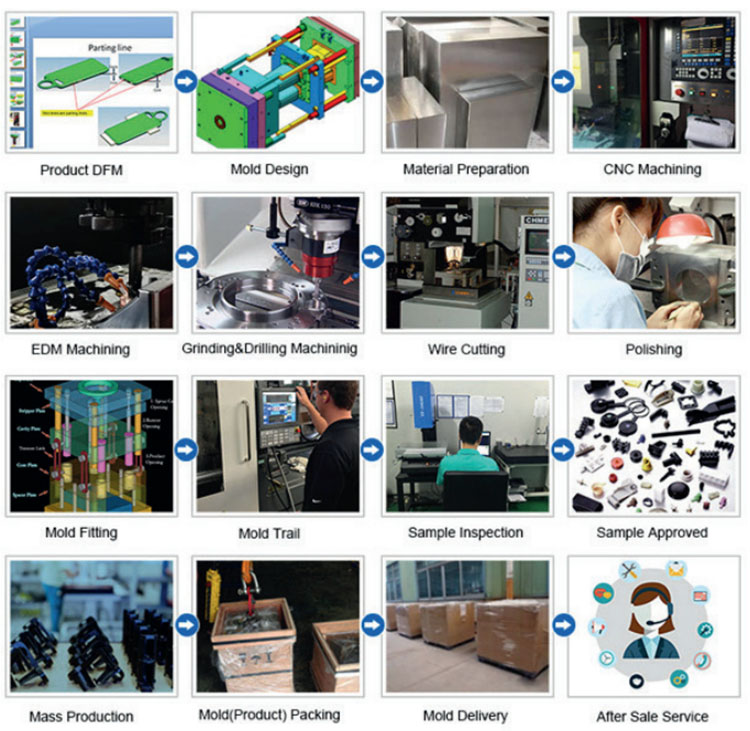
Audit drawings - mold flow analysis - design validation - Custom Materials - mold processing - core processing - electrode machining - Runner system processing - parts processing and procurement - machining acceptance - cavity surface treatment process - complex mode Die - The entire mold surface coating - Mounting plate - mold sample - sample test - sending samples |
|
Mould cavity |
One cavity, multi-cavity or same different products be made together |
|
Mould material |
P20,2738,2344,718,S136,8407,NAK80,SKD61,H13 |
|
Runner system |
Hot runner and cold runner |
|
Base material |
P20,2738,2344,718,S136,8407,NAK80,SKD61,H13 |
|
Finish |
Pitting the word, mirror finish, matte surface, striae |
|
Standard |
HASCO, DME or dependent upon |
|
Main technology |
Milling, grinding, CNC, EDM, wire cutting, carving, EDM, lathes, surface Finish, etc. |
|
Software |
CAD,PRO-E,UG Design Time: 1-3 days (normal circumstances) |
|
Product material |
ABS,PP,PC,PA6,PA66,TPU,POM,PBT,PVC,HIPS,PMMA,TPE,PC/ABS,TPV,TPO,TPR,EVA,HDPE,LDPE,CPVC,PVDF,PPSU.PPS. |
|
Quality system |
ISO9001:2008 |
|
Establish time |
20days |
|
Equipment |
CNC,EDM,Cutting off Machine,plastic machinery,etc plastic suitcase mould zhe jiang |
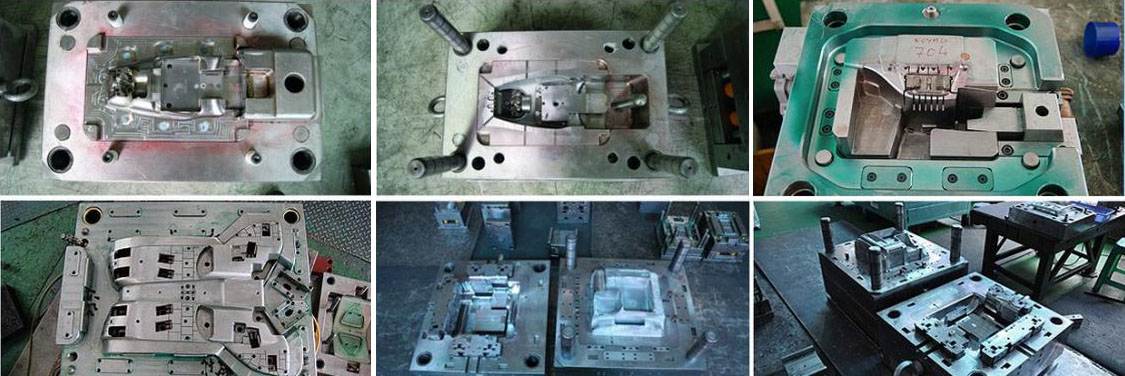
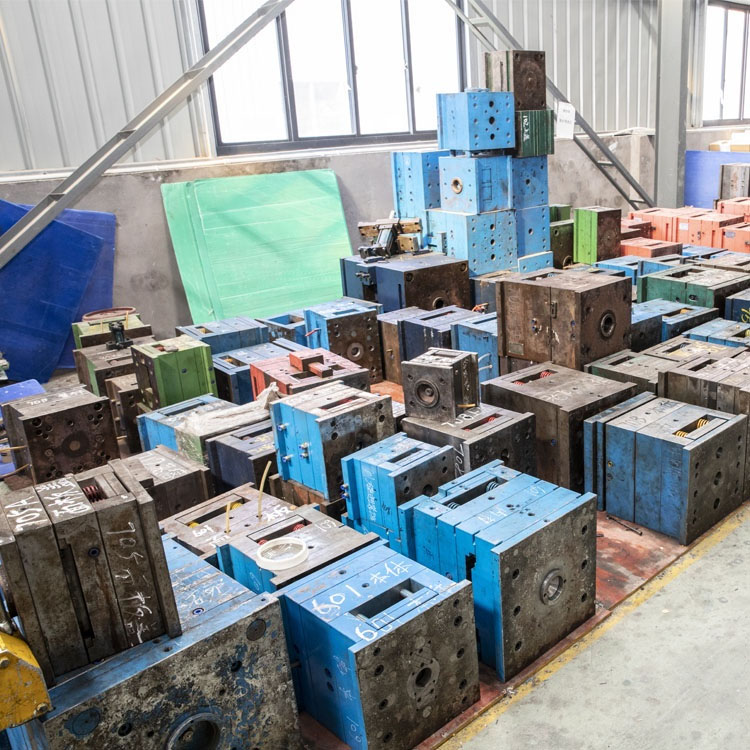
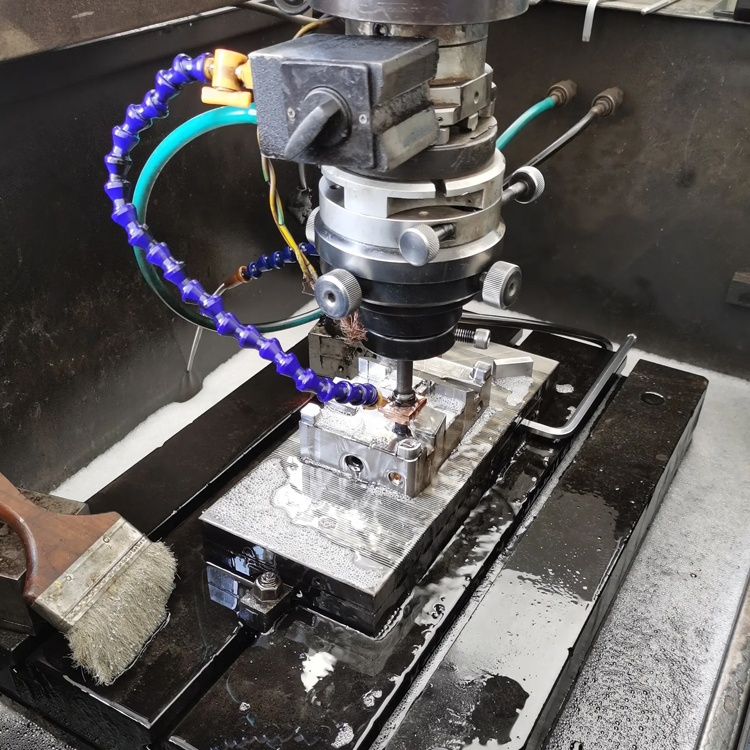
Plastic Injection Mould making
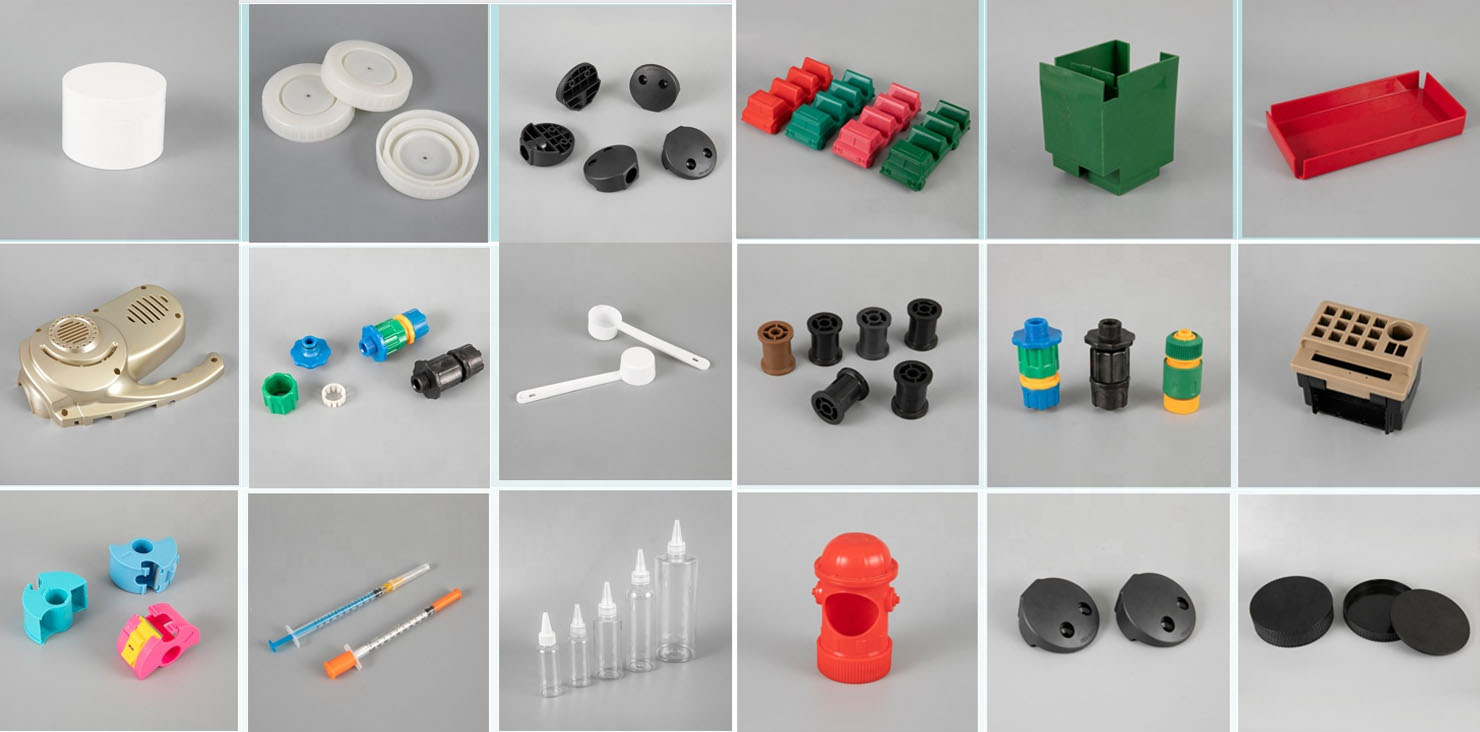
Plastic molding specifications
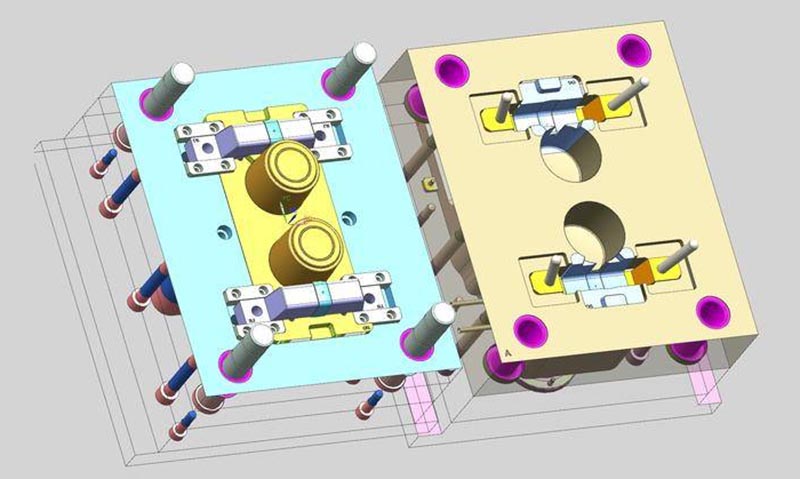
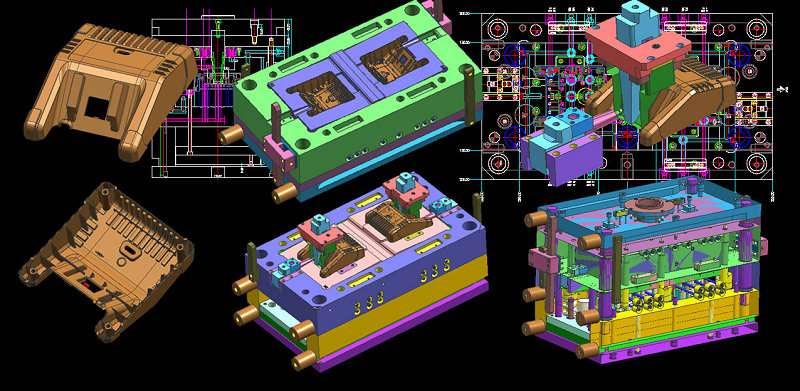
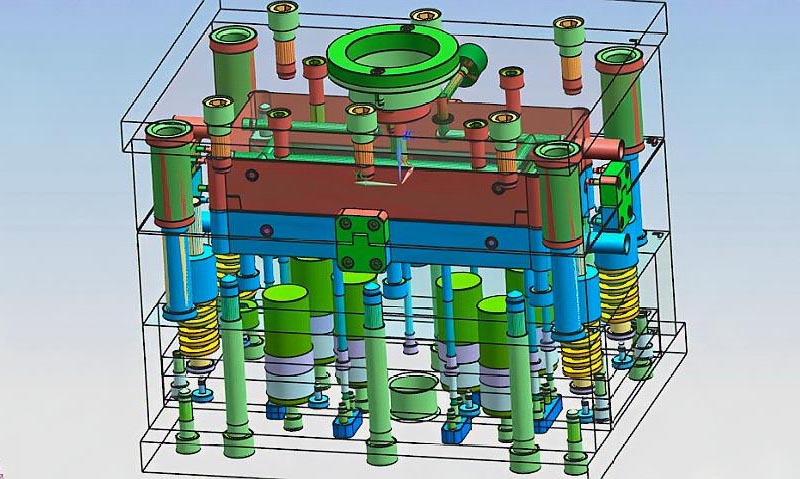
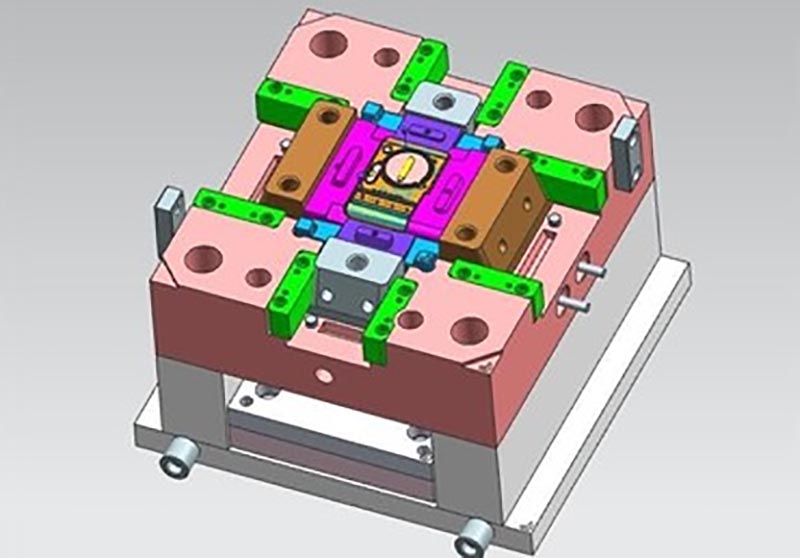
Mold design:
Transaction process:
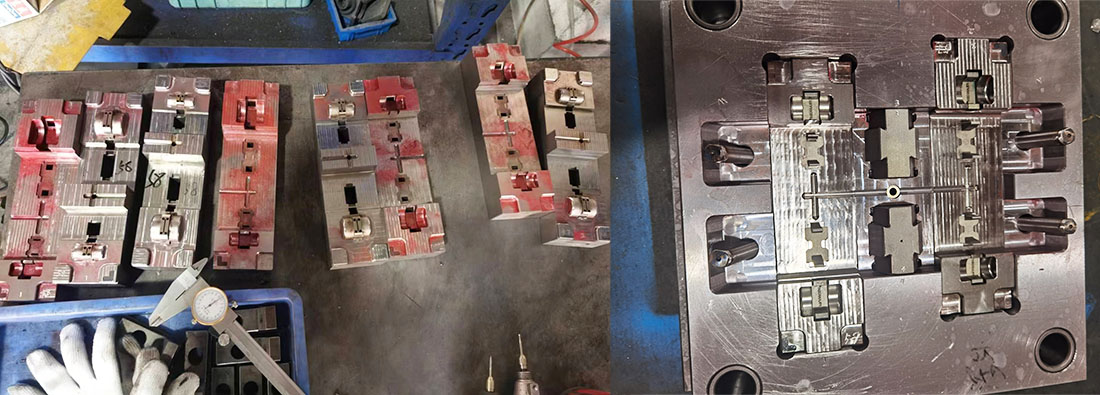
Mold testing:

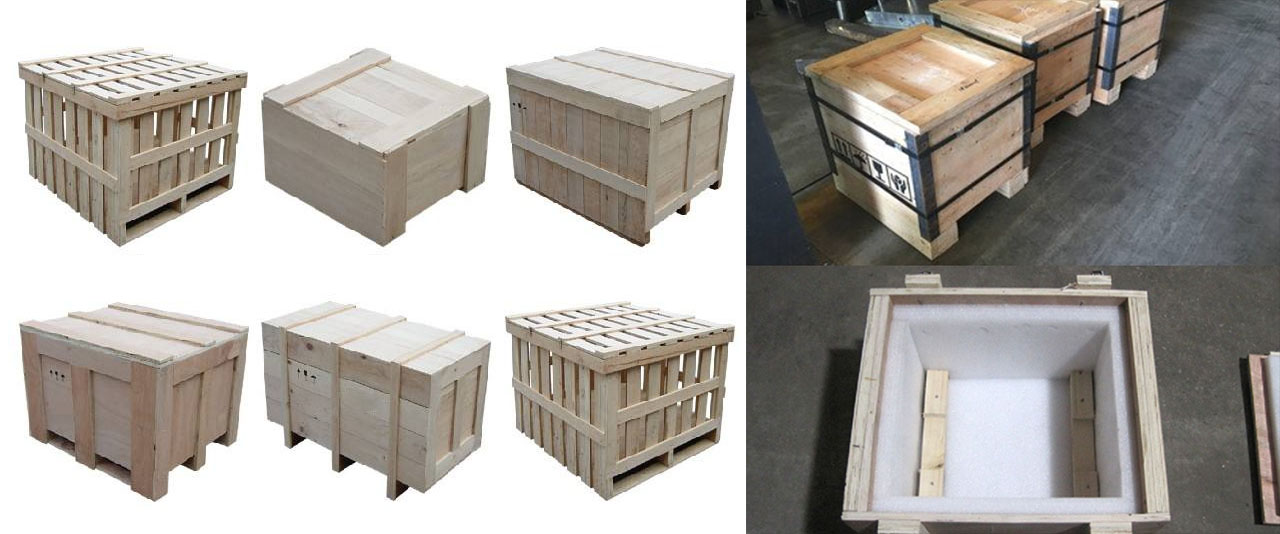
Product packaging
Factory
We are Custom Plastic Mold factory. Our factory is plastic injection mold maker. we has 17 years of experience in professional custom plastic mold and 10 years of foreign trade experience. We are custom Plastic Mold supplier. We can provide custom Plastic Mold service. Our factory can make the Injection molded plastic parts, and the quality of the products will satisfy you.
We have more than 50 high-end machines and hundreds of engineers and designers. We can provide one-stop service, from product design - mold making - product production - product packaging - transportation. We have a complete production chain. We can meet all your requirements.
Services we provide:
Professional custom mold service, Plastic mold design and manufacturing .plastic product production, product design, mold design, blow mold customization, rotational mold customization, die-casting mold customization. 3D printing services, CNC manufacturing services, product packaging, customized packaging, shipping services.
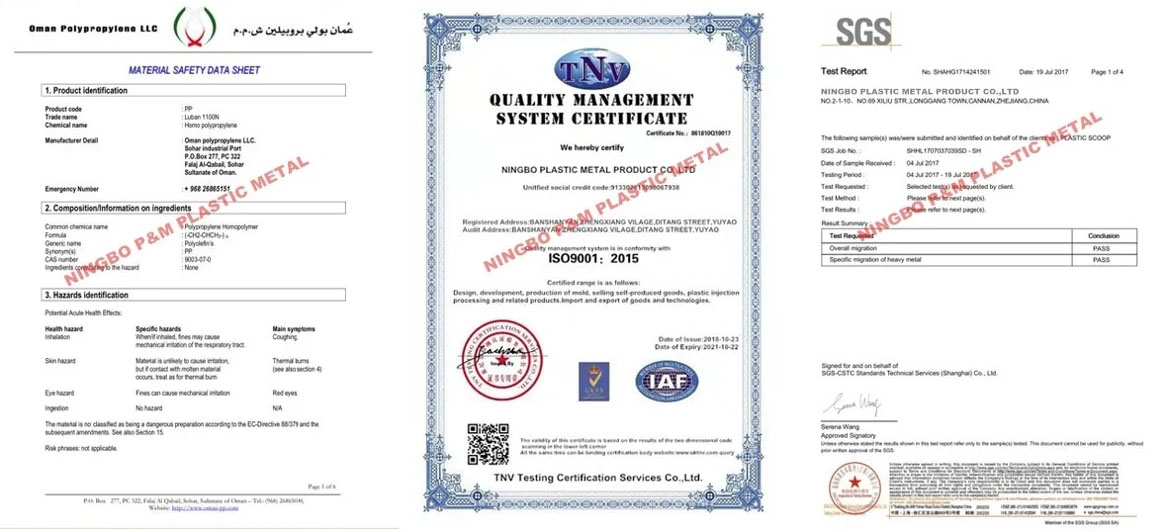

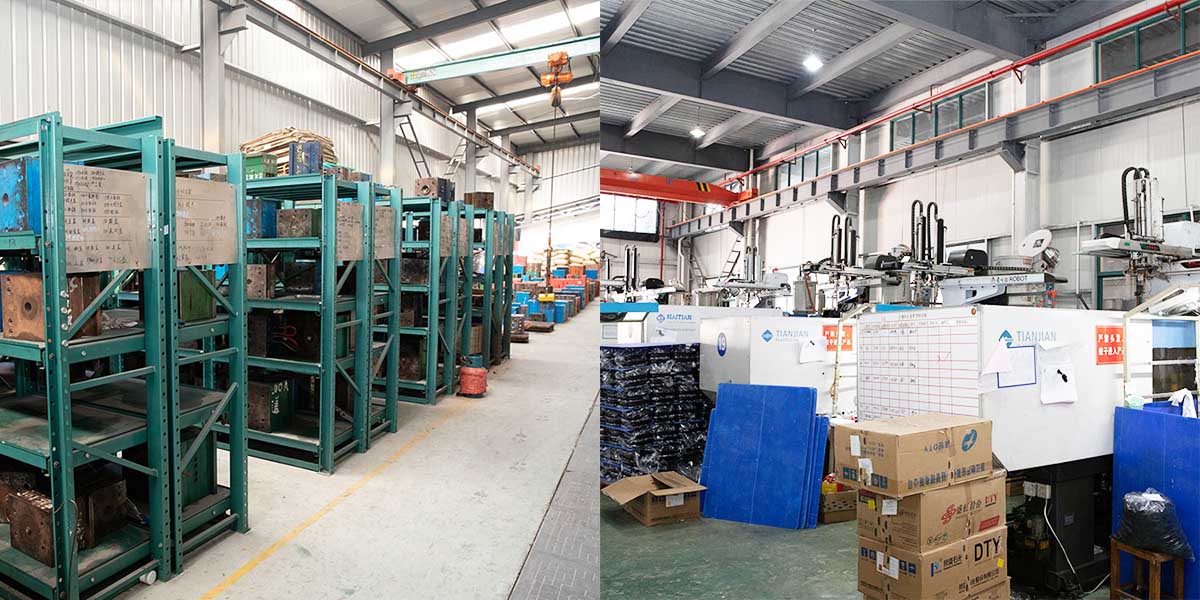
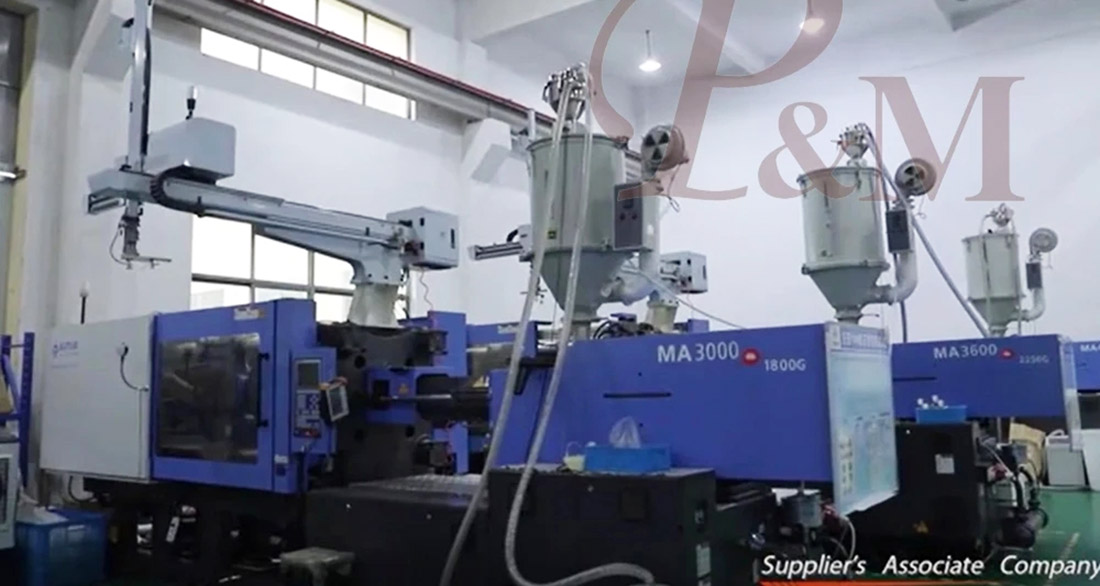
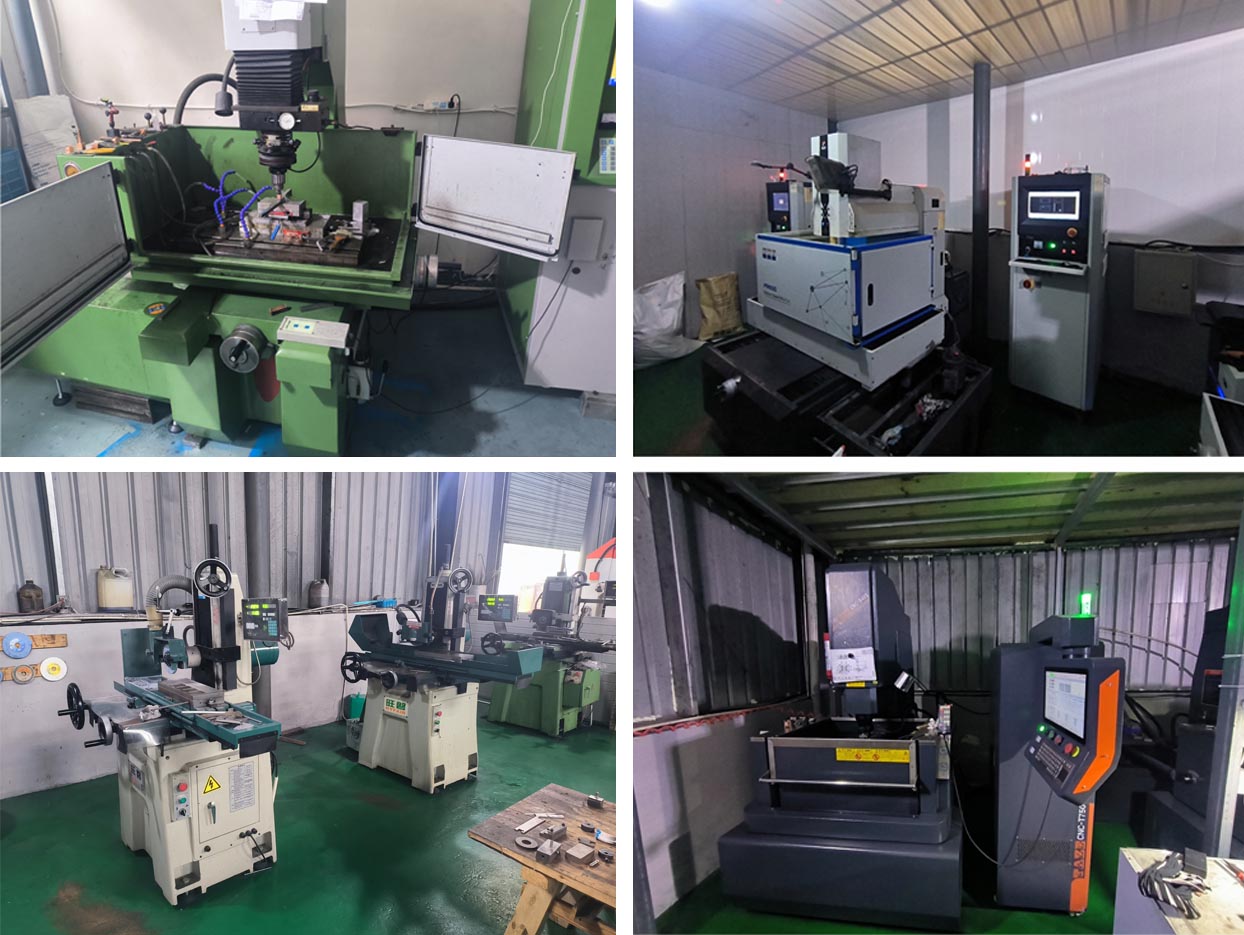
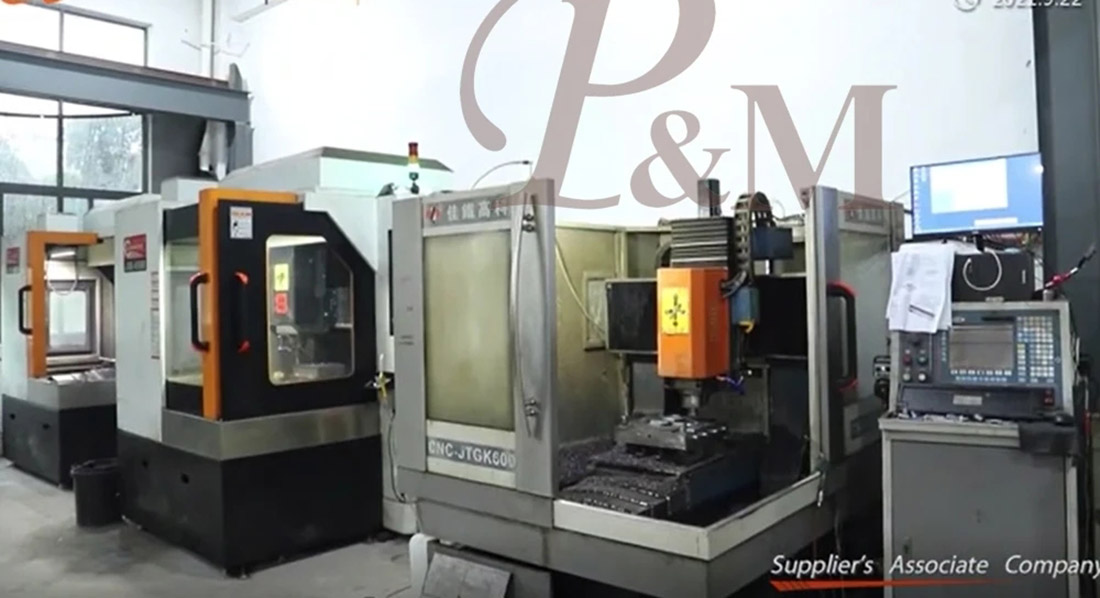
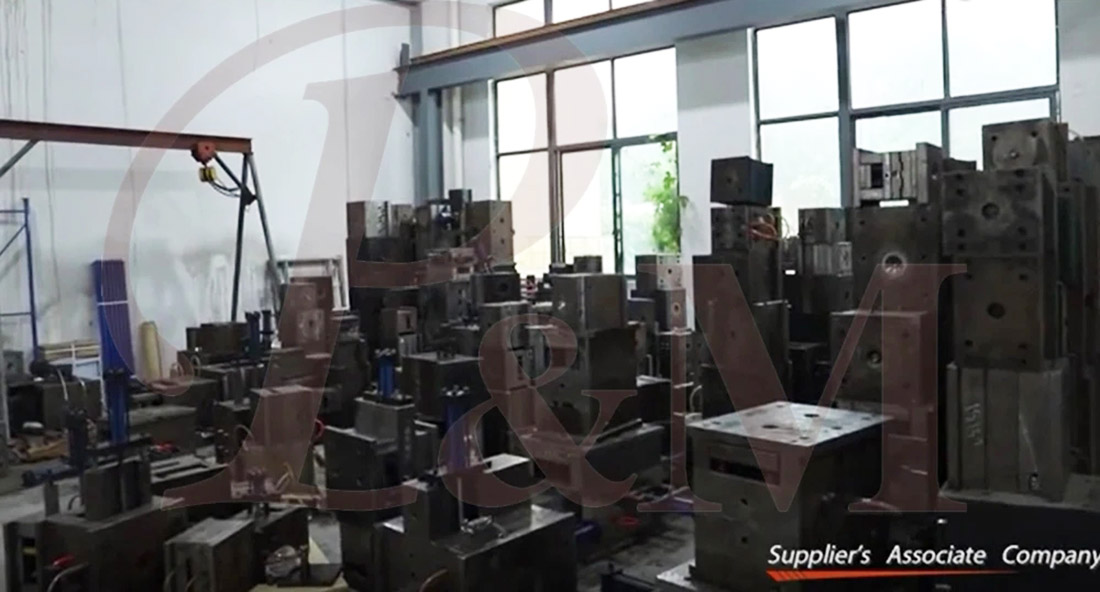
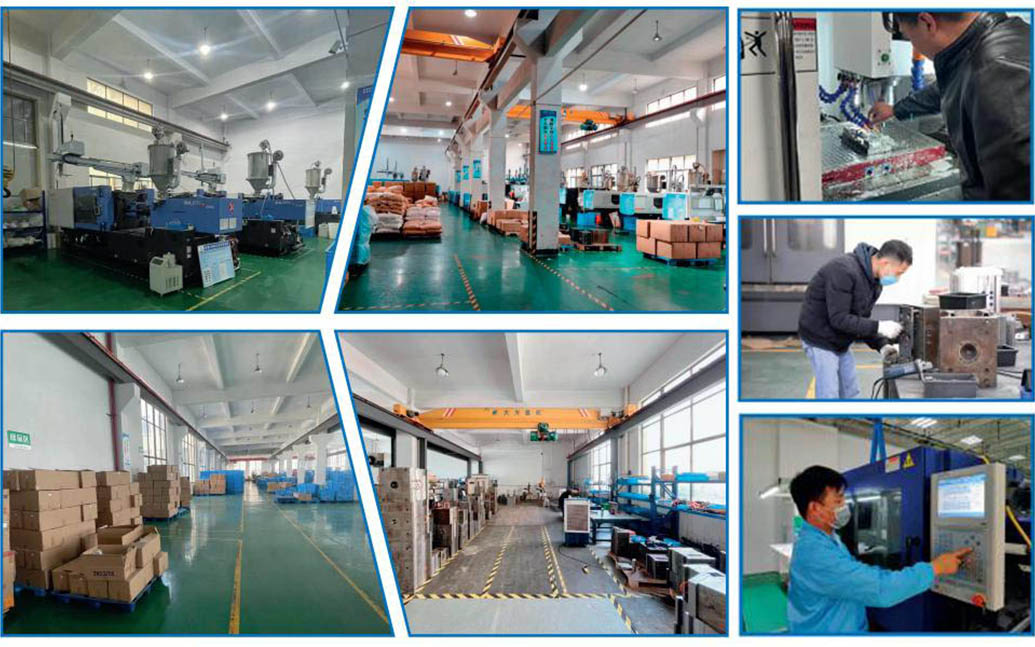
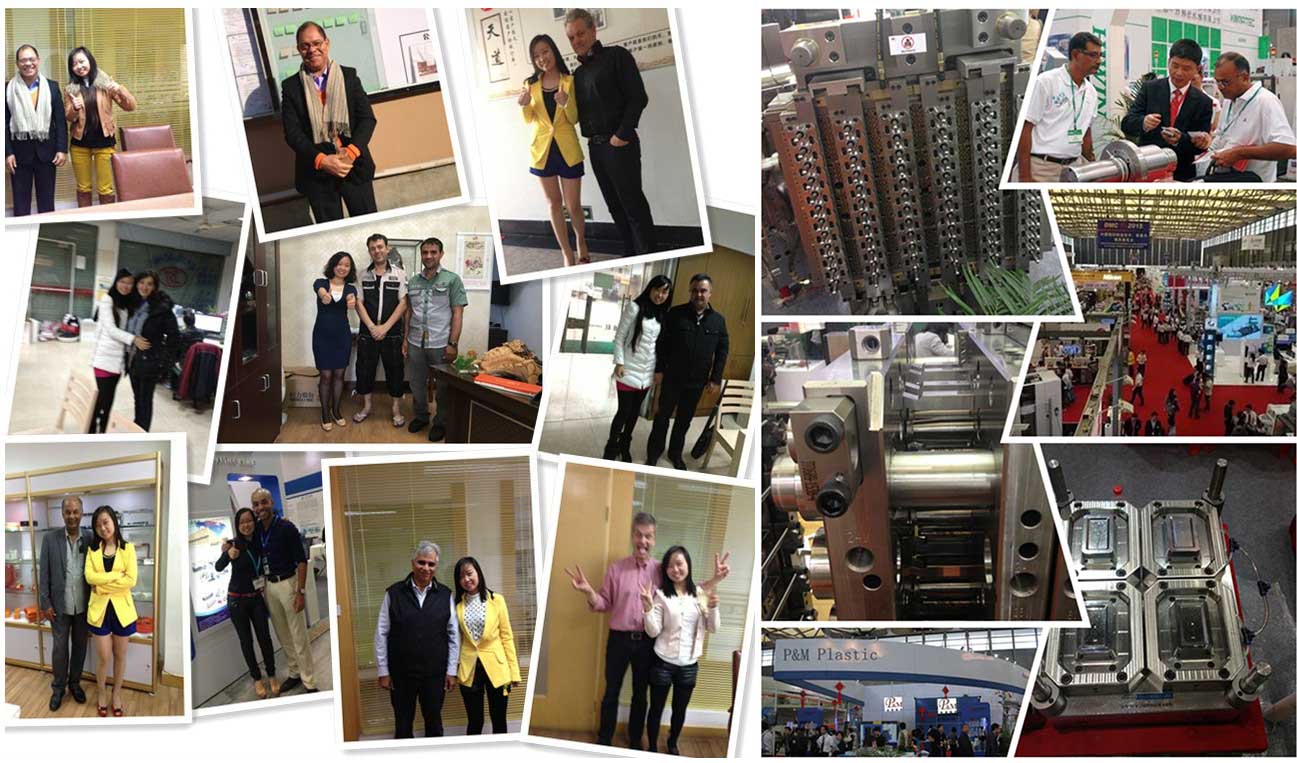
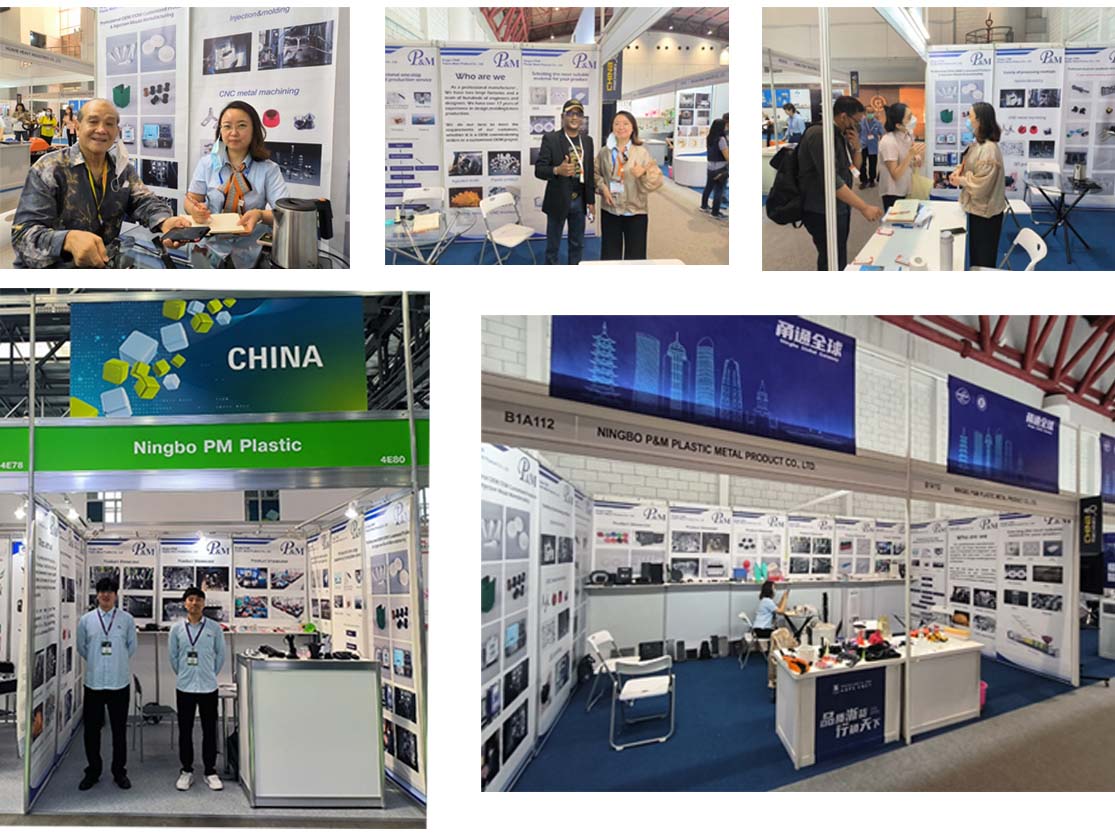
We always adhere to the principles of quality first and time first. While providing customers with the highest quality products, try to maximize the production efficiency and shorten production time. We are proud to tell every customer that our company has not lost any customer since its establishment.If there is a problem with the product, we will seek a solution actively and take responsibility to the end.

FAQ
Q1: Are you trading company or manufacturer ?
A: We are manufacturers.
Q2. When can I get the quotation?
A: We usually quote within 2 days after we get your inquiry.
If you are very urgent, please call us or tell us in your email so that we can quote for you first.
Q3. How long is the lead-time for mold?
A: It all depends on the products' size and complexity. Normally, the lead time is 25 days.
Q4. I have no 3D drawing, how should I start the new project?
A: You can supply us a molding sample, we will help you finish the 3D drawing design.
Q5. Before shipment, how to make sure the products quality?
A: If you don't come to our factory and also don't have the third party for inspection, we will be as your inspection worker.
We will supply you a video for production process detail include process report, products size structure and surface detail, packing detail and so on.
Q6. What is your payment terms?
A: Mold Payment: 40% deposit by T/T in advance, 30% second mold payment before sending out the first trial samples, 30% mold balance after you agree the final samples.
B:Production Payment: 50% deposit in advance, 50% before sending out the final goods.
Q7: How do you make our business long-term and good relationship?
A:1. We keep good quality and competitive price to ensure our customers benefit for best quality products.
2. We respect every customer as our friend and we sincerely do business and make friends with them, no matter where they come from.
Hot Tags: Bath towel heating rod Moulding, China, Manufacturer, Supplier, Factory, Customized, Wholesale, Buy, Quality, Latest Selling, Made in China
Related Category
Audio-Visual Appliances
Health Appliances
Home Appliances
Personal Necessities
Digital Appliances
Kitchen Appliances
Bathroom Appliances
Environmentally Friendly Appliances
Send Inquiry
Please feel free to give your inquiry in the form below. We will reply you in 24 hours.