
Home
>
Product > Electronic Appliances and Instruments > Bathroom Appliances > smart socket moulding
Product
- Core Customization Service
- Health Care
- Electronic Appliances and Instruments
- Maternal and Child Supplies Molds
- Recreational Sports
- Home Furnishing Art
- Auto Accessories
- Transportation and Warehousing
- Lighting Fixtures
- Construction Equipment
- Packaging Product
- Educational & Laboratories
- Clothing Luggage Accessories
- Care and Cleaning Products
- Agriculture & Forestry
- Mechanical Equipment
- Pet Supplies
- Kitchenware


smart socket moulding
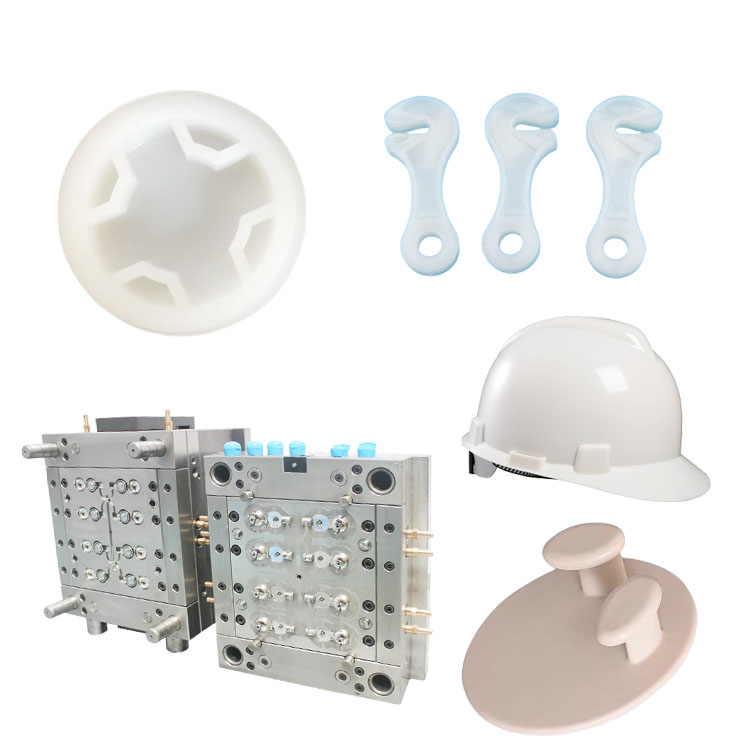
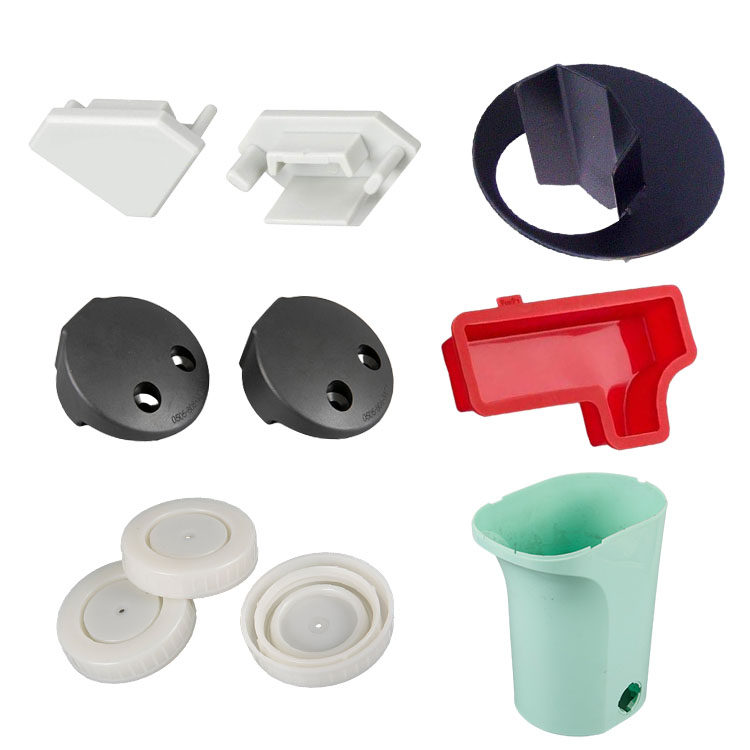
Ningbo (P&M) Plastic Metal Products Co., Ltd. has 17 years of mold manufacturing technology and can customize smart socket moulding moulding. We provide professional customized smart socket moulding moulding services, and we are a professional smart socket moulding moulding manufacturer. We have sufficient experience in selecting product raw materials and mold materials. In the process of customizing smart socket moulding moulding, our factory can provide one-stop service. We have design and production capabilities related to smart socket moulding moulding, such as: CAD design, mold manufacturing, injection molding, plastic product production, assembly and other technologies.
Send Inquiry
Product Description
In addition, our company has established cooperative relationships with plastic raw material suppliers, printing manufacturers, etc. to ensure the supply of raw materials and printing quality. Through our rich experience and perfect supply chain, our company can provide customers with high-quality customized smart socket moulding moulding products to meet their specific needs. At the same time, we have 10 years of professional foreign trade service experience, understand the foreign trade process, and better serve our customers. For smart socket moulding moulding products, we can make corresponding plastic parts, which is mainly done through injection molds.


Smart sockets are electrical home electronic products; consequently, their injection-molded components—including the housing, base, internal supports, socket sleeves, and wiring compartments—must not only exhibit exquisite aesthetics, precise dimensions, and tight assembly but also satisfy critical safety requirements such as insulation, flame retardancy, heat resistance, and aging resistance. As a result, the injection molding process must be rigorous and highly standardized. The overall molding workflow can be broadly divided into seven key stages: raw material preparation, mold installation and machine setup, plasticization and injection, holding pressure and cooling, mold opening and ejection, post-processing and trimming, and final product inspection and warehousing. Throughout this entire process, strict controls are implemented with a primary focus on ensuring safety performance and dimensional stability.
Prior to production, raw materials undergo a rigorous selection and pre-treatment process. Plastic components for smart sockets typically utilize flame-retardant PC, flame-retardant ABS, or PC/ABS alloys, while certain internal support structures employ flame-retardant reinforced nylon. All raw materials must comply with relevant electrical safety standards and possess excellent insulation properties, heat resistance, and flame-retardancy ratings. Before use, raw materials must undergo thorough drying to eliminate moisture. For PC and ABS, the drying temperature is typically maintained between 80°C and 90°C for 2 to 4 hours; for nylon-based materials, the temperature is set between 85°C and 95°C for 4 to 6 hours. This drying process prevents moisture trapped within the raw materials from generating bubbles, silver streaks, or voids during injection molding—defects that could compromise the structural integrity of the plastic parts and degrade their insulation performance. Once drying is complete, the materials are loaded into insulated hoppers to prevent secondary moisture absorption; simultaneously, they are filtered to remove impurities, thereby preventing "black spots" or foreign particles from negatively impacting both the aesthetic appearance and safety performance of the finished products.
The next stage involves mold installation and the setup of the injection molding machine. An injection molding machine with an appropriate tonnage is selected based on the size of the smart socket components; larger parts, such as the housing and base, typically require machines ranging from 120 to 200 tons. The mold is hoisted into position and securely fastened to the stationary and moving platens. The concentricity between the mold center and the machine nozzle is carefully calibrated, and the clamping force and mold opening/closing strokes are adjusted to ensure smooth and stable mold operation. The cooling water lines are then connected, and a thorough inspection is conducted to verify that the water channels are unobstructed and free of leaks, thereby guaranteeing uniform cooling efficiency. Subsequently, the barrel of the injection molding machine is heated in a segmented manner; once the barrel reaches the specified process temperature, it is held at that temperature for approximately 20 minutes to ensure that the temperatures of both the barrel and the nozzle stabilize and become uniform. Concurrently, a dry cycle test is performed to verify the smooth operation of mechanisms such as sliders, core-pullers, and ejector pins, thereby preventing issues—such as mold jamming, surface scratching, or part sticking—during the production process.
Upon entering the injection molding phase, the formal plasticization and injection processes begin. Barrel temperatures are configured in zones based on the specific characteristics of the raw material; for flame-retardant PC, the barrel temperature is typically set between 260°C and 300°C, while for flame-retardant ABS, it ranges from 190°C to 220°C. The nozzle temperature is set slightly lower than that of the front barrel zone to prevent melt drooling. The rotating screw plasticizes the dried raw material into a homogeneous melt; screw speed and back pressure are carefully controlled to ensure the melt is dense and free of air bubbles. During injection, a multi-stage speed and pressure control strategy is employed: the initial stage involves low-speed filling to prevent jetting and flow marks; the intermediate stage utilizes rapid filling to ensure complete mold filling in intricate features such as sockets, ribs, and screw bosses; and the final stage involves a controlled deceleration to prevent excessive cavity pressure, which could lead to flash formation. Injection pressure is generally maintained between 80 MPa and 120 MPa, with adjustments made based on the product's wall thickness and structural complexity to ensure the molded part is fully formed and dense.
Once filling is complete, the process transitions to the holding pressure and cooling phase. The primary function of the holding pressure is to compensate for melt shrinkage, thereby preventing defects—such as sink marks or internal voids—in thick-walled sections like screw bosses and bases. The holding pressure is typically set to 50%–70% of the injection pressure, and the holding time is set between 5 and 15 seconds (depending on wall thickness) to ensure dimensional stability and a smooth surface finish. Upon the completion of the holding phase, the screw retracts to begin plasticizing the material for the next molding cycle. The cooling phase is critical for controlling deformation in the smart socket components; cooling times are generally set between 20 and 40 seconds, utilizing the mold's internal water channels to rapidly dissipate heat and ensure the plastic part is fully solidified. Insufficient cooling can lead to warping or assembly-related deformation after demolding, whereas excessive cooling prolongs the molding cycle and reduces production efficiency; therefore, the cooling parameters must be flexibly adjusted based on the actual condition of the molded product.
Once the cooling phase is complete, the mold opens, and the finished part is ejected for removal. Once the injection molding machine opens the mold, the ejector pin system smoothly pushes the plastic part out of the mold cavity. Parts featuring sockets or undercuts are first retracted by a core-pulling mechanism to prevent damage—such as surface scuffing, stress whitening, or breakage—that could result from forceful demolding. After ejection, the parts are gently retrieved—either by a robotic arm or manually—and placed into a storage bin, taking care to avoid collisions that could cause surface scratches or structural deformation. Upon completion of the retrieval process, the mold automatically closes to initiate the next molding cycle, thereby enabling continuous, automated production.
Following demolding, the plastic parts undergo post-processing and trimming. First, the gate, solidified runners, and any flash generated along the parting line are removed using specialized cutting tools to ensure a smooth, burr-free finish. Particular attention is paid to the interiors of sockets and assembly surfaces, where no excess material is permitted to remain, as this could compromise assembly fit or operational safety. Parts exhibiting slight deformation may be corrected using specialized jigs to relieve internal stresses and enhance dimensional consistency. Qualified scrap material generated during trimming—provided it does not compromise the product's flame retardancy or insulation properties—may be ground down and recycled in small, controlled proportions; however, the excessive addition of recycled material is strictly prohibited, as it could cause the final product to fail to meet performance standards.
The final stage involves quality inspection and warehousing. The inspection covers four primary areas: appearance, dimensions, structural integrity, and safety performance. Appearance checks verify that the part's surface is smooth and features uniform coloration, free from defects such as black spots, sink marks, weld lines, or air bubbles. Dimensional checks—conducted using calipers and specialized jigs—verify critical measurements such as mounting hole spacing, latch positions, and wall thickness to ensure compliance with engineering drawings and tolerance specifications. Structural checks verify that sockets and screw bosses are fully formed and free of voids, and that the parts allow for smooth, proper assembly. Additionally, batch-based sampling inspections are conducted to verify heat resistance and flame retardancy, ensuring full compliance with electrical safety standards. Products that pass inspection are categorized, packaged, and moved to storage, while non-conforming products are strictly segregated and processed separately to prevent defective items from entering downstream manufacturing stages.
The entire injection molding workflow for smart sockets is a tightly integrated process, prioritizing safety, precision, and stability at every stage—from raw material drying to final product inspection. Through standardized operating procedures and the precise control of process parameters, it is possible to consistently produce smart socket components that feature superior aesthetics, precise dimensions, and reliable safety, thereby fully meeting the assembly and functional requirements of modern electronic products.
We are a smart socket moulding moulding manufacturer, providing high-quality smart socket moulding moulding manufacturing. As long as you want to customize/develop smart socket moulding moulding products, you can find us. We have professional injection mold design and mature manufacturing technology, providing you with one-stop service, from product design-mold making-product production-product packaging-product transportation, we can help you in every link. As long as you come to us, we will provide you with the ultimate service and satisfy you in terms of product quality, production time, information dialogue, etc.
|
Product Name |
Treadmill moulding |
|
Pls provide |
2D, 3D, samples, or the size of the multi-angle pictures |
|
Mould Time |
20-35 Days |
|
Product time |
7-15 Days |
|
Mould precision |
+/-0.01mm |
|
Mould life |
50-100 million shots |
|
Producing Process |
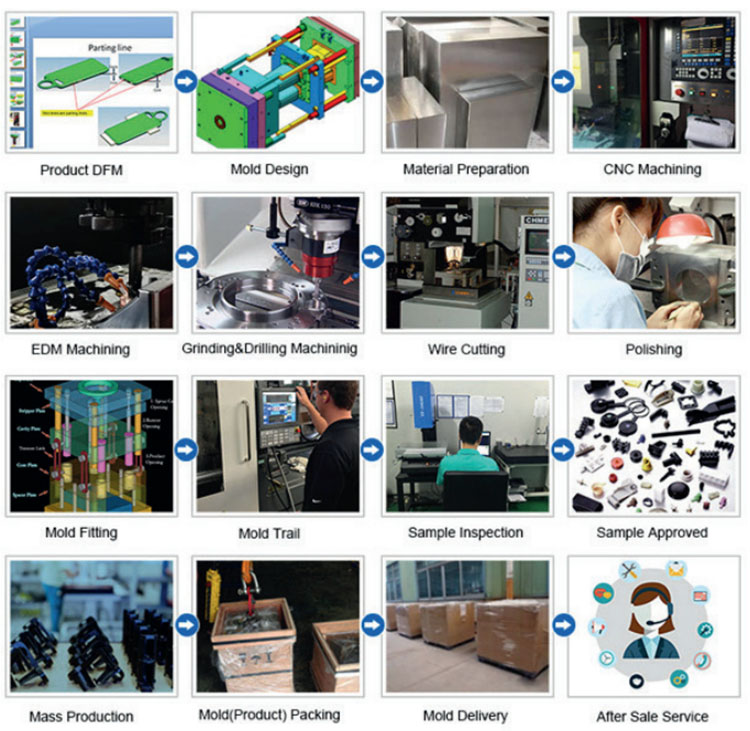
Audit drawings - mold flow analysis - design validation - Custom Materials - mold processing - core processing - electrode machining - Runner system processing - parts processing and procurement - machining acceptance - cavity surface treatment process - complex mode Die - The entire mold surface coating - Mounting plate - mold sample - sample test - sending samples |
|
Mould cavity |
One cavity, multi-cavity or same different products be made together |
|
Mould material |
P20,2738,2344,718,S136,8407,NAK80,SKD61,H13 |
|
Runner system |
Hot runner and cold runner |
|
Base material |
P20,2738,2344,718,S136,8407,NAK80,SKD61,H13 |
|
Finish |
Pitting the word, mirror finish, matte surface, striae |
|
Standard |
HASCO, DME or dependent upon |
|
Main technology |
Milling, grinding, CNC, EDM, wire cutting, carving, EDM, lathes, surface Finish, etc. |
|
Software |
CAD,PRO-E,UG Design Time: 1-3 days (normal circumstances) |
|
Product material |
ABS,PP,PC,PA6,PA66,TPU,POM,PBT,PVC,HIPS,PMMA,TPE,PC/ABS,TPV,TPO,TPR,EVA,HDPE,LDPE,CPVC,PVDF,PPSU.PPS. |
|
Quality system |
ISO9001:2008 |
|
Establish time |
20days |
|
Equipment |
CNC,EDM,Cutting off Machine,plastic machinery,etc plastic suitcase mould zhe jiang |
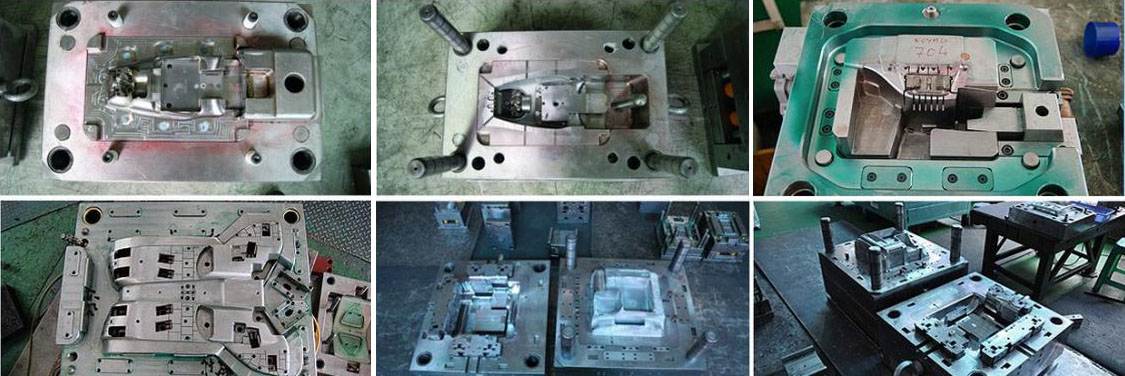
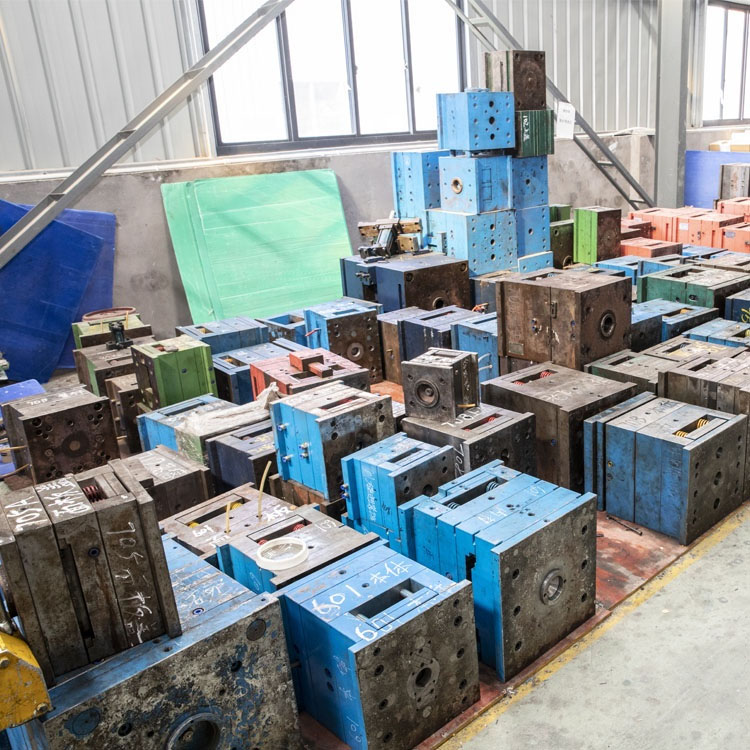
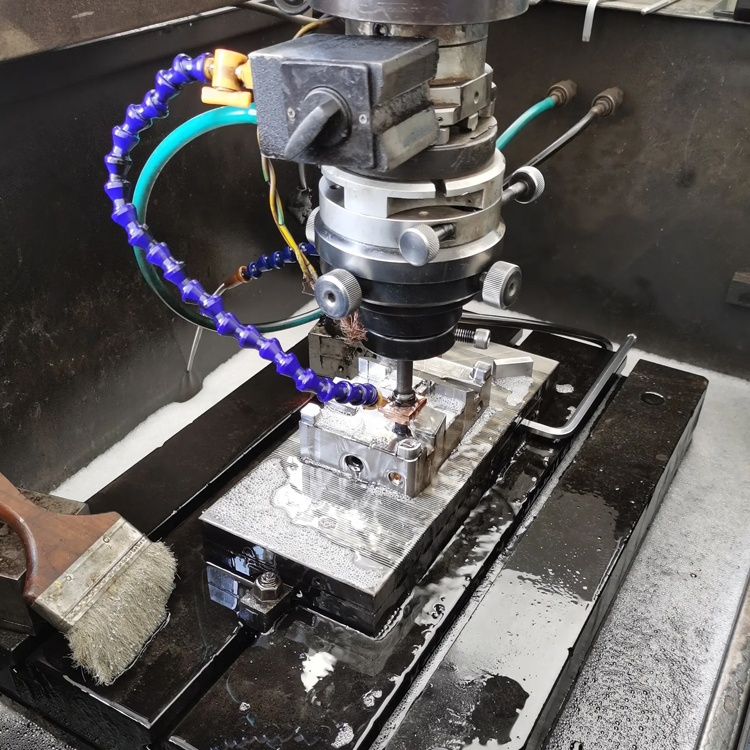
Plastic Injection Mould making
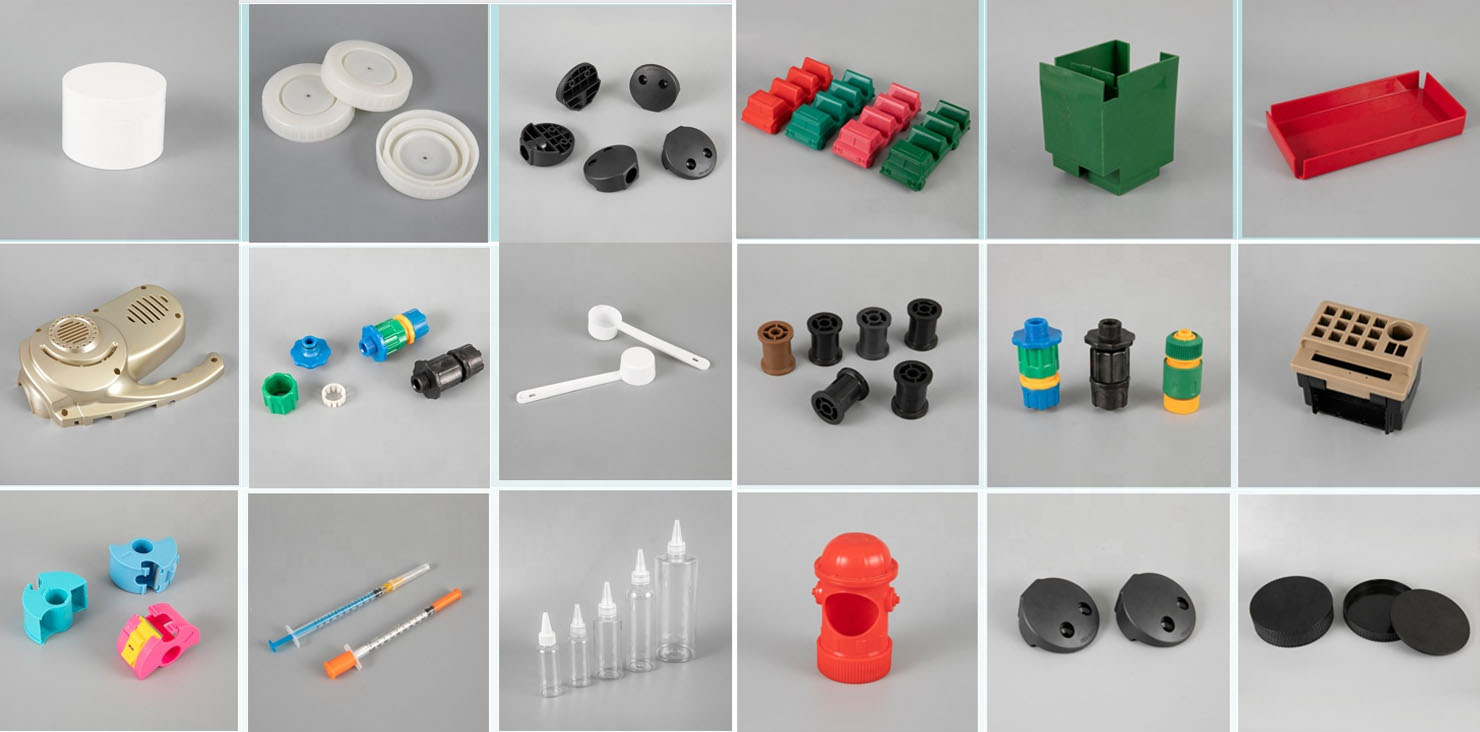
Plastic molding specifications
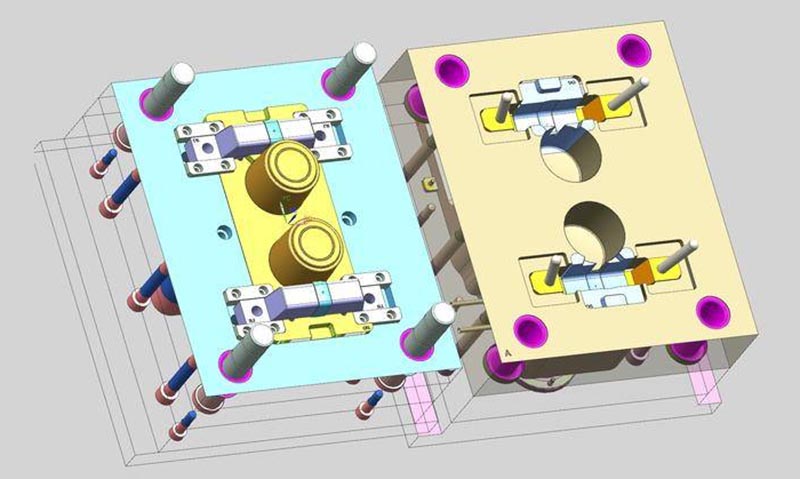
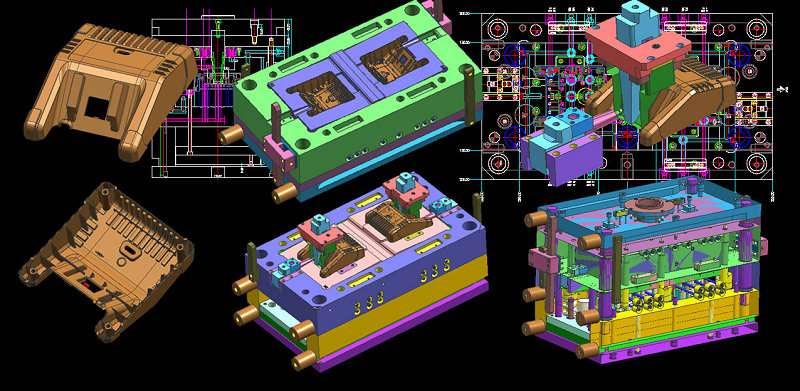
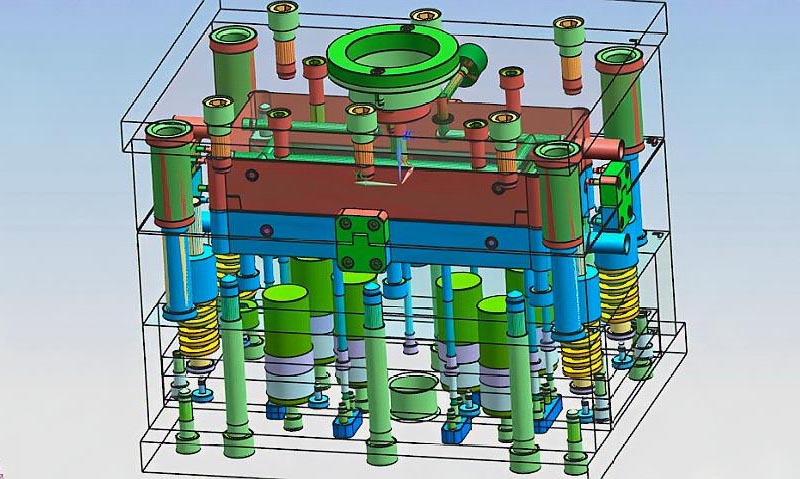
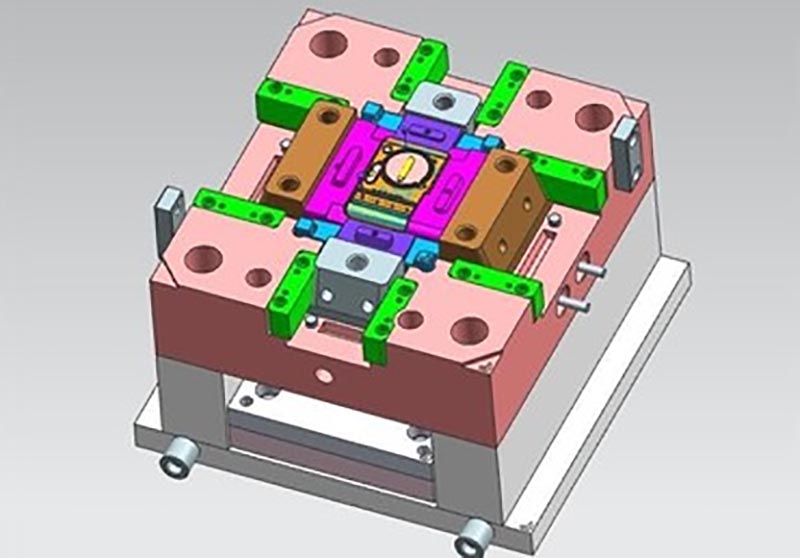
Mold design:
Transaction process:
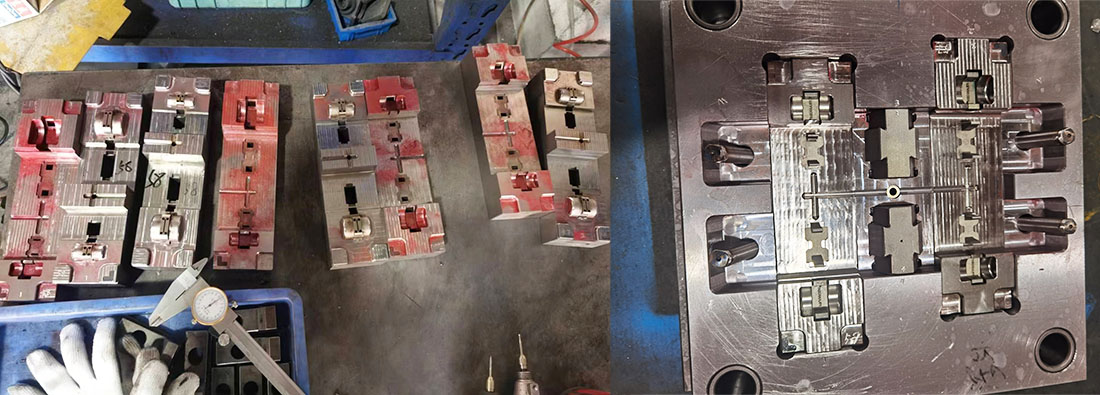
Mold testing:

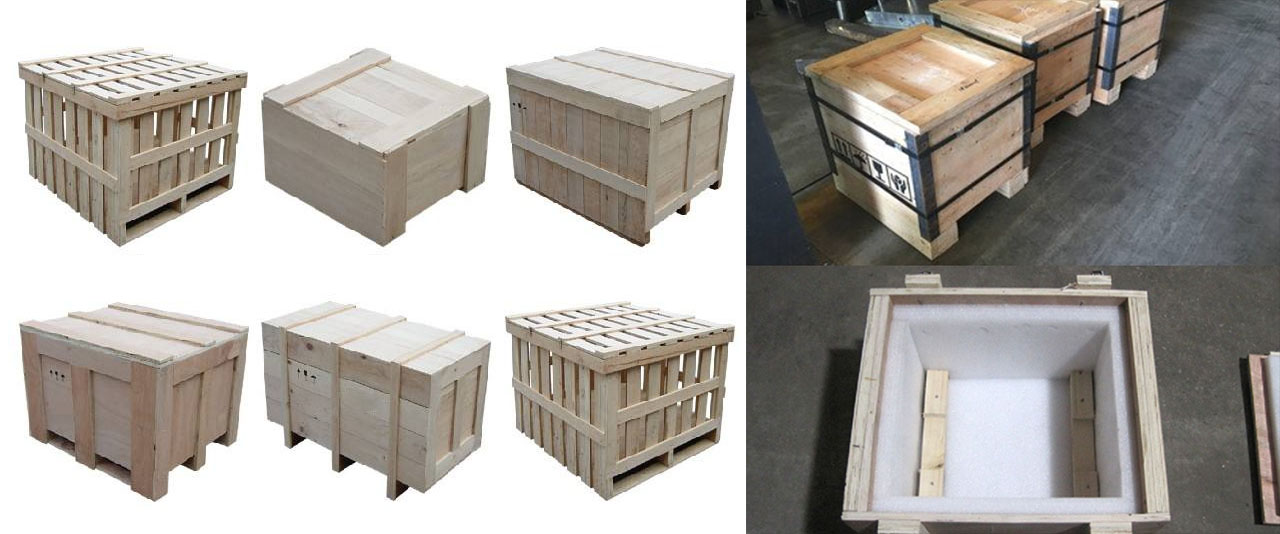
Product packaging
Factory
We are Custom Plastic Mold factory. Our factory is plastic injection mold maker. we has 17 years of experience in professional custom plastic mold and 10 years of foreign trade experience. We are custom Plastic Mold supplier. We can provide custom Plastic Mold service. Our factory can make the Injection molded plastic parts, and the quality of the products will satisfy you.
We have more than 50 high-end machines and hundreds of engineers and designers. We can provide one-stop service, from product design - mold making - product production - product packaging - transportation. We have a complete production chain. We can meet all your requirements.
Services we provide:
Professional custom mold service, Plastic mold design and manufacturing .plastic product production, product design, mold design, blow mold customization, rotational mold customization, die-casting mold customization. 3D printing services, CNC manufacturing services, product packaging, customized packaging, shipping services.
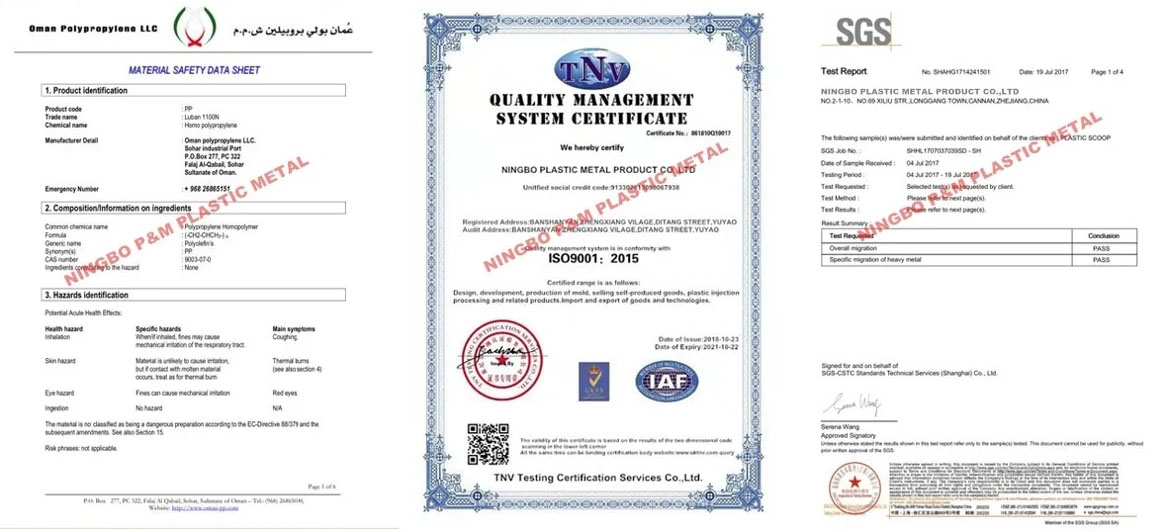

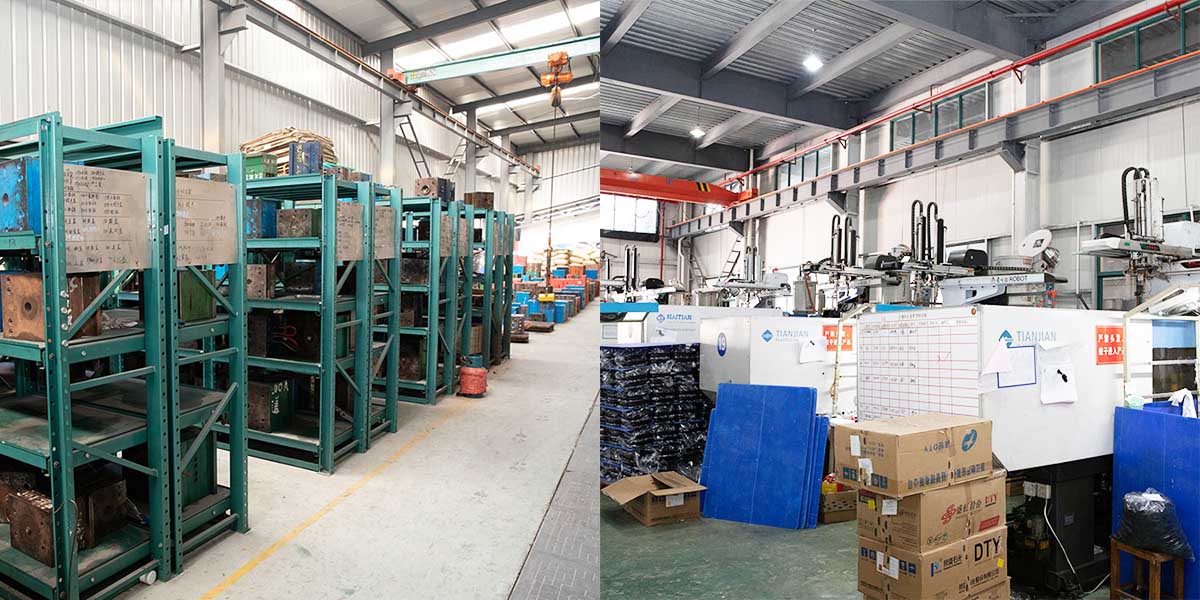
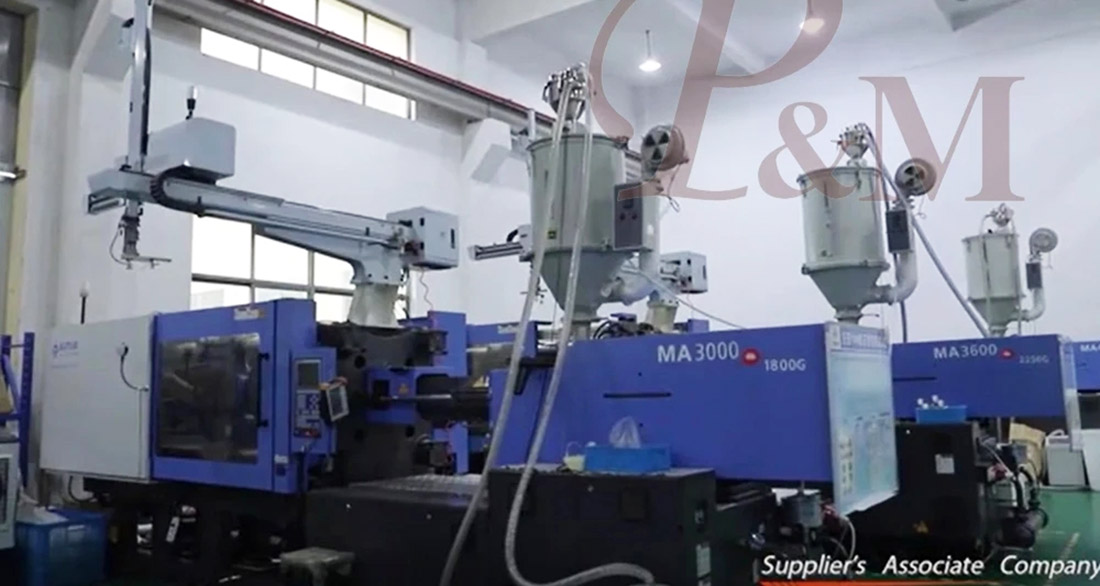
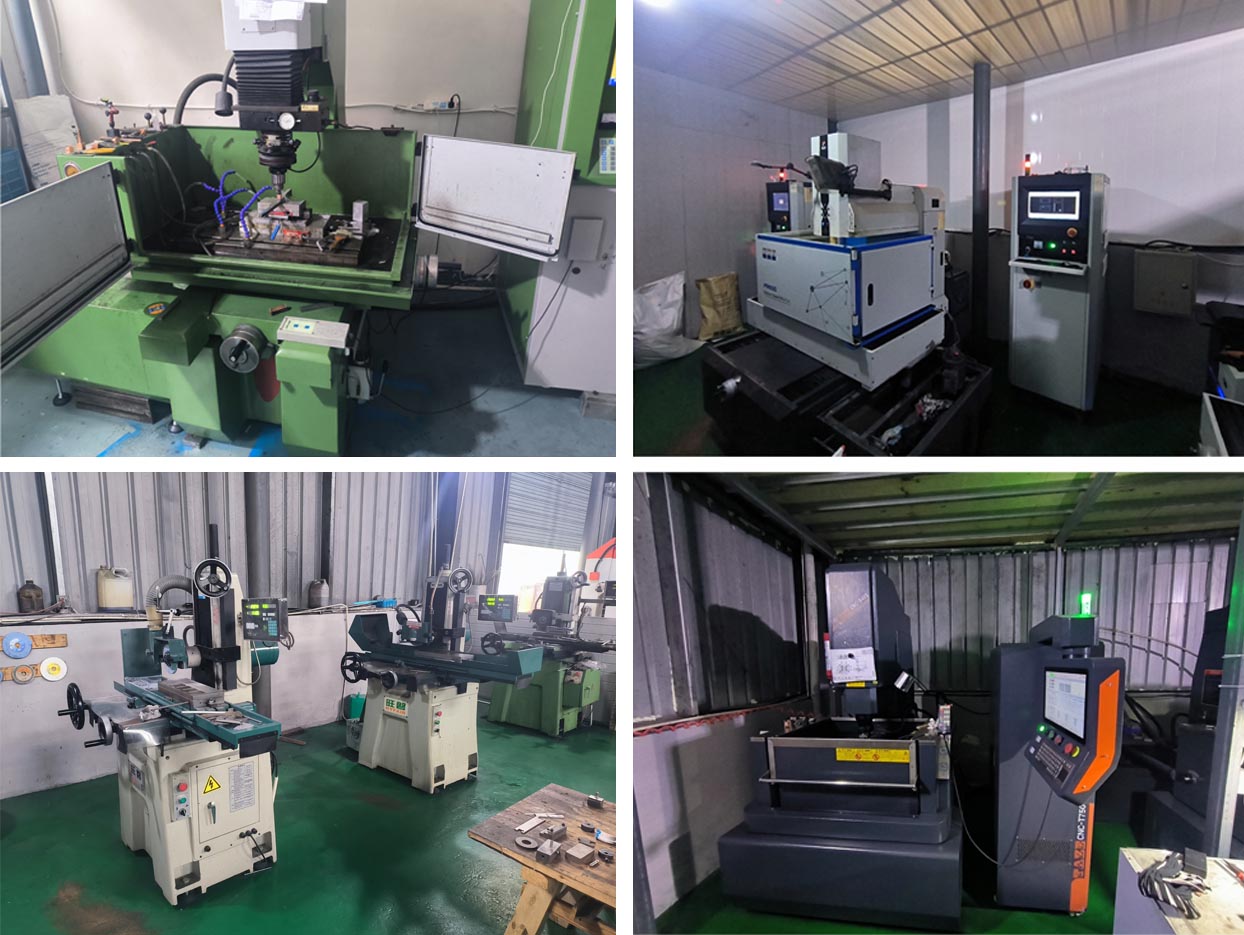
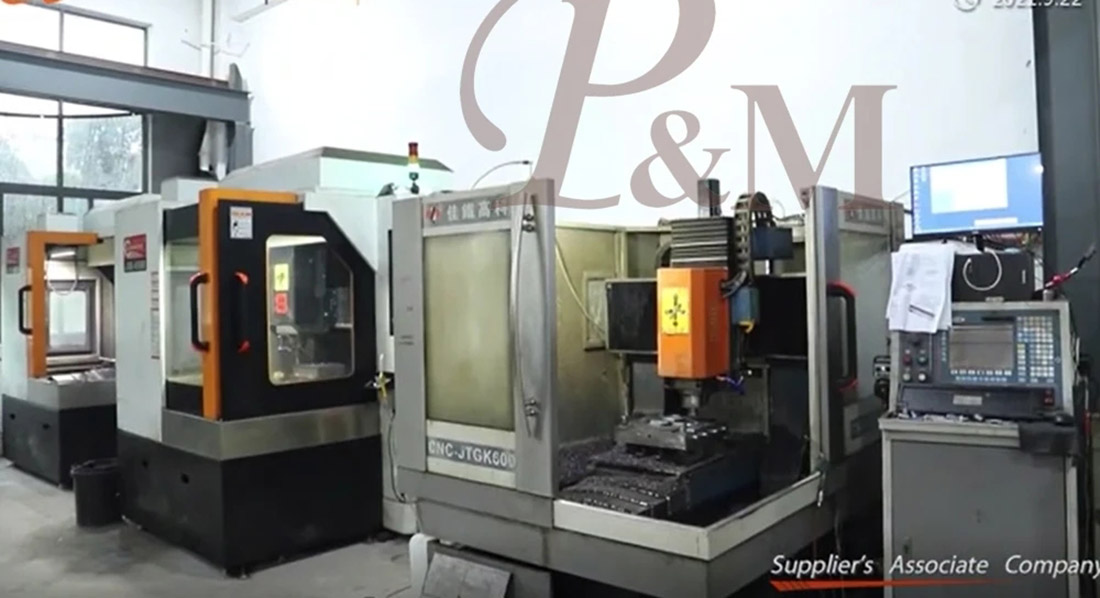
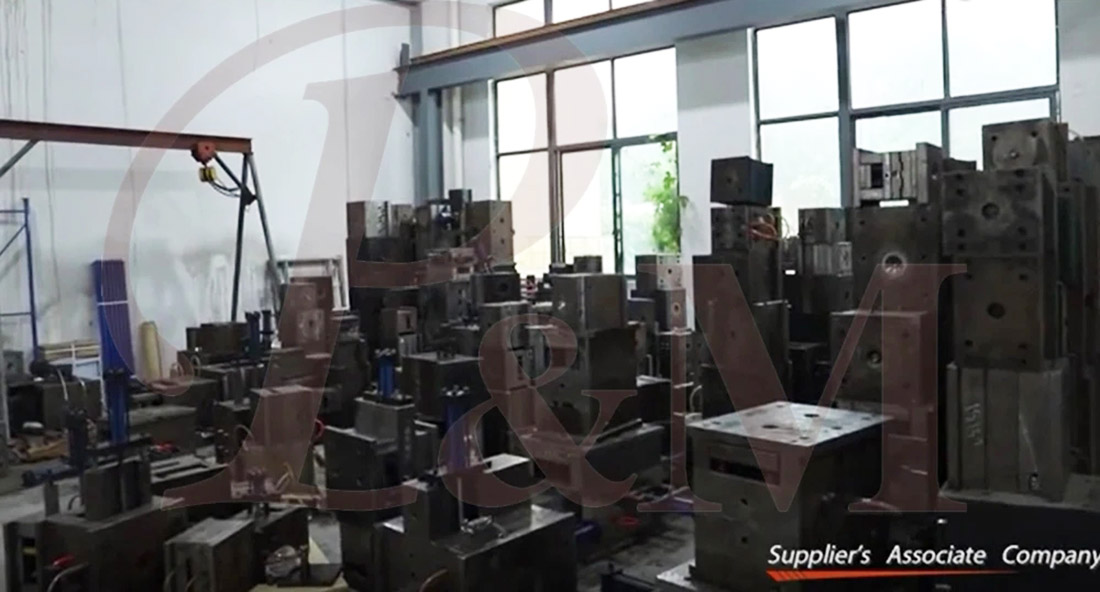
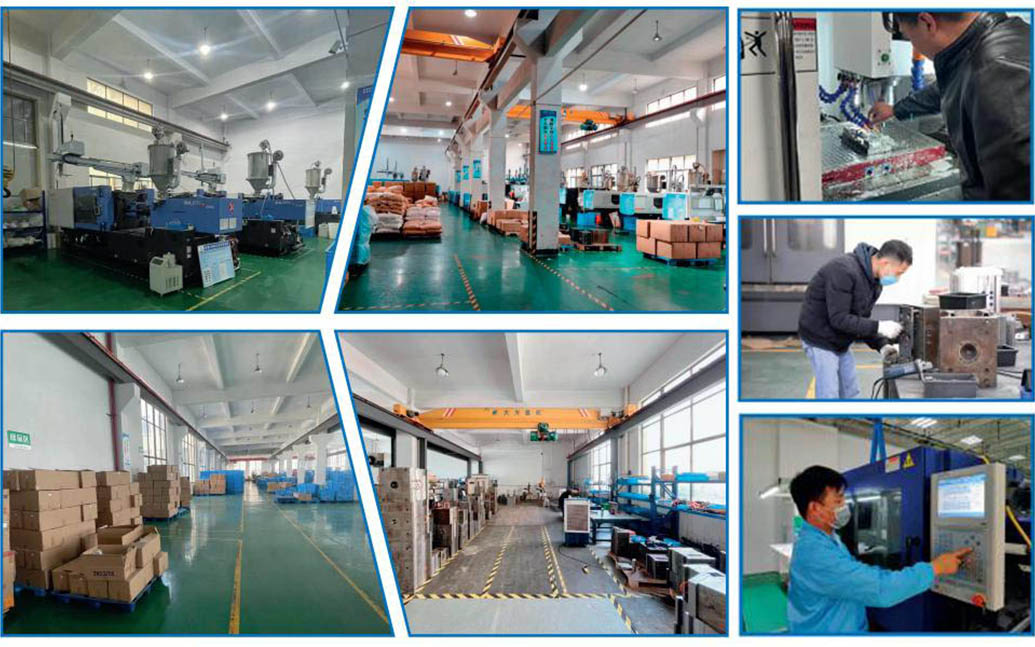
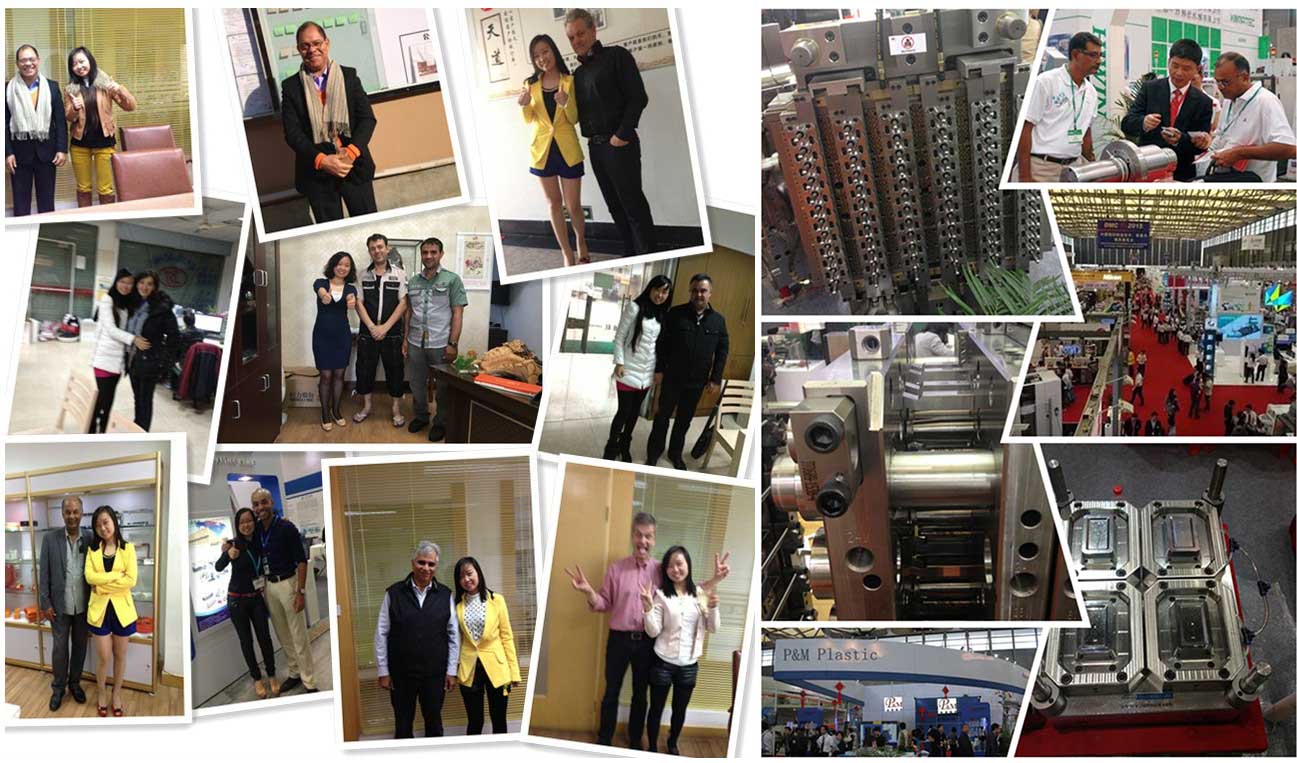
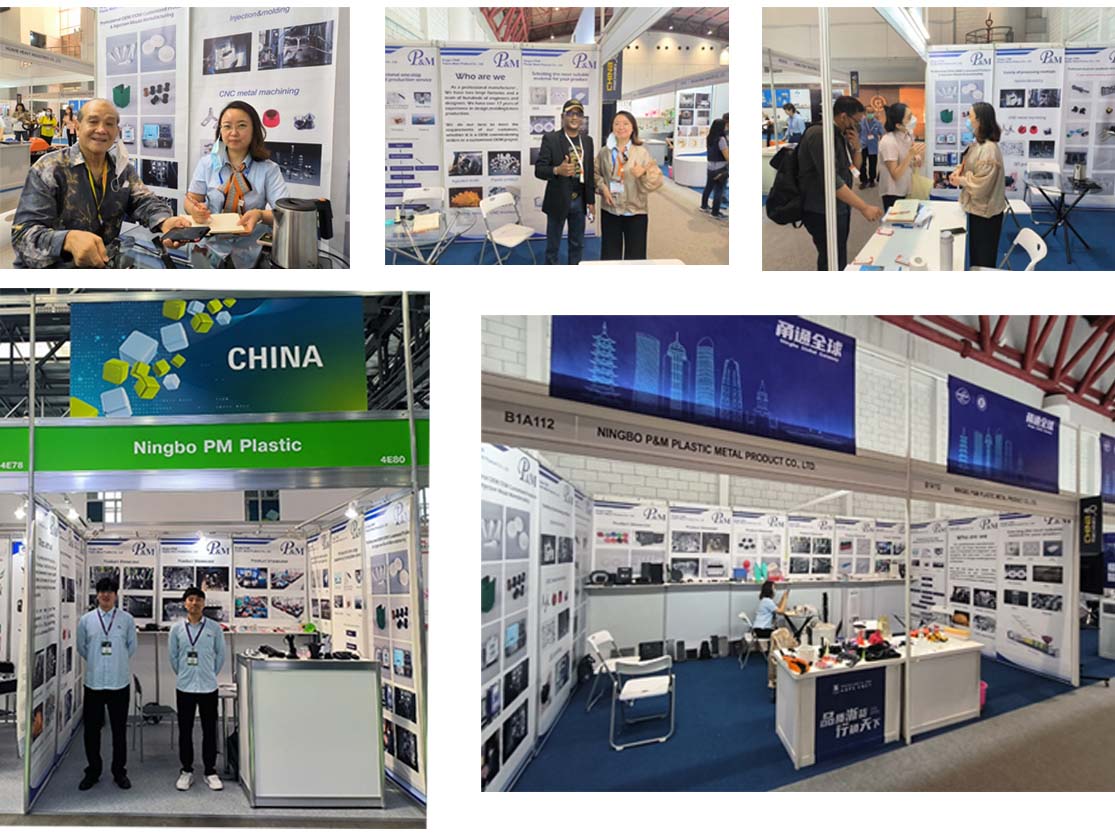
We always adhere to the principles of quality first and time first. While providing customers with the highest quality products, try to maximize the production efficiency and shorten production time. We are proud to tell every customer that our company has not lost any customer since its establishment.If there is a problem with the product, we will seek a solution actively and take responsibility to the end.

FAQ
Q1: Are you trading company or manufacturer ?
A: We are manufacturers.
Q2. When can I get the quotation?
A: We usually quote within 2 days after we get your inquiry.
If you are very urgent, please call us or tell us in your email so that we can quote for you first.
Q3. How long is the lead-time for mold?
A: It all depends on the products' size and complexity. Normally, the lead time is 25 days.
Q4. I have no 3D drawing, how should I start the new project?
A: You can supply us a molding sample, we will help you finish the 3D drawing design.
Q5. Before shipment, how to make sure the products quality?
A: If you don't come to our factory and also don't have the third party for inspection, we will be as your inspection worker.
We will supply you a video for production process detail include process report, products size structure and surface detail, packing detail and so on.
Q6. What is your payment terms?
A: Mold Payment: 40% deposit by T/T in advance, 30% second mold payment before sending out the first trial samples, 30% mold balance after you agree the final samples.
B:Production Payment: 50% deposit in advance, 50% before sending out the final goods.
Q7: How do you make our business long-term and good relationship?
A:1. We keep good quality and competitive price to ensure our customers benefit for best quality products.
2. We respect every customer as our friend and we sincerely do business and make friends with them, no matter where they come from.
Hot Tags: smart socket moulding, China, Manufacturer, Supplier, Factory, Customized, Wholesale, Buy, Quality, Latest Selling, Made in China
Related Category
Audio-Visual Appliances
Health Appliances
Home Appliances
Personal Necessities
Digital Appliances
Kitchen Appliances
Bathroom Appliances
Environmentally Friendly Appliances
Send Inquiry
Please feel free to give your inquiry in the form below. We will reply you in 24 hours.