
Home
>
Product > Electronic Appliances and Instruments > Environmentally Friendly Appliances > Garbage disposal moulding
Product
- Core Customization Service
- Health Care
- Electronic Appliances and Instruments
- Maternal and Child Supplies Molds
- Recreational Sports
- Home Furnishing Art
- Auto Accessories
- Transportation and Warehousing
- Lighting Fixtures
- Construction Equipment
- Packaging Product
- Educational & Laboratories
- Clothing Luggage Accessories
- Care and Cleaning Products
- Agriculture & Forestry
- Mechanical Equipment
- Pet Supplies
- Kitchenware
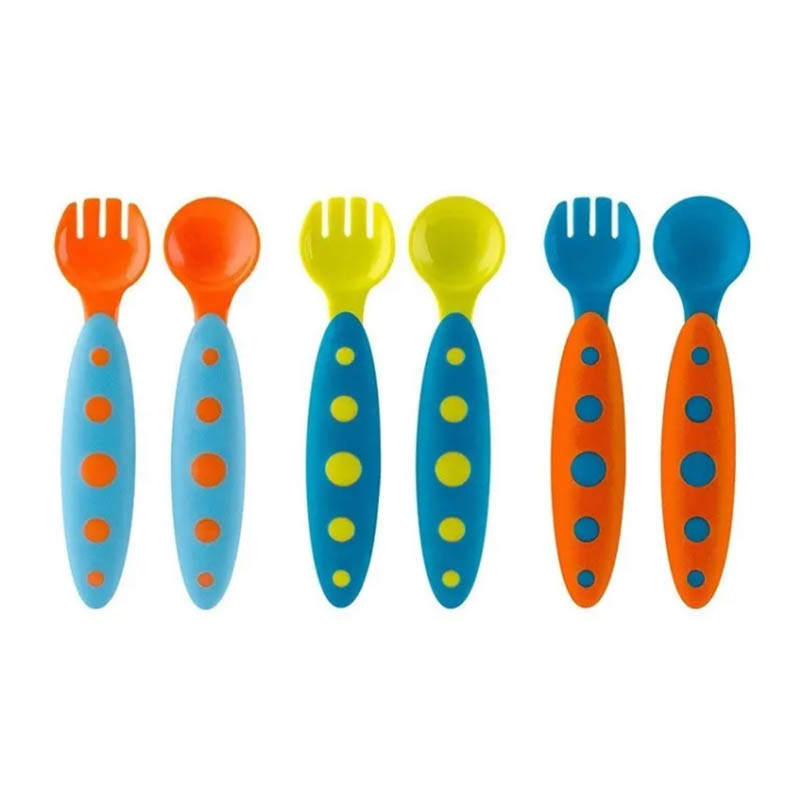
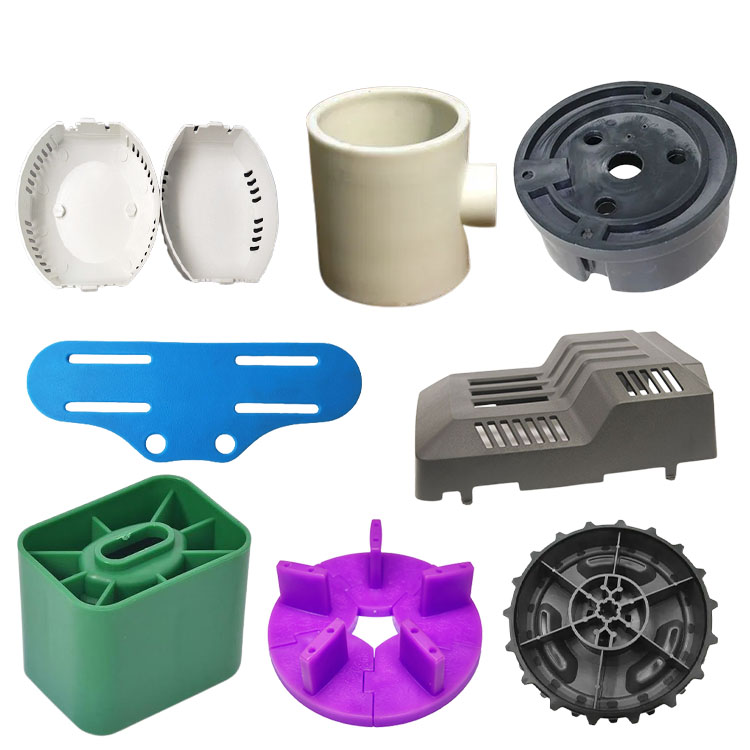
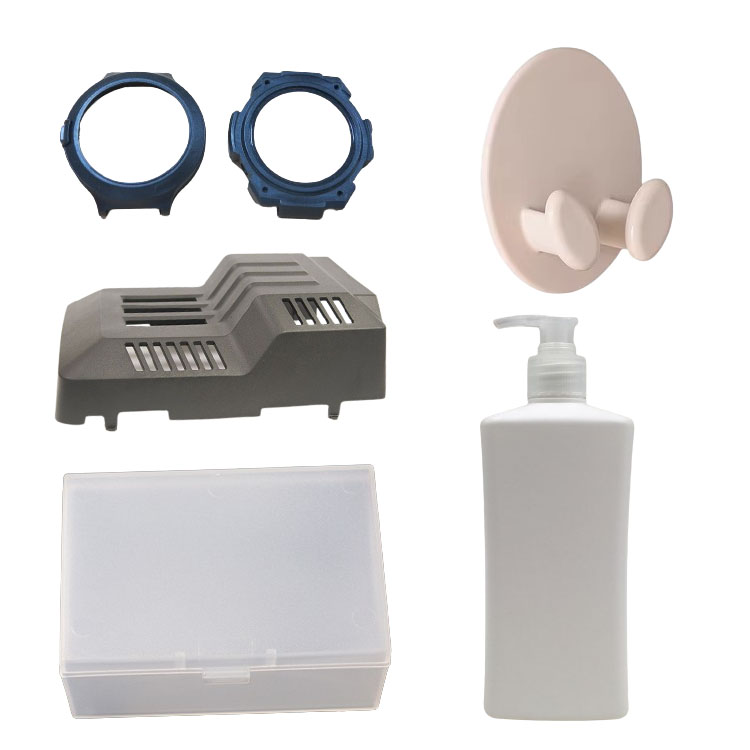
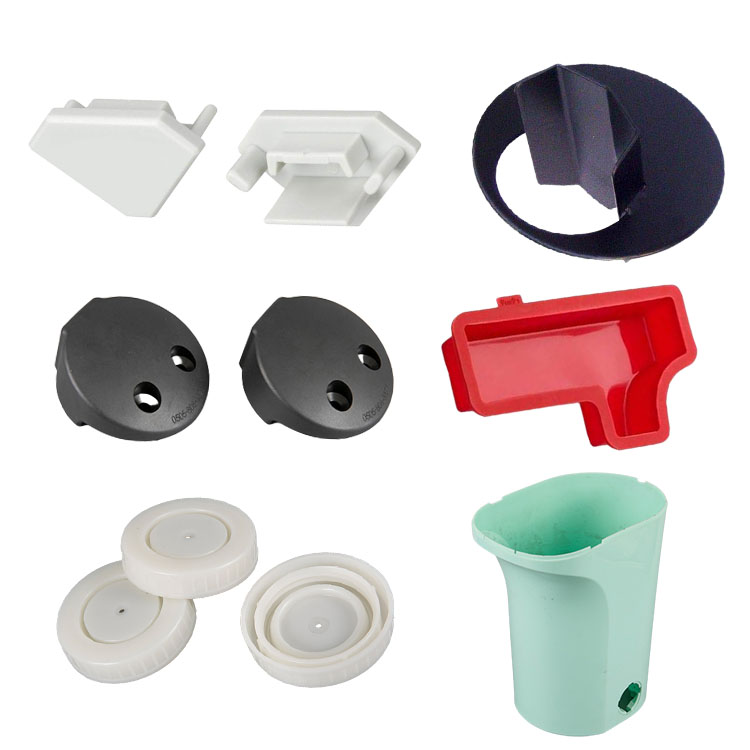
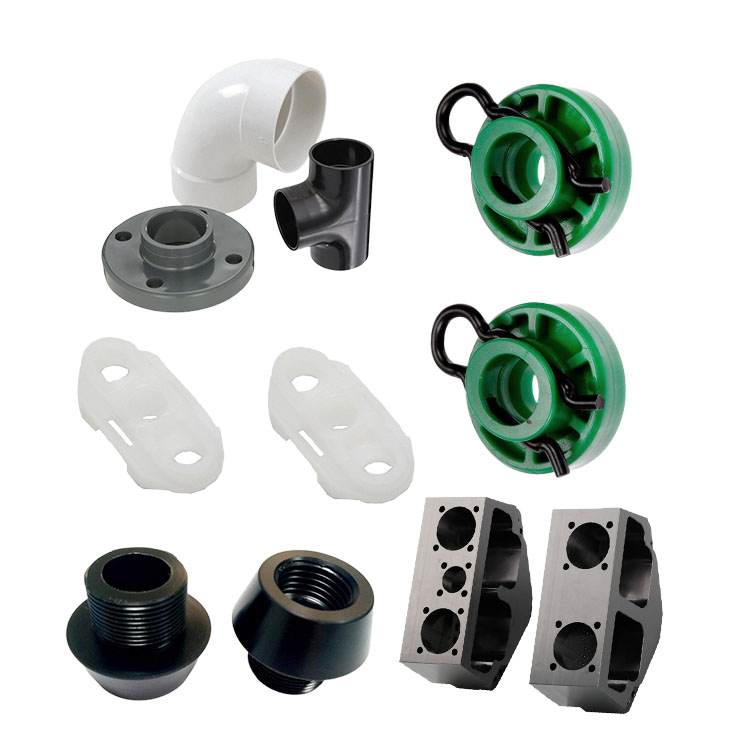
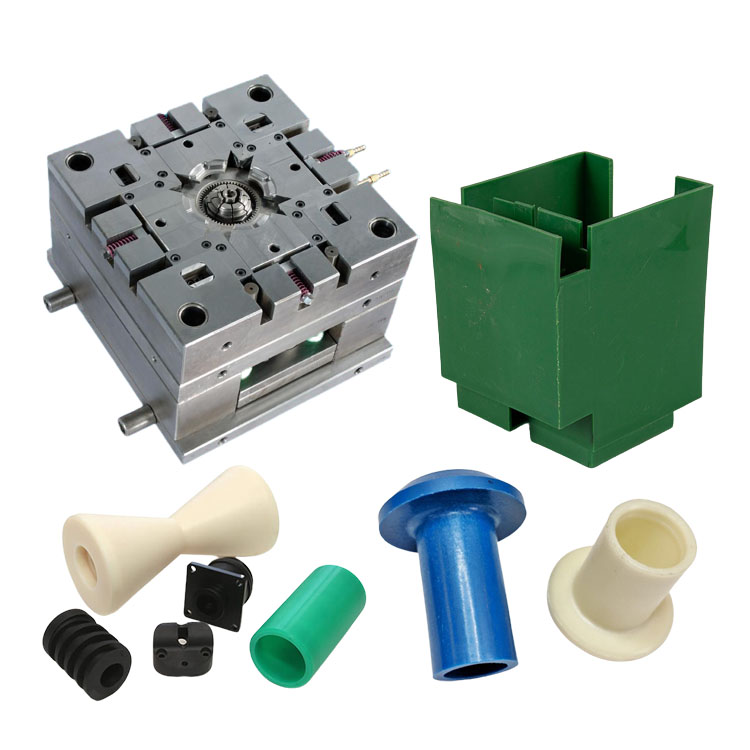
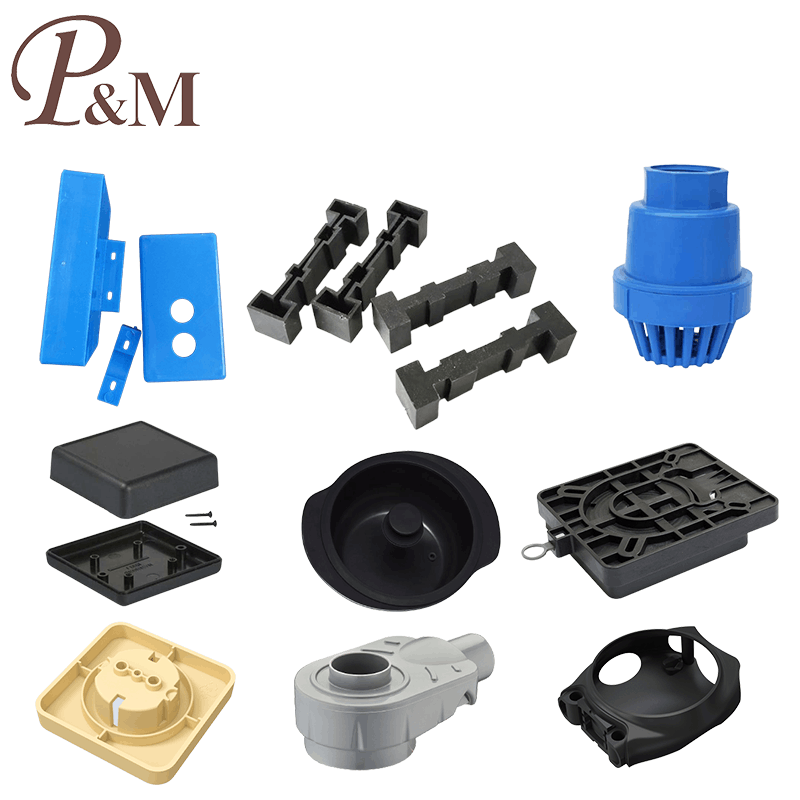
Garbage disposal moulding
Ningbo (P&M) Plastic Metal Products Co., Ltd. has 17 years of mold manufacturing technology and can customize garbage disposal moulding moulding. We provide professional customized garbage disposal moulding moulding services, and we are a professional garbage disposal moulding moulding manufacturer. We have sufficient experience in selecting product raw materials and mold materials. In the process of customizing garbage disposal moulding moulding, our factory can provide one-stop service. We have design and production capabilities related to garbage disposal moulding moulding, such as: CAD design, mold manufacturing, injection molding, plastic product production, assembly and other technologies.
Send Inquiry
Product Description
In addition, our company has established cooperative relationships with plastic raw material suppliers, printing manufacturers, etc. to ensure the supply of raw materials and printing quality. Through our rich experience and perfect supply chain, our company can provide customers with high-quality customized garbage disposal moulding moulding products to meet their specific needs. At the same time, we have 10 years of professional foreign trade service experience, understand the foreign trade process, and better serve our customers. For garbage disposal moulding moulding products, we can make corresponding plastic parts, which is mainly done through injection molds.
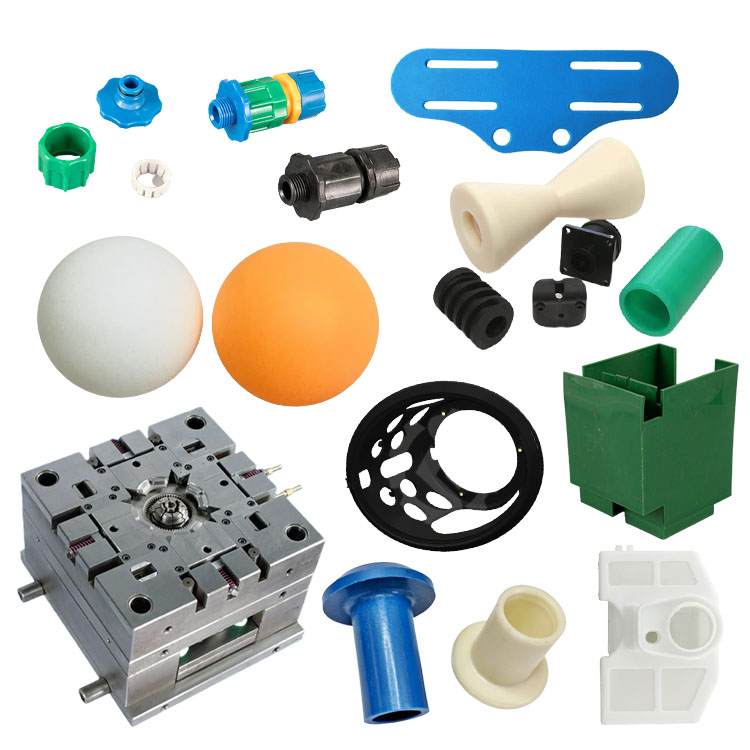
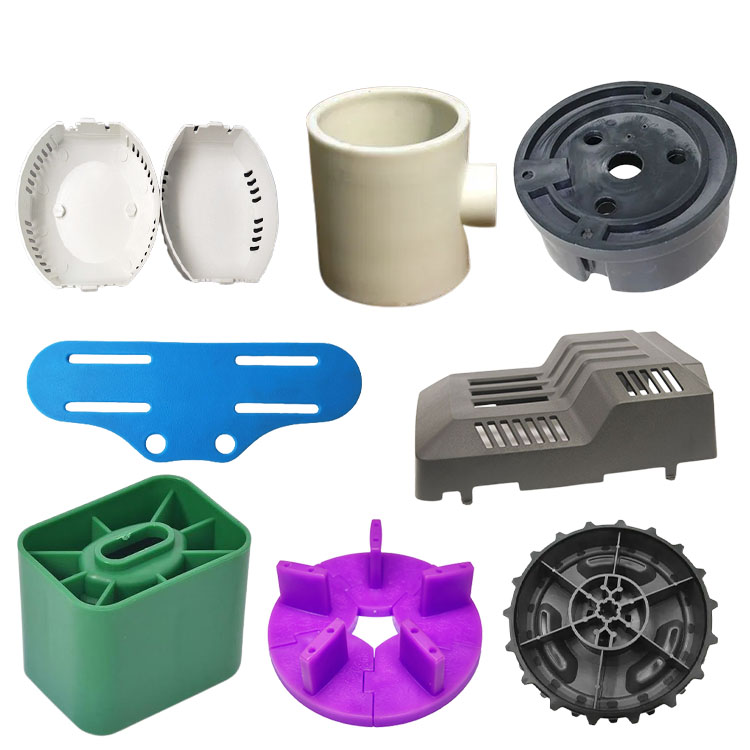
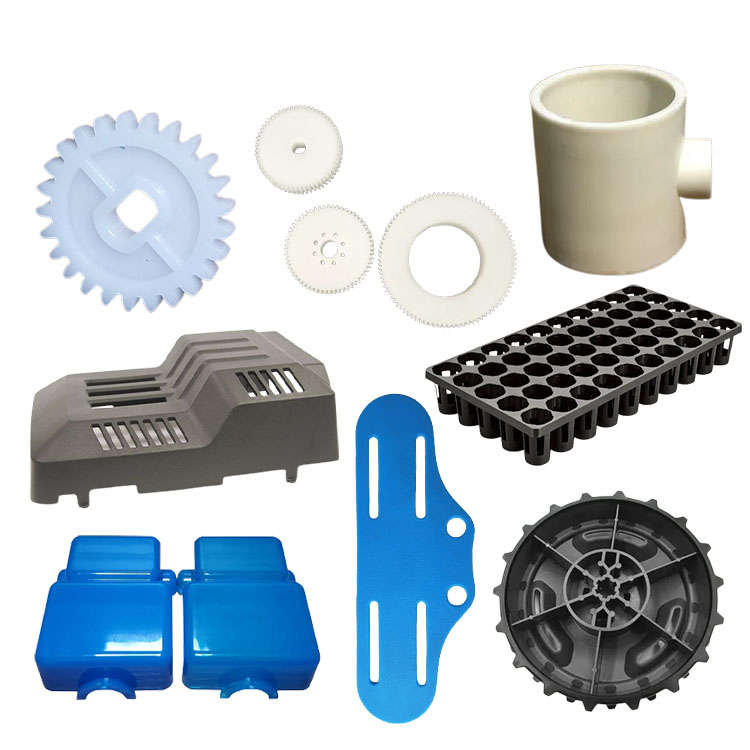
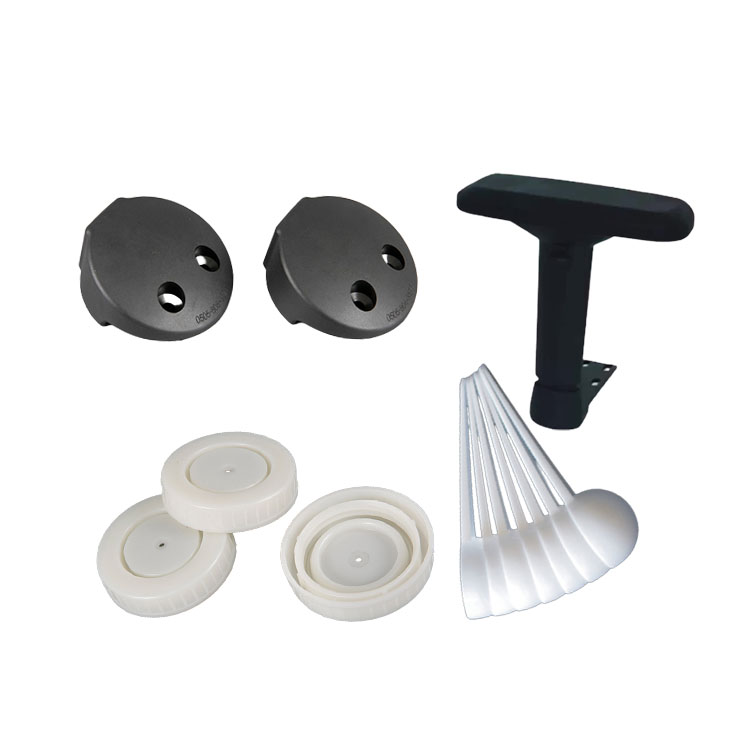
As a core appliance component in the kitchen, the waste disposer features various plastic parts—such as the housing, internal chamber, flange, impeller cover, and vibration-damping base—that are predominantly manufactured using injection molding. The primary raw materials utilized include ABS, reinforced PP, and glass-fiber-reinforced nylon; furthermore, certain structural components employ flame-retardant modified plastics to satisfy specific requirements regarding strength, heat resistance, oil resistance, impact resistance, and dimensional stability. Plastic components for waste disposers are typically characterized by non-uniform wall thicknesses, complex geometries, and stringent assembly precision requirements; consequently, the injection molding process must strictly adhere to standardized procedures, balancing both molding quality and production efficiency. The following sections provide a comprehensive exposition of the waste disposer injection molding process, covering key stages such as raw material preparation, pre-injection setup, injection molding, cooling and solidification, demolding and part extraction, and post-processing and inspection.
Prior to production, the selection and pretreatment of raw materials constitute the initial steps. Based on the specific functional requirements of each component, ABS is typically selected for the housing and decorative parts to ensure a smooth surface finish and moderate rigidity; reinforced PP is chosen for the base and load-bearing brackets to enhance toughness and vibration-damping capabilities; and glass-fiber-reinforced nylon is utilized for internal support structures to increase load-bearing capacity. Since both ABS and nylon are hygroscopic materials, they must undergo a drying process: ABS requires drying at 70–80°C for 2–3 hours, while nylon requires drying at 80–90°C for 4–6 hours. This drying step is critical to prevent moisture content in the raw materials from causing defects—such as bubbles, silver streaks, or voids—in the finished plastic parts. Although PP raw material exhibits low hygroscopicity and generally does not require drying, it must be sieved to remove impurities and dust, thereby preventing blockages in the nozzle and runners. Once the raw materials have been dried, they are loaded into a drying hopper where they are kept continuously heated to prevent secondary moisture absorption.
The subsequent stage involves mold installation and equipment setup. An injection molding machine with an appropriate tonnage is selected based on the size of the plastic part; for large components such as waste disposer housings, a machine with a clamping force exceeding 300 tons is typically required. The mold is hoisted onto the injection molding machine's platen and securely fastened; the mold's center is then aligned with the nozzle, and the clamping stroke and mold-opening distance are calibrated to ensure smooth and unimpeded mold operation. Subsequently, the mold's cooling water lines are connected, and checks are performed to detect any leaks or blockages, thereby ensuring an unobstructed cooling circulation flow. Concurrently, the injection molding machine's barrel is heated in segments; once the set temperature is reached, it is held at that temperature for 15–30 minutes to ensure uniform and stable heating. During the commissioning phase, dry-cycle tests (opening and closing the mold without material) must be performed to verify that the ejector mechanism, sliders, angle pins, and other components function correctly, thereby preventing issues such as mold jamming or part damage during actual production.
The process then formally enters the injection molding phase. The barrel temperature is set according to the principle of "higher at the front, lower at the rear." For ABS material, the barrel temperature is controlled between 190–220°C, with the nozzle temperature set slightly lower (by 5–10°C); for reinforced PP, the temperature is 170–200°C; and for glass-fiber-reinforced nylon, it is 230–260°C. The mold temperature is maintained between 40–60°C to balance surface finish quality with molding cycle efficiency. During injection, a multi-stage speed control strategy is employed: the initial stage uses a low speed to fill the mold and prevent melt jetting; the middle stage utilizes a high speed to rapidly fill the cavity, ensuring the complete formation of complex structural features; and the final stage involves a gradual deceleration to prevent sudden pressure spikes within the cavity that could lead to flash formation. Injection pressure is adjusted based on wall thickness and part geometry, typically ranging from 80–130 MPa; for parts with thicker walls or longer flow channels, the pressure is increased appropriately to prevent short shots or sink marks.
Once filling is complete, the process transitions to the holding pressure and cooling phase. The holding pressure is set at 50–70% of the injection pressure, and the holding time—typically 5–20 seconds—is determined by the wall thickness; this sustained pressure continuously replenishes the melt to compensate for material shrinkage, thereby minimizing surface depressions and internal voids. Upon the conclusion of the holding phase, the screw rotates to plasticize the material for the next injection cycle. The screw rotation speed is controlled between 30–60 rpm, with a back pressure of 3–8 MPa, to ensure the melt is uniformly mixed and possesses consistent density. The cooling phase is critical for controlling part deformation; the cooling time typically ranges from 20–50 seconds, relying on the mold's internal water channels to rapidly dissipate heat and allow the plastic part to fully solidify and set its shape. Insufficient cooling can easily lead to warping, deformation, or dimensional inaccuracies after ejection, whereas excessive cooling will result in reduced production efficiency.
Once cooling is complete, the process proceeds to the ejection and part removal stage. After the injection molding machine opens the mold, the ejector pins, ejector plate, or stripper plate act in unison to smoothly push the finished plastic part out of the mold. For structural components featuring undercuts or snap-fit features, a core-pulling mechanism—utilizing sliders or angled ejector pins—is employed to retract the core prior to ejection. This prevents forceful demolding, which could otherwise result in cracking or scratching of the plastic parts. Following ejection, parts are retrieved either manually or by a robotic manipulator; they are handled with care to avoid collisions that could cause surface defects or deformation. Once retrieval is complete, the mold automatically closes, initiating the next molding cycle and ensuring continuous, cyclical production.
After demolding, the plastic parts undergo post-processing and finishing. First, gates, runners, and flash are removed using shears, trimming knives, or ultrasonic equipment to ensure a smooth, burr-free surface finish. Since some plastic parts are prone to warping due to internal stresses, they may be subjected to fixturing or oven annealing to relieve stress and enhance dimensional stability. Components requiring high assembly precision—such as flanges and brackets—also undergo minor sanding and alignment to ensure that assembly clearances meet specifications.
The final stage involves quality inspection and warehousing. The inspection covers three key aspects: appearance, dimensions, and performance. Appearance checks identify defects such as black spots, sink marks, weld lines, or deformation; dimensional checks utilize calipers or Coordinate Measuring Machines (CMM) to verify critical assembly dimensions; and performance tests focus on assessing strength, toughness, and heat resistance. Compliant products are sorted, packaged, and moved to storage; non-compliant products are sorted by defect type. Recyclable scrap and defective parts are granulated and blended back into the production stream at controlled ratios, while non-recyclable waste is collected for centralized disposal.
Overall, the injection molding of waste disposer components is a systematic process in which every step—from raw material pretreatment to final inspection—directly impacts the quality of the finished plastic parts. In actual production, process parameters must be dynamically adjusted based on raw material characteristics, mold structure, and product requirements. Furthermore, rigorous equipment and mold maintenance, combined with strict adherence to operational protocols, are essential to consistently produce waste disposer plastic components that feature excellent aesthetics, precise dimensions, and reliable performance.
We are a garbage disposal moulding moulding manufacturer, providing high-quality garbage disposal moulding moulding manufacturing. As long as you want to customize/develop garbage disposal moulding moulding products, you can find us. We have professional injection mold design and mature manufacturing technology, providing you with one-stop service, from product design-mold making-product production-product packaging-product transportation, we can help you in every link. As long as you come to us, we will provide you with the ultimate service and satisfy you in terms of product quality, production time, information dialogue, etc.
|
Product Name |
Treadmill moulding |
|
Pls provide |
2D, 3D, samples, or the size of the multi-angle pictures |
|
Mould Time |
20-35 Days |
|
Product time |
7-15 Days |
|
Mould precision |
+/-0.01mm |
|
Mould life |
50-100 million shots |
|
Producing Process |
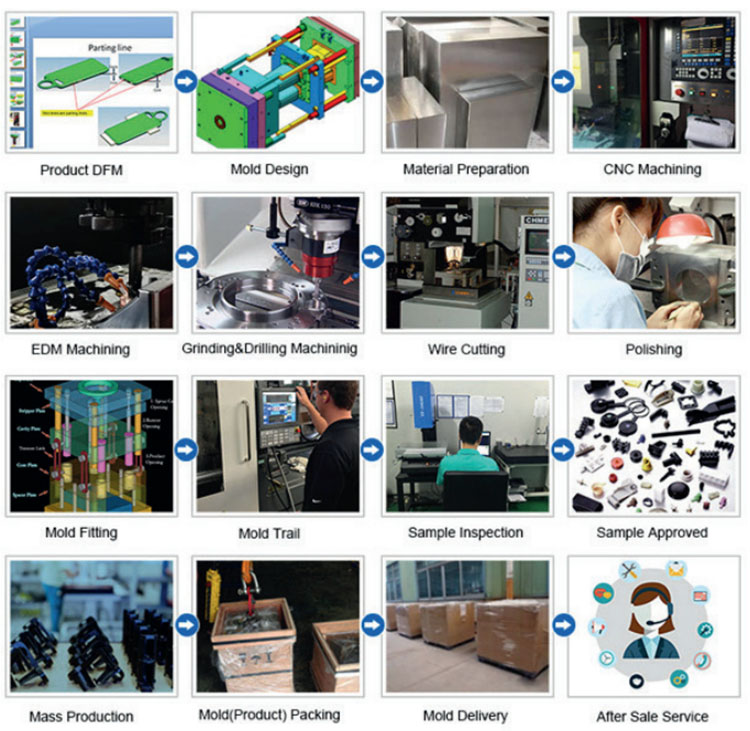
Audit drawings - mold flow analysis - design validation - Custom Materials - mold processing - core processing - electrode machining - Runner system processing - parts processing and procurement - machining acceptance - cavity surface treatment process - complex mode Die - The entire mold surface coating - Mounting plate - mold sample - sample test - sending samples |
|
Mould cavity |
One cavity, multi-cavity or same different products be made together |
|
Mould material |
P20,2738,2344,718,S136,8407,NAK80,SKD61,H13 |
|
Runner system |
Hot runner and cold runner |
|
Base material |
P20,2738,2344,718,S136,8407,NAK80,SKD61,H13 |
|
Finish |
Pitting the word, mirror finish, matte surface, striae |
|
Standard |
HASCO, DME or dependent upon |
|
Main technology |
Milling, grinding, CNC, EDM, wire cutting, carving, EDM, lathes, surface Finish, etc. |
|
Software |
CAD,PRO-E,UG Design Time: 1-3 days (normal circumstances) |
|
Product material |
ABS,PP,PC,PA6,PA66,TPU,POM,PBT,PVC,HIPS,PMMA,TPE,PC/ABS,TPV,TPO,TPR,EVA,HDPE,LDPE,CPVC,PVDF,PPSU.PPS. |
|
Quality system |
ISO9001:2008 |
|
Establish time |
20days |
|
Equipment |
CNC,EDM,Cutting off Machine,plastic machinery,etc plastic suitcase mould zhe jiang |
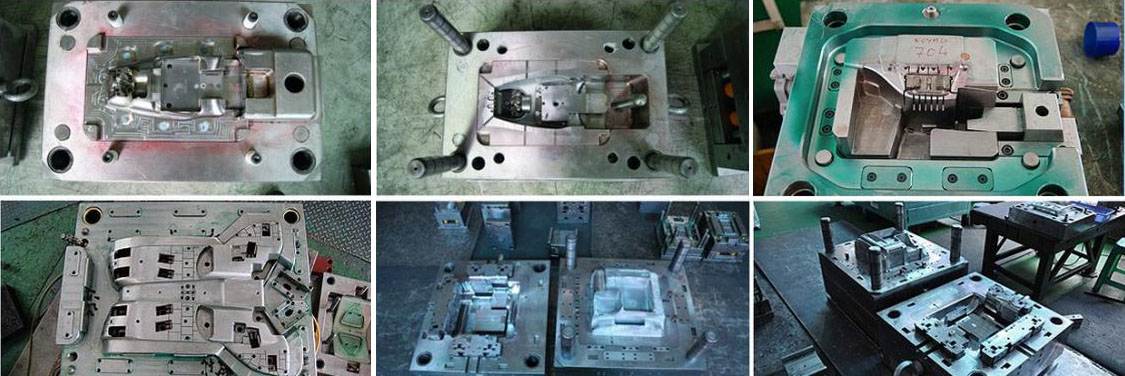
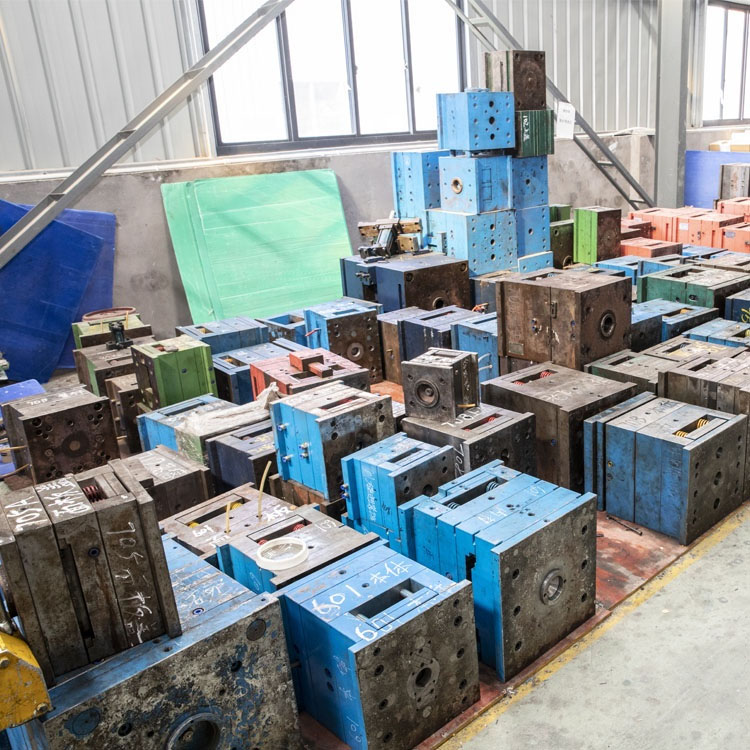
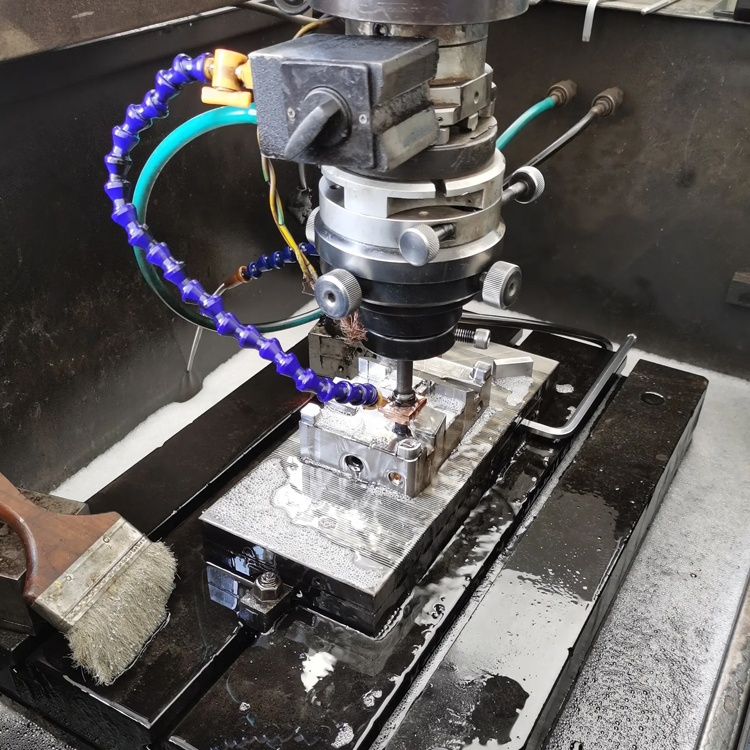
Plastic Injection Mould making
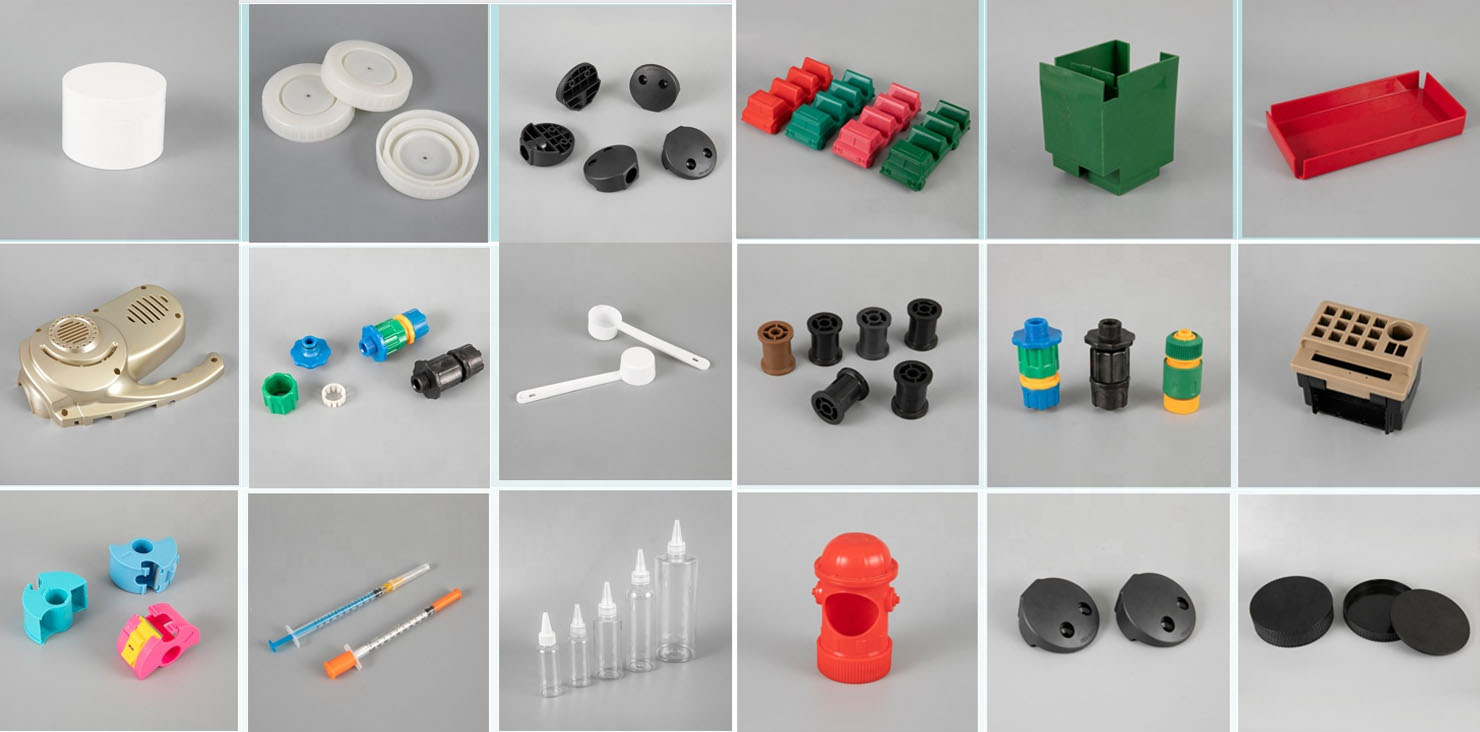
Plastic molding specifications
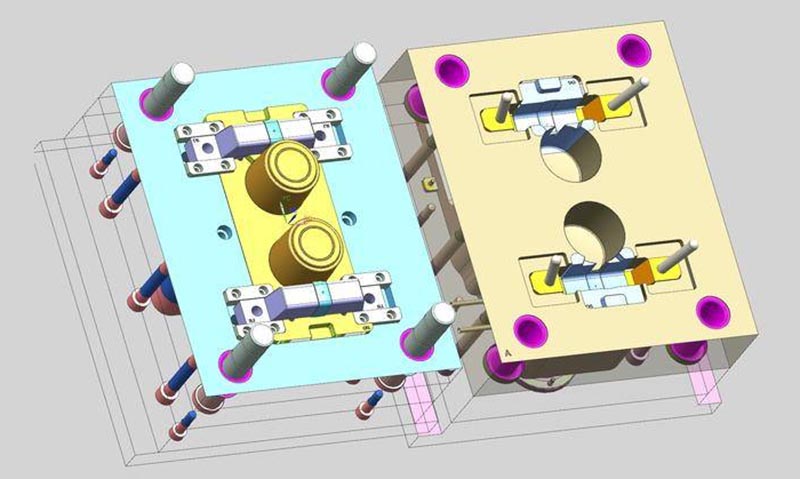
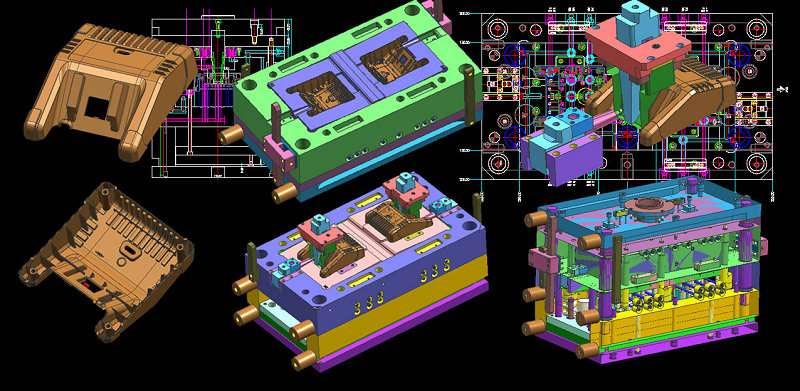
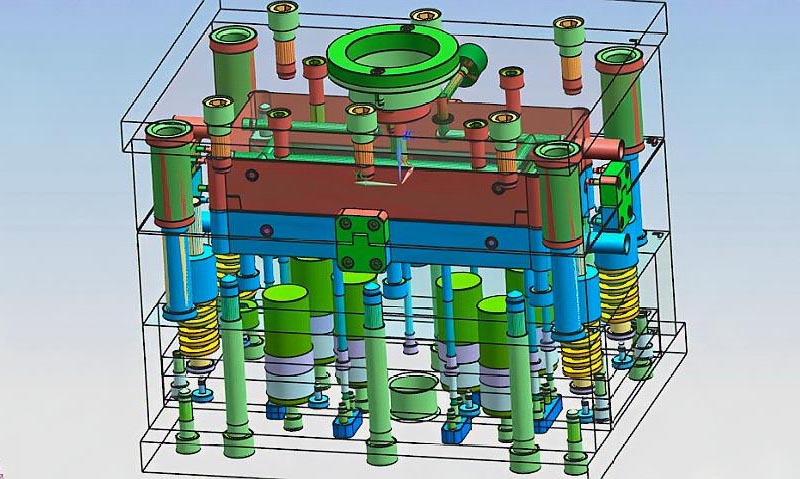
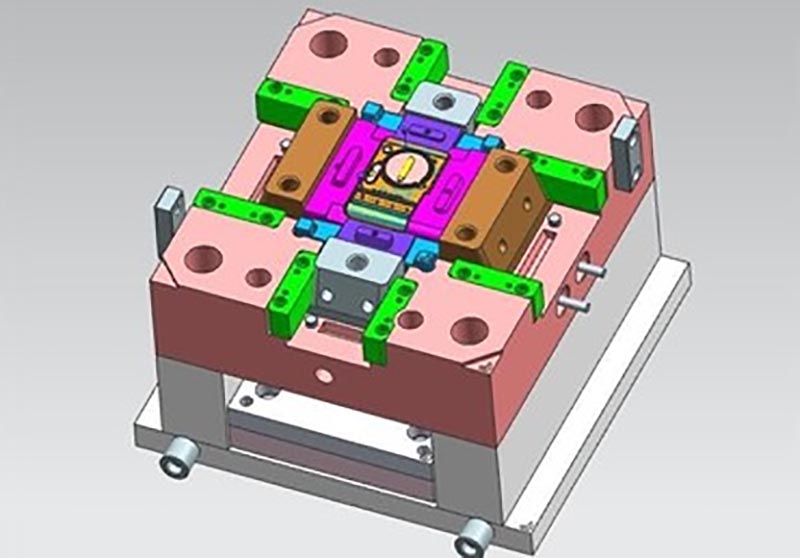
Mold design:
Transaction process:
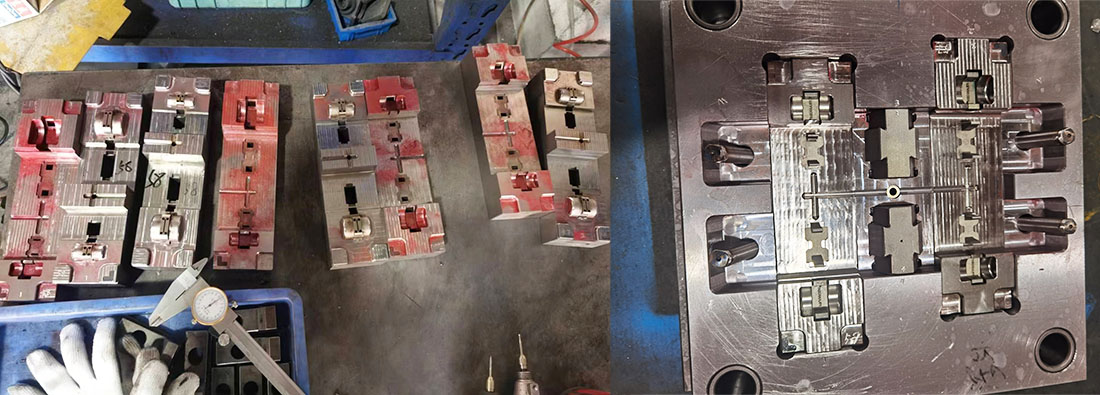
Mold testing:

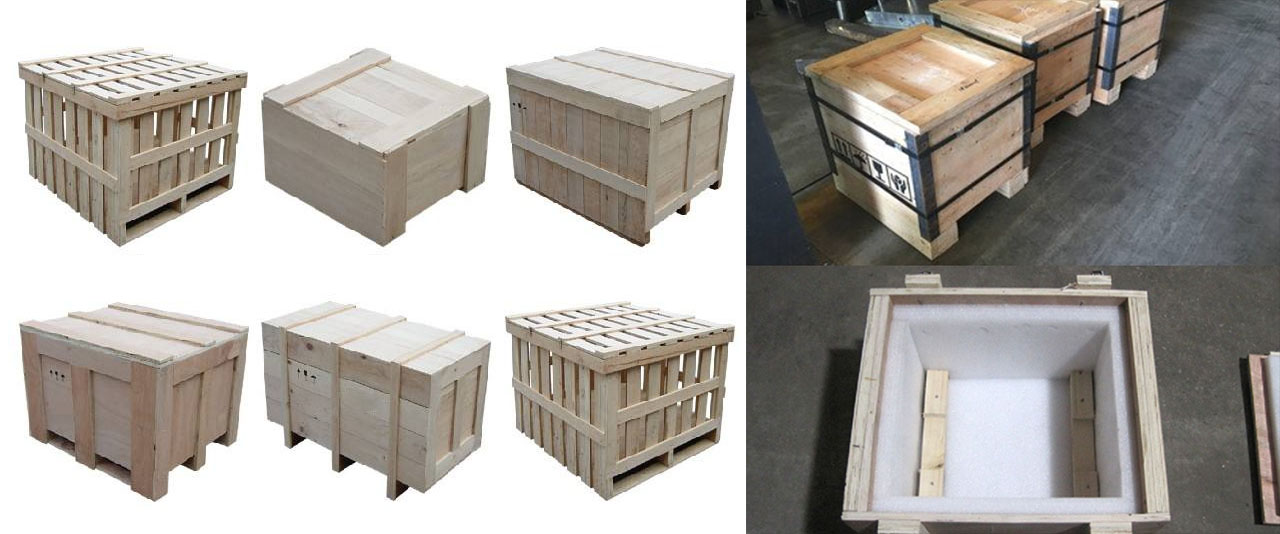
Product packaging
Factory
We are Custom Plastic Mold factory. Our factory is plastic injection mold maker. we has 17 years of experience in professional custom plastic mold and 10 years of foreign trade experience. We are custom Plastic Mold supplier. We can provide custom Plastic Mold service. Our factory can make the Injection molded plastic parts, and the quality of the products will satisfy you.
We have more than 50 high-end machines and hundreds of engineers and designers. We can provide one-stop service, from product design - mold making - product production - product packaging - transportation. We have a complete production chain. We can meet all your requirements.
Services we provide:
Professional custom mold service, Plastic mold design and manufacturing .plastic product production, product design, mold design, blow mold customization, rotational mold customization, die-casting mold customization. 3D printing services, CNC manufacturing services, product packaging, customized packaging, shipping services.
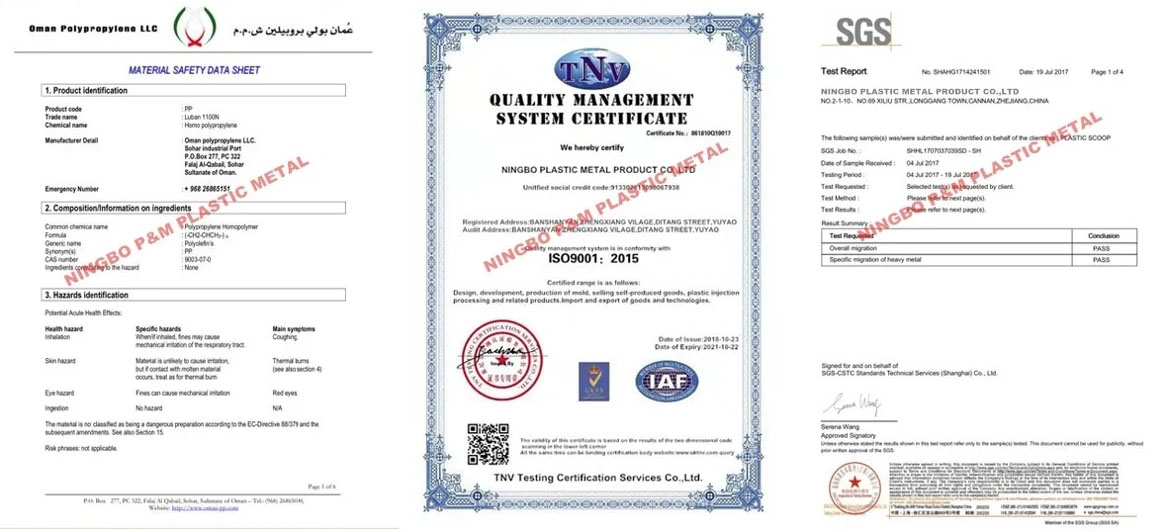

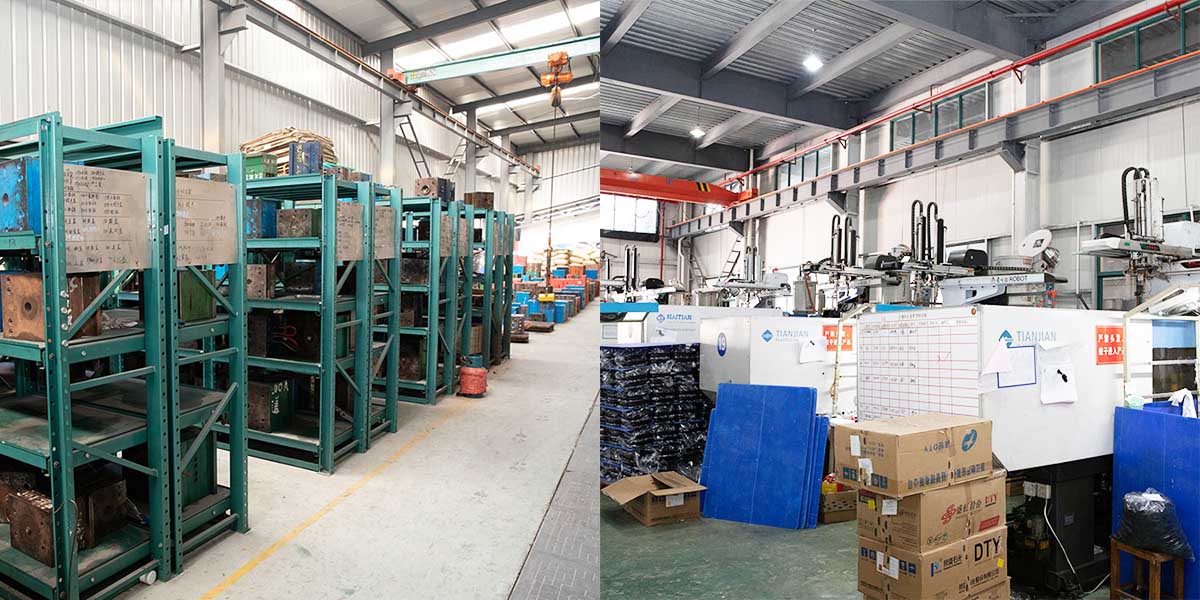
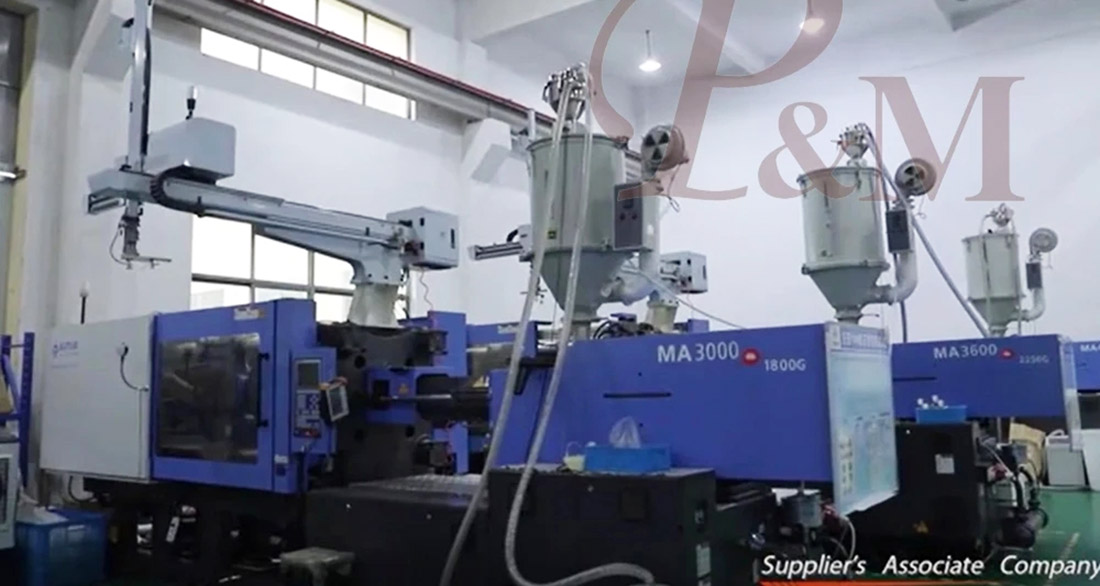
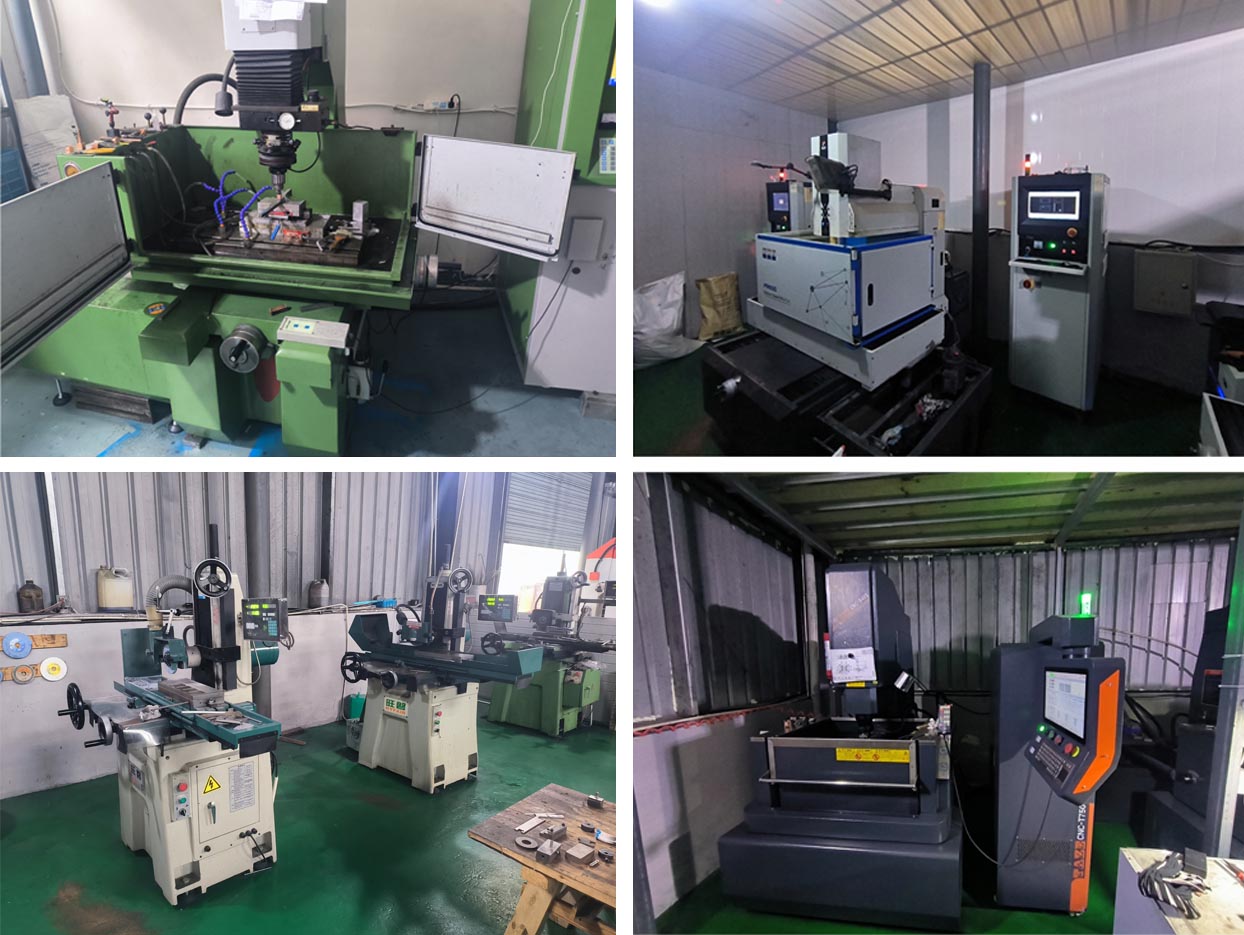
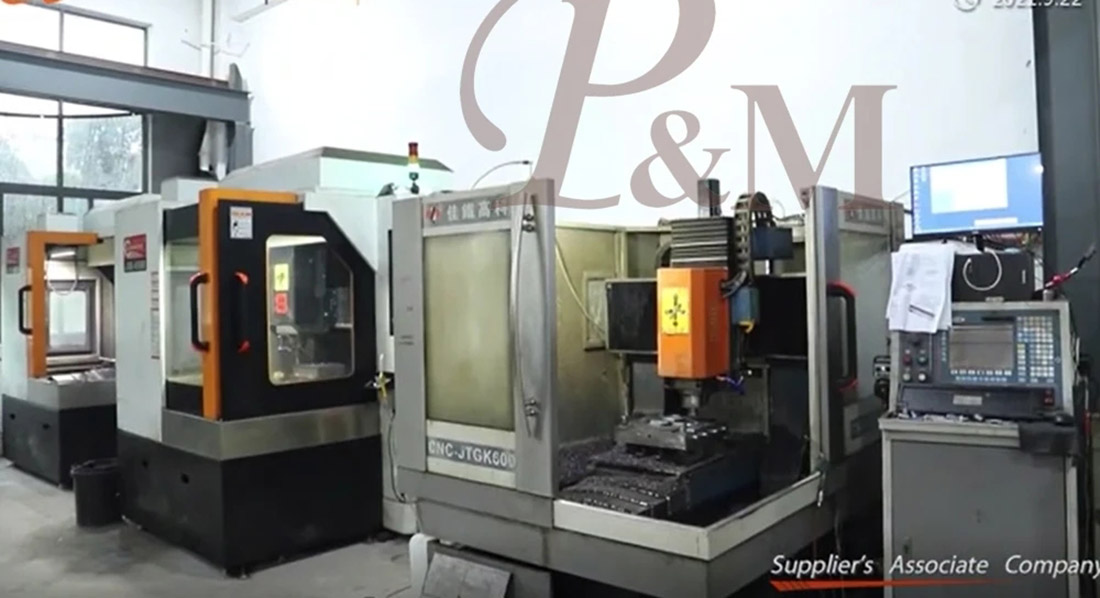
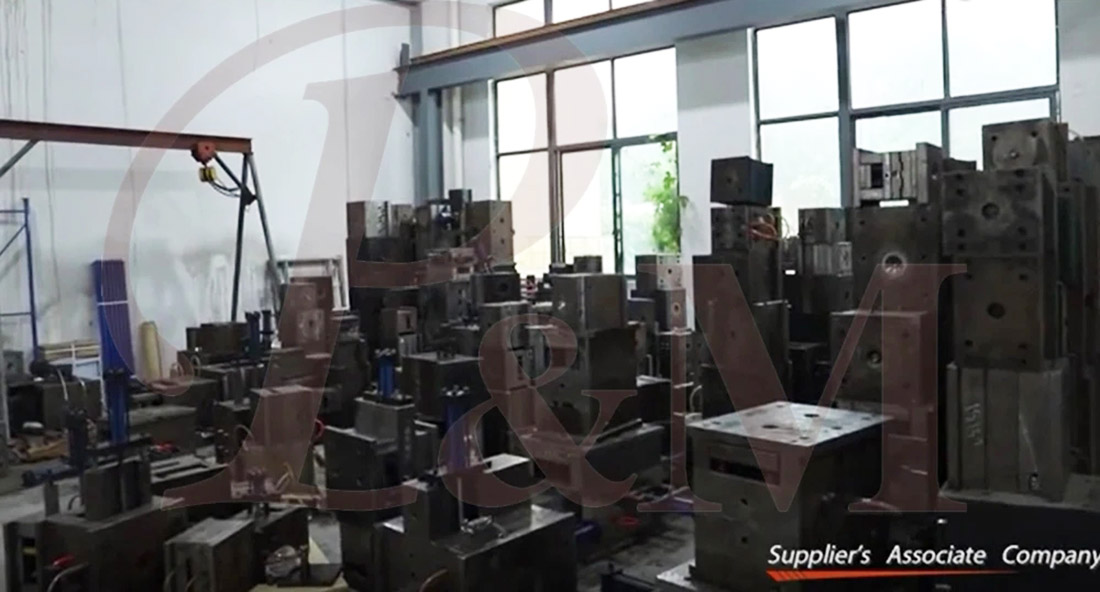
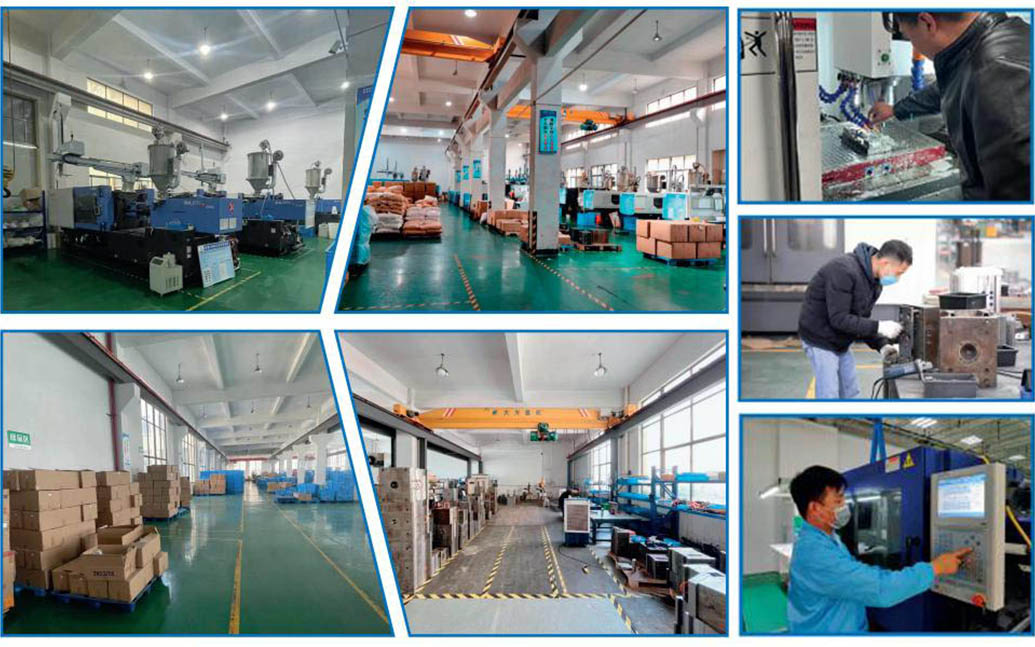
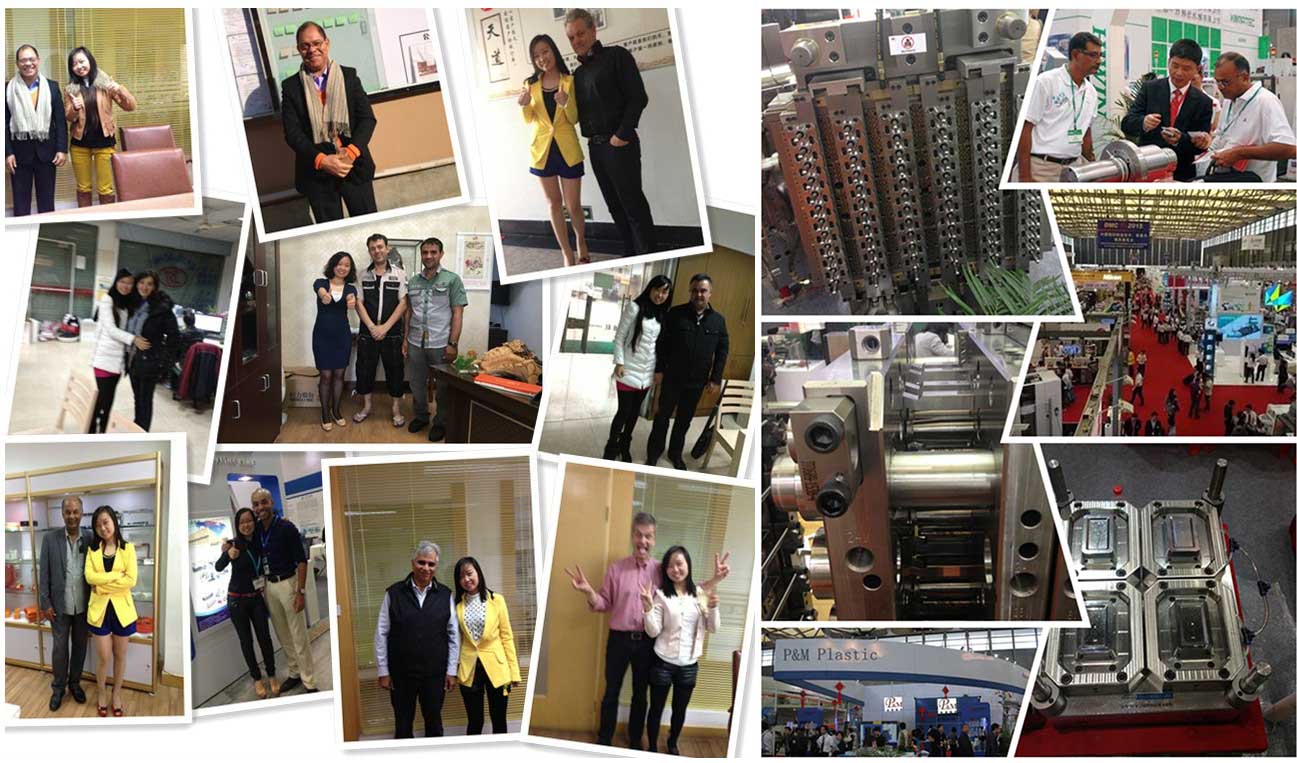
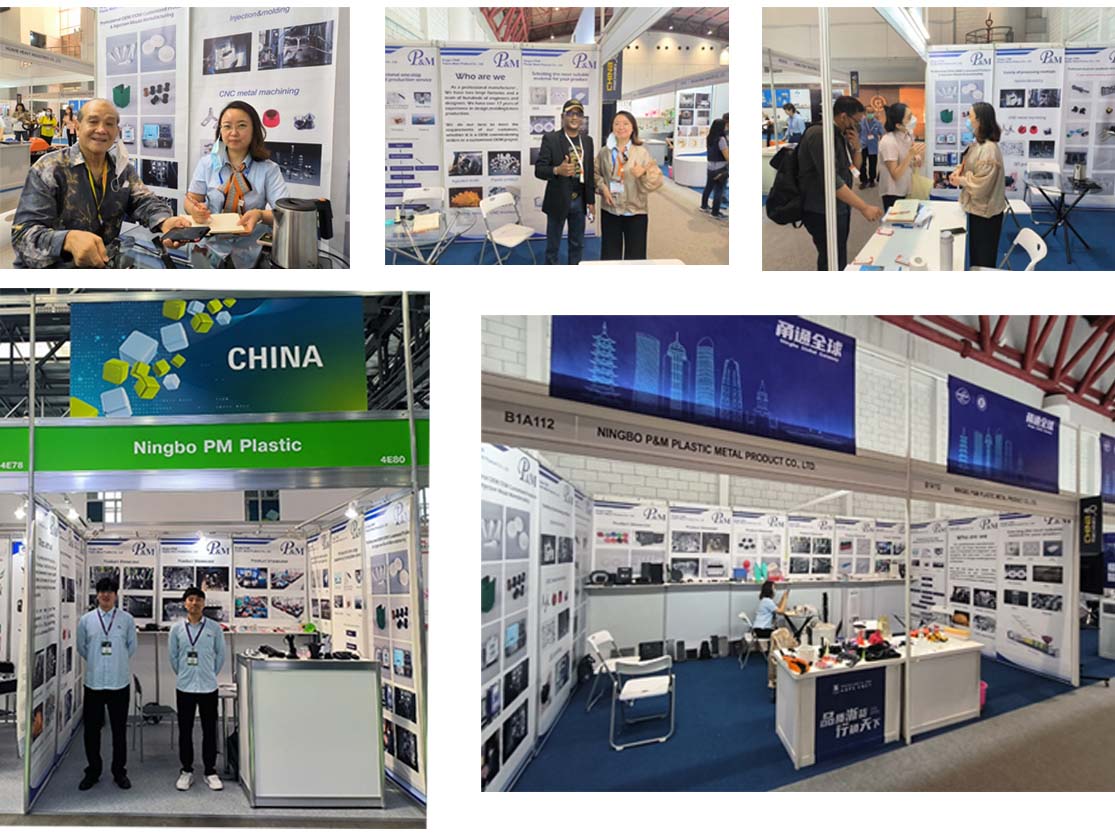
We always adhere to the principles of quality first and time first. While providing customers with the highest quality products, try to maximize the production efficiency and shorten production time. We are proud to tell every customer that our company has not lost any customer since its establishment.If there is a problem with the product, we will seek a solution actively and take responsibility to the end.

FAQ
Q1: Are you trading company or manufacturer ?
A: We are manufacturers.
Q2. When can I get the quotation?
A: We usually quote within 2 days after we get your inquiry.
If you are very urgent, please call us or tell us in your email so that we can quote for you first.
Q3. How long is the lead-time for mold?
A: It all depends on the products' size and complexity. Normally, the lead time is 25 days.
Q4. I have no 3D drawing, how should I start the new project?
A: You can supply us a molding sample, we will help you finish the 3D drawing design.
Q5. Before shipment, how to make sure the products quality?
A: If you don't come to our factory and also don't have the third party for inspection, we will be as your inspection worker.
We will supply you a video for production process detail include process report, products size structure and surface detail, packing detail and so on.
Q6. What is your payment terms?
A: Mold Payment: 40% deposit by T/T in advance, 30% second mold payment before sending out the first trial samples, 30% mold balance after you agree the final samples.
B:Production Payment: 50% deposit in advance, 50% before sending out the final goods.
Q7: How do you make our business long-term and good relationship?
A:1. We keep good quality and competitive price to ensure our customers benefit for best quality products.
2. We respect every customer as our friend and we sincerely do business and make friends with them, no matter where they come from.
Hot Tags: Garbage disposal moulding, China, Manufacturer, Supplier, Factory, Customized, Wholesale, Buy, Quality, Latest Selling, Made in China
Related Category
Audio-Visual Appliances
Health Appliances
Home Appliances
Personal Necessities
Digital Appliances
Kitchen Appliances
Bathroom Appliances
Environmentally Friendly Appliances
Send Inquiry
Please feel free to give your inquiry in the form below. We will reply you in 24 hours.