
Product
- Core Customization Service
- Health Care
- Electronic Appliances and Instruments
- Maternal and Child Supplies Molds
- Recreational Sports
- Home Furnishing Art
- Auto Accessories
- Transportation and Warehousing
- Lighting Fixtures
- Construction Equipment
- Packaging Product
- Educational & Laboratories
- Clothing Luggage Accessories
- Care and Cleaning Products
- Agriculture & Forestry
- Mechanical Equipment
- Pet Supplies
- Kitchenware
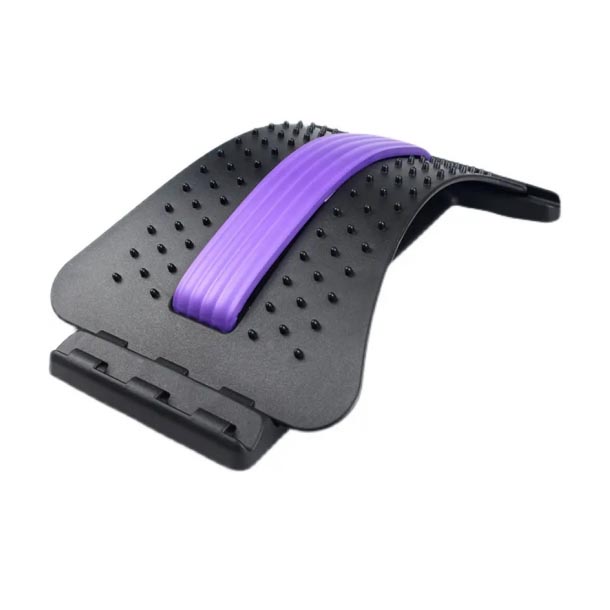
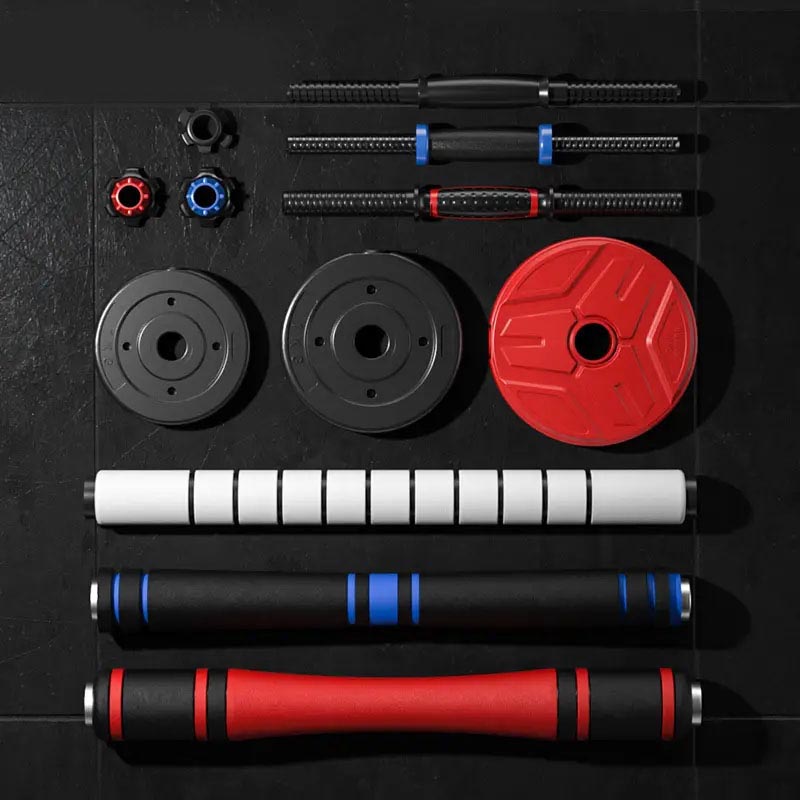
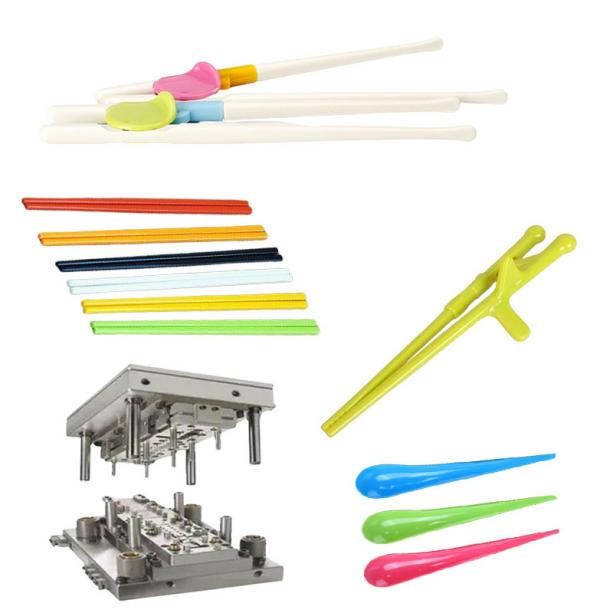
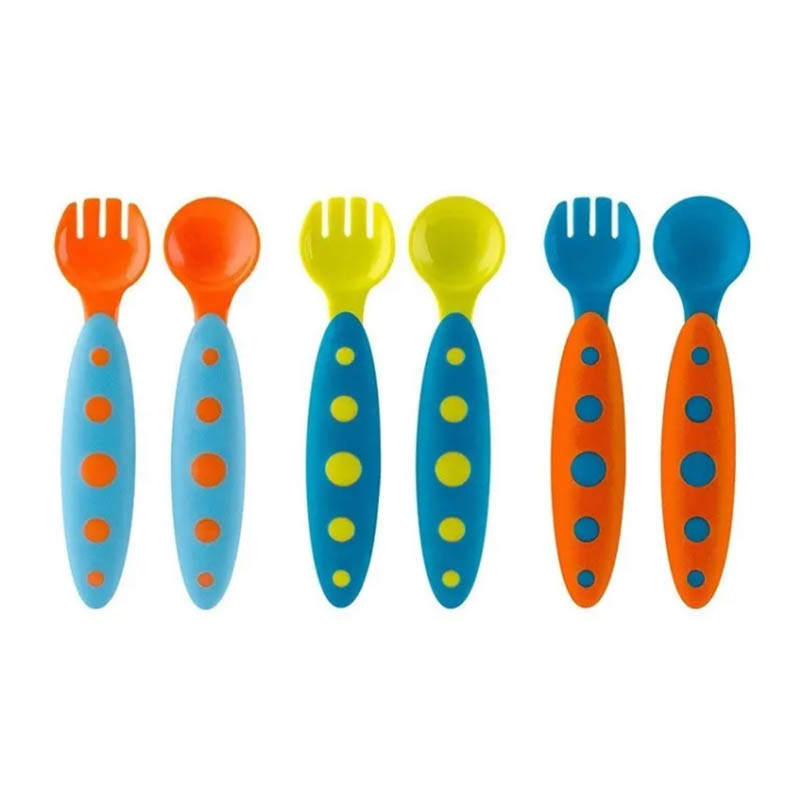
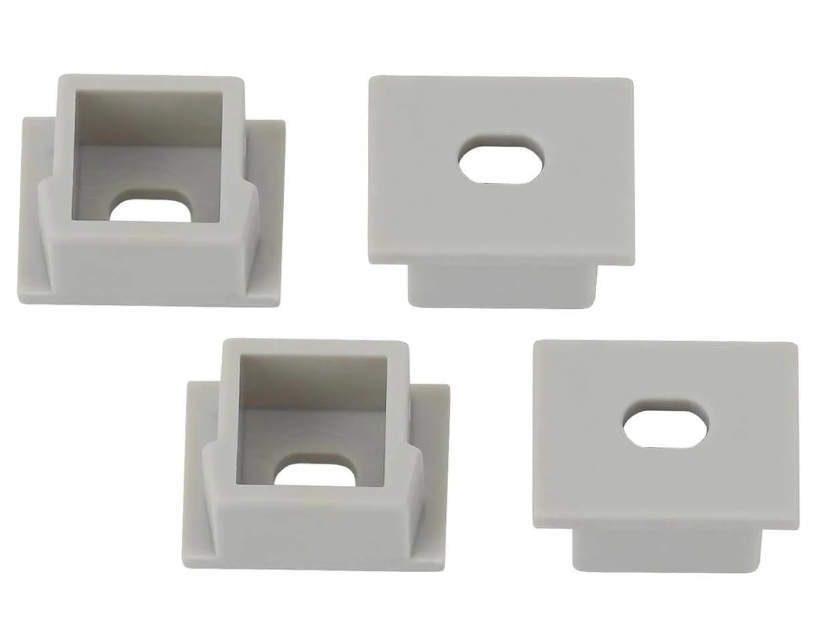
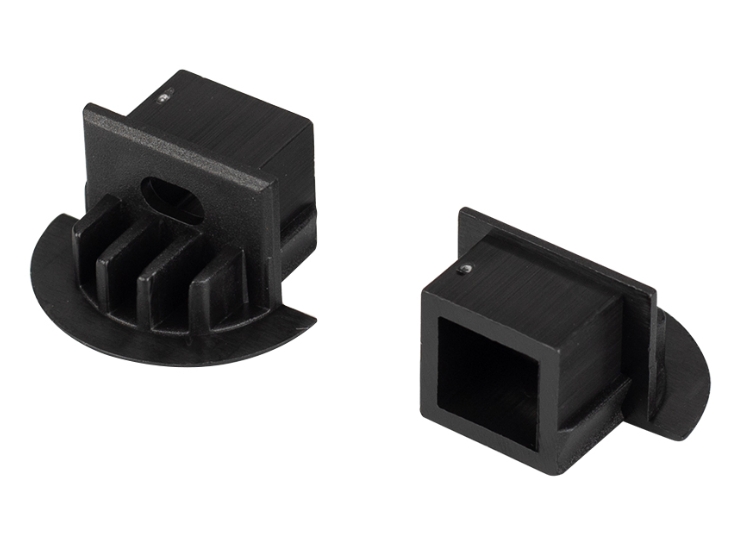
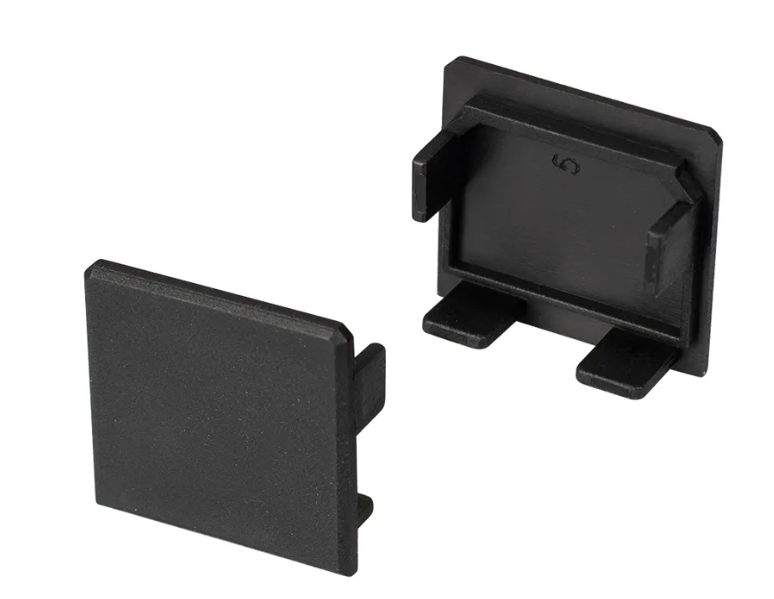
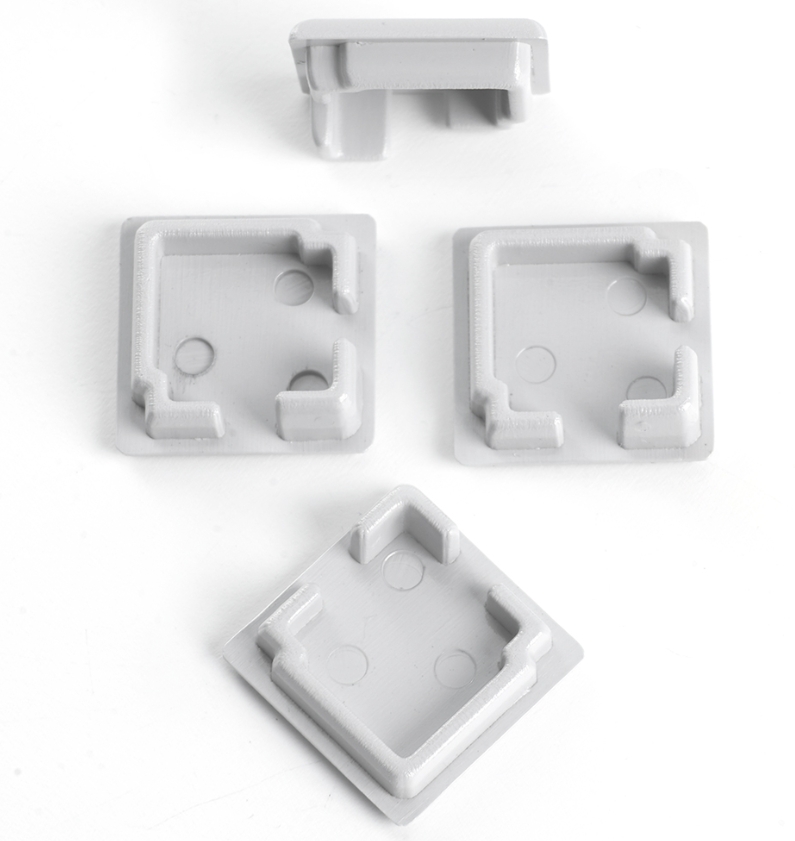
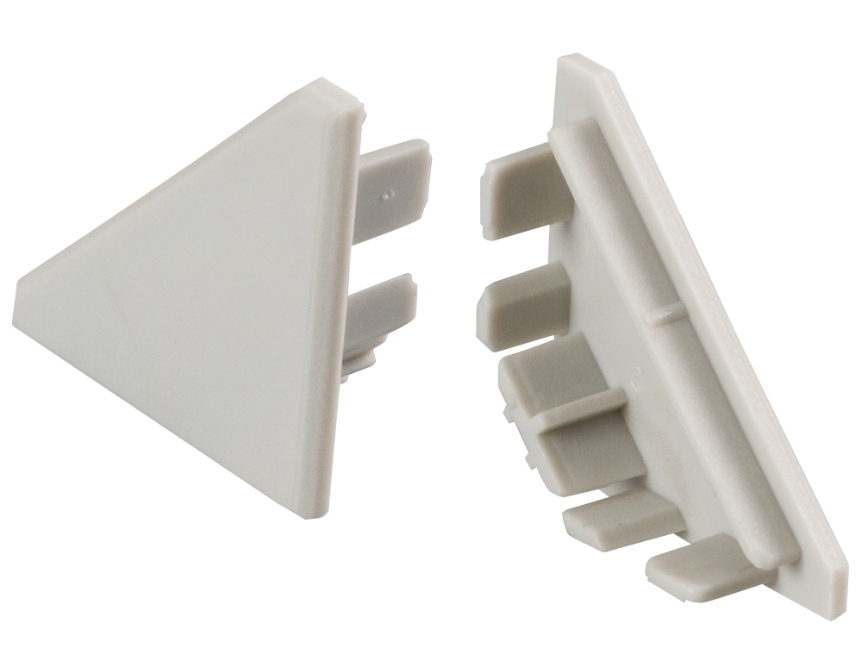
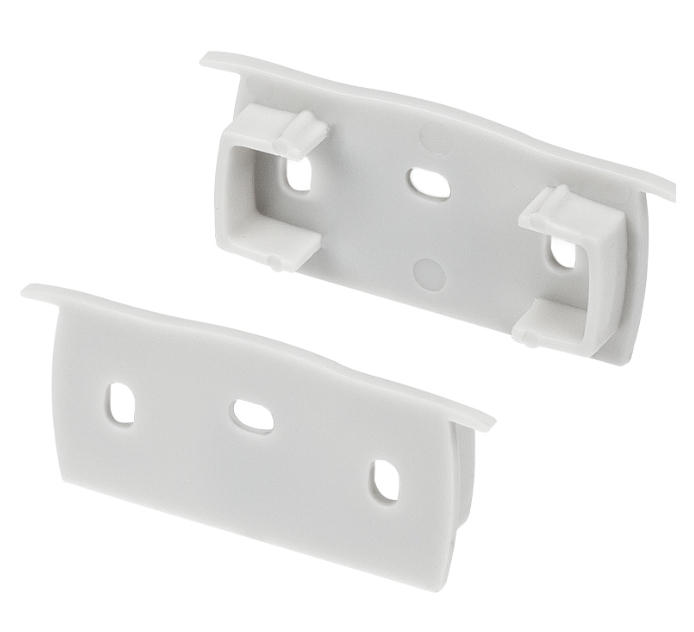
ODM plastic product services
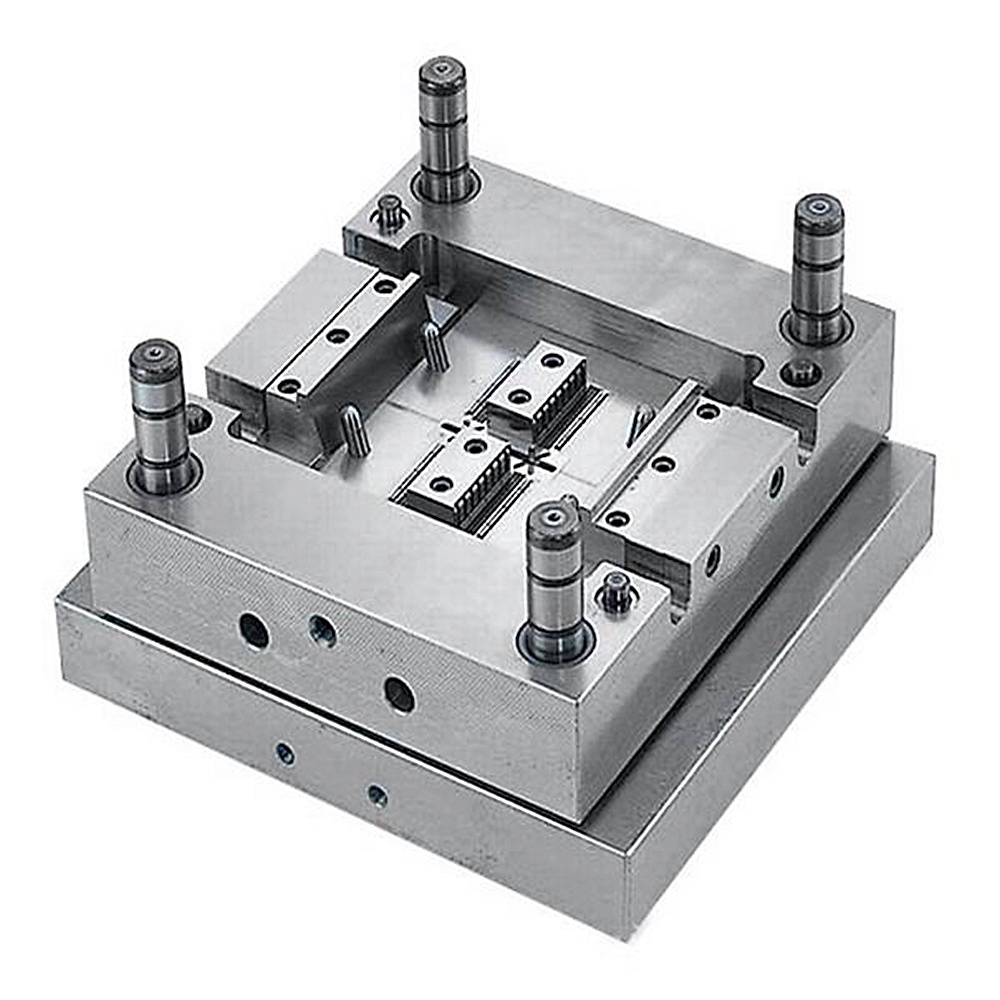
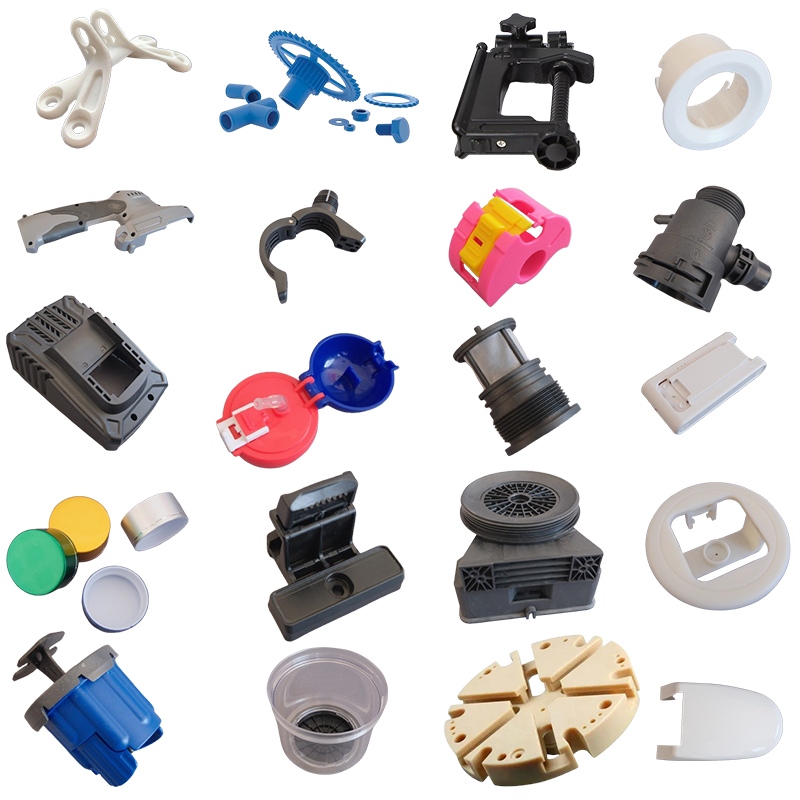
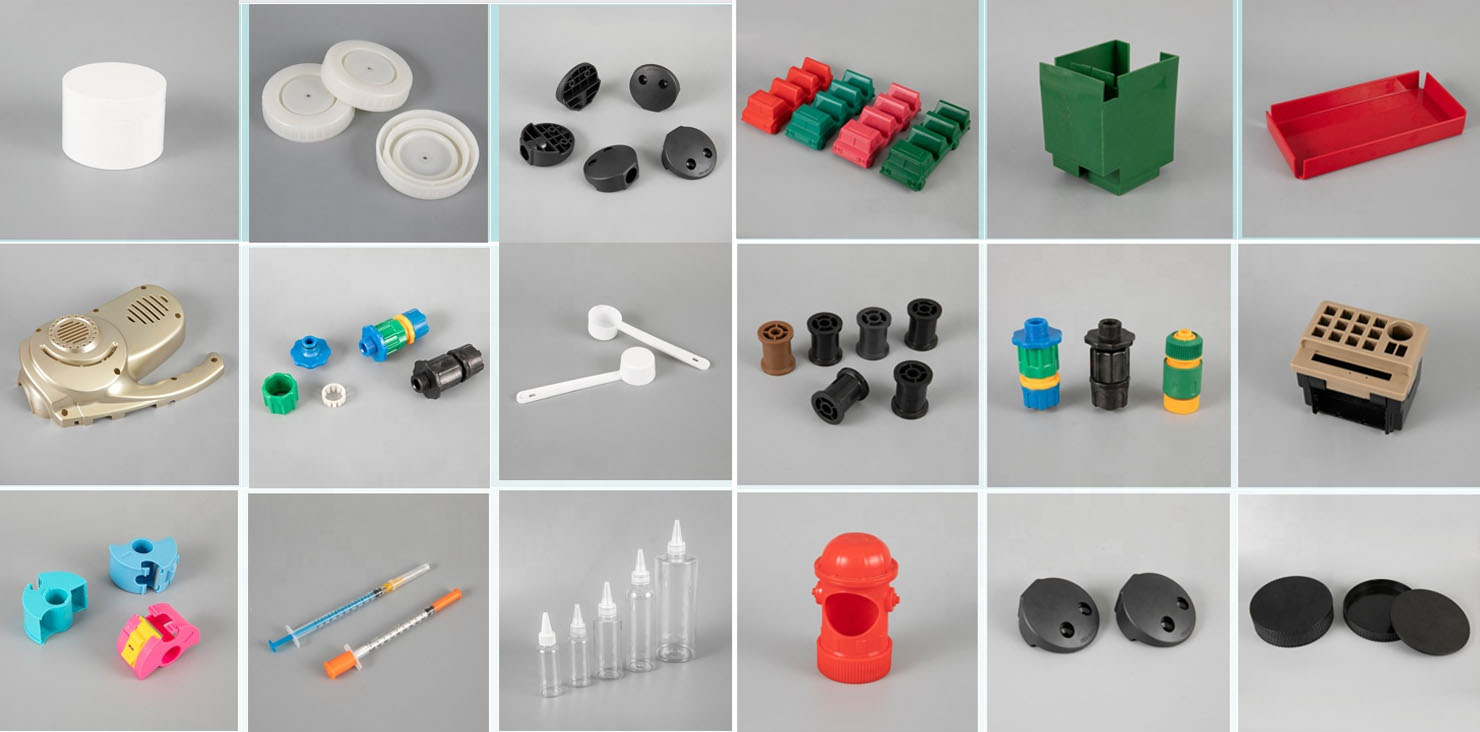
Ningbo (P&M) Plastic Hardware Products Co. has 15 years of mold making technology for customized ODM plastic product services. We have ISO 9001 certificates. We provide professional custom mold service and we are professional plastic mold manufacturer. We have sufficient experience in product raw material selection and mold material selection. We are well aware of the properties of various materials and the advantages and disadvantages of mold design. We will recommend suitable materials and professional design advice for our clients.
Send Inquiry
Product Description
We specialize in custom ODM plastic product services development, ABS plastic component production, and optional assembly services—not finished product trading. Our molds are engineered to maximize the performance of ABS (Acrylonitrile Butadiene Styrene) , with tailored structures optimized for ABS’s flowability, rigidity, and surface finish, delivering high-quality ABS parts for electronics, home appliances, automotive interiors, and consumer goods.
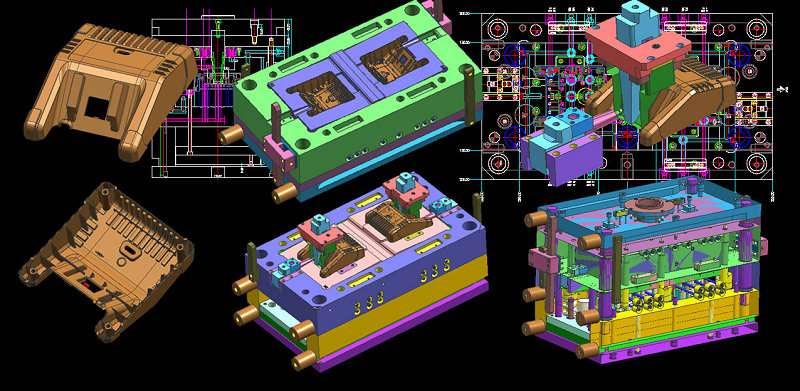
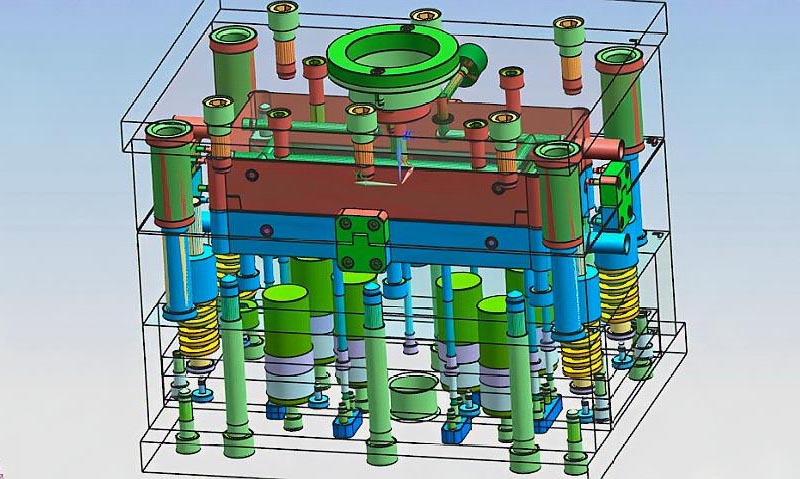
1. Custom Mold Structures: Tailored to ABS’s Molding Characteristics
ABS’s balanced properties (good flow, moderate shrinkage, high rigidity) require molds that enhance its while avoiding common issues (e.g., sink marks, weld lines). Our custom mold structures address these needs:
Cavity & Core: Machined via high-precision CNC machining (tolerance as tight as ±0.02mm) to leverage ABS’s excellent detail reproduction. Features include:
Smooth surface finishes (Ra ≤0.4μm) to replicate high-gloss or textured ABS parts (e.g., phone casings, appliance panels).
Reinforcement rib design (thickness 1/3–1/2 of base wall, spaced 2–3× wall height) to prevent sink marks—critical for ABS’s moderate shrinkage (1.5–2.5%).
Draft angles (1–3° for vertical surfaces) to ensure easy demolding, as ABS’s rigidity can cause sticking if angles are insufficient.
Gating System: Optimized for ABS’s flow behavior (medium melt viscosity). Options include:
Edge gates (for small-to-medium parts, e.g., electronic connectors) to minimize weld lines—ABS’s butadiene component can weaken welds if flow paths are uneven.
Hot runner systems (for large or multi-cavity parts, e.g., automotive interior trims) to maintain consistent melt temperature, reducing material waste by 15–20% and ensuring uniform part density.
Cooling System: Designed to control ABS’s cooling rate (critical for dimensional stability). Key features:
Uniform cooling channels (spaced 8–12mm apart) to avoid uneven shrinkage—prevents warping in large ABS parts (e.g., TV back panels).
Targeted cooling for thickened areas (e.g., boss structures) to reduce cycle time by 25–30%—ABS’s heat conductivity (0.19 W/m·K) requires efficient heat dissipation to avoid extended cooling.
Ejection System: Calibrated for ABS’s rigidity to prevent part damage:
Ejector pins (arranged at non-visible areas) with rounded tips to avoid marking ABS’s hard surface.
Stripper plates (for large flat parts) to distribute ejection force evenly—prevents cracking of rigid ABS components.
2. ABS Material Variants & Their Applications
ABS is available in modified grades to suit specific needs—we select the right ABS variant based on your component’s function and environment:
General-Purpose ABS (GP-ABS): Ideal for consumer goods (e.g., toy parts, household appliance housings). Offers balanced impact resistance (10–15 kJ/m²), rigidity (Shore D 75–80), and cost-effectiveness—suitable for low-to-medium stress applications.
High-Impact ABS (HI-ABS): Used for durable parts (e.g., laptop casings, tool handles). Modified with extra butadiene to boost impact resistance (20–30 kJ/m²)—withstands drops and shocks without breaking, ideal for portable devices.
Flame-Retardant ABS (FR-ABS): Perfect for electronic components (e.g., PCB enclosures, power supply housings). Meets UL94 V-0 standards—prevents flame spread in electrical applications, maintaining structural integrity at high temperatures (up to 100°C).
Glass-Filled ABS (GF-ABS, 10–30% GF): Great for structural parts (e.g., automotive interior brackets, industrial machine components). Reinforced with glass fiber to enhance tensile strength (up to 60 MPa) and reduce shrinkage (1.0–1.5%)—suitable for load-bearing ABS parts requiring dimensional precision.
High-Gloss ABS: Suitable for aesthetic parts (e.g., cosmetic packaging, audio device panels). Features a polished surface finish (no post-processing needed)—leverages ABS’s ability to retain high gloss, ideal for consumer goods where appearance is critical.
3. ODM plastic product servicesing Process: Optimized for Performance
Our injection process is fine-tuned to maximize ABS’s properties, with key advantages:
Precision & Consistency:
Melt temperature control (220–260°C) to ensure ABS flows evenly—avoids cold slugs or burn marks.
Injection pressure (70–100 MPa) calibrated for ABS’s viscosity—ensures full cavity filling without excessive stress (which can cause part warping).
Dimensional tolerance control (±0.03mm for small parts) via servo-driven machines—critical for ABS components requiring tight fits (e.g., electronic connectors).
Surface Quality:
Mold cavity polishing (Ra ≤0.2μm for high-gloss parts) to eliminate defects—ABS’s excellent surface reproduction ensures no visible blemishes.
Weld line reduction (via gate placement and melt temperature optimization)—improves strength and appearance of ABS parts with complex geometries.
Efficiency:
Cycle time optimization (20–40 seconds per part) via targeted cooling—balances production speed with ABS’s cooling requirements.
Multi-cavity molds (8–32 cavities for small parts, e.g., buttons) to boost output—ABS’s good flow supports uniform filling across multiple cavities, with daily production up to 50,000 parts for standard designs.
Cost-Effectiveness:
Hot runner systems reduce material waste (15–20%)—minimizes scrap from cold runners, lowering per-unit costs for high-volume ABS parts.
Integrated molding of features (e.g., ribs, bosses) eliminates post-processing—cuts labor costs and ensures consistent quality.
4. Our Services: Beyond Molds—ABS Components & Assembly
We provide end-to-end solutions for ABS production, tailored to your needs:
ABS Component Manufacturing: Produce custom ABS parts in sizes (5×5mm to 500×300mm), shapes (complex geometries, thin walls down to 0.8mm), and finishes (glossy, matte, textured). Supports color matching (RAL/Pantone codes) and post-processing (painting, plating, printing) to enhance ABS’s aesthetic appeal.
Value-Added Assembly: Optional assembly services for ABS sub-assemblies—such as attaching metal inserts (for strength), bonding ABS parts with adhesives, or integrating non-ABS components (e.g., rubber gaskets, electronic modules). Delivers ready-to-integrate sub-assemblies, saving your production time.
Custom Design Support: Offer 3D mold design and ABS prototyping (via CNC machining or injection molding). We produce 10–50 prototype parts in 3–5 days to test ABS’s performance (impact resistance, fit) and optimize the mold design before mass production.


Mold Preparation
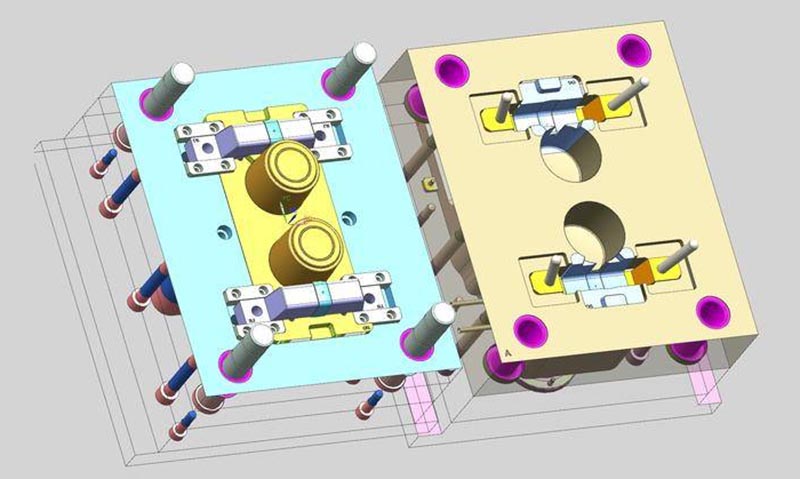
Mold Design: The cavity surface must be mirror-polished (#10000 or higher diamond paste polish). Any minor scratches will be replicated on the part surface. Runners and gates should be smooth, free of stagnation points, and minimize weld marks.
Mold Cleaning: Before closing the mold, the cavity must be thoroughly wiped with a dust-free cloth, high-purity alcohol, or a dedicated mold cleaner. Any trace of dust, oil, moisture, or residue from the previous mold can cause fatal defects.
Mold Temperature Controller (Mold Temperature Control): Prepared to preheat and maintain the mold at the optimal temperature (typically 60-80°C).
Phase 2: Injection Molding Cycle (Fine Control)
Process parameters are set based on the principles of "gentle and uniform," avoiding any harsh operations that could cause material decomposition or stress.
1. Mold Closing
The mold is locked under high pressure.
2. Injection and Holding Pressure
Barrel Temperature: PMMA has a narrow processing temperature range, typically set between 210-270°C.
Too low a temperature: The melt has poor fluidity, resulting in incomplete filling, surface flow marks, and noticeable weld lines.
Too high a temperature (above 280°C): The material may decompose, yellowing, bubbles, and black specks may occur.
Injection Speed: Medium to low injection speeds are recommended.
High injection speeds can easily cause high shear stress, leading to shear overheating, localized material decomposition (producing black specks), and gas entrainment.
Slow injection speeds facilitate degassing, reducing bubbles and silver streaks, but may also make weld lines more noticeable. Finding a balance depends on the product structure. Multi-stage injection molding is typically used, with slow filling speeds in thick-walled areas to facilitate degassing and fast injection speeds in thin-walled areas.
Holding Pressure: Use medium to low holding pressures and short holding times. Excessively high holding pressures and long holding times can generate significant internal stresses, making the product susceptible to stress cracking during subsequent use. The primary purpose of holding pressure is to compensate for shrinkage, not to compact the product.
3. Cooling
Mold temperature: This is crucial and should generally be maintained between 60-80°C.
If the mold temperature is too low, the melt rapidly cools upon contact with the cold mold wall, "freezing" the molecular chains. This results in poor flow, weak weld lines, and extremely high internal stress in the product.
If the mold temperature is too high, the cooling time is prolonged, production efficiency is low, and mold sticking is likely to occur.
Cooling time: Ensure that the product is fully cooled and formed to prevent deformation during ejection.
4. Mold Opening and Ejection
PMMA is a brittle material with a high surface hardness. The ejection system must be balanced and uniform.
Avoid using sharp ejector pins. It is recommended to use large-area ejectors (strippers), push blocks, or gas-assisted ejection to prevent white spots, cracks, and obvious ejection marks.
Stage 3: Post-Processing and Inspection
Gate Removal: Carefully cut or punch out the gate and runners. Trimmed areas should be ground and polished to restore transparency and aesthetics.
Annealing (Stress Relief - Highly Recommended)
Purpose: Eliminate internal stresses generated during the injection molding process, significantly improve the product's chemical resistance (especially solvent resistance) and dimensional stability, and prevent future stress cracking.
Process: Place the product in a circulating air oven, slowly heat it to 70-80°C (10-20°C below the heat distortion temperature), hold it there for 2-4 hours, and then slowly cool it to room temperature. Rapid heating and cooling will introduce new stresses.
Surface Treatment (Optional):
Polishing: Products with minor surface blemishes or sprue marks are polished to restore a mirror finish.
Hard Coating: Spray hardening is sometimes performed to improve surface scratch resistance.
Full Inspection and Packaging
Appearance Inspection: 100% inspection is conducted under a backlit inspection light, carefully checking for any defects such as silver streaks, bubbles, black spots, scratches, shrinkage, weld marks, and impurities.
Dimensional Inspection: Use calipers, projectors, and other tools to inspect critical dimensions.
Performance Inspection: Tests such as light transmittance and haze.
Packaging: Individually isolate and package items using soft materials (such as PE bags, foam pads, or paper interlayers) to prevent scratching. Operators must wear gloves.
We are a pmma injection moulding manufacturer, providing high-quality pmma injection moulding manufacturing. As long as you want to customize/develop pmma injection moulding products, you can find us. We have professional injection mold design and mature manufacturing technology, providing you with one-stop service, from product design-mold making-product production-product packaging-product transportation, we can help you in every link. As long as you come to us, we will provide you with the ultimate service and satisfy you in terms of product quality, production time, information dialogue, etc.
|
Product Name |
ODM plastic product services |
|
Pls provide |
2D, 3D, samples, or the size of the multi-angle pictures |
|
Mould Time |
20-35 Days |
|
Product time |
7-15 Days |
|
Mould precision |
+/-0.01mm |
|
Mould life |
50-100 million shots |
|
Producing Process |
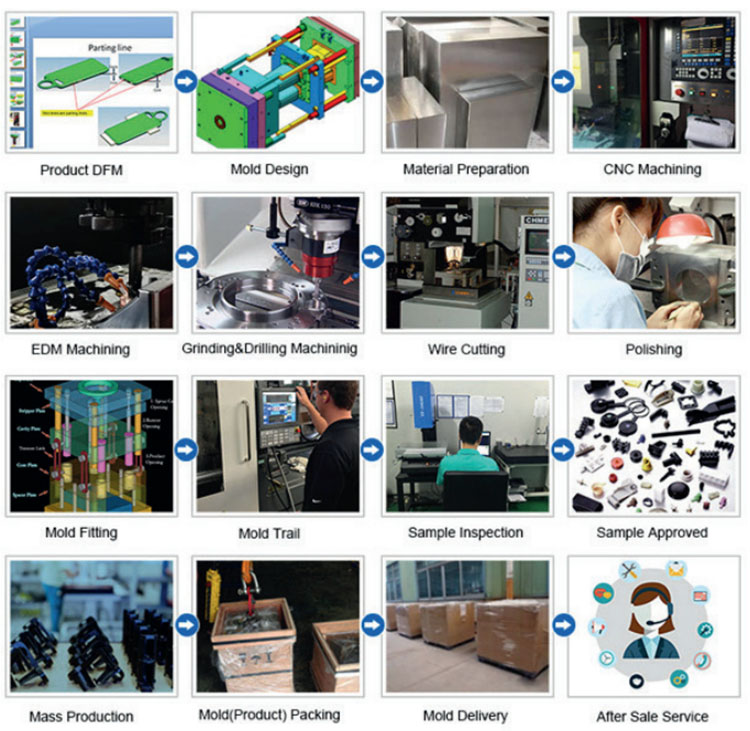
Audit drawings - mold flow analysis - design validation - Custom Materials - mold processing - core processing - electrode machining - Runner system processing - parts processing and procurement - machining acceptance - cavity surface treatment process - complex mode Die - The entire mold surface coating - Mounting plate - mold sample - sample test - sending samples |
|
Mould cavity |
One cavity, multi-cavity or same different products be made together |
|
Mould material |
P20,2738,2344,718,S136,8407,NAK80,SKD61,H13 |
|
Runner system |
Hot runner and cold runner |
|
Base material |
P20,2738,2344,718,S136,8407,NAK80,SKD61,H13 |
|
Finish |
Pitting the word, mirror finish, matte surface, striae |
|
Standard |
HASCO, DME or dependent upon |
|
Main technology |
Milling, grinding, CNC, EDM, wire cutting, carving, EDM, lathes, surface Finish, etc. |
|
Software |
CAD,PRO-E,UG Design Time: 1-3 days (normal circumstances) |
|
Product material |
ABS,PP,PC,PA6,PA66,TPU,POM,PBT,PVC,HIPS,PMMA,TPE,PC/ABS,TPV,TPO,TPR,EVA,HDPE,LDPE,CPVC,PVDF,PPSU.PPS. |
|
Quality system |
ISO9001:2008 |
|
Establish time |
20days |
|
Equipment |
CNC,EDM,Cutting off Machine,plastic machinery,etc plastic suitcase mould zhe jiang |
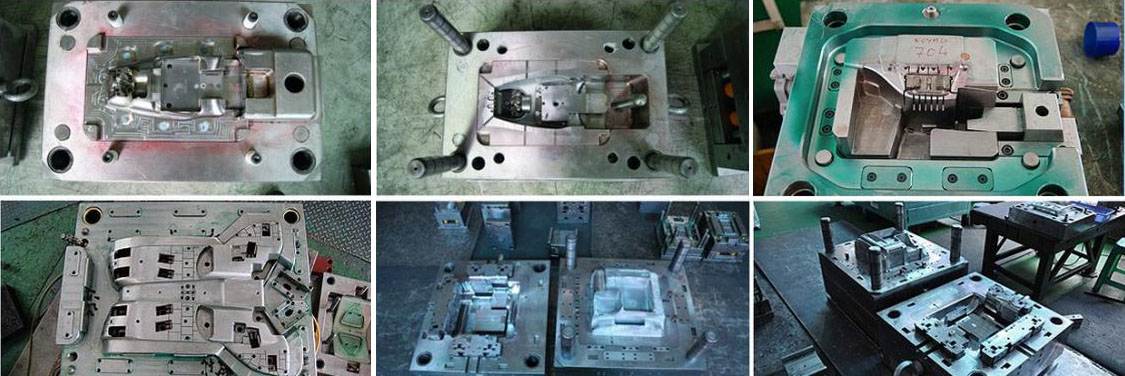
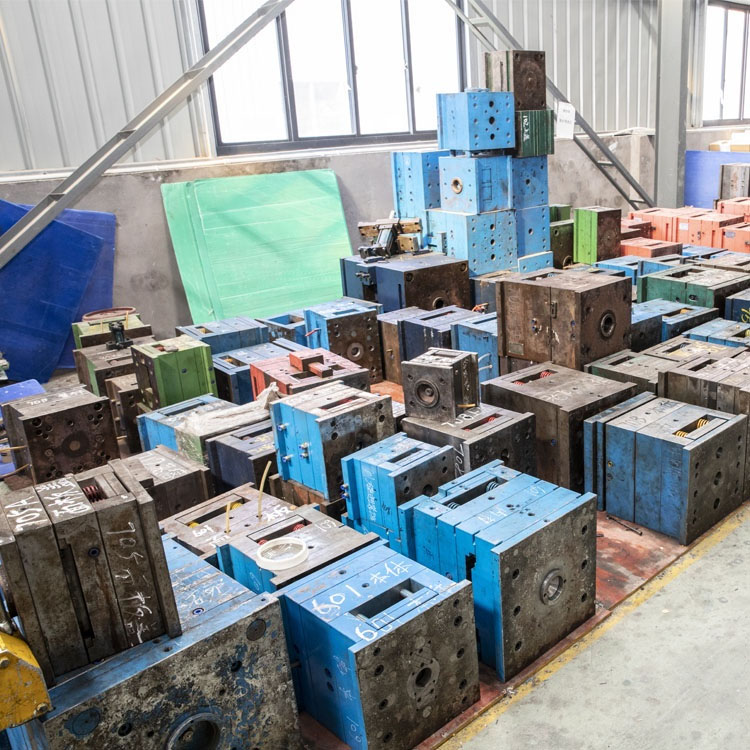
Plastic Injection Mould making
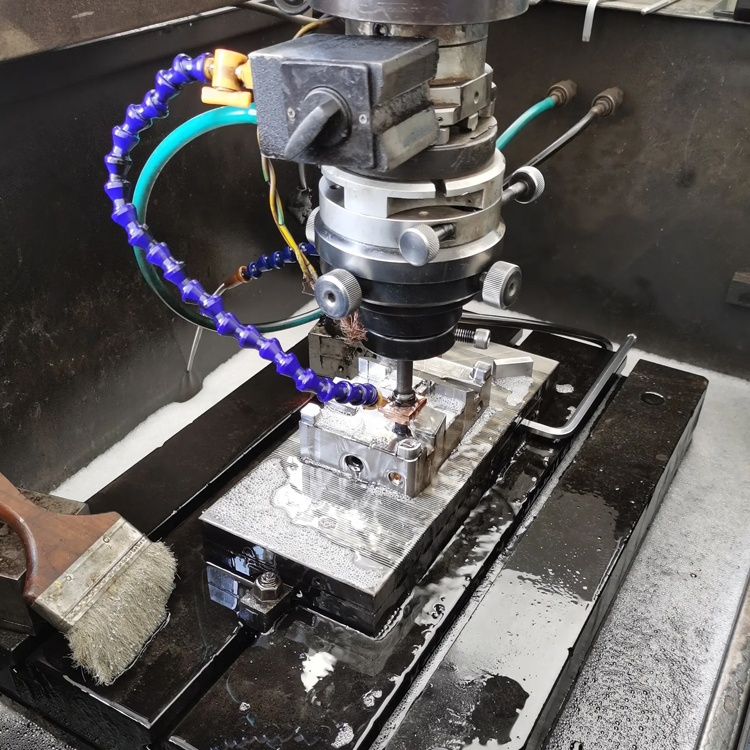
Plastic molding specifications
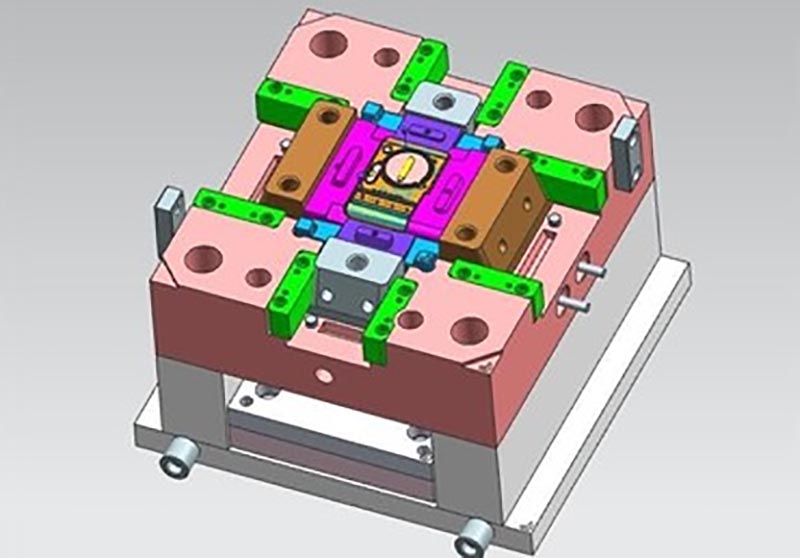
Mold design:
Transaction process:
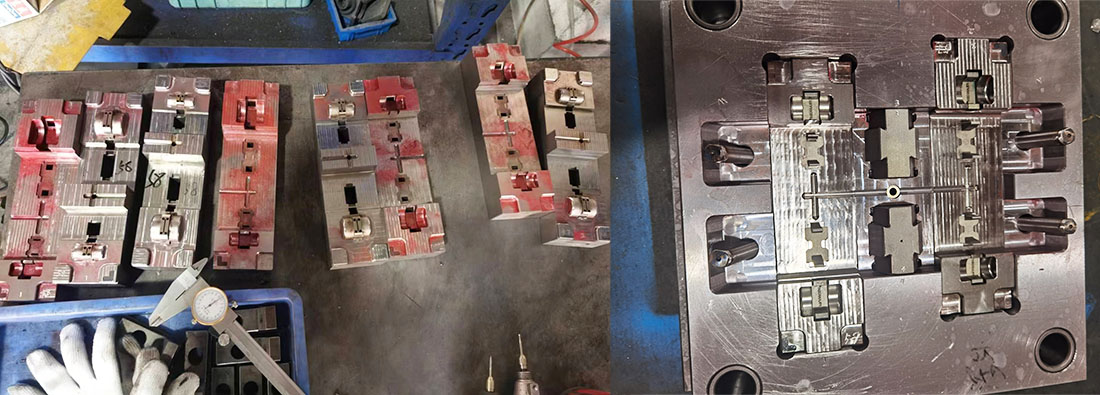
Mold testing:

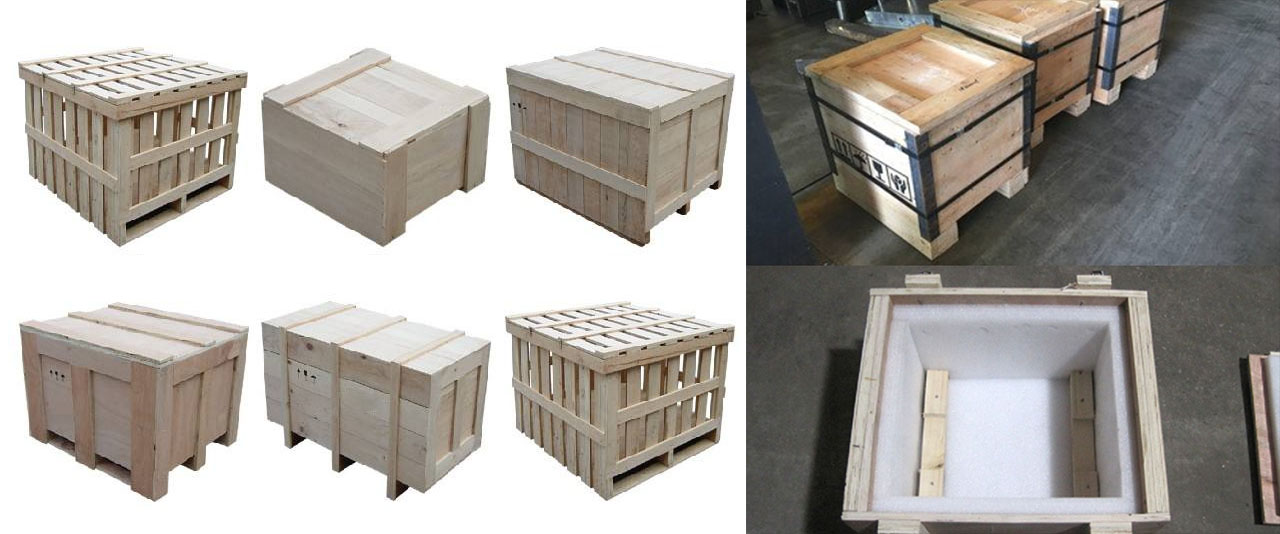
Product packaging
Factory
We are Custom Plastic Mold factory. Our factory is plastic injection mold maker. we has 17 years of experience in professional custom plastic mold and 10 years of foreign trade experience. We are custom Plastic Mold supplier. We can provide custom Plastic Mold service. Our factory can make the Injection molded plastic parts, and the quality of the products will satisfy you.
We have more than 50 high-end machines and hundreds of engineers and designers. We can provide one-stop service, from product design - mold making - product production - product packaging - transportation. We have a complete production chain. We can meet all your requirements.
Services we provide:
Professional custom mold service, Plastic mold design and manufacturing .plastic product production, product design, mold design, blow mold customization, rotational mold customization, die-casting mold customization. 3D printing services, CNC manufacturing services, product packaging, customized packaging, shipping services.
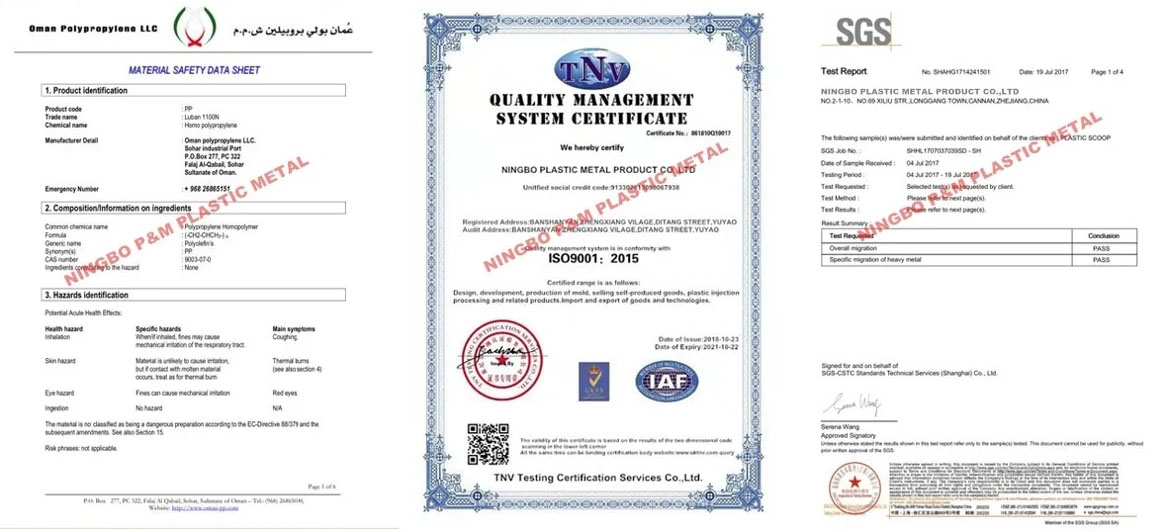

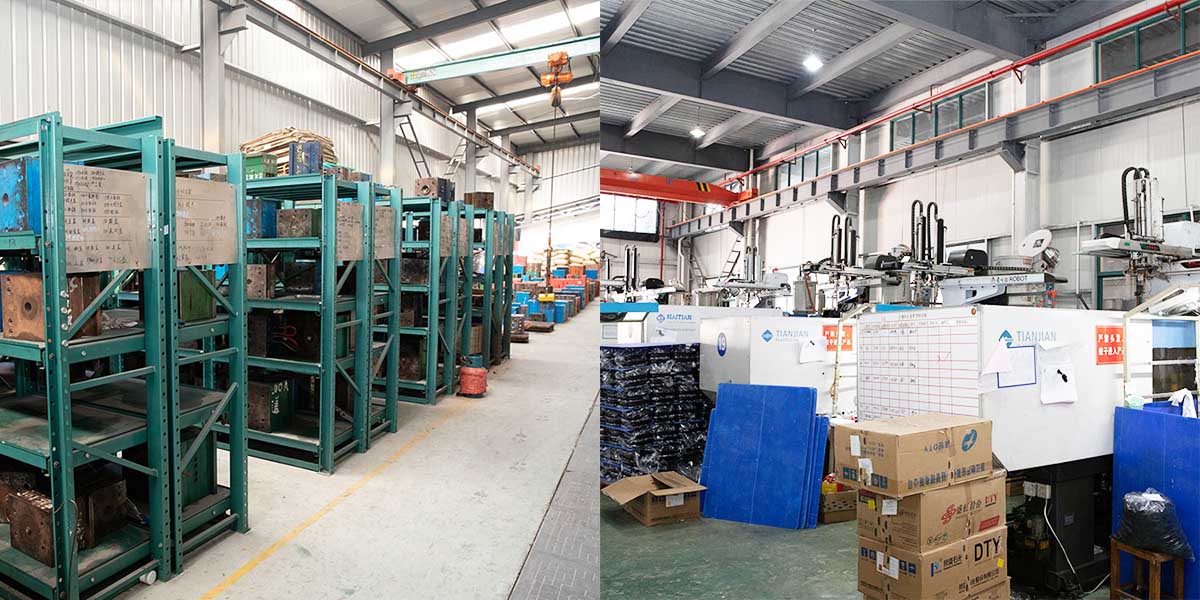
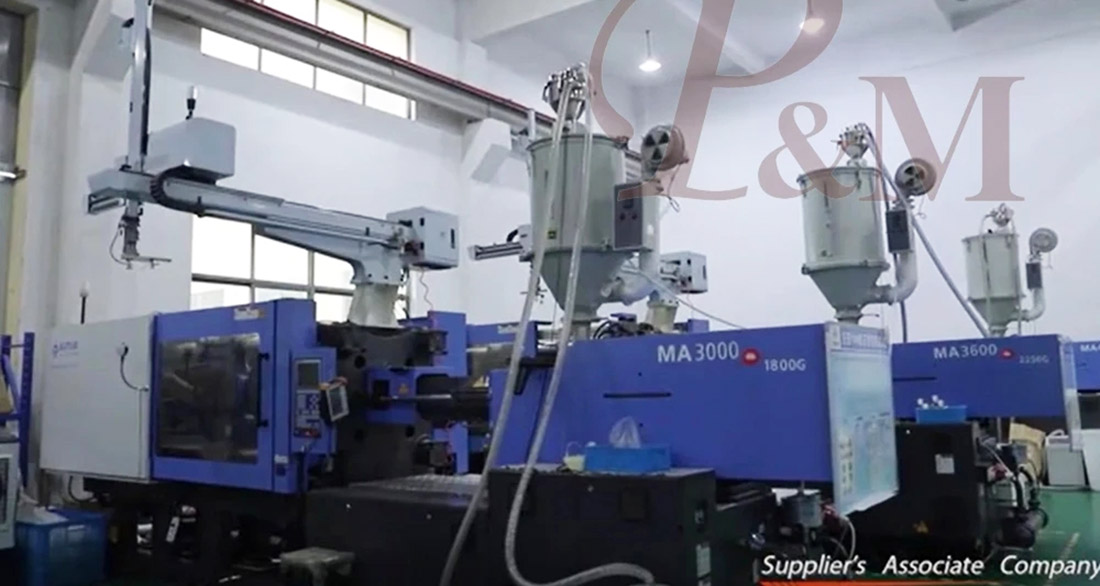
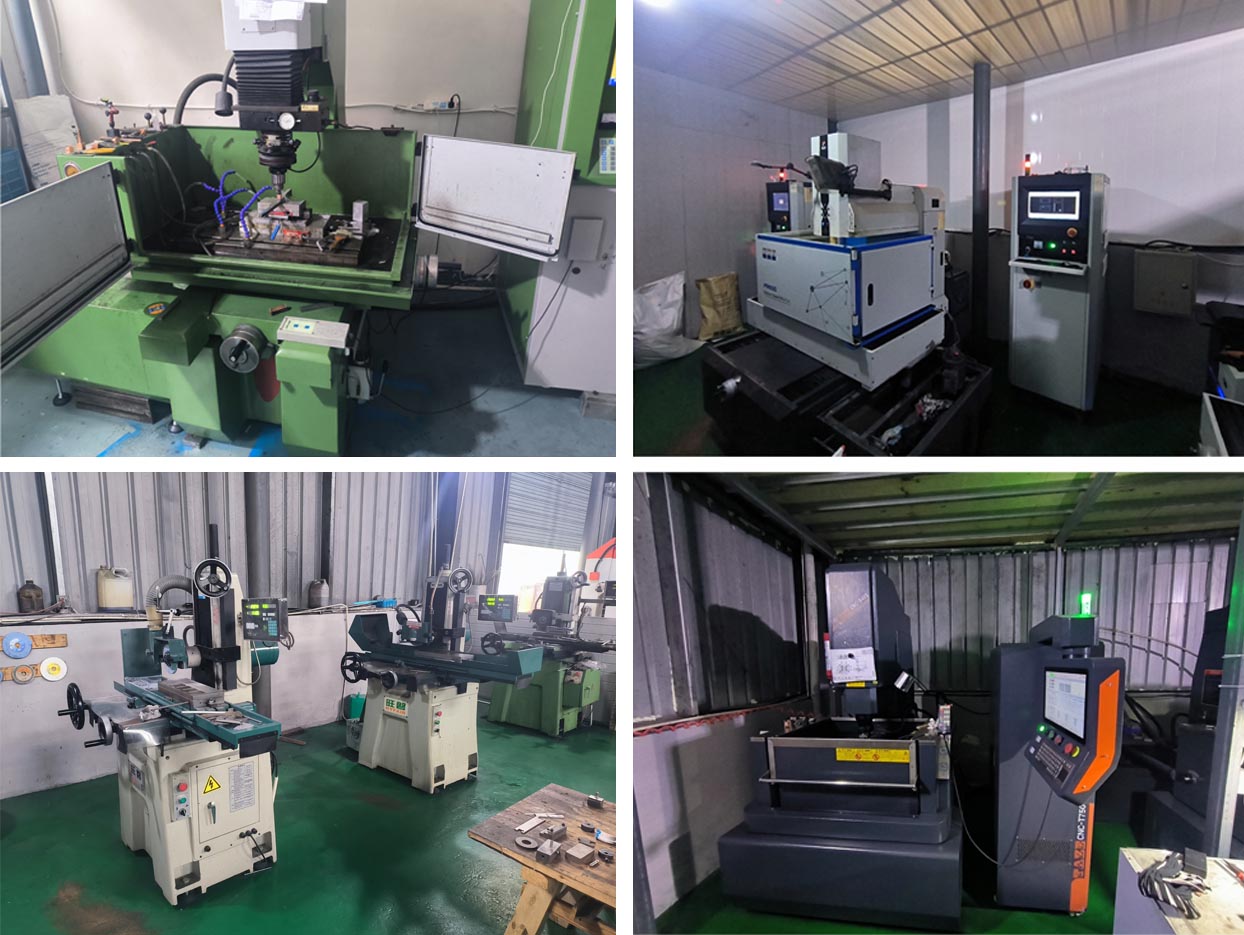
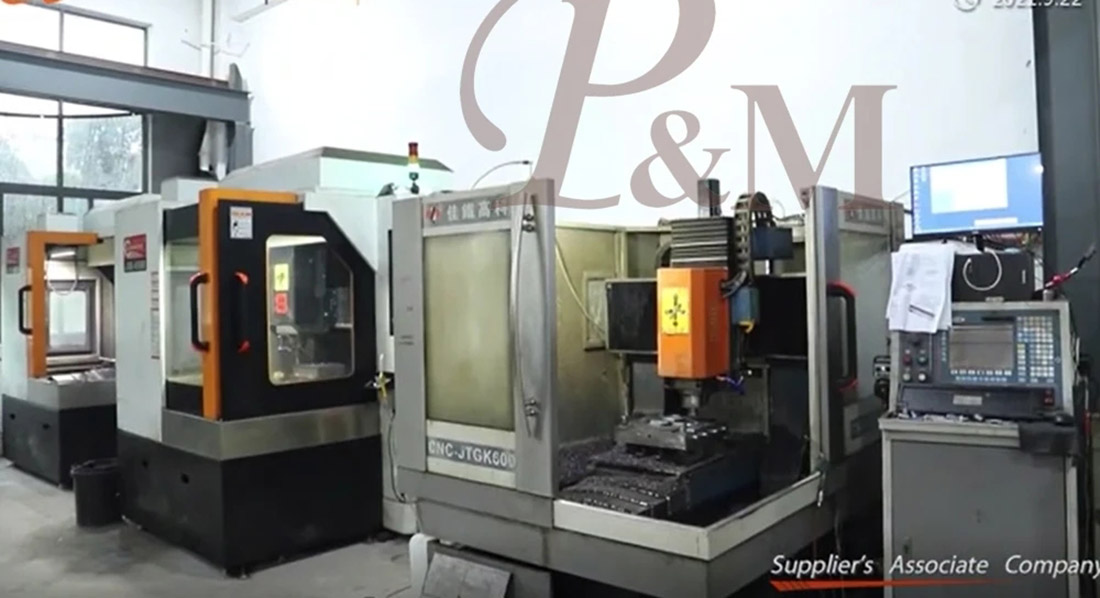
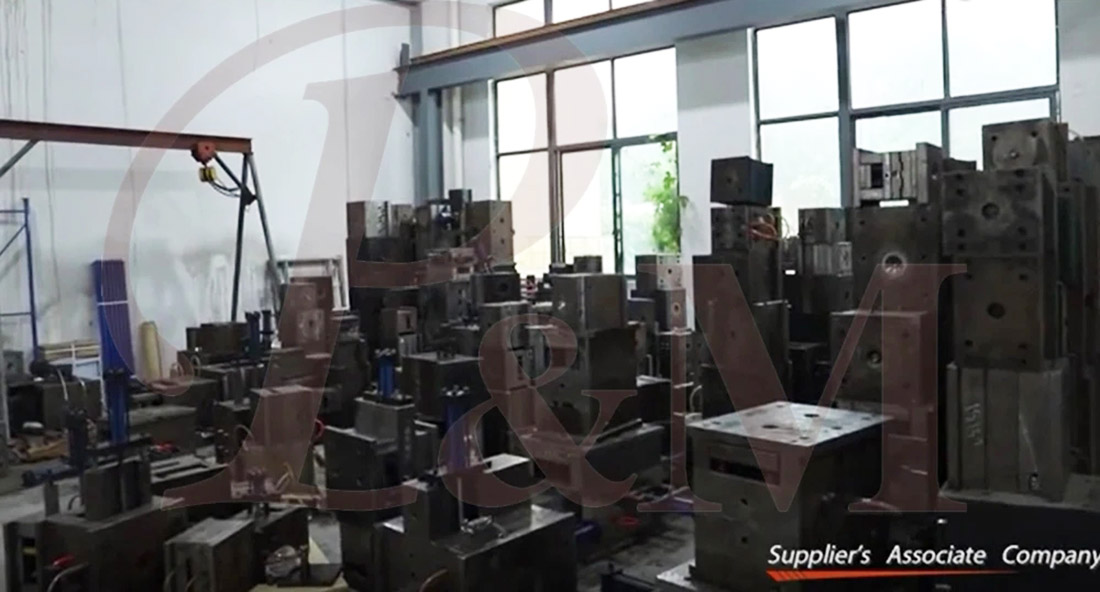
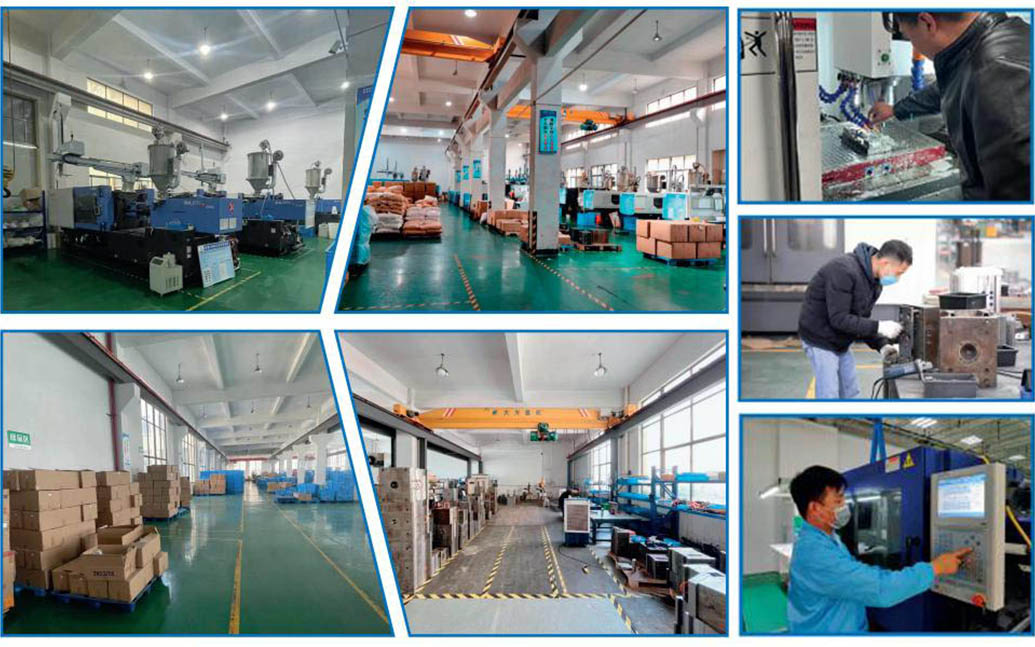
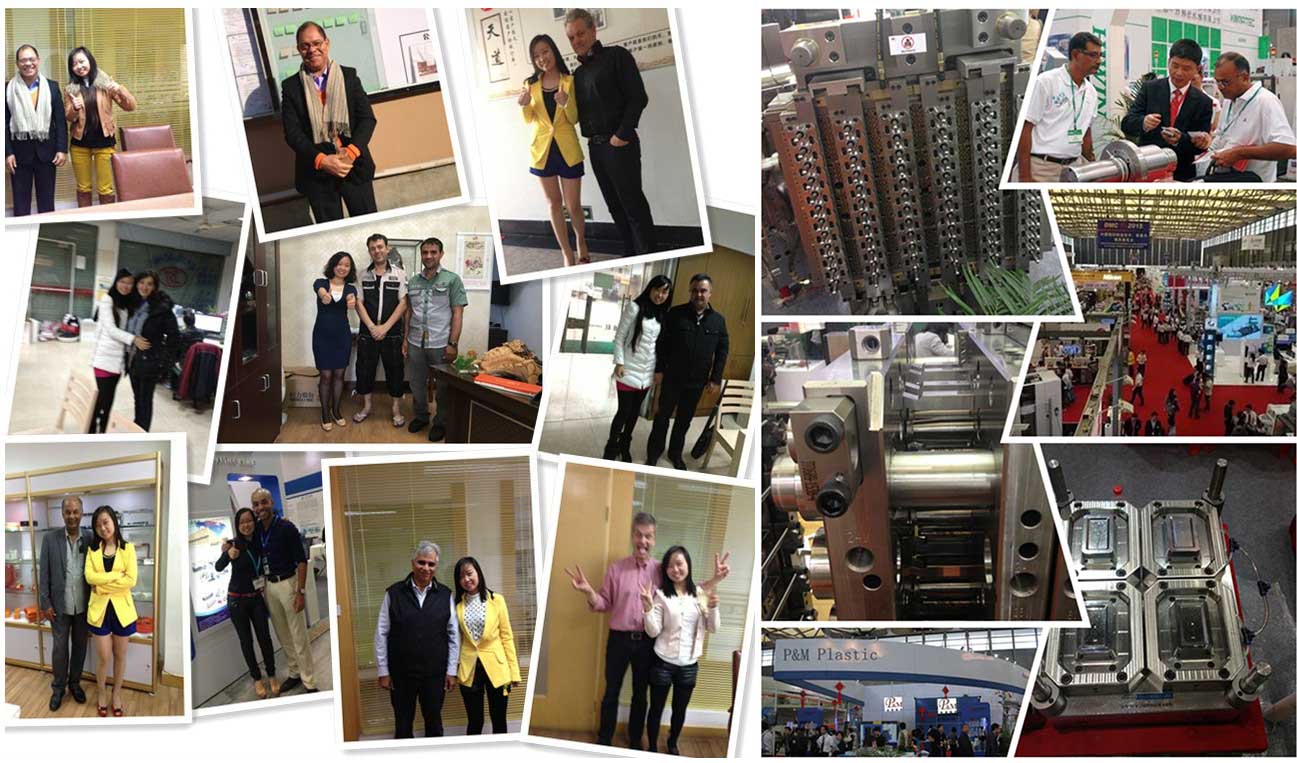
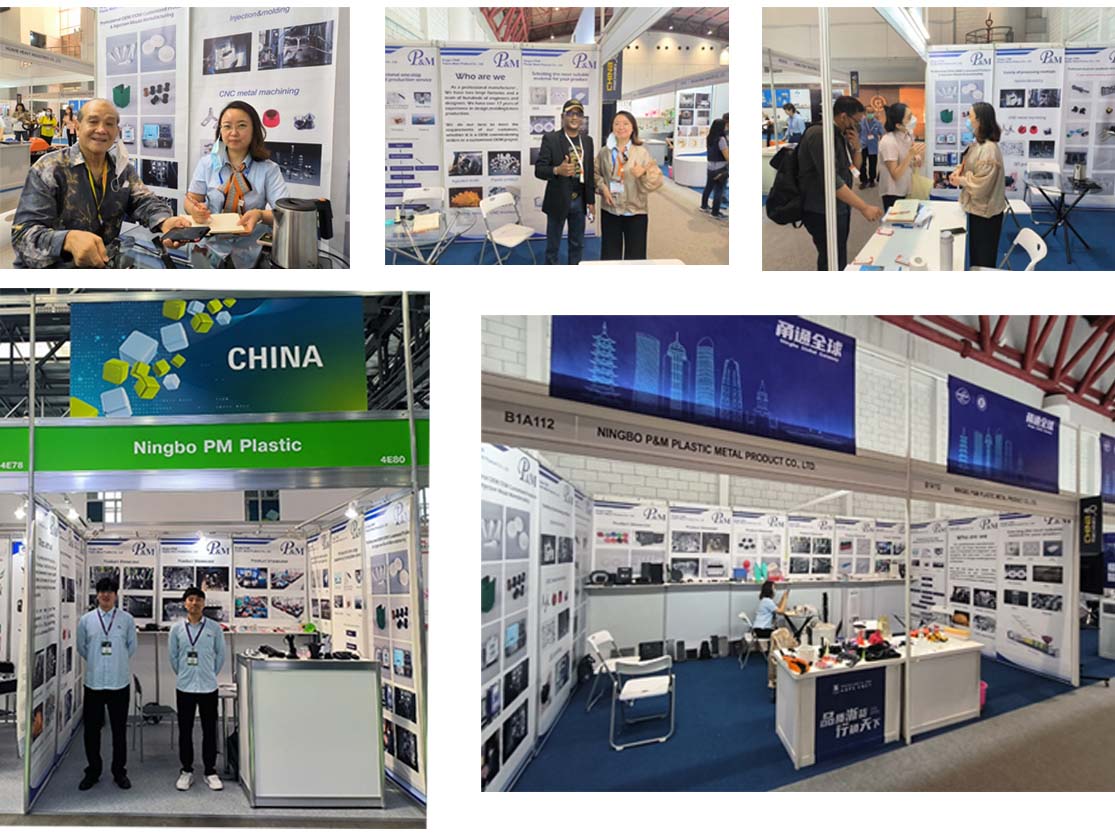
We always adhere to the principles of quality first and time first. While providing customers with the highest quality products, try to maximize the production efficiency and shorten production time. We are proud to tell every customer that our company has not lost any customer since its establishment.If there is a problem with the product, we will seek a solution actively and take responsibility to the end.

FAQ
Q1: Are you trading company or manufacturer ?
A: We are manufacturers.
Q2. When can I get the quotation?
A: We usually quote within 2 days after we get your inquiry.
If you are very urgent, please call us or tell us in your email so that we can quote for you first.
Q3. How long is the lead-time for mold?
A: It all depends on the products' size and complexity. Normally, the lead time is 25 days.
Q4. I have no 3D drawing, how should I start the new project?
A: You can supply us a molding sample, we will help you finish the 3D drawing design.
Q5. Before shipment, how to make sure the products quality?
A: If you don't come to our factory and also don't have the third party for inspection, we will be as your inspection worker.
We will supply you a video for production process detail include process report, products size structure and surface detail, packing detail and so on.
Q6. What is your payment terms?
A: Mold Payment: 40% deposit by T/T in advance, 30% second mold payment before sending out the first trial samples, 30% mold balance after you agree the final samples.
B:Production Payment: 50% deposit in advance, 50% before sending out the final goods.
Q7: How do you make our business long-term and good relationship?
A:1. We keep good quality and competitive price to ensure our customers benefit for best quality products.
2. We respect every customer as our friend and we sincerely do business and make friends with them, no matter where they come from.
Hot Tags: ODM plastic product services, China, Manufacturer, Supplier, Factory, Customized, Wholesale, Buy, Quality, Latest Selling, Made in China
Related Category
Send Inquiry
Please feel free to give your inquiry in the form below. We will reply you in 24 hours.