
Home
>
Product > Electronic Appliances and Instruments > Kitchen Appliances > Water Purifier plastic shell moulding
Product
- Core Customization Service
- Health Care
- Electronic Appliances and Instruments
- Maternal and Child Supplies Molds
- Recreational Sports
- Home Furnishing Art
- Auto Accessories
- Transportation and Warehousing
- Lighting Fixtures
- Construction Equipment
- Packaging Product
- Educational & Laboratories
- Clothing Luggage Accessories
- Care and Cleaning Products
- Agriculture & Forestry
- Mechanical Equipment
- Pet Supplies
- Kitchenware
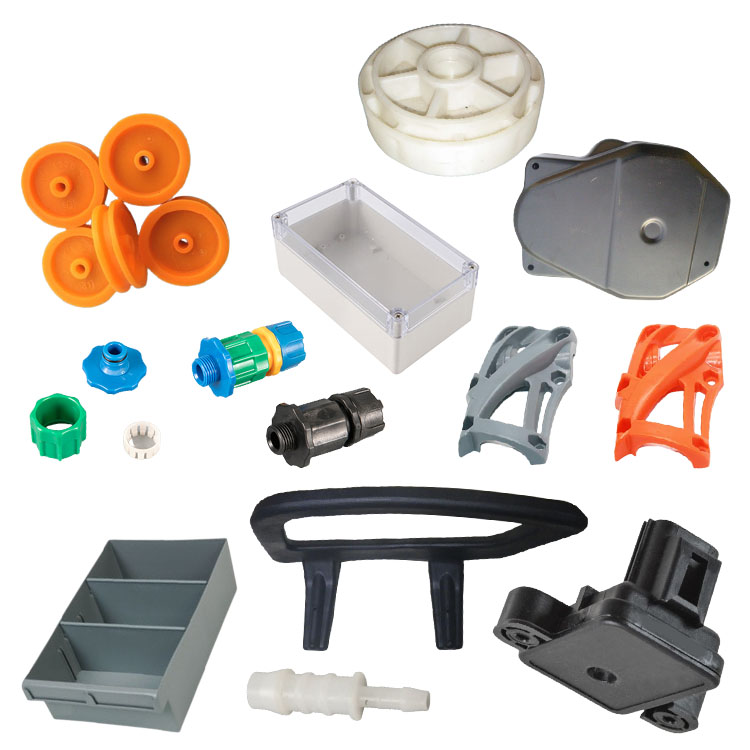
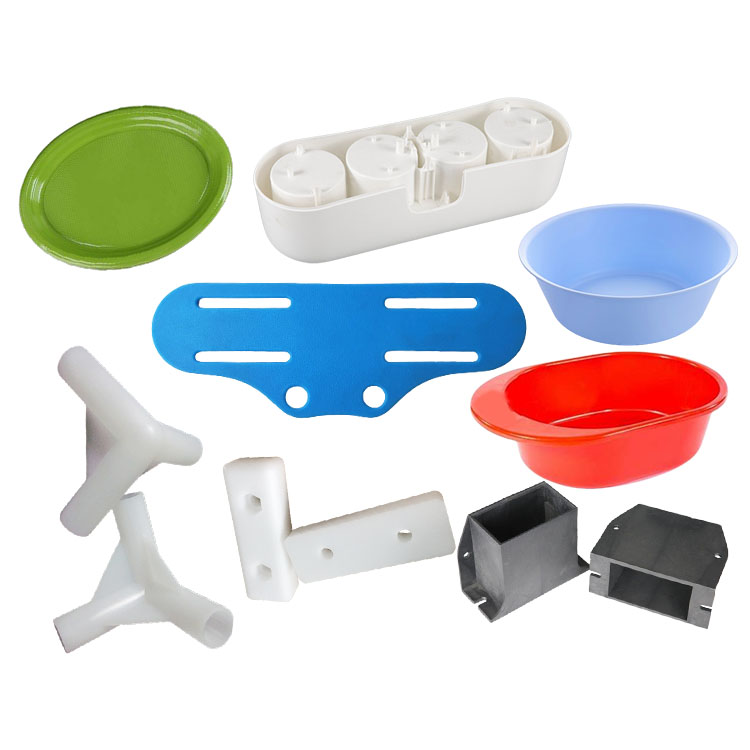
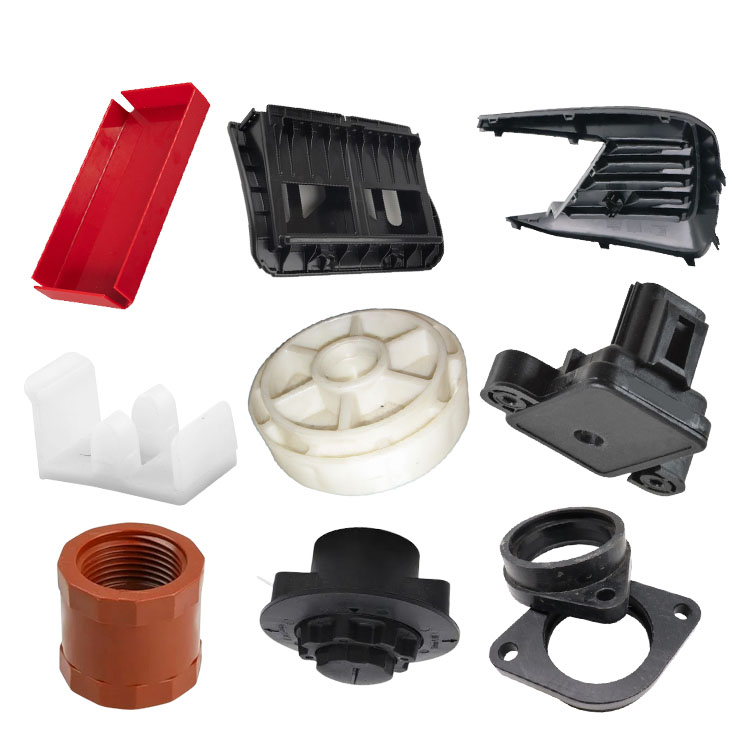
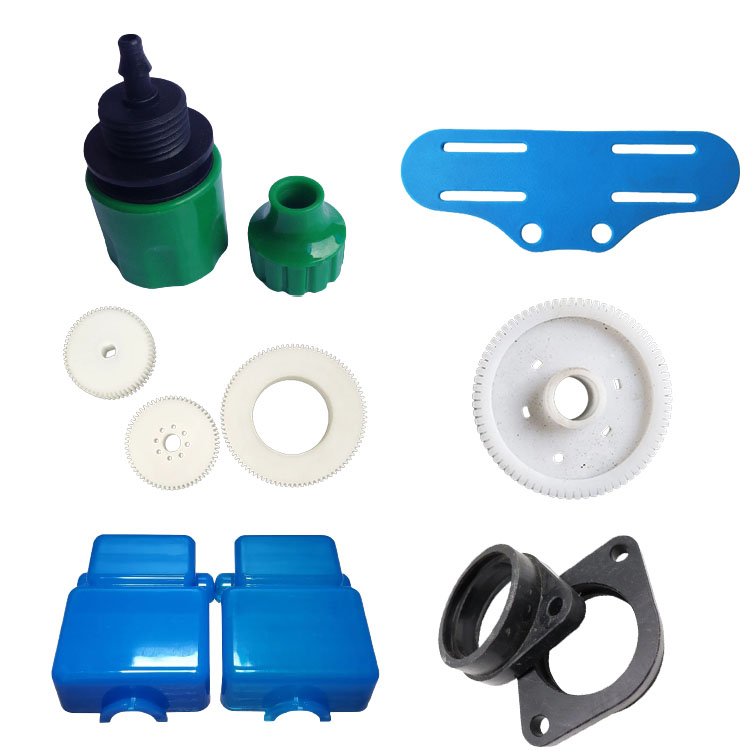
Water Purifier plastic shell moulding
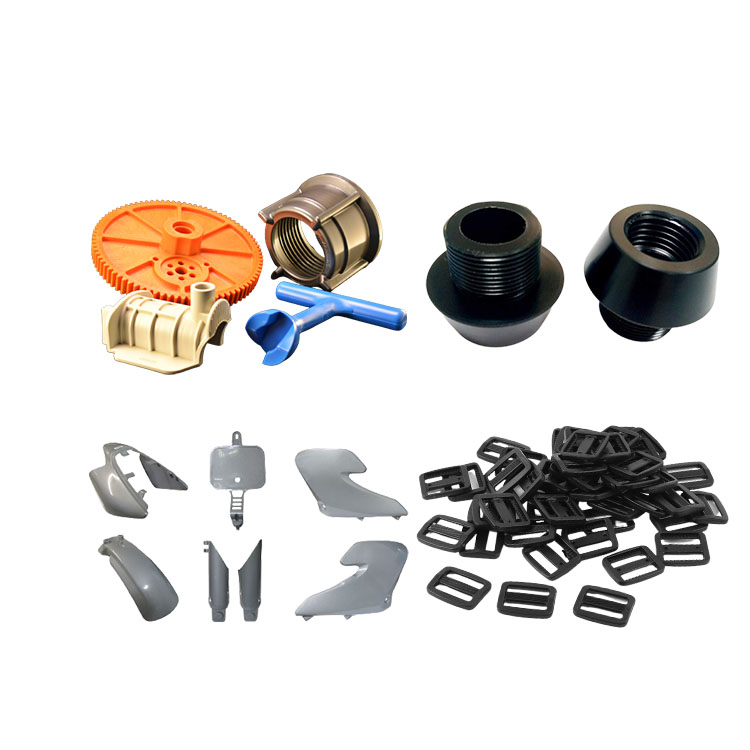
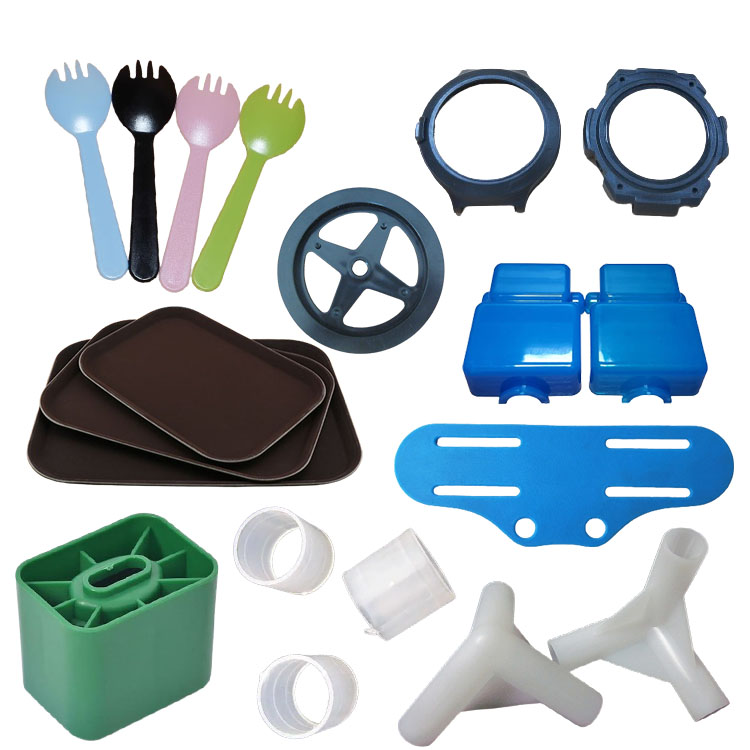
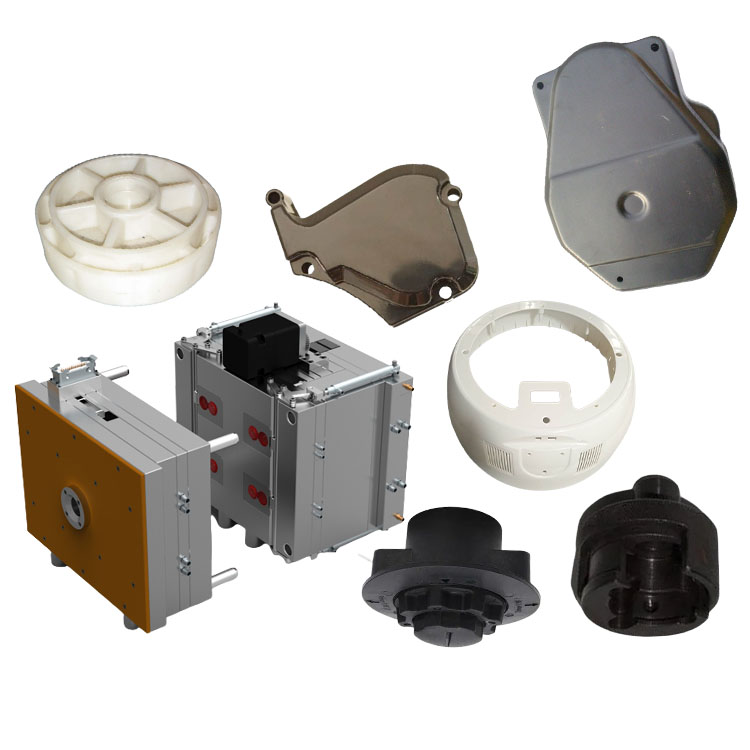
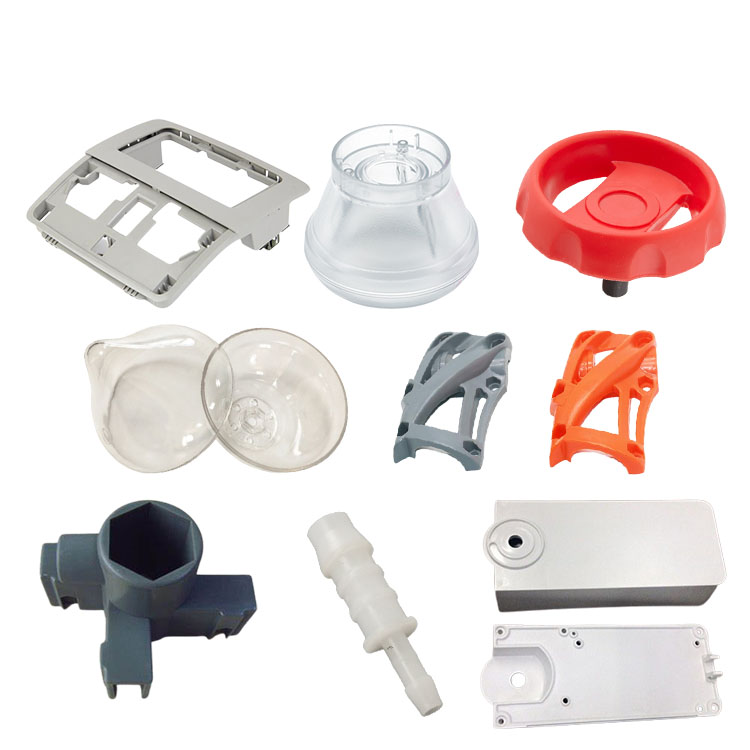
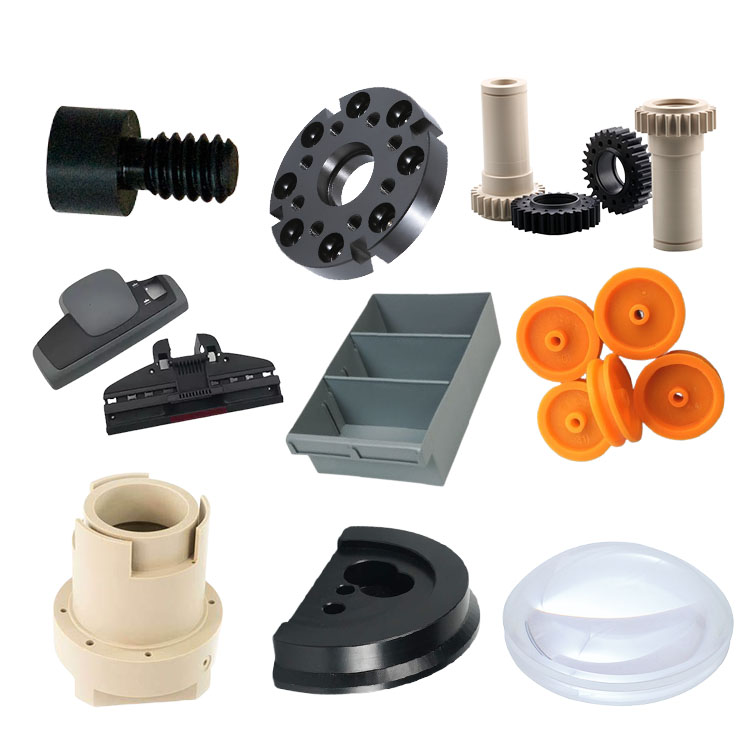
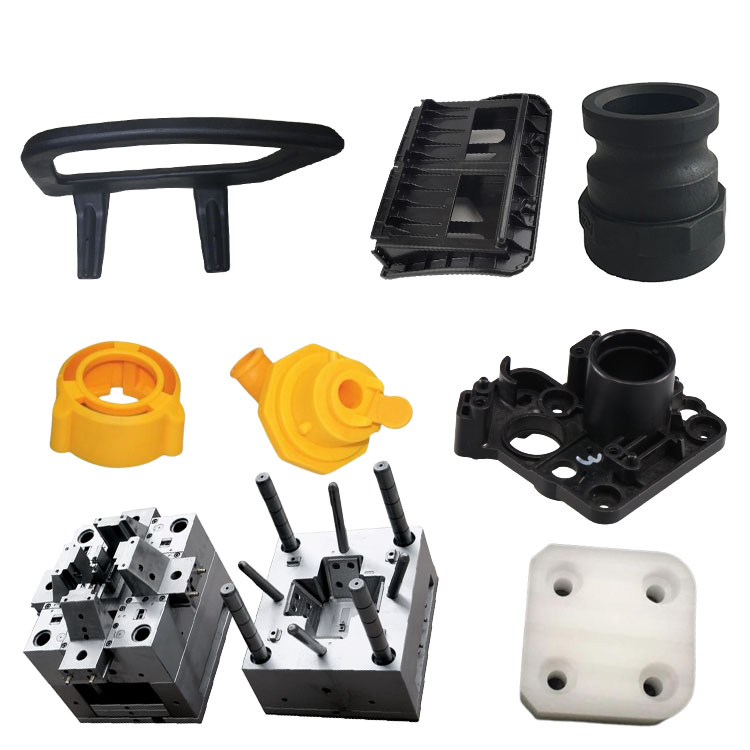
Ningbo (P&M) Plastic Metal Products Co., Ltd. has 17 years of mold manufacturing technology and can customize Water Purifier moulding. We provide professional customized Water Purifier moulding services, and we are a professional Water Purifier moulding manufacturer. We have sufficient experience in selecting product raw materials and mold materials. In the process of customizing Water Purifier moulding, our factory can provide one-stop service. We have design and production capabilities related to Water Purifier moulding, such as: CAD design, mold manufacturing, injection molding, plastic product production, assembly and other technologies. In addition, our company has established cooperative relationships with plastic raw material suppliers, printing manufacturers, etc. to ensure the supply of raw materials and printing quality.
Send Inquiry
Product Description
Through our rich experience and perfect supply chain, our company can provide customers with high-quality customized Water Purifier moulding products to meet their specific needs. At the same time, we have 10 years of professional foreign trade service experience, understand the foreign trade process, and better serve our customers. For Water Purifier moulding products, we can make corresponding plastic parts, which is mainly done through injection molds.
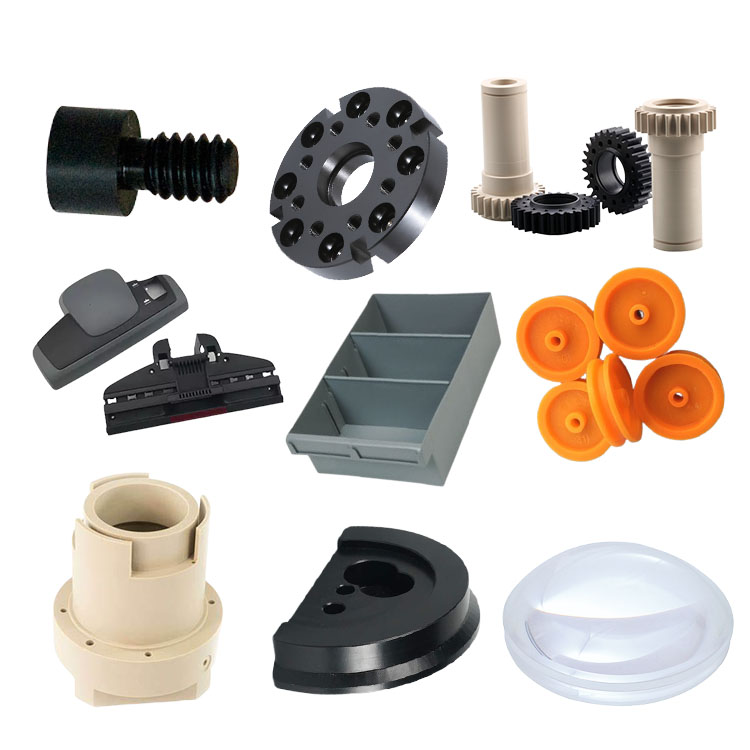
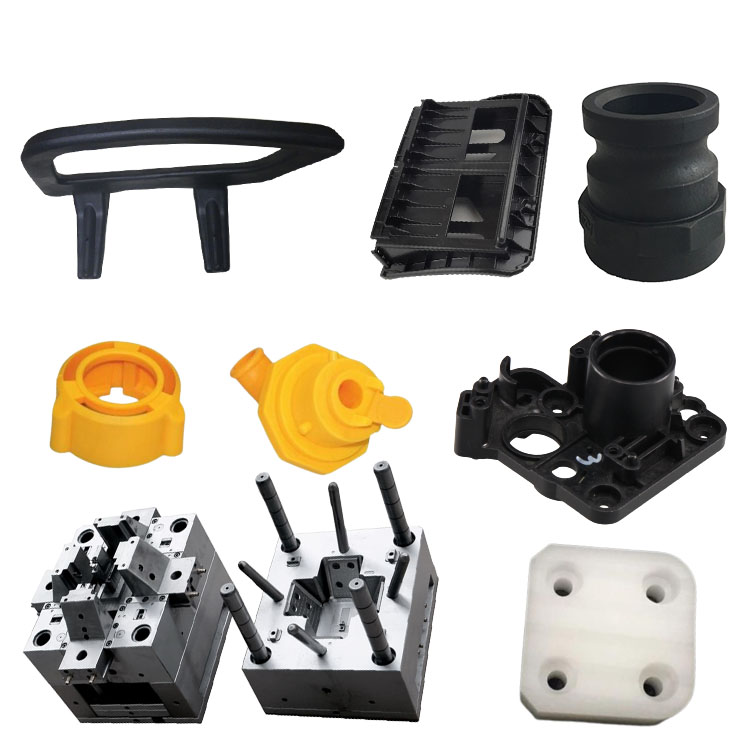
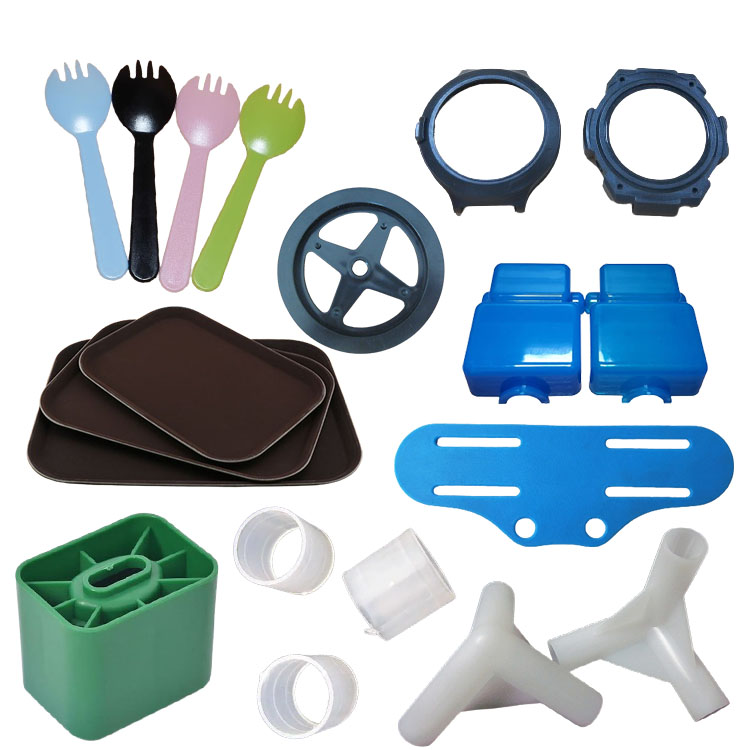
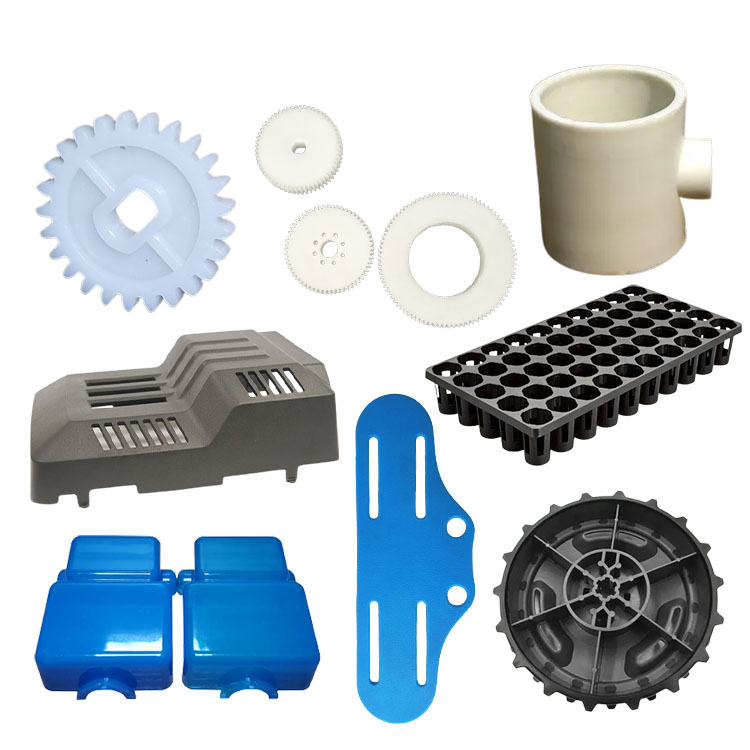
The plastic housing of a juicer primarily comprises components such as the main unit's upper shell, base, cup holder, control panel, feed chute guard, control knobs, blade assembly bracket, and juice spout baffle. During operation, these parts are continuously subjected to high-frequency vibration, motor heat, contact with fruit and vegetable juices, frequent assembly and disassembly, and exposure to humid or acidic/alkaline environments. Consequently, there are extremely stringent requirements regarding the strength, dimensional stability, wear resistance, oil resistance, food-contact safety, and vibration-induced crack resistance of these plastic components. The injection molding process must center on five core control priorities: vibration and crack resistance, dimensional stability, food-grade safety, acid and alkali corrosion resistance, and high-quality surface aesthetics. The specific key points for molding are outlined below.
Material selection prioritizes meeting requirements for food-grade compliance, acid and alkali resistance, vibration resistance, and high rigidity. For high-visibility, load-bearing components—such as the main unit's outer shell and base—materials such as high-rigidity ABS, modified PP, or glass-fiber-reinforced PP are commonly employed. ABS offers high surface gloss, excellent dimensional stability, and resistance to deformation, making it ideal for the exposed outer casings of high-end models; PP, conversely, offers superior toughness, lower cost, and resistance to corrosion from fruit and vegetable juices, rendering it more suitable for structural components such as bases and support brackets. For components subjected to high-frequency vibration and mechanical stress—such as the blade assembly bracket and locking clips—reinforced PP or PA66 is selected for its high strength and fatigue resistance, ensuring that the parts do not crack under prolonged vibration. Components that come into direct contact with fruit and vegetable juices—such as the feed chute, juice spout, and cup interface—must be fabricated using food-grade PP, food-grade ABS, or soft TPE elastomers. These materials must comply with food-contact safety standards, resist corrosion from fruit acids and pigments, and remain free from the leaching of harmful substances, unpleasant odors, or discoloration. Regarding raw material pretreatment: ABS and PA66 exhibit high hygroscopicity and therefore require hot-air drying at 80–90°C for 3–4 hours to reduce moisture content to below 0.03%; this prevents molding defects such as silver streaks, bubbles, or surface haziness. PP, being less hygroscopic, does not typically require deep drying; however, in humid environments, it should be preheated at 70°C for one hour to eliminate any surface moisture traces. For color matching, masterbatches featuring high migration resistance and resistance to fruit and vegetable pigments should be utilized to prevent yellowing or discoloration of the plastic parts over the course of long-term use. Mold design focuses on addressing issues related to vibration-resistant structures, precision fitting, leak prevention, and demolding. Juicer housings typically feature deep-cavity structures with numerous reinforcing ribs and mounting holes, requiring high assembly precision. The parting line is positioned along the maximum contour—strategically avoiding visible exterior surfaces—and the mold-closing clearance is controlled to within 0.02 mm to minimize flash and burrs. The mold cavity and core are fabricated using 718 or S136 mold steel, with surfaces polished to a roughness of Ra 0.02–0.05 μm to ensure the housing remains smooth, easy to clean, and free of dirt traps. To withstand high-speed vibration, the interior of the housing is reinforced with a dense network of ribs; the rib thickness is maintained at 50%–60% of the main wall thickness to prevent vibration-induced cracking. Furthermore, the dimensional accuracy of positioning rings and snap-fit features—which interface with the blending cup and blade assembly—is controlled within a tolerance of ±0.05–0.1 mm to ensure a tight, wobble-free assembly that prevents juice leakage. The mold design incorporates precise compensation for material shrinkage—specifically 0.5%–0.7% for ABS and 1.2%–1.8% for PP—to prevent joint loosening during long-term use.
The gating system utilizes side gates or submarine gates; for elongated housing designs, a dual-point injection strategy is employed to ensure uniform melt filling, minimize weld lines, and enhance vibration resistance. The cooling system is distributed uniformly throughout the mold cavity, with water channels concentrated in deep-cavity and thick-wall areas. This ensures uniform cooling—maintaining mold temperature fluctuations within ±3°C—thereby reducing internal stress and mitigating the risk of vibration-induced cracking. Particular emphasis is placed on venting design; vent grooves measuring 0.02–0.03 mm are strategically placed at the ends of ribs, corners, and snap-fit locations to prevent trapped air, short shots, burn marks, and porosity. Undercuts and snap-fit features located on the handle and feed chute areas are extracted using sliders or angled ejectors to ensure smooth demolding, prevent drag marks or stress whitening, and preclude the propagation of microscopic cracks under vibration.
The injection molding process is executed with a core focus on minimizing internal stress, ensuring resistance to vibration and cracking, maintaining dimensional stability, and achieving a high-gloss surface finish. Equipment Selection: A 120–300 ton injection molding machine is selected, with an injection volume set at 1.2 to 1.5 times the product weight to ensure thorough plasticization and stable injection. Temperature settings are segmented as follows: for ABS, the barrel temperature is 220–260°C and the mold temperature is 50–70°C to enhance surface quality and reduce internal stress; for PP, the barrel temperature is 190–220°C and the mold temperature is 40–60°C to balance crystallization shrinkage and improve toughness; for PA66, the barrel temperature is 250–280°C and the mold temperature is 60–80°C to reinforce structural strength. Injection speed is controlled in stages: an initial low speed prevents jetting; a mid-stage high speed fills the main body; and a final low speed maintains stable pressure to avoid trapped air and flash.
Injection pressure is set between 80–130 MPa, depending on wall thickness and structure, with slightly higher pressures applied for load-bearing brackets. Holding pressure is set at 60%–75% of the injection pressure, with a holding time of 10–20 seconds, focusing on compensating for shrinkage in thick-walled sections and snap-fit features to eliminate sink marks and depressions. Back pressure is set at 3–6 MPa to improve melt homogeneity and prevent color variations. The cooling time is 20–35 seconds, ensuring the product is fully solidified before ejection to prevent deformation or sticking to the mold. Ejection utilizes a combined ejector plate and pin system to distribute force evenly, preventing "ejector whitening" or cracking—particularly avoiding the appearance of ejection marks in areas subject to vibration stress.
Post-processing and quality inspection are strictly conducted in accordance with standards for food-grade home appliances. After molding, gates, flash, and burrs are meticulously removed. Cosmetic parts are inspected for gloss, color consistency, scratches, and weld lines; structural parts are inspected for dimensional accuracy, snap-fit strength, and mounting hole spacing. Key reliability tests include: Vibration Fatigue Testing (ensuring no cracking or loosening under continuous high-frequency vibration); Acid and Alkali Resistance Testing (ensuring no corrosion or staining when wiped with fruit acids or juices); Food Contact Testing (verifying the absence of odors or leaching of toxic substances); and Drop Testing (ensuring no fragmentation when dropped from a standard height). Regarding the prevention and control of common defects: Vibrational cracking is often caused by excessive internal stress or weak weld lines; this requires increasing mold temperature, optimizing gate placement, and extending cooling times. Sink marks and depressions typically result from overly thick ribs or insufficient holding pressure; solutions involve increasing holding pressure and optimizing part geometry. Silver streaks and surface haziness stem from moisture absorption in the raw material; therefore, strict drying protocols are mandatory. Loose fits are caused by dimensional deviations, necessitating adjustments to shrinkage compensation and mold temperature. Flash (excess material) results from insufficient clamping force or mold wear; this requires increasing clamping force and repairing the mold's parting line. Finally, discoloration (yellowing) requires the substitution of materials with superior resistance to pigment migration.
Overall, the critical priorities in the injection molding of plastic juicer housings are resistance to vibrational cracking, food-grade safety compliance, resistance to corrosion from fruit and vegetable juices, dimensional stability, and a stain-resistant, easy-to-clean surface finish. Through meticulous control across the entire process—encompassing material selection, mold design, processing parameters, and quality inspection—the housing can maintain stable and reliable performance even under conditions of prolonged high-speed vibration and exposure to humid or acidic/alkaline environments, thereby fully satisfying the safety, durability, hygiene, and aesthetic requirements of a juicer.
We are a Water Purifier moulding manufacturer, providing high-quality Water Purifier moulding manufacturing. As long as you want to customize/develop Water Purifier moulding products, you can find us. We have professional injection mold design and mature manufacturing technology, providing you with one-stop service, from product design-mold making-product production-product packaging-product transportation, we can help you in every link. As long as you come to us, we will provide you with the ultimate service and satisfy you in terms of product quality, production time, information dialogue, etc.
|
Product Name |
Treadmill moulding |
|
Pls provide |
2D, 3D, samples, or the size of the multi-angle pictures |
|
Mould Time |
20-35 Days |
|
Product time |
7-15 Days |
|
Mould precision |
+/-0.01mm |
|
Mould life |
50-100 million shots |
|
Producing Process |
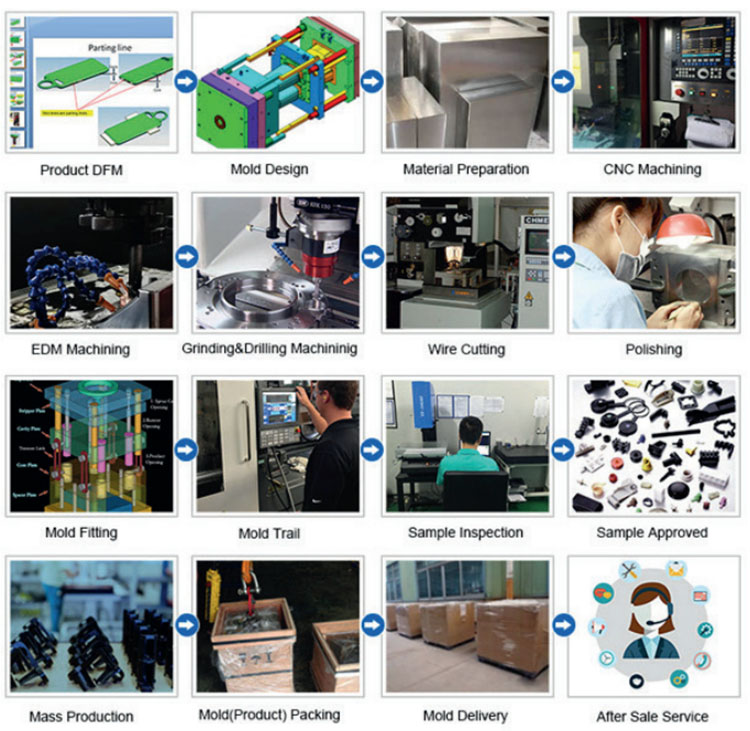
Audit drawings - mold flow analysis - design validation - Custom Materials - mold processing - core processing - electrode machining - Runner system processing - parts processing and procurement - machining acceptance - cavity surface treatment process - complex mode Die - The entire mold surface coating - Mounting plate - mold sample - sample test - sending samples |
|
Mould cavity |
One cavity, multi-cavity or same different products be made together |
|
Mould material |
P20,2738,2344,718,S136,8407,NAK80,SKD61,H13 |
|
Runner system |
Hot runner and cold runner |
|
Base material |
P20,2738,2344,718,S136,8407,NAK80,SKD61,H13 |
|
Finish |
Pitting the word, mirror finish, matte surface, striae |
|
Standard |
HASCO, DME or dependent upon |
|
Main technology |
Milling, grinding, CNC, EDM, wire cutting, carving, EDM, lathes, surface Finish, etc. |
|
Software |
CAD,PRO-E,UG Design Time: 1-3 days (normal circumstances) |
|
Product material |
ABS,PP,PC,PA6,PA66,TPU,POM,PBT,PVC,HIPS,PMMA,TPE,PC/ABS,TPV,TPO,TPR,EVA,HDPE,LDPE,CPVC,PVDF,PPSU.PPS. |
|
Quality system |
ISO9001:2008 |
|
Establish time |
20days |
|
Equipment |
CNC,EDM,Cutting off Machine,plastic machinery,etc plastic suitcase mould zhe jiang |
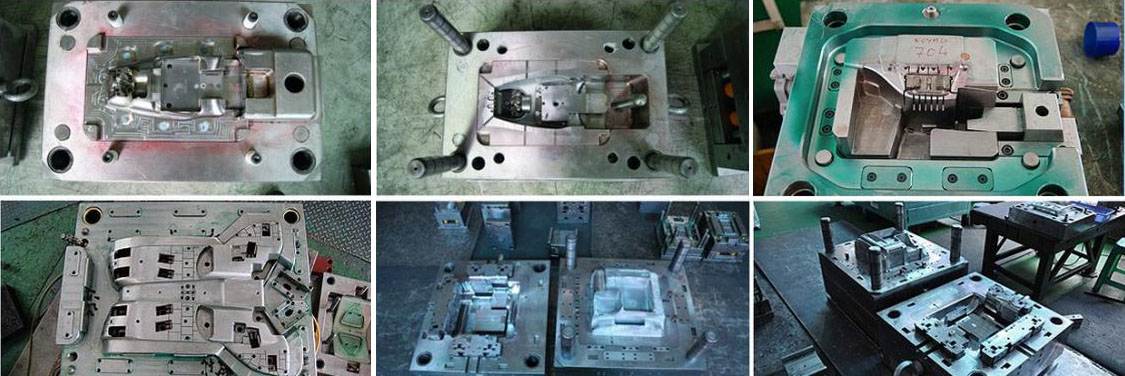
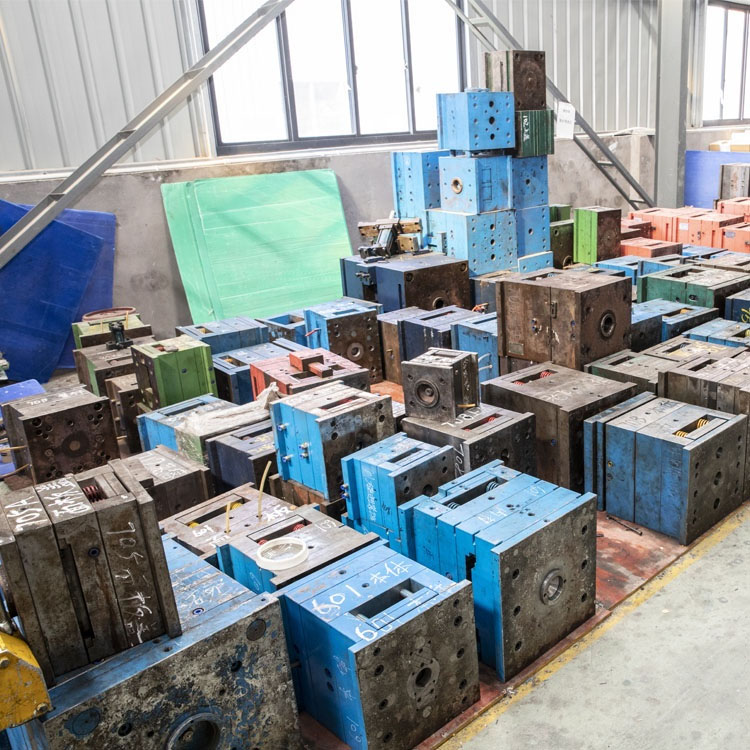
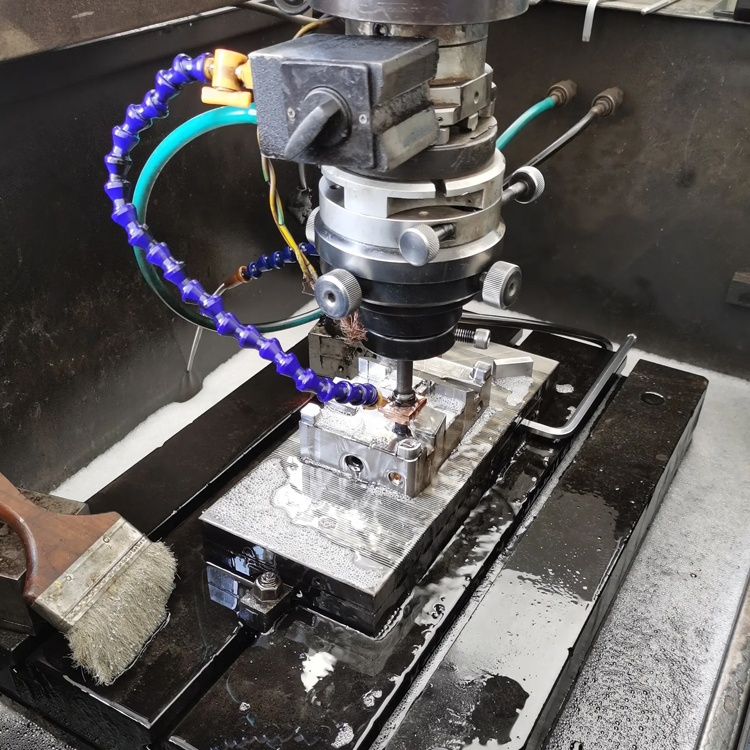
Plastic Injection Mould making
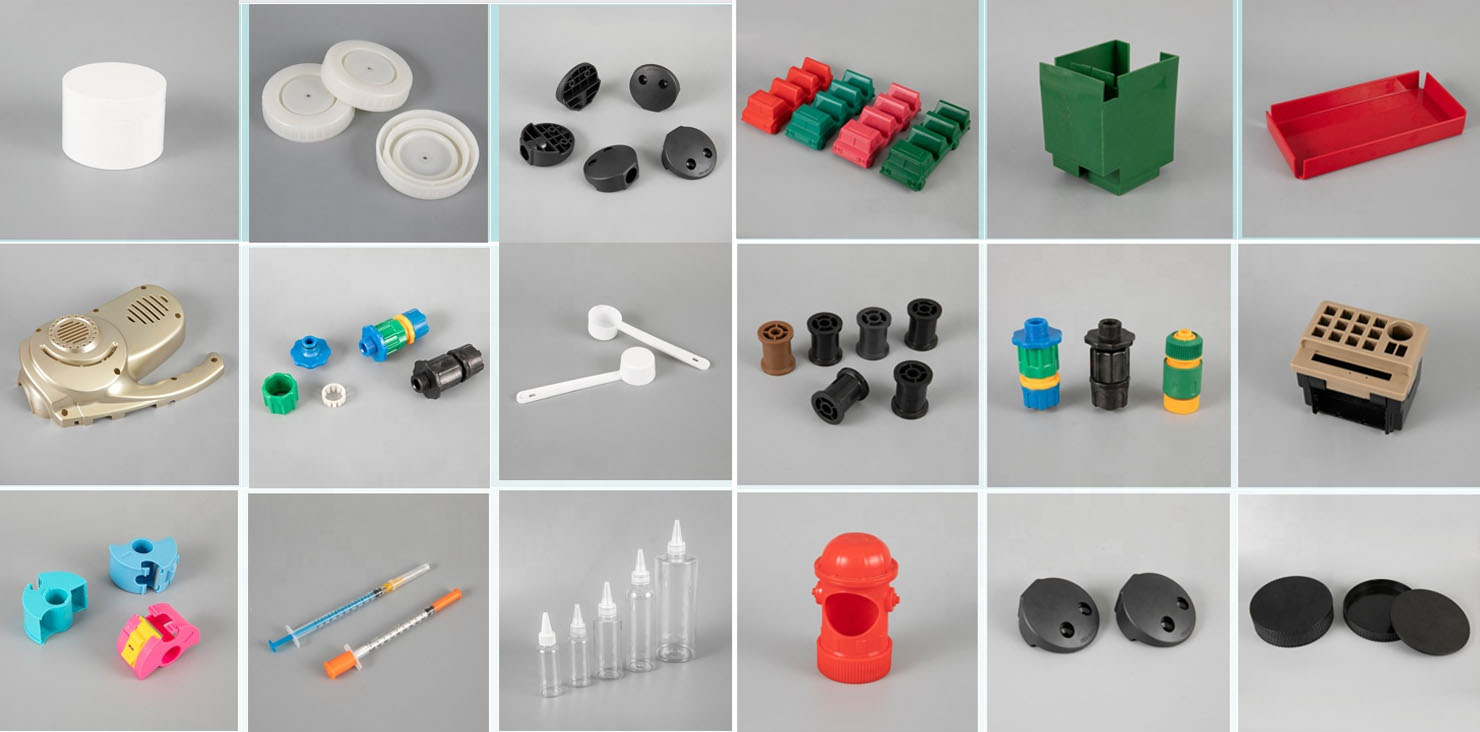
Plastic molding specifications
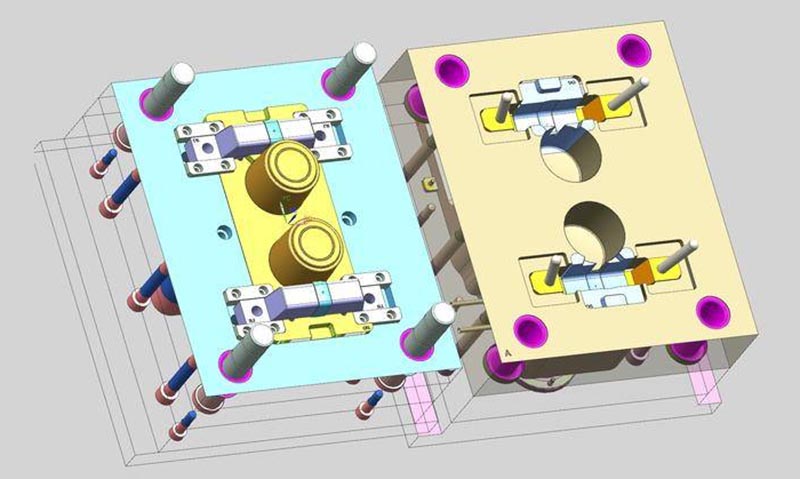
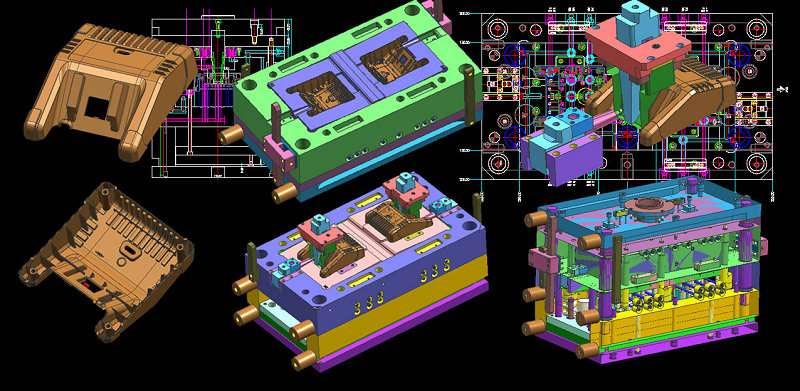
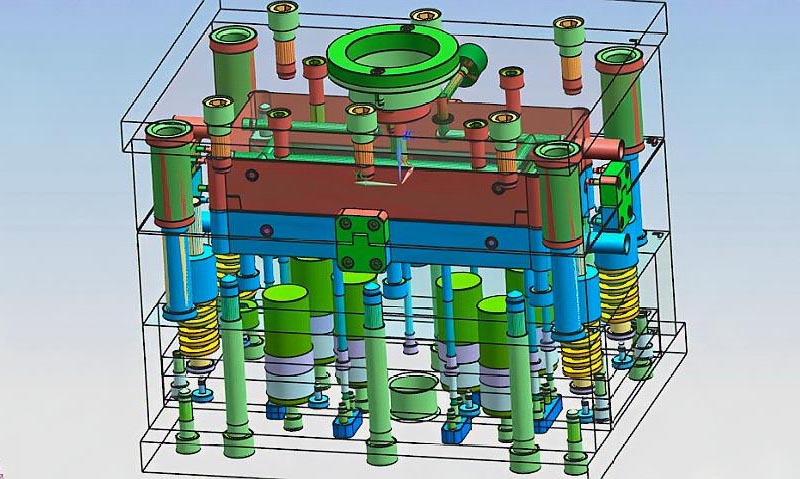
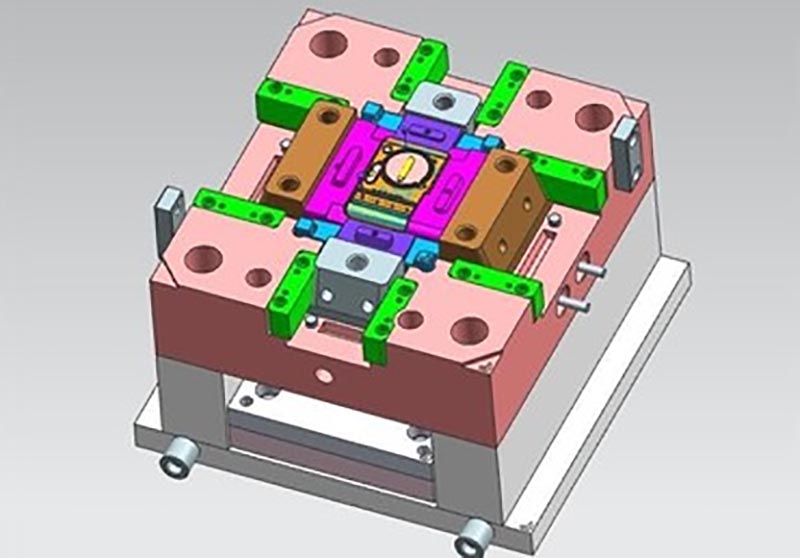
Mold design:
Transaction process:
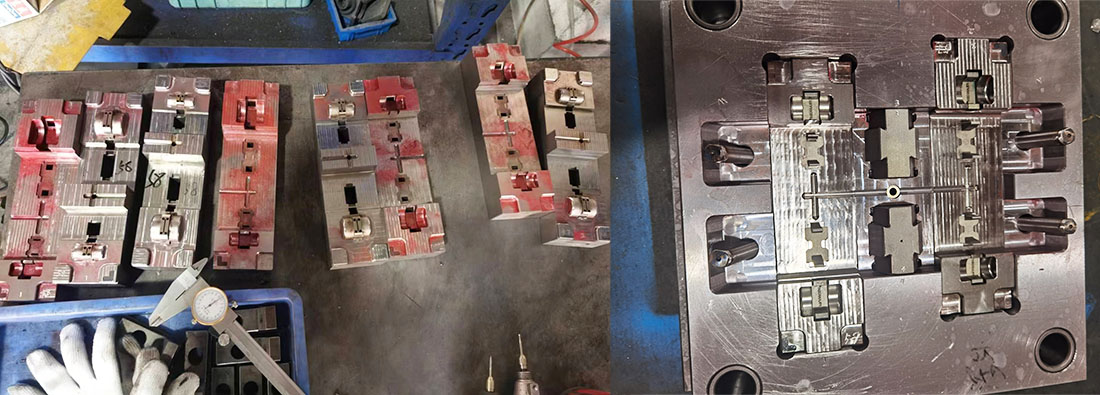
Mold testing:

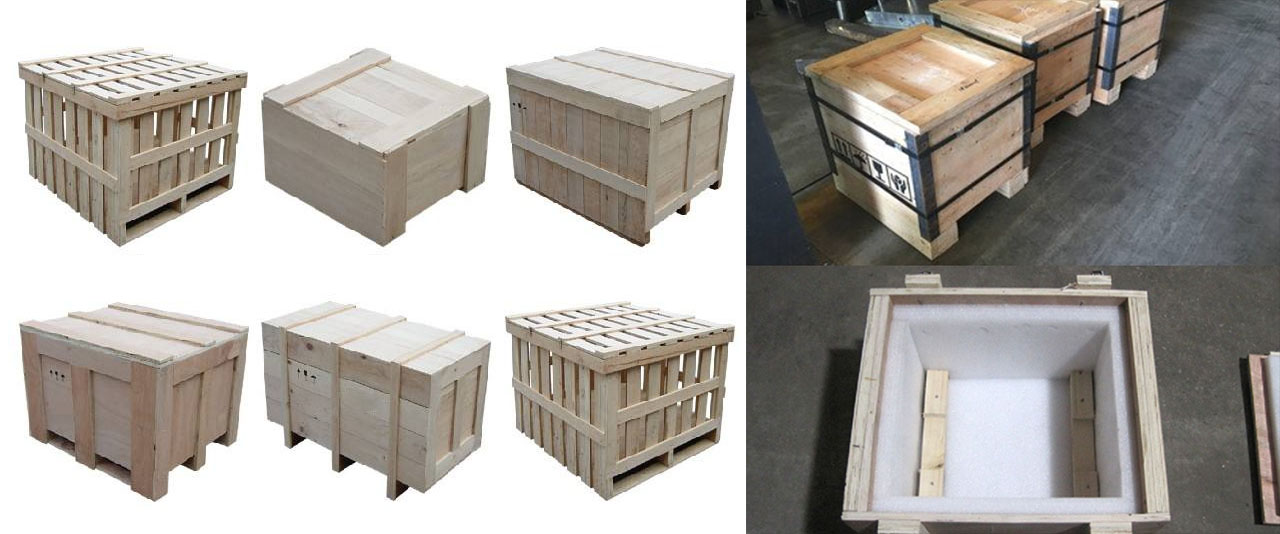
Product packaging
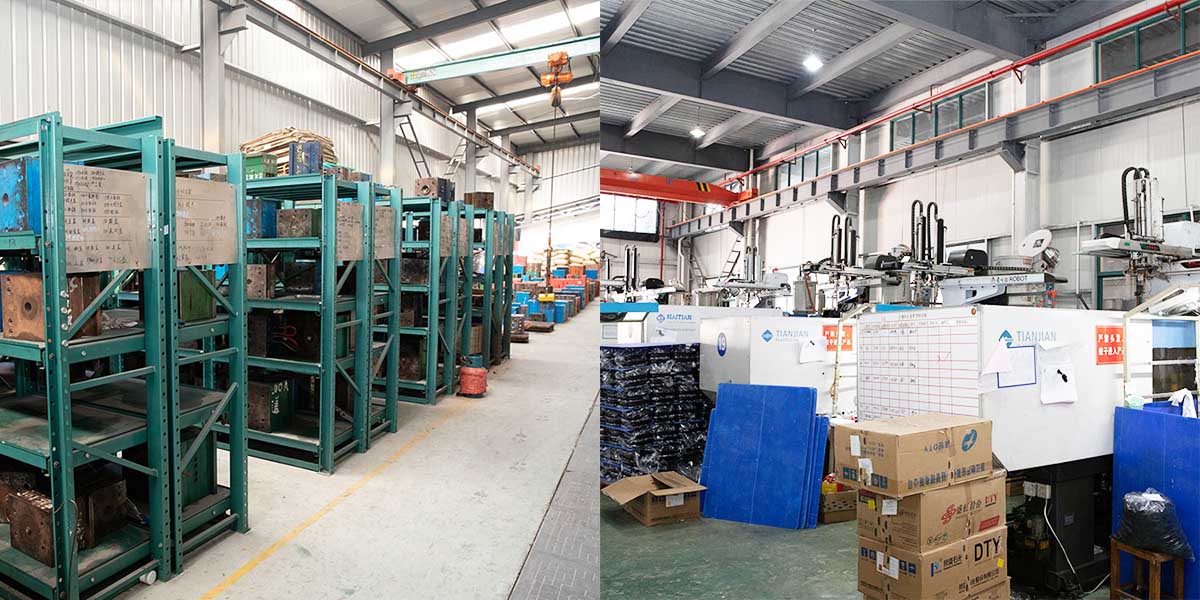
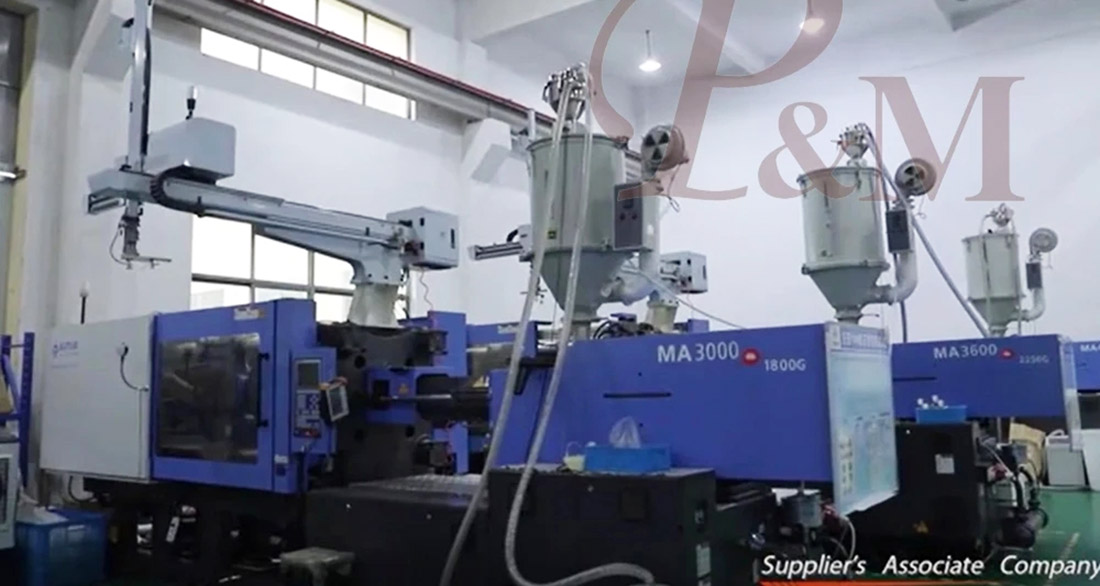
Factory
We are Custom Plastic Mold factory. Our factory is plastic injection mold maker. we has 17 years of experience in professional custom plastic mold and 10 years of foreign trade experience. We are custom Plastic Mold supplier. We can provide custom Plastic Mold service. Our factory can make the Injection molded plastic parts, and the quality of the products will satisfy you.
We have more than 50 high-end machines and hundreds of engineers and designers. We can provide one-stop service, from product design - mold making - product production - product packaging - transportation. We have a complete production chain. We can meet all your requirements.
Services we provide:
Professional custom mold service, Plastic mold design and manufacturing .plastic product production, product design, mold design, blow mold customization, rotational mold customization, die-casting mold customization. 3D printing services, CNC manufacturing services, product packaging, customized packaging, shipping services.
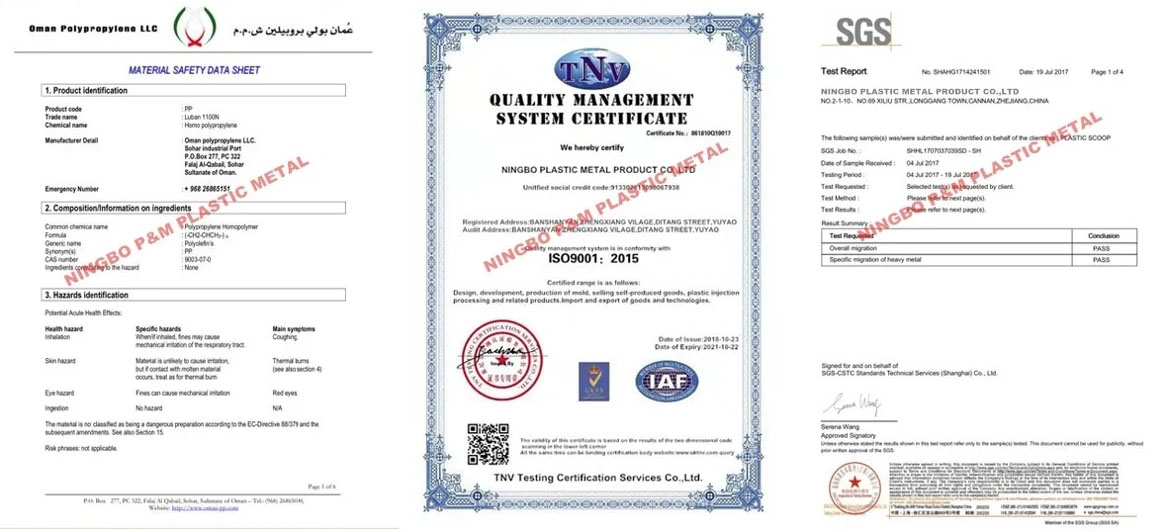

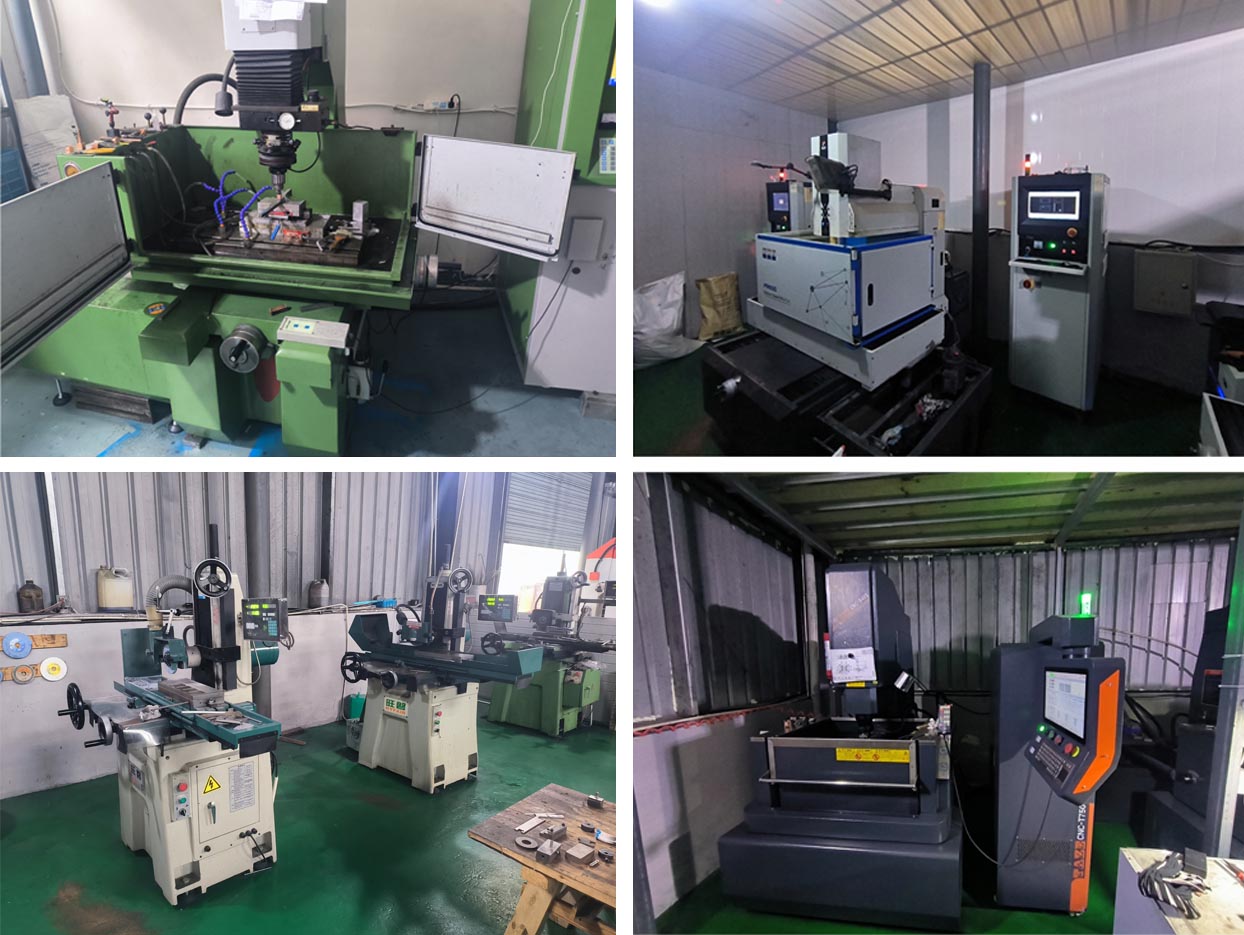
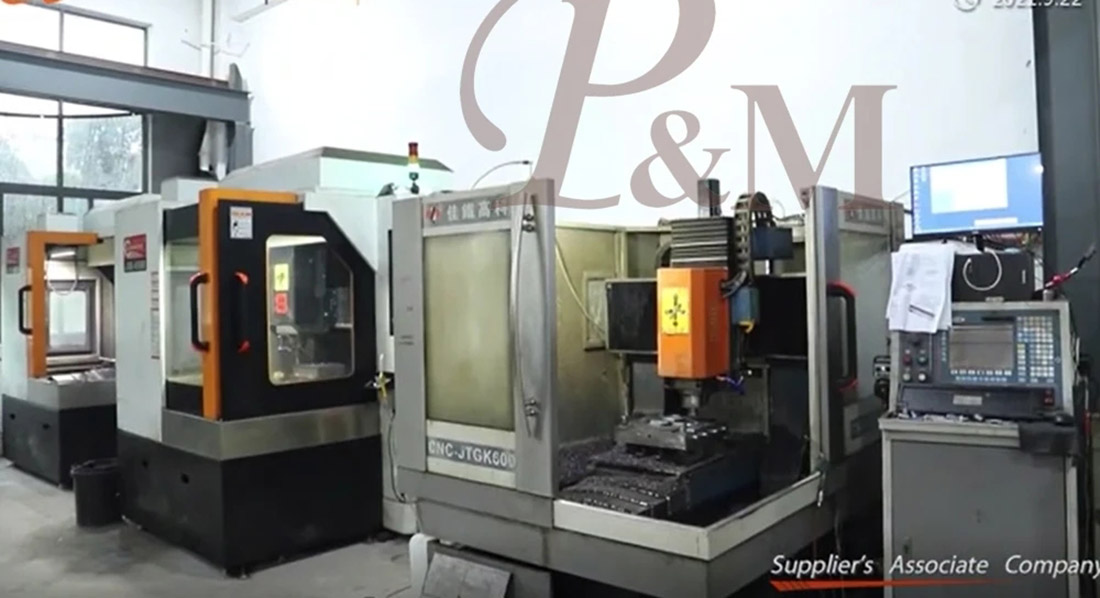
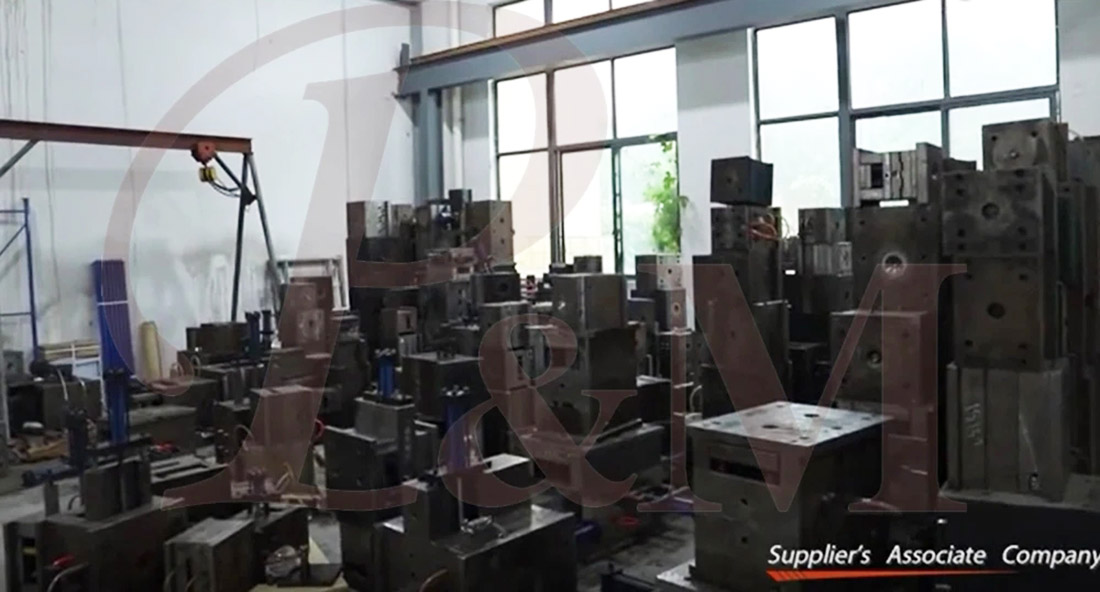
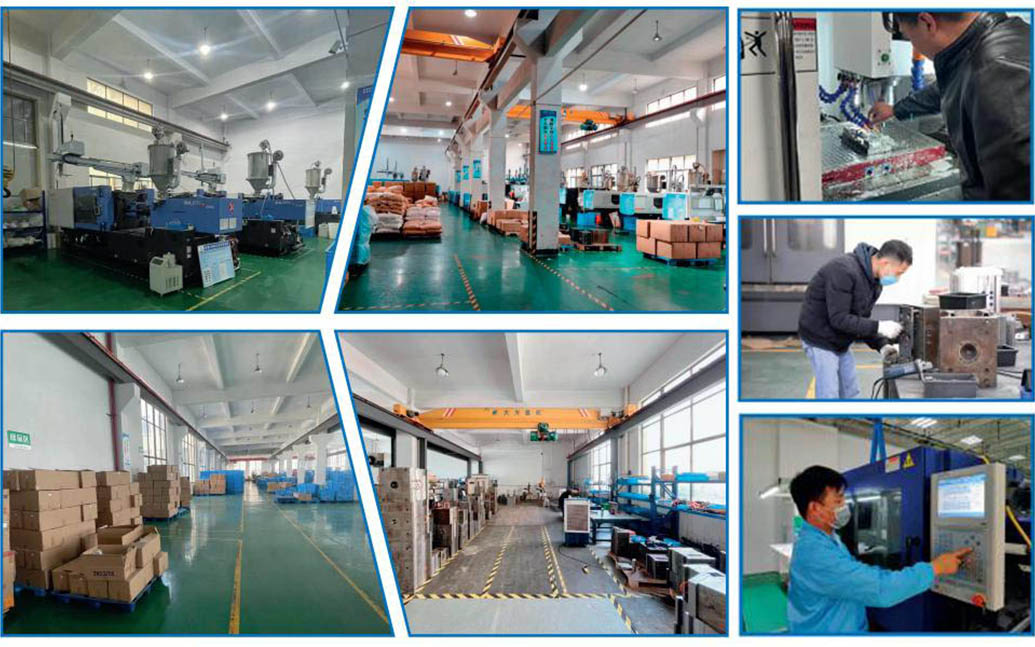
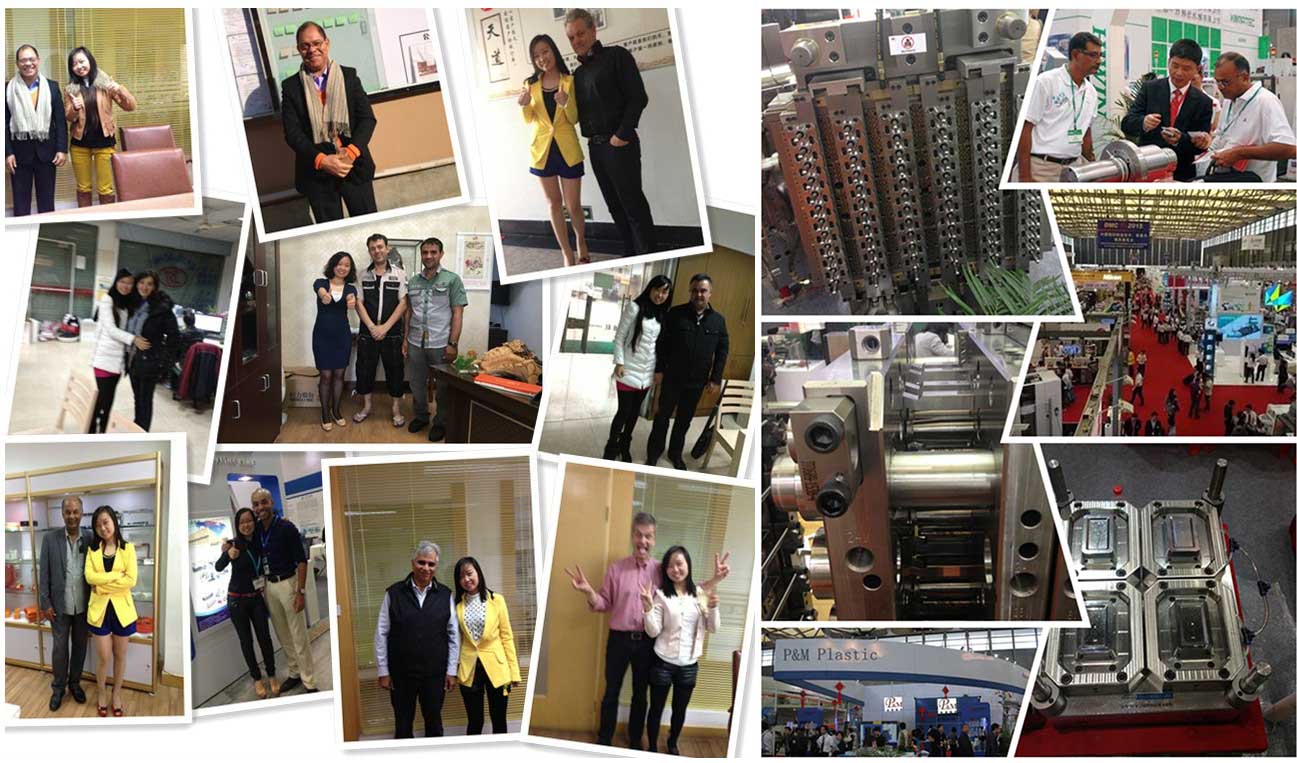
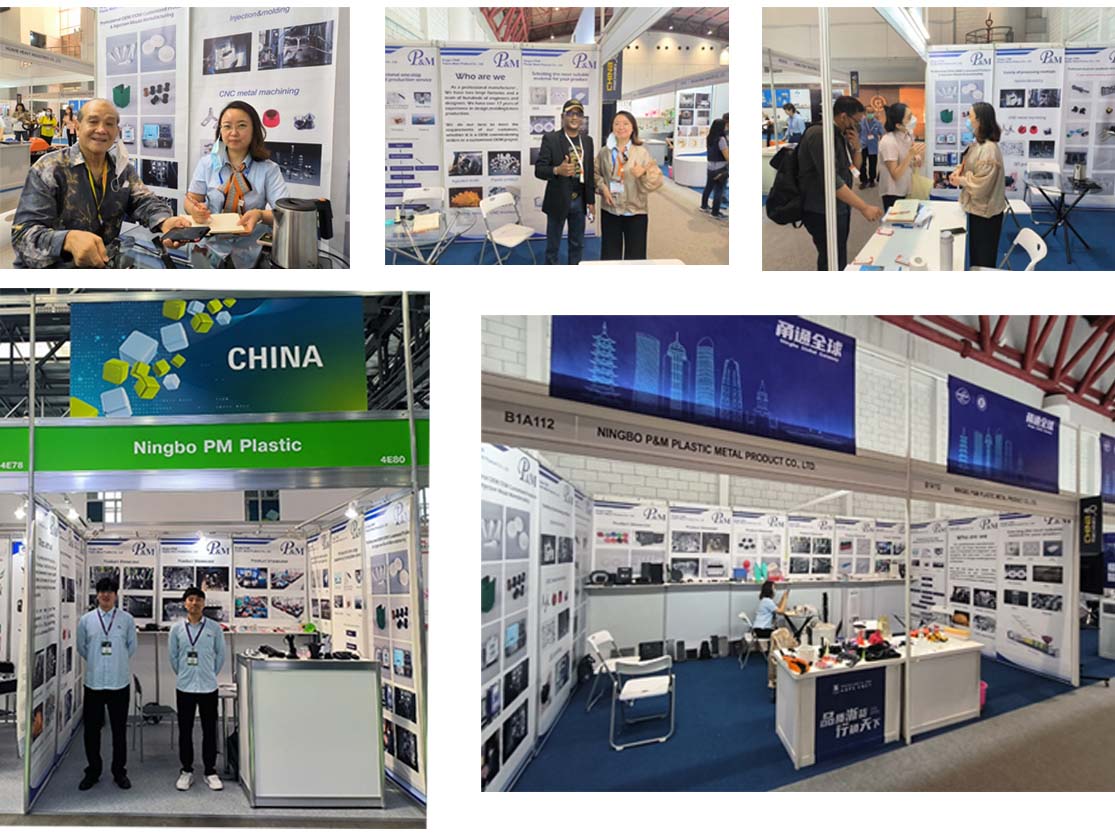
We always adhere to the principles of quality first and time first. While providing customers with the highest quality products, try to maximize the production efficiency and shorten production time. We are proud to tell every customer that our company has not lost any customer since its establishment.If there is a problem with the product, we will seek a solution actively and take responsibility to the end.

FAQ
Q1: Are you trading company or manufacturer ?
A: We are manufacturers.
Q2. When can I get the quotation?
A: We usually quote within 2 days after we get your inquiry.
If you are very urgent, please call us or tell us in your email so that we can quote for you first.
Q3. How long is the lead-time for mold?
A: It all depends on the products' size and complexity. Normally, the lead time is 25 days.
Q4. I have no 3D drawing, how should I start the new project?
A: You can supply us a molding sample, we will help you finish the 3D drawing design.
Q5. Before shipment, how to make sure the products quality?
A: If you don't come to our factory and also don't have the third party for inspection, we will be as your inspection worker.
We will supply you a video for production process detail include process report, products size structure and surface detail, packing detail and so on.
Q6. What is your payment terms?
A: Mold Payment: 40% deposit by T/T in advance, 30% second mold payment before sending out the first trial samples, 30% mold balance after you agree the final samples.
B:Production Payment: 50% deposit in advance, 50% before sending out the final goods.
Q7: How do you make our business long-term and good relationship?
A:1. We keep good quality and competitive price to ensure our customers benefit for best quality products.
2. We respect every customer as our friend and we sincerely do business and make friends with them, no matter where they come from.
Hot Tags: Water Purifier plastic shell moulding, China, Manufacturer, Supplier, Factory, Customized, Wholesale, Buy, Quality, Latest Selling, Made in China
Related Category
Audio-Visual Appliances
Health Appliances
Home Appliances
Personal Necessities
Digital Appliances
Kitchen Appliances
Bathroom Appliances
Environmentally Friendly Appliances
Send Inquiry
Please feel free to give your inquiry in the form below. We will reply you in 24 hours.