
Product
- Core Customization Service
- Health Care
- Electronic Appliances and Instruments
- Maternal and Child Supplies Molds
- Recreational Sports
- Home Furnishing Art
- Auto Accessories
- Transportation and Warehousing
- Lighting Fixtures
- Construction Equipment
- Packaging Product
- Educational & Laboratories
- Clothing Luggage Accessories
- Care and Cleaning Products
- Agriculture & Forestry
- Mechanical Equipment
- Pet Supplies
- Kitchenware
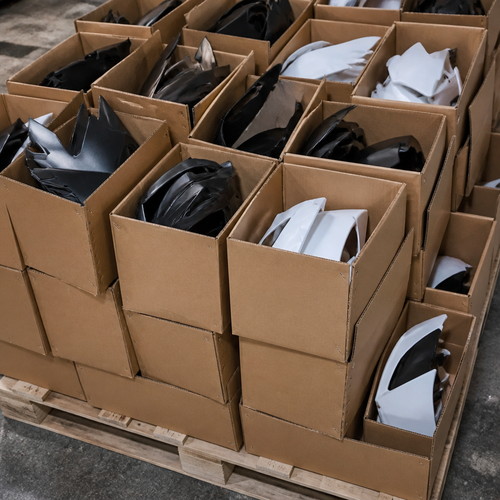
2 Part Plastic Leak Proof Container
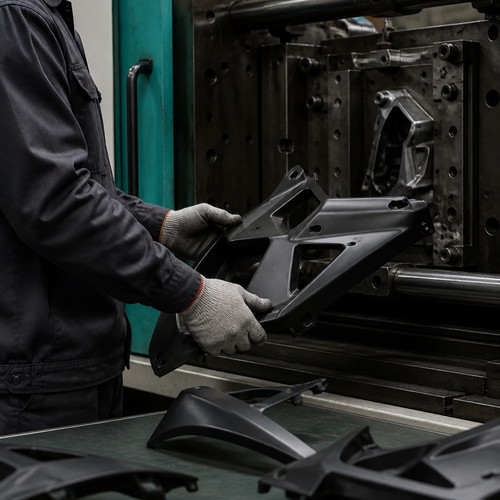
P&M manufactures 2 part plastic leak proof container systems for OEM programs. Two-piece snap-fit, threaded and hinge designs, precision injection tooling, integrated gasket sealing, tight tolerance control and full QC documentation. Get dependable leak proof containers built for your application.
Send Inquiry
Product Description
P&M is an injection-molding manufacturer that designs and produces 2 part plastic leak proof container assemblies for medical, industrial, consumer and automotive programs. We treat a two-piece container as a sealing system rather than two molded shells. Lid geometry, wall thickness, gasket compression, latch force and resin choice all interact, and any single one of them can turn a sound design into a part that weeps.
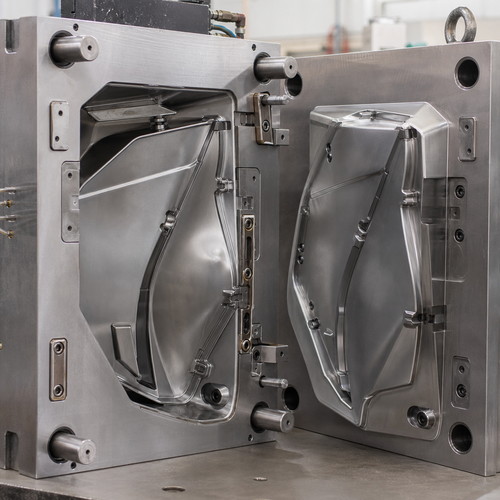
Our work begins with the closure. A 2 part plastic leak proof container normally relies on one of three sealing principles: a snap-fit interference lip, a threaded or quarter-turn interface, or a separate elastomeric gasket seated in a molded groove. Each option carries different tooling implications, cycle times and tolerance windows. We model the closure, run mold-flow analysis and cut a prototype tool before committing to production steel, so the seal is proven on plastic rather than on paper.
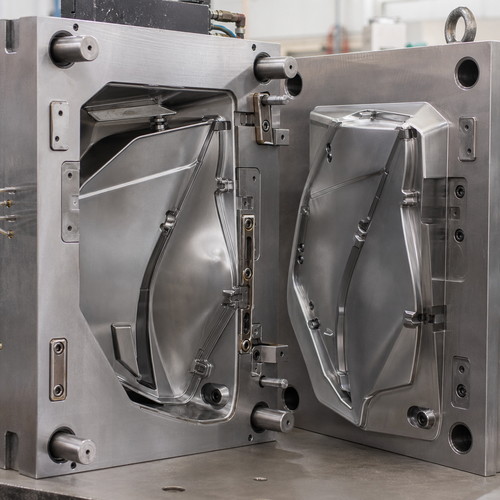
We mold from PP, HDPE, ABS, PC, PA, POM and glass-filled engineering grades, and we overmold TPE or silicone when a single-piece seal is preferred. Container sizes span from 20 ml diagnostic vials to 20 L industrial pails. Sealing surfaces are held as tight as ±0.05 mm, and every cavity is validated with first-article inspection, leak testing and drop testing before mass production.
Because a 2 part plastic leak proof container is functionally critical, our project engineers stay on the tool from concept through PPAP submission. Send us a 3D file, the media to be contained and the required seal rating, and we will return a manufacturability review, a tooling plan and a firm quotation.
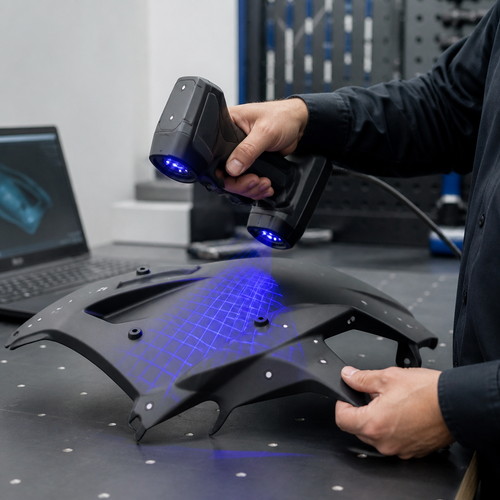
P&M 2 Part Plastic Leak Proof Container Molding Introduction
A 2 part plastic leak proof container looks simple from the outside: a body and a lid. In production, it is a stack of coupled tolerances. The body must hold its shape after ejection, the lid must engage without excessive force, the seal must compress enough to close the leak path without being crushed, and the assembly must survive shipping vibration, temperature swings and repeated opening. When any of those variables drifts, the container leaks, and the failure is almost always traced back to a decision made before the mold was cut.
P&M introduces every 2 part plastic leak proof container program through four gates.
Gate 1 — Application definition. We document what the container holds, how long it must hold it, the pressure differential across the seal, the temperature range in storage and transport, the cleaning or sterilization method, and the regulatory framework. A container for alcohol-based hand sanitizer has a different specification from one carrying a food oil, and both differ from a container holding an aggressive solvent that attacks polyolefins.
Gate 2 — Seal architecture selection. The seal is the container. A snap-fit lip is the fastest to assemble and the cheapest to mold, and it suits low-pressure containment where the seal is compressed by the lid skirt. A threaded interface delivers higher and more controllable compression, which is why it dominates chemical and laboratory packaging. A quarter-turn lug design gives threads a run for their money at high volumes because it indexes in a fraction of a second. A gasket-in-groove design is chosen when the media is aggressive or when the container must pass a vacuum or pressure test, because the elastomer can be specified independently from the rigid shell.
Gate 3 — Material and process selection. The resin must satisfy the chemical, thermal and mechanical duty at the lowest realistic cost. PP is the workhorse for chemical containers, HDPE for flexible impact resistance, ABS for appearance parts, PC for clarity and strength, POM for precision latches, and glass-filled PA where stiffness matters. Additives matter too: UV stabilizers for outdoor storage, nucleating agents for faster cycles, and antistatic packages for powder handling. We then choose wall thickness, gate location, cooling layout and venting so that shrinkage stays uniform and the seal groove stays round.
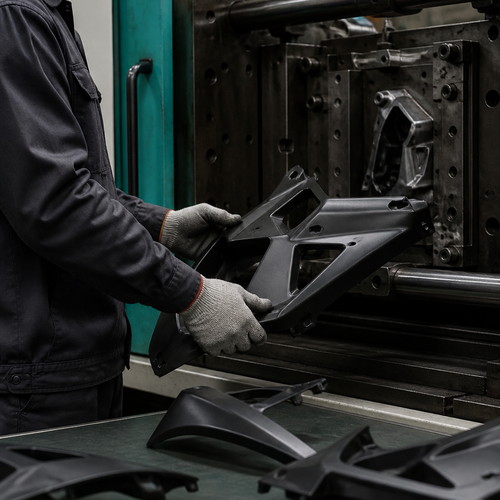
A 2 part plastic leak proof container looks simple from the outside: a body and a lid. In production, it is a stack of coupled tolerances. The body must hold its shape after ejection, the lid must engage without excessive force, the seal must compress enough to close the leak path without being crushed, and the assembly must survive shipping vibration, temperature swings and repeated opening. When any of those variables drifts, the container leaks, and the failure is almost always traced back to a decision made before the mold was cut.
P&M introduces every 2 part plastic leak proof container program through four gates.
Gate 1 — Application definition. We document what the container holds, how long it must hold it, the pressure differential across the seal, the temperature range in storage and transport, the cleaning or sterilization method, and the regulatory framework. A container for alcohol-based hand sanitizer has a different specification from one carrying a food oil, and both differ from a container holding an aggressive solvent that attacks polyolefins.
Gate 2 — Seal architecture selection. The seal is the container. A snap-fit lip is the fastest to assemble and the cheapest to mold, and it suits low-pressure containment where the seal is compressed by the lid skirt. A threaded interface delivers higher and more controllable compression, which is why it dominates chemical and laboratory packaging. A quarter-turn lug design gives threads a run for their money at high volumes because it indexes in a fraction of a second. A gasket-in-groove design is chosen when the media is aggressive or when the container must pass a vacuum or pressure test, because the elastomer can be specified independently from the rigid shell.
Gate 3 — Material and process selection. The resin must satisfy the chemical, thermal and mechanical duty at the lowest realistic cost. PP is the workhorse for chemical containers, HDPE for flexible impact resistance, ABS for appearance parts, PC for clarity and strength, POM for precision latches, and glass-filled PA where stiffness matters. Additives matter too: UV stabilizers for outdoor storage, nucleating agents for faster cycles, and antistatic packages for powder handling. We then choose wall thickness, gate location, cooling layout and venting so that shrinkage stays uniform and the seal groove stays round.
P&M 2 Part Plastic Leak Proof Container Molding(Specification)
|
Mould Name |
2 Part Plastic Leak Proof Container Molding |
|
We promise |
All customer-centric, never for short-term profit, and sell long-term benefits |
|
We produce |
Mold, prototype, injection molding, product assembly, surface printing, spraying the surface integration |
|
Pls provide |
2D, 3D, samples, or the size of the multi-angle pictures |
|
Mould Time |
About 25 working days |
|
Product time |
7-15 Days |
|
Moud precision |
±0.1mm |
|
Mould life |
50-100 million shots |
|
Producing Process |
Audit drawings - mold flow analysis - design validation - Custom Materials - mold processing - core processing - electrode machining - Runner system processing - parts processing and procurement - machining acceptance - cavity surface treatment process - complex mode Die - The entire mold surface coating - Mounting plate - mold sample - sample test - sending samples |
|
Mould cavity |
One cavity, multi-cavity or same different products be made together |
|
Mould material |
P20,2738,2344,718,S136,8407,NAK80,SKD61,H13 |
|
Runner system |
Hot runner and cold runner |
|
Base material |
P20,2738,2344,718,S136,8407,NAK80,SKD61,H13 |
|
Finish |
Pitting the word, mirror finish, matte surface, striae |
|
Standard |
HASCO, DME or dependent upon |
|
Main thechnology |
Milling, grinding, CNC, EDM, wire cutting, carving, EDM, lathes, surface Finish, etc. |
|
Software |
CAD,PRO-E,UG Design Time: 1-3 days (normal circumstances) |
|
Product material |
Food grade plastic raw materials |
|
Origin |
Made in China |
P&M 2 Part Plastic Leak Proof Container Molding Feature And Application
A 2 part plastic leak proof container from P&M carries a defined set of engineering features that determine where it can be used and how it behaves across its service life.
Feature: leak integrity. Closure sealing surfaces are held to ±0.05 mm on critical diameters, and each cavity is pressure or vacuum tested. Containers are routinely validated against air-decay leak rates, dye penetration and hydrostatic head requirements.
Feature: closure force control. We balance retention against ergonomics. Snap-fit lids are tuned so a defined pull force releases the lid, threaded and lug closures are specified with a target opening torque, and children-resistant or senior-friendly variants are available for regulated markets.
Feature: impact resistance. Drop testing from defined heights at low temperature catches brittle failure before it reaches the field. Ribbed corners, controlled wall transitions and impact-modified grades keep the container intact when it is dropped full.
Feature: chemical compatibility. Because the shell and the seal are separate decisions, we can pair a PP body with an FKM gasket for solvent duty, an HDPE body with an EPDM gasket for water-based products, or a single-material design where recycling is the priority.
Feature: thermal range. Standard polyolefin containers operate from -20°C to 90°C. Higher-temperature sterilization grades, hot-fill designs and freezer-stable formulations extend that envelope where required.
Feature: assembly and automation. Lids are designed to feed in oriented stacks, and closure geometry is tuned for robotic or high-speed capping lines. Hinge, tether and living-hinge designs reduce part count and eliminate lost lids.
Feature: traceability and decoration. In-mold labeling, pad printing, laser marking and molded-in date codes and resin identification symbols support batch traceability and recycling compliance.
Feature: design freedom. Multi-cavity tooling, stack molds, collapsible cores for undercut threads, and unscrewing molds are all in our tool room's standard repertoire.
Feature: dimensional repeatability. Cavity-to-cavity variation is controlled through balanced cooling, uniform packing pressure and disciplined process windows, so lids molded in one cavity fit bodies molded in another, shift after shift.
Feature: sustainability options. Mono-material designs that separate cleanly for recycling, post-consumer recycled content up to 50 percent in non-contact layers, and lightweighting studies that trim gram weight without sacrificing seal integrity.
Choosing between closure types is the decision that shapes everything downstream. A snap-fit lid gives the lowest part cost and the fastest assembly, which suits dry goods, sample cups and single-use packaging. A threaded closure gives the most predictable compression and is the natural choice for liquids, where the seal must survive repeated opening and re-closing. A quarter-turn lug is the compromise that high-volume filling lines often prefer, because it indexes with a short rotation and resists over-torque. A separate gasket in a molded groove costs one extra component but unlocks the widest material freedom, making it the standard answer when the contained medium is aggressive or when the container must pass a formal pressure or vacuum test. Our engineers will recommend a closure architecture from the application data, not from habit.
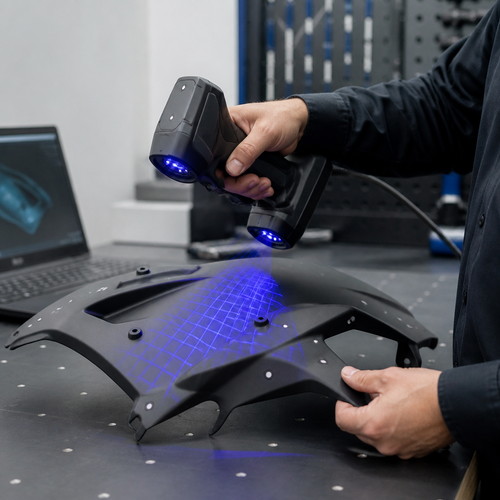
Quality control on a 2 part plastic leak proof container is not a final inspection step; it is built into the process. We monitor melt temperature, injection pressure, holding profile and cooling time shot by shot, pull samples at defined intervals for dimensional checks, and keep a traceable record that links every production lot to its resin batch, mold, machine and operator. For regulated programs this record becomes part of the technical file that supports certification, and for industrial programs it is what allows a fast, evidence-based response if a field issue ever appears.
Documentation and testing packages scale to the risk of the application. A consumer container may need only dimensional and drop data, while a pharmaceutical or hazardous-goods program may require extractables screening, USP Class VI or ISO 10993 biocompatibility evidence, UN packaging performance certification and a full PPAP submission. We build the test plan at the beginning of the project so the validation cost is known rather than discovered.
Typical applications include:
- Medical and diagnostics: reagent vials, specimen transport containers, sharps-safe secondary packaging, sterilization trays and point-of-care test housings.
- Laboratory and chemical: solvent bottles, sample jars, titration vessels and leak-proof shipping containers for hazardous goods.
- Food and beverage: sauce and condiment containers, sample cups, dry-ingredient canisters and hot-fill jars with tamper-evident seals.
- Automotive: fluid sample containers, coolant and additive bottles, grease cartridges and under-hood reservoirs.
- Industrial and agricultural: lubricant pails, agrochemical containers, adhesive cartridges, and paint and coating packaging.
- Cosmetics and personal care: cream jars, powder sifters, lotion bottles and travel-size kits.
- Electronics: moisture-barrier component trays, desiccant canisters and protective shipping enclosures.
Each application imposes its own tolerance, testing and documentation requirements, from UN packaging certification for hazardous goods to USP Class VI material compliance for medical contact. That is why P&M runs every 2 part plastic leak proof container project as a custom engineering program rather than a catalog order.
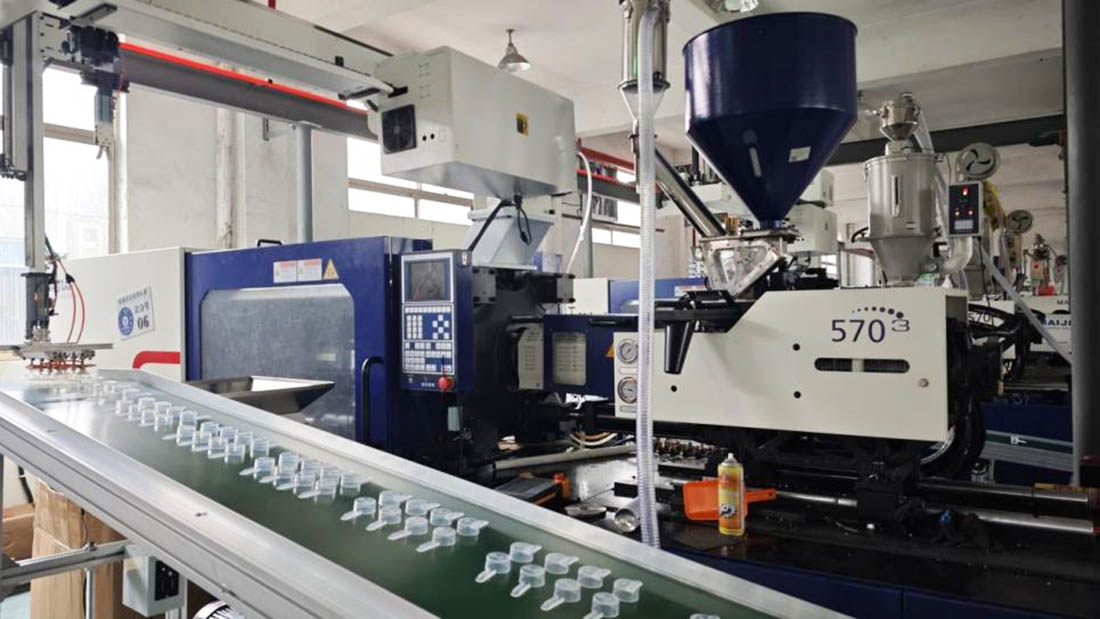
Our manufacturing footprint includes high-tonnage injection presses, automated material handling and drying, in-house mold maintenance, and a metrology lab with CMM and vision inspection. We support programs from 500-piece pilot lots to multi-million-piece annual volumes and ship to OEMs and tier-one suppliers across North America, Europe and Asia.
If you are developing a 2 part plastic leak proof container, send us your 3D model, the media it will hold, the seal rating and the target annual volume. We will return a design-for-manufacture review, a tooling and sealing recommendation, and a firm quotation with sample lead times.
Customization Process
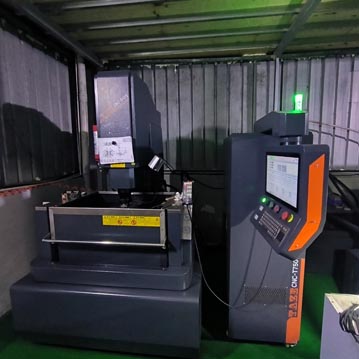
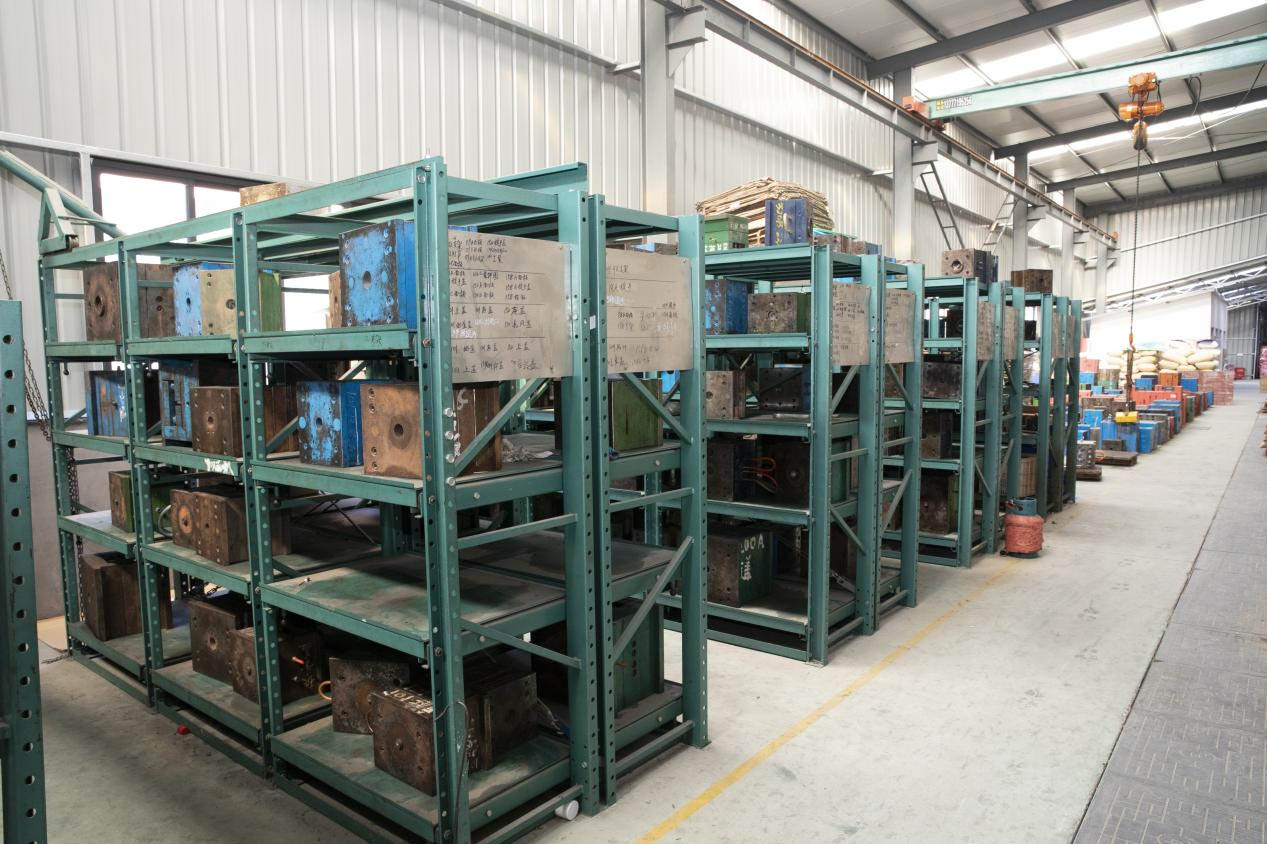
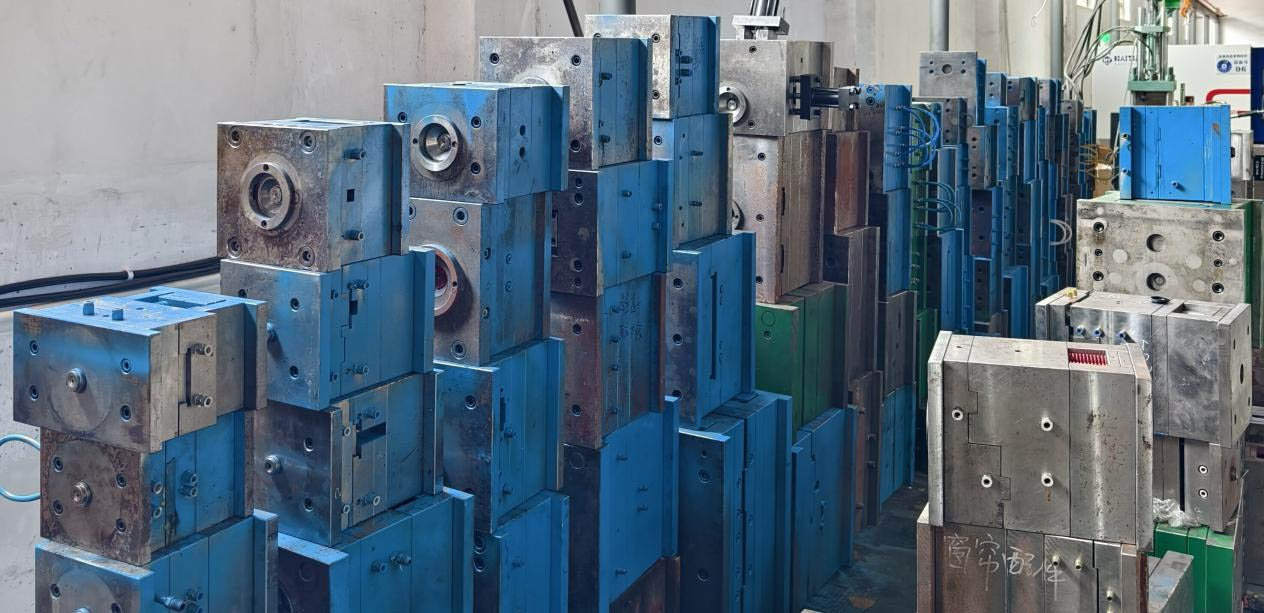
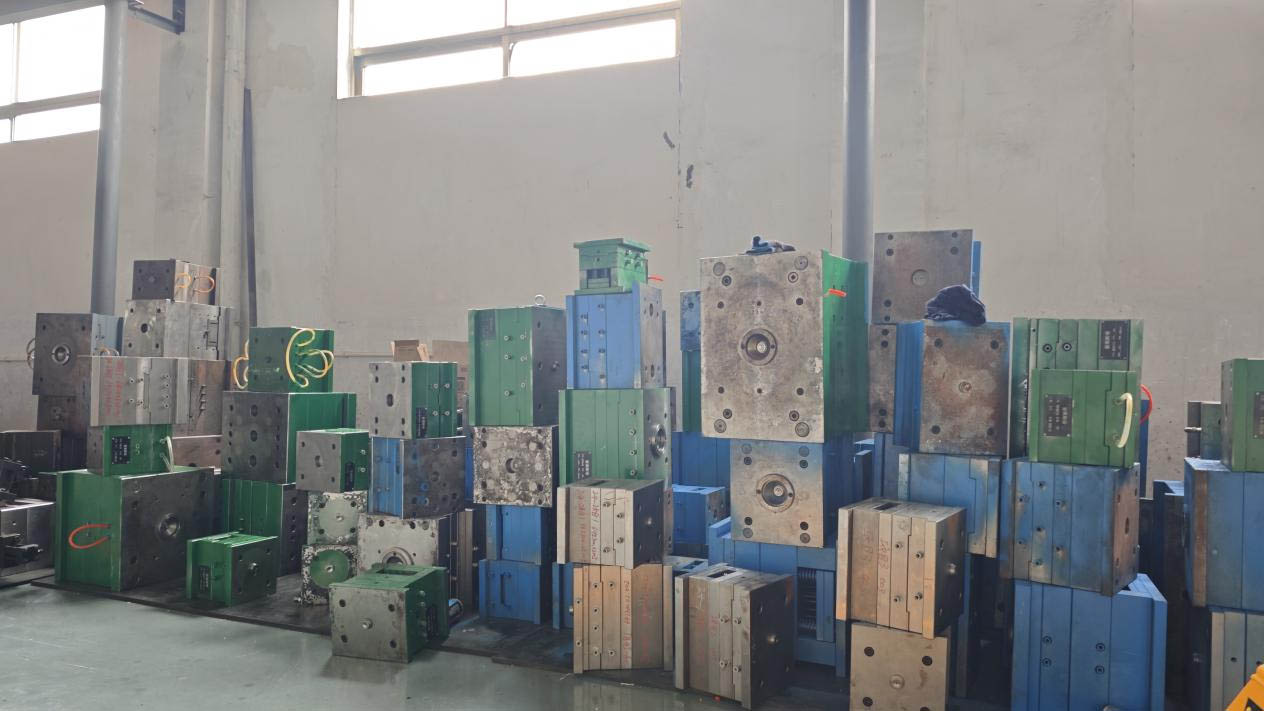
Factory&About US
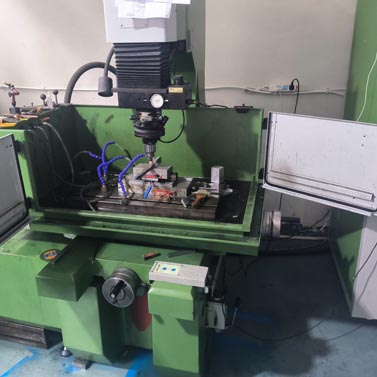
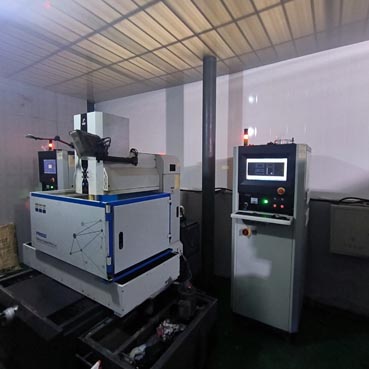
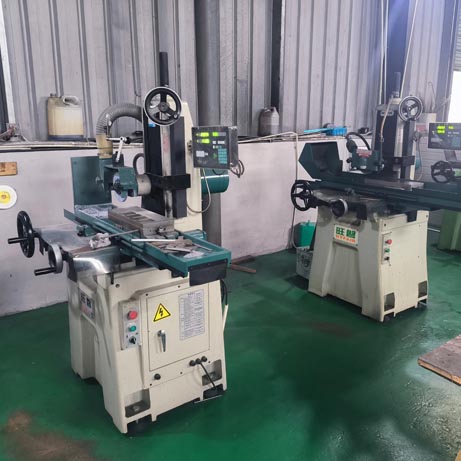
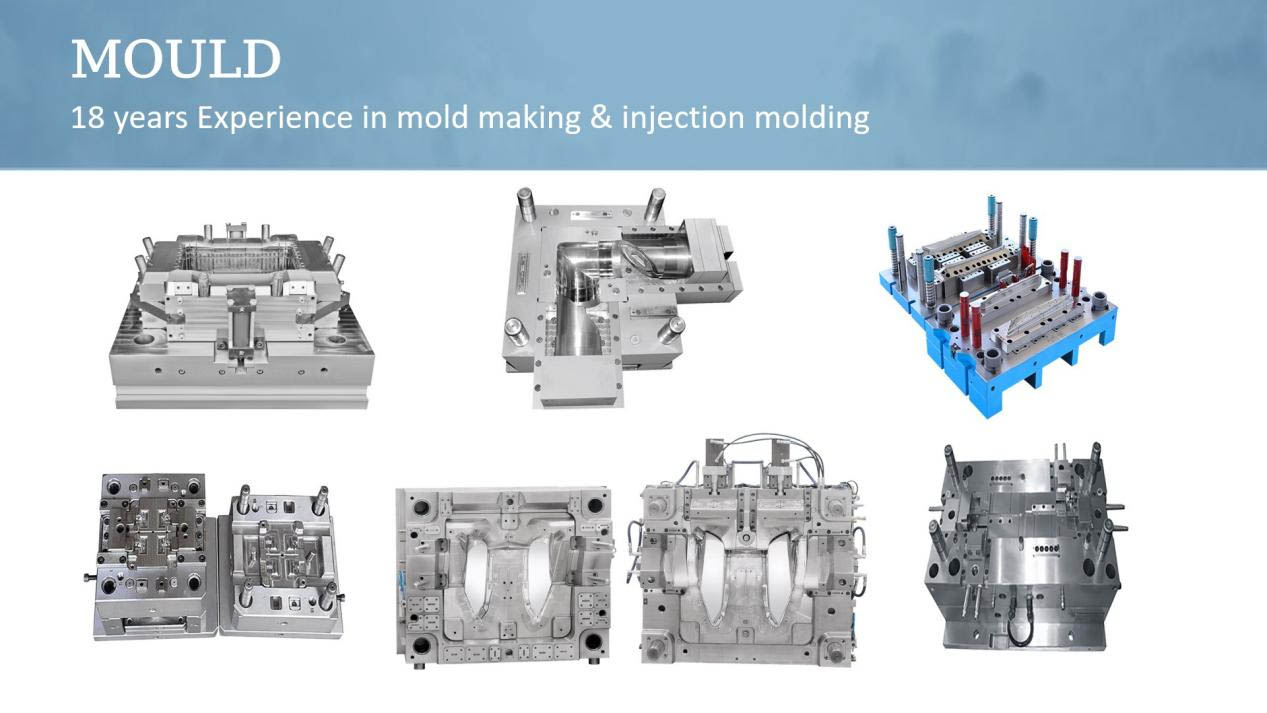
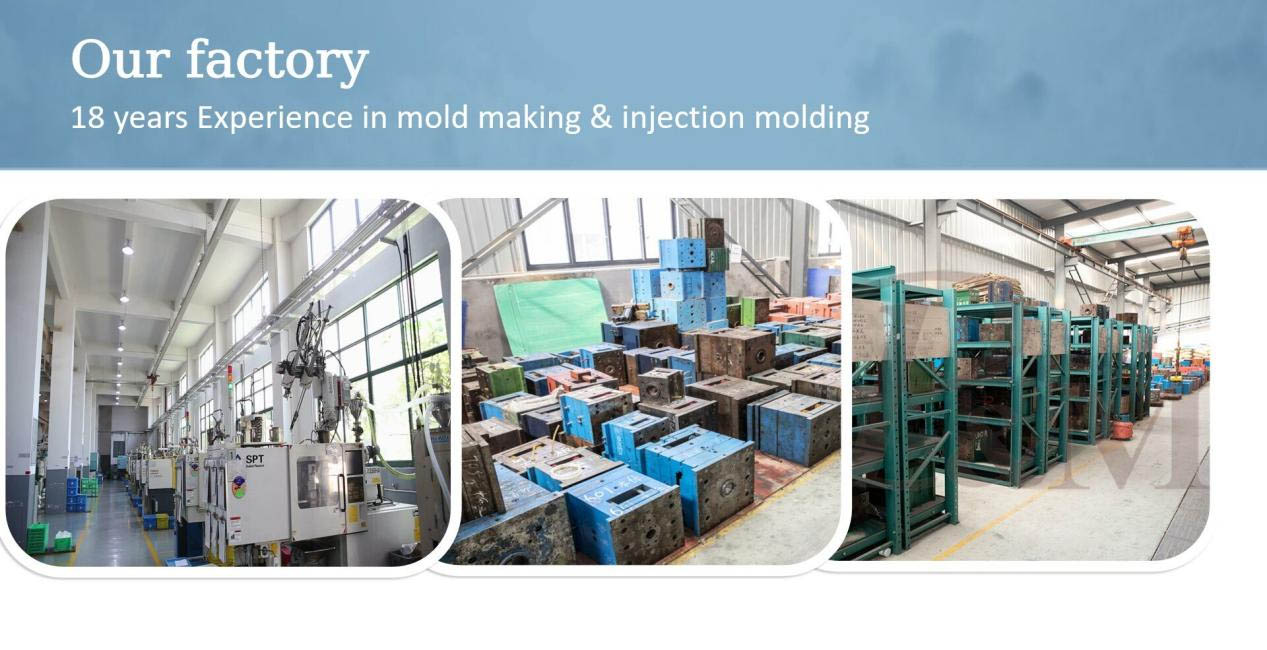
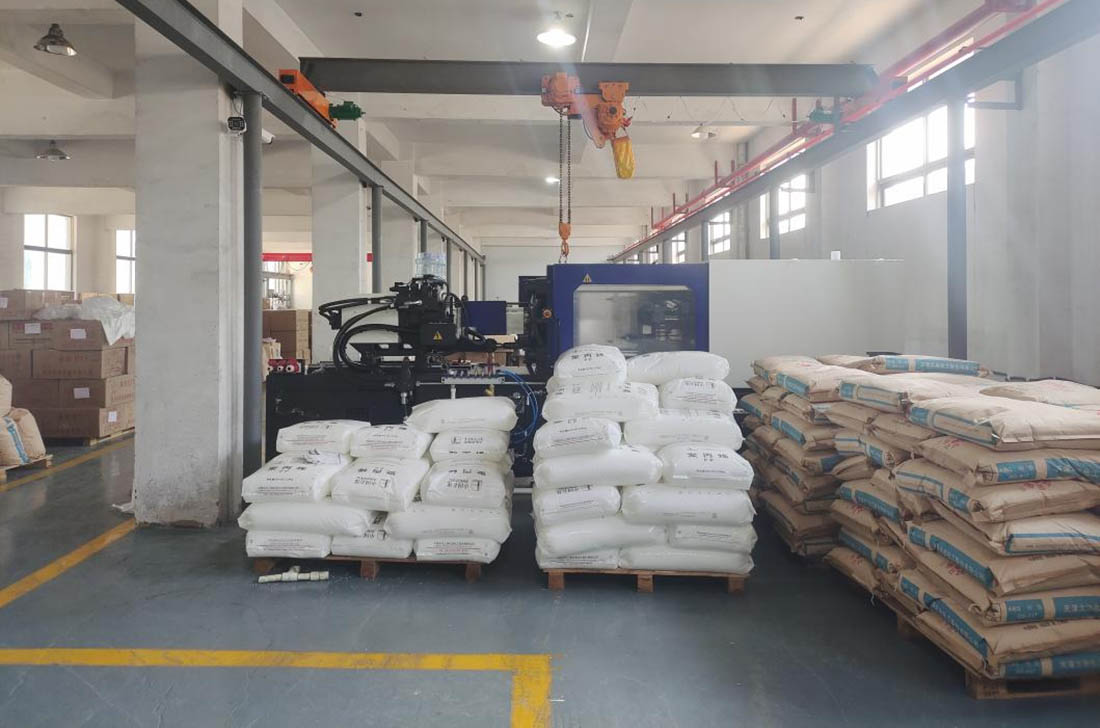
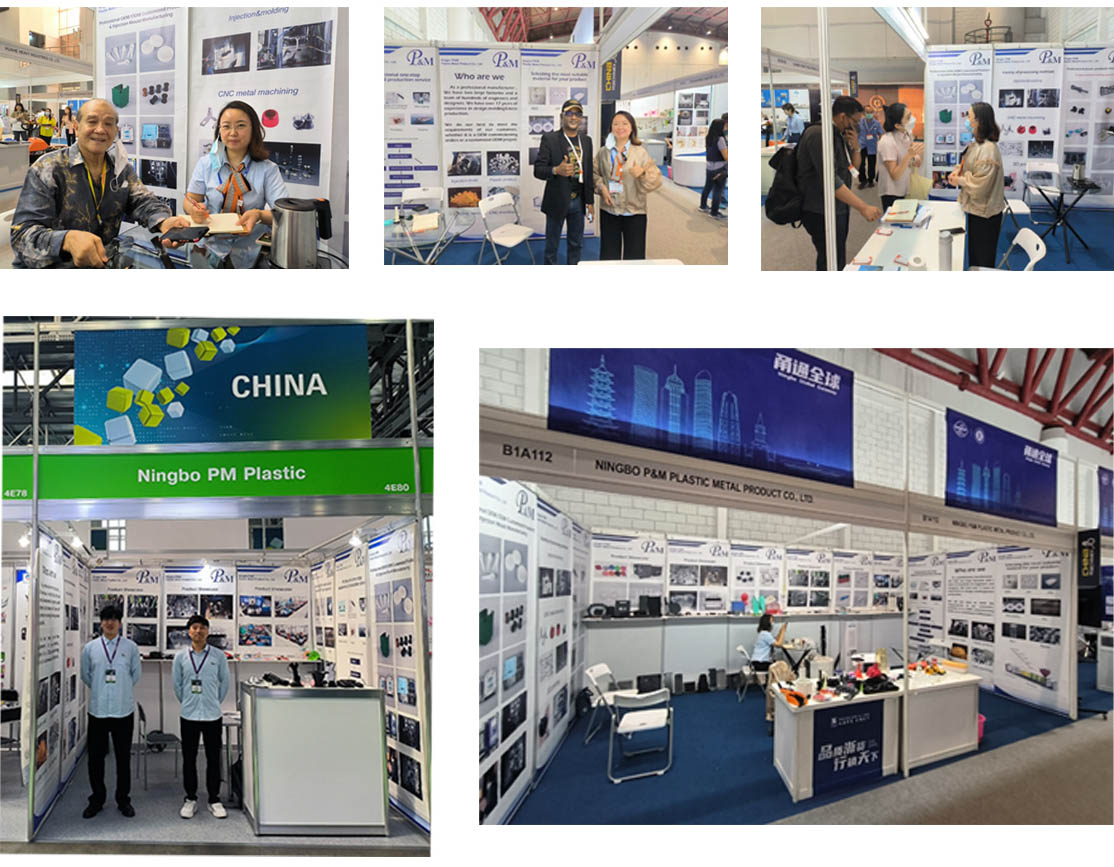
NingBo Plastic Metal Product Co.,Ltd (P&M) is located in Yuyao, the so-called Mould City, Plastic Kingdom, in the southern tip of Hangzhou Bay Bridge,north of Shanghai, the east of Ningbo Port,tight double line of State Road 329 on land, sea and air trafic into a network to facilitate transport.
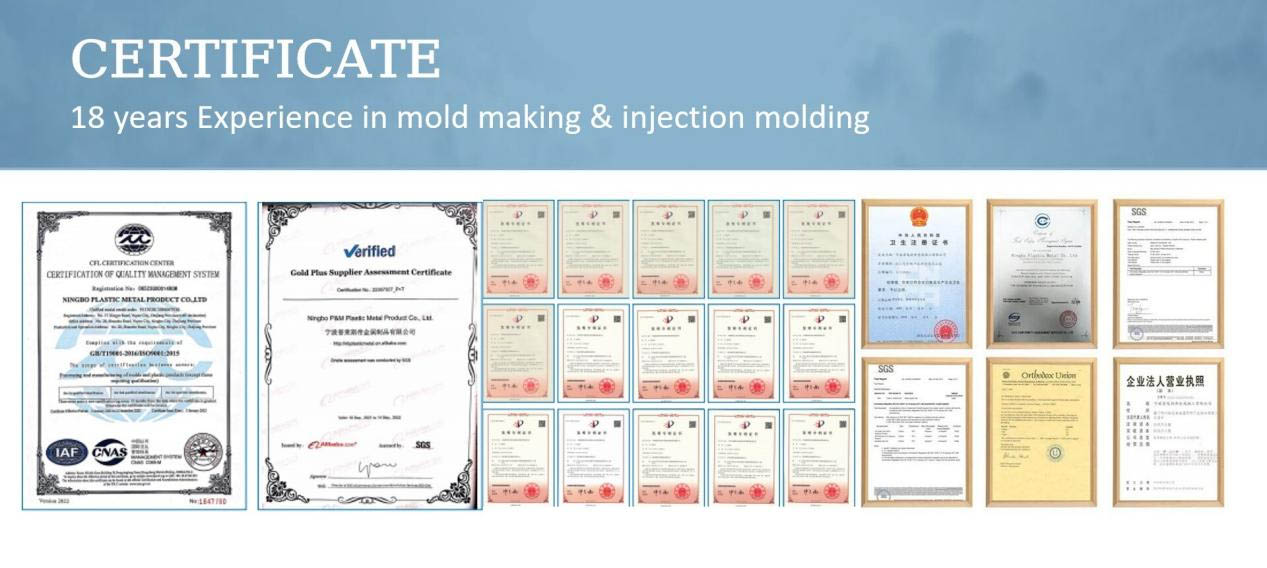
By the abundant technical strength,scientific management methods and good after-sales service, product deeply trusted and welcomed by customers from all over the world. P&M holds improved system of development and production, to achieve mold design, plastic products manufacturing and automatic production. Our main products is design and manufacturing of plastic mold, plastic product, metal product. 90% products of our enterprise are exported to America, Europe, Germany, Japan, Australia, etc. For many years, the company has been committed to the research of raw materials. The company has its own trademark and dozens of patents, providing more convenient technical support for mold making and product production. P&M started domestic business from 2008,named Shundi Mould Factory. And opened the international market from 2014. We always adhere to the principles of quality first and time first. While providing customers with the highest quality products, try to maximize the production efficiency and shorten production time. We are proud to tell every customer that our company has not lost any customer since its establishment.If there is a problem with the product, we will seek a solution actively and take responsibility to the end.
P&M adheres to market-oriented to the quanlity of life and focus on quality service and continuous development of new products,determined to establish a better corporate image,and our friends at home and abroad to carry a wide range of business exchanges and cooperation, create brilliant.
Packing
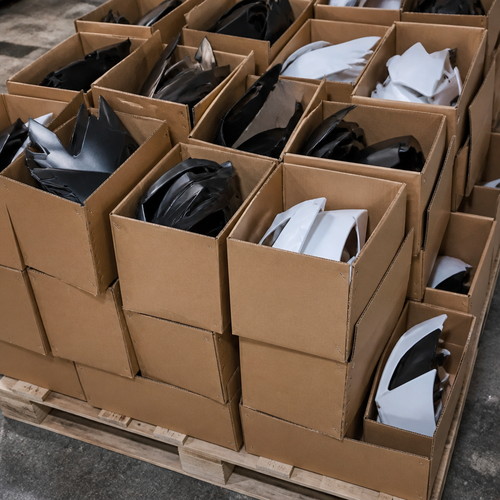
Packaging according to your needs
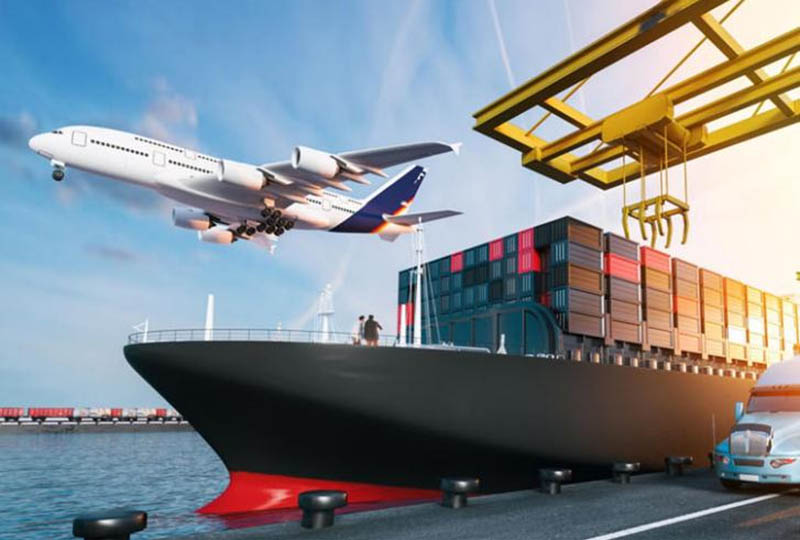
1. By air ,it takes 3-7 days for delivery.
The goods can be shipped by DHL , Fedex , UPS .
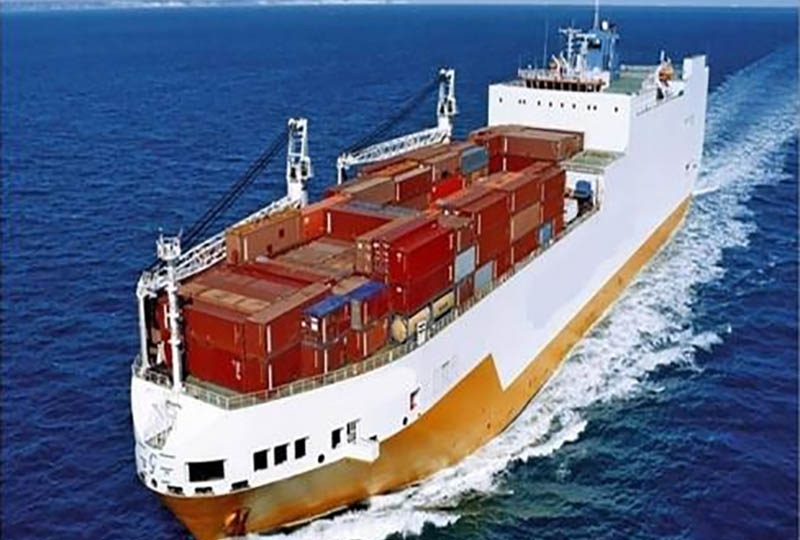
2. By sea ,the delivery time is based on your port.
To South East Asian Countries takes about 5-12 days.
To Middle east countries takes about 18-25 days.
To European countries takes about 20-28 days.
To American countries takes about 28-35 days.
To Australia takes about 10-15 days.
To African countries takes about 30-35 days.
P&M Bike parts, centered around children, balances safety, health, and fun, aiming to add a bright color to children's beautiful childhood. We look forward to working together with you to serve our children.
The path of a child's growth is paved with bricks and tiles.
FAQ
1.Who are we?
We are based in Zhejiang, China, start from 2014,sell to North America(30.00%),Southern Europe(10.00%),Northern Europe(10.00%),Central America(10.00%),Western Europe(10.00%),Mid East(10.00%),Eastern Europe(10.00%),South America(10.00%). There are total about 51-100 people in our office.
2.How can we guarantee quality?
Always a pre-production sample before mass production;
Always final Inspection before shipment;
3.What can you buy from us?
Mould, Plastic Product, Metal Product, Dental Product, CNC machining.
4.Why should you buy from us not from other suppliers?
We main do all kinds of 3d design, 3d printing and plastic metal molds tooling and products. We have our own engineer and factory. One-stop supply: 3d design - 3d printing - mold making - plastic injection.
5.What services can we provide?
Accepted Delivery Terms: FOB,CFR,CIF,EXW,FCA,DDP,DDU;
Accepted Payment Currency: USD, EUR;
Accepted Payment Type: T/T,L/C,PayPal,Western Union,Escrow;
Language Spoken:English,Chinese,Spanish,French,Russian.
6.What are the characteristics of your service?
1. Your inquiry related to our products or prices will be replied within 24 hours.
2. Well-trained and experienced staffs to answer all your enquiries in fluent English.
3. Offering the support to solve the problem in the application or selling period.
4. Competitive prices based on same quality.
5. Guarantee samples quality same as mass production quality.
Hot Tags: 2 Part Plastic Leak Proof Container, China, Manufacturer, Supplier, Factory, Customized, Wholesale, Buy, Quality, Latest Selling, Made in China
Related Category
Send Inquiry
Please feel free to give your inquiry in the form below. We will reply you in 24 hours.