
Product
- Core Customization Service
- Health Care
- Electronic Appliances and Instruments
- Maternal and Child Supplies Molds
- Recreational Sports
- Home Furnishing Art
- Auto Accessories
- Transportation and Warehousing
- Lighting Fixtures
- Construction Equipment
- Packaging Product
- Educational & Laboratories
- Clothing Luggage Accessories
- Care and Cleaning Products
- Agriculture & Forestry
- Mechanical Equipment
- Pet Supplies
- Kitchenware
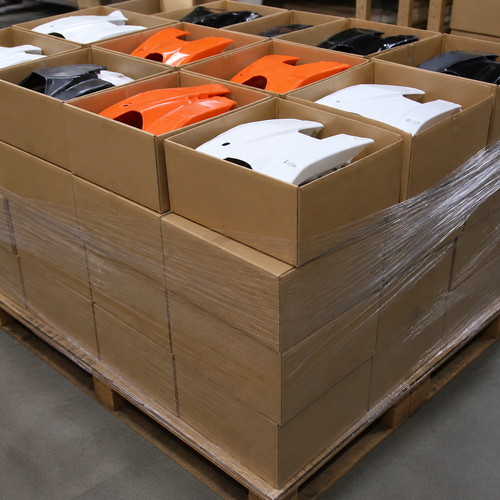
Custom 3d Plastic Part
A custom 3d plastic part is engineered to match exact geometry, tolerance, and material requirements that stock components cannot meet. This guide walks B2B buyers through design review, tooling, material selection, prototyping, quality control, and the cost drivers behind a custom 3d plastic part.
Send Inquiry
Product Description
When engineers talk about a custom 3d plastic part, they usually mean something specific: a plastic component that is designed digitally in three dimensions, prototyped rapidly, and then manufactured to a defined specification rather than pulled from a catalog. In the injection-molding industry, the term has evolved. It once described parts built layer by layer on a 3D printer. Today it describes an entire workflow — a digital-first approach in which a custom 3d plastic part is modeled, validated, tooled, and mass-produced in engineering thermoplastics.
For a manufacturer like P&M, the value of this workflow is speed and repeatability. A customer sends a 3D model, we review it for manufacturability, adjust wall thickness, draft, ribs, and gate locations, then produce a mold that turns that file into thousands of identical parts. The same custom 3d plastic part that appears on a screen on Monday can be a physical sample on a desk by the end of the week, and a full production run shortly after approval.
This matters because modern products rarely tolerate compromise. A housing must align with a PCB, a bracket must survive vibration, a connector must seal against moisture. Off-the-shelf parts force design compromises; a custom 3d plastic part does not. It is built around the application, not the other way around.
The sections below break the process into practical stages: what a custom 3d plastic part actually is, how it is specified, and where it performs best. If you are sourcing for a new program or replacing a part that keeps failing, this is the reference you will want to bring to your next supplier conversation.
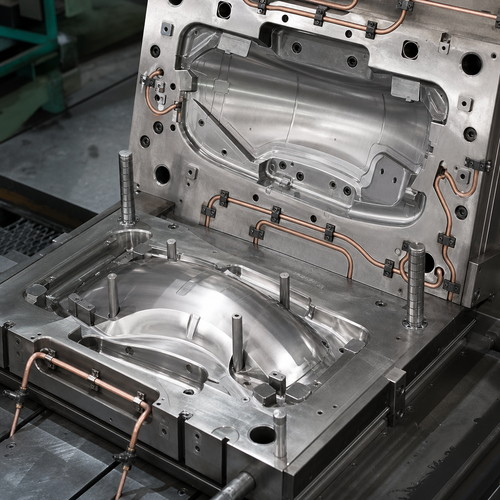
P&M Custom 3d Plastic Part Molding Introduction
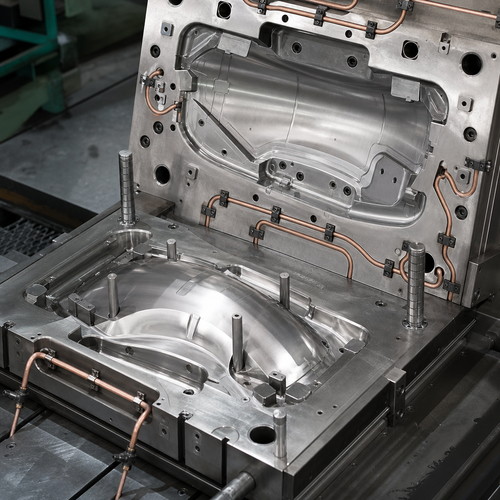
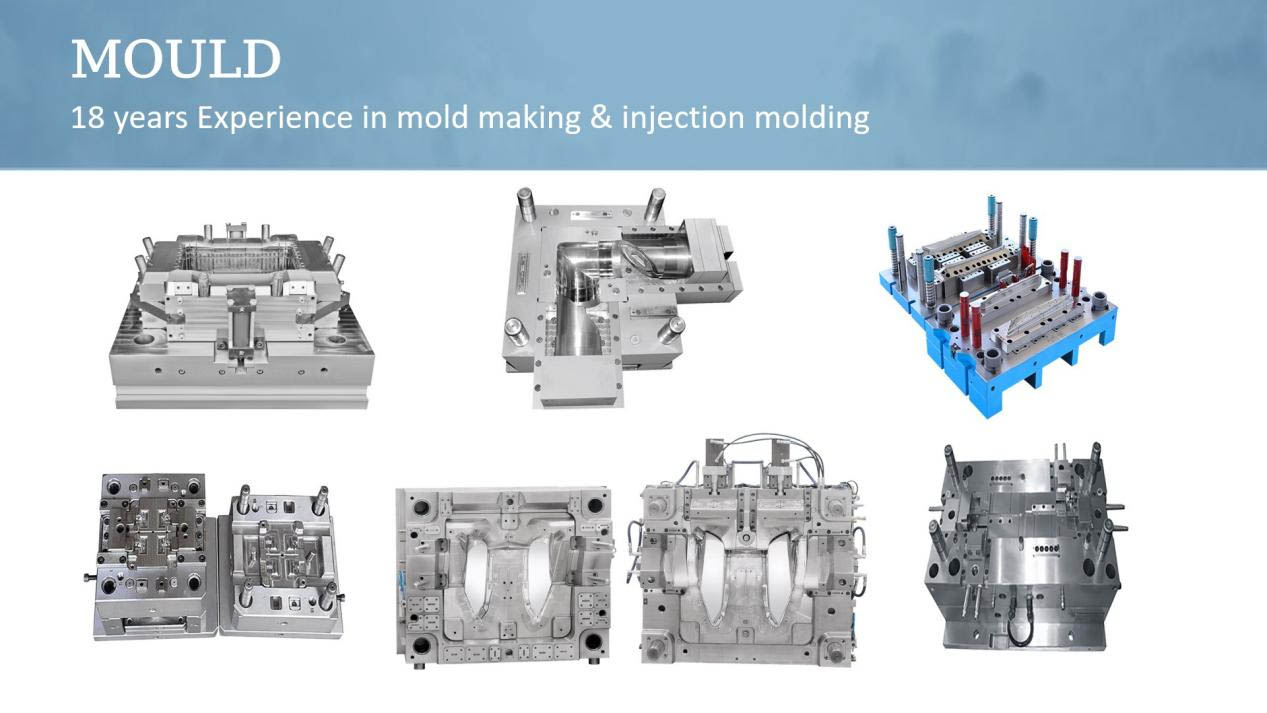
A custom 3d plastic part begins as data. Whether the starting point is a native CAD model, an STL mesh, or a scanned legacy component, the first job is to translate intent into geometry that can be molded. Our engineering team reviews every file against a manufacturability checklist: nominal wall thickness, uniform shrinkage behavior, draft angles that allow clean ejection, rib and boss proportions that avoid sink marks, and gate placement that fills the cavity without weld-line weakness. These early decisions determine whether the finished custom 3d plastic part meets tolerance and cost targets.
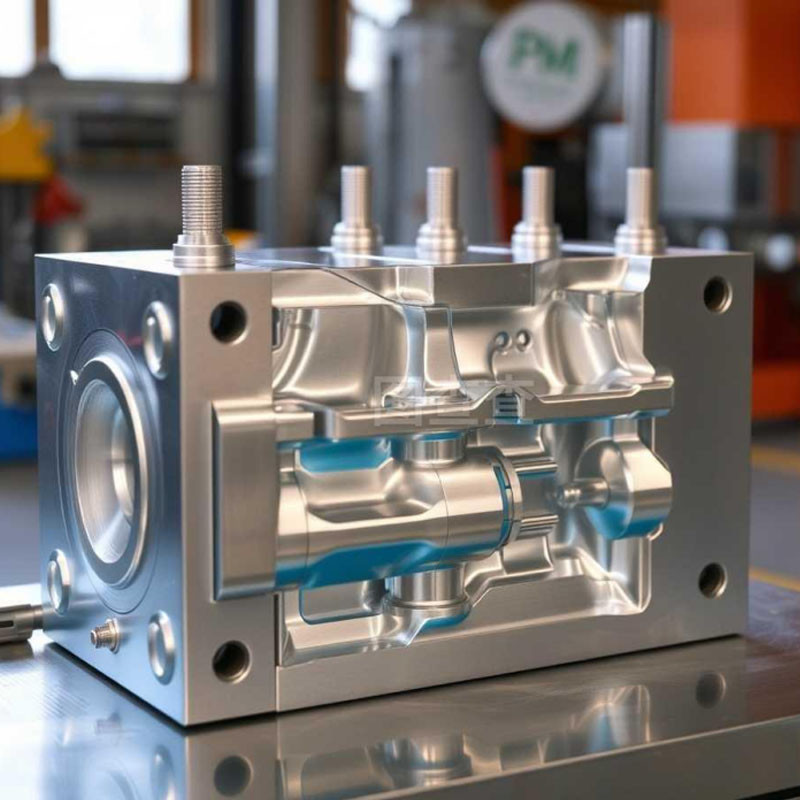
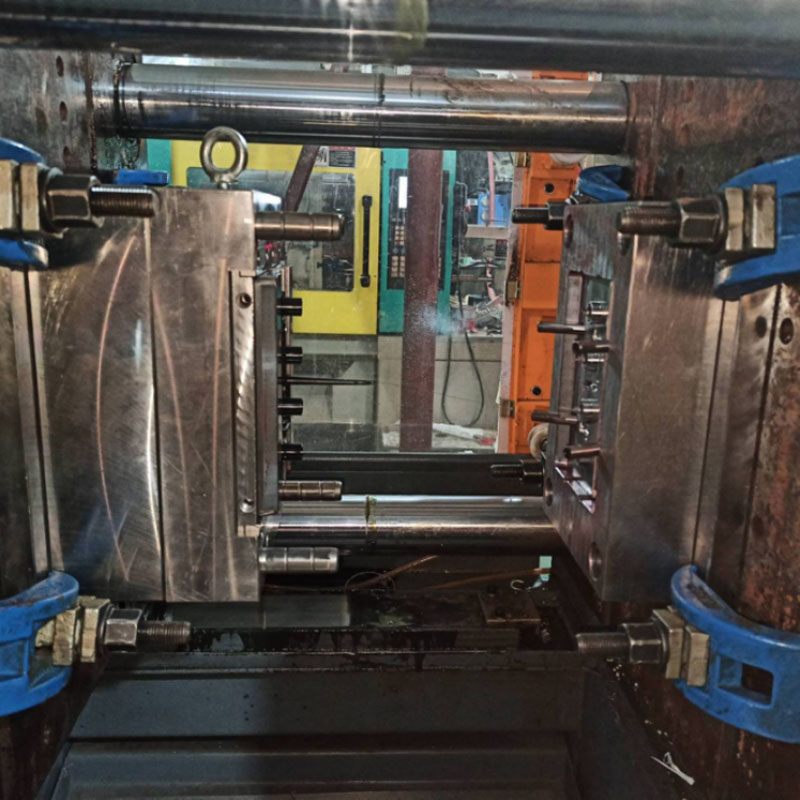
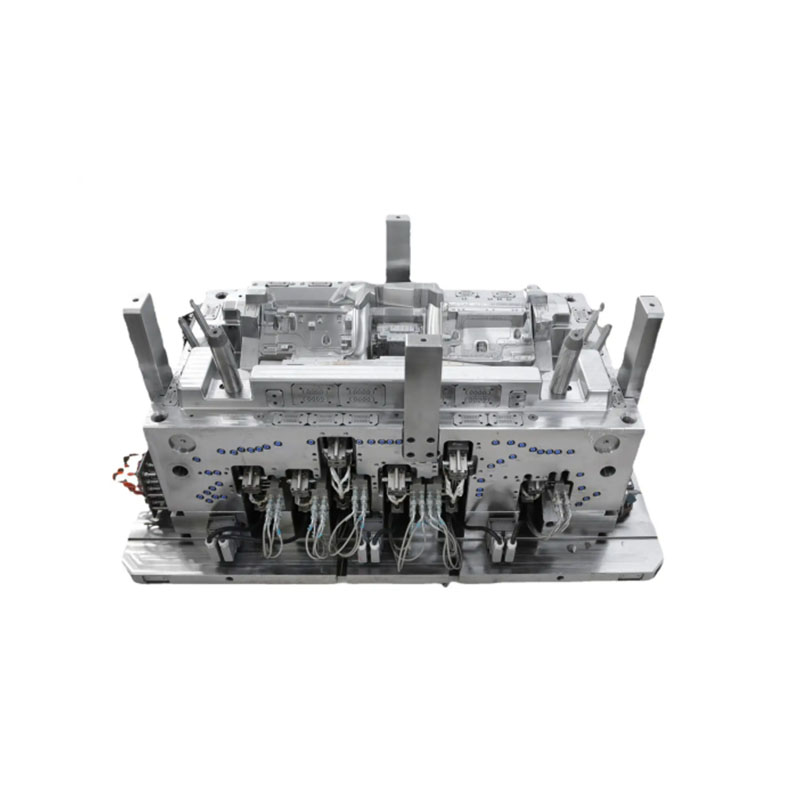
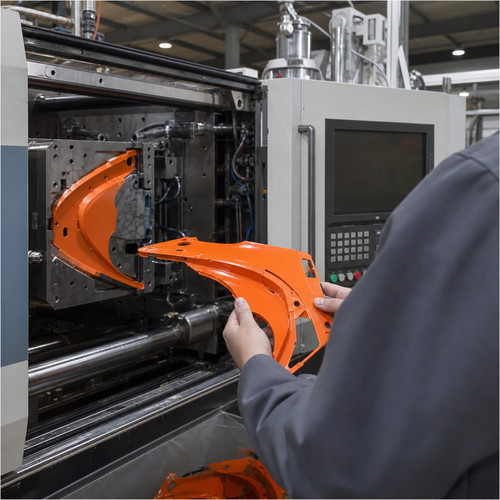
From there the part moves through tooling. Depending on volume, annual demand, and cosmetic requirements, we recommend the right mold architecture — a single-cavity prototype tool, a multi-cavity production tool, or a family mold that produces several related components in one cycle. Mold steel, cooling layout, and runner design are all selected to match the resin and the geometry of the custom 3d plastic part. For low-volume validation, we can also bridge the gap with 3D-printed or CNC-machined samples so the customer can test fit and function before committing to steel.
Material selection is where the custom 3d plastic part earns its performance. We work with commodity resins such as ABS, PP, PE, and PS, engineering grades such as PC, PA6/PA66, POM, and PMMA, and high-performance options including PPS, PEEK, and glass- or mineral-filled compounds. Each choice trades off stiffness, impact resistance, chemical compatibility, heat deflection, UV stability, and cost. A flame-retardant enclosure and a chemically resistant pump housing are both custom 3d plastic parts, but they share almost nothing in resin strategy.
From prototype to production
Validation should be staged so that money is spent in the right order. We typically begin with a rapid sample — 3D-printed or CNC-machined from the target resin where possible — so the customer can confirm fit, ergonomics, and assembly before tooling is cut. The next stage is a single-cavity or prototype mold that produces parts in the actual production material, revealing real flow behavior, shrinkage, and surface quality. Only after that sample is approved do we move to a multi-cavity production tool optimized for cycle time and tool life.
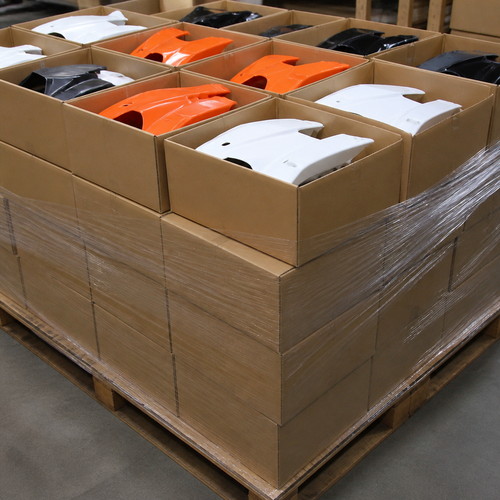
This staged path protects the program. Problems found at the sample stage cost design hours; the same problems found after a production tool is cut cost weeks and significant capital. A disciplined custom 3d plastic part program treats each gate as a checkpoint with clear acceptance criteria.
Secondary operations and assembly
A molded part often leaves the press needing more work. Our secondary capabilities include ultrasonic welding, heat staking, insert molding, tapping, laser marking, pad printing, painting, and full assembly. Bringing these steps in-house means the custom 3d plastic part arrives ready for your line rather than as a component your team must finish. For programs with multiple molded pieces, we can deliver a complete sub-assembly that reduces your inbound part count and assembly labor.
Finally, qualification closes the loop. First-article inspection, dimensional reports, material certificates, and functional testing confirm that production matches the validated design. Nothing ships until the custom 3d plastic part is proven, documented, and reproducible.
P&M Custom 3d Plastic Part Molding(Specification)
|
Mould Name |
Custom 3d Plastic Part Molding |
|
We promise |
All customer-centric, never for short-term profit, and sell long-term benefits |
|
We produce |
Mold, prototype, injection molding, product assembly, surface printing, spraying the surface integration |
|
Pls provide |
2D, 3D, samples, or the size of the multi-angle pictures |
|
Mould Time |
About 25 working days |
|
Product time |
7-15 Days |
|
Moud precision |
±0.1mm |
|
Mould life |
50-100 million shots |
|
Producing Process |
Audit drawings - mold flow analysis - design validation - Custom Materials - mold processing - core processing - electrode machining - Runner system processing - parts processing and procurement - machining acceptance - cavity surface treatment process - complex mode Die - The entire mold surface coating - Mounting plate - mold sample - sample test - sending samples |
|
Mould cavity |
One cavity, multi-cavity or same different products be made together |
|
Mould material |
P20,2738,2344,718,S136,8407,NAK80,SKD61,H13 |
|
Runner system |
Hot runner and cold runner |
|
Base material |
P20,2738,2344,718,S136,8407,NAK80,SKD61,H13 |
|
Finish |
Pitting the word, mirror finish, matte surface, striae |
|
Standard |
HASCO, DME or dependent upon |
|
Main thechnology |
Milling, grinding, CNC, EDM, wire cutting, carving, EDM, lathes, surface Finish, etc. |
|
Software |
CAD,PRO-E,UG Design Time: 1-3 days (normal circumstances) |
|
Product material |
Food grade plastic raw materials |
|
Origin |
Made in China |
P&M Custom 3d Plastic Part Molding Feature And Application
Features that define a well-built custom 3d plastic part
- Design freedom. Complex contours, undercuts handled with side actions, living hinges, snap fits, and integrated bosses are all achievable. The 3D model drives the tool, so geometry that would be expensive to machine can be molded at low marginal cost.
- Tight tolerances. Production tooling holds dimensions that generic parts cannot promise, which is critical for mating components and assembly-line consistency.
- Material breadth. From transparent PMMA lenses to glass-filled PA structural brackets, the resin is matched to the environment rather than the other way around.
- Surface and finish control. SPI finish grades, texture, laser etching, pad printing, and in-mold decoration let a single part serve both structural and cosmetic roles.
- Scalability. The same custom 3d plastic part that validates as a prototype scales to millions of units with cycle times measured in seconds.
- Cost efficiency at volume. Tooling is a one-time investment; unit cost falls sharply as quantity rises, which is why molded parts dominate high-volume programs.
- Consistency. Automated presses, closed-loop process monitoring, and statistical sampling keep part-to-part variation minimal across a long production campaign.
Where a custom 3d plastic part is applied
- Consumer electronics. Enclosures, bezels, buttons, battery trays, and internal chassis components where fit, finish, and EMI-relevant materials matter.
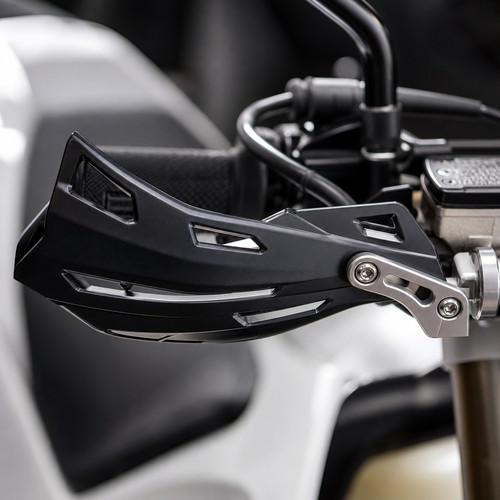
- Automotive and mobility. Interior trim, sensor housings, fluid connectors, clips, and under-hood brackets that must resist heat, vibration, and chemicals.
- Medical and laboratory devices. Diagnostic housings, fluidic cartridges, and device shells produced in biocompatible or sterilizable grades.
- Industrial equipment. Pump housings, valve bodies, cable management, and machine guards built for abrasion and chemical exposure.
- Home appliances and power tools. Motor housings, handles, gear covers, and trim that combine structural strength with consumer-grade cosmetics.
- Packaging and logistics. Precision trays, inserts, caps, and closures engineered for stacking, sealing, and repeatable handling.
How to specify and source a custom 3d plastic part
Start with a complete data package: a 3D model, a 2D drawing with critical dimensions and tolerances, expected annual volume, resin preference or performance requirements, and any regulatory or cosmetic standards. Share the intended assembly context as well — how the part interfaces with adjacent components often reveals constraints that a drawing alone hides.
Volume drives tooling strategy. Prototype and bridge tooling make sense for validation builds and early market testing. Hardened multi-cavity tooling is the right call once demand is stable, because it delivers the lowest per-part cost and the longest tool life. Discuss cycle-time and cavitation targets openly; a supplier who understands your forecast can design a mold that stays economical at scale.
Quality terms should be agreed before the first shot. Define the inspection plan, sampling frequency, dimensional reports, and material traceability. For regulated industries, confirm documentation for compliance requirements up front so the custom 3d plastic part is production-ready without late-stage surprises.
Design mistakes to avoid
Non-uniform wall thickness is the most common cause of warping and sink marks. Missing draft makes ejection difficult and scuffs the surface. Sharp internal corners concentrate stress and shorten part life. Overly thick bosses crack under load unless cored and reinforced with ribs. Ignoring shrinkage allowances for semi-crystalline resins produces out-of-tolerance parts. And specifying a cosmetic finish on a surface the mold cannot properly cool leads to flow marks that no amount of polishing will remove. A design review catches these issues while they are still free to fix.
Why choose P&M
P&M combines in-house tooling, molding, and secondary operations under one roof, which shortens lead times and keeps accountability in a single team. Our engineers work from your 3D data, provide DFM feedback early, and stay engaged through first-article approval and volume production. Whether you need a few hundred units for validation or a multi-year supply program, we build the custom 3d plastic part around your specification, your timeline, and your cost target.
Frequently asked questions
*How long does tooling take?* A simple single-cavity tool can be ready in two to four weeks; complex multi-cavity tooling typically runs six to ten weeks. Rapid samples can be delivered in days when schedule pressure is high.
*What is the minimum order quantity?* There is no hard floor for samples, but injection molding becomes cost-effective once volume justifies tooling. We help customers compare molding against machining and 3D printing at their specific quantity so the decision is based on data, not habit.
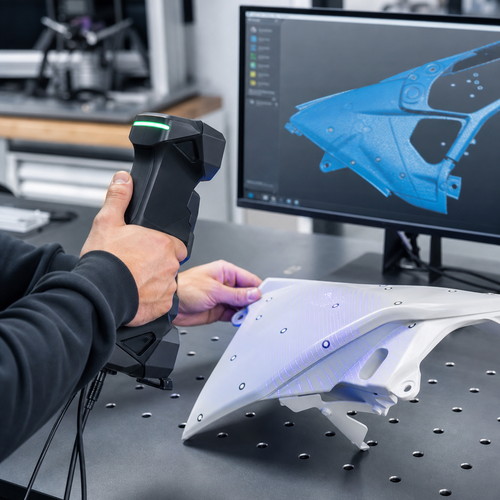
*Can you work from a 3D scan of an existing part?* Yes. When drawings are missing, we scan the legacy component, rebuild a parametric 3D model, and correct any wear or molding flaws before cutting a new tool. This is a common route for obsolete parts that must be reproduced exactly.
*What information speeds up a quote?* A 3D model, material preference, annual volume, critical tolerances, cosmetic requirements, and target delivery date. The more context you provide, the more accurate the cost and the faster the custom 3d plastic part reaches production.
Conclusion
A custom 3d plastic part is more than a plastic component — it is a manufacturing strategy. Digital design, disciplined tooling, and correct material selection turn a concept into a reliable, scalable product. Choose a partner who treats manufacturability as part of the design conversation, and your part will perform exactly as intended, from first sample to final shipment. Contact P&M to discuss your next custom 3d plastic part project.
Customization Process
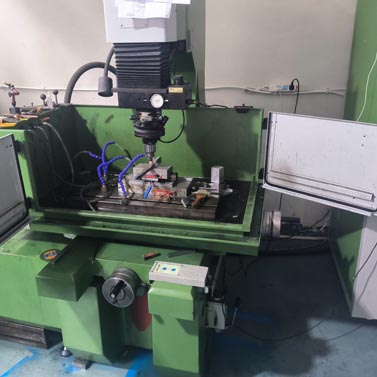
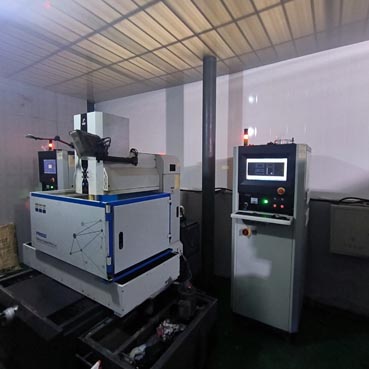
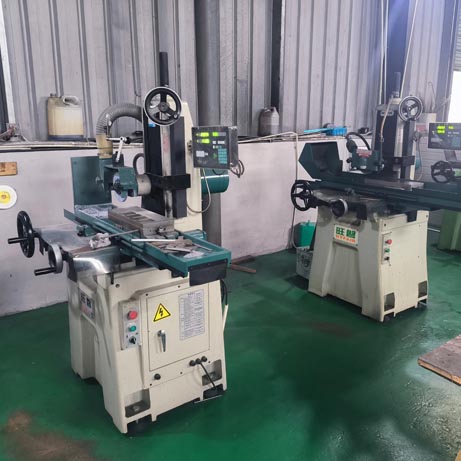
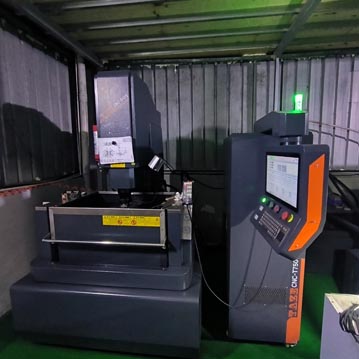
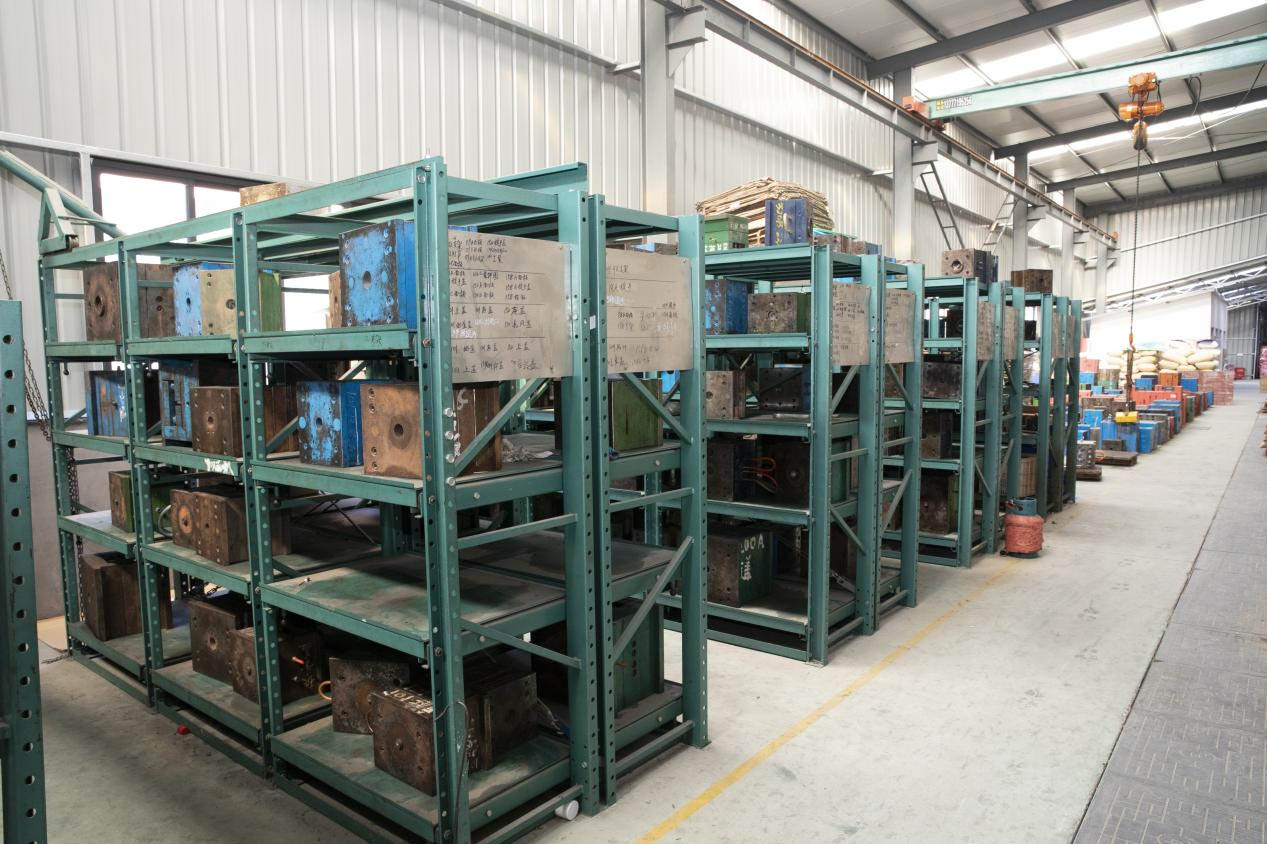
Factory&About US
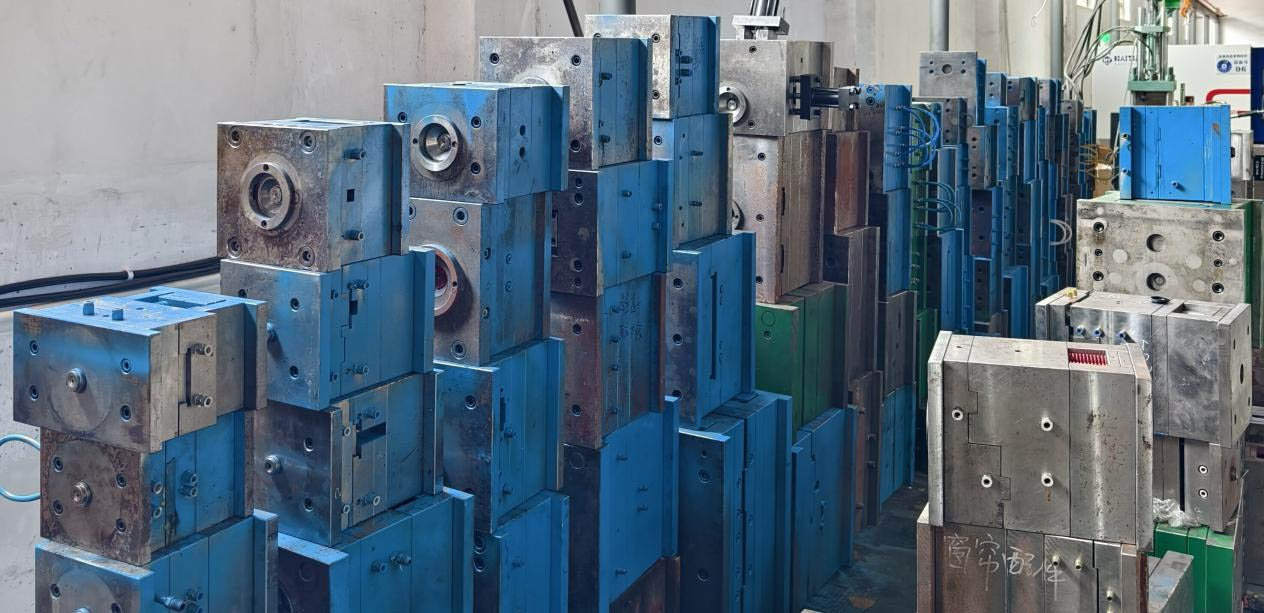
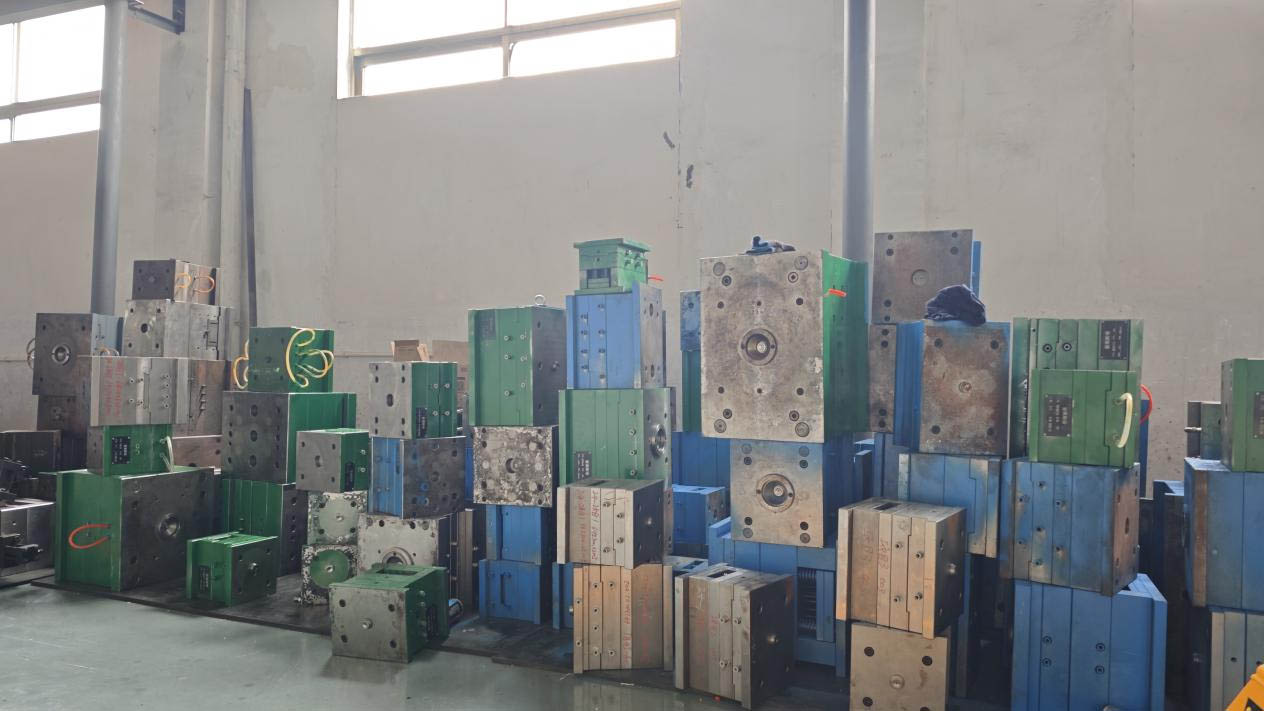
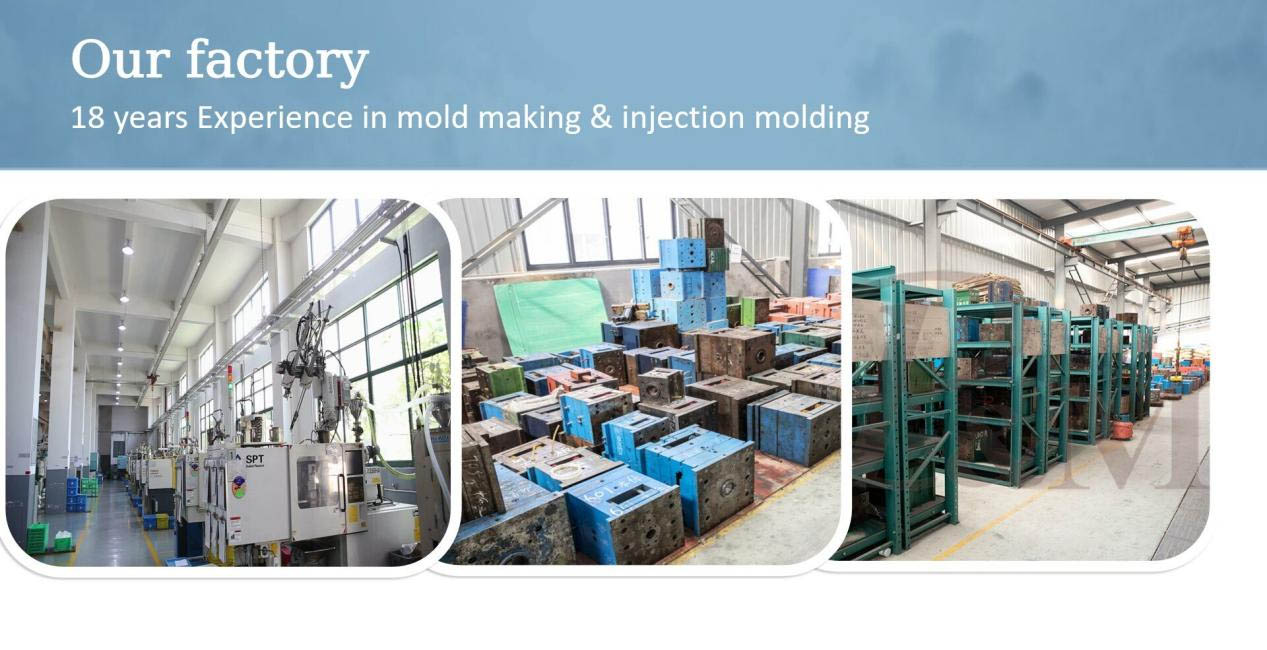
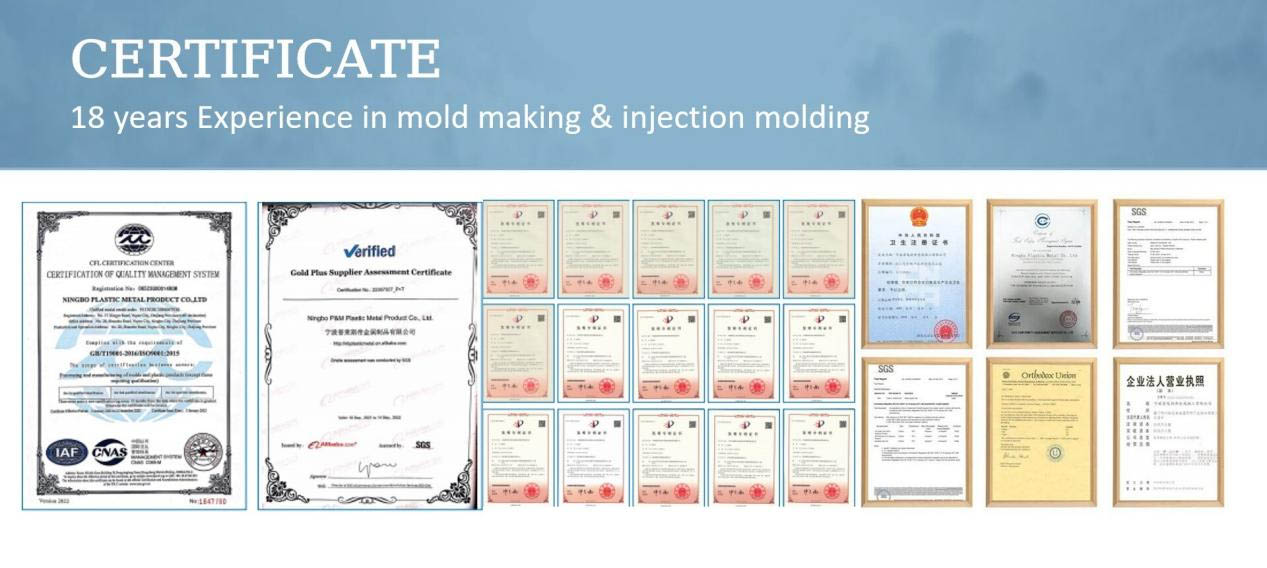
NingBo Plastic Metal Product Co.,Ltd (P&M) is located in Yuyao, the so-called Mould City, Plastic Kingdom, in the southern tip of Hangzhou Bay Bridge,north of Shanghai, the east of Ningbo Port,tight double line of State Road 329 on land, sea and air trafic into a network to facilitate transport.
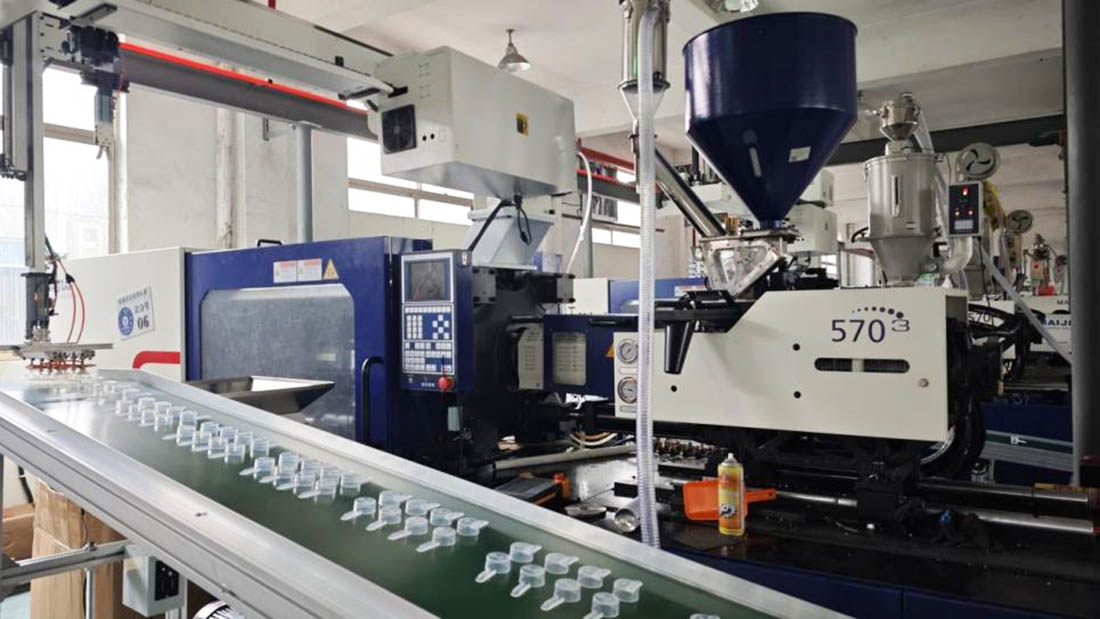
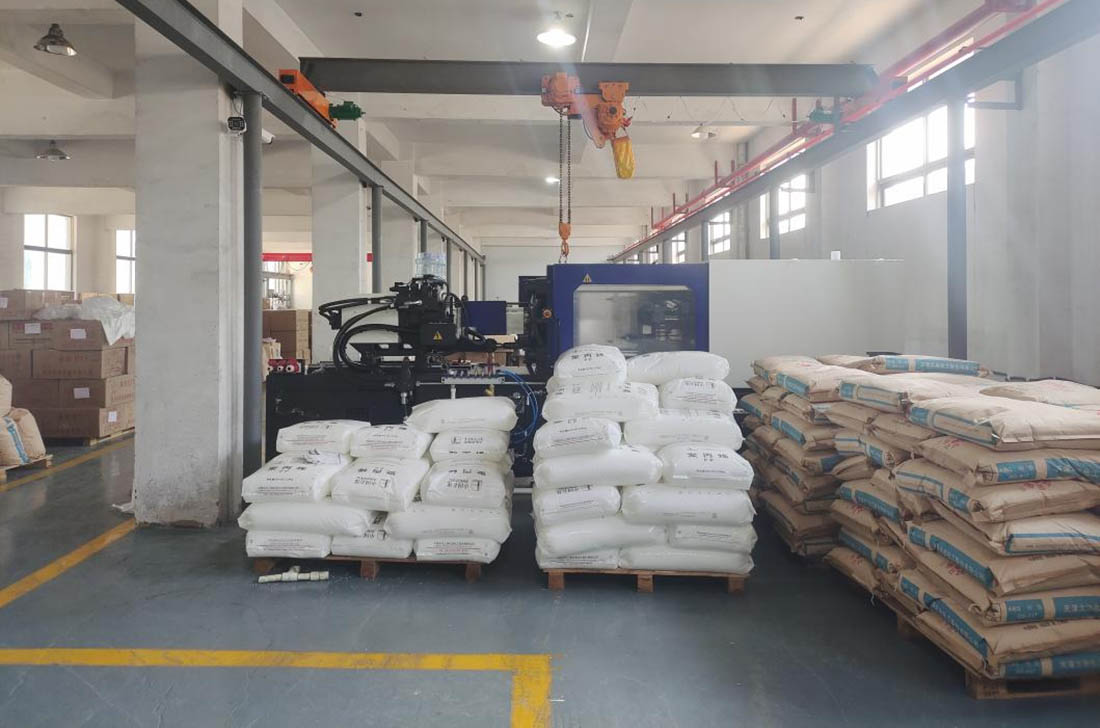
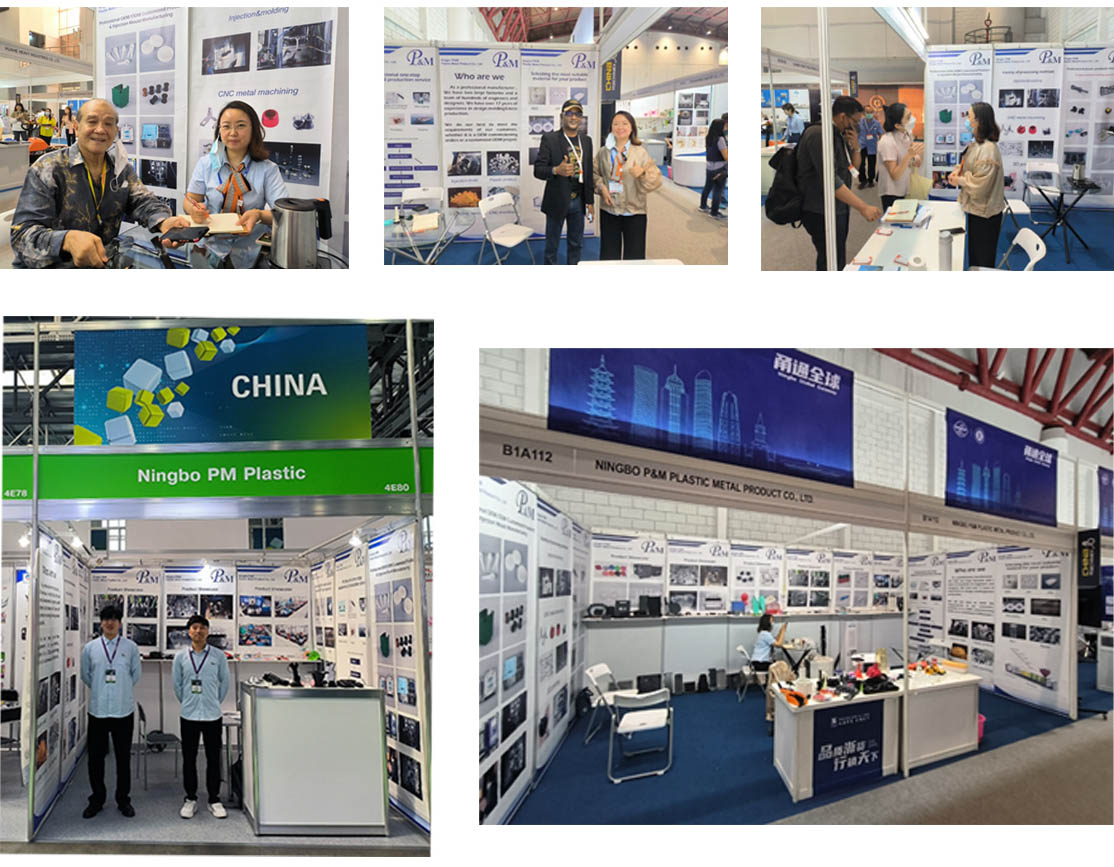
By the abundant technical strength,scientific management methods and good after-sales service, product deeply trusted and welcomed by customers from all over the world. P&M holds improved system of development and production, to achieve mold design, plastic products manufacturing and automatic production. Our main products is design and manufacturing of plastic mold, plastic product, metal product. 90% products of our enterprise are exported to America, Europe, Germany, Japan, Australia, etc. For many years, the company has been committed to the research of raw materials. The company has its own trademark and dozens of patents, providing more convenient technical support for mold making and product production. P&M started domestic business from 2008,named Shundi Mould Factory. And opened the international market from 2014. We always adhere to the principles of quality first and time first. While providing customers with the highest quality products, try to maximize the production efficiency and shorten production time. We are proud to tell every customer that our company has not lost any customer since its establishment.If there is a problem with the product, we will seek a solution actively and take responsibility to the end.
P&M adheres to market-oriented to the quanlity of life and focus on quality service and continuous development of new products,determined to establish a better corporate image,and our friends at home and abroad to carry a wide range of business exchanges and cooperation, create brilliant.
Packing
Packaging according to your needs
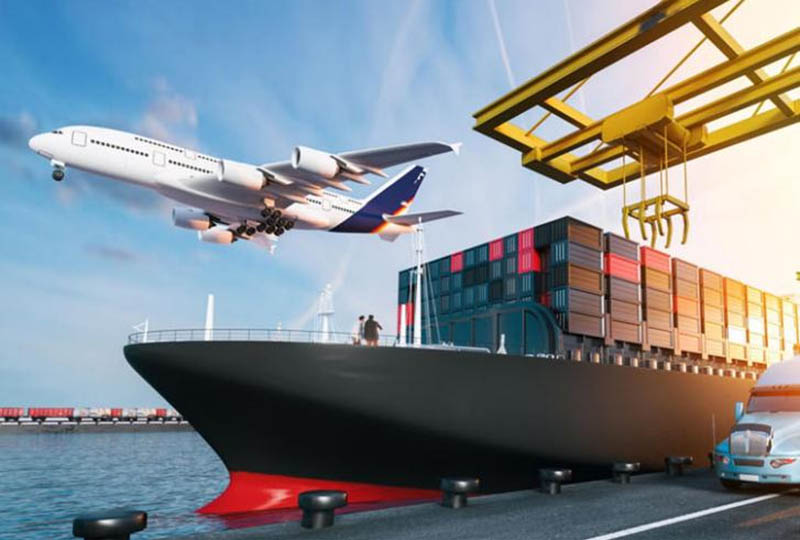
1. By air ,it takes 3-7 days for delivery.
The goods can be shipped by DHL , Fedex , UPS .
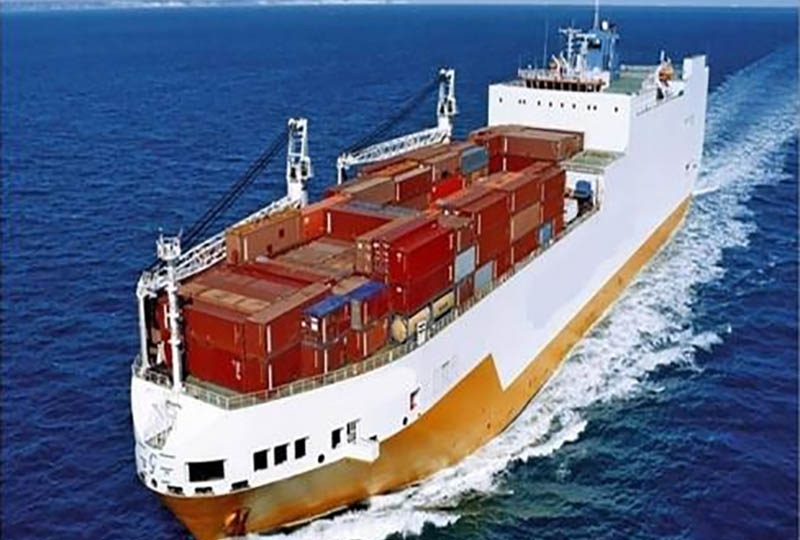
2. By sea ,the delivery time is based on your port.
To South East Asian Countries takes about 5-12 days.
To Middle east countries takes about 18-25 days.
To European countries takes about 20-28 days.
To American countries takes about 28-35 days.
To Australia takes about 10-15 days.
To African countries takes about 30-35 days.
P&M Bike parts, centered around children, balances safety, health, and fun, aiming to add a bright color to children's beautiful childhood. We look forward to working together with you to serve our children.
The path of a child's growth is paved with bricks and tiles.
FAQ
1.Who are we?
We are based in Zhejiang, China, start from 2014,sell to North America(30.00%),Southern Europe(10.00%),Northern Europe(10.00%),Central America(10.00%),Western Europe(10.00%),Mid East(10.00%),Eastern Europe(10.00%),South America(10.00%). There are total about 51-100 people in our office.
2.How can we guarantee quality?
Always a pre-production sample before mass production;
Always final Inspection before shipment;
3.What can you buy from us?
Mould, Plastic Product, Metal Product, Dental Product, CNC machining.
4.Why should you buy from us not from other suppliers?
We main do all kinds of 3d design, 3d printing and plastic metal molds tooling and products. We have our own engineer and factory. One-stop supply: 3d design - 3d printing - mold making - plastic injection.
5.What services can we provide?
Accepted Delivery Terms: FOB,CFR,CIF,EXW,FCA,DDP,DDU;
Accepted Payment Currency: USD, EUR;
Accepted Payment Type: T/T,L/C,PayPal,Western Union,Escrow;
Language Spoken:English,Chinese,Spanish,French,Russian.
6.What are the characteristics of your service?
1. Your inquiry related to our products or prices will be replied within 24 hours.
2. Well-trained and experienced staffs to answer all your enquiries in fluent English.
3. Offering the support to solve the problem in the application or selling period.
4. Competitive prices based on same quality.
5. Guarantee samples quality same as mass production quality.
Hot Tags: Custom 3d Plastic Part, China, Manufacturer, Supplier, Factory, Customized, Wholesale, Buy, Quality, Latest Selling, Made in China
Related Category
Send Inquiry
Please feel free to give your inquiry in the form below. We will reply you in 24 hours.