
Home
>
Product > Core Customization Service > Custom Molding > Custom Kitchen Component Production with Controlled Tolerances moulding
Product
- Core Customization Service
- Health Care
- Electronic Appliances and Instruments
- Maternal and Child Supplies Molds
- Recreational Sports
- Home Furnishing Art
- Auto Accessories
- Transportation and Warehousing
- Lighting Fixtures
- Construction Equipment
- Packaging Product
- Educational & Laboratories
- Clothing Luggage Accessories
- Care and Cleaning Products
- Agriculture & Forestry
- Mechanical Equipment
- Pet Supplies
- Kitchenware
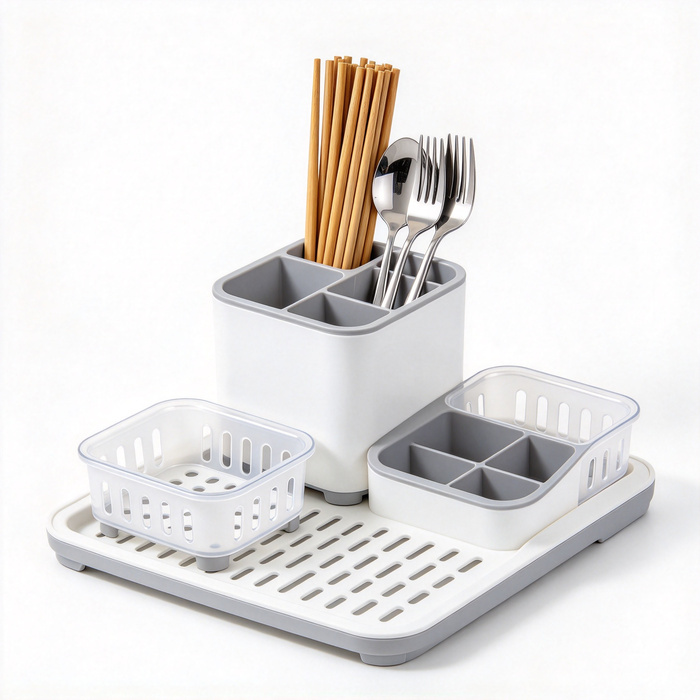
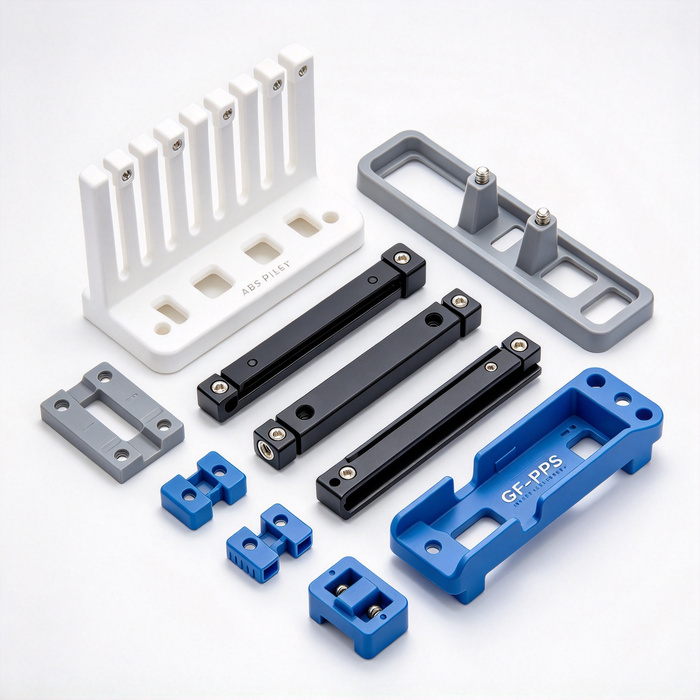
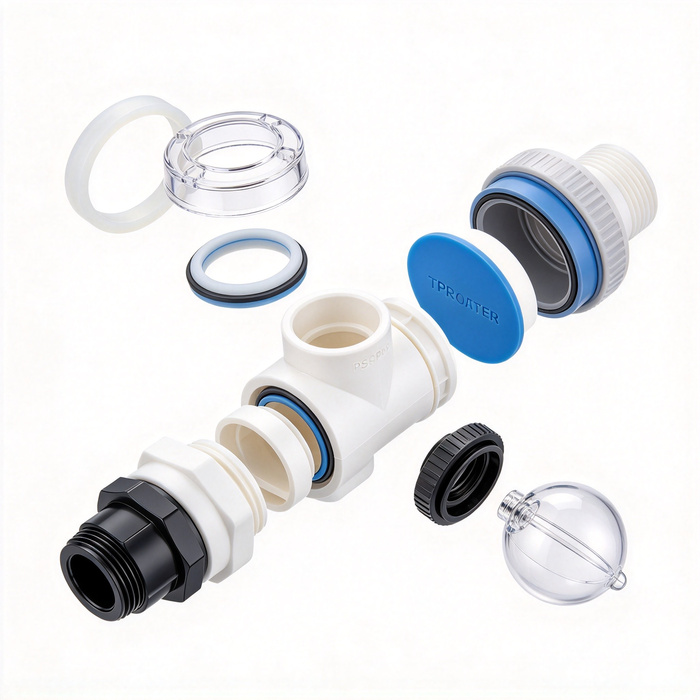
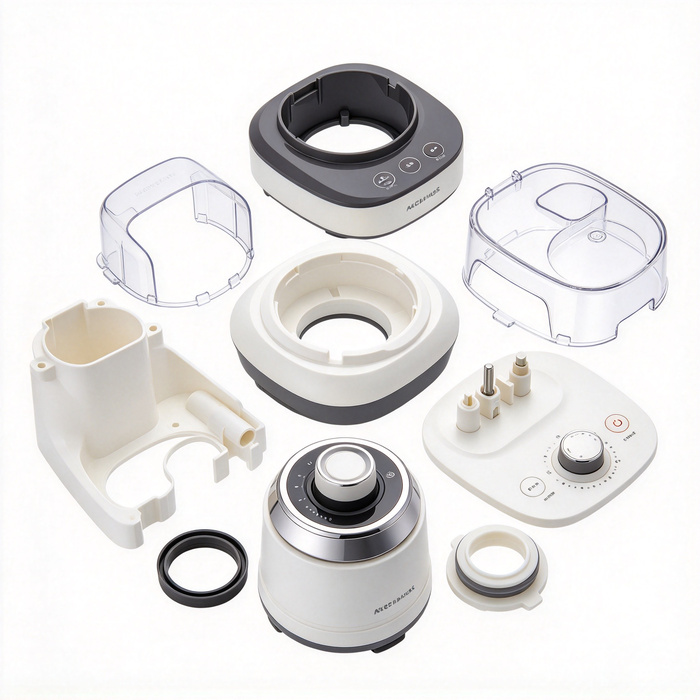
Custom Kitchen Component Production with Controlled Tolerances moulding
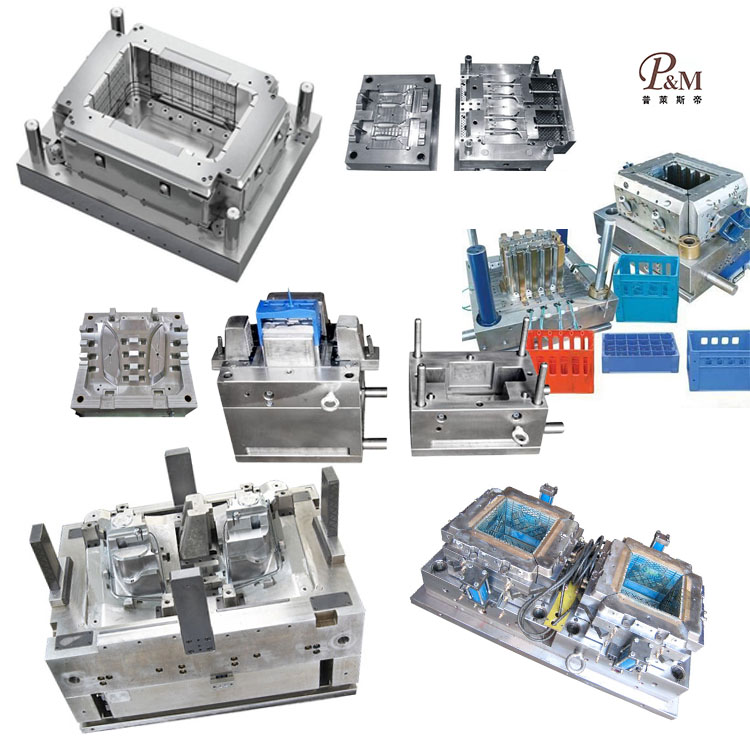
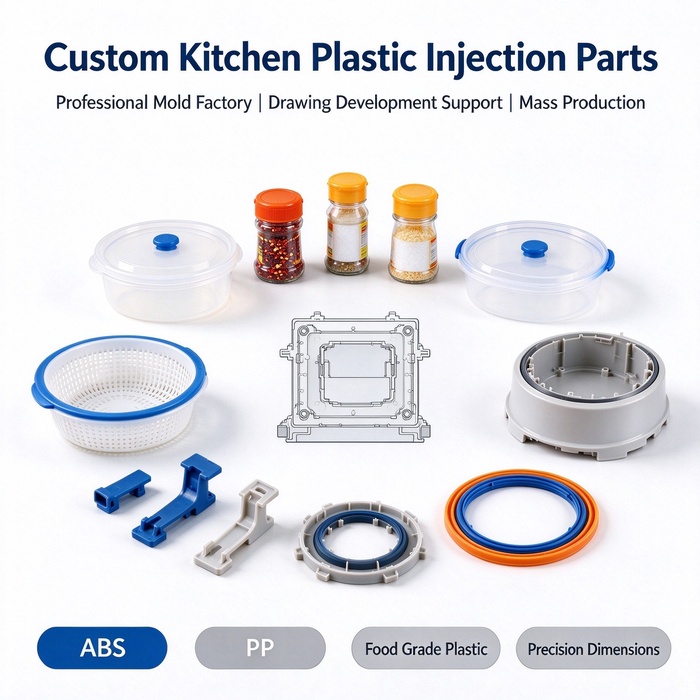
Ningbo (P&M) Plastic Metal Products Co., Ltd. has 17 years of mold manufacturing technology and can customize Custom Kitchen Component Production with Controlled Tolerances moulding. We provide professional customized Custom Kitchen Component Production with Controlled Tolerances moulding services, and we are a professional Custom Kitchen Component Production with Controlled Tolerances moulding manufacturer. We have sufficient experience in selecting product raw materials and mold materials. In the process of customizing Custom Kitchen Component Production with Controlled Tolerances moulding, our factory can provide one-stop service. We have design and production capabilities related to Custom Kitchen Component Production with Controlled Tolerances moulding, such as: CAD design, mold manufacturing, injection molding, plastic product production, assembly and other technologies.
Send Inquiry
Product Description
In addition, our company has established cooperative relationships with plastic raw material suppliers, printing manufacturers, etc. to ensure the supply of raw materials and printing quality. Through our rich experience and perfect supply chain, our company can provide customers with high-quality customized Custom Kitchen Component Production with Controlled Tolerances moulding products to meet their specific needs. At the same time, we have 10 years of professional foreign trade service experience, understand the foreign trade process, and better serve our customers. For Custom Kitchen Component Production with Controlled Tolerances moulding products, we can make corresponding plastic parts, which is mainly done through injection molds.
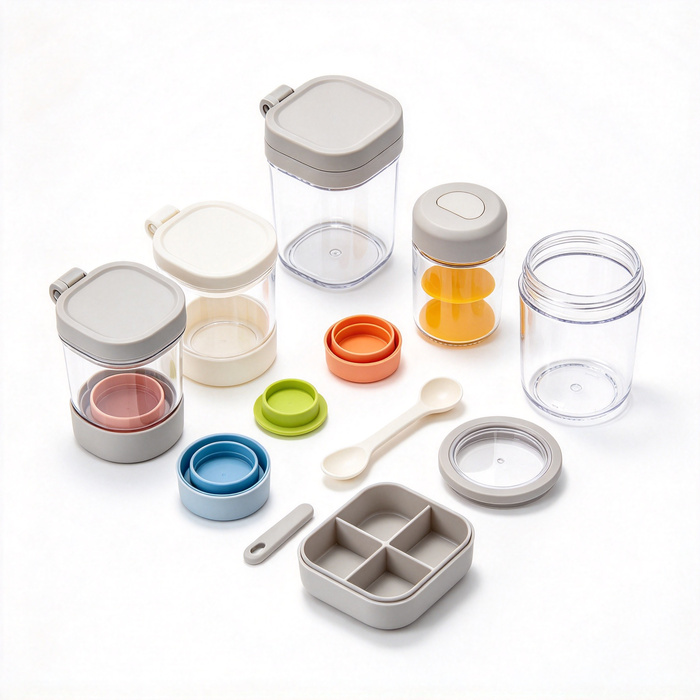
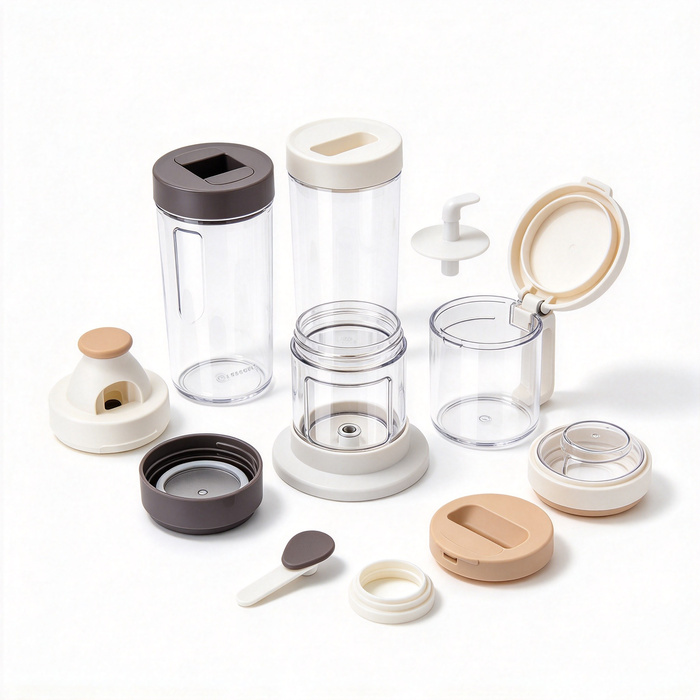
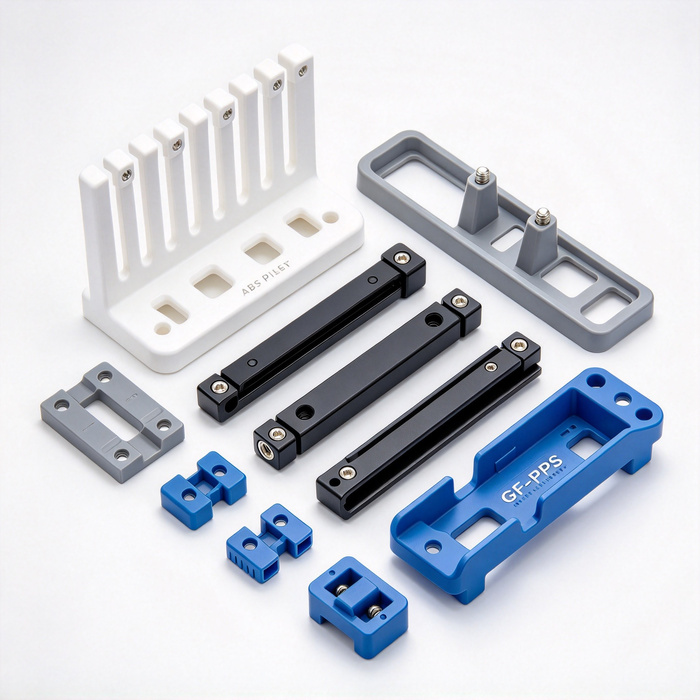
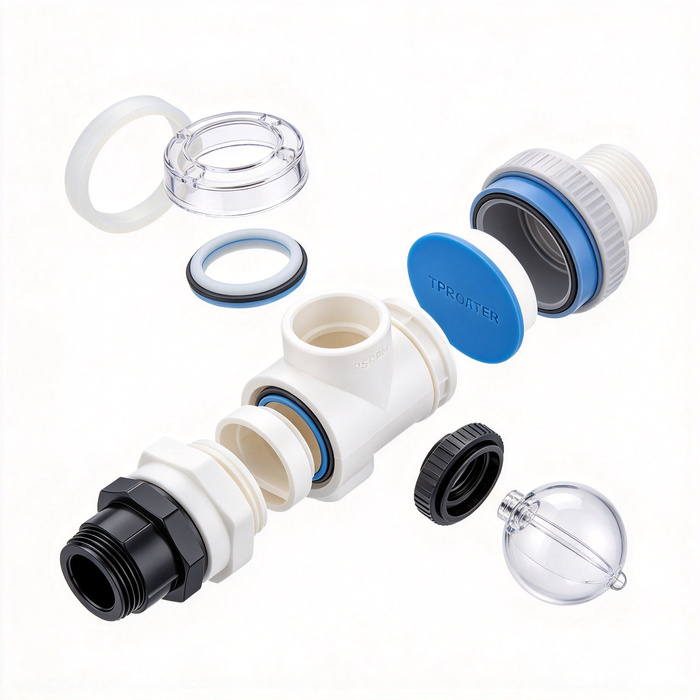
## DFM Phase: Tolerance Allocation and Upstream Drawing Control (At the Source)
### 1. Tolerance Categorization (Distinguish by dimension type; avoid a "one-size-fits-all" approach)
Prioritize dimensions based on their functional importance to establish appropriate tolerance ranges for mold making, injection molding, and quality inspection:
1. **Critical Functional Dimensions (Strict control, high precision)**
Includes sealing lip/shoulder diameters and heights, seal groove width and depth, stack-limiting heights, snap-fit engagement depths, slot widths, center-to-center distances for boss posts, and mating hole positions.
Recommended tolerances: ±0.05–±0.10 mm (for small dimensions) and ±0.10–±0.15 mm (for medium-sized, ring-shaped enclosures). These dimensions are vital to the proper performance of sealing, assembly/disassembly, and stacking functions.
2. **General Assembly Dimensions (Moderate control)**
Includes guide ribs, positioning bosses, and mating clearance surfaces. Tolerance: ±0.15–±0.25 mm.
3. **Non-Critical/Appearance-Related Dimensions (Loose control)**
Includes external contours, non-mating wall thicknesses, and decorative surfaces. Follow the GB/T 14486 MT5–MT6 standard; the focus here is on visual appearance rather than rigid dimensional precision.
>
> Important Note: **Do not apply tolerances used for ABS or metal to semi-crystalline materials like PP.** Copolymer PP can exhibit post-molding shrinkage of 0.2%–0.4% (with dimensions continuing to shift for 24–72 hours after molding); therefore, drawings must account for this post-shrinkage allowance. Conversely, materials like Tritan or PPSU exhibit minimal post-shrinkage, allowing for tighter tolerances. ### 2. Accounting for Tolerances: Incorporating Two Types of Compensation
- **Compensation for Molding Fluctuations:** Variations between production batches in the injection molding process.
- **Compensation for Service Conditions:** Expansion due to boiling water (100°C) followed by secondary shrinkage upon cooling; exposure to repeated thermal cycling (hot/cold) in dishwashers; and stress relaxation caused by detergents.
*Example (PP container and lid assembly):* A design clearance of 0.10–0.18 mm is set at room temperature. Since PP expands when boiled, the clearance will decrease; therefore, the design must simulate actual service conditions rather than relying solely on dimensions at 23°C (room temperature).
### 3. Differentiated Shrinkage Rates for Mold Design (A Common Pitfall in Multi-Component Projects)
- **Components of the Same Material:** Apply a baseline shrinkage rate, but perform **localized fine-tuning for functional fits** (do not apply a single, uniform shrinkage rate to the entire mold cavity).
*Example:* For the outer rim of a container and the inner rim of a lid, apply localized mold adjustments to fine-tune the fit clearance.
- **Components of Different Materials (e.g., PP + ABS):** Use independent shrinkage rates for each material (e.g., 1.2–1.4% for PP; 0.4–0.7% for ABS) and calculate fit clearances separately for each.
- **Mandatory Mold-Flow Analysis:** Use this to identify shrinkage variations caused by unbalanced filling, potential warpage, or the tendency for circular parts to deform into ovals. Long, strip-like partitions and oval-shaped baskets are considered high-risk components.
### 4. Structural Aids for Tolerance Control
- Design mating surfaces to be as symmetrical as possible to minimize uneven pulling forces caused by shrinkage.
- Incorporate lead-in chamfers on long mating grooves or slots to accommodate minor tolerance variations.
- For stacking limit features, prioritize **line contact or multi-point contact** rather than full-surface contact; the latter can lead to cumulative tolerance issues that cause parts to jam.
- Ensure that sealing rings or contact lines do not intersect with weld lines, gate locations, or ejector pin marks—areas where dimensional variability is typically higher. ## II. Mold Essentials (The Carrier of Tolerances; Mold Precision Sets the Upper Limit)
1. **Mold Machining Tolerances**
Machining tolerances for critical mating surfaces within the mold cavity must be kept **within ±0.03 mm**—half the tolerance specified on the product drawing (following the principle that mold tolerances should be ≤ 1/2 of the product tolerances).
- For sealing surfaces, registers (locating shoulders), core pins, and lifter molding surfaces: use S136 steel with a mirror-polished finish. Ensure that EDM (Electrical Discharge Machining) textures are kept away from functional mating areas.
- Small drainage pins and slot inserts should be ground individually and designed for easy replacement; this allows for the replacement of worn components without requiring modifications to the entire cavity block.
2. **Gating and Balancing**
For multi-cavity molds, **prioritize runner balancing**—verified through CAE (Computer-Aided Engineering) and fine-tuned during mold trials. An unbalanced system can lead to dimensional discrepancies between parts produced in the same shot, causing issues during assembly.
Where possible, prioritize single-cavity or low-cavity molds for functional components, as they offer significantly better dimensional stability than multi-cavity setups.
Gates must never be placed on critical mating surfaces, as the high shear stress and distinct shrinkage rates near the gate can compromise dimensional accuracy.
3. **Cooling Channel Uniformity (The Hidden Key to Controlling Tolerances)**
Cooling channels should encircle sealing rings and registers to maintain a temperature variance of ≤ ±3°C. Localized temperature differences lead to uneven shrinkage, which can result in ovality or asymmetrical gaps.
4. **Ejection System**
Ejector pins and blocks must be positioned away from critical dimensional areas. Ensure balanced ejection to prevent localized deformation, which could otherwise lead to "false" dimensional non-conformance. For deep-cavity box-shaped parts, prioritize the use of an ejector plate for synchronized, uniform ejection.
5. **Standardized Venting**
For PP (polypropylene), venting depths should be 0.015–0.02 mm. Inadequate venting can cause trapped air (leading to burn marks) or raised weld lines—both of which effectively result in dimensional non-conformance. Furthermore, weld lines appearing on functional surfaces can create unevenness or height differentials. 6. **Mold Wear Contingency Plan**
During long-term production of food-grade components, features such as registers (locating shoulders), snap-fits, and insert pins are prone to wear. To address this, extra material (steel allowance) should be incorporated during the mold-testing phase; this facilitates minor polishing or manual adjustment of fit dimensions, thereby avoiding the need to remake the mold cavities.
We are a Custom Kitchen Component Production with Controlled Tolerances moulding manufacturer, providing high-quality Custom Kitchen Component Production with Controlled Tolerances moulding manufacturing. As long as you want to customize/develop Custom Kitchen Component Production with Controlled Tolerances moulding products, you can find us. We have professional injection mold design and mature manufacturing technology, providing you with one-stop service, from product design-mold making-product production-product packaging-product transportation, we can help you in every link. As long as you come to us, we will provide you with the ultimate service and satisfy you in terms of product quality, production time, information dialogue, etc.
|
Product Name |
Treadmill moulding |
|
Pls provide |
2D, 3D, samples, or the size of the multi-angle pictures |
|
Mould Time |
20-35 Days |
|
Product time |
7-15 Days |
|
Mould precision |
+/-0.01mm |
|
Mould life |
50-100 million shots |
|
Producing Process |
Audit drawings - mold flow analysis - design validation - Custom Materials - mold processing - core processing - electrode machining - Runner system processing - parts processing and procurement - machining acceptance - cavity surface treatment process - complex mode Die - The entire mold surface coating - Mounting plate - mold sample - sample test - sending samples |
|
Mould cavity |
One cavity, multi-cavity or same different products be made together |
|
Mould material |
P20,2738,2344,718,S136,8407,NAK80,SKD61,H13 |
|
Runner system |
Hot runner and cold runner |
|
Base material |
P20,2738,2344,718,S136,8407,NAK80,SKD61,H13 |
|
Finish |
Pitting the word, mirror finish, matte surface, striae |
|
Standard |
HASCO, DME or dependent upon |
|
Main technology |
Milling, grinding, CNC, EDM, wire cutting, carving, EDM, lathes, surface Finish, etc. |
|
Software |
CAD,PRO-E,UG Design Time: 1-3 days (normal circumstances) |
|
Product material |
ABS,PP,PC,PA6,PA66,TPU,POM,PBT,PVC,HIPS,PMMA,TPE,PC/ABS,TPV,TPO,TPR,EVA,HDPE,LDPE,CPVC,PVDF,PPSU.PPS. |
|
Quality system |
ISO9001:2008 |
|
Establish time |
20days |
|
Equipment |
CNC,EDM,Cutting off Machine,plastic machinery,etc plastic suitcase mould zhe jiang |
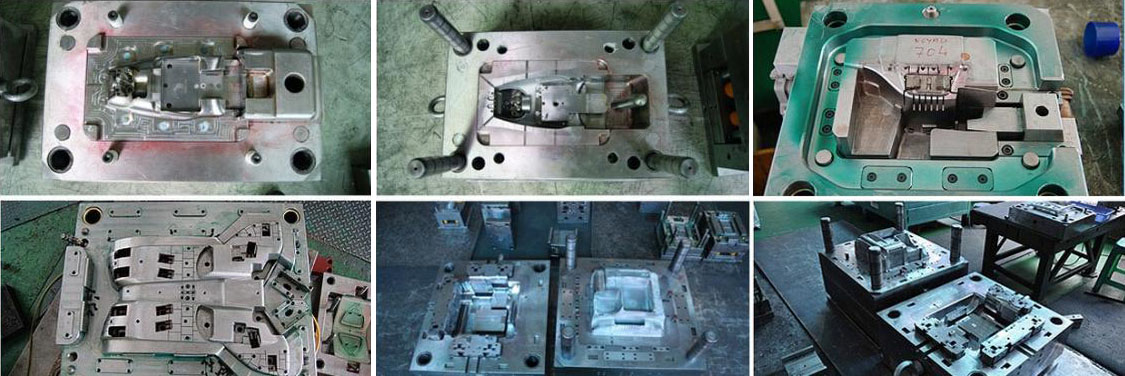
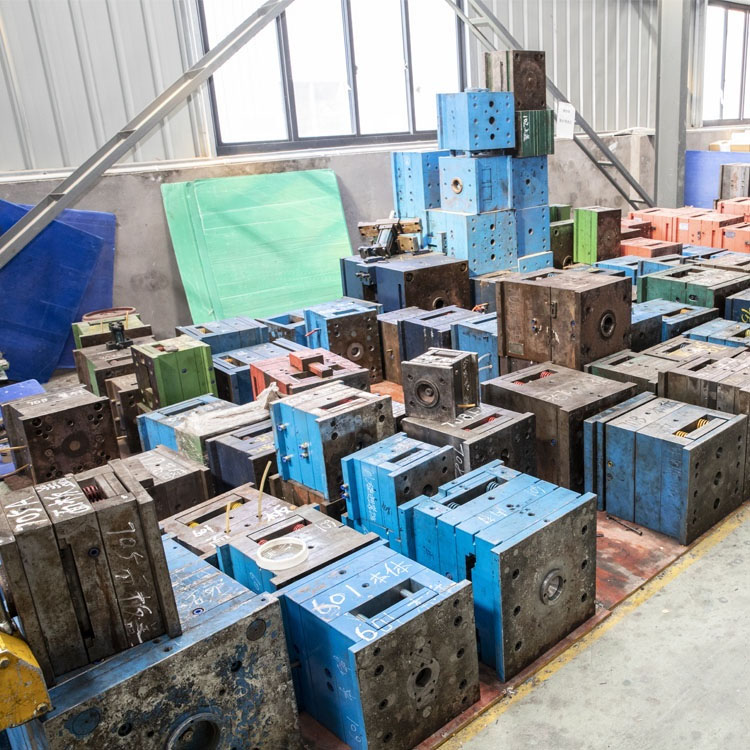
Plastic Injection Mould making
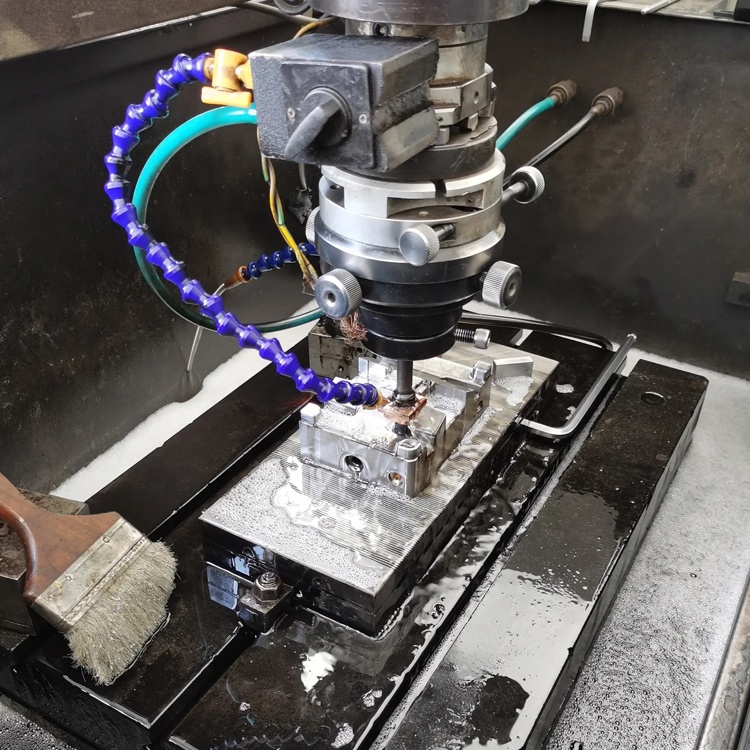
Plastic molding specifications
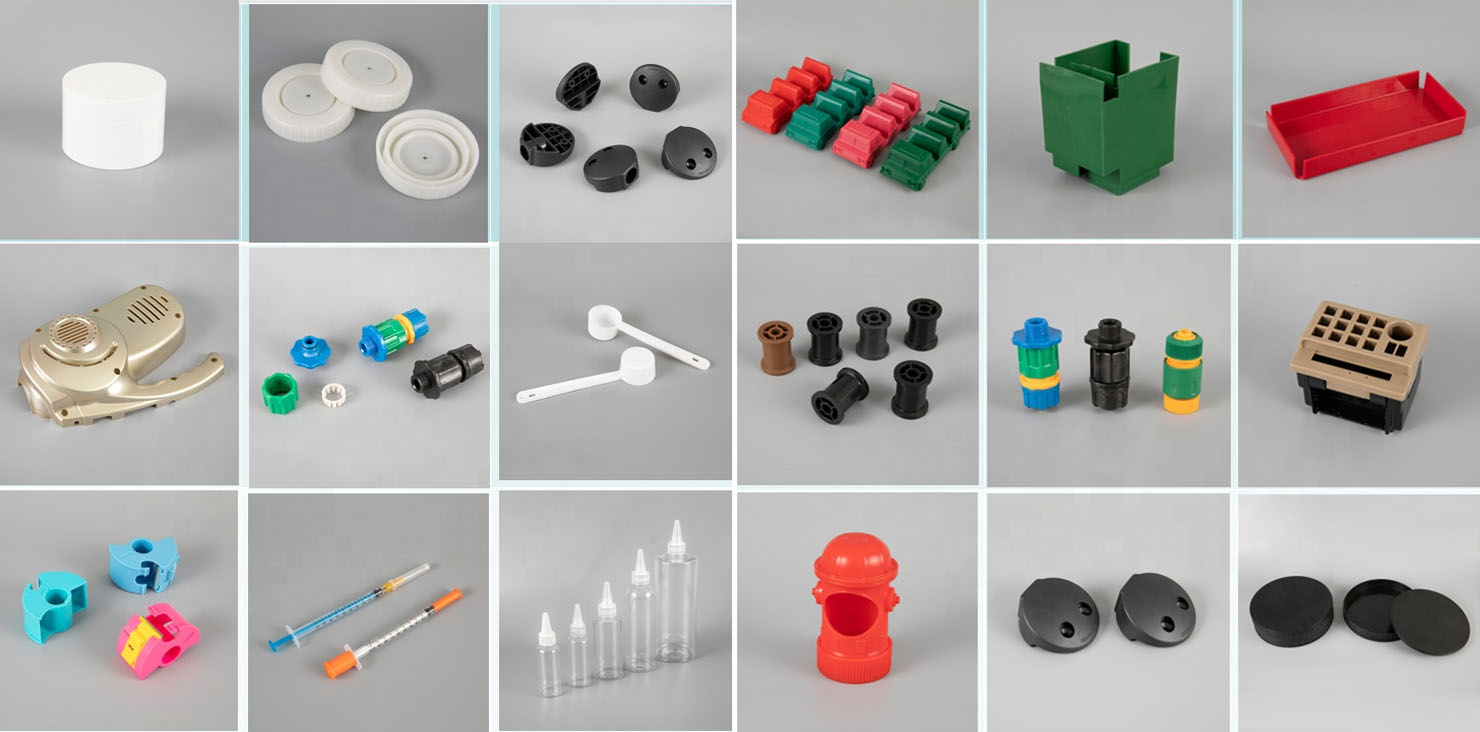
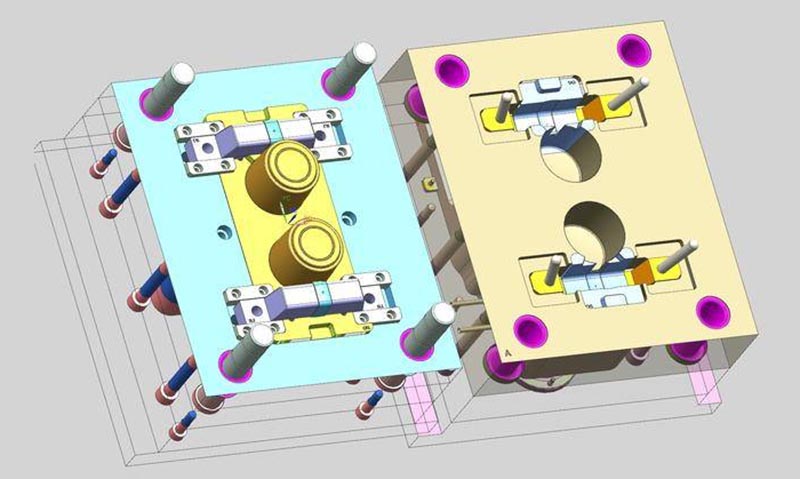
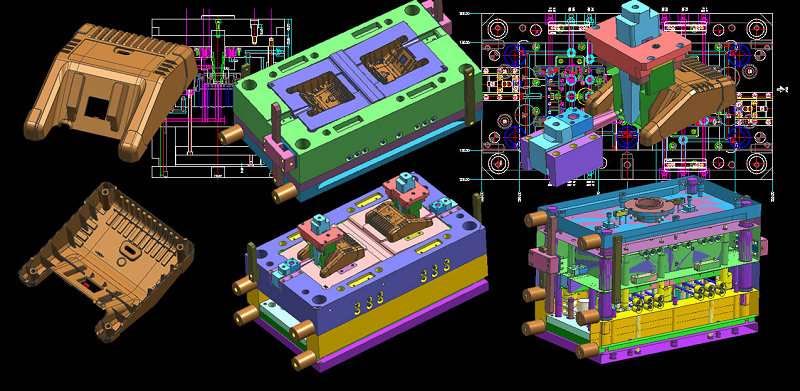
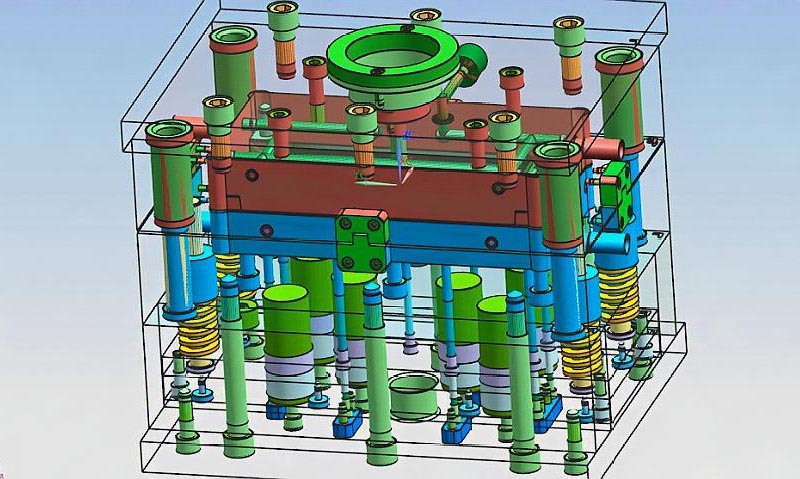
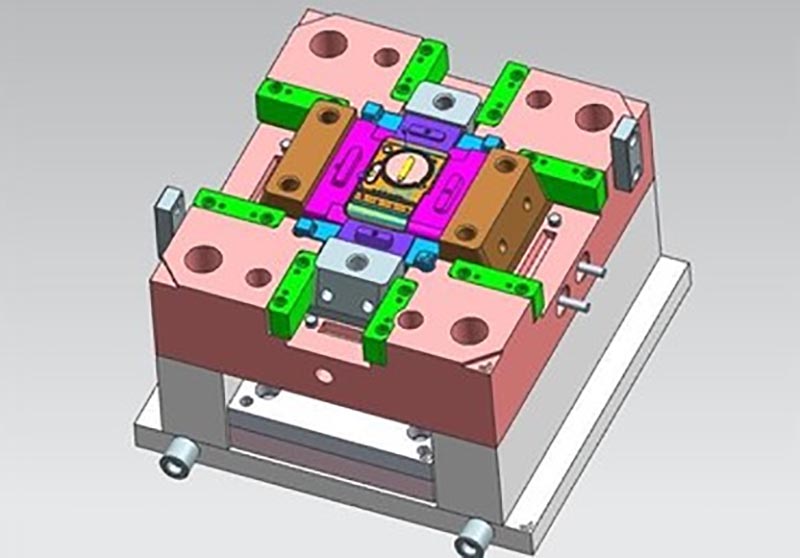
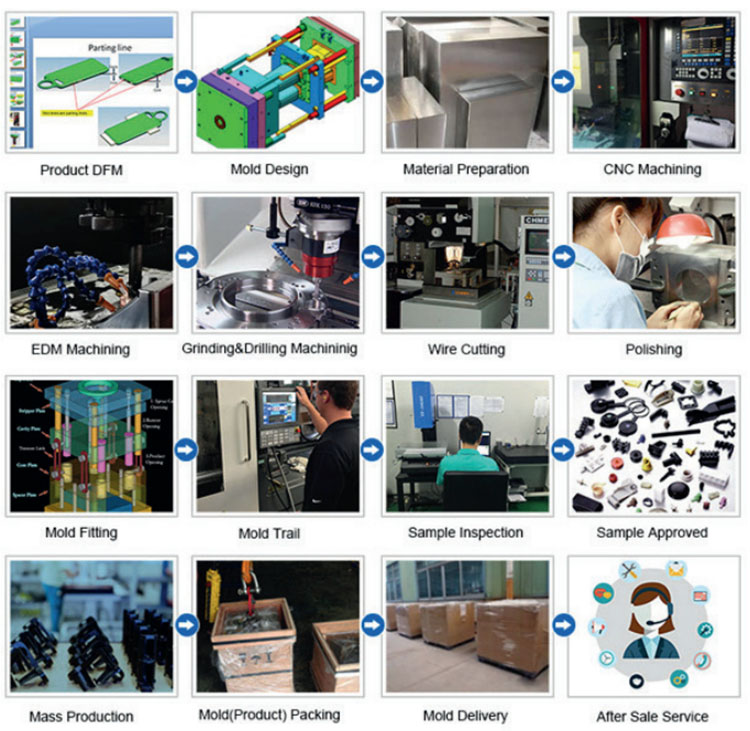
Mold design:
Transaction process:
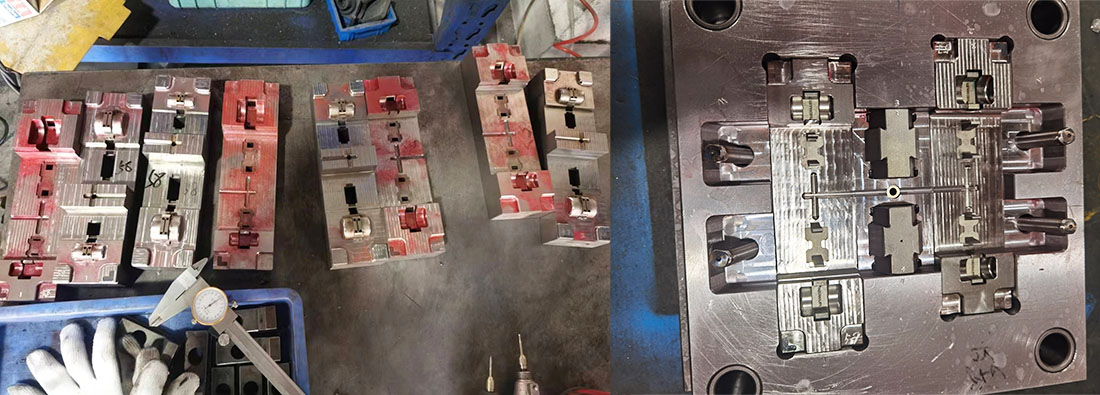
Mold testing:

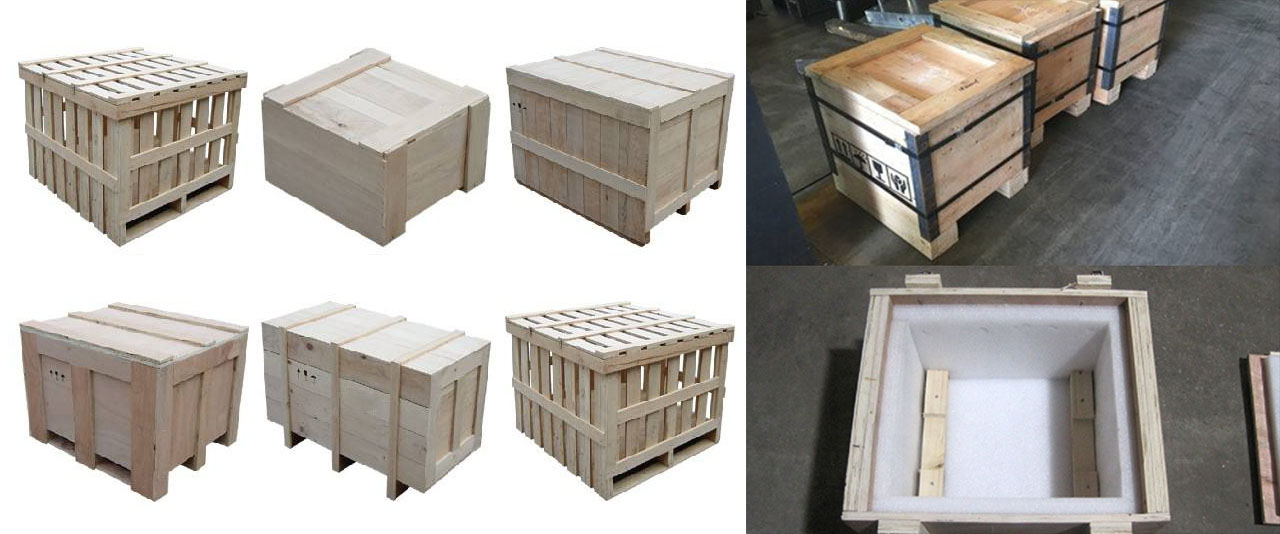
Product packaging
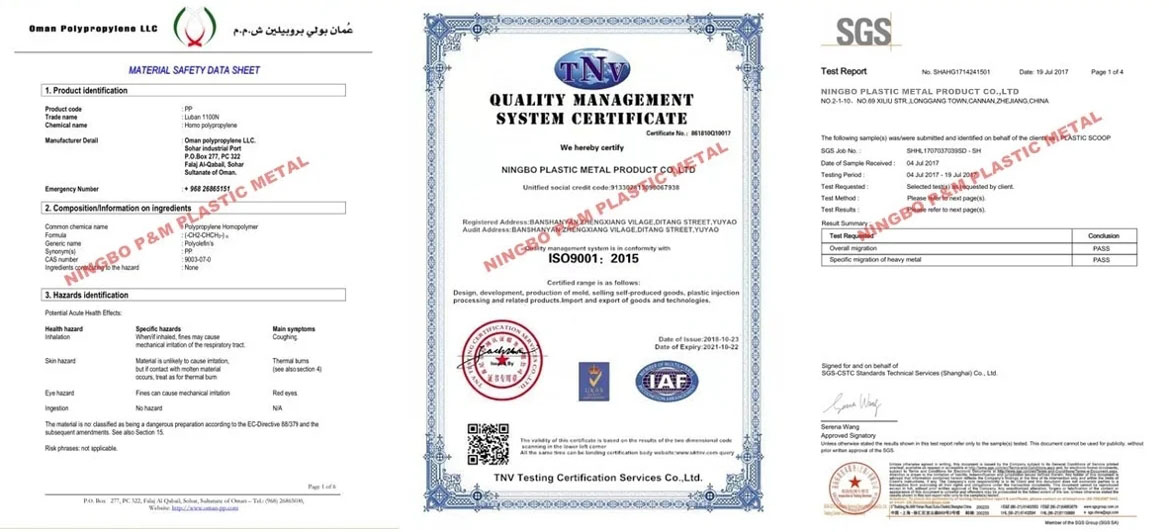
Factory
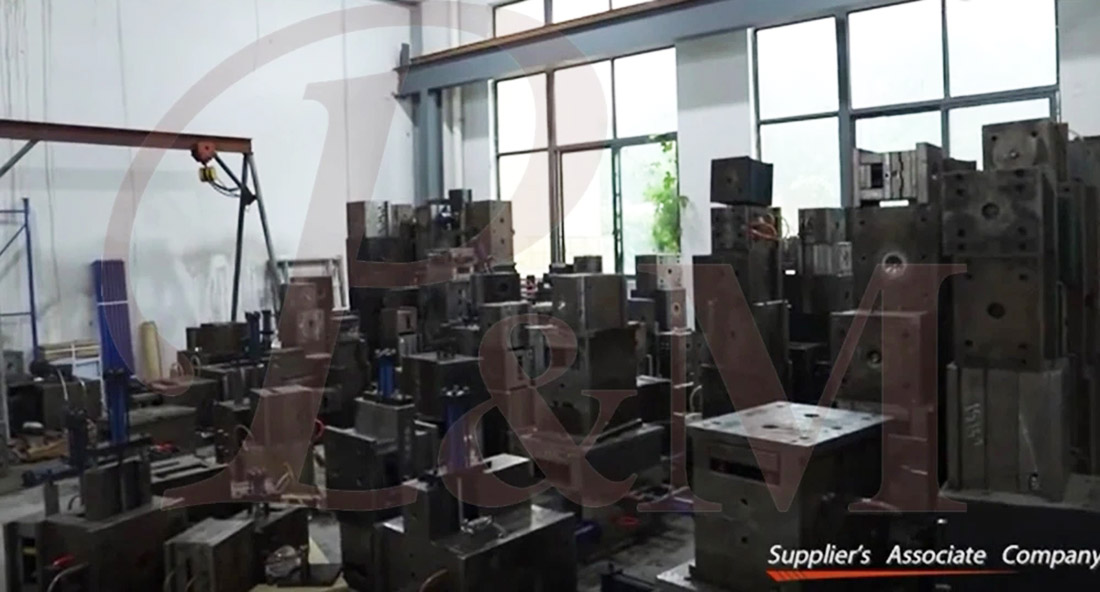
We are Custom Plastic Mold factory. Our factory is plastic injection mold maker. we has 17 years of experience in professional custom plastic mold and 10 years of foreign trade experience. We are custom Plastic Mold supplier. We can provide custom Plastic Mold service. Our factory can make the Injection molded plastic parts, and the quality of the products will satisfy you.
We have more than 50 high-end machines and hundreds of engineers and designers. We can provide one-stop service, from product design - mold making - product production - product packaging - transportation. We have a complete production chain. We can meet all your requirements.
Services we provide:
Professional custom mold service, Plastic mold design and manufacturing .plastic product production, product design, mold design, blow mold customization, rotational mold customization, die-casting mold customization. 3D printing services, CNC manufacturing services, product packaging, customized packaging, shipping services.

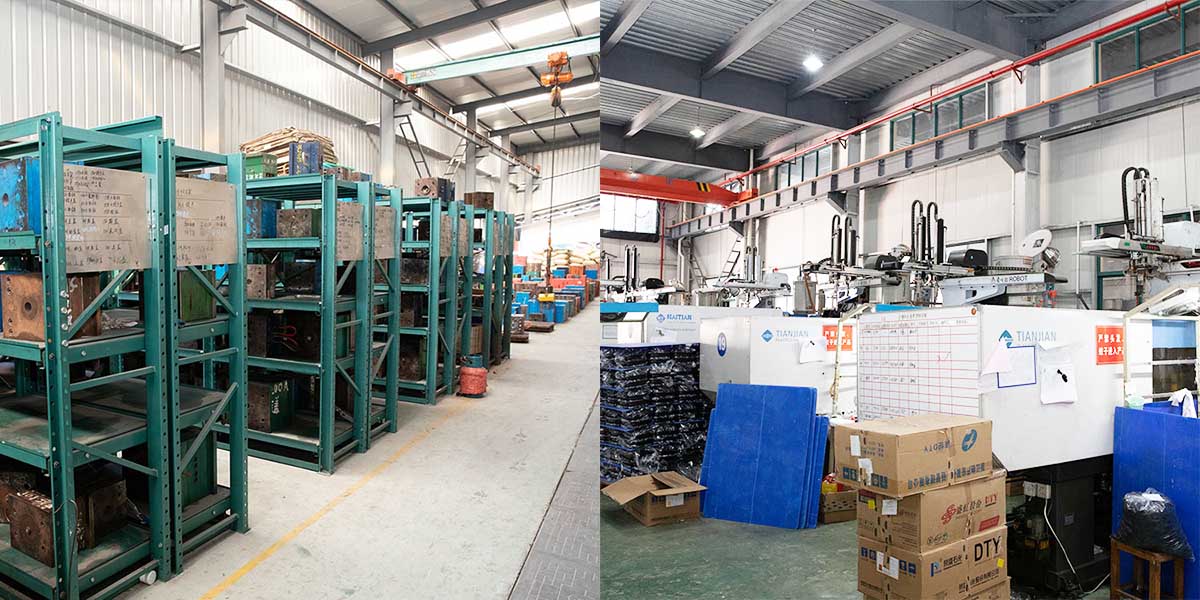
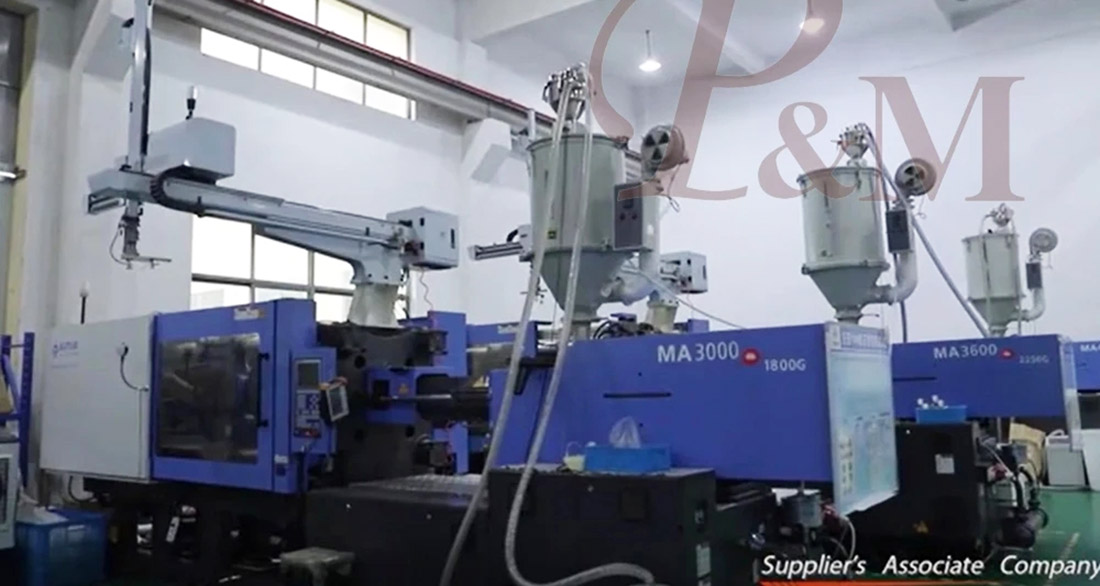
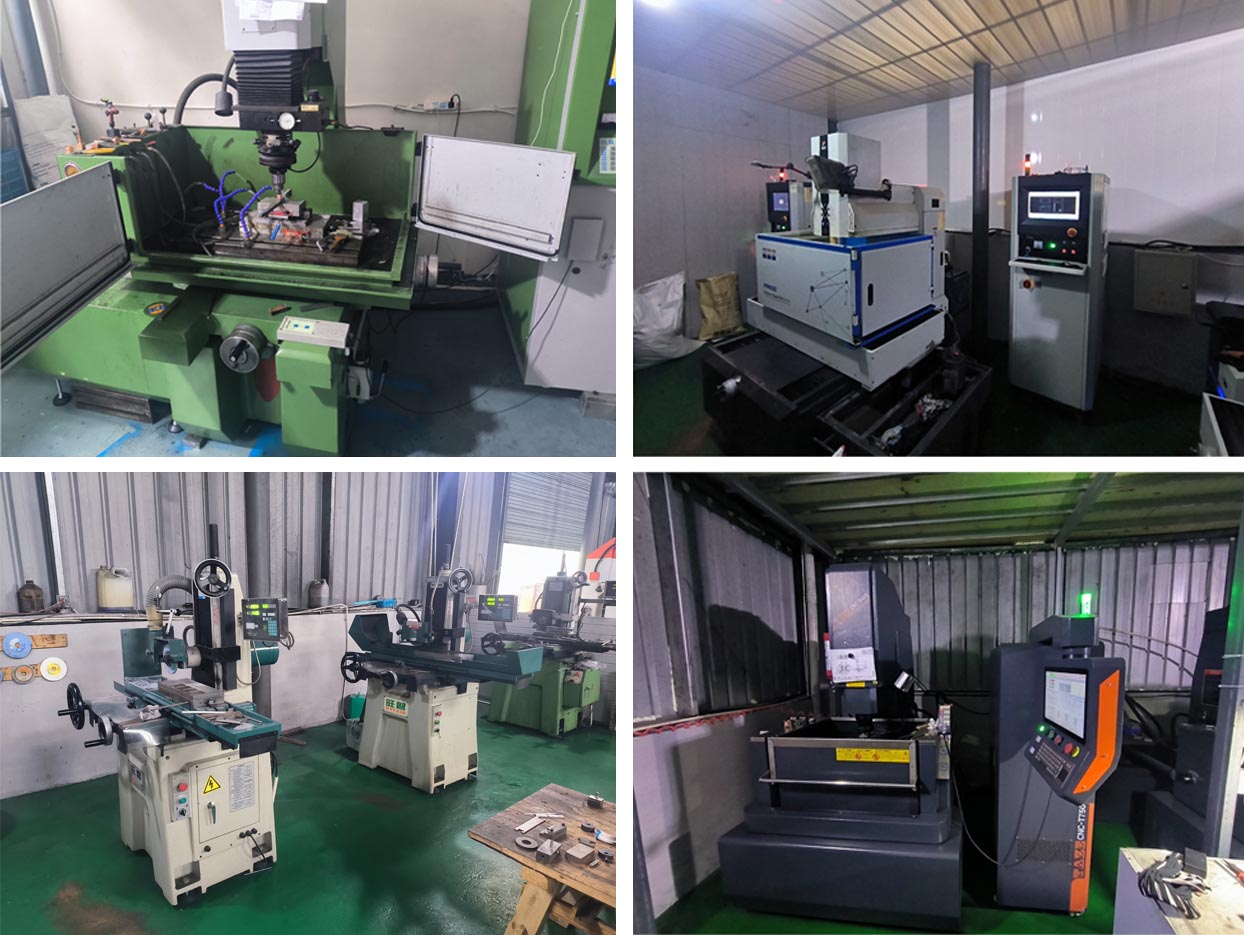
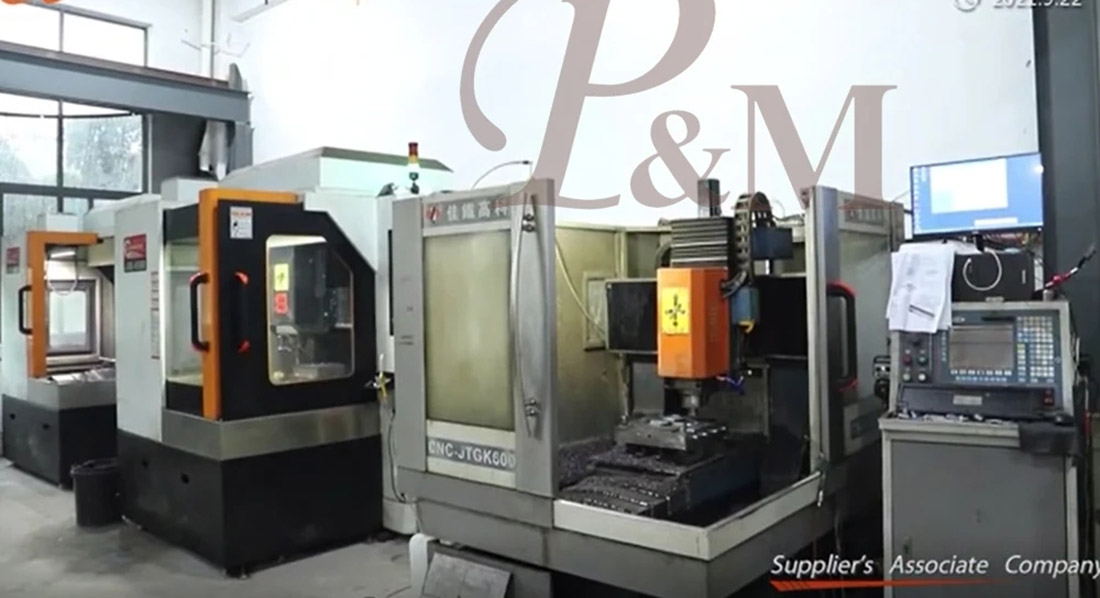
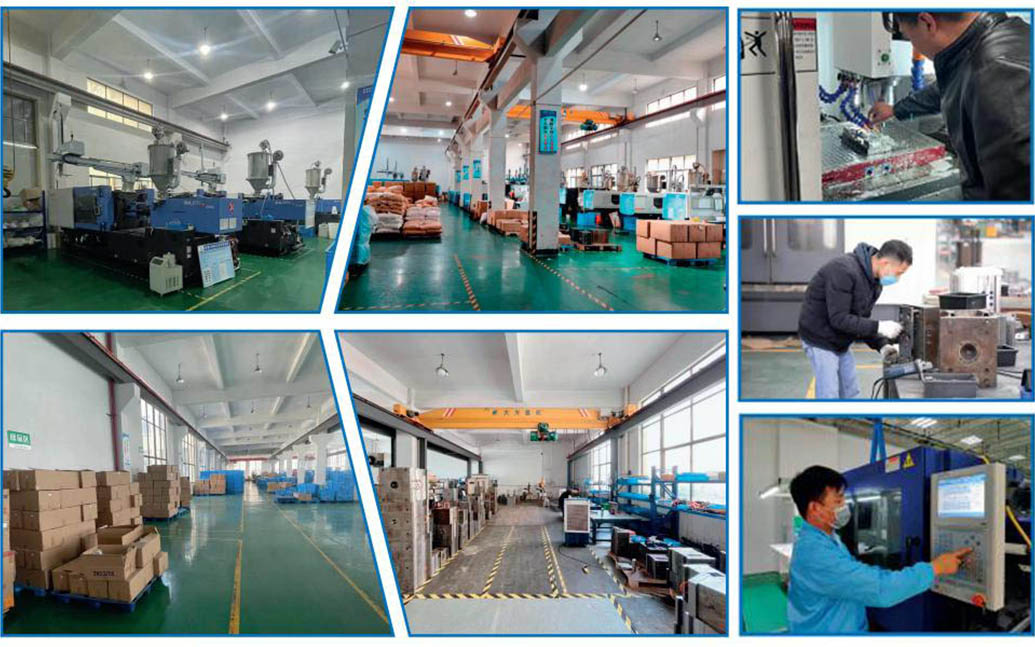
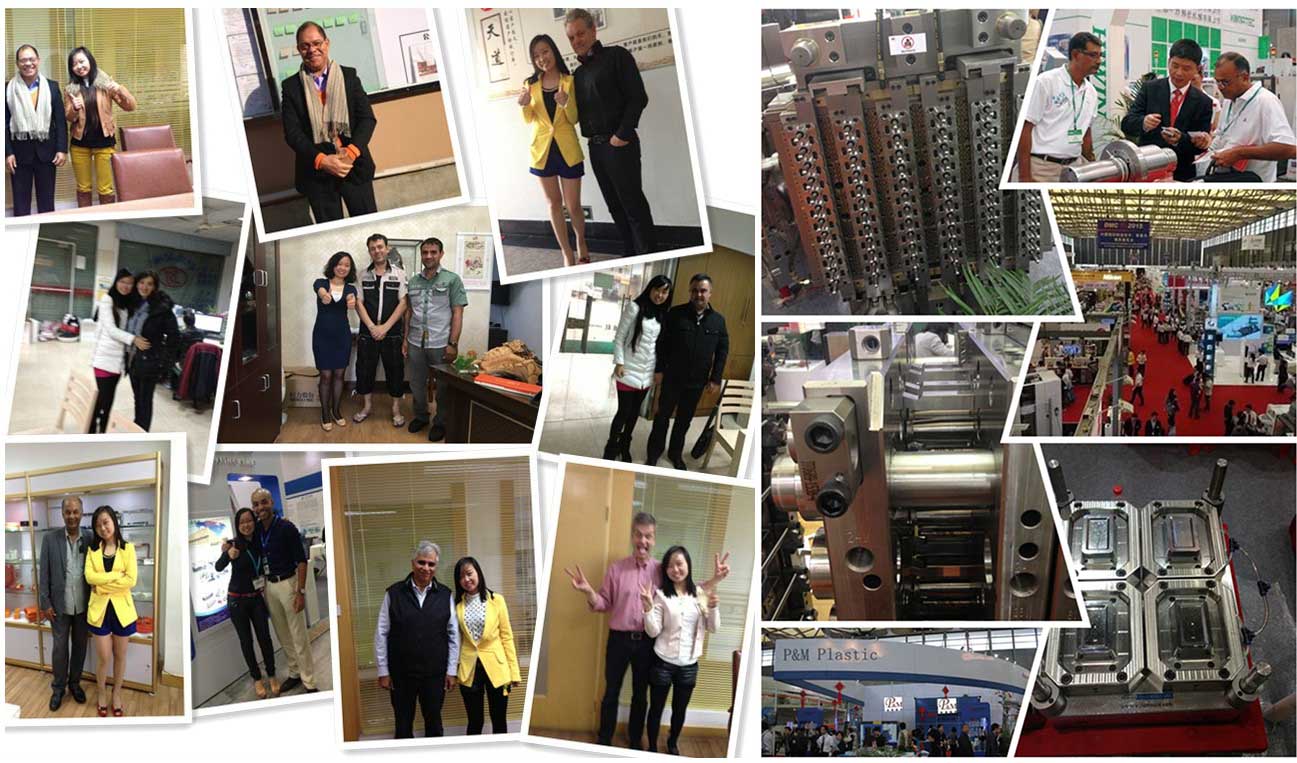
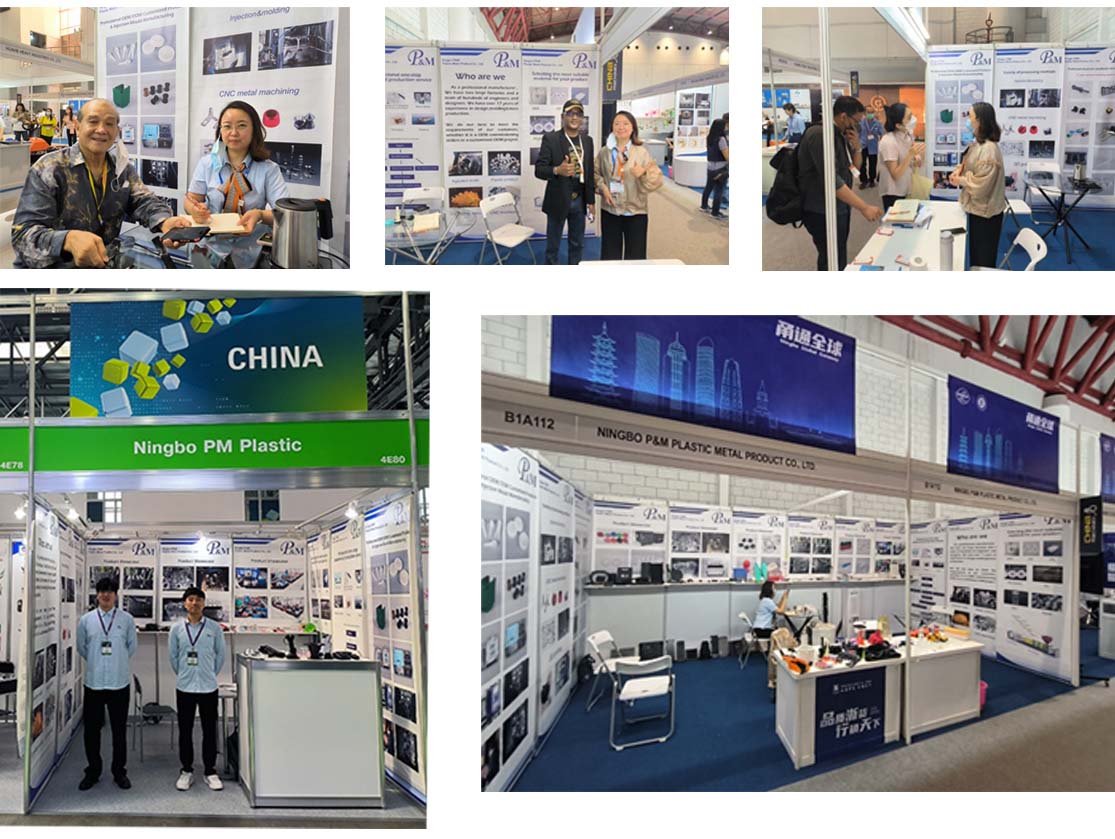
We always adhere to the principles of quality first and time first. While providing customers with the highest quality products, try to maximize the production efficiency and shorten production time. We are proud to tell every customer that our company has not lost any customer since its establishment.If there is a problem with the product, we will seek a solution actively and take responsibility to the end.

FAQ
Q1: Are you trading company or manufacturer ?
A: We are manufacturers.
Q2. When can I get the quotation?
A: We usually quote within 2 days after we get your inquiry.
If you are very urgent, please call us or tell us in your email so that we can quote for you first.
Q3. How long is the lead-time for mold?
A: It all depends on the products' size and complexity. Normally, the lead time is 25 days.
Q4. I have no 3D drawing, how should I start the new project?
A: You can supply us a molding sample, we will help you finish the 3D drawing design.
Q5. Before shipment, how to make sure the products quality?
A: If you don't come to our factory and also don't have the third party for inspection, we will be as your inspection worker.
We will supply you a video for production process detail include process report, products size structure and surface detail, packing detail and so on.
Q6. What is your payment terms?
A: Mold Payment: 40% deposit by T/T in advance, 30% second mold payment before sending out the first trial samples, 30% mold balance after you agree the final samples.
B:Production Payment: 50% deposit in advance, 50% before sending out the final goods.
Q7: How do you make our business long-term and good relationship?
A:1. We keep good quality and competitive price to ensure our customers benefit for best quality products.
2. We respect every customer as our friend and we sincerely do business and make friends with them, no matter where they come from.
Related Category
Send Inquiry
Please feel free to give your inquiry in the form below. We will reply you in 24 hours.