
Home
>
Product > Core Customization Service > Custom Molding > Custom Kitchenware Plastic Components moulding
Product
- Core Customization Service
- Health Care
- Electronic Appliances and Instruments
- Maternal and Child Supplies Molds
- Recreational Sports
- Home Furnishing Art
- Auto Accessories
- Transportation and Warehousing
- Lighting Fixtures
- Construction Equipment
- Packaging Product
- Educational & Laboratories
- Clothing Luggage Accessories
- Care and Cleaning Products
- Agriculture & Forestry
- Mechanical Equipment
- Pet Supplies
- Kitchenware
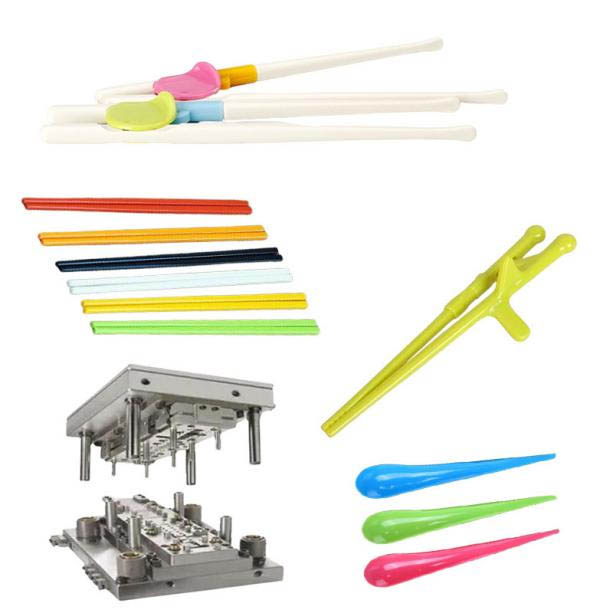
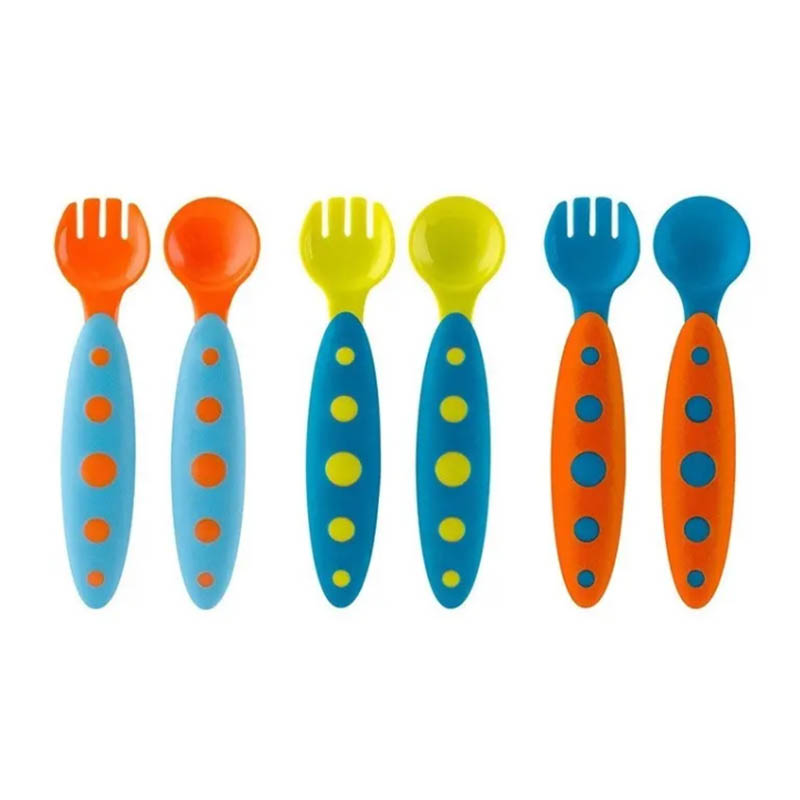
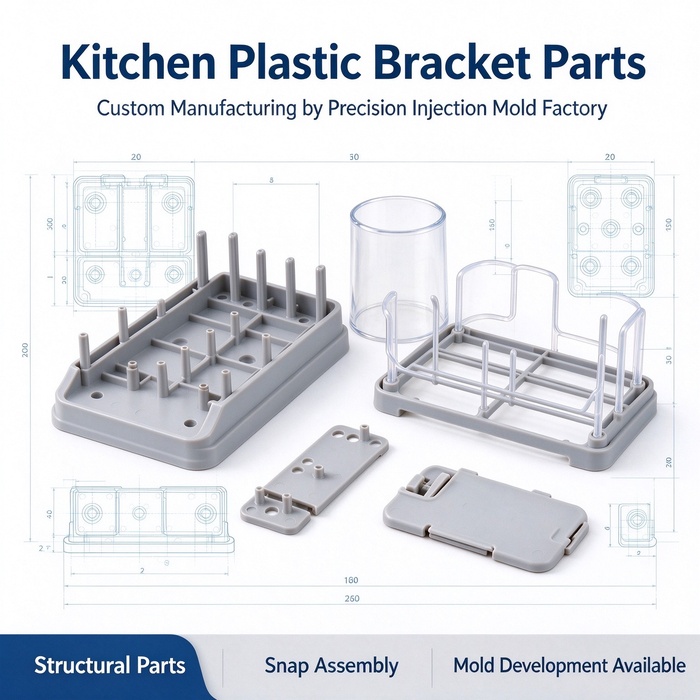
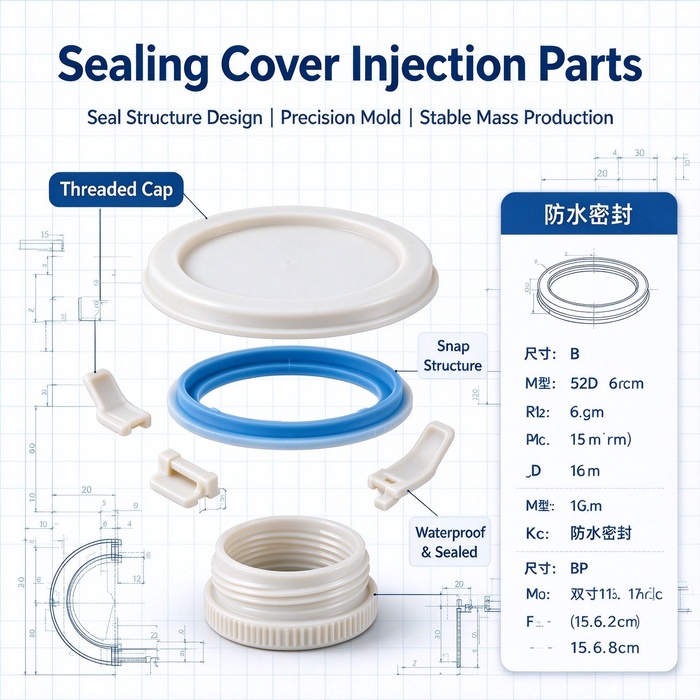
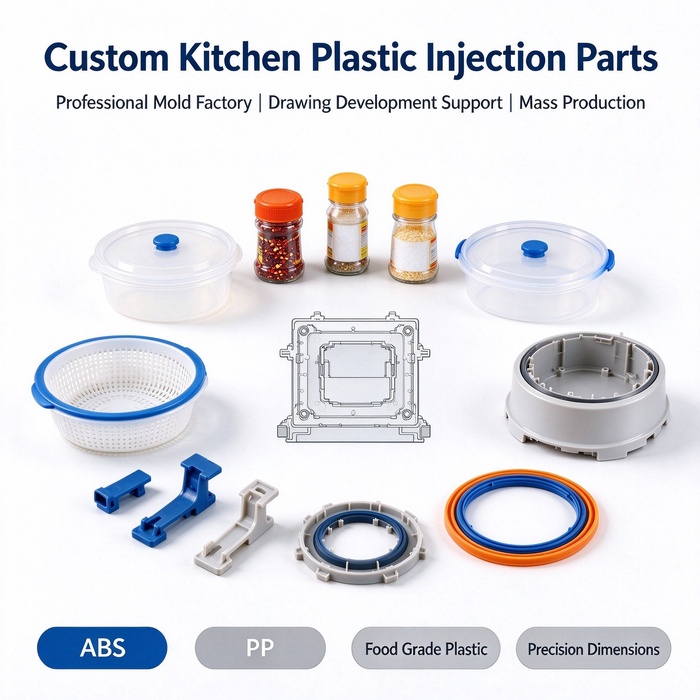
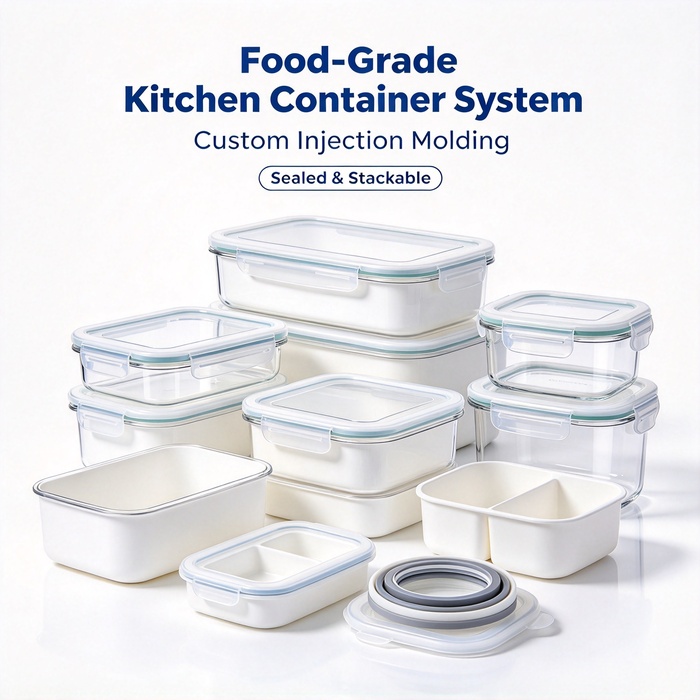
Custom Kitchenware Plastic Components moulding
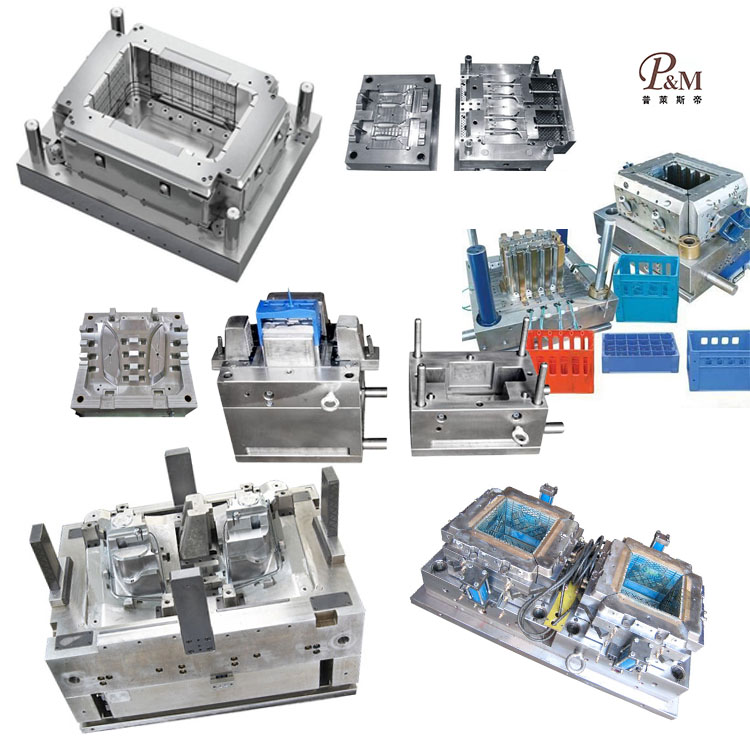
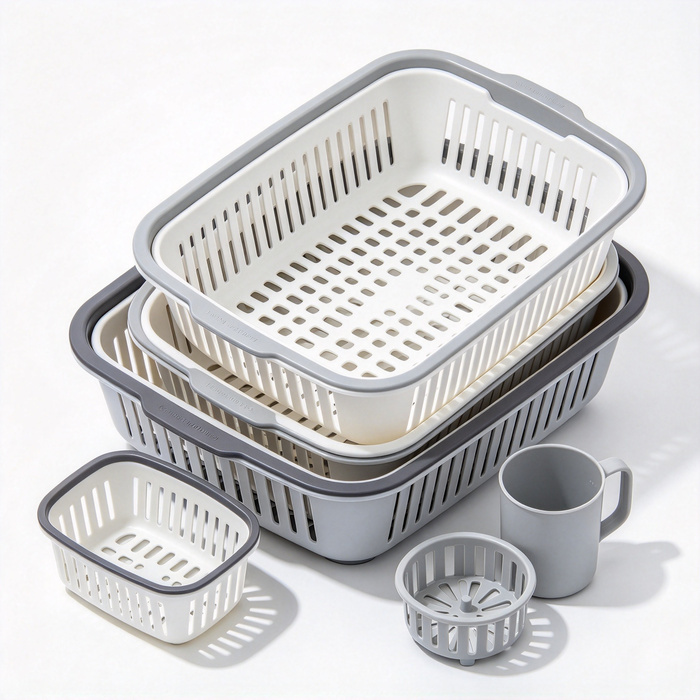
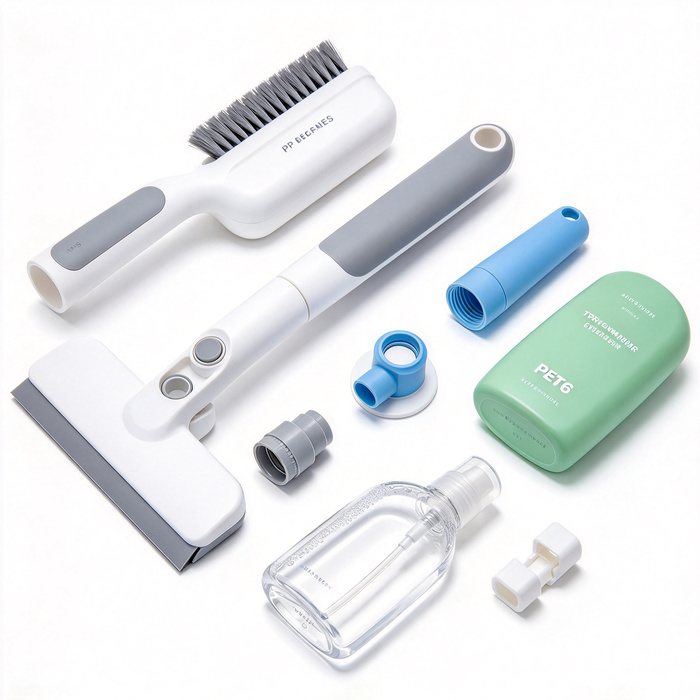
Ningbo (P&M) Plastic Metal Products Co., Ltd. has 17 years of mold manufacturing technology and can customize Custom Kitchenware Plastic Components moulding. We provide professional customized Custom Kitchenware Plastic Components moulding services, and we are a professional Custom Kitchenware Plastic Components moulding manufacturer. We have sufficient experience in selecting product raw materials and mold materials. In the process of customizing Custom Kitchenware Plastic Components moulding, our factory can provide one-stop service. We have design and production capabilities related to Custom Kitchenware Plastic Components moulding, such as: CAD design, mold manufacturing, injection molding, plastic product production, assembly and other technologies.
Send Inquiry
Product Description
In addition, our company has established cooperative relationships with plastic raw material suppliers, printing manufacturers, etc. to ensure the supply of raw materials and printing quality. Through our rich experience and perfect supply chain, our company can provide customers with high-quality customized Custom Kitchenware Plastic Components moulding products to meet their specific needs. At the same time, we have 10 years of professional foreign trade service experience, understand the foreign trade process, and better serve our customers. For Custom Kitchenware Plastic Components moulding products, we can make corresponding plastic parts, which is mainly done through injection molds.
## Product Structural Design (The Root Cause: 80% of defects stem from structural issues)
### 1. Wall Thickness
- Aim for **uniform wall thickness**, keeping the variation between thick and thin sections below 30%. Use radii (fillets) for transitions; avoid abrupt, right-angled changes.
- Typical ranges: PP (1.2–2.0 mm), transparent Tritan (1.5–2.5 mm), HDPE (1.5–2.5 mm).
- Excessive thickness leads to sink marks, air bubbles, slow cooling, and longer cycle times. Insufficient thickness can cause short shots (incomplete filling) and poor weld lines.
- Rib thickness: Should be **≤ 0.6 × the main wall thickness**. Exceeding this limit often causes sink marks on the opposite (visible) surface. The base of each rib must include a radius (R0.3–0.8 mm).
>
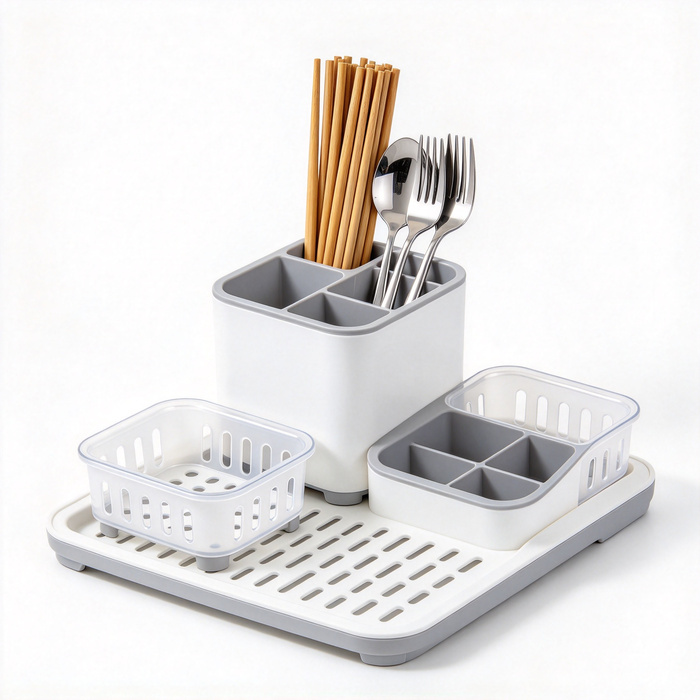
> Common pitfalls in kitchenware (e.g., food containers, colanders, spoons): Ribs that are too thick, resulting in depressions on the outer surface.
### 2. Draft Angle (Demolding Taper)
- For smooth, polished surfaces: PP ≥ 1°; transparent materials (Tritan/PPSU) ≥ 1.5°.
- For textured/matte surfaces: Increase the draft angle based on the texture depth—typically adding 0.5° for every 0.025 mm of texture depth—to prevent surface scuffing or whitening during ejection.
- Internal holes require a slightly larger draft angle than external surfaces; deeper features require larger draft angles.
- Where a draft angle cannot be applied: Use **sliders or core-pulling mechanisms**; never rely on forced ejection.
### 3. Radii (Fillets – Often Overlooked)
- Always incorporate radii at internal corners; avoid sharp, right-angled corners.
- Internal radii should be ≥ 0.3 mm; for areas subject to high stress, use 0.5–1.5 mm.
- Benefits: Improves material flow, reduces stress concentration, lowers the risk of cracking, and prevents mold damage (chipping). In kitchenware, sharp corners also trap grease and food residue, making them difficult to clean.
### 4. Design of Holes, Bosses, and Snap-fits
1. Through-holes / Blind holes: For long, slender holes, use an insert pin. Keep the hole depth to ≤3 times the diameter; excessive depth can lead to the pin sticking or becoming off-center.
2. Screw bosses:
- Outer diameter ≈ 2× the hole diameter; add triangular reinforcing ribs and fillets (R-radii) at the base.
- Avoid isolated, free-standing bosses; connect them to the outer wall with ribs to prevent sink marks and cracking during screw installation.
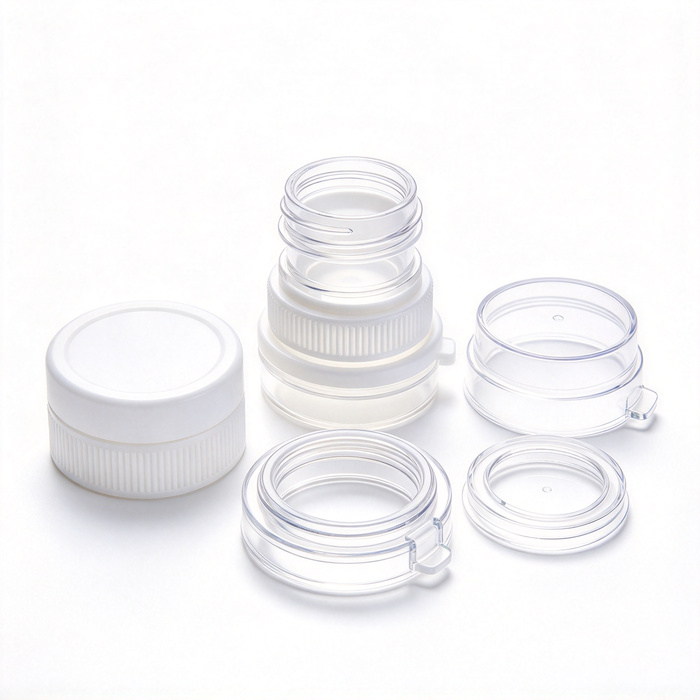
3. Snap-fits (commonly used for kitchen container lids and sealing clips):
- Incorporate "pre-deformation" clearance to avoid assembly stress; add fillets at the base. For single-sided undercuts, use a sliding core (slider); small undercuts may allow for "forced ejection" (PP is suitable for this, but avoid it for transparent materials, as they are prone to stress whitening and cracking).
- Keep the undercut depth moderate; for PP, a depth of 0.3–0.6 mm is typical.
### 5. Anti-deformation structures (critical for kitchen containers)
- Avoid large, flat, unreinforced surfaces; incorporate ring-shaped, grid-pattern, or perimeter ribs to suppress warping.
- Thicken the rim of square containers and add a continuous reinforcing rib to control deformation at the opening, ensuring a proper fit with the lid.
- Prioritize symmetrical designs; asymmetrical structures often experience uneven shrinkage, leading to warping or a poor seal when the lid is attached.
### 6. Structural requirements for food-grade kitchenware
- Ensure interior walls are smooth, with minimal "dead zones" or narrow crevices where food residue could accumulate and cause mold.
- Use fillets for transitions in sealing grooves; ensure the groove width and depth are appropriately sized for the TPE gasket to prevent over-compression or leakage.
- Avoid thin-walled, sharp edges, which are prone to chipping or cracking during use.
## II. Shrinkage and Dimensional Design
- Account for material shrinkage when creating 3D designs:
- PP (copolymer): 1.2%–1.6%; PP (homopolymer): 1.6%–2.0%
- HDPE: 1.5%–2.5%
- Tritan: 0.5%–0.7%
- PPSU: 0.7%
> Key point: PP is a semi-crystalline material, and its **shrinkage is not isotropic**! Shrinkage is greater along the direction of flow, and the rates differ between the length and width dimensions; as a result, square-shaped boxes are highly prone to trapezoidal warping. If conditions permit, perform a mold-flow analysis to anticipate these issues. ## III. Gating System Design
1. Gate Selection
- For visible surfaces: Use point gates, submarine (tunnel) gates, or valve-gate hot runners (preferred, as they leave minimal vestige).
- For large, thin-walled food containers: Use multiple, balanced gates to control the location of weld lines.
- Direct gates / side gates: Position these on non-visible surfaces or along edges/corners.
2. Prohibitions:
- Do not direct the flow toward thin ribs, small holes, or snap-fits; this can cause scorching, deformation, or stress-induced whitening.
- Avoid placing weld lines in areas subject to high stress, on sealing surfaces, on handles, or on primary visible surfaces.
3. Hot Runner Systems (Valve-gate systems are recommended for food-contact parts)
- Ensure the inner walls of the flow channels are polished and free of "dead zones" to prevent material accumulation, carbonization, degradation, or the formation of black specks. Open-type hot runner nozzles are not recommended, as they are prone to drooling and carbon buildup.
## IV. Venting Design (Crucial for the success of thin-walled and transparent parts)
- Trapped air can lead to: scorching, short shots, silver streaks, brittle weld lines, and bubbles.
- Vent depth must be strictly matched to the material:
PP: 0.015–0.02 mm; Tritan/PPSU: 0.01–0.015 mm.
- Vent locations: Along weld lines, at the ends of the flow path, around inserts, and surrounding ejector pins.
- For parts with long flow paths, incorporate multi-stage venting; use vent inserts where necessary to facilitate polishing and cleaning.
## V. Ejection System Design
1. Ensure uniform ejection force through **balanced distribution**; avoid concentrated ejection at a single point.
2. For thin-walled or transparent parts, prioritize the use of stripper plates or ejector sleeves over slender ejector pins to minimize "ejection whitening" and marks.
3. Place ejector pins on non-visible surfaces, such as at the base of ribs or "boss" features; never eject directly against a thin-walled visible surface.
4. For deep-cavity parts: Use a combination of stripper plates and ejector pins to prevent the part from deforming during ejection.
## VI. Core Pulling / Sliders and Lifters (Undercut Features)
- Large undercuts or undercuts on visible (cosmetic) surfaces: Use sliders.
- Small internal undercuts or internal snap-fits: Use lifters.
- Lifter angles typically range from 4° to 10°; a larger angle results in a longer stroke but reduced structural strength.
- Sliders require wear plates, positioning mechanisms, and locking features to prevent flash under high injection pressure. For sealing surfaces, the clearance between the slider and its mating components must be strictly controlled.
We are a Custom Kitchenware Plastic Components moulding manufacturer, providing high-quality Custom Kitchenware Plastic Components moulding manufacturing. As long as you want to customize/develop Custom Kitchenware Plastic Components moulding products, you can find us. We have professional injection mold design and mature manufacturing technology, providing you with one-stop service, from product design-mold making-product production-product packaging-product transportation, we can help you in every link. As long as you come to us, we will provide you with the ultimate service and satisfy you in terms of product quality, production time, information dialogue, etc.
|
Product Name |
Treadmill moulding |
|
Pls provide |
2D, 3D, samples, or the size of the multi-angle pictures |
|
Mould Time |
20-35 Days |
|
Product time |
7-15 Days |
|
Mould precision |
+/-0.01mm |
|
Mould life |
50-100 million shots |
|
Producing Process |
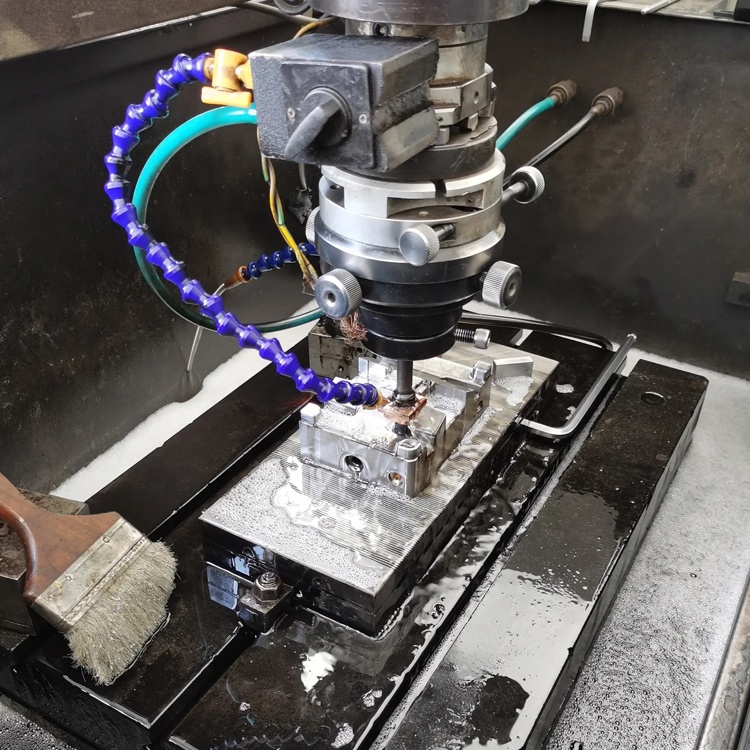
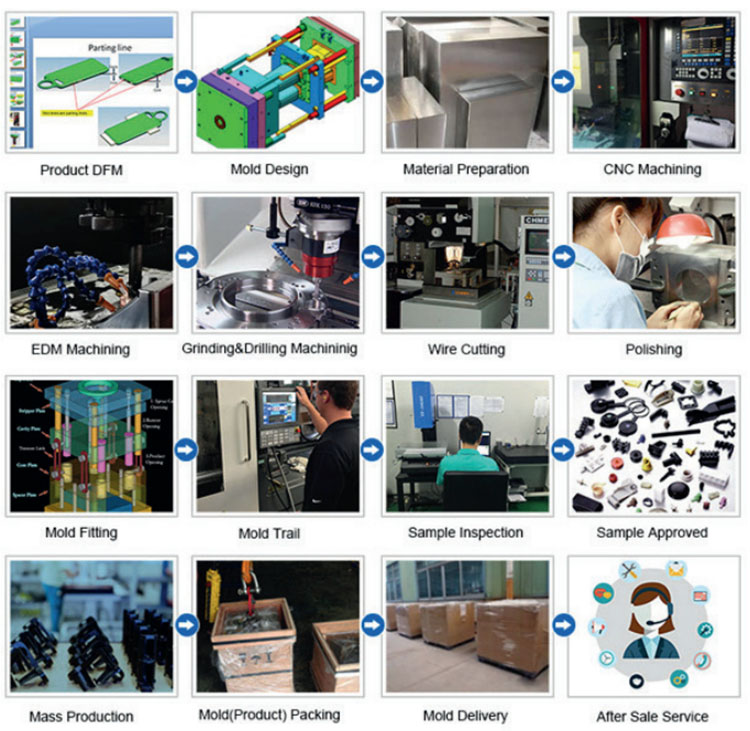
Audit drawings - mold flow analysis - design validation - Custom Materials - mold processing - core processing - electrode machining - Runner system processing - parts processing and procurement - machining acceptance - cavity surface treatment process - complex mode Die - The entire mold surface coating - Mounting plate - mold sample - sample test - sending samples |
|
Mould cavity |
One cavity, multi-cavity or same different products be made together |
|
Mould material |
P20,2738,2344,718,S136,8407,NAK80,SKD61,H13 |
|
Runner system |
Hot runner and cold runner |
|
Base material |
P20,2738,2344,718,S136,8407,NAK80,SKD61,H13 |
|
Finish |
Pitting the word, mirror finish, matte surface, striae |
|
Standard |
HASCO, DME or dependent upon |
|
Main technology |
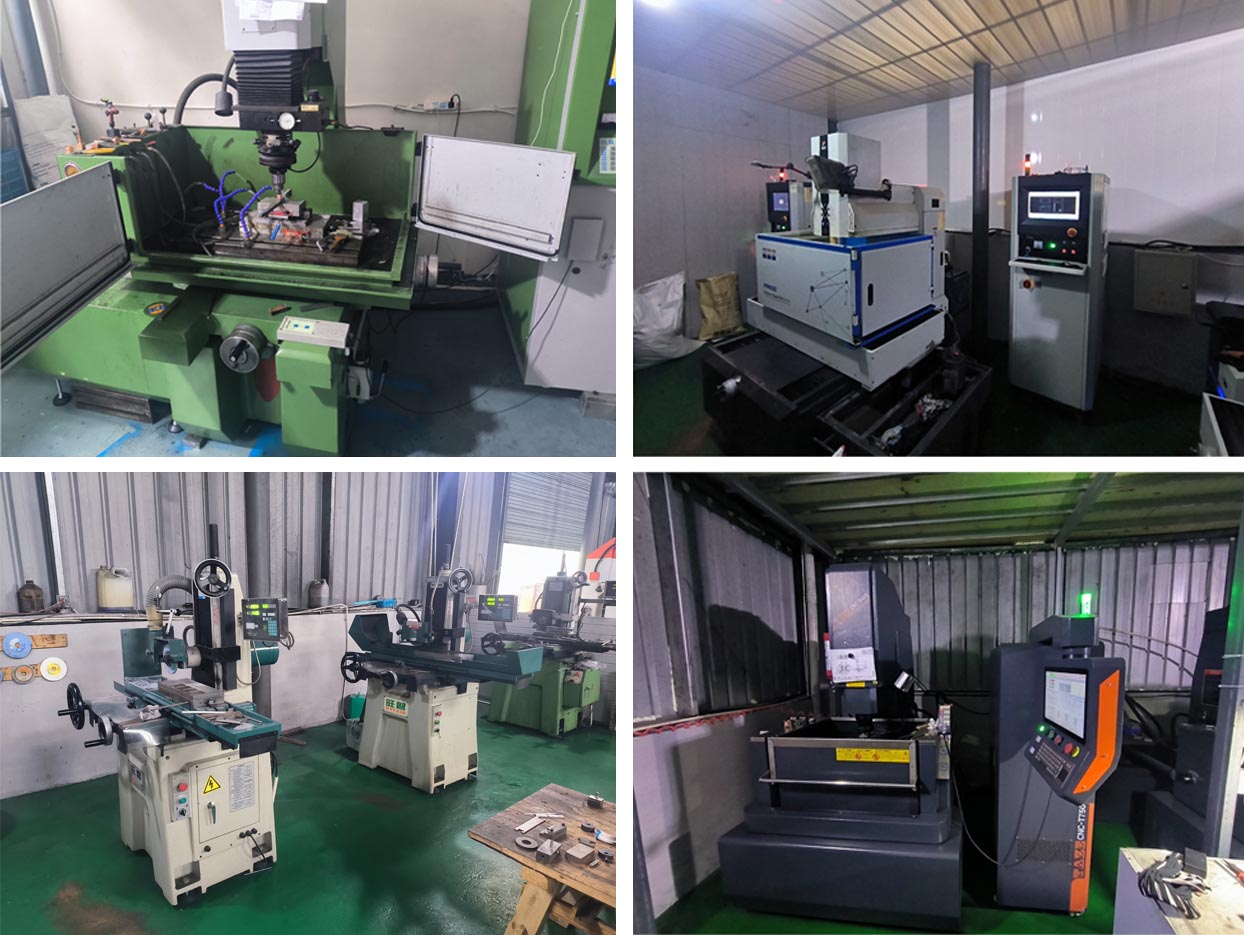
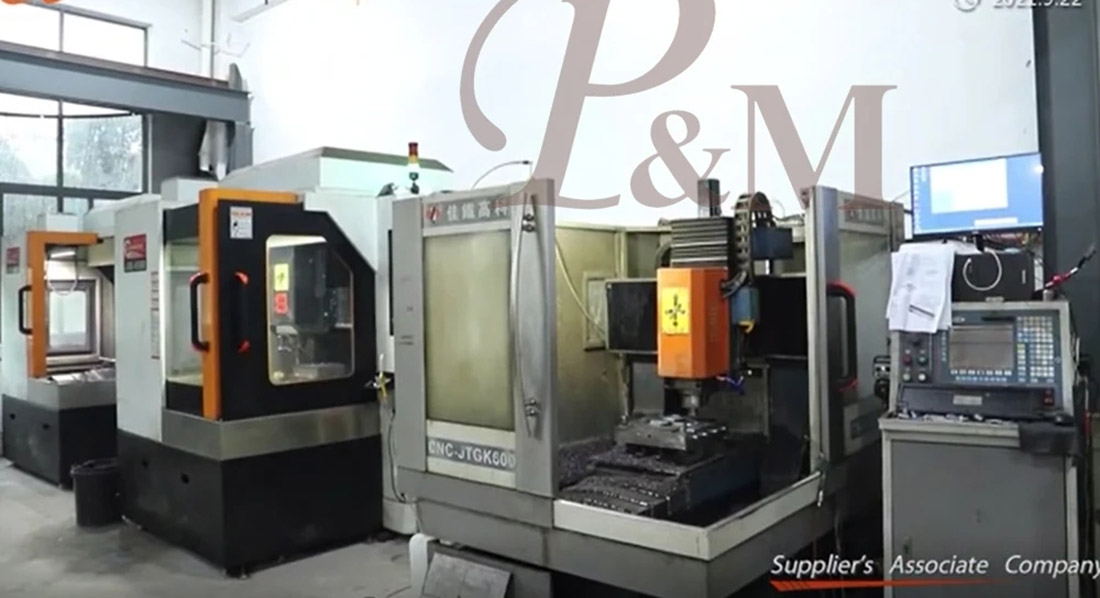
Milling, grinding, CNC, EDM, wire cutting, carving, EDM, lathes, surface Finish, etc. |
|
Software |
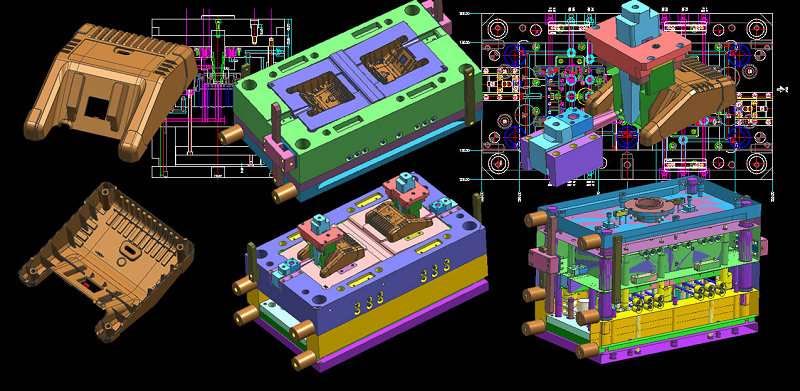
CAD,PRO-E,UG Design Time: 1-3 days (normal circumstances) |
|
Product material |
ABS,PP,PC,PA6,PA66,TPU,POM,PBT,PVC,HIPS,PMMA,TPE,PC/ABS,TPV,TPO,TPR,EVA,HDPE,LDPE,CPVC,PVDF,PPSU.PPS. |
|
Quality system |
ISO9001:2008 |
|
Establish time |
20days |
|
Equipment |
CNC,EDM,Cutting off Machine,plastic machinery,etc plastic suitcase mould zhe jiang |
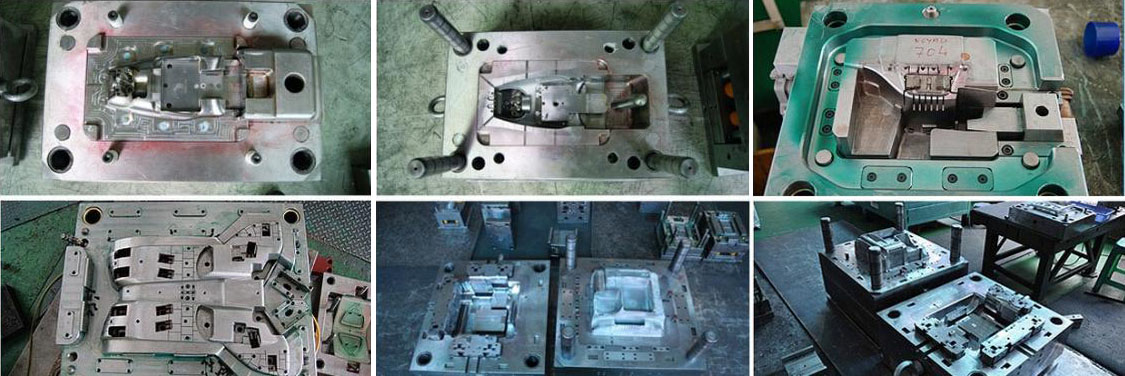
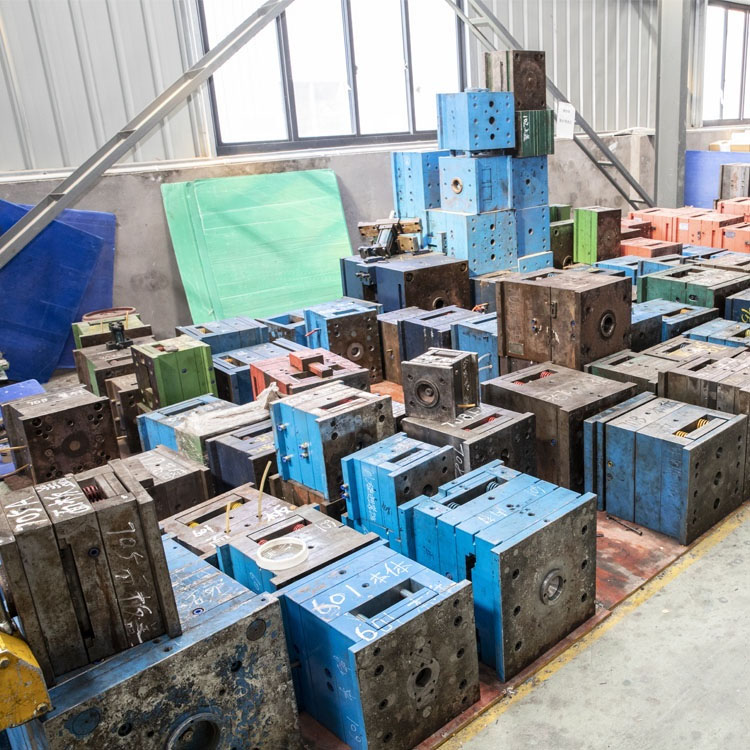
Plastic Injection Mould making
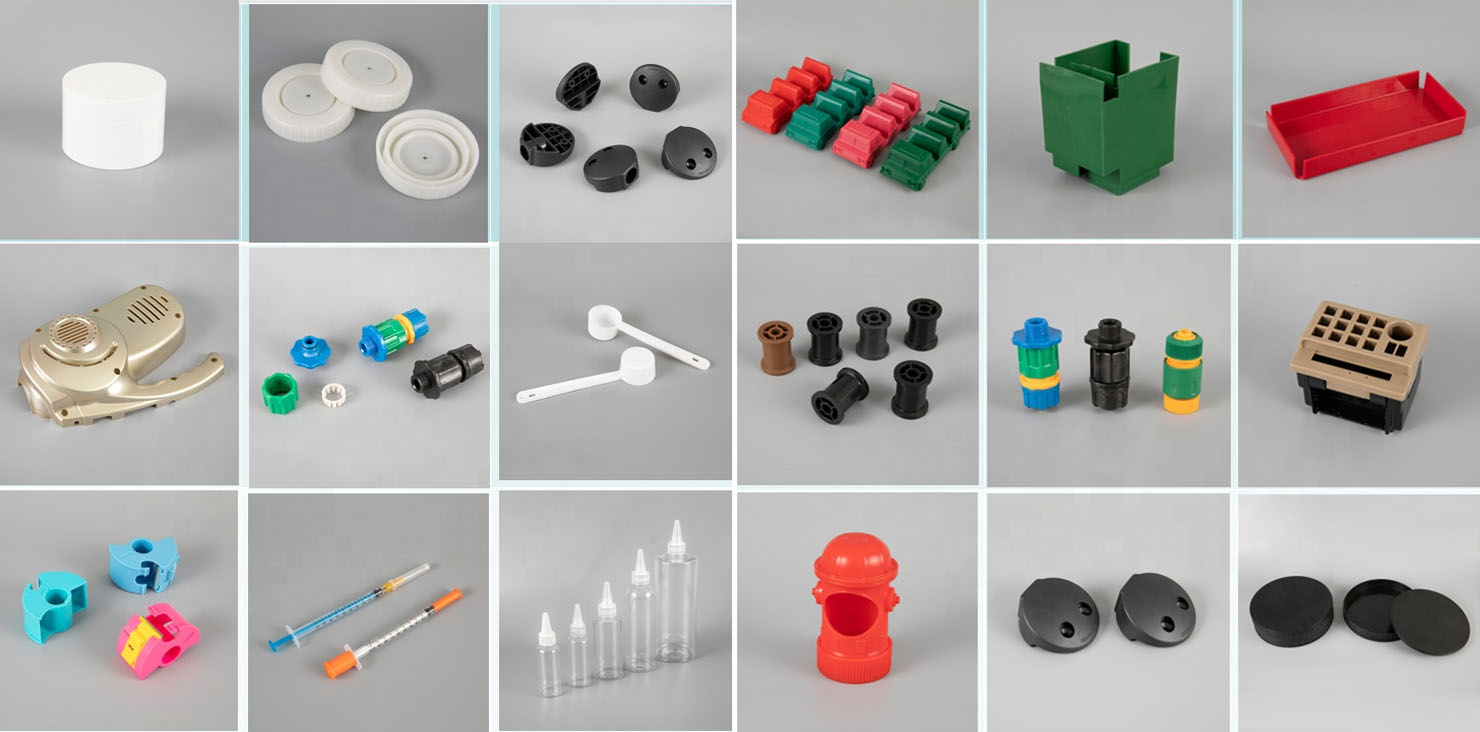
Plastic molding specifications
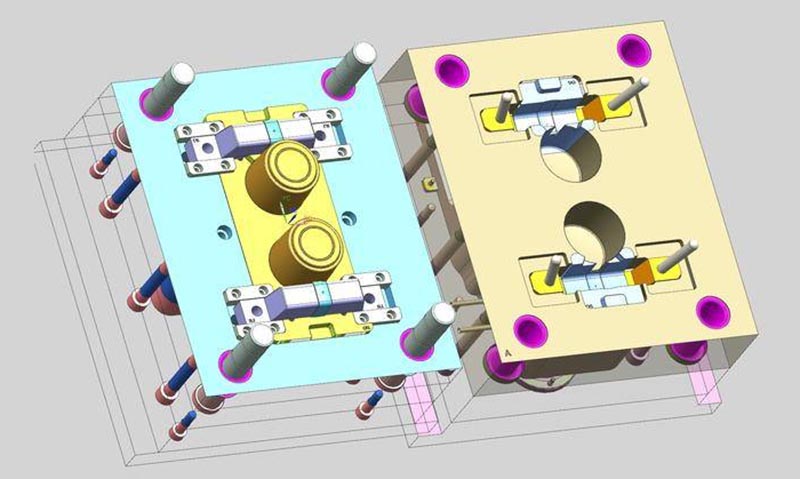
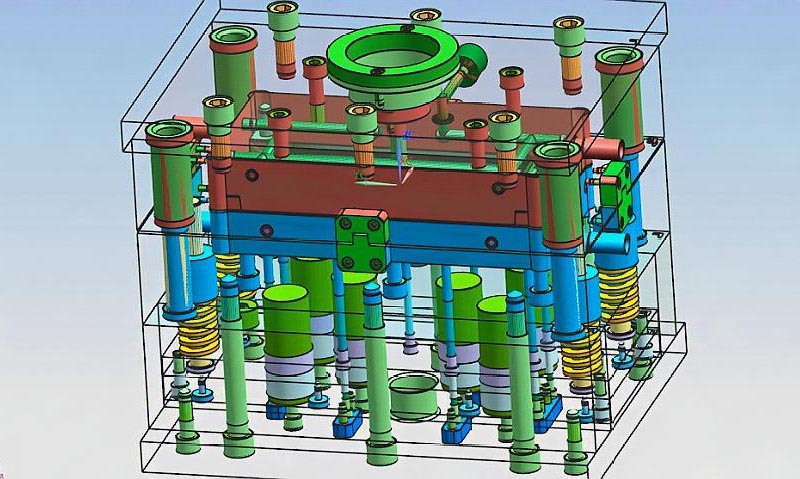
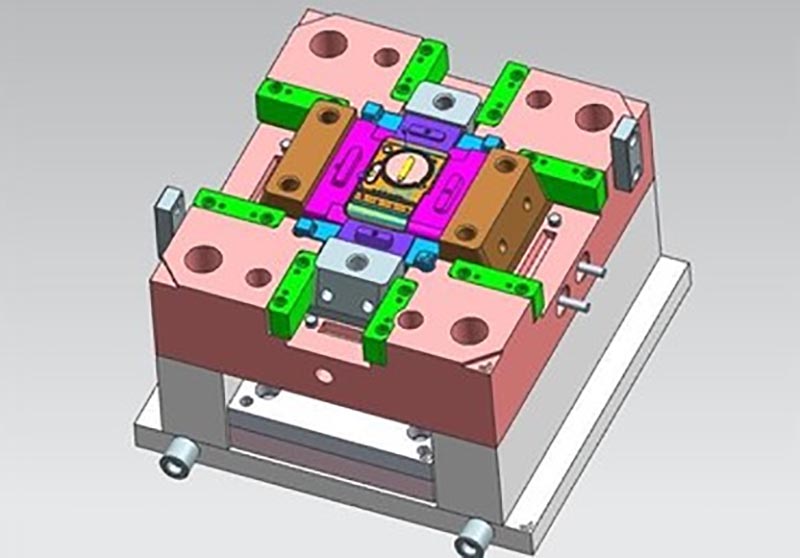
Mold design:
Transaction process:
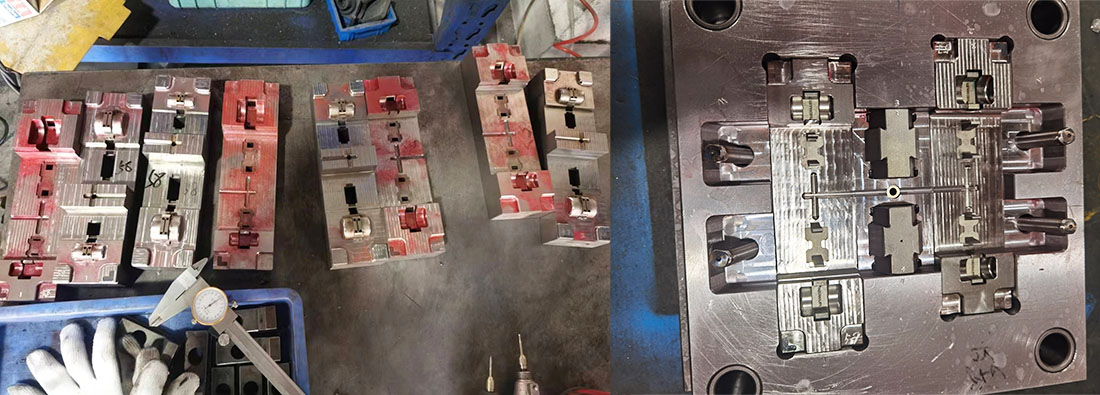
Mold testing:

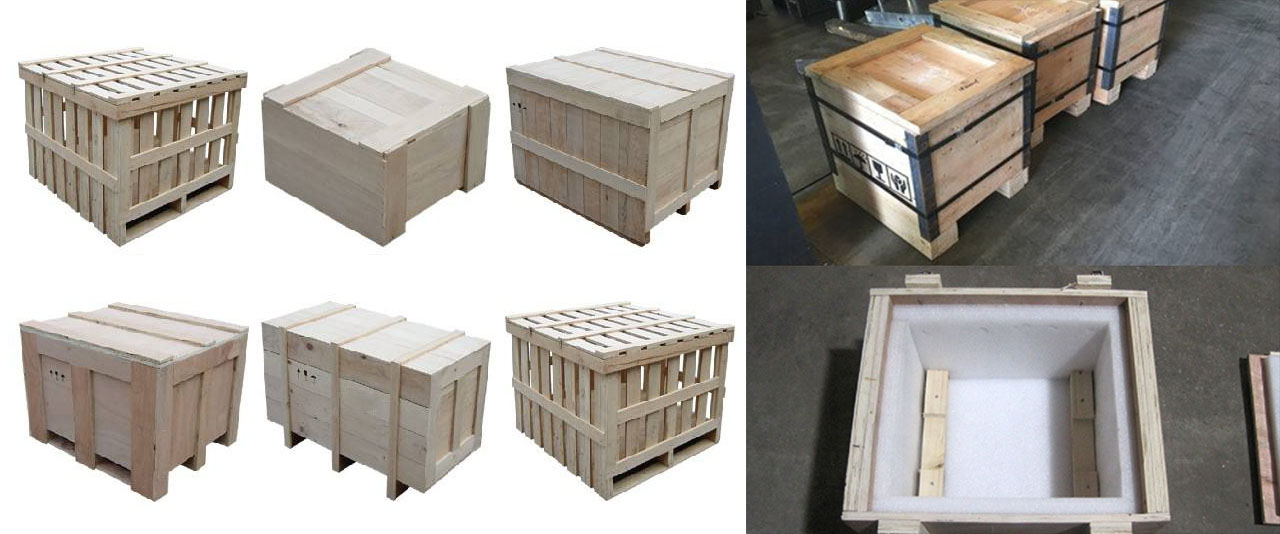
Product packaging
Factory
We are Custom Plastic Mold factory. Our factory is plastic injection mold maker. we has 17 years of experience in professional custom plastic mold and 10 years of foreign trade experience. We are custom Plastic Mold supplier. We can provide custom Plastic Mold service. Our factory can make the Injection molded plastic parts, and the quality of the products will satisfy you.
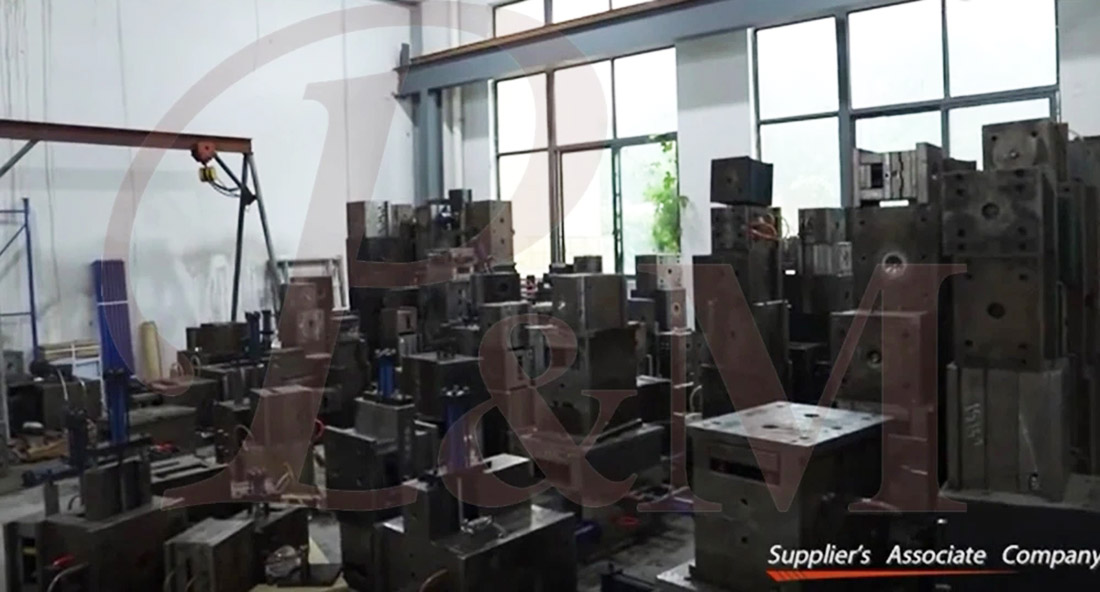
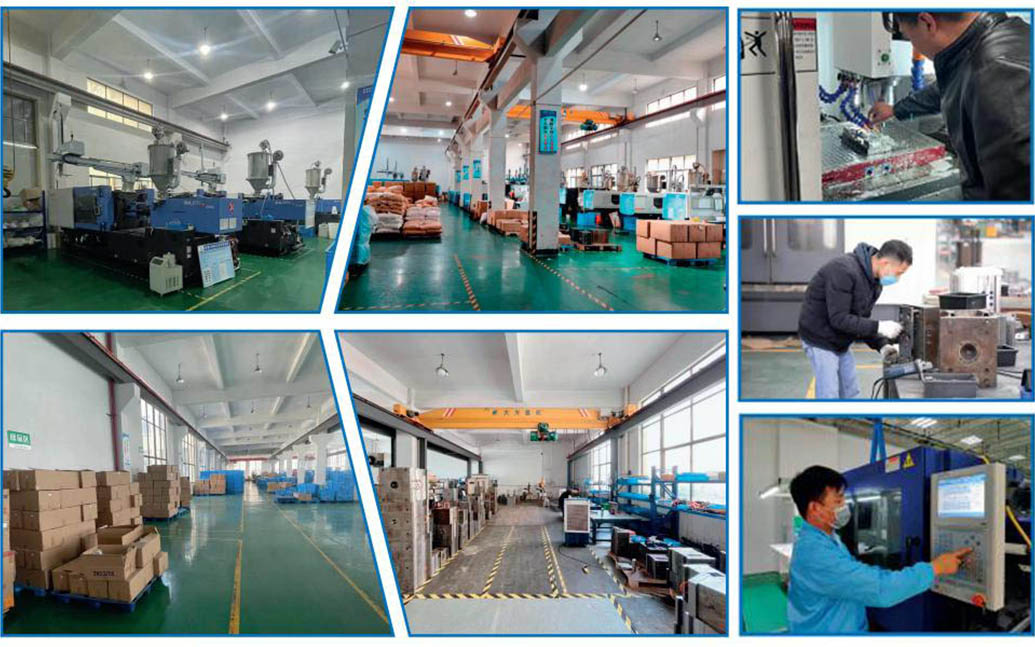
We have more than 50 high-end machines and hundreds of engineers and designers. We can provide one-stop service, from product design - mold making - product production - product packaging - transportation. We have a complete production chain. We can meet all your requirements.
Services we provide:
Professional custom mold service, Plastic mold design and manufacturing .plastic product production, product design, mold design, blow mold customization, rotational mold customization, die-casting mold customization. 3D printing services, CNC manufacturing services, product packaging, customized packaging, shipping services.
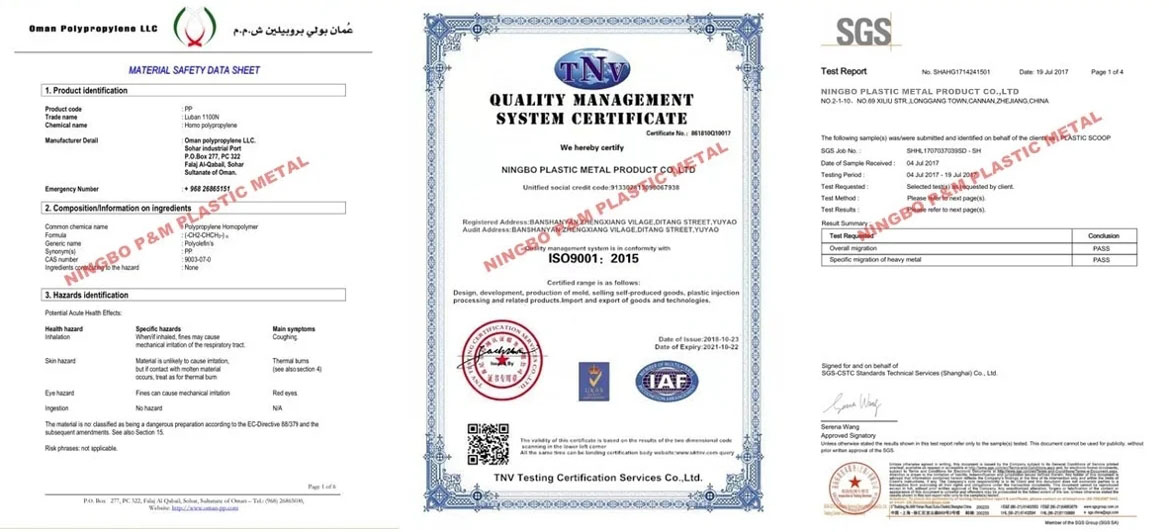

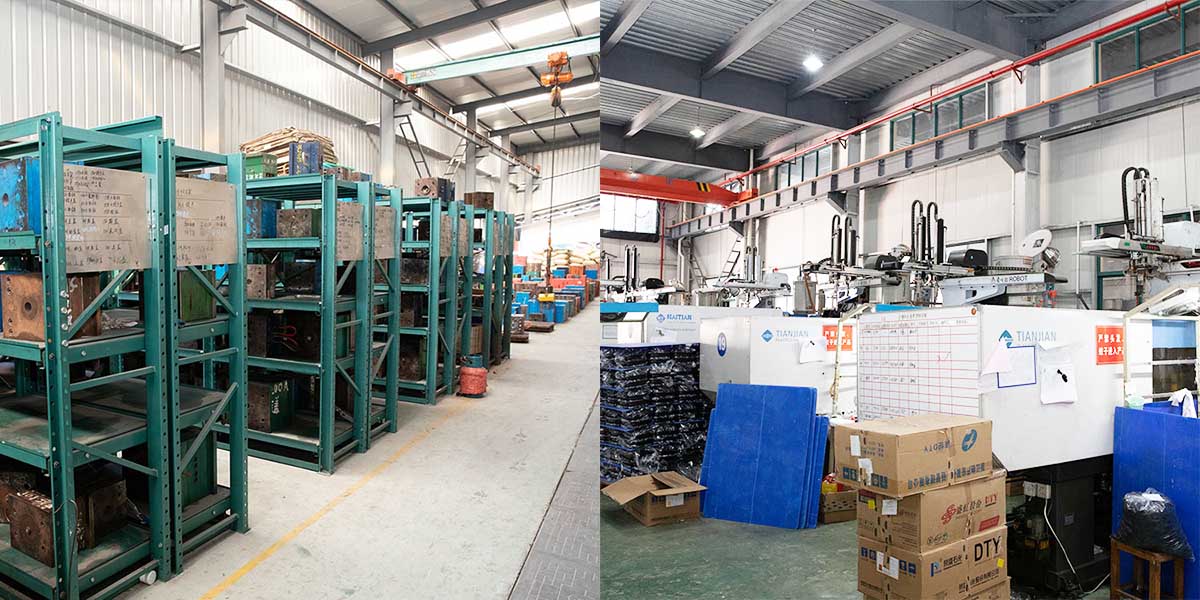
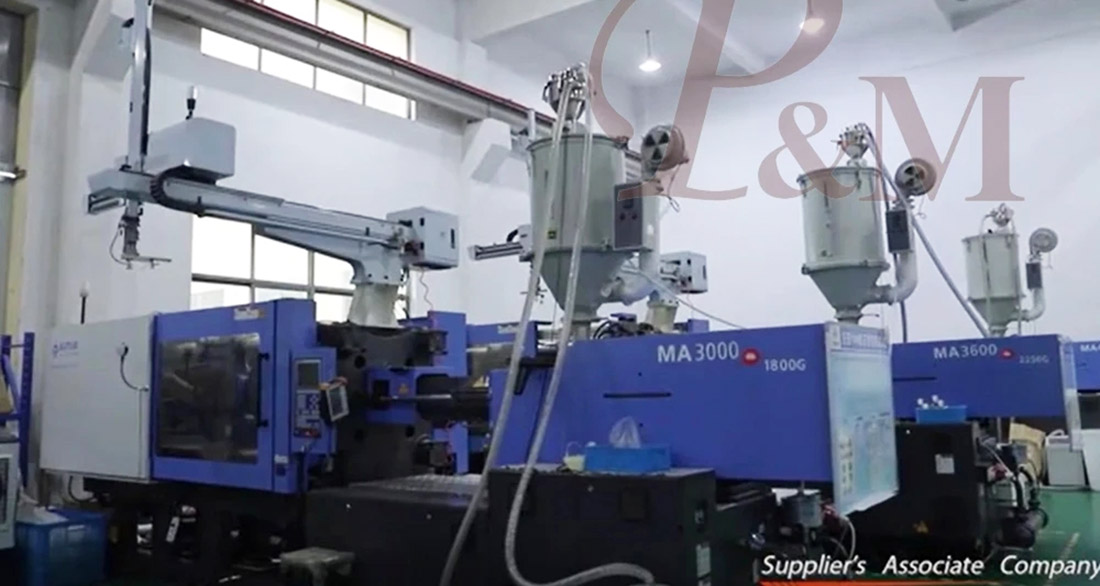
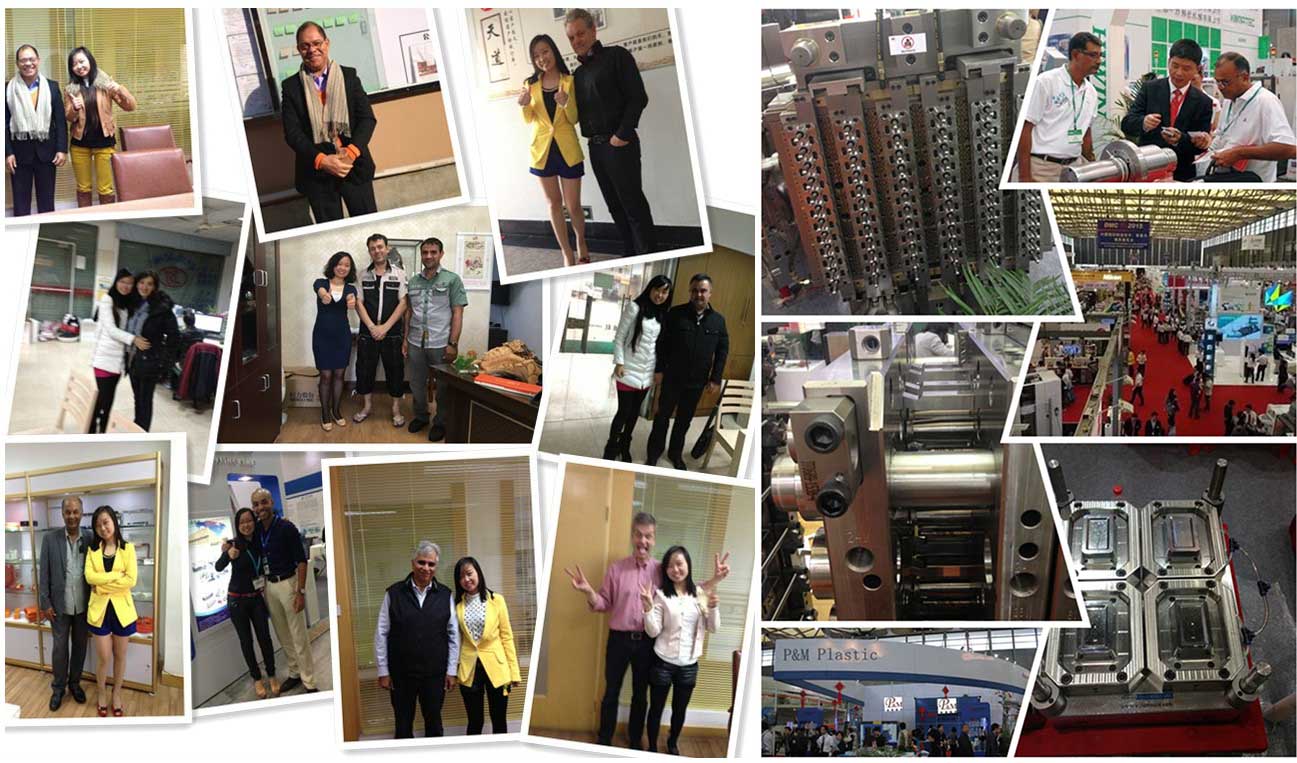
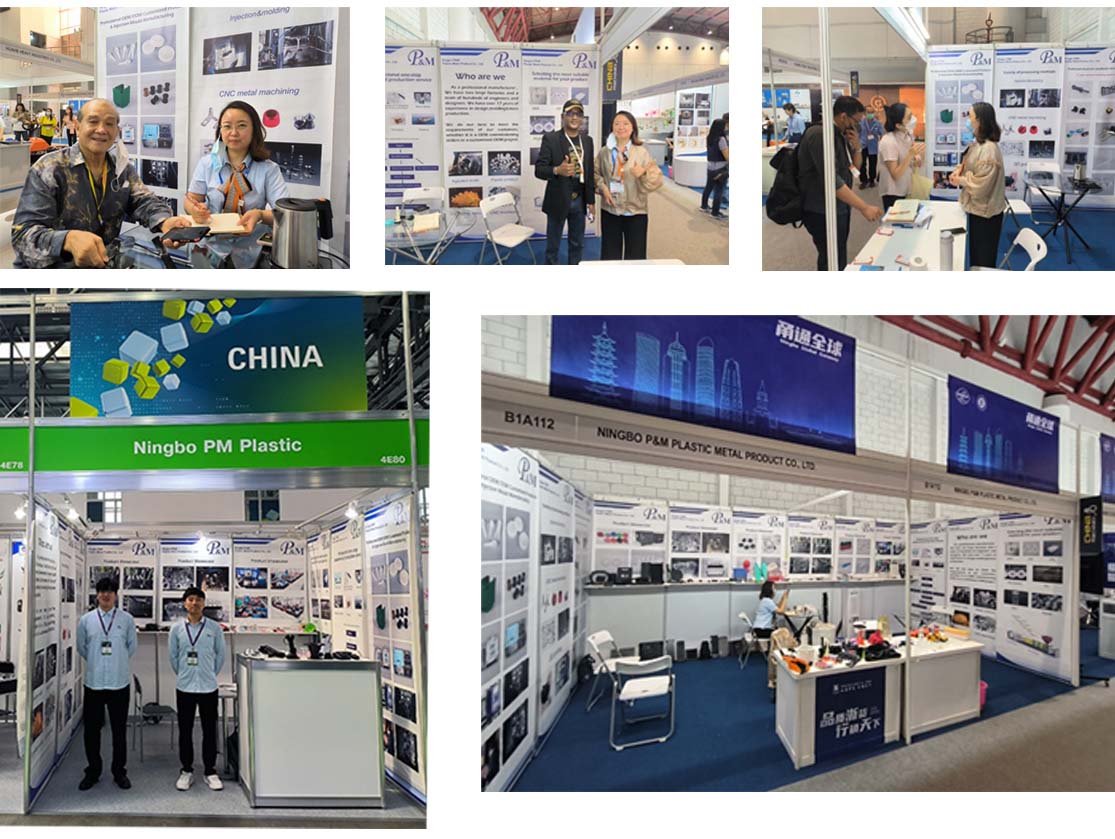
We always adhere to the principles of quality first and time first. While providing customers with the highest quality products, try to maximize the production efficiency and shorten production time. We are proud to tell every customer that our company has not lost any customer since its establishment.If there is a problem with the product, we will seek a solution actively and take responsibility to the end.

FAQ
Q1: Are you trading company or manufacturer ?
A: We are manufacturers.
Q2. When can I get the quotation?
A: We usually quote within 2 days after we get your inquiry.
If you are very urgent, please call us or tell us in your email so that we can quote for you first.
Q3. How long is the lead-time for mold?
A: It all depends on the products' size and complexity. Normally, the lead time is 25 days.
Q4. I have no 3D drawing, how should I start the new project?
A: You can supply us a molding sample, we will help you finish the 3D drawing design.
Q5. Before shipment, how to make sure the products quality?
A: If you don't come to our factory and also don't have the third party for inspection, we will be as your inspection worker.
We will supply you a video for production process detail include process report, products size structure and surface detail, packing detail and so on.
Q6. What is your payment terms?
A: Mold Payment: 40% deposit by T/T in advance, 30% second mold payment before sending out the first trial samples, 30% mold balance after you agree the final samples.
B:Production Payment: 50% deposit in advance, 50% before sending out the final goods.
Q7: How do you make our business long-term and good relationship?
A:1. We keep good quality and competitive price to ensure our customers benefit for best quality products.
2. We respect every customer as our friend and we sincerely do business and make friends with them, no matter where they come from.
Related Category
Send Inquiry
Please feel free to give your inquiry in the form below. We will reply you in 24 hours.