
Product
- Core Customization Service
- Health Care
- Electronic Appliances and Instruments
- Maternal and Child Supplies Molds
- Recreational Sports
- Home Furnishing Art
- Auto Accessories
- Transportation and Warehousing
- Lighting Fixtures
- Construction Equipment
- Packaging Product
- Educational & Laboratories
- Clothing Luggage Accessories
- Care and Cleaning Products
- Agriculture & Forestry
- Mechanical Equipment
- Pet Supplies
- Kitchenware
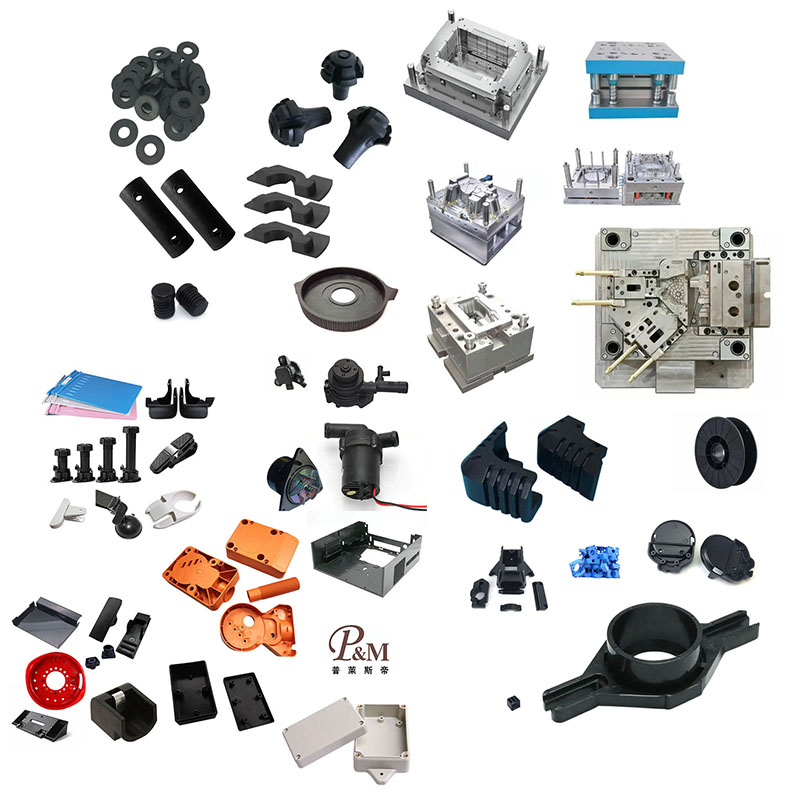
Custom sensor housing moulding
Ningbo (P&M) Plastic Metal Products Co., Ltd. has 17 years of mold manufacturing technology and can customize Custom sensor housing moulding. We provide professional customized Custom sensor housing moulding services, and we are a professional Custom sensor housing moulding manufacturer. We have sufficient experience in selecting product raw materials and mold materials. In the process of customizing Custom sensor housing moulding, our factory can provide one-stop service. We have design and production capabilities related to Custom sensor housing moulding, such as: CAD design, mold manufacturing, injection molding, plastic product production, assembly and other technologies.
Send Inquiry
Product Description
In addition, our company has established cooperative relationships with plastic raw material suppliers, printing manufacturers, etc. to ensure the supply of raw materials and printing quality. Through our rich experience and perfect supply chain, our company can provide customers with high-quality customized Custom sensor housing moulding products to meet their specific needs. At the same time, we have 10 years of professional foreign trade service experience, understand the foreign trade process, and better serve our customers. For Custom sensor housing moulding products, we can make corresponding plastic parts, which is mainly done through injection molds.
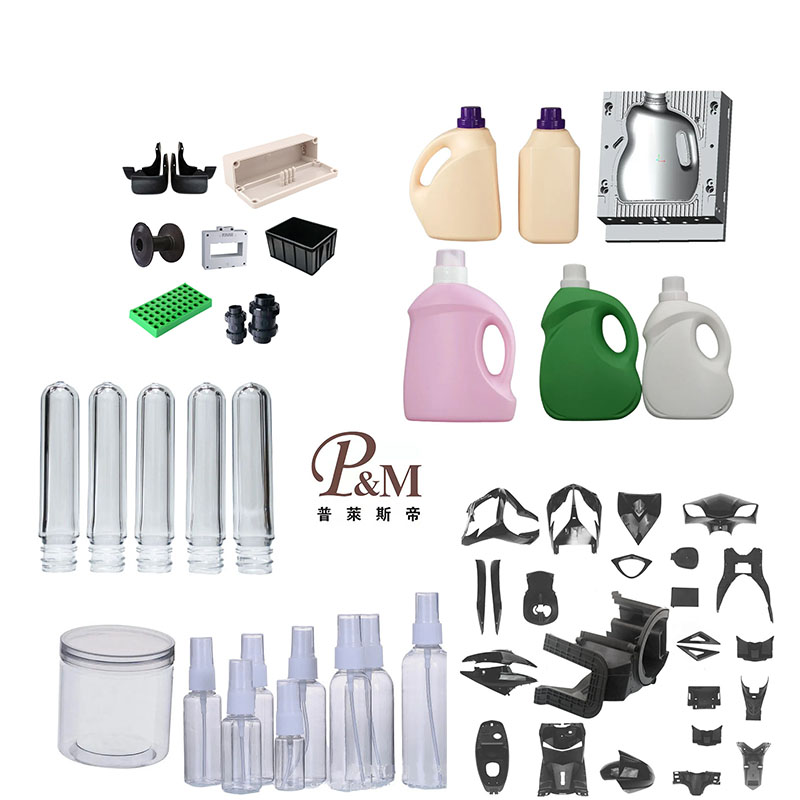
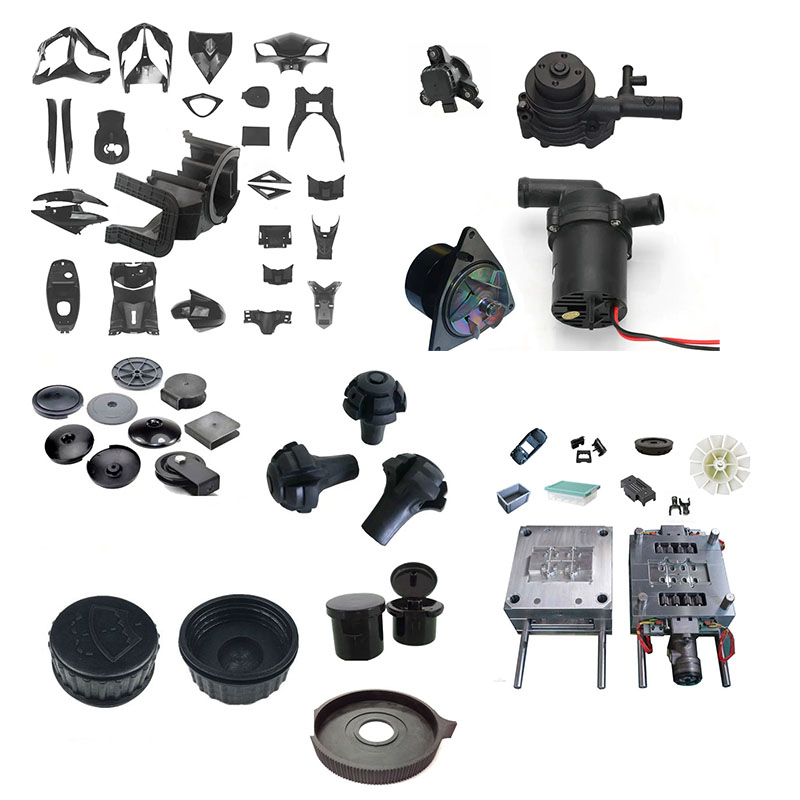
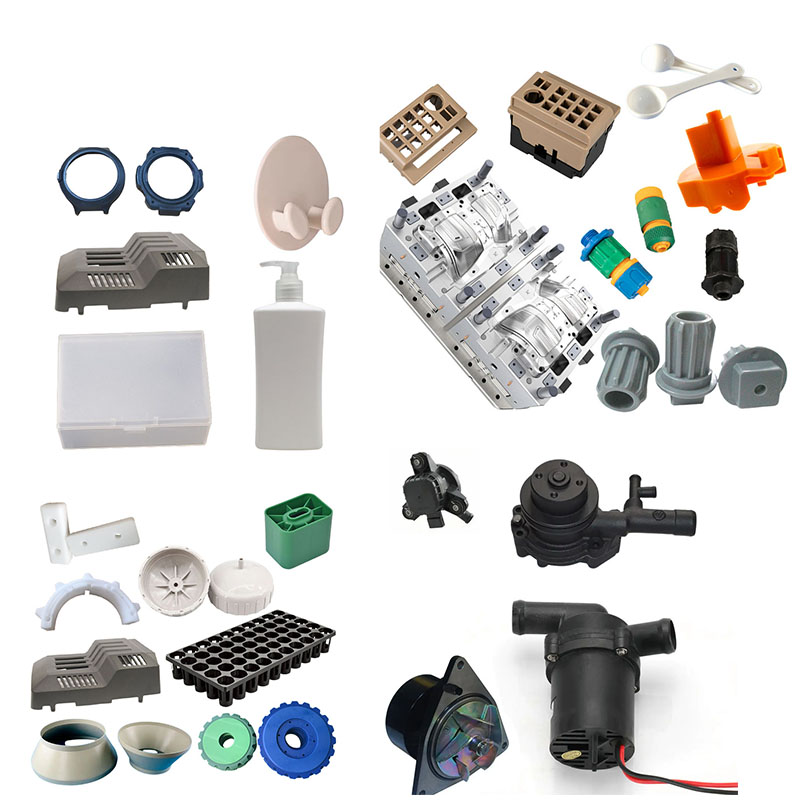
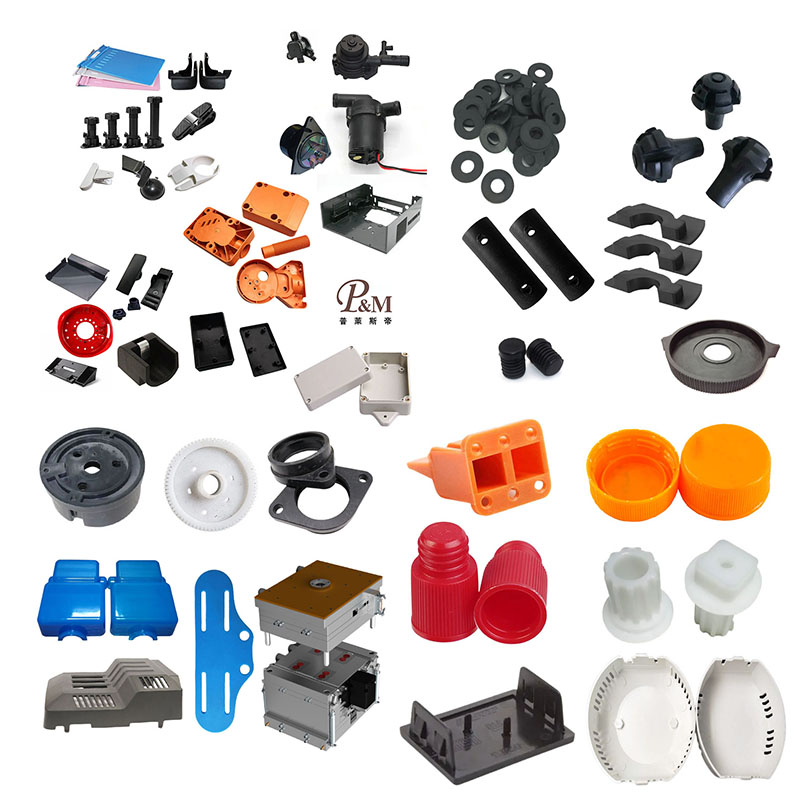
Sensor housings are structural protective components for industrial or consumer electronics, accommodating various sensor types such as temperature, photoelectric, pressure, infrared, and millimeter-wave radar. They are categorized by application environment into standard indoor models, waterproof outdoor models, and models designed for extreme temperatures. Their primary functions include protecting PCBs, chips, and components; housing sealing structures; providing optical windows (for optical sensors); resisting vibration, dust, and water; and facilitating assembly and mounting. Unlike consumer products like computer mice or electric shavers—where aesthetics are paramount—sensor housings prioritize **functionality over appearance**. Key customization challenges center on dimensional accuracy, sealing fit, material environmental resistance, optical transmission requirements, and structural strength. This article (approx. 2,300 words) provides a comprehensive overview covering early-stage DFM (Design for Manufacturability) structural design, material selection, mold making, injection molding processes, post-processing, and reliability validation.
Early-Stage Structural DFM Review (The Most Critical Step in Customizing Sensor Housings)
Common issues arise when customizing sensor housings if the client designs the 3D model based solely on assembly space while overlooking factors like draft angles, wall thickness, sealing grooves, snap-fits, and waterproofing structures. Problems such as demolding failures, deformation, or seal failure are often discovered only after the mold has been manufactured. Therefore, a DFM review is mandatory before mold fabrication begins.
Wall Thickness Design Principles
The recommended wall thickness for the main body of a sensor housing is **1.5–2.2 mm**. This is slightly thicker than standard consumer plastic parts to ensure rigidity and resistance to vibration and creep caused by temperature extremes.
- Wall thickness must be uniform; abrupt changes can cause uneven shrinkage and housing warpage, leading to uneven compression of the sealing gasket and subsequent waterproofing failure.
- Rib thickness should be controlled at 0.6–0.7 times the main wall thickness, with a fillet radius of R0.2–R0.3 at the base to prevent sink marks (depressions) on the opposite surface.
- Screw bosses: Wall thickness should be 1.2–1.8 mm. A "crater" or recess should be designed at the base of the boss to reduce material volume and prevent severe sink marks on the outer surface. Since sensor housings are typically secured by screws fastening the upper and lower shells, the screw boss is a critical stress point; sink marks here can cause the housing to crack after assembly. >
> Note: For optical sensors (infrared, laser) featuring light-transmitting windows, the wall thickness in the window area must be strictly uniform (variation ≤ 0.1 mm); otherwise, refraction and light spot distortion may occur, affecting the sensor signal.
Draft Angles and Undercut Features
For non-aesthetic structural surfaces of the housing, the draft angle should be ≥ 0.5°; if the outer surface has a textured finish, the draft angle should be increased to 2°–3°.
Sensor housings often feature side cable outlets, side mounting tabs, or side snap-fits; such undercut features require **lifters or sliders**. Slider and lifter locations are prone to mold coolant leaks and flash formation; additionally, venting is often poor in slider areas, making weld lines likely. Minimize the number of side undercuts during design to simplify the mold.
Sealing and Assembly Design Points (Crucial for Waterproof Sensors)
Many sensor housings require IP54/IP65/IP67 protection ratings and are designed with O-ring grooves or silicone sealing lips.
- Sealing grooves require tight dimensional tolerances and excellent flatness at the groove bottom; even slight housing warpage can prevent the seal from compressing properly.
- Avoid placing sealing grooves on the parting line, as flash along the parting line can compromise the O-ring seal.
- Alignment posts and locating shoulders (spigots) between the upper and lower housing halves are mandatory to prevent misalignment during screw fastening and to ensure uniform pressure on the sealing surface.
- Cable outlets: When designing cable pass-throughs, allow for assembly clearance and incorporate strain-relief ribs to prevent external cable tension from being transmitted directly to the internal PCB.
Special Requirements for Light-Transmitting Windows (Photoelectric/Infrared Sensors)
If the housing integrates a PC or PMMA light-transmitting lens window, two approaches are available: ① Single-shot molding with a separately assembled lens; ② Two-shot (dual-material) molding, where the rigid housing and transparent lens are molded as a single unit.
Transparent windows must be free of weld lines, silver streaks, air bubbles, and stress marks; residual stress can alter optical refraction and cause infrared signal deviation. Avoid applying a textured finish (such as leather grain) to the window surface whenever possible; if anti-glare properties are required, use a fine-etched finish and ensure the etching is uniform.
Tolerance Design
The sensor housing is a precision structural component; tolerances applicable to standard toy housings cannot be applied here.
- General assembly dimensions: ±0.05 to ±0.10 mm;
- Sealing grooves, locating pin holes, and optical window mounting locations: ±0.03 to ±0.05 mm;
>
> Note: Injection-molded part tolerances are affected by shrinkage rates. When customizing the housing, the shrinkage rate corresponding to the specific plastic material must be specified on the drawing so that the mold can be machined with the appropriate shrinkage allowance.
We are a Custom sensor housing moulding manufacturer, providing high-quality Custom sensor housing moulding manufacturing. As long as you want to customize/develop Custom sensor housing moulding products, you can find us. We have professional injection mold design and mature manufacturing technology, providing you with one-stop service, from product design-mold making-product production-product packaging-product transportation, we can help you in every link. As long as you come to us, we will provide you with the ultimate service and satisfy you in terms of product quality, production time, information dialogue, etc.
|
Product Name |
Treadmill moulding |
|
Pls provide |
2D, 3D, samples, or the size of the multi-angle pictures |
|
Mould Time |
20-35 Days |
|
Product time |
7-15 Days |
|
Mould precision |
+/-0.01mm |
|
Mould life |
50-100 million shots |
|
Producing Process |
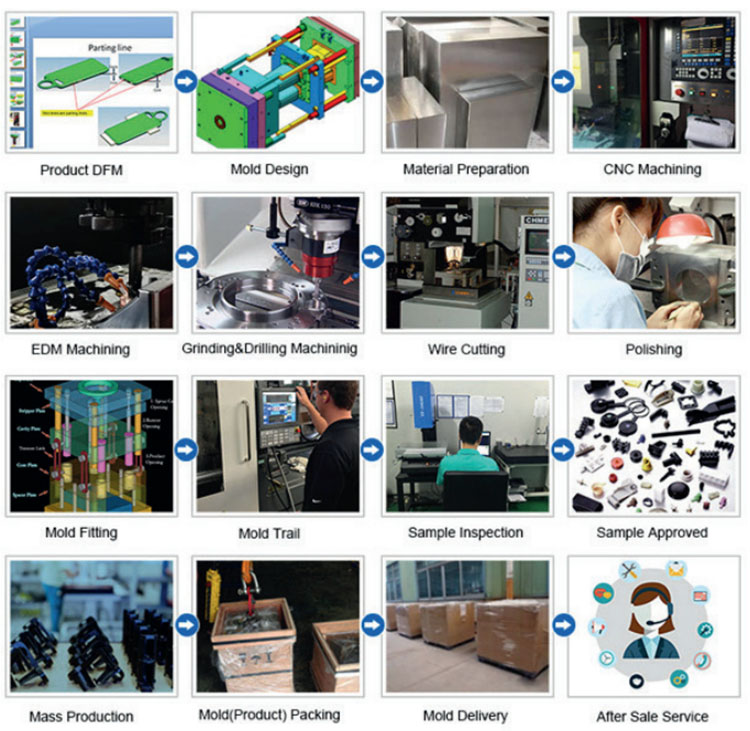
Audit drawings - mold flow analysis - design validation - Custom Materials - mold processing - core processing - electrode machining - Runner system processing - parts processing and procurement - machining acceptance - cavity surface treatment process - complex mode Die - The entire mold surface coating - Mounting plate - mold sample - sample test - sending samples |
|
Mould cavity |
One cavity, multi-cavity or same different products be made together |
|
Mould material |
P20,2738,2344,718,S136,8407,NAK80,SKD61,H13 |
|
Runner system |
Hot runner and cold runner |
|
Base material |
P20,2738,2344,718,S136,8407,NAK80,SKD61,H13 |
|
Finish |
Pitting the word, mirror finish, matte surface, striae |
|
Standard |
HASCO, DME or dependent upon |
|
Main technology |
Milling, grinding, CNC, EDM, wire cutting, carving, EDM, lathes, surface Finish, etc. |
|
Software |
CAD,PRO-E,UG Design Time: 1-3 days (normal circumstances) |
|
Product material |
ABS,PP,PC,PA6,PA66,TPU,POM,PBT,PVC,HIPS,PMMA,TPE,PC/ABS,TPV,TPO,TPR,EVA,HDPE,LDPE,CPVC,PVDF,PPSU.PPS. |
|
Quality system |
ISO9001:2008 |
|
Establish time |
20days |
|
Equipment |
CNC,EDM,Cutting off Machine,plastic machinery,etc plastic suitcase mould zhe jiang |
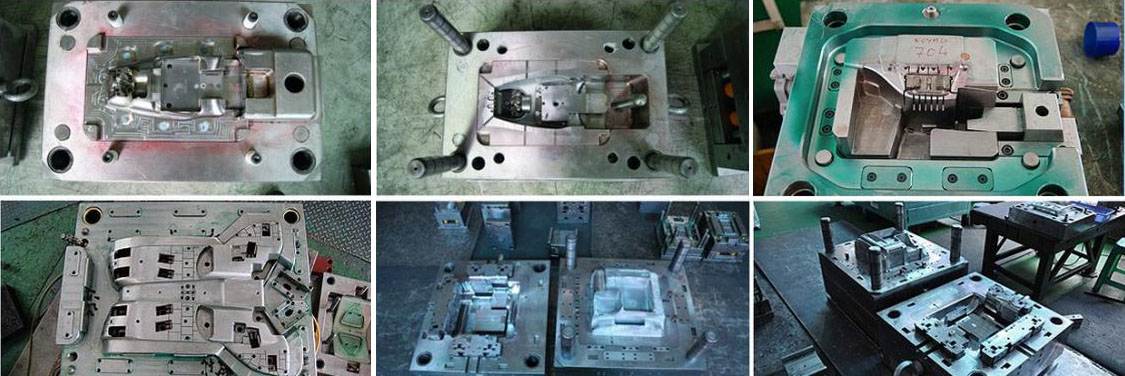
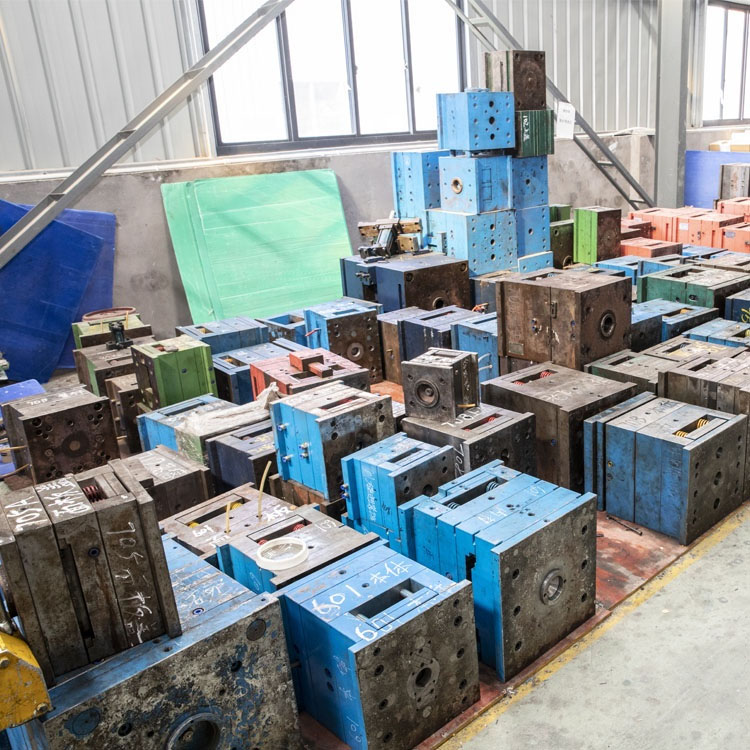
Plastic Injection Mould making
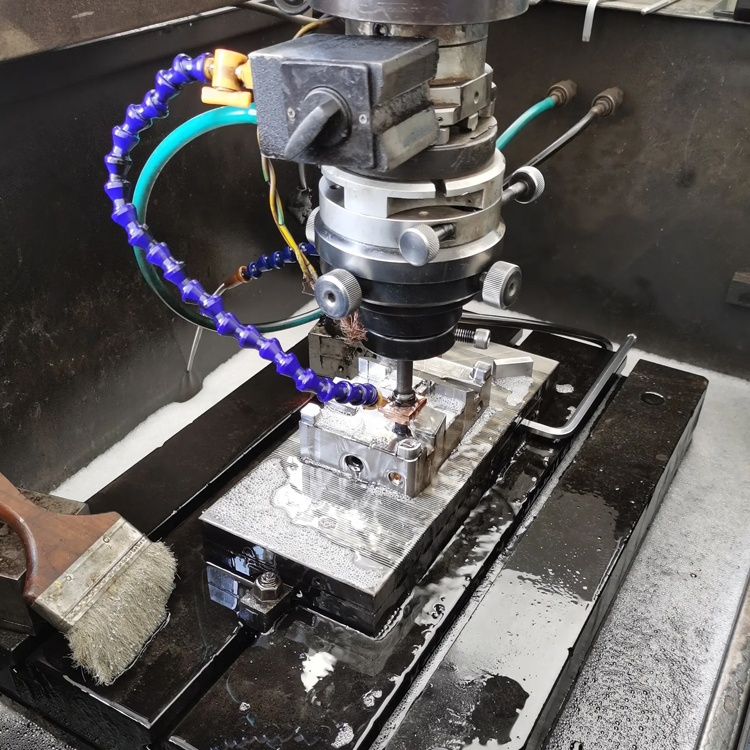
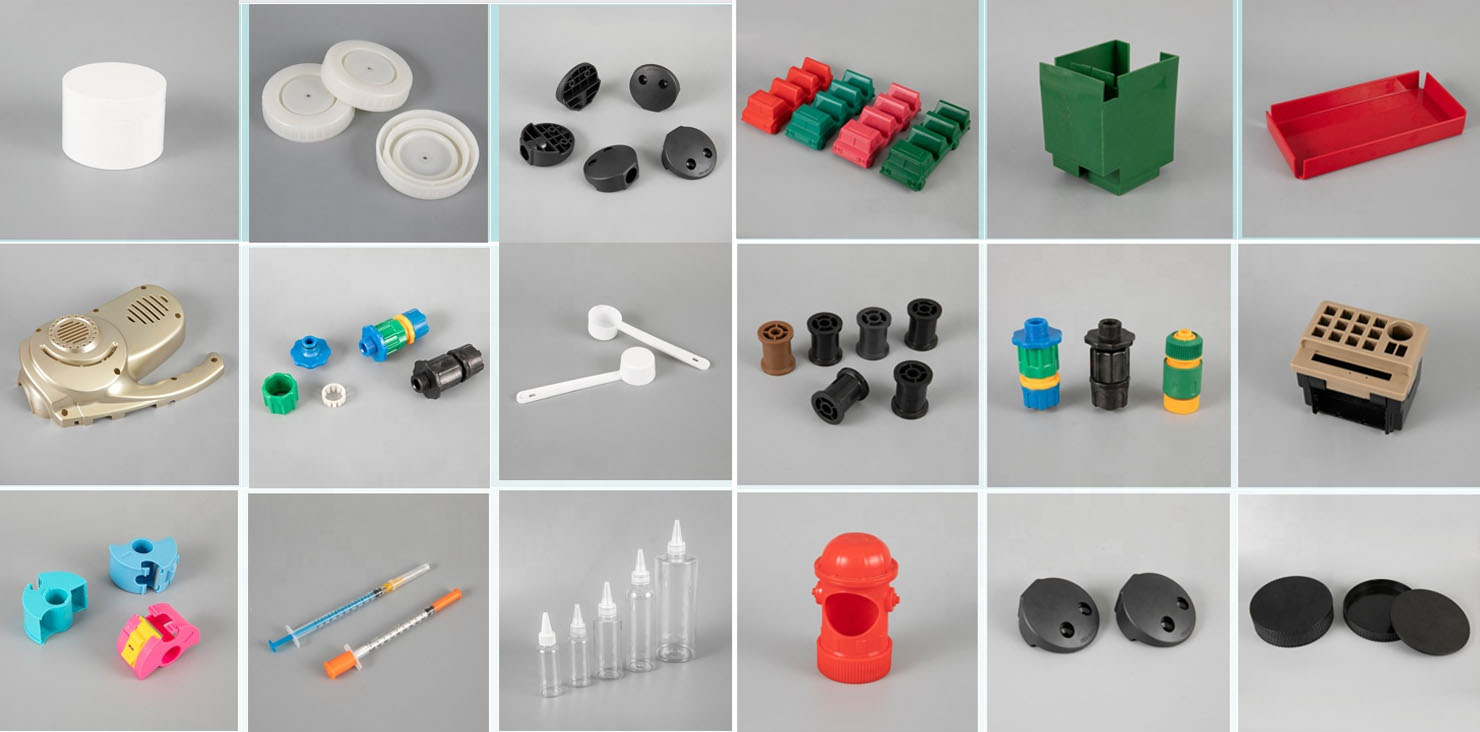
Plastic molding specifications
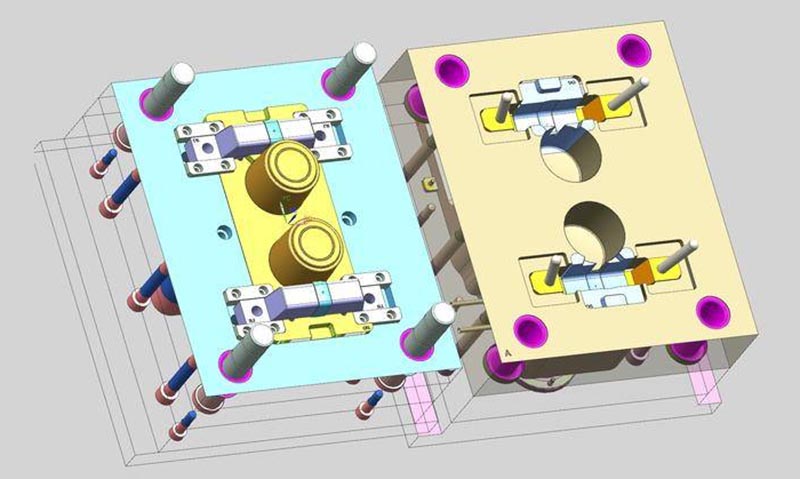
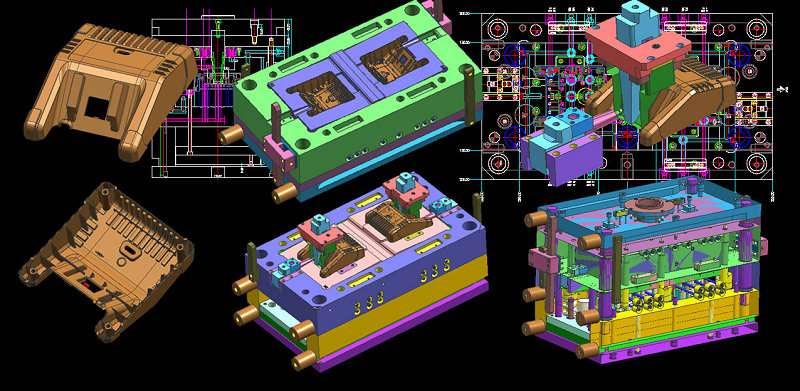
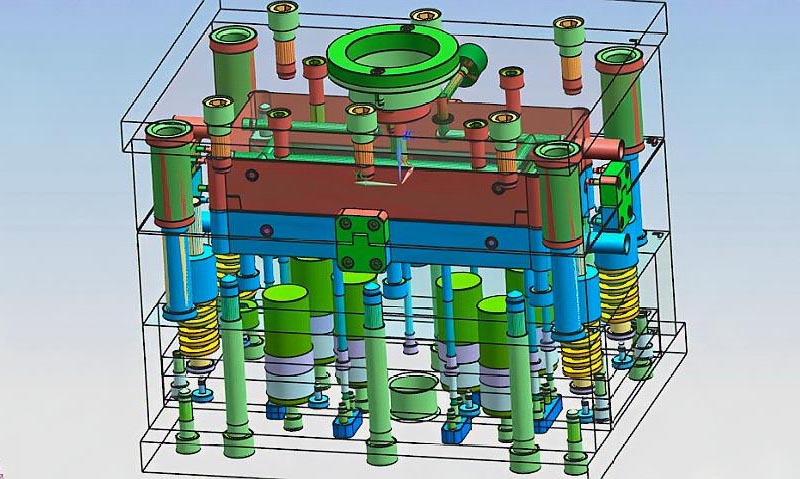
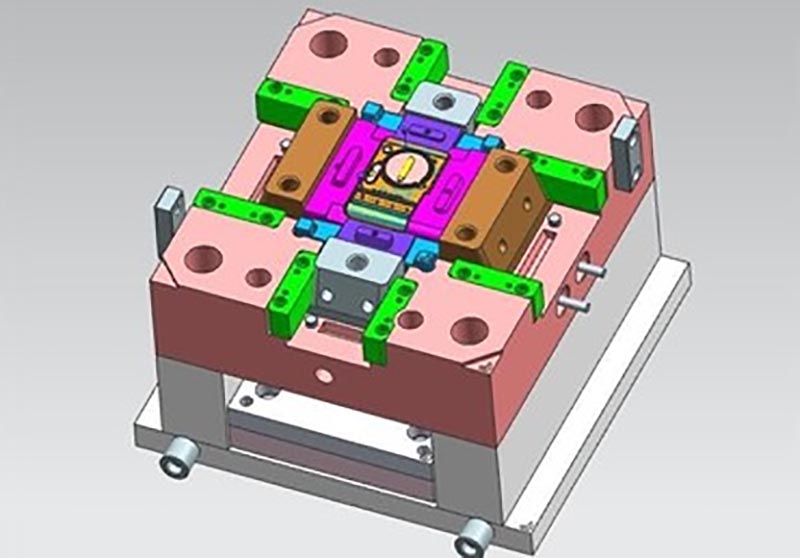
Mold design:
Transaction process:
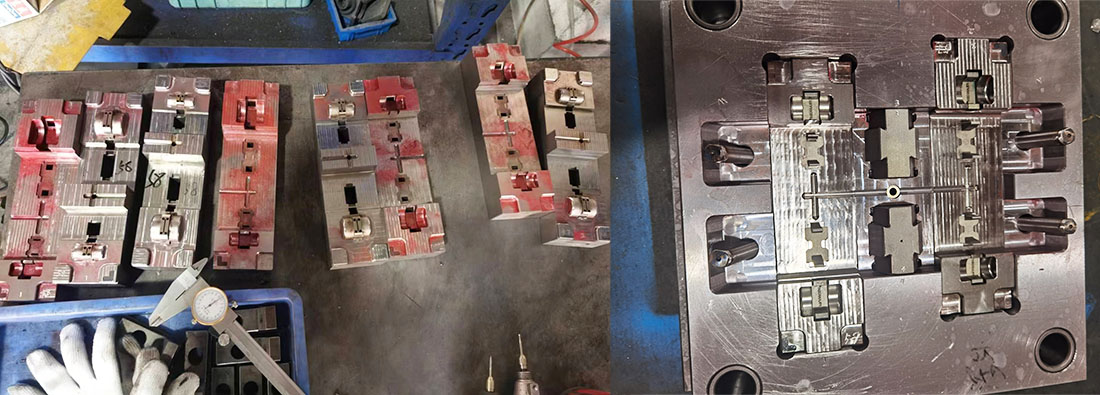
Mold testing:

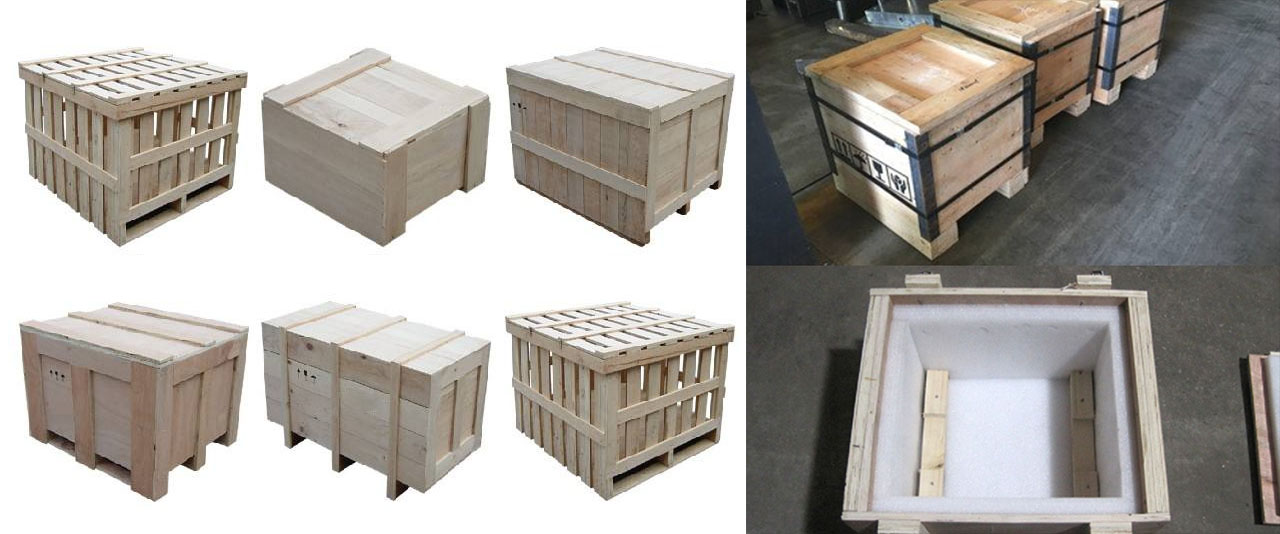
Product packaging
Factory
We are Custom Plastic Mold factory. Our factory is plastic injection mold maker. we has 17 years of experience in professional custom plastic mold and 10 years of foreign trade experience. We are custom Plastic Mold supplier. We can provide custom Plastic Mold service. Our factory can make the Injection molded plastic parts, and the quality of the products will satisfy you.
We have more than 50 high-end machines and hundreds of engineers and designers. We can provide one-stop service, from product design - mold making - product production - product packaging - transportation. We have a complete production chain. We can meet all your requirements.
Services we provide:
Professional custom mold service, Plastic mold design and manufacturing .plastic product production, product design, mold design, blow mold customization, rotational mold customization, die-casting mold customization. 3D printing services, CNC manufacturing services, product packaging, customized packaging, shipping services.
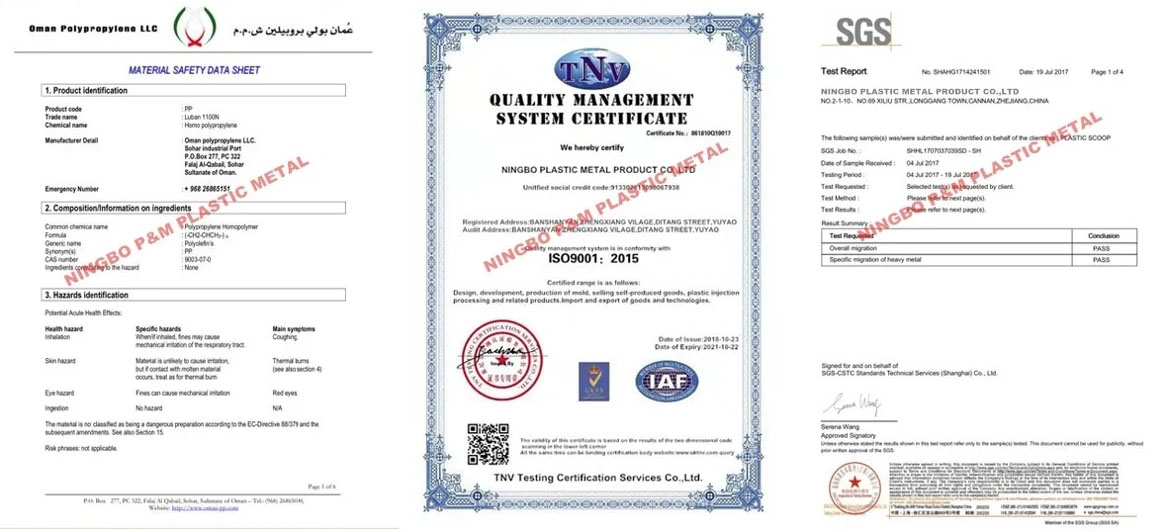

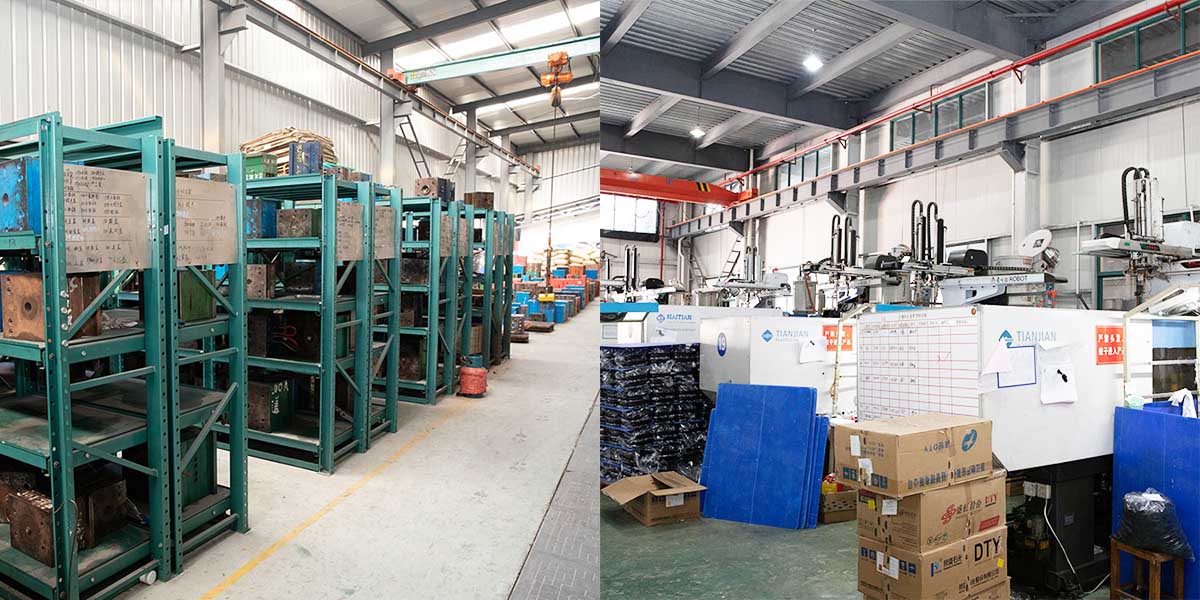
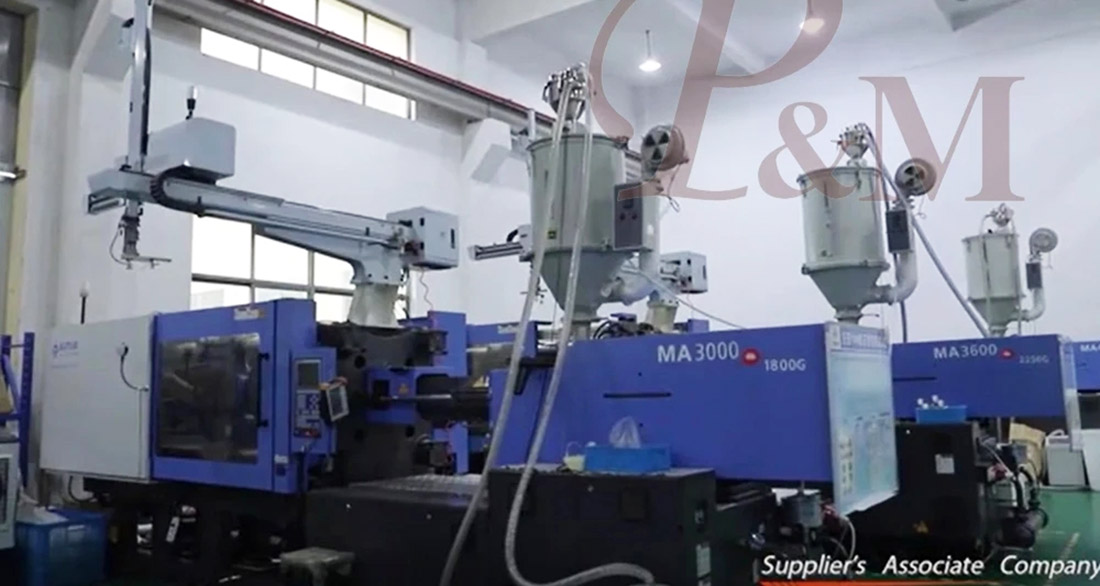
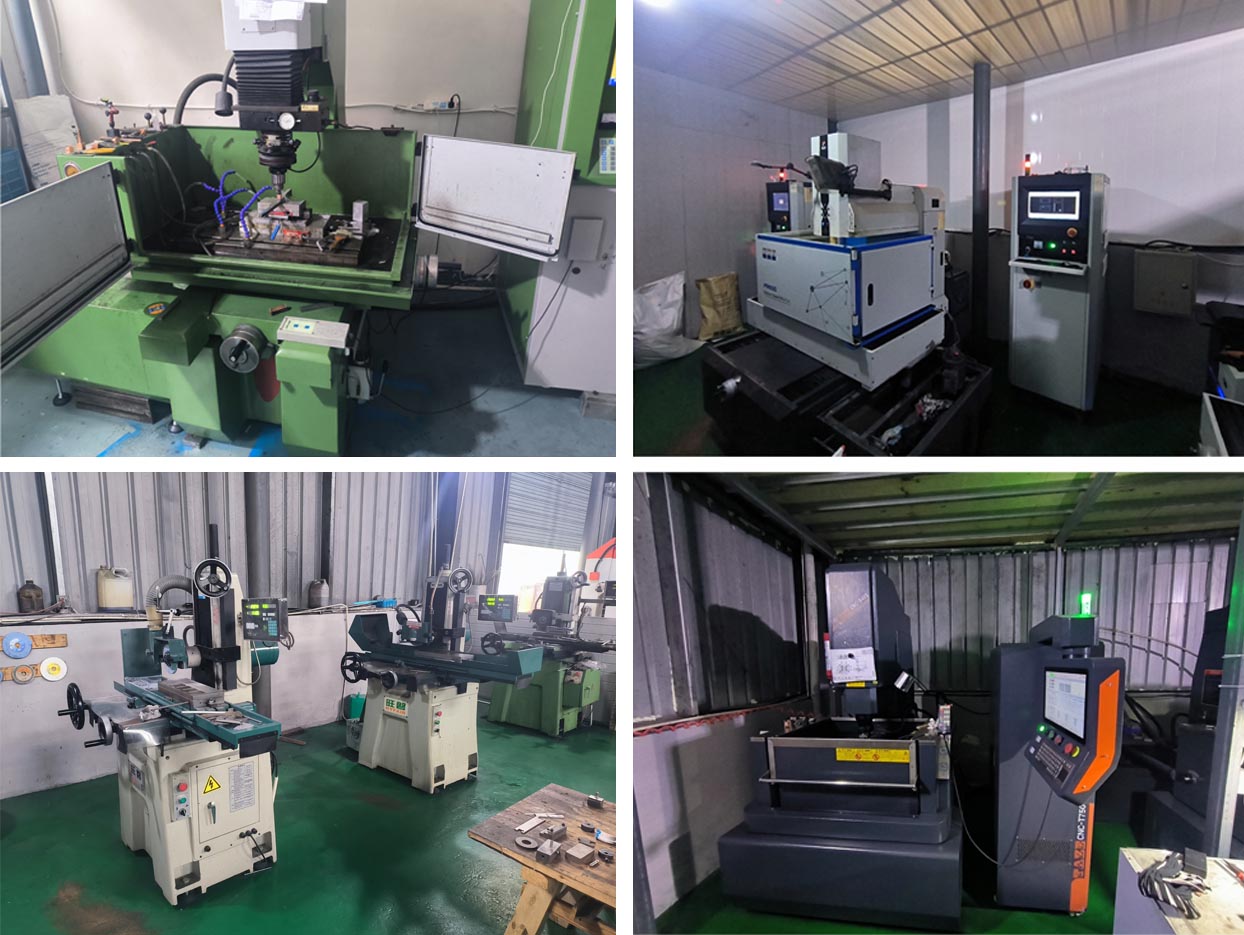
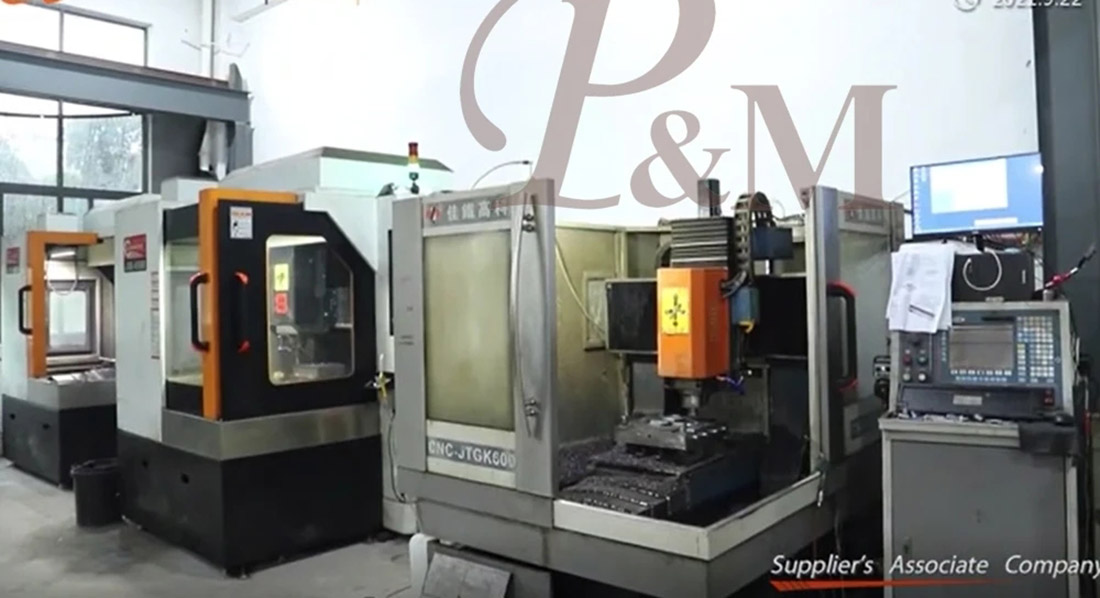
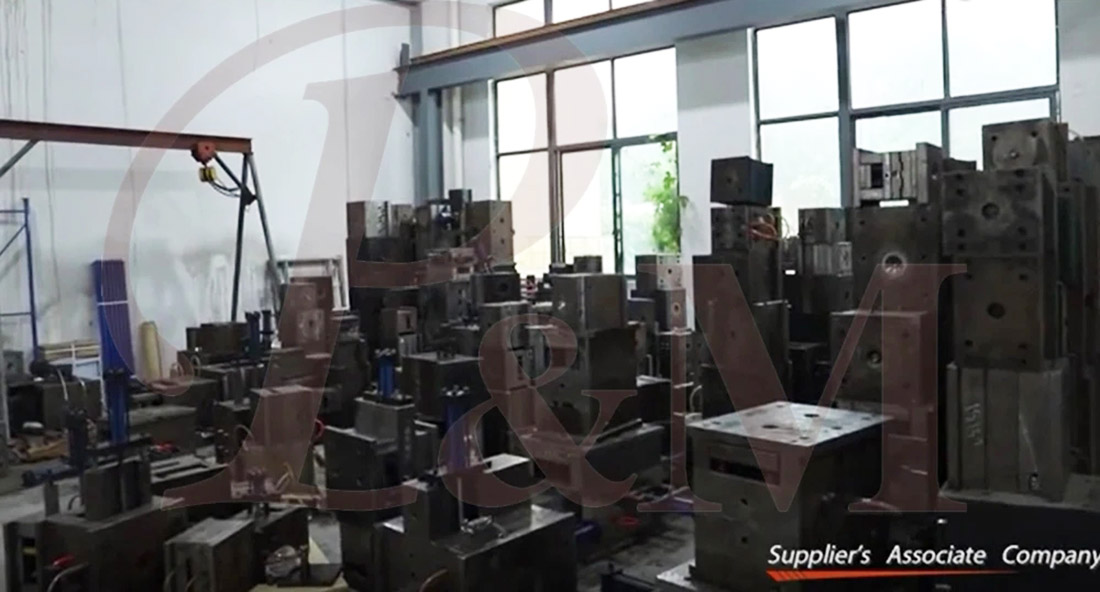
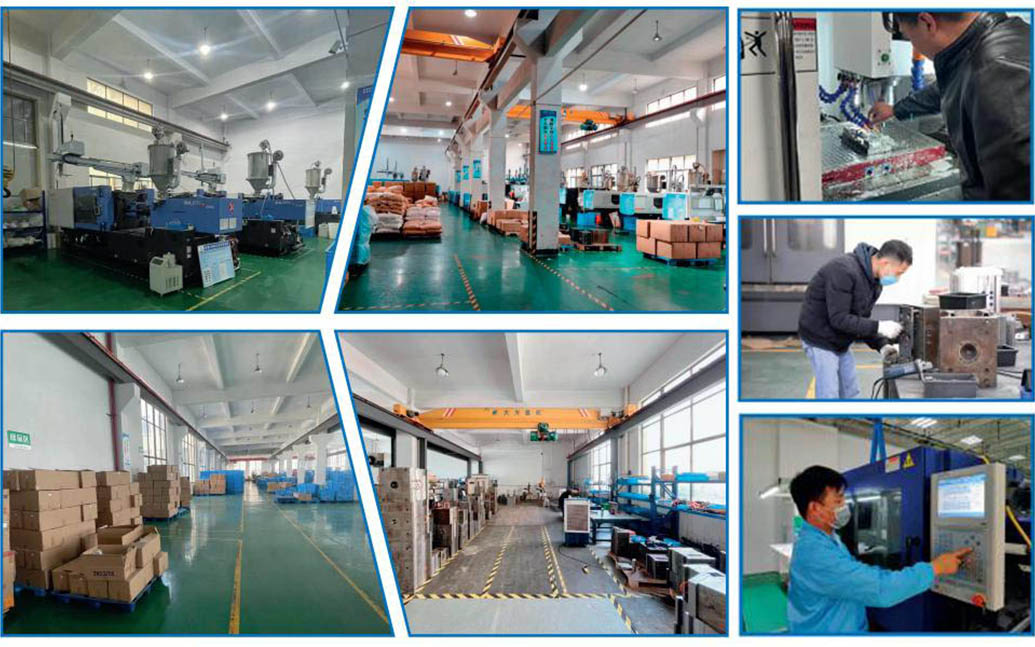

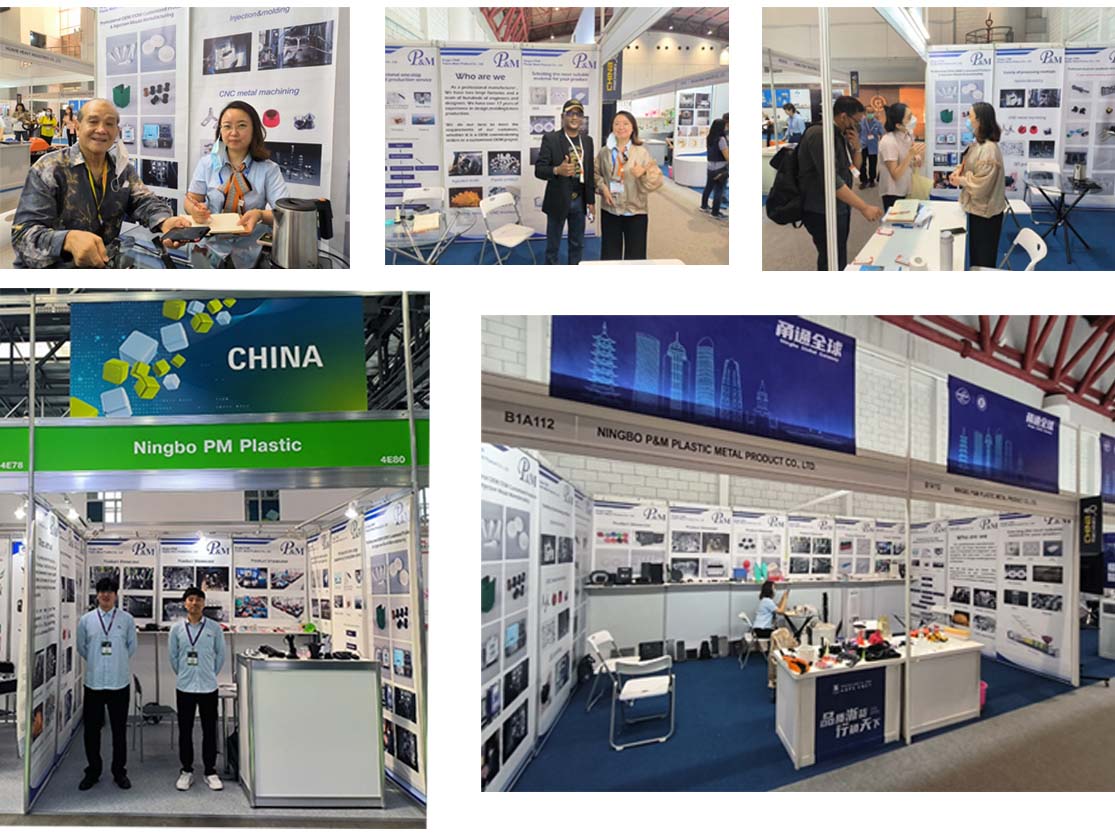
We always adhere to the principles of quality first and time first. While providing customers with the highest quality products, try to maximize the production efficiency and shorten production time. We are proud to tell every customer that our company has not lost any customer since its establishment.If there is a problem with the product, we will seek a solution actively and take responsibility to the end.

FAQ
Q1: Are you trading company or manufacturer ?
A: We are manufacturers.
Q2. When can I get the quotation?
A: We usually quote within 2 days after we get your inquiry.
If you are very urgent, please call us or tell us in your email so that we can quote for you first.
Q3. How long is the lead-time for mold?
A: It all depends on the products' size and complexity. Normally, the lead time is 25 days.
Q4. I have no 3D drawing, how should I start the new project?
A: You can supply us a molding sample, we will help you finish the 3D drawing design.
Q5. Before shipment, how to make sure the products quality?
A: If you don't come to our factory and also don't have the third party for inspection, we will be as your inspection worker.
We will supply you a video for production process detail include process report, products size structure and surface detail, packing detail and so on.
Q6. What is your payment terms?
A: Mold Payment: 40% deposit by T/T in advance, 30% second mold payment before sending out the first trial samples, 30% mold balance after you agree the final samples.
B:Production Payment: 50% deposit in advance, 50% before sending out the final goods.
Q7: How do you make our business long-term and good relationship?
A:1. We keep good quality and competitive price to ensure our customers benefit for best quality products.
2. We respect every customer as our friend and we sincerely do business and make friends with them, no matter where they come from.
Hot Tags: Custom sensor housing moulding, China, Manufacturer, Supplier, Factory, Customized, Wholesale, Buy, Quality, Latest Selling, Made in China
Related Category
Send Inquiry
Please feel free to give your inquiry in the form below. We will reply you in 24 hours.