
Product
- Core Customization Service
- Health Care
- Electronic Appliances and Instruments
- Maternal and Child Supplies Molds
- Recreational Sports
- Home Furnishing Art
- Auto Accessories
- Transportation and Warehousing
- Lighting Fixtures
- Construction Equipment
- Packaging Product
- Educational & Laboratories
- Clothing Luggage Accessories
- Care and Cleaning Products
- Agriculture & Forestry
- Mechanical Equipment
- Pet Supplies
- Kitchenware
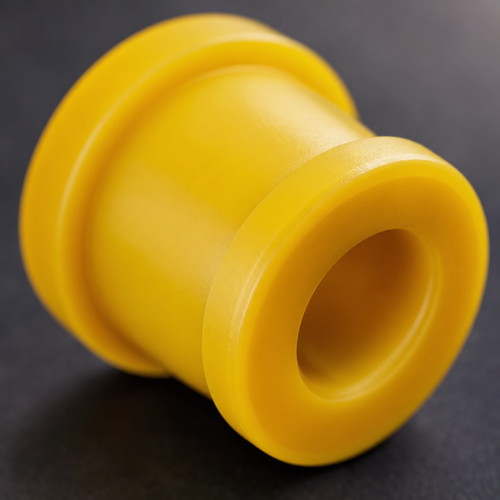
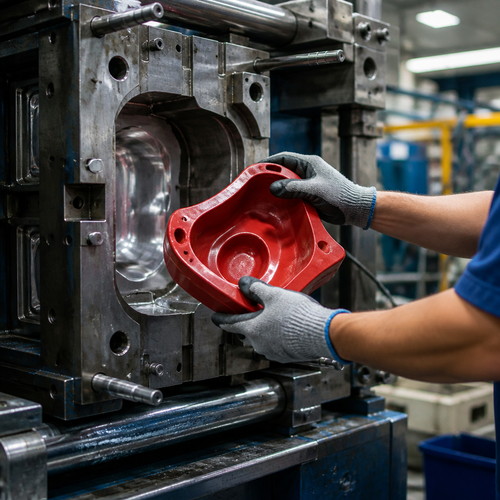
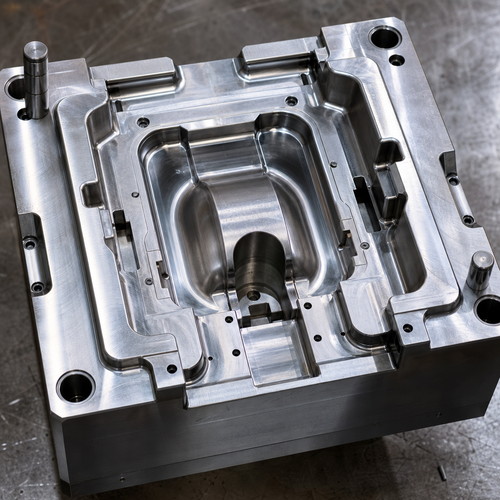
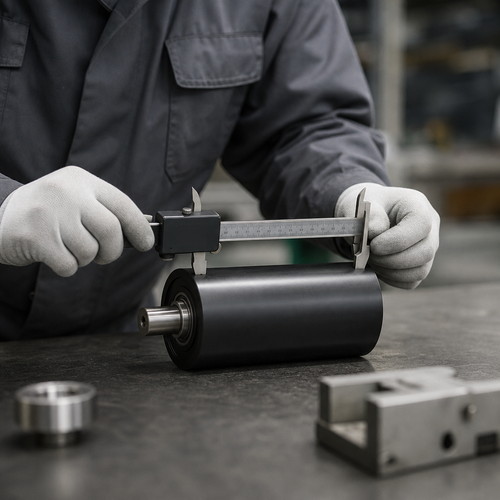
Dental Customized Parts
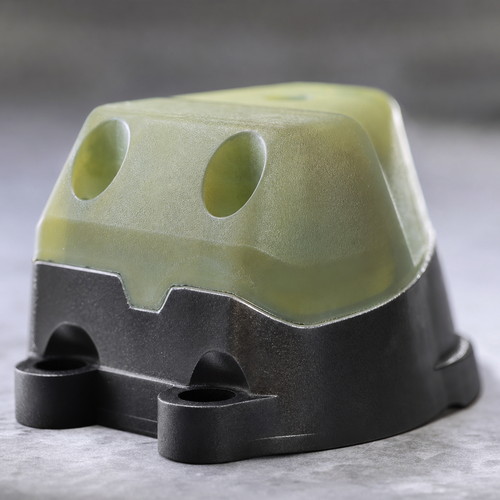
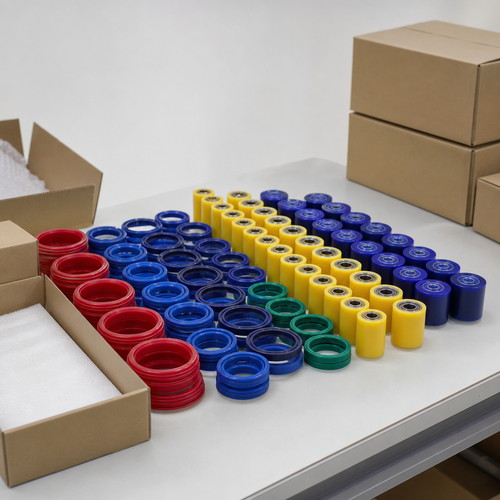
P&M produces dental customized parts by precision injection molding: medical-grade resins, cleanroom molding, ±0.01 mm tolerances and ISO 13485-validated tooling, from micro scaler housings to autoclave-safe handles and single-use chair-side components.
Send Inquiry
Product Description
P&M has spent more than fifteen years molding small, high-precision plastic components for regulated industries, and dental customized parts have become one of our fastest-growing program families. Dental OEMs rarely buy from a catalog. A suction tip has to match a specific chair geometry, a scaler housing has to survive thousands of autoclave cycles without crazing, and an impression tray has to fit a documented orthodontic workflow. Each of those requirements turns a generic plastic moulding into a dental customized part.
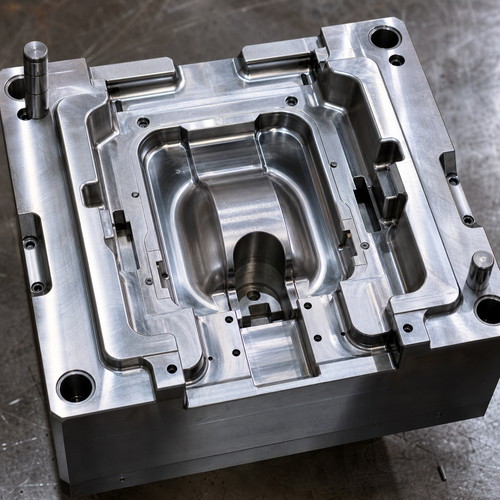
Our work starts with the file, not the mould. We review the customer's 3D model and functional requirements, run design-for-manufacture analysis, propose wall thickness, draft angle and gating improvements, and only then cut steel. That discipline is what keeps dental customized parts economical at 50,000 or 5,000,000 pieces a year instead of merely beautiful in CAD.
P&M has spent more than fifteen years molding small, high-precision plastic components for regulated industries, and dental customized parts have become one of our fastest-growing program families. Dental OEMs rarely buy from a catalog. A suction tip has to match a specific chair geometry, a scaler housing has to survive thousands of autoclave cycles without crazing, and an impression tray has to fit a documented orthodontic workflow. Each of those requirements turns a generic plastic moulding into a dental customized part.
Our work starts with the file, not the mould. We review the customer's 3D model and functional requirements, run design-for-manufacture analysis, propose wall thickness, draft angle and gating improvements, and only then cut steel. That discipline is what keeps dental customized parts economical at 50,000 or 5,000,000 pieces a year instead of merely beautiful in CAD.
P&M Dental Customized Parts Molding Introduction
Dental practices and dental OEMs work inside a narrow corridor. On one side sits clinical performance: a part must not leak, crack, discolor, deform in an autoclave or shed particles into a patient's mouth. On the other side sits cost per procedure, because most chair-side items are single-use and consumed in enormous volumes. Customization is what allows both requirements to be satisfied at the same time, which is why dental customized parts now represent a growing share of the molded components inside modern dental equipment.
Any injection-molded plastic component designed to a single customer's specification and used in dental treatment, diagnosis or laboratory workflow qualifies. In practice, P&M produces four families of dental customized parts:
- Chair-side disposables such as suction tips, saliva ejectors, prophy angles, fluoride and whitening trays, where unit cost and consistent quality decide the program.
- Instrument components such as scaler housings, handpiece grips and connectors, curing light bodies and mirror handles, where heat resistance and grip ergonomics matter most.
- Equipment and housing parts such as dental unit covers, armrest pads, water-line fittings, cassette trays and sterilizer accessories, where appearance and long service life drive the specification.
- Laboratory and orthodontic accessories such as impression tray frames, articulator components, model bases, aligner and retainer cases, where dimensional stability across thousands of identical pieces is essential.
The reason these parts are molded rather than machined or printed is straightforward. At production volumes, injection molding delivers a far lower cost per piece, cavity-to-cavity repeatability, tight tolerances, a cosmetic as-molded surface and access to the full range of medical-grade engineering resins. Printed prototypes are excellent for fit checks; the molded part is what ships in a sterile pouch.
Material selection is the decision that most often determines whether a dental customized part succeeds in the field. The table below summarizes the grades P&M molds most frequently for dental customers.
| Material | Typical dental use | Why it is chosen | | --- | --- | --- | | PPSU | Instrument housings, cassette trays | Steam-autoclave resistant to 134 °C, tough, translucent | | PEEK | High-end instrument components | Extreme temperature and chemical resistance, rigid | | PEI (Ultem) | Handpiece and equipment parts | Dimensional stability, high stiffness, autoclavable | | Medical PC | Mirror handles, equipment covers | Clarity, impact strength, low cost, gamma-stable grades | | ABS / ABS-PC | Dental unit covers, casings | Cosmetic finish, moldability, color flexibility | | POM | Precision mechanical parts | Low friction, good wear, tight tolerance | | PP | Single-use trays, fittings | Low cost, chemical resistance, weldable | | TPE / TPV | Soft grips, overmolded seals | Shore hardness choice, tactile feel, sealing | | LSR | Seals, gaskets, soft tips | Wide temperature range, biocompatible, inert |
The development path for dental customized parts follows a fixed sequence at P&M. First, DFM and material review, including a written report on wall sections, draft, shrinkage, gate location and any risk of warpage. Second, tooling design and manufacture, in single-cavity pilot tools or multi-cavity hot-runner production tools depending on volume. Third, T1 sampling with dimensional reports, followed by refinement until the drawing is met. Fourth, validation: dimensional layout, functional testing, cleaning and sterilization trials, and IQ, OQ and PQ documentation when the customer needs process validation. Fifth, production in a controlled environment, with packaging in pouches, trays or Tyvek lids as required.
Customization is usually driven by one of four pressures. The first is clinical fit, when an off-the-shelf tip or tray cannot reach a site or accommodate a patient group. The second is equipment integration, when a component must interface with a proprietary chair, handpiece or imaging unit. The third is cost, when a machined or purchased assembly is replaced by a single molded piece. The fourth is branding, when color, logo and packaging must be controlled by the OEM. P&M structures tooling and documentation around whichever of these pressures dominates, and we keep the pilot tool compatible with later multi-cavity scale-up so that a part proven at low volume does not have to be redesigned when demand grows.
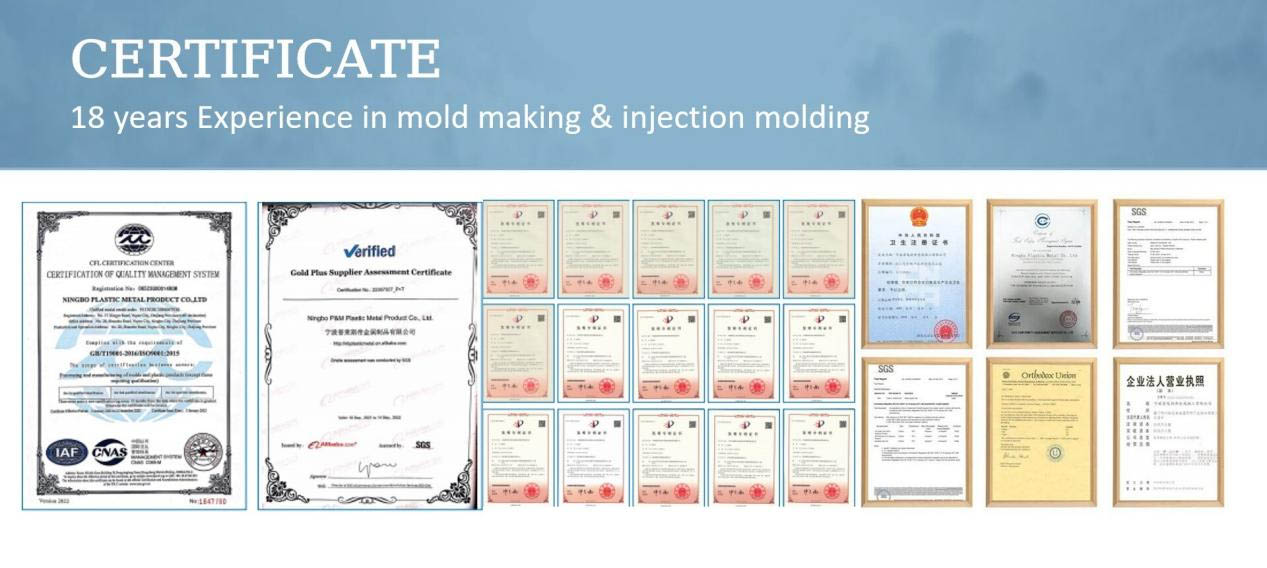
Regulatory support runs alongside every step. P&M operates an ISO 13485:2016 quality management system, maintains ISO 9001 certification and works inside an FDA-registered facility. Depending on the program, we supply ISO 10993 biocompatibility data, USP Class VI resin documentation, RoHS and REACH declarations, resin lot certificates, colorant masterbatch traceability and technical file material for EU MDR submissions. Every dental customized part leaves the plant with a lot number that links back to resin batch, machine, tool, cavity and molding parameters.
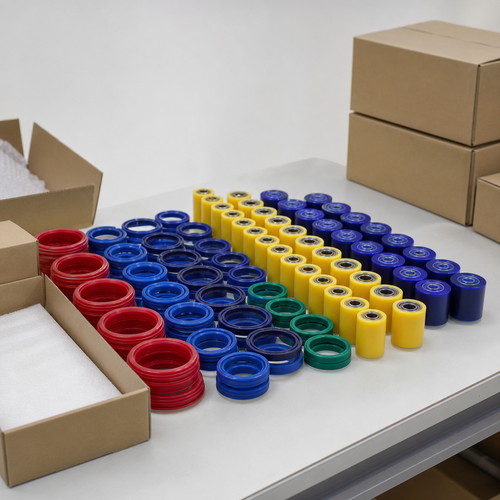
P&M Dental Customized Parts Molding(Specification)
|
Mould Name |
Dental Customized Parts Molding |
|
We promise |
All customer-centric, never for short-term profit, and sell long-term benefits |
|
We produce |
Mold, prototype, injection molding, product assembly, surface printing, spraying the surface integration |
|
Pls provide |
2D, 3D, samples, or the size of the multi-angle pictures |
|
Mould Time |
About 25 working days |
|
Product time |
7-15 Days |
|
Moud precision |
±0.1mm |
|
Mould life |
50-100 million shots |
|
Producing Process |
Audit drawings - mold flow analysis - design validation - Custom Materials - mold processing - core processing - electrode machining - Runner system processing - parts processing and procurement - machining acceptance - cavity surface treatment process - complex mode Die - The entire mold surface coating - Mounting plate - mold sample - sample test - sending samples |
|
Mould cavity |
One cavity, multi-cavity or same different products be made together |
|
Mould material |
P20,2738,2344,718,S136,8407,NAK80,SKD61,H13 |
|
Runner system |
Hot runner and cold runner |
|
Base material |
P20,2738,2344,718,S136,8407,NAK80,SKD61,H13 |
|
Finish |
Pitting the word, mirror finish, matte surface, striae |
|
Standard |
HASCO, DME or dependent upon |
|
Main thechnology |
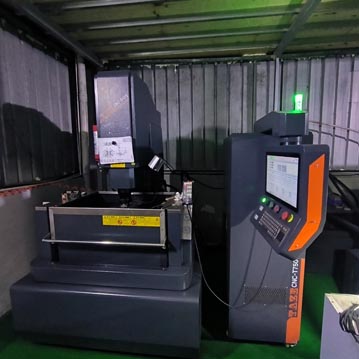
Milling, grinding, CNC, EDM, wire cutting, carving, EDM, lathes, surface Finish, etc. |
|
Software |
CAD,PRO-E,UG Design Time: 1-3 days (normal circumstances) |
|
Product material |
Food grade plastic raw materials |
|
Origin |
Made in China |
P&M Dental Customized Parts Feature And Application
The value of a custom molding program is measured in the field, not on the quotation. The following features are what dental OEMs most often ask P&M to guarantee.
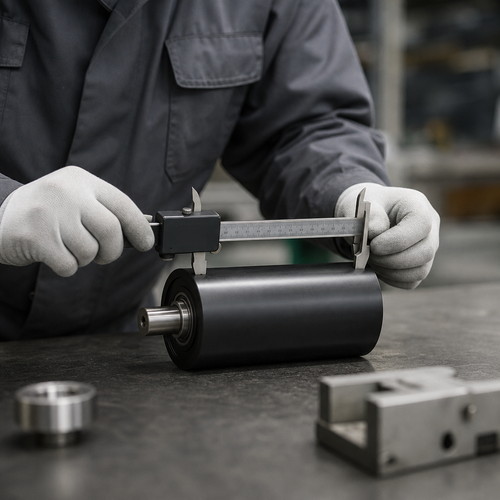
Precision and repeatability. Critical features are held to ±0.01 mm where the function demands it, with Cp and Cpk studies above 1.33 on key dimensions. Cavity-to-cavity consistency is verified on every sampling round, and production runs are monitored with statistical process control so that part fifty thousand behaves exactly like part fifty.
Autoclave and disinfection durability. Reusable dental customized parts are molded from PPSU, PEEK and PEI grades that withstand repeated 134 °C steam cycles without cracking, hazing or losing mechanical strength. We also test resistance to alcohols, quaternary ammonium disinfectants, hydrogen peroxide and ortho-phthalaldehyde, because chemical stress cracking, not heat, is the most common failure mode in the field.
Biocompatibility. Where a part contacts mucosa or tissue, we mold resins supported by ISO 10993-5 cytotoxicity, 10993-10 irritation and sensitization, and 10993-11 systemic toxicity data, plus USP Class VI options. Latex-free, DEHP-free and BPA-free formulations are available for programs that require them.
Cleanroom molding. Class 7 and Class 8 cleanrooms house dedicated presses for dental work, with no external mold release agents, controlled particle counts, gloved handling and packaging in the same controlled environment to keep contamination risk low.
Design freedom and part integration. Multi-shot and overmolding processes add soft-touch grips, sealing lips and color-coded buttons in a single cycle. Insert molding locks stainless steel threads, pins or magnets into the plastic. Snap fits, living hinges, internal fluid channels, thin walls down to 0.3 mm and micro parts under 0.1 g are all routine in our dental molding programs.
Identification and branding. Parts can be color-coded by procedure, practice or product line, laser marked with lot and date codes, pad printed with brand marks, or supplied with in-mold labels that survive sterilization.
Functional additives. Radiopaque compounds using barium sulfate or tungsten make imaging accessories visible on X-ray, silver-ion masterbatches add antimicrobial surface performance, and glass-fiber reinforcement raises stiffness in thin structural sections.
Traceability and documentation. Each production lot is recorded with resin batch, drying profile, machine, tool, cavity, operator and inspection results, retained for ten years. PPAP-style packages, first article inspection reports and certificates of conformance travel with the shipment.
Application areas for dental customized parts span the whole operatory and laboratory:
- Preventive and chair-side. Prophy angles, suction tips, saliva ejectors, high-volume evacuation adaptors, fluoride trays, whitening trays, mouth guards and dental dam frames.
- Restorative and endodontic. Matrix ring components, file handles, composite dispensing tips, X-ray film and sensor holders, bite blocks and endodontic irrigation accessories.
- Orthodontic and laboratory. Impression tray frames, aligner and retainer cases, articulator parts, model bases, mixing bowls and laboratory organizing trays.
- Equipment and instrumentation. Ultrasonic scaler housings, handpiece grips and connectors, curing light bodies, dental unit covers, armrest pads, water-line fittings, instrument cassette inserts and sterilizer accessories.
- Imaging and diagnostics. Intraoral sensor housings, positioning blocks, panoramic and cephalometric machine covers and protective transparent shields.
Behind these applications sits a manufacturing system built for consistency: steel tooling with hardened cores, automated robots for high-volume programs, in-line vision inspection, leak and flow testing for fluid paths, and full dimensional layouts performed in a temperature-controlled metrology room.
Prototyping support shortens the path to a validated part. P&M can start from a machined or 3D-printed prototype for fit and clinical feedback, then move to a pilot tool for functional testing and sterilization trials before committing to production steel. Tooling for a straightforward dental customized part usually delivers T1 samples in four to six weeks, and because presses, drying systems and metrology equipment sit under one roof, changes requested after a trial fitting are implemented without weeks of logistics. Customers receive sample reports, dimensional layouts and photographs at every milestone.
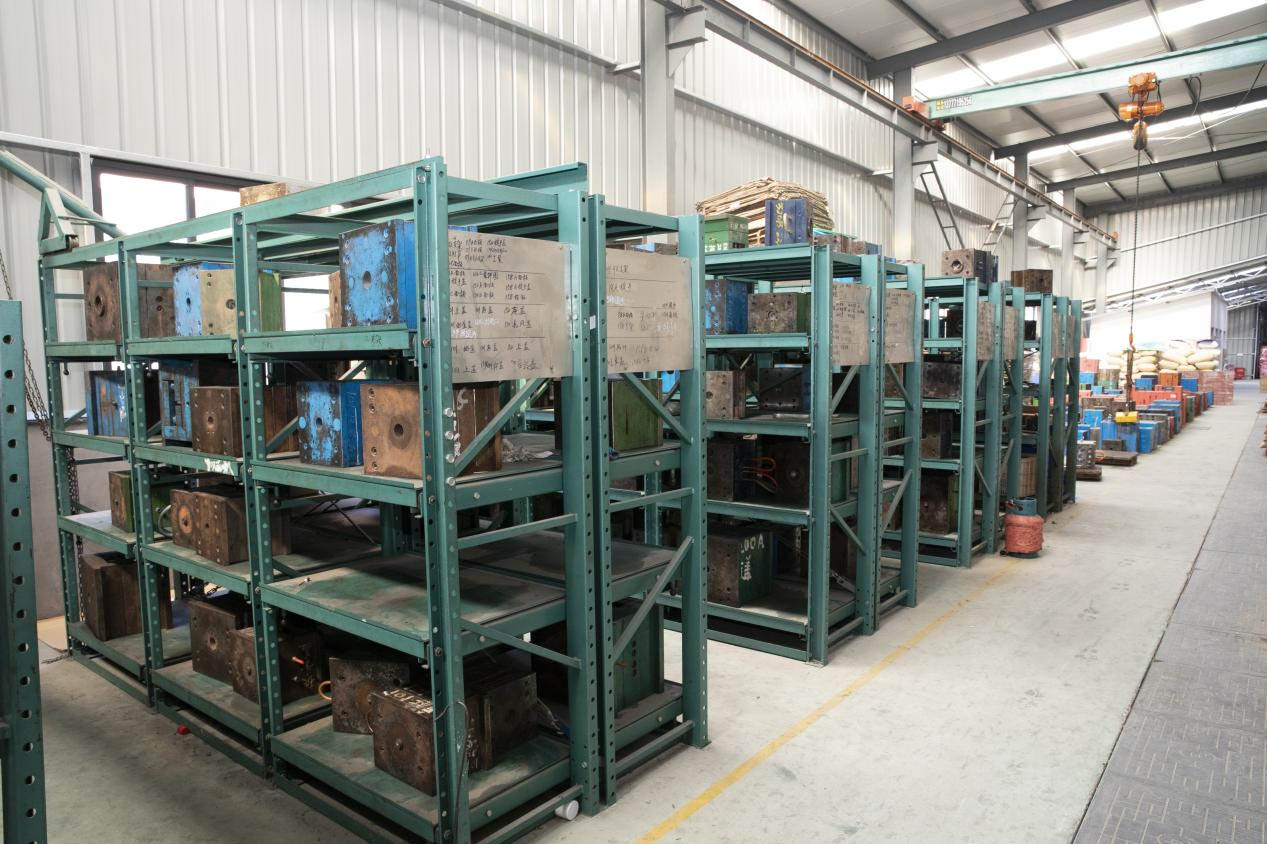
Supply continuity receives the same attention as the first sample. P&M holds spare cavities, maintains tooling in-house, keeps approved resin grades on standing inventory and cross-trains molding teams on each dental program, so a validated part is never interrupted by a single machine, operator or resin lot. For OEMs with seasonal peaks or tender-driven demand, we reserve press capacity in advance and document it in the supply agreement.
Cost engineering is part of the brief, not an afterthought. P&M reviews cavity count, hot-runner layout, family tooling, cycle time, regrind policy and packaging with each customer, because a well-designed tool can cut unit cost by thirty percent or more while improving dimensional consistency at the same time.
Starting a program is simple. Send your STEP or IGES file, a drawing with critical dimensions, the annual volume, the sterilization method and any regulatory requirements. P&M will reply with a DFM report, material options, a tooling plan, sampling lead time and a transparent piece price. Whether you need a micro-molded scaler component or a multi-cavity cleanroom program running millions of chair-side disposables, our team can take the part from concept to validated production and keep it there, order after order.
Contact P&M to discuss your next dental customized parts project and receive a same-week feasibility assessment from our engineering team.
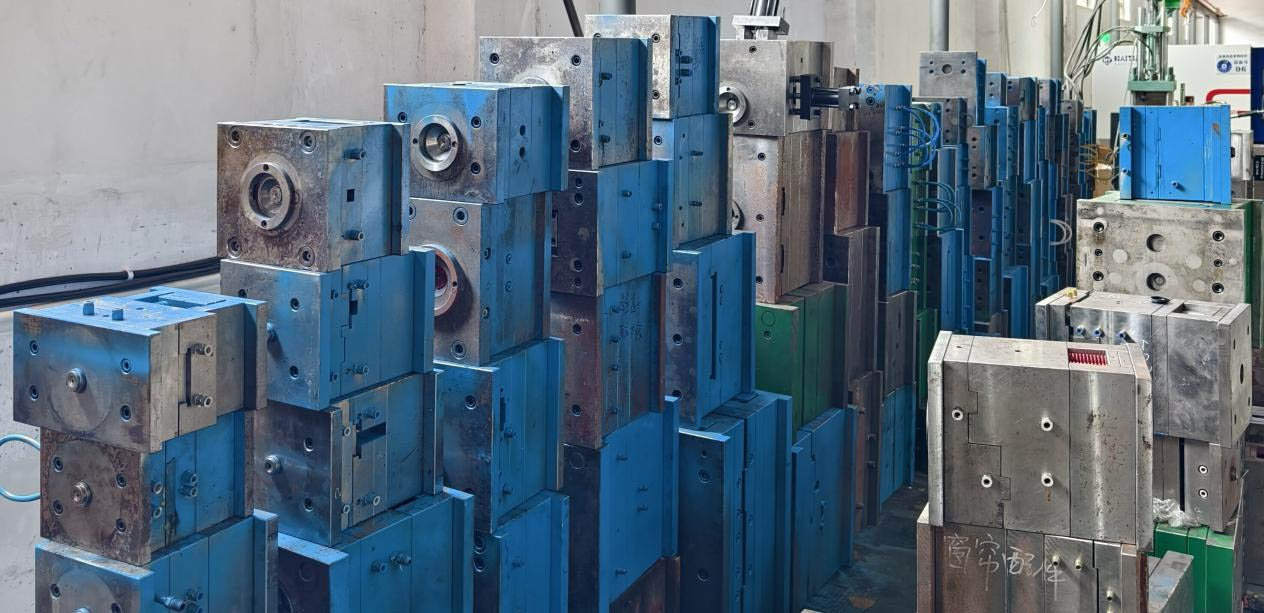
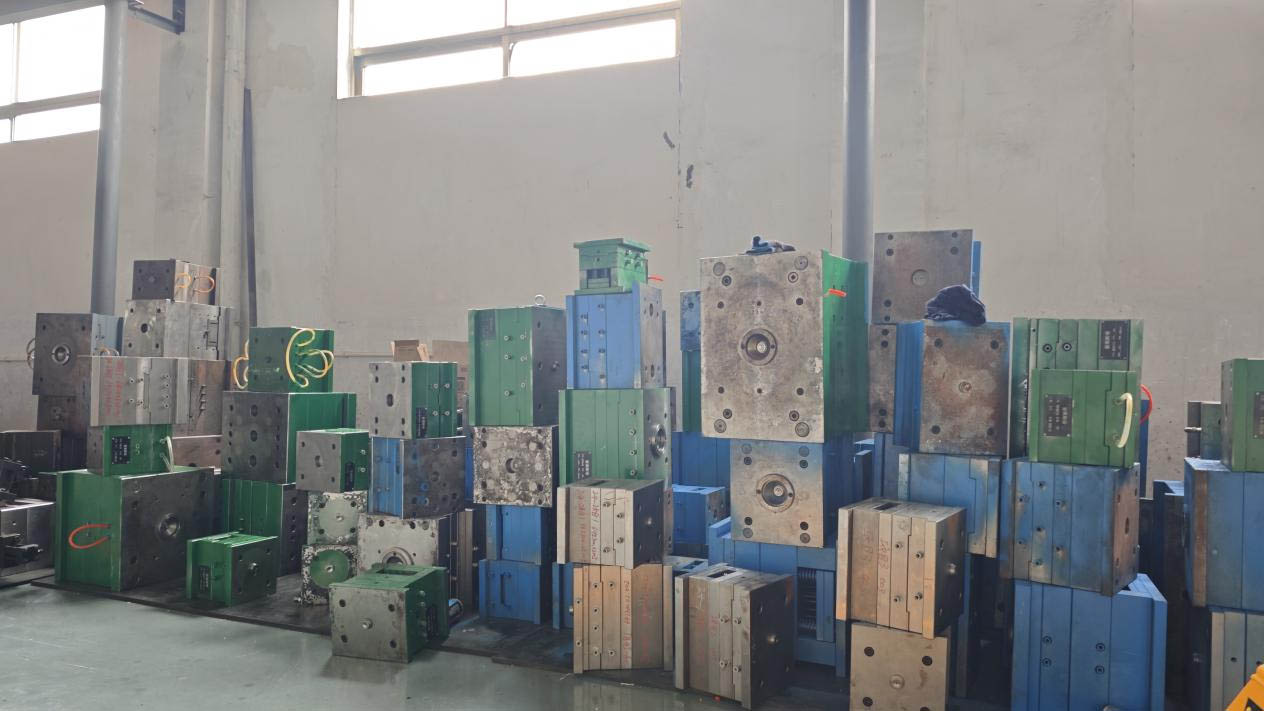
Customization Process
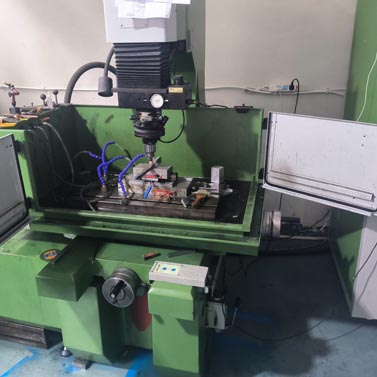
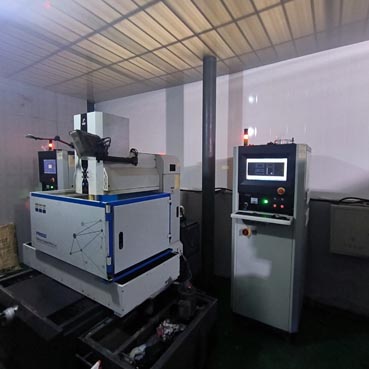
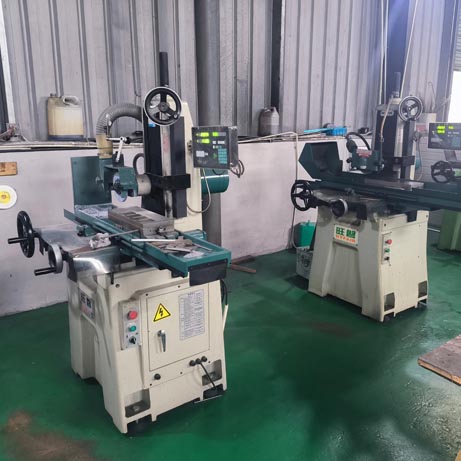
Factory&About US
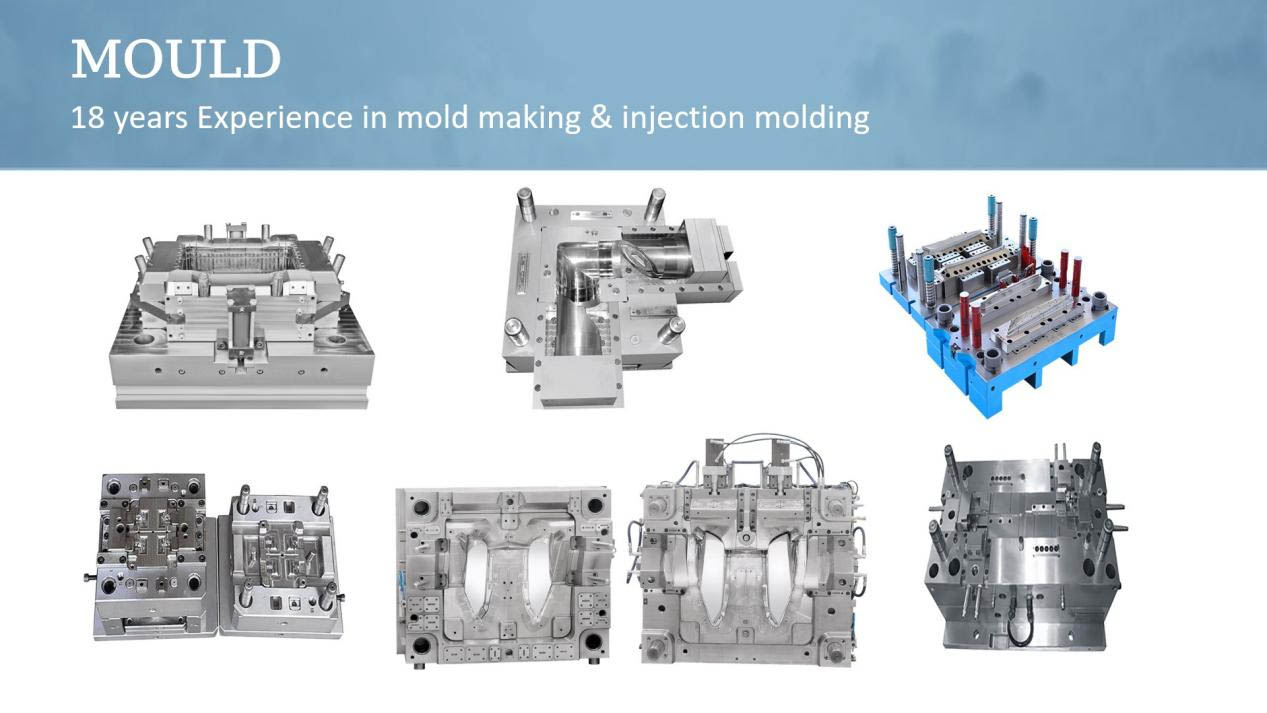
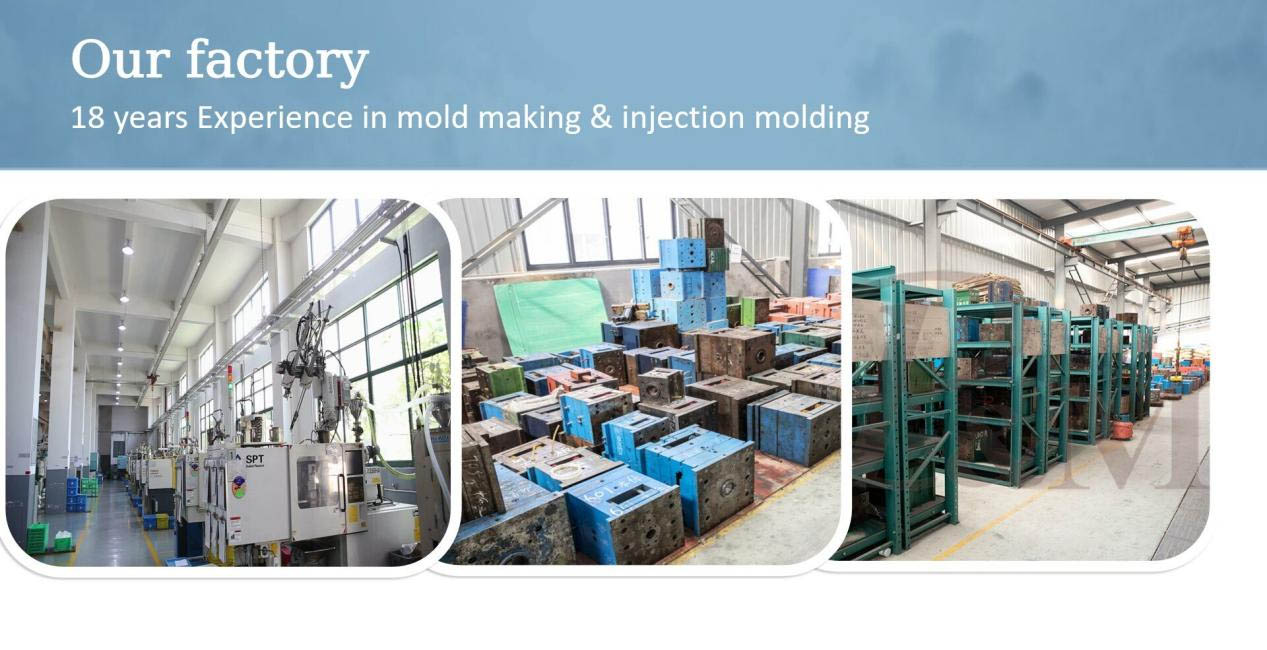
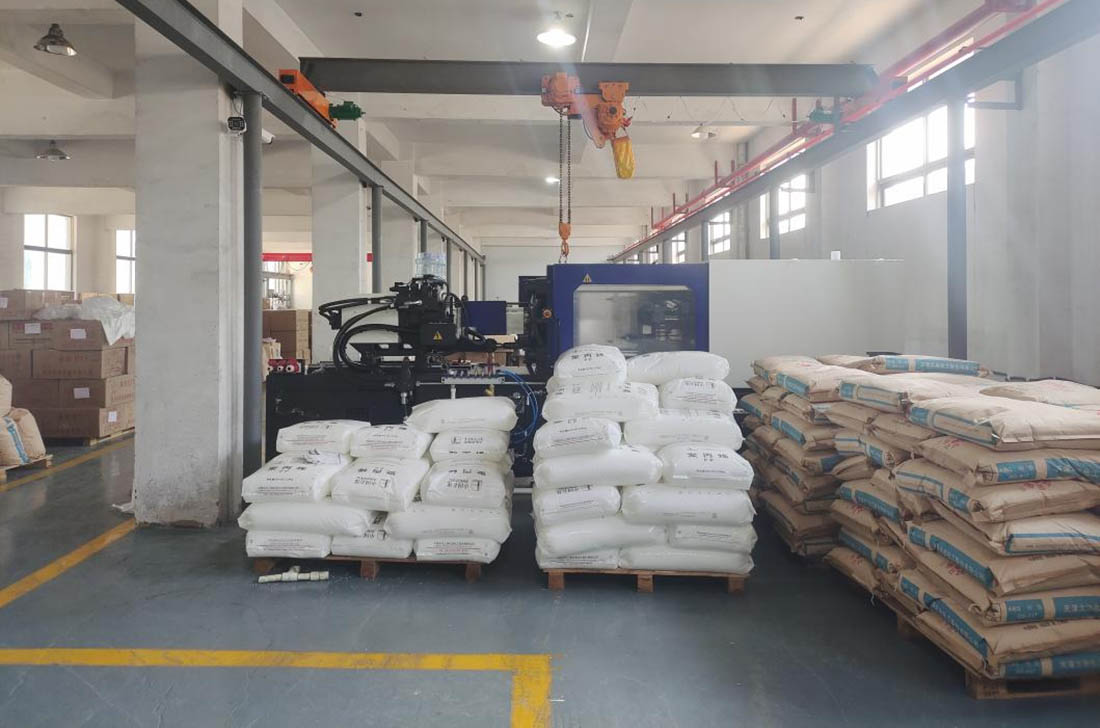
NingBo Plastic Metal Product Co.,Ltd (P&M) is located in Yuyao, the so-called Mould City, Plastic Kingdom, in the southern tip of Hangzhou Bay Bridge,north of Shanghai, the east of Ningbo Port,tight double line of State Road 329 on land, sea and air trafic into a network to facilitate transport.
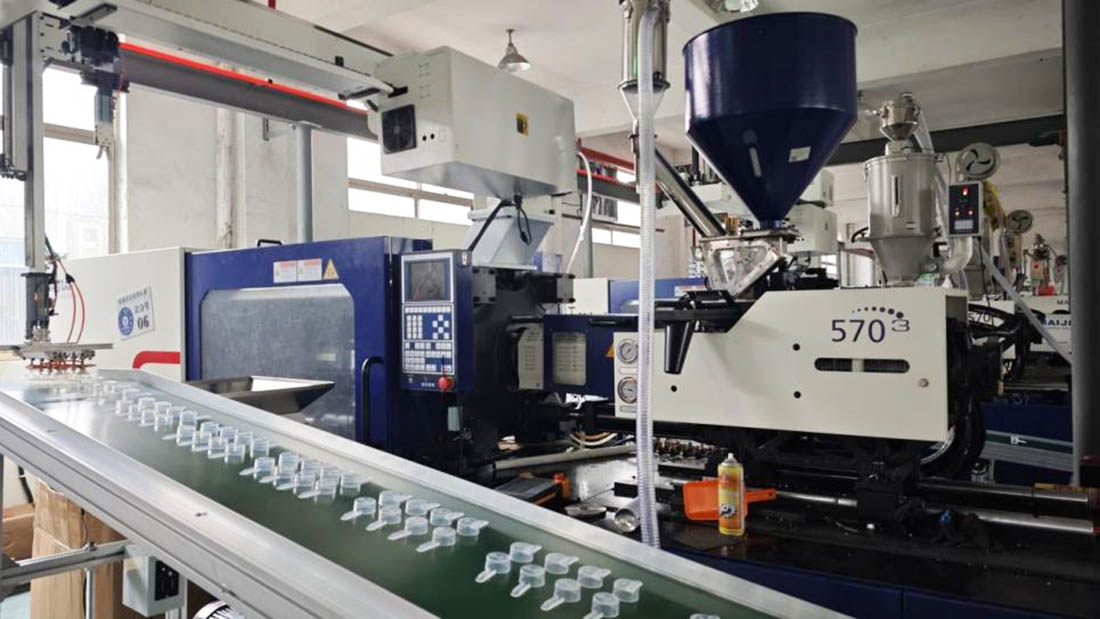
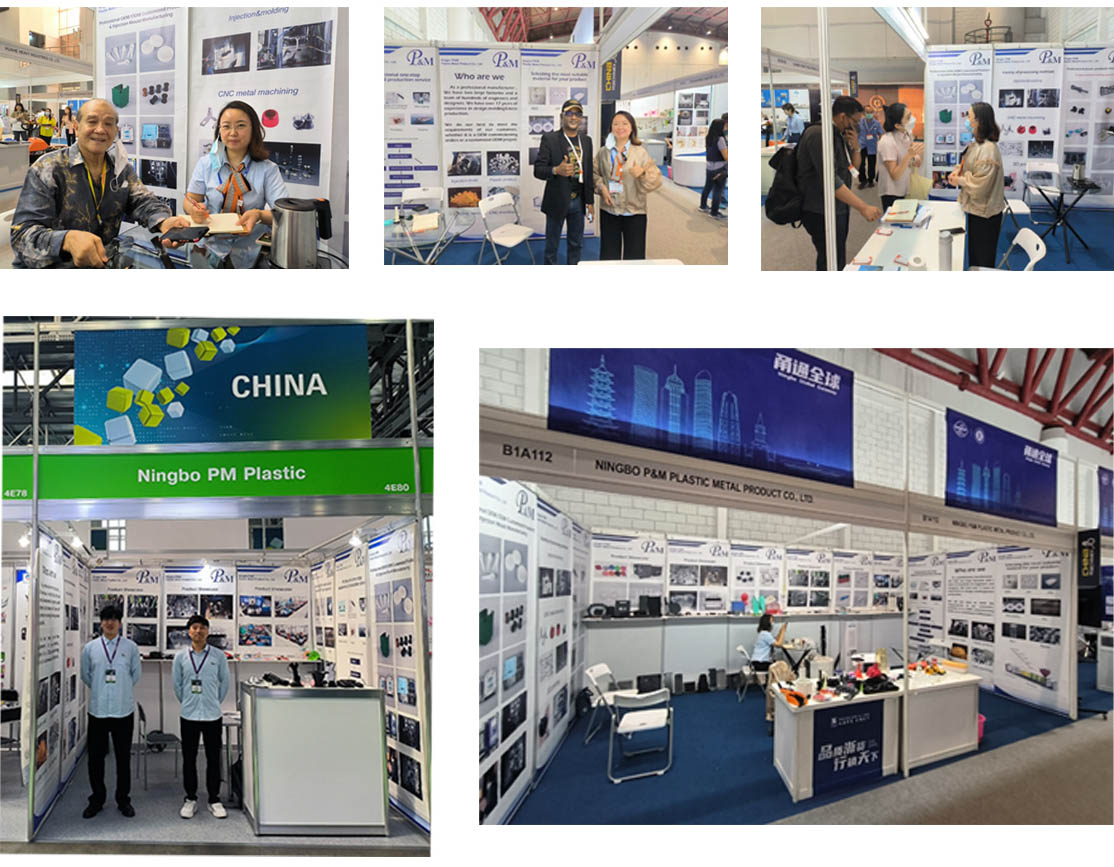
By the abundant technical strength,scientific management methods and good after-sales service, product deeply trusted and welcomed by customers from all over the world. P&M holds improved system of development and production, to achieve mold design, plastic products manufacturing and automatic production. Our main products is design and manufacturing of plastic mold, plastic product, metal product. 90% products of our enterprise are exported to America, Europe, Germany, Japan, Australia, etc. For many years, the company has been committed to the research of raw materials. The company has its own trademark and dozens of patents, providing more convenient technical support for mold making and product production. P&M started domestic business from 2008,named Shundi Mould Factory. And opened the international market from 2014. We always adhere to the principles of quality first and time first. While providing customers with the highest quality products, try to maximize the production efficiency and shorten production time. We are proud to tell every customer that our company has not lost any customer since its establishment.If there is a problem with the product, we will seek a solution actively and take responsibility to the end.
P&M adheres to market-oriented to the quanlity of life and focus on quality service and continuous development of new products,determined to establish a better corporate image,and our friends at home and abroad to carry a wide range of business exchanges and cooperation, create brilliant.
Packing
Packaging according to your needs
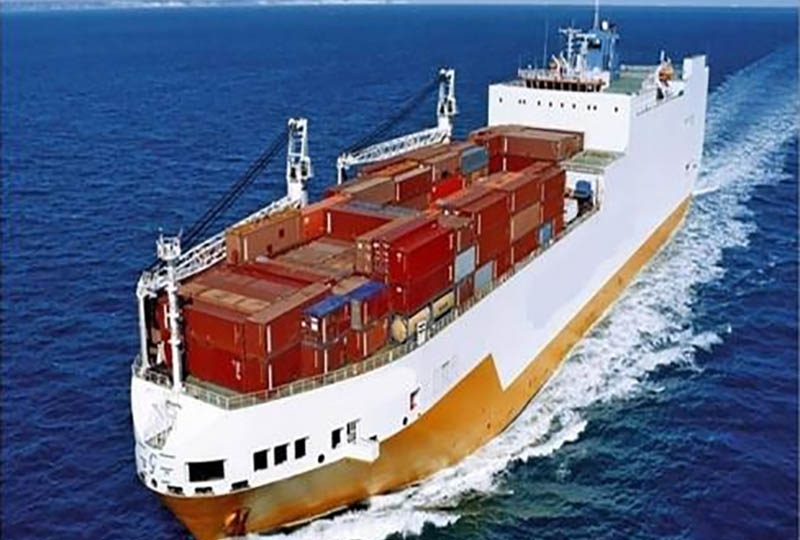
1. By air ,it takes 3-7 days for delivery.
The goods can be shipped by DHL , Fedex , UPS .
2. By sea ,the delivery time is based on your port.
To South East Asian Countries takes about 5-12 days.
To Middle east countries takes about 18-25 days.
To European countries takes about 20-28 days.
To American countries takes about 28-35 days.
To Australia takes about 10-15 days.
To African countries takes about 30-35 days.
P&M Bike parts, centered around children, balances safety, health, and fun, aiming to add a bright color to children's beautiful childhood. We look forward to working together with you to serve our children.
The path of a child's growth is paved with bricks and tiles.

FAQ
1.Who are we?
We are based in Zhejiang, China, start from 2014,sell to North America(30.00%),Southern Europe(10.00%),Northern Europe(10.00%),Central America(10.00%),Western Europe(10.00%),Mid East(10.00%),Eastern Europe(10.00%),South America(10.00%). There are total about 51-100 people in our office.
2.How can we guarantee quality?
Always a pre-production sample before mass production;
Always final Inspection before shipment;
3.What can you buy from us?
Mould, Plastic Product, Metal Product, Dental Product, CNC machining.
4.Why should you buy from us not from other suppliers?
We main do all kinds of 3d design, 3d printing and plastic metal molds tooling and products. We have our own engineer and factory. One-stop supply: 3d design - 3d printing - mold making - plastic injection.
5.What services can we provide?
Accepted Delivery Terms: FOB,CFR,CIF,EXW,FCA,DDP,DDU;
Accepted Payment Currency: USD, EUR;
Accepted Payment Type: T/T,L/C,PayPal,Western Union,Escrow;
Language Spoken:English,Chinese,Spanish,French,Russian.
6.What are the characteristics of your service?
1. Your inquiry related to our products or prices will be replied within 24 hours.
2. Well-trained and experienced staffs to answer all your enquiries in fluent English.
3. Offering the support to solve the problem in the application or selling period.
4. Competitive prices based on same quality.
5. Guarantee samples quality same as mass production quality.
Hot Tags: Dental Customized Parts, China, Manufacturer, Supplier, Factory, Customized, Wholesale, Buy, Quality, Latest Selling, Made in China
Related Category
Send Inquiry
Please feel free to give your inquiry in the form below. We will reply you in 24 hours.