
Home
>
Product > Core Customization Service > Custom Molding > Hardened steel production molds (e.g., H13, S136)
Product
- Core Customization Service
- Health Care
- Electronic Appliances and Instruments
- Maternal and Child Supplies Molds
- Recreational Sports
- Home Furnishing Art
- Auto Accessories
- Transportation and Warehousing
- Lighting Fixtures
- Construction Equipment
- Packaging Product
- Educational & Laboratories
- Clothing Luggage Accessories
- Care and Cleaning Products
- Agriculture & Forestry
- Mechanical Equipment
- Pet Supplies
- Kitchenware
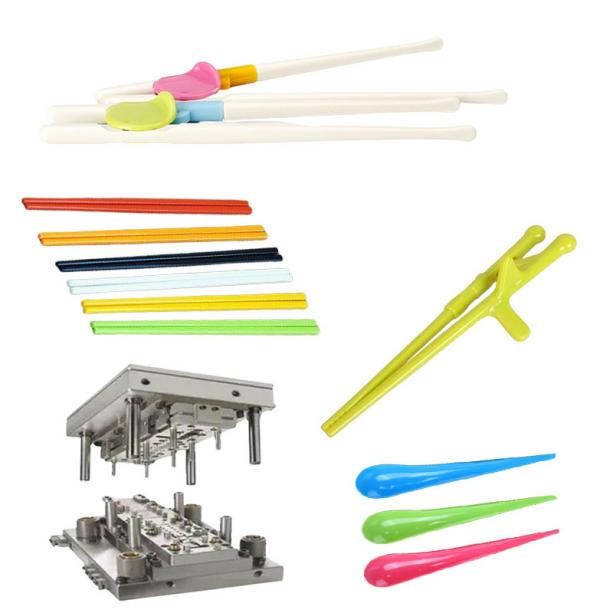
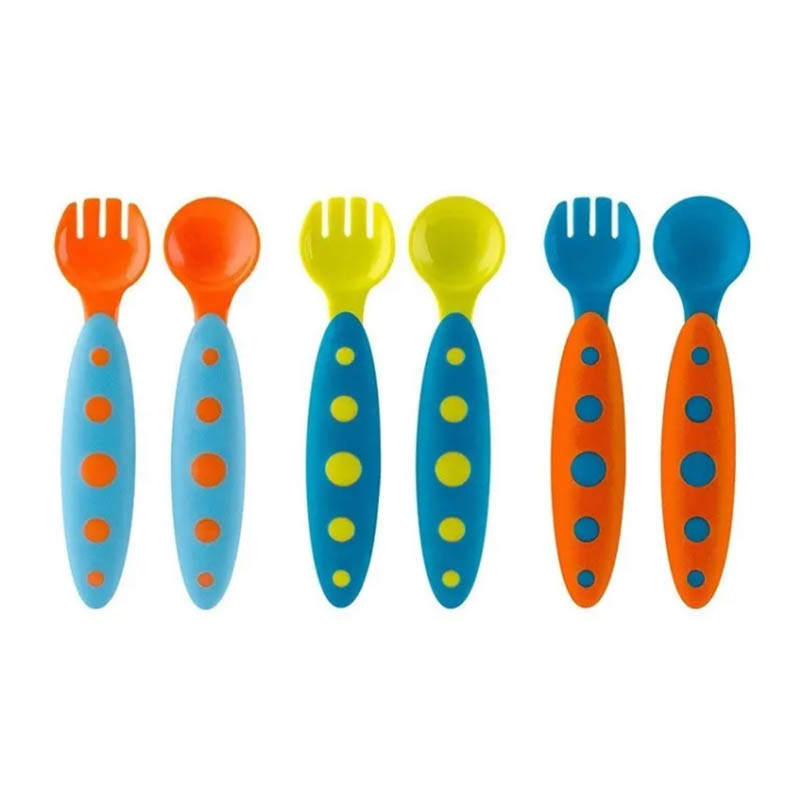


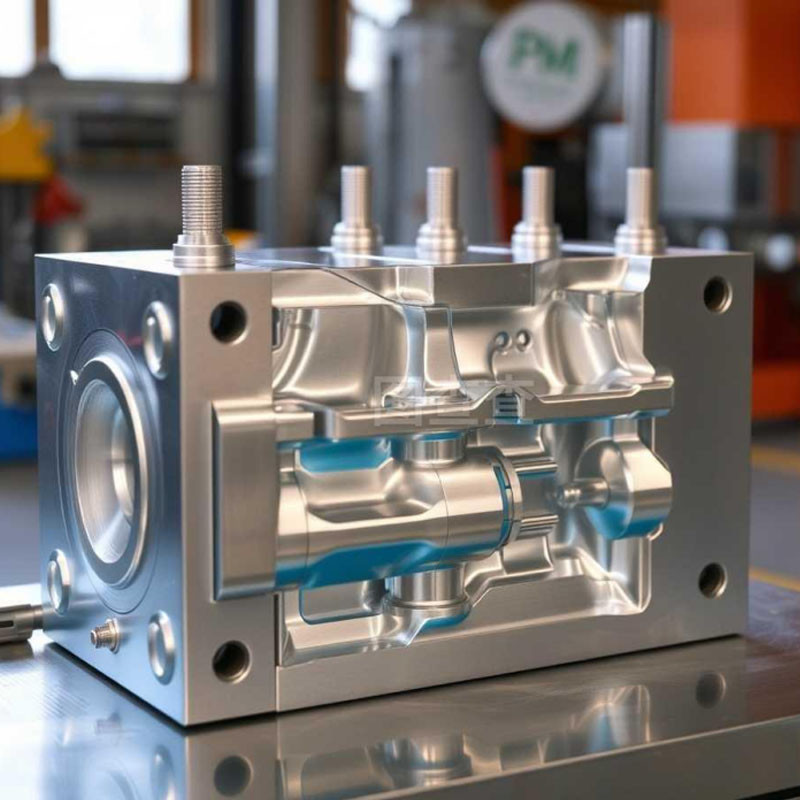
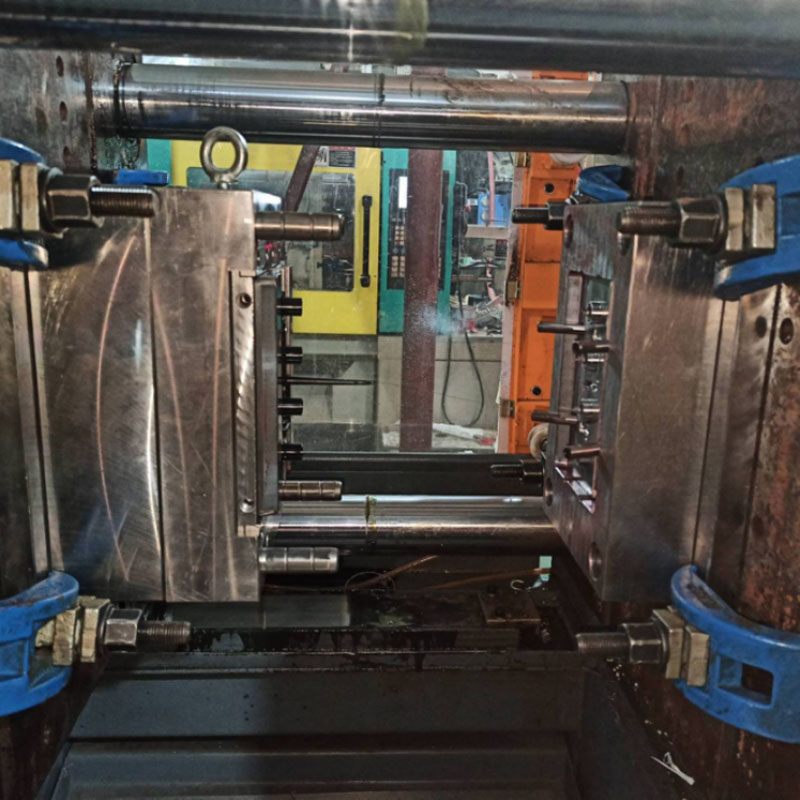
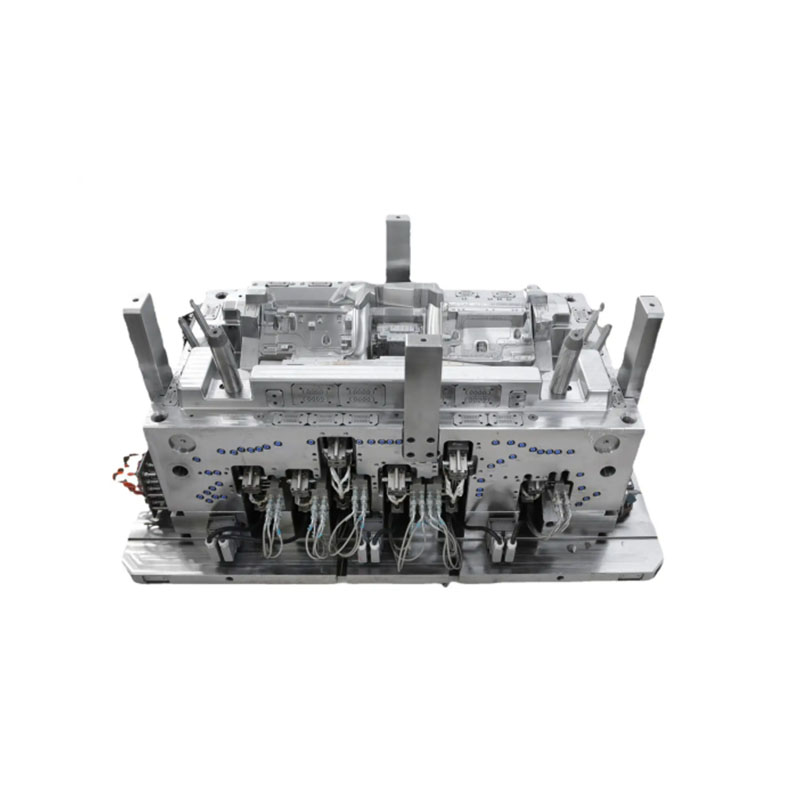
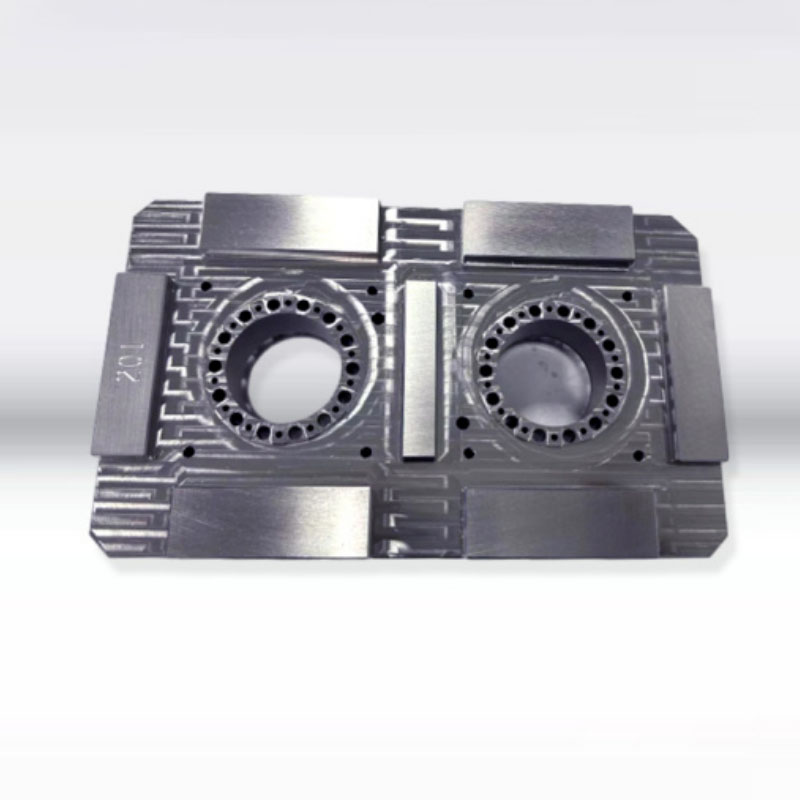
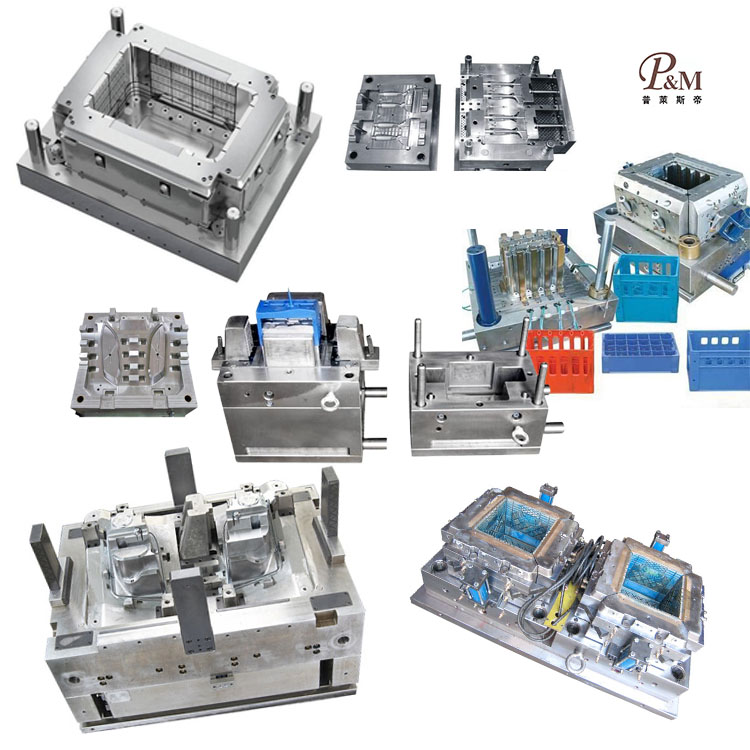
Hardened steel production molds (e.g., H13, S136)
Ningbo (P&M) Plastic Metal Products Co., Ltd. has 17 years of mold manufacturing technology and can customize custom motorcycle parts moulding. We provide professional customized custom motorcycle parts moulding services, and we are a professional custom motorcycle parts moulding manufacturer. We have sufficient experience in selecting product raw materials and mold materials. In the process of customizing custom motorcycle parts moulding, our factory can provide one-stop service. We have design and production capabilities related to custom motorcycle parts moulding, such as: CAD design, mold manufacturing, injection molding, plastic product production, assembly and other technologies.
Send Inquiry
Product Description
In addition, our company has established cooperative relationships with plastic raw material suppliers, printing manufacturers, etc. to ensure the supply of raw materials and printing quality. Through our rich experience and perfect supply chain, our company can provide customers with high-quality customized custom motorcycle parts moulding products to meet their specific needs. At the same time, we have 10 years of professional foreign trade service experience, understand the foreign trade process, and better serve our customers. For custom motorcycle parts moulding products, we can make corresponding plastic parts, which is mainly done through injection molds Hardened steel production molds (e.g., H13, S136).


Motorcycle plastic components primarily comprise exterior fairings, protective panels, light housings, instrument clusters, battery boxes, storage compartments, footrest covers, and windshields. Subjected to complex operating conditions—including prolonged outdoor exposure to sunlight and rain, alternating high and low temperatures, vibration and impact, and splashing mud and water—these parts demand far higher standards regarding materials, structural design, manufacturing processes, and durability than do ordinary home appliances or consumer electronics. To successfully customize motorcycle plastic components that are qualified, stable, and perfectly integrated with the vehicle, manufacturers must strictly control six core factors: operating environment, material performance, structural strength, assembly precision, exterior weather resistance, and cost-effective mass production. These factors are detailed as follows:
I. Key Considerations for Material Selection: Tailored for Outdoor Conditions; Weather and Impact Resistance Are Paramount
The choice of materials for motorcycle plastic components directly determines their service life and operational reliability. Priority must be given to satisfying four fundamental requirements: weather resistance, impact resistance, tolerance to extreme temperatures, and chemical resistance.
Exterior fairings—such as the main body shell, side covers, protective panels, and tail sections—are the most commonly customized components. Since they are constantly exposed to the elements, they must possess excellent UV resistance and anti-aging properties. Common materials used for these parts include ABS, modified PP, PC/ABS alloys, and ASA. Among these, ASA offers superior weather resistance; it is highly resistant to yellowing, cracking, and chalking even after prolonged sun exposure, making it ideal for high-end motorcycle models. Modified PP is cost-effective, highly tough, and resistant to acids and alkalis, making it suitable for fairings on standard or general-purpose models. ABS offers excellent moldability and a high-gloss finish, making it the preferred choice for models where aesthetic texture and visual quality are critical requirements.
Structural and functional components—such as battery boxes, relay brackets, air filter housings, and footrest baseplates—must withstand vibration, compression, and insertion/extraction forces. Consequently, they require high rigidity and resistance to deformation. These parts typically utilize glass-fiber reinforced materials—such as reinforced PP, PA6+GF, and PA66+GF—which offer high strength, dimensional stability, and fatigue resistance, ensuring they remain intact and secure even after prolonged use in high-vibration environments. Housings for lighting fixtures and instrumentation require excellent light transmission, high dimensional precision, and heat resistance to prevent deformation; consequently, PC and PMMA materials are frequently employed. PC offers superior impact resistance and weatherability, making it suitable for lampshades and instrument casings, whereas PMMA boasts high light transmittance, rendering it ideal for instrument lenses and indicator light covers.
All materials must satisfy operational requirements across a wide temperature range—specifically **-20°C to 80°C**—to prevent brittle fracture in winter and softening or deformation in summer. Furthermore, components intended for outdoor use must incorporate UV-resistant anti-aging additives to ensure that no significant signs of aging appear after 2 to 3 years of outdoor exposure.
II. Key Principles of Structural Design: Balancing Strength, Assembly, and Injection Molding Feasibility
The structural design of plastic components for motorcycles necessitates striking a balance among aesthetics, mechanical strength, moldability, and ease of assembly. This approach aims to prevent subsequent issues—such as cracking, deformation, or poor fit—that may arise from design flaws.
First and foremost, it is essential to ensure uniform and appropriate wall thickness. Typically, wall thickness is maintained within the range of 2.0 to 3.0 mm; walls that are excessively thick are prone to sink marks, depressions, and deformation caused by uneven cooling, while walls that are too thin lack sufficient strength and are susceptible to fracture under vibration. Reinforcing ribs should have a thickness equivalent to 60%–70% of the main wall thickness and a height not exceeding 3 to 4 times the wall thickness; this configuration prevents surface sinkage while simultaneously enhancing vibration resistance.
Adequate draft angles must be incorporated into the design. Exterior surfaces should feature a draft angle of no less than 1°, while interior surfaces require a minimum of 0.5°. For deep-cavity panels or elongated decorative trims, the draft angle should be increased to 1.5°–2° to prevent surface drag marks, stress whitening, or sticking to the mold during the ejection process. All corners and edges must feature rounded transitions (fillets); specifically, internal corners should have a radius (R) of at least 0.5 mm, while the bases of snap-fit clips and screw bosses require a radius of at least 1 mm. This practice eliminates stress concentrations and prevents cracking caused by vehicle vibration during operation.
Assembly structures must be designed to integrate seamlessly with the motorcycle's overall mounting environment. Screw bosses should be reinforced with supporting ribs to prevent cracking during tightening. Snap-fit mechanisms should feature moderately angled barbs that provide balanced insertion and extraction forces, thereby ensuring a secure installation while facilitating easy disassembly. Finally, the tolerances for positioning holes and pins must be precise, with the mating clearance controlled within a tight range of 0.1 to 0.2 mm, to prevent excessive assembly gaps or noise-generating interference. Minimize complex undercuts, deep cavities, and irregular geometries; reduce the number of lifters and sliders; and simplify the mold structure to enhance mass production yields. Simultaneously, this approach prevents warping, deformation, and dimensional instability often caused by structural complexity.
III. Key Considerations for Mold Design and Injection Molding Processes: Ensuring Dimensional Stability and Aesthetic Consistency
The mold is the critical element in the custom manufacturing of plastic motorcycle components, directly impacting dimensional accuracy, surface quality, and production stability. For mold steel, pre-hardened grades such as P20 and 718H are prioritized to ensure a mold lifespan exceeding 300,000 cycles, thereby meeting the demands of mass production.
Runner and gate designs must be balanced; for multi-cavity molds, runner systems must be balanced to ensure consistent filling across all cavities. Gate locations should be concealed to avoid compromising the aesthetic appearance; for large-format cover panels, fan gates or edge gates are preferred to minimize weld lines and surface fiber exposure. Molds must be equipped with adequate venting channels—particularly at the ends of cavities, material flow convergence points, and deep rib sections—to prevent trapped-gas burn marks, short shots, and weak weld lines.
Cooling channels must be distributed uniformly to ensure stable mold temperatures and minimize temperature differentials, thereby reducing warping and deformation. This is especially critical for long, slender guards and large-area housings, where uneven cooling can easily lead to bending or twisting, negatively impacting the overall fit and assembly of the motorcycle.
Injection molding parameters must be precisely tuned according to the specific material used. For ABS and PC/ABS, barrel temperatures should be maintained between 200–240°C, with a mold temperature of 40–60°C. For PP materials, temperatures range from 180–220°C, with a mold temperature of 30–50°C. For glass-fiber-reinforced nylon, temperatures range from 250–280°C, with a mold temperature of 60–90°C. Injection pressure should be moderate: excessive pressure can cause flash (burrs), while insufficient pressure leads to short shots and prominent weld lines. Adequate holding pressure time is essential to compensate for material shrinkage and ensure dimensional stability, while sufficient cooling time prevents deformation during ejection.
IV. Key Considerations for Aesthetics and Surface Treatment: Scratch-Resistance, Weather-Resistance, and Long-Term Color Stability
Motorcycle exterior components demand high aesthetic standards while simultaneously requiring resistance to sunlight exposure, surface abrasion, and corrosion from mud and water. For surface finishes, priority should be given to durable processes such as the original injection-molded color, textured finishes (e.g., leather grain), matte spraying, and UV clear coating, while avoiding treatments that are prone to peeling or discoloration.
Textured casings are fingerprint-resistant, scratch-resistant, and effectively conceal minor surface imperfections, offering a premium aesthetic that is currently a standard choice for mainstream motorcycle models. Painted components must be paired with a protective UV layer to enhance weather resistance and adhesion, thereby preventing paint chipping, loss of gloss, and color deviation after prolonged use. Color consistency must be strictly controlled through retained samples to ensure zero color deviation in mass production; furthermore, the finished parts must be free of visual defects such as sink marks, flow marks, flash, and ejection marks.
Transparent components—such as windscreens and instrument cluster covers—are required to be free of scratches, air bubbles, and optical ripples. They must exhibit high light transmittance and minimal optical distortion to ensure a clear field of view and avoid compromising driving safety.
V. Key Points for Performance and Reliability Verification: Passing Rigorous Operational Tests
Motorcycle plastic components must successfully pass a series of reliability tests to ensure safe and stable performance during actual road use. These tests include high-low temperature cycling (repeated cycles within a range of -20°C to 80°C) to verify the absence of deformation, cracking, or embrittlement; vibration testing (simulating actual riding conditions) to ensure no loosening, fracturing, or abnormal noises occur; and drop and impact testing to guarantee that components do not shatter when dropped from a specific height and possess sufficient impact resistance.
Exterior body panels must pass UV aging tests to ensure they exhibit no significant discoloration, chalking, or cracking after prolonged exposure to sunlight. They must also pass chemical resistance tests, demonstrating no corrosion, whitening, or deformation upon contact with substances such as gasoline, engine oil, and cleaning agents. Dimensional accuracy must meet the requirements for vehicle assembly, with critical mating dimensions adhering to strict tolerances to ensure a perfect fit with adjacent components such as the frame, lighting units, and seating.
VI. Key Points for Cost and Mass Production: Balancing Cost-Effectiveness with Delivery Efficiency
The customization of motorcycle plastic components requires a careful balance between mold investment costs and per-unit production costs. For small-batch trial production, simpler tooling may be utilized, whereas mass production necessitates the use of standard steel molds. Furthermore, structural designs and material selections should be optimized to minimize costs without compromising the components' strength or visual quality. Priority should be given to the use of general-purpose modified plastics, which benefit from stable supply chains and transparent pricing, thereby avoiding the procurement difficulties and excessive costs often associated with highly specialized or exotic materials. During the production process, rigorous first-piece confirmation and batch control measures must be implemented to ensure dimensional and aesthetic consistency across batches, thereby preventing assembly defects caused by dimensional fluctuations. Delivery schedules require meticulous planning, ensuring that every stage—from mold development, trial molding, and mold modification to mass production—proceeds in an orderly manner to meet the requirements for complete vehicle integration.
We are a custom motorcycle parts moulding manufacturer, providing high-quality custom motorcycle parts moulding manufacturing. As long as you want to customize/develop custom motorcycle parts moulding products, you can find us. We have professional injection mold design and mature manufacturing technology, providing you with one-stop service, from product design-mold making-product production-product packaging-product transportation, we can help you in every link. As long as you come to us, we will provide you with the ultimate service and satisfy you in terms of product quality, production time, information dialogue, etc.
|
Product Name |
Treadmill moulding |
|
Pls provide |
2D, 3D, samples, or the size of the multi-angle pictures |
|
Mould Time |
20-35 Days |
|
Product time |
7-15 Days |
|
Mould precision |
+/-0.01mm |
|
Mould life |
50-100 million shots |
|
Producing Process |
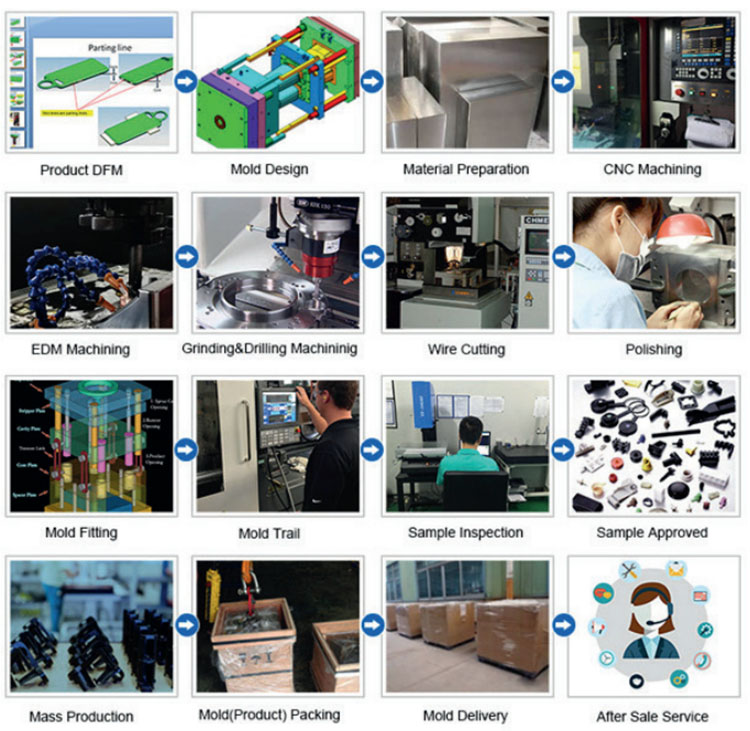
Audit drawings - mold flow analysis - design validation - Custom Materials - mold processing - core processing - electrode machining - Runner system processing - parts processing and procurement - machining acceptance - cavity surface treatment process - complex mode Die - The entire mold surface coating - Mounting plate - mold sample - sample test - sending samples |
|
Mould cavity |
One cavity, multi-cavity or same different products be made together |
|
Mould material |
P20,2738,2344,718,S136,8407,NAK80,SKD61,H13 |
|
Runner system |
Hot runner and cold runner |
|
Base material |
P20,2738,2344,718,S136,8407,NAK80,SKD61,H13 |
|
Finish |
Pitting the word, mirror finish, matte surface, striae |
|
Standard |
HASCO, DME or dependent upon |
|
Main technology |
Milling, grinding, CNC, EDM, wire cutting, carving, EDM, lathes, surface Finish, etc. |
|
Software |
CAD,PRO-E,UG Design Time: 1-3 days (normal circumstances) |
|
Product material |
ABS,PP,PC,PA6,PA66,TPU,POM,PBT,PVC,HIPS,PMMA,TPE,PC/ABS,TPV,TPO,TPR,EVA,HDPE,LDPE,CPVC,PVDF,PPSU.PPS. |
|
Quality system |
ISO9001:2008 |
|
Establish time |
20days |
|
Equipment |
CNC,EDM,Cutting off Machine,plastic machinery,etc plastic suitcase mould zhe jiang |
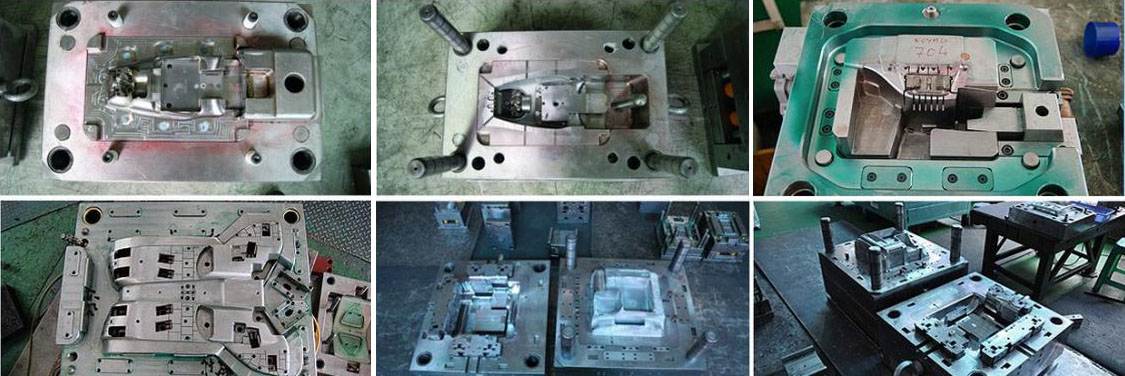
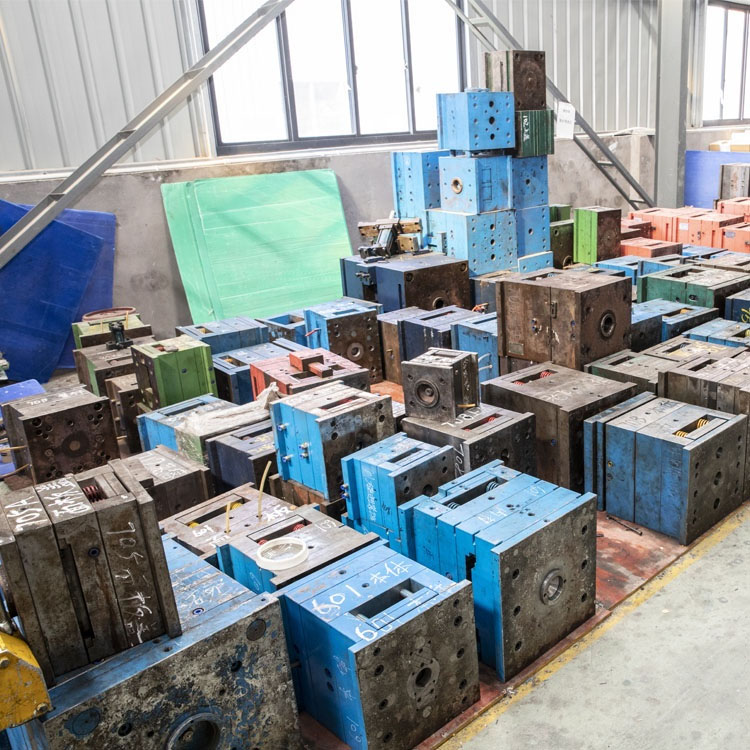
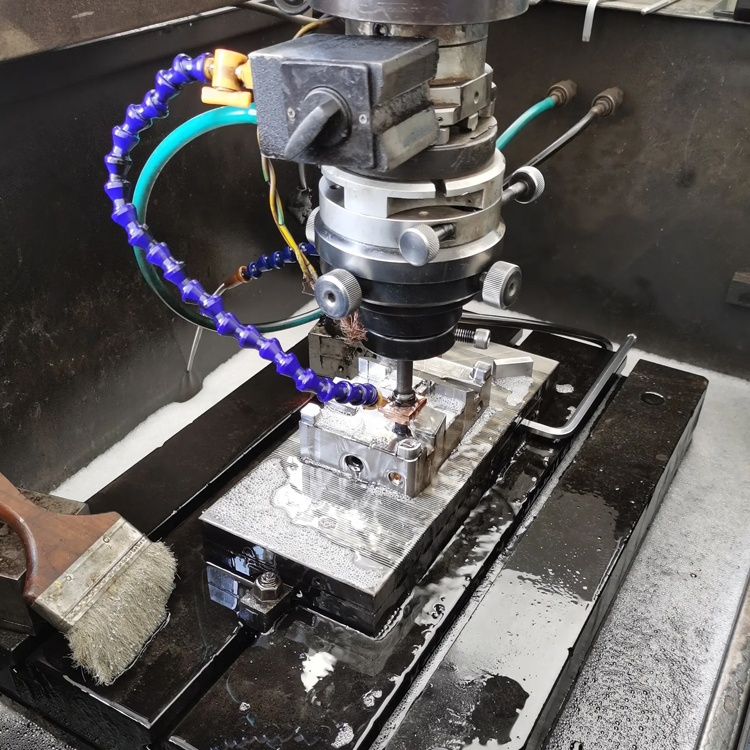
Plastic Injection Mould making
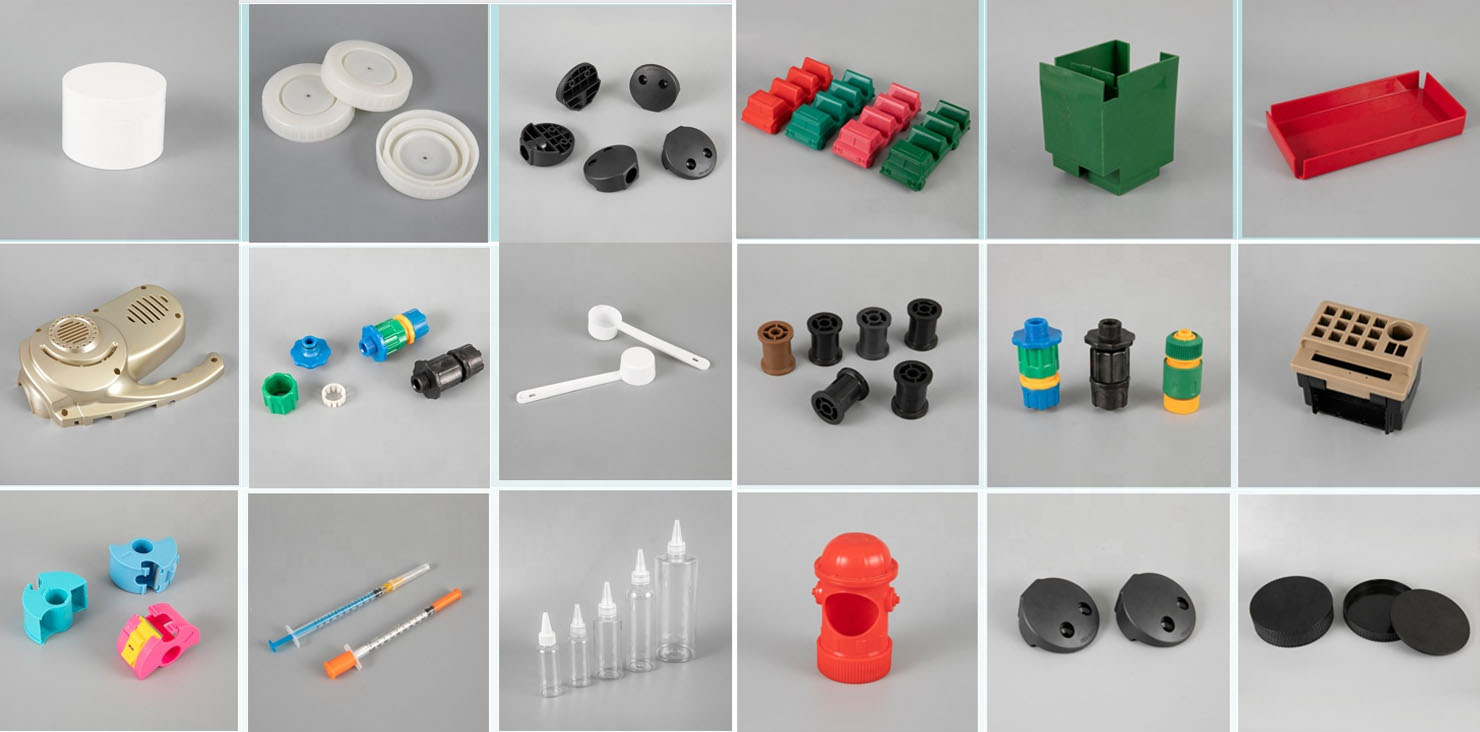
Plastic molding specifications
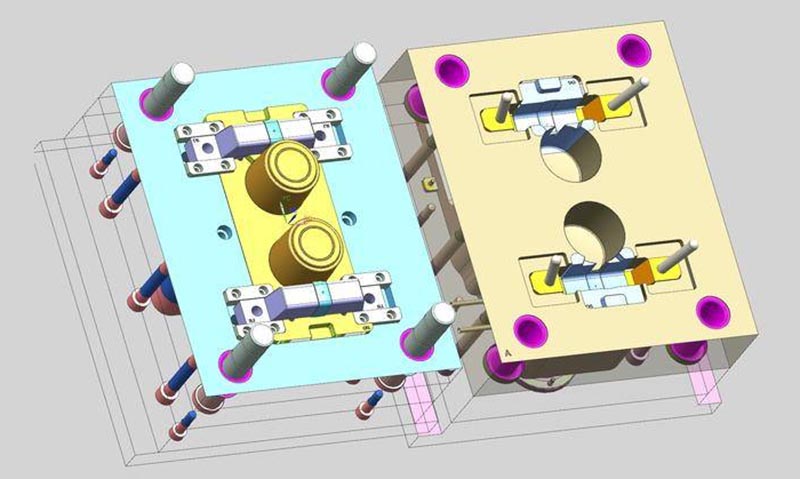
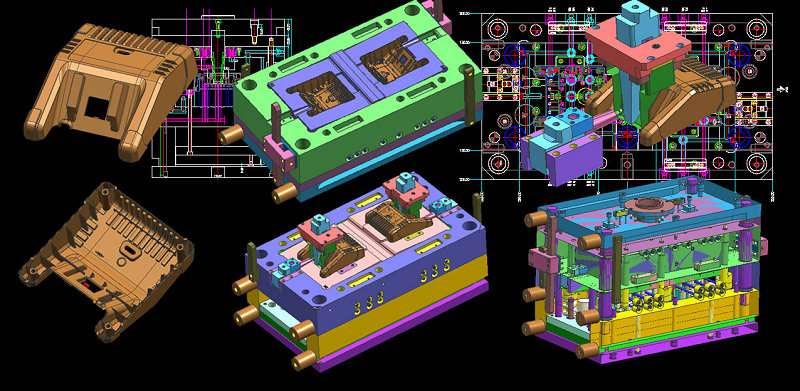
Mold design:
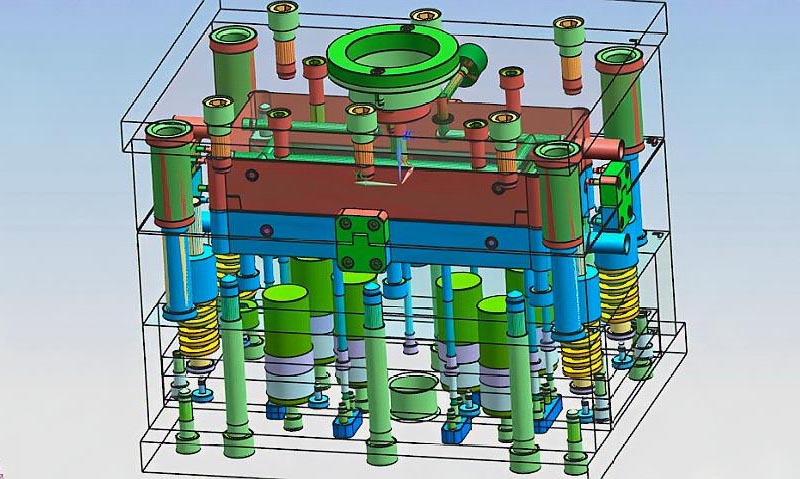
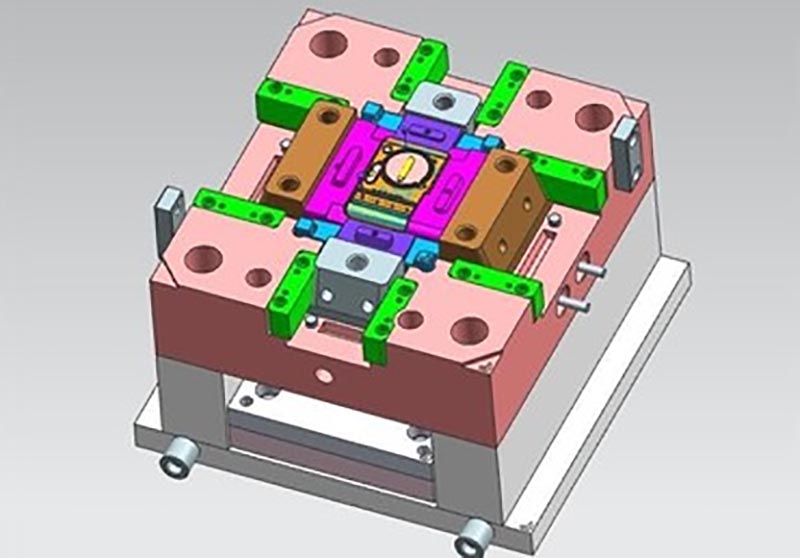
Transaction process:
Mold testing:

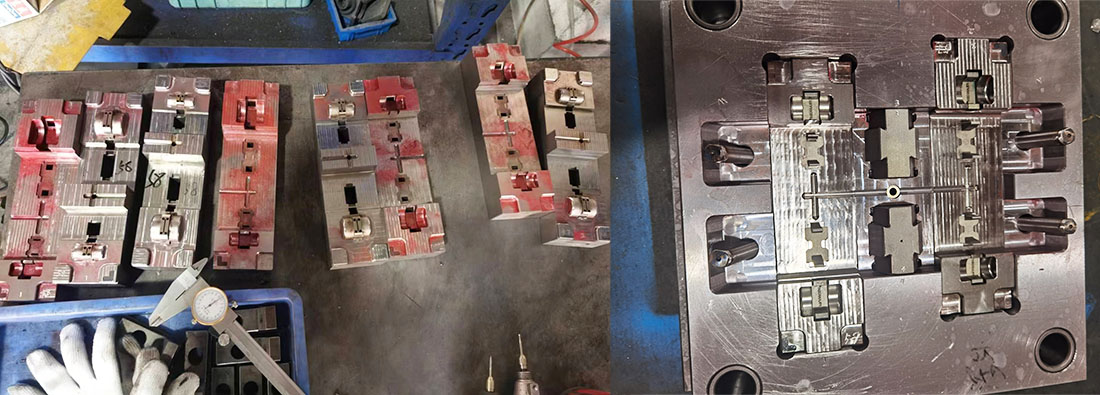
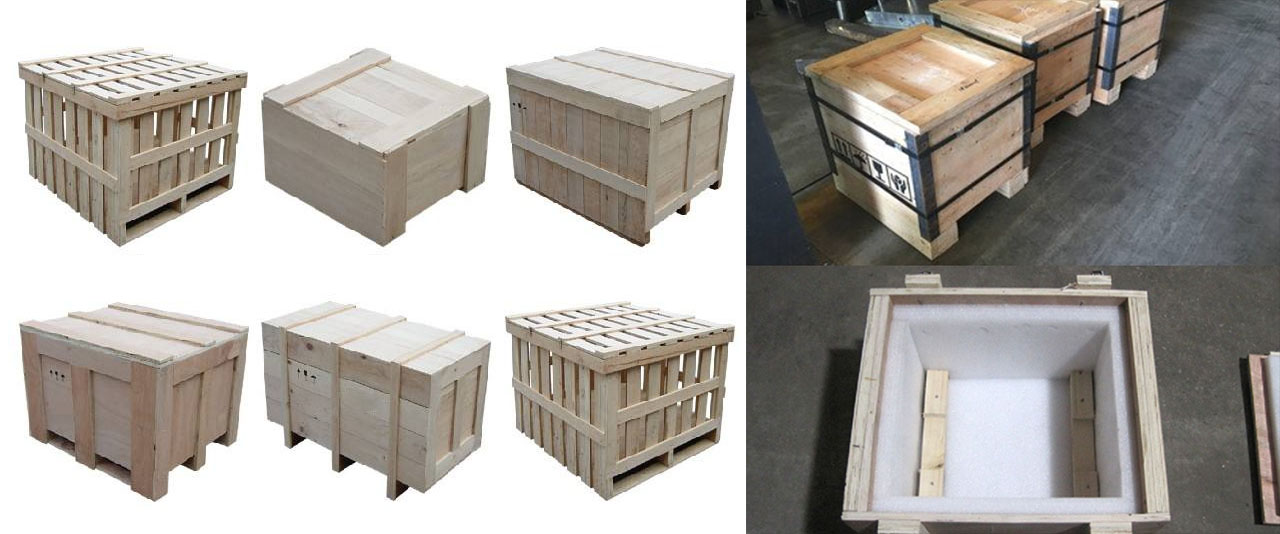
Product packaging
Factory
We are Custom Plastic Mold factory. Our factory is plastic injection mold maker. we has 17 years of experience in professional custom plastic mold and 10 years of foreign trade experience. We are custom Plastic Mold supplier. We can provide custom Plastic Mold service. Our factory can make the Injection molded plastic parts, and the quality of the products will satisfy you.
We have more than 50 high-end machines and hundreds of engineers and designers. We can provide one-stop service, from product design - mold making - product production - product packaging - transportation. We have a complete production chain. We can meet all your requirements.
Services we provide:
Professional custom mold service, Plastic mold design and manufacturing .plastic product production, product design, mold design, blow mold customization, rotational mold customization, die-casting mold customization. 3D printing services, CNC manufacturing services, product packaging, customized packaging, shipping services.
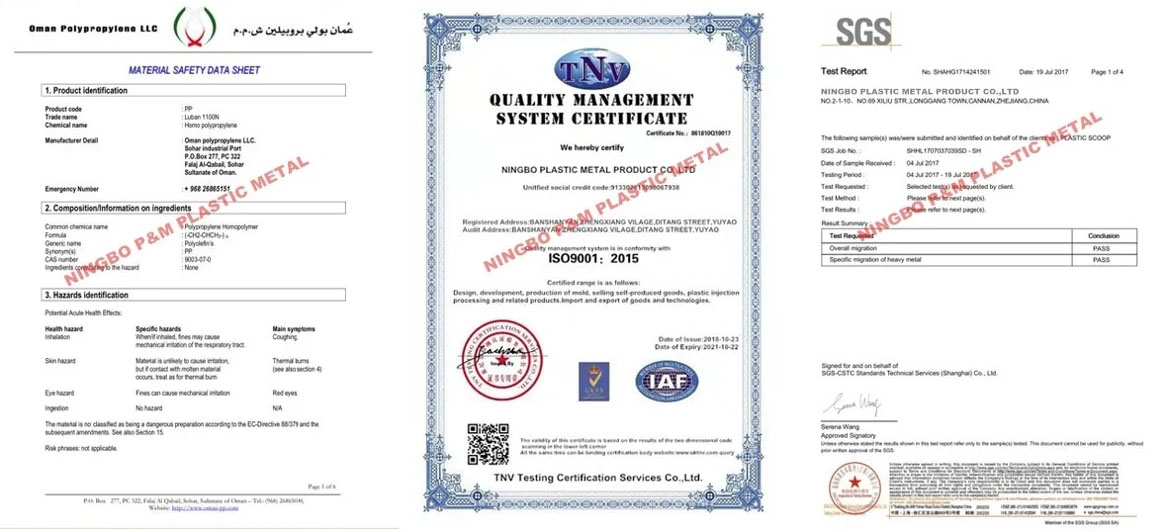

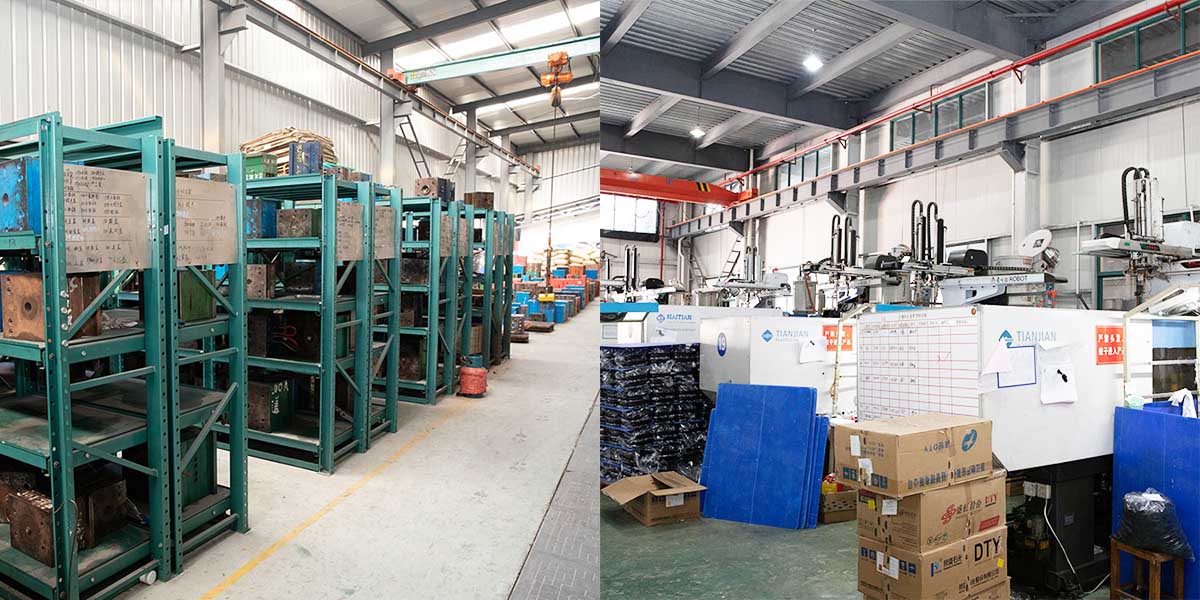
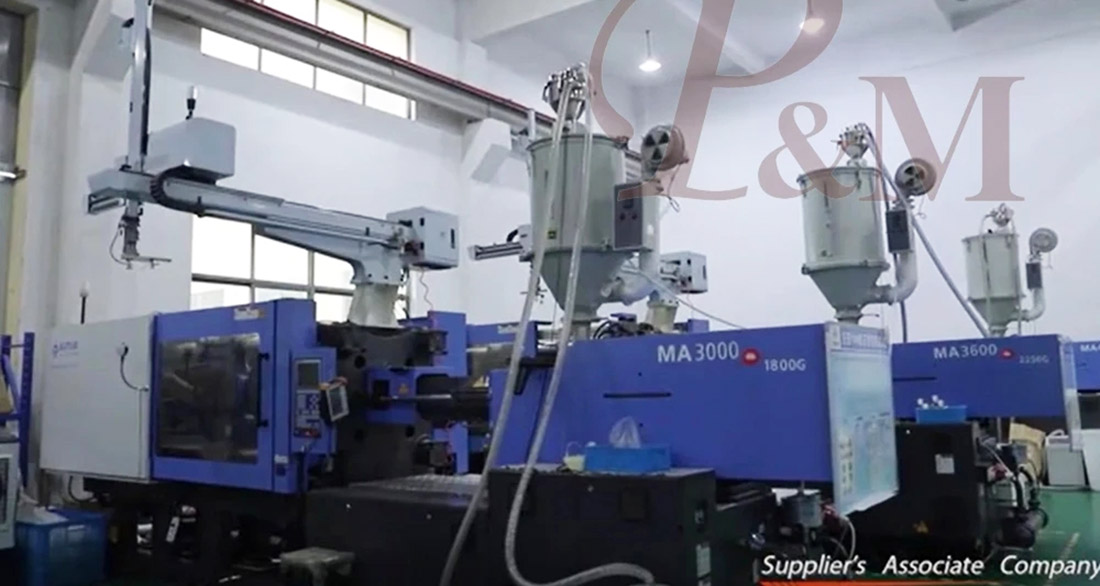
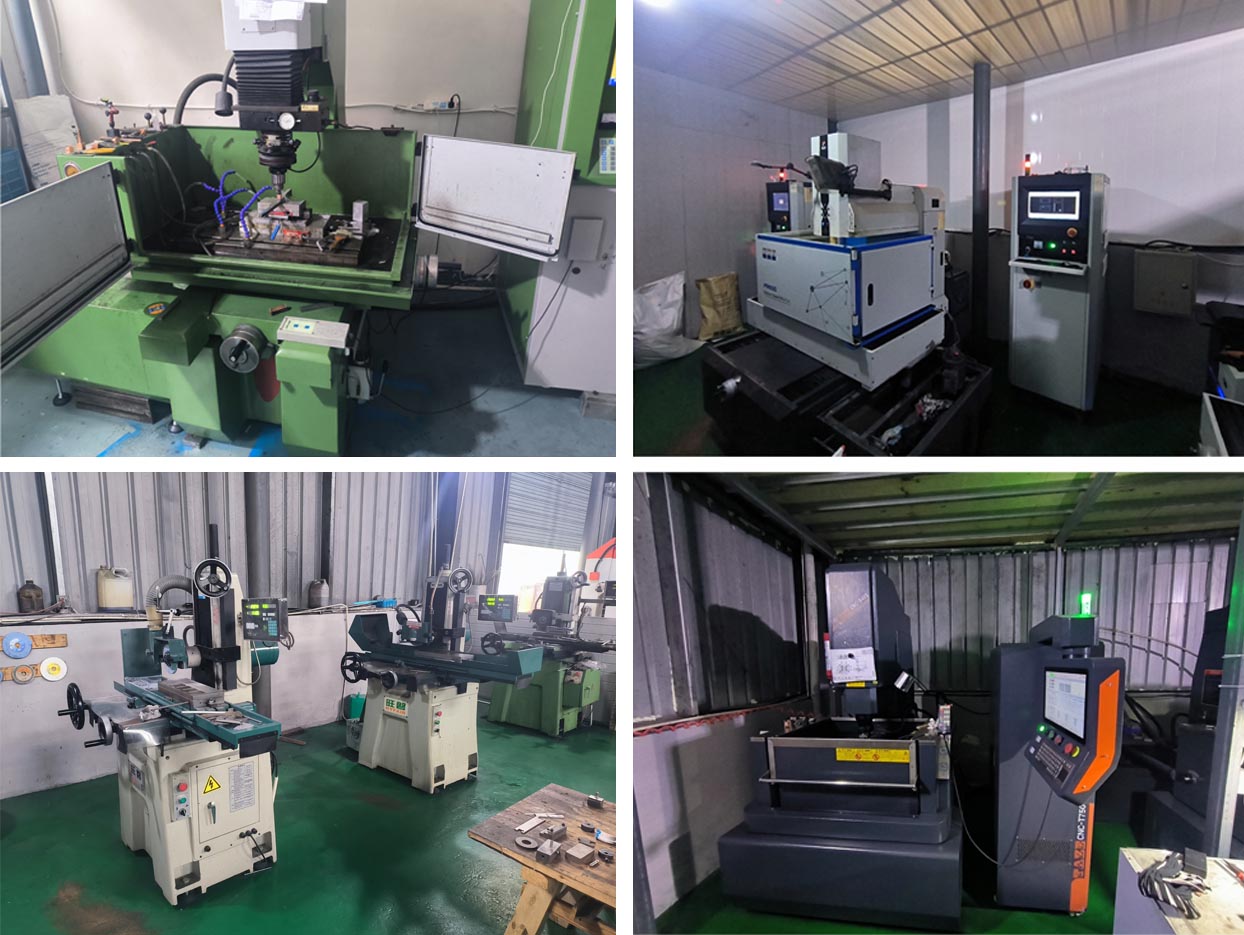
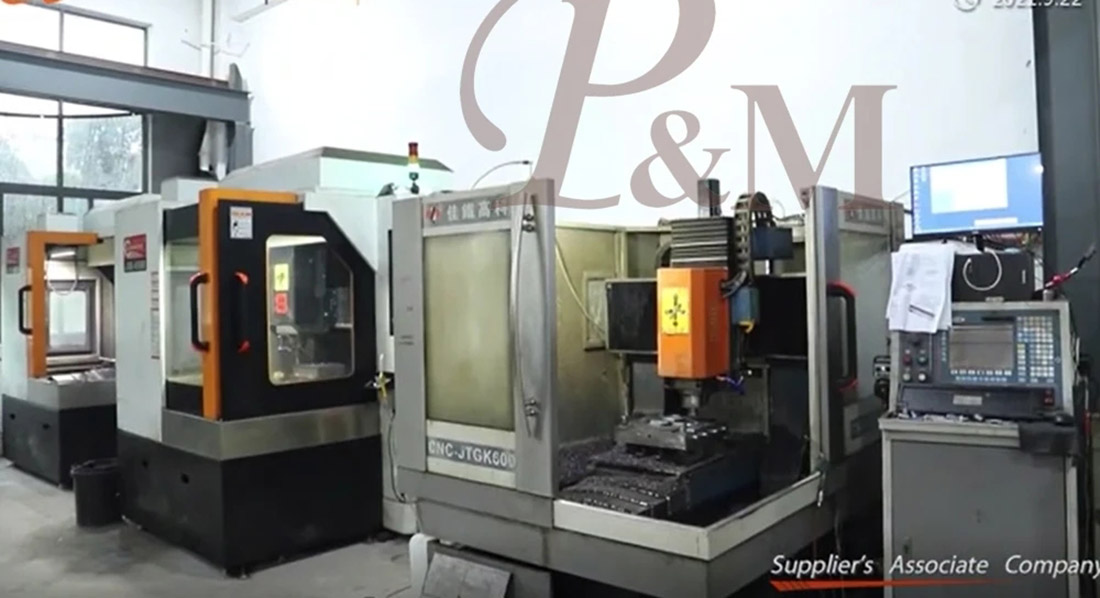
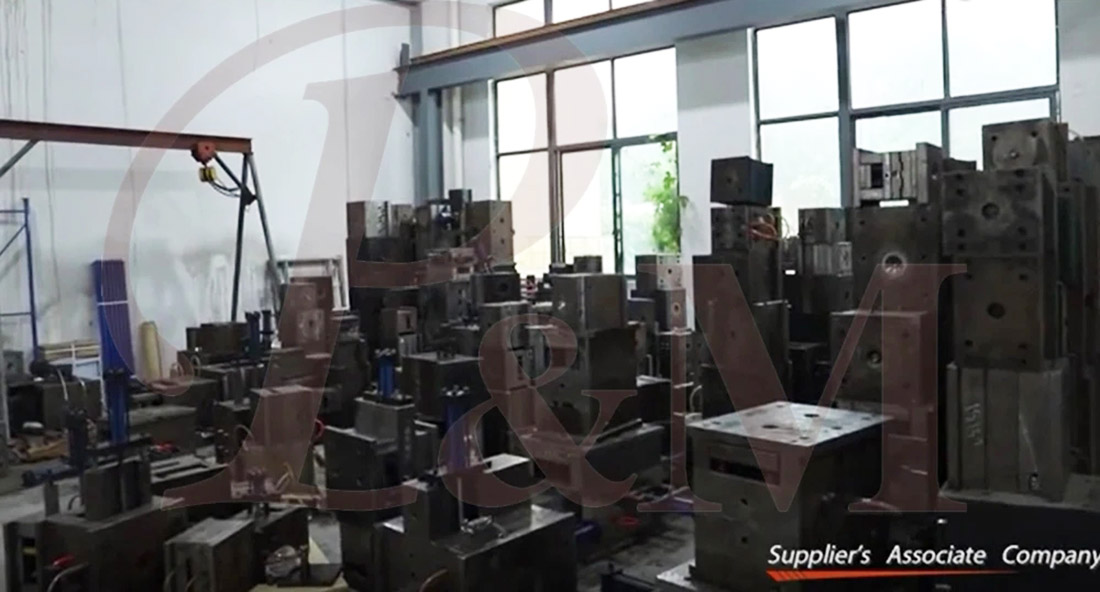
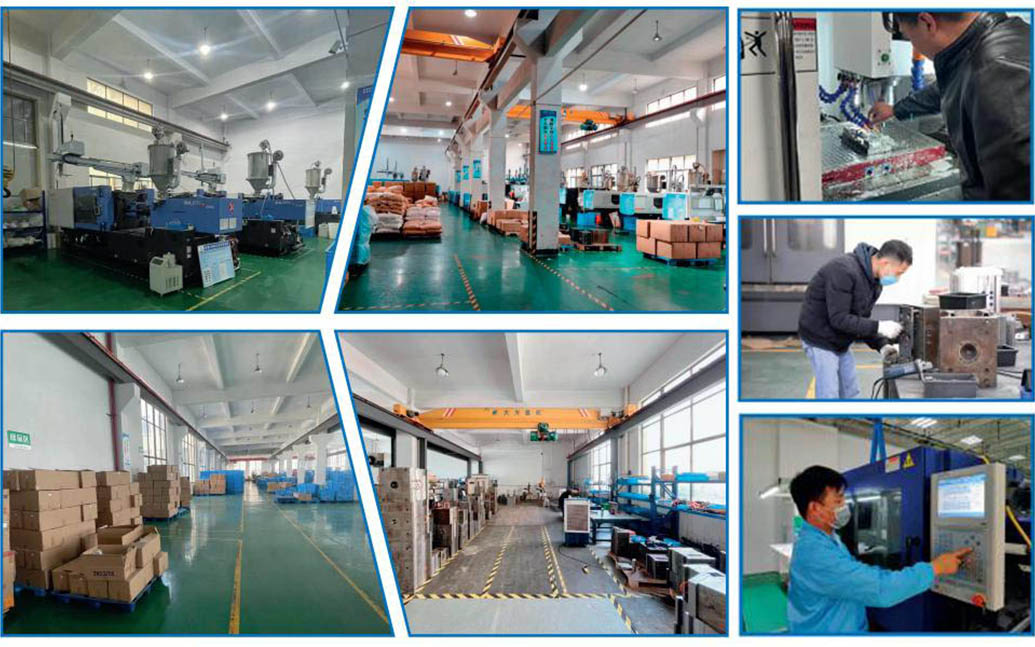
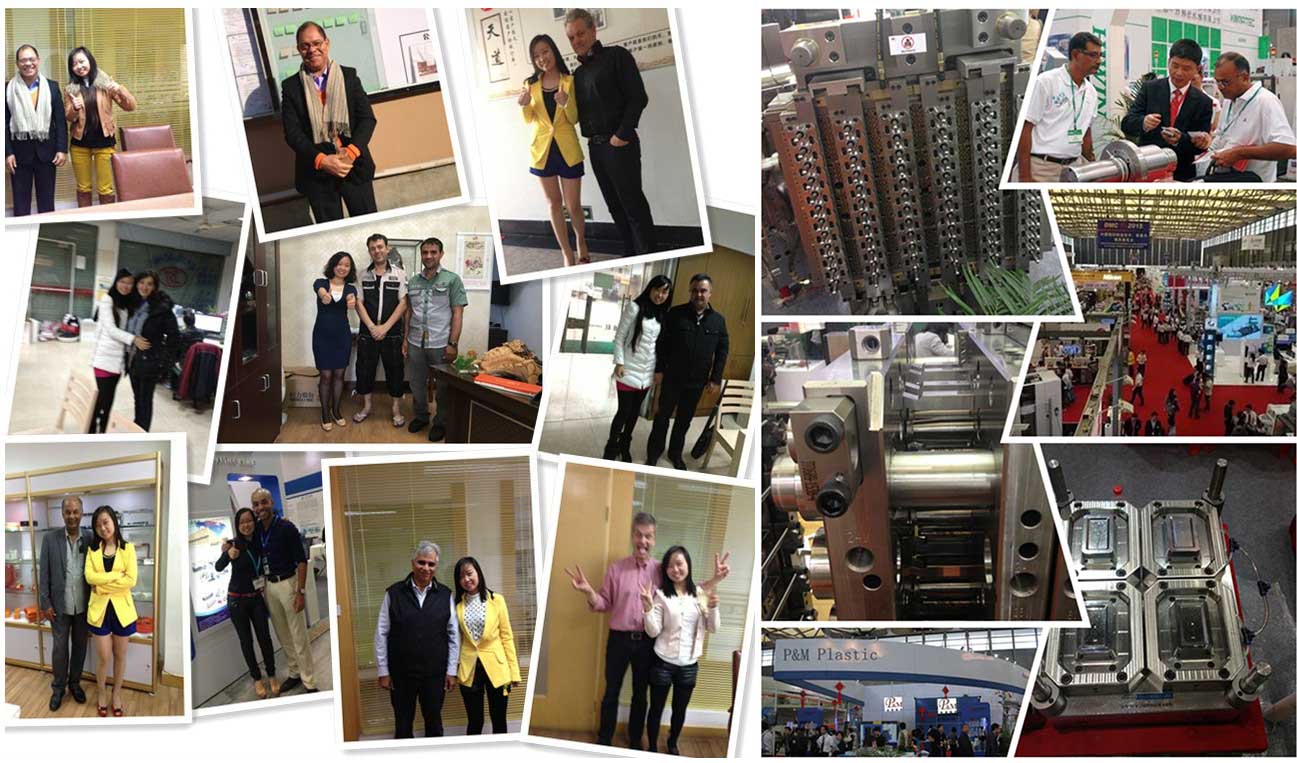
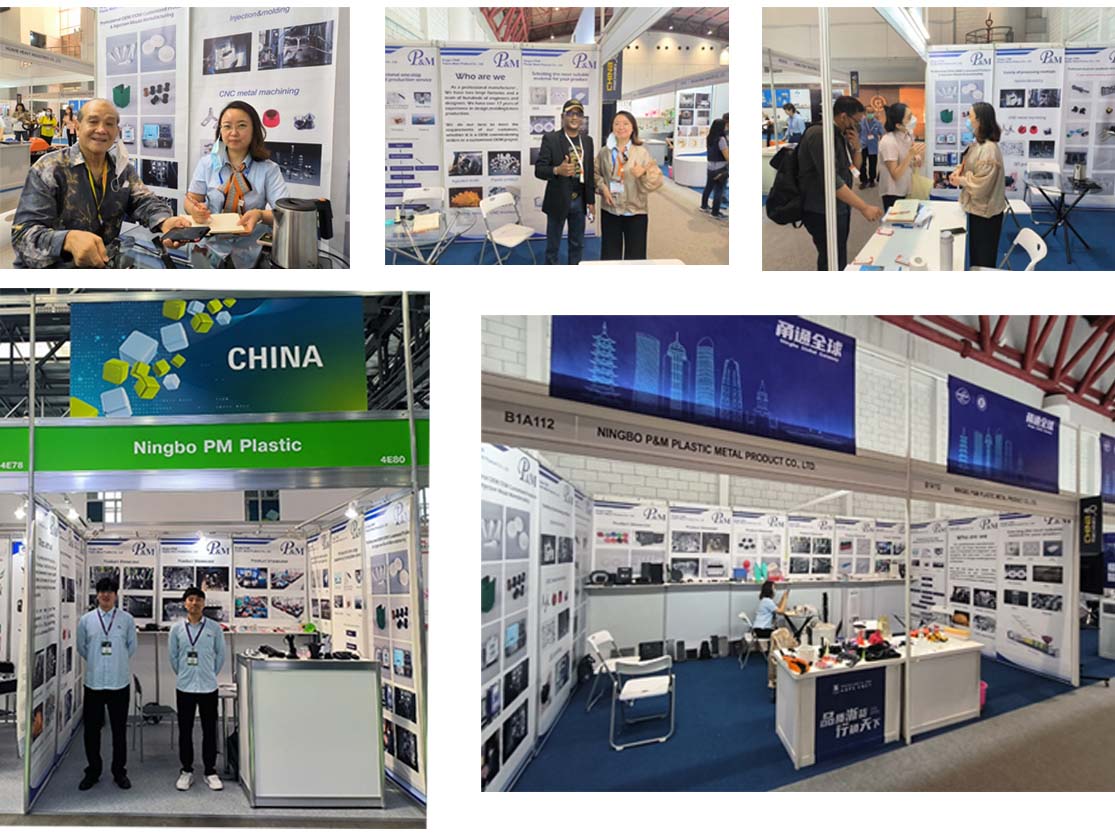
We always adhere to the principles of quality first and time first. While providing customers with the highest quality products, try to maximize the production efficiency and shorten production time. We are proud to tell every customer that our company has not lost any customer since its establishment.If there is a problem with the product, we will seek a solution actively and take responsibility to the end.

FAQ
Q1: Are you trading company or manufacturer ?
A: We are manufacturers.
Q2. When can I get the quotation?
A: We usually quote within 2 days after we get your inquiry.
If you are very urgent, please call us or tell us in your email so that we can quote for you first.
Q3. How long is the lead-time for mold?
A: It all depends on the products' size and complexity. Normally, the lead time is 25 days.
Q4. I have no 3D drawing, how should I start the new project?
A: You can supply us a molding sample, we will help you finish the 3D drawing design.
Q5. Before shipment, how to make sure the products quality?
A: If you don't come to our factory and also don't have the third party for inspection, we will be as your inspection worker.
We will supply you a video for production process detail include process report, products size structure and surface detail, packing detail and so on.
Q6. What is your payment terms?
A: Mold Payment: 40% deposit by T/T in advance, 30% second mold payment before sending out the first trial samples, 30% mold balance after you agree the final samples.
B:Production Payment: 50% deposit in advance, 50% before sending out the final goods.
Q7: How do you make our business long-term and good relationship?
A:1. We keep good quality and competitive price to ensure our customers benefit for best quality products.
2. We respect every customer as our friend and we sincerely do business and make friends with them, no matter where they come from.
Hot Tags: Hardened steel production molds (e.g., H13, S136), China, Manufacturer, Supplier, Factory, Customized, Wholesale, Buy, Quality, Latest Selling, Made in China
Related Category
Send Inquiry
Please feel free to give your inquiry in the form below. We will reply you in 24 hours.