
Home
>
Product > Core Customization Service > Custom Molding > Heat-Resistant Steam Oven Plastic Parts moulding
Product
- Core Customization Service
- Health Care
- Electronic Appliances and Instruments
- Maternal and Child Supplies Molds
- Recreational Sports
- Home Furnishing Art
- Auto Accessories
- Transportation and Warehousing
- Lighting Fixtures
- Construction Equipment
- Packaging Product
- Educational & Laboratories
- Clothing Luggage Accessories
- Care and Cleaning Products
- Agriculture & Forestry
- Mechanical Equipment
- Pet Supplies
- Kitchenware
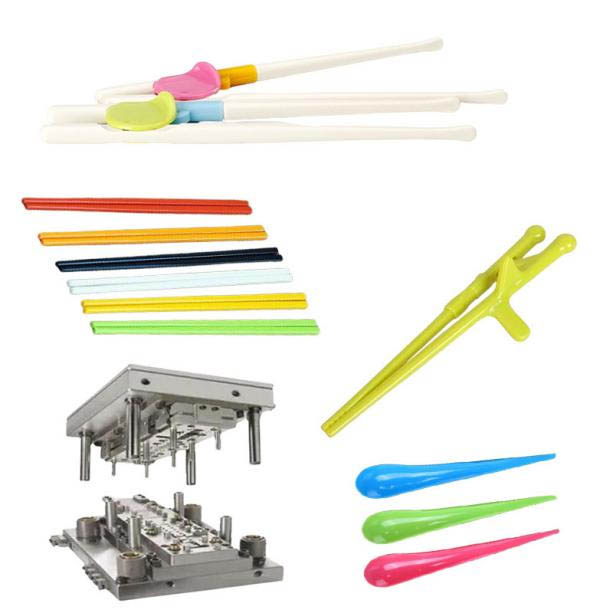
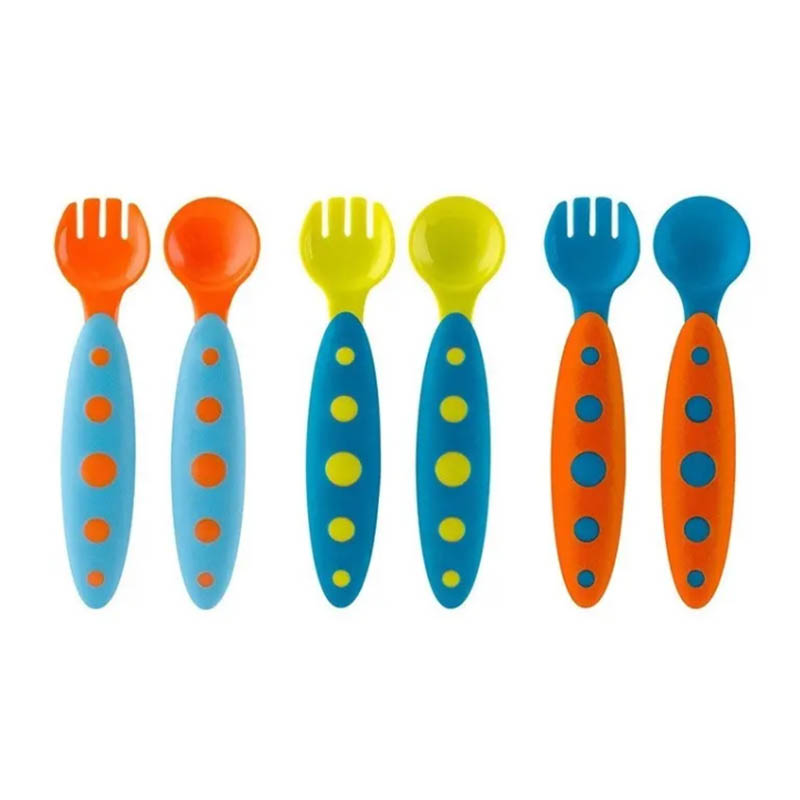
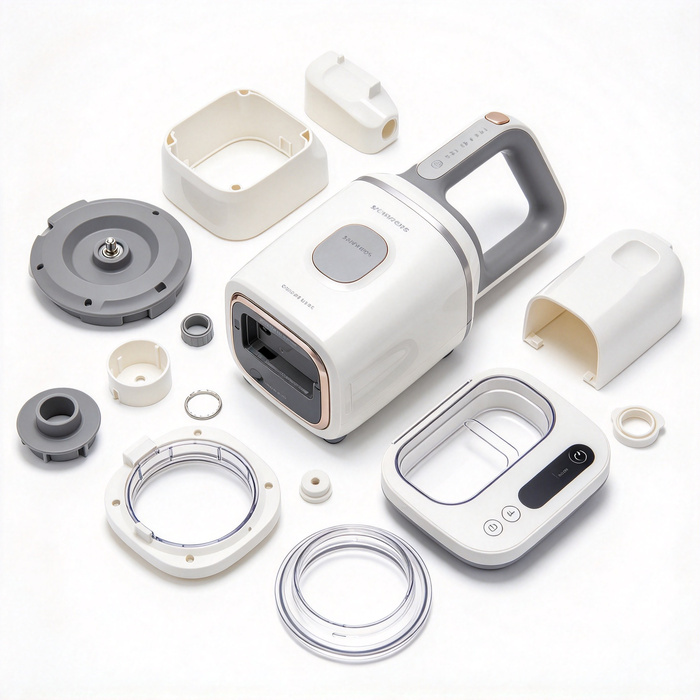
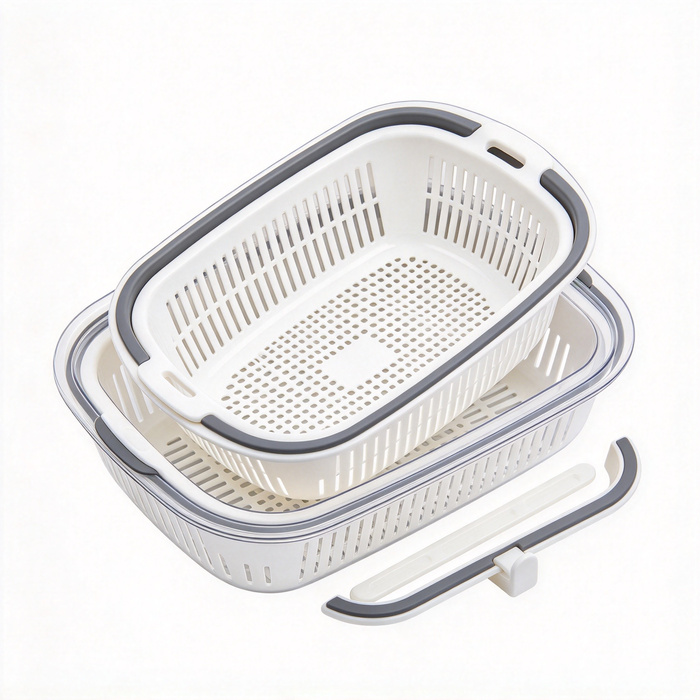
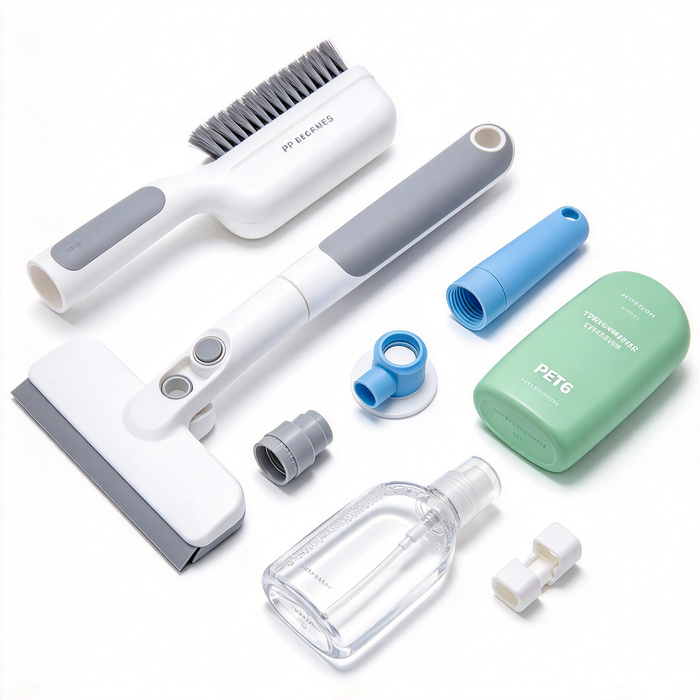
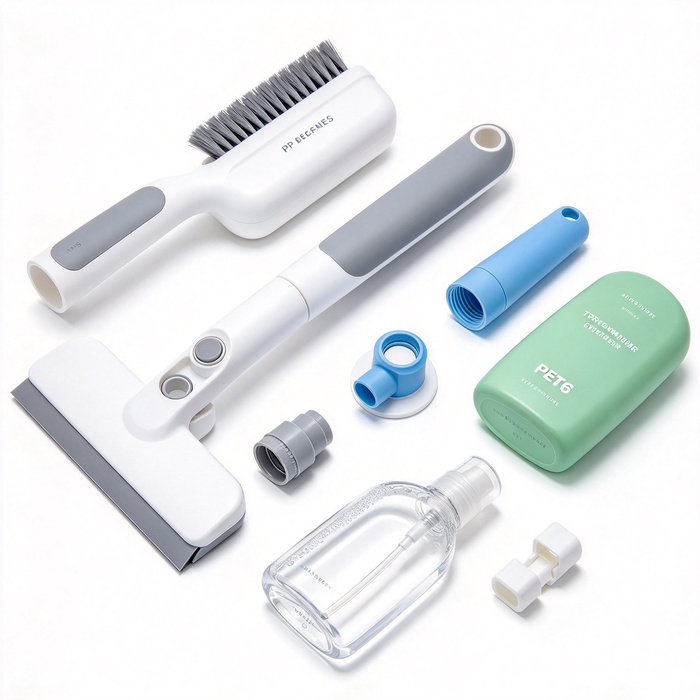
Heat-Resistant Steam Oven Plastic Parts moulding
Ningbo (P&M) Plastic Metal Products Co., Ltd. has 17 years of mold manufacturing technology and can customize Heat-Resistant Steam Oven Plastic Parts moulding. We provide professional customized Heat-Resistant Steam Oven Plastic Parts moulding services, and we are a professional Heat-Resistant Steam Oven Plastic Parts moulding manufacturer. We have sufficient experience in selecting product raw materials and mold materials. In the process of customizing Heat-Resistant Steam Oven Plastic Parts moulding, our factory can provide one-stop service. We have design and production capabilities related to Heat-Resistant Steam Oven Plastic Parts moulding, such as: CAD design, mold manufacturing, injection molding, plastic product production, assembly and other technologies.
Send Inquiry
Product Description
In addition, our company has established cooperative relationships with plastic raw material suppliers, printing manufacturers, etc. to ensure the supply of raw materials and printing quality. Through our rich experience and perfect supply chain, our company can provide customers with high-quality customized Heat-Resistant Steam Oven Plastic Parts moulding products to meet their specific needs. At the same time, we have 10 years of professional foreign trade service experience, understand the foreign trade process, and better serve our customers. For Heat-Resistant Steam Oven Plastic Parts moulding products, we can make corresponding plastic parts, which is mainly done through injection molds.
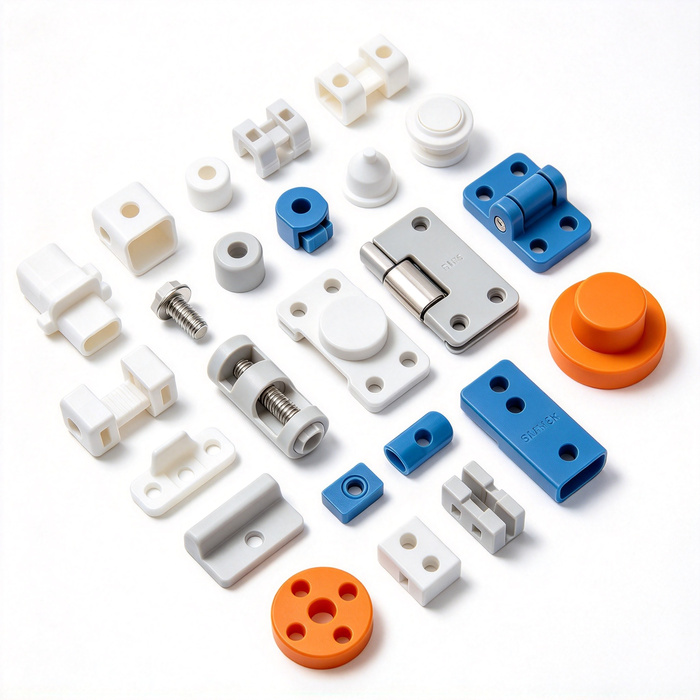
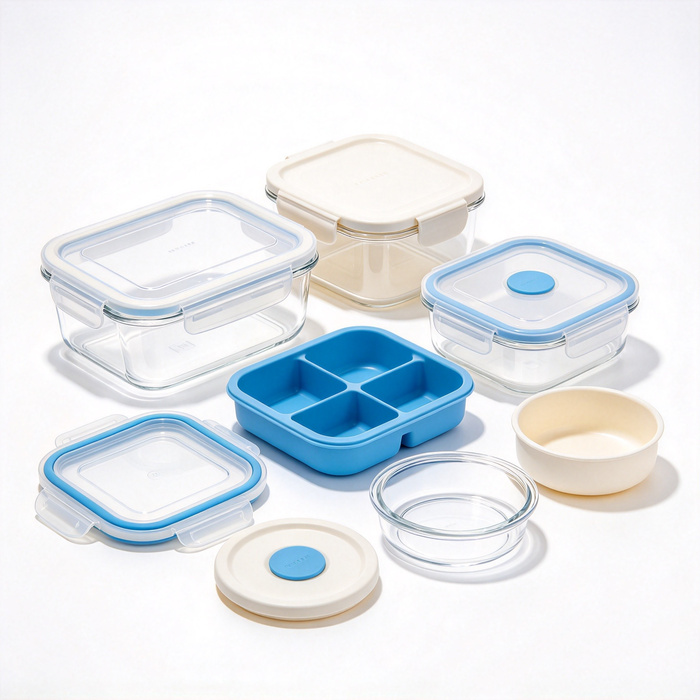
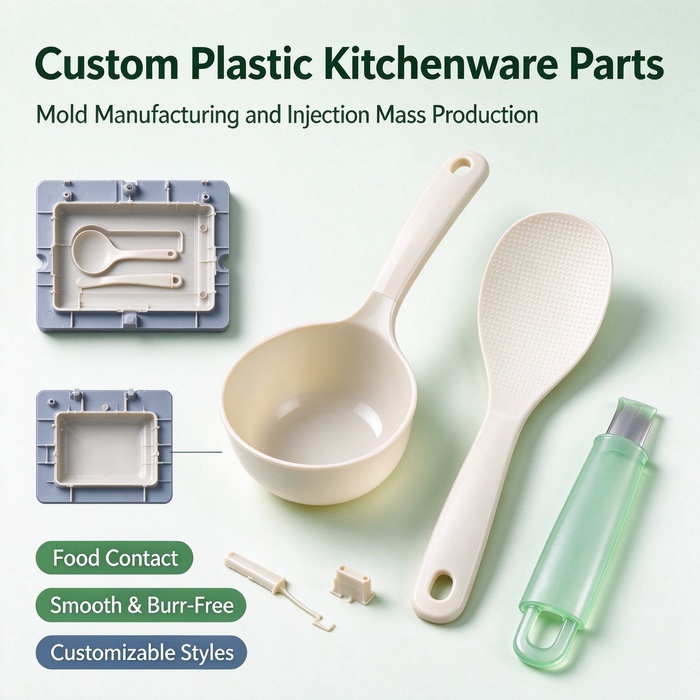
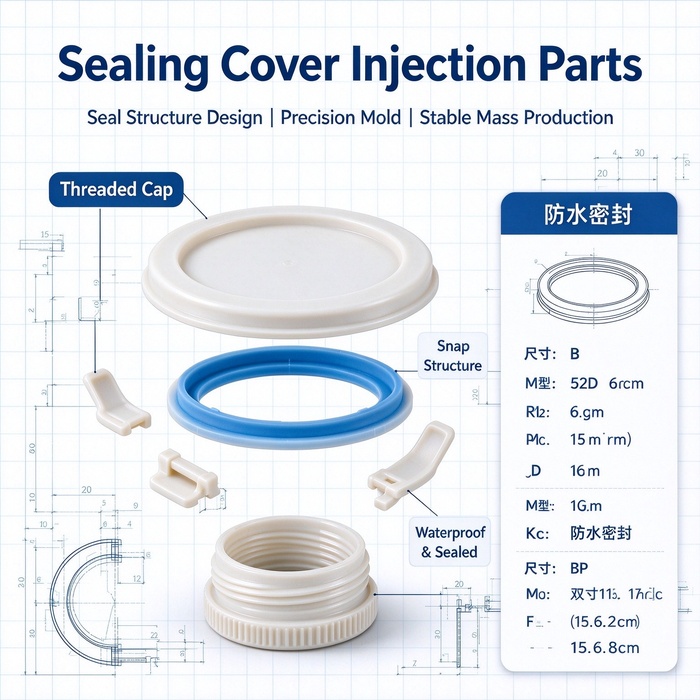
## Material Selection (Categorized by Location)
### ① Inside the Oven Cavity: Direct Contact with Steam, Food, and Grease (Highest Grade)
1. **Food-Grade PPS (Glass-Fiber Reinforced; Best Value)**
- Continuous service temperature: 180–220°C; resistant to saturated steam, oils, and cleaning agents; low hydrolysis; stable shrinkage (0.4–0.8%); high rigidity and creep resistance.
- Suitable for: Steaming racks, steam-guiding ribs, mounting brackets, and load-bearing sliding components.
- Drawbacks: Risk of exposed glass fibers; relatively low toughness; weld lines act as weak points; cannot be used for highly transparent parts.
2. **PPSU (Premium Choice; The Gold Standard for Steam Resistance)**
- HDT ≈ 197°C; exceptional hydrolysis resistance—remains durable even after thousands of steam sterilization cycles; high toughness; resistant to stress cracking; semi-transparent; ideal for high-end steam-oven components (e.g., in products for children).
- Suitable for: Steaming tray bases, locking mechanisms, and parts subject to frequent assembly/disassembly or rapid thermal cycling.
- Drawbacks: High viscosity makes molding difficult; high unit cost; highly sensitive to drying conditions and mold temperature.
3. **PESU / PSU**
- PESU: Offers better steam resistance than PSU; suitable for commercial steam-oven applications. PSU is better suited for high-temperature air ducts that do not come into direct contact with food; its toughness is slightly lower than that of PPSU.
4. **PEEK (For Extreme Commercial Use)**
- Highest temperature resistance; extremely high cost—typically reserved for precision valve cores or sliding seals. Note that even PEEK will undergo slow hydrolysis when exposed to high-temperature steam over long periods; it is not indefinitely resistant.
5. **Platinum-Cured LSR (Liquid Silicone Rubber)**
- Used for gaskets, steam-cushioning components, and heat-insulating flexible edges; resistant to 180°C steam. (Peroxide-cured silicone is prohibited due to potential residual odors and leaching.)
### ② Cavity Periphery, Air Ducts, and Handles (No Direct Contact with High-Temperature Steam, but Subjected to Prolonged Heat)
- **Modified Heat-Resistant PP (β-nucleated PP)** - **High-Heat Resistant Crystalline Polymers**: ≤130°C. Suitable only for housings or drip trays located away from direct steam; not appropriate for areas directly exposed to steam jets.
- **Food-Grade PA66+GF (Glass Fiber Reinforced)**: 120–140°C. ⚠️ Highly susceptible to hydrolysis in the presence of high-temperature steam; should only be used in dry areas or locations not subject to continuous condensation.
- **LCP (Liquid Crystal Polymer)**: Used for thin-walled air ducts or slender flow-guiding vanes. Offers excellent flow characteristics and low warpage; high temperature resistance, but weld lines exhibit poor structural strength.
>
> ❌ Prohibited Materials: Standard PC, Tritan, PETG, and standard POM (prone to rapid cracking and degradation when exposed to boiling water or steam).
## II. DFM (Design for Manufacturing) Structural Constraints for Steam-Exposed Components
The primary causes of failure are not merely a lack of heat resistance, but rather: **steam infiltration, hydrolysis, stress from hygrothermal (moisture-heat) cycling, creep, the presence of weld lines in load-bearing areas, and the accumulation of dirt or residue.**
1. **Uniform Wall Thickness & Coring of Thick Sections**
- Nominal wall thickness: 1.6–2.5 mm. Thick sections must be cored out; solid, thick sections can trap moisture and residual stress, leading to cracking during thermal cycling.
- Rib thickness: ≤50% of the main wall thickness. Rib roots should have a radius (R) ≥0.5 mm; sharp, right-angled roots are highly prone to cracking under hygrothermal conditions.
2. **Radii and Hygiene (Consistent with standards for anti-slip or child-safe components)**
- Food-contact surfaces: R ≥1.0 mm. Surfaces exposed to steam flow should feature continuous, smooth curves to prevent water accumulation in narrow crevices. Gaps must be either <0.5 mm or >3 mm.
- Avoid placing parting lines or assembly seams in areas directly exposed to steam; such gaps can trap water, leading to material leaching or mold growth.
3. **Strict Control of Weld Lines (Critical Priority)**
- Weld lines must never be located in load-bearing areas, sliding surfaces, or zones directly exposed to steam jets. The combination of steam exposure and tensile stress can cause the part to tear apart rapidly along the weld line.
- For parts with multiple gates or porous steam-guiding plates, mold-flow simulation is mandatory to ensure that weld lines are directed toward low-stress, non-visible areas; incorporate overflow wells (vents/slug wells) if necessary.
4. **Draft Angles**
- Glass-fiber reinforced materials: ≥2°. For visible surfaces of PPSU/PESU: ≥2.5°. Note that toughness decreases during high-temperature demolding; any surface scoring or tearing can act as an initiation point for cracks.
5. **Snap-fits, Hinges, and Sliding Fits**
- Allow for thermal and hygroscopic (moisture-induced) expansion. While PPS and PPSU have low coefficients of thermal expansion, they may still undergo displacement during prolonged exposure to high temperatures. For glass-fiber reinforced materials, anisotropic shrinkage can cause sliding components to seize.
- Do not rely solely on snap-fits for long-term load-bearing; high-temperature creep will cause them to gradually loosen.
6. **Venting / Steam-Guiding Holes**
- Use individual insert pins for small holes; ensure radii at the base of each hole. Provide venting at the ends of hole arrays. Trapped air during molding leads to a drastic reduction in weld-line strength.
7. **Overmolding (Encapsulation)**
- Ensure a smooth, radiused transition at the interface of LSR (liquid silicone rubber) overmolding. A sharp, right-angled boundary can allow steam to penetrate the interface, leading to progressive delamination. The contact surface of the substrate must be polished and degreased.
## III. Mold Design Essentials (High-Temperature Molds, Wear Resistance, Thermal Balance)
1. **Mold Steels**
- For PPS (glass-fiber reinforced): Use SKD61 or 8407, hardened to HRC 48–52 for wear and erosion resistance. Prolonged exposure to glass-fiber flow can cause cavity surface degradation ("powdering") and loss of polish.
- For PPSU / PSU / PESU: Use S136H; polished to a mirror or fine finish to ensure both corrosion resistance and high-quality surface appearance.
- For LSR molds: Use S136H to prevent corrosion caused by vulcanization byproducts.
2. **Gating System**
- Valve-gated hot runner systems are preferred. Hot runner nozzles must be capable of withstanding high temperatures and providing precise temperature control; any "cold slugs" (solidified material) entering the cavity will directly cause silver streaks and weak weld lines.
- Gate types: Fan gates / Side gates are preferred. Ensure gate marks are located away from areas subject to steam erosion, sealing surfaces, or sliding interfaces. For glass-fiber-reinforced materials, avoid small pin-point gates, as these cause high shear and significant fiber orientation, which exacerbates warpage.
3. **Cooling / Heating (Use high-temperature oil-based mold temperature controllers, not standard water chillers)**
- PPS: Mold temperature 130–160°C; PPSU: 140–180°C; PSU/PESU: 130–170°C.
- Implement conformal and symmetrical cooling/heating channels. Provide dedicated oil circuits for slender inserts and sliders. Uneven mold temperatures lead to inconsistent material orientation, resulting in warpage during thermal cycling and shifts in component fit/alignment.
4. **Venting (Particularly challenging for glass-fiber-reinforced and high-viscosity sulfone-based polymers)**
- PPS: 0.01–0.015 mm; PPSU/PSU: 0.008–0.012 mm. Use shallow vents to prevent flash while effectively eliminating trapped air that could cause scorching.
- Incorporate dedicated venting channels at the ends of flow paths, the tips of ribs, and at weld line locations.
5. **Ejection**
- Use ejector blades or annular (ring-shaped) ejector pins to distribute ejection force. Micro-indentations or micro-cracks caused by localized, single-point ejection can propagate rapidly when exposed to alternating steam environments. Ensure ejector marks are kept away from surfaces that will come into contact with food.
- Since the material has low toughness during high-temperature mold opening, both the mold-opening and ejection speeds must be reduced.
6. **Mold Insulation**: Install insulation plates on the mold base to minimize heat loss, stabilize mold temperature, and protect the molding machine.
We are a Heat-Resistant Steam Oven Plastic Parts moulding manufacturer, providing high-quality Heat-Resistant Steam Oven Plastic Parts moulding manufacturing. As long as you want to customize/develop Heat-Resistant Steam Oven Plastic Parts moulding products, you can find us. We have professional injection mold design and mature manufacturing technology, providing you with one-stop service, from product design-mold making-product production-product packaging-product transportation, we can help you in every link. As long as you come to us, we will provide you with the ultimate service and satisfy you in terms of product quality, production time, information dialogue, etc.
|
Product Name |
Treadmill moulding |
|
Pls provide |
2D, 3D, samples, or the size of the multi-angle pictures |
|
Mould Time |
20-35 Days |
|
Product time |
7-15 Days |
|
Mould precision |
+/-0.01mm |
|
Mould life |
50-100 million shots |
|
Producing Process |
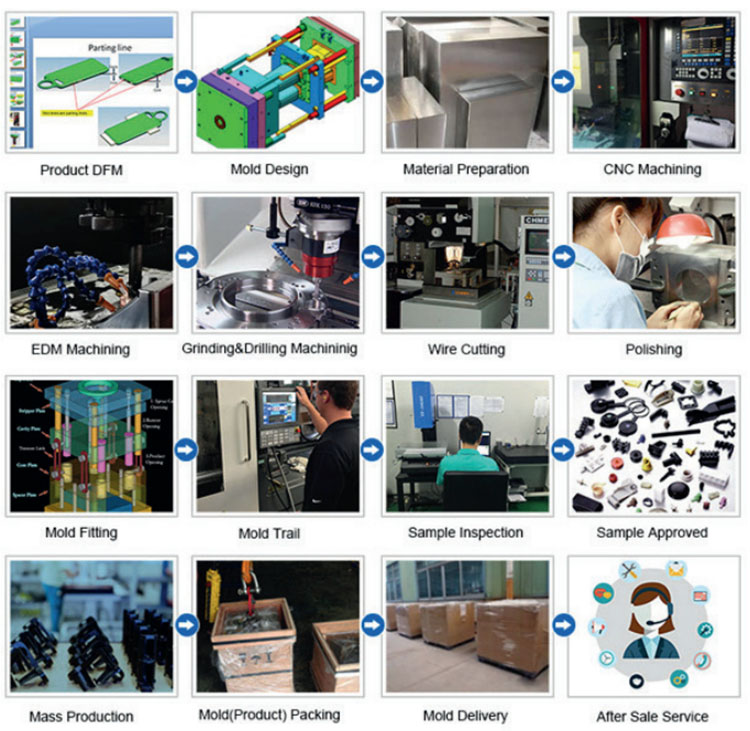
Audit drawings - mold flow analysis - design validation - Custom Materials - mold processing - core processing - electrode machining - Runner system processing - parts processing and procurement - machining acceptance - cavity surface treatment process - complex mode Die - The entire mold surface coating - Mounting plate - mold sample - sample test - sending samples |
|
Mould cavity |
One cavity, multi-cavity or same different products be made together |
|
Mould material |
P20,2738,2344,718,S136,8407,NAK80,SKD61,H13 |
|
Runner system |
Hot runner and cold runner |
|
Base material |
P20,2738,2344,718,S136,8407,NAK80,SKD61,H13 |
|
Finish |
Pitting the word, mirror finish, matte surface, striae |
|
Standard |
HASCO, DME or dependent upon |
|
Main technology |
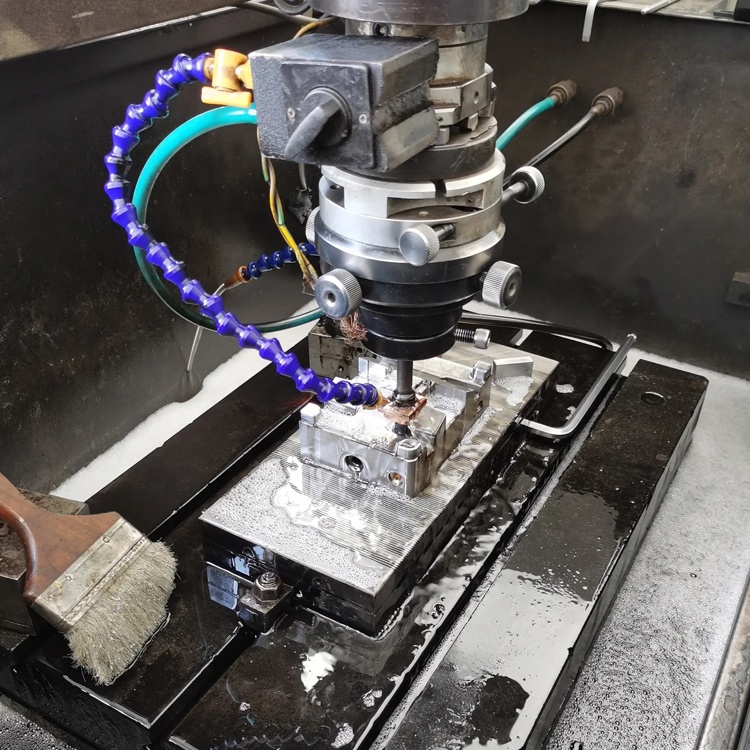
Milling, grinding, CNC, EDM, wire cutting, carving, EDM, lathes, surface Finish, etc. |
|
Software |
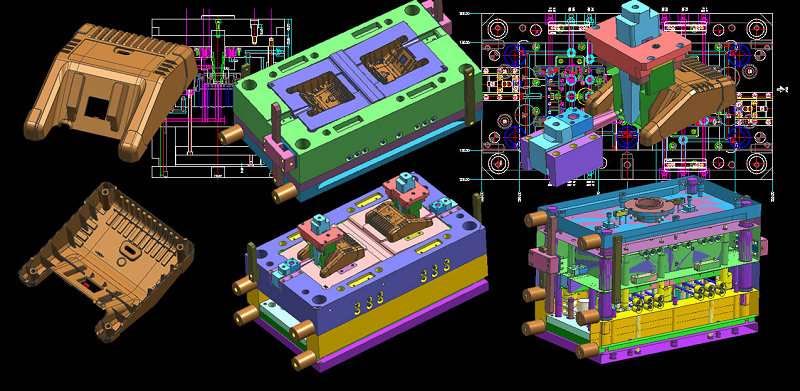
CAD,PRO-E,UG Design Time: 1-3 days (normal circumstances) |
|
Product material |
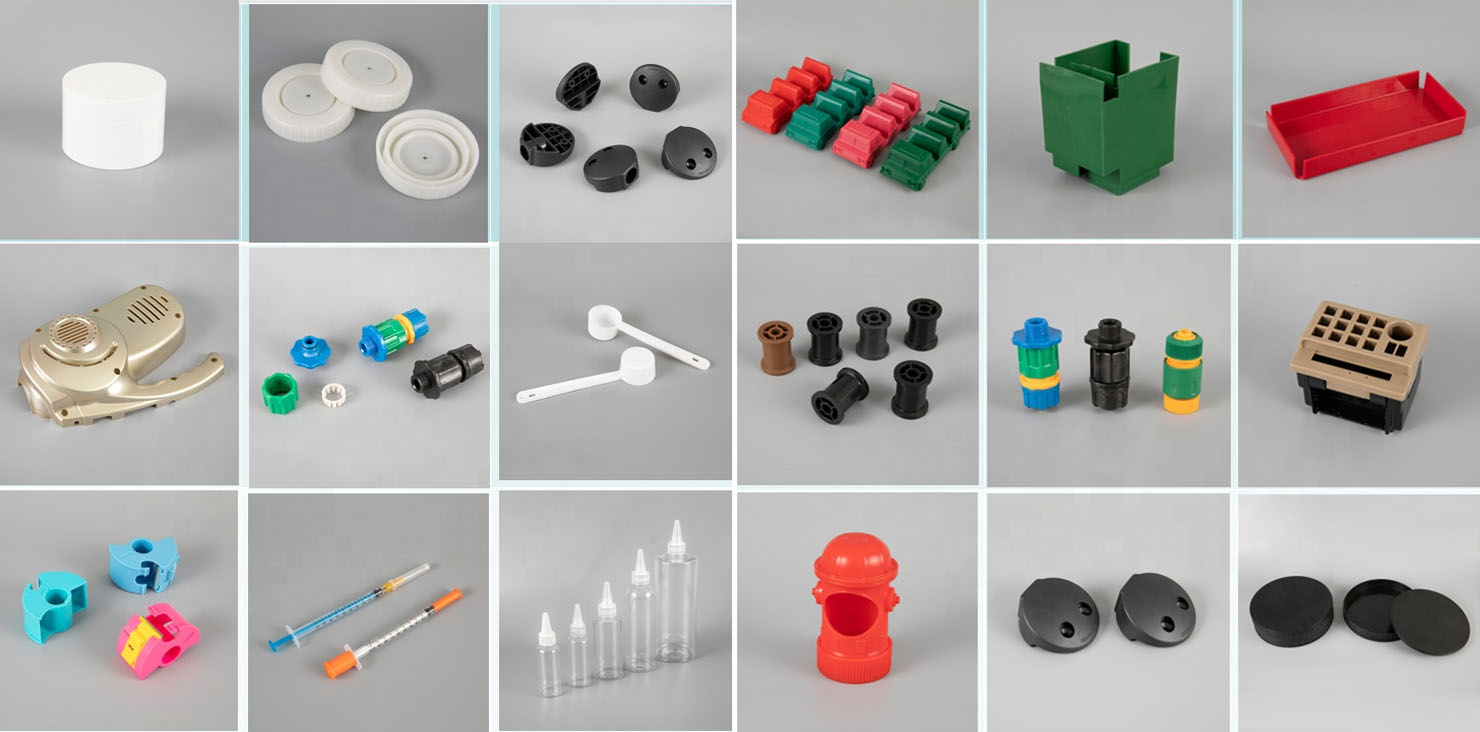
ABS,PP,PC,PA6,PA66,TPU,POM,PBT,PVC,HIPS,PMMA,TPE,PC/ABS,TPV,TPO,TPR,EVA,HDPE,LDPE,CPVC,PVDF,PPSU.PPS. |
|
Quality system |
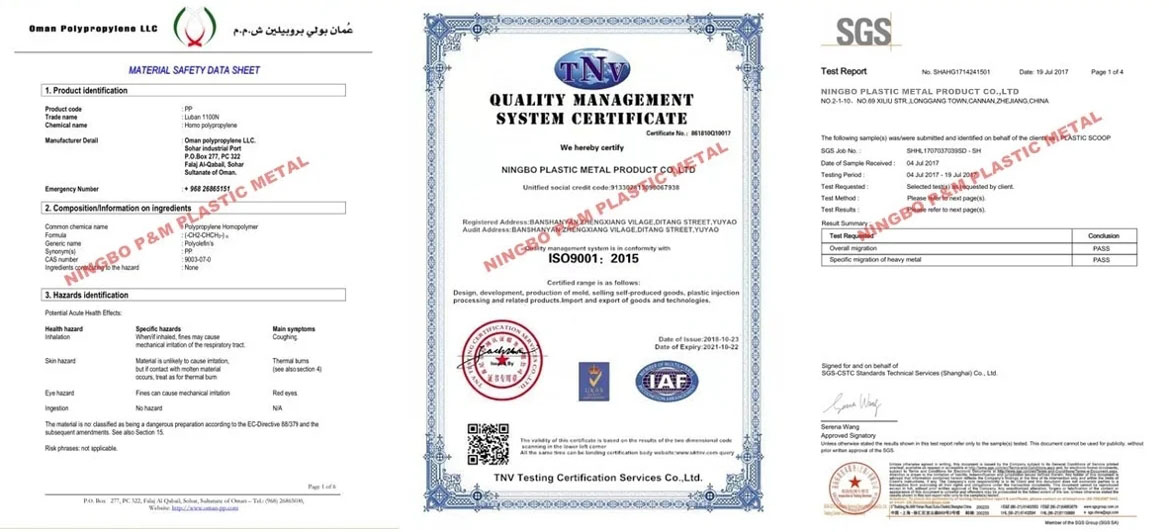
ISO9001:2008 |
|
Establish time |
20days |
|
Equipment |
CNC,EDM,Cutting off Machine,plastic machinery,etc plastic suitcase mould zhe jiang |
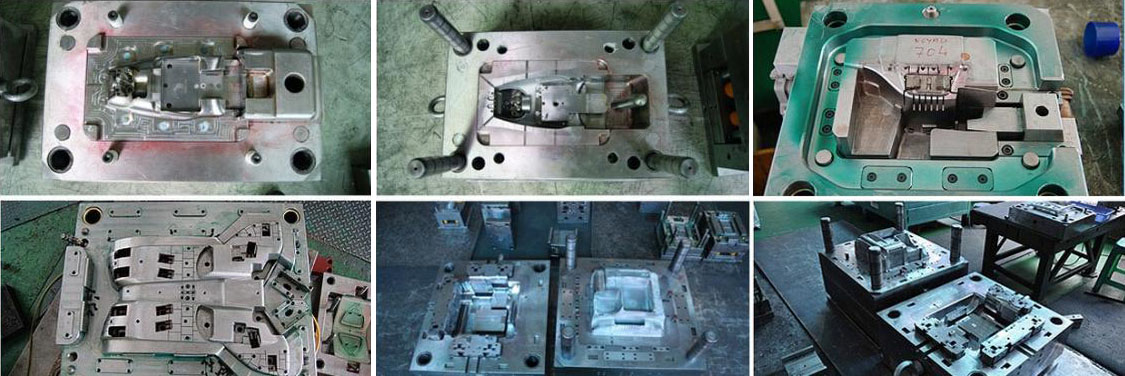
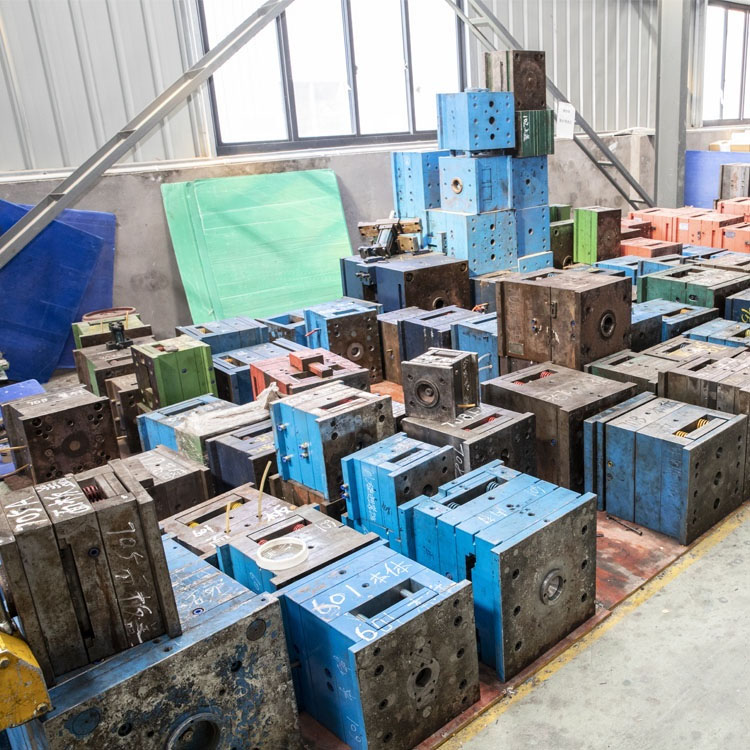
Plastic Injection Mould making
Plastic molding specifications
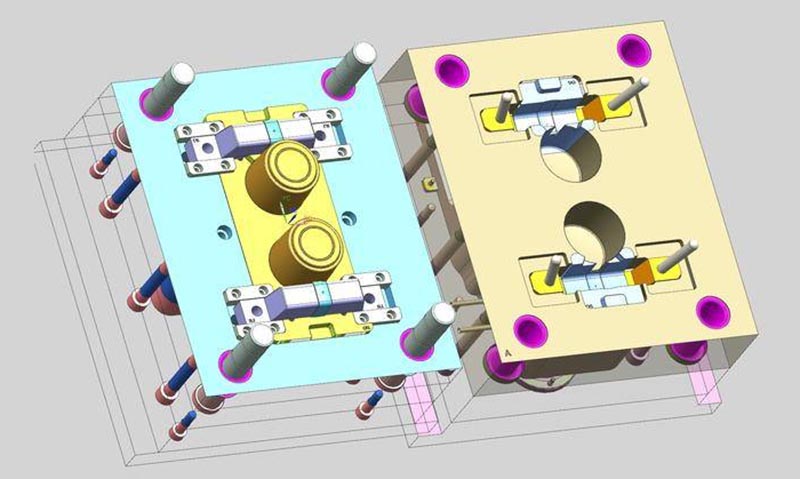
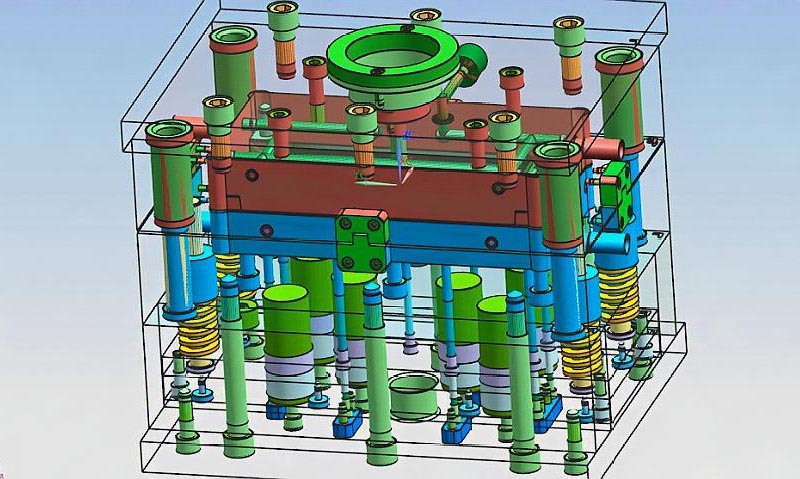
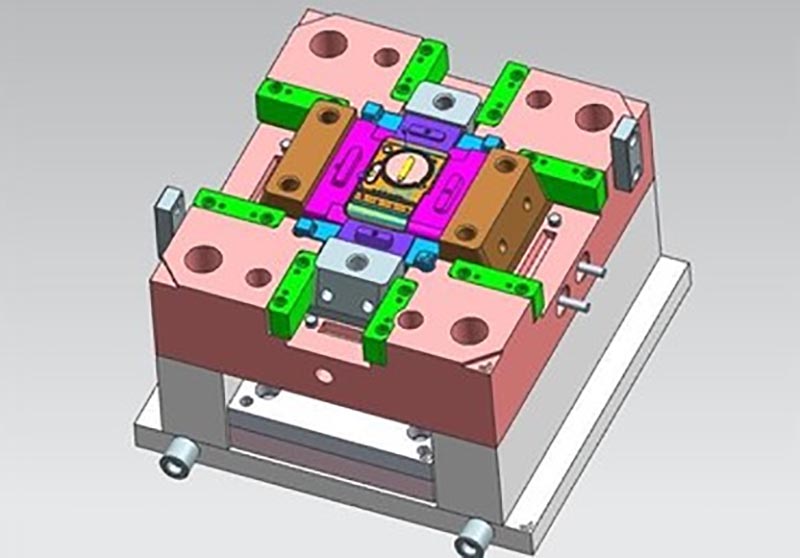
Mold design:
Transaction process:
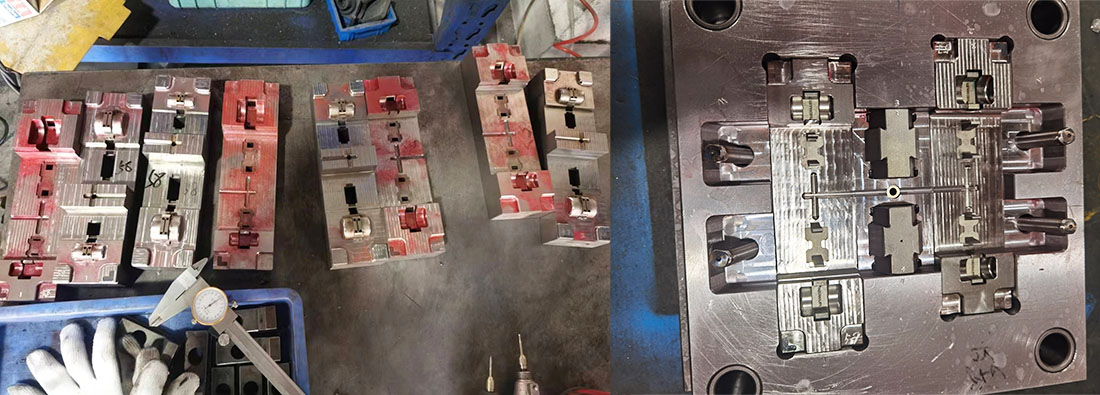
Mold testing:

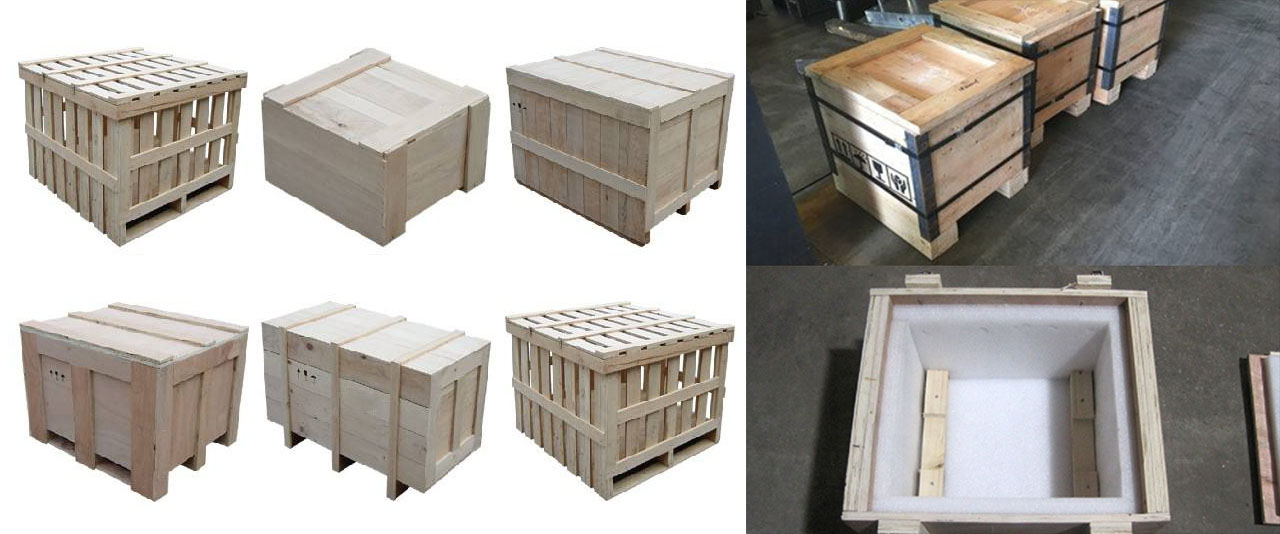
Product packaging
Factory
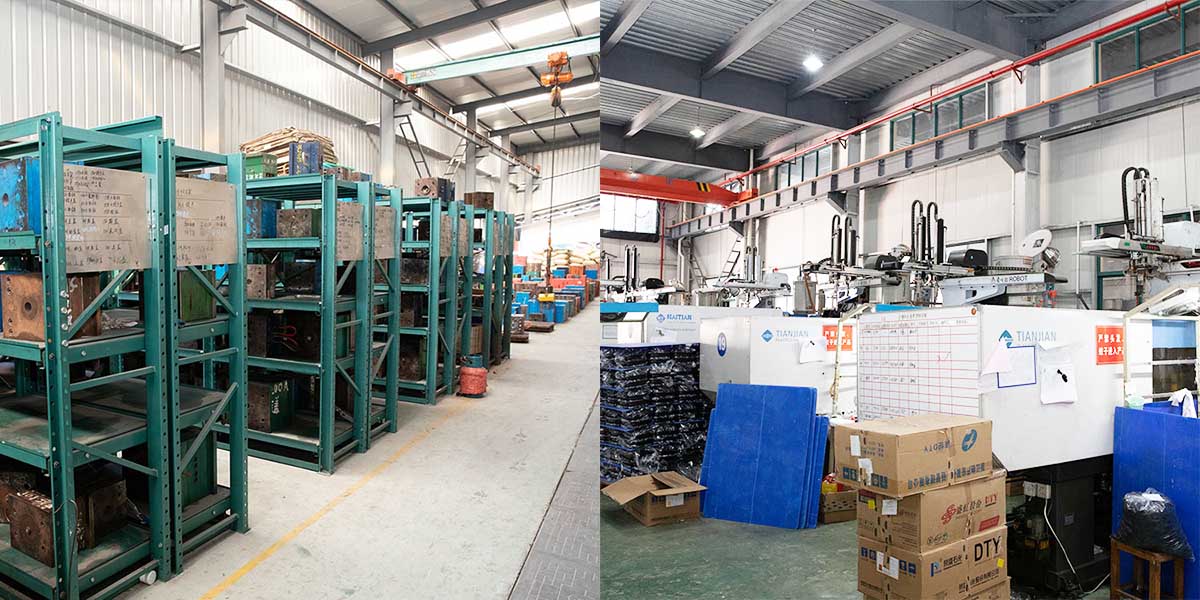
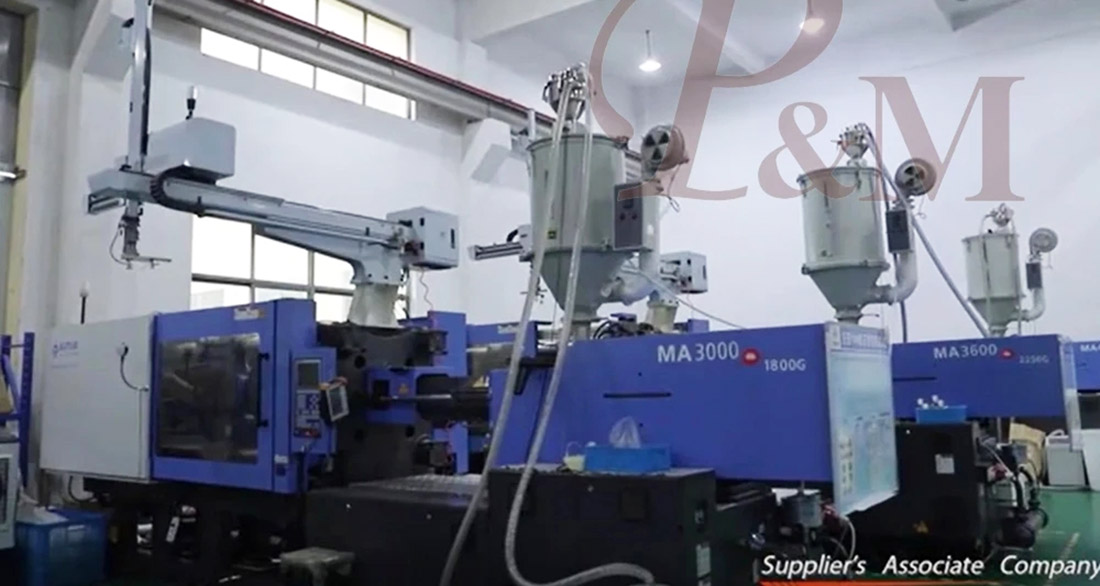
We are Custom Plastic Mold factory. Our factory is plastic injection mold maker. we has 17 years of experience in professional custom plastic mold and 10 years of foreign trade experience. We are custom Plastic Mold supplier. We can provide custom Plastic Mold service. Our factory can make the Injection molded plastic parts, and the quality of the products will satisfy you.
We have more than 50 high-end machines and hundreds of engineers and designers. We can provide one-stop service, from product design - mold making - product production - product packaging - transportation. We have a complete production chain. We can meet all your requirements.
Services we provide:
Professional custom mold service, Plastic mold design and manufacturing .plastic product production, product design, mold design, blow mold customization, rotational mold customization, die-casting mold customization. 3D printing services, CNC manufacturing services, product packaging, customized packaging, shipping services.

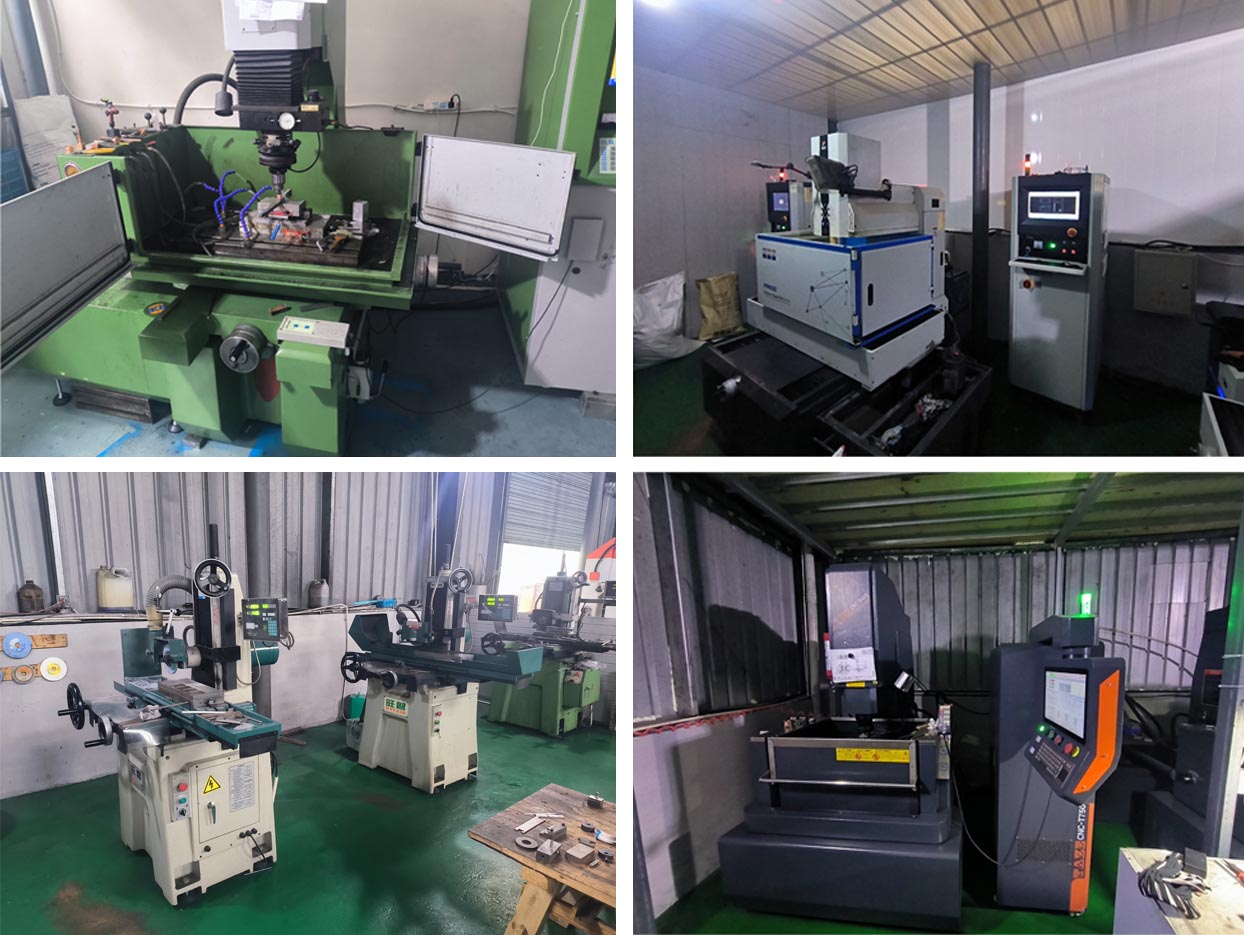
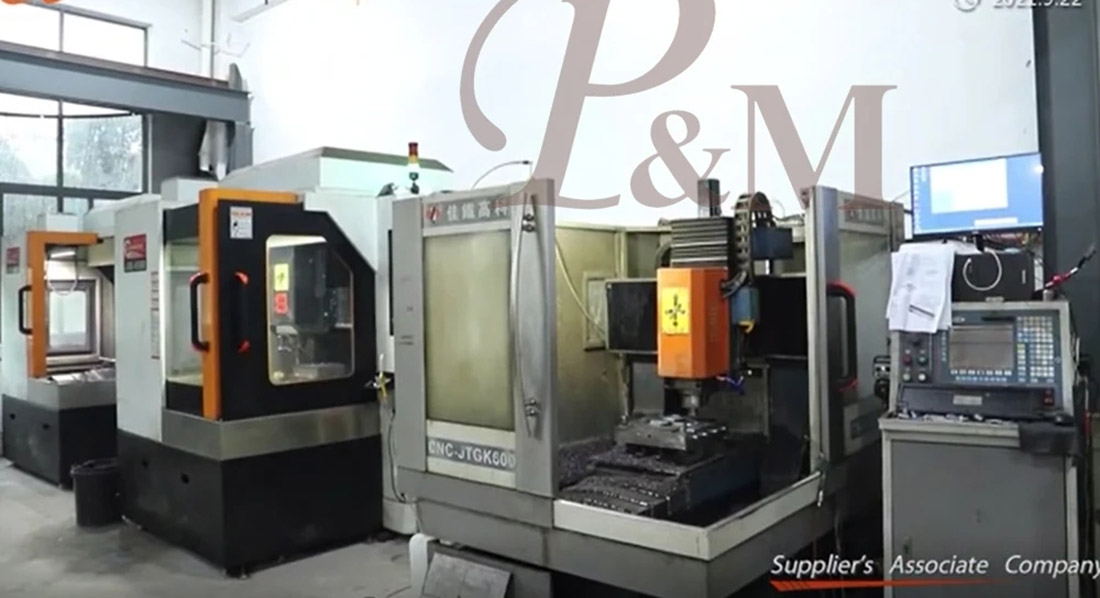
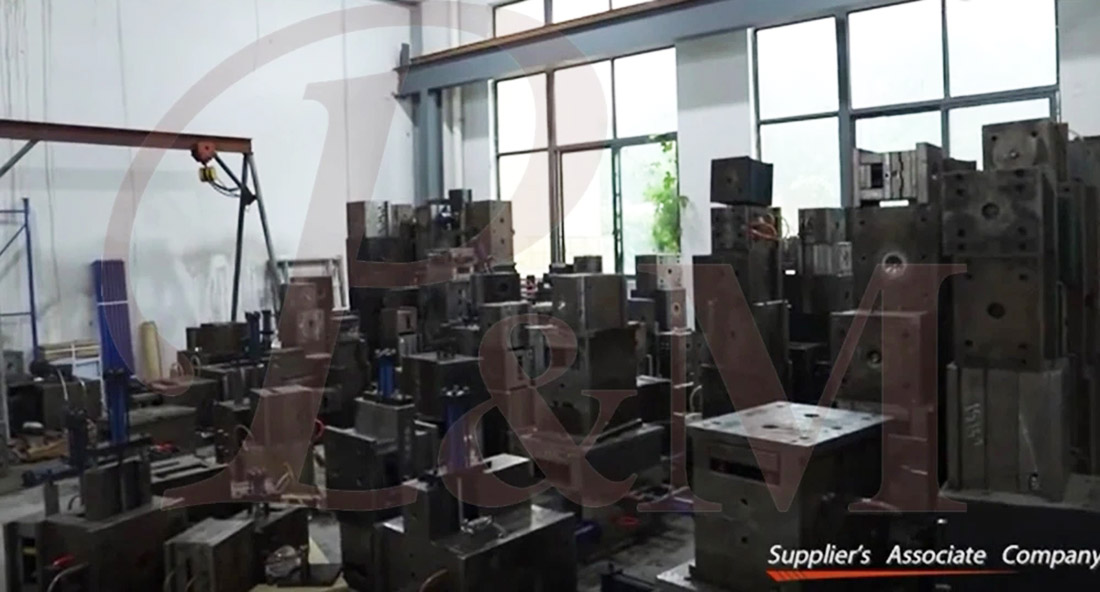
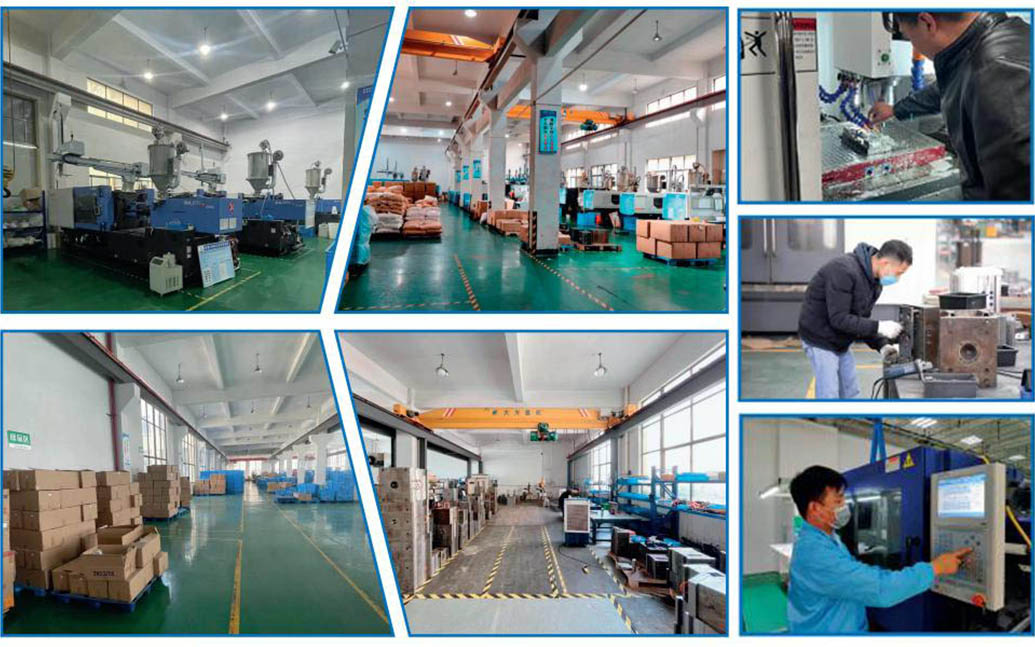

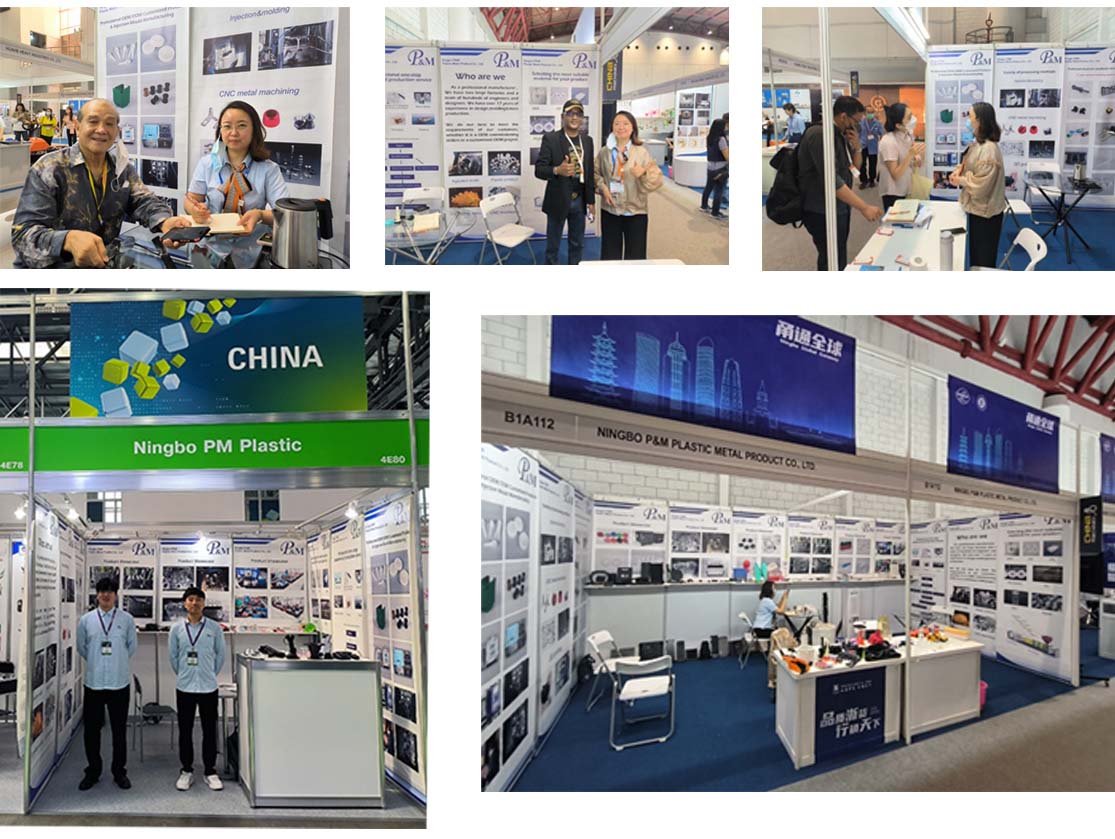
We always adhere to the principles of quality first and time first. While providing customers with the highest quality products, try to maximize the production efficiency and shorten production time. We are proud to tell every customer that our company has not lost any customer since its establishment.If there is a problem with the product, we will seek a solution actively and take responsibility to the end.

FAQ
Q1: Are you trading company or manufacturer ?
A: We are manufacturers.
Q2. When can I get the quotation?
A: We usually quote within 2 days after we get your inquiry.
If you are very urgent, please call us or tell us in your email so that we can quote for you first.
Q3. How long is the lead-time for mold?
A: It all depends on the products' size and complexity. Normally, the lead time is 25 days.
Q4. I have no 3D drawing, how should I start the new project?
A: You can supply us a molding sample, we will help you finish the 3D drawing design.
Q5. Before shipment, how to make sure the products quality?
A: If you don't come to our factory and also don't have the third party for inspection, we will be as your inspection worker.
We will supply you a video for production process detail include process report, products size structure and surface detail, packing detail and so on.
Q6. What is your payment terms?
A: Mold Payment: 40% deposit by T/T in advance, 30% second mold payment before sending out the first trial samples, 30% mold balance after you agree the final samples.
B:Production Payment: 50% deposit in advance, 50% before sending out the final goods.
Q7: How do you make our business long-term and good relationship?
A:1. We keep good quality and competitive price to ensure our customers benefit for best quality products.
2. We respect every customer as our friend and we sincerely do business and make friends with them, no matter where they come from.
Related Category
Send Inquiry
Please feel free to give your inquiry in the form below. We will reply you in 24 hours.