
Home
>
Product > Core Customization Service > Custom Molding > Knobs and Assembly Components moulding
Product
- Core Customization Service
- Health Care
- Electronic Appliances and Instruments
- Maternal and Child Supplies Molds
- Recreational Sports
- Home Furnishing Art
- Auto Accessories
- Transportation and Warehousing
- Lighting Fixtures
- Construction Equipment
- Packaging Product
- Educational & Laboratories
- Clothing Luggage Accessories
- Care and Cleaning Products
- Agriculture & Forestry
- Mechanical Equipment
- Pet Supplies
- Kitchenware
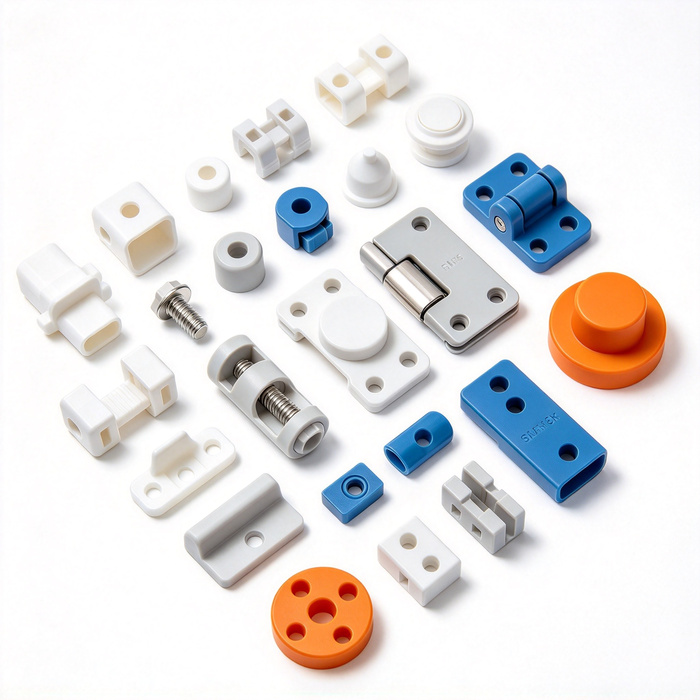
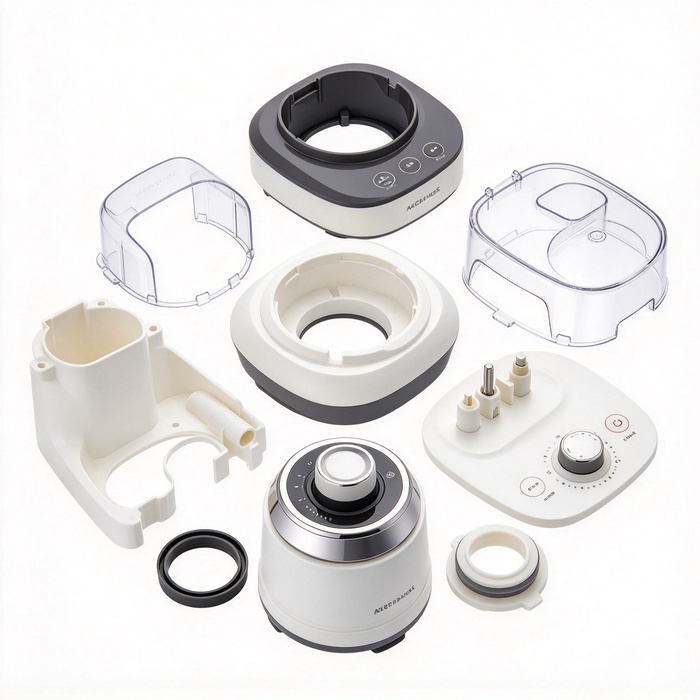
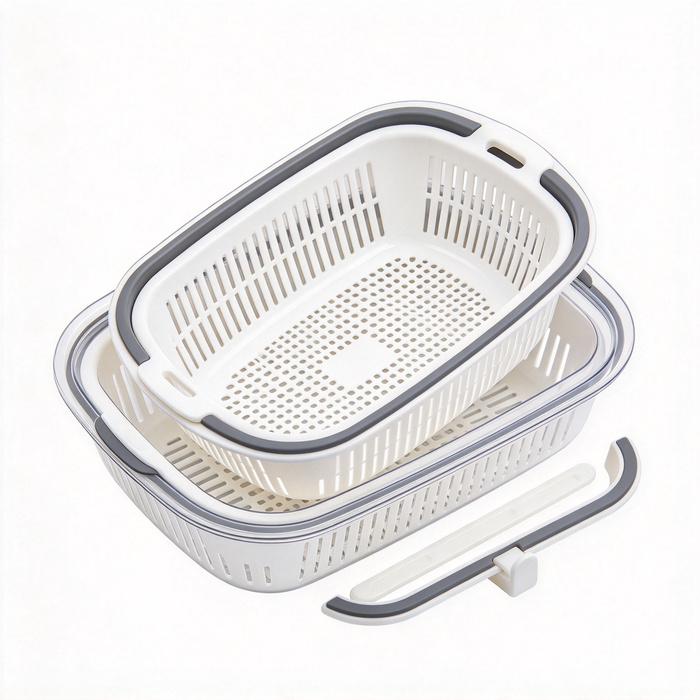
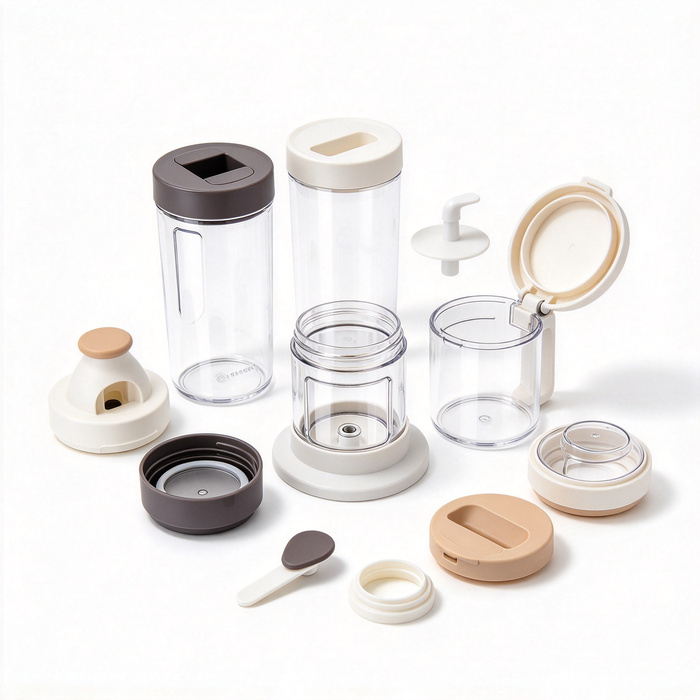
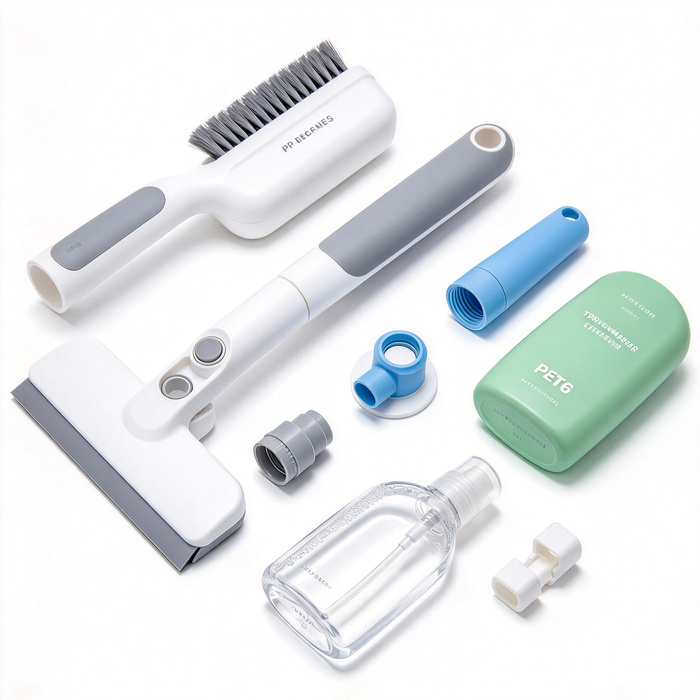
Knobs and Assembly Components moulding
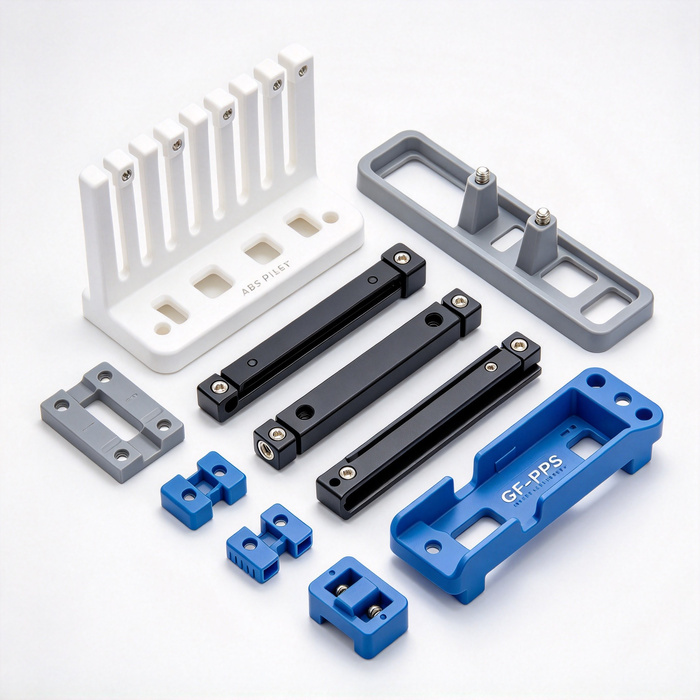
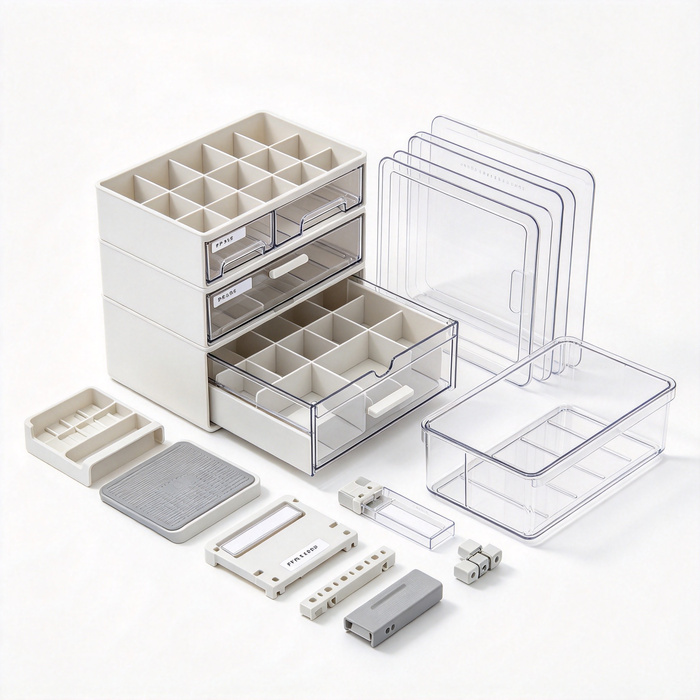
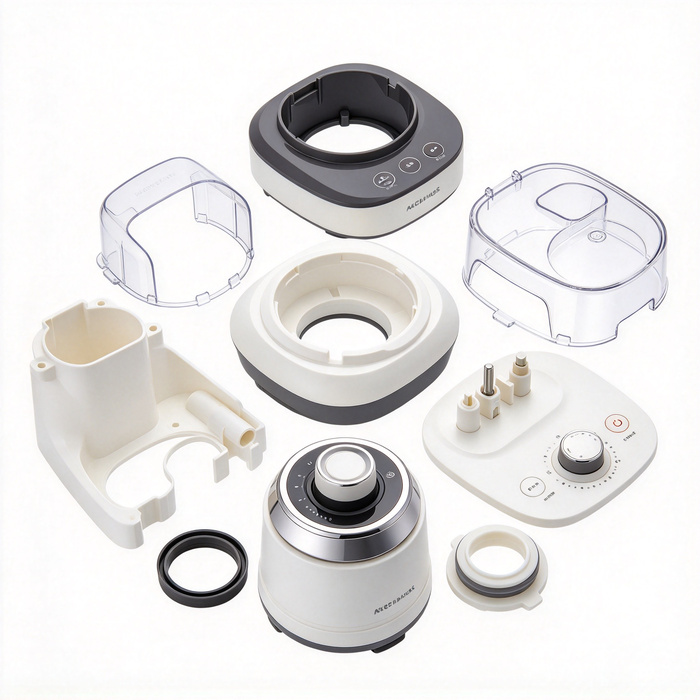
Ningbo (P&M) Plastic Metal Products Co., Ltd. has 17 years of mold manufacturing technology and can customize Knobs and Assembly Components moulding. We provide professional customized Knobs and Assembly Components moulding services, and we are a professional Knobs and Assembly Components moulding manufacturer. We have sufficient experience in selecting product raw materials and mold materials. In the process of customizing Knobs and Assembly Components moulding, our factory can provide one-stop service. We have design and production capabilities related to Knobs and Assembly Components moulding, such as: CAD design, mold manufacturing, injection molding, plastic product production, assembly and other technologies.
Send Inquiry
Product Description
In addition, our company has established cooperative relationships with plastic raw material suppliers, printing manufacturers, etc. to ensure the supply of raw materials and printing quality. Through our rich experience and perfect supply chain, our company can provide customers with high-quality customized Knobs and Assembly Components moulding products to meet their specific needs. At the same time, we have 10 years of professional foreign trade service experience, understand the foreign trade process, and better serve our customers. For Knobs and Assembly Components moulding products, we can make corresponding plastic parts, which is mainly done through injection molds.
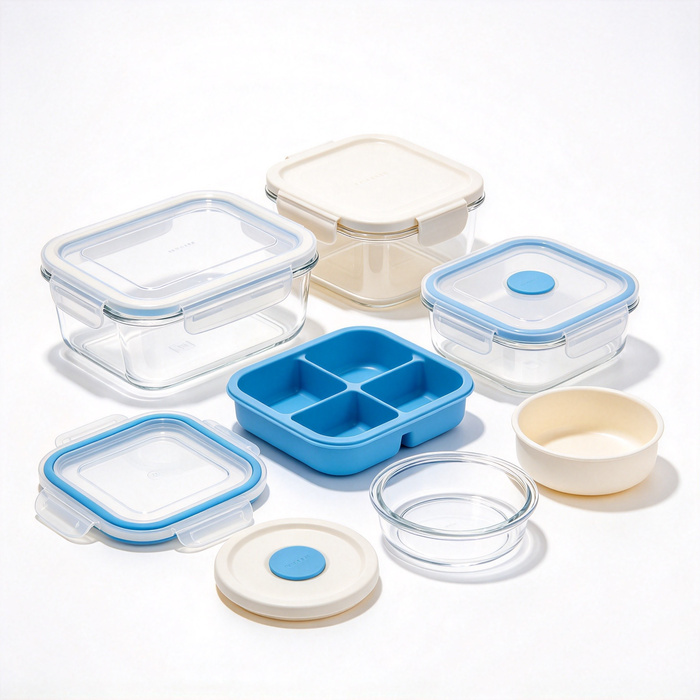
## Material Selection (Categorized by Operating Conditions)
### 1) High-Temperature Zone: Steam Oven Knobs (Located near the oven cavity; subject to heat and steam condensation)
- **PPS GF (Glass Fiber Reinforced)**: Used for bases, shaft sleeves, and limit-stop frameworks. Offers high heat resistance and creep resistance, ensuring the knob remains secure even after long-term rotation at high temperatures. *Drawback:* Exposed glass fibers can lead to powder generation at friction interfaces; mating surfaces require specific polishing or textured finishes.
- **PPSU**: Used for high-end integrated knobs and transparent scale rings. Features excellent toughness, hydrolysis resistance, and high resistance to stress cracking—ideal for components that are frequently removed, reinstalled, or wiped clean of grease. Due to a relatively high coefficient of friction, it requires the use of LSR (Liquid Silicone Rubber) or TPE (Thermoplastic Elastomer) to achieve a smooth, damped feel.
- **Platinum-Cured LSR**: Used for anti-slip grips and damping rings. Offers high temperature resistance, oil resistance, and low extractable/leachable content.
>
> ❌ Prohibited in high-temperature zones: Standard copolymer POM. Under hot, humid steam conditions, it undergoes hydrolysis, becomes brittle, loses grip, and generates powder.
### 2) Ambient Temperature Zone: Knobs for Beverage Dispensers and Baby Food Preparation Appliances (Common Applications)
- **Copolymer POM (Preferred for friction interfaces)**: Used for internal damping cores, shafts, and stop-gear rings. Provides self-lubrication, stable friction, consistent rotational feel, and high wear resistance (capable of tens of thousands of cycles). ⚠️ Suitable only for dry, ambient-temperature environments; must not be exposed directly to steam.
- **Food-Grade High-Impact PP**: Used for outer housings, decorative covers, and cost-effective bases. Exhibits high shrinkage; tolerances for precision gear rings and positioning pins must be carefully accounted for. Suitable for light-load applications.
- **PCTG (Tritan)**: Used for transparent scale rings and viewing windows. BPA-free; commonly used in products for children. Not suitable for long-term exposure to high temperatures.
- **Food-Grade PA66-GF (Dry zones only)**: Used for high-torque locking knobs. Susceptible to dimensional drift due to moisture absorption; must not be exposed to condensation or immersion in water. - **Food-grade TPE (PP-based):** Used for the overmolded, non-slip outer ring; Shore A hardness of 45–60 provides a comfortable tactile feel. Versions intended for children must be phthalate-free and exhibit low migration.
### 3) Two-Color / Overmolding Combinations (Most Common)
- Substrate: PP, POM, or PPSU; Soft material: TPE or LSR bonded to a PP base.
- The interface between the rigid substrate and the overmolded soft material must feature a radiused (curved) transition; sharp, right-angled boundaries are prone to edge lifting or delamination under repeated twisting.
## II. DFM Considerations (Common Pitfalls for Knobs)
Knob failure is rarely due to the part breaking entirely; rather, it typically manifests as: altered tactile feel, loss of detent/index accuracy, increased play (looseness), abnormal noise, peeling of the overmolded layer, or shearing of the mechanical stops.
### 1. Shaft, Bore, and Spline Interfaces
- Bore Referencing: Use a cylindrical surface for primary positioning rather than relying on a single alignment rib. Maintain concentricity within 0.03 mm to prevent eccentric rotation and internal rubbing/noise.
- Splines / Flats: Ensure a radius (R) of ≥0.25 mm at the root of the teeth; sharp corners are susceptible to fatigue failure from repeated twisting. Keep tooth thickness uniform and avoid thin, fragile teeth.
- Fit Clearances:
- POM–POM friction pairs: 0.02–0.04 mm per side.
- PP-based pairs: Increase to 0.04–0.07 mm (to account for higher shrinkage and creep).
- PPS-GF (glass-fiber reinforced): 0.03–0.06 mm per side (accounting for anisotropic behavior due to fiber orientation).
- Mechanical Stops: Design stops with sufficient thickness and a radius at the base. Avoid thin, sheet-like stop features, as they are prone to shearing or breaking under impact. ### 2. Damping Structure Design
Two mainstream approaches:
1. **Integrated Elastic Cantilever Damping Ribs**: Characterized by thin, elongated ribs with rounded fillets at the base. The ribs must not be too thin; otherwise, they may suffer from fatigue-induced relaxation after thousands of cycles, leading to a reduction in tactile resistance. This approach is suitable for light damping requirements.
2. **Independent Damping Rings (LSR/TPE)**: Achieved via in-mold overmolding, where the soft ring generates constant friction under compression. Advantages include consistent tactile feedback and minimal noise; disadvantages include sensitivity to the quality of the overmolding bond and the degree of compression.
>
> ✅ Design Compression: For LSR/TPE damping rings, compression is typically controlled within the 8–15% range. Excessive compression can cause the component to seize, while insufficient compression results in a lack of damping.
### 3. Graduations, Aesthetic Surfaces, and Anti-Slip Textures
- Graduations: Embossed markings are preferred over debossed (engraved) ones. Printed markings are prone to being worn off by cleaning agents. For embossed markings, incorporate small fillets at the corners to avoid stress concentration points.
- Anti-Slip Features (Dots/Ribs): Follow the established standards for anti-slip components—include a radius (R) at the base of each dot/rib (avoid sharp internal corners). The height of these features should not exceed 60% of the base material's wall thickness.
- Parting Lines: Position these on the bottom or rear surfaces whenever possible. If a parting line must be located within the gripping area, ensure any misalignment is ≤0.03 mm and that the transition is smooth. For products intended for children, parting lines must not create sharp edges that could scratch the skin.
### 4. Snap-Fits and Retention Mechanisms
The most common assembly method for knobs involves using snap-fit hooks to lock onto a motor shaft or metal spindle.
- Ensure a radius (R) of ≥0.4 mm at the base of the snap-fit hooks and maintain uniform wall thickness.
- Use at least three snap-fit hooks, distributed evenly to avoid concentrated stress at a single point.
- For devices intended for children: Ensure that if a snap-fit hook breaks, it does not detach as a small, loose part. Weld lines must never be located at the base of the snap-fit hooks.
- Pull-off force must be controlled according to specifications (for children's products, it is often required that the knob cannot be easily removed by hand, preventing potential ingestion hazards). ### 5. Radii, Hygiene, and Wall Thickness
- External contours: R ≥ 1.0 mm for products intended for children; R ≥ 0.6 mm for standard kitchen appliances.
- Nominal wall thickness:
- POM / PP: 1.5–2.0 mm;
- PPS-GF / PPSU: 1.8–2.3 mm;
- Hollow out thick sections to prevent sink marks (sink marks are highly visible on graduated/scaled surfaces and can also alter damping pressure).
### 6. Strict Control of Weld Lines
Weld lines must not be located on: the bases of snap-fit tabs, stop teeth, damping ribs, or load-bearing areas of splines.
For knobs with multiple holes or gates, use mold-flow analysis to direct weld lines toward the bottom, non-load-bearing areas. Note that the structural strength of POM and PPS-GF is significantly reduced at weld line locations.
### 7. Draft Angles
- Visible/aesthetic surfaces: ≥ 1.5°; areas intended for children to grip: ≥ 2.5°.
- Internal bores, splines, and cantilevered damping ribs: Ensure uniform draft to prevent surface scarring during demolding; even minor scarring can amplify friction-related noise and accelerate wear.
We are a Knobs and Assembly Components moulding manufacturer, providing high-quality Knobs and Assembly Components moulding manufacturing. As long as you want to customize/develop Knobs and Assembly Components moulding products, you can find us. We have professional injection mold design and mature manufacturing technology, providing you with one-stop service, from product design-mold making-product production-product packaging-product transportation, we can help you in every link. As long as you come to us, we will provide you with the ultimate service and satisfy you in terms of product quality, production time, information dialogue, etc.
|
Product Name |
Treadmill moulding |
|
Pls provide |
2D, 3D, samples, or the size of the multi-angle pictures |
|
Mould Time |
20-35 Days |
|
Product time |
7-15 Days |
|
Mould precision |
+/-0.01mm |
|
Mould life |
50-100 million shots |
|
Producing Process |
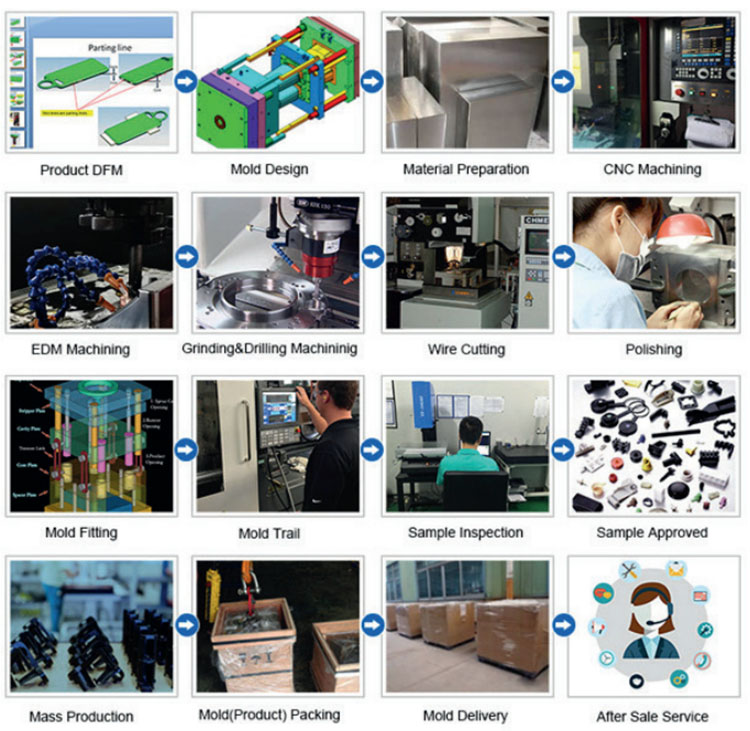
Audit drawings - mold flow analysis - design validation - Custom Materials - mold processing - core processing - electrode machining - Runner system processing - parts processing and procurement - machining acceptance - cavity surface treatment process - complex mode Die - The entire mold surface coating - Mounting plate - mold sample - sample test - sending samples |
|
Mould cavity |
One cavity, multi-cavity or same different products be made together |
|
Mould material |
P20,2738,2344,718,S136,8407,NAK80,SKD61,H13 |
|
Runner system |
Hot runner and cold runner |
|
Base material |
P20,2738,2344,718,S136,8407,NAK80,SKD61,H13 |
|
Finish |
Pitting the word, mirror finish, matte surface, striae |
|
Standard |
HASCO, DME or dependent upon |
|
Main technology |
Milling, grinding, CNC, EDM, wire cutting, carving, EDM, lathes, surface Finish, etc. |
|
Software |
CAD,PRO-E,UG Design Time: 1-3 days (normal circumstances) |
|
Product material |
ABS,PP,PC,PA6,PA66,TPU,POM,PBT,PVC,HIPS,PMMA,TPE,PC/ABS,TPV,TPO,TPR,EVA,HDPE,LDPE,CPVC,PVDF,PPSU.PPS. |
|
Quality system |
ISO9001:2008 |
|
Establish time |
20days |
|
Equipment |
CNC,EDM,Cutting off Machine,plastic machinery,etc plastic suitcase mould zhe jiang |
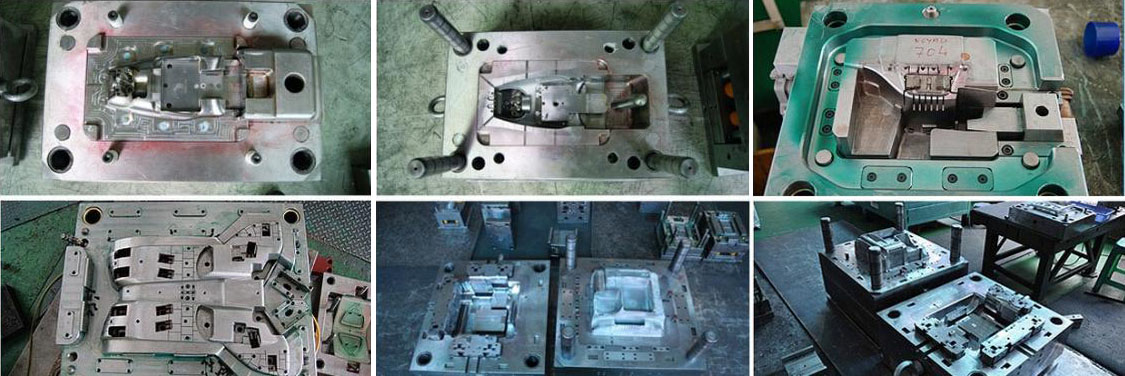
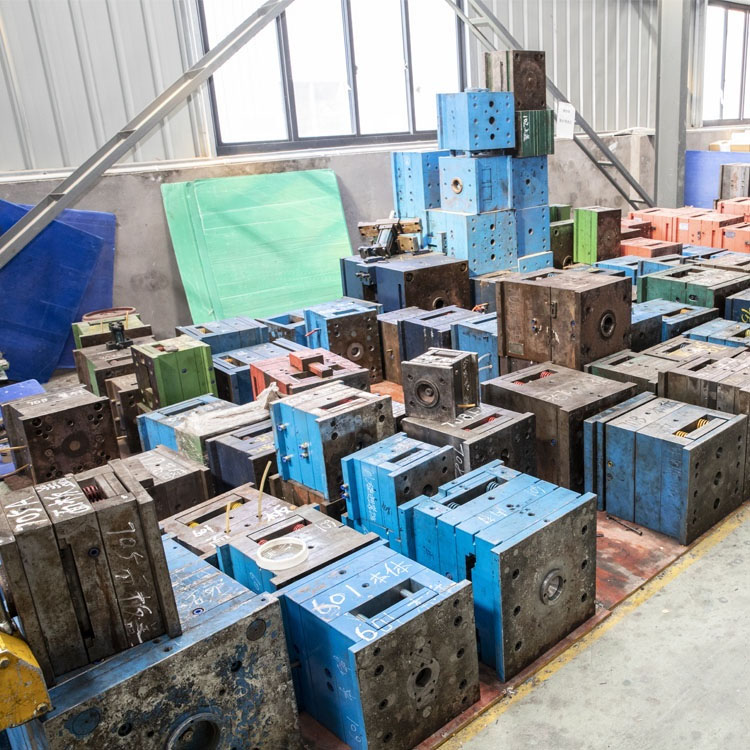
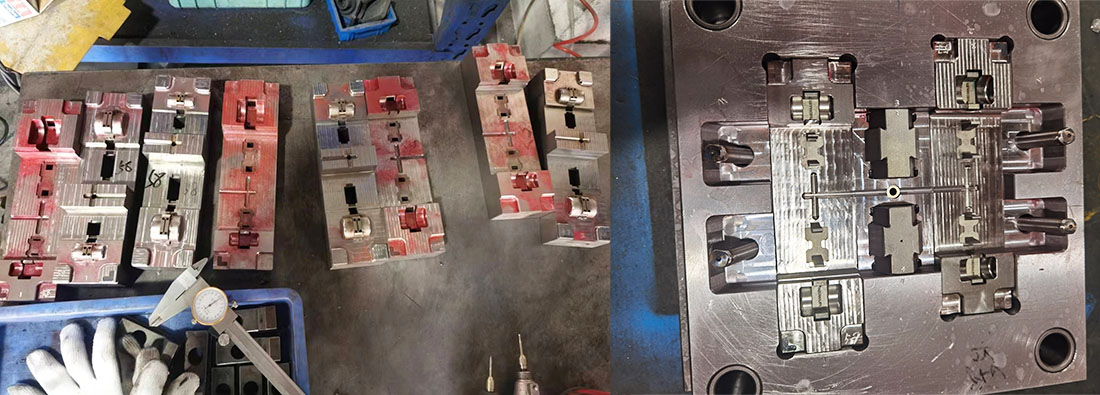
Plastic Injection Mould making
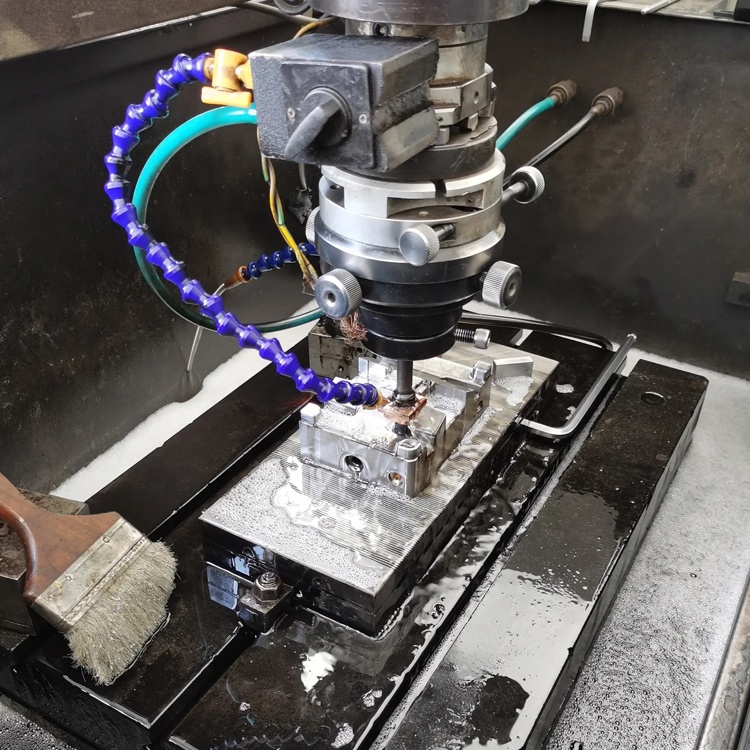
Plastic molding specifications
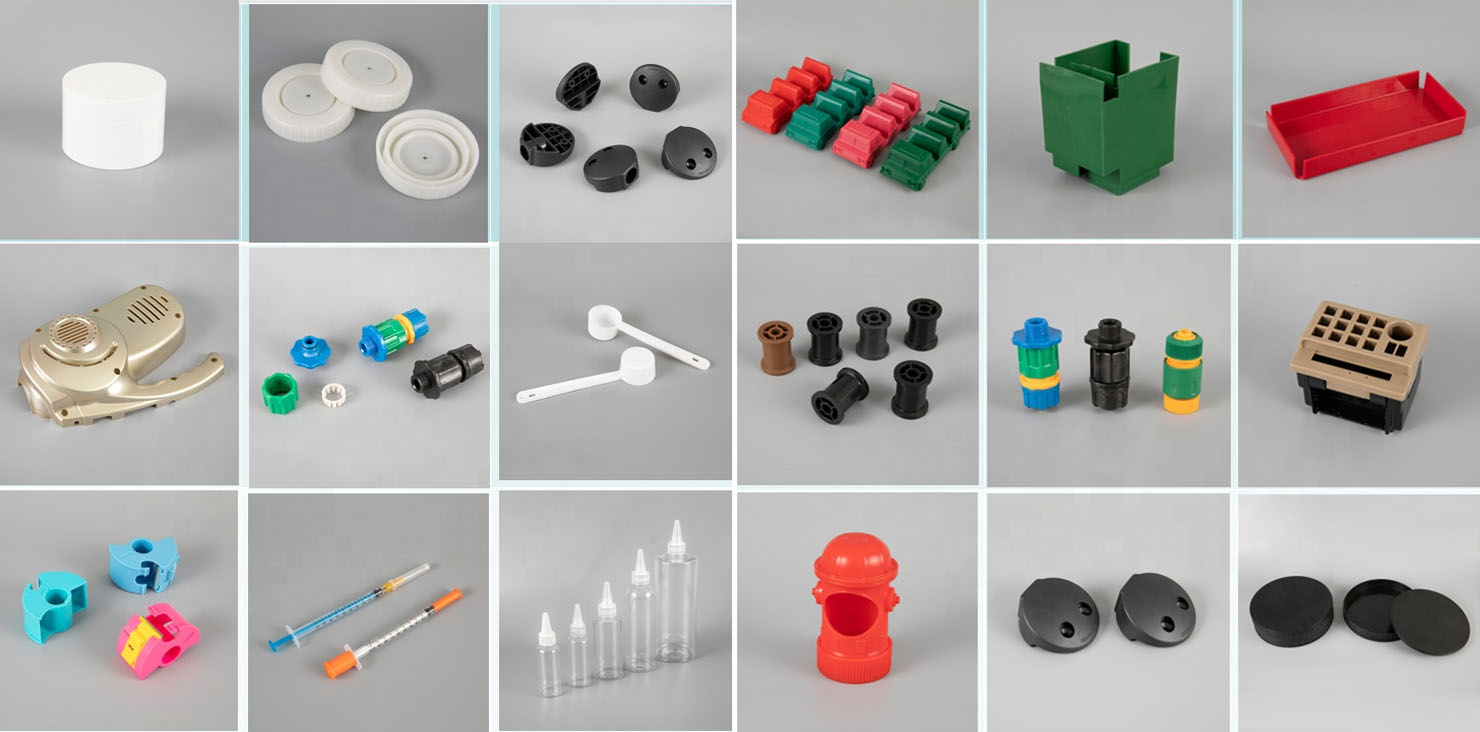
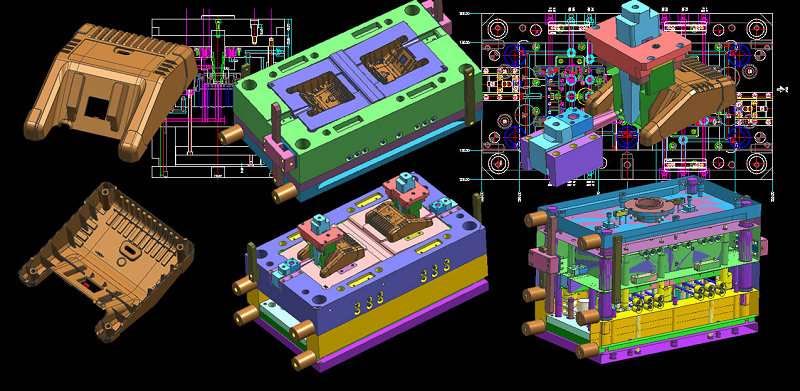
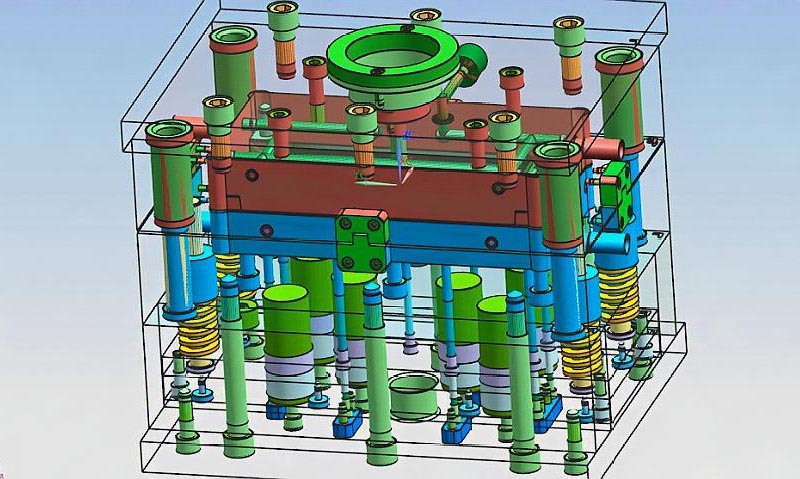
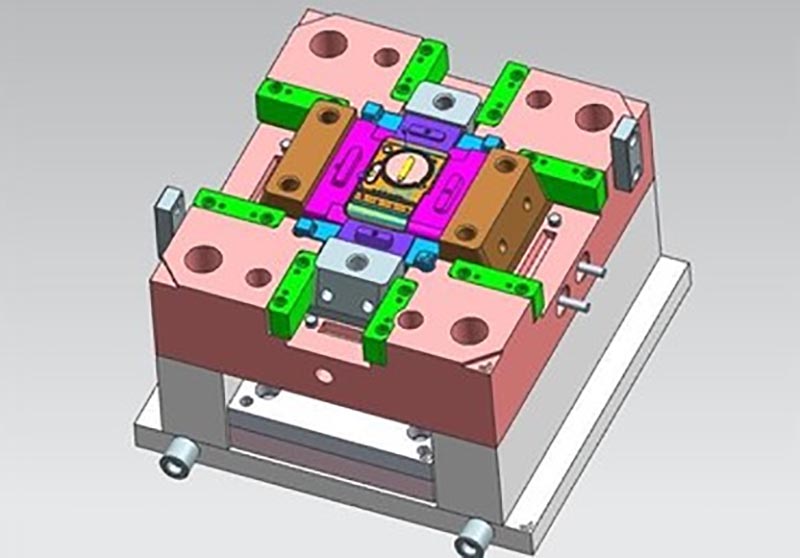
Mold design:
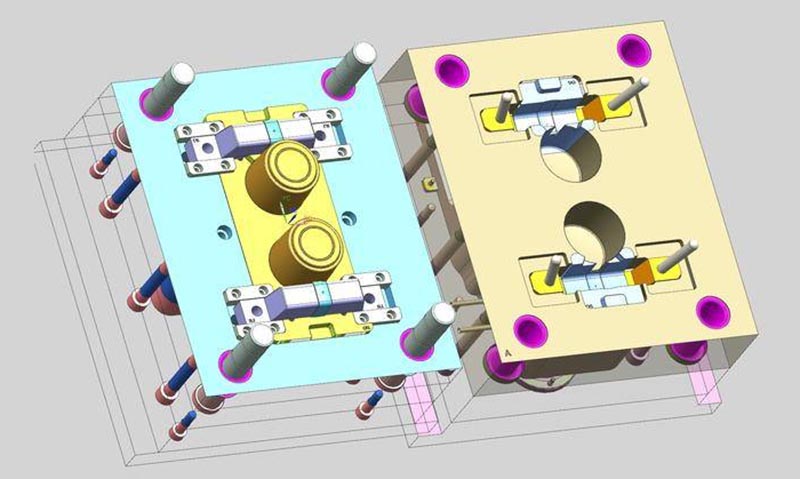
Transaction process:
Mold testing:

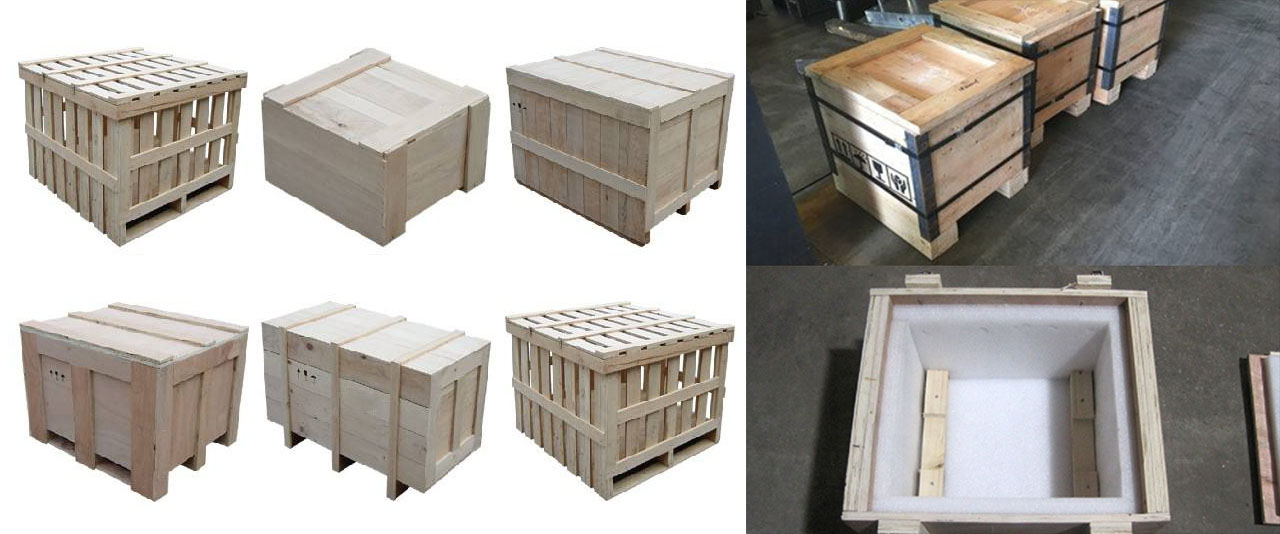
Product packaging
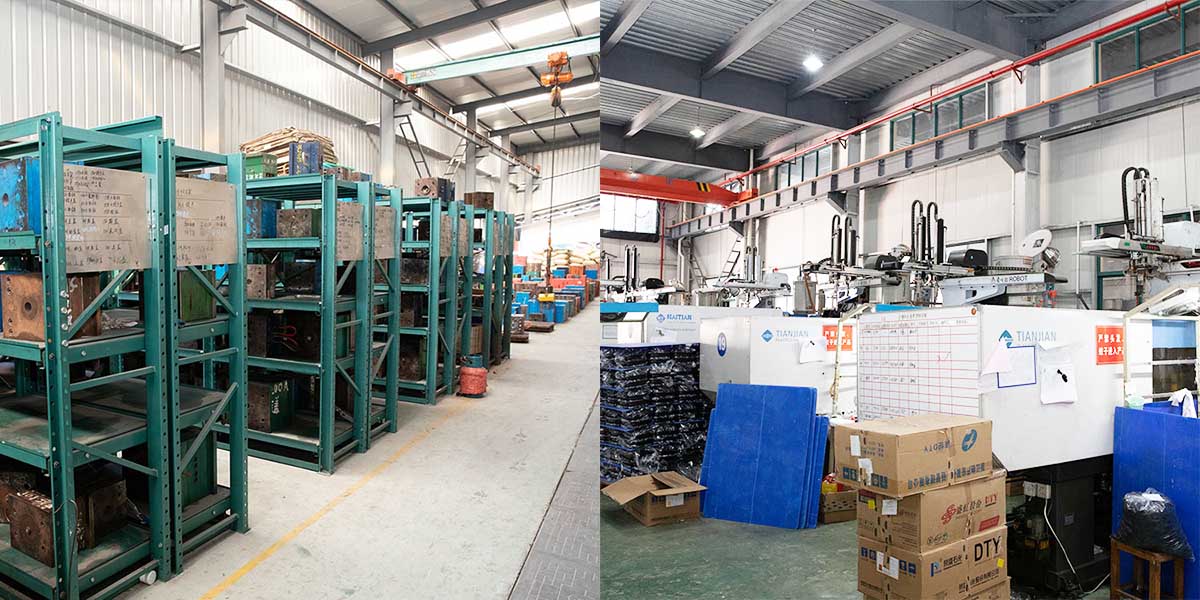
Factory
We are Custom Plastic Mold factory. Our factory is plastic injection mold maker. we has 17 years of experience in professional custom plastic mold and 10 years of foreign trade experience. We are custom Plastic Mold supplier. We can provide custom Plastic Mold service. Our factory can make the Injection molded plastic parts, and the quality of the products will satisfy you.
We have more than 50 high-end machines and hundreds of engineers and designers. We can provide one-stop service, from product design - mold making - product production - product packaging - transportation. We have a complete production chain. We can meet all your requirements.
Services we provide:
Professional custom mold service, Plastic mold design and manufacturing .plastic product production, product design, mold design, blow mold customization, rotational mold customization, die-casting mold customization. 3D printing services, CNC manufacturing services, product packaging, customized packaging, shipping services.
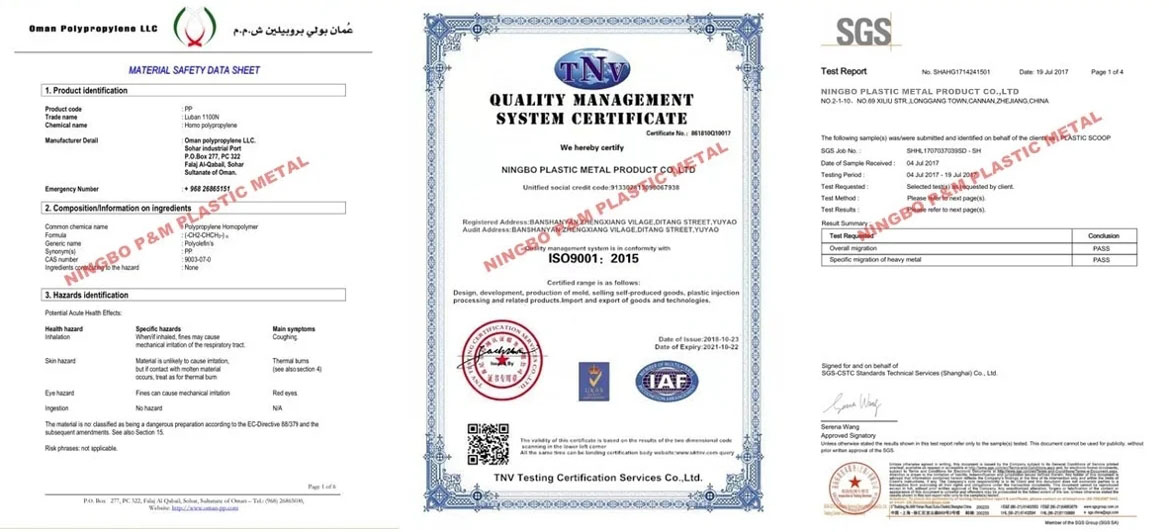

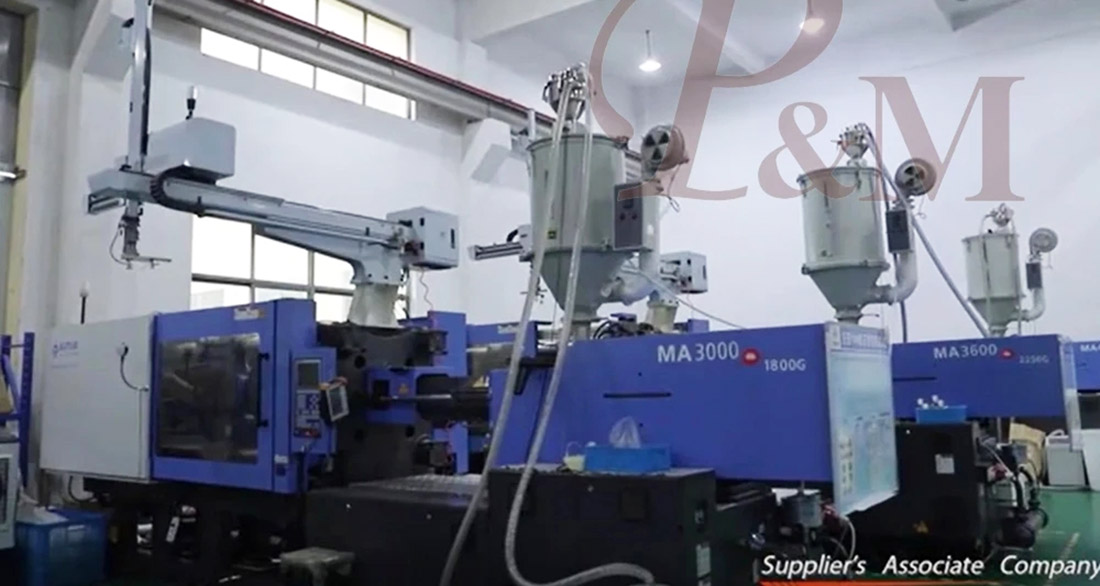
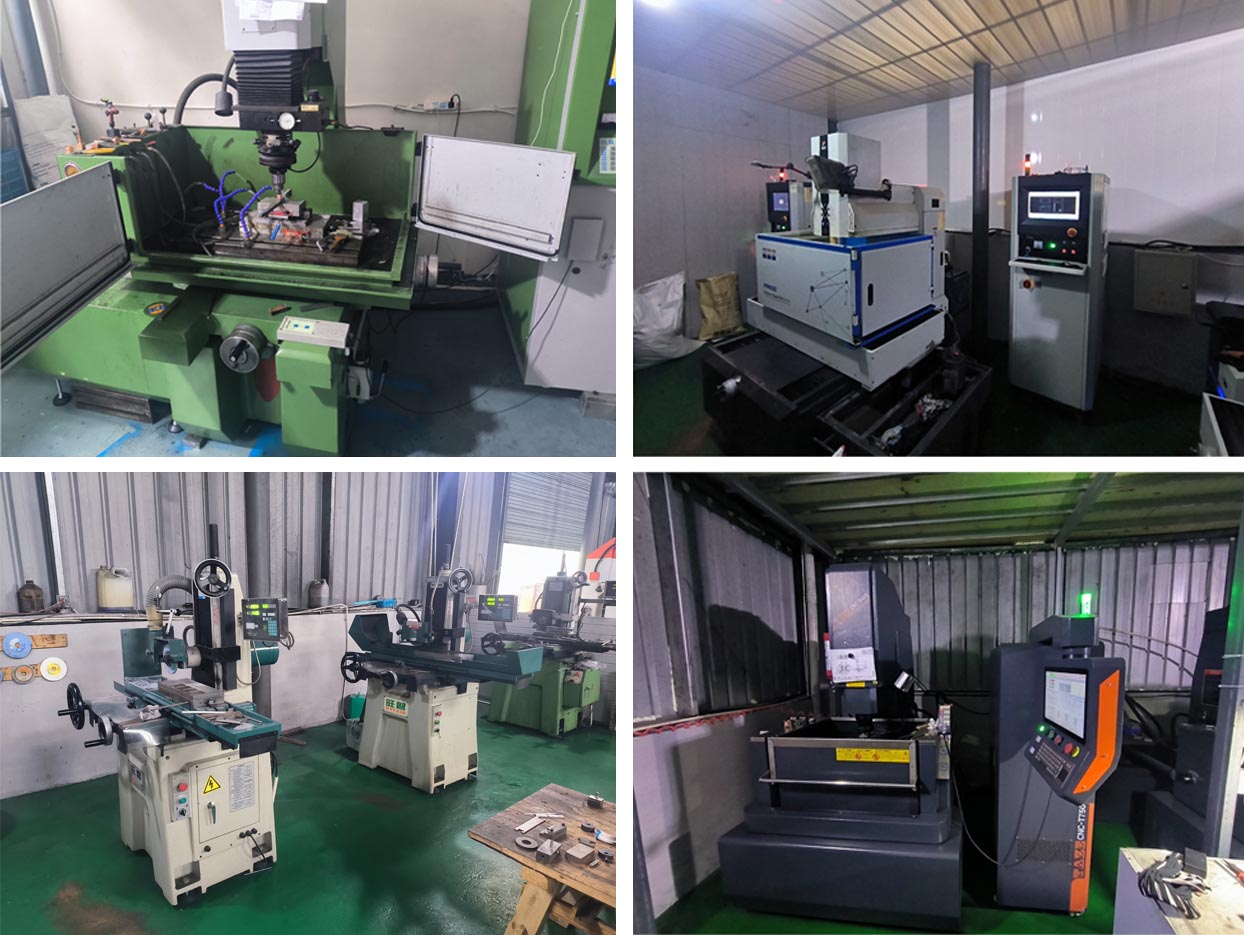
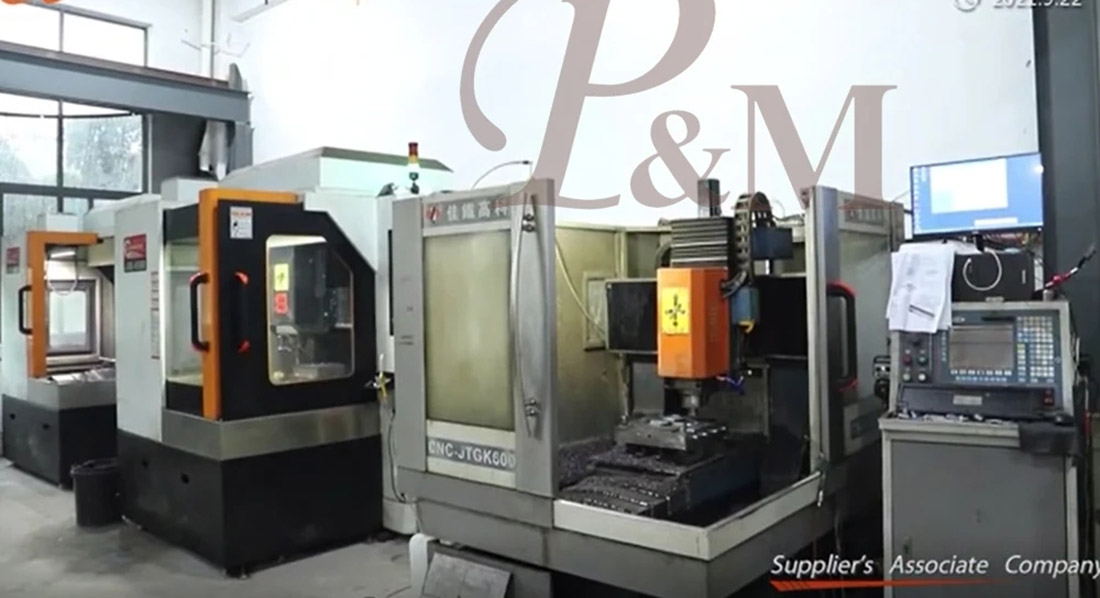
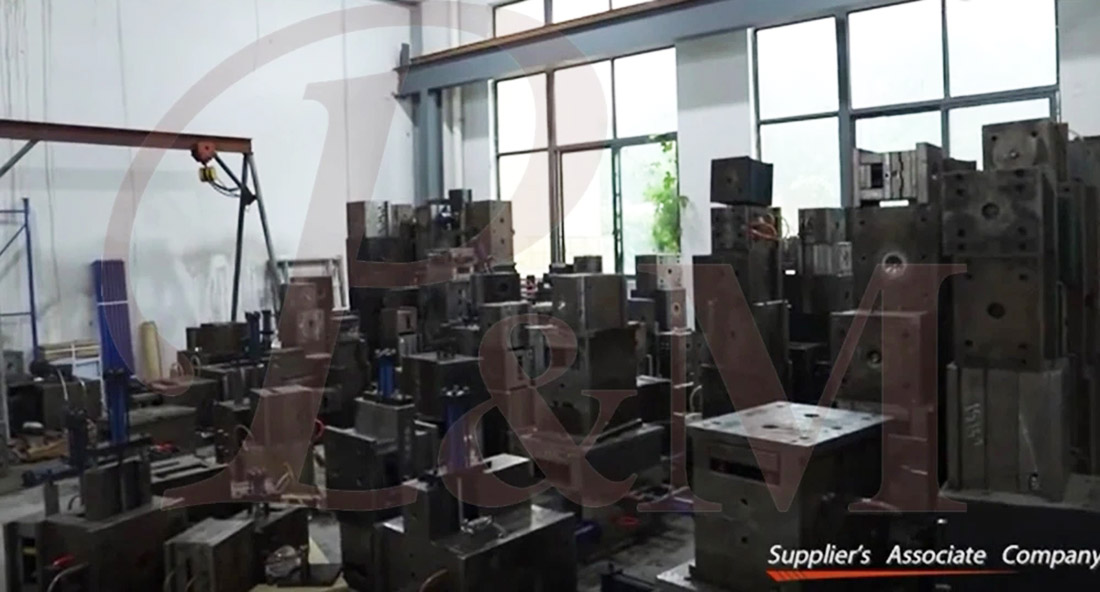
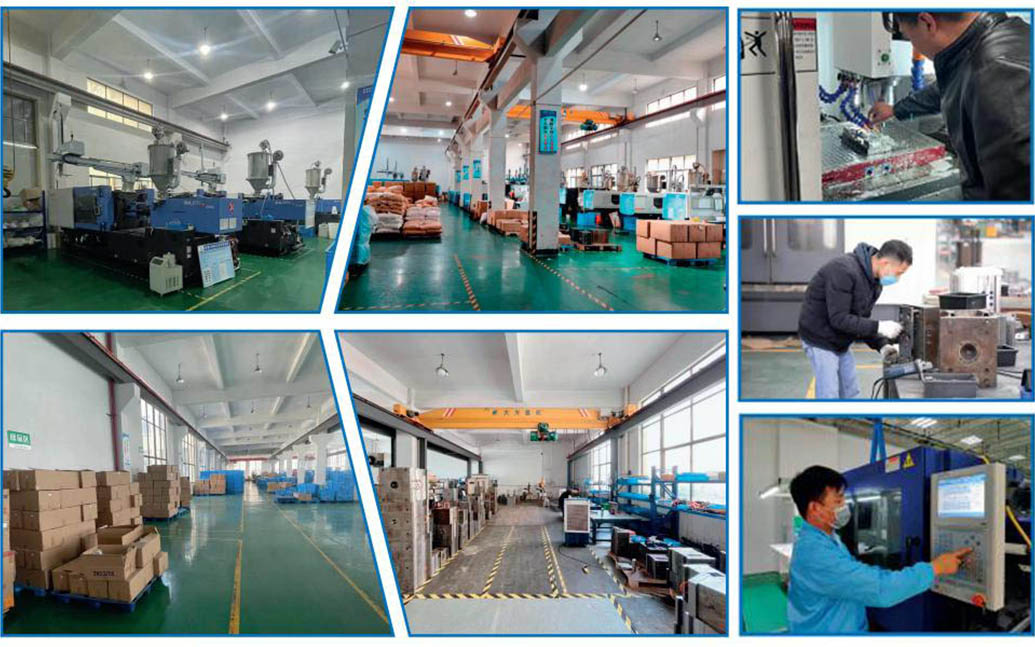
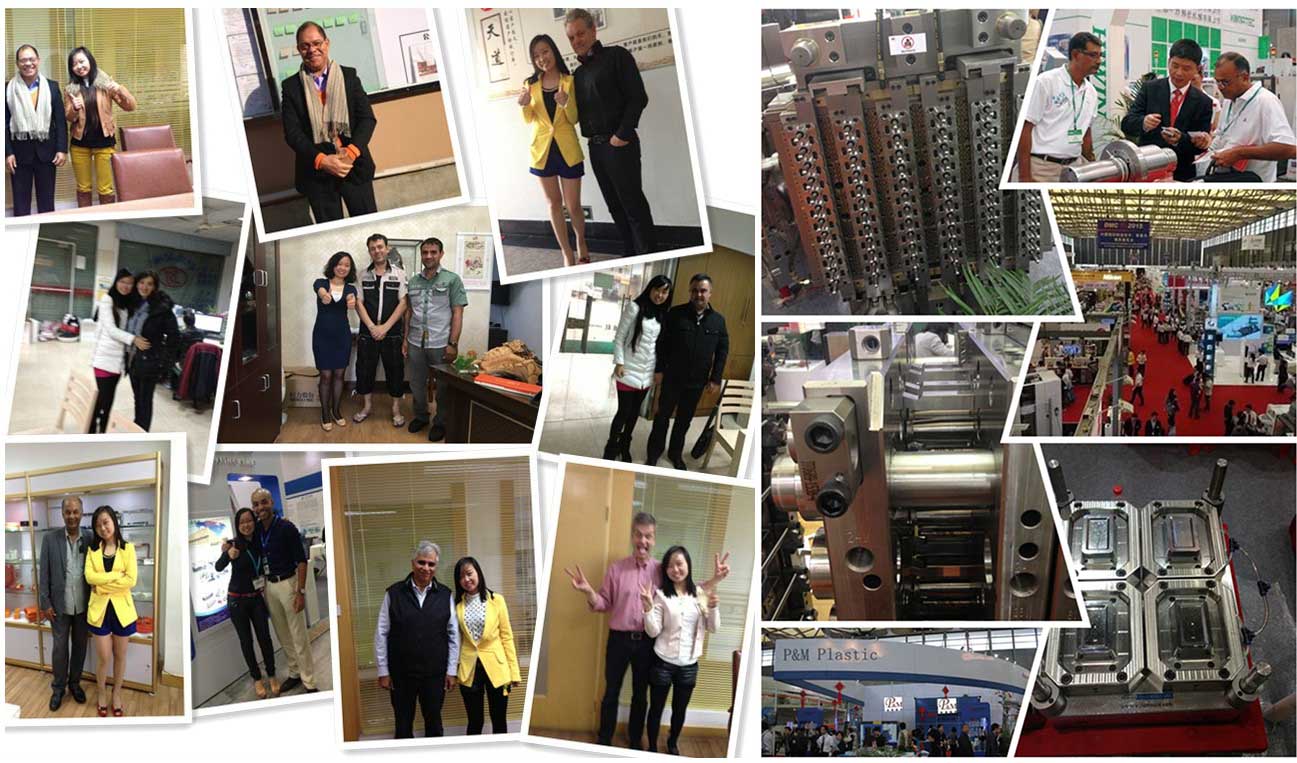
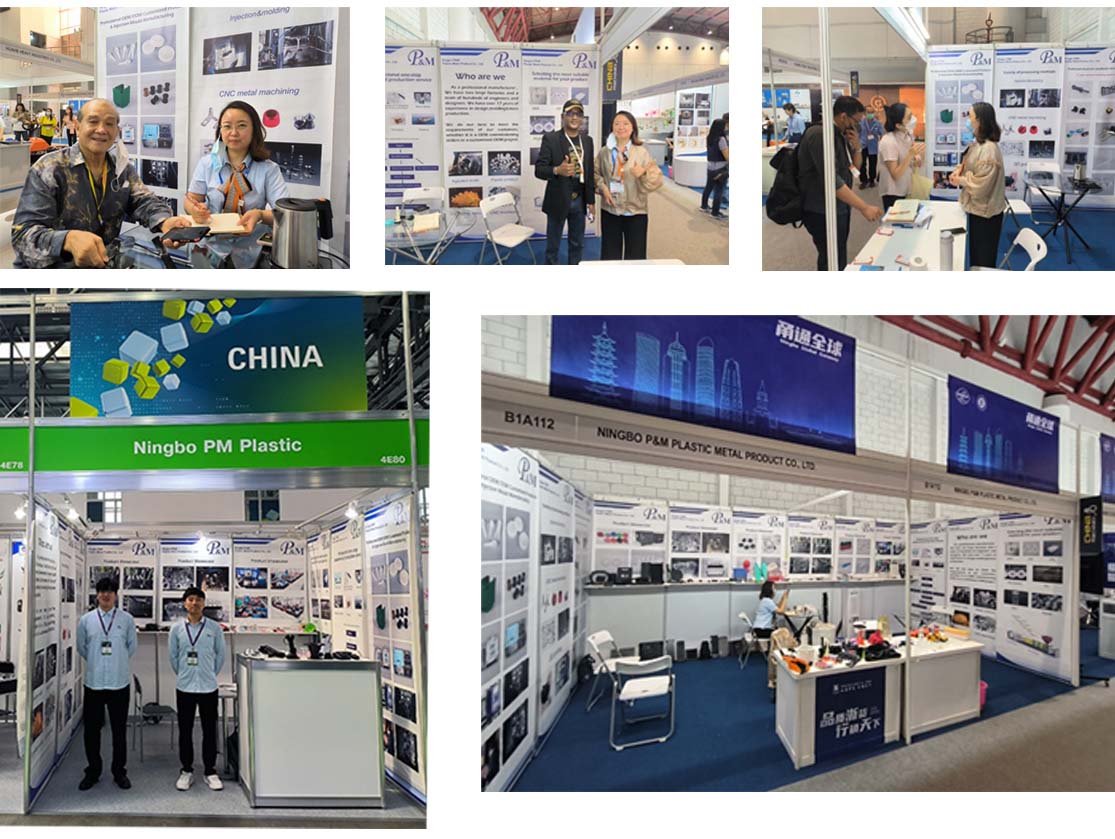
We always adhere to the principles of quality first and time first. While providing customers with the highest quality products, try to maximize the production efficiency and shorten production time. We are proud to tell every customer that our company has not lost any customer since its establishment.If there is a problem with the product, we will seek a solution actively and take responsibility to the end.

FAQ
Q1: Are you trading company or manufacturer ?
A: We are manufacturers.
Q2. When can I get the quotation?
A: We usually quote within 2 days after we get your inquiry.
If you are very urgent, please call us or tell us in your email so that we can quote for you first.
Q3. How long is the lead-time for mold?
A: It all depends on the products' size and complexity. Normally, the lead time is 25 days.
Q4. I have no 3D drawing, how should I start the new project?
A: You can supply us a molding sample, we will help you finish the 3D drawing design.
Q5. Before shipment, how to make sure the products quality?
A: If you don't come to our factory and also don't have the third party for inspection, we will be as your inspection worker.
We will supply you a video for production process detail include process report, products size structure and surface detail, packing detail and so on.
Q6. What is your payment terms?
A: Mold Payment: 40% deposit by T/T in advance, 30% second mold payment before sending out the first trial samples, 30% mold balance after you agree the final samples.
B:Production Payment: 50% deposit in advance, 50% before sending out the final goods.
Q7: How do you make our business long-term and good relationship?
A:1. We keep good quality and competitive price to ensure our customers benefit for best quality products.
2. We respect every customer as our friend and we sincerely do business and make friends with them, no matter where they come from.
Related Category
Send Inquiry
Please feel free to give your inquiry in the form below. We will reply you in 24 hours.