
Product
- Core Customization Service
- Health Care
- Electronic Appliances and Instruments
- Maternal and Child Supplies Molds
- Recreational Sports
- Home Furnishing Art
- Auto Accessories
- Transportation and Warehousing
- Lighting Fixtures
- Construction Equipment
- Packaging Product
- Educational & Laboratories
- Clothing Luggage Accessories
- Care and Cleaning Products
- Agriculture & Forestry
- Mechanical Equipment
- Pet Supplies
- Kitchenware
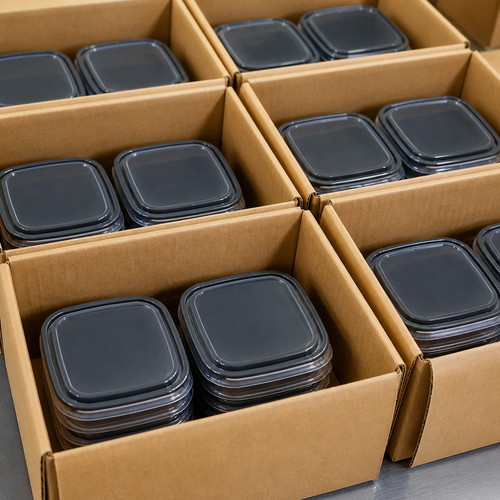
Make Plastic Parts
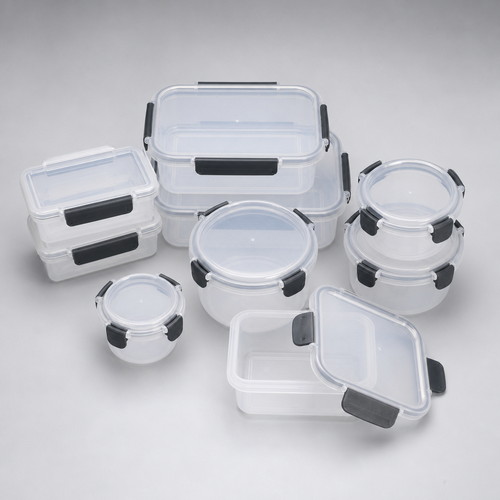
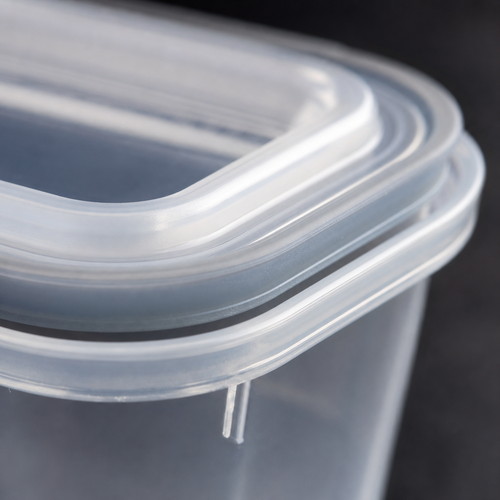
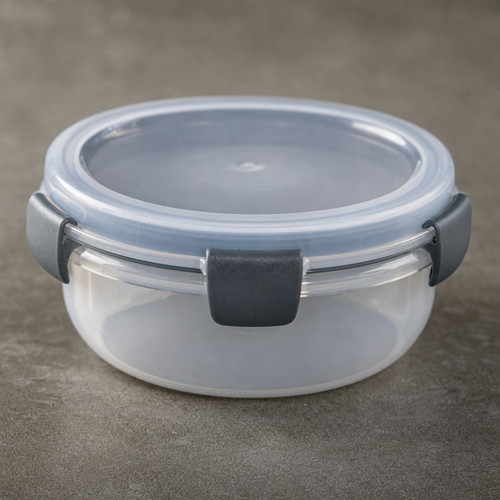
P&M is an injection-molding manufacturer that designs and produces 2 part plastic leak proof container assemblies for medical, industrial, consumer and automotive programs. We treat a two-piece container as a sealing system rather than two molded shells. Lid geometry, wall thickness, gasket compression, latch force and resin choice all interact, and any single one of them can turn a sound design into a part that weeps. Our work begins with the closure. A 2 part plastic leak proof container normally relies on one of three sealing principles: a snap-fit interference lip, a threaded or quarter-turn interface, or a separate elastomeric gasket seated in a molded groove. Each option carries different tooling implications, cycle times and tolerance windows. We model the closure, run mold-flow analysis and cut a prototype tool before committing to production steel, so the seal is proven on plastic rather than on paper.
Send Inquiry
Product Description
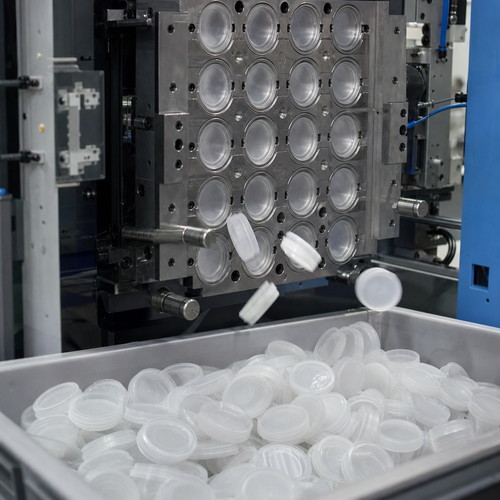
Every buyer who has to make plastic parts eventually faces the same decision: which process delivers the best balance of unit cost, mechanical performance, and appearance? For anything above a few thousand units per year, the answer is almost always injection molding. Molten thermoplastic is pushed into a precision-machined steel cavity, held under pressure while it cools, and ejected as a finished part — a cycle that repeats every few seconds with dimensions that stay stable over millions of shots.
P&M is an injection-molding manufacturer built around that reality. We handle the entire chain: DFM feedback, mold design and fabrication, sampling, mass production, and secondary operations such as ultrasonic welding, pad printing, and assembly. Because tooling and molding sit inside the same plant, problems are solved where they originate instead of being passed between suppliers.
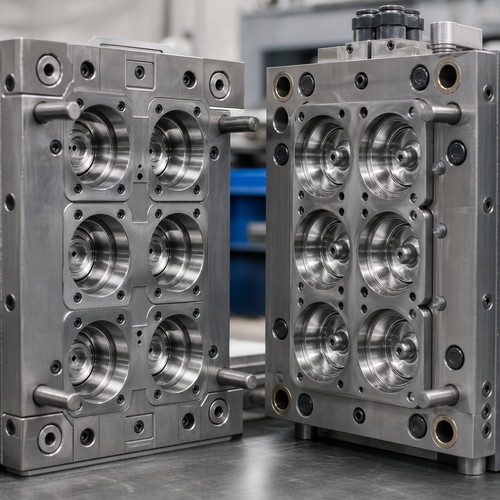
For procurement teams, the practical benefit of one partner is predictability. You receive a single quotation that covers tooling and piece price, one approval loop for first-article samples, and one quality standard applied to every shipment. When a program grows, the same team scales capacity instead of restarting the learning curve.
This guide is written for engineers, buyers, and product managers who make plastic parts and need to compare options honestly. It explains how the process works, which features matter in real production, where the money actually goes, and which applications benefit most. If you are launching a new program or transferring an existing one, the sections below give you the vocabulary and checkpoints to make a confident decision.
P&M Make Plastic Parts Molding Introduction
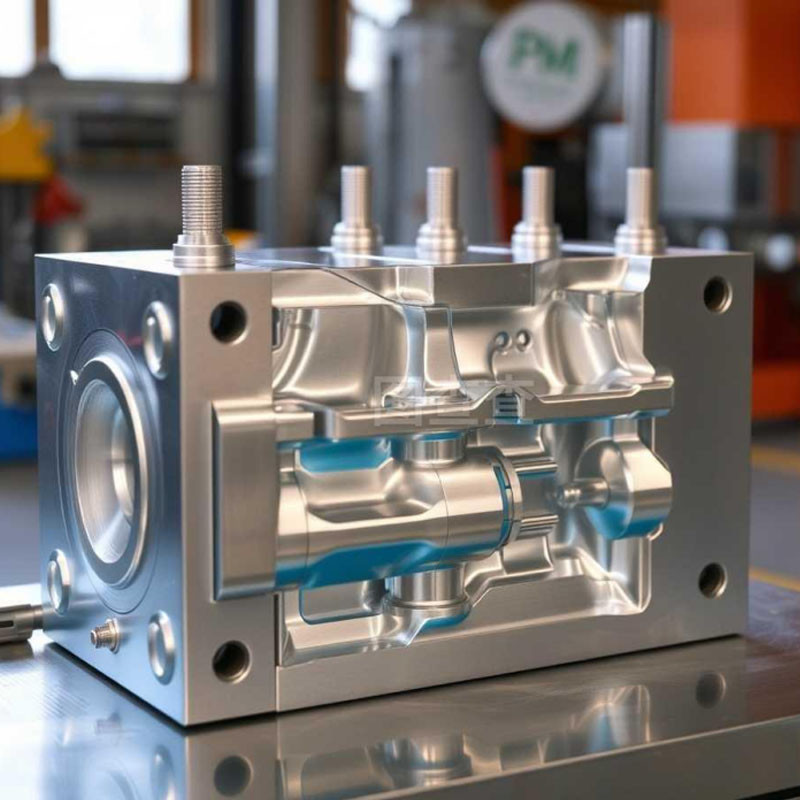
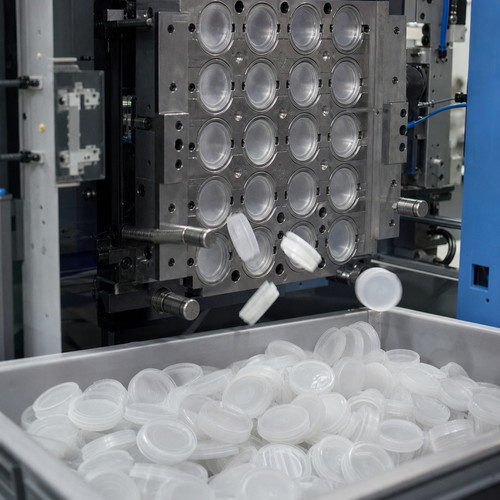
At its core, the process is a controlled repetition of four steps: plasticize, inject, cool, eject. Pellets are dried and melted in a heated barrel, a screw drives the melt into a closed mold, the part solidifies against the cavity walls while packing pressure compensates for shrinkage, and ejector pins release the solid part. Everything that determines cost and quality happens around those four steps.
A program normally starts with a DFM review. Our engineers examine wall thickness, draft angles, radii, ribs, bosses, gate location, and undercut strategy, then return a marked-up model plus a list of changes that reduce risk. This stage is cheap; correcting a hardened tool is not. After approval we design the mold, select steel, decide cavity count, and lay out the runner, cooling, and ejection systems.
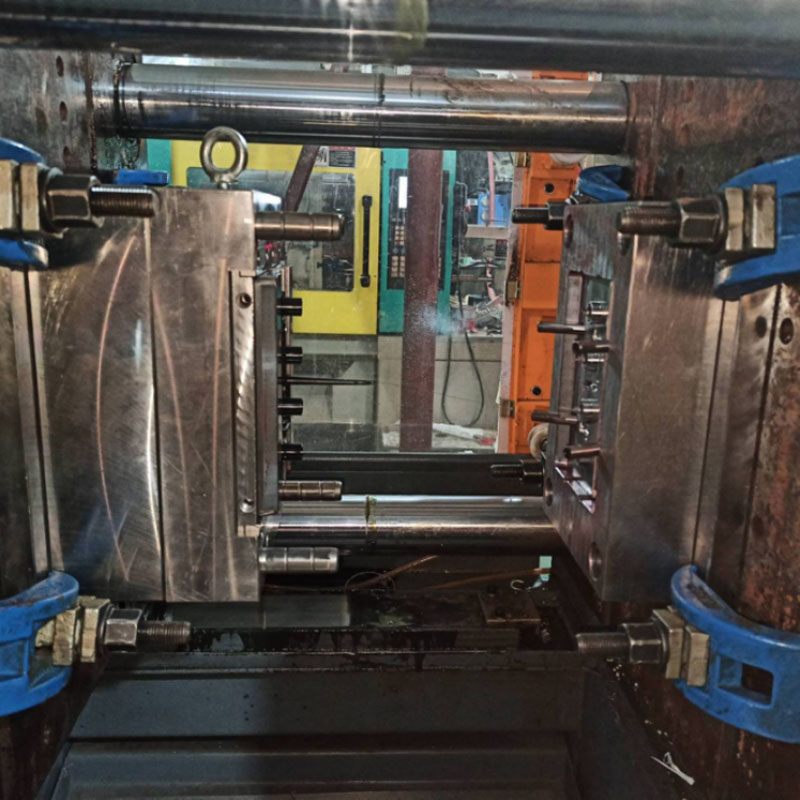
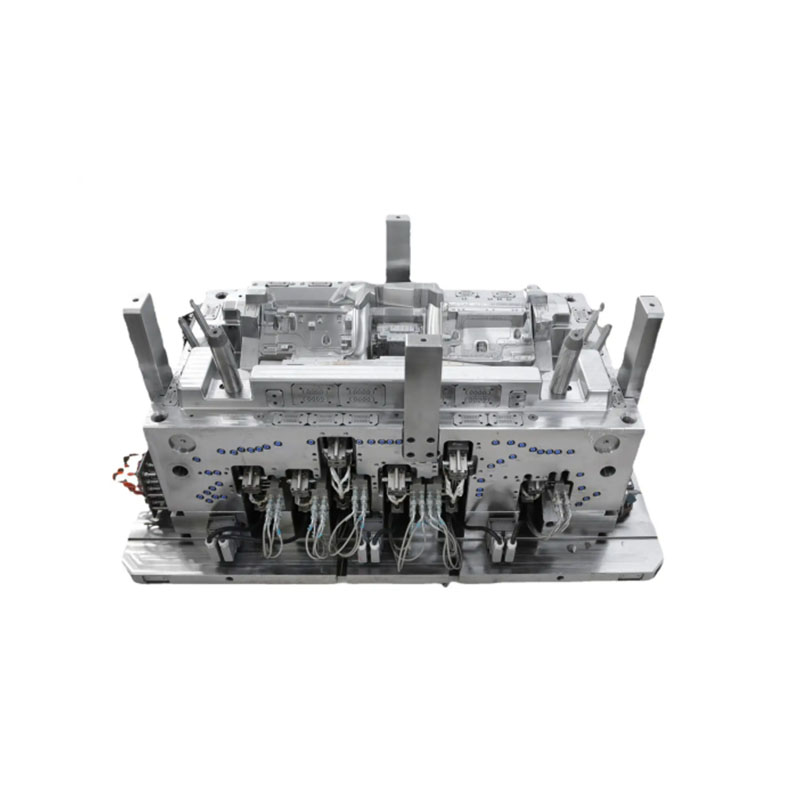
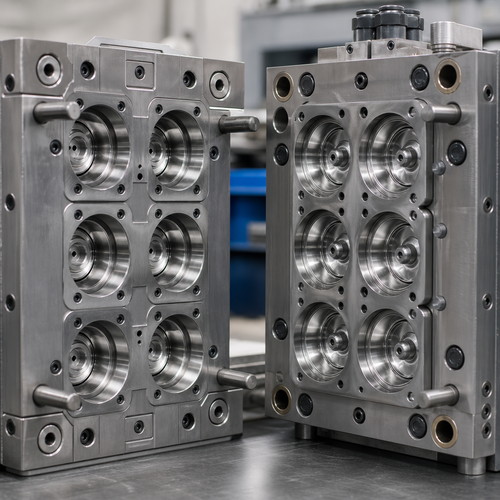
Tooling follows ISO/GB standards with core and cavity inserts usually in P20, 718H, or hardened H13 for glass-filled resins and high volumes. Cavity count is matched to annual demand and machine tonnage — a single-cavity tool is often right for low volumes or large parts, while a 2, 4, or 8-cavity family mold cuts piece price when demand justifies it.
Sampling comes next. We run T1 samples, measure critical dimensions against the drawing, document process parameters, and adjust until the part meets specification. Buyers receive a first-article inspection report, material certificates, and a process sheet for traceability.
At its core, the process is a controlled repetition of four steps: plasticize, inject, cool, eject. Pellets are dried and melted in a heated barrel, a screw drives the melt into a closed mold, the part solidifies against the cavity walls while packing pressure compensates for shrinkage, and ejector pins release the solid part. Everything that determines cost and quality happens around those four steps.
A program normally starts with a DFM review. Our engineers examine wall thickness, draft angles, radii, ribs, bosses, gate location, and undercut strategy, then return a marked-up model plus a list of changes that reduce risk. This stage is cheap; correcting a hardened tool is not. After approval we design the mold, select steel, decide cavity count, and lay out the runner, cooling, and ejection systems.
Tooling follows ISO/GB standards with core and cavity inserts usually in P20, 718H, or hardened H13 for glass-filled resins and high volumes. Cavity count is matched to annual demand and machine tonnage — a single-cavity tool is often right for low volumes or large parts, while a 2, 4, or 8-cavity family mold cuts piece price when demand justifies it.
Sampling comes next. We run T1 samples, measure critical dimensions against the drawing, document process parameters, and adjust until the part meets specification. Buyers receive a first-article inspection report, material certificates, and a process sheet for traceability.
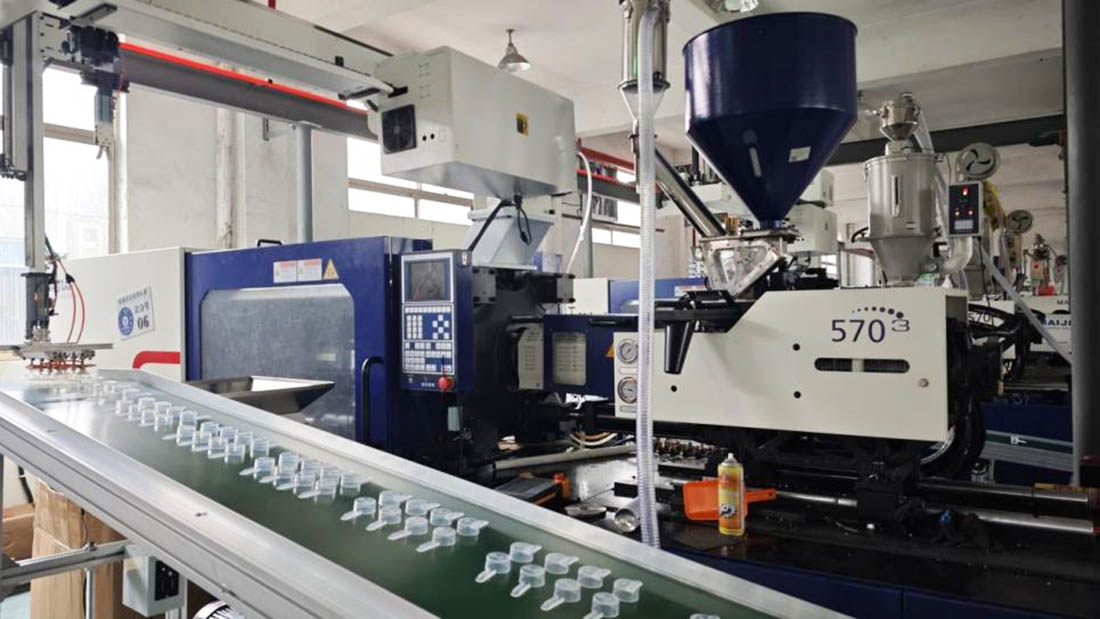
Production then runs on machines from 50 to 1,300 tons, with robot take-out, inline vision, and closed-loop parameter monitoring. Secondary processes — welding, heat staking, laser marking, insert installation, and clean-room packing — are completed in-house so parts arrive ready for the assembly line.
For teams that make plastic parts for regulated markets, the same workflow produces the documentation those markets expect: control plans, capability studies, and inspection records tied to lot numbers.
Two habits separate a stable molding program from one that fights fires. First, process windows are established during sampling, not guessed on the production floor; shot size, holding pressure, mold temperature, and cooling time are recorded as a recipe that can be repeated on any press. Second, deviations are treated as data. When a dimension drifts, we check melt temperature, cavity pressure, and material lot before touching the tool, because most "mold problems" are actually process or material problems. This discipline is what keeps a part that passed first-article inspection passing six months later, and it matters most for buyers who run lean assembly lines where a single out-of-spec lot stops everything downstream.
P&M Make Plastic Parts Molding(Specification)
|
Mould Name |
Make Plastic Parts Molding |
|
We promise |
All customer-centric, never for short-term profit, and sell long-term benefits |
|
We produce |
Mold, prototype, injection molding, product assembly, surface printing, spraying the surface integration |
|
Pls provide |
2D, 3D, samples, or the size of the multi-angle pictures |
|
Mould Time |
About 25 working days |
|
Product time |
7-15 Days |
|
Moud precision |
±0.1mm |
|
Mould life |
50-100 million shots |
|
Producing Process |
Audit drawings - mold flow analysis - design validation - Custom Materials - mold processing - core processing - electrode machining - Runner system processing - parts processing and procurement - machining acceptance - cavity surface treatment process - complex mode Die - The entire mold surface coating - Mounting plate - mold sample - sample test - sending samples |
|
Mould cavity |
One cavity, multi-cavity or same different products be made together |
|
Mould material |
P20,2738,2344,718,S136,8407,NAK80,SKD61,H13 |
|
Runner system |
Hot runner and cold runner |
|
Base material |
P20,2738,2344,718,S136,8407,NAK80,SKD61,H13 |
|
Finish |
Pitting the word, mirror finish, matte surface, striae |
|
Standard |
HASCO, DME or dependent upon |
|
Main thechnology |
Milling, grinding, CNC, EDM, wire cutting, carving, EDM, lathes, surface Finish, etc. |
|
Software |
CAD,PRO-E,UG Design Time: 1-3 days (normal circumstances) |
|
Product material |
Food grade plastic raw materials |
|
Origin |
Made in China |
P&M Make Plastic Parts Molding Feature And Application
### Core capabilities when you make plastic parts
P&M offers a capability set that covers most industrial programs without subcontracting the critical steps. Mold design and CNC machining are in-house, so design changes made during sampling do not wait on an external tool shop. Molding runs around the clock on electric and hydraulic presses, with hot-runner systems where they reduce waste and cycle time. Finishing covers spray coating, laser etching, silk screening, ultrasonic welding, and full assembly, including kitting and retail-ready packaging.
### Material selection
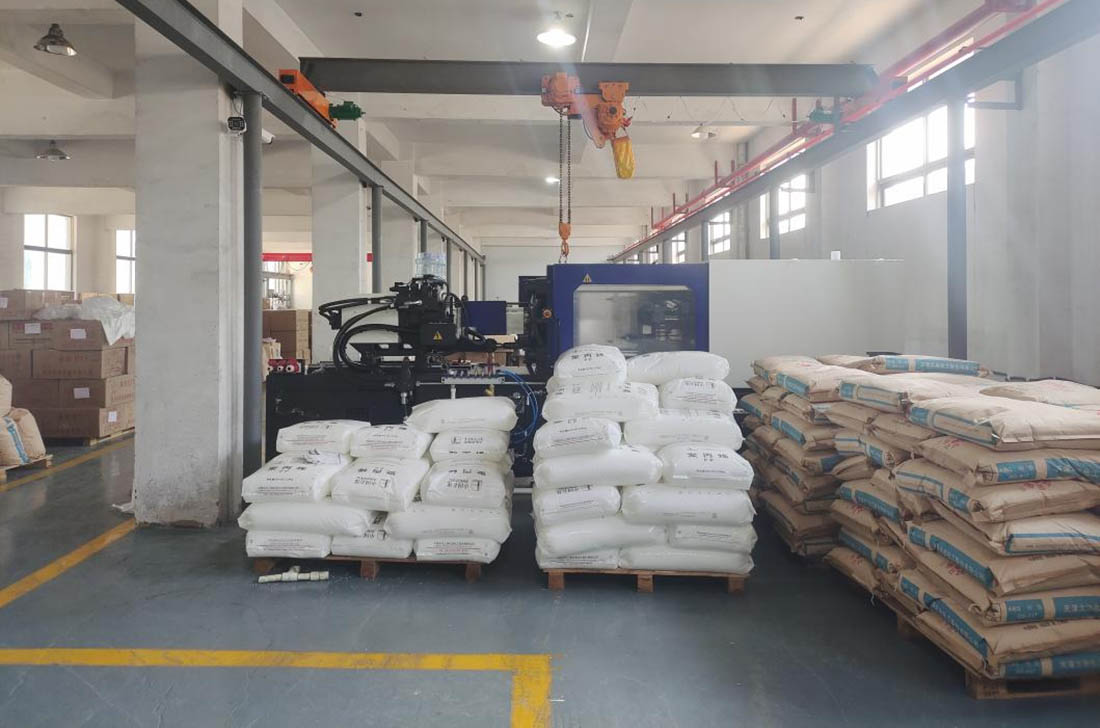
Material choice drives performance more than any other single decision. Commodity grades such as PP, PE, ABS, and PS cover housings, caps, and general components at the lowest cost. Engineering resins — PC, PA6/PA66, POM, PBT, PMMA, and PC/ABS blends — add stiffness, temperature resistance, transparency, or wear resistance. High-performance grades including PPS, PEEK, PEI, and LCP serve electrical and automotive environments where heat and chemical exposure are constant. Glass and mineral fillers raise strength and dimensional stability, but they also accelerate tool wear and change shrinkage, so they are planned from the DFM stage rather than added later.
### Tolerances, surface finish, and quality control
Typical commercial tolerances run from ±0.05 mm on small critical features to ±0.2 mm on larger dimensions, with tighter targets achievable where a process capability study proves it. Surface finish is specified by SPI mold finish standards or by texture standard plaques; a highly polished cavity produces optical clarity, while an EDM or bead-blasted finish hides flow marks on matte housings. Inspection uses CMM, optical comparators, gauge fixtures, and visual standards, with in-process checks at defined intervals during every production run.
### Applications
Molded parts appear wherever volume and repeatability matter. Automotive programs use them for interior trim clips, sensor housings, connectors, and under-hood brackets in heat-stabilized PA or PPS. Medical and laboratory devices rely on dimensionally stable, cleanable components in PC and medical-grade ABS. Consumer electronics need thin-wall enclosures, buttons, and internal chassis with tight cosmetic standards. Industrial equipment depends on gear wheels, pump housings, cable glands, and terminal blocks in POM, PA, and PBT. Packaging and housewares take advantage of multi-cavity tools for caps, closures, and containers at very low piece cost.
The same part can often be produced in several ways, and the right answer depends on volume and tolerance. Thermoforming and vacuum forming suit very large panels at low tooling cost but hold looser dimensions. Machining wins for prototypes and single units, yet the labour content makes it expensive beyond a few hundred pieces. When a program needs thousands to millions of identical components with molded-in features, ribs, snaps, and texture, injection molding is normally the only route that satisfies both the drawing and the budget.
### From prototype to production when you make plastic parts
Development rarely jumps straight to a hardened production tool. We usually start with CNC-machined or 3D-printed prototypes to validate fit and function, then move to a soft aluminum bridge tool for pilot builds and market testing. A bridge tool produces real molded parts in the final material, which means tolerance, warp, and assembly behaviour are proven before steel is cut. Once demand is confirmed, the hardened multi-cavity tool is released with a cavity layout that fits the forecast, so the buyer never pays for capacity too early or waits for it too late. Programs that follow this path reach volume production with fewer engineering changes, and the sampling history gives the quality team a baseline to defend during audits.
### Mold maintenance and tool life
A production mold is an asset that should outlive several product generations. Our maintenance schedule tracks shot counts and inspects parting lines, gates, cooling channels, and ejector systems at fixed intervals. Wear items such as slides, lifters, and hot-runner tips are replaced before they affect dimensions. A well-maintained tool in P20 or 718H typically delivers hundreds of thousands of shots, while hardened H13 inserts push past a million with proper care. When a design changes, we modify inserts rather than rebuilding the whole mold, which keeps tooling investment under control across the product's life.
### Sustainability and material efficiency
Regulated buyers increasingly ask about scrap, energy, and recycled content. Hot-runner systems and optimized runner layouts reduce regrind, and where the application allows, we blend clean in-house regrind back into non-cosmetic parts under a documented ratio agreed with the customer. All-electric presses cut energy per shot and hold tighter repeatability than hydraulic machines on thin-wall work. Lightweighting — thinner walls with well-placed ribs — removes material without losing stiffness. Each of these measures lowers cost at the same time as it lowers impact, which is why they are discussed during DFM rather than after production starts.
### Secondary operations and assembly
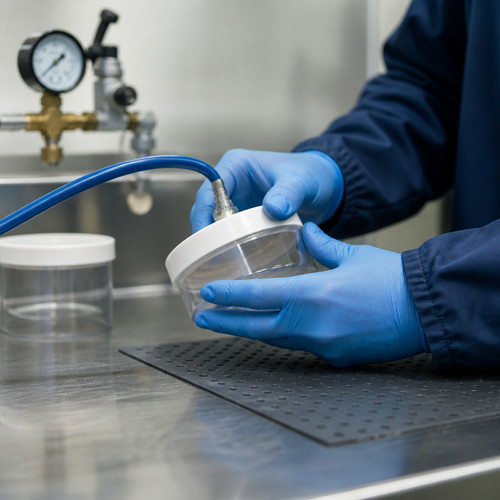
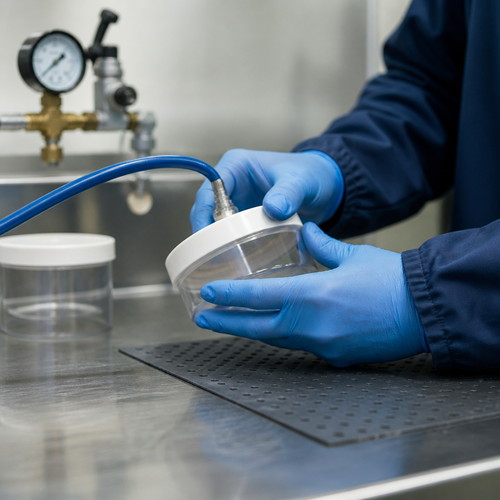
Molding a part is only half of a finished assembly. If a housing needs a printed logo, we pad-print or laser-mark it before packing. If two halves must become one sealed enclosure, ultrasonic or hot-plate welding joins them without glue and without visible fasteners. Threaded inserts, press-fit bushings, and metal contacts are installed on automated stations with force monitoring, so pull-out strength is verified rather than assumed. Spray coating adds UV protection or a soft-touch feel, and laser etching produces permanent, wear-resistant traceability marks such as serial numbers and date codes. Where the customer requires it, we assemble sub-components, run functional and leak tests, and pack to retail or line-side specification. Completing these steps in-house means that when you make plastic parts with P&M, the part that arrives is the part that installs — no extra freight between vendors, no argument about who damaged what, and one shipment to inspect instead of four.
### Cost drivers and lead time
Piece price is dominated by material, cycle time, and cavity count; tooling price is driven by size, complexity, steel choice, and finish. A simple single-cavity tool typically samples in three to five weeks, while a complex multi-cavity or hot-runner tool may need eight to ten weeks. Volume commitments, resin selection, packaging requirements, and inspection level all shift the final number, which is why we quote each program against its own drawing set rather than against a generic price list.
### Choosing the right partner
A supplier that only presses parts leaves design risk with the buyer. Look for a partner that reviews geometry before quoting, states tolerances it can actually hold, documents every production lot, and communicates deviations early. That combination is what keeps a program on schedule from first sample to steady-state delivery.
P&M works as an extension of our customers' engineering and sourcing teams. Send a 3D model and target volume, and we will return a DFM report, a tooling plan, and a transparent quotation for the parts you need to make plastic parts in production.
Customization Process
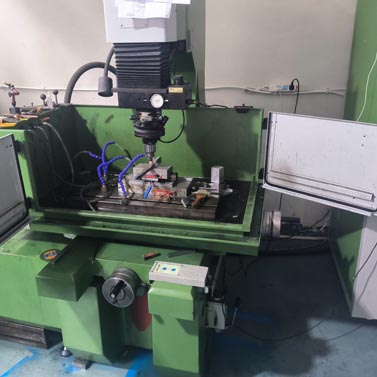
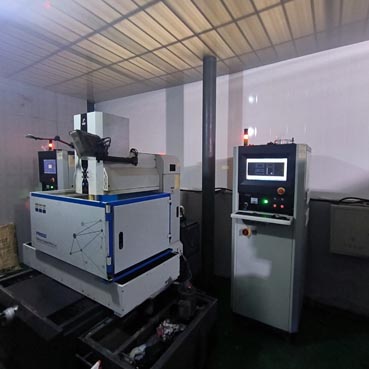
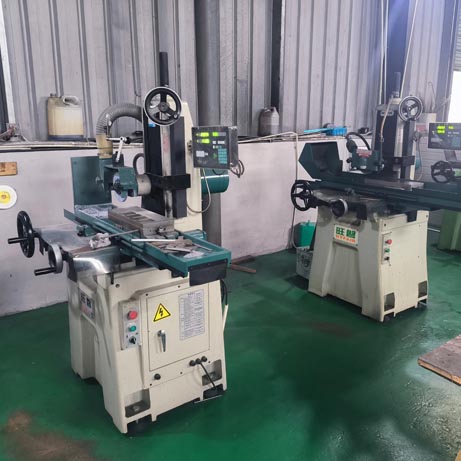
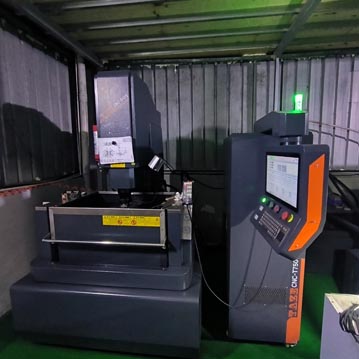
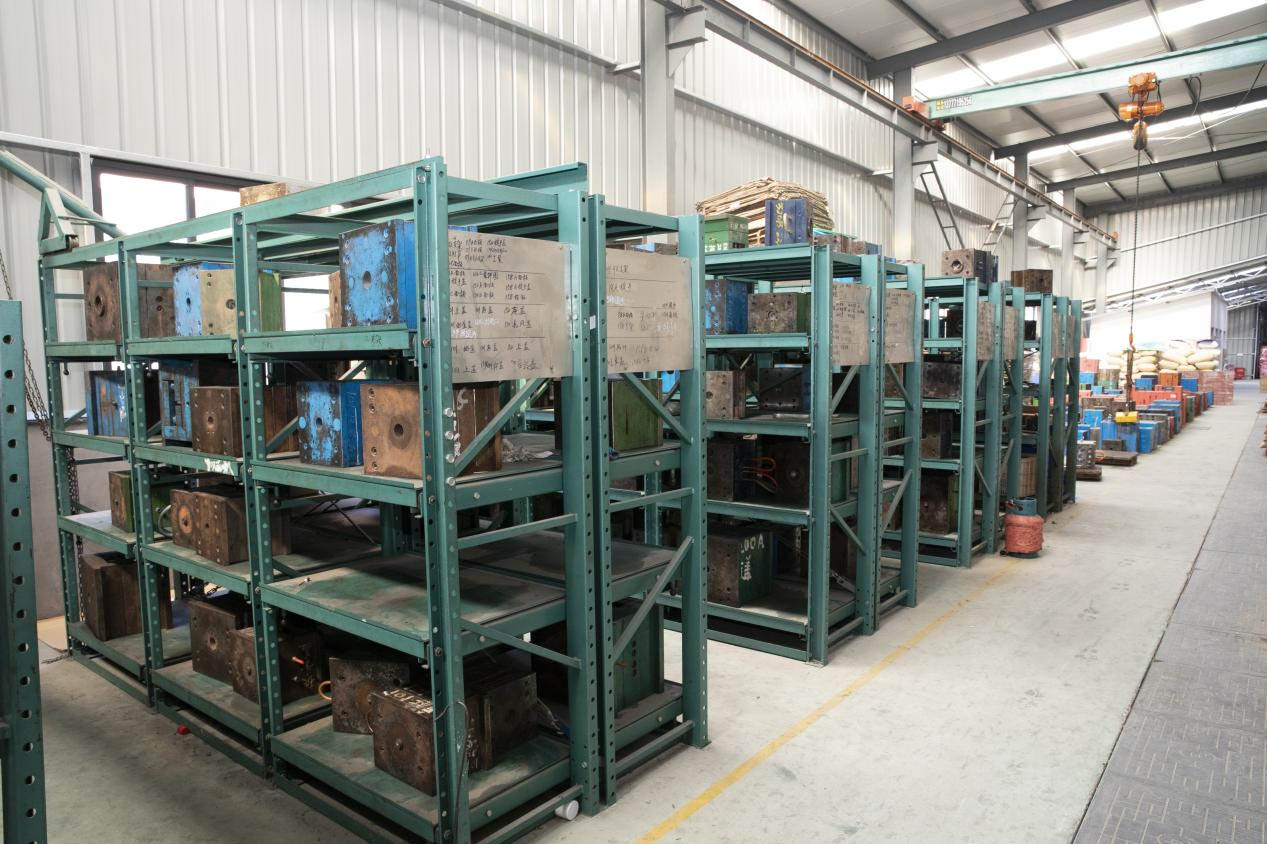
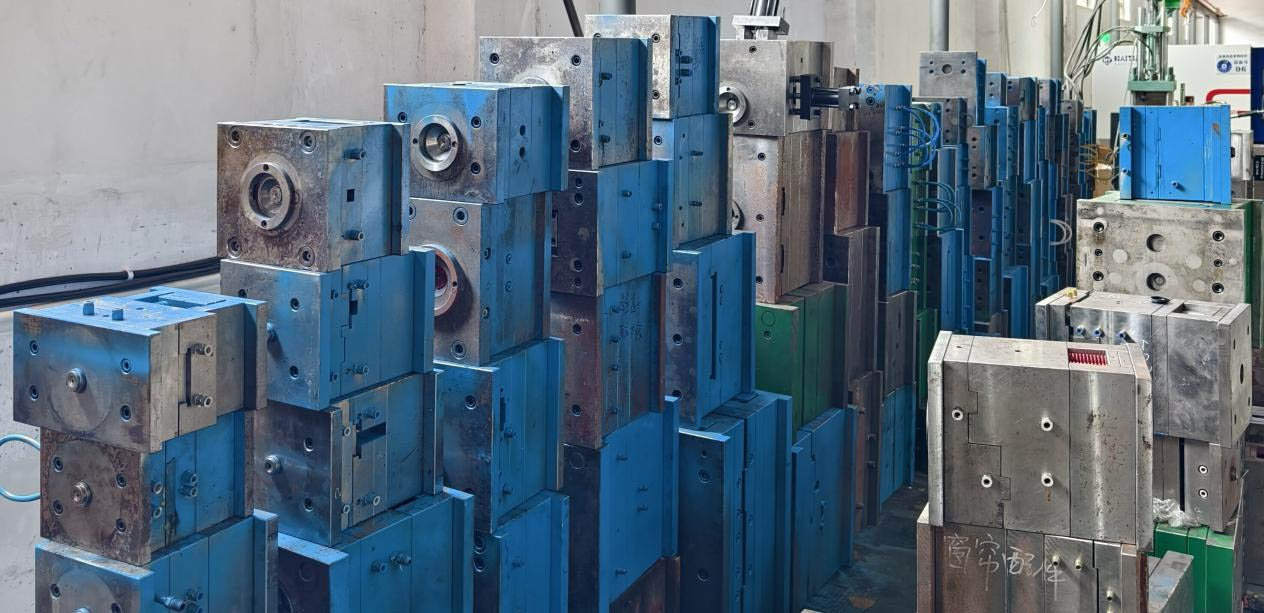
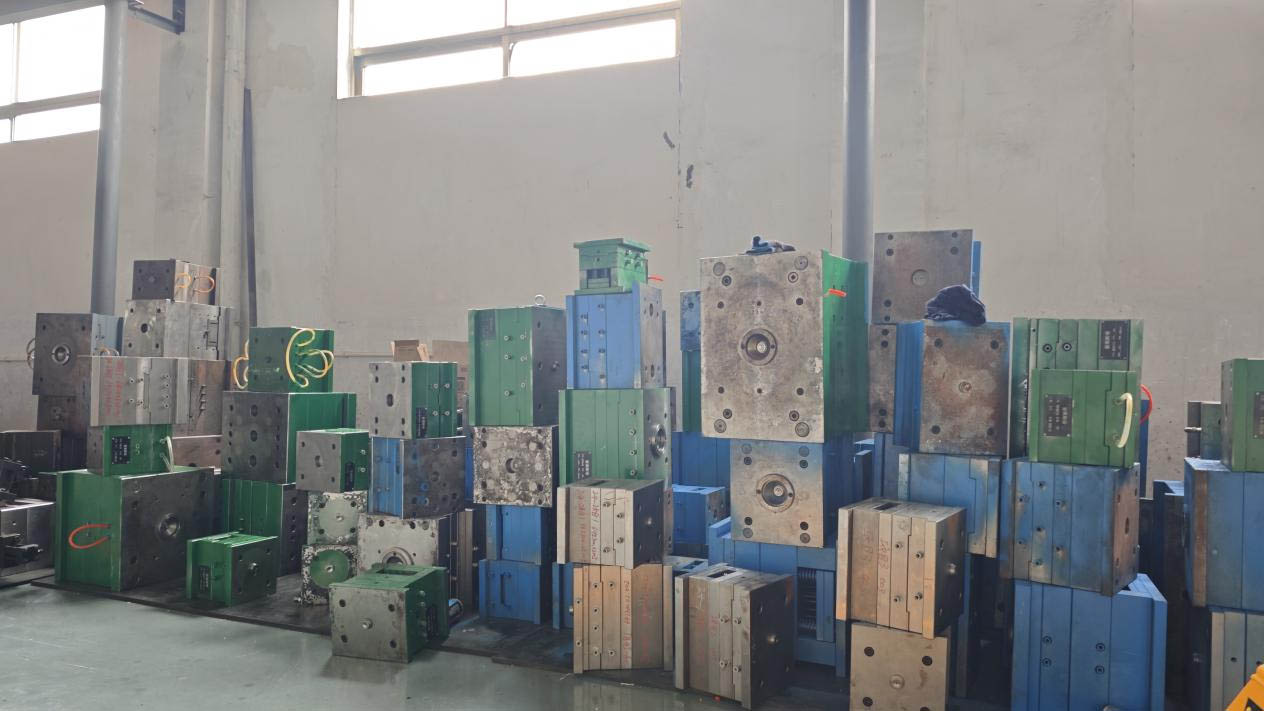
Factory&About US
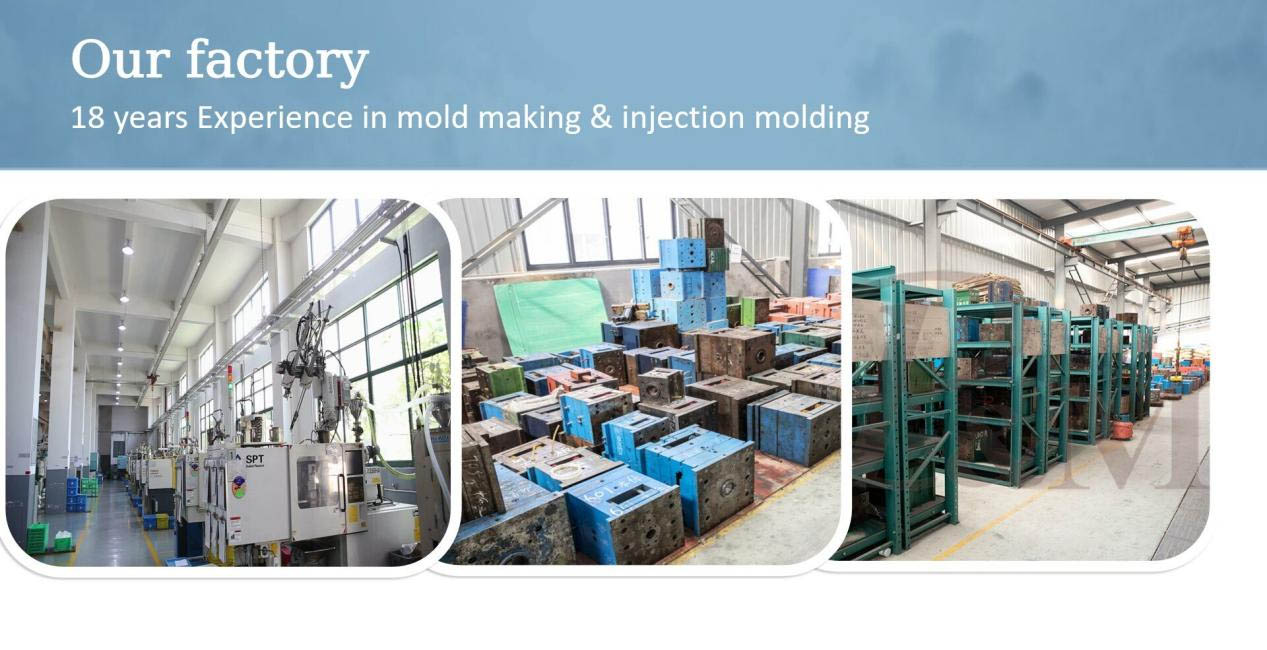
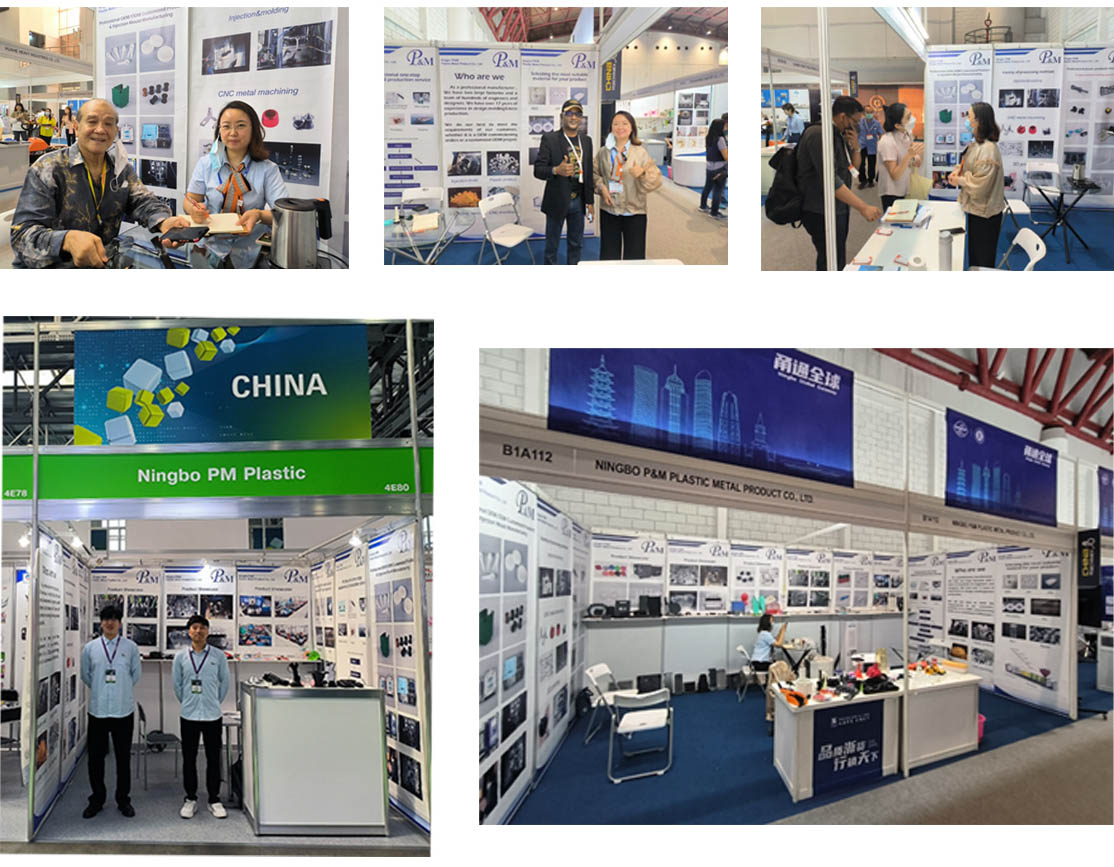
NingBo Plastic Metal Product Co.,Ltd (P&M) is located in Yuyao, the so-called Mould City, Plastic Kingdom, in the southern tip of Hangzhou Bay Bridge,north of Shanghai, the east of Ningbo Port,tight double line of State Road 329 on land, sea and air trafic into a network to facilitate transport.
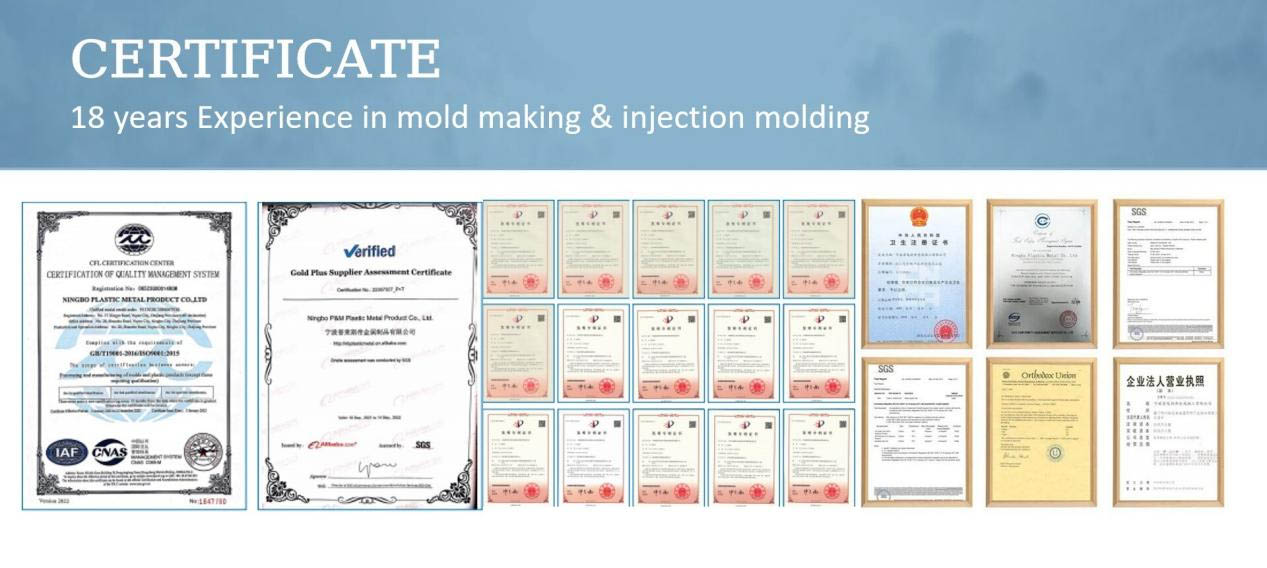
By the abundant technical strength,scientific management methods and good after-sales service, product deeply trusted and welcomed by customers from all over the world. P&M holds improved system of development and production, to achieve mold design, plastic products manufacturing and automatic production. Our main products is design and manufacturing of plastic mold, plastic product, metal product. 90% products of our enterprise are exported to America, Europe, Germany, Japan, Australia, etc. For many years, the company has been committed to the research of raw materials. The company has its own trademark and dozens of patents, providing more convenient technical support for mold making and product production. P&M started domestic business from 2008,named Shundi Mould Factory. And opened the international market from 2014. We always adhere to the principles of quality first and time first. While providing customers with the highest quality products, try to maximize the production efficiency and shorten production time. We are proud to tell every customer that our company has not lost any customer since its establishment.If there is a problem with the product, we will seek a solution actively and take responsibility to the end.
P&M adheres to market-oriented to the quanlity of life and focus on quality service and continuous development of new products,determined to establish a better corporate image,and our friends at home and abroad to carry a wide range of business exchanges and cooperation, create brilliant.
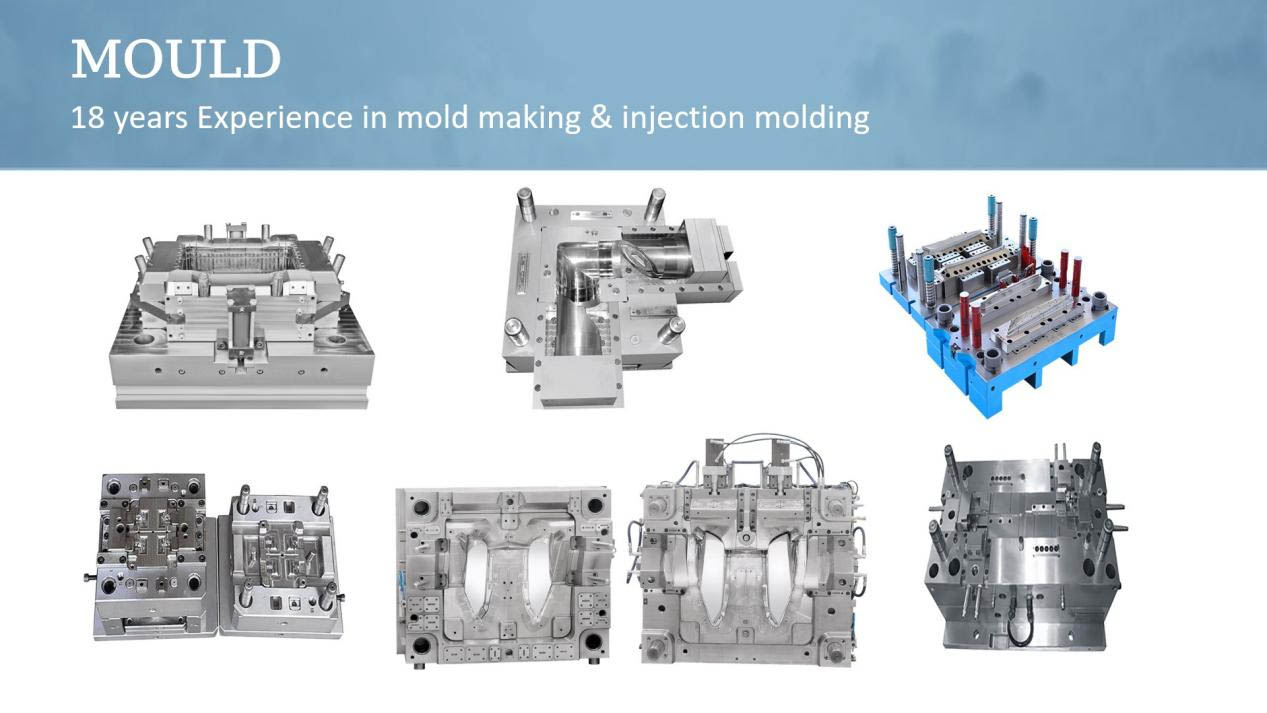
Packing
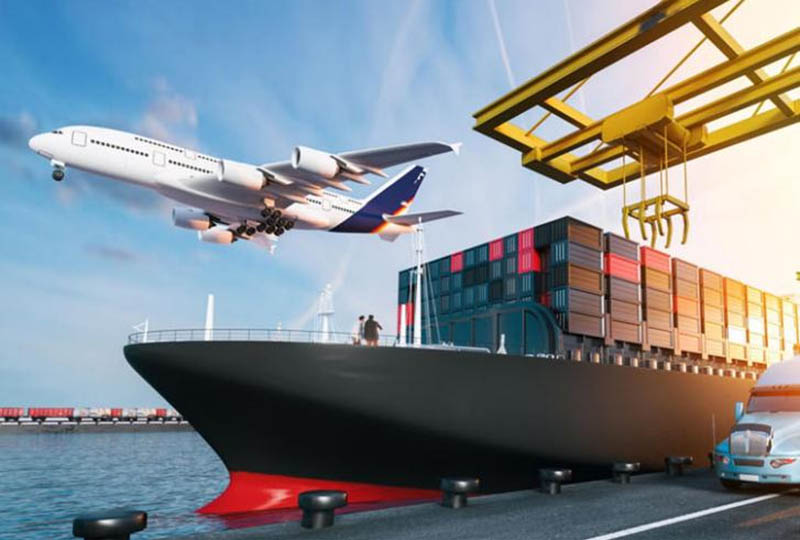
Packaging according to your needs
1. By air ,it takes 3-7 days for delivery.
The goods can be shipped by DHL , Fedex , UPS .
2. By sea ,the delivery time is based on your port.
To South East Asian Countries takes about 5-12 days.
To Middle east countries takes about 18-25 days.
To European countries takes about 20-28 days.
To American countries takes about 28-35 days.
To Australia takes about 10-15 days.
To African countries takes about 30-35 days.
P&M Bike parts, centered around children, balances safety, health, and fun, aiming to add a bright color to children's beautiful childhood. We look forward to working together with you to serve our children.
The path of a child's growth is paved with bricks and tiles.

FAQ
1.Who are we?
We are based in Zhejiang, China, start from 2014,sell to North America(30.00%),Southern Europe(10.00%),Northern Europe(10.00%),Central America(10.00%),Western Europe(10.00%),Mid East(10.00%),Eastern Europe(10.00%),South America(10.00%). There are total about 51-100 people in our office.
2.How can we guarantee quality?
Always a pre-production sample before mass production;
Always final Inspection before shipment;
3.What can you buy from us?
Mould, Plastic Product, Metal Product, Dental Product, CNC machining.
4.Why should you buy from us not from other suppliers?
We main do all kinds of 3d design, 3d printing and plastic metal molds tooling and products. We have our own engineer and factory. One-stop supply: 3d design - 3d printing - mold making - plastic injection.
5.What services can we provide?
Accepted Delivery Terms: FOB,CFR,CIF,EXW,FCA,DDP,DDU;
Accepted Payment Currency: USD, EUR;
Accepted Payment Type: T/T,L/C,PayPal,Western Union,Escrow;
Language Spoken:English,Chinese,Spanish,French,Russian.
6.What are the characteristics of your service?
1. Your inquiry related to our products or prices will be replied within 24 hours.
2. Well-trained and experienced staffs to answer all your enquiries in fluent English.
3. Offering the support to solve the problem in the application or selling period.
4. Competitive prices based on same quality.
5. Guarantee samples quality same as mass production quality.
Hot Tags: Make Plastic Parts, China, Manufacturer, Supplier, Factory, Customized, Wholesale, Buy, Quality, Latest Selling, Made in China
Related Category
Send Inquiry
Please feel free to give your inquiry in the form below. We will reply you in 24 hours.