
Home
>
Product > Core Customization Service > Custom Molding > Mechanical Parts Bearing Customization
Product
- Core Customization Service
- Health Care
- Electronic Appliances and Instruments
- Maternal and Child Supplies Molds
- Recreational Sports
- Home Furnishing Art
- Auto Accessories
- Transportation and Warehousing
- Lighting Fixtures
- Construction Equipment
- Packaging Product
- Educational & Laboratories
- Clothing Luggage Accessories
- Care and Cleaning Products
- Agriculture & Forestry
- Mechanical Equipment
- Pet Supplies
- Kitchenware
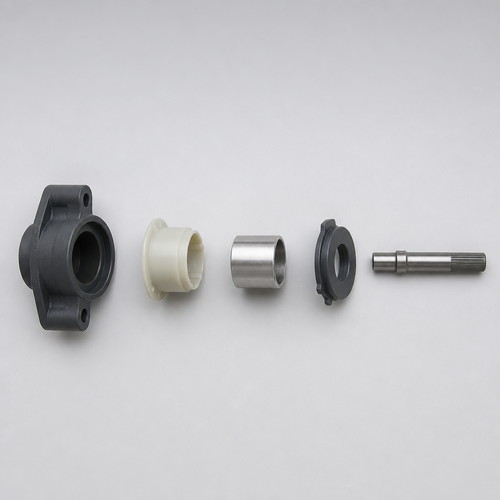
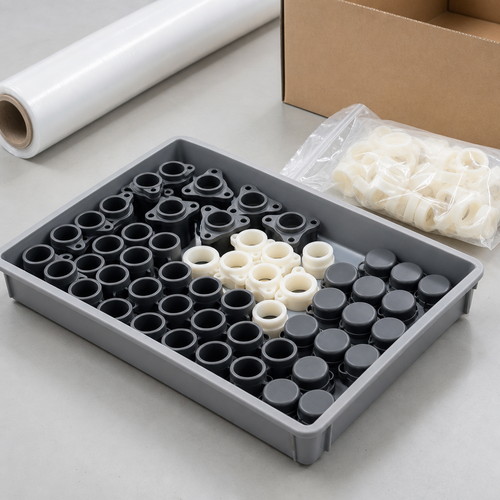
Mechanical Parts Bearing Customization
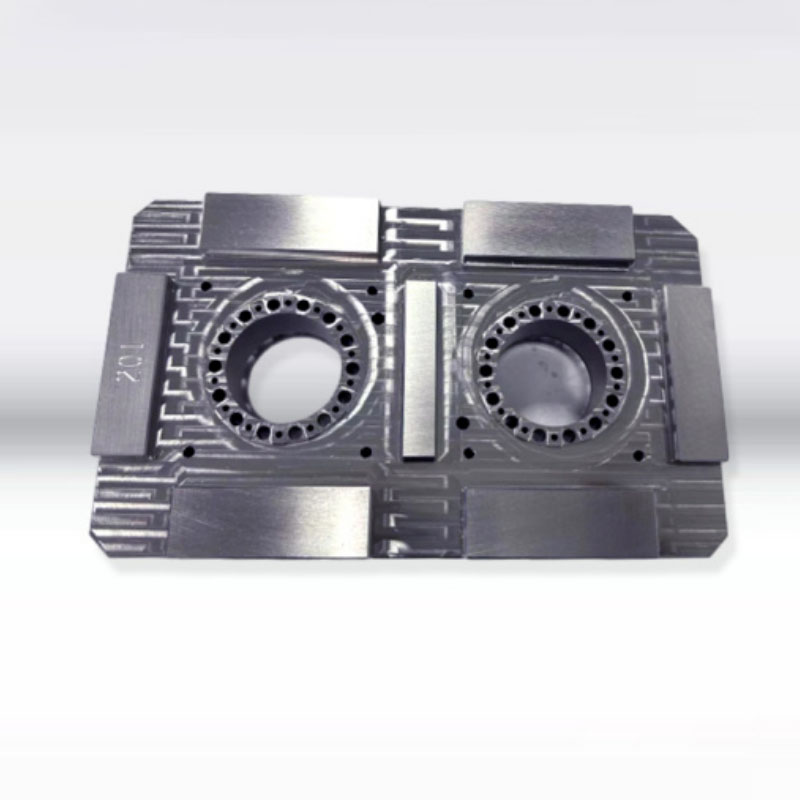
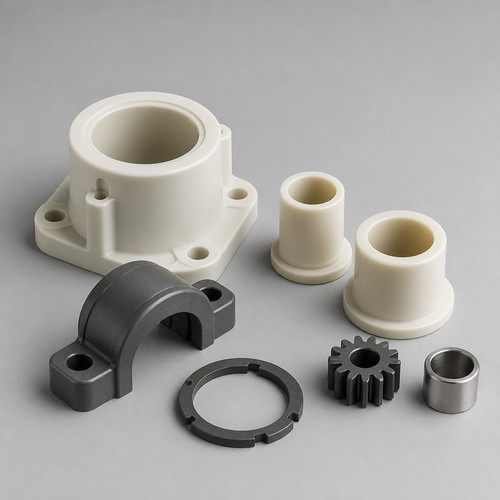
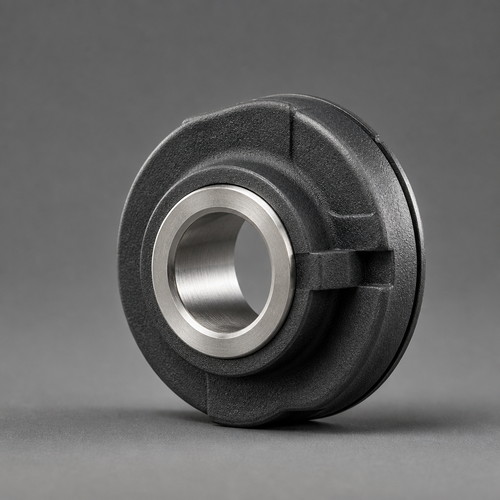
P&M customises injection-moulded bearing housings, bushings, caps, spacers, gears and pulleys in POM, PA6/PA66 and PEEK, with insert moulding bonding metal sleeves into plastic. In-house design, +/-0.1 mm tooling, samples and export experience serve machinery, power tool and appliance buyers.
Send Inquiry
Product Description
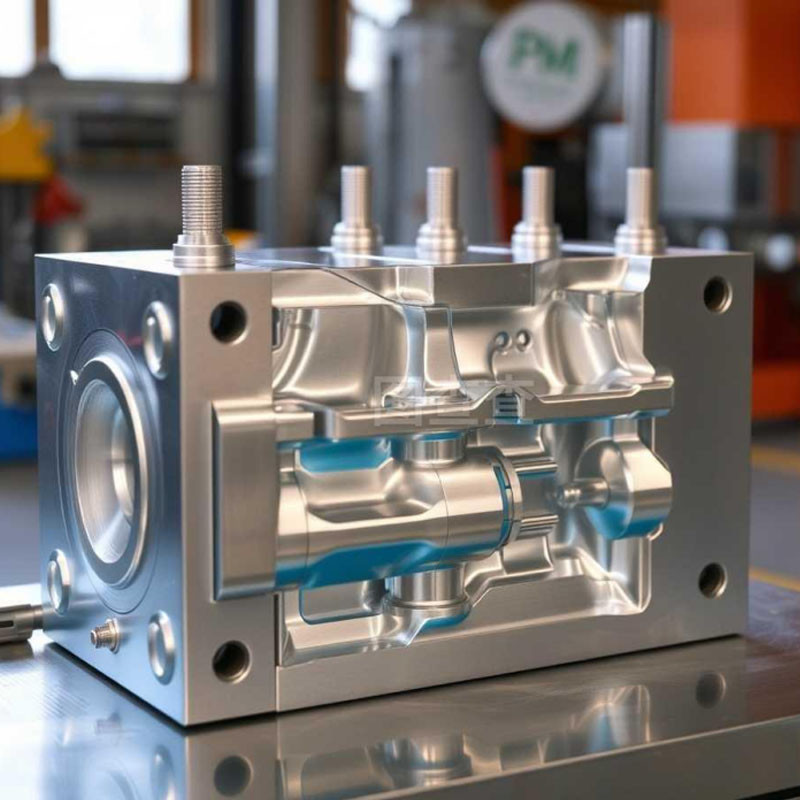
Mechanical Parts Bearing Customization is the discipline of designing and building the small structural components that hold, guide, cushion and connect rotating shafts inside a machine. A bearing never works alone: it sits inside a housing, presses into a bushing, is retained by a cap or a spacer, and is shielded by a seal. When those surrounding parts are injection moulded from engineering plastics, the assembly becomes lighter, quieter, corrosion-free and far cheaper at volume than an all-metal stack. P&M (Ningbo Plastic Metal Products Co., Ltd.) has built its business on this work — 18 years of mould manufacturing technology and 10 years of export experience, serving international customers since 2014, with domestic roots reaching back to 2008 as Shundi Mould Factory. Mechanical Parts Bearing Customization at P&M means one team handling 3D design, 3D printing, mould making, plastic injection, product assembly, surface printing and spraying, so a buyer sends a drawing and receives a finished, tested part. Roughly 90% of our output ships to America, Europe, Germany, Japan and Australia, so the drawings we receive are demanding and the tolerances we hold are the reason those relationships last. Because these parts are moulded rather than machined, features such as ribs, clips, mounting bosses and cable routes can be integrated into the same tool at little or no extra cost. The goal is straightforward: a part that fits the bearing, survives the duty cycle and arrives at the buyer's line ready to install.
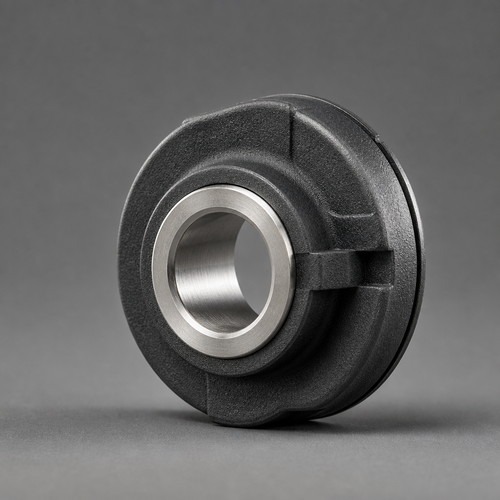
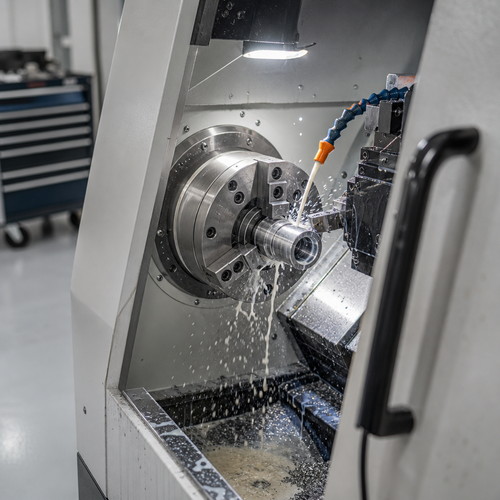
P&M Mechanical Parts Bearing Customization Molding Introduction
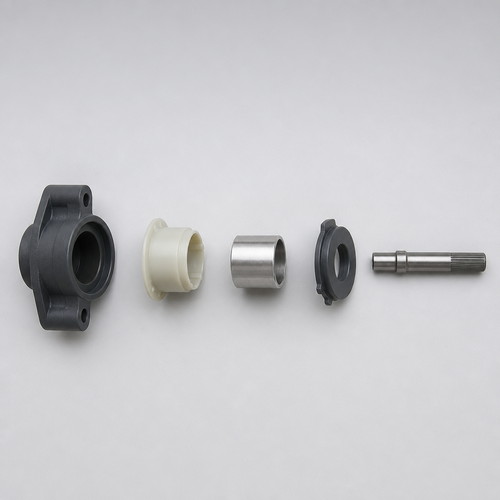
Bearings are precision components, and the parts around them decide whether that precision survives real service. A bearing housing that is out of round will load the rolling elements unevenly; a bushing with the wrong wall thickness will creep under heat; a cap that flexes will let a shaft wander. This is why customisation begins with the application rather than with the mould. Our engineers examine load direction, shaft speed, ambient temperature, lubrication route, chemical exposure and the assembly method the customer's line actually uses, then translate those facts into wall thickness, ribbing, draft angles, gating and material choice.
Material selection is where plastic earns its place. POM gives low friction, high stiffness and excellent dimensional stability, making it a natural fit for bearing housings, spacers and small gears. PA6 and PA66 with glass fibre raise strength and heat resistance for structural brackets, pulleys and power-tool components, while unfilled grades keep the toughness needed for snap fits and clips. PEEK serves high-temperature or chemically aggressive environments, and PTFE-filled grades reduce friction where a part must run dry or against a metal shaft. Food-grade plastic raw materials are available when the application touches packaging or appliance contact surfaces, and we confirm the exact grade with the buyer before tooling starts.
Insert moulding is the technique that ties plastic and metal together in a single cycle. A machined metal bushing, sleeve or shaft is placed into the cavity, and molten polymer is injected around it, so the metal insert and the plastic housing become one bonded component. The result carries the wear resistance of metal at the bearing interface plus the light weight, corrosion resistance and design freedom of plastic everywhere else. It also removes secondary assembly steps, which shortens the customer's production line and reduces the risk of loose or misaligned parts. Where the insert must resist torque, we add knurling, flats or undercuts to the metal so the polymer keys into it mechanically as well as chemically.
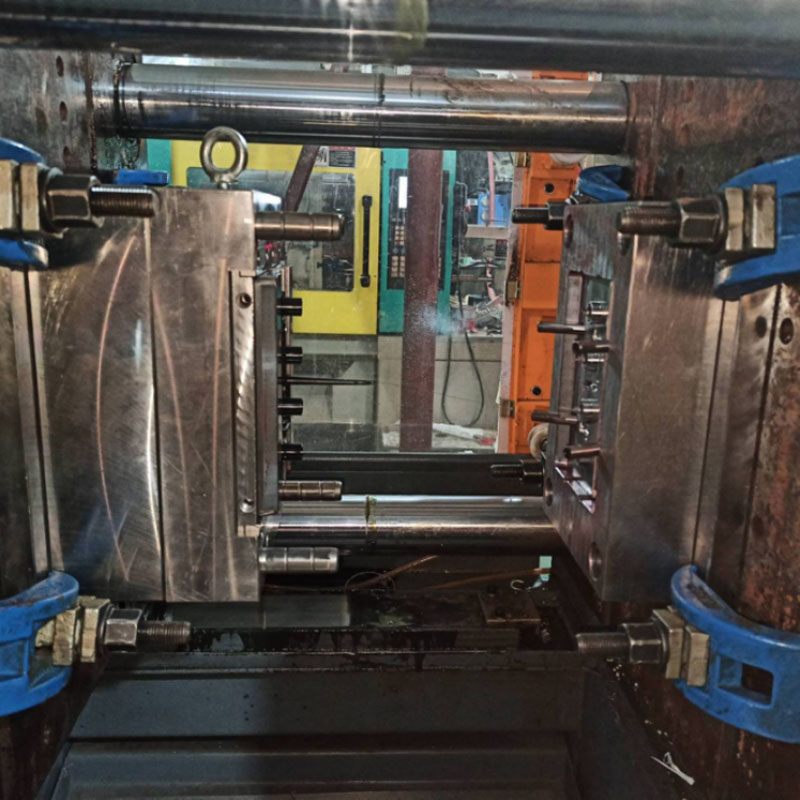
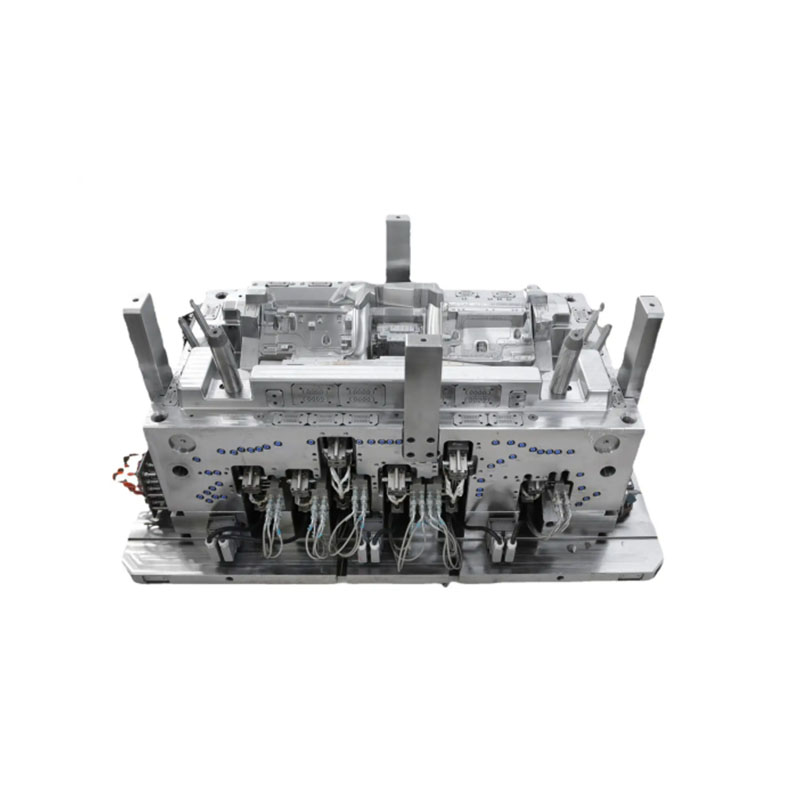
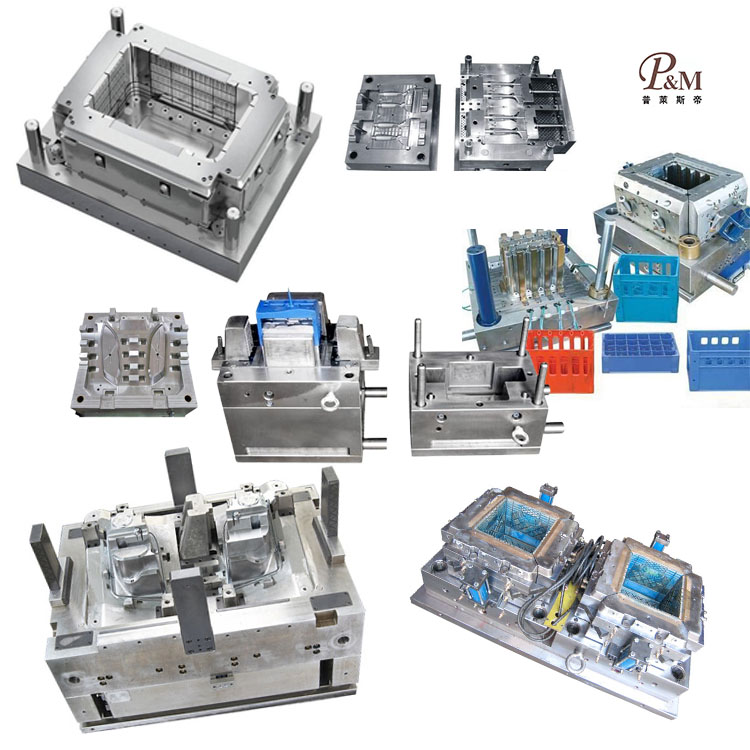
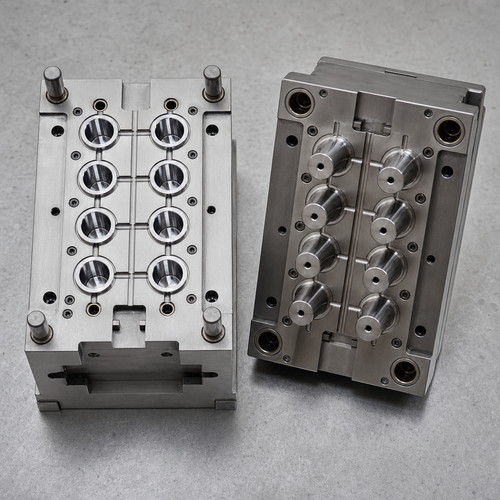
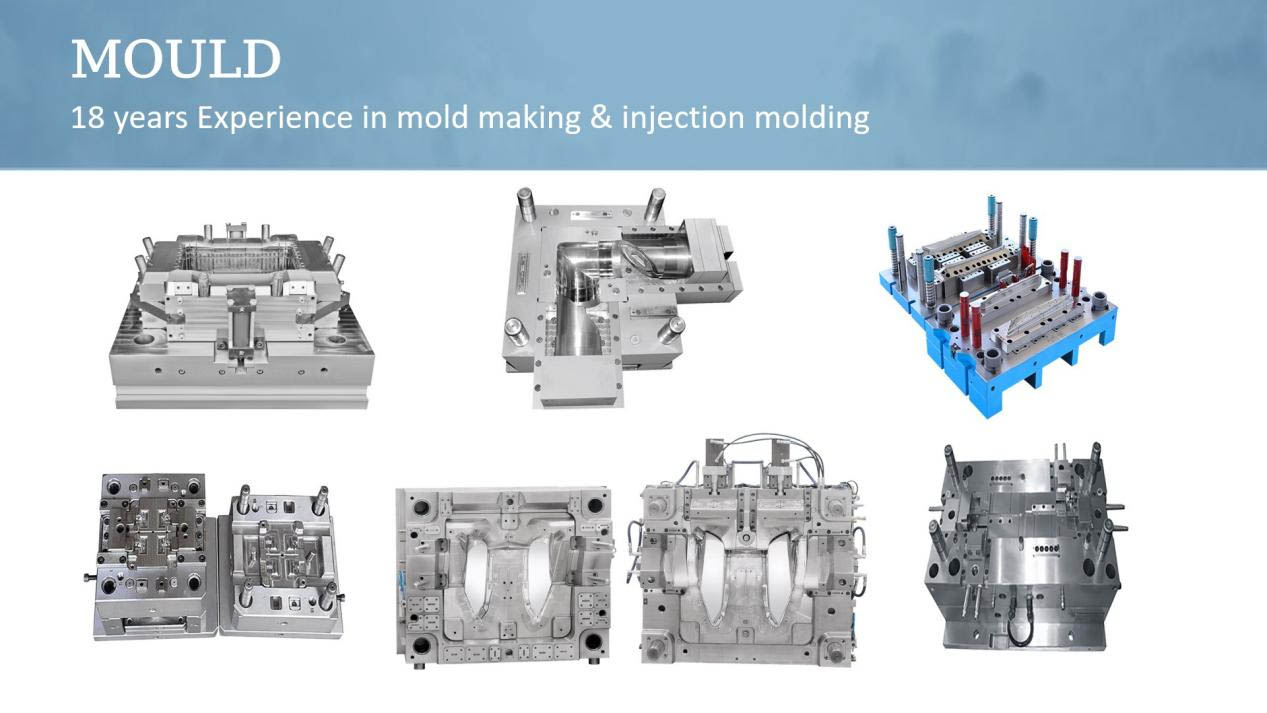
Every project moves through the same one-stop chain: 3D design in CAD, PRO-E or UG within one to three days, then 3D printing for a form-and-fit check, then mould making, plastic injection, product assembly, surface printing and spraying. Moulds are built in about 25 working days, and production runs typically take 7 to 15 days. Tooling is produced to a precision of +/-0.1 mm, and a well-maintained mould delivers 50 to 100 million shots. Cavity layouts can be one cavity, multi-cavity, or several different products made in the same mould, and we build both hot runner and cold runner systems depending on volume, material behaviour and the appearance required. Base and cavity steels are chosen from P20, 2738, 2344, 718, S136, 8407, NAK80, SKD61 and H13, built to HASCO, DME or the customer's own standard.
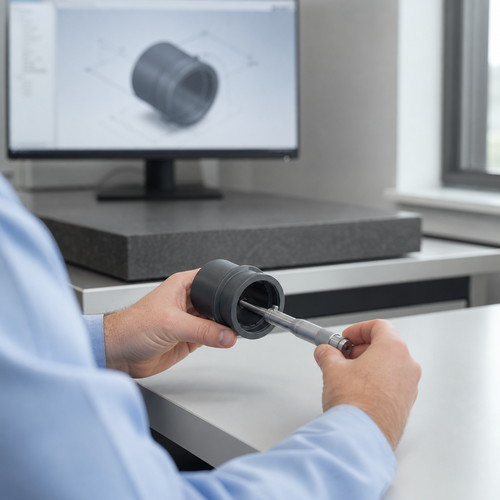
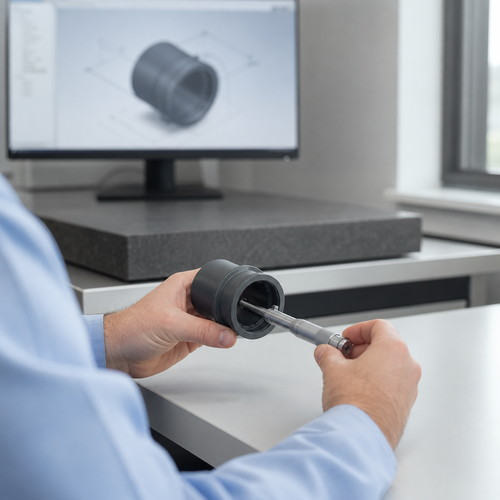
A successful programme usually starts before the drawing is complete. Buyers often send a CAD model, a sample of the existing metal assembly or a photograph with key dimensions, and our engineering team replies with a manufacturability review covering draft, parting line, gate position, ejection and the risk points of the design. That review is part of Mechanical Parts Bearing Customization at P&M, and it happens before any tooling cost is committed. Design work in CAD, PRO-E or UG takes one to three days for a typical part, so feedback reaches the buyer quickly while the project is still flexible. When a customer needs to test fit and function before paying for steel, 3D printing produces a physical prototype from the same digital model, letting the assembly be checked on the bench first.
Quality is controlled before it becomes a problem. A pre-production sample is approved before mass production begins, final inspection is carried out before shipment, and the samples we supply are guaranteed to match the quality of series production. With a team of 51 to 100 people, our own trademark and dozens of patents, we can support both a short development project and a long-running programme. Trade terms cover FOB, CFR, CIF, EXW, FCA, DDP and DDU, payment is accepted by T/T, L/C, PayPal, Western Union or Escrow, and inquiries are answered within 24 hours. CNC machining and metal products remain available as a complementary capability whenever a mating bracket or shaft must be produced alongside the plastic part, keeping one supplier responsible for the complete assembly.
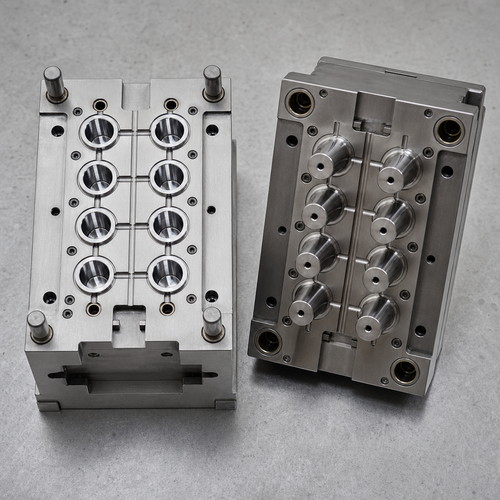
P&M Mechanical Parts Bearing Customization Molding(Specification)
|
Mould Name |
Mechanical Parts Bearing Customization Molding |
|
We promise |
All customer-centric, never for short-term profit, and sell long-term benefits |
|
We produce |
Mold, prototype, injection molding, product assembly, surface printing, spraying the surface integration |
|
Pls provide |
2D, 3D, samples, or the size of the multi-angle pictures |
|
Mould Time |
About 25 working days |
|
Product time |
7-15 Days |
|
Moud precision |
±0.1mm |
|
Mould life |
50-100 million shots |
|
Producing Process |
Audit drawings - mold flow analysis - design validation - Custom Materials - mold processing - core processing - electrode machining - Runner system processing - parts processing and procurement - machining acceptance - cavity surface treatment process - complex mode Die - The entire mold surface coating - Mounting plate - mold sample - sample test - sending samples |
|
Mould cavity |
One cavity, multi-cavity or same different products be made together |
|
Mould material |
P20,2738,2344,718,S136,8407,NAK80,SKD61,H13 |
|
Runner system |
Hot runner and cold runner |
|
Base material |
P20,2738,2344,718,S136,8407,NAK80,SKD61,H13 |
|
Finish |
Pitting the word, mirror finish, matte surface, striae |
|
Standard |
HASCO, DME or dependent upon |
|
Main thechnology |
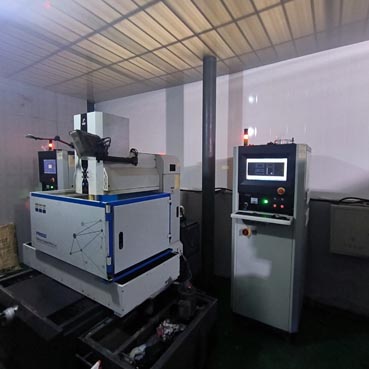
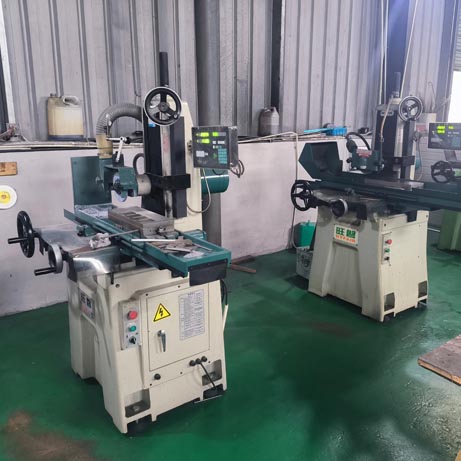
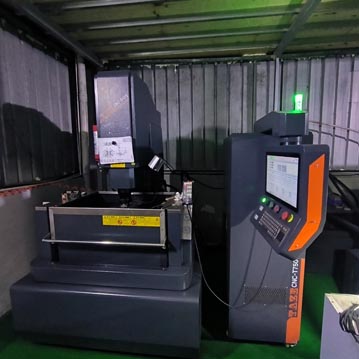
Milling, grinding, CNC, EDM, wire cutting, carving, EDM, lathes, surface Finish, etc. |
|
Software |
CAD,PRO-E,UG Design Time: 1-3 days (normal circumstances) |
|
Product material |
Food grade plastic raw materials |
|
Origin |
Made in China |
P&M Mechanical Parts Bearing Customization Molding Feature And Application
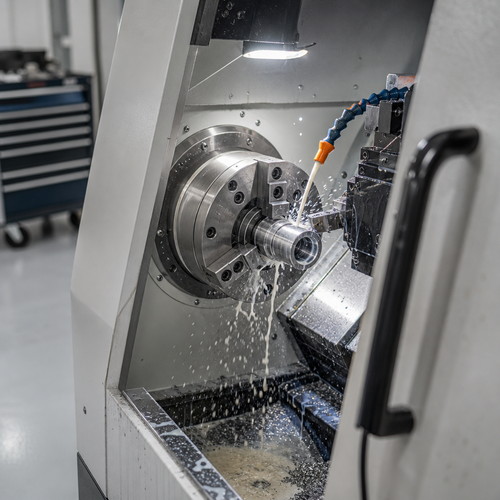
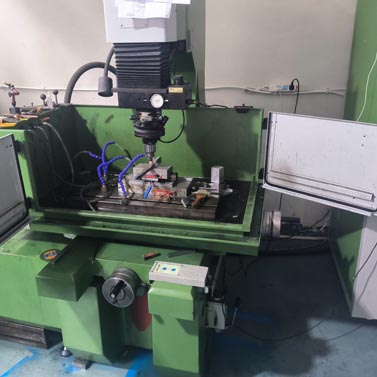
The features buyers value most in Mechanical Parts Bearing Customization are dimensional accuracy, repeatability and honest engineering advice. Holding +/-0.1 mm on a moulded bearing seat is not automatic; it comes from correct shrinkage allowance, balanced gating, controlled cooling and a mould built from proven tool steels such as P20, 2738, 2344, 718, S136, 8407, NAK80, SKD61 and H13, manufactured to HASCO, DME or the customer's own standard. Our technology base covers milling, grinding, CNC, EDM, wire cutting, carving, lathes and surface finishing, so cavity details can be cut and finished in-house rather than subcontracted. That control over the tool is what makes a repeatable plastic bearing part possible.
Wall thickness and shrinkage are the two variables that most often decide whether a bearing part works. Uneven walls pull a housing oval as the polymer cools, which then shows up as noise, heat and premature wear. Our designers equalise wall sections, add ribs instead of solid mass, and place gates so that filling is balanced across the cavity. For glass-fibre grades they account for anisotropic shrinkage, which differs along and across the fibre flow. Where a metal insert is present, they allow for the different thermal expansion of metal and polymer so the joint stays tight through temperature cycling rather than splitting or loosening. Draft angles, radii and ejector positions are planned at the same time, because a housing that sticks in the tool or distorts on ejection never holds tolerance in service.
Wear and chemical resistance are designed in through material choice and geometry. PTFE-filled grades and POM keep friction low against steel shafts, while PEEK covers elevated temperatures and aggressive media. Bushings, retainers, seals and spacers are shaped to manage contact pressure and to shed debris rather than trap it. Chromium-plated and hardened cavities protect the mould during long runs, and because a single tool can produce tens of millions of shots, the economics improve with volume: after the mould is amortised, the per-part cost of a moulded housing or pulley is typically a fraction of the machined alternative. Buyers comparing a machined metal assembly with an insert-moulded plastic one usually find that the plastic version also eliminates several fasteners and an assembly station.
Applications are broad, and each one carries its own priorities. Industrial machinery uses moulded bearing housings, bushings and retainers on shafts, idlers and linkage points. Power tools rely on PA6/PA66 with glass fibre for gears, pulleys and housings that must survive vibration and heat. Conveyors use rollers, spacers and end caps where low friction and quiet running matter. Pumps benefit from chemically resistant housings and seals that will not corrode in wet service. Automotive mechanisms use insert-moulded sleeves, brackets and actuator parts where weight reduction and repeatable assembly are priorities. Household appliances use moulded bearing seats, pulleys and gear sets in motors, fans and drive units. Across all of these, the principle is the same: understand the load and the environment, choose the polymer and the insert geometry, and hold the tolerance that keeps the assembly running.
Prototypes come before commitment and inspection comes before shipment, which is why overseas buyers rely on Mechanical Parts Bearing Customization at P&M for programmes that run for years rather than for a single order. Pre-production samples are approved against both the drawing and the application, final inspection is completed before the carton is closed, and the parts shipped in series are guaranteed to match the approved sample. For a buyer comparing suppliers, that combination of engineering support, in-house tooling and export experience is what turns a first trial order into a long-term supply relationship.
Working with P&M keeps the project simple for the buyer. Communication is direct, inquiries are answered within 24 hours, and every step from 3D design to surface printing stays under one roof in Yuyao, Ningbo, in the region known as the Mould City and Plastic Kingdom. Mechanical Parts Bearing Customization is supported from the first sketch to the shipped carton, and the samples you approve are the quality you receive. If you have a bearing housing, bushing, cap, retainer, spacer, seal, gear or pulley to develop, send your drawing and application details to P&M today for a free quotation and a straightforward engineering response.
Customization Process
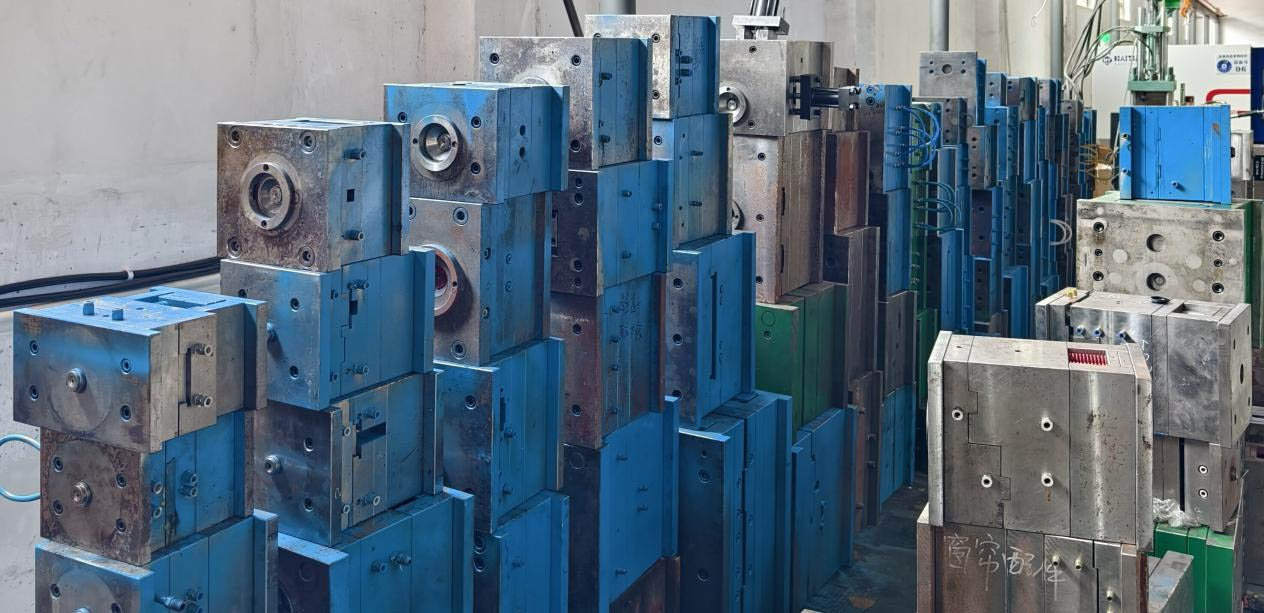
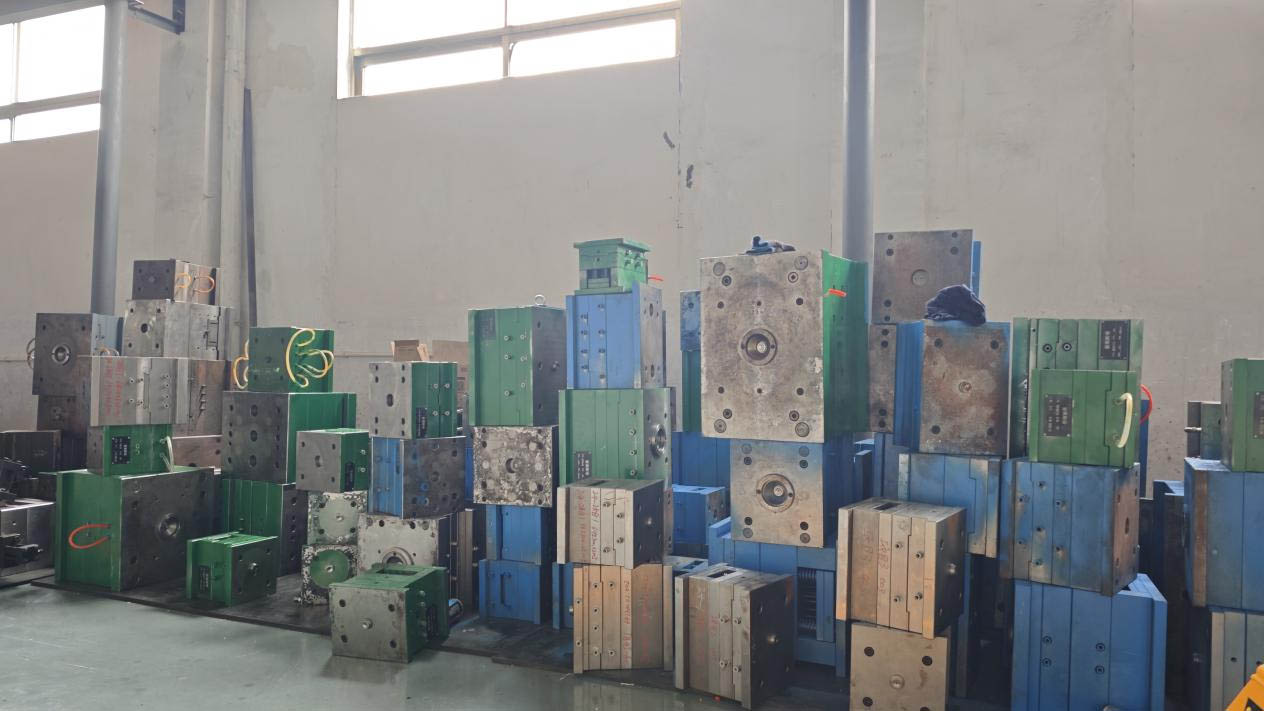
Factory&About US
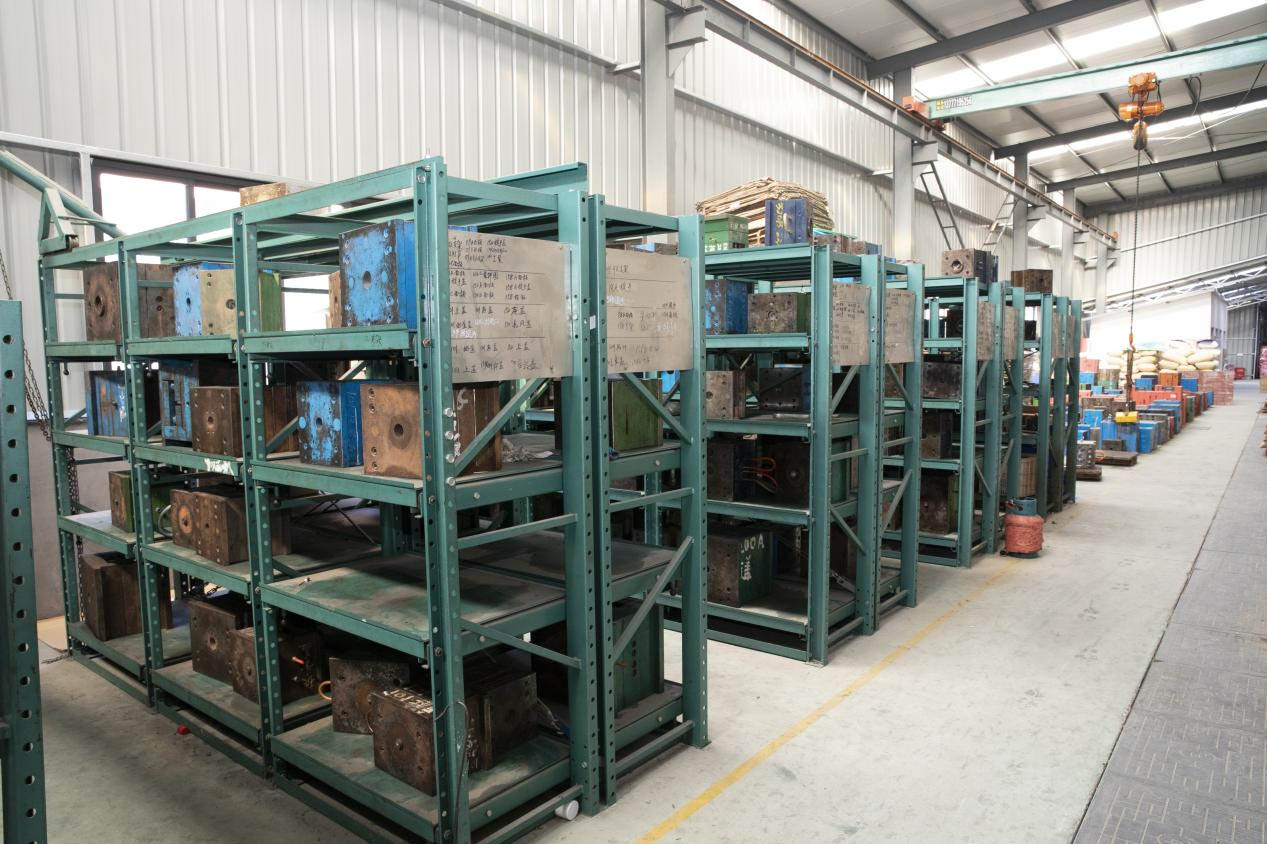
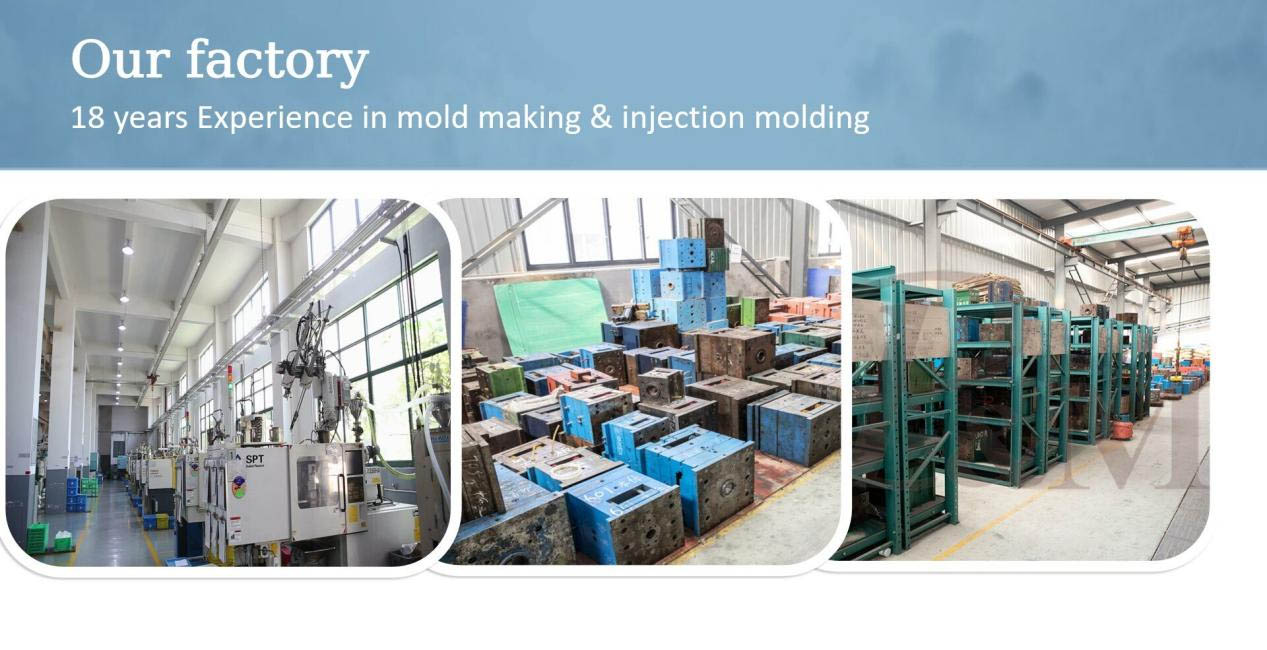
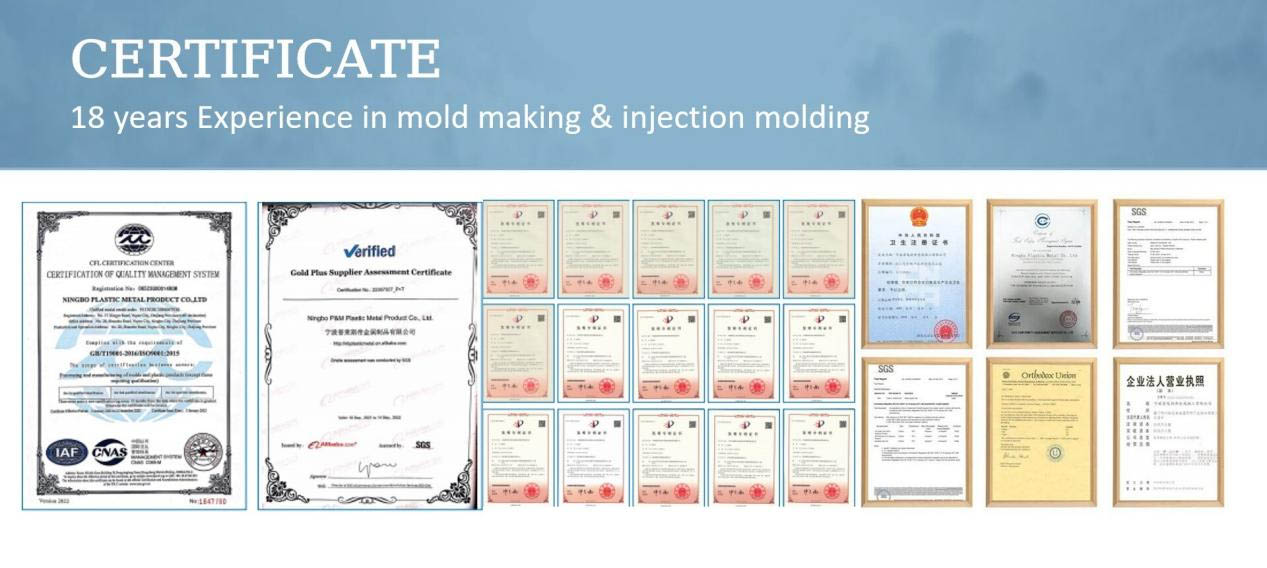
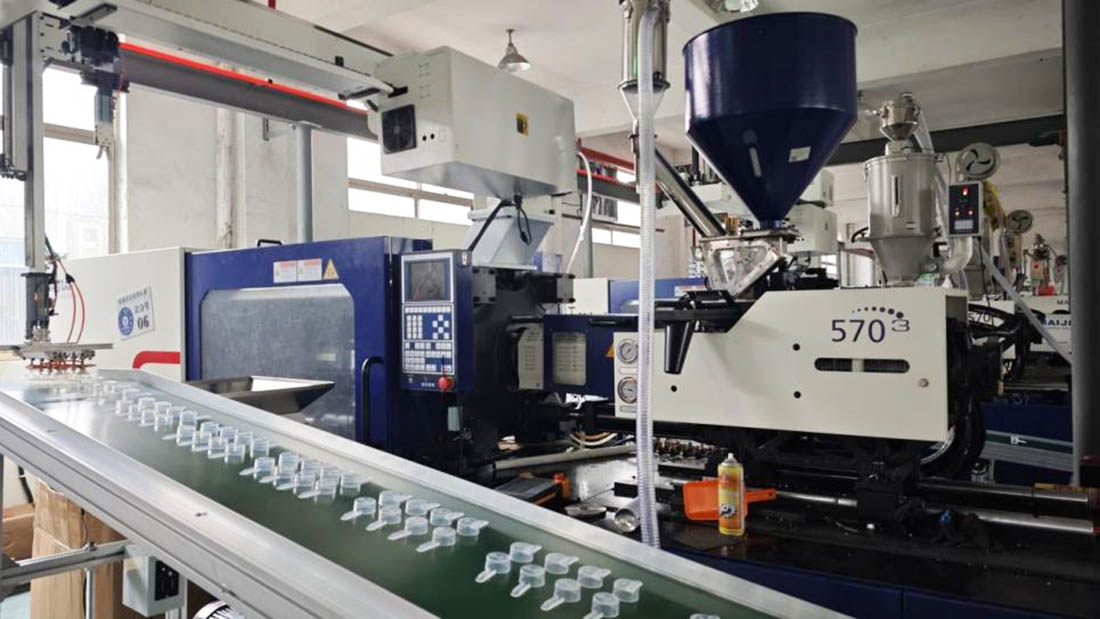
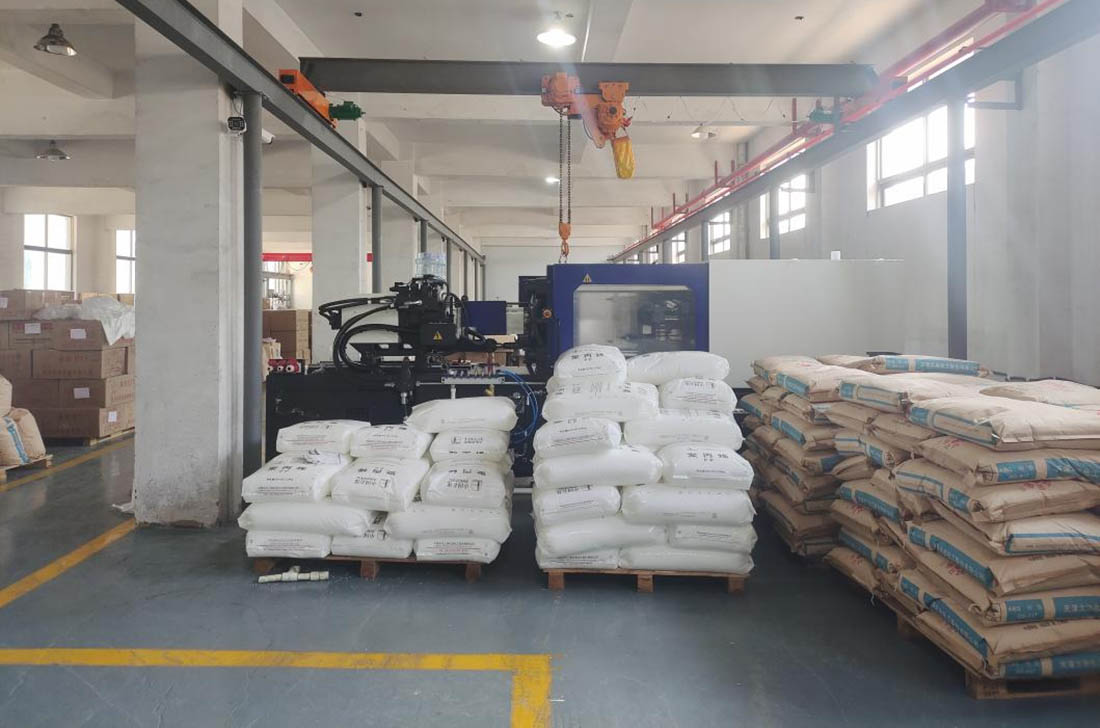
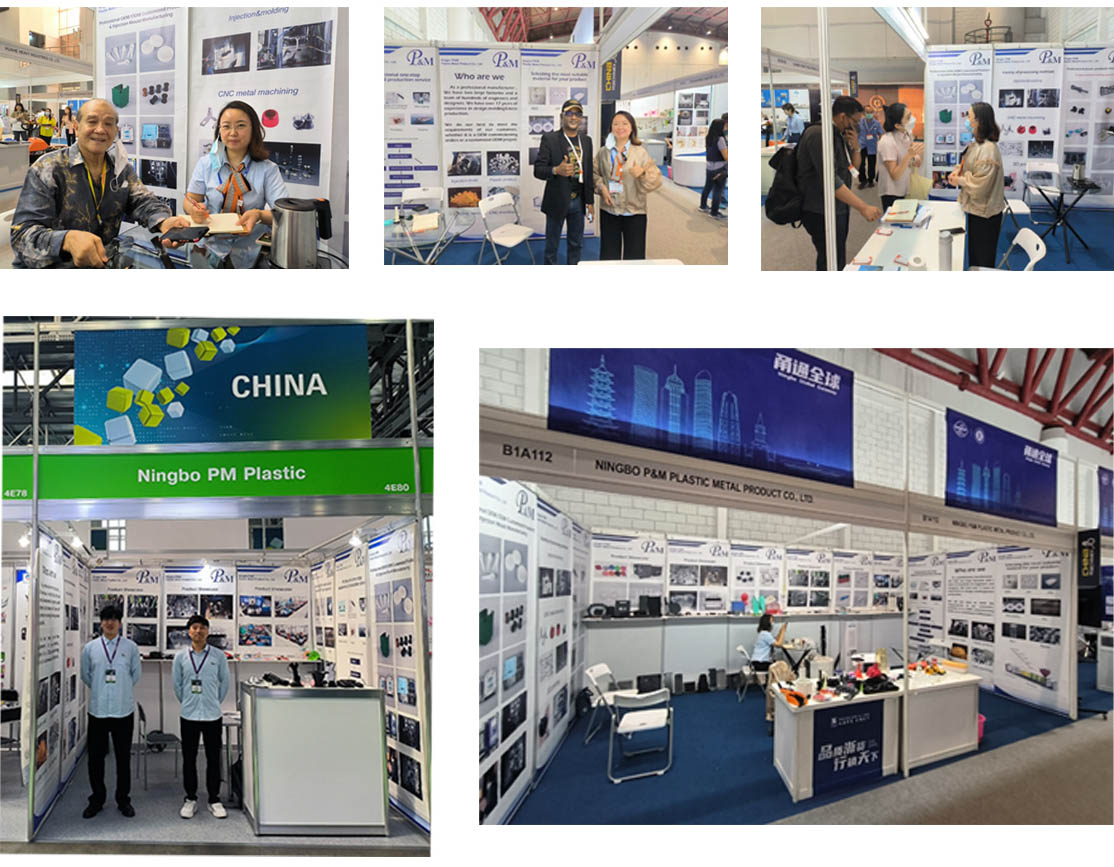
NingBo Plastic Metal Product Co.,Ltd (P&M) is located in Yuyao, the so-called Mould City, Plastic Kingdom, in the southern tip of Hangzhou Bay Bridge,north of Shanghai, the east of Ningbo Port,tight double line of State Road 329 on land, sea and air trafic into a network to facilitate transport.
By the abundant technical strength,scientific management methods and good after-sales service, product deeply trusted and welcomed by customers from all over the world. P&M holds improved system of development and production, to achieve mold design, plastic products manufacturing and automatic production. Our main products is design and manufacturing of plastic mold, plastic product, metal product. 90% products of our enterprise are exported to America, Europe, Germany, Japan, Australia, etc. For many years, the company has been committed to the research of raw materials. The company has its own trademark and dozens of patents, providing more convenient technical support for mold making and product production. P&M started domestic business from 2008,named Shundi Mould Factory. And opened the international market from 2014. We always adhere to the principles of quality first and time first. While providing customers with the highest quality products, try to maximize the production efficiency and shorten production time. We are proud to tell every customer that our company has not lost any customer since its establishment.If there is a problem with the product, we will seek a solution actively and take responsibility to the end.
P&M adheres to market-oriented to the quanlity of life and focus on quality service and continuous development of new products,determined to establish a better corporate image,and our friends at home and abroad to carry a wide range of business exchanges and cooperation, create brilliant.
Packing
Packaging according to your needs
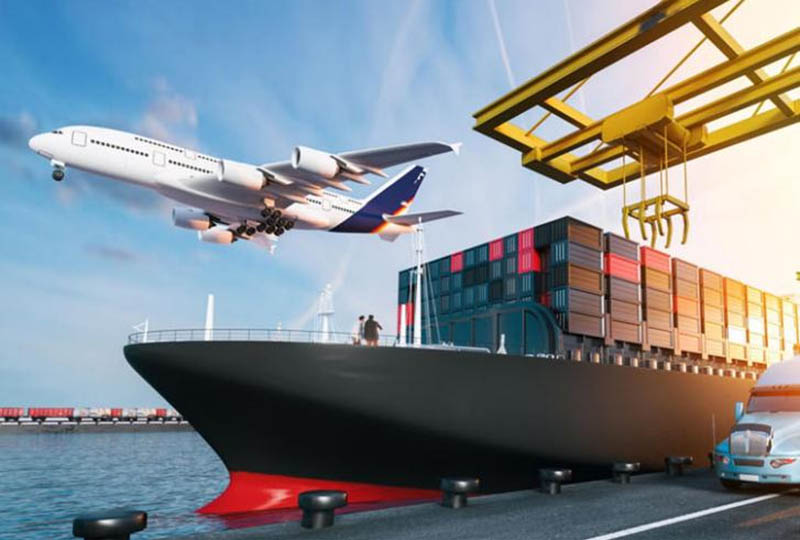
1. By air ,it takes 3-7 days for delivery.
The goods can be shipped by DHL , Fedex , UPS .
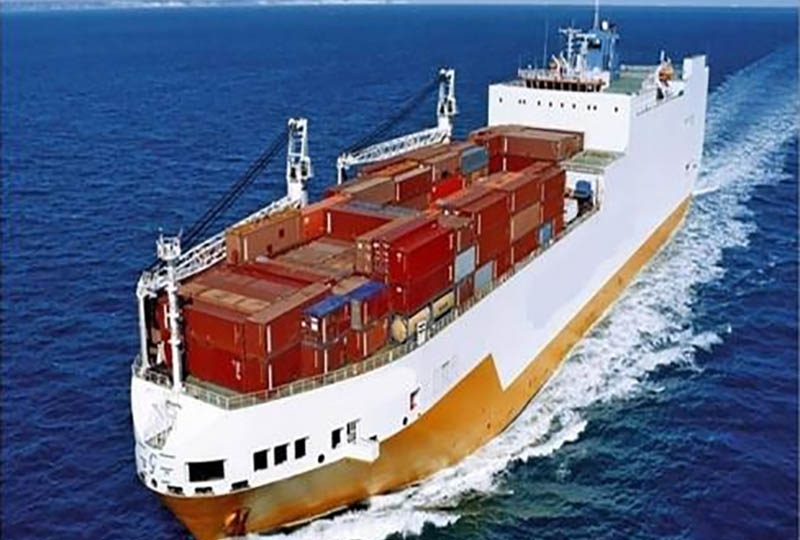
2. By sea ,the delivery time is based on your port.
To South East Asian Countries takes about 5-12 days.
To Middle east countries takes about 18-25 days.
To European countries takes about 20-28 days.
To American countries takes about 28-35 days.
To Australia takes about 10-15 days.
To African countries takes about 30-35 days.
P&M Bike parts, centered around children, balances safety, health, and fun, aiming to add a bright color to children's beautiful childhood. We look forward to working together with you to serve our children.
The path of a child's growth is paved with bricks and tiles.
FAQ
1.Who are we?
We are based in Zhejiang, China, start from 2014,sell to North America(30.00%),Southern Europe(10.00%),Northern Europe(10.00%),Central America(10.00%),Western Europe(10.00%),Mid East(10.00%),Eastern Europe(10.00%),South America(10.00%). There are total about 51-100 people in our office.
2.How can we guarantee quality?
Always a pre-production sample before mass production;
Always final Inspection before shipment;
3.What can you buy from us?
Mould, Plastic Product, Metal Product, Dental Product, CNC machining.
4.Why should you buy from us not from other suppliers?
We main do all kinds of 3d design, 3d printing and plastic metal molds tooling and products. We have our own engineer and factory. One-stop supply: 3d design - 3d printing - mold making - plastic injection.
5.What services can we provide?
Accepted Delivery Terms: FOB,CFR,CIF,EXW,FCA,DDP,DDU;
Accepted Payment Currency: USD, EUR;
Accepted Payment Type: T/T,L/C,PayPal,Western Union,Escrow;
Language Spoken:English,Chinese,Spanish,French,Russian.
6.What are the characteristics of your service?
1. Your inquiry related to our products or prices will be replied within 24 hours.
2. Well-trained and experienced staffs to answer all your enquiries in fluent English.
3. Offering the support to solve the problem in the application or selling period.
4. Competitive prices based on same quality.
5. Guarantee samples quality same as mass production quality.
Hot Tags: Mechanical Parts Bearing Customization, China, Manufacturer, Supplier, Factory, Customized, Wholesale, Buy, Quality, Latest Selling, Made in China
Related Category
Send Inquiry
Please feel free to give your inquiry in the form below. We will reply you in 24 hours.