
Product
- Core Customization Service
- Health Care
- Electronic Appliances and Instruments
- Maternal and Child Supplies Molds
- Recreational Sports
- Home Furnishing Art
- Auto Accessories
- Transportation and Warehousing
- Lighting Fixtures
- Construction Equipment
- Packaging Product
- Educational & Laboratories
- Clothing Luggage Accessories
- Care and Cleaning Products
- Agriculture & Forestry
- Mechanical Equipment
- Pet Supplies
- Kitchenware
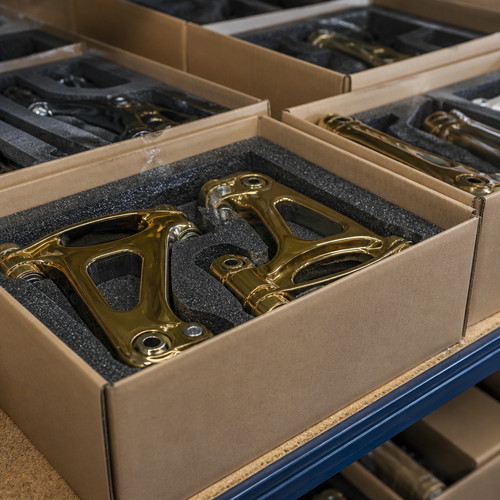
Parts Custom Chopper
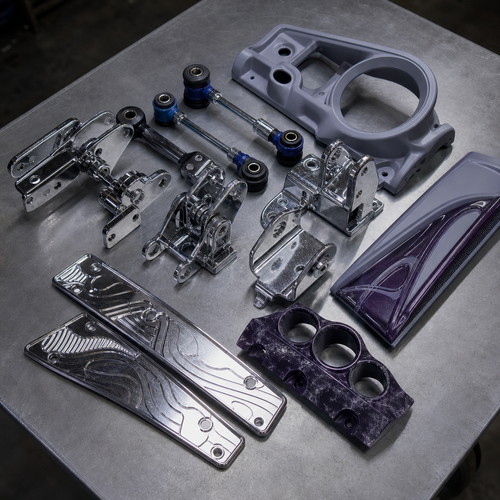
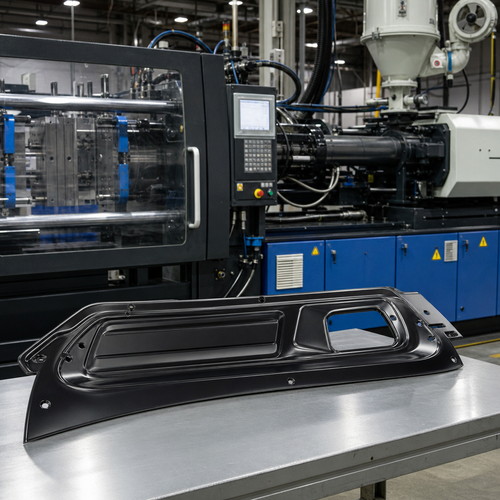
P&M, an injection-molding manufacturer, supplies the parts custom chopper builders rely on — fenders, side covers, coil covers and seat pans molded in engineering plastics. In-house tooling, low-MOQ sampling and full documentation move custom chopper programs from CAD to container in six weeks.
Send Inquiry
Product Description
Custom chopper building is a low-volume, high-visibility discipline. A chopper is a rolling statement: a stretched front end, a raked frame, a tank that flows into a low solo saddle, and every surface expected to look either deliberately hand-made or factory-perfect. Yet behind the chrome and the paint, a surprising share of the machine is precision-molded plastic — front and rear fenders, side covers, coil and air-cleaner covers, headlight nacelles, dash panels, seat pans, battery boxes and the small covers that hide wiring. For the shops, distributors and small OEMs sourcing these components, ordering parts custom chopper production can absorb is not a simple purchase. It is a question of whether a supplier can hold a complex compound curve, match a one-off paint code, and still deliver on a workable lead time.
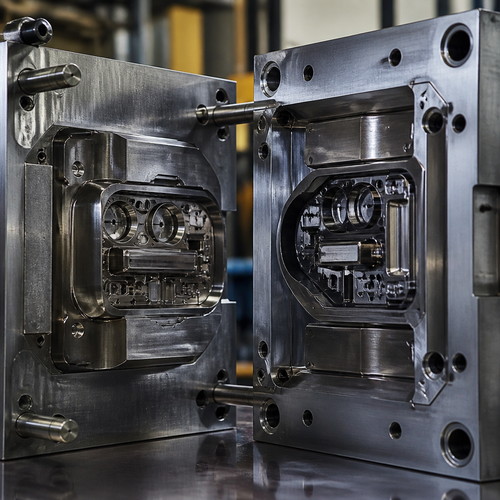
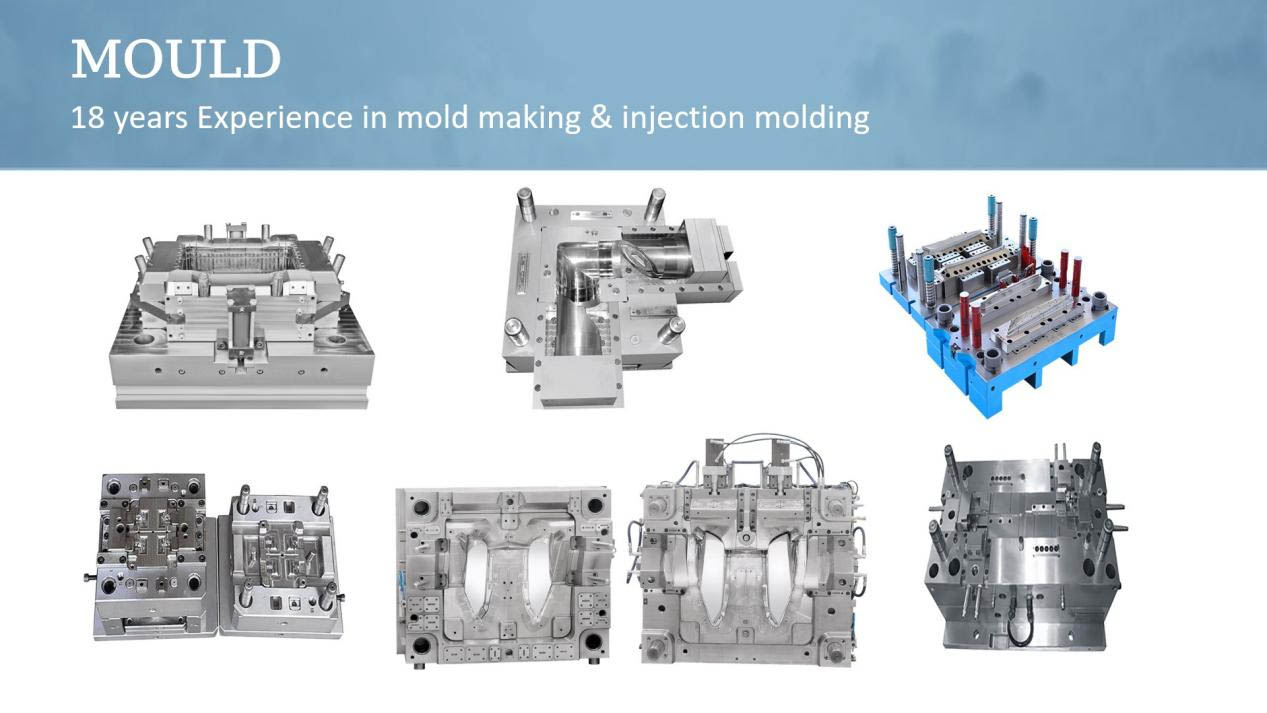
P&M is an injection-molding manufacturer with more than two decades of experience producing structural and cosmetic components for powersports, custom motorcycle and outdoor equipment programs. We build the parts custom chopper projects require directly from customer CAD data, and when only a hand-shaped original exists, we reverse-engineer it with 3D scanning and tolerance reconstruction before returning a manufacturable model for approval. Every program opens with a design-for-manufacturing review that flags undercuts, uneven wall sections and gate locations that would telegraph through a visible Class A surface — the detail that separates a part which looks engineered from one that merely looks bolted on.
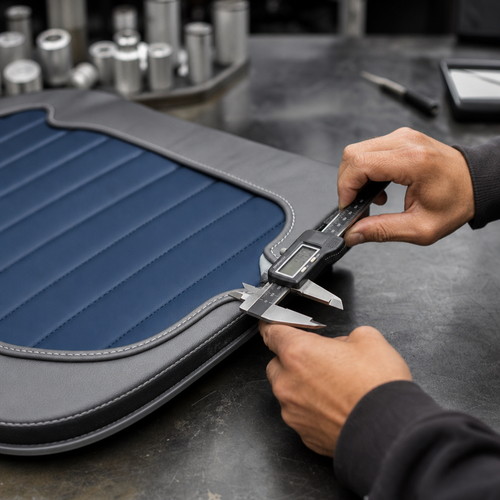
P&M Parts Custom Chopper Molding Introduction
The chopper aesthetic was born in the years after the Second World War, when riders stripped production motorcycles down to essentials and rebuilt them around stretched front ends, raked steering heads, extended forks and minimal bodywork. What began as garage improvisation became an industry. Today the market splits into two broad camps: the one-off custom builder creating a single machine for a single client, and the small-series manufacturer producing kits, bolt-on conversions and catalog parts for a broader audience. Both share one hard constraint. Volumes are too low to justify elaborate multi-cavity steel tooling, yet too high for hand-laid fiberglass to be economical, repeatable or dimensionally honest.
That gap is exactly where injection molding earns its place. A hand-laminated part drifts from unit to unit; a molded thermoplastic part is the same on the hundredth shot as on the first. For a builder delivering a finished machine, consistency is the difference between a smooth assembly shift and hours of rework. For a distributor selling parts custom chopper customers can install without fitting drama, consistency is the difference between a repeat order and a return.
Material choice drives everything downstream. ABS remains the workhorse for smooth, paint-ready bodywork because it takes primer and topcoat beautifully and holds a crisp edge. ASA and ASA/PC blends take over where a part lives in direct sunlight, resisting the chalking and color shift that ruins a lightly painted component after a season outdoors. Polypropylene copolymer, usually with an impact modifier, is the natural choice for fenders and flexible covers that must survive vibration and the occasional drop without cracking at a mounting boss. Glass-filled PA6 and PA66 suit brackets, structural covers and heat-adjacent housings where stiffness matters more than surface finish. TPE and TPU overmolds deliver the soft-touch grips, trim edges and sealing lips that finish a build and quiet vibration.
The chopper aesthetic was born in the years after the Second World War, when riders stripped production motorcycles down to essentials and rebuilt them around stretched front ends, raked steering heads, extended forks and minimal bodywork. What began as garage improvisation became an industry. Today the market splits into two broad camps: the one-off custom builder creating a single machine for a single client, and the small-series manufacturer producing kits, bolt-on conversions and catalog parts for a broader audience. Both share one hard constraint. Volumes are too low to justify elaborate multi-cavity steel tooling, yet too high for hand-laid fiberglass to be economical, repeatable or dimensionally honest.
That gap is exactly where injection molding earns its place. A hand-laminated part drifts from unit to unit; a molded thermoplastic part is the same on the hundredth shot as on the first. For a builder delivering a finished machine, consistency is the difference between a smooth assembly shift and hours of rework. For a distributor selling parts custom chopper customers can install without fitting drama, consistency is the difference between a repeat order and a return.
Material choice drives everything downstream. ABS remains the workhorse for smooth, paint-ready bodywork because it takes primer and topcoat beautifully and holds a crisp edge. ASA and ASA/PC blends take over where a part lives in direct sunlight, resisting the chalking and color shift that ruins a lightly painted component after a season outdoors. Polypropylene copolymer, usually with an impact modifier, is the natural choice for fenders and flexible covers that must survive vibration and the occasional drop without cracking at a mounting boss. Glass-filled PA6 and PA66 suit brackets, structural covers and heat-adjacent housings where stiffness matters more than surface finish. TPE and TPU overmolds deliver the soft-touch grips, trim edges and sealing lips that finish a build and quiet vibration.
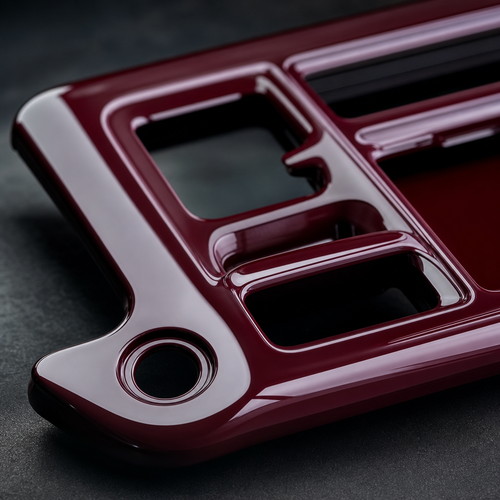
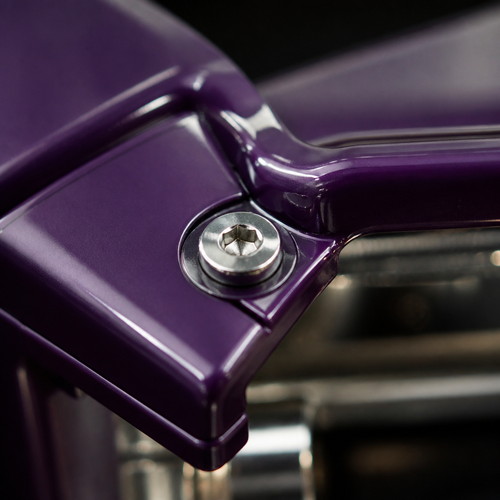
Cosmetics are where custom chopper programs live or die. A molded part on a chopper is often the most visible surface on the machine, so color control has to be treated as a process rather than a guess. We match molded-in color to a physical sample, a Pantone reference or a customer's paint chip, and we document each shade with a master plaque so a run can be compared under defined lighting instead of by memory. Textured and matte tool finishes are specified the same way, with gloss levels agreed in writing before the mold is cut.
Sourcing parts custom chopper shops actually need from an unknown supplier usually fails for predictable reasons: a vague material specification, no documented color control, tooling built without steel certification, and no traceability when a batch fails an impact test. Buyers want more than a price. They want a partner who can read a CAD file, propose a resin, prove the mold with a documented first article inspection, and reproduce the identical part eighteen months later without drift.
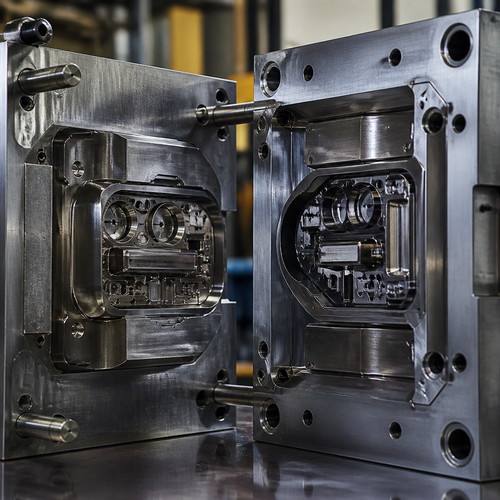
P&M was built around that gap. We combine in-house mold design and manufacturing with molding capacity, so a program never depends on a third-party tool shop's queue. That integration matters most when a revision lands — an added gusset, a relocated mounting hole, or a change from a two-piece assembly to a single molded part that removes fasteners and assembly labor. Engineering changes are version-controlled, so the drawing that was approved is the drawing that is produced.
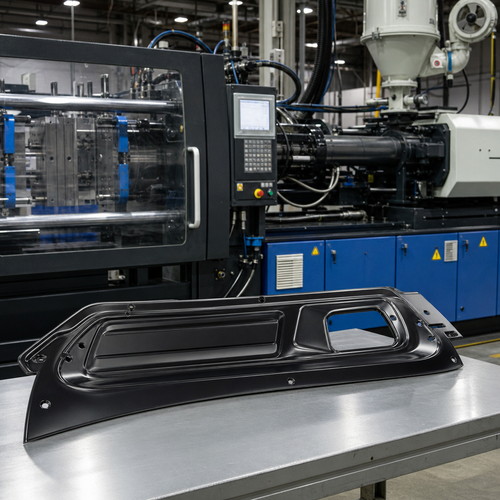
P&M Parts Custom Chopper Molding(Specification)
|
Mould Name |
Parts Custom Chopper Molding |
|
We promise |
All customer-centric, never for short-term profit, and sell long-term benefits |
|
We produce |
Mold, prototype, injection molding, product assembly, surface printing, spraying the surface integration |
|
Pls provide |
2D, 3D, samples, or the size of the multi-angle pictures |
|
Mould Time |
About 25 working days |
|
Product time |
7-15 Days |
|
Moud precision |
±0.1mm |
|
Mould life |
50-100 million shots |
|
Producing Process |
Audit drawings - mold flow analysis - design validation - Custom Materials - mold processing - core processing - electrode machining - Runner system processing - parts processing and procurement - machining acceptance - cavity surface treatment process - complex mode Die - The entire mold surface coating - Mounting plate - mold sample - sample test - sending samples |
|
Mould cavity |
One cavity, multi-cavity or same different products be made together |
|
Mould material |
P20,2738,2344,718,S136,8407,NAK80,SKD61,H13 |
|
Runner system |
Hot runner and cold runner |
|
Base material |
P20,2738,2344,718,S136,8407,NAK80,SKD61,H13 |
|
Finish |
Pitting the word, mirror finish, matte surface, striae |
|
Standard |
HASCO, DME or dependent upon |
|
Main thechnology |
Milling, grinding, CNC, EDM, wire cutting, carving, EDM, lathes, surface Finish, etc. |
|
Software |
CAD,PRO-E,UG Design Time: 1-3 days (normal circumstances) |
|
Product material |
Food grade plastic raw materials |
|
Origin |
Made in China |
P&M Parts Custom Chopper Feature And Application
Core features of our molded components
Every parts custom chopper program we run is specified, tested and documented against a written requirement sheet. The features below are standard, not optional extras.
- Material engineering. Resins are selected for impact strength, UV stability, chemical resistance and heat deflection, then verified with a material certificate per batch. UV-stabilized compounds are standard for any part exposed to direct sunlight.
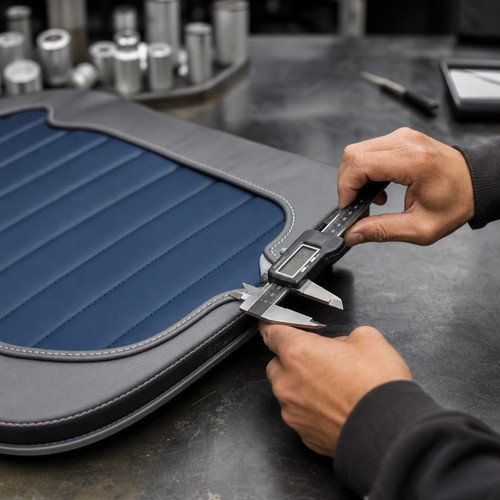
- Tight dimensional control. Critical mounting bosses, clip locations and mating edges are held to agreed tolerances with gauge-friendly datum schemes, supported by CMM reports on first article and periodic in-process checks.
- Consistent cosmetic finish. Molded-in color, matte and textured tool finishes, and controlled gloss levels are documented with a master standard plaque so production parts can be judged under defined lighting, not by eye from memory.
- Structural strength where it counts. Ribbing, gussets, wall transitions and radii are optimized in DFM so flex occurs where the part is designed to flex and mounting bosses survive over-torque and repeated removal.
- Weight discipline. Gate and wall optimization plus foaming or glass-fill options reduce mass without sacrificing the durability riders expect.
- Assembly-ready design. Self-tapping boss geometry, snap features, integrated clips, heat-stake points and captive fasteners can all be molded in, cutting assembly time at the customer's bench.
- Tooling built for the long run. Hardened cores, balanced cooling channels, hot runner options and quick-change inserts for color and model variants.
- Full documentation. DFM report, tooling drawing, first article inspection report, PPAP-style submission file and batch-level traceability records.
Where these parts are used
The applications for parts custom chopper builders order span the whole custom and cruiser spectrum.
- One-off and show choppers. Fenders, tank-side panels, coil covers and seat pans shaped to a builder's own lines and paint scheme.
- Small-series kit manufacturers. Bolt-on fender kits, side covers and dash panels produced in short, repeatable runs.
- Cruiser and bagger conversions. Saddlebag lids, fairing inner panels, wire covers and light housings that must match existing factory surfaces.
- Bobber and brat builds. Minimal bodywork, solo seat bases, battery boxes and hidden-wiring covers.
- Metric and V-twin platforms. Model-specific covers and brackets molded to OE mounting points.
- Aftermarket and replacement market. Paint-ready bodywork, color-matched kits and OE-equivalent replacement parts sold through distributors, dealerships and online channels.
- Private label programs. Branded packaging, buyer-owned tooling and exclusivity terms for retailers building their own parts line.
How a program runs from inquiry to shipment
A typical engagement moves through eight stages. First, technical review: the buyer submits CAD files, a sample, or both, with functional requirements, annual volume and target cost. Second, DFM analysis with a written report listing suggested changes and their effect on cost and durability. Third, quotation covering tooling, unit price at defined quantities and lead time. Fourth, tooling design and fabrication with a design freeze signed by both sides. Fifth, first article sampling, with parts molded, measured and submitted alongside an inspection report and material data. Sixth, validation, including drop, impact, UV exposure and flex testing as the application requires. Seventh, production molding under an approved control plan with in-process inspection and batch records. Eighth, packaging, labeling and shipping with export documentation prepared for the destination market.
Quality control is embedded rather than inspected in at the end. Incoming resin is checked against the specified grade and lot certificate. Machines run monitored process parameters with alarm limits, so a drifting barrel temperature triggers a correction before bad parts accumulate. Operators perform visual and dimensional checks at fixed intervals, and finished goods are sampled for fitment against a customer-supplied master or a purpose-built gauge. When an issue appears, containment is immediate and the corrective action is documented for the customer rather than buried in an internal report.
Why brands consolidate their molded parts with P&M
Working with a single injection-molding manufacturer across a range of parts custom chopper programs need simplifies life for the buyer. One quality system, one color standard, one engineering contact, one shipping schedule. Tooling ownership stays with the customer, and mold maintenance records travel with the program, so changing suppliers never means starting over. Because we also mold adjacent categories — outdoor equipment housings, garden machinery covers, power tool casings and consumer product shells — process knowledge gained in one program transfers to the next and shortens development time for the customer.
For buyers planning a new model year, the practical advice is to start the tooling conversation early. Mold design, steel ordering and sampling consume most of the calendar, and changes requested after the design freeze are the single largest source of delay and cost overrun. Sharing complete CAD, realistic volumes and a clear cosmetic expectation at the outset lets us return a firm plan that holds. That is the difference between a parts program that ships on schedule and one that slips a season.
To discuss a specific fender, side cover, seat pan or structural bracket, send your drawing or sample to P&M and our engineering team will respond with a DFM review and a quotation for parts custom chopper tailored to your volume, material and finish requirements.
Customization Process
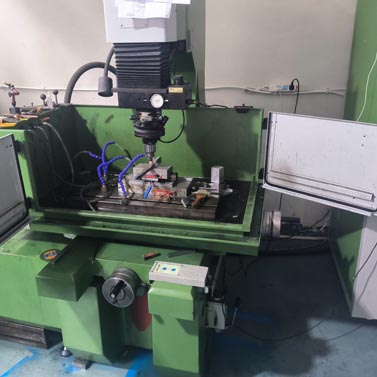
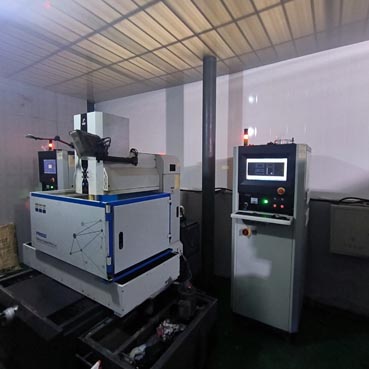
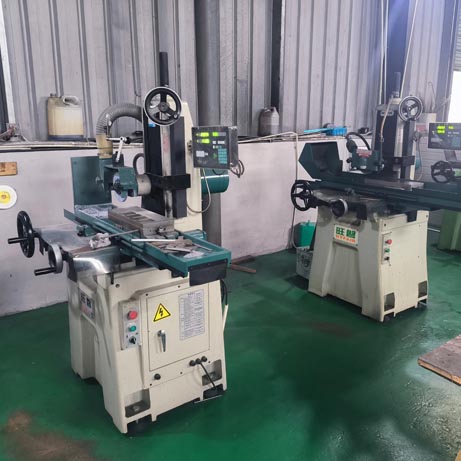
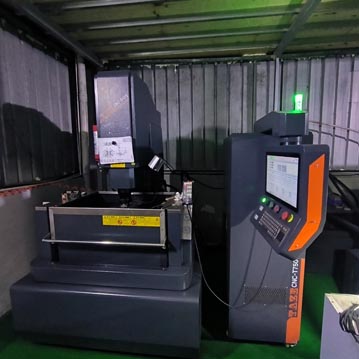
Factory&About US
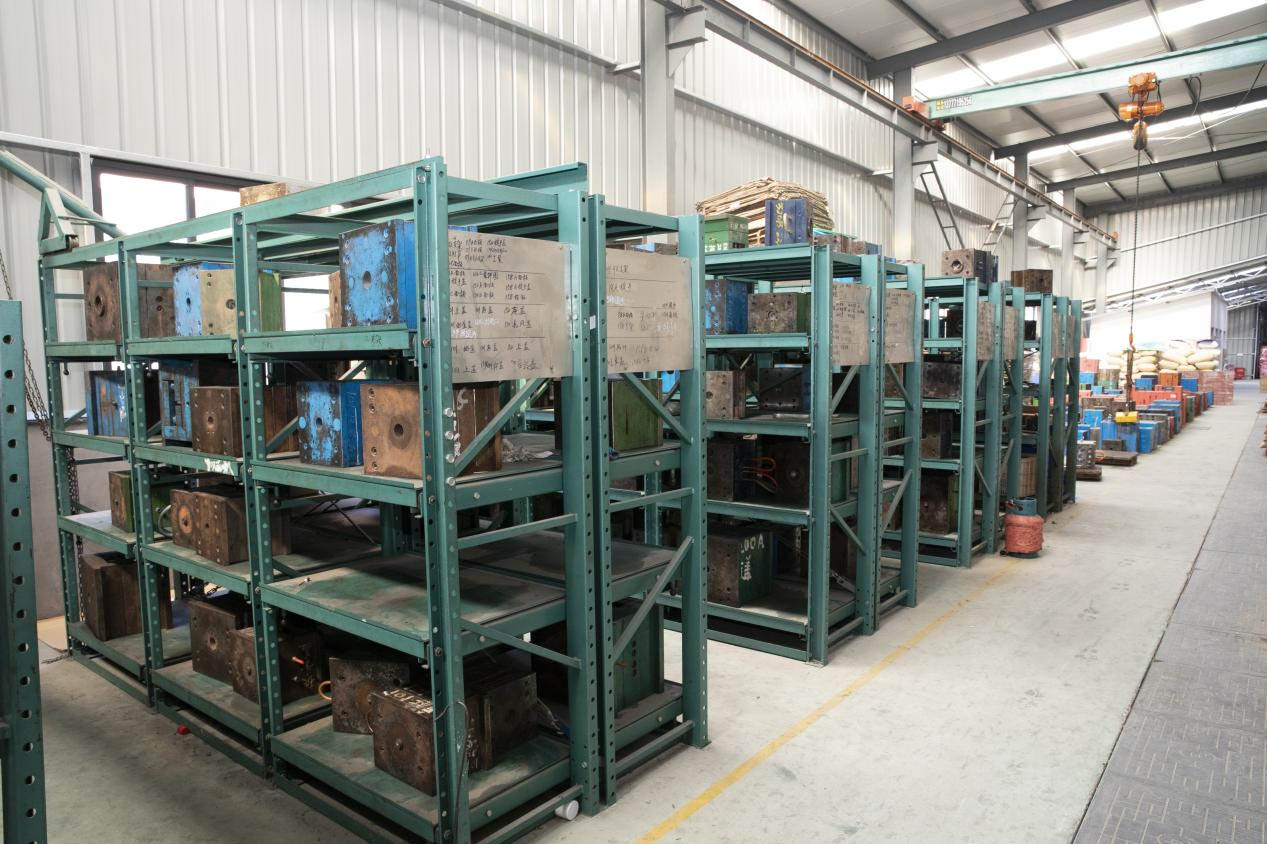
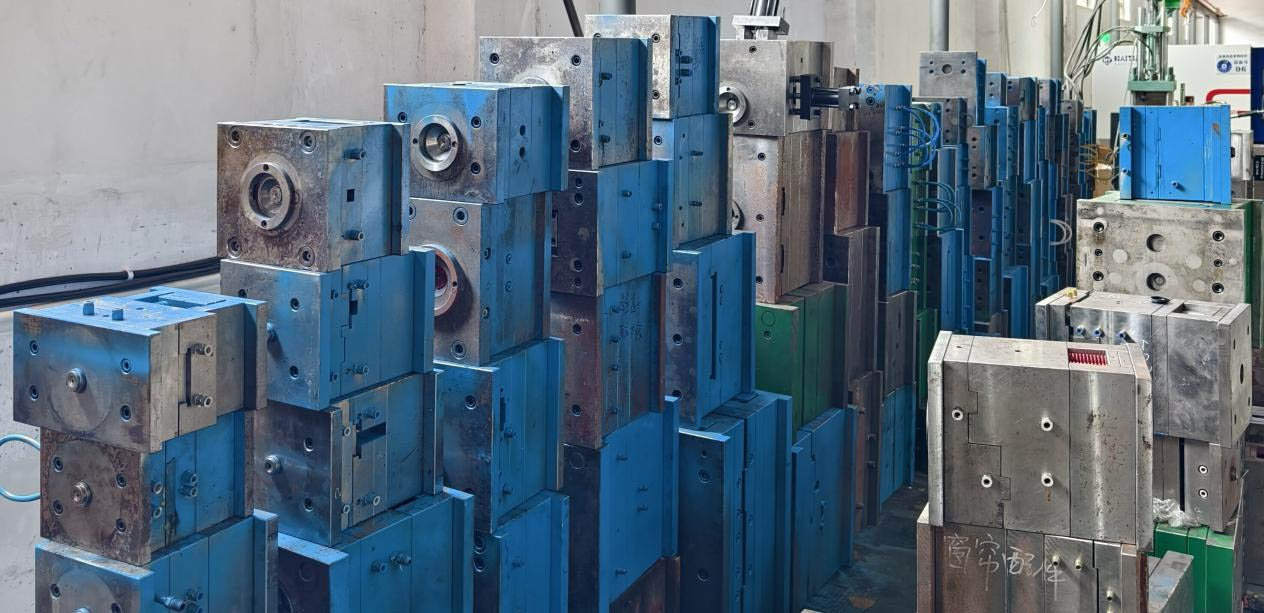
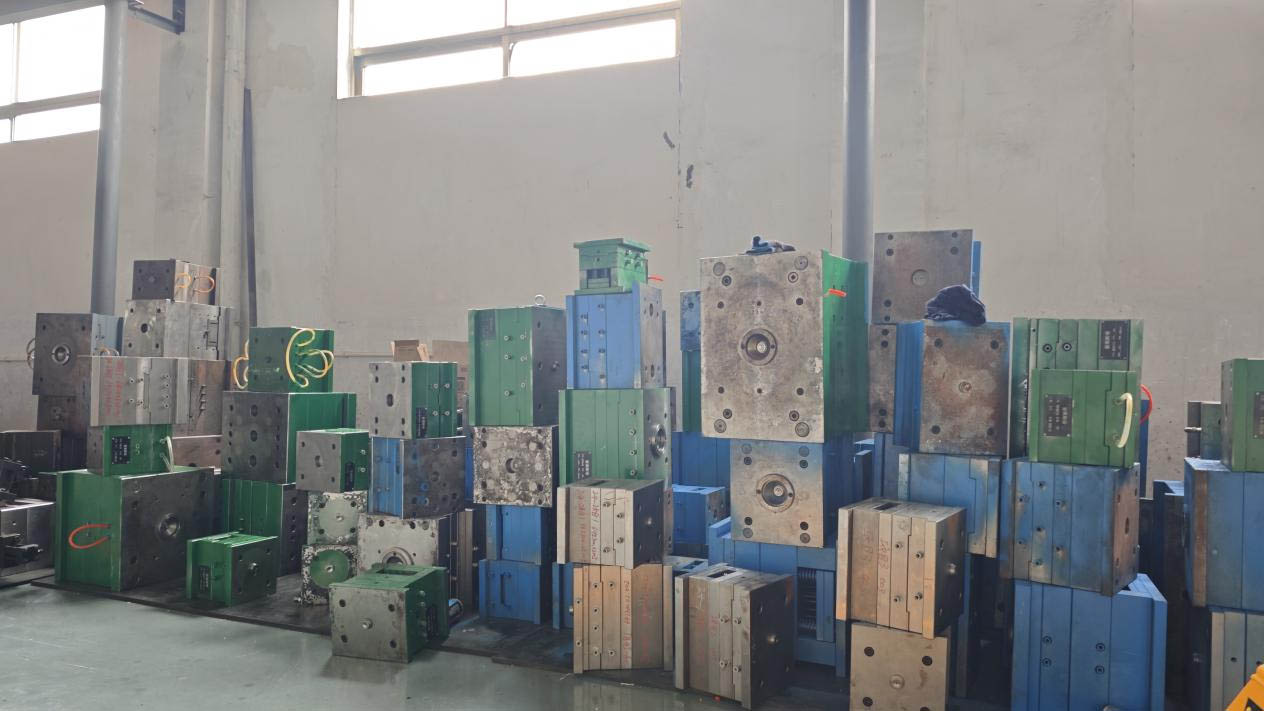
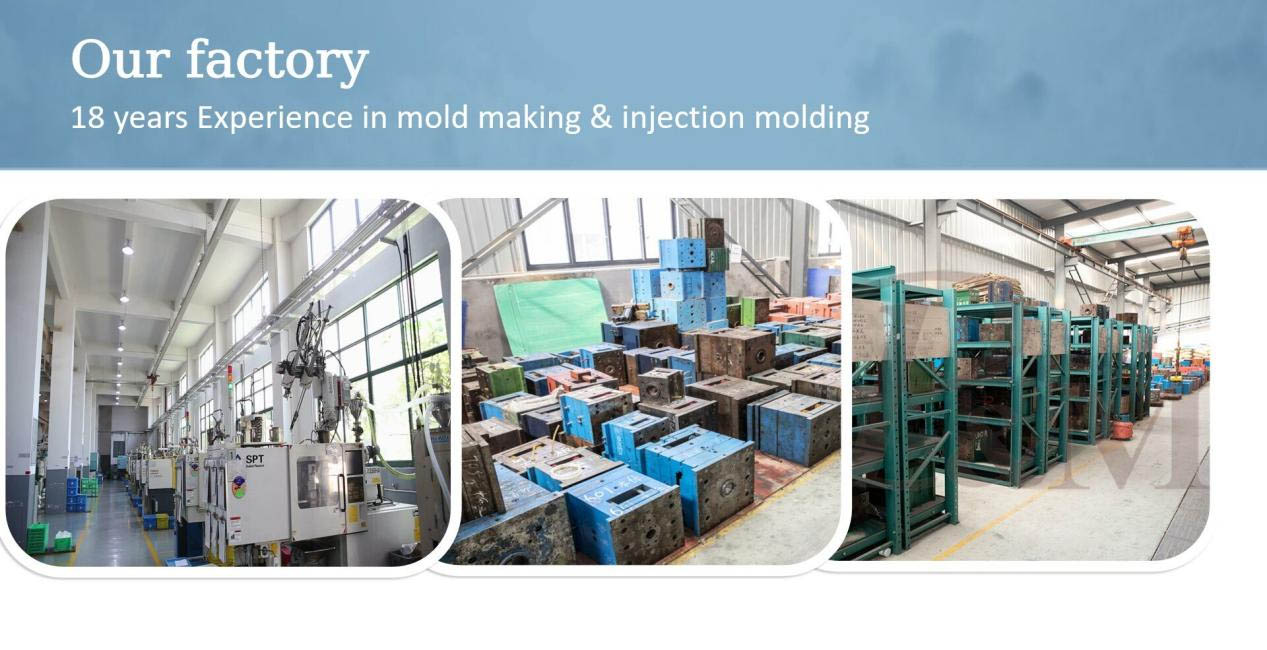
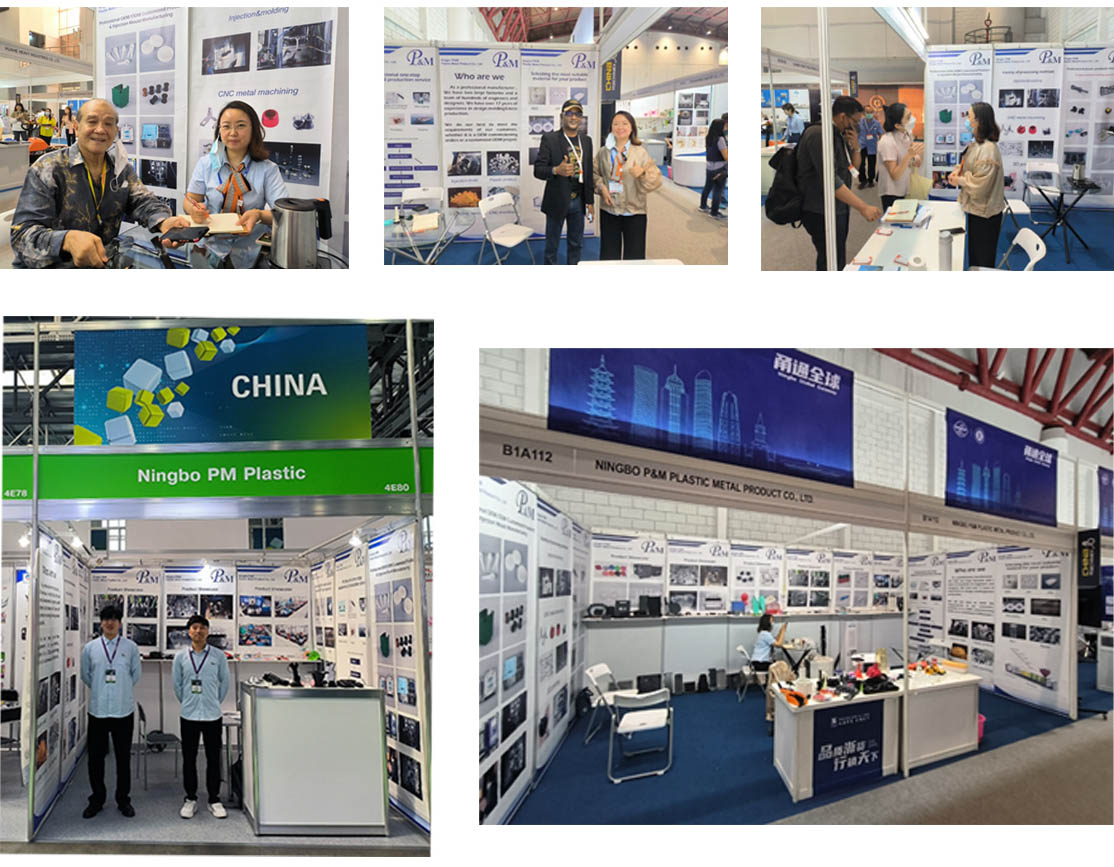
NingBo Plastic Metal Product Co.,Ltd (P&M) is located in Yuyao, the so-called Mould City, Plastic Kingdom, in the southern tip of Hangzhou Bay Bridge,north of Shanghai, the east of Ningbo Port,tight double line of State Road 329 on land, sea and air trafic into a network to facilitate transport.
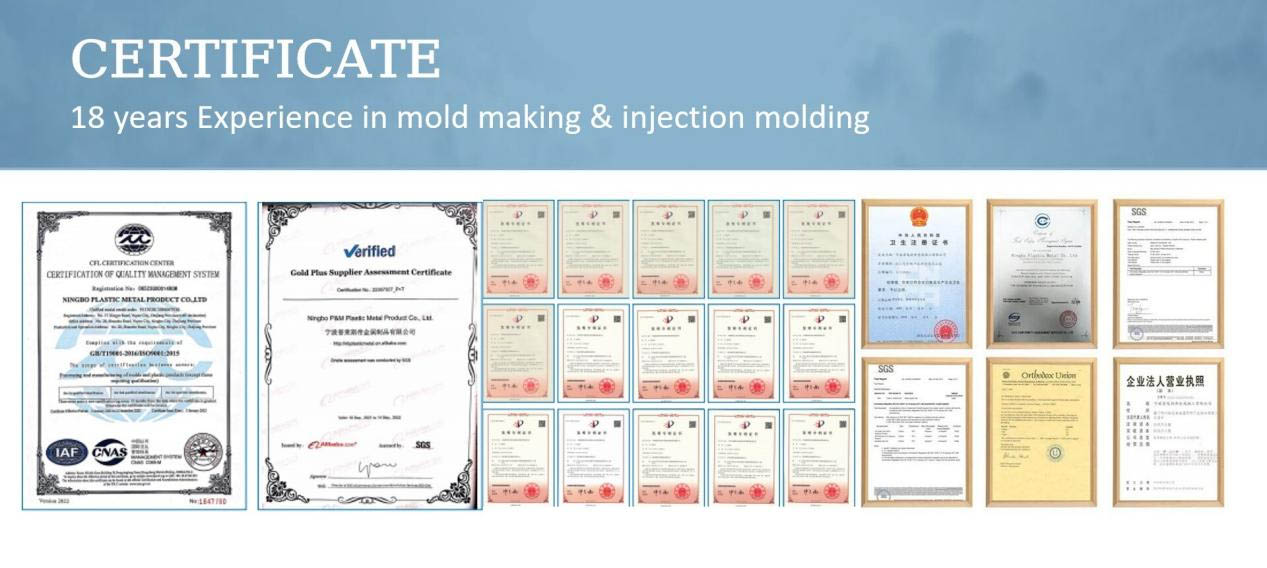
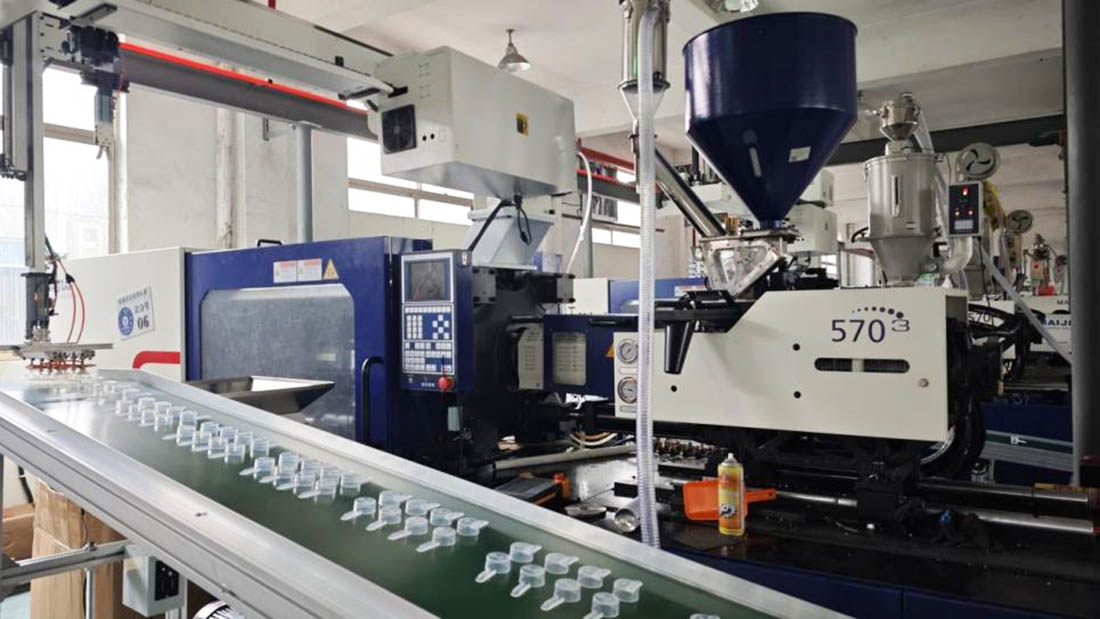
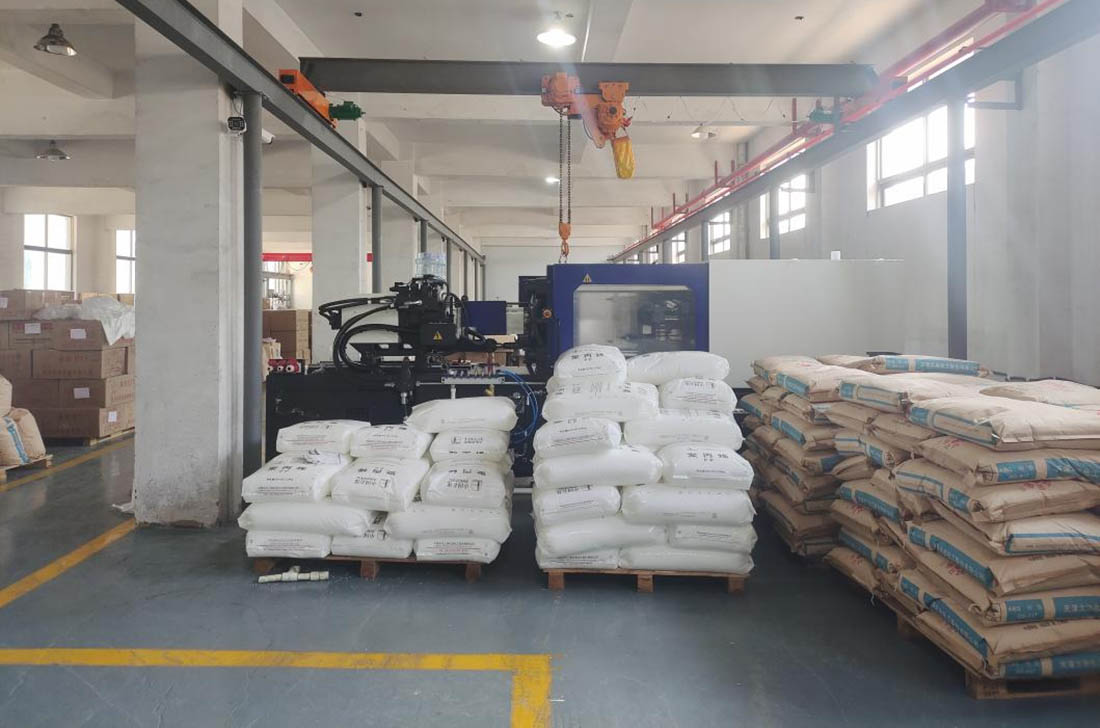
By the abundant technical strength,scientific management methods and good after-sales service, product deeply trusted and welcomed by customers from all over the world. P&M holds improved system of development and production, to achieve mold design, plastic products manufacturing and automatic production. Our main products is design and manufacturing of plastic mold, plastic product, metal product. 90% products of our enterprise are exported to America, Europe, Germany, Japan, Australia, etc. For many years, the company has been committed to the research of raw materials. The company has its own trademark and dozens of patents, providing more convenient technical support for mold making and product production. P&M started domestic business from 2008,named Shundi Mould Factory. And opened the international market from 2014. We always adhere to the principles of quality first and time first. While providing customers with the highest quality products, try to maximize the production efficiency and shorten production time. We are proud to tell every customer that our company has not lost any customer since its establishment.If there is a problem with the product, we will seek a solution actively and take responsibility to the end.
P&M adheres to market-oriented to the quanlity of life and focus on quality service and continuous development of new products,determined to establish a better corporate image,and our friends at home and abroad to carry a wide range of business exchanges and cooperation, create brilliant.
Packing
Packaging according to your needs
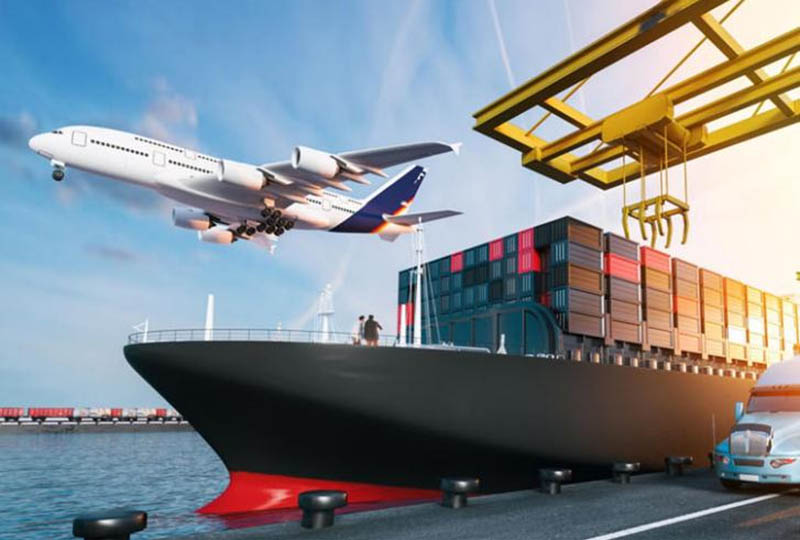
1. By air ,it takes 3-7 days for delivery.
The goods can be shipped by DHL , Fedex , UPS .
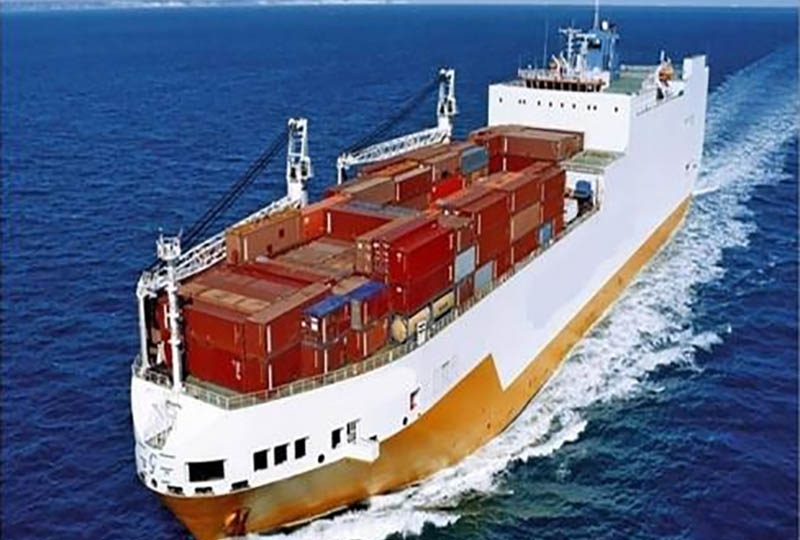
2. By sea ,the delivery time is based on your port.
To South East Asian Countries takes about 5-12 days.
To Middle east countries takes about 18-25 days.
To European countries takes about 20-28 days.
To American countries takes about 28-35 days.
To Australia takes about 10-15 days.
To African countries takes about 30-35 days.
P&M Bike parts, centered around children, balances safety, health, and fun, aiming to add a bright color to children's beautiful childhood. We look forward to working together with you to serve our children.
The path of a child's growth is paved with bricks and tiles.
FAQ
1.Who are we?
We are based in Zhejiang, China, start from 2014,sell to North America(30.00%),Southern Europe(10.00%),Northern Europe(10.00%),Central America(10.00%),Western Europe(10.00%),Mid East(10.00%),Eastern Europe(10.00%),South America(10.00%). There are total about 51-100 people in our office.
2.How can we guarantee quality?
Always a pre-production sample before mass production;
Always final Inspection before shipment;
3.What can you buy from us?
Mould, Plastic Product, Metal Product, Dental Product, CNC machining.
4.Why should you buy from us not from other suppliers?
We main do all kinds of 3d design, 3d printing and plastic metal molds tooling and products. We have our own engineer and factory. One-stop supply: 3d design - 3d printing - mold making - plastic injection.
5.What services can we provide?
Accepted Delivery Terms: FOB,CFR,CIF,EXW,FCA,DDP,DDU;
Accepted Payment Currency: USD, EUR;
Accepted Payment Type: T/T,L/C,PayPal,Western Union,Escrow;
Language Spoken:English,Chinese,Spanish,French,Russian.
6.What are the characteristics of your service?
1. Your inquiry related to our products or prices will be replied within 24 hours.
2. Well-trained and experienced staffs to answer all your enquiries in fluent English.
3. Offering the support to solve the problem in the application or selling period.
4. Competitive prices based on same quality.
5. Guarantee samples quality same as mass production quality.
Hot Tags: Parts Custom Chopper, China, Manufacturer, Supplier, Factory, Customized, Wholesale, Buy, Quality, Latest Selling, Made in China
Related Category
Send Inquiry
Please feel free to give your inquiry in the form below. We will reply you in 24 hours.