
Product
- Core Customization Service
- Health Care
- Electronic Appliances and Instruments
- Maternal and Child Supplies Molds
- Recreational Sports
- Home Furnishing Art
- Auto Accessories
- Transportation and Warehousing
- Lighting Fixtures
- Construction Equipment
- Packaging Product
- Educational & Laboratories
- Clothing Luggage Accessories
- Care and Cleaning Products
- Agriculture & Forestry
- Mechanical Equipment
- Pet Supplies
- Kitchenware
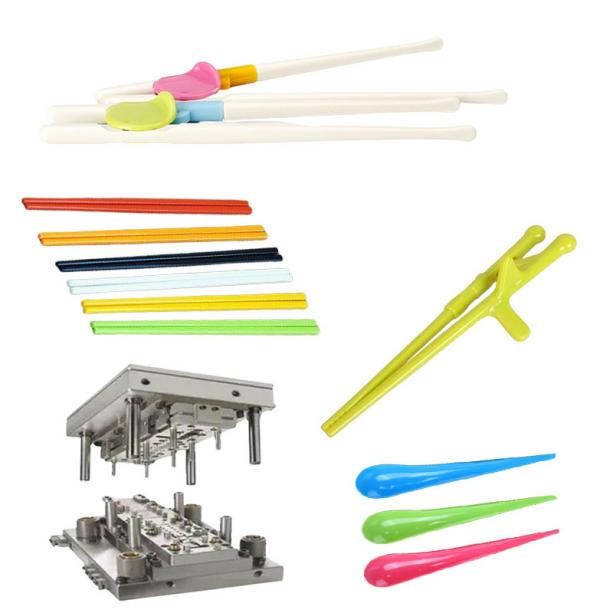
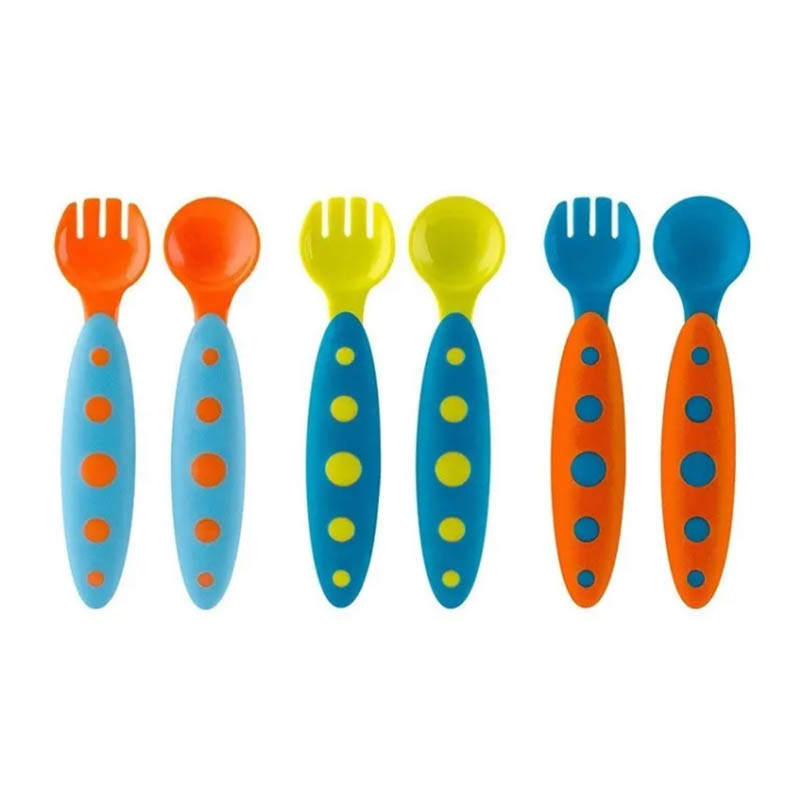
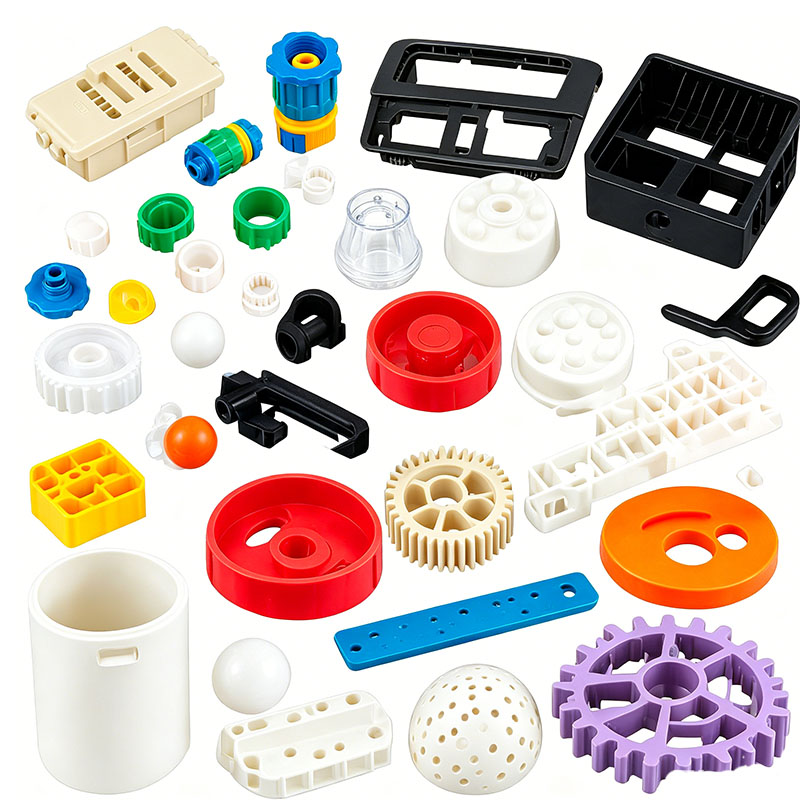
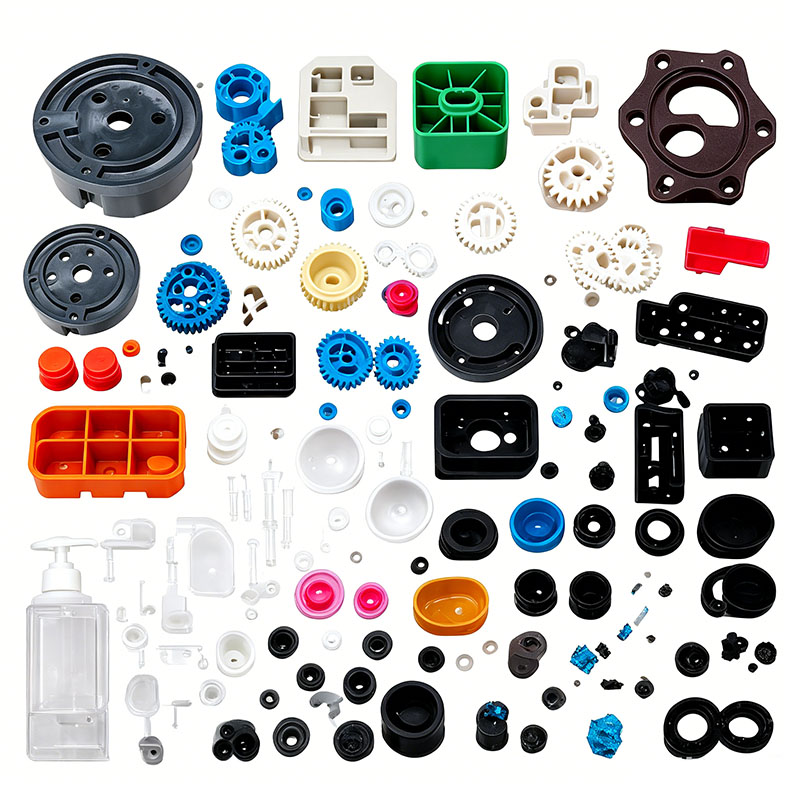
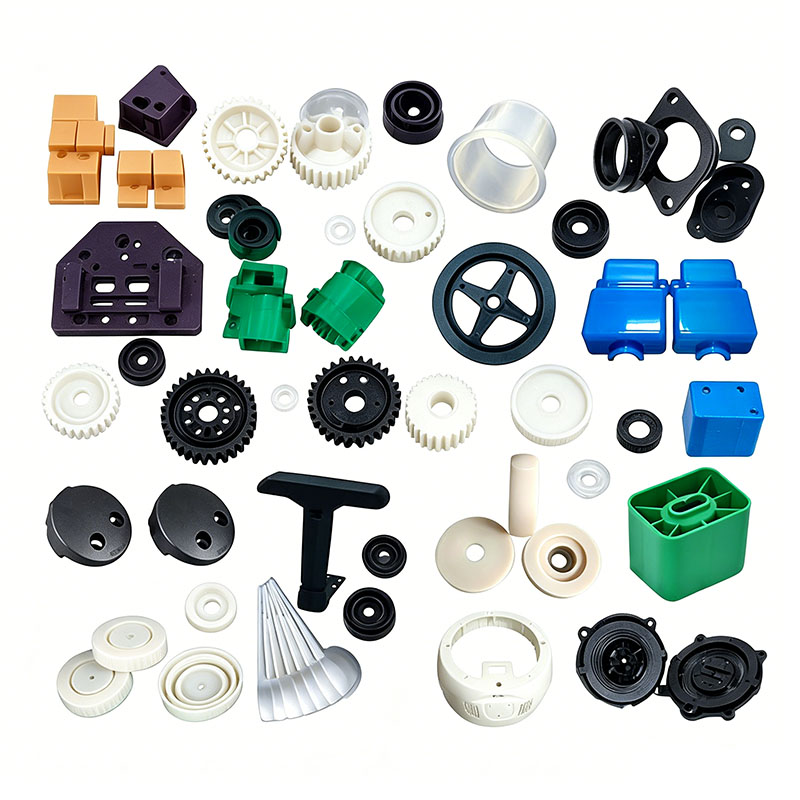
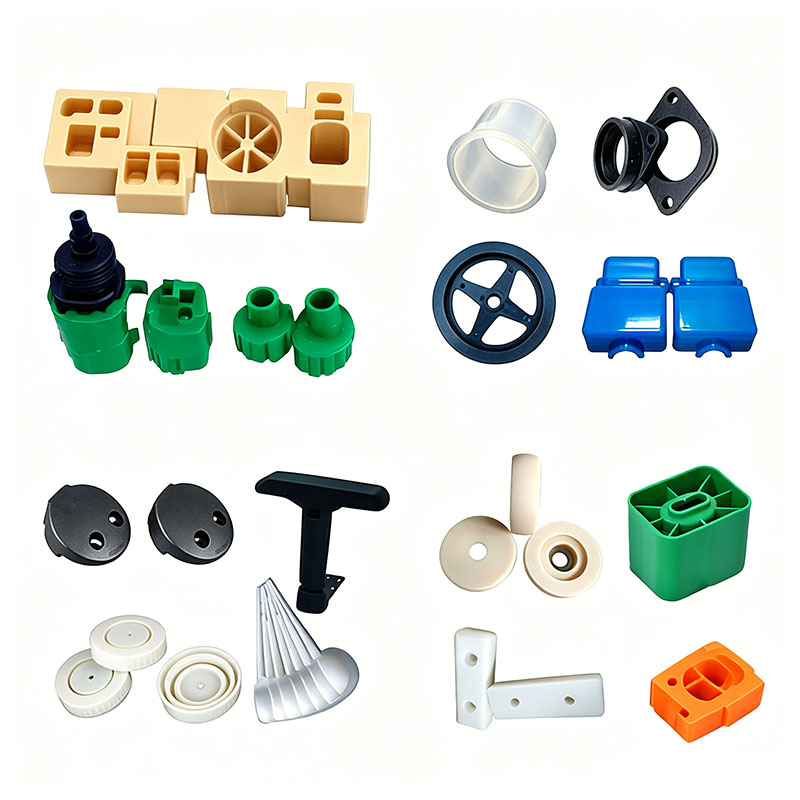
Plastic ABS PP PC PA6 parts moulding
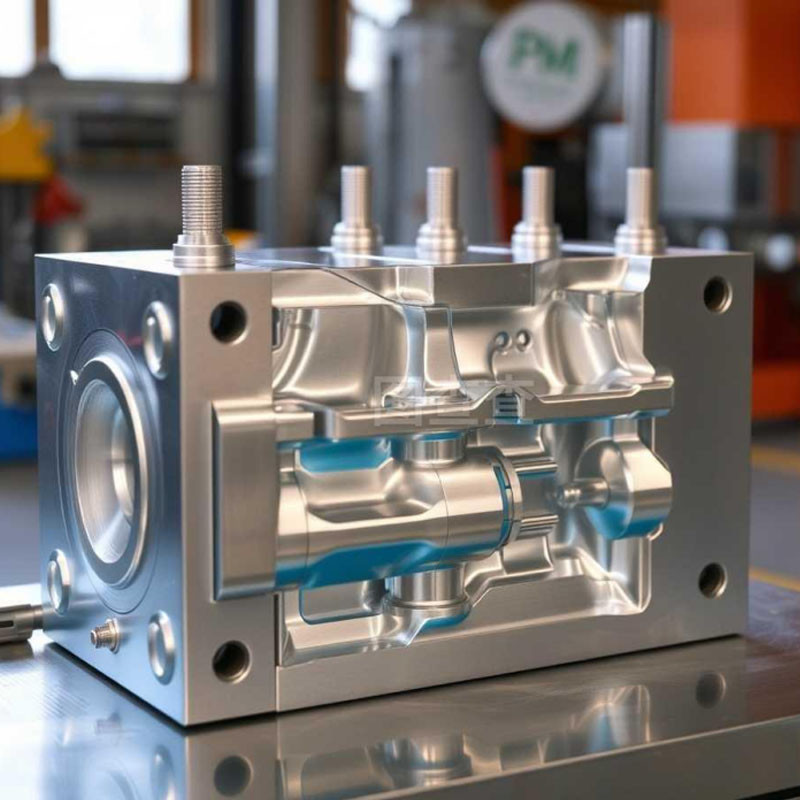
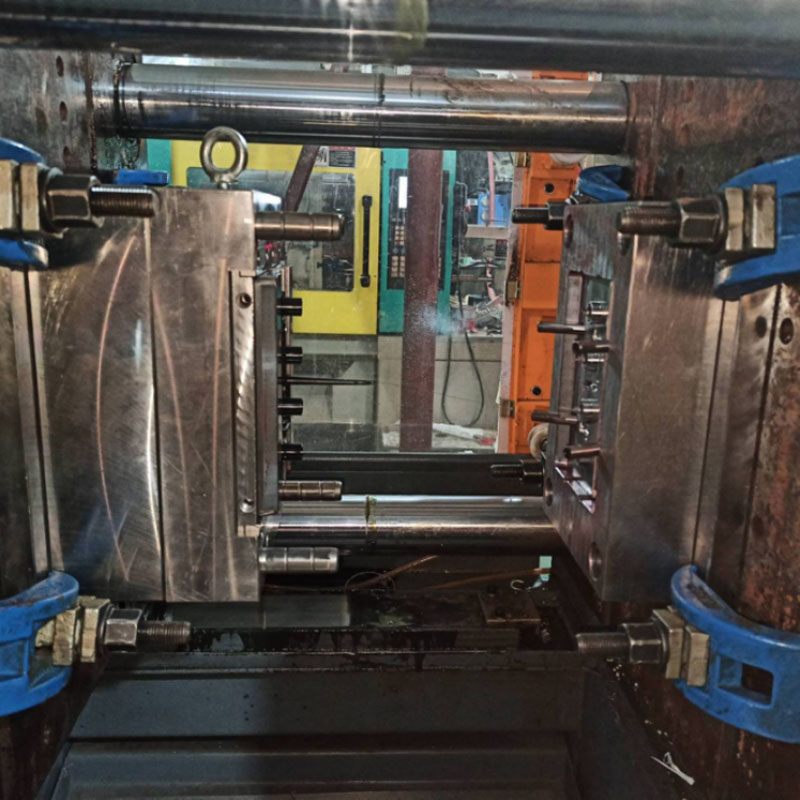
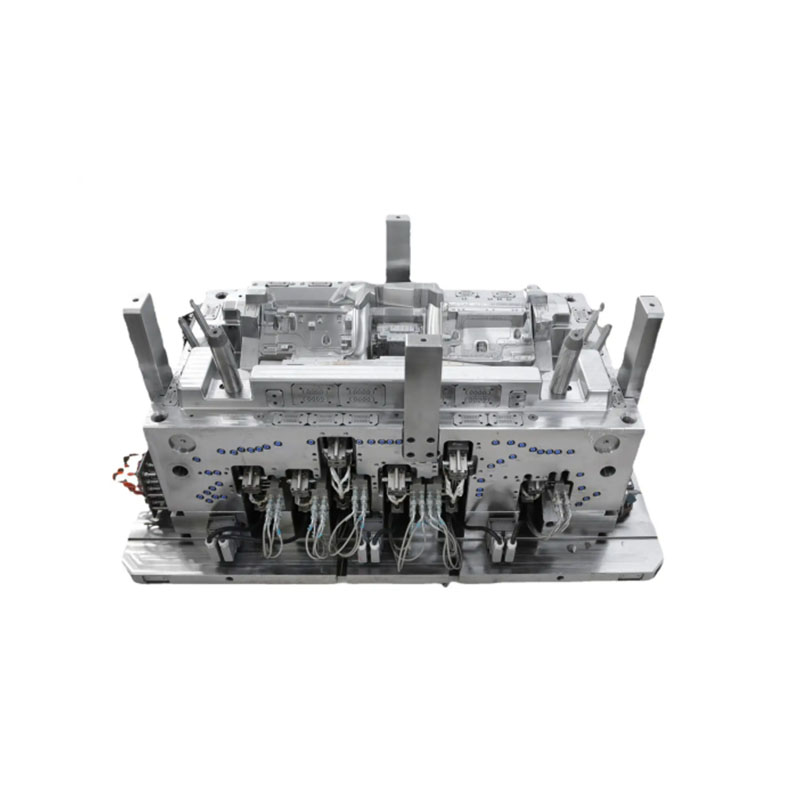
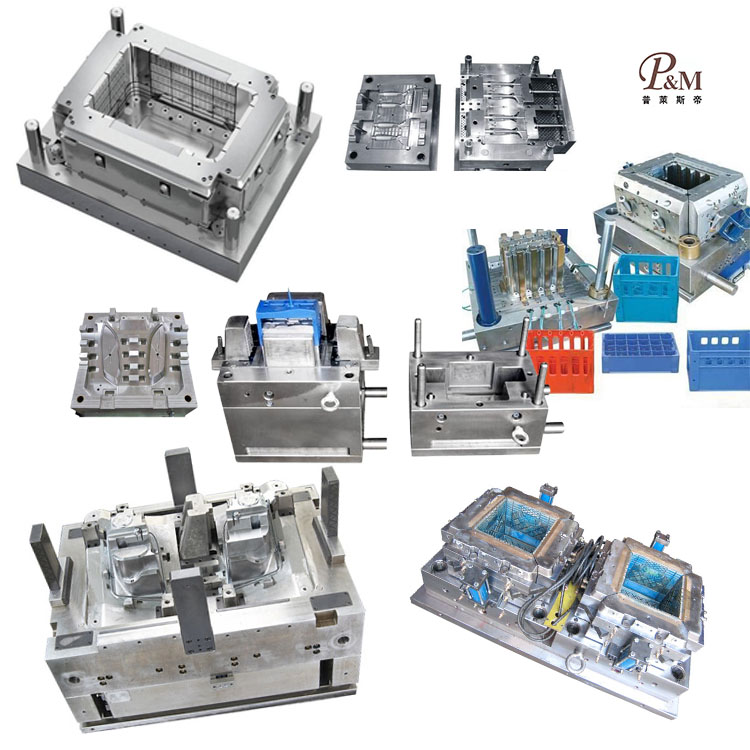
Ningbo (P&M) Plastic Metal Products Co., Ltd. has 17 years of mold manufacturing technology and can customize plastic ABS PP PC PA6 parts moulding. We provide professional customized plastic ABS PP PC PA6 parts moulding services, and we are a professional plastic ABS PP PC PA6 parts moulding manufacturer. We have sufficient experience in selecting product raw materials and mold materials. In the process of customizing plastic ABS PP PC PA6 parts moulding, our factory can provide one-stop service. We have design and production capabilities related to plastic ABS PP PC PA6 parts moulding, such as: CAD design, mold manufacturing, injection molding, plastic product production, assembly and other technologies.
Send Inquiry
Product Description
In addition, our company has established cooperative relationships with plastic raw material suppliers, printing manufacturers, etc. to ensure the supply of raw materials and printing quality. Through our rich experience and perfect supply chain, our company can provide customers with high-quality customized plastic ABS PP PC PA6 parts moulding products to meet their specific needs. At the same time, we have 10 years of professional foreign trade service experience, understand the foreign trade process, and better serve our customers. For plastic ABS PP PC PA6 parts moulding products, we can make corresponding plastic parts, which is mainly done through injection molds.
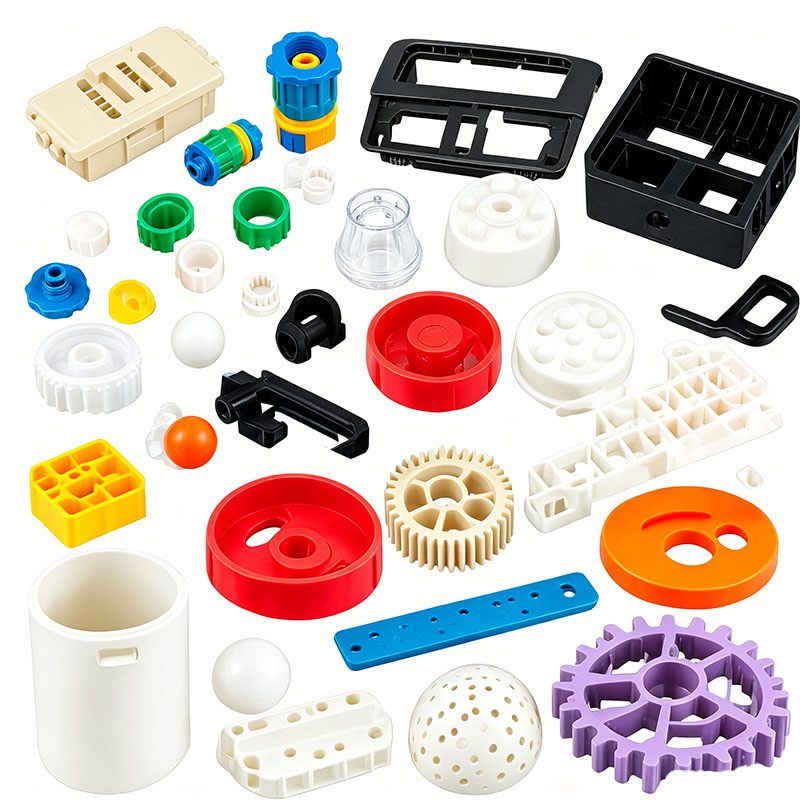
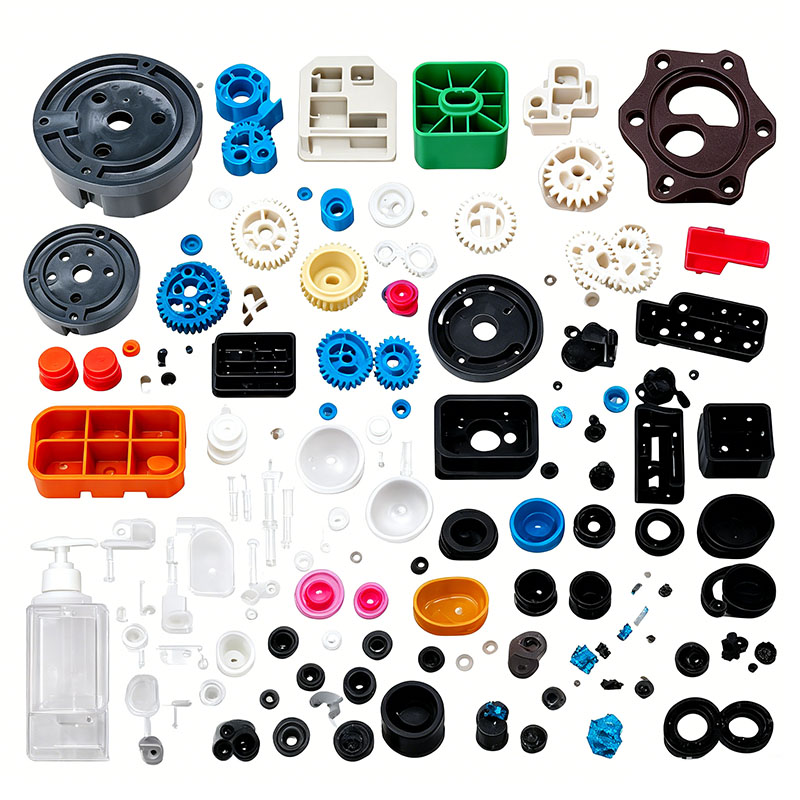
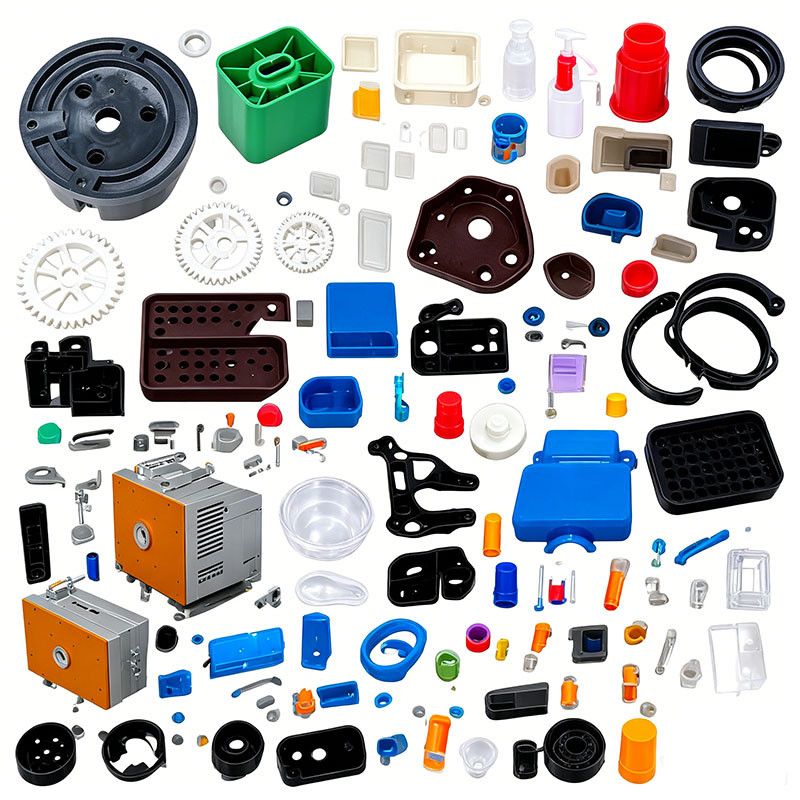
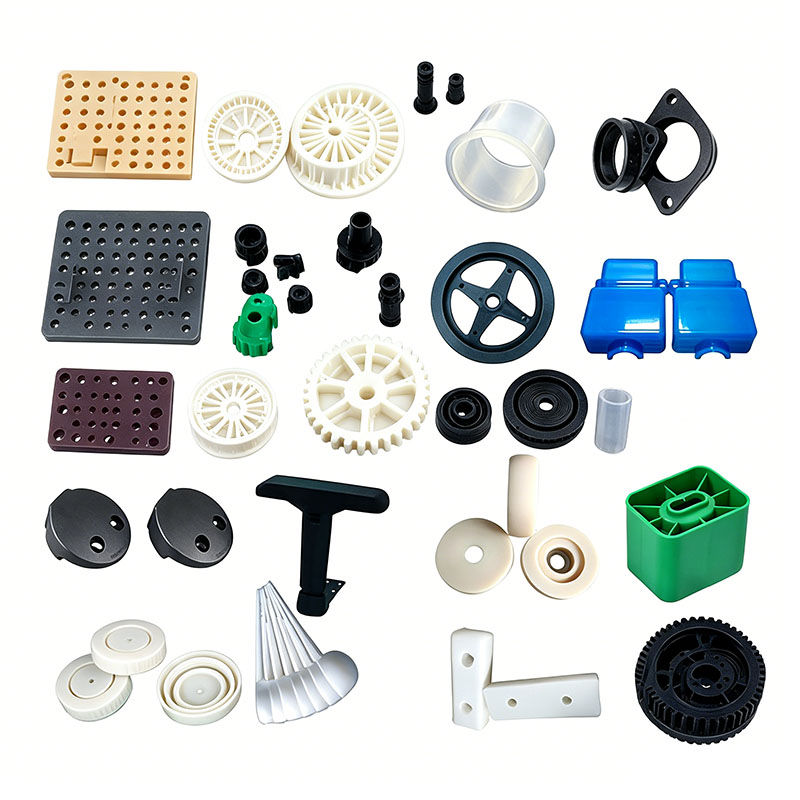
Electric scooter plastic parts typically utilize four main base materials: ABS, PP, PC, and PA6. These materials differ significantly in molecular structure, water absorption, flowability, and thermal stability; consequently, their molding temperatures, drying conditions, mold parameters, and defect mitigation strategies vary widely. Applying a standardized process across these materials often leads to defects such as silver streaks, sink marks, cracking, brittle failure, and deformation. The following section outlines the key molding points for each material, incorporating practical production standards for components such as scooter housings, battery casings, instrument covers, and folding brackets.
I. ABS Molding Essentials (Instrument housings, body trim covers, handlebar casings)
ABS is a copolymer of acrylonitrile, butadiene, and styrene. It offers good toughness, high surface gloss, and ease of painting or electroplating, and is classified as a general-purpose engineering plastic with low water absorption. Key control parameters include drying, mold temperature, and internal stress management.
Drying Requirements: The water absorption rate at room temperature is approximately 0.2%; failure to dry the material properly can lead to silver streaks and bubbles. Standard drying involves holding the material at 80°C for 3–4 hours to keep moisture content below 0.04%; this duration should be extended to 5 hours in humid weather. Deep dehumidification is not required; a standard hopper dryer suffices.
Barrel Temperature: Feed zone 160–170°C; middle zone 180–190°C; nozzle 195–205°C. Excessive temperatures cause the butadiene component to decompose, resulting in yellowing and brittleness; conversely, temperatures that are too low result in poor flowability, leading to weld lines and short shots.
Mold Temperature: Moderate range of 50–65°C. Low mold temperatures induce high internal stress, causing cracking during the baking process after painting or electroplating; high mold temperatures extend the cooling cycle and make thin-walled parts prone to warping.
Process Pressure and Speed: Injection pressure ranges from 80 to 110 bar. For thin-walled cosmetic parts, staged high-speed filling is used to minimize weld lines. Holding pressure is applied in two stages—70 bar followed by 90 bar—to prevent surface sink marks. Common defects and countermeasures: Low weld line strength can be addressed by increasing mold temperature and improving venting; cracking after spraying requires an annealing step (60°C for 2 hours); surface flow marks (water marks) are typically caused by insufficient raw material drying.
Regrind specifications: The proportion of added sprues/runners should not exceed 15%; toughness drops significantly with repeated recycling, so exceeding this ratio is prohibited for parts where appearance is critical.
II. PP Molding Essentials (Battery casings, fenders, protective panels, clips)
Polypropylene (PP) is a semi-crystalline plastic characterized by low density, impact resistance, acid/alkali resistance, low cost, and excellent flowability; however, it has high shrinkage, is difficult to bond, and has moderate low-temperature toughness. Key molding controls focus on managing shrinkage deformation and venting.
Drying requirements: Water absorption is below 0.01%, so drying is unnecessary for standard production; if stored in a humid environment for a long period, dry at 60°C for 1 hour to remove surface moisture.
Barrel temperature: 190–230°C; nozzle temperature: 210–230°C. PP has a low melting point; excessive temperatures cause decomposition, leading to odors and silver streaks, while insufficient temperatures result in incomplete crystallization, a matte surface finish, and reduced toughness.
Mold temperature: 30–50°C. Higher mold temperatures increase crystallinity and product rigidity but also increase shrinkage; low mold temperatures are used for thin-walled parts to minimize warpage.
Key molding characteristics: PP molding shrinkage ranges from 1.5% to 2.5%, so mold design must account for this shrinkage allowance. Filling speed should be medium-to-high; due to excellent melt flowability, flash occurs easily, so clamping force must be matched to the product's projected area. Holding time increases with wall thickness; thick-walled battery compartments require a holding time of 15–20 seconds to counteract shrinkage caused by crystallization.
Defect control: Product warpage is primarily caused by uneven cooling; add cooling channels around the mold cavity. Poor bonding or screen-printing adhesion should be addressed via post-molding flame or corona treatment. For thin-walled parts experiencing gas entrapment or scorching, widen the venting channels at the parting line. Adaptations for modified PP: For toughened PP and weather-resistant PP, process parameters remain unchanged, with only the masterbatch ratio adjusted; for glass fiber-reinforced PP, the mold temperature must be raised to 60°C to improve fiber bonding.
III. PC Molding Essentials (Transparent instrument covers, high-strength decorative parts)
Polycarbonate (PC) offers high transparency, impact resistance, and heat resistance, but it is highly hygroscopic, has high melt viscosity, and is extremely sensitive to moisture. The keys to molding are thorough dehumidifying drying and high-pressure, low-speed filling.
Mandatory drying standards: Water absorption at room temperature can reach 0.3%; injection molding with moisture present leads to extensive silver streaks, bubbles, and product brittleness/cracking. A dehumidifying dryer must be used at 110–120°C for 4–6 hours, keeping moisture content strictly below 0.02%; if the machine is idle for more than one hour, the material requires re-drying.
Barrel temperature: 260–300°C; nozzle: 280–300°C. PC has high viscosity; low temperatures prevent complete cavity filling, while temperatures exceeding 320°C cause molecular chain scission, reducing transparency and causing a drastic drop in impact strength. Purge the barrel with PP before shutdown to prevent high-temperature carbonization and carbon buildup.
Mold temperature: High mold temperature of 80–100°C. High temperatures reduce internal shear stress, preventing stress marks on transparent parts; excessively low temperatures cause internal stress concentration, making parts prone to cracking under assembly loads.
Injection process: High-pressure, low-speed filling (injection pressure 100–140 bar) to avoid internal stress caused by high-speed shear; moderate holding pressure with duration extended based on wall thickness; excessive holding pressure is strictly prohibited for transparent parts to prevent stress whitening.
Post-processing: If transparent PC parts require assembly or bonding, anneal them at 70–80°C for 2–3 hours after molding to relieve internal stress; polish the mold to a mirror finish to ensure high light transmission without haze or cloudiness. IV. PA6 Molding Key Points (Folding Latches, Support Brackets, Load-bearing Structural Parts)
Nylon 6 (PA6) features high crystallinity, wear resistance, and high mechanical strength, making it an ideal material for load-bearing scooter components. Its primary drawback is high water absorption; while moisture uptake post-molding actually increases toughness, the processing focus must be on thorough dehumidification, high mold temperatures, and precise temperature control.
Drying Requirements: Undried PA6 can contain up to 3% moisture, leading to excessive bubbles during injection and brittle weld lines that snap easily. Use a dehumidifying dryer at a constant 105–115°C for 4 hours to achieve a moisture content of ≤0.02%; for glass-fiber reinforced PA6 (PA6-GF30), extend drying time to 5 hours. After drying, keep the material in a sealed hopper to prevent air exposure; re-dry if the machine is idle for more than 30 minutes.
Barrel Temperature: 230–260°C; Nozzle: 240–260°C. Temperatures that are too low result in poor melt flow and uneven glass fiber dispersion; temperatures exceeding 270°C cause nylon decomposition, generating ammonia gas bubbles and significantly reducing part strength.
Mold Temperature: High mold temperature of 70–90°C. High mold temperatures enhance crystallinity and glass fiber distribution uniformity, significantly improving the wear and fatigue resistance of brackets and latches; low-temperature molding results in incomplete crystallization, leading to insufficient rigidity and susceptibility to creep deformation.
Molding Process: Moderate fluidity; injection pressure 80–120 bar with medium-speed filling. Glass-fiber reinforced materials cause mold cavity wear, so cavities require nitriding treatment. Avoid excessive holding pressure to prevent internal stresses that could cause deformation during storage; calculate cooling time based on maximum wall thickness (e.g., thick-walled latches >4mm require >20 seconds of cooling).
Special Characteristic Control: PA6 is hard and brittle immediately after demolding but gains toughness after absorbing moisture naturally over 24 hours at room temperature; if rapid assembly is required, a boiling water treatment can be used to increase toughness. Glass-fiber reinforced parts are prone to "fiber floating" (surface fiber exposure); improve surface appearance by raising the mold temperature and lowering the injection speed. V. Summary Comparison of Molding Characteristics for Four Materials
ABS prioritizes surface finish and low internal stress, making it suitable for decorative exterior parts; PP is easy to mold but exhibits high shrinkage, making it ideal for lightweight housings; PC offers high transparency and impact resistance but requires strict control over drying and high mold temperatures; PA6 provides superior strength and wear resistance but necessitates thorough dehumidification, making it commonly used for load-bearing structural components. In actual production, raw materials must be selected based on part functionality, and specific drying, mold temperature, and injection parameters must be strictly adhered to. Additionally, controls regarding annealing, venting, and regrind usage are essential to minimize batch defects—such as cracking, silver streaks, sink marks, and warping—at the source, thereby ensuring consistent quality for electric scooter plastic components.
We are a plastic ABS PP PC PA6 parts moulding manufacturer, providing high-quality plastic ABS PP PC PA6 parts moulding manufacturing. As long as you want to customize/develop plastic ABS PP PC PA6 parts moulding products, you can find us. We have professional injection mold design and mature manufacturing technology, providing you with one-stop service, from product design-mold making-product production-product packaging-product transportation, we can help you in every link. As long as you come to us, we will provide you with the ultimate service and satisfy you in terms of product quality, production time, information dialogue, etc.
|
Product Name |
Treadmill moulding |
|
Pls provide |
2D, 3D, samples, or the size of the multi-angle pictures |
|
Mould Time |
20-35 Days |
|
Product time |
7-15 Days |
|
Mould precision |
+/-0.01mm |
|
Mould life |
50-100 million shots |
|
Producing Process |
Audit drawings - mold flow analysis - design validation - Custom Materials - mold processing - core processing - electrode machining - Runner system processing - parts processing and procurement - machining acceptance - cavity surface treatment process - complex mode Die - The entire mold surface coating - Mounting plate - mold sample - sample test - sending samples |
|
Mould cavity |
One cavity, multi-cavity or same different products be made together |
|
Mould material |
P20,2738,2344,718,S136,8407,NAK80,SKD61,H13 |
|
Runner system |
Hot runner and cold runner |
|
Base material |
P20,2738,2344,718,S136,8407,NAK80,SKD61,H13 |
|
Finish |
Pitting the word, mirror finish, matte surface, striae |
|
Standard |
HASCO, DME or dependent upon |
|
Main technology |
Milling, grinding, CNC, EDM, wire cutting, carving, EDM, lathes, surface Finish, etc. |
|
Software |
CAD,PRO-E,UG Design Time: 1-3 days (normal circumstances) |
|
Product material |
ABS,PP,PC,PA6,PA66,TPU,POM,PBT,PVC,HIPS,PMMA,TPE,PC/ABS,TPV,TPO,TPR,EVA,HDPE,LDPE,CPVC,PVDF,PPSU.PPS. |
|
Quality system |
ISO9001:2008 |
|
Establish time |
20days |
|
Equipment |
CNC,EDM,Cutting off Machine,plastic machinery,etc plastic suitcase mould zhe jiang |
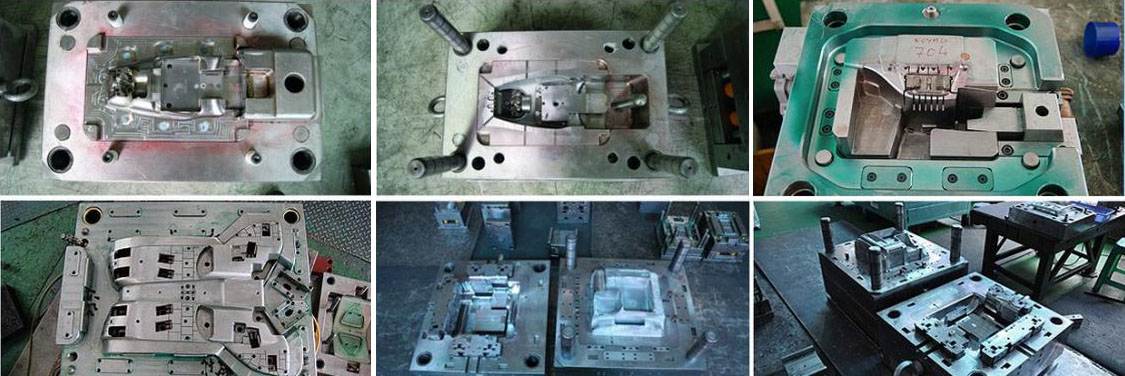
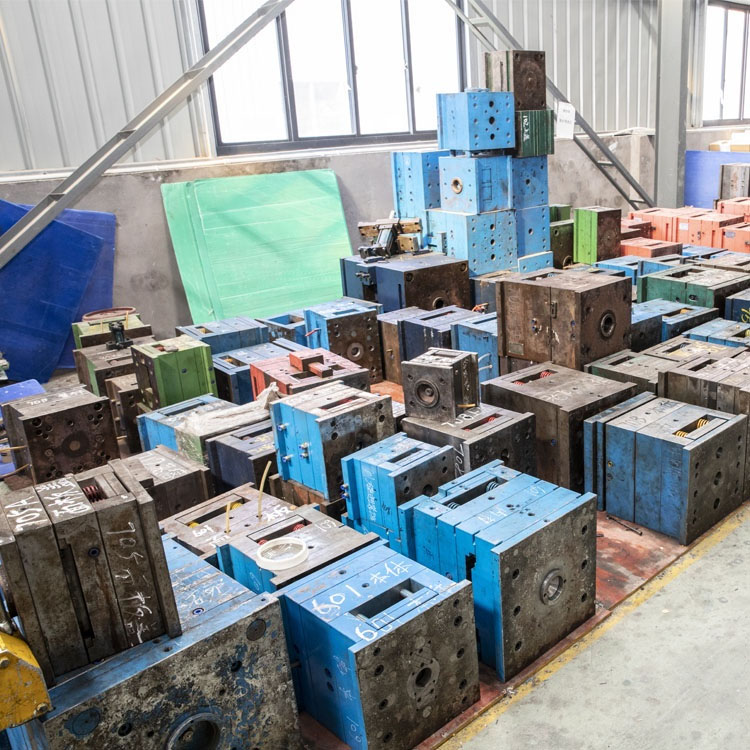
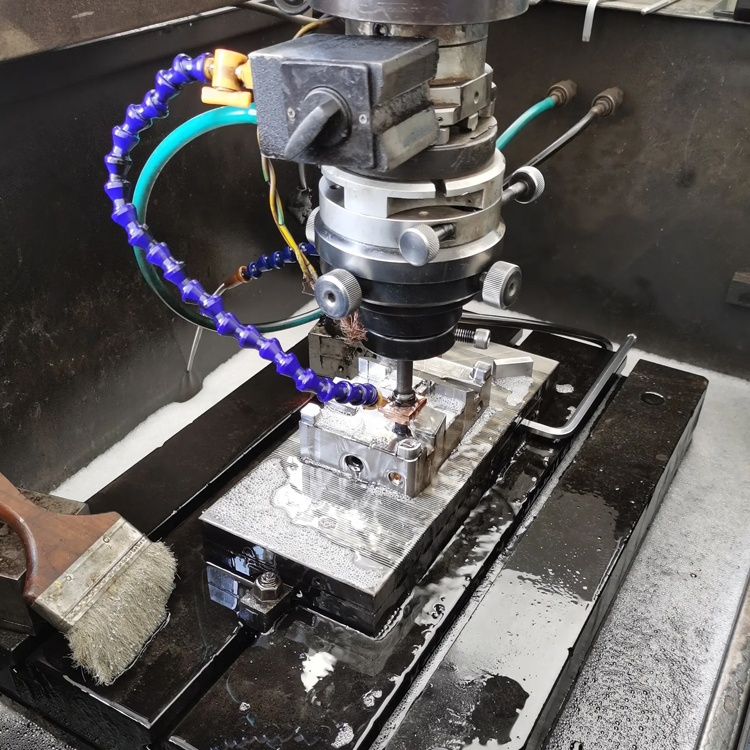
Plastic Injection Mould making
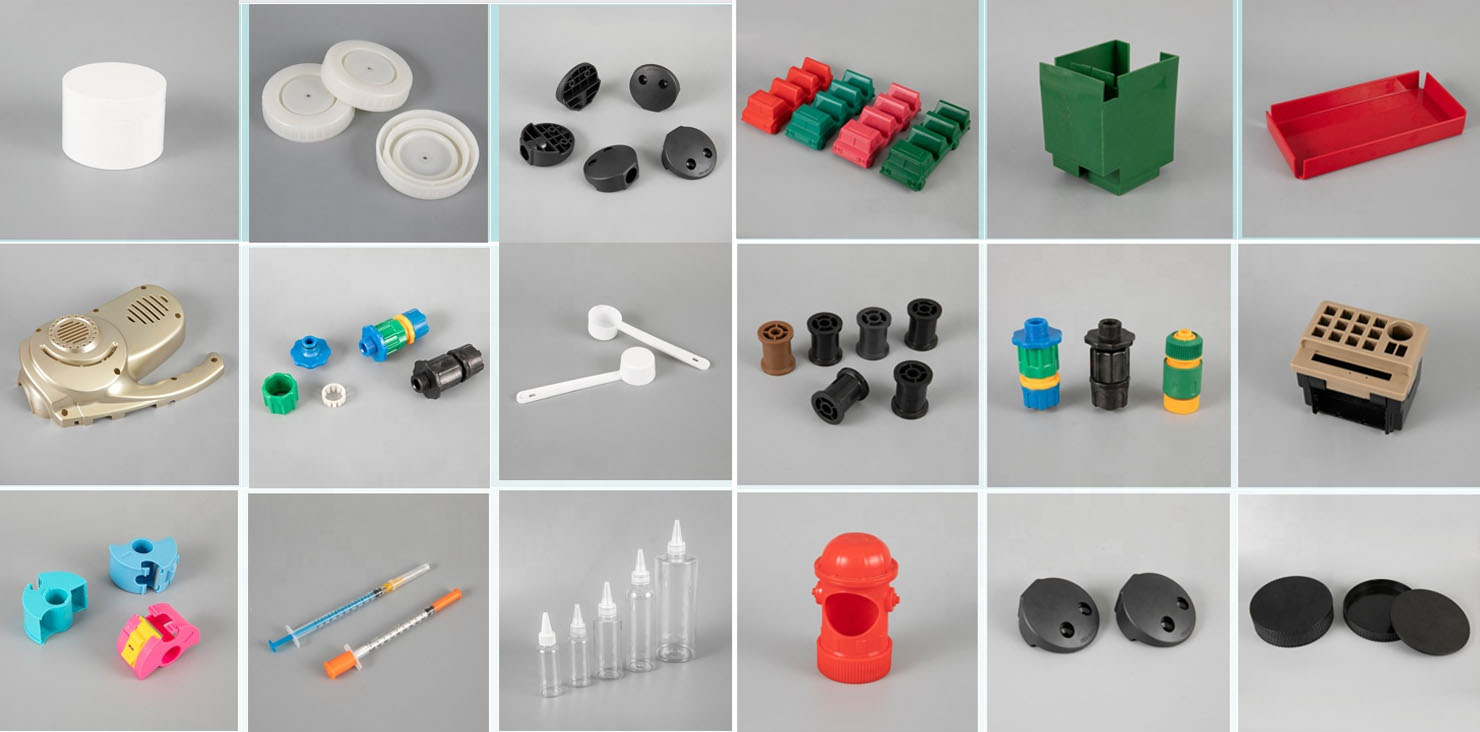
Plastic molding specifications
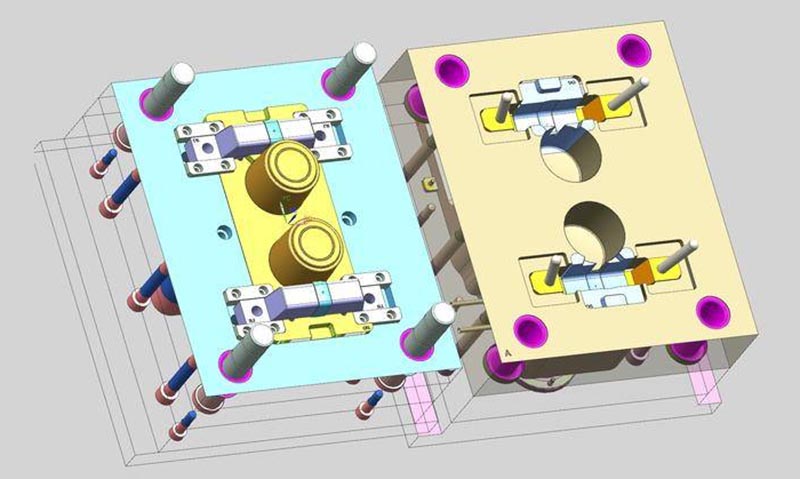
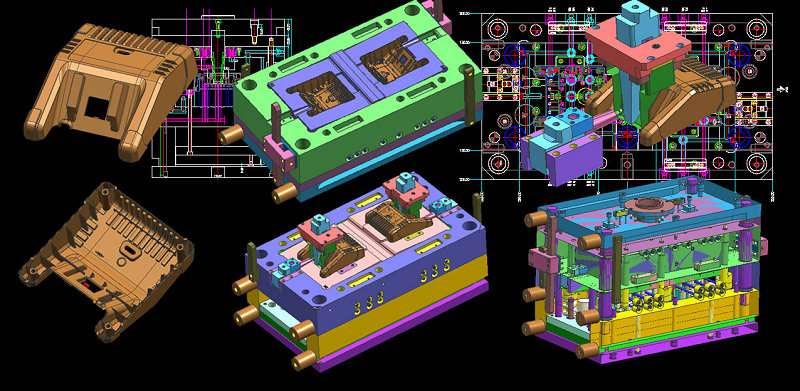
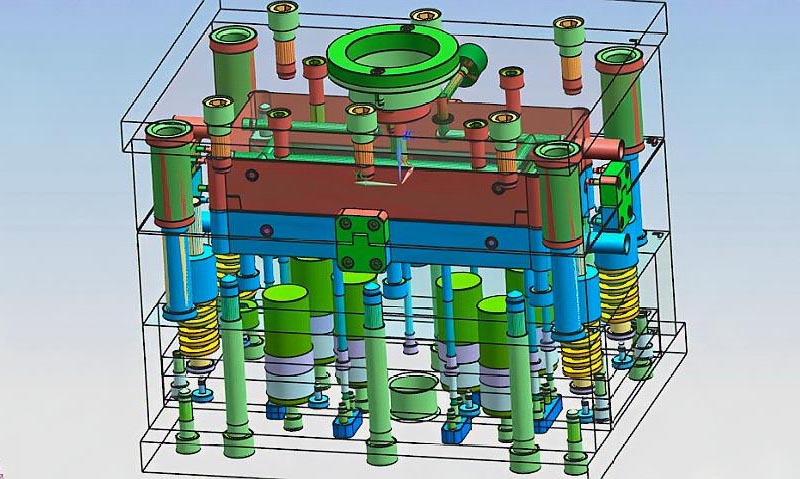
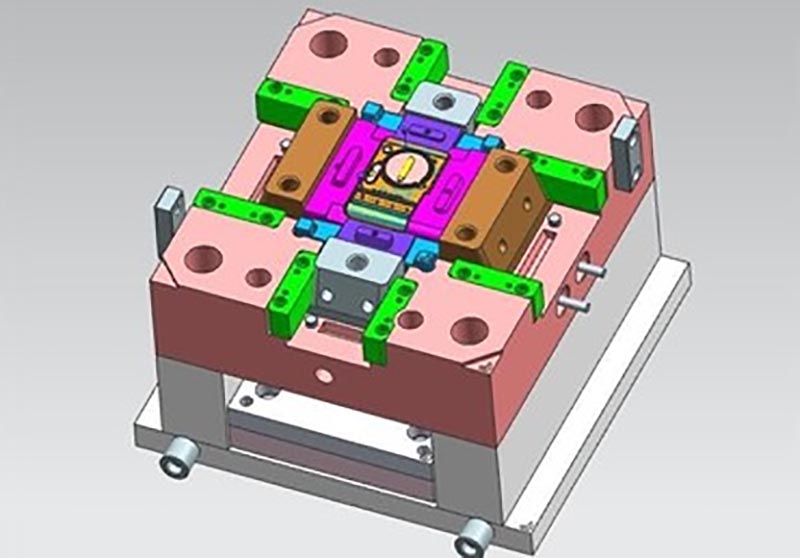
Mold design:
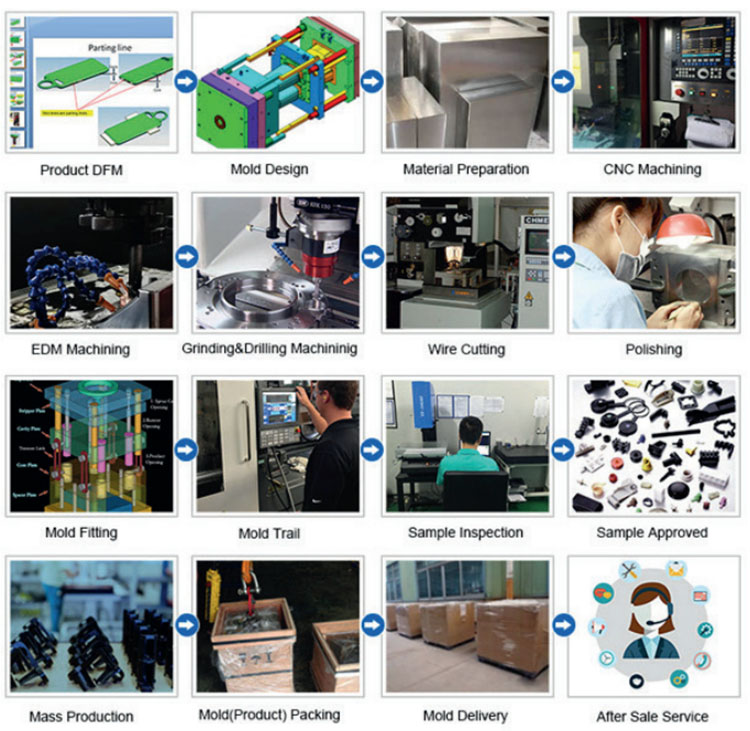
Transaction process:
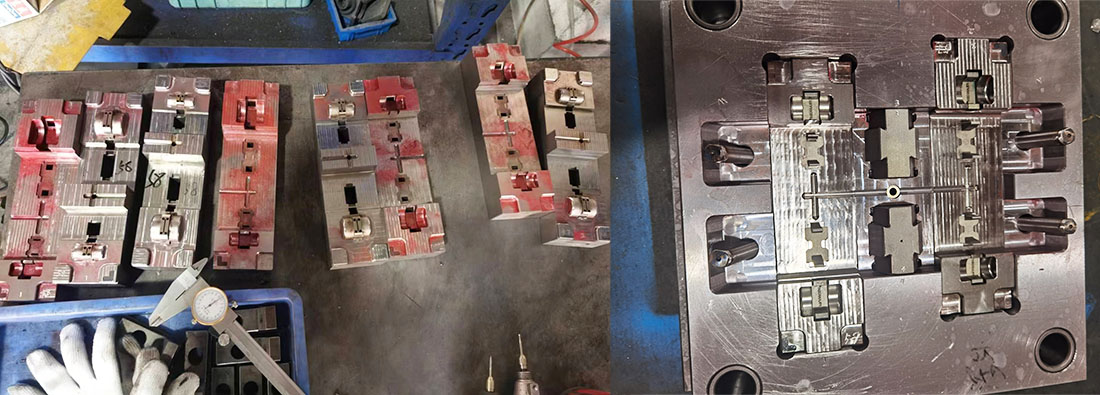
Mold testing:

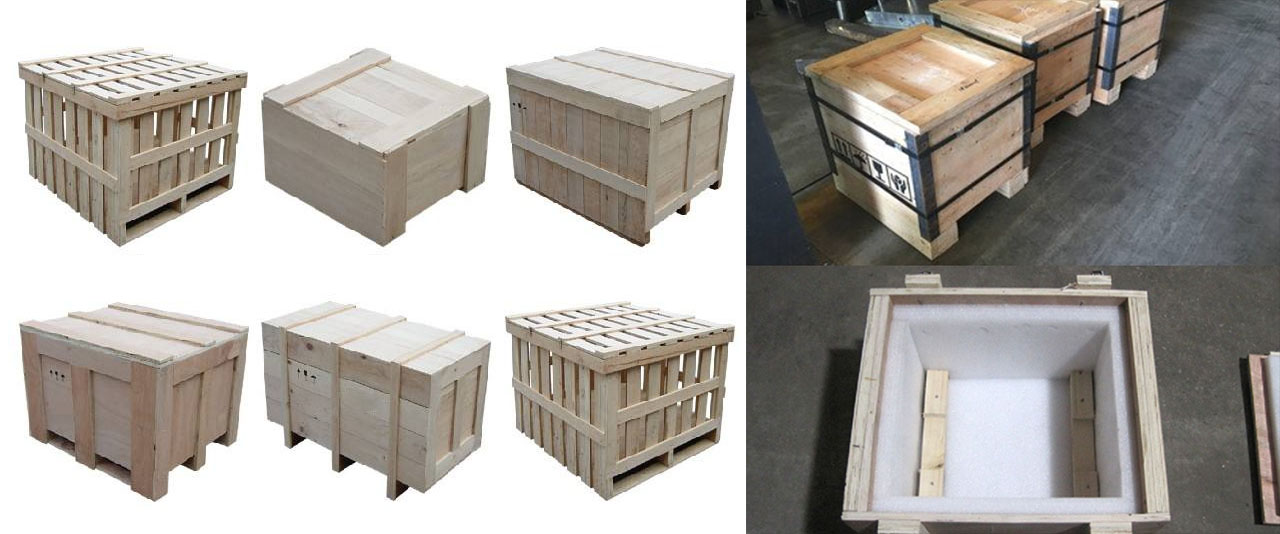
Product packaging
Factory
We are Custom Plastic Mold factory. Our factory is plastic injection mold maker. we has 17 years of experience in professional custom plastic mold and 10 years of foreign trade experience. We are custom Plastic Mold supplier. We can provide custom Plastic Mold service. Our factory can make the Injection molded plastic parts, and the quality of the products will satisfy you.
We have more than 50 high-end machines and hundreds of engineers and designers. We can provide one-stop service, from product design - mold making - product production - product packaging - transportation. We have a complete production chain. We can meet all your requirements.
Services we provide:
Professional custom mold service, Plastic mold design and manufacturing .plastic product production, product design, mold design, blow mold customization, rotational mold customization, die-casting mold customization. 3D printing services, CNC manufacturing services, product packaging, customized packaging, shipping services.
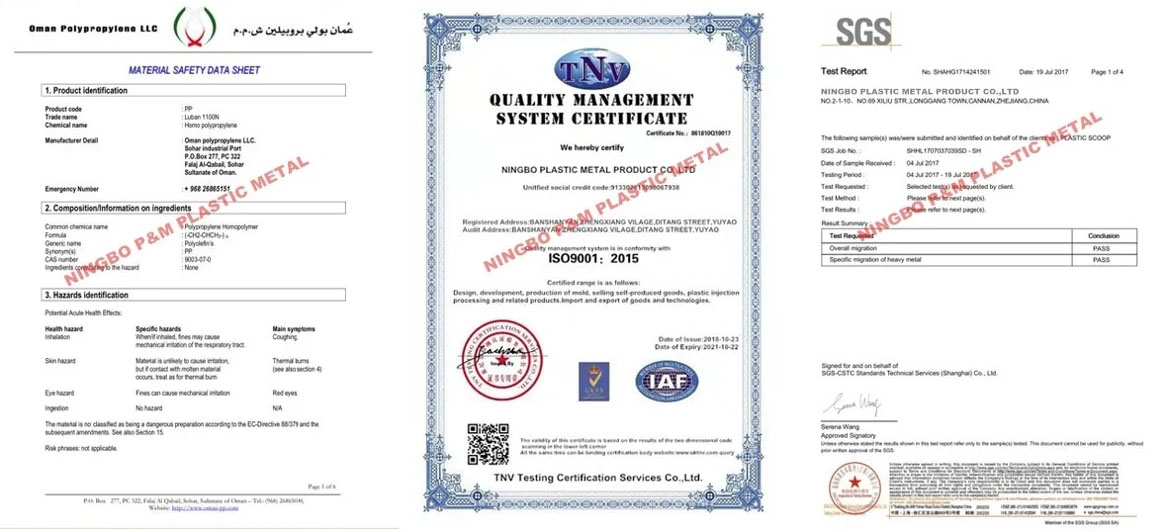

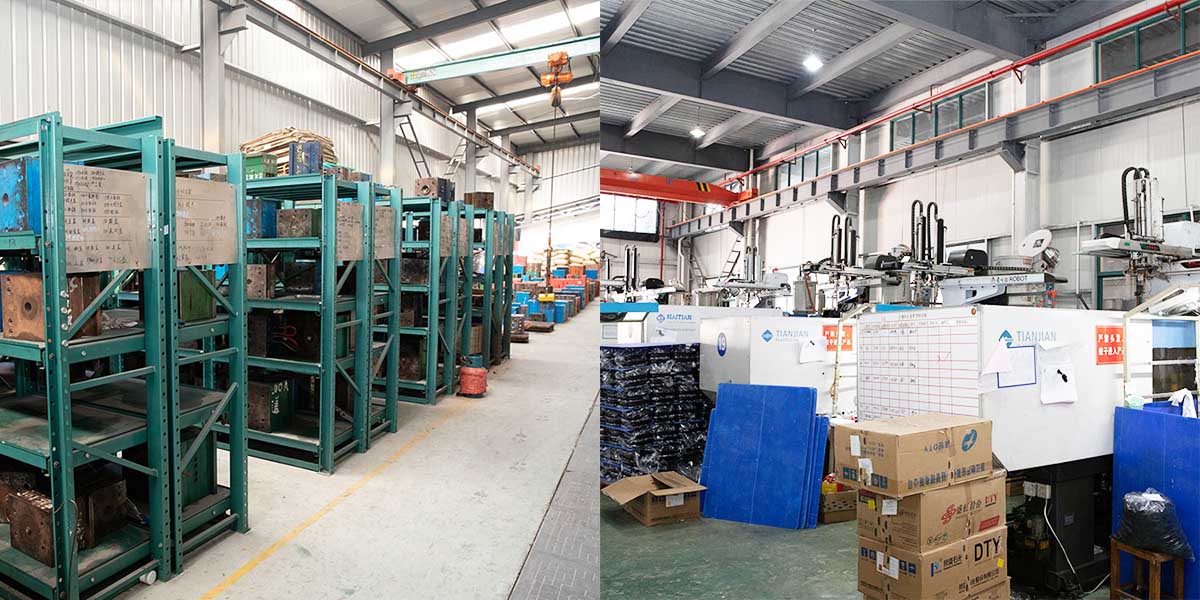
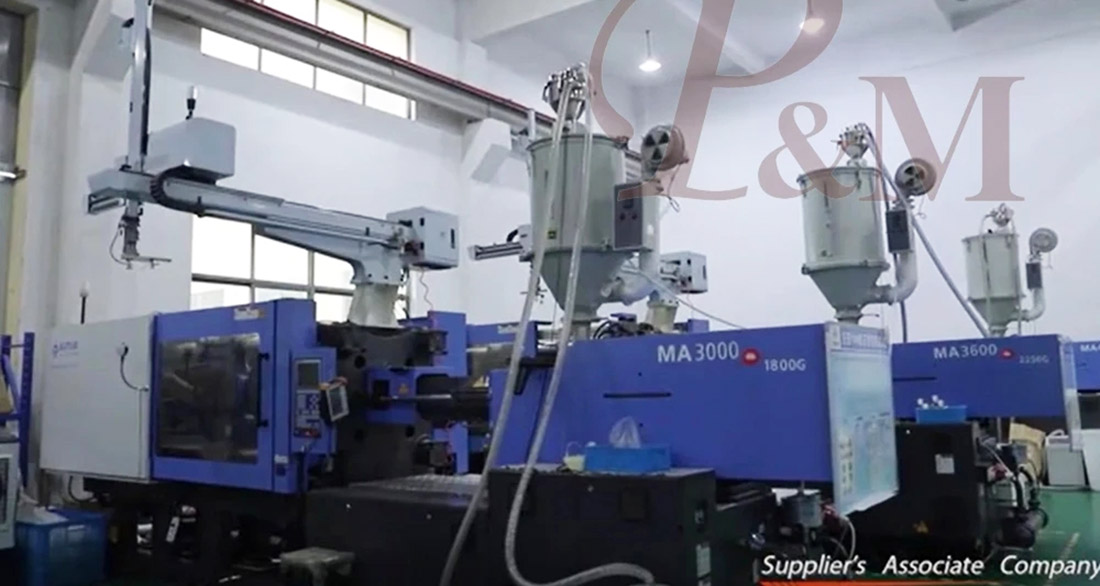
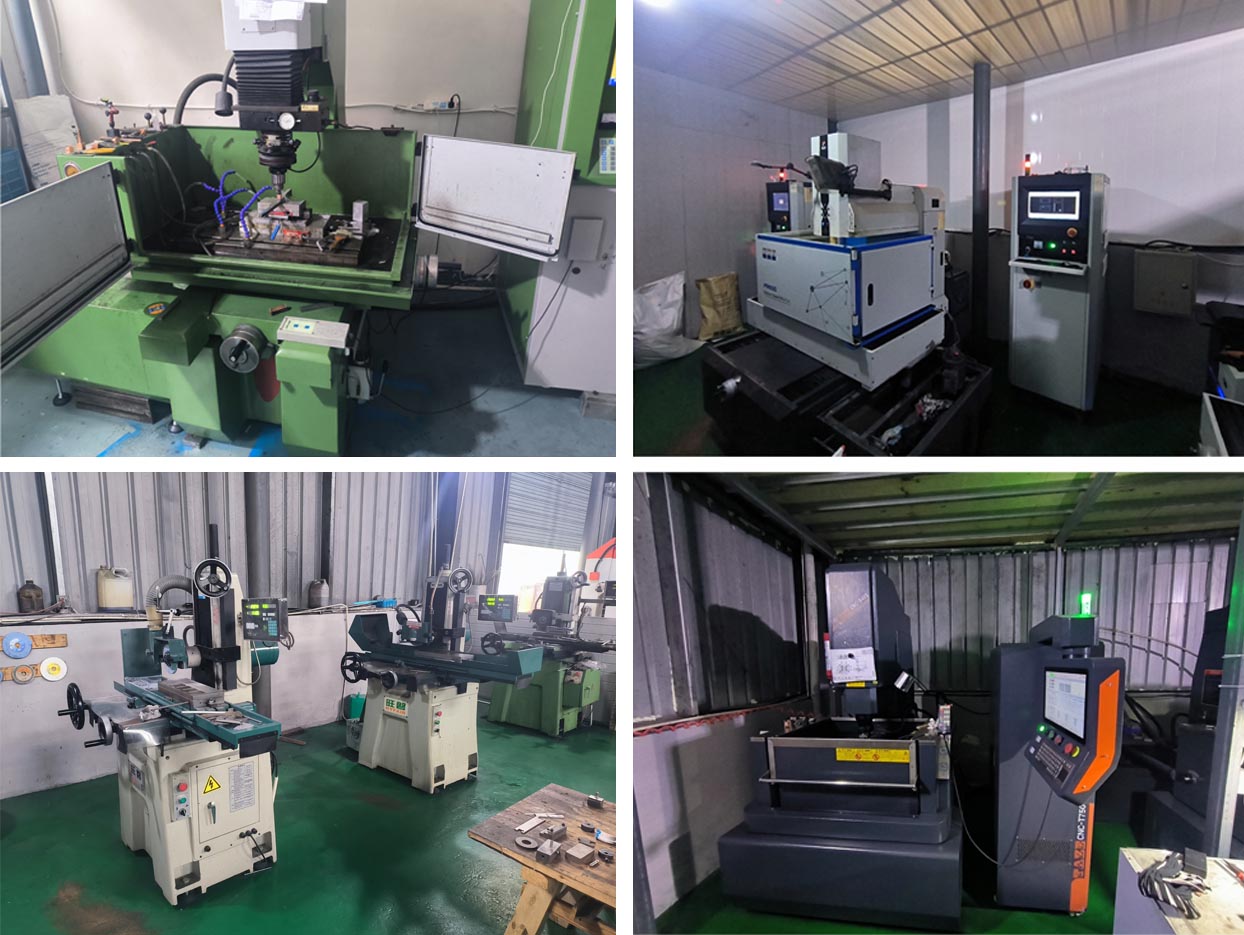
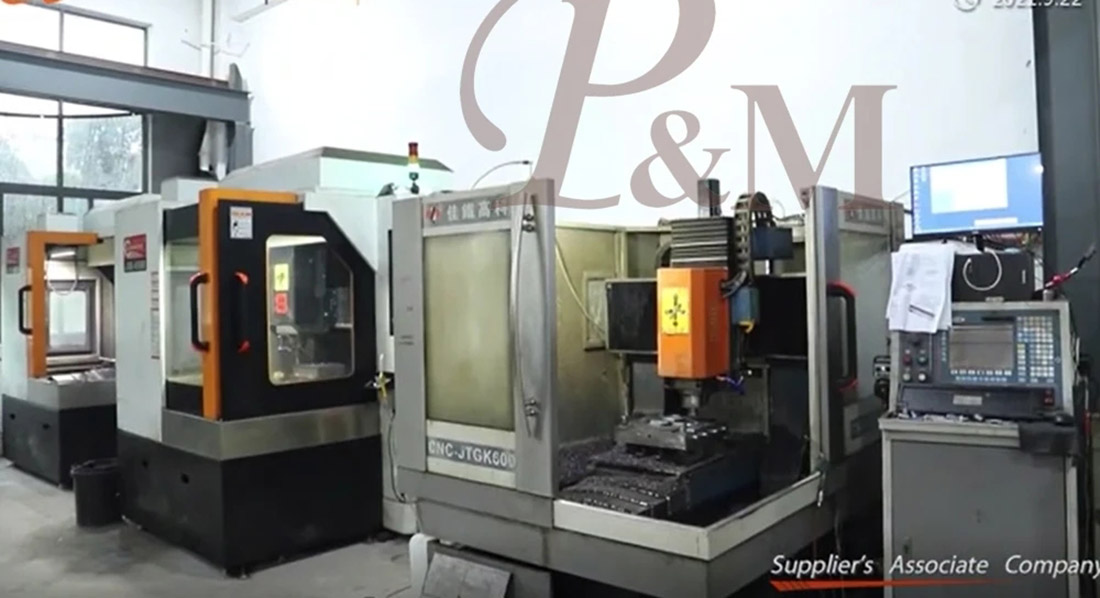
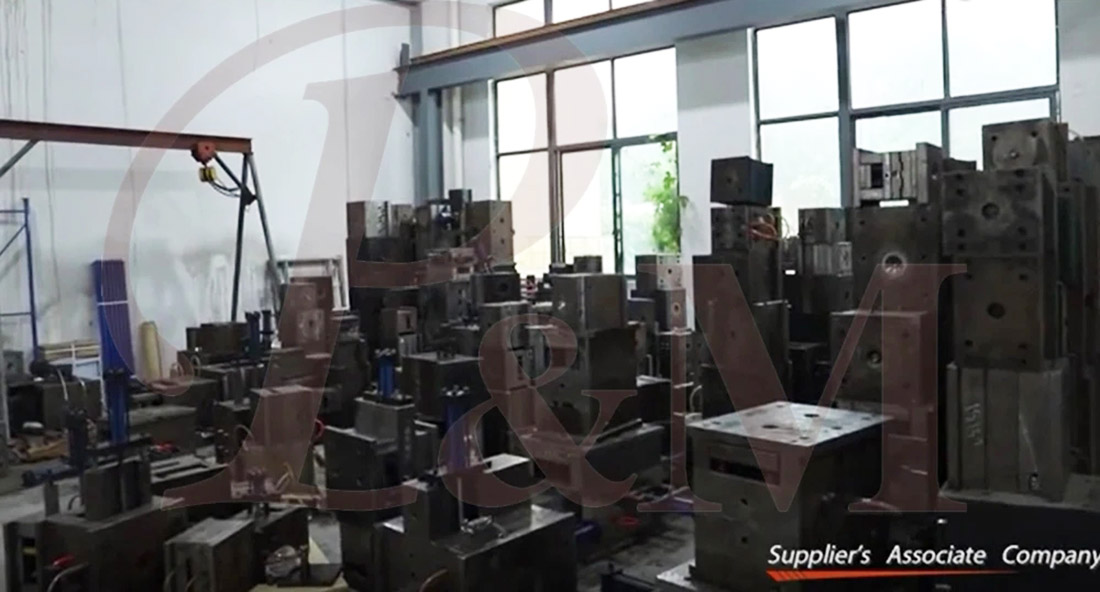
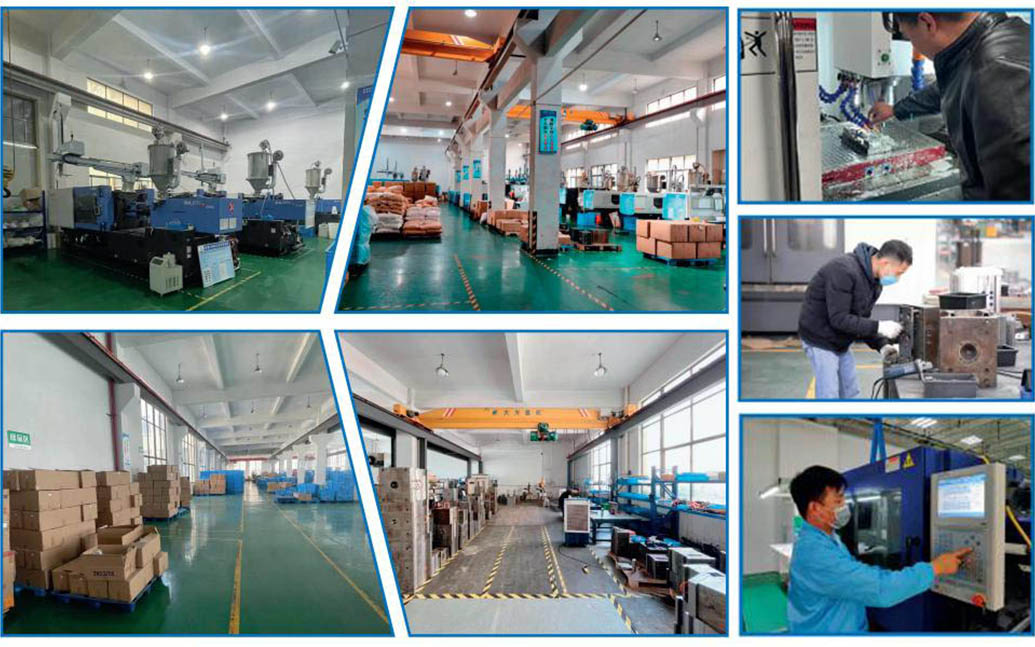
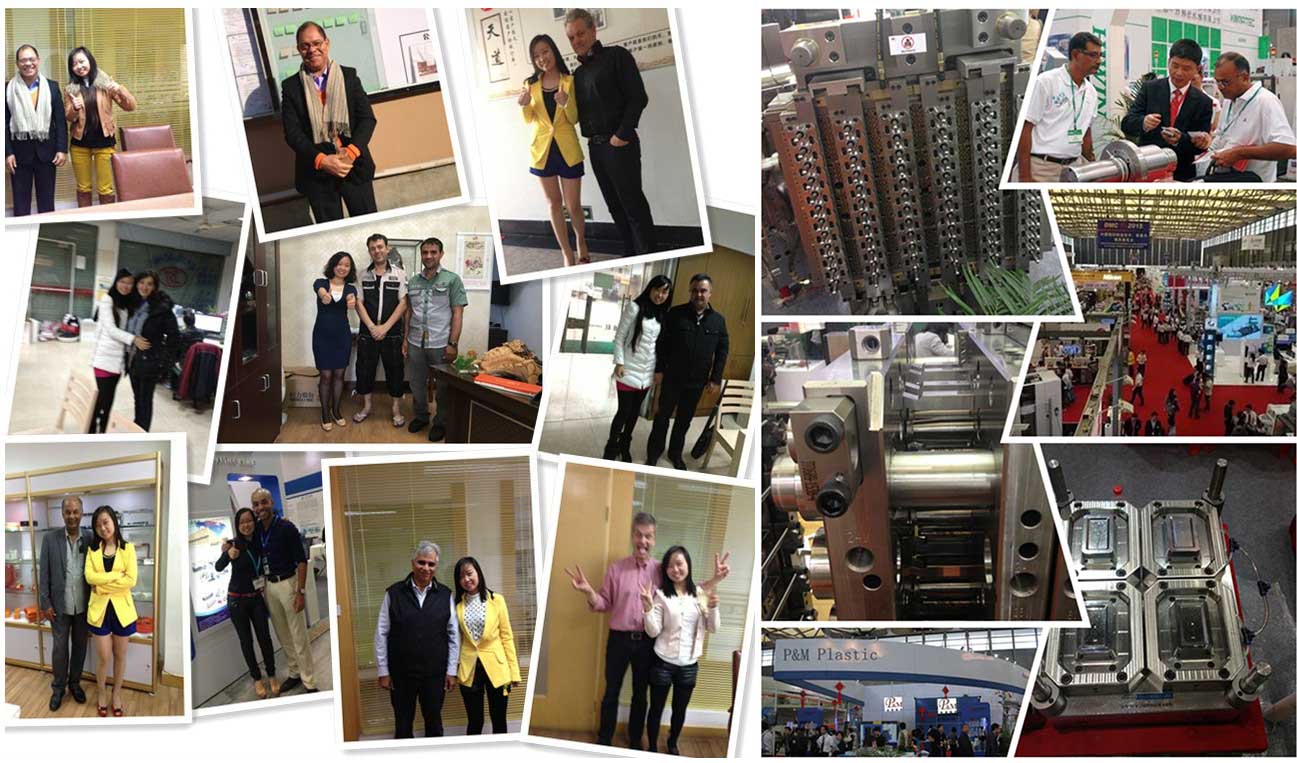
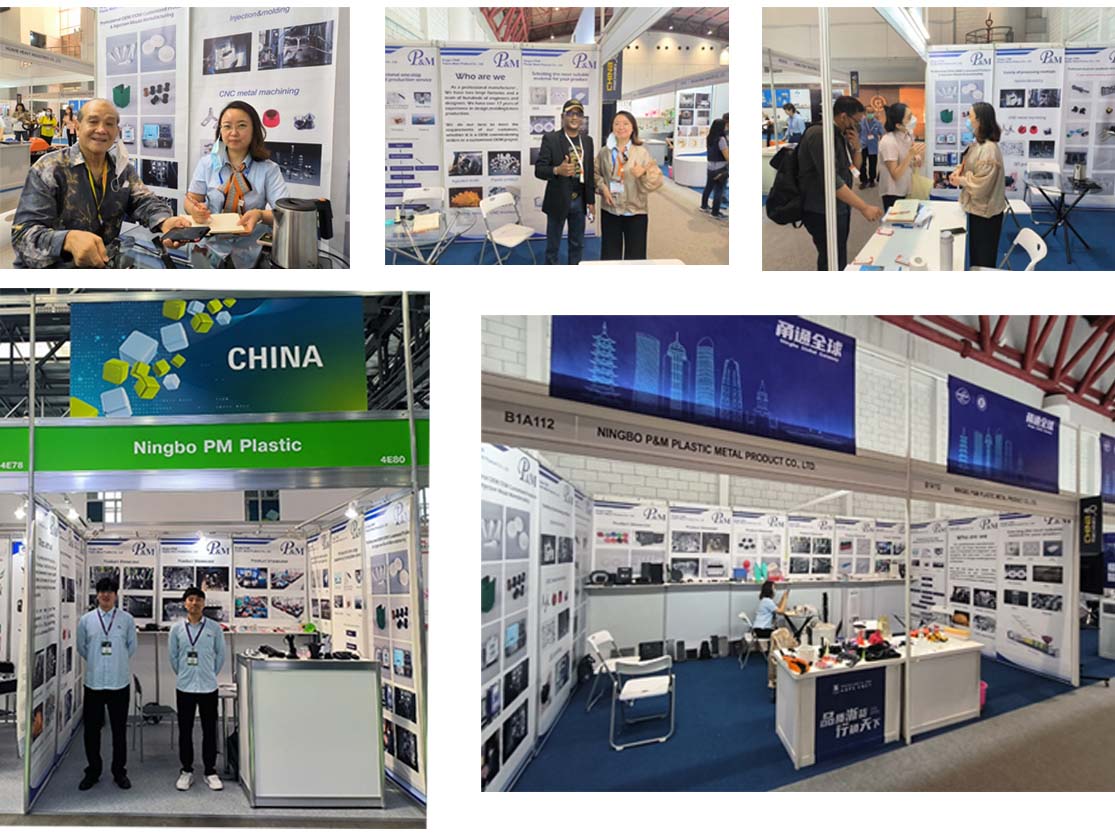
We always adhere to the principles of quality first and time first. While providing customers with the highest quality products, try to maximize the production efficiency and shorten production time. We are proud to tell every customer that our company has not lost any customer since its establishment.If there is a problem with the product, we will seek a solution actively and take responsibility to the end.

FAQ
Q1: Are you trading company or manufacturer ?
A: We are manufacturers.
Q2. When can I get the quotation?
A: We usually quote within 2 days after we get your inquiry.
If you are very urgent, please call us or tell us in your email so that we can quote for you first.
Q3. How long is the lead-time for mold?
A: It all depends on the products' size and complexity. Normally, the lead time is 25 days.
Q4. I have no 3D drawing, how should I start the new project?
A: You can supply us a molding sample, we will help you finish the 3D drawing design.
Q5. Before shipment, how to make sure the products quality?
A: If you don't come to our factory and also don't have the third party for inspection, we will be as your inspection worker.
We will supply you a video for production process detail include process report, products size structure and surface detail, packing detail and so on.
Q6. What is your payment terms?
A: Mold Payment: 40% deposit by T/T in advance, 30% second mold payment before sending out the first trial samples, 30% mold balance after you agree the final samples.
B:Production Payment: 50% deposit in advance, 50% before sending out the final goods.
Q7: How do you make our business long-term and good relationship?
A:1. We keep good quality and competitive price to ensure our customers benefit for best quality products.
2. We respect every customer as our friend and we sincerely do business and make friends with them, no matter where they come from.
Hot Tags: Plastic ABS PP PC PA6 parts moulding, China, Manufacturer, Supplier, Factory, Customized, Wholesale, Buy, Quality, Latest Selling, Made in China
Related Category
Send Inquiry
Please feel free to give your inquiry in the form below. We will reply you in 24 hours.