
Product
- Core Customization Service
- Health Care
- Electronic Appliances and Instruments
- Maternal and Child Supplies Molds
- Recreational Sports
- Home Furnishing Art
- Auto Accessories
- Transportation and Warehousing
- Lighting Fixtures
- Construction Equipment
- Packaging Product
- Educational & Laboratories
- Clothing Luggage Accessories
- Care and Cleaning Products
- Agriculture & Forestry
- Mechanical Equipment
- Pet Supplies
- Kitchenware
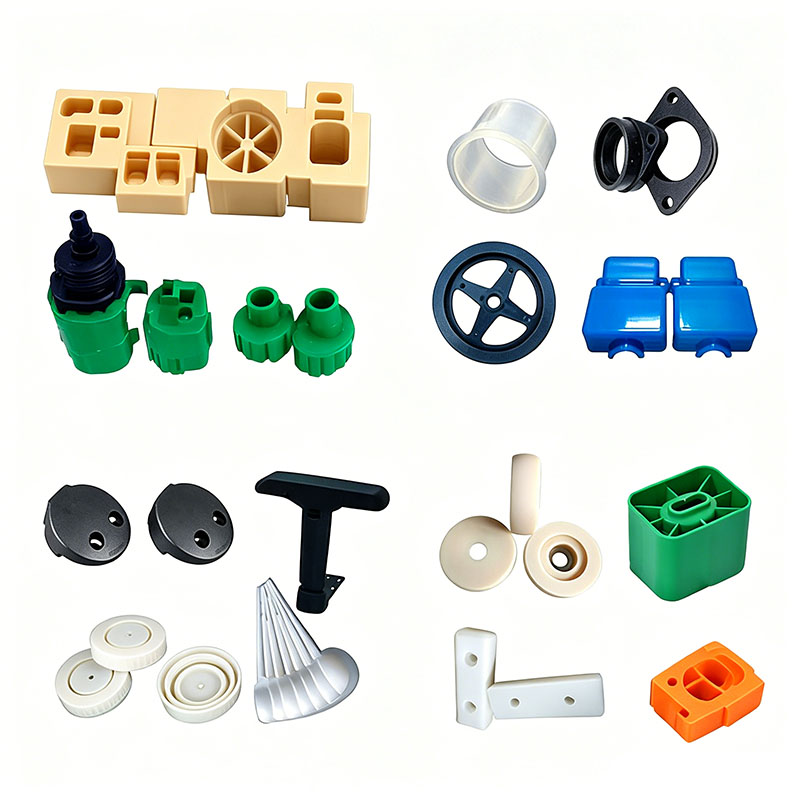
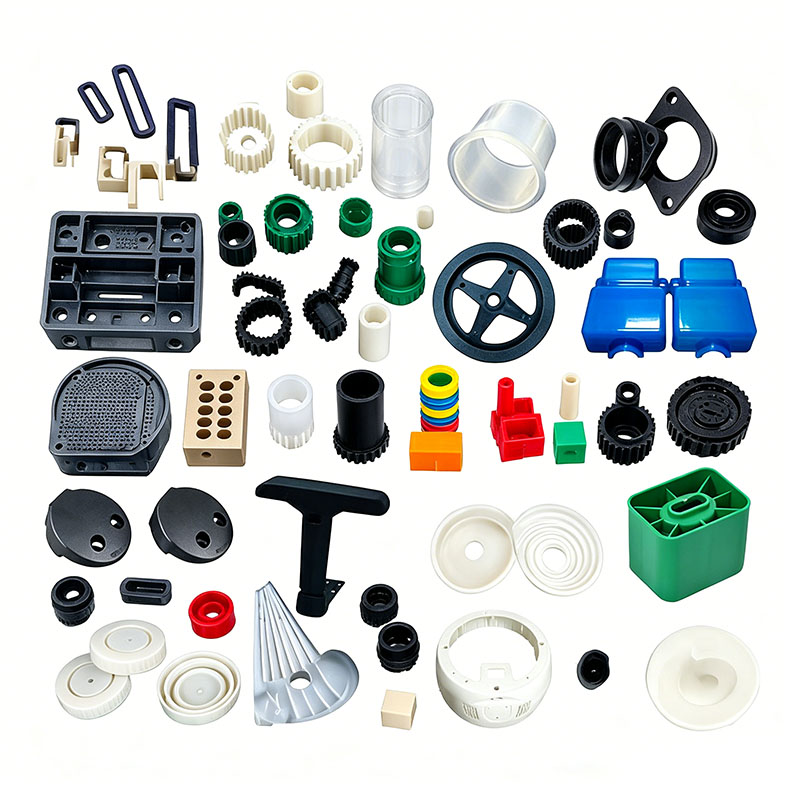
Plastic car parts moulding
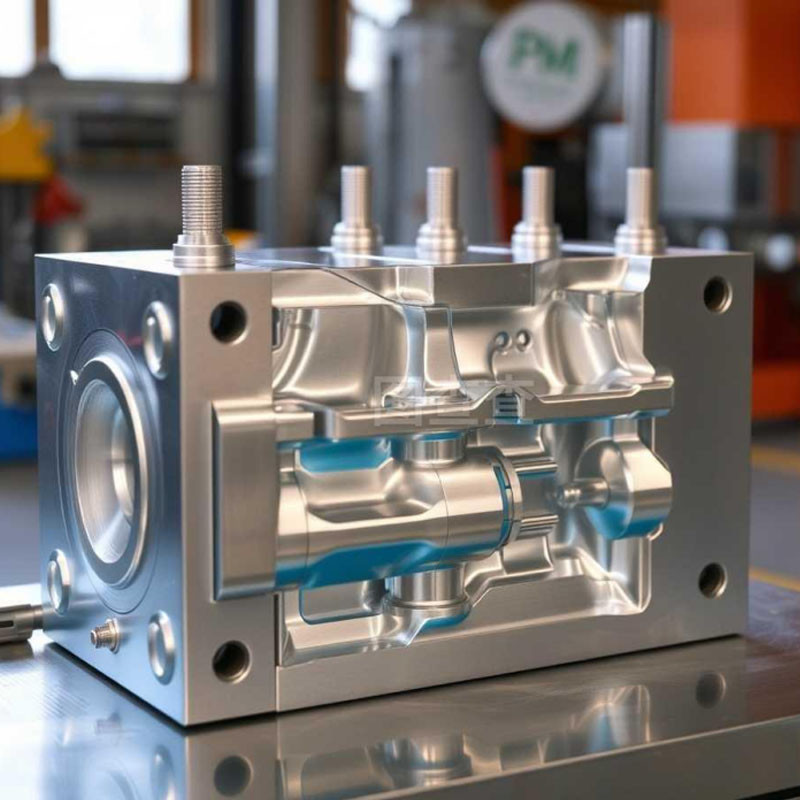
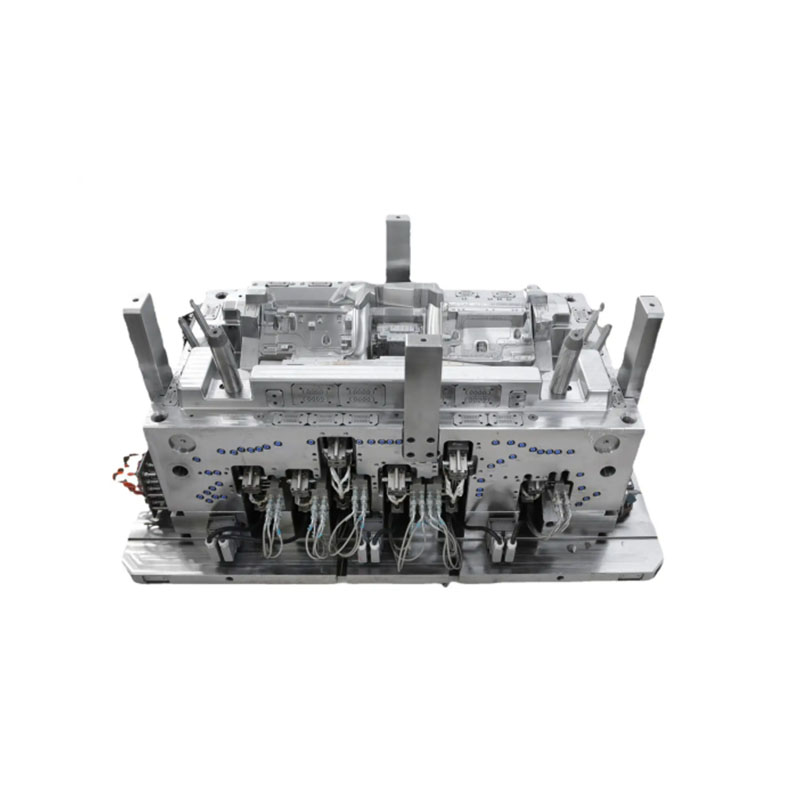
Ningbo (P&M) Plastic Metal Products Co., Ltd. has 17 years of mold manufacturing technology and can customize plastic car parts moulding. We provide professional customized plastic car parts moulding services, and we are a professional plastic car parts moulding manufacturer. We have sufficient experience in selecting product raw materials and mold materials. In the process of customizing plastic car parts moulding, our factory can provide one-stop service. We have design and production capabilities related to plastic car parts moulding, such as: CAD design, mold manufacturing, injection molding, plastic product production, assembly and other technologies.
Send Inquiry
Product Description
In addition, our company has established cooperative relationships with plastic raw material suppliers, printing manufacturers, etc. to ensure the supply of raw materials and printing quality. Through our rich experience and perfect supply chain, our company can provide customers with high-quality customized plastic car parts moulding products to meet their specific needs. At the same time, we have 10 years of professional foreign trade service experience, understand the foreign trade process, and better serve our customers. For plastic car parts moulding products, we can make corresponding plastic parts, which is mainly done through injection molds.
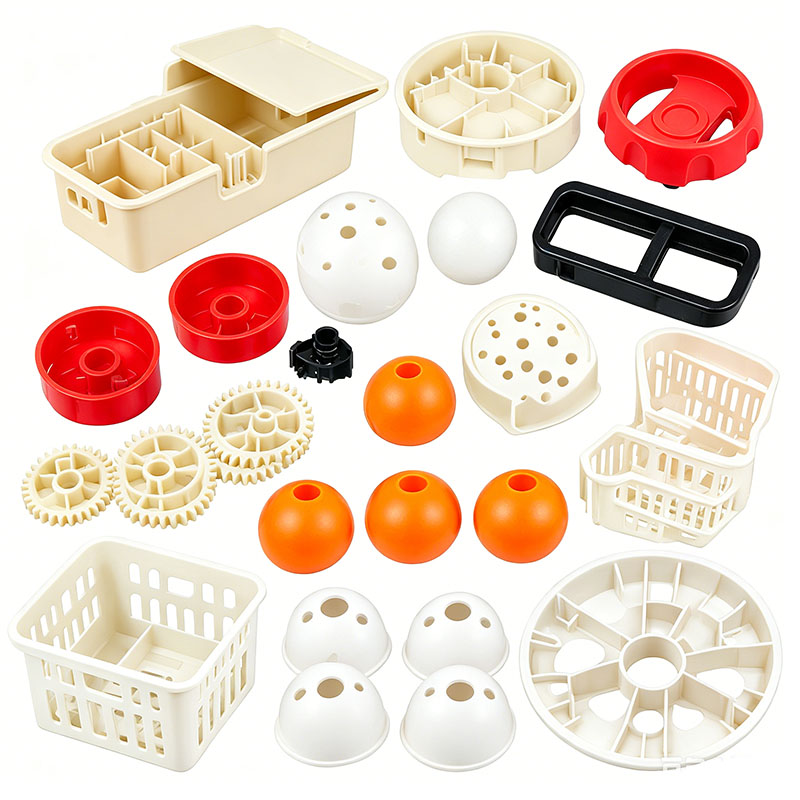
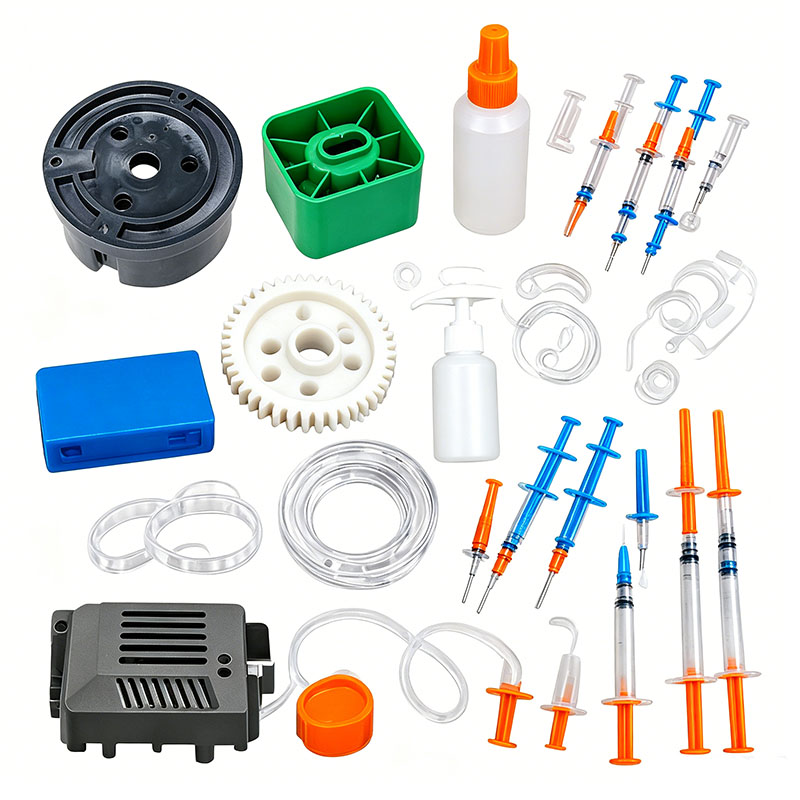
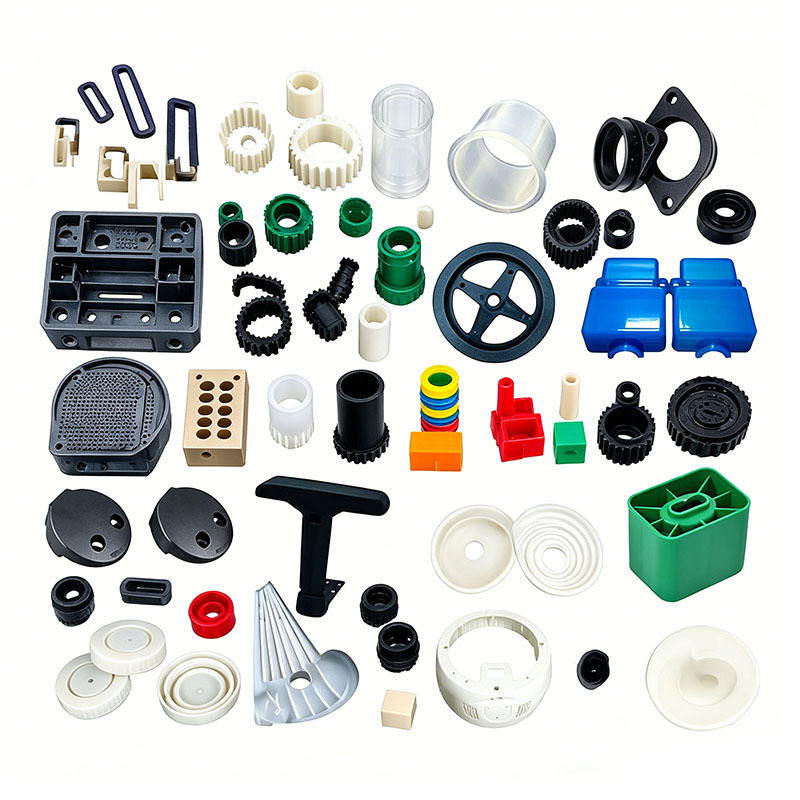
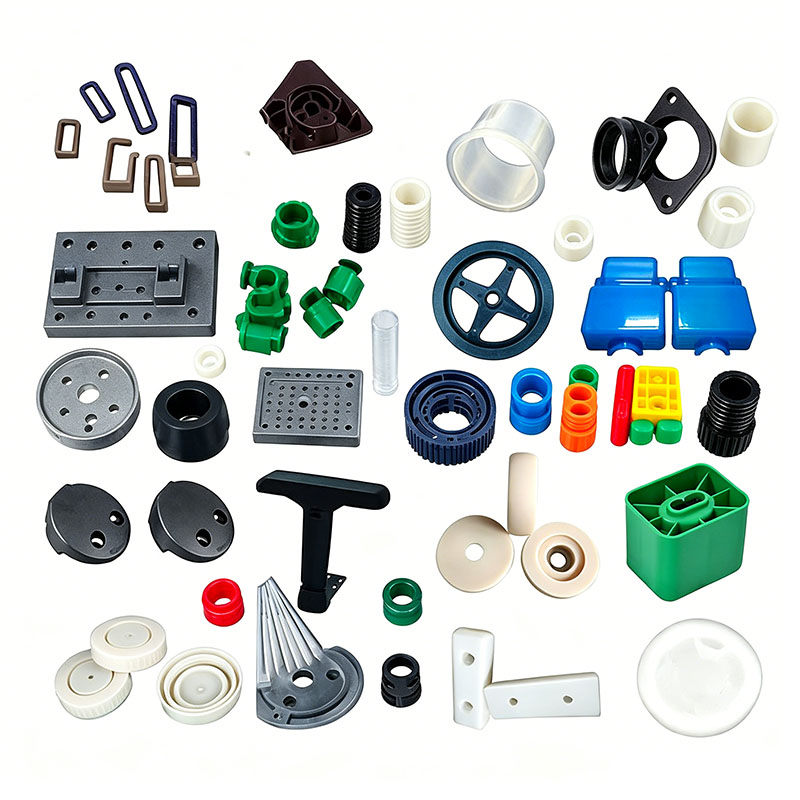
Automotive plastic parts fall into five major categories: exterior body panels, interior components, chassis structural parts, heat-resistant engine-area components, and flame-retardant electronic components. Examples include bumpers, fenders, dashboards, door panels, passenger-side storage compartments, grilles, mudguards, radiator supports, engine under-shields, wiring harness connectors, and lamp housings. Throughout their service life, these parts are subjected to outdoor UV exposure, temperature cycling, stone chip impacts, corrosion from engine oil and antifreeze, and continuous driving vibrations. Structural components must also meet crash safety standards. Mandatory national standards dictate requirements for low-temperature toughness, dimensional stability, weather resistance, flame retardancy, low odor, and low VOC emissions. Mainstream raw materials include modified PP, TPO, ABS/PC, ASA, PA6+30GF, POM, and flame-retardant PC. Molding processes focus on five key performance indicators: weather/crack resistance, low internal stress, low odor/VOC levels, uniform glass fiber dispersion, and long-term dimensional stability. Key molding considerations are systematically addressed across raw material selection, mold design, injection molding processes, post-processing, and defect control systems.
I. Raw Material Selection and Pre-treatment for Molding
Zonal Matching of Raw Materials
Exterior bumpers, grilles, and mudguards: Weather-resistant modified TPO and ASA; UV-resistant (non-yellowing) and crack-resistant under -40°C impact.
Dashboards and door panels (interior): Modified PP and ABS/PC alloys; low odor and low VOC emissions; soft-touch feel suitable for wrapping and painting.
Engine under-shields, radiator supports, and chassis clips: PA6 + 30% glass fiber; high strength, oil resistance, and high-temperature resistance.
Transparent lamp covers and instrument cluster covers: High-viscosity PC; high light transmission and resistance to thermal shock.
Automotive connectors and electronic control unit (ECU) housings: Flame-retardant PA and PC; meeting V-0 fire safety ratings. Strict standards apply to raw material reuse: regrind content in exterior cosmetic parts is limited to ≤8%; the use of recycled material is prohibited for chassis components, load-bearing engine parts, and flame-retardant electronic components, as it significantly reduces impact strength and compromises flame-retardant properties; interior parts must utilize low-odor masterbatches and non-migrating, eco-friendly additives to strictly control volatile organic compounds (VOCs). Glass fiber raw materials are mixed separately to prevent fiber breakage, which would otherwise reduce product rigidity.
Mixing Control Specifications
A sealed, low-speed mixer is used, operating at 260–300 rpm for a duration of 8–12 minutes. High-speed mixing over extended periods is prohibited for filled and glass-fiber-modified materials to prevent powder agglomeration and fiber breakage; the mixing process for interior parts is fully enclosed to minimize dust adsorption and reduce product odor. Materials of different types and flame-retardant/non-flame-retardant grades are stored in separate zones; cross-contamination during mixing is strictly prohibited.
Strict Drying and Dehumidification Standards
PC, PA6, and ABS/PC are highly hygroscopic; even trace amounts of moisture can cause silver streaks and internal voids, leading to cracking upon low-temperature impact.
ASA and ABS/PC: Hot-air drying at 85°C for 4–6 hours; moisture content ≤0.04%;
PA6+30GF: Dehumidifying dryer at a constant 110°C for over 4 hours; materials must be re-dried if the machine is idle for more than 30 minutes;
PC lamp covers: Dehumidifying drying at 120°C for 6 hours;
Modified TPO and PP have extremely low water absorption; drying at 60°C for 1 hour is required only during the rainy season to remove surface moisture. After drying, raw materials are conveyed via a centralized, sealed feeding system to prevent secondary contamination from workshop humidity or oil.
II. Key Points for Automotive-Specific Mold Design and Machine Setup
Automotive plastic parts range from large-area, thin-walled exterior body panels and high-strength glass-fiber structural components to precision interior parts; mold design focuses on balanced cooling, adequate venting, wear and corrosion resistance, and low-stress runner systems. **Mold Steel Selection**
For exterior ASA and ABS/PC components, S136 mirror-finish, corrosion-resistant steel is selected for the cavities; this ensures a pit-free surface after polishing and long-term resistance to weathering and corrosion. Molds for glass-fiber chassis components feature cavities treated with overall nitriding to withstand the continuous erosive action of hard glass fibers, thereby extending mold life. 718H pre-hardened steel is used for interior components, while STAVAX corrosion-resistant mirror steel is employed for small, precision connector parts. All product corners feature uniform radii to eliminate stress concentrations, preventing cracking during thermal cycling or impacts.
**Balanced Cooling System (Key to Controlling Warpage and Dimensional Drift)**
Bumpers and dashboards are large-area, thin-walled parts (1.8–2.5 mm thick), yet internal ribs and mounting bosses can reach thicknesses of 4–6 mm; this disparity easily leads to uneven shrinkage and assembly gap deviations. The molds utilize wraparound conformal cooling channels, with spiral cooling cores embedded in thick-walled bosses; symmetrical channel layouts on the left and right minimize temperature differentials. Mold temperatures are precisely controlled by zone: 55–65°C for ASA exterior parts; 70–80°C for ABS/PC interior parts; 80–90°C for glass-fiber/nylon chassis parts; and 35–45°C for modified PP interior parts. Higher mold temperatures increase nylon crystallinity, enhancing oil resistance and rigidity, while moderate temperatures for exterior parts reduce internal molding stress, ensuring long-term durability against cracking in outdoor environments.
**Optimization of Venting and Balanced Ejection**
Large body panels involve long melt flow paths; continuous, fine venting slots (0.012–0.015 mm deep) are incorporated at weld lines and corners, with additional venting inserts placed at deep rib locations to facilitate rapid gas evacuation during high-speed filling, thereby preventing burning and weld-line weakness. Large-area dashboards and bumpers utilize a combination of multi-point balanced ejector blocks and pins to ensure uniform ejection force, preventing stress marks ("whitening") and localized deformation; slender grilles and fenders are equipped with auxiliary ejection mechanisms to ensure demolding without bending. Mold Installation and Setup Standards
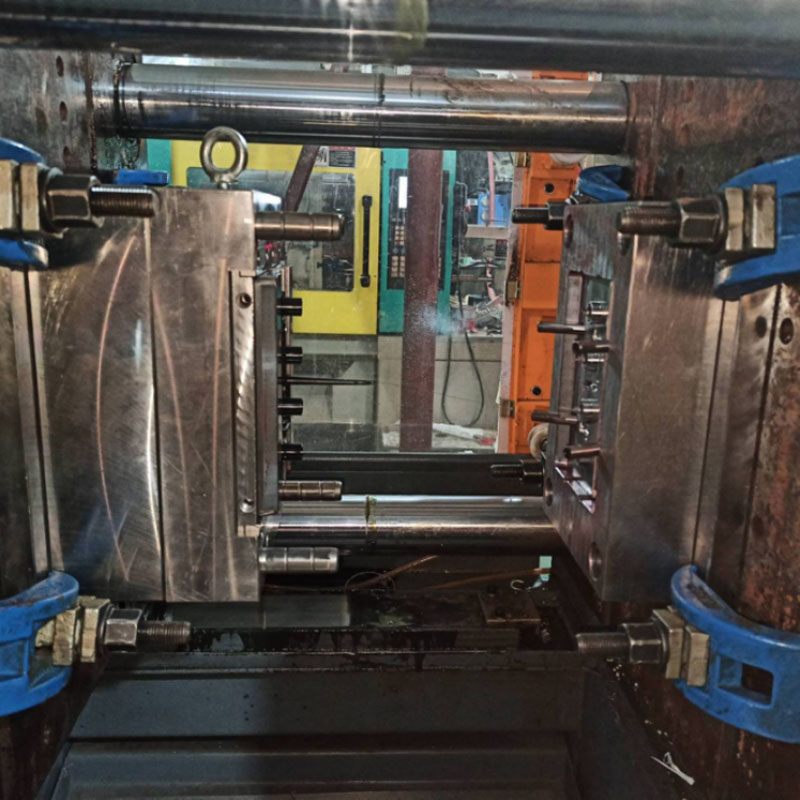
Large molds for bumpers and instrument panels are paired with 800T–1600T injection molding machines; clamping plates must be tightened evenly to withstand high-pressure injection forces and prevent mold opening (flash) over large areas. Flow monitors are installed on cooling circuits to ensure unobstructed circulation; high/low-pressure staged clamping protection is calibrated to trigger automatic mold opening if residual sprue or foreign objects are detected, preventing damage to expensive large molds; and barrels are thoroughly cleaned before producing flame-retardant or glass-fiber-reinforced parts to remove residues of incompatible materials.
III. Key Control Points for Injection Molding Process
Overall process strategy: Gentle filling with low shear, staged holding pressure (two-stage), and sufficient, balanced cooling to minimize internal stress and enhance low-temperature impact resistance and weatherability.
Zoned Barrel Temperature Control
ASA exterior parts: 180–210°C; nozzle temperature must not exceed 215°C (excessive heat causes UV-stabilizer decomposition and subsequent yellowing).
ABS/PC interior parts: 190–250°C; strictly do not exceed 260°C (high temperatures release volatile gases, causing interior odor levels to exceed limits).
PA6+30GF chassis parts: 230–260°C; temperatures above 270°C cause nylon decomposition and significant strength loss.
Transparent PC lamp covers: 270–300°C; excessively low temperatures result in poor flow and weld lines.
Staged Variable-Speed Filling Process
For long-flow parts like bumpers and instrument panels, a three-stage variable speed profile is used: low-speed buffering at the gate, medium-to-high-speed filling for the main body, and reduced speed at the weld location in the distal cavity to minimize internal stress caused by molecular shear. Glass-fiber-reinforced chassis parts are filled at medium-to-low speeds throughout the cycle to mitigate "fiber floating" defects and ensure surface uniformity. Injection pressure is set at 90–130 bar; insufficient pressure results in weak weld lines prone to fracture during vehicle collisions, while excessive pressure causes heavy flash and internal stress accumulation, leading to cracking under thermal cycling.
Two-Stage Staged Holding Pressure
Crystalline materials like PP and PA6 exhibit high shrinkage; therefore, a two-stage holding pressure profile (initial and secondary stages) is required to ensure adequate material compensation. Holding times are set at 6–10 seconds for thin-walled exterior trim and 15–22 seconds for thick-walled chassis mounting brackets to compensate for cooling shrinkage and eliminate surface sink marks. The holding phase runs concurrently with material accumulation to shorten the molding cycle.
Cooling and Part Removal Specifications
Cooling times are based on a rate of 3–5 seconds per 1 mm of wall thickness; for example, a 2 mm bumper shell requires 10–14 seconds of cooling. Insufficient cooling compromises dimensional stability; parts may undergo continued shrinkage and deformation after vehicle installation, leading to widened assembly gaps. Mold opening and ejection are performed at low, steady speeds, and parts are removed by servo-driven robotic arms on the automated line. Manual contact with exterior parts is strictly prohibited to prevent oil or grease from impairing the adhesion of subsequent coatings or coverings. After removal, parts must be laid flat on dedicated fixtures; stacking or compressing hot plastic parts is forbidden.
We are a plastic car parts moulding manufacturer, providing high-quality plastic car parts moulding manufacturing. As long as you want to customize/develop plastic car parts moulding products, you can find us. We have professional injection mold design and mature manufacturing technology, providing you with one-stop service, from product design-mold making-product production-product packaging-product transportation, we can help you in every link. As long as you come to us, we will provide you with the ultimate service and satisfy you in terms of product quality, production time, information dialogue, etc.
|
Product Name |
Treadmill moulding |
|
Pls provide |
2D, 3D, samples, or the size of the multi-angle pictures |
|
Mould Time |
20-35 Days |
|
Product time |
7-15 Days |
|
Mould precision |
+/-0.01mm |
|
Mould life |
50-100 million shots |
|
Producing Process |
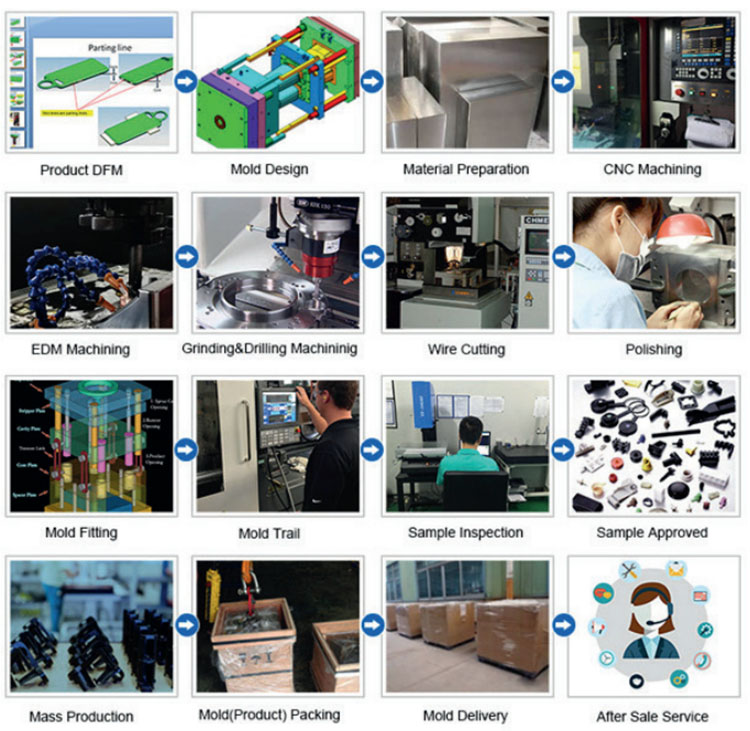
Audit drawings - mold flow analysis - design validation - Custom Materials - mold processing - core processing - electrode machining - Runner system processing - parts processing and procurement - machining acceptance - cavity surface treatment process - complex mode Die - The entire mold surface coating - Mounting plate - mold sample - sample test - sending samples |
|
Mould cavity |
One cavity, multi-cavity or same different products be made together |
|
Mould material |
P20,2738,2344,718,S136,8407,NAK80,SKD61,H13 |
|
Runner system |
Hot runner and cold runner |
|
Base material |
P20,2738,2344,718,S136,8407,NAK80,SKD61,H13 |
|
Finish |
Pitting the word, mirror finish, matte surface, striae |
|
Standard |
HASCO, DME or dependent upon |
|
Main technology |
Milling, grinding, CNC, EDM, wire cutting, carving, EDM, lathes, surface Finish, etc. |
|
Software |
CAD,PRO-E,UG Design Time: 1-3 days (normal circumstances) |
|
Product material |
ABS,PP,PC,PA6,PA66,TPU,POM,PBT,PVC,HIPS,PMMA,TPE,PC/ABS,TPV,TPO,TPR,EVA,HDPE,LDPE,CPVC,PVDF,PPSU.PPS. |
|
Quality system |
ISO9001:2008 |
|
Establish time |
20days |
|
Equipment |
CNC,EDM,Cutting off Machine,plastic machinery,etc plastic suitcase mould zhe jiang |
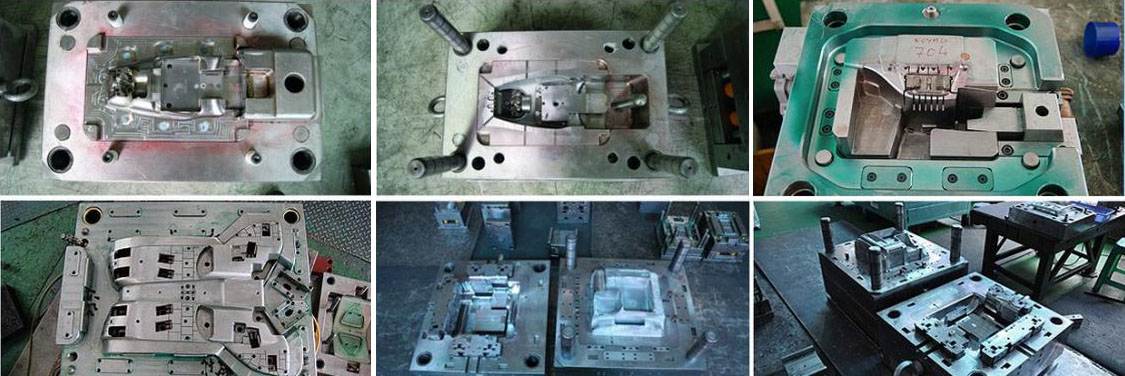
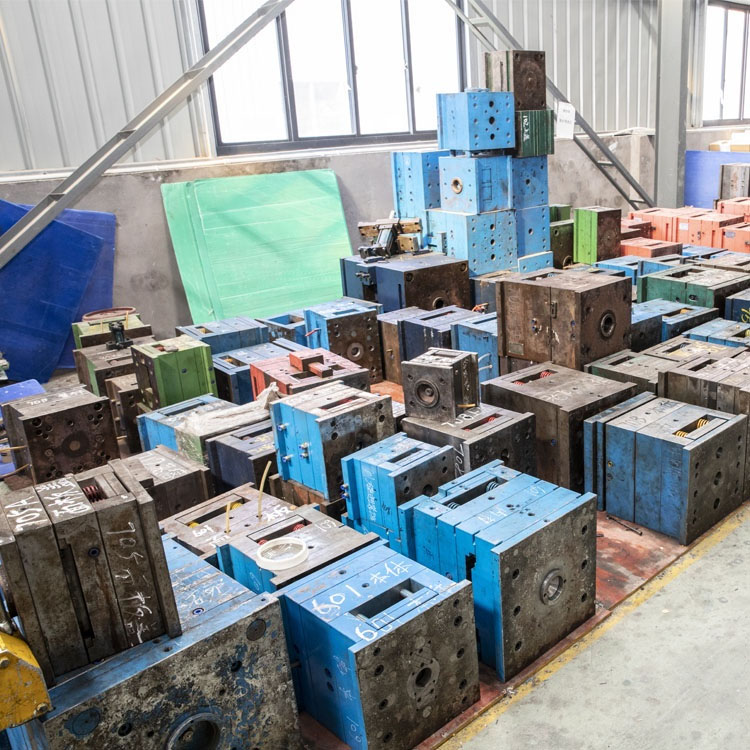
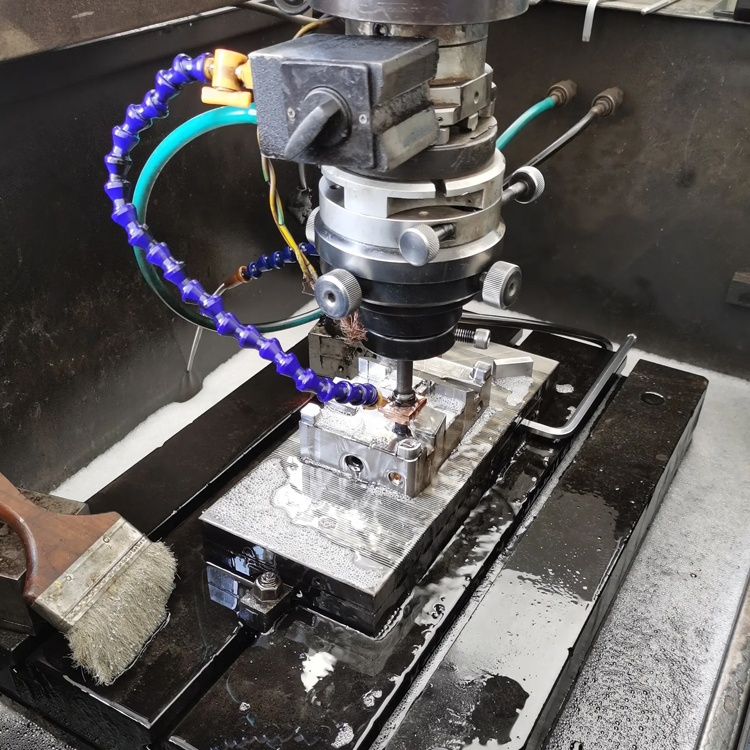
Plastic Injection Mould making
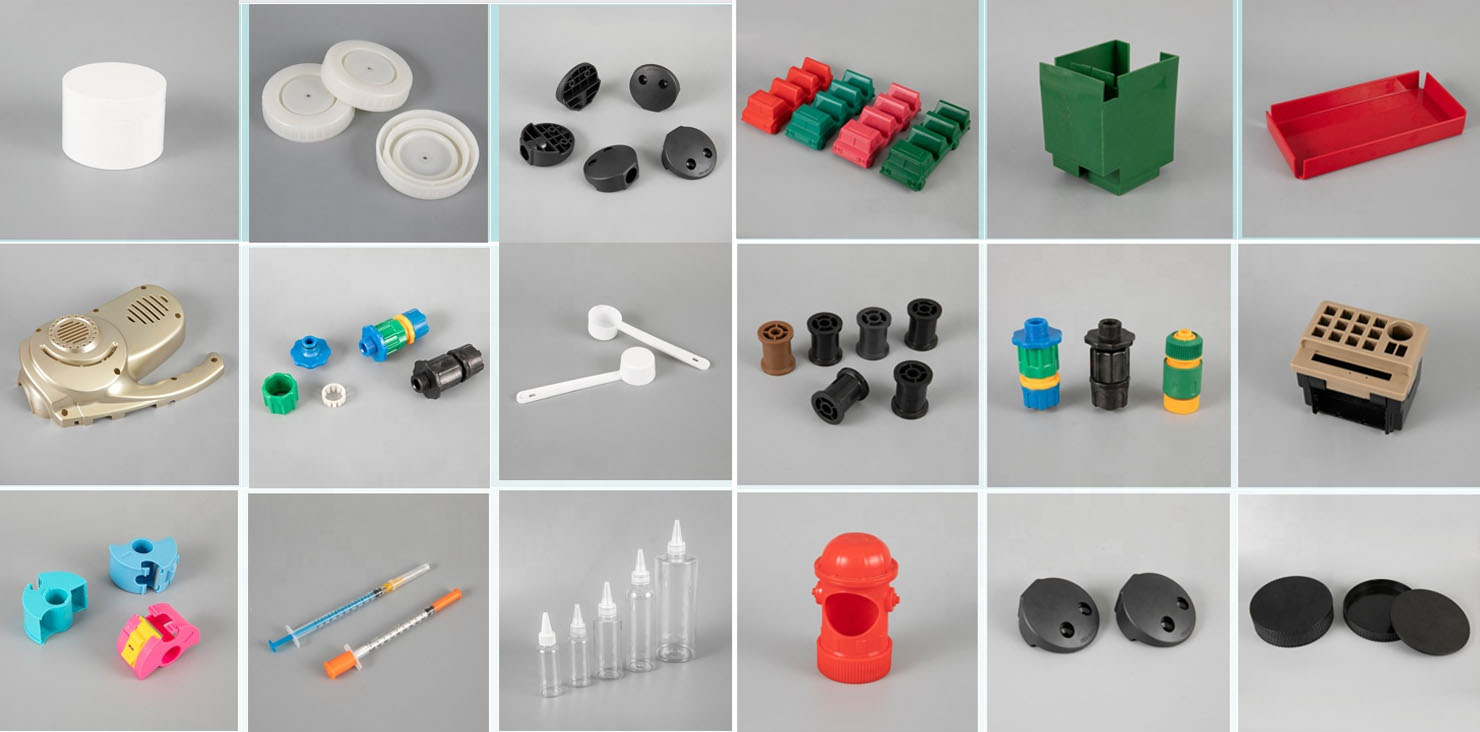
Plastic molding specifications
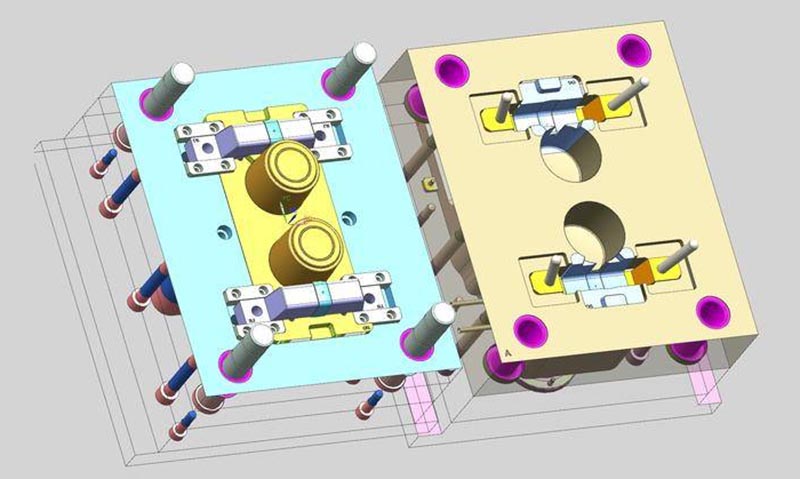
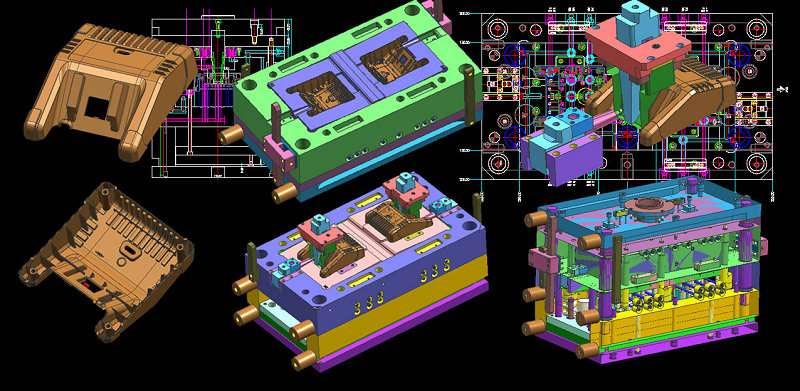
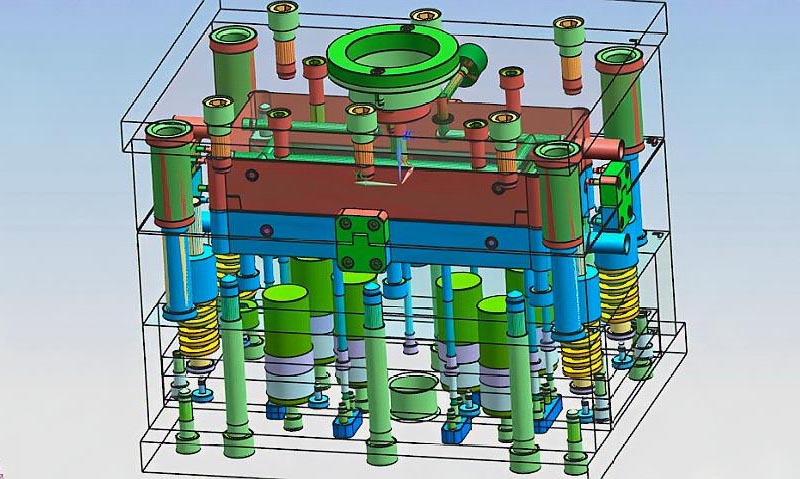
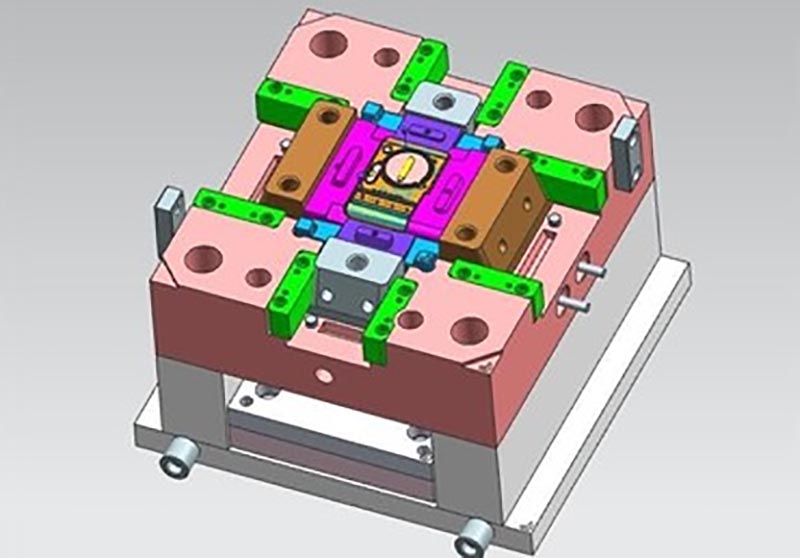
Mold design:
Transaction process:
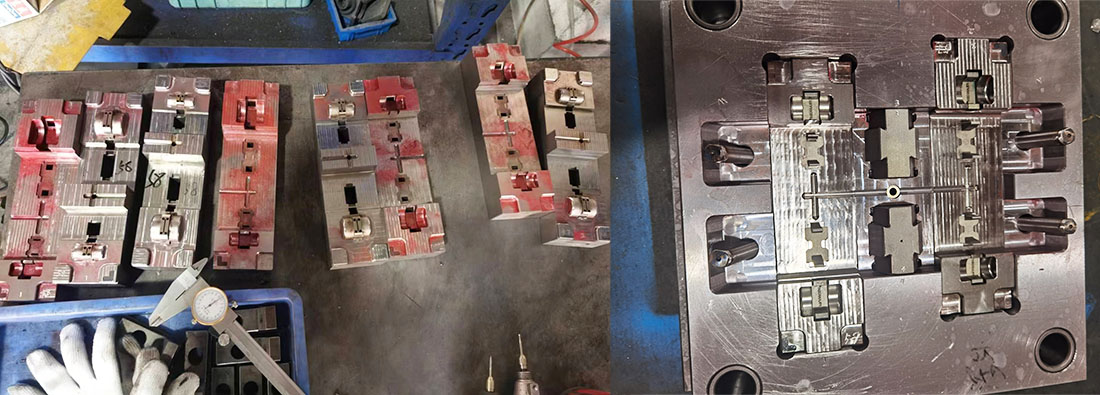
Mold testing:

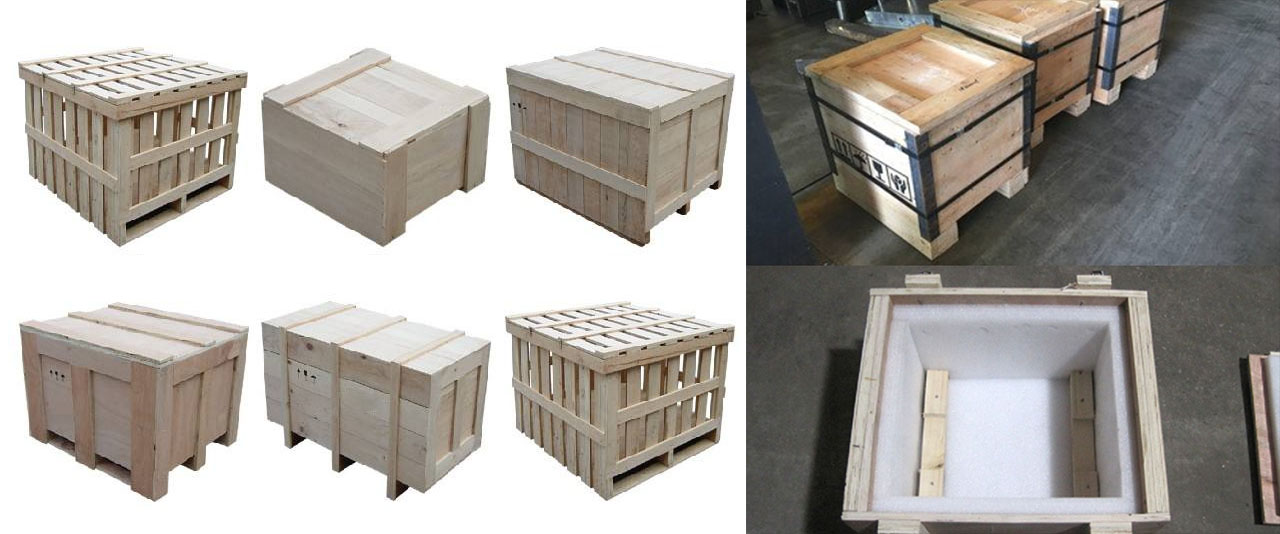
Product packaging
Factory
We are Custom Plastic Mold factory. Our factory is plastic injection mold maker. we has 17 years of experience in professional custom plastic mold and 10 years of foreign trade experience. We are custom Plastic Mold supplier. We can provide custom Plastic Mold service. Our factory can make the Injection molded plastic parts, and the quality of the products will satisfy you.
We have more than 50 high-end machines and hundreds of engineers and designers. We can provide one-stop service, from product design - mold making - product production - product packaging - transportation. We have a complete production chain. We can meet all your requirements.
Services we provide:
Professional custom mold service, Plastic mold design and manufacturing .plastic product production, product design, mold design, blow mold customization, rotational mold customization, die-casting mold customization. 3D printing services, CNC manufacturing services, product packaging, customized packaging, shipping services.
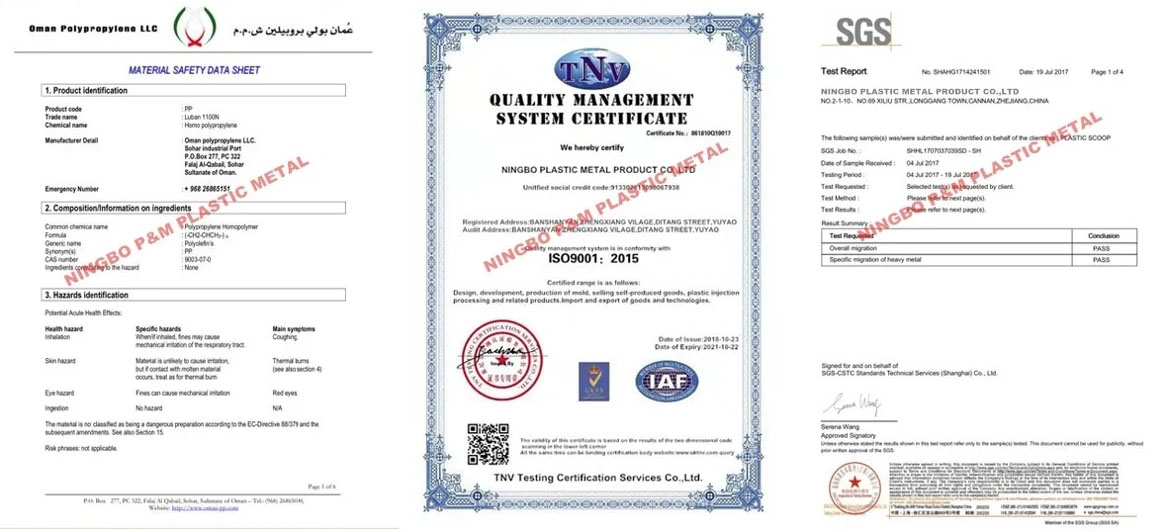

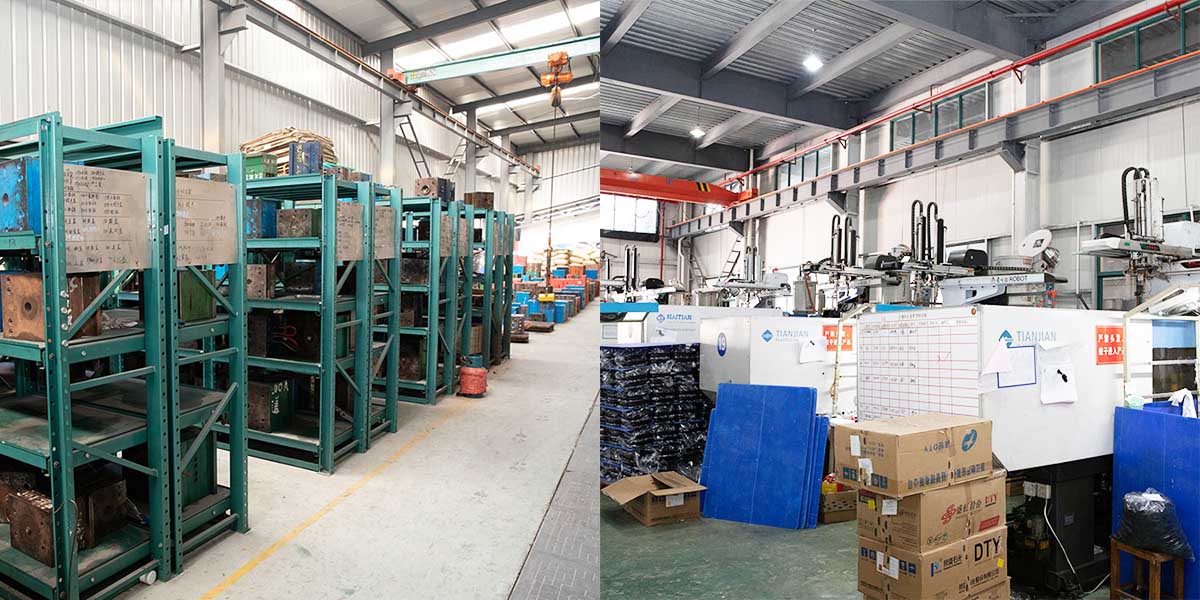
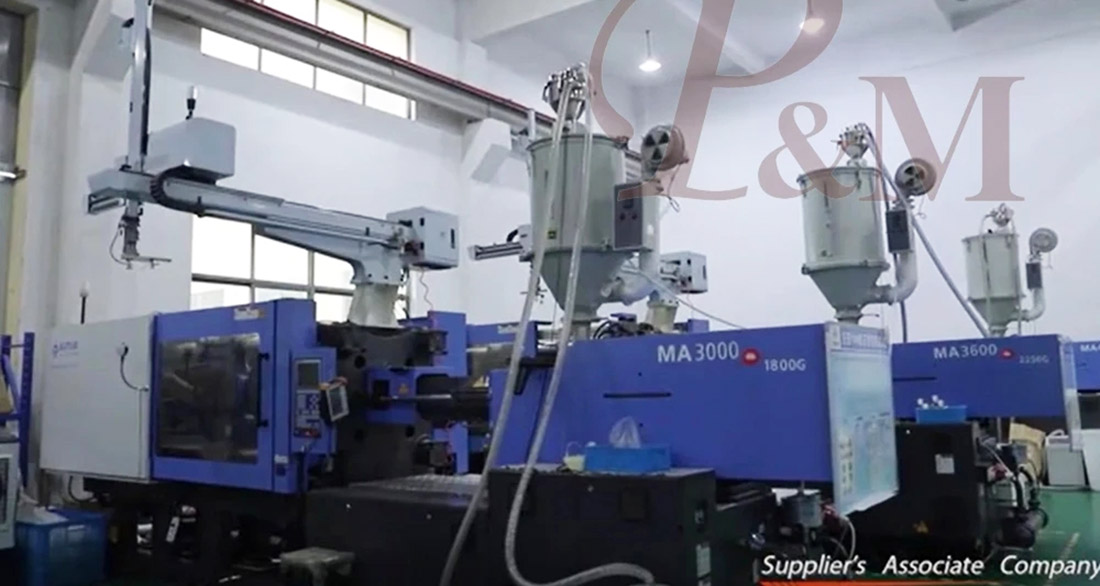
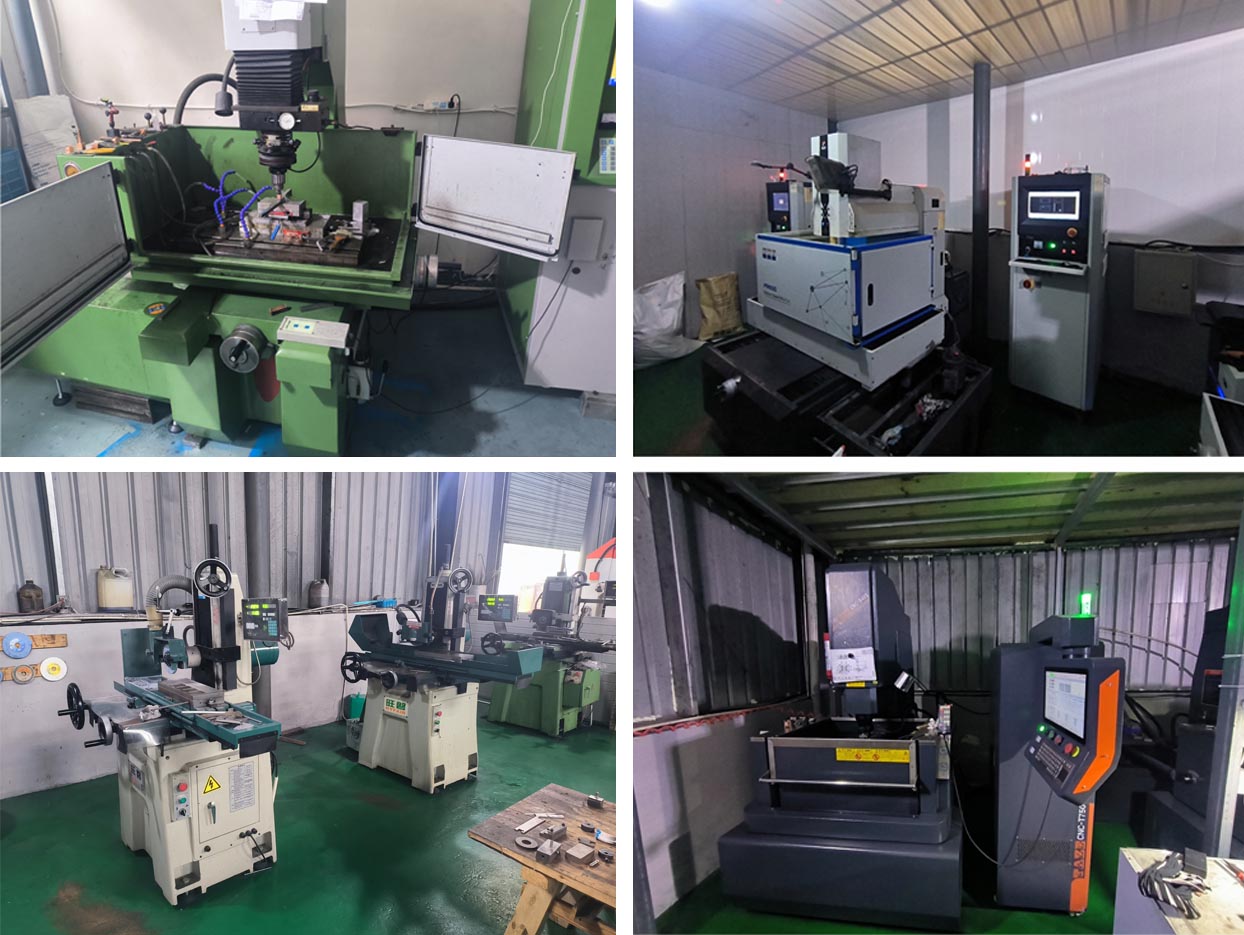
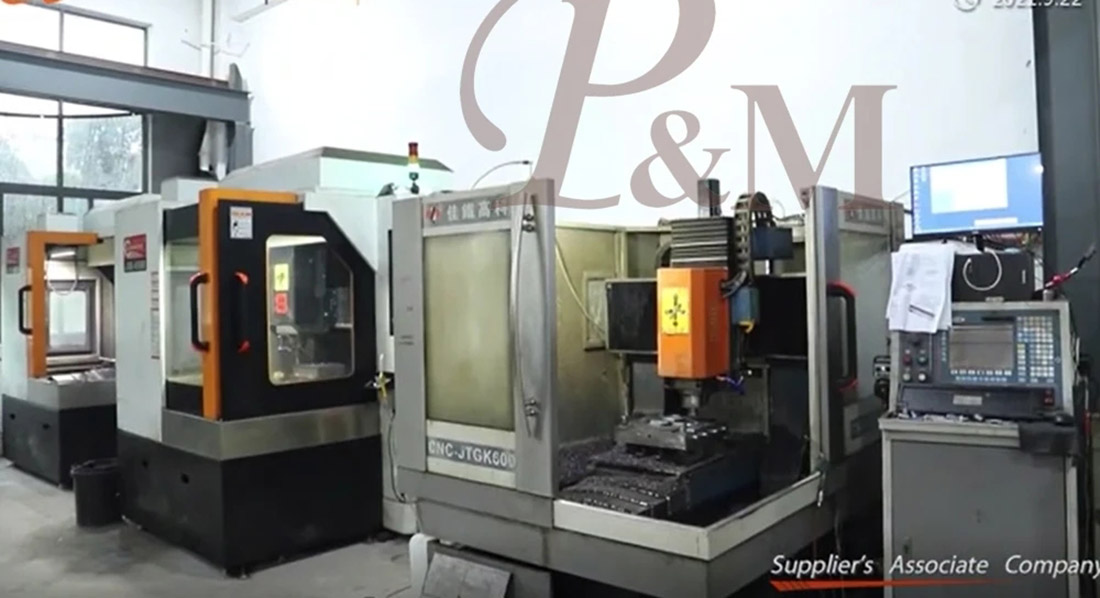
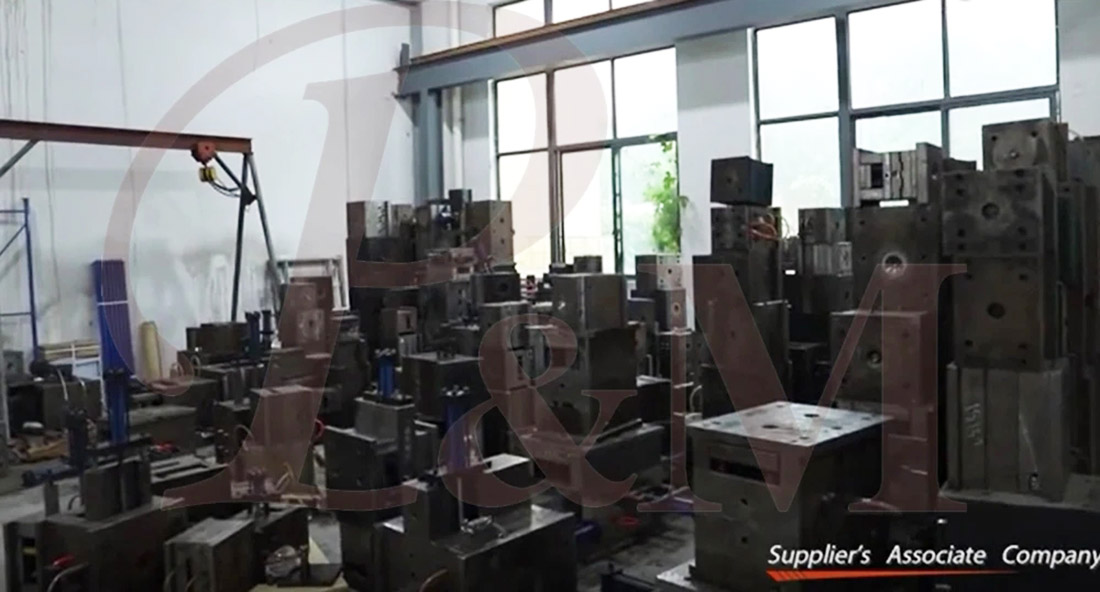
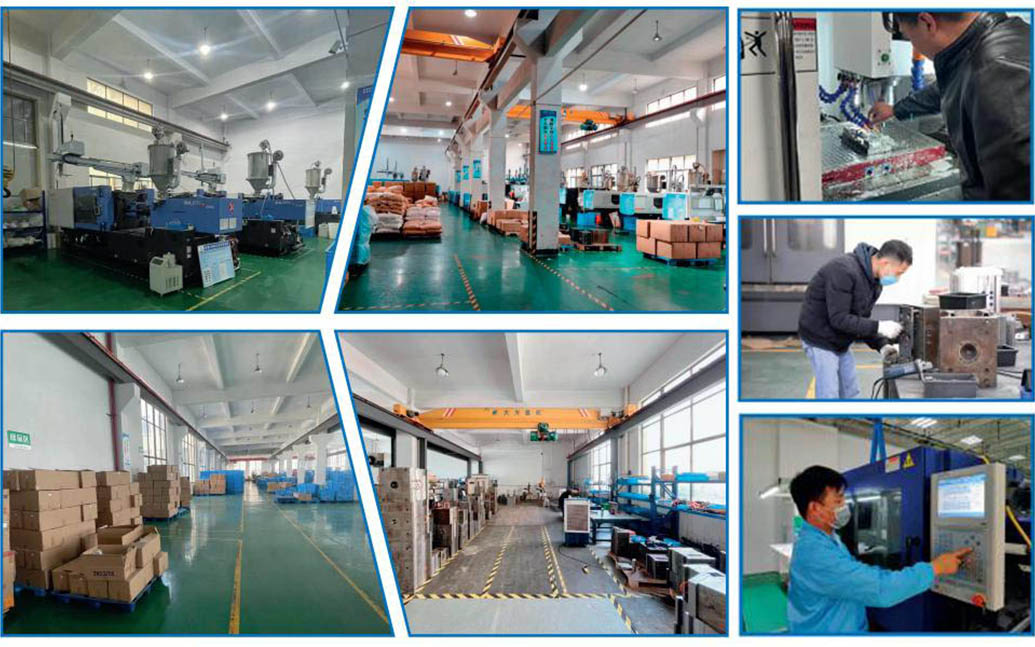
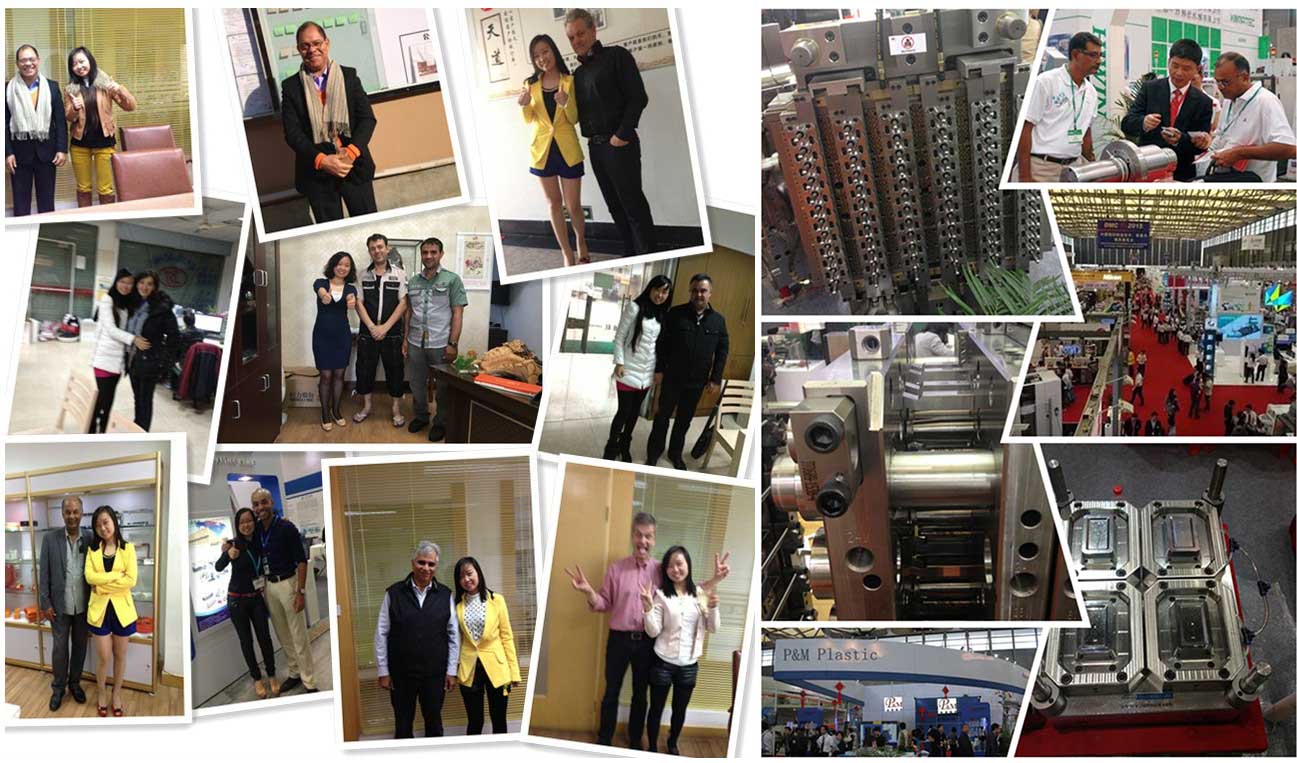
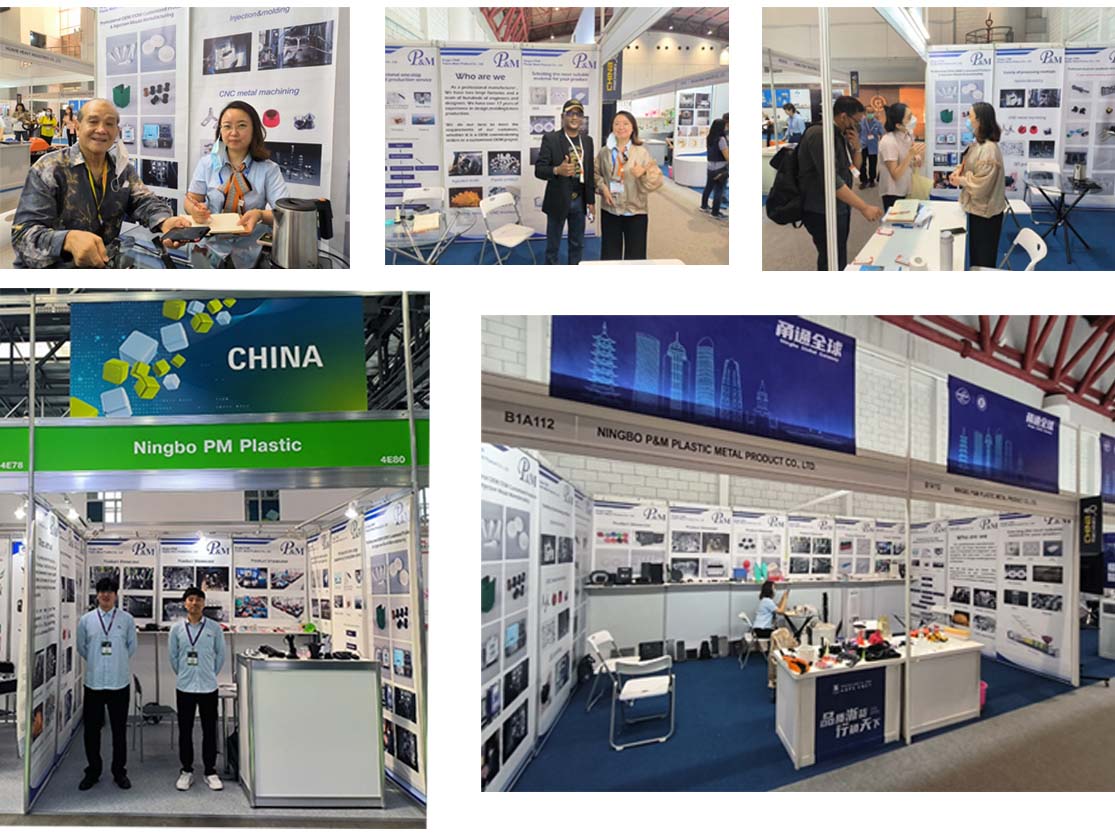
We always adhere to the principles of quality first and time first. While providing customers with the highest quality products, try to maximize the production efficiency and shorten production time. We are proud to tell every customer that our company has not lost any customer since its establishment.If there is a problem with the product, we will seek a solution actively and take responsibility to the end.

FAQ
Q1: Are you trading company or manufacturer ?
A: We are manufacturers.
Q2. When can I get the quotation?
A: We usually quote within 2 days after we get your inquiry.
If you are very urgent, please call us or tell us in your email so that we can quote for you first.
Q3. How long is the lead-time for mold?
A: It all depends on the products' size and complexity. Normally, the lead time is 25 days.
Q4. I have no 3D drawing, how should I start the new project?
A: You can supply us a molding sample, we will help you finish the 3D drawing design.
Q5. Before shipment, how to make sure the products quality?
A: If you don't come to our factory and also don't have the third party for inspection, we will be as your inspection worker.
We will supply you a video for production process detail include process report, products size structure and surface detail, packing detail and so on.
Q6. What is your payment terms?
A: Mold Payment: 40% deposit by T/T in advance, 30% second mold payment before sending out the first trial samples, 30% mold balance after you agree the final samples.
B:Production Payment: 50% deposit in advance, 50% before sending out the final goods.
Q7: How do you make our business long-term and good relationship?
A:1. We keep good quality and competitive price to ensure our customers benefit for best quality products.
2. We respect every customer as our friend and we sincerely do business and make friends with them, no matter where they come from.
Hot Tags: Plastic car parts moulding, China, Manufacturer, Supplier, Factory, Customized, Wholesale, Buy, Quality, Latest Selling, Made in China
Related Category
Send Inquiry
Please feel free to give your inquiry in the form below. We will reply you in 24 hours.