
Home
>
Product > Core Customization Service > Custom Molding > Plastic injection abs pc pa6 moulding
Product
- Core Customization Service
- Health Care
- Electronic Appliances and Instruments
- Maternal and Child Supplies Molds
- Recreational Sports
- Home Furnishing Art
- Auto Accessories
- Transportation and Warehousing
- Lighting Fixtures
- Construction Equipment
- Packaging Product
- Educational & Laboratories
- Clothing Luggage Accessories
- Care and Cleaning Products
- Agriculture & Forestry
- Mechanical Equipment
- Pet Supplies
- Kitchenware
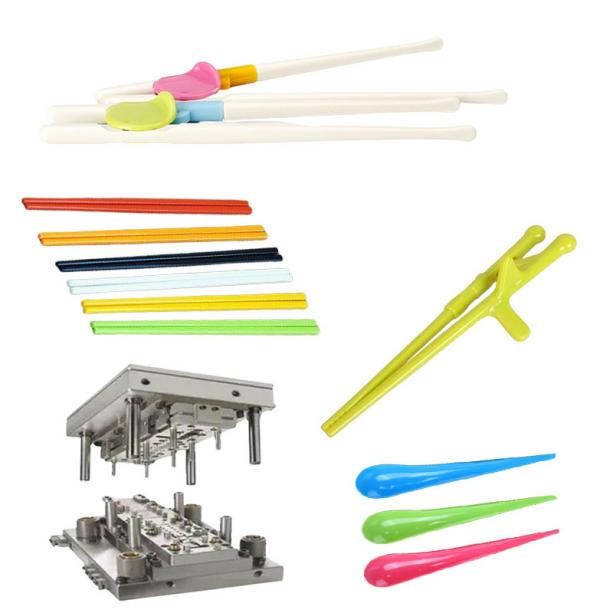
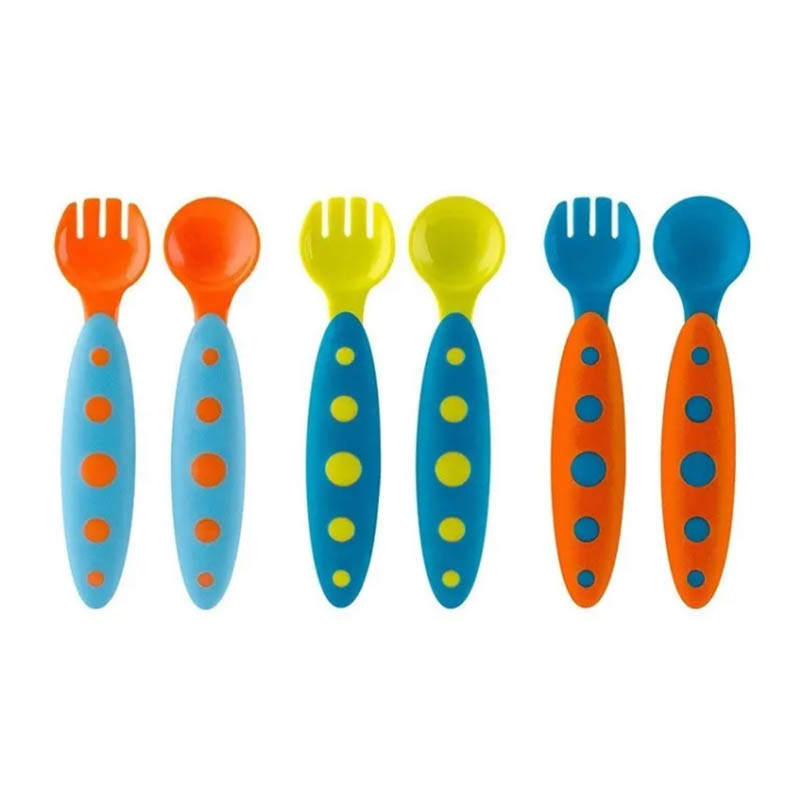
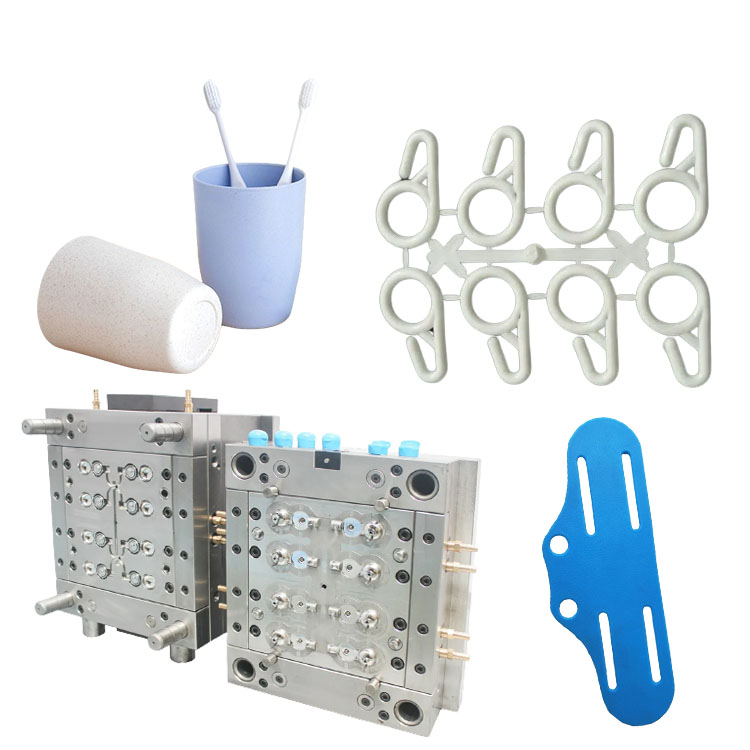
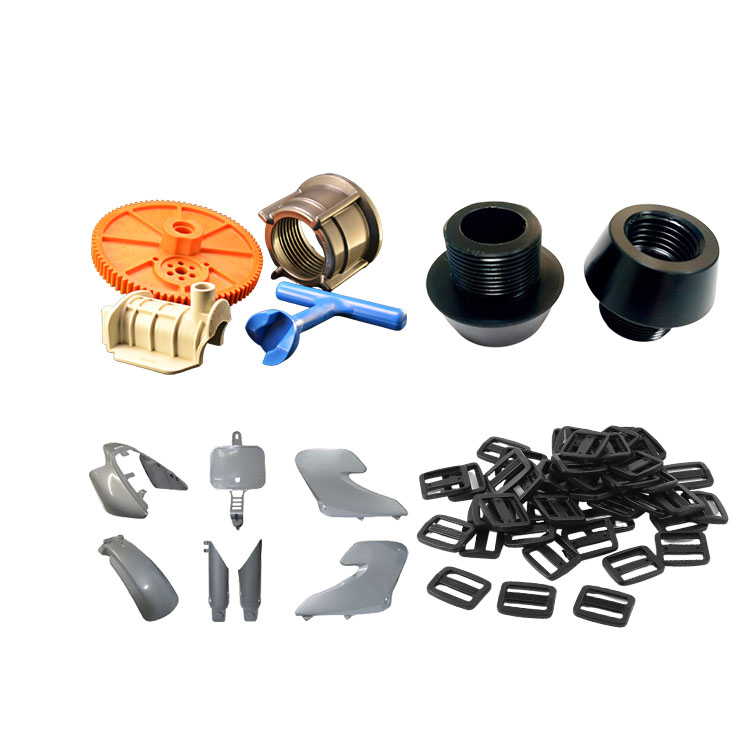
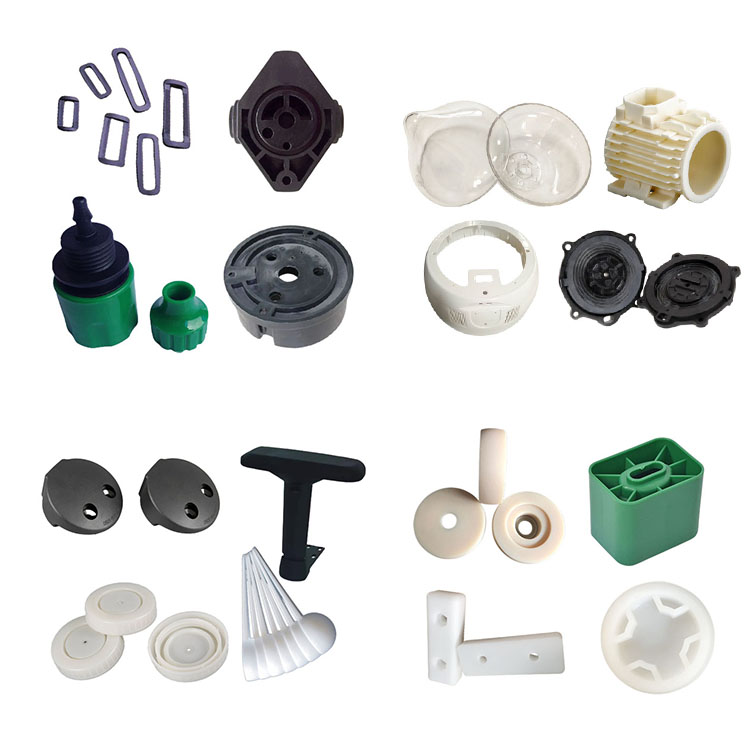
Plastic injection abs pc pa6 moulding
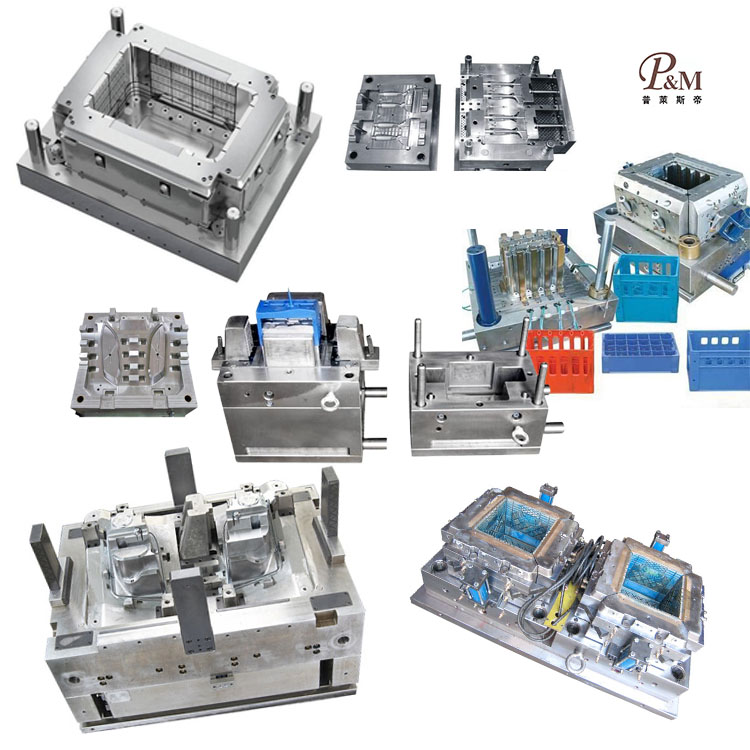
Ningbo (P&M) Plastic Metal Products Co., Ltd. has 17 years of mold manufacturing technology and can customize plastic injection ABS PC PA6 moulding. We provide professional customized plastic injection ABS PC PA6 moulding services, and we are a professional plastic injection ABS PC PA6 moulding manufacturer. We have sufficient experience in selecting product raw materials and mold materials. In the process of customizing plastic injection ABS PC PA6 moulding, our factory can provide one-stop service. We have design and production capabilities related to plastic injection ABS PC PA6 moulding, such as: CAD design, mold manufacturing, injection molding, plastic product production, assembly and other technologies. In addition, our company has established cooperative relationships with plastic raw material suppliers, printing manufacturers, etc. to ensure the supply of raw materials and printing quality.
Send Inquiry
Product Description
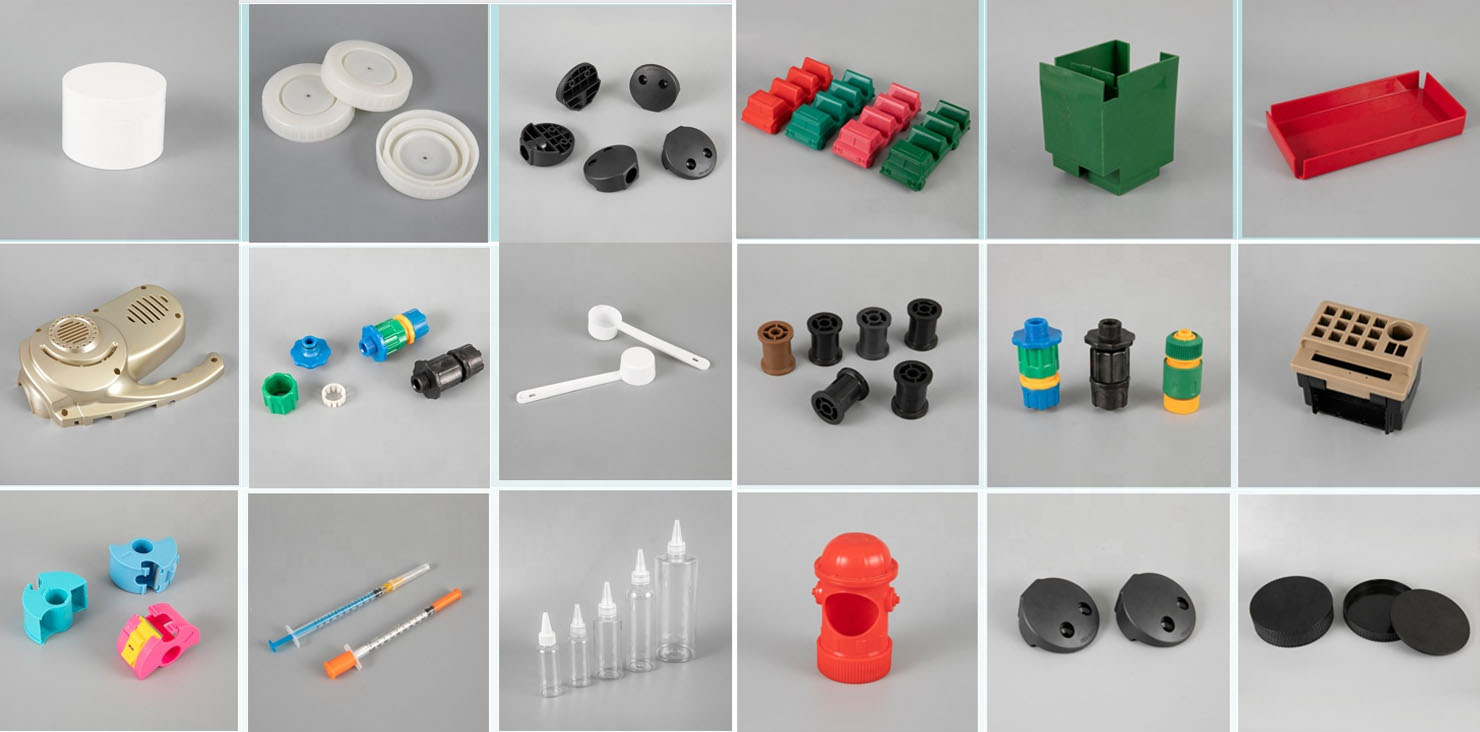
Through our rich experience and perfect supply chain, our company can provide customers with high-quality customized plastic injection ABS PC PA6 moulding products to meet their specific needs. At the same time, we have 10 years of professional foreign trade service experience, understand the foreign trade process, and better serve our customers. For plastic injection ABS PC PA6 moulding products, we can make corresponding plastic parts, which is mainly done through injection molds.
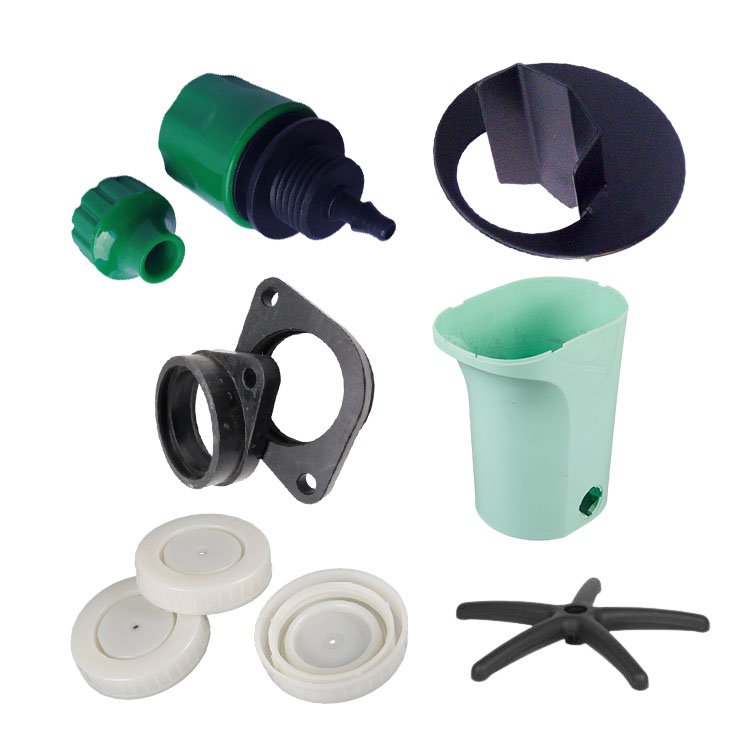
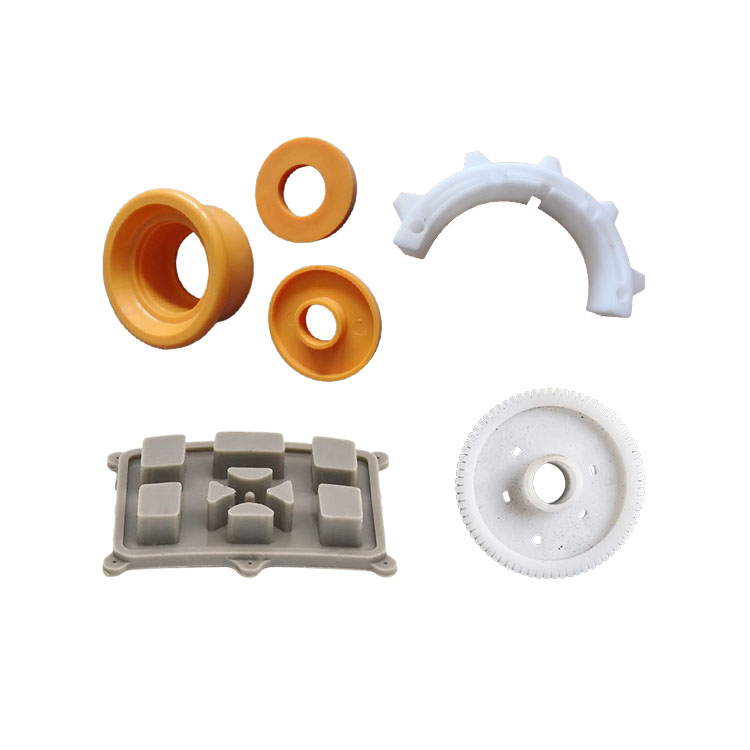
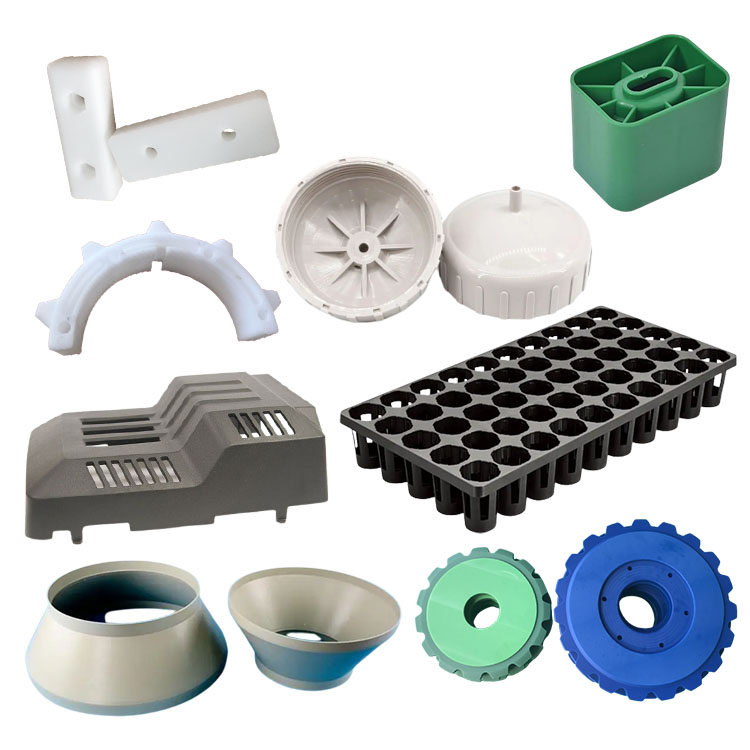
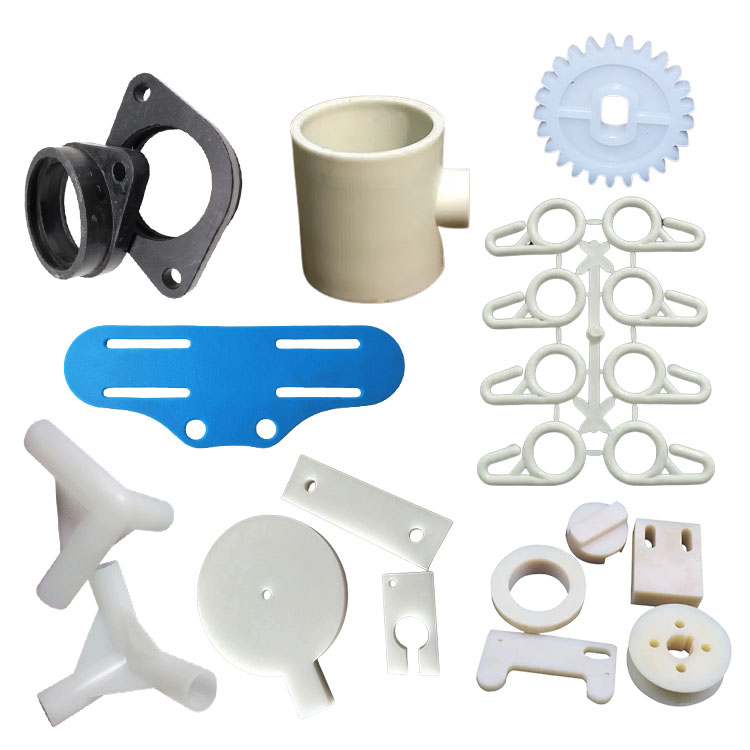
Injection molding is currently the most widely utilized molding method for the mass production of plastic enclosures. Characterized by rapid molding speeds, high dimensional precision, the ability to form complex structures in a single operation, and suitability for large-scale automated production, it is extensively applied in the manufacturing of enclosures for sectors such as electronics and appliances, smart home devices, automotive interiors, and toys and gifts. The entire process revolves around three core elements—raw materials, molds, and injection molding machines—and can be broadly categorized into three stages, spanning from raw material pretreatment to the warehousing of finished products: pre-production preparation, the core injection molding process, and post-processing and quality inspection. These stages are seamlessly interconnected, collectively determining the appearance, structural strength, and assembly performance of the plastic enclosures.
Pre-production preparation serves as the foundation for ensuring molding quality; it primarily encompasses raw material handling, mold preparation, and injection molding machine setup. Common raw materials for plastic enclosures include ABS, PC, PC/ABS alloys, PP, and PS. Since most engineering plastics are hygroscopic, excessive moisture content in the raw materials during injection molding can lead to the formation of bubbles, silver streaks, and flow marks within the molten plastic, thereby severely compromising both the aesthetic appearance and structural integrity of the enclosure. Consequently, raw materials must first undergo drying in a dehumidifying dryer, with temperature and duration settings adjusted according to the specific material type. Typically, ABS is dried at 80°C–85°C for 2 to 4 hours, while PC requires drying at 100°C–120°C for 4 to 6 hours. Once drying is complete, the raw materials are blended with color masterbatches in precise proportions to ensure uniform and consistent coloring of the enclosure, thereby preventing issues such as color deviation or uneven color distribution.
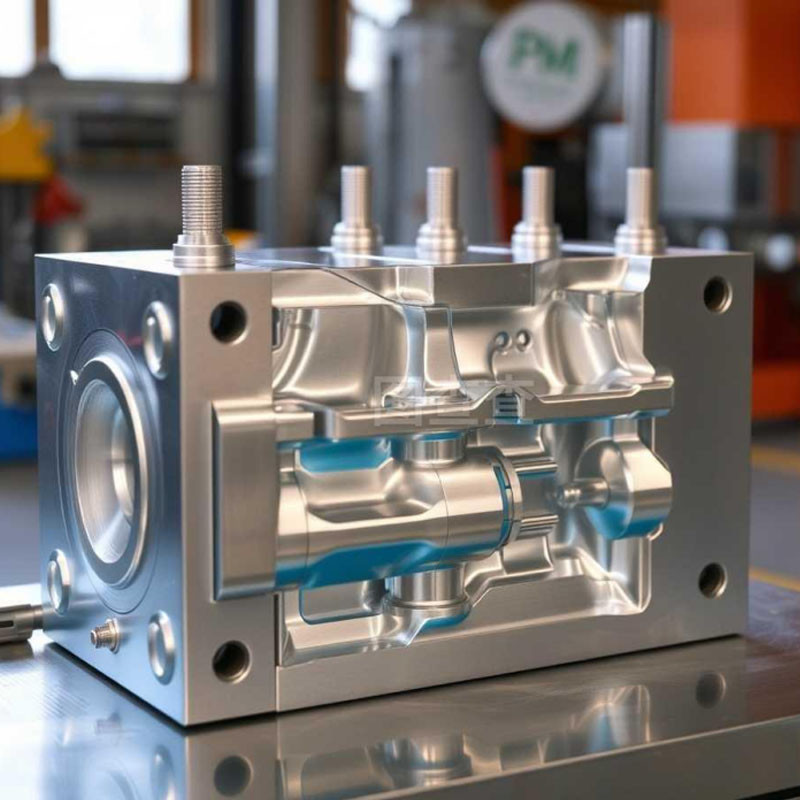
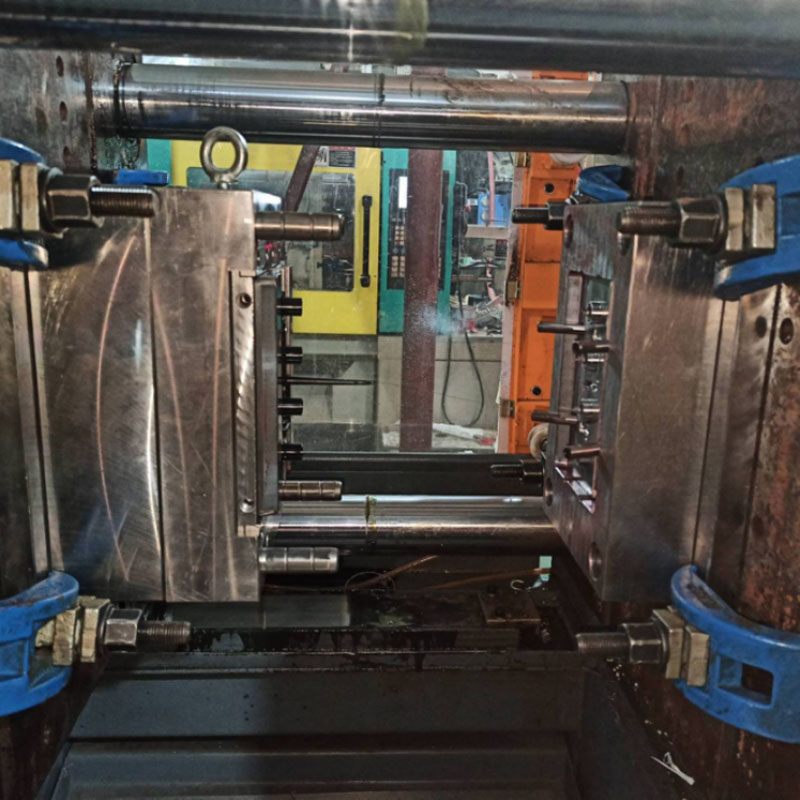
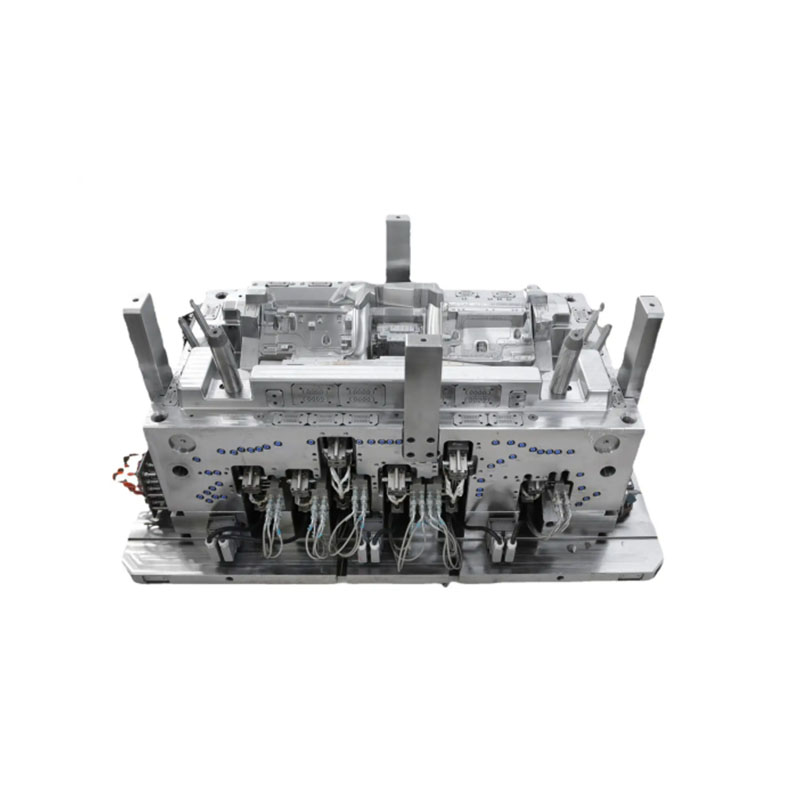
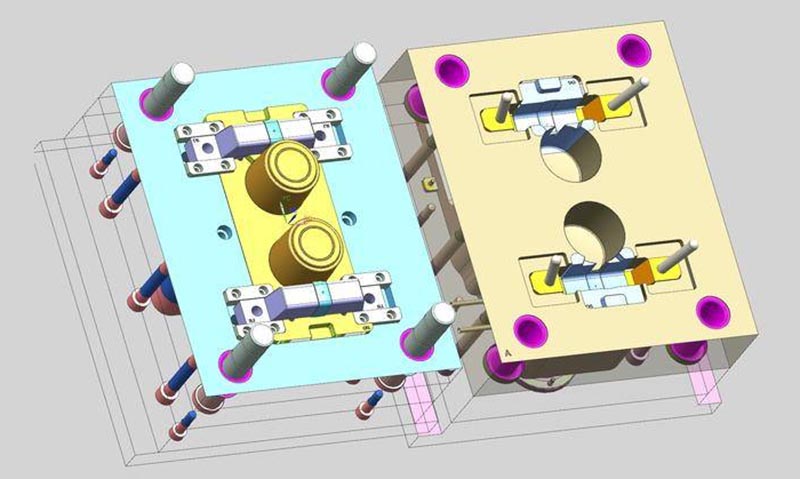
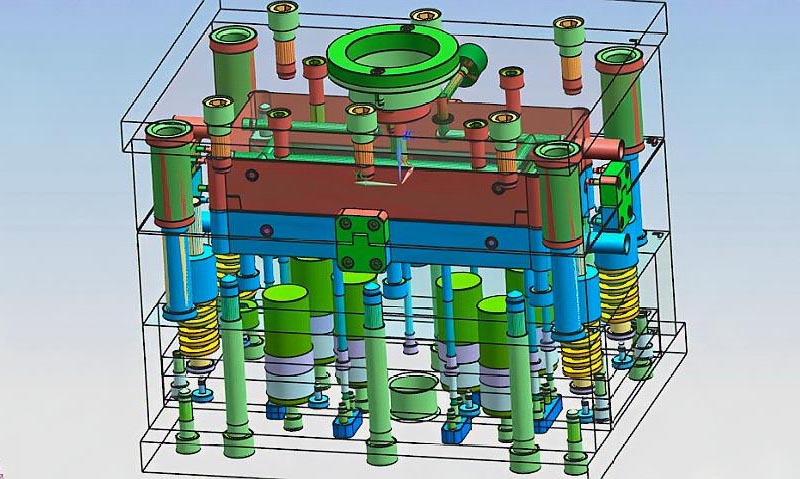
The mold is the critical tooling that determines the shape and dimensional precision of the enclosure. Prior to production, the mold must be hoisted onto the injection molding machine and securely fastened to both the stationary and movable platens. Cooling water lines and ejection mechanisms are then connected, followed by a thorough inspection of the mold cavities, sliders, and inserts to verify their integrity and ensure they are free of damage or debris. Subsequently, a mold clamping test run is performed to adjust the mold opening/closing stroke and clamping force; this prevents mold misalignment or insufficient clamping pressure, which could otherwise result in material overflow and flash formation. Concurrently, the mold temperature is preset based on the enclosure's structural design and wall thickness: thin-walled, precision enclosures typically require a slightly higher mold temperature to facilitate smooth melt flow, whereas thick-walled enclosures necessitate enhanced cooling measures to optimize production efficiency. The parameter settings of an injection molding machine directly impact the quality of the molded product. Operators must configure parameters—such as the temperatures of various barrel zones, injection pressure, injection speed, holding pressure and duration, and screw rotation speed—based on the specific characteristics of the raw material and the structural design of the housing. The barrel temperature must adhere to the principle of gradually increasing from the rear section to the front section; this ensures that the plastic granules are fully melted and plasticized without undergoing thermal decomposition. Once the parameters have been configured, a dry run (idle operation) of the machine should be performed to verify that the injection, plasticizing (material accumulation), and mold opening/closing movements are functioning correctly, thereby preventing equipment malfunctions from disrupting continuous production.
The core injection molding process constitutes the critical stage in the formation of plastic housings, following a standard workflow comprising mold closing, injection and filling, holding pressure and compensation, cooling and solidification, and mold opening and ejection. First, the injection molding machine's hydraulic system drives the moving mold half toward the fixed mold half to complete the mold closing and locking sequence, thereby creating a sealed cavity within the mold. The clamping force applied must exceed the expansion force exerted by the molten plastic against the cavity walls during injection to prevent defects such as flash or burrs. Once the mold is securely closed, the machine's screw rotates and advances forward, injecting the fully melted and plasticized plastic melt—under high pressure and high velocity—through the nozzle, main runner, sub-runners, and gate into the mold cavity. The injection speed must be adjusted according to the structural complexity of the housing: for intricate, thin-walled sections, the speed should be increased to prevent premature cooling of the melt—which could result in short shots or incomplete filling—while for flat, planar sections, the speed should be reduced to prevent defects such as jetting marks or trapped air bubbles.
Immediately after the melt has completely filled the cavity, the process enters the holding pressure phase. The screw maintains a constant pressure to inject a small additional volume of melt into the cavity, thereby compensating for the shrinkage that occurs as the plastic cools and solidifies, and preventing defects such as sink marks, depressions, and dimensional deviations. A holding time that is too short can lead to dimensional instability and surface defects in the housing; conversely, a holding time that is excessively long can induce internal stresses within the material, potentially leading to subsequent cracking or deformation. Upon the completion of the holding phase, the screw retracts to prepare for the next plasticizing and material accumulation cycle, while the molten plastic within the mold rapidly cools and solidifies, facilitated by the internal cooling water channels. The cooling time is a critical factor influencing production efficiency: insufficient cooling results in a housing that remains soft and prone to deformation, whereas excessive cooling prolongs the cycle time and reduces production throughput. Typically, the cooling time is determined based on the wall thickness of the housing, generally ranging from 10 to 30 seconds. Once the plastic housing has fully hardened and set, the injection molding machine retracts the moving mold to open the assembly; the housing and the solidified material within the runners remain attached to the moving mold side. Subsequently, the ejection mechanism activates; ejector pins, plates, or pushers smoothly eject the housing and runners from the mold cavity, carefully avoiding excessive force that could cause "ejector marks" (whitening) or cracking. Automated production lines can be integrated with robotic arms to directly grasp the finished parts and runners, thereby enabling continuous, unmanned production.
Following molding, the housing undergoes post-processing and quality inspection to qualify as a finished product. First, the gate runners are manually or automatically trimmed, and any flash or burrs are removed to prevent sharp edges from interfering with assembly or usage. Housings with stringent aesthetic requirements may undergo secondary processing—such as sanding, polishing, painting, silk-screen printing, or hot stamping—to enhance their visual texture and functionality.
Quality inspection is categorized into visual inspection, dimensional measurement, and performance testing. Visual inspection primarily checks for defects such as short shots (incomplete filling), air bubbles, silver streaks, color variations, deformation, or scratches. Dimensional measurement utilizes tools such as calipers, feeler gauges, and Coordinate Measuring Machines (CMMs) to verify critical dimensions—including wall thickness, hole positioning, and assembly clearances—ensuring strict adherence to engineering drawings. Performance testing, tailored to the product's intended application, involves tests for drop resistance, compressive strength, heat resistance, and flame retardancy to guarantee that the housing meets the required structural integrity and safety standards. Products that pass inspection are sorted and packaged for warehousing and shipment, while non-conforming products are sorted by defect type; repairable items undergo rework, while irreparable items are recycled as scrap material.
In summary, the injection molding of plastic housings is a systemic process requiring rigorous control at every stage—from raw materials, molds, and equipment to process parameter control, post-processing, and inspection. A standardized process workflow not only ensures consistent housing quality but also boosts production efficiency and minimizes defect rates, thereby meeting the modern industrial demand for high-precision, high-efficiency, and cost-effective plastic housing manufacturing.
We are a plastic injection ABS PC PA6 moulding manufacturer, providing high-quality plastic injection ABS PC PA6 moulding manufacturing. As long as you want to customize/develop plastic injection ABS PC PA6 moulding products, you can find us. We have professional injection mold design and mature manufacturing technology, providing you with one-stop service, from product design-mold making-product production-product packaging-product transportation, we can help you in every link. As long as you come to us, we will provide you with the ultimate service and satisfy you in terms of product quality, production time, information dialogue, etc.
|
Product Name |
Treadmill moulding |
|
Pls provide |
2D, 3D, samples, or the size of the multi-angle pictures |
|
Mould Time |
20-35 Days |
|
Product time |
7-15 Days |
|
Mould precision |
+/-0.01mm |
|
Mould life |
50-100 million shots |
|
Producing Process |
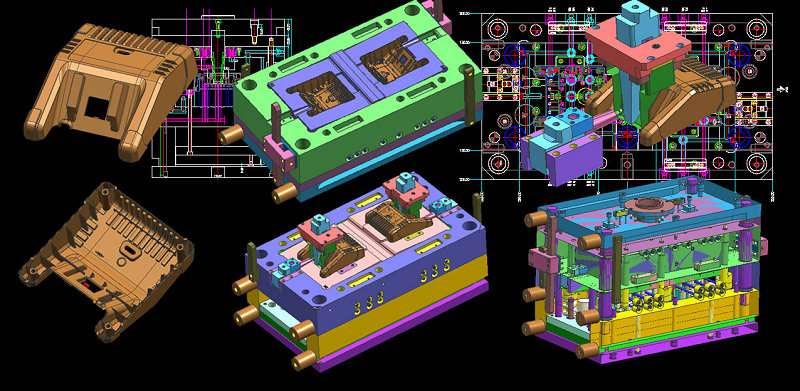
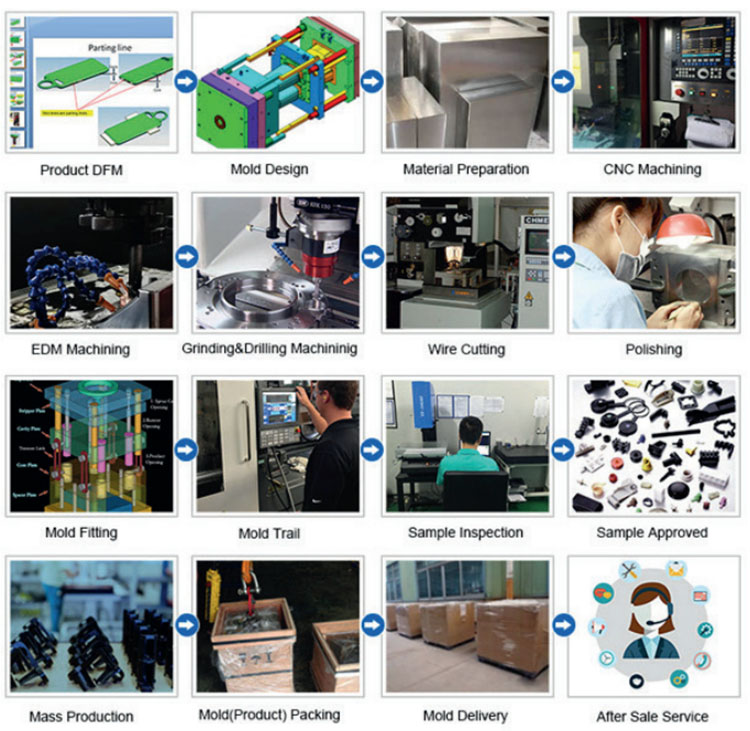
Audit drawings - mold flow analysis - design validation - Custom Materials - mold processing - core processing - electrode machining - Runner system processing - parts processing and procurement - machining acceptance - cavity surface treatment process - complex mode Die - The entire mold surface coating - Mounting plate - mold sample - sample test - sending samples |
|
Mould cavity |
One cavity, multi-cavity or same different products be made together |
|
Mould material |
P20,2738,2344,718,S136,8407,NAK80,SKD61,H13 |
|
Runner system |
Hot runner and cold runner |
|
Base material |
P20,2738,2344,718,S136,8407,NAK80,SKD61,H13 |
|
Finish |
Pitting the word, mirror finish, matte surface, striae |
|
Standard |
HASCO, DME or dependent upon |
|
Main technology |
Milling, grinding, CNC, EDM, wire cutting, carving, EDM, lathes, surface Finish, etc. |
|
Software |
CAD,PRO-E,UG Design Time: 1-3 days (normal circumstances) |
|
Product material |
ABS,PP,PC,PA6,PA66,TPU,POM,PBT,PVC,HIPS,PMMA,TPE,PC/ABS,TPV,TPO,TPR,EVA,HDPE,LDPE,CPVC,PVDF,PPSU.PPS. |
|
Quality system |
ISO9001:2008 |
|
Establish time |
20days |
|
Equipment |
CNC,EDM,Cutting off Machine,plastic machinery,etc plastic suitcase mould zhe jiang |
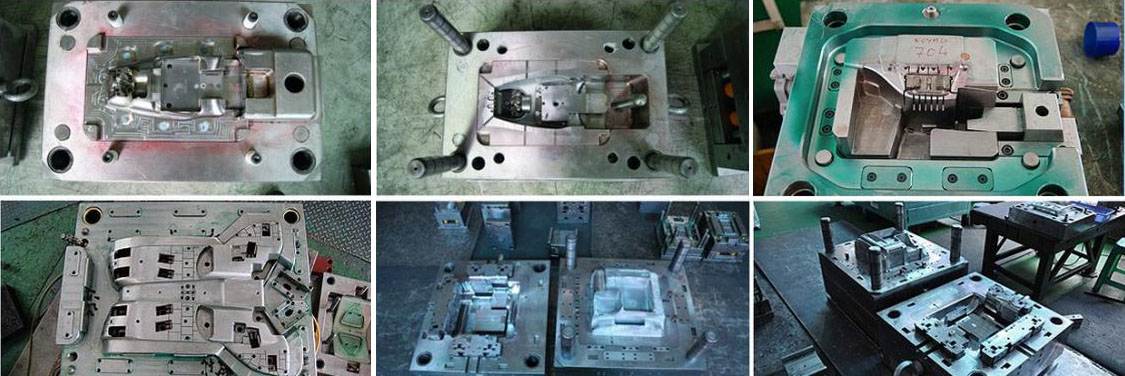
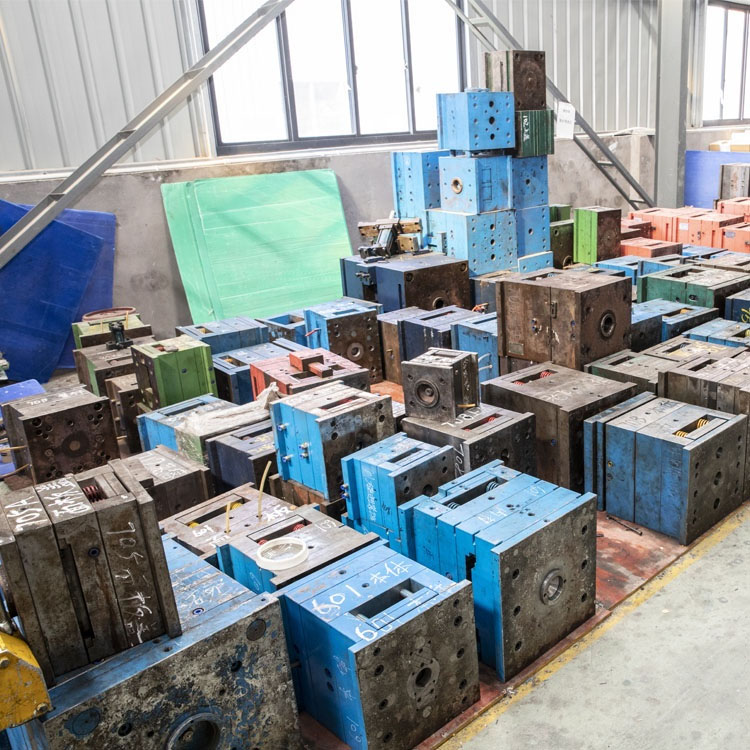
Plastic Injection Mould making
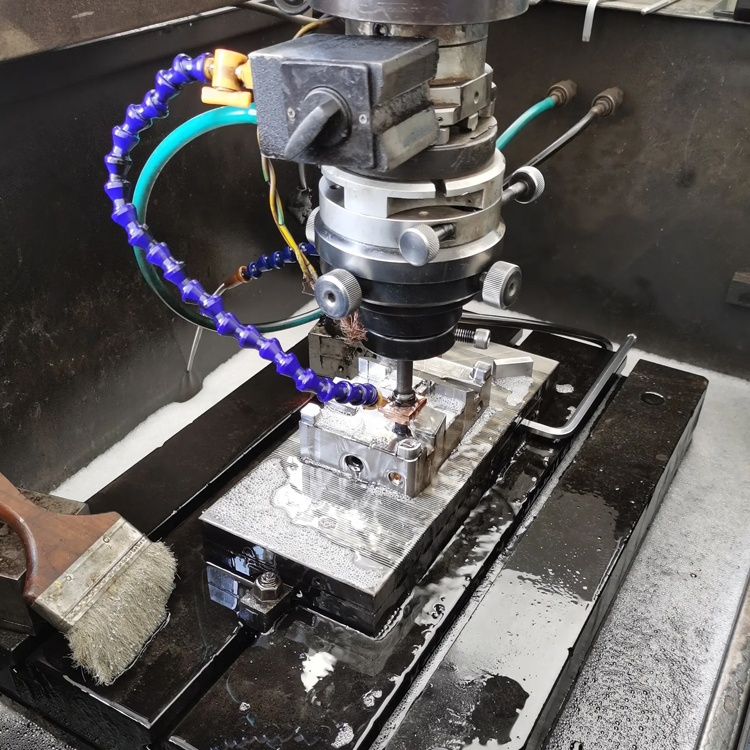
Plastic molding specifications
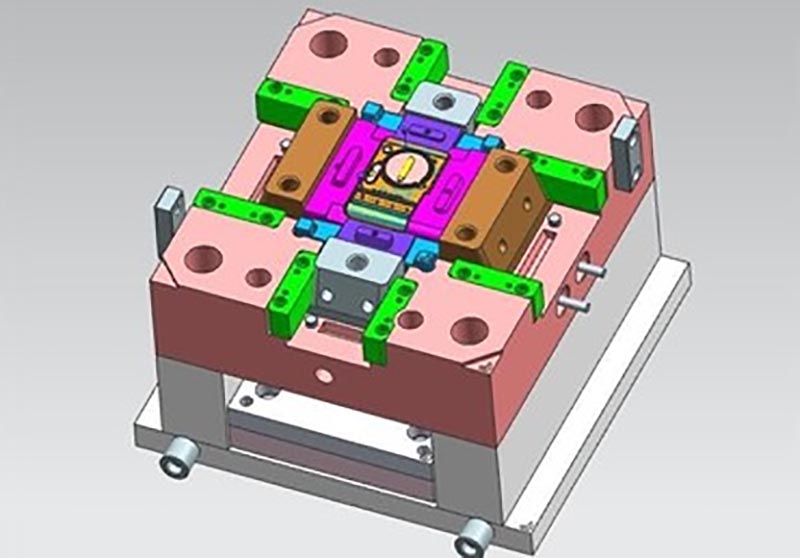
Mold design:
Transaction process:
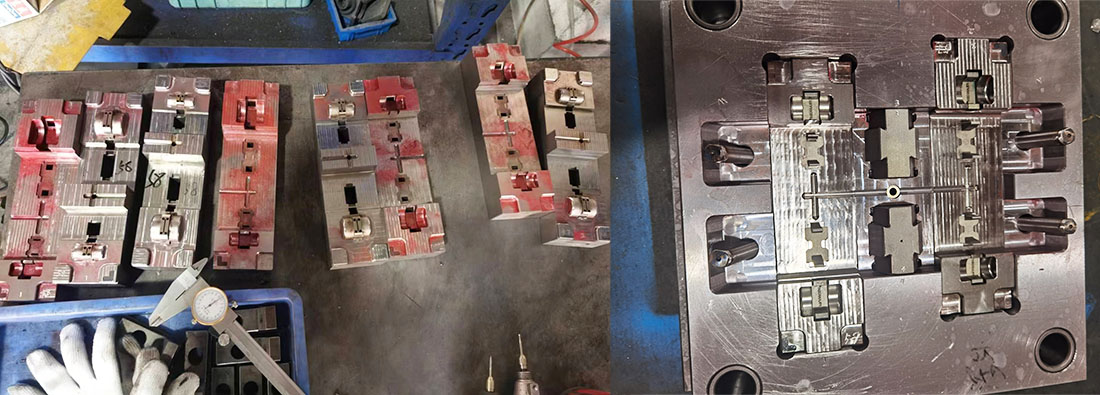
Mold testing:

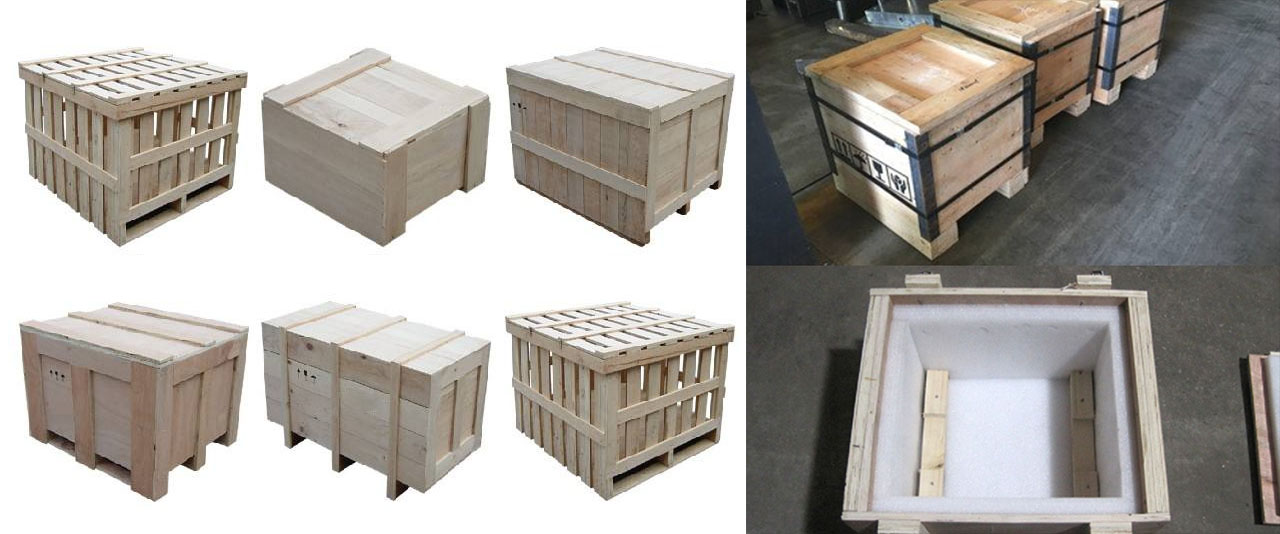
Product packaging
Factory
We are Custom Plastic Mold factory. Our factory is plastic injection mold maker. we has 17 years of experience in professional custom plastic mold and 10 years of foreign trade experience. We are custom Plastic Mold supplier. We can provide custom Plastic Mold service. Our factory can make the Injection molded plastic parts, and the quality of the products will satisfy you.
We have more than 50 high-end machines and hundreds of engineers and designers. We can provide one-stop service, from product design - mold making - product production - product packaging - transportation. We have a complete production chain. We can meet all your requirements.
Services we provide:
Professional custom mold service, Plastic mold design and manufacturing .plastic product production, product design, mold design, blow mold customization, rotational mold customization, die-casting mold customization. 3D printing services, CNC manufacturing services, product packaging, customized packaging, shipping services.
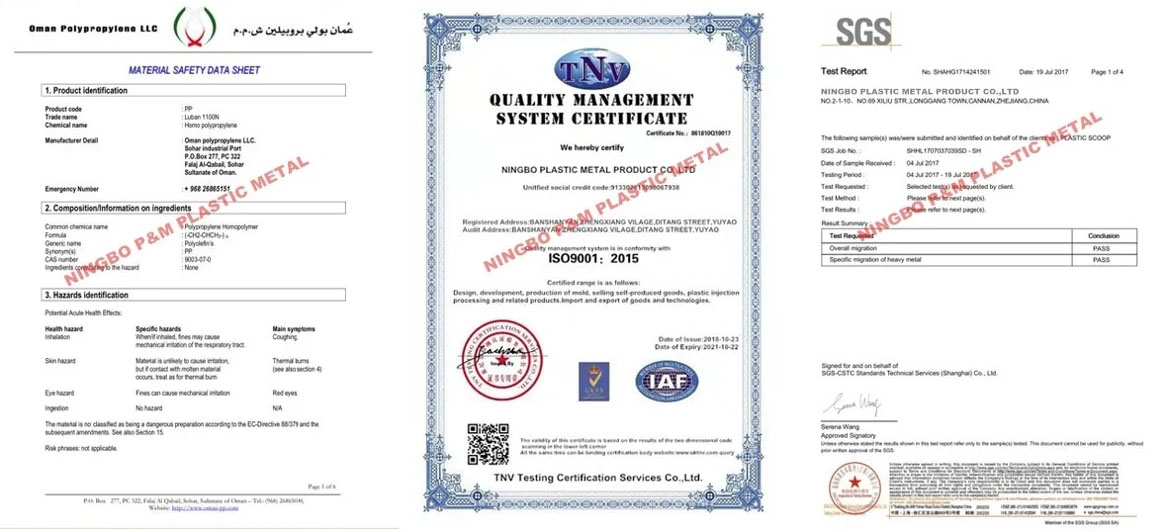

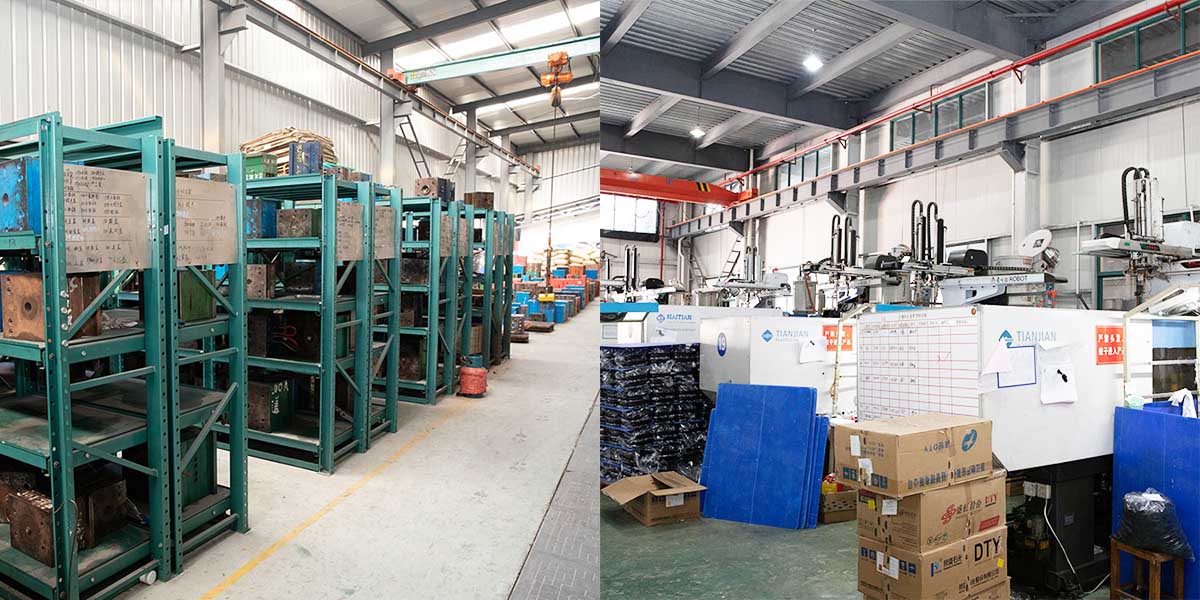
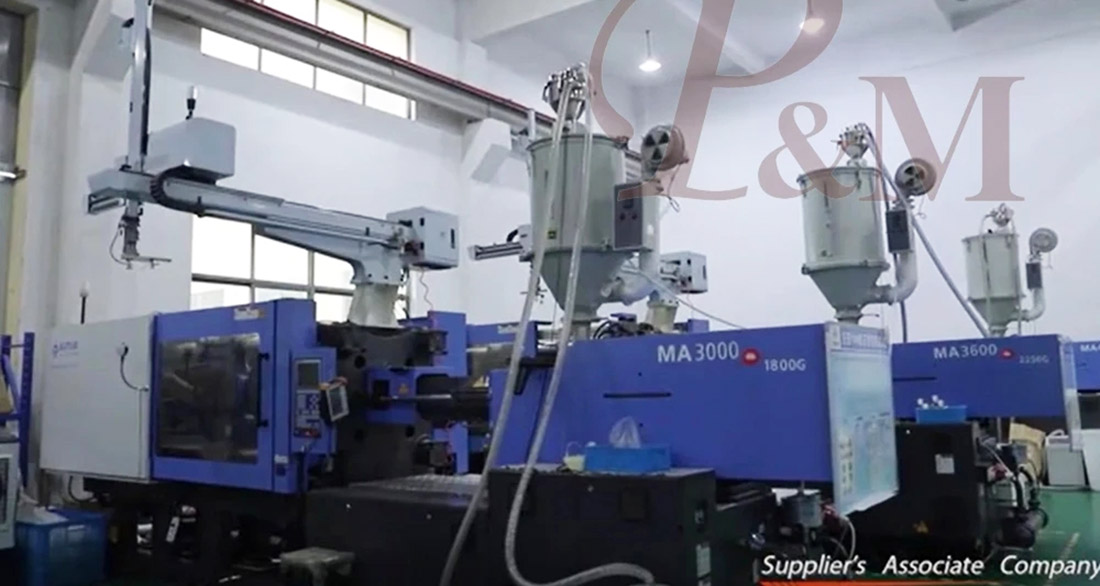
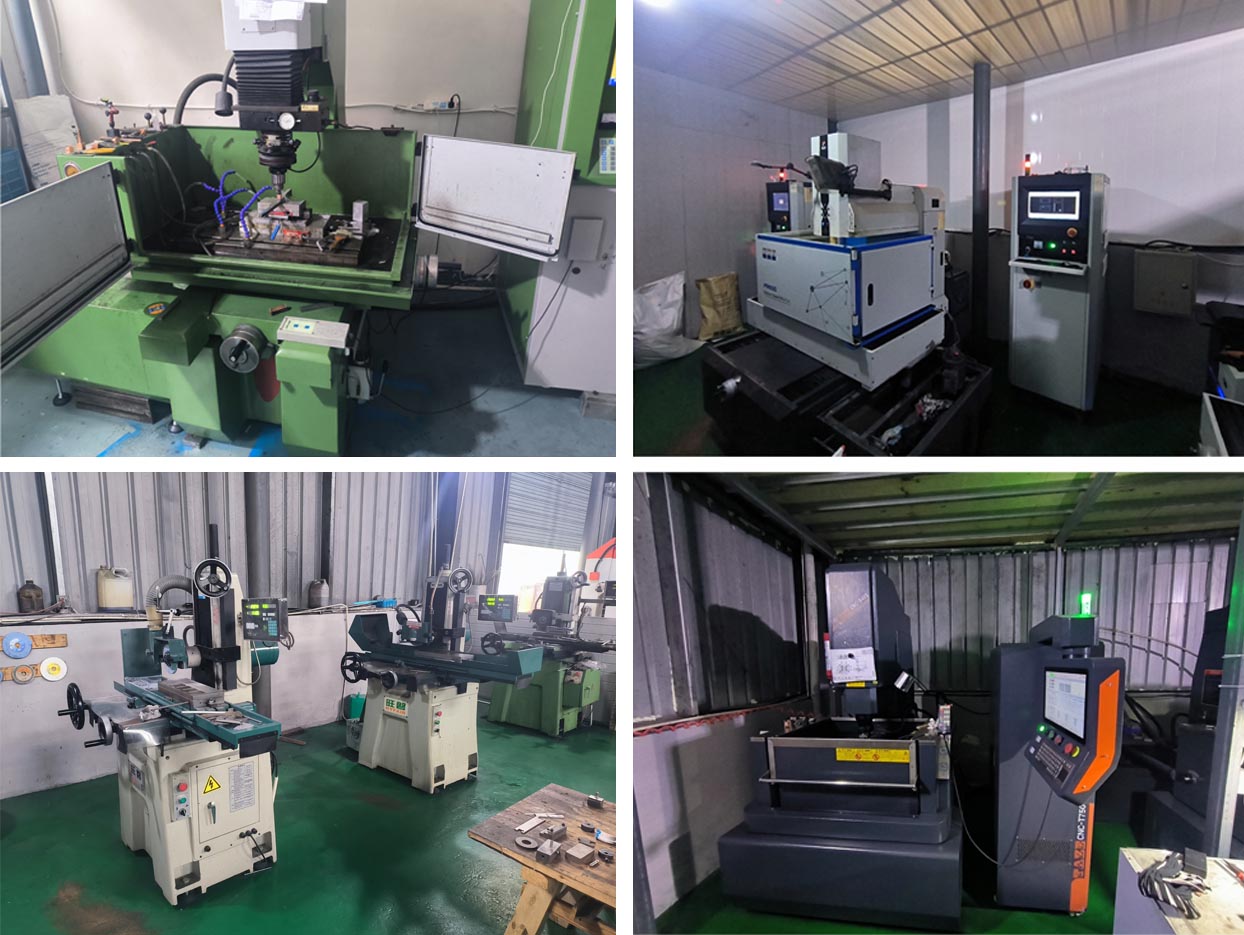
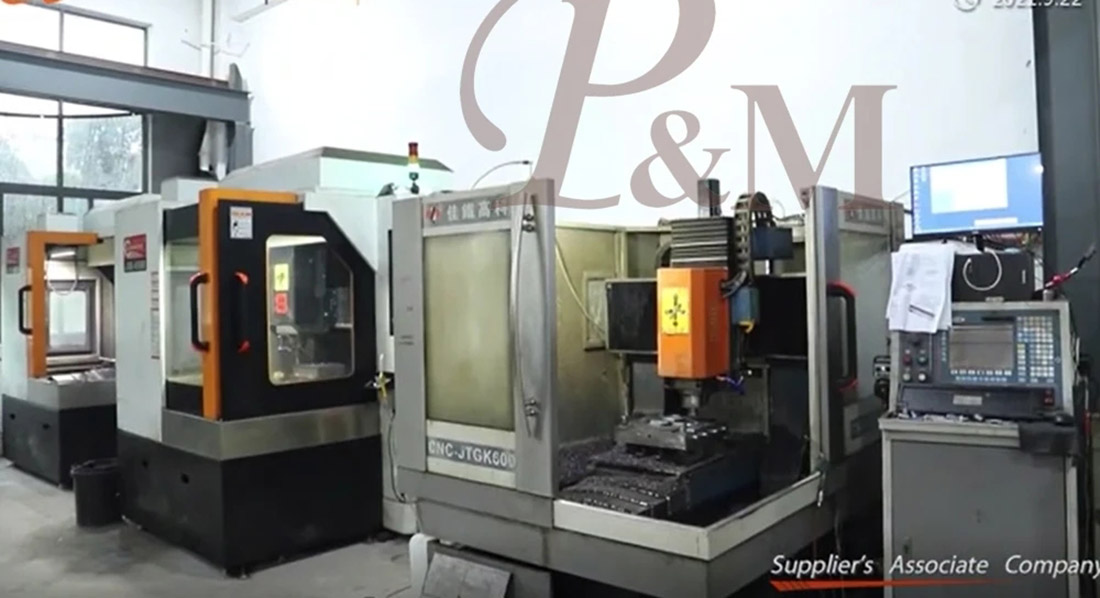
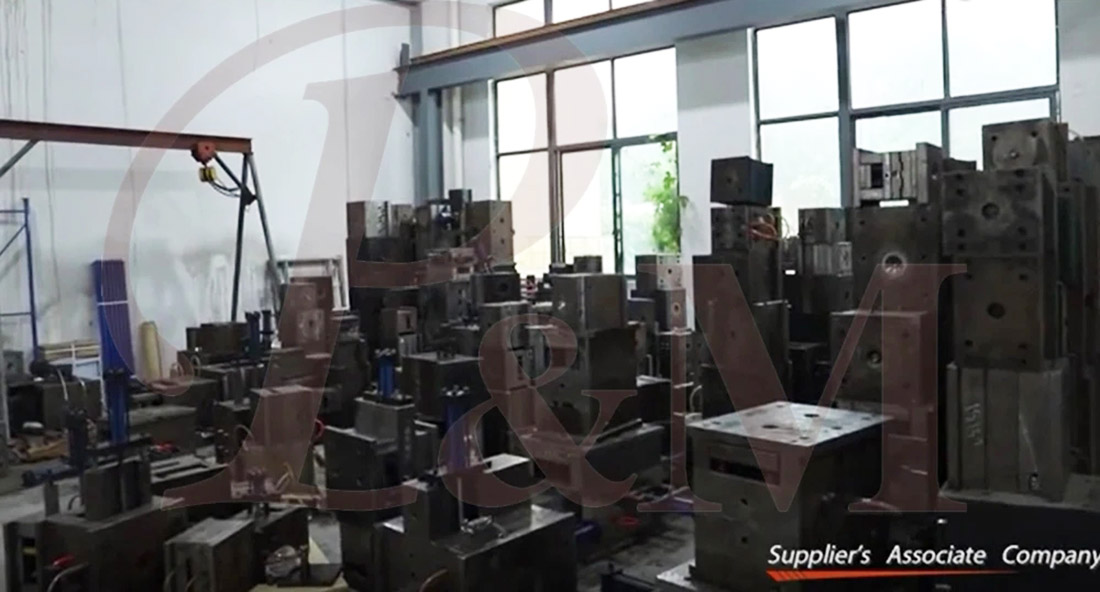
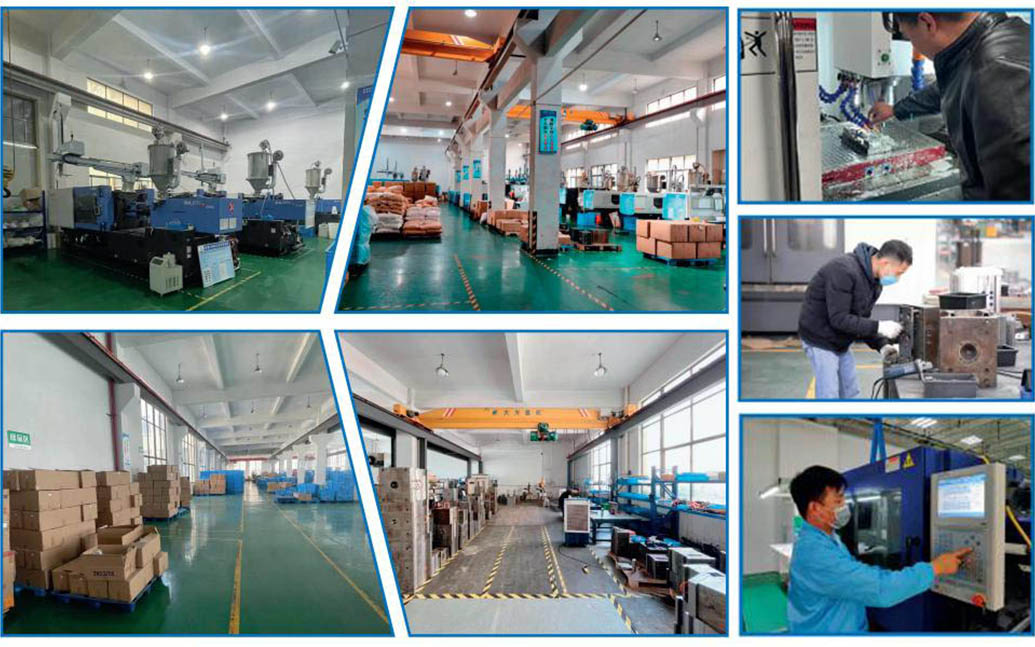
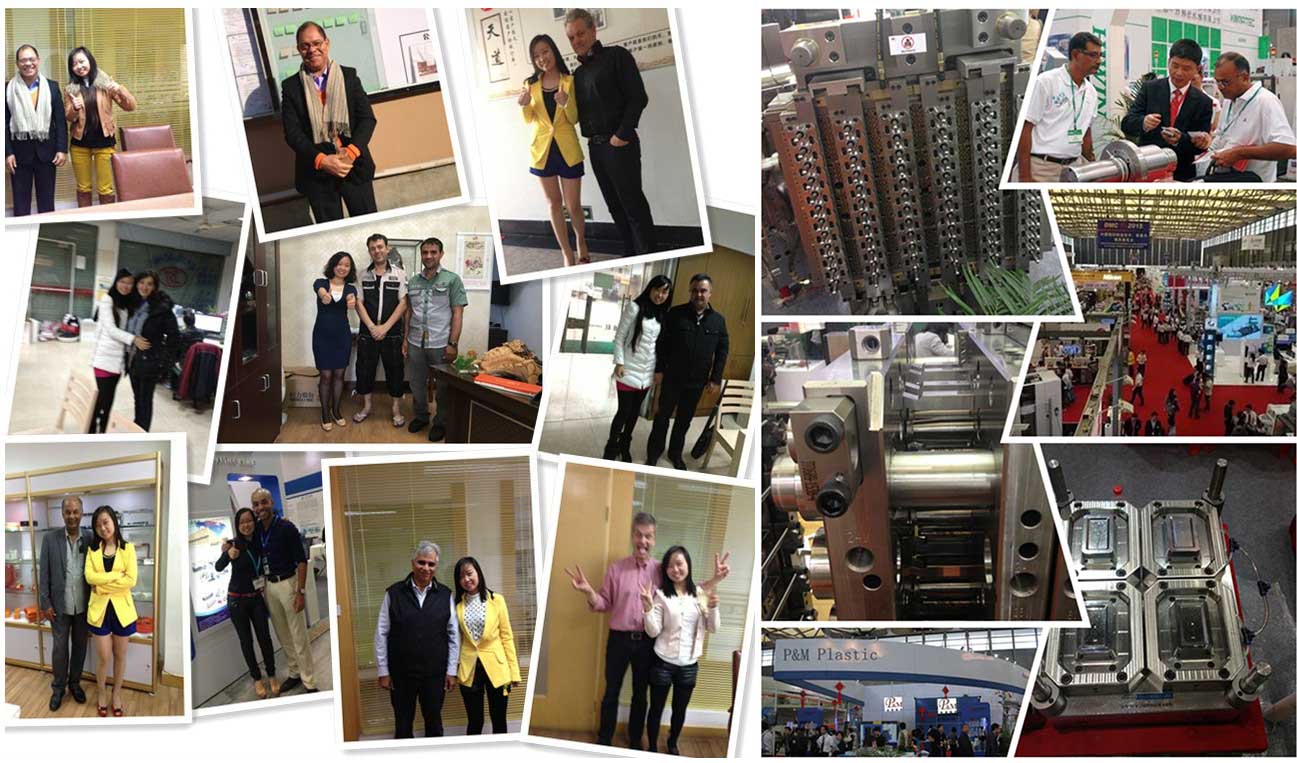
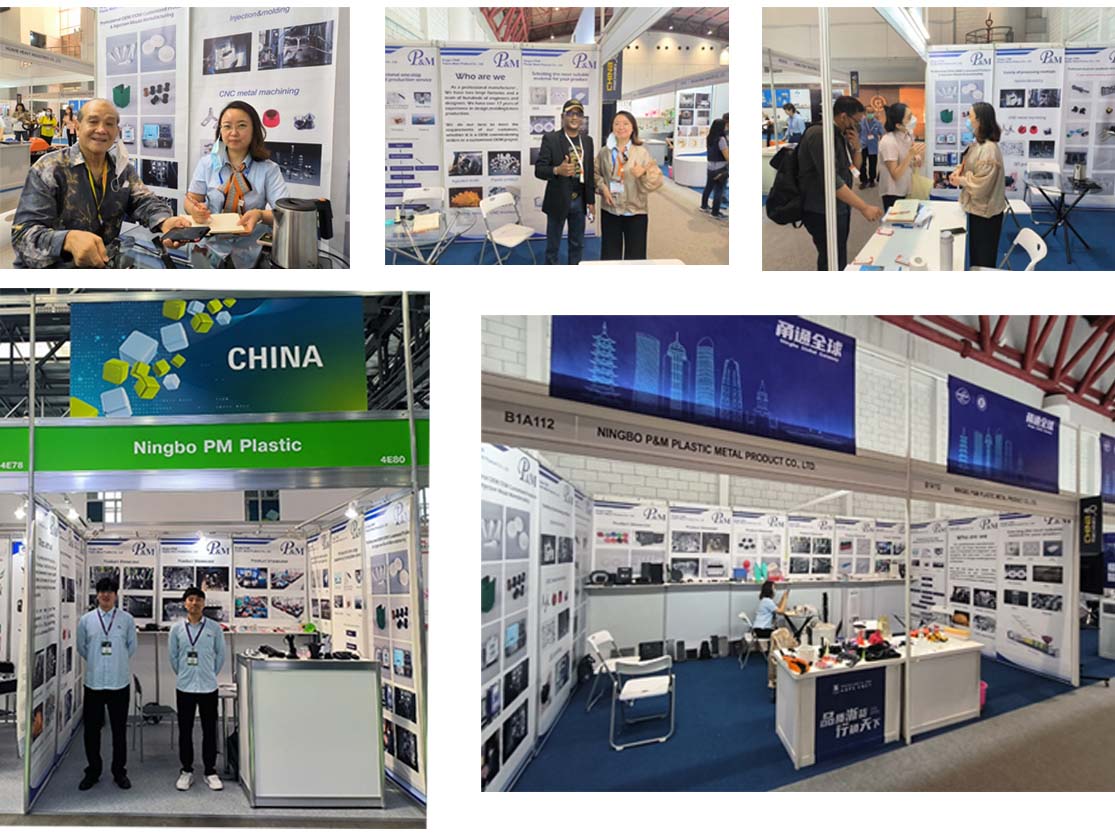
We always adhere to the principles of quality first and time first. While providing customers with the highest quality products, try to maximize the production efficiency and shorten production time. We are proud to tell every customer that our company has not lost any customer since its establishment.If there is a problem with the product, we will seek a solution actively and take responsibility to the end.

FAQ
Q1: Are you trading company or manufacturer ?
A: We are manufacturers.
Q2. When can I get the quotation?
A: We usually quote within 2 days after we get your inquiry.
If you are very urgent, please call us or tell us in your email so that we can quote for you first.
Q3. How long is the lead-time for mold?
A: It all depends on the products' size and complexity. Normally, the lead time is 25 days.
Q4. I have no 3D drawing, how should I start the new project?
A: You can supply us a molding sample, we will help you finish the 3D drawing design.
Q5. Before shipment, how to make sure the products quality?
A: If you don't come to our factory and also don't have the third party for inspection, we will be as your inspection worker.
We will supply you a video for production process detail include process report, products size structure and surface detail, packing detail and so on.
Q6. What is your payment terms?
A: Mold Payment: 40% deposit by T/T in advance, 30% second mold payment before sending out the first trial samples, 30% mold balance after you agree the final samples.
B:Production Payment: 50% deposit in advance, 50% before sending out the final goods.
Q7: How do you make our business long-term and good relationship?
A:1. We keep good quality and competitive price to ensure our customers benefit for best quality products.
2. We respect every customer as our friend and we sincerely do business and make friends with them, no matter where they come from.
Hot Tags: Plastic injection abs pc pa6 moulding, China, Manufacturer, Supplier, Factory, Customized, Wholesale, Buy, Quality, Latest Selling, Made in China
Related Category
Send Inquiry
Please feel free to give your inquiry in the form below. We will reply you in 24 hours.