
Product
- Core Customization Service
- Health Care
- Electronic Appliances and Instruments
- Maternal and Child Supplies Molds
- Recreational Sports
- Home Furnishing Art
- Auto Accessories
- Transportation and Warehousing
- Lighting Fixtures
- Construction Equipment
- Packaging Product
- Educational & Laboratories
- Clothing Luggage Accessories
- Care and Cleaning Products
- Agriculture & Forestry
- Mechanical Equipment
- Pet Supplies
- Kitchenware
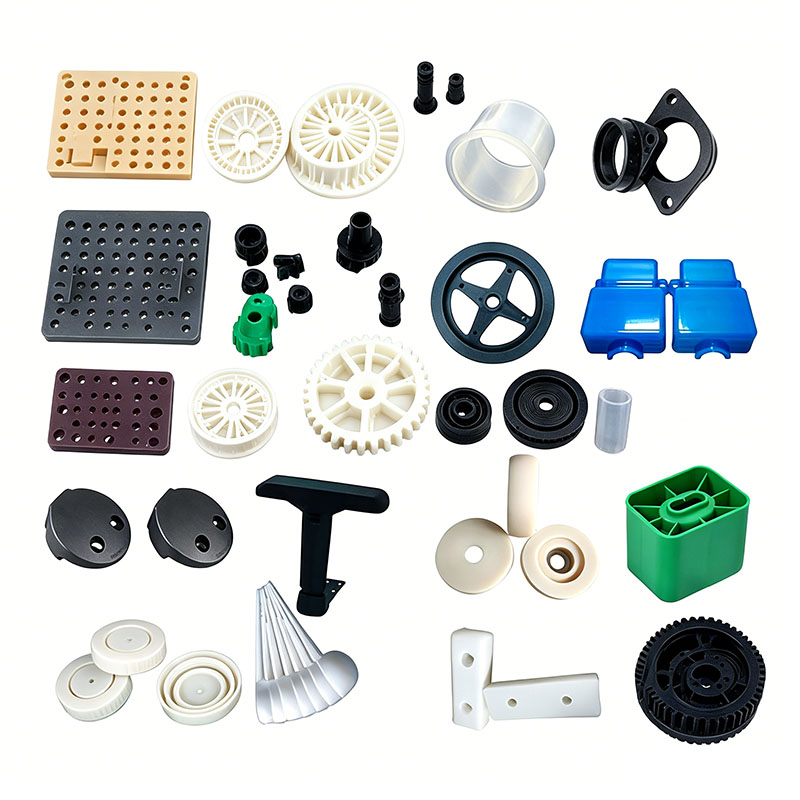
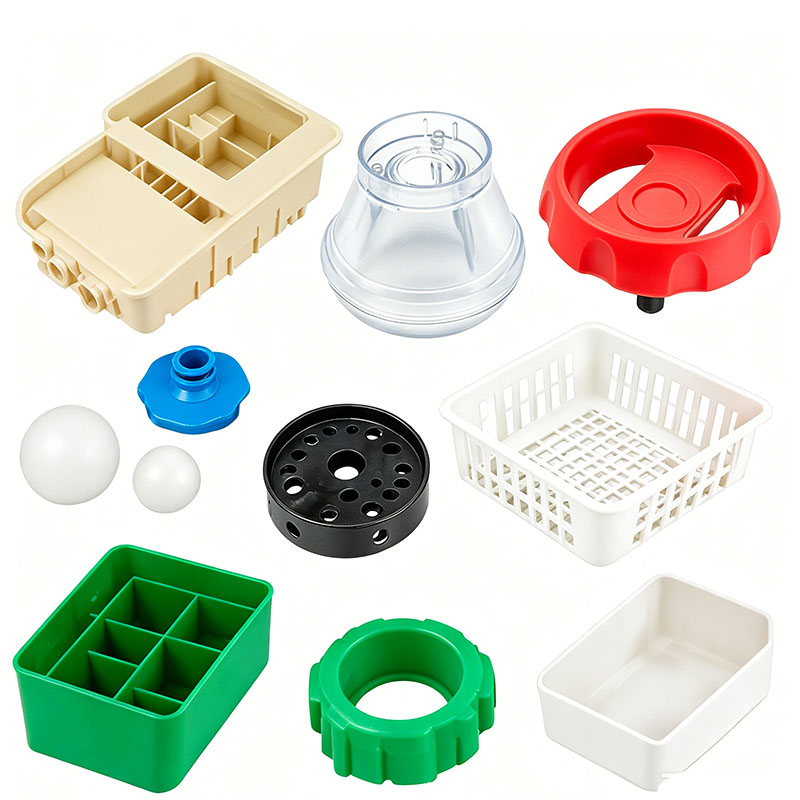
Plastic kids tricycle parts moulding
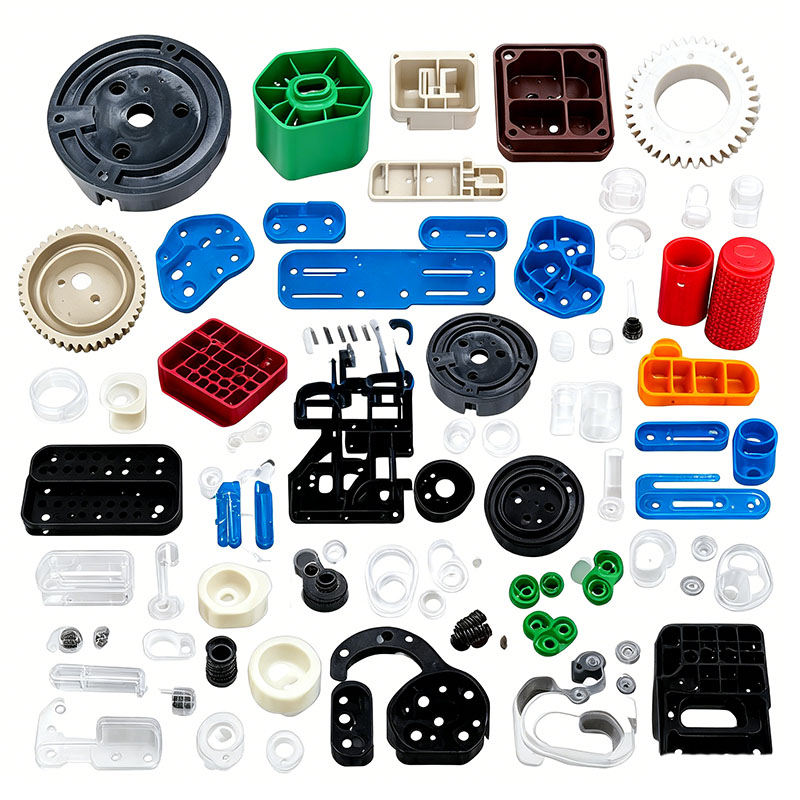
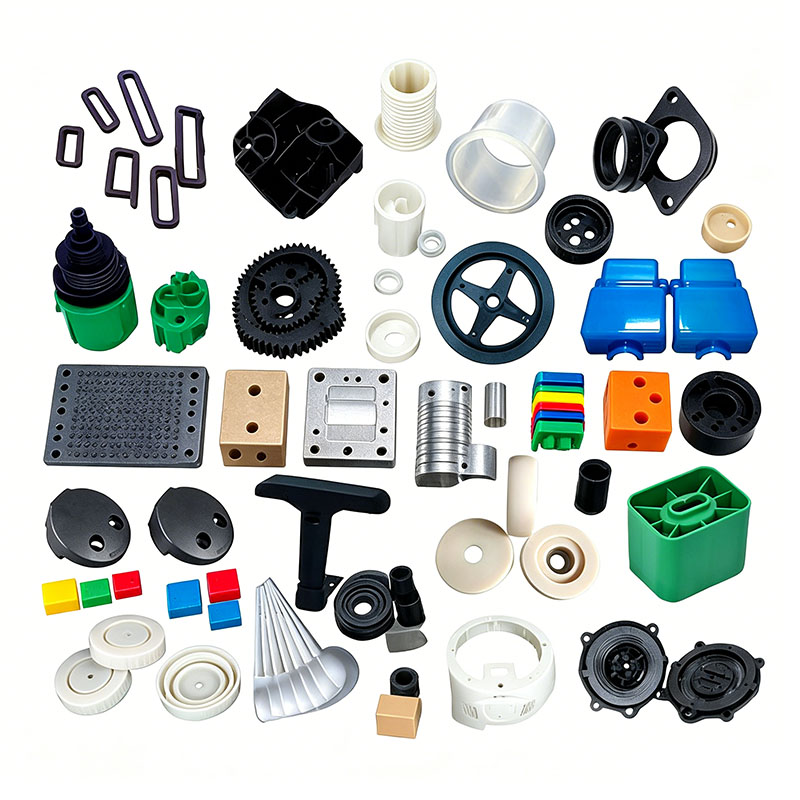
Ningbo (P&M) Plastic Metal Products Co., Ltd. has 17 years of mold manufacturing technology and can customize plastic kids tricycle parts moulding. We provide professional customized plastic kids tricycle parts moulding services, and we are a professional plastic kids tricycle parts moulding manufacturer. We have sufficient experience in selecting product raw materials and mold materials. In the process of customizing plastic kids tricycle parts moulding, our factory can provide one-stop service. We have design and production capabilities related to plastic kids tricycle parts moulding, such as: CAD design, mold manufacturing, injection molding, plastic product production, assembly and other technologies.
Send Inquiry
Product Description
In addition, our company has established cooperative relationships with plastic raw material suppliers, printing manufacturers, etc. to ensure the supply of raw materials and printing quality. Through our rich experience and perfect supply chain, our company can provide customers with high-quality customized plastic kids tricycle parts moulding products to meet their specific needs. At the same time, we have 10 years of professional foreign trade service experience, understand the foreign trade process, and better serve our customers. For plastic kids tricycle parts moulding products, we can make corresponding plastic parts, which is mainly done through injection molds.
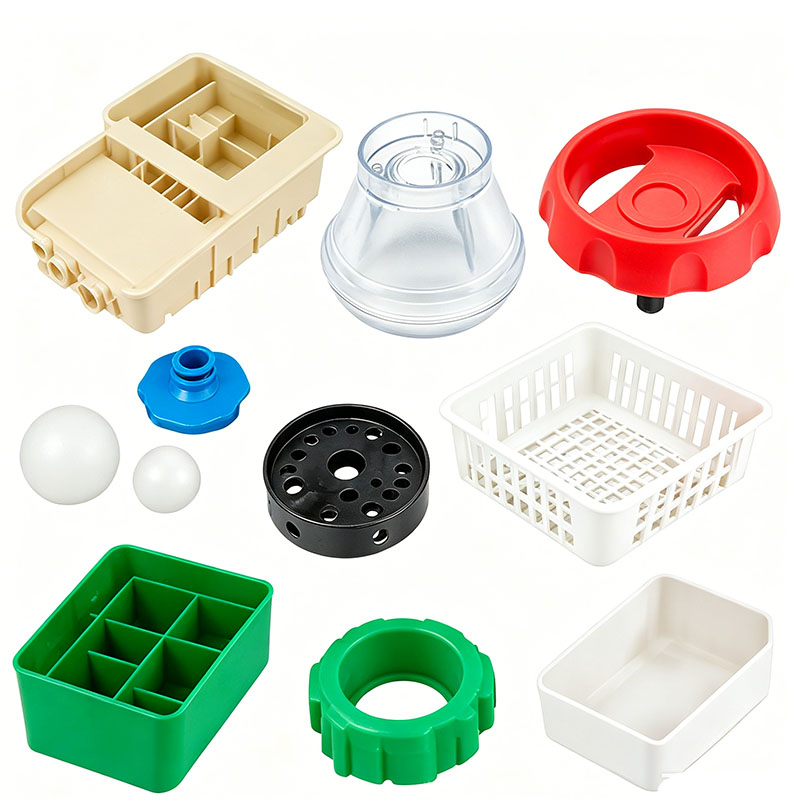
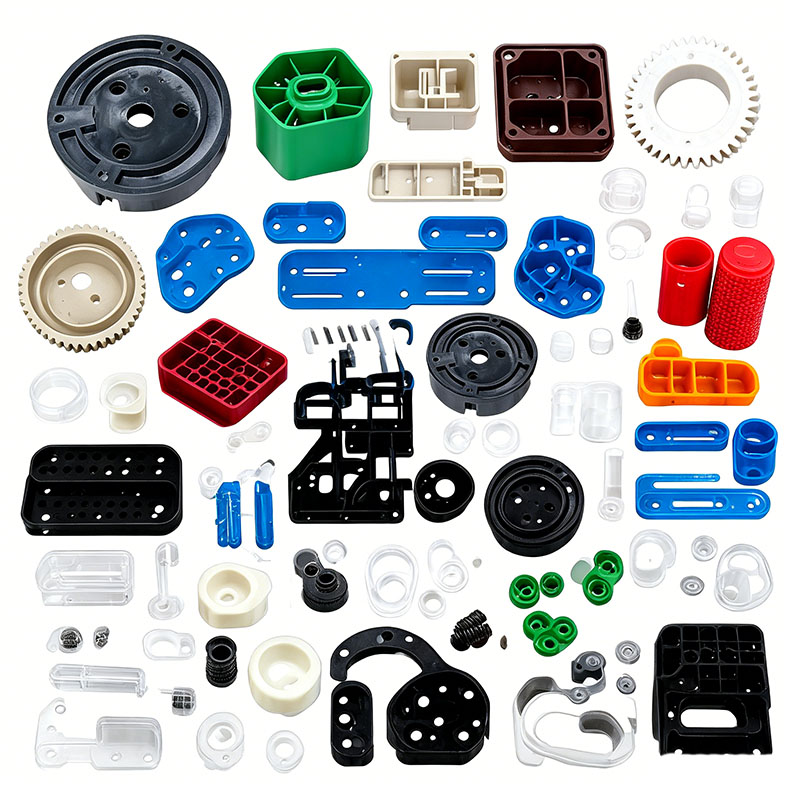
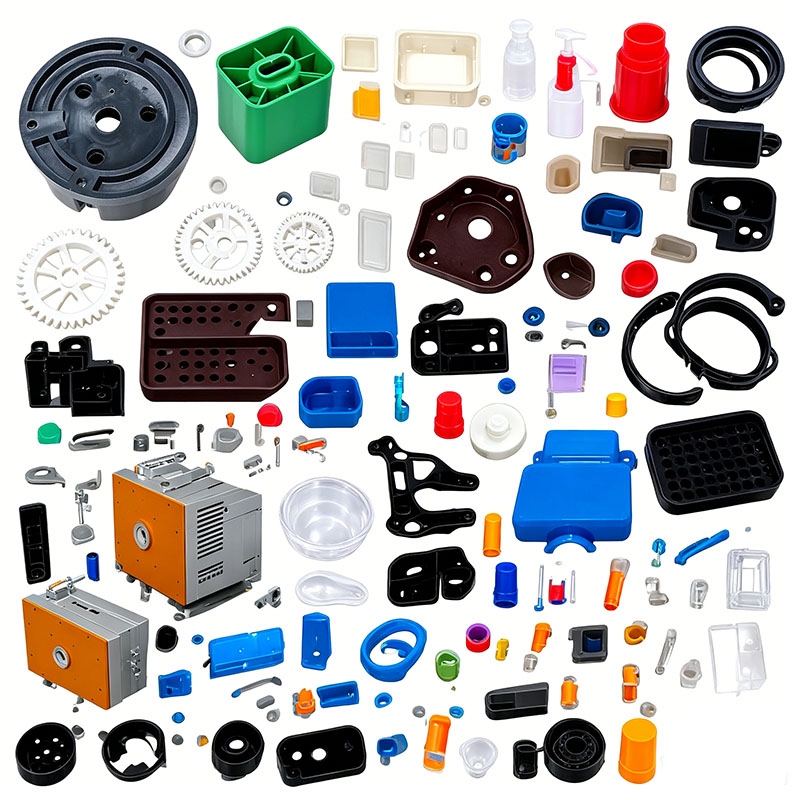
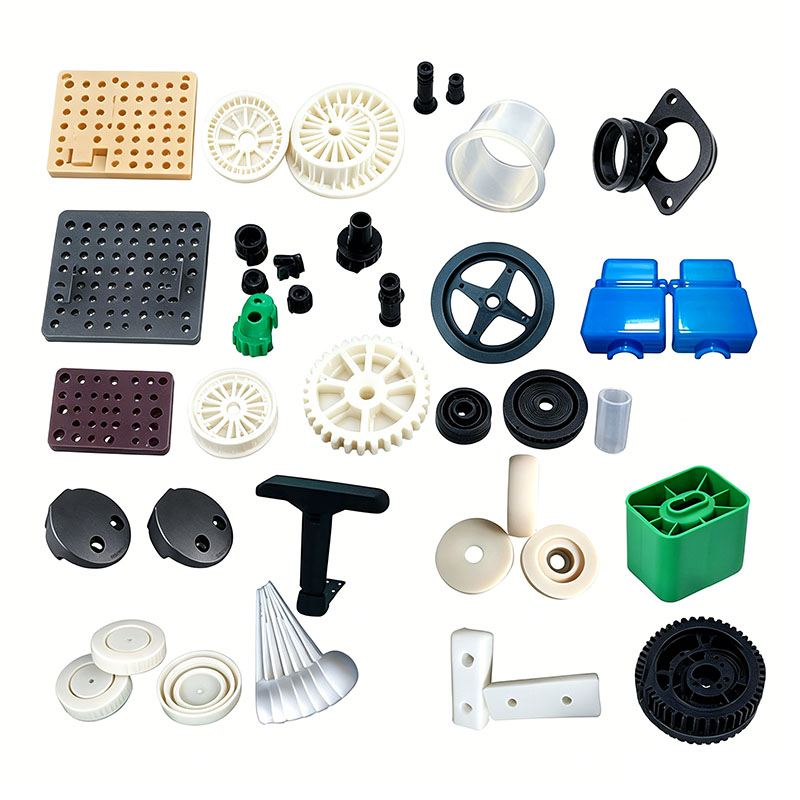
Plastic components for children's tricycles—including the main body shell, pedals, fenders, armrests, seats, wheel covers, handlebar grips, locking mechanisms, and storage compartments—are designed for young children. Key requirements include eco-friendliness (odorless), the absence of sharp burrs, resistance to drops and impacts, tolerance to temperature extremes, and material safety (free from harmful substances). Additionally, they must withstand long-term use involving stomping, drops, and exposure to outdoor sun and rain. Mainstream materials include food-grade modified PP, high-toughness ABS, and soft TPE; toughened PP is used for load-bearing parts, high-gloss ABS for decorative components, and TPE for soft-touch parts. The entire molding process adheres to safety standards for maternal and infant products, focusing on low migration, low internal stress, smooth rounded edges (free of flash), and impact resistance without cracking. The following sections outline the key molding points regarding raw material pretreatment, mold design, injection molding processes, post-processing, and defect prevention.
I. Raw Material Selection and Pretreatment
1. Material Matching and Regrind Control
Toughened modified PP is used for the main body, seat, pedals, and storage compartments, offering drop resistance, weatherability, and hydrolysis resistance at a moderate cost, while being non-irritating to the skin. High-gloss ABS is selected for the body shell, fenders, and decorative panels, providing a smooth surface for easy coloring and high toughness to prevent brittle fracture. Food-grade TPE is used for non-slip armrest covers and soft handlebar grips, offering a soft touch and safety against ingestion (no harmful substance migration) even if chewed.
Strict limits apply to material reuse: The addition of regrind (sprue/runner scrap) is prohibited for load-bearing or skin-contact parts such as seats, pedals, and the main body, as impurities and degradation products in regrind can cause odors and increase the risk of brittle fracture and ingestion upon impact. Only small decorative parts may incorporate up to 10% of virgin regrind of the same material; this must be crushed and sieved to remove coarse particles and prevent stress-related molding defects. Mixing processes utilize only odorless masterbatches and low-migration, eco-friendly mold release agents suitable for maternal and infant products, with no added plasticizers or heavy-metal additives. TPE soft materials are mixed and stored in separate hoppers from rigid PP and ABS to prevent cross-contamination. 2. Mixing Operation Standards
Use a sealed, low-speed vertical mixer operating at 250–300 rpm for 5–8 minutes. Modified PP must not be mixed at high speeds, as frictional heat can damage the internal toughening system and reduce drop resistance; mixing time for TPE should be shortened to prevent the soft material from sticking or clumping due to heat. Mix raw materials of different colors separately to avoid batch-to-batch color variations; seal the mixing barrel after processing to isolate it from workshop dust and oil, preventing black specks or pungent odors in the molded plastic parts.
3. Drying and Dehumidification Standards
ABS is highly hygroscopic; excessive moisture causes silver streaks and internal voids, leading to cracking along these voids upon impact. The drying standard is 3–4 hours of constant hot-air drying at 80°C, keeping moisture content below 0.04%. Modified PP and TPE have extremely low water absorption rates and generally do not require drying in standard workshop conditions; however, in the high-humidity environments of the southern "Plum Rain" season, low-temperature drying at 60°C for one hour is sufficient to remove surface moisture. Transport dried raw materials to the machine via sealed hoppers to prevent re-absorption of atmospheric moisture, thereby minimizing defects such as bubbles and odors at the source.
II. Key Points for Mold Design and Machine Commissioning
The plastic parts for the children's tricycle include large body shells, elongated pedals, small snap-fit components, and soft-touch overmolded parts. Core design principles include full-perimeter rounded corners (radii), balanced cooling, fine venting, and parting lines designed to minimize flash, ensuring no sharp edges pose safety hazards.
Mold Steel Selection
For ABS cosmetic shell cavities, select 718H pre-hardened mirror-finish steel; it polishes to a smooth, scratch-free surface, ensuring a refined appearance for the vehicle body. Cavities for filled modified PP molds undergo nitriding treatment to enhance wear resistance, preventing burr formation during long-term mass production. For TPE soft-touch component molds, select corrosion-resistant S136 steel to prevent additives in the soft material from corroding the cavity. All internal and external corners on the product are designed with radii of R2 or larger to completely eliminate stress concentrations and ensure the absence of sharp edges after demolding. Parting surface machining precision is ≤0.01mm, minimizing micro-flash.
Balanced cooling system (to prevent warpage and shrinkage)
The vehicle body and footboard are thin-walled parts with high aspect ratios; while the nominal wall thickness is 1.8–2.3mm, reinforcing ribs and mounting bosses reach 4–6mm. This uneven thickness makes them prone to shrinkage, warpage, and excessive assembly gaps. The mold utilizes symmetrical, conformal cooling channels, with spiral cooling cores inside thick-walled support bosses to ensure uniform, simultaneous heat dissipation. Zonal mold temperature control is implemented: 50–60°C for ABS cosmetic parts and 30–40°C for toughened PP body parts. Excessive PP mold temperatures exacerbate crystallization shrinkage, leading to undersized parts and loose vehicle assembly; conversely, temperatures that are too low result in high residual internal stress, causing cracking during exposure to fluctuating outdoor temperatures.
Optimized venting and balanced ejection
Given the long melt flow paths across the large body panels, continuous venting slots (0.012mm deep) are incorporated at distal weld lines and rib ends to rapidly exhaust decomposition gases, preventing black spots and odors. Symmetrical multi-point ejector pins and flat ejectors are used for footboards and long housings to ensure uniform ejection force, preventing whitening or deformation caused by uneven pressure. Auxiliary ejector blocks are added for small snap-fits, and low-speed ejection is employed to prevent breakage and debris generation.
Mold installation and operation standards
Large body and footboard molds are paired with 350T–650T injection molding machines, using evenly tightened clamping plates to prevent continuous flash caused by high-pressure injection. Cooling channels are individually tested for leaks, and flow monitors are installed to ensure unobstructed flow. Low-pressure mold protection is calibrated to trigger automatic opening if residual sprue or foreign objects are detected, preventing cavity damage and metal debris contamination. Barrels are thoroughly cleaned before TPE soft-touch material production to eliminate cross-contamination with rigid plastics. III. Key Process Control Points for Injection Molding
Overall process strategy: Low temperature and low shear; two-stage low-pressure holding; sufficient and balanced cooling. The goal is to minimize internal stress while meeting three key requirements: no odor, high toughness, and dimensional stability.
Precise zoned temperature control of the barrel
ABS body trim: Feed zone 160–170°C, middle zone 180–190°C, nozzle 195–205°C. Temperatures must strictly not exceed 210°C; excessive heat causes material degradation, releasing pungent odors and significantly reducing toughness.
Toughened PP footboards and body parts: 190–220°C, nozzle 210°C. Excessive temperatures cause toughening agents to migrate to the surface, resulting in whitening or "blooming" (frosting).
TPE soft sleeves: 170–190°C. Excessive temperatures cause the soft material to become tacky and exude oily substances.
Zoned variable-speed filling process
Long footboards and body parts utilize a three-stage variable-speed filling process: low-speed buffering at the gate; medium-to-high speed filling in the middle of the cavity; and reduced speed for venting at the final weld line location to minimize shear-induced internal stress. Injection pressure: 75–105 bar. Insufficient pressure results in weak weld lines, making the casing prone to fracture if a child falls; excessive pressure causes fine flash at the parting line, posing risks of scratching or accidental ingestion.
Two-stage graded holding pressure
PP exhibits significant crystallization shrinkage; therefore, a two-stage graded holding pressure is applied to compensate for shrinkage and eliminate sink marks on the underside of footboards and seats. Holding time is 6–9 seconds for thin-walled trim and 12–18 seconds for thick-walled, load-bearing footboards. Holding pressure and material plasticization (recovery) occur simultaneously to shorten the molding cycle. Holding pressure should not be excessive to prevent "whitening" or hidden cracks at the ejector pin locations.
Cooling and part removal specifications
Cooling time is calculated at 3–4 seconds per 1 mm of wall thickness; the 2 mm body shell requires 8–12 seconds of cooling. Insufficient cooling results in parts that appear flat upon demolding but undergo continued shrinkage and deformation during storage, leading to assembly issues such as binding or excessive gaps. The mold opening and ejection processes must be smooth and slow; an automated robotic arm is used for part removal, and manual contact with cosmetic parts is strictly prohibited to prevent odor-causing oil contamination. After removal, parts must be laid flat on a level fixture; stacking or compressing hot parts is forbidden to prevent permanent warping.
We are a plastic kids tricycle parts moulding manufacturer, providing high-quality plastic kids tricycle parts moulding manufacturing. As long as you want to customize/develop plastic kids tricycle parts moulding products, you can find us. We have professional injection mold design and mature manufacturing technology, providing you with one-stop service, from product design-mold making-product production-product packaging-product transportation, we can help you in every link. As long as you come to us, we will provide you with the ultimate service and satisfy you in terms of product quality, production time, information dialogue, etc.
|
Product Name |
Treadmill moulding |
|
Pls provide |
2D, 3D, samples, or the size of the multi-angle pictures |
|
Mould Time |
20-35 Days |
|
Product time |
7-15 Days |
|
Mould precision |
+/-0.01mm |
|
Mould life |
50-100 million shots |
|
Producing Process |
Audit drawings - mold flow analysis - design validation - Custom Materials - mold processing - core processing - electrode machining - Runner system processing - parts processing and procurement - machining acceptance - cavity surface treatment process - complex mode Die - The entire mold surface coating - Mounting plate - mold sample - sample test - sending samples |
|
Mould cavity |
One cavity, multi-cavity or same different products be made together |
|
Mould material |
P20,2738,2344,718,S136,8407,NAK80,SKD61,H13 |
|
Runner system |
Hot runner and cold runner |
|
Base material |
P20,2738,2344,718,S136,8407,NAK80,SKD61,H13 |
|
Finish |
Pitting the word, mirror finish, matte surface, striae |
|
Standard |
HASCO, DME or dependent upon |
|
Main technology |
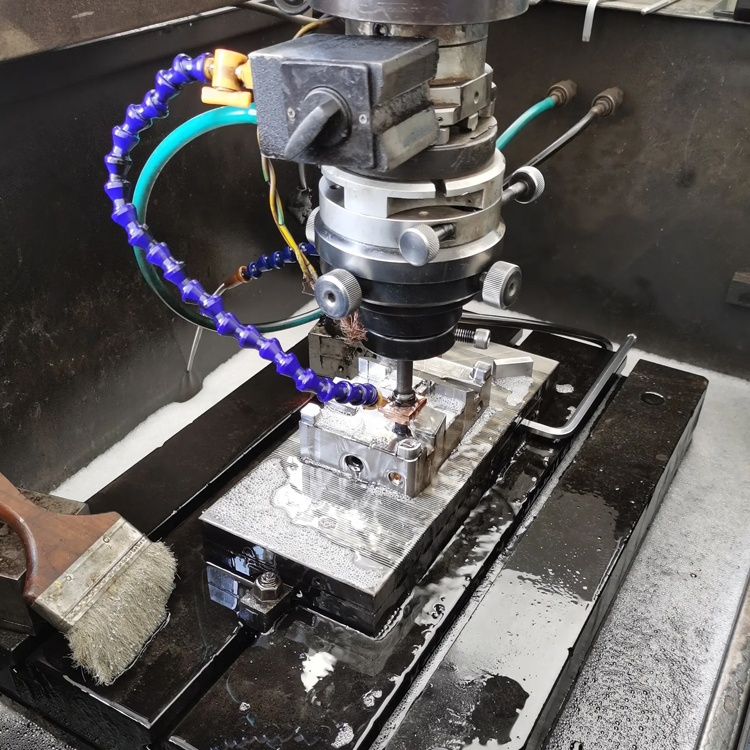
Milling, grinding, CNC, EDM, wire cutting, carving, EDM, lathes, surface Finish, etc. |
|
Software |
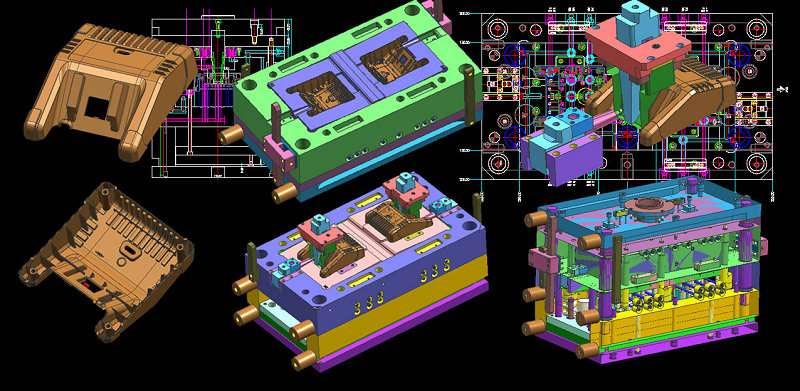
CAD,PRO-E,UG Design Time: 1-3 days (normal circumstances) |
|
Product material |
ABS,PP,PC,PA6,PA66,TPU,POM,PBT,PVC,HIPS,PMMA,TPE,PC/ABS,TPV,TPO,TPR,EVA,HDPE,LDPE,CPVC,PVDF,PPSU.PPS. |
|
Quality system |
ISO9001:2008 |
|
Establish time |
20days |
|
Equipment |
CNC,EDM,Cutting off Machine,plastic machinery,etc plastic suitcase mould zhe jiang |
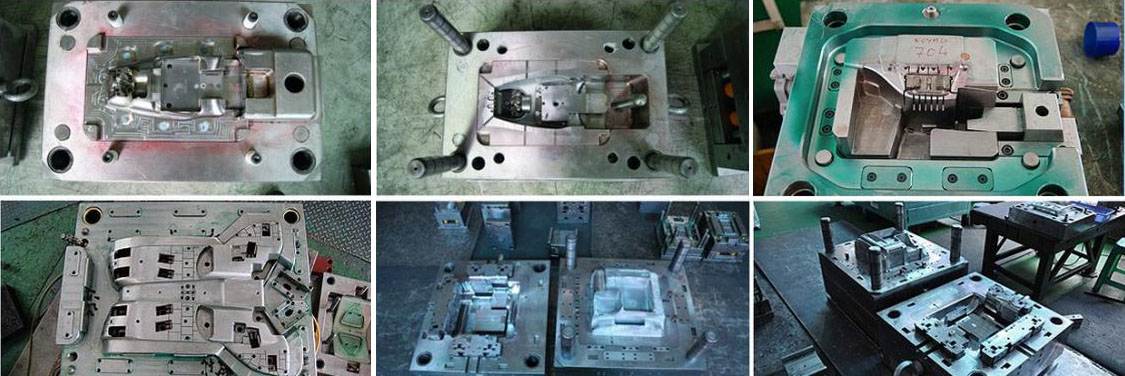
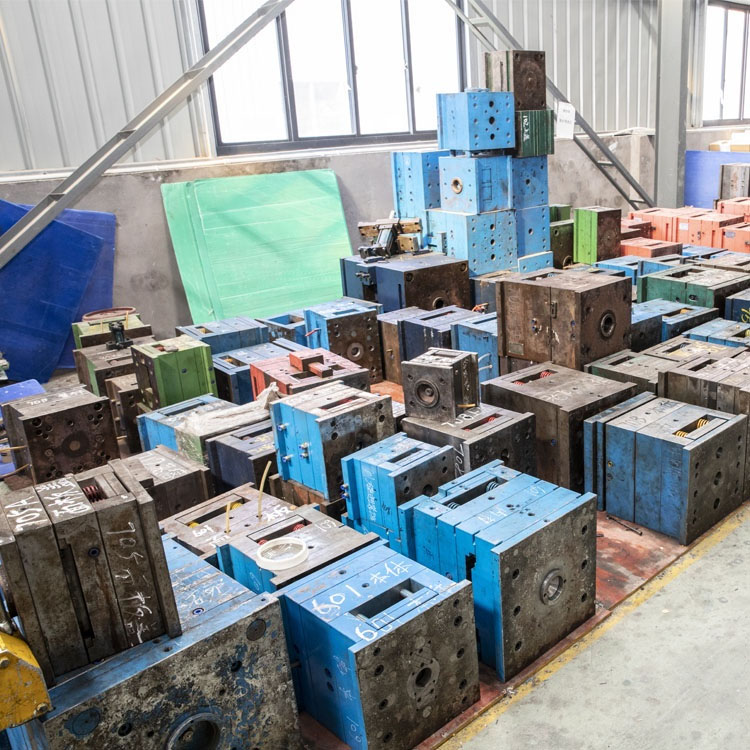
Plastic Injection Mould making
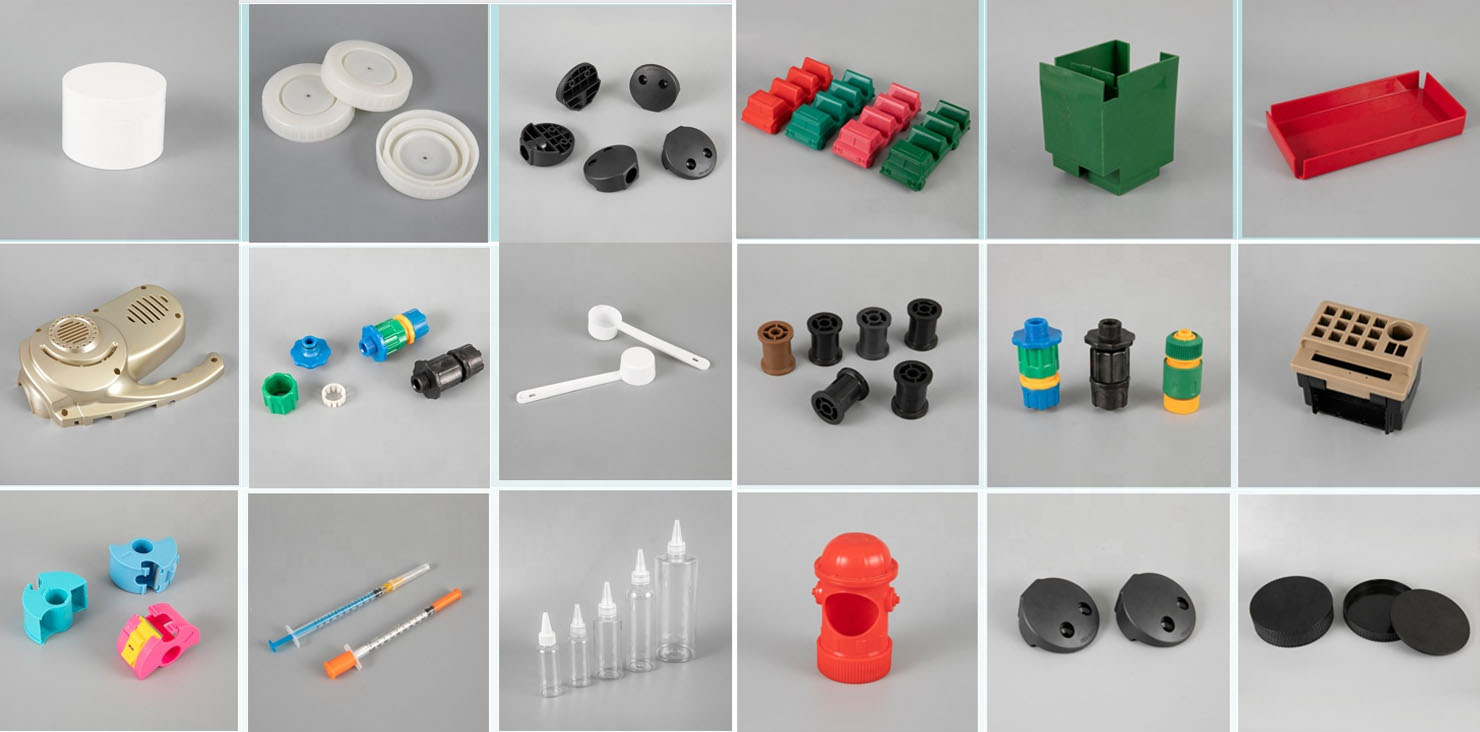
Plastic molding specifications
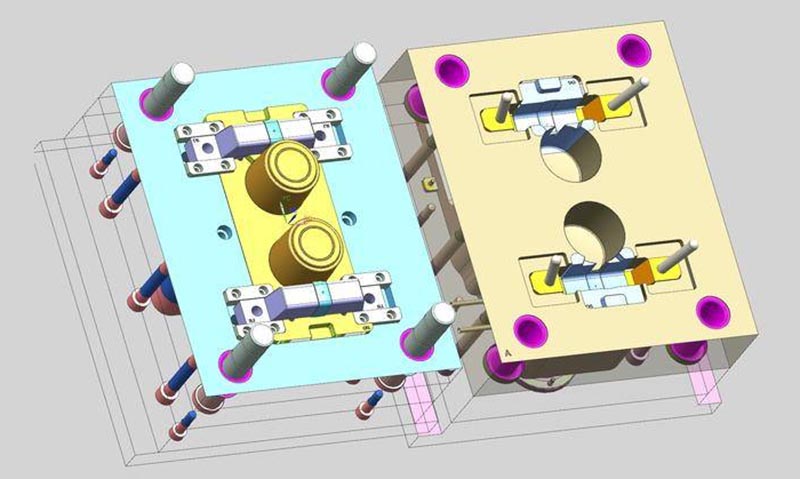
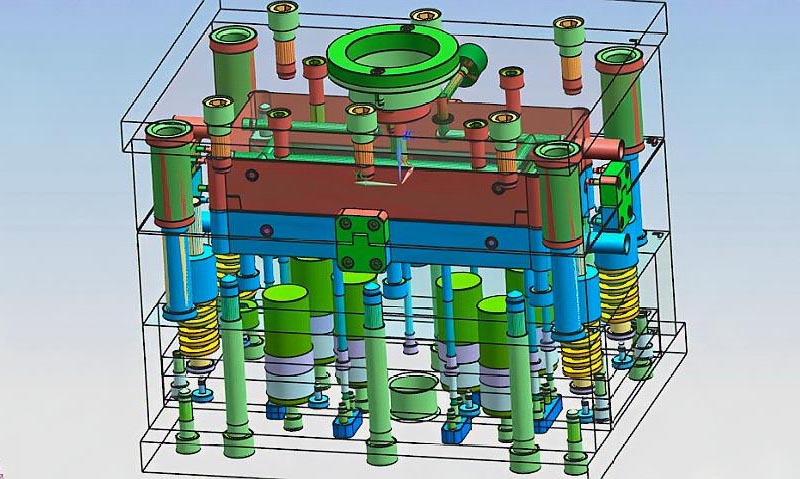
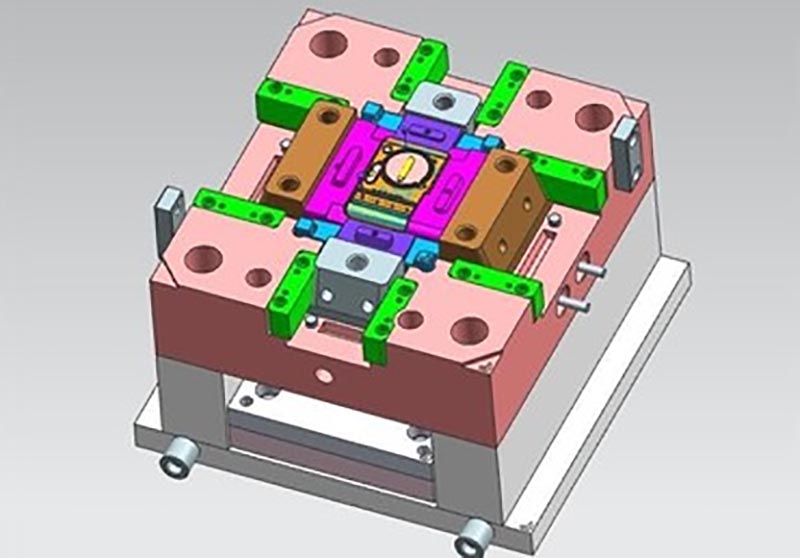
Mold design:
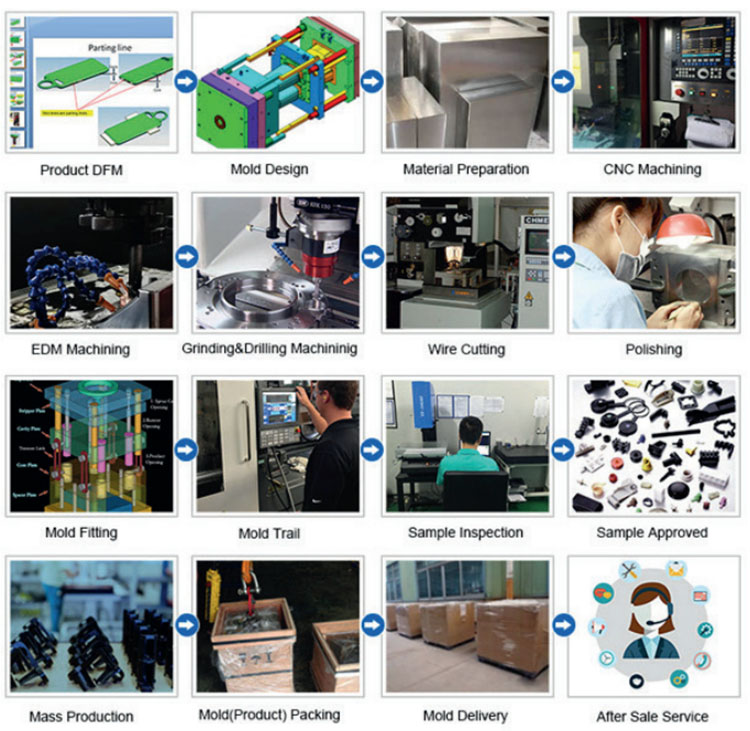
Transaction process:
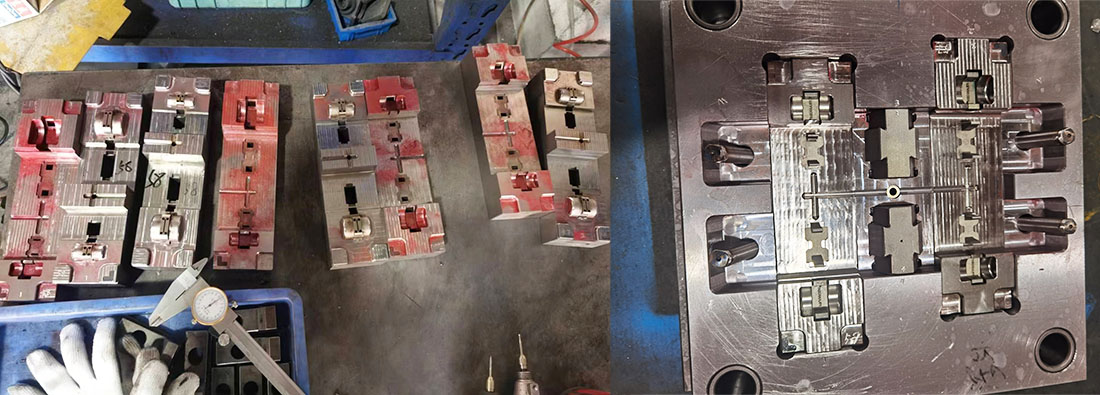
Mold testing:

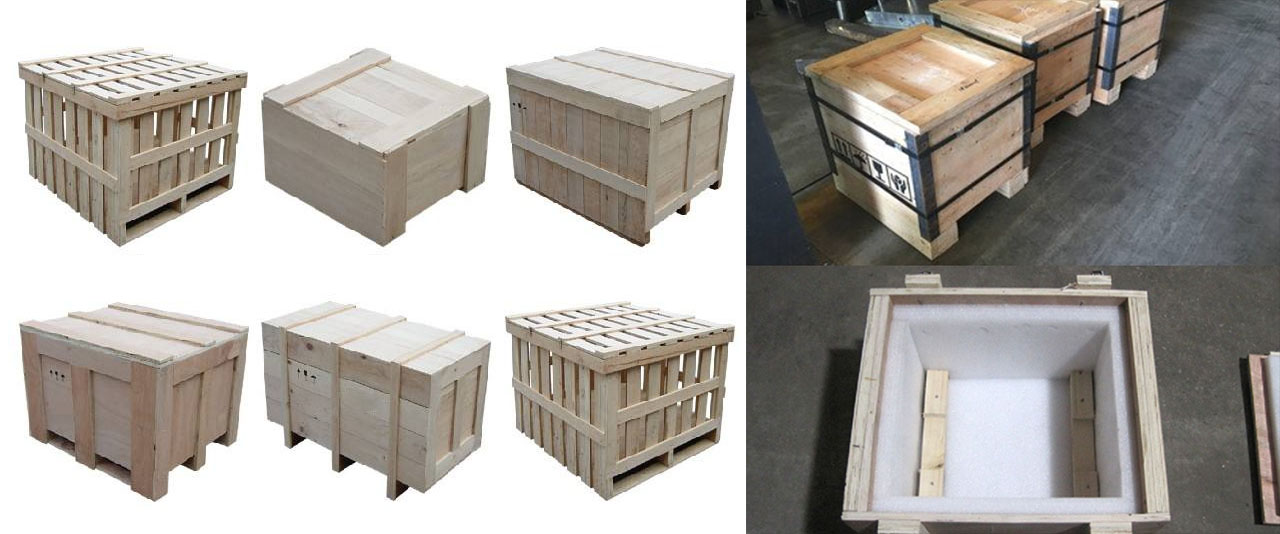
Product packaging
Factory
We are Custom Plastic Mold factory. Our factory is plastic injection mold maker. we has 17 years of experience in professional custom plastic mold and 10 years of foreign trade experience. We are custom Plastic Mold supplier. We can provide custom Plastic Mold service. Our factory can make the Injection molded plastic parts, and the quality of the products will satisfy you.
We have more than 50 high-end machines and hundreds of engineers and designers. We can provide one-stop service, from product design - mold making - product production - product packaging - transportation. We have a complete production chain. We can meet all your requirements.
Services we provide:
Professional custom mold service, Plastic mold design and manufacturing .plastic product production, product design, mold design, blow mold customization, rotational mold customization, die-casting mold customization. 3D printing services, CNC manufacturing services, product packaging, customized packaging, shipping services.
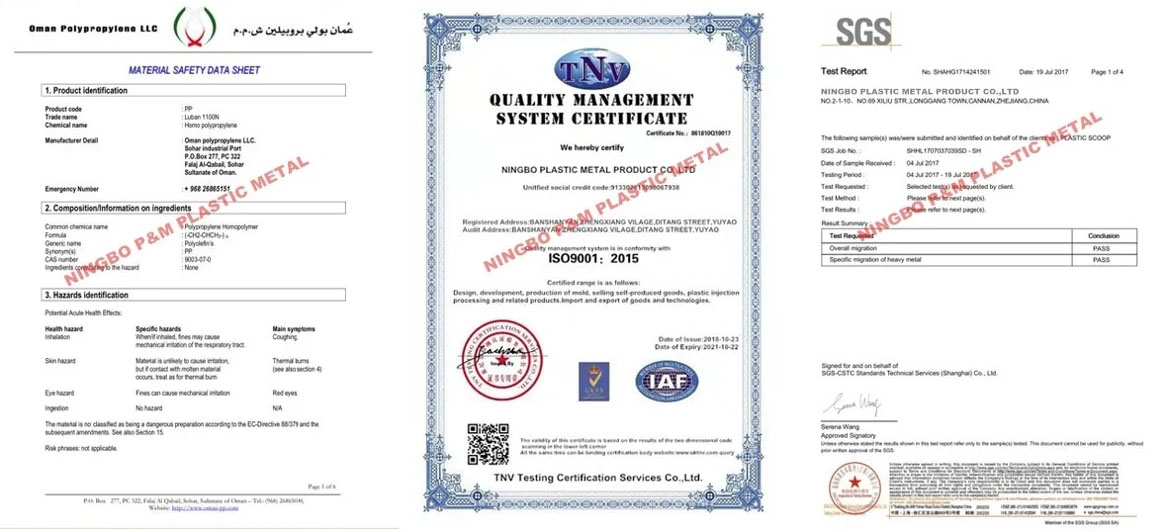

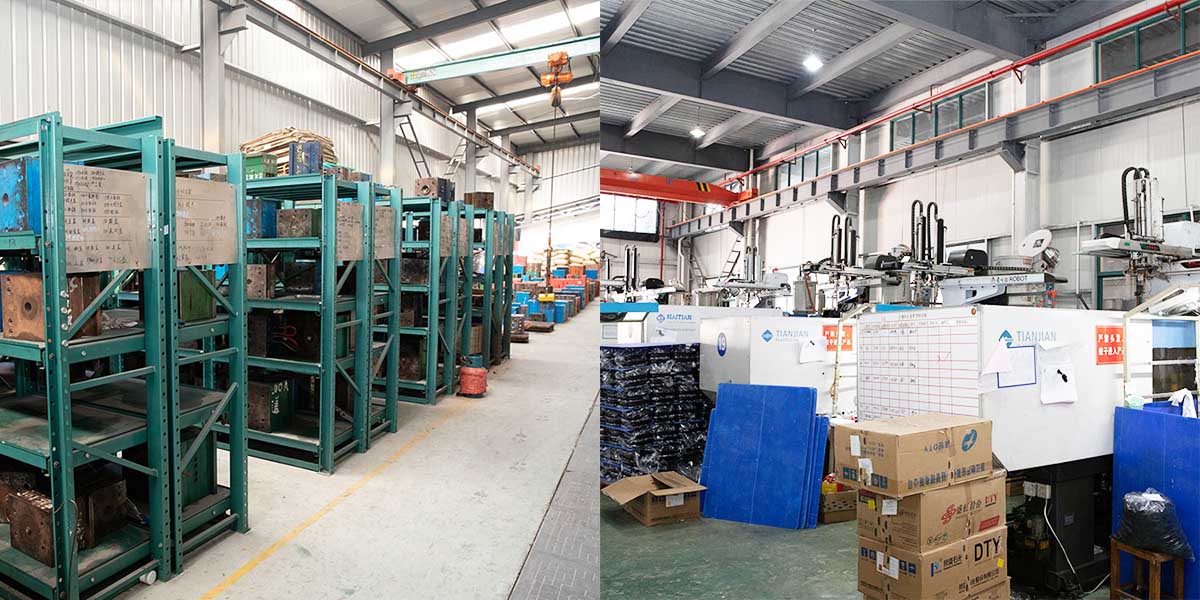
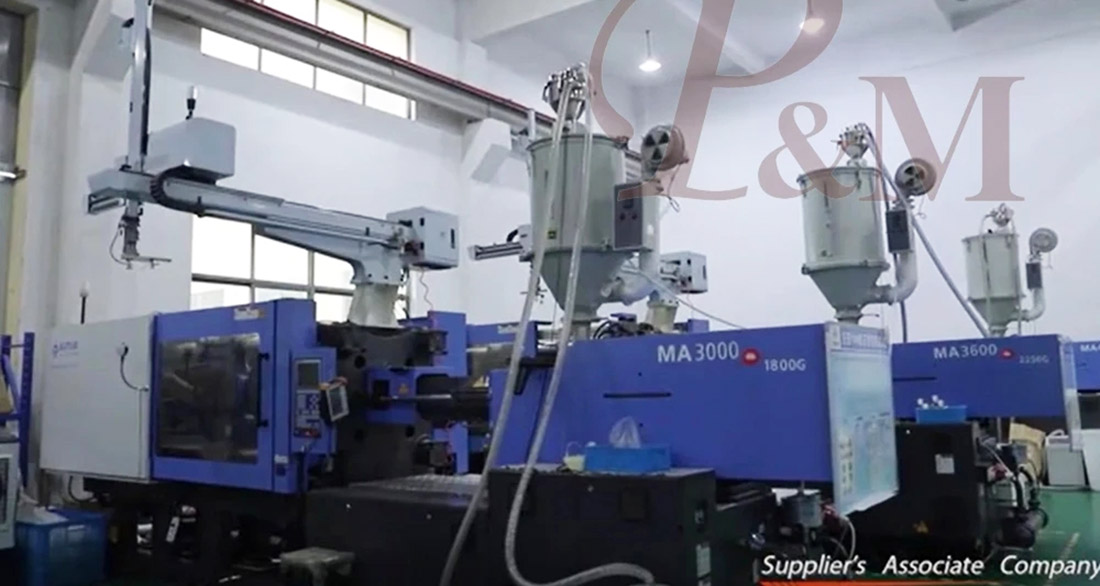
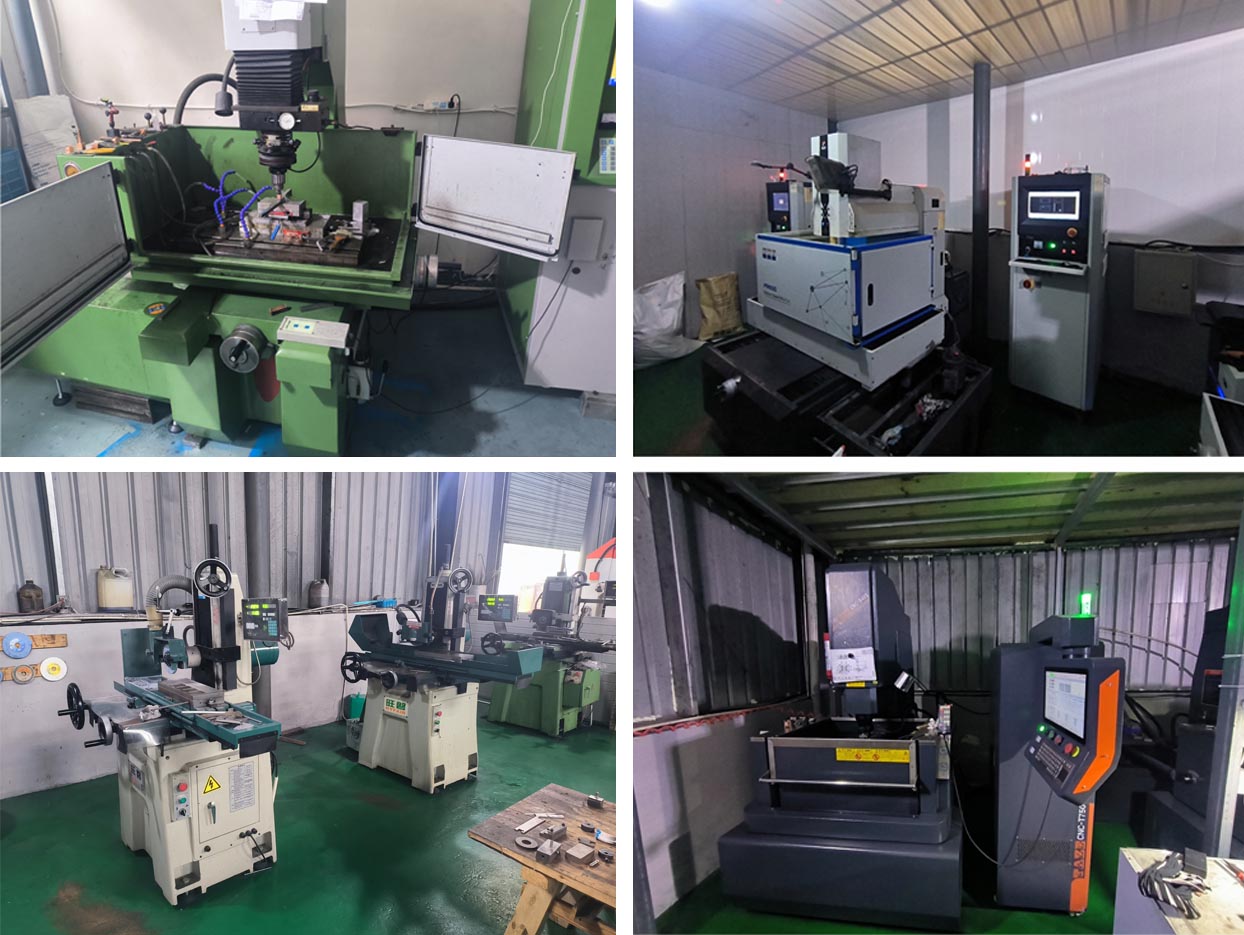
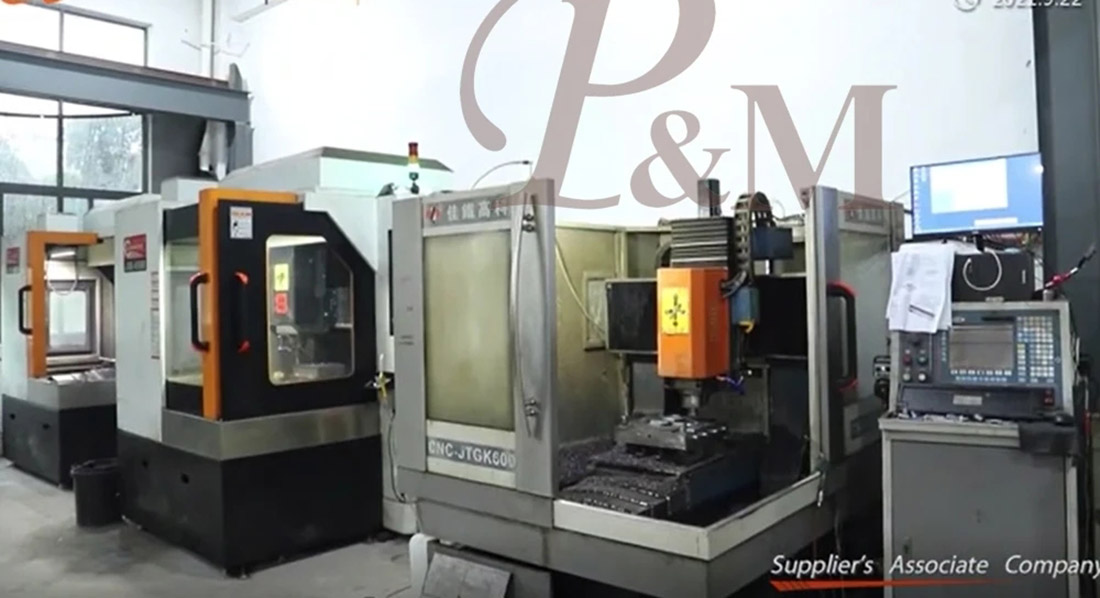
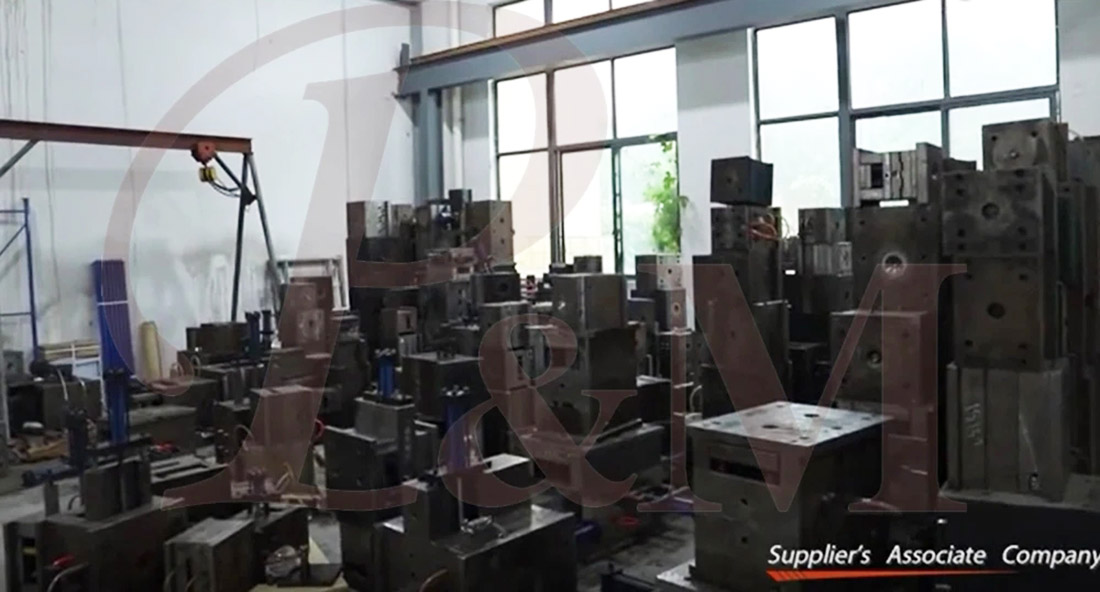
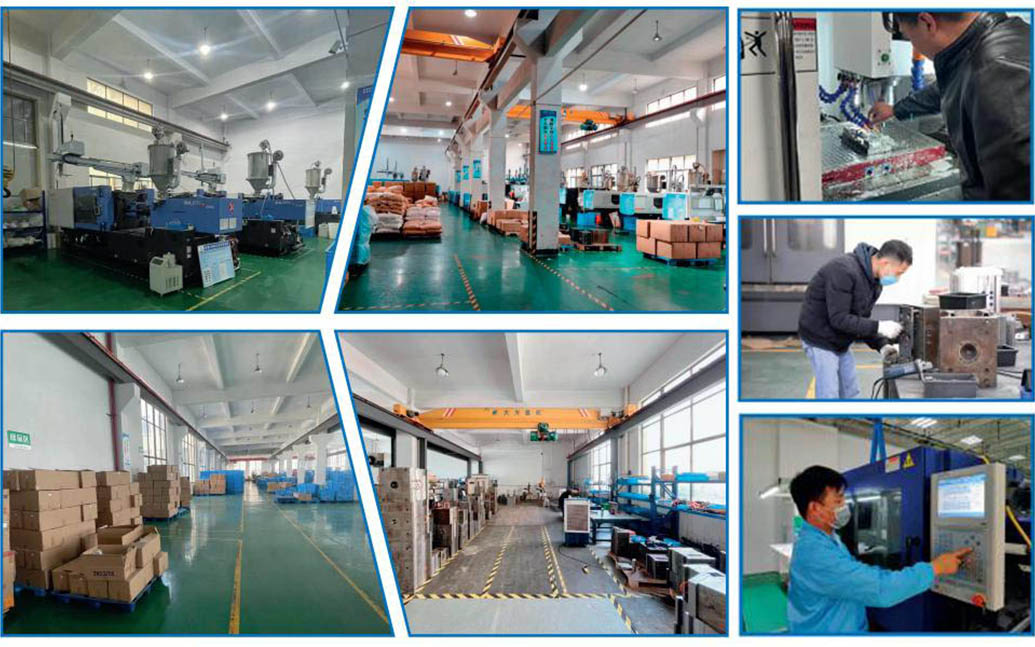
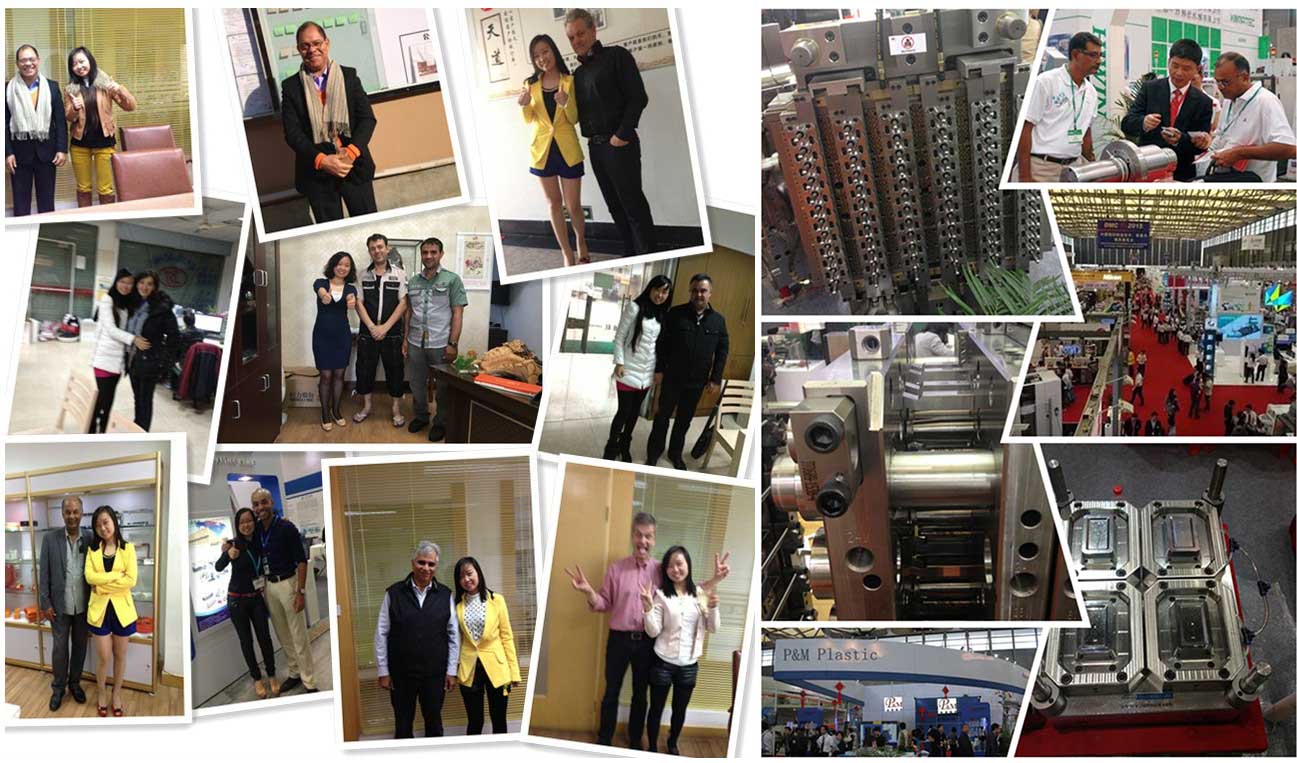
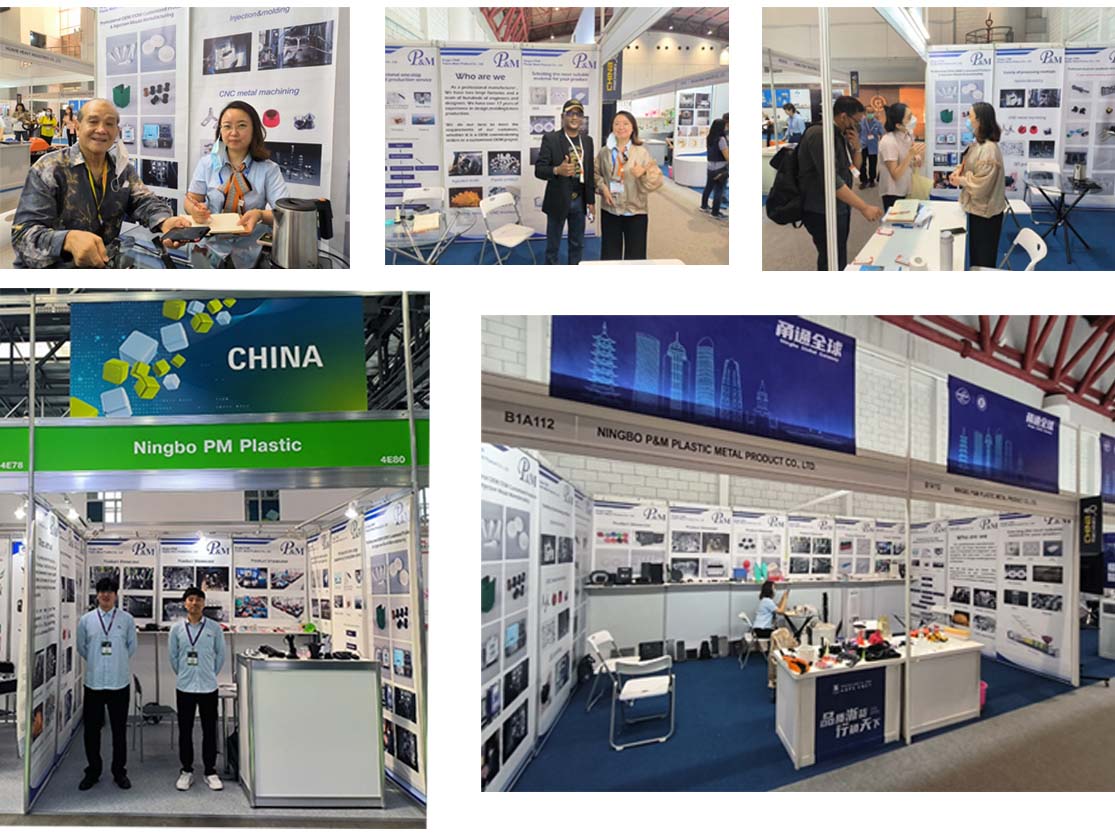
We always adhere to the principles of quality first and time first. While providing customers with the highest quality products, try to maximize the production efficiency and shorten production time. We are proud to tell every customer that our company has not lost any customer since its establishment.If there is a problem with the product, we will seek a solution actively and take responsibility to the end.

FAQ
Q1: Are you trading company or manufacturer ?
A: We are manufacturers.
Q2. When can I get the quotation?
A: We usually quote within 2 days after we get your inquiry.
If you are very urgent, please call us or tell us in your email so that we can quote for you first.
Q3. How long is the lead-time for mold?
A: It all depends on the products' size and complexity. Normally, the lead time is 25 days.
Q4. I have no 3D drawing, how should I start the new project?
A: You can supply us a molding sample, we will help you finish the 3D drawing design.
Q5. Before shipment, how to make sure the products quality?
A: If you don't come to our factory and also don't have the third party for inspection, we will be as your inspection worker.
We will supply you a video for production process detail include process report, products size structure and surface detail, packing detail and so on.
Q6. What is your payment terms?
A: Mold Payment: 40% deposit by T/T in advance, 30% second mold payment before sending out the first trial samples, 30% mold balance after you agree the final samples.
B:Production Payment: 50% deposit in advance, 50% before sending out the final goods.
Q7: How do you make our business long-term and good relationship?
A:1. We keep good quality and competitive price to ensure our customers benefit for best quality products.
2. We respect every customer as our friend and we sincerely do business and make friends with them, no matter where they come from.
Hot Tags: Plastic kids tricycle parts moulding, China, Manufacturer, Supplier, Factory, Customized, Wholesale, Buy, Quality, Latest Selling, Made in China
Related Category
Send Inquiry
Please feel free to give your inquiry in the form below. We will reply you in 24 hours.