
Product
- Core Customization Service
- Health Care
- Electronic Appliances and Instruments
- Maternal and Child Supplies Molds
- Recreational Sports
- Home Furnishing Art
- Auto Accessories
- Transportation and Warehousing
- Lighting Fixtures
- Construction Equipment
- Packaging Product
- Educational & Laboratories
- Clothing Luggage Accessories
- Care and Cleaning Products
- Agriculture & Forestry
- Mechanical Equipment
- Pet Supplies
- Kitchenware
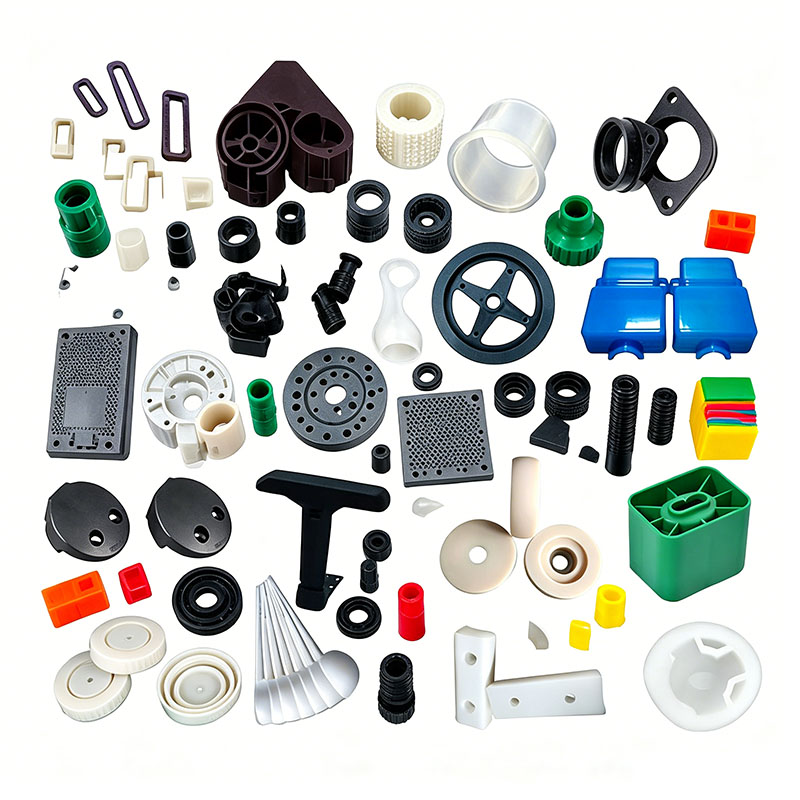
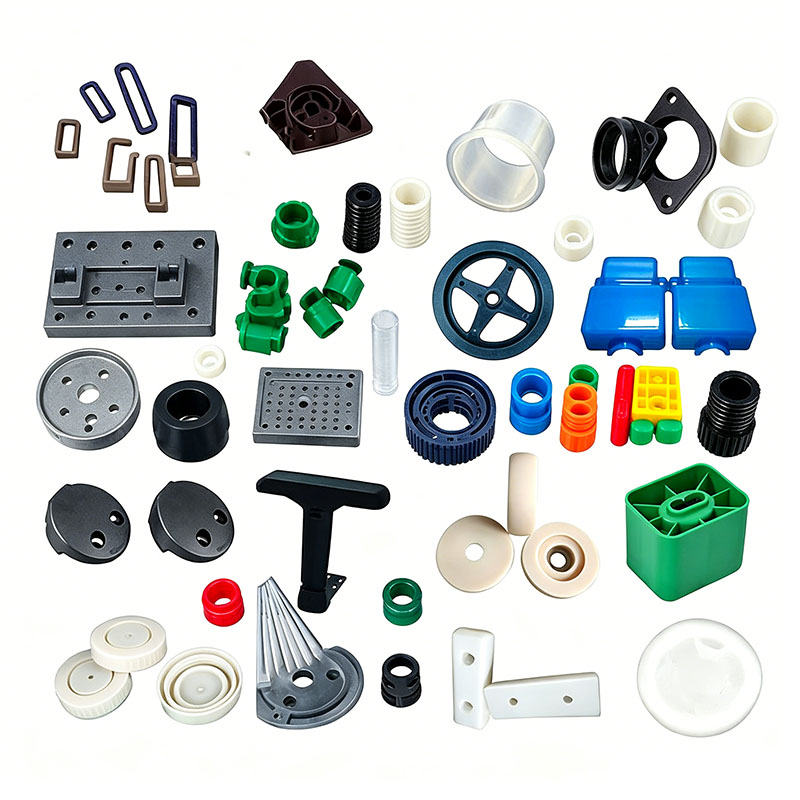
Plastic lighter parts moulding
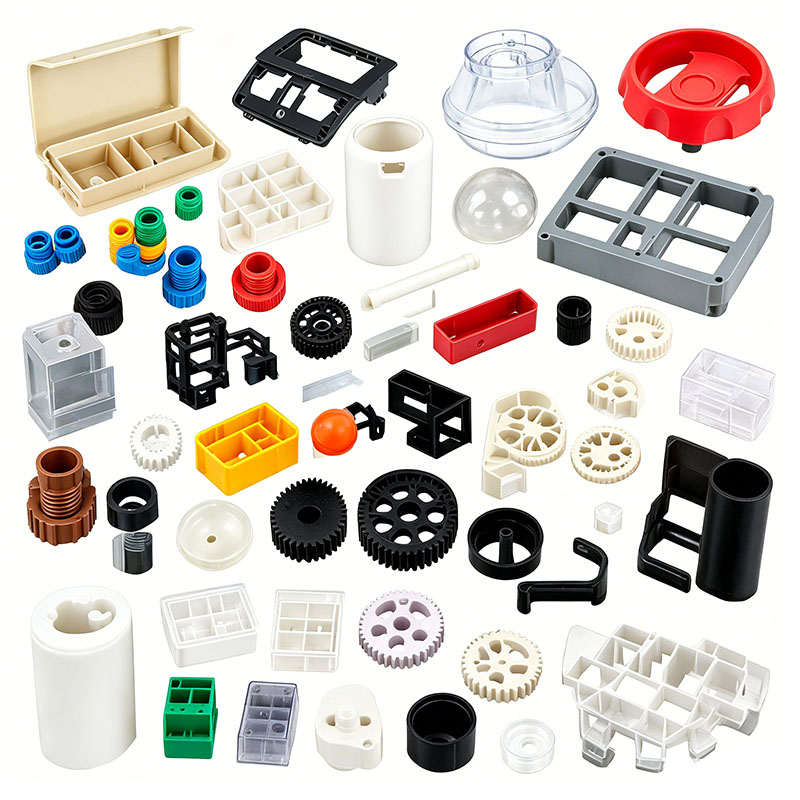
Ningbo (P&M) Plastic Metal Products Co., Ltd. has 17 years of mold manufacturing technology and can customize plastic lighter parts moulding. We provide professional customized plastic lighter parts moulding services, and we are a professional plastic lighter parts moulding manufacturer. We have sufficient experience in selecting product raw materials and mold materials. In the process of customizing plastic lighter parts moulding, our factory can provide one-stop service. We have design and production capabilities related to plastic lighter parts moulding, such as: CAD design, mold manufacturing, injection molding, plastic product production, assembly and other technologies.
Send Inquiry
Product Description
In addition, our company has established cooperative relationships with plastic raw material suppliers, printing manufacturers, etc. to ensure the supply of raw materials and printing quality. Through our rich experience and perfect supply chain, our company can provide customers with high-quality customized plastic lighter parts moulding products to meet their specific needs. At the same time, we have 10 years of professional foreign trade service experience, understand the foreign trade process, and better serve our customers. For plastic lighter parts moulding products, we can make corresponding plastic parts, which is mainly done through injection molds.
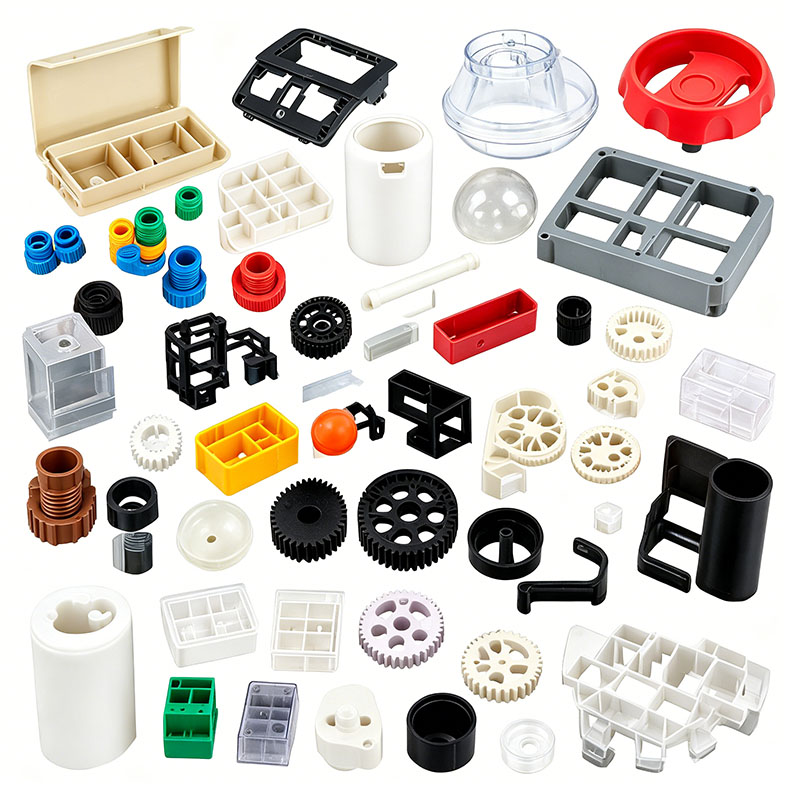
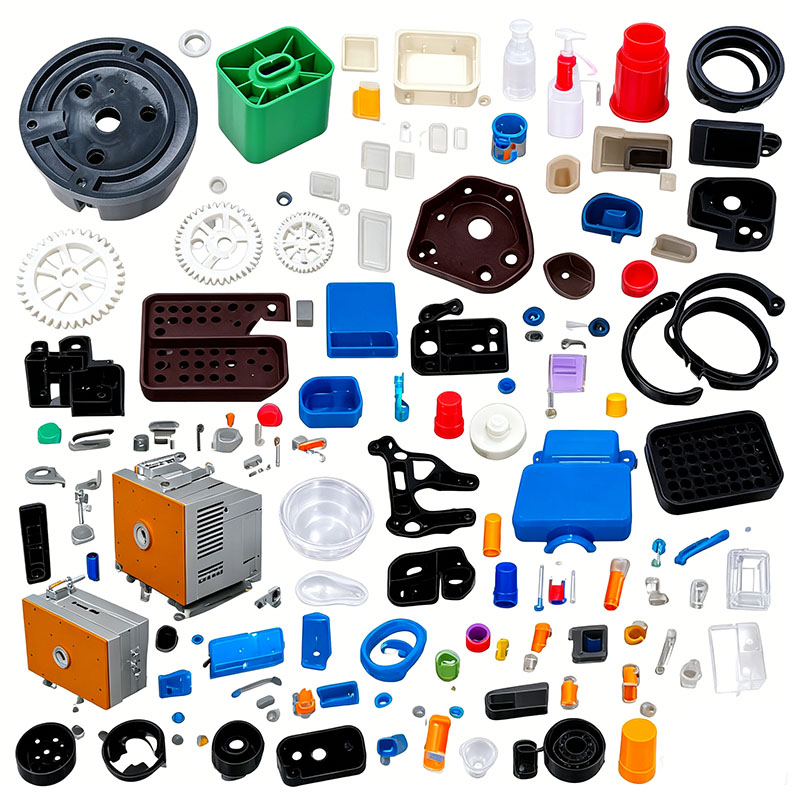
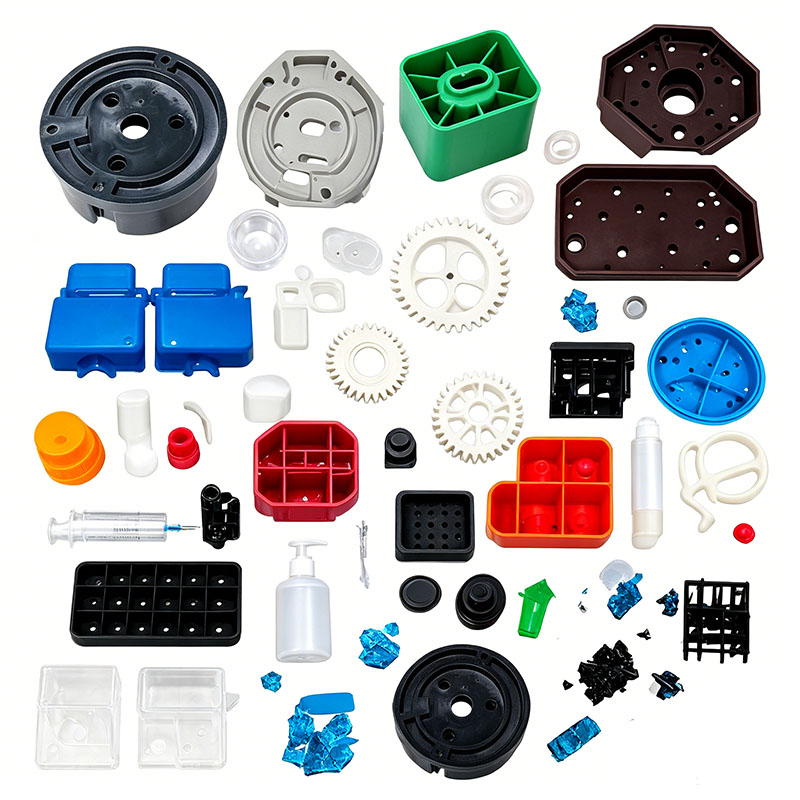
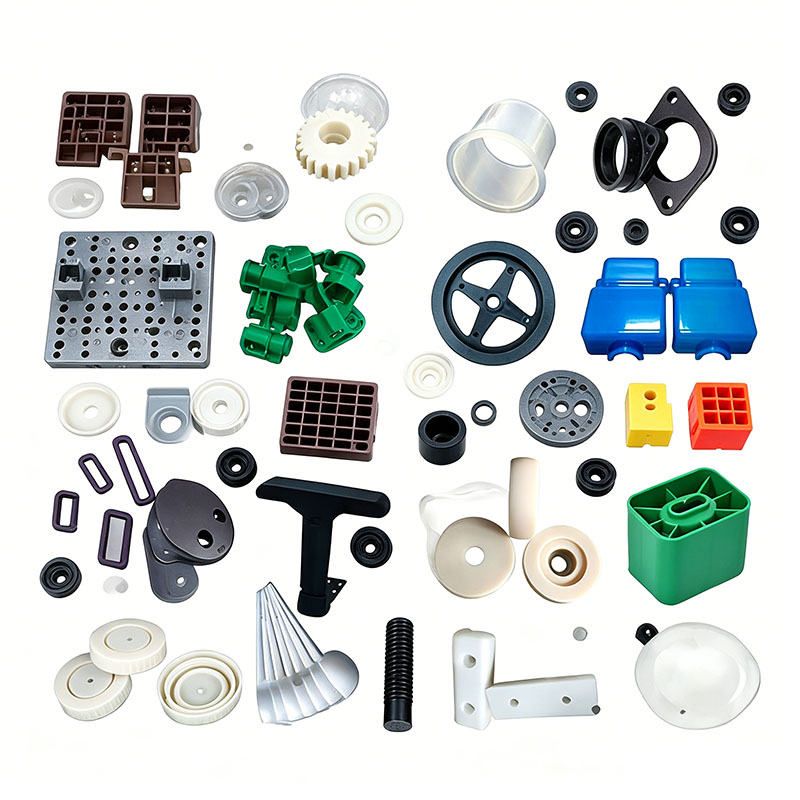
Plastic lighter components—including the casing, gas reservoir, top cap, windshield, ignition button, adjustment slider, base, and transparent viewing window—are classified as small, multi-cavity, precision injection-molded parts. These products must meet rigorous safety standards regarding explosion resistance, flame retardancy, impact resistance, crack resistance, and airtightness, all while operating across wide temperature ranges and containing high-pressure liquid butane. Due to the parts' minute dimensions, thin walls, and high-cavity mold configurations, the molding process is highly susceptible to critical defects such as short shots, weld lines, micro-cracks, and flash-induced leakage. The complete manufacturing process comprises five core stages: raw material pretreatment, multi-cavity mold setup and tuning, injection molding cycles, post-processing/finishing, and multi-stage safety performance testing. Throughout the process, strict controls are maintained to ensure explosion-proof airtightness, low internal stress, the absence of sharp flash, and stable flame retardancy.
I. Raw Material Warehousing and Pretreatment
Components subject to pressure and explosion-proof requirements demand raw materials with exceptional toughness, low-temperature resistance, and flame retardancy; material selection and pretreatment constitute the first line of defense for safety.
Raw Material Classification and Matching
High-impact modified PP and flame-retardant copolymer PP are selected for the casing, gas reservoir body, and ignition button; these materials offer high toughness, resistance to butane solvents, and resistance to cracking during low-temperature drops, alongside inherent flame-retardant properties. High-toughness transparent GPPS or food-grade PC is used for the transparent fuel-level viewing window, while high-gloss ABS is used for the windshield and small decorative parts.
Strict Prohibition on Material Recycling: The use of recycled regrind (sprue/runner scrap) is strictly prohibited for pressure-bearing, airtight components such as gas reservoirs and casings. Molecular degradation in regrind reduces toughness, making parts prone to cracking and leakage under pressurized gas loads—posing a risk of explosion. Only small decorative parts may incorporate up to 5% of regrind of the same material type, provided it has been pulverized and sieved to remove coarse particles. During the mixing process, non-migrating, eco-friendly masterbatches and low-volatility mold release agents are used to prevent swelling reactions between additives and butane, which could otherwise cause casing leakage. Flame-retardant PP is mixed and stored separately from standard PP and ABS to avoid compromising its flame-retardant properties.
Mixing Process Control
A small, low-speed vertical mixer is used, operating at 250–280 rpm for a duration of 5–8 minutes. Modified PP must not undergo prolonged high-speed mixing; frictional heat buildup can damage the internal toughening system and reduce drop-impact resistance. Raw materials of different colors are mixed separately to prevent batch-to-batch color variations. After mixing, the material hopper is sealed to exclude dust; fine dust entering a multi-cavity mold can easily clog tiny venting channels, resulting in black spots or airtightness defects.
Standardized Drying and Dehumidification
ABS and PC (used for transparent parts) are highly hygroscopic; trace amounts of moisture can form micro-bubbles inside the molded parts, leading to cracking and gas leakage under pressure. Standard drying for ABS involves a constant temperature of 80°C for 3 hours, while PC viewing windows are dried at 110°C for 4 hours using a dehumidifying dryer, keeping moisture content below 0.04%. Modified PP has extremely low water absorption; under normal workshop conditions, drying is unnecessary, though in the high-humidity environment of the southern "Plum Rain" season, low-temperature drying at 60°C for 1 hour is sufficient to remove surface moisture. Given the small hopper capacity of the injection molding machines, raw materials are dried in small batches; if the machine is idle for more than one hour, the material must be dehumidified again to prevent re-absorption of moisture. Dried raw materials are conveyed to the machine via sealed piping to isolate them from humid workshop air.
II. Assembly and Pre-heating/Commissioning of Small Multi-cavity Molds
Lighter components are miniature in size, and the molds typically utilize a balanced multi-cavity structure (e.g., 16 or 32 cavities). Key design elements include runner balancing, independent micro-venting, small-diameter ejector pins designed to prevent puncture, and high-precision mating of parting surfaces to prevent flash and gas leakage. Mold Steel and Structural Standards
For transparent viewing windows and high-gloss outer casings, S136 mirror-finish, corrosion-resistant steel is used; after polishing, the surfaces are free of fine scratches or pitting. The mold cavities for flame-retardant PP gas reservoirs undergo nitriding treatment to withstand long-term erosion from flame-retardant powder, thereby extending the mold's service life. All internal corners feature a radius of at least R0.3 to eliminate stress concentrations and prevent cracking during drop impacts. Parting line machining precision is controlled within 0.01mm to eliminate fine flash, which could otherwise cause excessive assembly gaps or gas leakage.
Balanced Cooling System Design
The plastic lighter components have wall thicknesses of only 1.2–2.0mm, and the uniformity of the gas reservoir wall thickness directly determines explosion-proof performance. The mold utilizes a dense network of fine cooling channels positioned close to the cavities; these channels are perfectly symmetrical across cavities to ensure consistent cooling rates for every part, resulting in uniform shrinkage and no dimensional deviation. Mold temperatures are controlled by zone: 50–55°C for ABS decorative parts and 30–40°C for flame-retardant PP gas reservoirs. Excessive mold temperature causes increased crystallization shrinkage in PP, leading to undersized gas reservoirs and poor sealing that results in gas leakage.
Optimized Venting and Ejection Design
In multi-cavity molds, each cavity is equipped with independent micro-vents (0.010mm deep, 2–4mm wide), with additional venting inserts placed at weld lines, flow-end points, and thick-walled rib locations. This allows for rapid air evacuation during high-speed filling, preventing weld line brittleness or localized scorching. Ejector pins for these small parts have diameters of only 1–2mm and utilize a multi-point distributed ejection strategy; pins are positioned at thick-walled areas—avoiding critical airtight zones—and advance in two low-speed stages to prevent stress marks ("whitening") or punctures that could create micro-cracks.
Mold Operation Specifications
These multi-cavity lighter molds are designed for use with small, precision injection molding machines (100T–250T) that provide sufficient clamping force to prevent mold opening and flash formation during high-speed injection. Conduct a water-flow check on each cooling channel to ensure there are no blockages or leaks; pre-calibrate the low-pressure mold protection system so the mold opens automatically upon detecting even minute gate residue, preventing damage to precision micro-cavities; thoroughly clean the barrel before processing flame-retardant PP to remove any residual ABS or PC, which would compromise flame-retardant properties; preheat the mold for 20 minutes to stabilize the temperature before commencing trial molding.
III. Standardized Injection Molding Cycle Process
The complete molding cycle comprises six steps: mold clamping, staged injection, short-duration staged holding pressure, rapid cooling, low-speed ejection, and automatic part collection. The core process strategy emphasizes low-shear filling, minimal packing/compensation, and strict control of internal stress to prevent the formation of invisible cracks in the pressure-bearing housing.
Precise Staged Barrel Temperature Control
Flame-retardant PP air chambers and housings: 190–215°C; nozzle temperature: 205°C; maximum temperature must not exceed 220°C (excessive heat decomposes flame-retardant additives and drastically reduces material toughness, making parts prone to shattering upon impact).
ABS decorative parts: 170–195°C; strictly do not exceed 200°C to avoid the release of irritating volatile substances.
PC transparent windows: 260–280°C; insufficient flowability at lower temperatures leads to weld lines.
Staged Variable-Speed High-Speed Filling
Given the short melt flow path for these small parts, a three-stage variable-speed filling strategy is employed: low-speed buffering at the gate, high-speed filling of the main cavity, and reduced speed with venting at the end of the flow path to balance filling consistency across multiple cavities. Injection pressure: 70–95 bar; excessive pressure causes flash at the airtight parting line and high residual internal stress within the part; insufficient pressure results in poor weld line fusion, leading to cracking and air leakage in the air chamber under pressure. If dimensional discrepancies occur between cavities, fine-tune the injection speed at each stage to achieve balanced filling across all cavities.
Short-Duration Two-Stage Holding Pressure
Lighter components feature thin walls and minimal overall shrinkage; consequently, the holding pressure duration is significantly shorter than that required for large housings. The process employs a two-stage holding phase: rapid cavity filling at high pressure followed by low-pressure stabilization to compensate for minor shrinkage. Holding times are set at 4–8 seconds for pressure-bearing components (such as air chambers) and 3–5 seconds for small decorative parts. Holding pressure must not be excessive to prevent "white marks" or micro-cracks at ejector pin locations. Material recharging occurs simultaneously during the holding phase, shortening the molding cycle and boosting mass production efficiency for multi-cavity molds.
Cooling and Part Removal Controls
Cooling times are determined by wall thickness: 2–3 seconds per 1 mm of thickness, with a standard cooling time of 4–6 seconds for 1.5 mm air chambers. Insufficient cooling leads to continued post-molding shrinkage, resulting in housing deformation and assembly seal failure. Mold opening and ejection are performed at low, steady speeds, with an automatic collection bin positioned beneath the mold to catch parts; manual handling of transparent or airtight components is prohibited to prevent fingerprint or oil contamination. Freshly demolded parts must be laid flat on trays—stacking or compression is strictly forbidden, as even slight pressure on small housings can easily cause invisible micro-cracks.
We are a plastic lighter parts moulding manufacturer, providing high-quality plastic lighter parts moulding manufacturing. As long as you want to customize/develop plastic lighter parts moulding products, you can find us. We have professional injection mold design and mature manufacturing technology, providing you with one-stop service, from product design-mold making-product production-product packaging-product transportation, we can help you in every link. As long as you come to us, we will provide you with the ultimate service and satisfy you in terms of product quality, production time, information dialogue, etc.
|
Product Name |
Treadmill moulding |
|
Pls provide |
2D, 3D, samples, or the size of the multi-angle pictures |
|
Mould Time |
20-35 Days |
|
Product time |
7-15 Days |
|
Mould precision |
+/-0.01mm |
|
Mould life |
50-100 million shots |
|
Producing Process |
Audit drawings - mold flow analysis - design validation - Custom Materials - mold processing - core processing - electrode machining - Runner system processing - parts processing and procurement - machining acceptance - cavity surface treatment process - complex mode Die - The entire mold surface coating - Mounting plate - mold sample - sample test - sending samples |
|
Mould cavity |
One cavity, multi-cavity or same different products be made together |
|
Mould material |
P20,2738,2344,718,S136,8407,NAK80,SKD61,H13 |
|
Runner system |
Hot runner and cold runner |
|
Base material |
P20,2738,2344,718,S136,8407,NAK80,SKD61,H13 |
|
Finish |
Pitting the word, mirror finish, matte surface, striae |
|
Standard |
HASCO, DME or dependent upon |
|
Main technology |
Milling, grinding, CNC, EDM, wire cutting, carving, EDM, lathes, surface Finish, etc. |
|
Software |
CAD,PRO-E,UG Design Time: 1-3 days (normal circumstances) |
|
Product material |
ABS,PP,PC,PA6,PA66,TPU,POM,PBT,PVC,HIPS,PMMA,TPE,PC/ABS,TPV,TPO,TPR,EVA,HDPE,LDPE,CPVC,PVDF,PPSU.PPS. |
|
Quality system |
ISO9001:2008 |
|
Establish time |
20days |
|
Equipment |
CNC,EDM,Cutting off Machine,plastic machinery,etc plastic suitcase mould zhe jiang |
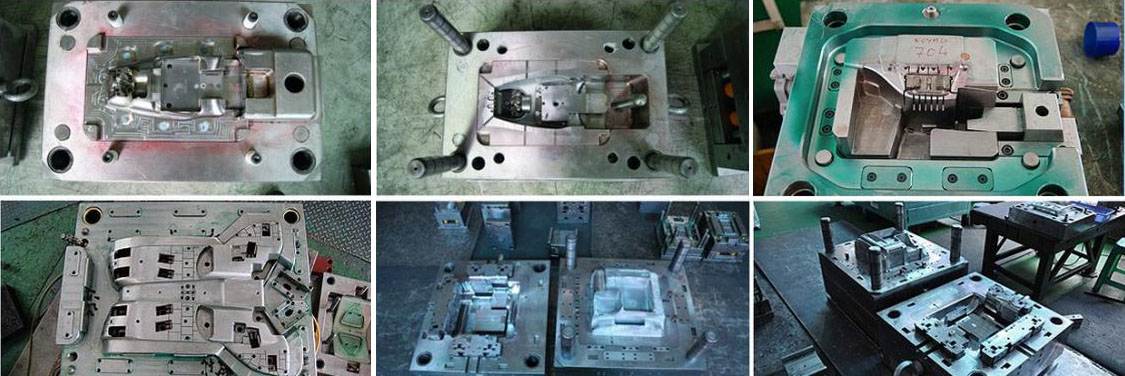
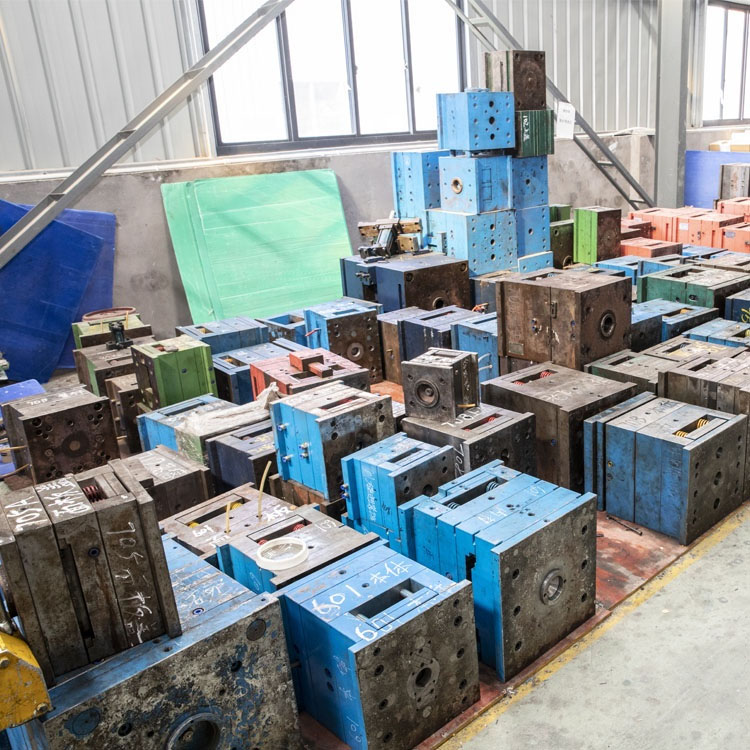
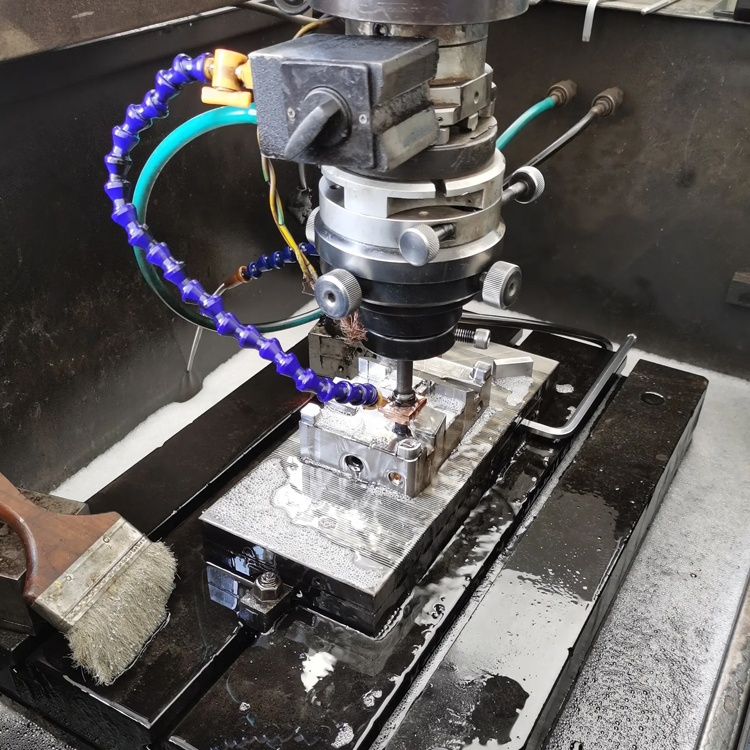
Plastic Injection Mould making
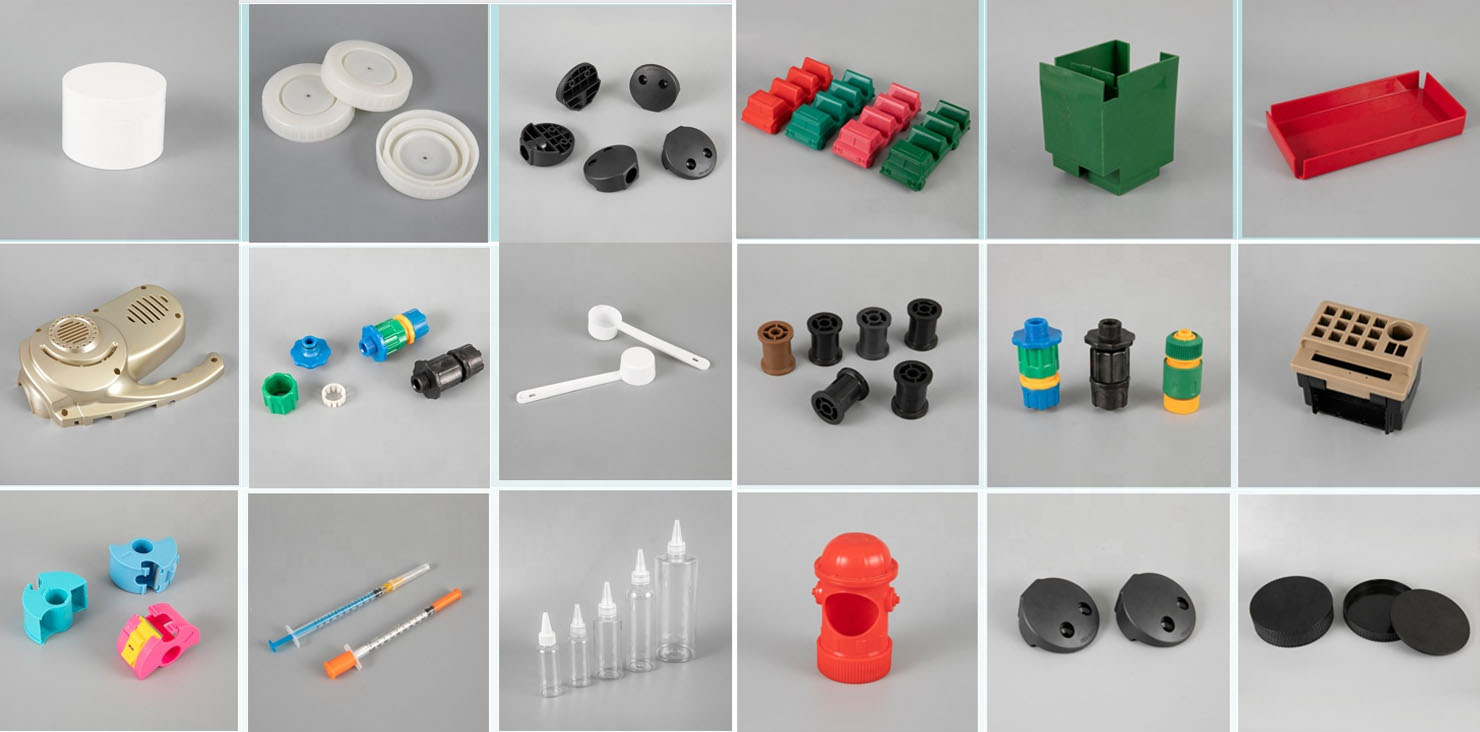
Plastic molding specifications
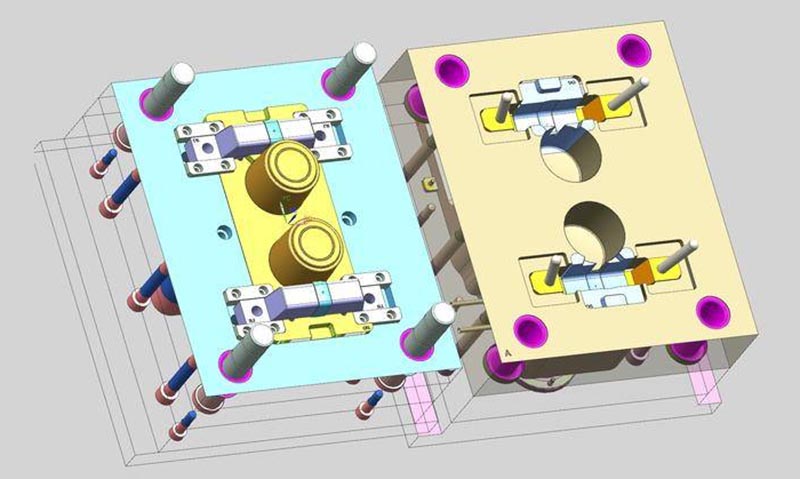
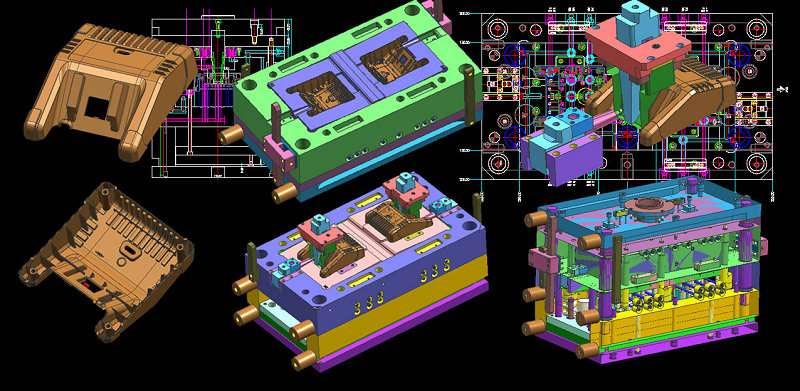
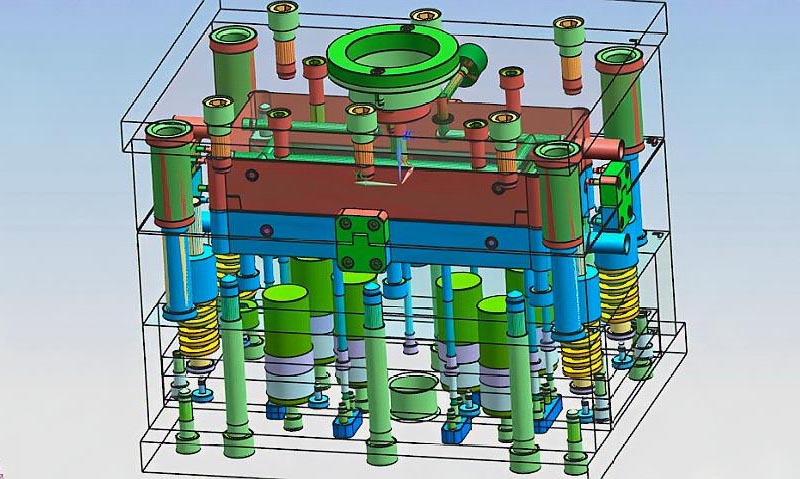
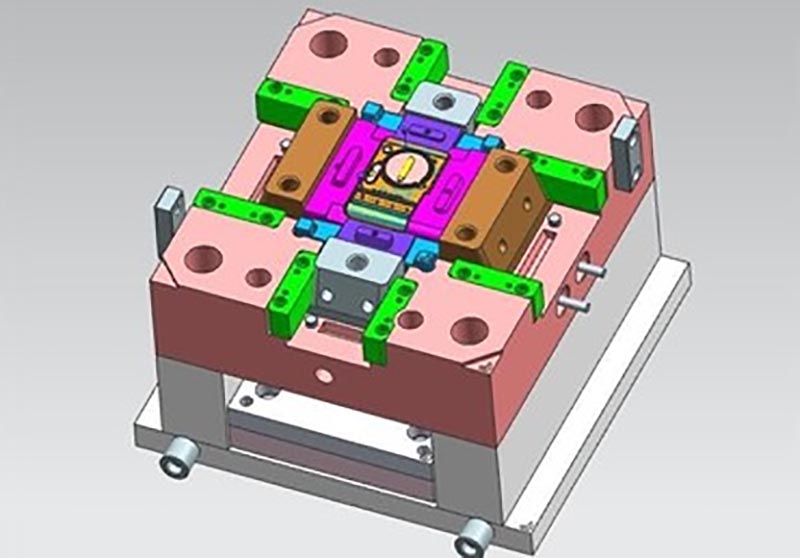
Mold design:
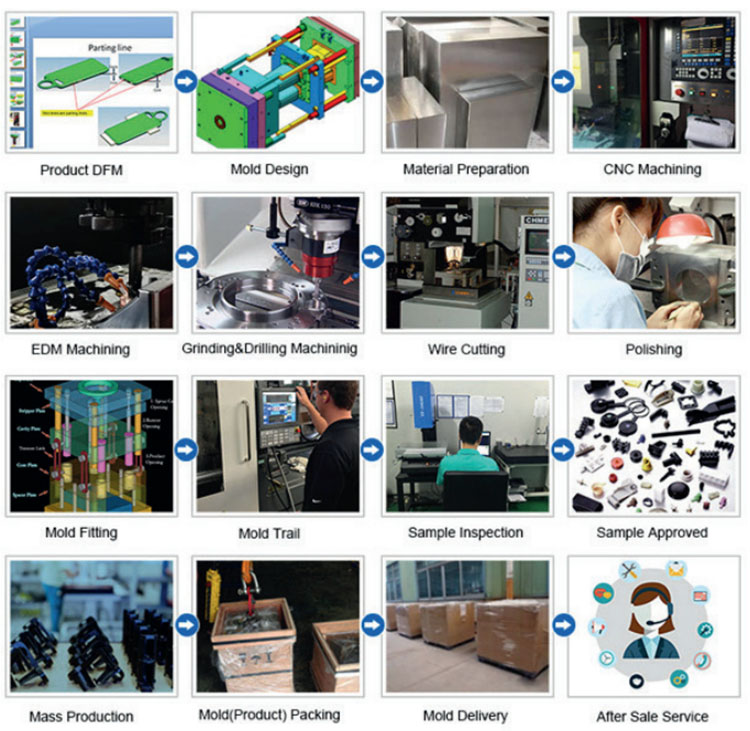
Transaction process:
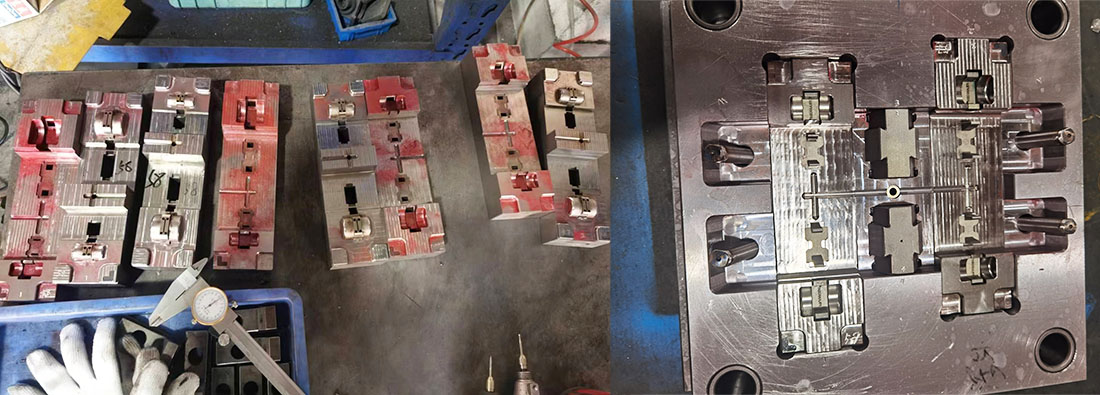
Mold testing:

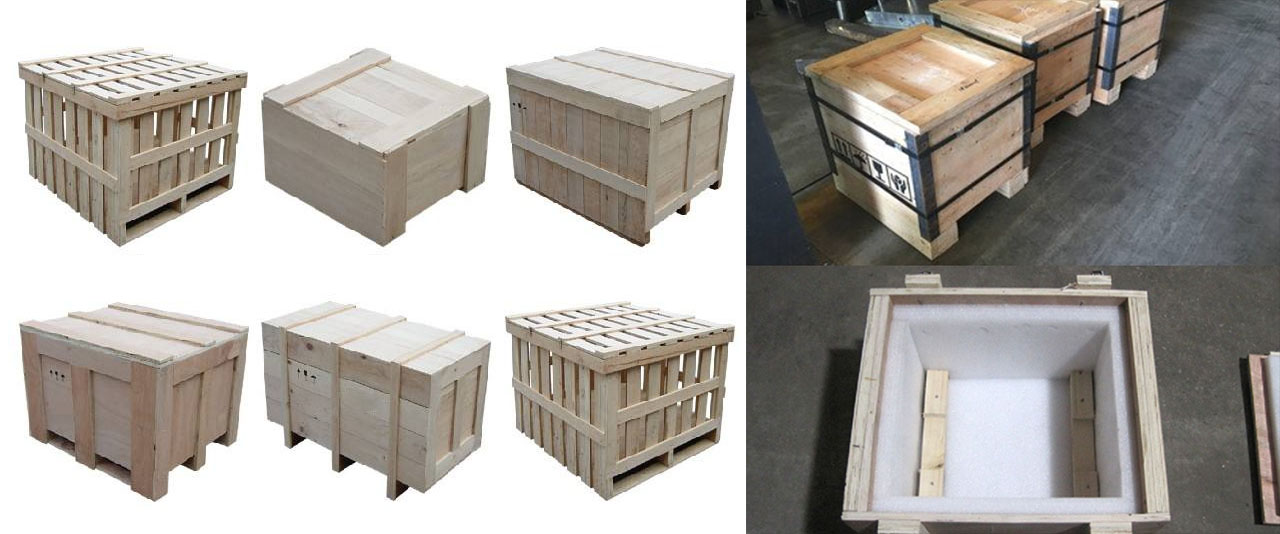
Product packaging
Factory
We are Custom Plastic Mold factory. Our factory is plastic injection mold maker. we has 17 years of experience in professional custom plastic mold and 10 years of foreign trade experience. We are custom Plastic Mold supplier. We can provide custom Plastic Mold service. Our factory can make the Injection molded plastic parts, and the quality of the products will satisfy you.
We have more than 50 high-end machines and hundreds of engineers and designers. We can provide one-stop service, from product design - mold making - product production - product packaging - transportation. We have a complete production chain. We can meet all your requirements.
Services we provide:
Professional custom mold service, Plastic mold design and manufacturing .plastic product production, product design, mold design, blow mold customization, rotational mold customization, die-casting mold customization. 3D printing services, CNC manufacturing services, product packaging, customized packaging, shipping services.
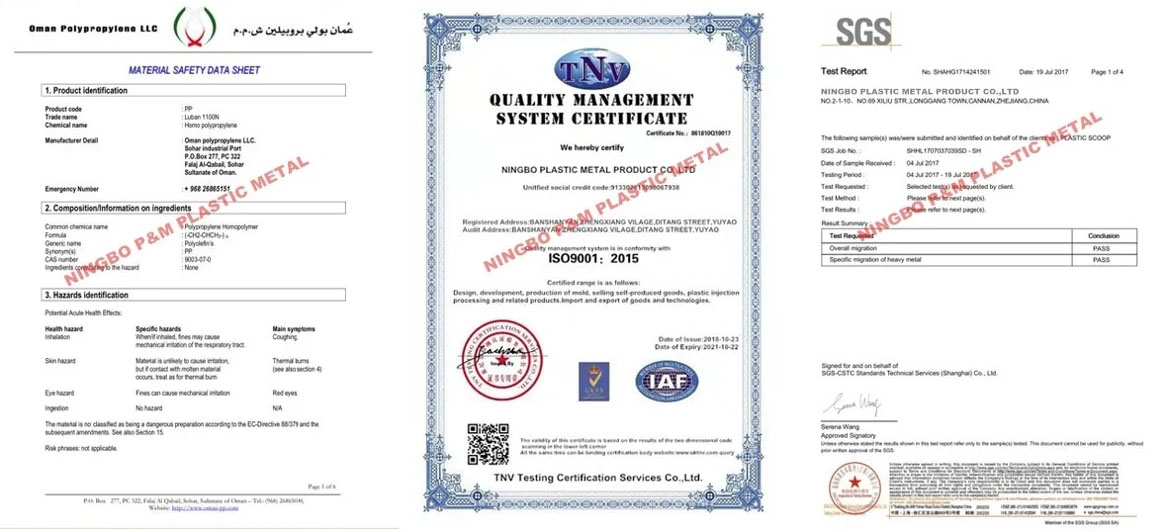

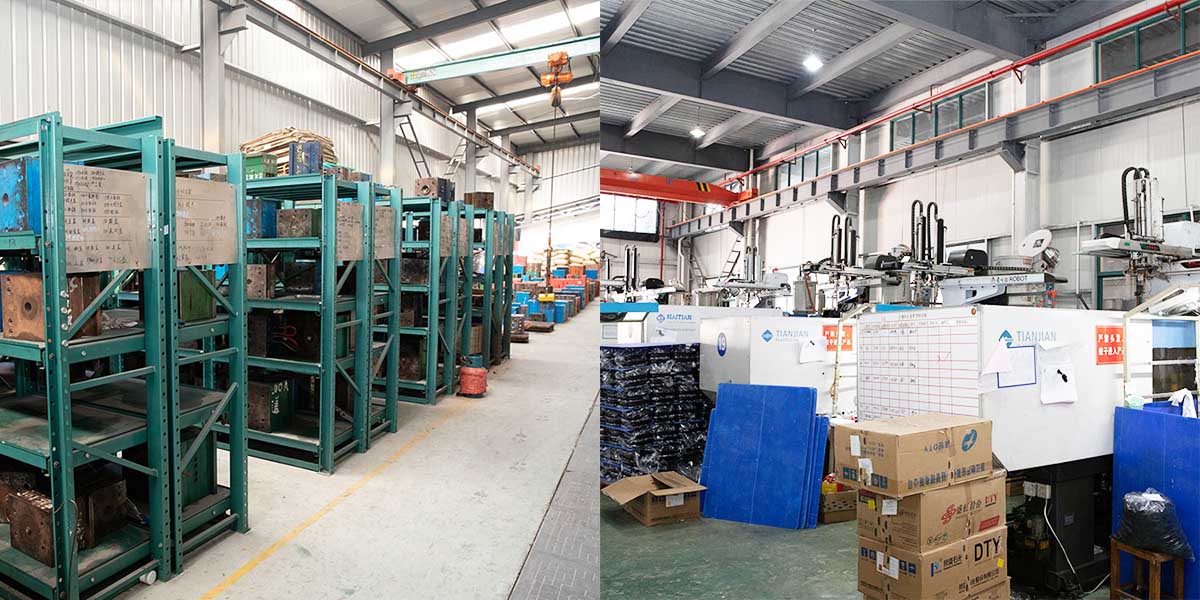
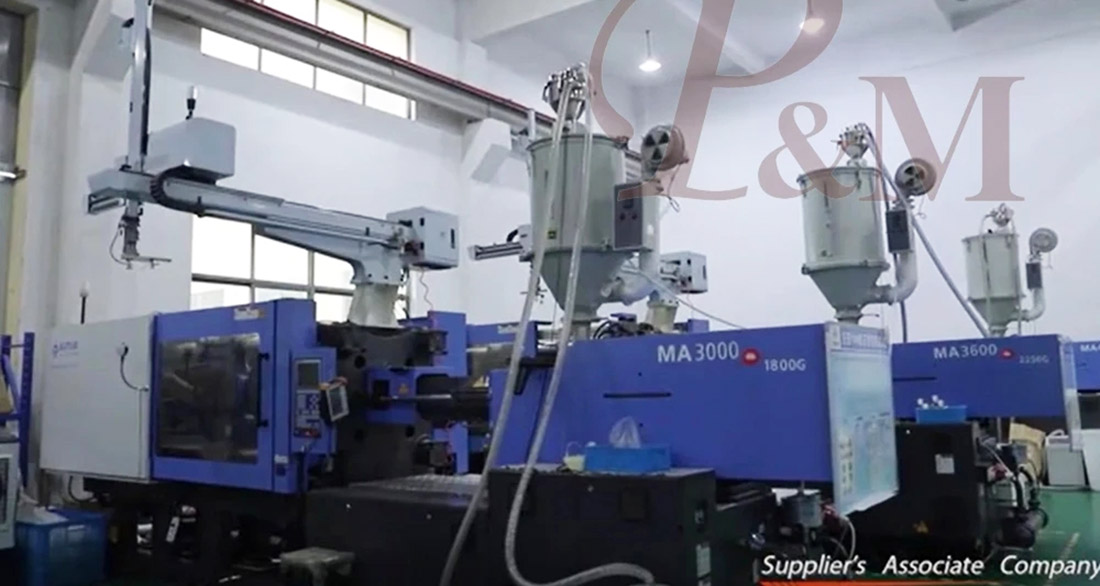
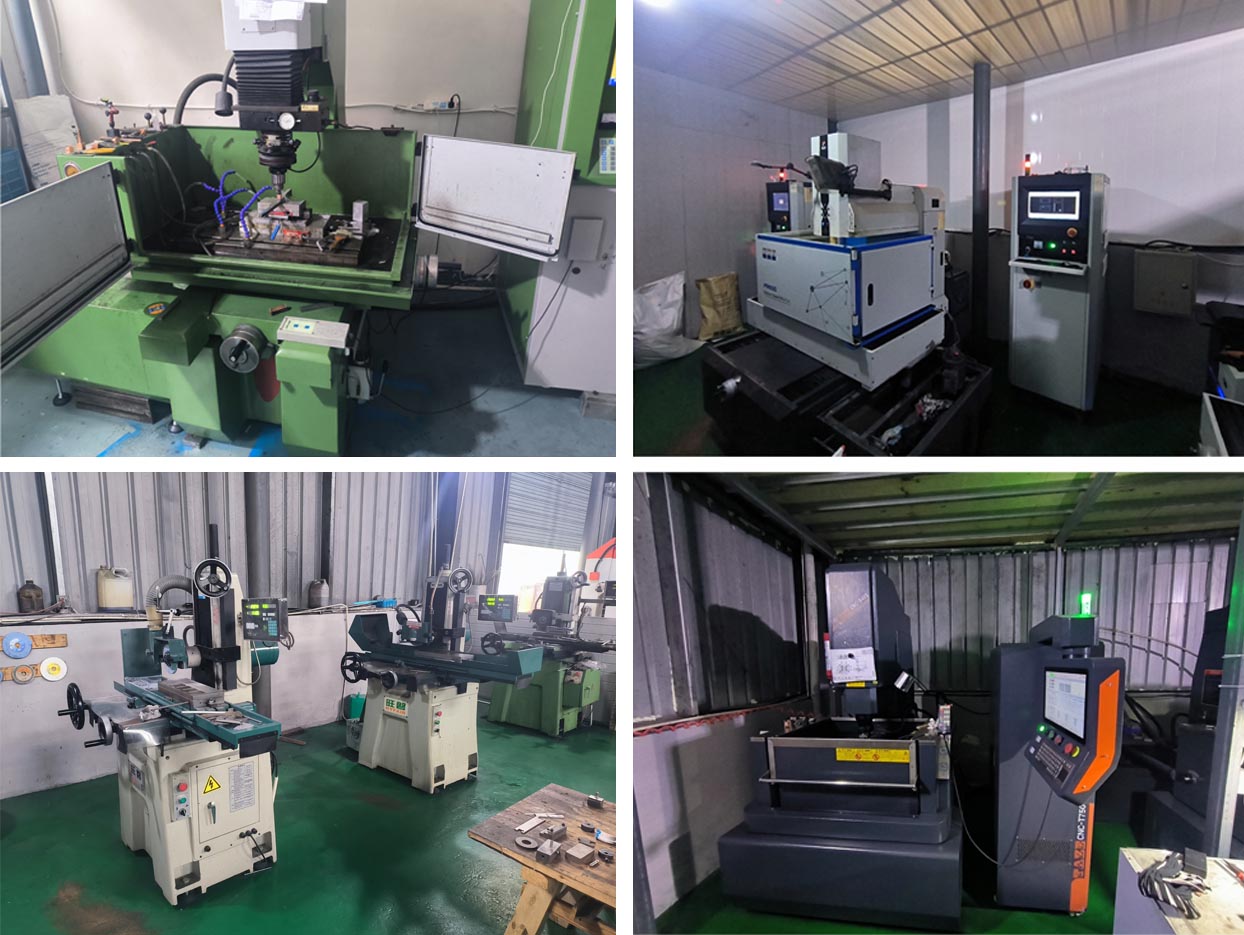
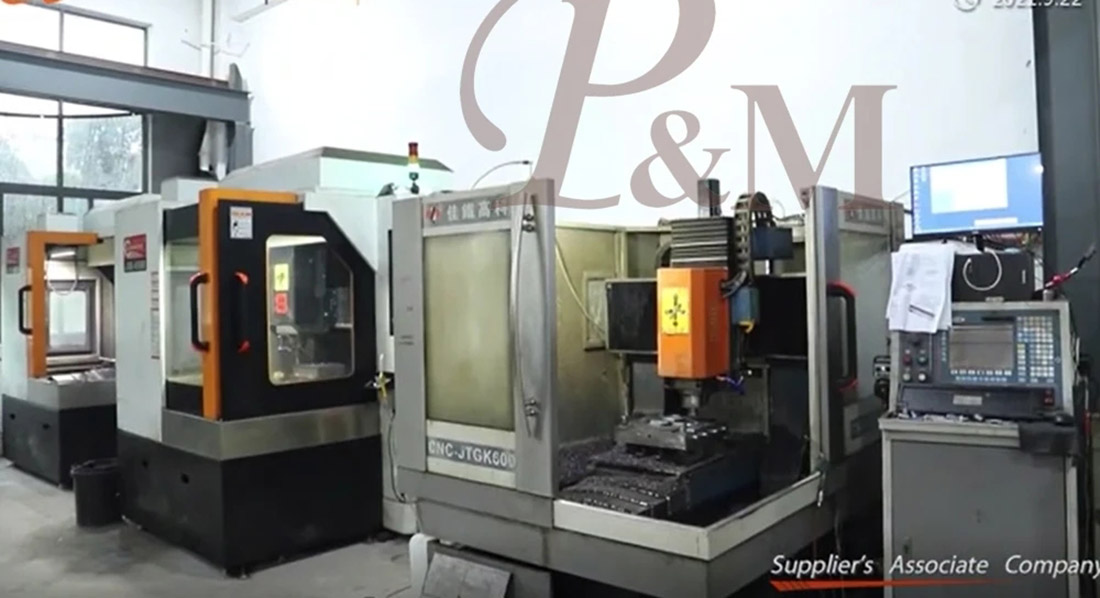
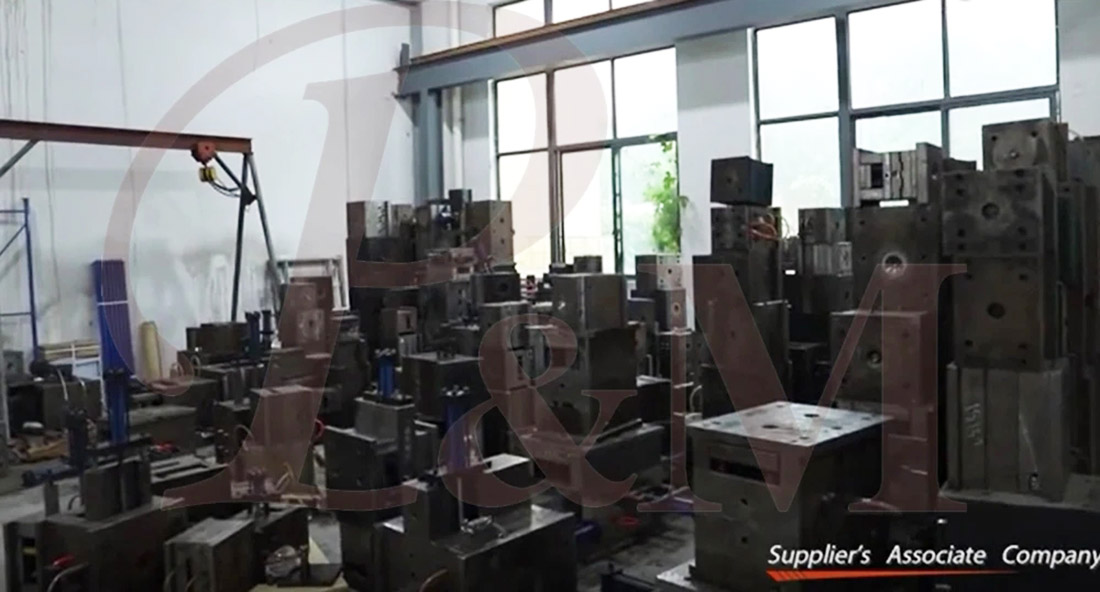
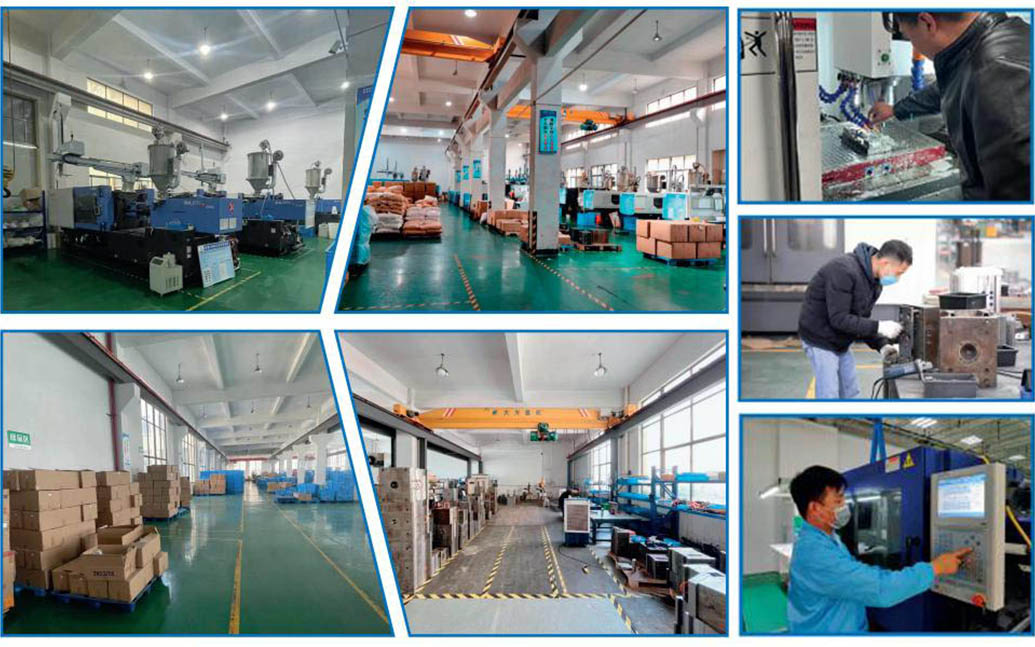
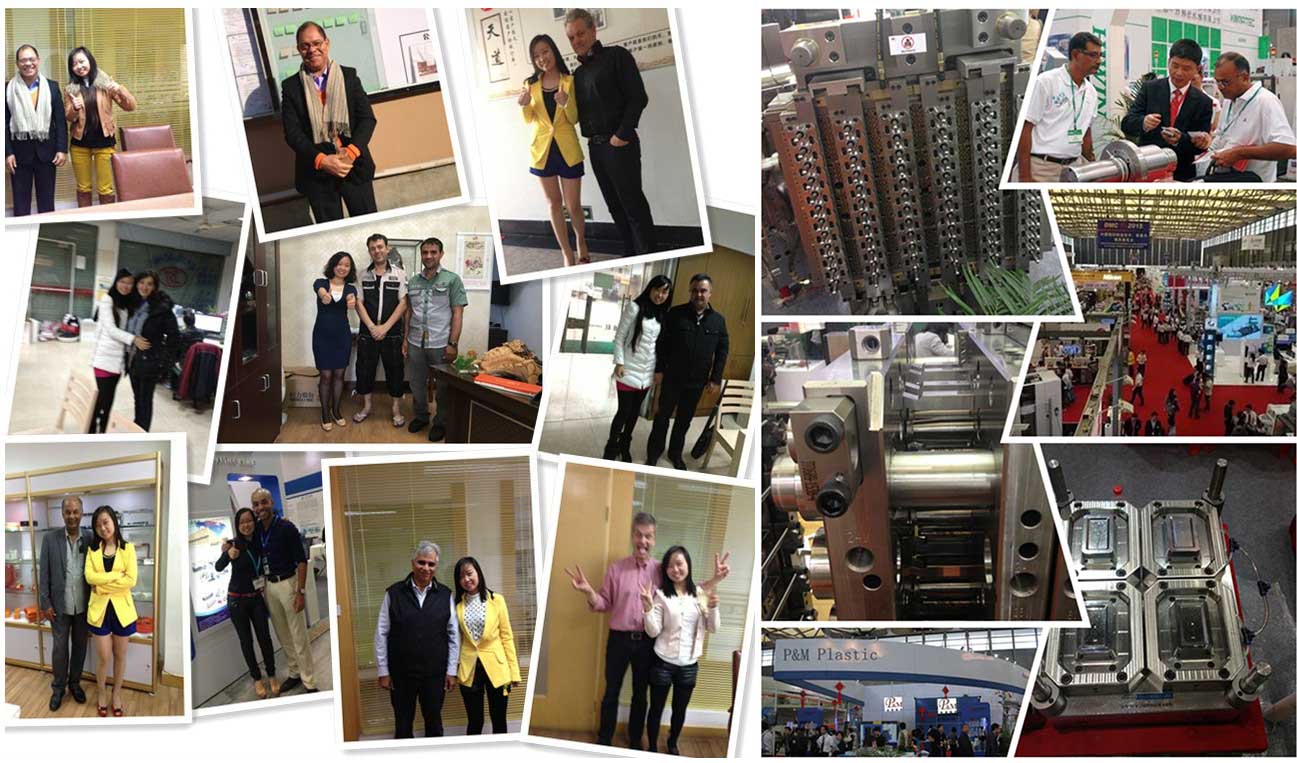
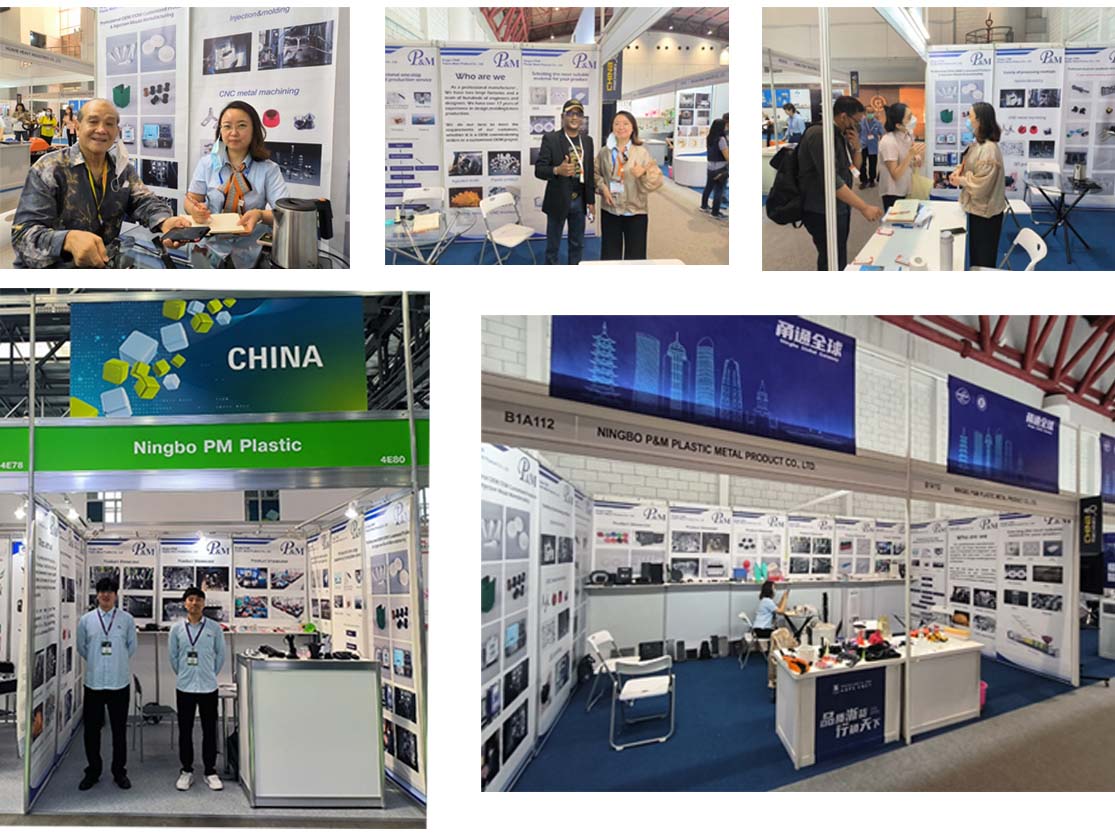
We always adhere to the principles of quality first and time first. While providing customers with the highest quality products, try to maximize the production efficiency and shorten production time. We are proud to tell every customer that our company has not lost any customer since its establishment.If there is a problem with the product, we will seek a solution actively and take responsibility to the end.

FAQ
Q1: Are you trading company or manufacturer ?
A: We are manufacturers.
Q2. When can I get the quotation?
A: We usually quote within 2 days after we get your inquiry.
If you are very urgent, please call us or tell us in your email so that we can quote for you first.
Q3. How long is the lead-time for mold?
A: It all depends on the products' size and complexity. Normally, the lead time is 25 days.
Q4. I have no 3D drawing, how should I start the new project?
A: You can supply us a molding sample, we will help you finish the 3D drawing design.
Q5. Before shipment, how to make sure the products quality?
A: If you don't come to our factory and also don't have the third party for inspection, we will be as your inspection worker.
We will supply you a video for production process detail include process report, products size structure and surface detail, packing detail and so on.
Q6. What is your payment terms?
A: Mold Payment: 40% deposit by T/T in advance, 30% second mold payment before sending out the first trial samples, 30% mold balance after you agree the final samples.
B:Production Payment: 50% deposit in advance, 50% before sending out the final goods.
Q7: How do you make our business long-term and good relationship?
A:1. We keep good quality and competitive price to ensure our customers benefit for best quality products.
2. We respect every customer as our friend and we sincerely do business and make friends with them, no matter where they come from.
Hot Tags: Plastic lighter parts moulding, China, Manufacturer, Supplier, Factory, Customized, Wholesale, Buy, Quality, Latest Selling, Made in China
Related Category
Send Inquiry
Please feel free to give your inquiry in the form below. We will reply you in 24 hours.