
Product
- Core Customization Service
- Health Care
- Electronic Appliances and Instruments
- Maternal and Child Supplies Molds
- Recreational Sports
- Home Furnishing Art
- Auto Accessories
- Transportation and Warehousing
- Lighting Fixtures
- Construction Equipment
- Packaging Product
- Educational & Laboratories
- Clothing Luggage Accessories
- Care and Cleaning Products
- Agriculture & Forestry
- Mechanical Equipment
- Pet Supplies
- Kitchenware
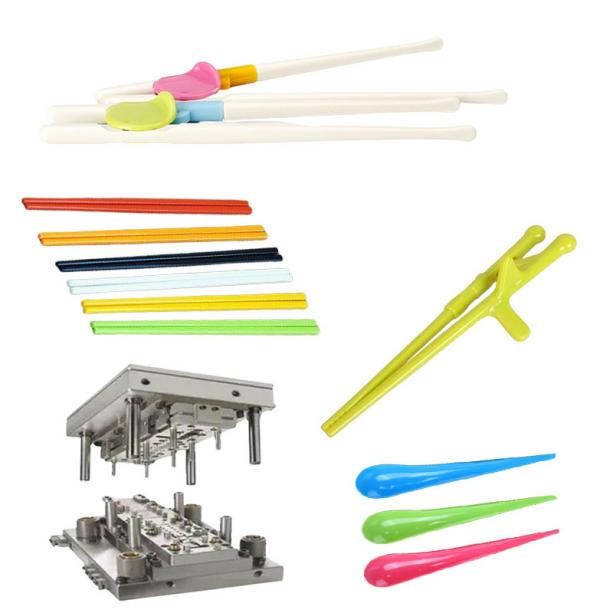
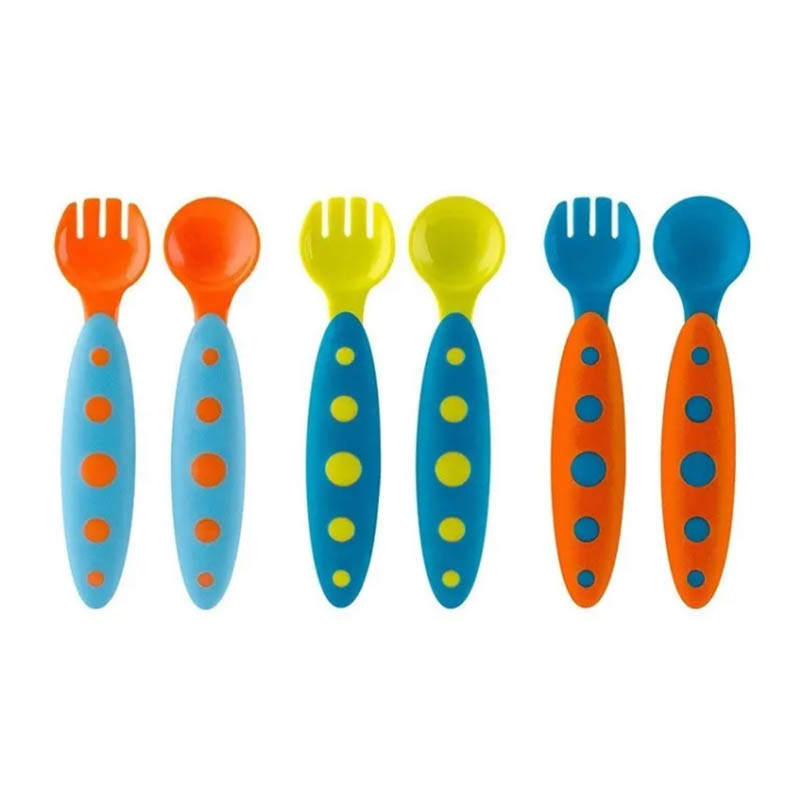
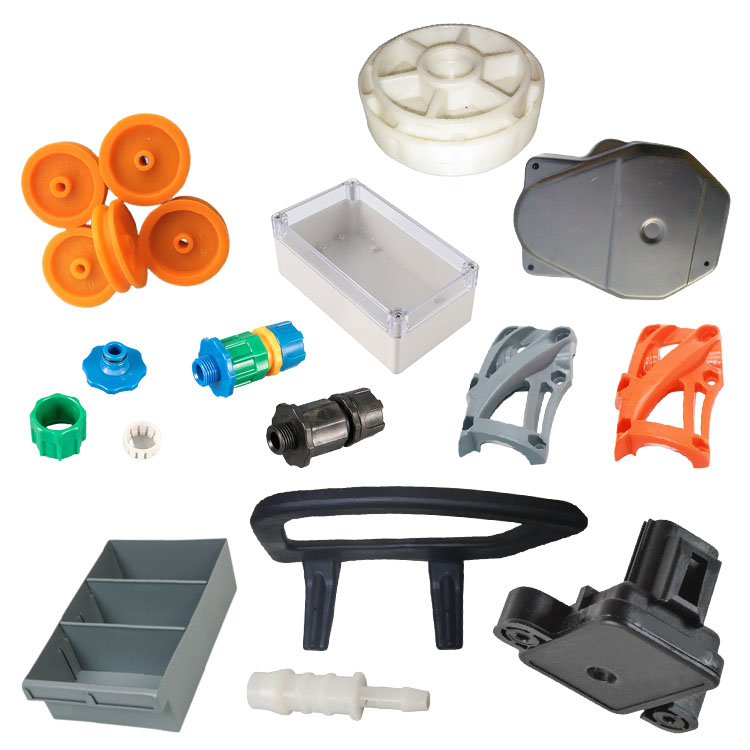
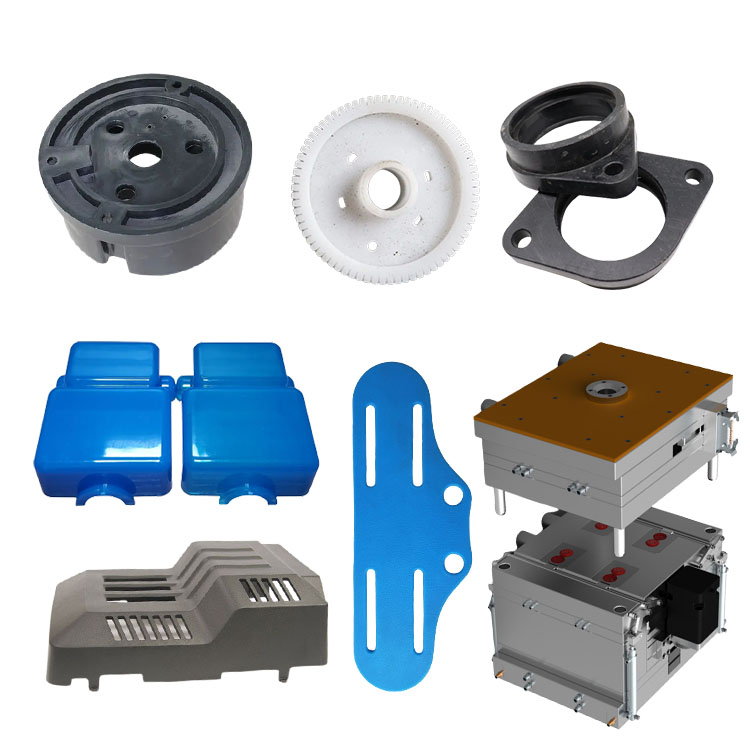
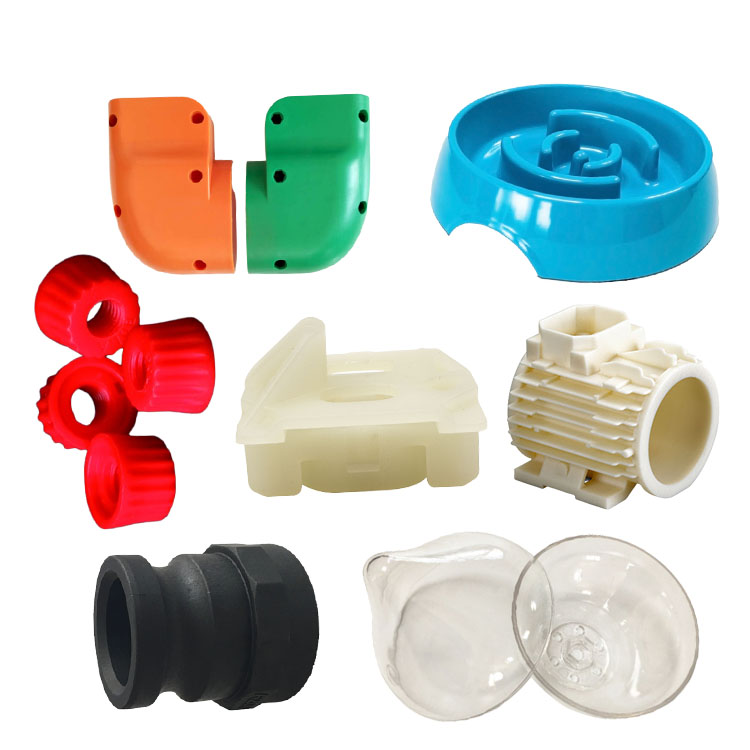
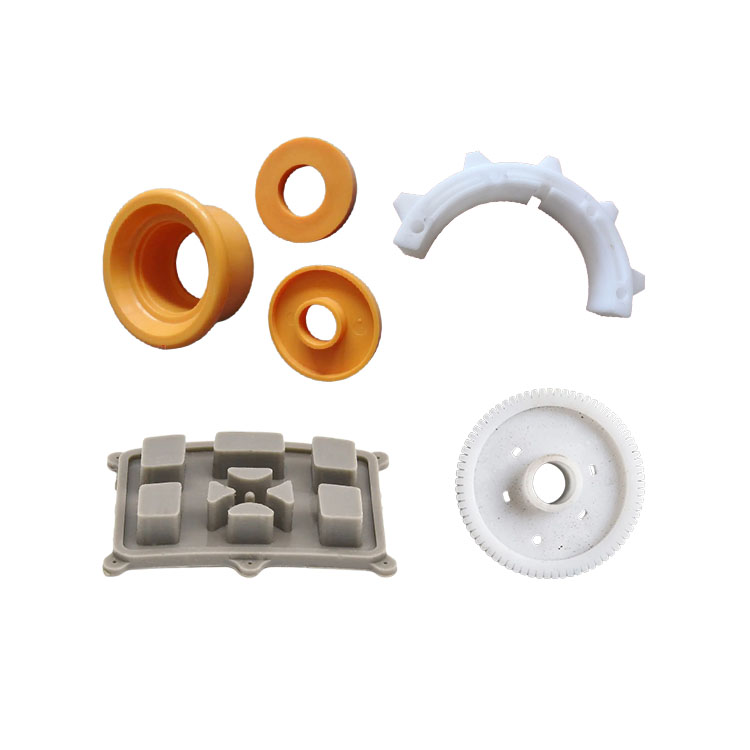
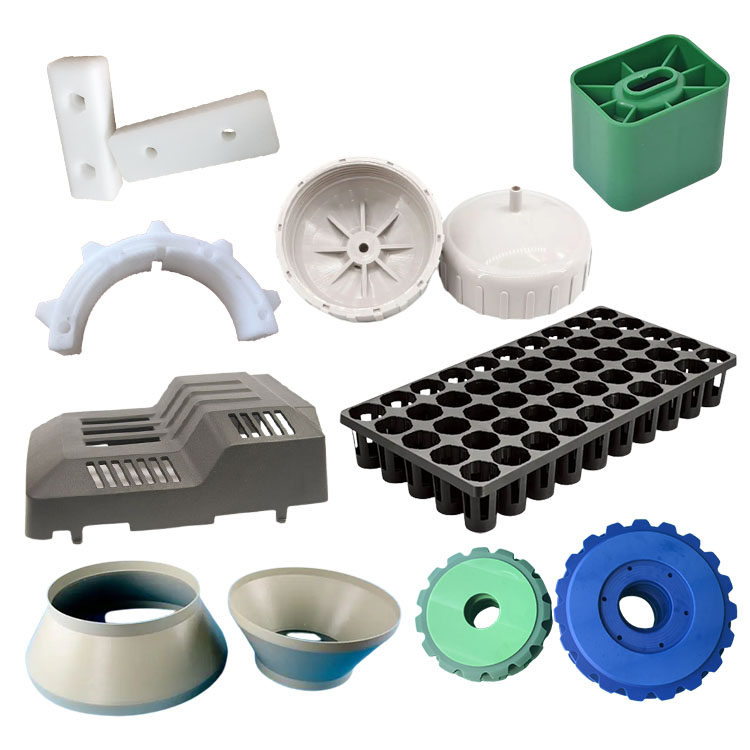
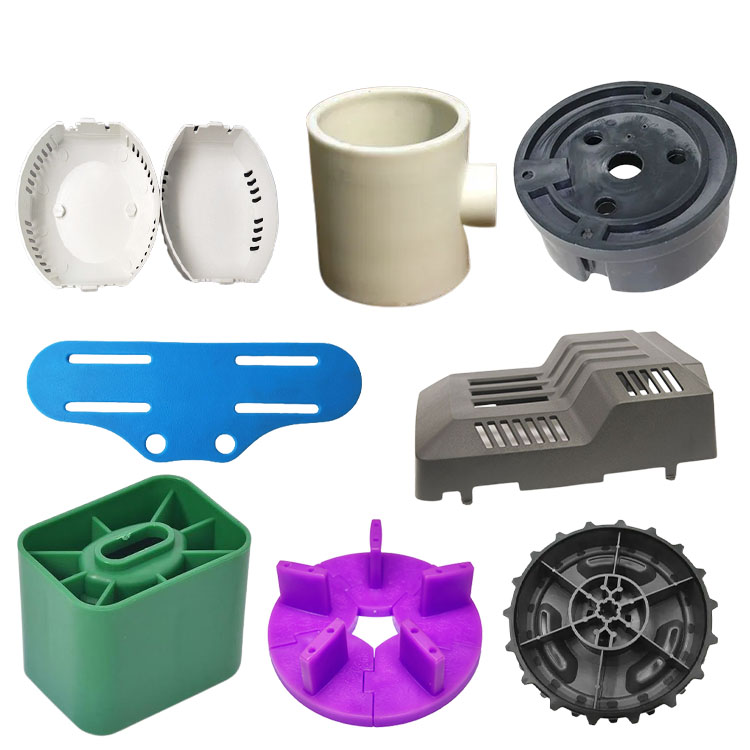
Plastic part moulding
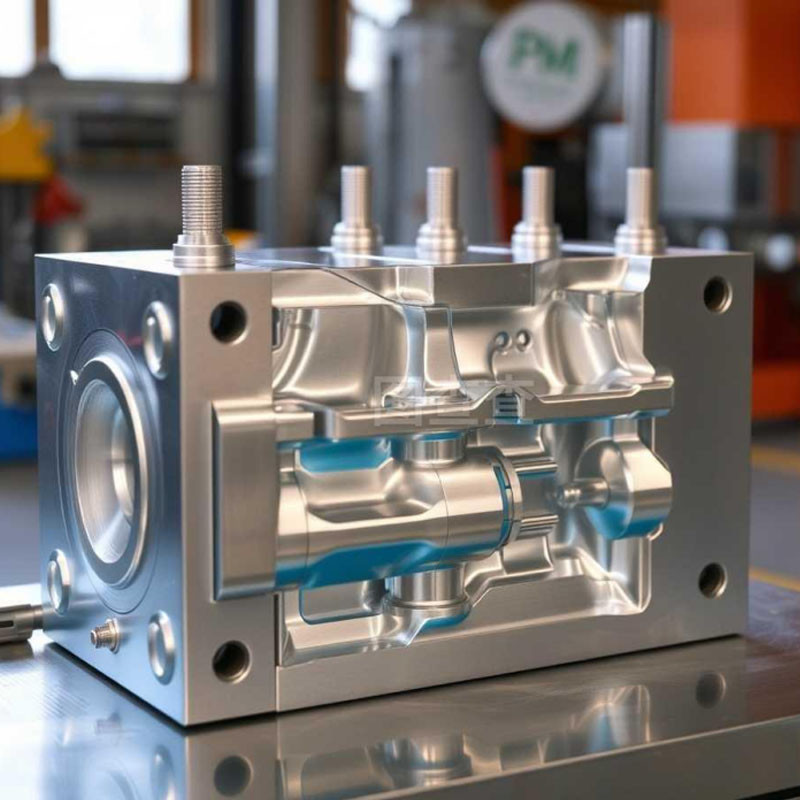
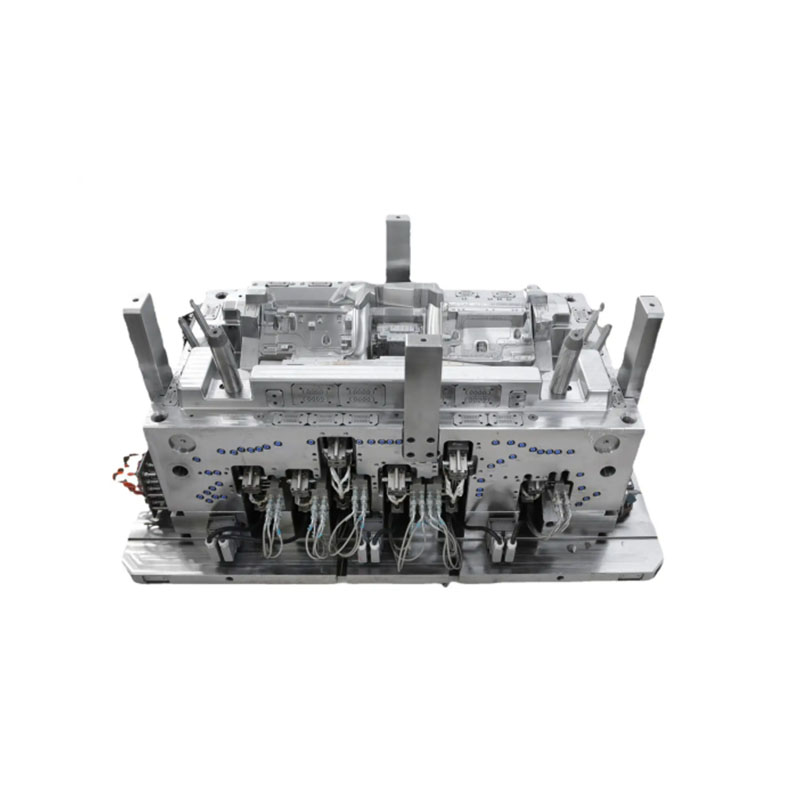
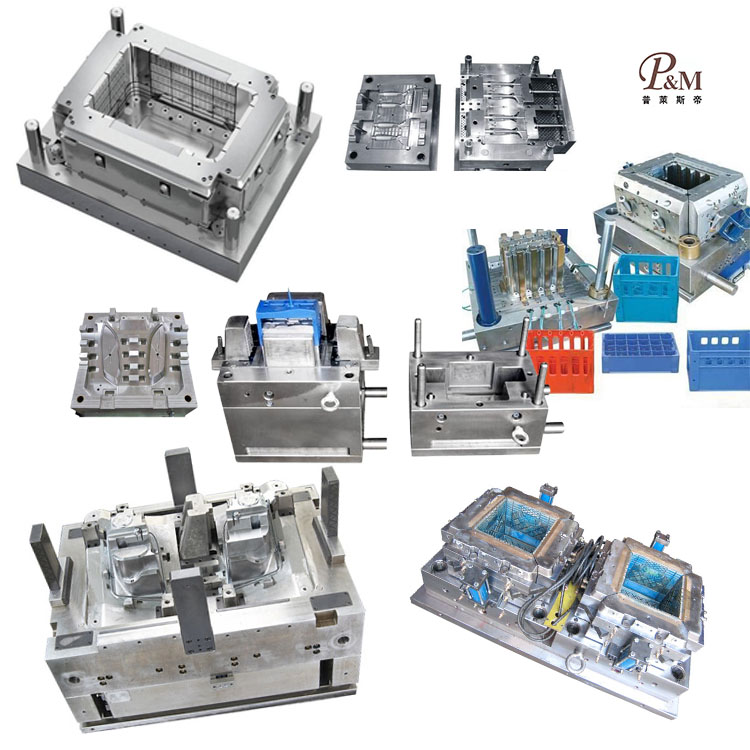
Ningbo (P&M) Plastic Metal Products Co., Ltd. has 17 years of mold manufacturing technology and can customize plastic part moulding moulding. We provide professional customized plastic part moulding moulding services, and we are a professional plastic part moulding moulding manufacturer. We have sufficient experience in selecting product raw materials and mold materials. In the process of customizing plastic part moulding moulding, our factory can provide one-stop service. We have design and production capabilities related to plastic part moulding moulding, such as: CAD design, mold manufacturing, injection molding, plastic product production, assembly and other technologies.
Send Inquiry
Product Description
In addition, our company has established cooperative relationships with plastic raw material suppliers, printing manufacturers, etc. to ensure the supply of raw materials and printing quality. Through our rich experience and perfect supply chain, our company can provide customers with high-quality customized plastic part moulding moulding products to meet their specific needs. At the same time, we have 10 years of professional foreign trade service experience, understand the foreign trade process, and better serve our customers. For plastic part moulding moulding products, we can make corresponding plastic parts, which is mainly done through injection molds.
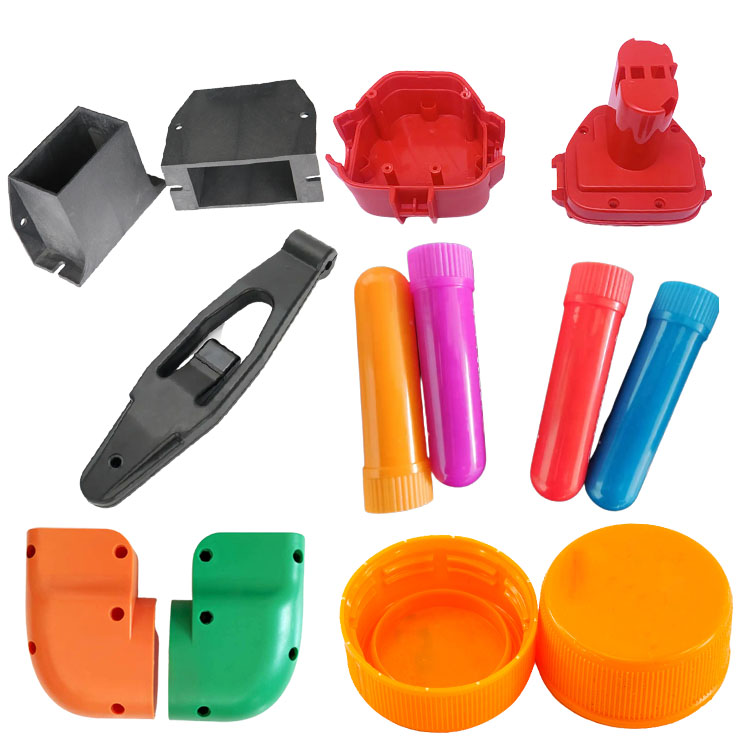
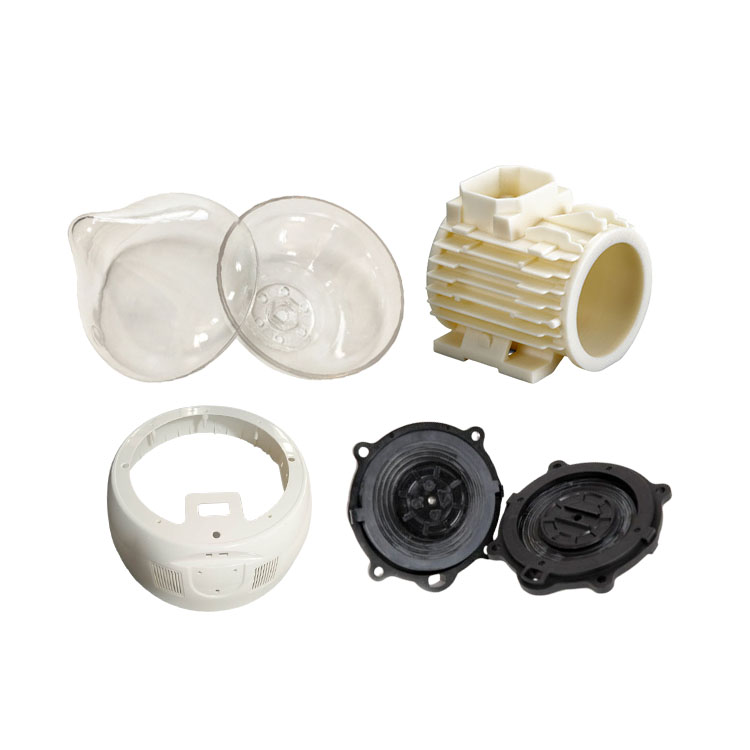
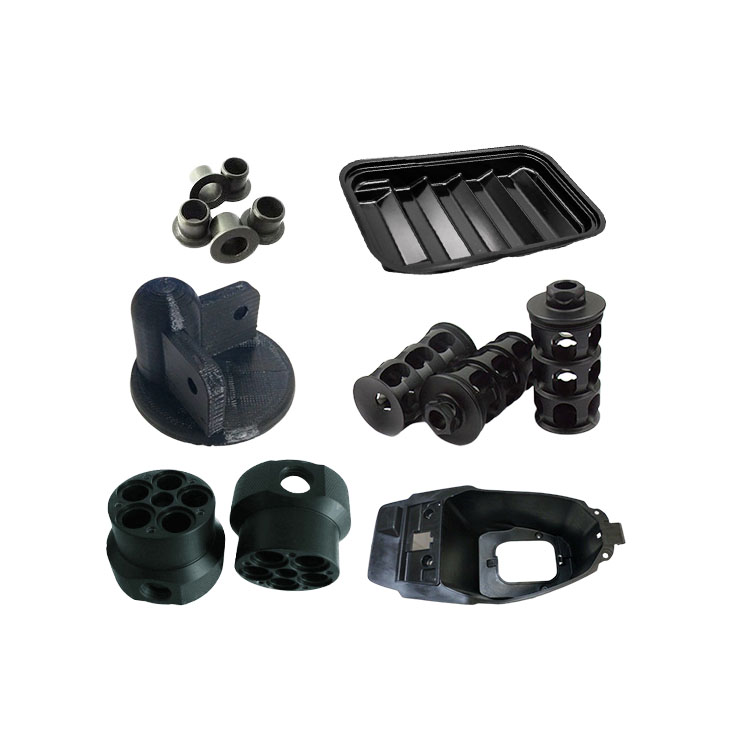
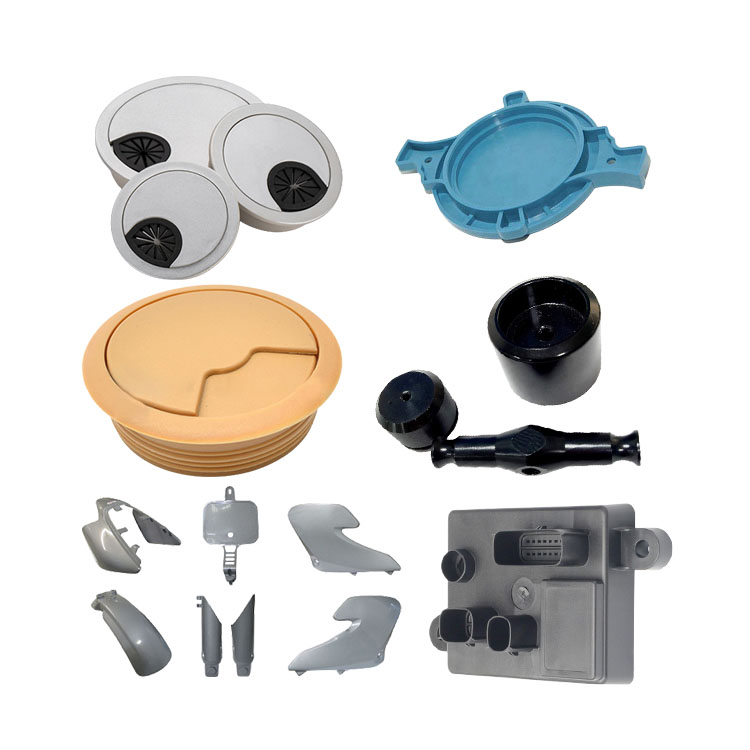
Injection molding stands as the pivotal process for manufacturing a wide variety of plastic enclosures. While the process may appear to be a continuous, automated operation, every single step actually entails precise parameter control and intricate structural coordination—factors that directly determine the enclosure's aesthetic quality, dimensional accuracy, structural integrity, and assembly compatibility. From the moment raw materials enter the machinery to the output of the final product, the entire workflow can be broken down into eight critical stages: raw material pretreatment, plasticization and metering, mold clamping and locking, injection filling, pressure holding and compensation, cooling and solidification, mold opening and ejection, and post-processing inspection. These stages are mutually interdependent; a failure to properly control even a single detail at any point can result in product defects.
Raw material pretreatment serves as the foundational stage for ensuring molding stability. Plastic enclosures typically utilize materials such as ABS, PC, PC/ABS alloys, and PP. Since most engineering plastics are hygroscopic, moisture from the ambient air tends to adhere to the surface of the granules. If these materials are injected directly without prior treatment, the high temperatures involved will cause the moisture to vaporize, generating bubbles, silver streaks, and flow marks that severely compromise both the aesthetic appearance and the internal structural integrity of the enclosure. Consequently, the raw materials must first undergo processing in a dehumidifying dryer. ABS is typically dried at 80°C–85°C for 2 to 4 hours, while PC requires drying at 100°C–120°C for 4 to 6 hours, ensuring that the residual moisture content remains below 0.02%. Once drying is complete, color masterbatches or functional masterbatches are added in precise proportions and thoroughly blended using a mixer to prevent color variations or splotches; this step also ensures stable material flow properties, thereby laying a solid foundation for the subsequent plasticization stage.
The plasticization and metering stage is critical in determining the quality of the molten material. After the plastic granules enter the injection machine's hopper, they gradually melt under the combined action of the rotating screw and the heating bands encircling the barrel. The barrel temperature is typically configured in three distinct zones: a rear zone for preheating, a middle zone for plasticization, and a front zone for homogenization. The temperature increases progressively from the rear toward the front; this gradient ensures that the granules melt completely while simultaneously preventing the high temperatures from causing the raw material to degrade. As the screw rotates, it simultaneously retracts backward, accumulating the molten plastic in the front section of the barrel to complete the metering operation. The screw speed must be moderate; excessive speed causes the raw material to discolor due to shear-induced overheating, while insufficient speed results in uneven plasticization. Variations in melt viscosity directly lead to localized short shots or sink marks on the housing.
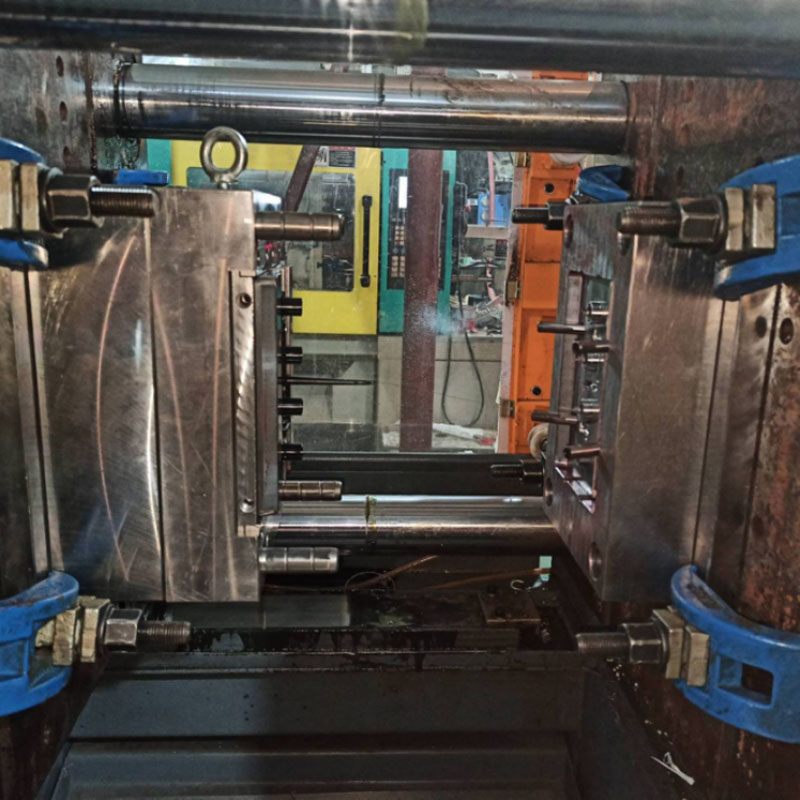
Mold clamping and locking serve as the fundamental prerequisite for the molding process. The injection molding machine's hydraulic system drives the moving platen to advance rapidly and close against the fixed platen, thereby creating a sealed cavity within the mold. The clamping force must be precisely calibrated based on the housing's dimensions and the injection pressure—typically set at 1.2 to 1.5 times the injection pressure. Insufficient clamping force allows the melt to squeeze through mold seams, resulting in flash; conversely, excessive force risks damaging the mold cavity and the ejection mechanism. Once the mold is fully clamped, the machine signals its readiness to proceed to the subsequent injection phase. Throughout this entire process, mold parallelism must be strictly maintained to prevent uneven wall thickness in the housing caused by misalignment.
The injection and filling phase is the critical stage of melt formation. The screw advances rapidly, utilizing high pressure to drive the melt through the nozzle, main runner, sub-runners, and gates into the mold cavity. Injection speed and pressure must be adjusted regionally according to the specific structural features of the housing: thin-walled or structurally complex sections require higher injection speeds to prevent premature melt solidification before the cavity is fully filled; conversely, large flat surface areas require lower injection speeds to avoid jetting effects that cause flow marks. The filling time is extremely brief—typically completed within 1 to 3 seconds. During this interval, air trapped within the cavity must be rapidly vented; failure to do so will result in defects such as trapped-air burns or short shots.
The holding pressure and packing phase is designed to eliminate shrinkage-related defects. Once the mold cavity is completely filled with melt, the screw does not immediately retract; instead, it maintains a sustained pressure to inject a small additional volume of melt into the cavity. This compensates for the volumetric shrinkage that occurs as the plastic cools, thereby preventing depressions, sink marks, and dimensional deviations. The holding pressure is typically set at 60% to 80% of the injection pressure, while the holding time is determined by the housing's wall thickness—longer times are required for thicker walls. Insufficient holding pressure leads to dimensional instability in the housing, whereas excessive holding pressure increases internal stresses, potentially causing the housing to crack or deform at a later stage.
The cooling and solidification phase ultimately determines the final shape and dimensional precision of the housing. The interior of the mold features a circulating cooling water channel; the continuous flow of cooling water dissipates the heat from the molten plastic, causing it to rapidly solidify from a molten state into a rigid shell. The cooling phase accounts for over 60% of the entire molding cycle; insufficient cooling results in a soft shell prone to deformation during ejection, while excessive cooling reduces production efficiency. Typically, for every 1 mm increase in shell wall thickness, the cooling time must be extended by 3 to 5 seconds. Simultaneously, the mold temperature requires precise and stable control; for ABS shells, the mold temperature is generally maintained between 40°C and 60°C to ensure a smooth surface finish and minimize internal stress.
Mold opening and ejection must be executed smoothly to prevent damage. Once cooling is complete, the moving mold retracts to open the mold cavity, leaving the molded shell and the solidified runner material attached to the moving mold side. The ejection mechanism—utilizing ejector pins and plates—gently pushes the product out. The ejection speed and force must be moderate; excessive speed or uneven force application can result in "ejector marks" (whitening) or cracking of the shell. Automated production lines, when integrated with robotic manipulators, can directly grasp both the finished product and the runner material, thereby enabling continuous production and minimizing surface scratches caused by manual handling.
The final stages involve post-processing and quality inspection. First, the gate runners are trimmed, and any flash or burrs are removed. Some high-end shells also require secondary processing steps such as sanding, painting, or silk-screen printing. Inspection is categorized into visual, dimensional, and performance checks. Visual inspections verify the absence of defects such as air bubbles, scratches, or color variations, while dimensional checks—using calipers or Coordinate Measuring Machines (CMM)—verify critical assembly dimensions. Certain products also undergo specific performance tests, such as drop tests and compression tests. Compliant products are packaged and moved to storage, while non-compliant products are either reworked or recycled.
Overall, the injection molding of plastic shells is a sophisticated and systematic process. Only through the rigorous control of detailed parameters at every stage can manufacturers consistently produce high-precision, high-quality finished products that effectively meet the diverse functional requirements of various applications.
We are a plastic part moulding moulding manufacturer, providing high-quality plastic part moulding moulding manufacturing. As long as you want to customize/develop plastic part moulding moulding products, you can find us. We have professional injection mold design and mature manufacturing technology, providing you with one-stop service, from product design-mold making-product production-product packaging-product transportation, we can help you in every link. As long as you come to us, we will provide you with the ultimate service and satisfy you in terms of product quality, production time, information dialogue, etc.
|
Product Name |
Treadmill moulding |
|
Pls provide |
2D, 3D, samples, or the size of the multi-angle pictures |
|
Mould Time |
20-35 Days |
|
Product time |
7-15 Days |
|
Mould precision |
+/-0.01mm |
|
Mould life |
50-100 million shots |
|
Producing Process |
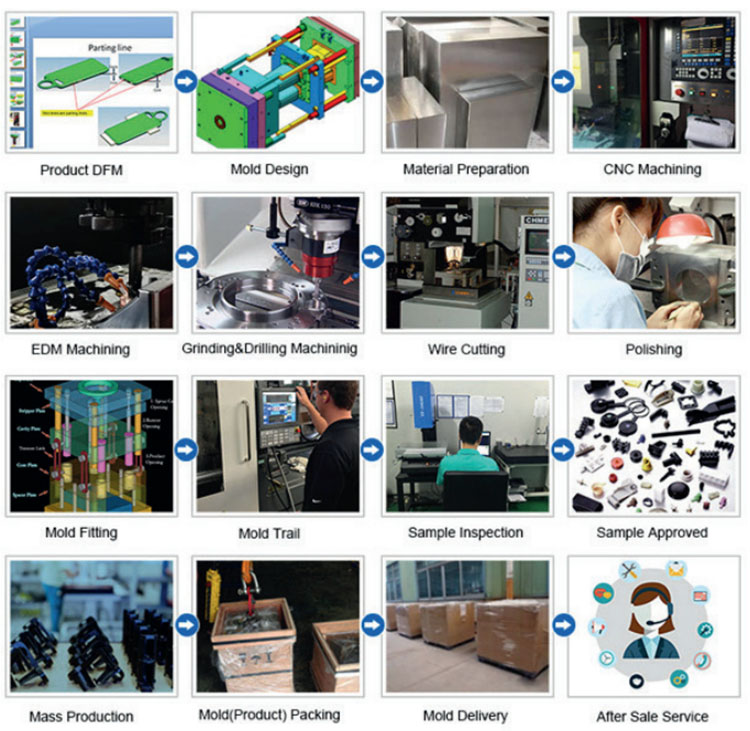
Audit drawings - mold flow analysis - design validation - Custom Materials - mold processing - core processing - electrode machining - Runner system processing - parts processing and procurement - machining acceptance - cavity surface treatment process - complex mode Die - The entire mold surface coating - Mounting plate - mold sample - sample test - sending samples |
|
Mould cavity |
One cavity, multi-cavity or same different products be made together |
|
Mould material |
P20,2738,2344,718,S136,8407,NAK80,SKD61,H13 |
|
Runner system |
Hot runner and cold runner |
|
Base material |
P20,2738,2344,718,S136,8407,NAK80,SKD61,H13 |
|
Finish |
Pitting the word, mirror finish, matte surface, striae |
|
Standard |
HASCO, DME or dependent upon |
|
Main technology |
Milling, grinding, CNC, EDM, wire cutting, carving, EDM, lathes, surface Finish, etc. |
|
Software |
CAD,PRO-E,UG Design Time: 1-3 days (normal circumstances) |
|
Product material |
ABS,PP,PC,PA6,PA66,TPU,POM,PBT,PVC,HIPS,PMMA,TPE,PC/ABS,TPV,TPO,TPR,EVA,HDPE,LDPE,CPVC,PVDF,PPSU.PPS. |
|
Quality system |
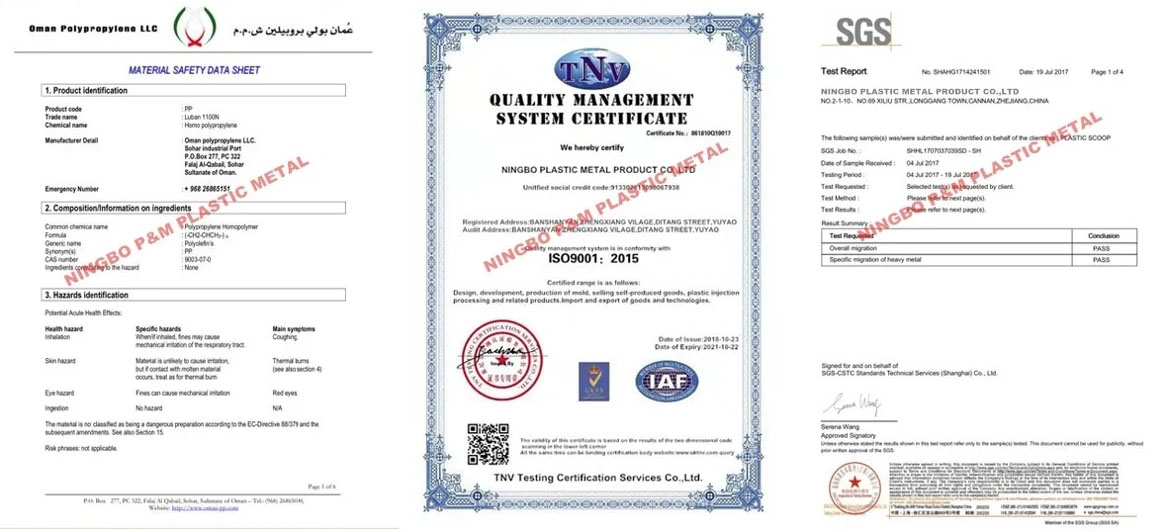
ISO9001:2008 |
|
Establish time |
20days |
|
Equipment |
CNC,EDM,Cutting off Machine,plastic machinery,etc plastic suitcase mould zhe jiang |
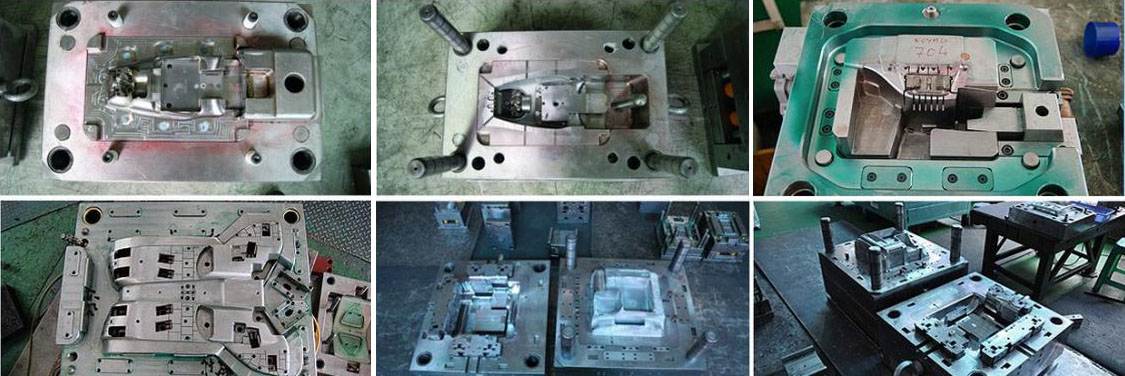
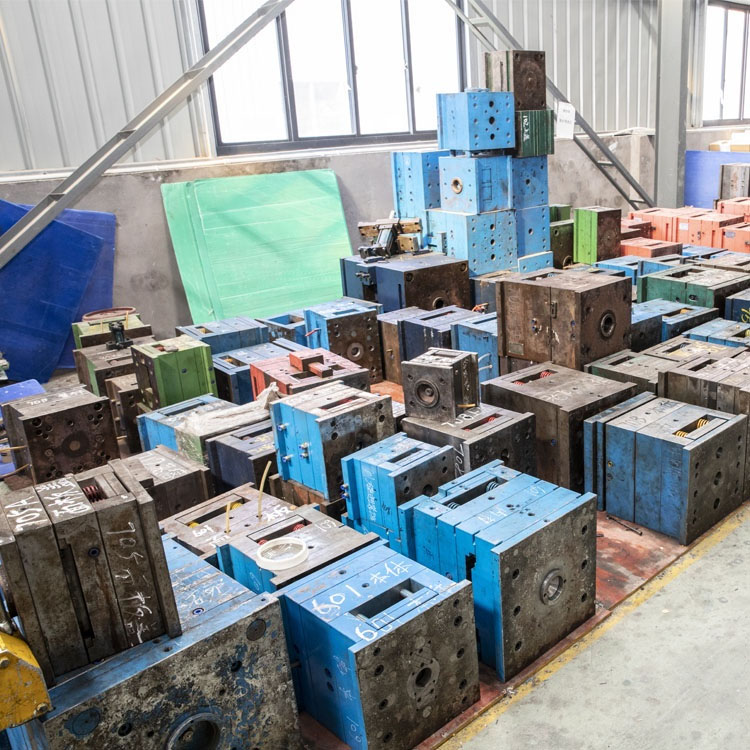
Plastic Injection Mould making
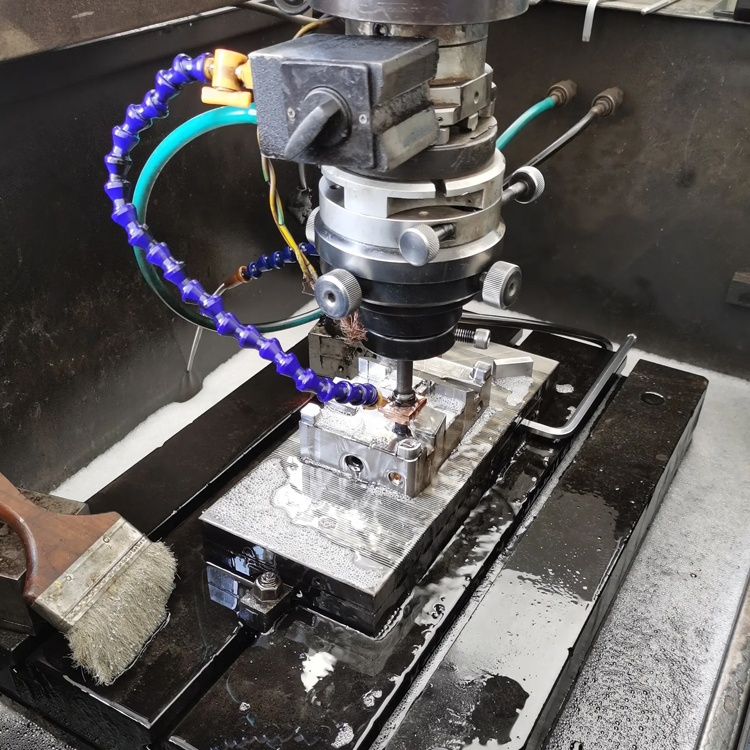
Plastic molding specifications
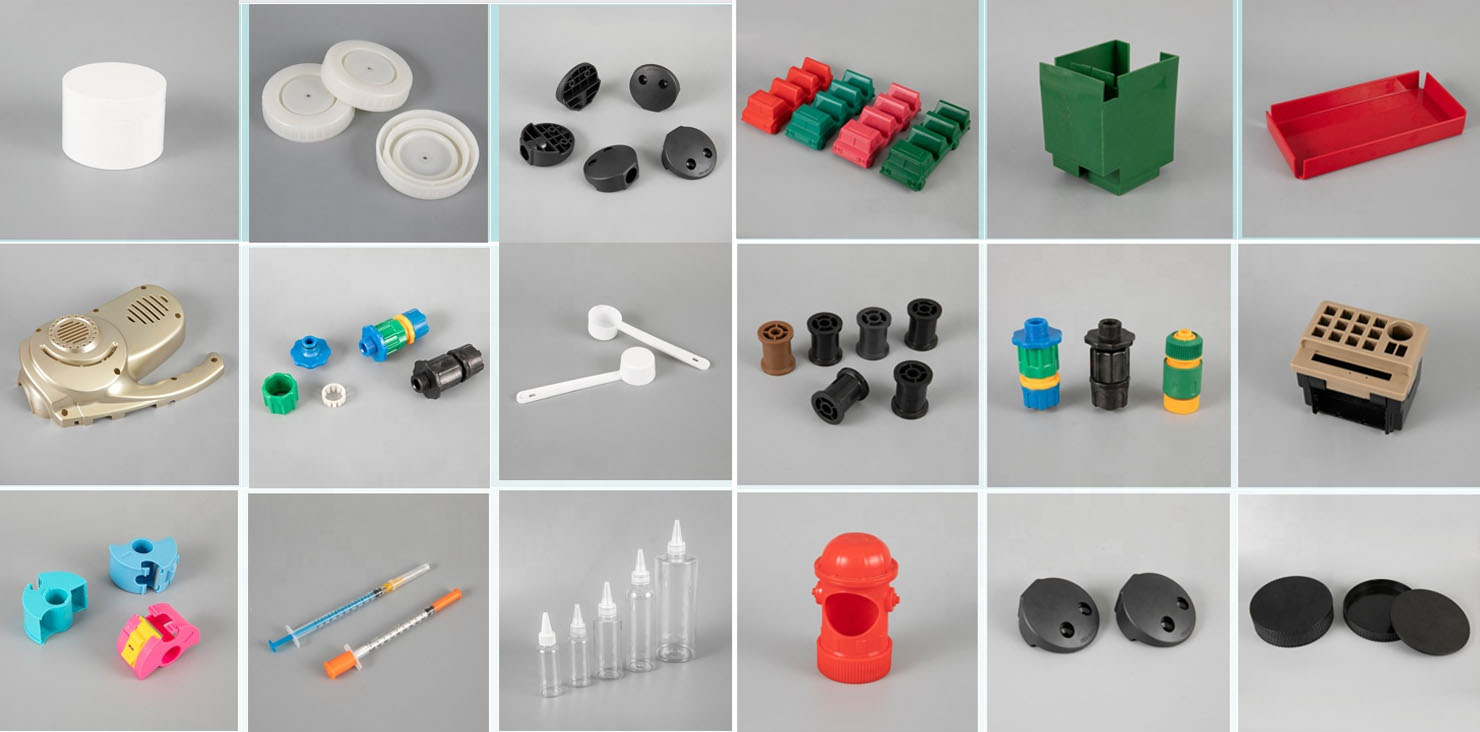
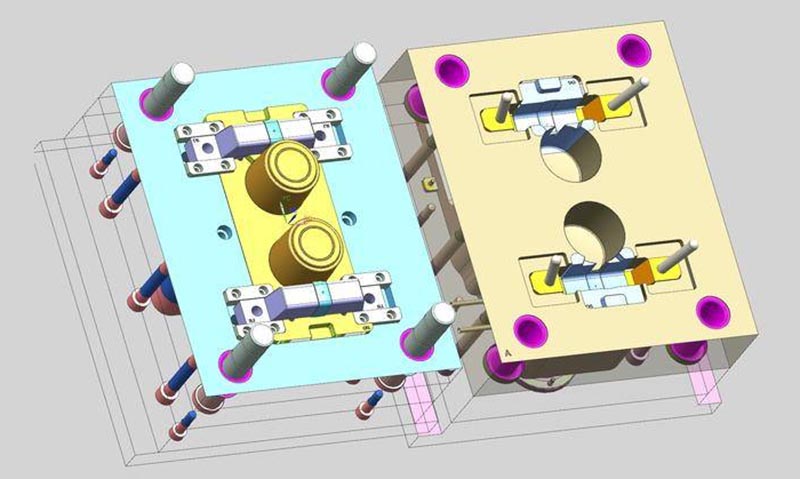
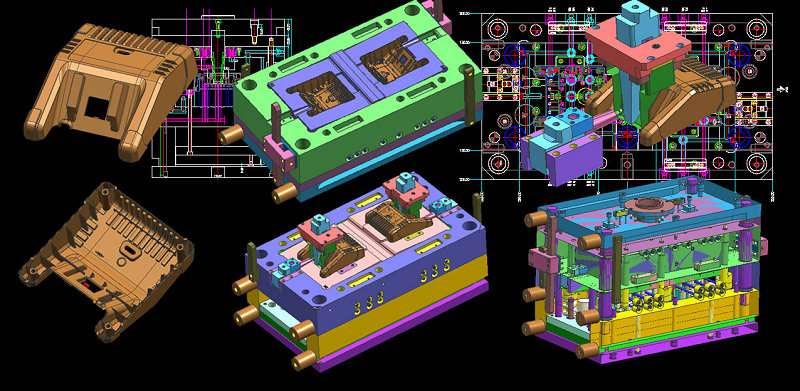
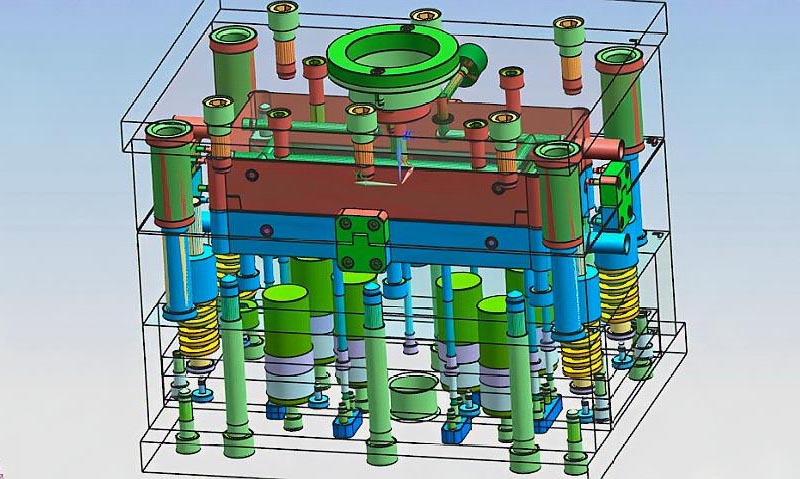
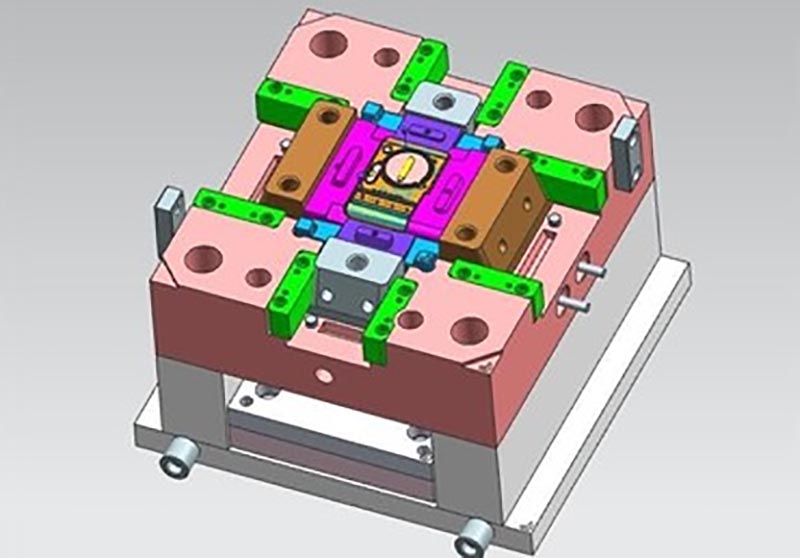
Mold design:
Transaction process:
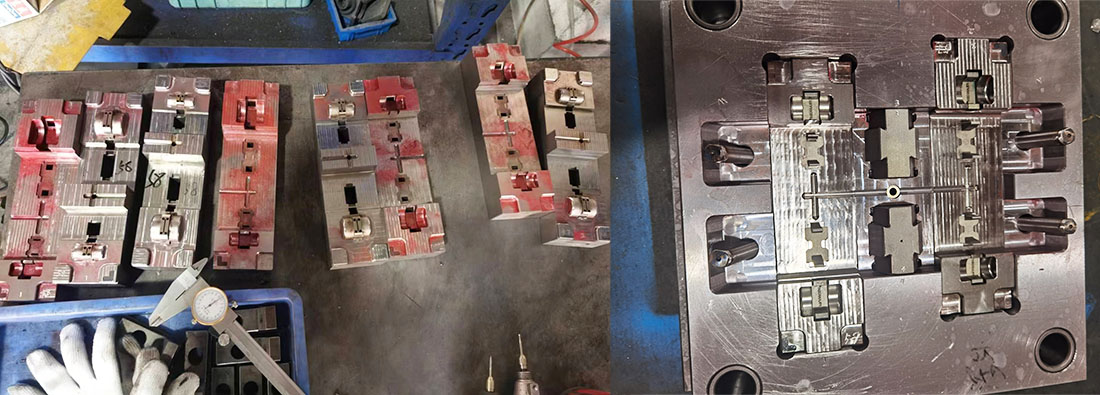
Mold testing:

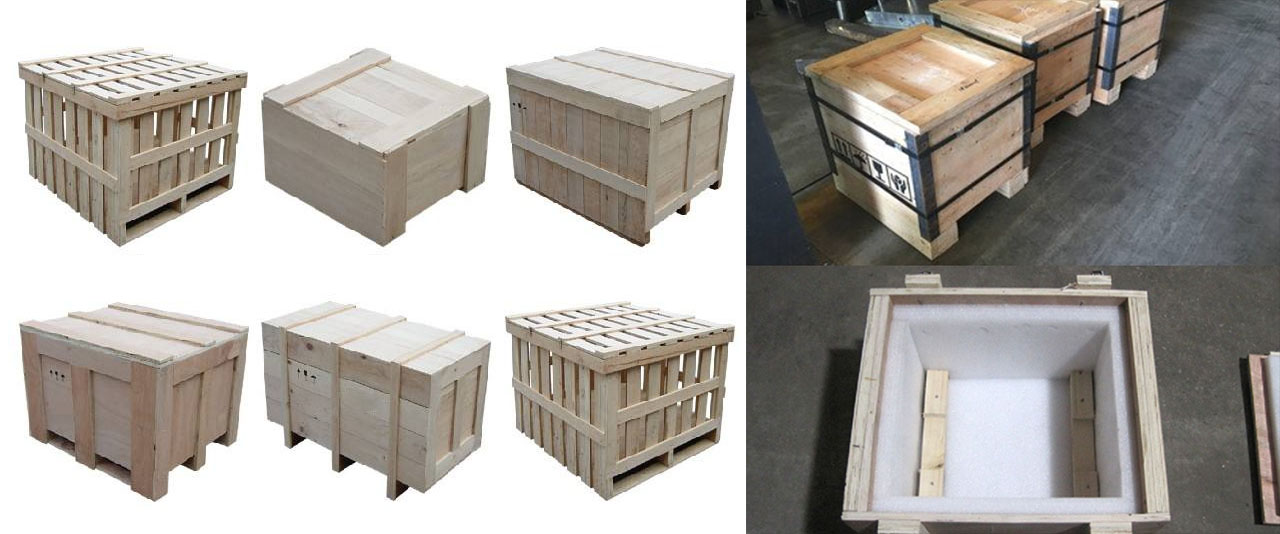
Product packaging
Factory
We are Custom Plastic Mold factory. Our factory is plastic injection mold maker. we has 17 years of experience in professional custom plastic mold and 10 years of foreign trade experience. We are custom Plastic Mold supplier. We can provide custom Plastic Mold service. Our factory can make the Injection molded plastic parts, and the quality of the products will satisfy you.
We have more than 50 high-end machines and hundreds of engineers and designers. We can provide one-stop service, from product design - mold making - product production - product packaging - transportation. We have a complete production chain. We can meet all your requirements.
Services we provide:
Professional custom mold service, Plastic mold design and manufacturing .plastic product production, product design, mold design, blow mold customization, rotational mold customization, die-casting mold customization. 3D printing services, CNC manufacturing services, product packaging, customized packaging, shipping services.

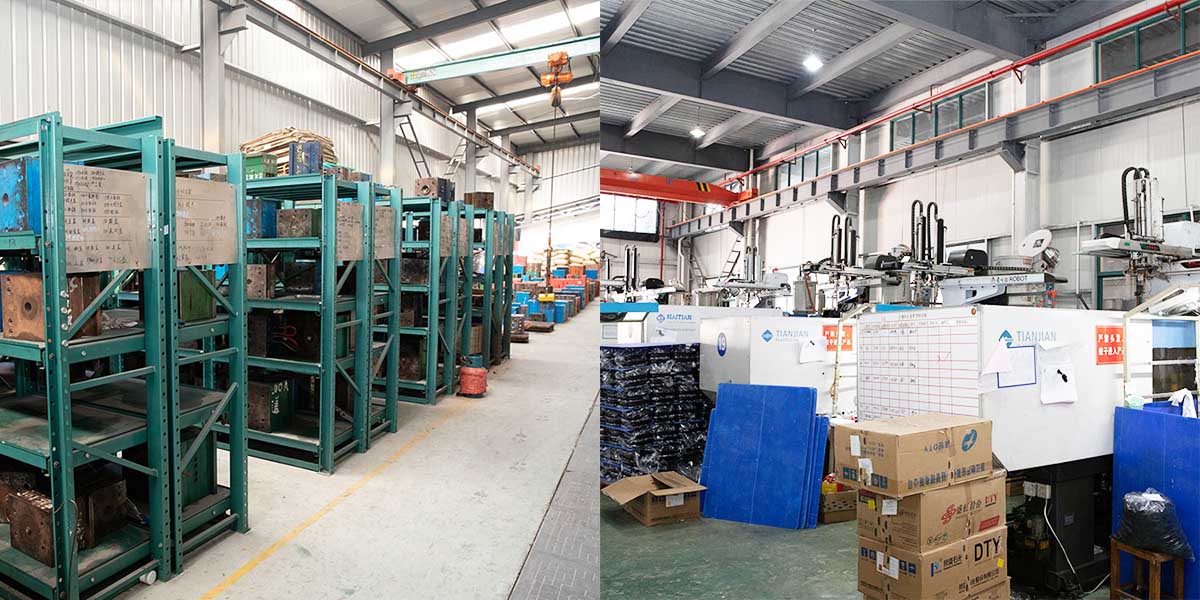
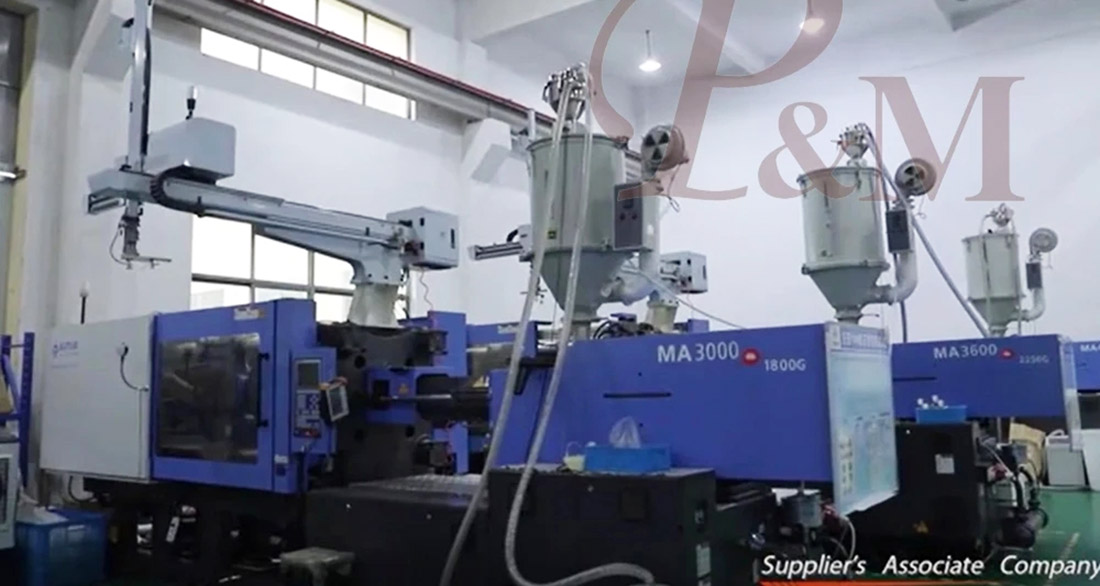
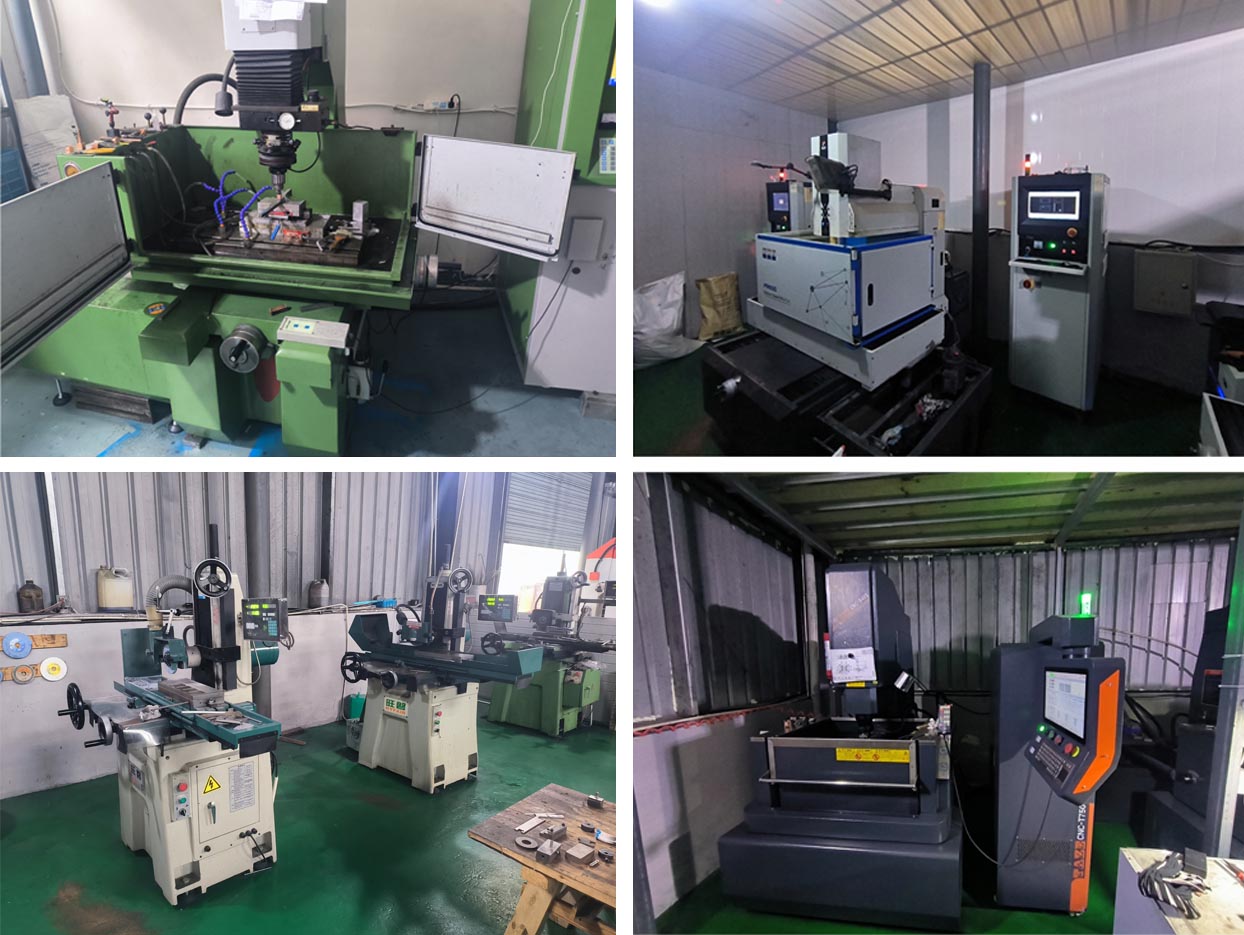
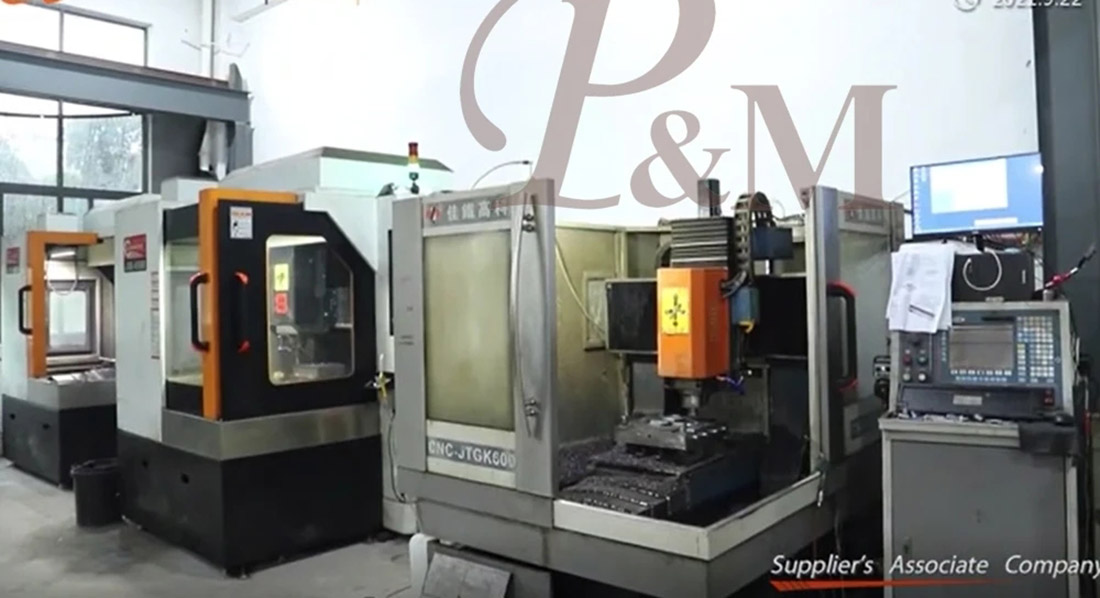
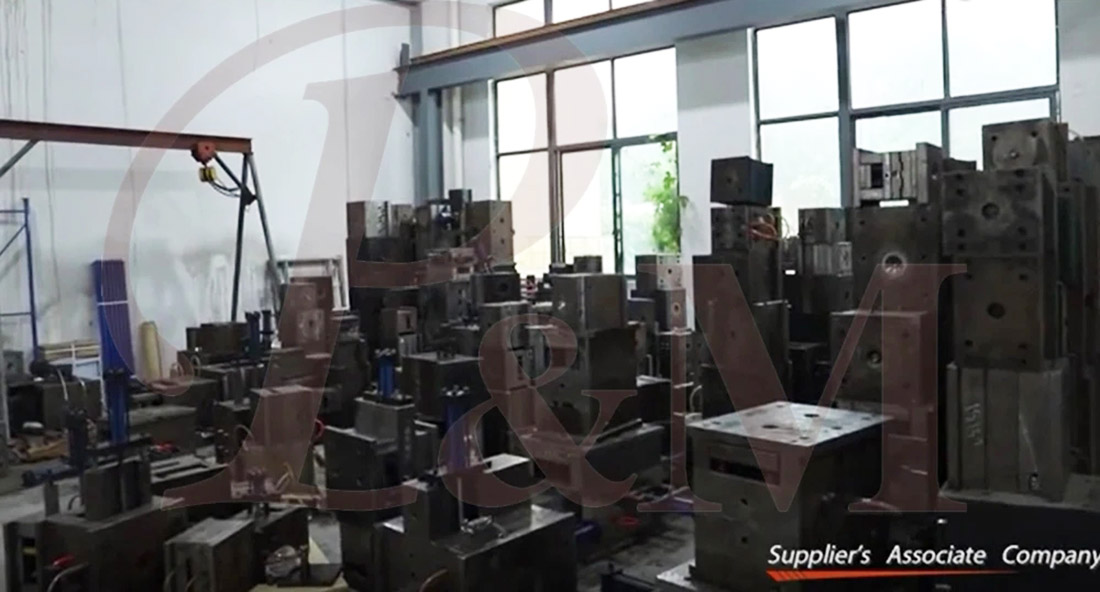
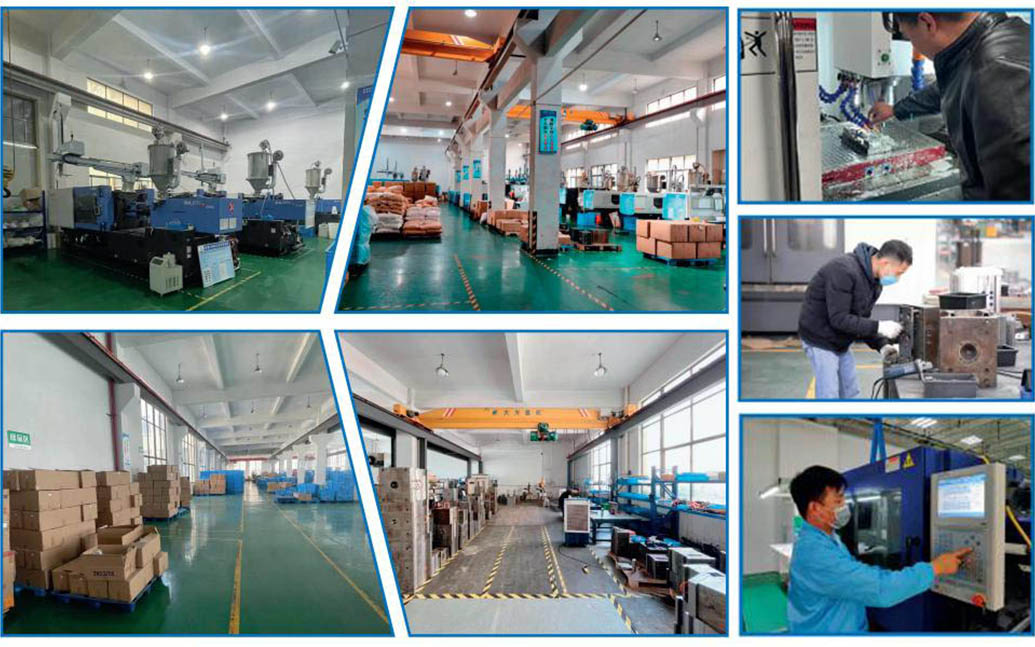
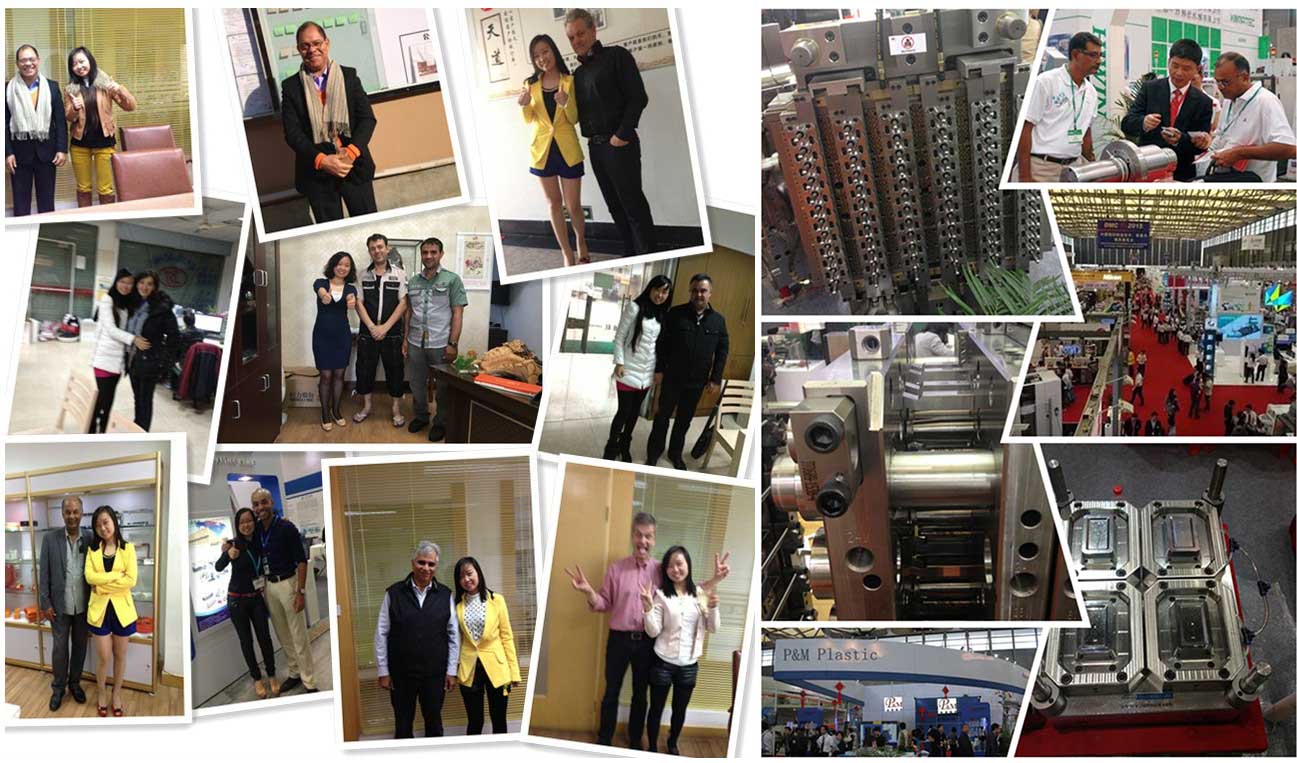
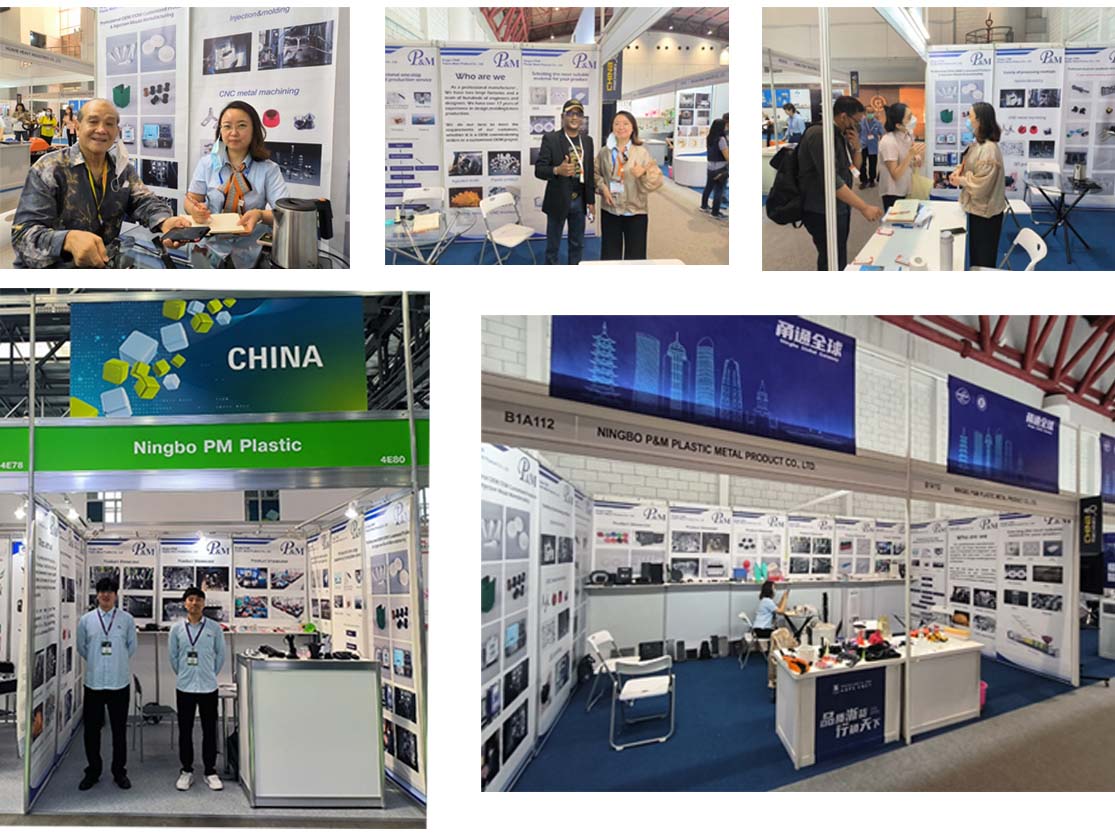
We always adhere to the principles of quality first and time first. While providing customers with the highest quality products, try to maximize the production efficiency and shorten production time. We are proud to tell every customer that our company has not lost any customer since its establishment.If there is a problem with the product, we will seek a solution actively and take responsibility to the end.

FAQ
Q1: Are you trading company or manufacturer ?
A: We are manufacturers.
Q2. When can I get the quotation?
A: We usually quote within 2 days after we get your inquiry.
If you are very urgent, please call us or tell us in your email so that we can quote for you first.
Q3. How long is the lead-time for mold?
A: It all depends on the products' size and complexity. Normally, the lead time is 25 days.
Q4. I have no 3D drawing, how should I start the new project?
A: You can supply us a molding sample, we will help you finish the 3D drawing design.
Q5. Before shipment, how to make sure the products quality?
A: If you don't come to our factory and also don't have the third party for inspection, we will be as your inspection worker.
We will supply you a video for production process detail include process report, products size structure and surface detail, packing detail and so on.
Q6. What is your payment terms?
A: Mold Payment: 40% deposit by T/T in advance, 30% second mold payment before sending out the first trial samples, 30% mold balance after you agree the final samples.
B:Production Payment: 50% deposit in advance, 50% before sending out the final goods.
Q7: How do you make our business long-term and good relationship?
A:1. We keep good quality and competitive price to ensure our customers benefit for best quality products.
2. We respect every customer as our friend and we sincerely do business and make friends with them, no matter where they come from.
Hot Tags: Plastic part moulding, China, Manufacturer, Supplier, Factory, Customized, Wholesale, Buy, Quality, Latest Selling, Made in China
Related Category
Send Inquiry
Please feel free to give your inquiry in the form below. We will reply you in 24 hours.