
Product
- Core Customization Service
- Health Care
- Electronic Appliances and Instruments
- Maternal and Child Supplies Molds
- Recreational Sports
- Home Furnishing Art
- Auto Accessories
- Transportation and Warehousing
- Lighting Fixtures
- Construction Equipment
- Packaging Product
- Educational & Laboratories
- Clothing Luggage Accessories
- Care and Cleaning Products
- Agriculture & Forestry
- Mechanical Equipment
- Pet Supplies
- Kitchenware
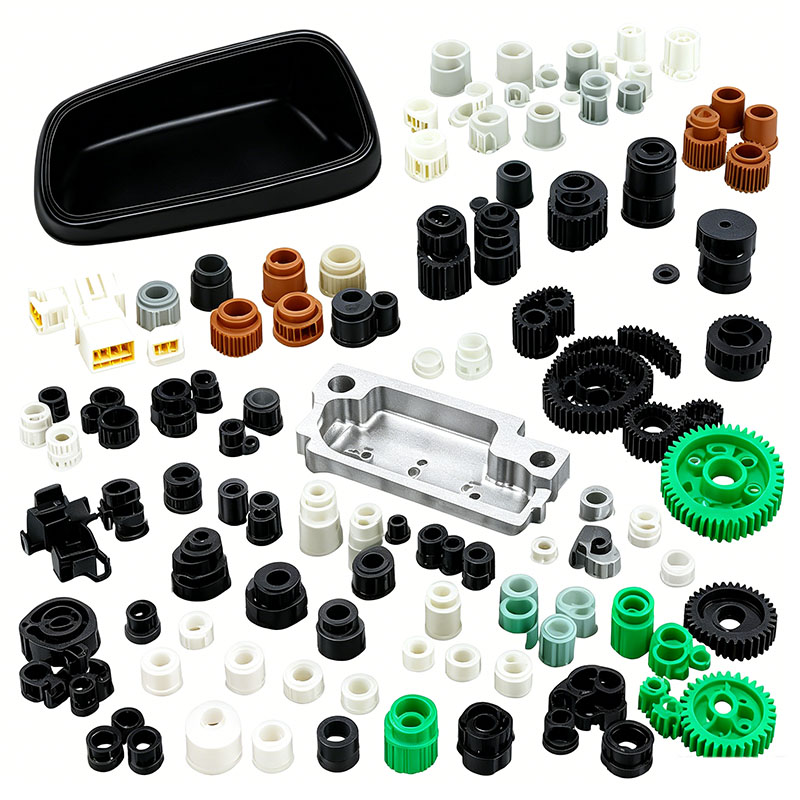
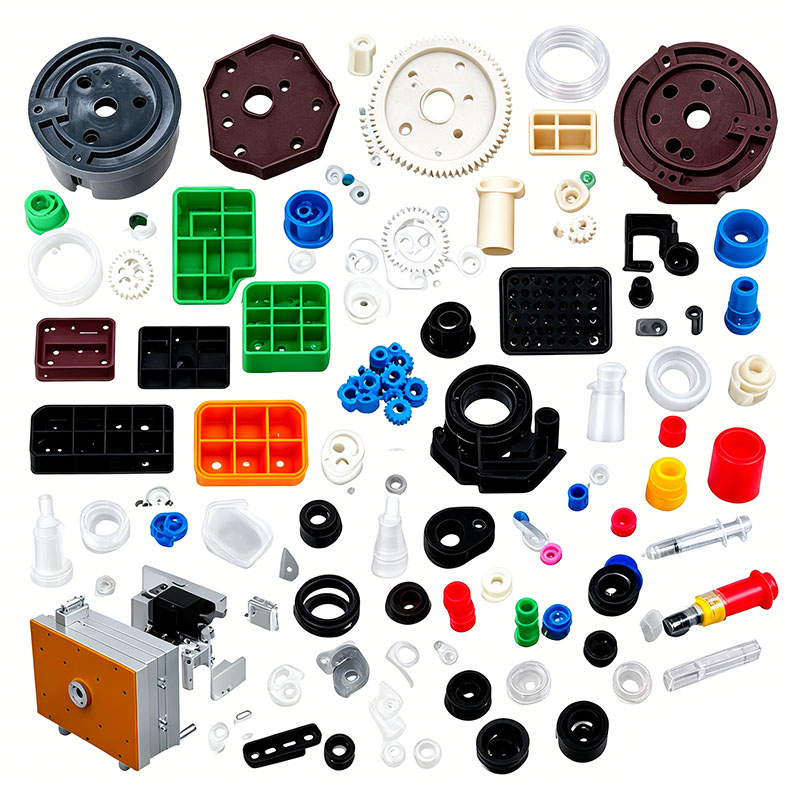
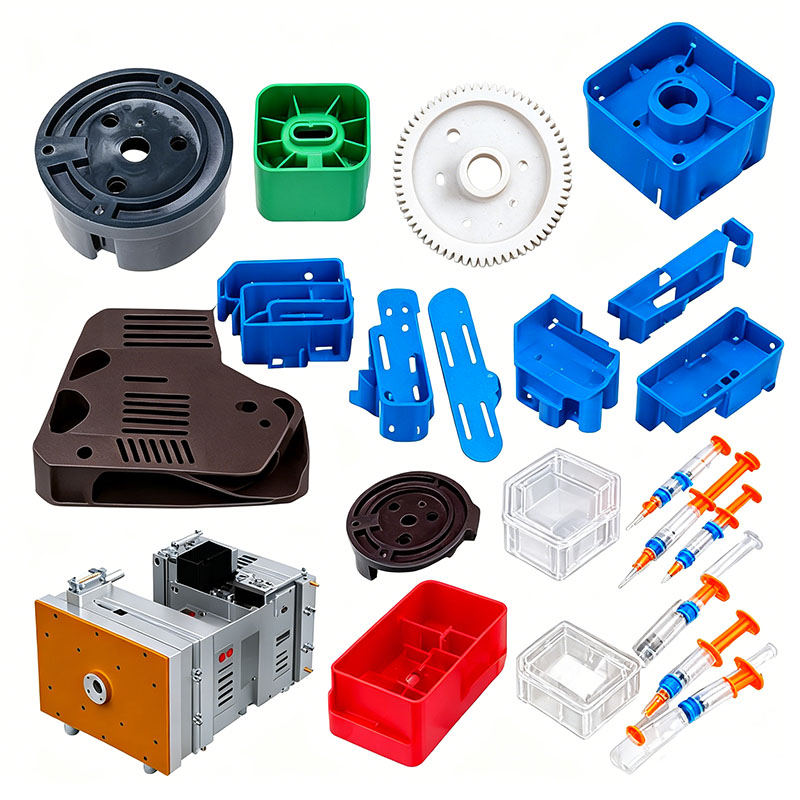
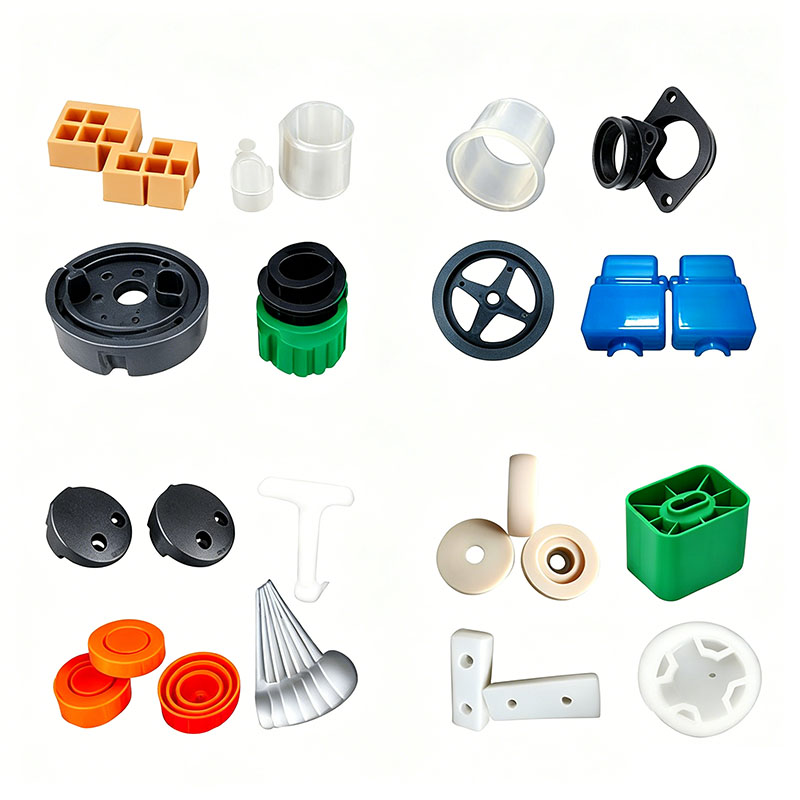
Plastic spare part box moulding
Ningbo (P&M) Plastic Metal Products Co., Ltd. has 17 years of mold manufacturing technology and can customize plastic spare part box moulding. We provide professional customized plastic spare part box moulding services, and we are a professional plastic spare part box moulding manufacturer. We have sufficient experience in selecting product raw materials and mold materials. In the process of customizing plastic spare part box moulding, our factory can provide one-stop service. We have design and production capabilities related to plastic spare part box moulding, such as: CAD design, mold manufacturing, injection molding, plastic product production, assembly and other technologies.
Send Inquiry
Product Description
In addition, our company has established cooperative relationships with plastic raw material suppliers, printing manufacturers, etc. to ensure the supply of raw materials and printing quality. Through our rich experience and perfect supply chain, our company can provide customers with high-quality customized plastic spare part box moulding products to meet their specific needs. At the same time, we have 10 years of professional foreign trade service experience, understand the foreign trade process, and better serve our customers. For plastic spare part box moulding products, we can make corresponding plastic parts, which is mainly done through injection molds.
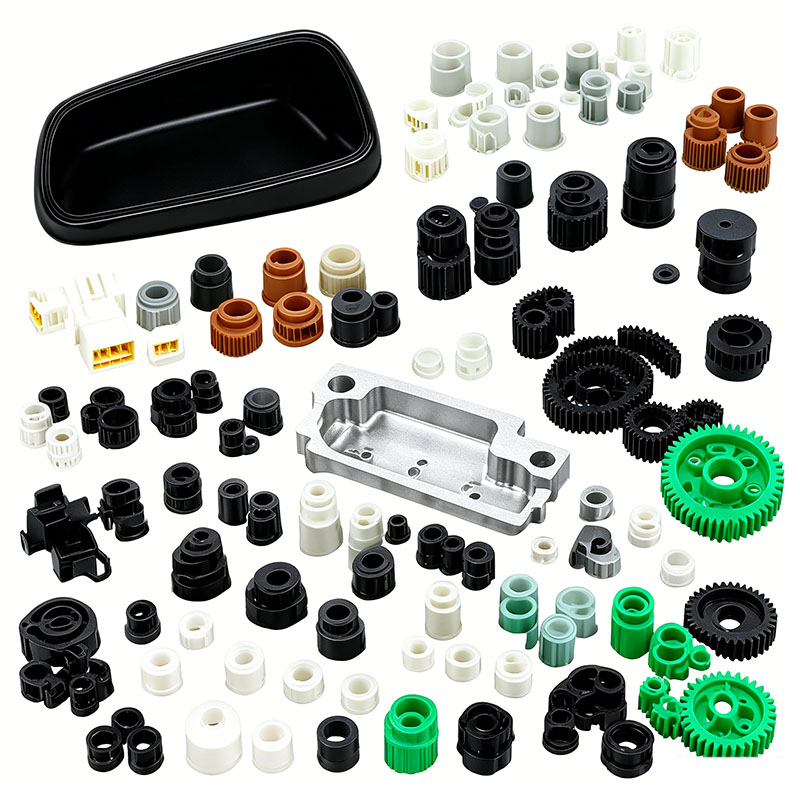
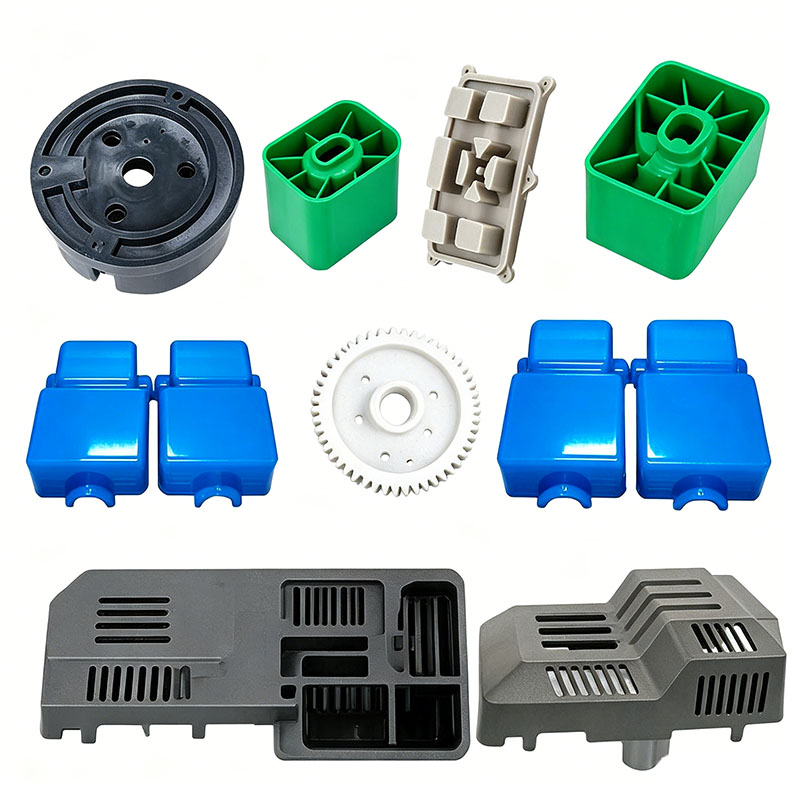
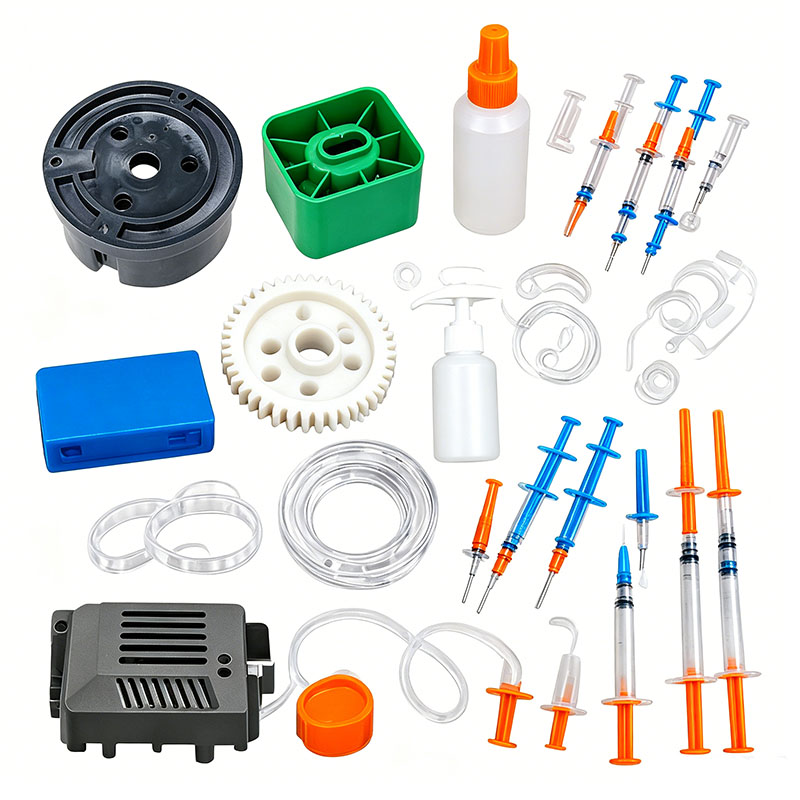
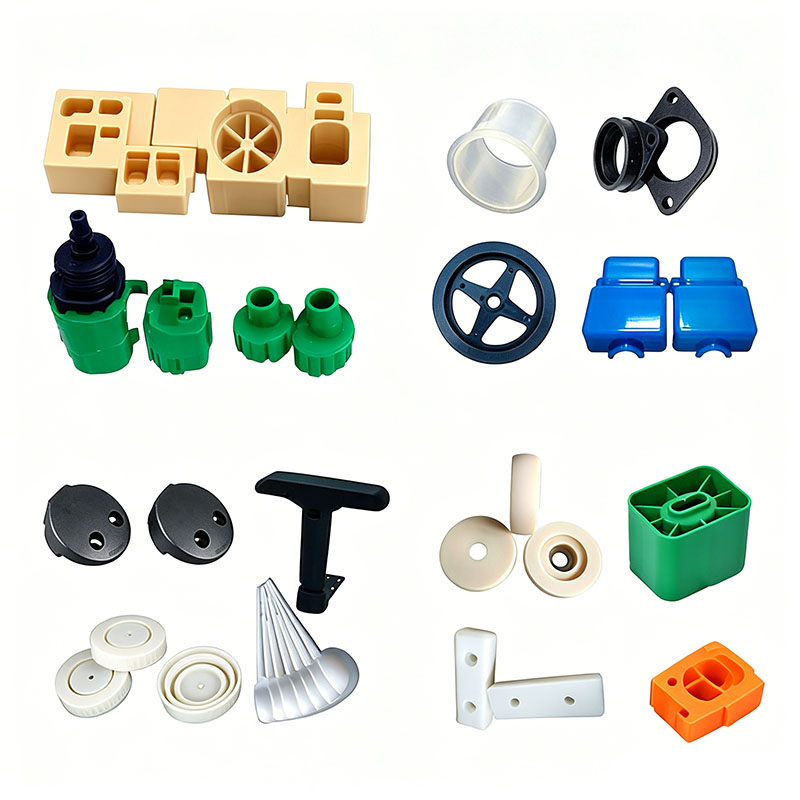
Plastic spare parts bins are widely used in auto repair shops, factory warehouses, hardware storage areas, and for storing equipment components. They consist of various parts, including the main bin body, lid, internal partitioned drawers, snap-locks, handles, support feet, and dividers. These products are frequently used to store heavy items like metal screws, bearings, and mechanical parts, subjecting them to continuous static loads, impacts from frequent handling, and harsh workshop environments—including exposure to machine oil, cutting fluids, dust, and significant diurnal temperature fluctuations. Consequently, the plastic components require high rigidity, dimensional stability (low shrinkage/no warping), resistance to oil corrosion and drop impacts, and durable snap-locks that do not break after repeated opening and closing. Mainstream materials include talc-filled modified PP, high-impact ABS, and reinforced HIPS. Molding processes focus on four key metrics: controlling shrinkage and warpage, ensuring load-bearing strength, maintaining dimensional interchangeability for mass production, and ensuring oil resistance with minimal material leaching. Key molding points are systematically managed across raw material pretreatment, mold design, injection molding parameters, post-processing, and defect prevention.
I. Key Points for Material Selection and Pretreatment
Material Matching and Regrind Management
The main bin bodies, partitioned drawers, and dividers are made of talc-filled PP; the talc filler effectively reduces molding shrinkage, enhances rigidity and load-bearing capacity, and offers oil resistance and low cost. Lids, exposed handles, and label panels are made of ABS, chosen for its high surface gloss and toughness, which facilitate screen-printing part numbers. Load-bearing snap-locks and locking mechanisms utilize high-impact HIPS, which offers high hardness and fatigue resistance, ensuring they do not break easily during repeated opening and closing.
Strict limits apply to material reuse: Mixing recycled scrap into load-bearing structural components (such as bin bodies and drawers) is strictly prohibited, as repeated regrinding causes molecular degradation, making parts prone to deformation or cracking under load. For ABS cosmetic parts, the proportion of added runners (regrind) is capped at 10%; the material must be crushed and sieved to remove large, coarse particles, thereby preventing uneven filling that could lead to color variations or localized structural weakness. When mixing materials, incorporate oil-resistant, low-migration mold release agents and antistatic masterbatches to prevent surface oil exudation and the attraction of metal dust. Keep filled PP separate from ABS and HIPS during mixing and storage; strictly avoid cross-contamination, which can cause delamination and embrittlement in the molded parts.
Mixing Operation Standards
Use a low-speed vertical mixer at 280–320 rpm for 6–10 minutes. Do not use high-speed mixing for talc-filled PP; high-speed friction causes powder agglomeration, leading to surface white spots, mottling, and inconsistent local rigidity. After mixing, seal the material container to protect raw materials from workshop oil mist and dust contamination, thereby preventing black spots and defects during molding.
Drying and Dehumidification Standards
ABS is highly hygroscopic; failure to dry it thoroughly before molding results in "silver streaks" and internal voids. Voids in load-bearing areas significantly reduce impact resistance. Standard drying conditions involve hot-air drying at 80°C for 3–4 hours, keeping moisture content below 0.04%. Filled PP and HIPS have extremely low water absorption rates and generally do not require drying in standard workshop environments. However, during the humid "Plum Rain" season in southern regions, drying at 60°C for one hour is necessary to remove surface moisture. Transport dried raw materials to the machine via a sealed hopper to prevent re-absorption of atmospheric moisture.
II. Key Points for Mold Design and Machine Setup
Spare parts boxes are typically thin-walled shells with high length-to-width ratios. While the main wall thickness is 1.8–2.2 mm, internal ribs and mounting bosses can reach 4–5 mm. This significant variation in thickness makes the parts prone to uneven shrinkage and one-sided warping; therefore, mold design must prioritize symmetrical cooling, balanced ejection, and adequate venting. **Mold Steel Selection**
For the ABS lid's cosmetic cavity, 718H pre-hardened mirror-finish steel is selected to ensure a smooth, uniform surface after polishing and reliable adhesion for screen-printed text. The cavity for the talc-filled PP body undergoes nitriding treatment to withstand long-term abrasive wear from the filler powder, thereby extending the mold's service life. Wear-resistant P20 steel is used for small components like snaps and latches to prevent structural collapse or deformation during high-volume production. All internal corners of the plastic parts feature radiused designs (R-fillets) to eliminate stress concentrations, preventing cracking under heavy loads or impacts from drops.
**Balanced Cooling System (Anti-Warping Core)**
Given the significant disparity between the body's length and width, the mold employs a symmetrical, conformal cooling circuit that wraps around both sides, ensuring identical layouts for the long and short edges. Spiral cooling cores are installed within the thick-walled support pillars at the bottom to minimize temperature differentials between thick and thin sections, facilitating uniform cooling. Mold temperatures are controlled by zone: 50–60°C for the ABS cosmetic parts and 30–45°C for the filled PP body. Excessive PP mold temperatures exacerbate crystallization shrinkage, leading to undersized dimensions and uneven gaps when stacking multiple units; conversely, temperatures that are too low leave significant residual internal stress, causing ongoing warping and deformation during storage.
**Optimized Venting and Balanced Ejection**
The long body design results in an extended melt flow path, making the weld line at the far end of the cavity prone to gas entrapment and burning; consequently, continuous, fine venting channels (0.012 mm deep) are cut along the long edges of the parting line. The densely ribbed bottom utilizes a multi-point, symmetrical arrangement of ejector pins and flat ejectors to ensure uniform ejection force; unbalanced ejection could cause the body to warp upward on one side upon demolding, resulting in a poor lid seal or binding during drawer operation. Auxiliary ejector blocks are added for slender dividers to prevent punch-through or surface whitening.
**Mold Installation Specifications**
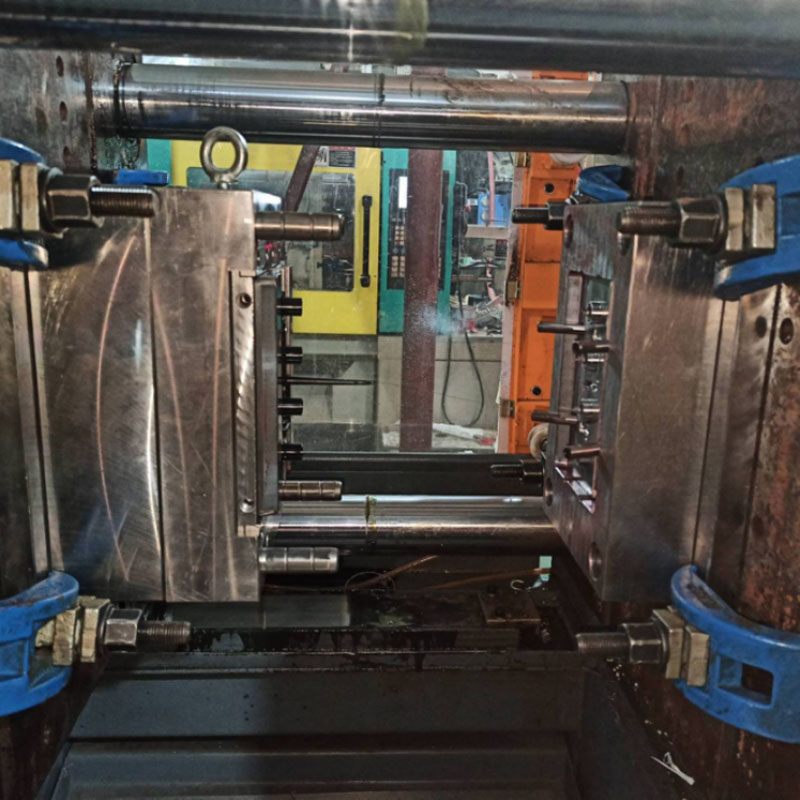
The large parts-bin mold is designed for use with 450T–750T injection molding machines; after hoisting, clamping plates must be tightened evenly to prevent extensive flash caused by high-pressure injection. Install flow detectors on water circuits to ensure smooth circulation; calibrate low-pressure mold protection to trigger automatic mold opening upon detecting residual runners or foreign objects at the parting line, preventing cavity damage; and conduct comprehensive leak testing on water connections to eliminate moisture contamination in the melt, which causes bubble defects.
III. Key Control Points for the Injection Molding Process
The overall process strategy involves low-shear staged filling, two-stage holding pressure, and adequate, balanced cooling to minimize shrinkage and deformation, ensuring dimensional consistency and stable load-bearing performance across batches.
Precise zoned temperature control for the barrel
ABS box lid panel: Feed zone 160–170°C, middle zone 180–190°C, nozzle 195–205°C; temperatures must not exceed 210°C, as excessive heat reduces material toughness, making the part prone to cracking upon heavy-object impact.
Talc-filled PP box body: Overall range 190–220°C, nozzle 210°C; excessive temperatures can cause filler migration, resulting in white spots or surface blooming (frosting).
HIPS snap-fit accessories: 185–210°C; temperatures that are too low result in poor flow and short shots, while temperatures that are too high make the product brittle and prone to breakage during repeated opening and closing.
Staged variable-speed filling process
Long box bodies utilize a three-stage variable-speed filling process: low-speed buffering at the gate area, medium-to-high speed filling for the middle section of the cavity, and reduced speed at the distal weld line to minimize internal stress caused by molecular shear. Injection pressure is set at 80–110 bar; insufficient pressure results in weak weld lines at the far end, making the box prone to failure under load, while excessive pressure leads to increased flash and internal stress accumulation, causing continuous warping during long-term storage.
Two-stage holding pressure
PP is a semi-crystalline plastic with high molding shrinkage; therefore, a two-stage holding pressure profile is essential. The first stage completes cavity filling, while the second stage compensates for cooling shrinkage, eliminating sink marks or depressions on the box sidewalls and bottom. The holding time is 6–10 seconds for thin-walled lids and 15–20 seconds for thick-walled, load-bearing bodies; material accumulation for the next molding cycle occurs simultaneously during the holding phase, thereby shortening the compression molding cycle and boosting mass production efficiency.
Cooling and Part Removal Protocols
Cooling time is calculated at 3–4 seconds per 1 mm of wall thickness; standard 2 mm bodies require 9–12 seconds of cooling. Parts that are insufficiently cooled may appear flat upon demolding but can undergo irreversible shrinkage and deformation after 24 hours, leading to excessive gaps when closing the lid or causing the drawer to stick or jam during operation. Mold opening and ejection must be performed at a consistently low, smooth speed. Automated production lines utilize robotic arms for part removal; parts must be laid flat on a level fixture table immediately after removal. Stacking or compressing hot plastic parts is strictly prohibited to prevent permanent warping.
We are a plastic spare part box moulding manufacturer, providing high-quality plastic spare part box moulding manufacturing. As long as you want to customize/develop plastic spare part box moulding products, you can find us. We have professional injection mold design and mature manufacturing technology, providing you with one-stop service, from product design-mold making-product production-product packaging-product transportation, we can help you in every link. As long as you come to us, we will provide you with the ultimate service and satisfy you in terms of product quality, production time, information dialogue, etc.
|
Product Name |
Treadmill moulding |
|
Pls provide |
2D, 3D, samples, or the size of the multi-angle pictures |
|
Mould Time |
20-35 Days |
|
Product time |
7-15 Days |
|
Mould precision |
+/-0.01mm |
|
Mould life |
50-100 million shots |
|
Producing Process |
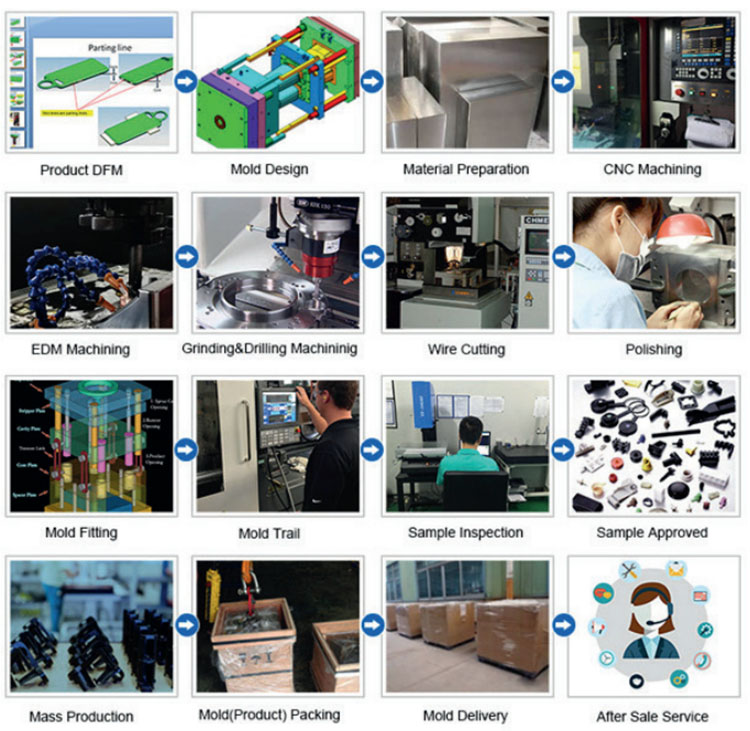
Audit drawings - mold flow analysis - design validation - Custom Materials - mold processing - core processing - electrode machining - Runner system processing - parts processing and procurement - machining acceptance - cavity surface treatment process - complex mode Die - The entire mold surface coating - Mounting plate - mold sample - sample test - sending samples |
|
Mould cavity |
One cavity, multi-cavity or same different products be made together |
|
Mould material |
P20,2738,2344,718,S136,8407,NAK80,SKD61,H13 |
|
Runner system |
Hot runner and cold runner |
|
Base material |
P20,2738,2344,718,S136,8407,NAK80,SKD61,H13 |
|
Finish |
Pitting the word, mirror finish, matte surface, striae |
|
Standard |
HASCO, DME or dependent upon |
|
Main technology |
Milling, grinding, CNC, EDM, wire cutting, carving, EDM, lathes, surface Finish, etc. |
|
Software |
CAD,PRO-E,UG Design Time: 1-3 days (normal circumstances) |
|
Product material |
ABS,PP,PC,PA6,PA66,TPU,POM,PBT,PVC,HIPS,PMMA,TPE,PC/ABS,TPV,TPO,TPR,EVA,HDPE,LDPE,CPVC,PVDF,PPSU.PPS. |
|
Quality system |
ISO9001:2008 |
|
Establish time |
20days |
|
Equipment |
CNC,EDM,Cutting off Machine,plastic machinery,etc plastic suitcase mould zhe jiang |
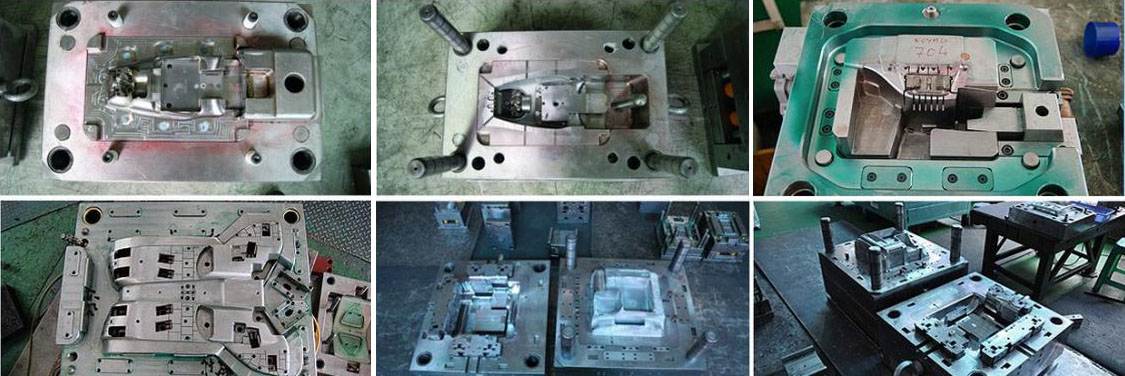
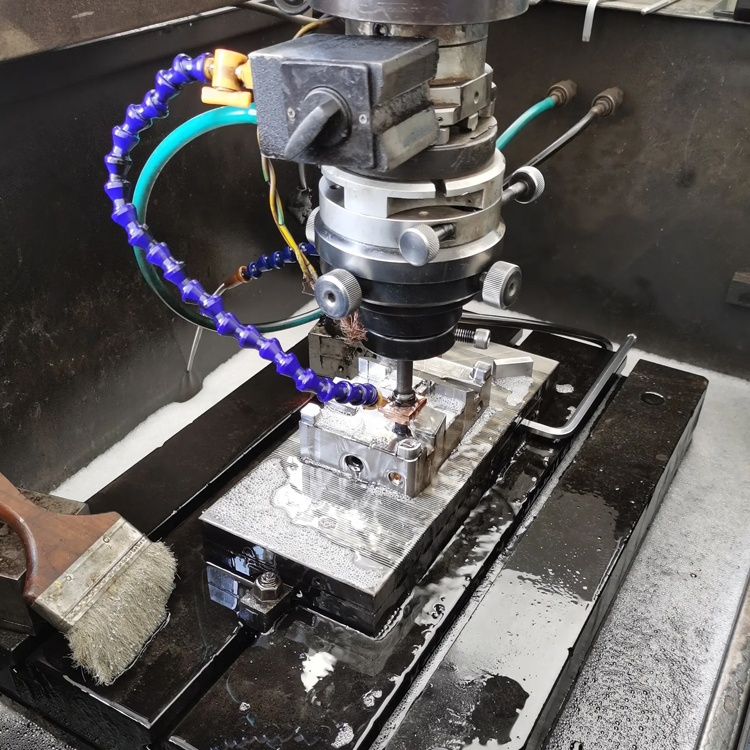
Plastic Injection Mould making
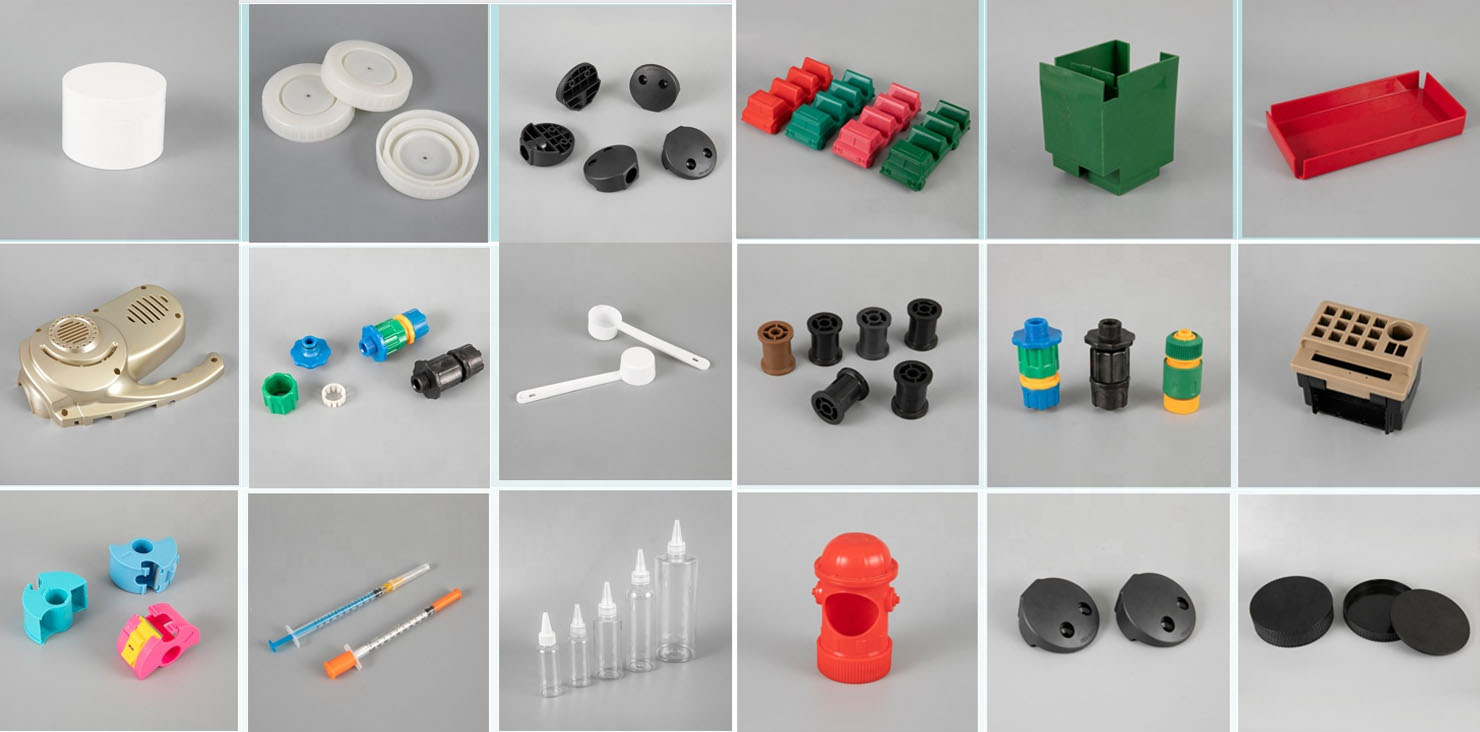
Plastic molding specifications
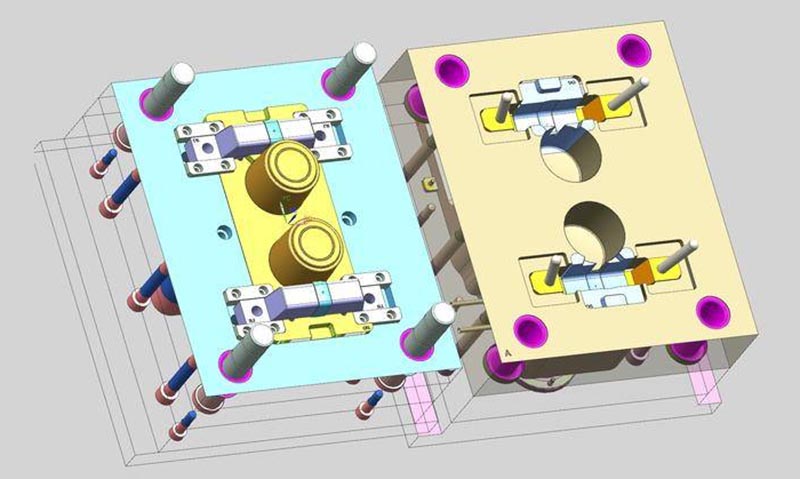
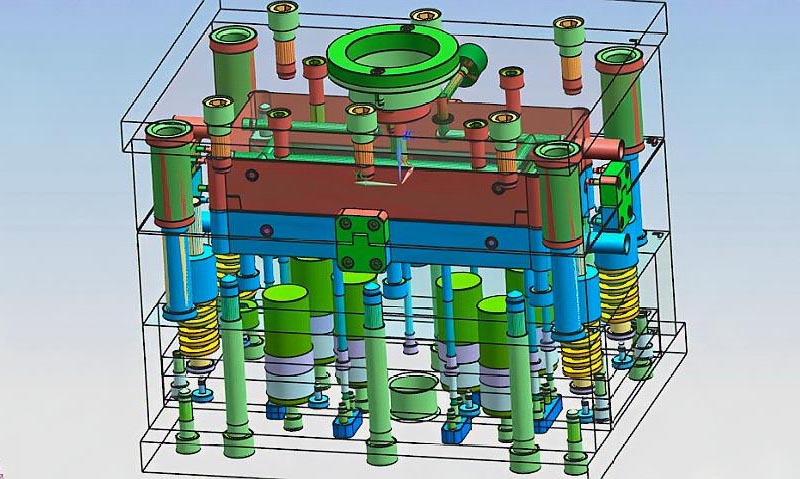
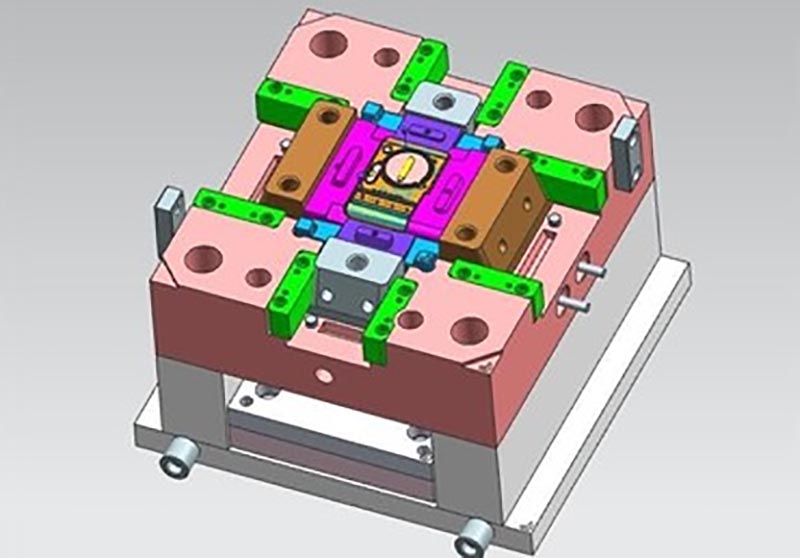
Mold design:
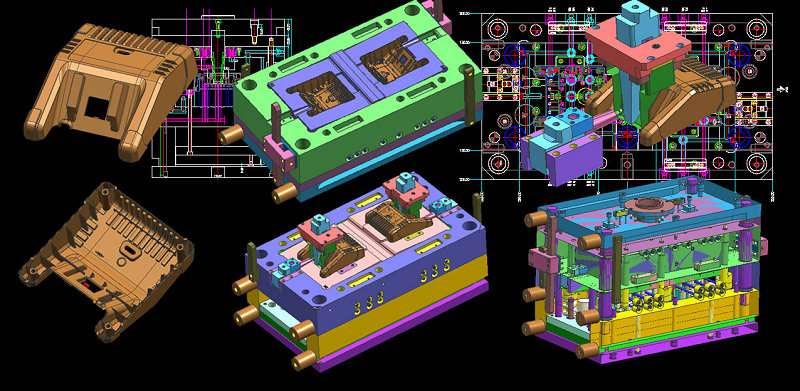
Transaction process:
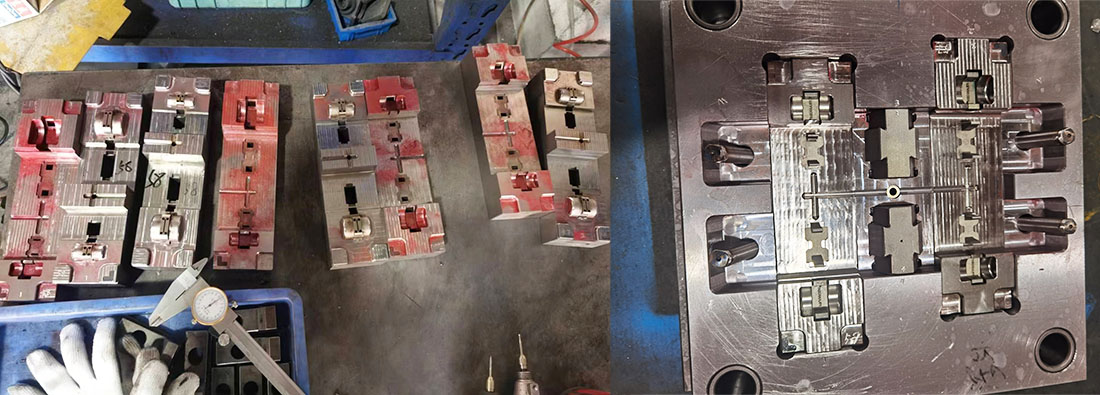
Mold testing:

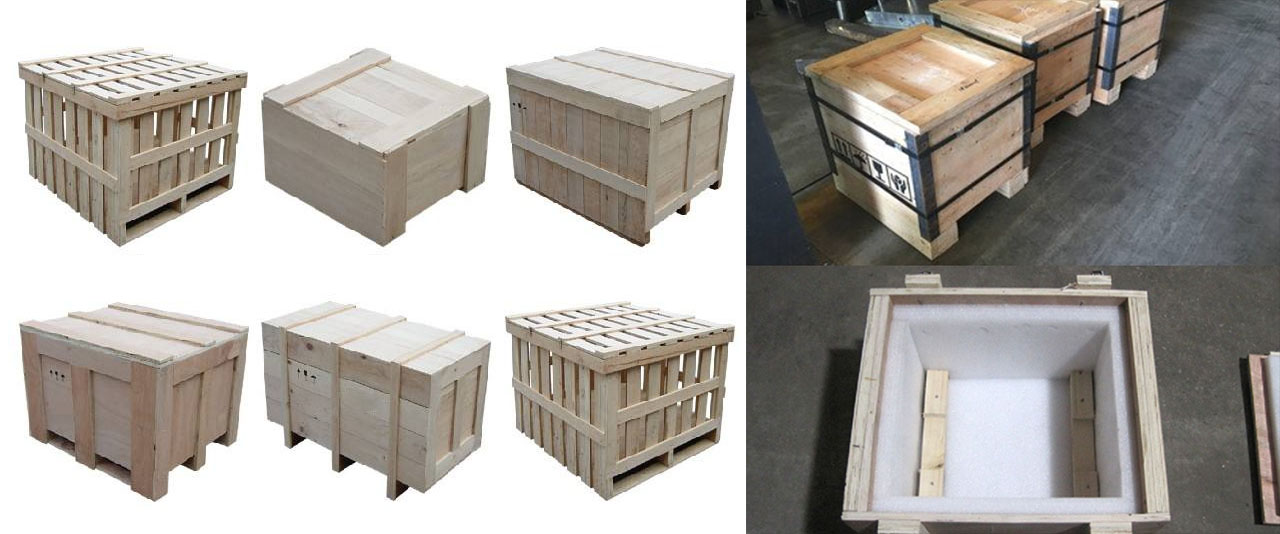
Product packaging
Factory
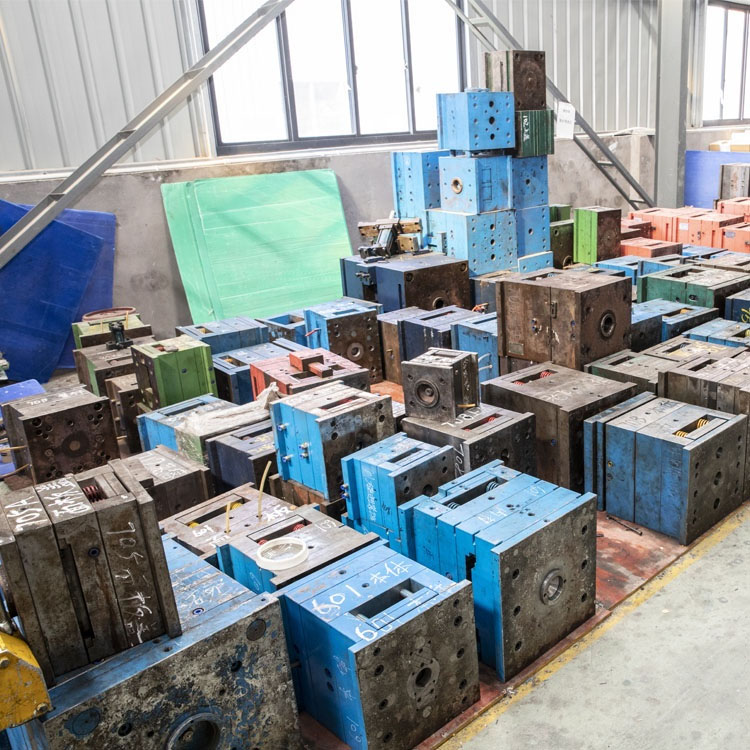
We are Custom Plastic Mold factory. Our factory is plastic injection mold maker. we has 17 years of experience in professional custom plastic mold and 10 years of foreign trade experience. We are custom Plastic Mold supplier. We can provide custom Plastic Mold service. Our factory can make the Injection molded plastic parts, and the quality of the products will satisfy you.
We have more than 50 high-end machines and hundreds of engineers and designers. We can provide one-stop service, from product design - mold making - product production - product packaging - transportation. We have a complete production chain. We can meet all your requirements.
Services we provide:
Professional custom mold service, Plastic mold design and manufacturing .plastic product production, product design, mold design, blow mold customization, rotational mold customization, die-casting mold customization. 3D printing services, CNC manufacturing services, product packaging, customized packaging, shipping services.
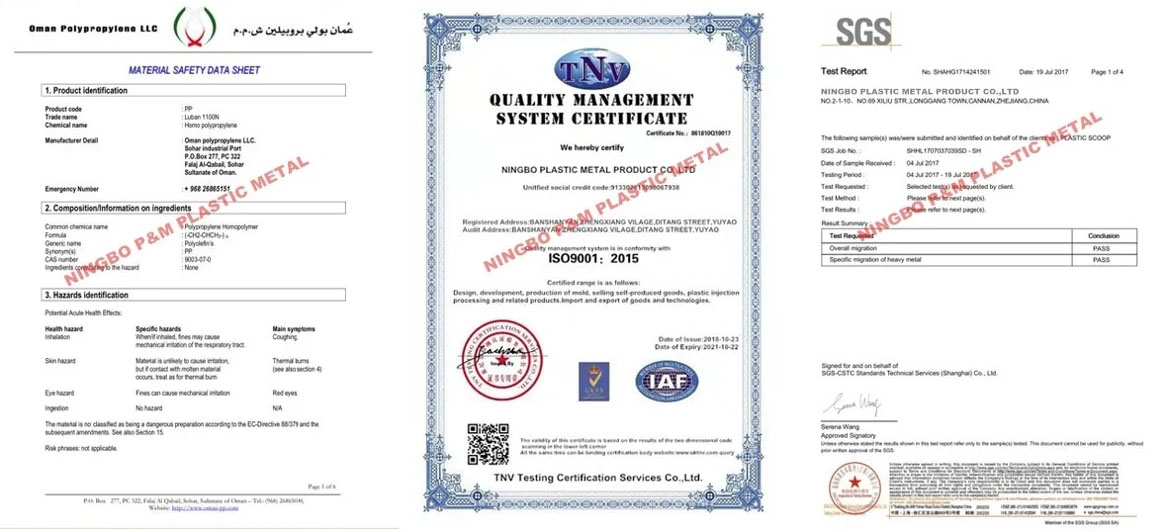

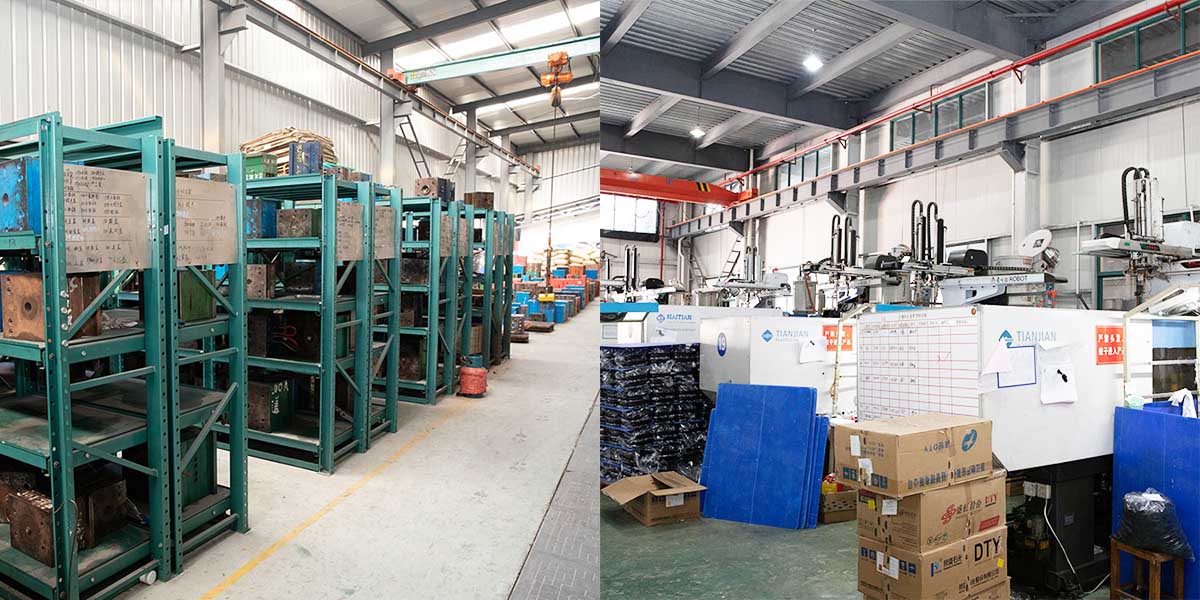
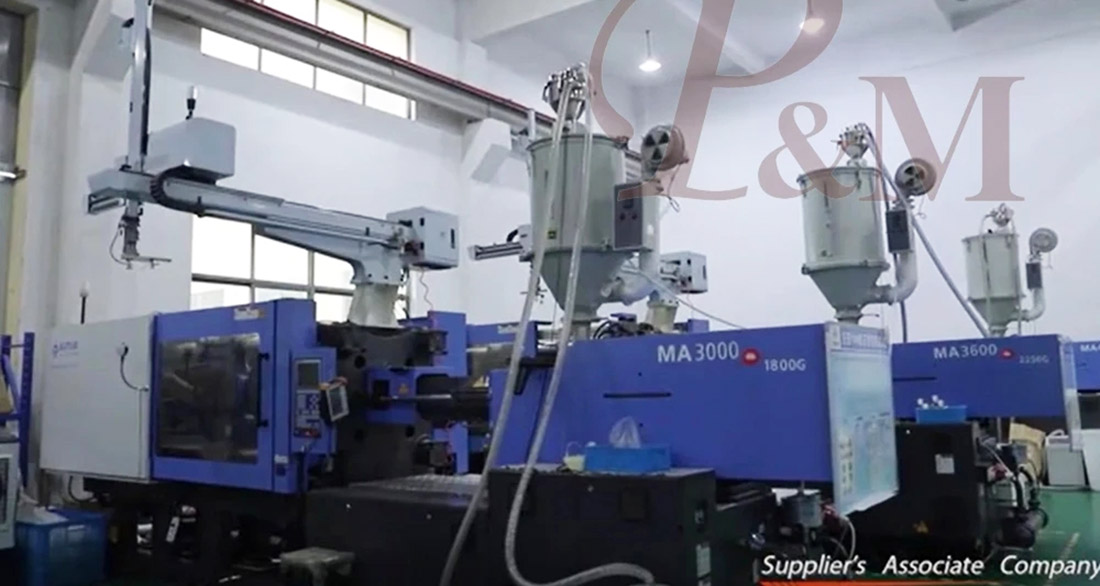
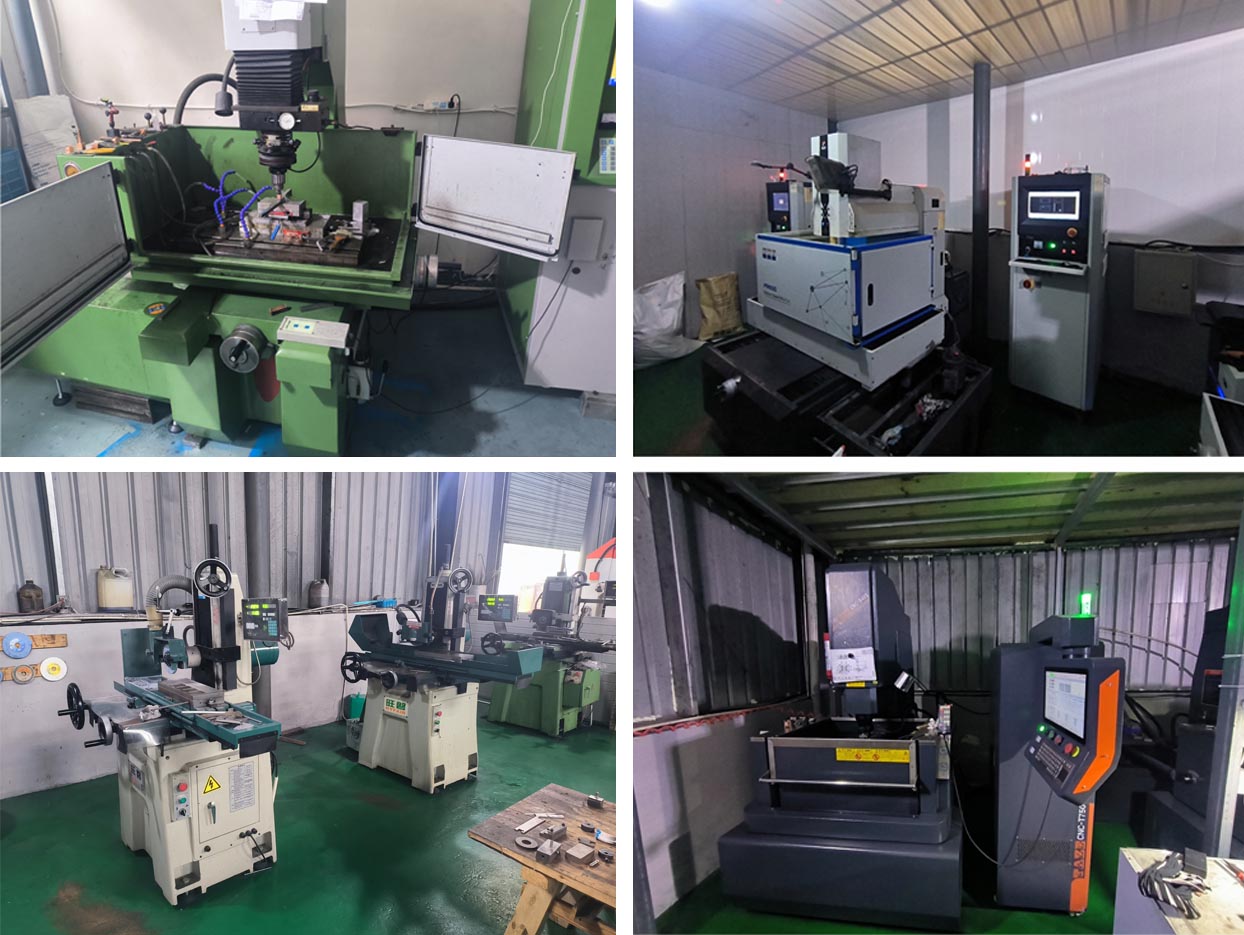
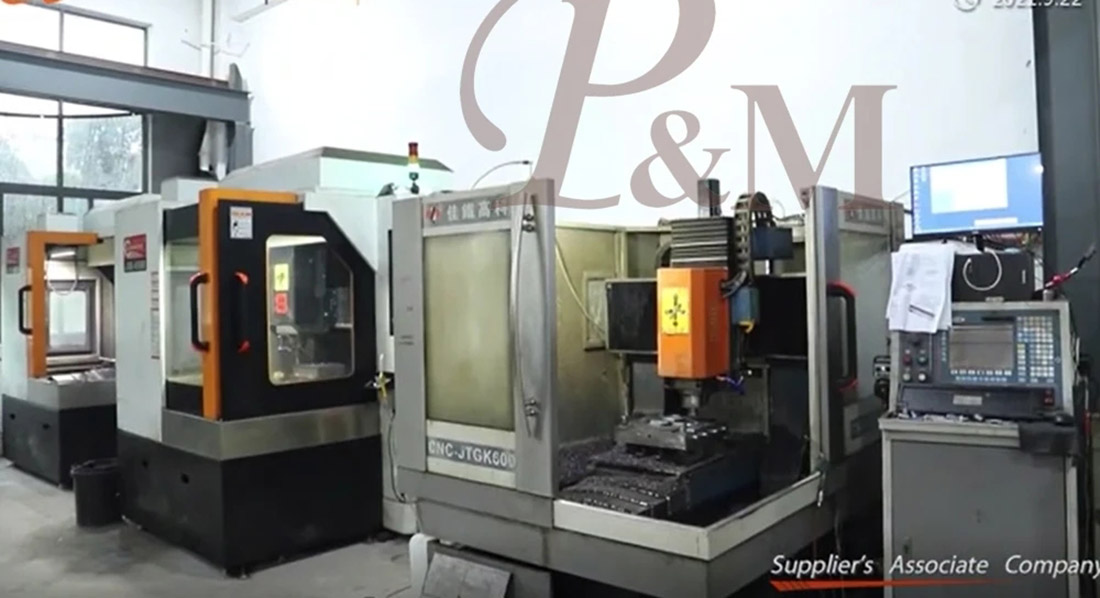
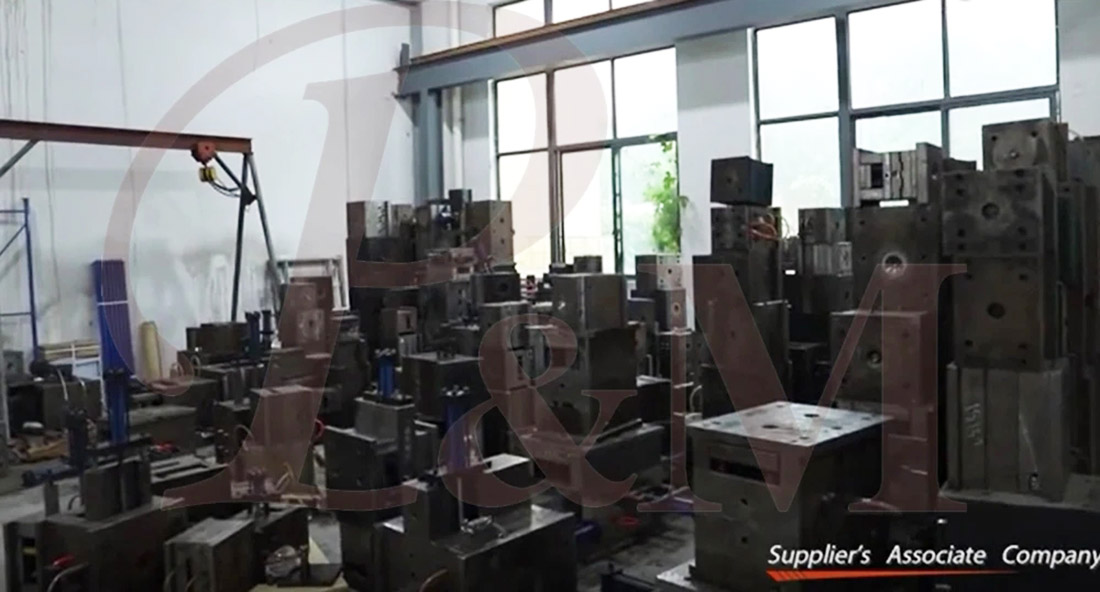
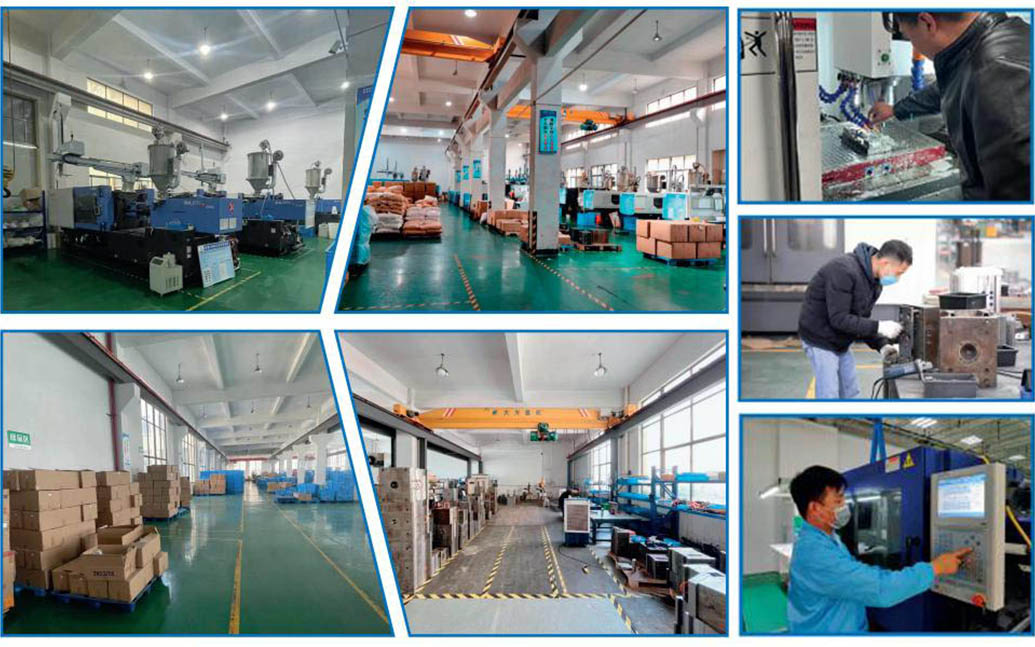
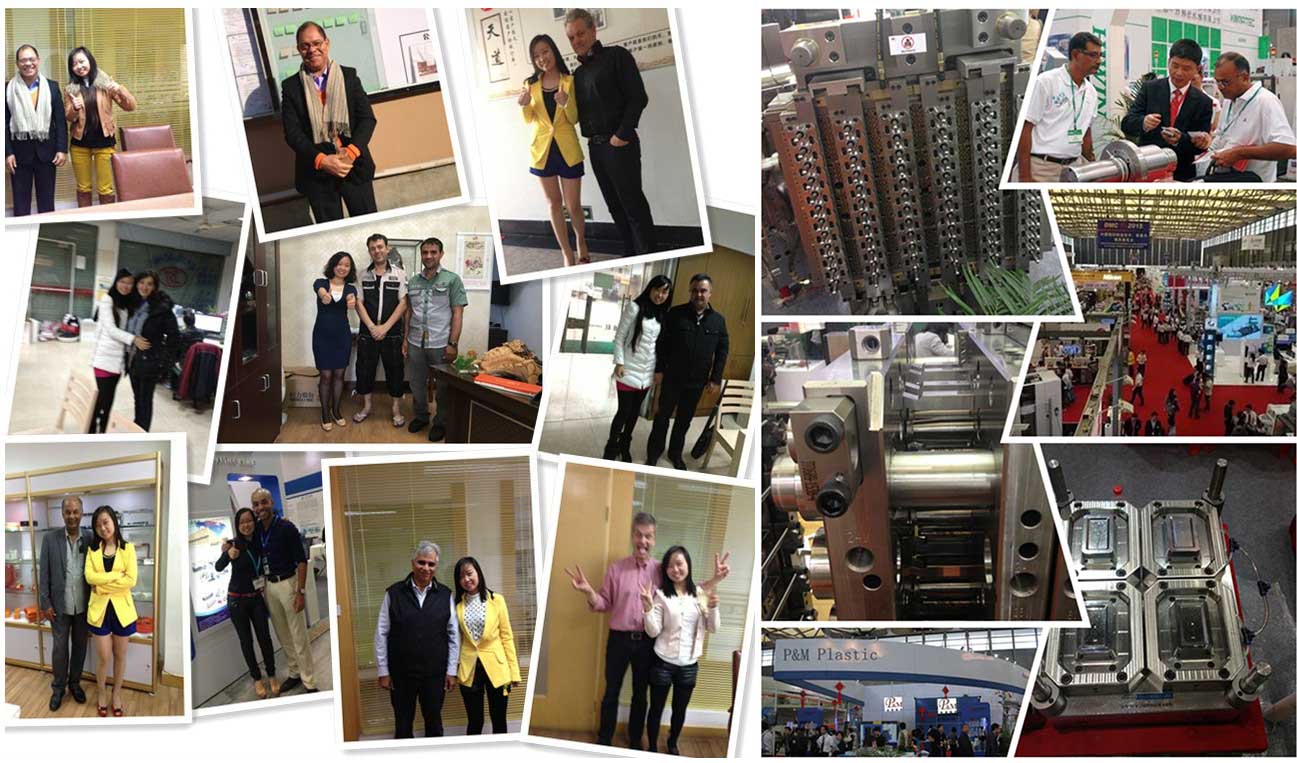
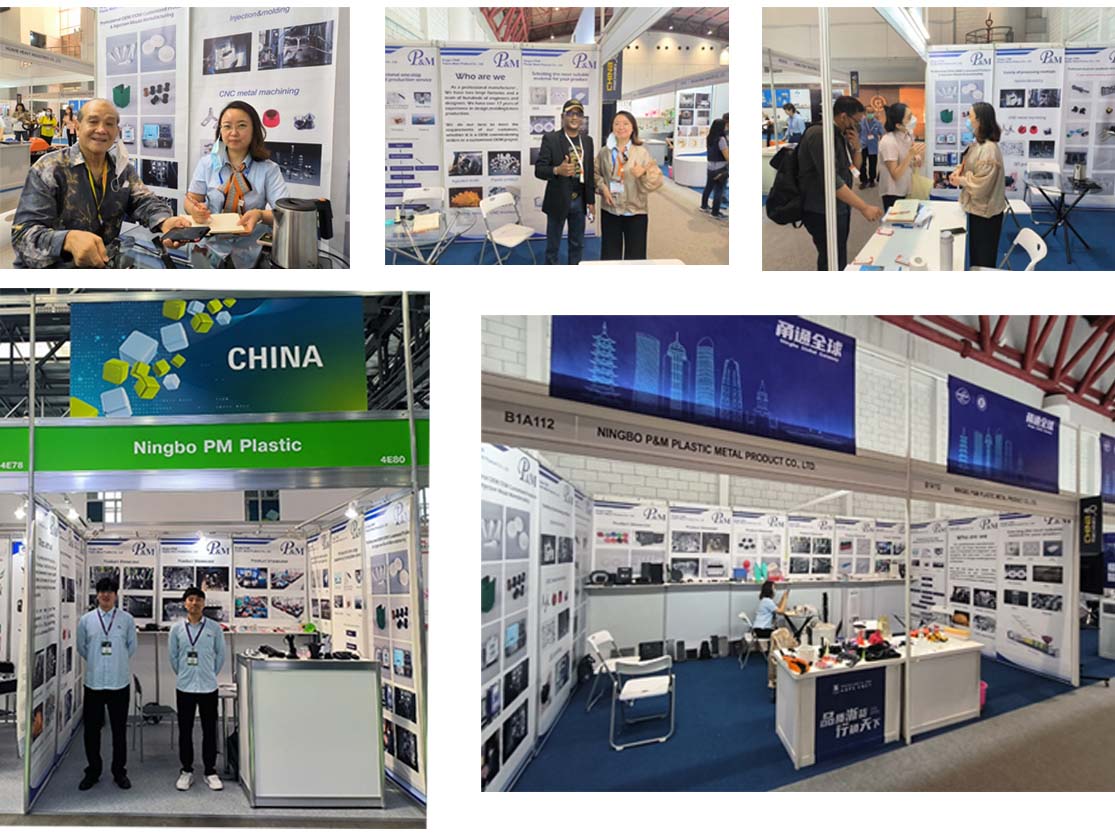
We always adhere to the principles of quality first and time first. While providing customers with the highest quality products, try to maximize the production efficiency and shorten production time. We are proud to tell every customer that our company has not lost any customer since its establishment.If there is a problem with the product, we will seek a solution actively and take responsibility to the end.

FAQ
Q1: Are you trading company or manufacturer ?
A: We are manufacturers.
Q2. When can I get the quotation?
A: We usually quote within 2 days after we get your inquiry.
If you are very urgent, please call us or tell us in your email so that we can quote for you first.
Q3. How long is the lead-time for mold?
A: It all depends on the products' size and complexity. Normally, the lead time is 25 days.
Q4. I have no 3D drawing, how should I start the new project?
A: You can supply us a molding sample, we will help you finish the 3D drawing design.
Q5. Before shipment, how to make sure the products quality?
A: If you don't come to our factory and also don't have the third party for inspection, we will be as your inspection worker.
We will supply you a video for production process detail include process report, products size structure and surface detail, packing detail and so on.
Q6. What is your payment terms?
A: Mold Payment: 40% deposit by T/T in advance, 30% second mold payment before sending out the first trial samples, 30% mold balance after you agree the final samples.
B:Production Payment: 50% deposit in advance, 50% before sending out the final goods.
Q7: How do you make our business long-term and good relationship?
A:1. We keep good quality and competitive price to ensure our customers benefit for best quality products.
2. We respect every customer as our friend and we sincerely do business and make friends with them, no matter where they come from.
Hot Tags: Plastic spare part box moulding, China, Manufacturer, Supplier, Factory, Customized, Wholesale, Buy, Quality, Latest Selling, Made in China
Related Category
Send Inquiry
Please feel free to give your inquiry in the form below. We will reply you in 24 hours.