
Product
- Core Customization Service
- Health Care
- Electronic Appliances and Instruments
- Maternal and Child Supplies Molds
- Recreational Sports
- Home Furnishing Art
- Auto Accessories
- Transportation and Warehousing
- Lighting Fixtures
- Construction Equipment
- Packaging Product
- Educational & Laboratories
- Clothing Luggage Accessories
- Care and Cleaning Products
- Agriculture & Forestry
- Mechanical Equipment
- Pet Supplies
- Kitchenware
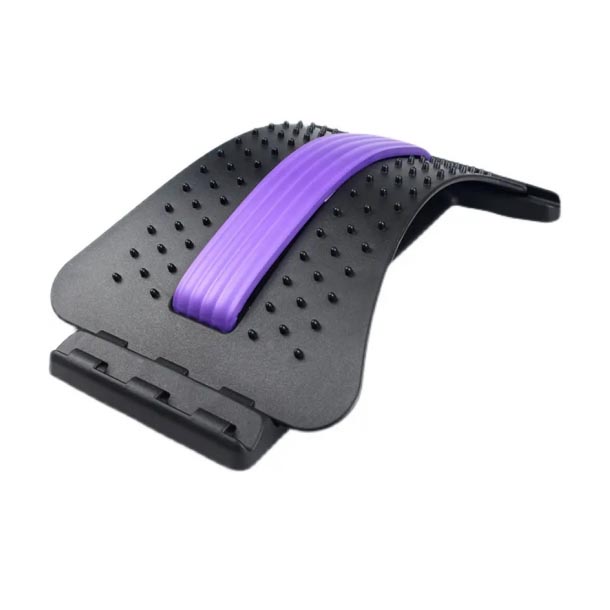
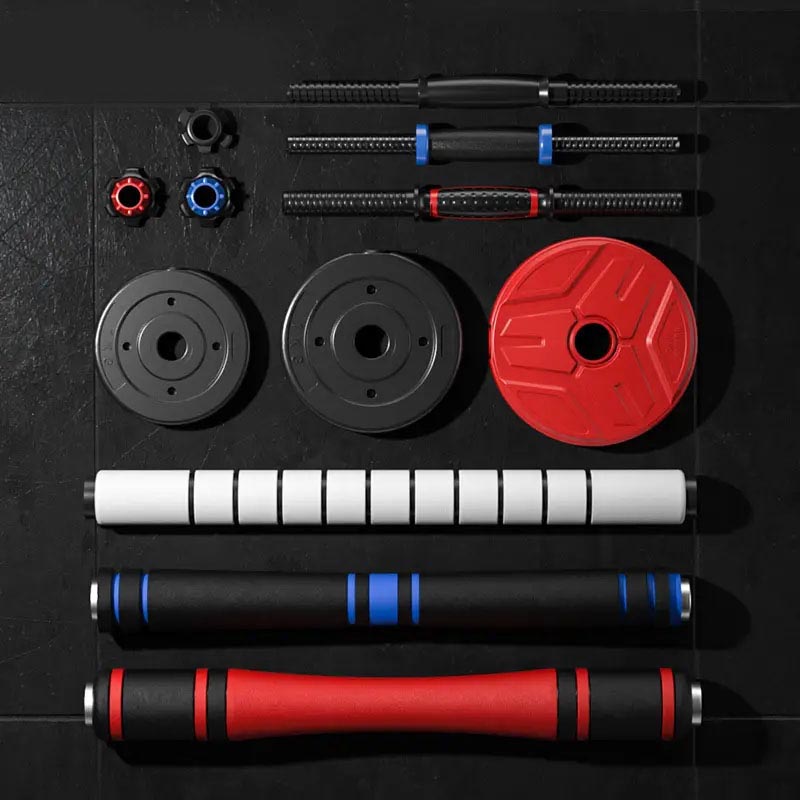
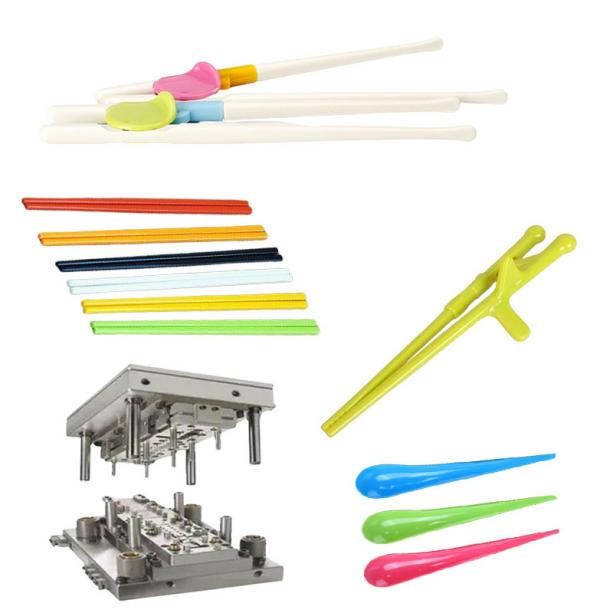
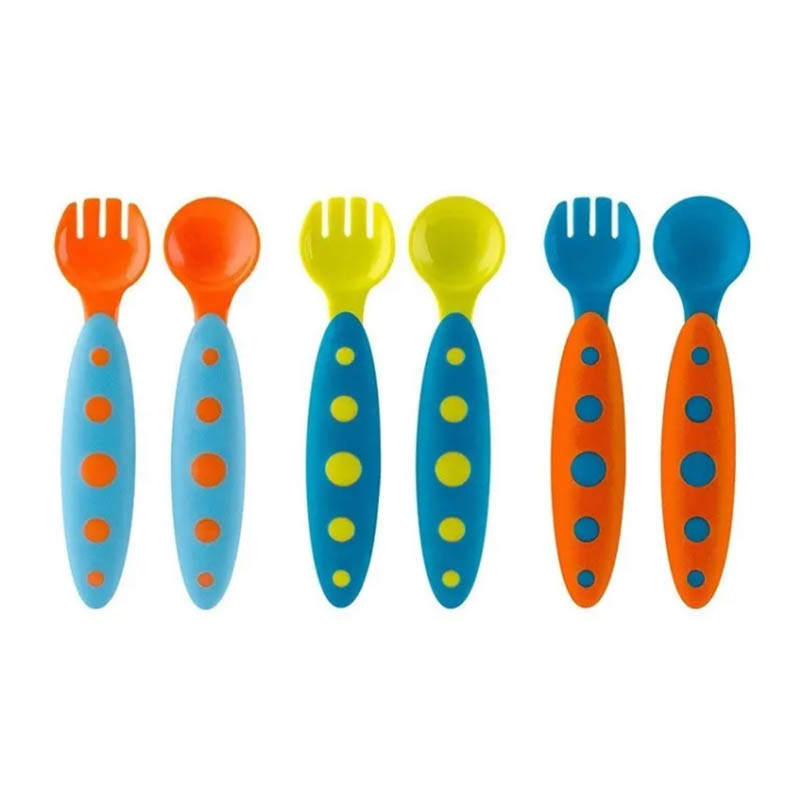
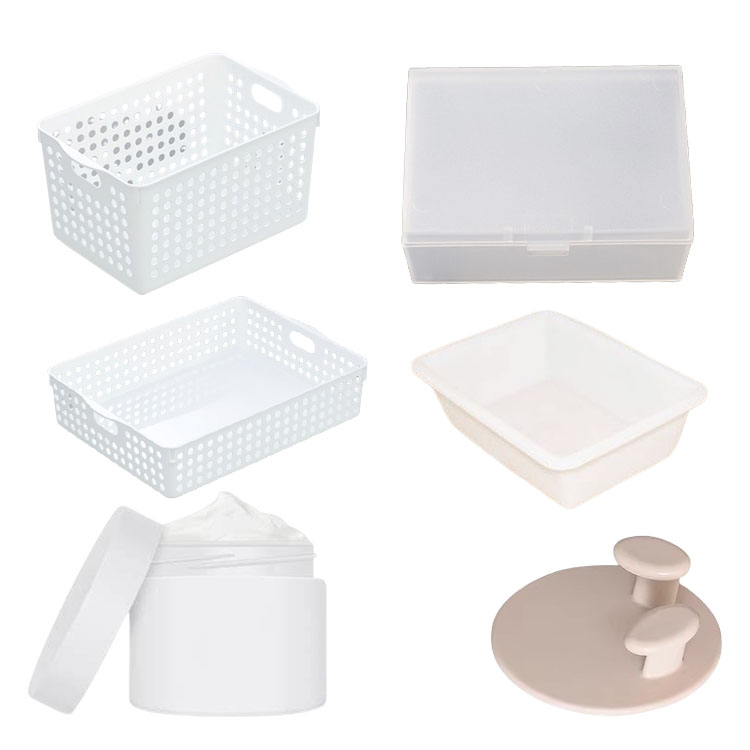
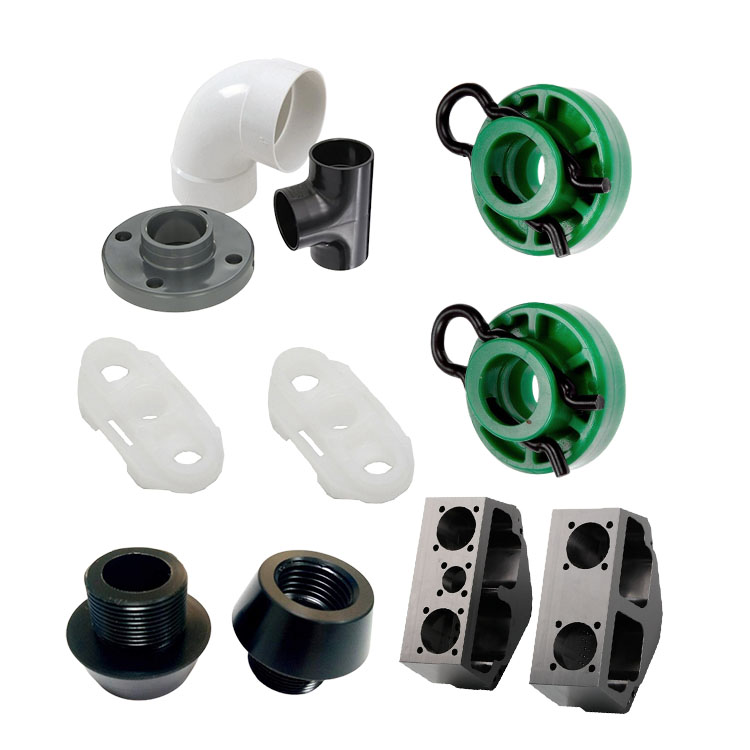
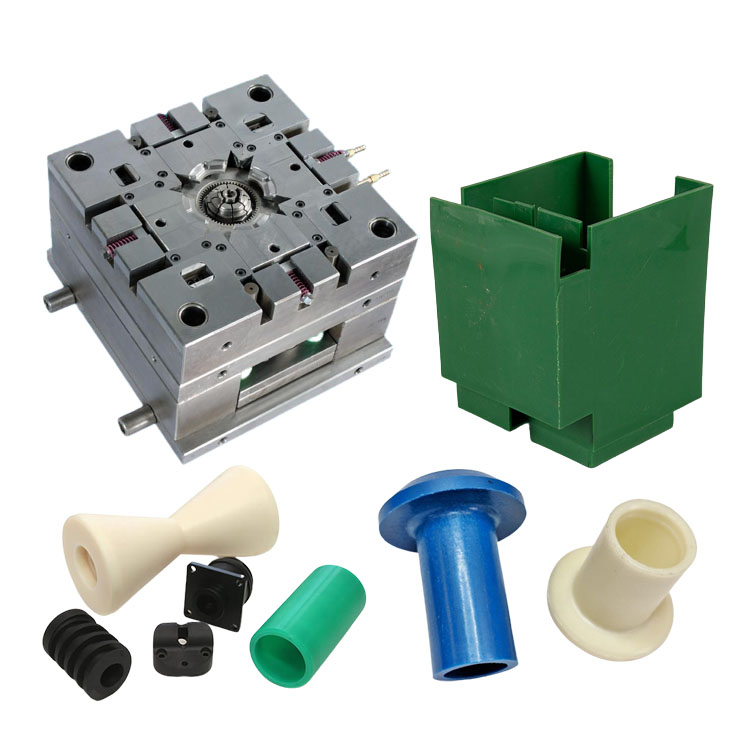
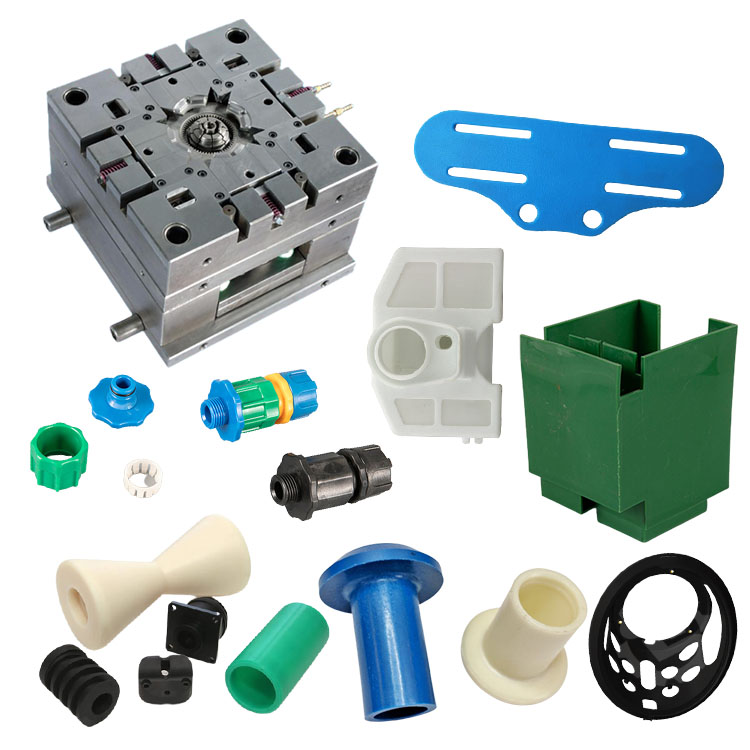
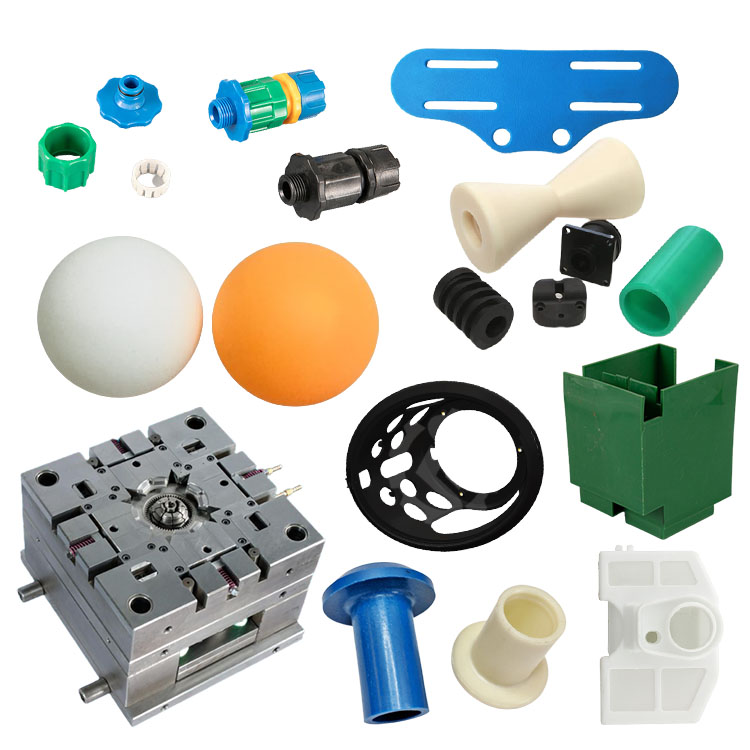
PP ABS PC plastic part moulding
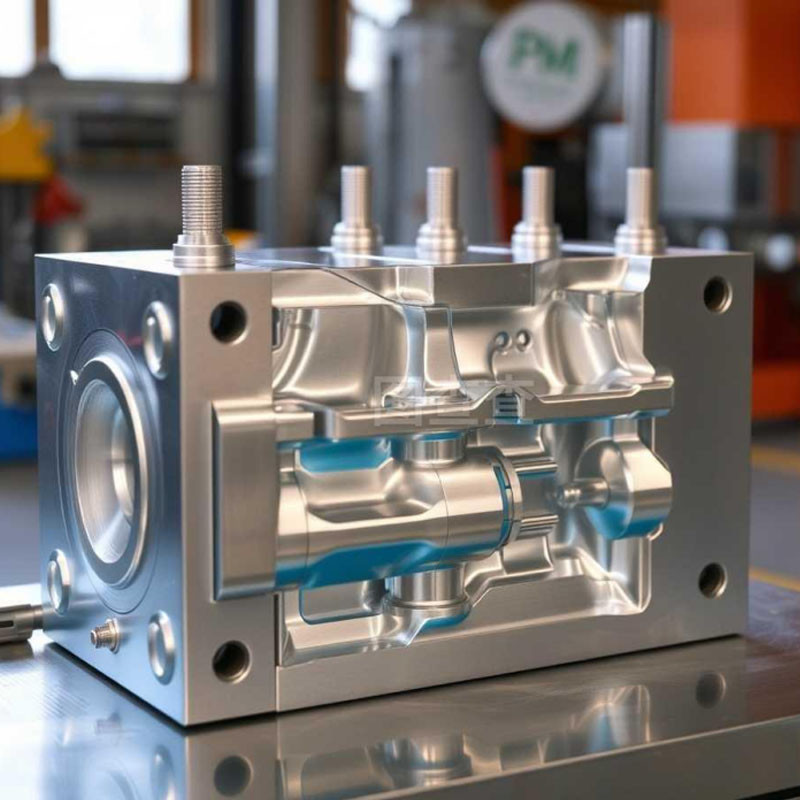
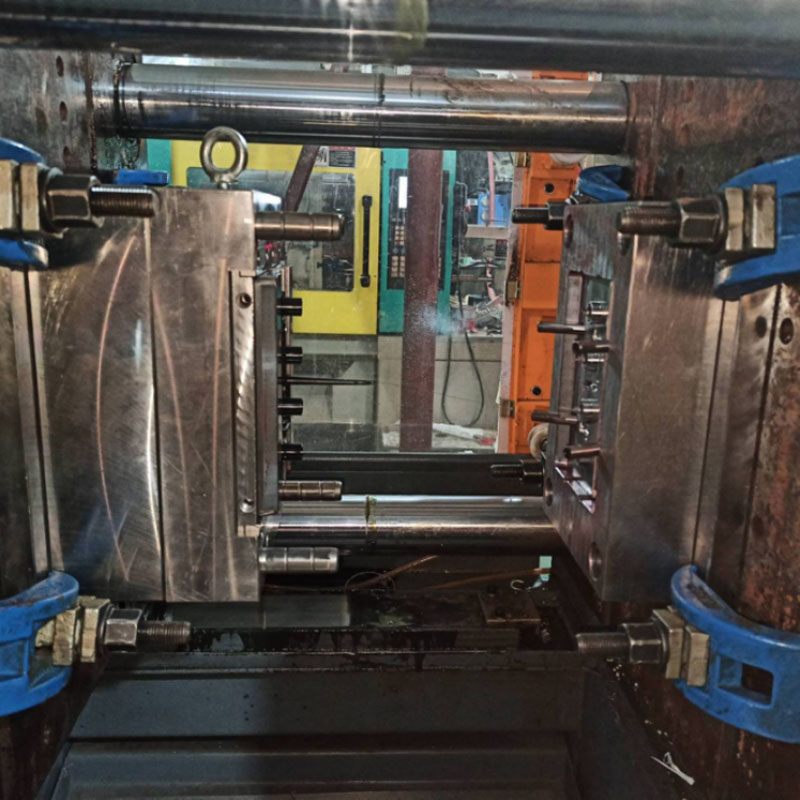
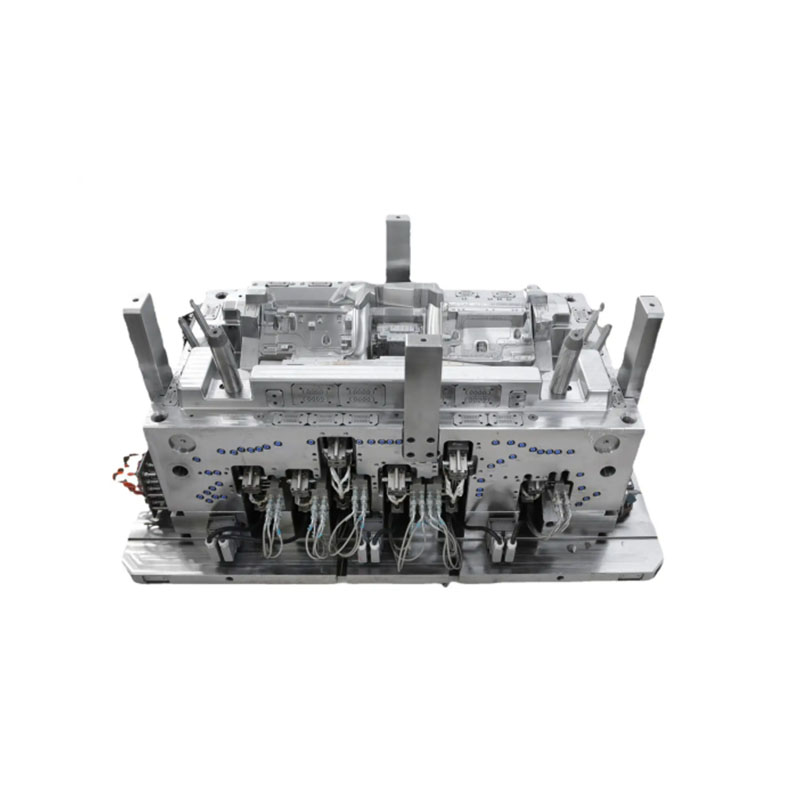
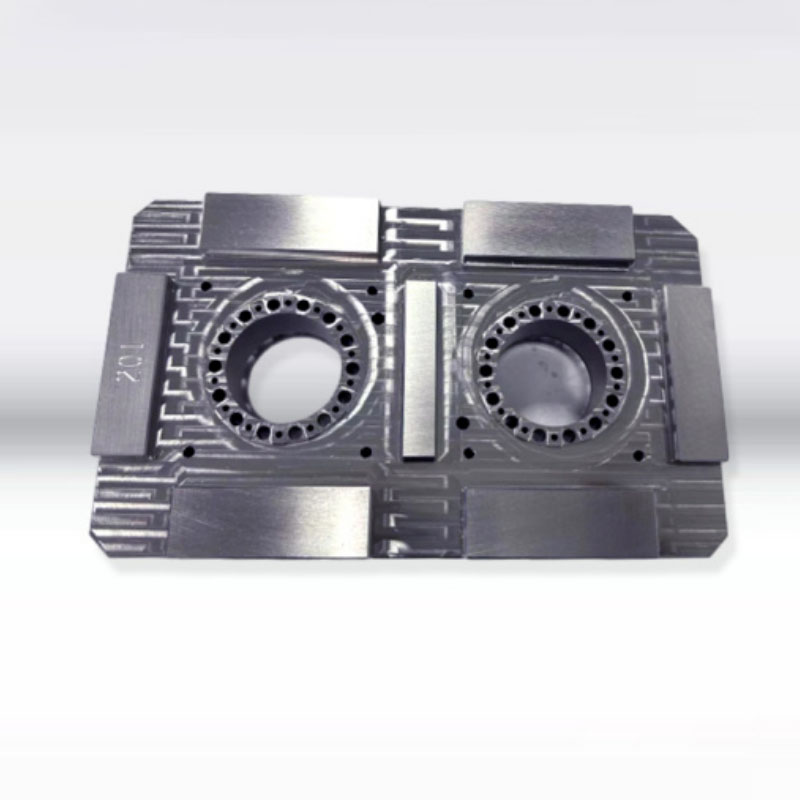
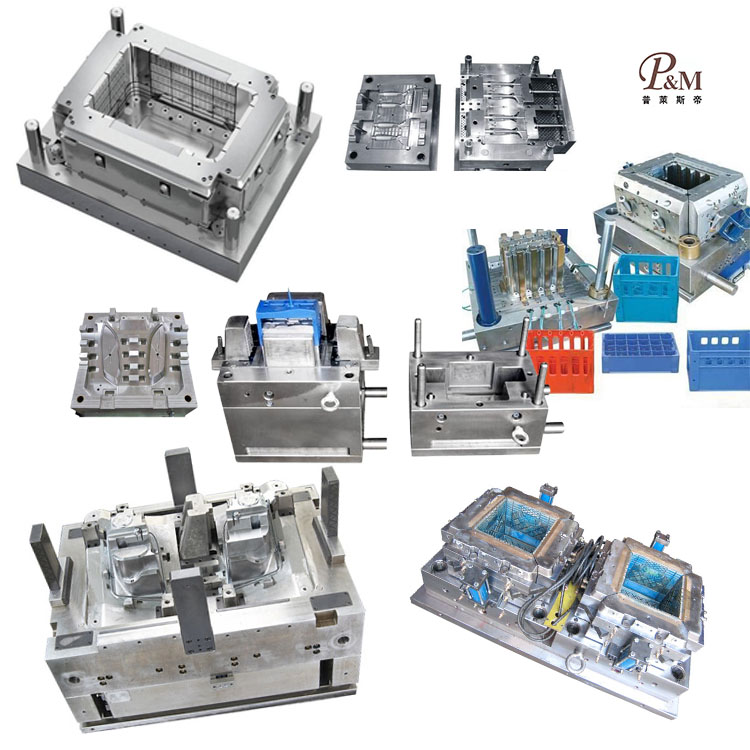
Ningbo (P&M) Plastic Metal Products Co., Ltd. has 17 years of mold manufacturing technology and can customize PP plastic part moulding. We provide professional customized PP plastic part moulding services, and we are a professional PP plastic part moulding manufacturer. We have sufficient experience in selecting product raw materials and mold materials. In the process of customizing PP plastic part moulding, our factory can provide one-stop service. We have design and production capabilities related to PP plastic part moulding, such as: CAD design, mold manufacturing, injection molding, plastic product production, assembly and other technologies. In addition, our company has established cooperative relationships with plastic raw material suppliers, printing manufacturers, etc. to ensure the supply of raw materials and printing quality.
Send Inquiry
Product Description
Through our rich experience and perfect supply chain, our company can provide customers with high-quality customized PP plastic part moulding products to meet their specific needs. At the same time, we have 10 years of professional foreign trade service experience, understand the foreign trade process, and better serve our customers. For PP plastic part moulding products, we can make corresponding plastic parts, which is mainly done through injection molds.
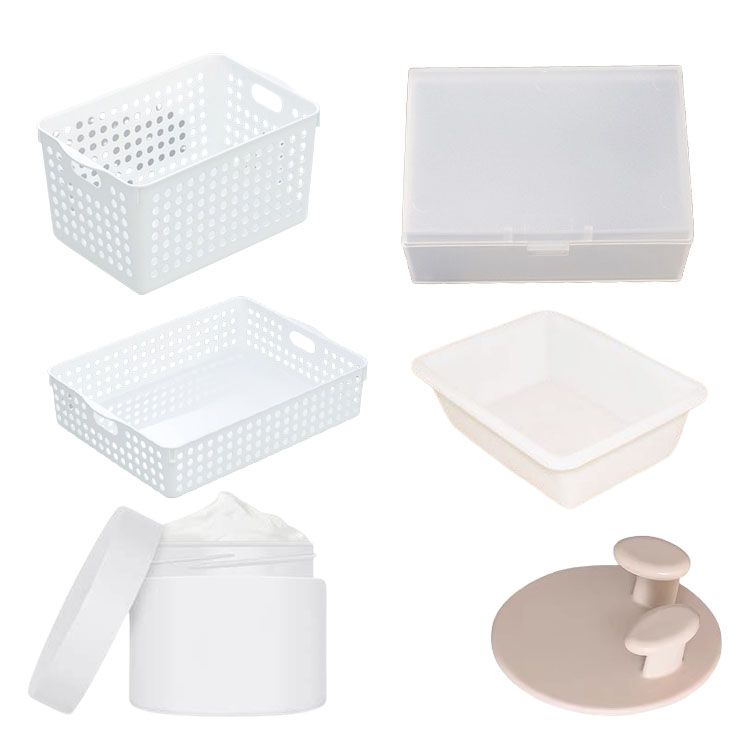
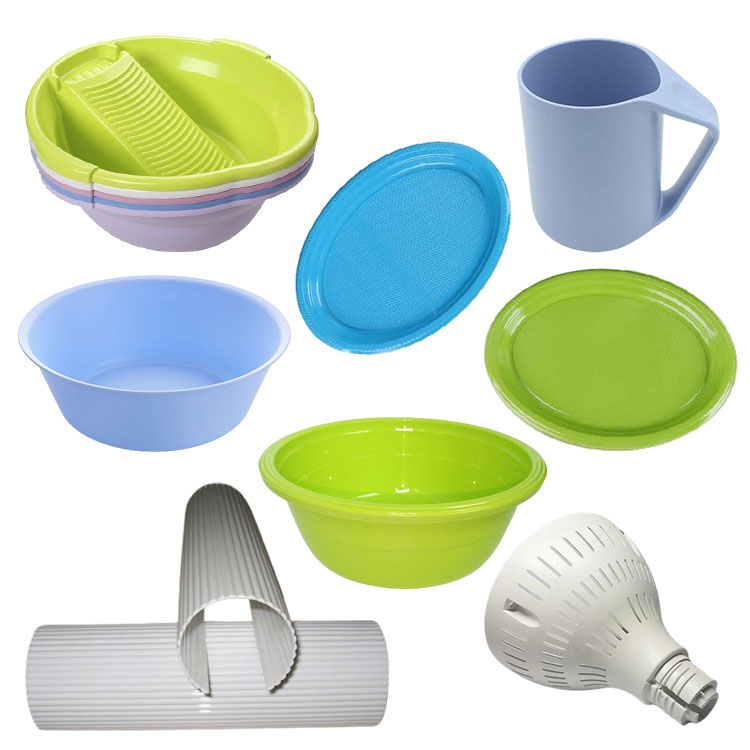
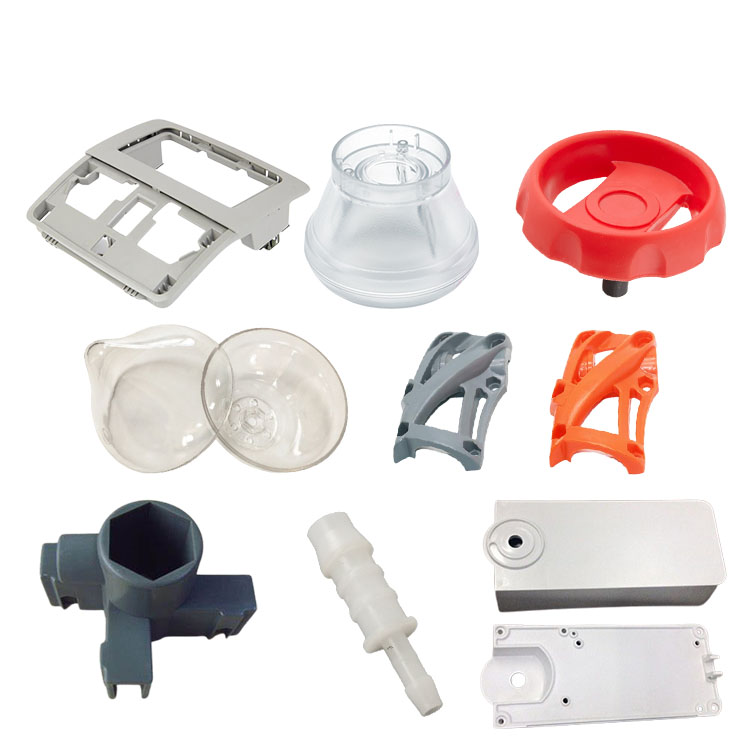
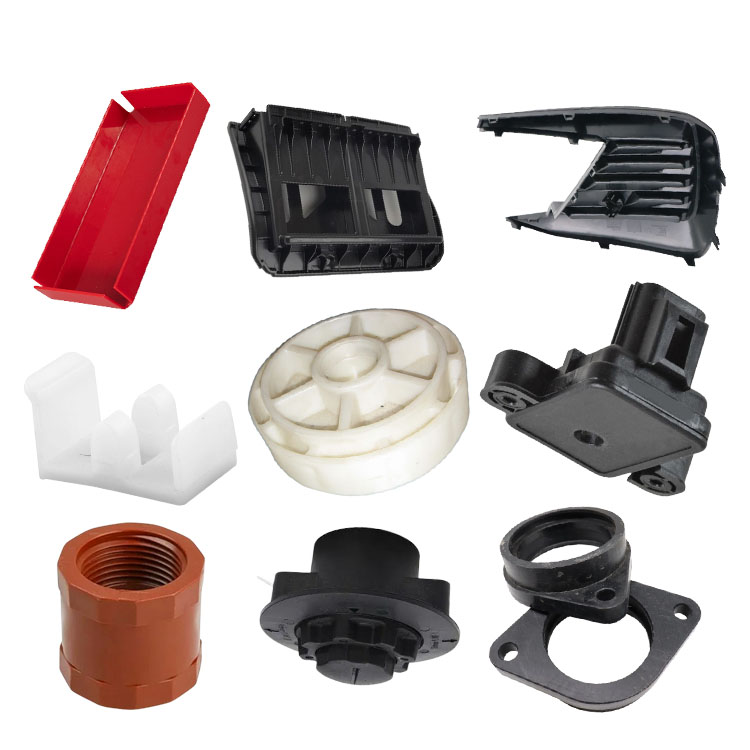
PP (Polypropylene) is currently one of the most widely produced and applied general-purpose plastics. Possessing advantages such as low density, excellent flexural strength, good chemical resistance, low cost, and ease of processing, it is extensively used in appliance housings, automotive interior and exterior trim, daily necessities, packaging components, thin-walled containers, and more. Compared to materials such as ABS, PA, and PC, PP exhibits superior melt flow, strong crystallinity, a high shrinkage rate, and insensitivity to moisture; consequently, its molding logic differs significantly from that of engineering plastics. The following sections systematically outline the characteristics of injection molding for PP parts, covering aspects such as material properties, molding challenges, key process parameters, mold design, and defect control.
I. Core Molding Characteristics of PP Materials
**Rapid Crystallization Rate; Crystallinity Impacts Dimensions and Performance**
PP is a typical semi-crystalline plastic, with a crystallinity level typically ranging from 30% to 60%. It crystallizes rapidly and undergoes significant volumetric shrinkage during the cooling process. Higher mold temperatures and slower cooling rates result in more complete crystallization, thereby enhancing the product's rigidity, hardness, and heat resistance; however, this also leads to an increased shrinkage rate. Conversely, rapid cooling at lower temperatures results in lower crystallinity, yielding better toughness and greater dimensional stability, though rigidity may be slightly reduced.
**High Shrinkage Rate with Pronounced Anisotropy**
The molding shrinkage rate of PP falls between **1.0% and 2.5%**, which is significantly higher than that of amorphous materials such as ABS and PS. The difference in shrinkage between the melt flow direction and the direction perpendicular to it is substantial; this disparity can easily lead to product warping, distortion, and dimensional instability—issues that are particularly pronounced in parts with asymmetrical structures.
**Excellent Flowability; Suitable for Thin-Walled and Long-Flow Products**
PP melt exhibits low viscosity and excellent flowability, allowing it to fill the mold smoothly even under relatively low temperatures and pressures. This makes it highly suitable for thin-walled parts, long flow paths, and complex rib structures, enabling significant reductions in injection pressure and clamping force while simultaneously boosting production efficiency.
**Insensitivity to Moisture; No Strict Drying Required**
PP possesses an extremely low water absorption rate—it absorbs almost no moisture. Under normal environmental conditions, dehumidification and drying are unnecessary; unless the raw material has been stored outdoors for an extended period, resulting in moisture absorption and clumping, it can generally be fed directly into the molding machine, thereby significantly simplifying the material pre-processing workflow. **Moderate Heat Resistance; Poor Low-Temperature Toughness**
PP has a relatively low heat distortion temperature; pure PP does not withstand high temperatures well and is prone to brittle cracking in low-temperature environments. Through copolymerization and modification (e.g., adding EPDM, talc, or glass fiber reinforcement), its toughness, rigidity, and heat resistance can be enhanced; however, molding shrinkage and flow characteristics will change accordingly.
**High Melt Strength; Resistant to Stringing, but Prone to Flash**
PP exhibits good melt strength, making it resistant to stringing or sticking to the mold during ejection. However, due to its excellent flowability, even slightly elevated injection pressures can easily result in flash or burrs, thereby imposing strict requirements on mold fit precision.
**II. Characteristics of Injection Molding Process Parameter Control**
**Barrel Temperature: Set to a Moderate Level; Avoid Excessive Heat**
PP has a melting point of approximately 160°C to 170°C and possesses a wide molding temperature window; typically, the barrel temperature is controlled within the range of 180°C to 220°C. Excessively high temperatures can lead to degradation, discoloration, and warping; conversely, temperatures that are too low result in uneven plasticization, surface cold marks, and prominent weld lines. The nozzle temperature should be set slightly lower than that of the front barrel section to prevent drooling.
**Injection Pressure and Speed: Set to Lower Levels**
Due to its excellent flowability, PP does not require high injection pressures; generally, 40 to 80 MPa is sufficient to achieve mold filling, though pressures may be increased appropriately for thin-walled, long-flow-path parts. Injection speed should primarily be set to a medium pace; speeds that are too fast can lead to air entrapment, scorching, and jetting marks, while speeds that are too slow may result in cold material marks.
**Holding Pressure and Time: Set to Moderate Levels**
PP exhibits significant shrinkage; therefore, the holding pressure phase is primarily utilized to compensate for shrinkage and minimize sink marks. The holding pressure is typically set to 30% to 60% of the injection pressure. The holding time should not be excessively long, as this can increase internal stresses and make demolding difficult. The holding pressure phase can be terminated once the gate has solidified to prevent over-packing, which could lead to mold expansion or part deformation. **Significant Impact of Mold Temperature on Performance**
**Low Mold Temperature (20°C–40°C):** Rapid cooling, short cycle times, excellent dimensional stability, and good toughness; suitable for aesthetic parts and thin-walled components.
**High Mold Temperature (50°C–80°C):** Promotes full crystallization, resulting in high rigidity and excellent surface gloss; however, it leads to higher shrinkage, increased susceptibility to warping, and longer cycle times.
For standard aesthetic and structural parts, controlling the mold temperature within the range of **30°C–50°C** is generally sufficient.
**Short Cooling Times, High Production Efficiency**
PP exhibits good thermal conductivity and crystallizes/solidifies rapidly; consequently, the cooling phase accounts for a relatively small portion of the overall cycle time. Parts with a wall thickness of 1–2 mm can typically be ejected within 5–15 seconds, making the material highly suitable for high-speed, automated production. Uneven cooling remains the primary cause of warping; therefore, ensuring uniform cooling water circulation is critical.
**Screw Speed and Back Pressure: Potentially Higher Settings**
PP features low viscosity and is sensitive to shear stress. The screw speed can be set slightly higher to enhance plasticization efficiency. A moderate back pressure facilitates uniform color mixing and the venting of trapped gases; however, excessive back pressure can lead to shear-induced overheating and material degradation.
**III. Key Considerations in Mold Design**
**Adequate Shrinkage Allowance**
Mold designs must incorporate a shrinkage allowance of **1.5%–2.2%**. Additional compensation is required for reinforcing ribs and areas with abrupt changes in wall thickness to prevent the finished product from being undersized or presenting assembly difficulties.
**Flexible Gate Selection**
Various gate types—including edge gates, pin-point gates, submarine gates, and fan gates—can be utilized. For large, flat parts, fan gates are recommended to minimize non-uniform molecular orientation. For parts featuring delicate or slender core structures, direct sprue gates should be avoided to prevent core deformation caused by direct melt impingement.
**Venting Requirements: Simple but Essential for Smooth Flow**
PP possesses excellent flow properties and fills the cavity rapidly; however, air can easily become trapped at the end of the cavity fill or at weld lines. Shallow vent channels must be incorporated along the parting line and at the ends of reinforcing ribs to prevent burning (diesel effect) or short shots (incomplete filling).
**Generous Draft Angles Recommended**
Due to PP's high shrinkage rate, the molded part tends to grip tightly onto the core. Consequently, the draft angle (taper) should generally be no less than 0.5°–1°. Parts featuring deep cavities or numerous reinforcing ribs require even larger draft angles to prevent ejection marks (whitening) or surface drag marks. **Ejection Mechanism: Simple and Reliable**
PP possesses excellent toughness and is resistant to breakage; therefore, standard ejection methods—such as ejector pins, ejector plates, or ejector sleeves—can be utilized. For large-area, shallow-cavity parts, ejection via an ejector plate is particularly suitable, as it ensures a more uniform distribution of force.
**IV. Common Defects and Key Control Points**
**Warpage and Deformation**
Primarily caused by uneven shrinkage and orientation differences. **Countermeasures:** Ensure balanced cooling, optimize gate placement, reduce holding pressure, appropriately increase cooling time, and adjust mold temperature.
**Sink Marks and Depressions**
Most frequently observed in areas with thicker wall sections. **Countermeasures:** Optimize wall thickness uniformity, appropriately extend holding time, increase local mold temperature, and accelerate filling speed.
**Flash and Burrs**
Caused by excessive melt fluidity, excessively high pressure, or insufficient clamping force. **Countermeasures:** Reduce injection pressure and speed, decrease holding pressure, and inspect the mold's shut-off surfaces.
**Prominent Weld Lines**
PP melt cools rapidly; consequently, distinct weld lines tend to appear at the convergence points of two melt fronts. **Countermeasures:** Increase melt temperature and mold temperature, accelerate injection speed, and improve venting.
**Dimensional Instability**
Caused by fluctuations in mold temperature, unstable holding pressure, or uneven cooling. **Countermeasures:** Stabilize processing parameters, ensure balanced cooling, and standardize the temperature of the production environment.
**V. Additional Molding Characteristics of Modified PP**
**Toughened PP (PP + EPDM):** Flowability decreases slightly, shrinkage is slightly reduced, and low-temperature toughness is enhanced; the molding temperature remains close to that of pure PP.
**Filled PP (PP + Talc / Calcium Carbonate):** Shrinkage rate is significantly reduced, resulting in greater dimensional stability; however, flowability deteriorates, necessitating an increase in injection pressure.
**Reinforced PP (PP + GF):** Shrinkage anisotropy is exacerbated, and "fiber floating" (fiber exposure on the surface) is prone to occur; consequently, it is necessary to increase mold temperature and optimize gate placement, while also paying attention to the mold's wear resistance.
We are a PP plastic part moulding manufacturer, providing high-quality PP plastic part moulding manufacturing. As long as you want to customize/develop PP plastic part moulding products, you can find us. We have professional injection mold design and mature manufacturing technology, providing you with one-stop service, from product design-mold making-product production-product packaging-product transportation, we can help you in every link. As long as you come to us, we will provide you with the ultimate service and satisfy you in terms of product quality, production time, information dialogue, etc.
|
Product Name |
Treadmill moulding |
|
Pls provide |
2D, 3D, samples, or the size of the multi-angle pictures |
|
Mould Time |
20-35 Days |
|
Product time |
7-15 Days |
|
Mould precision |
+/-0.01mm |
|
Mould life |
50-100 million shots |
|
Producing Process |
Audit drawings - mold flow analysis - design validation - Custom Materials - mold processing - core processing - electrode machining - Runner system processing - parts processing and procurement - machining acceptance - cavity surface treatment process - complex mode Die - The entire mold surface coating - Mounting plate - mold sample - sample test - sending samples |
|
Mould cavity |
One cavity, multi-cavity or same different products be made together |
|
Mould material |
P20,2738,2344,718,S136,8407,NAK80,SKD61,H13 |
|
Runner system |
Hot runner and cold runner |
|
Base material |
P20,2738,2344,718,S136,8407,NAK80,SKD61,H13 |
|
Finish |
Pitting the word, mirror finish, matte surface, striae |
|
Standard |
HASCO, DME or dependent upon |
|
Main technology |
Milling, grinding, CNC, EDM, wire cutting, carving, EDM, lathes, surface Finish, etc. |
|
Software |
CAD,PRO-E,UG Design Time: 1-3 days (normal circumstances) |
|
Product material |
ABS,PP,PC,PA6,PA66,TPU,POM,PBT,PVC,HIPS,PMMA,TPE,PC/ABS,TPV,TPO,TPR,EVA,HDPE,LDPE,CPVC,PVDF,PPSU.PPS. |
|
Quality system |
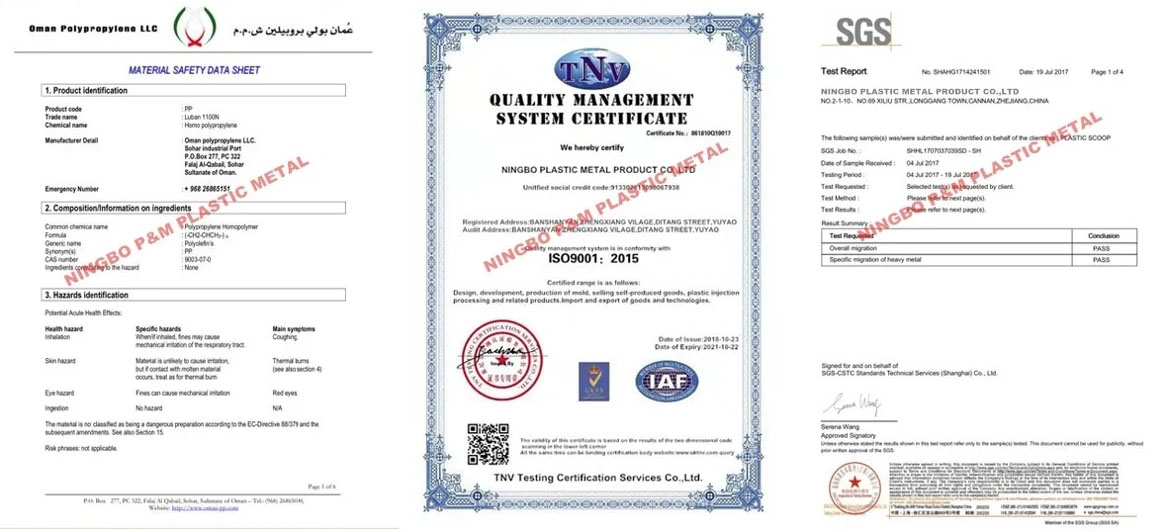
ISO9001:2008 |
|
Establish time |
20days |
|
Equipment |
CNC,EDM,Cutting off Machine,plastic machinery,etc plastic suitcase mould zhe jiang |
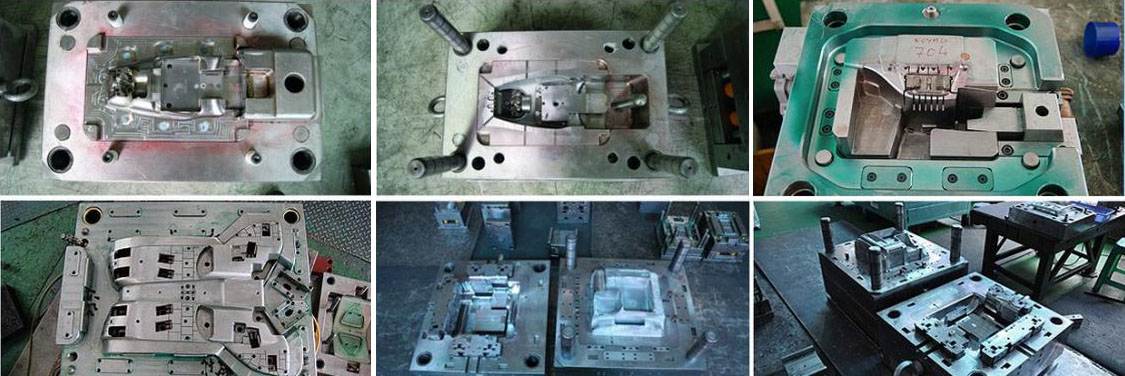
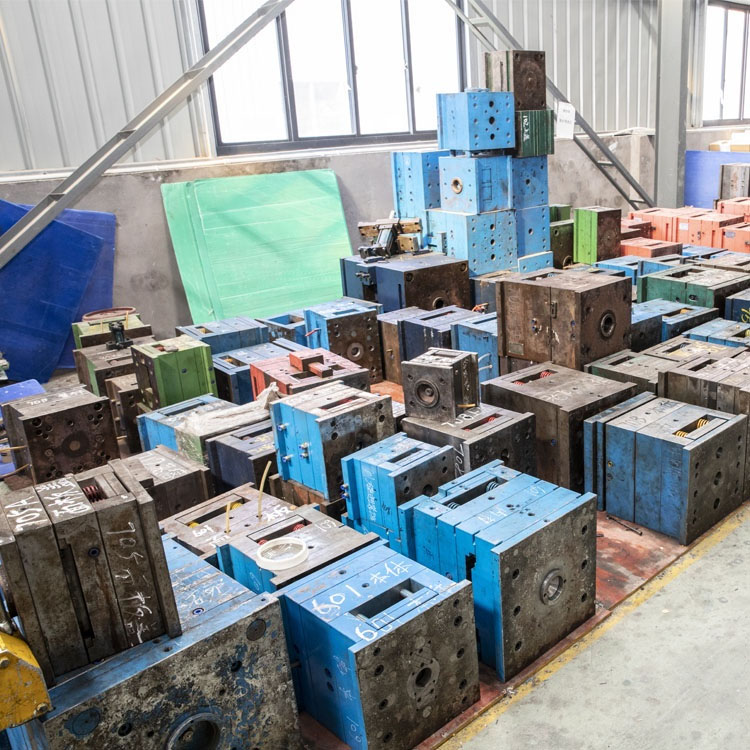
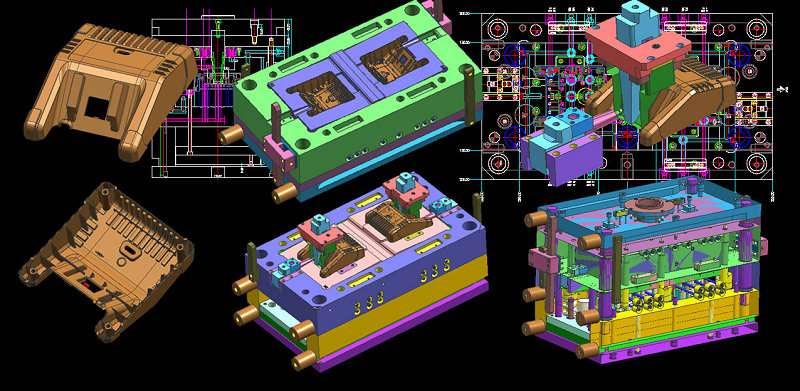
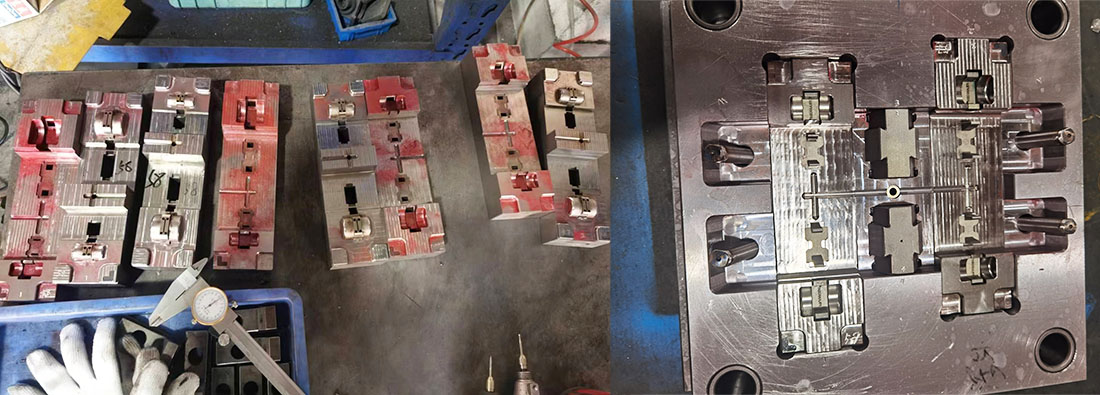
Plastic Injection Mould making
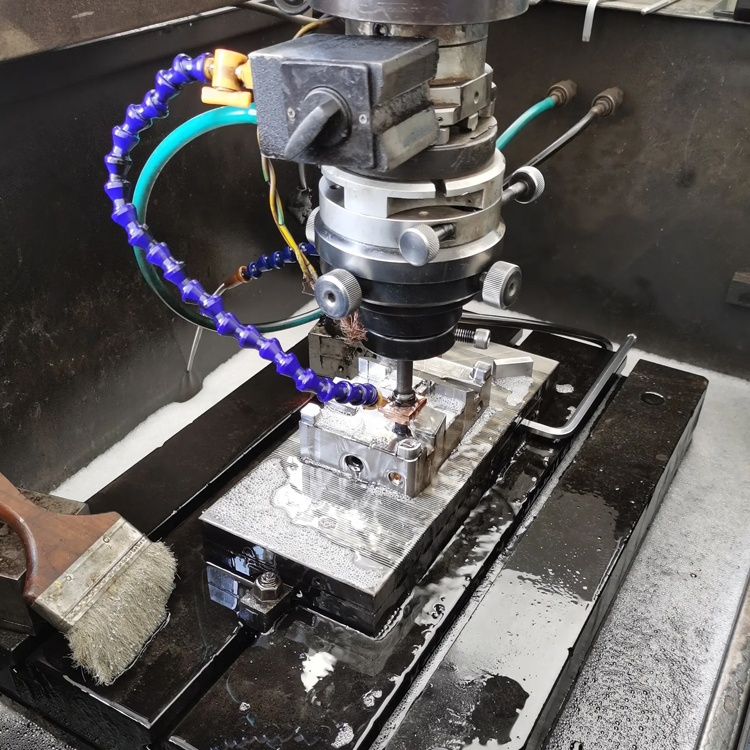
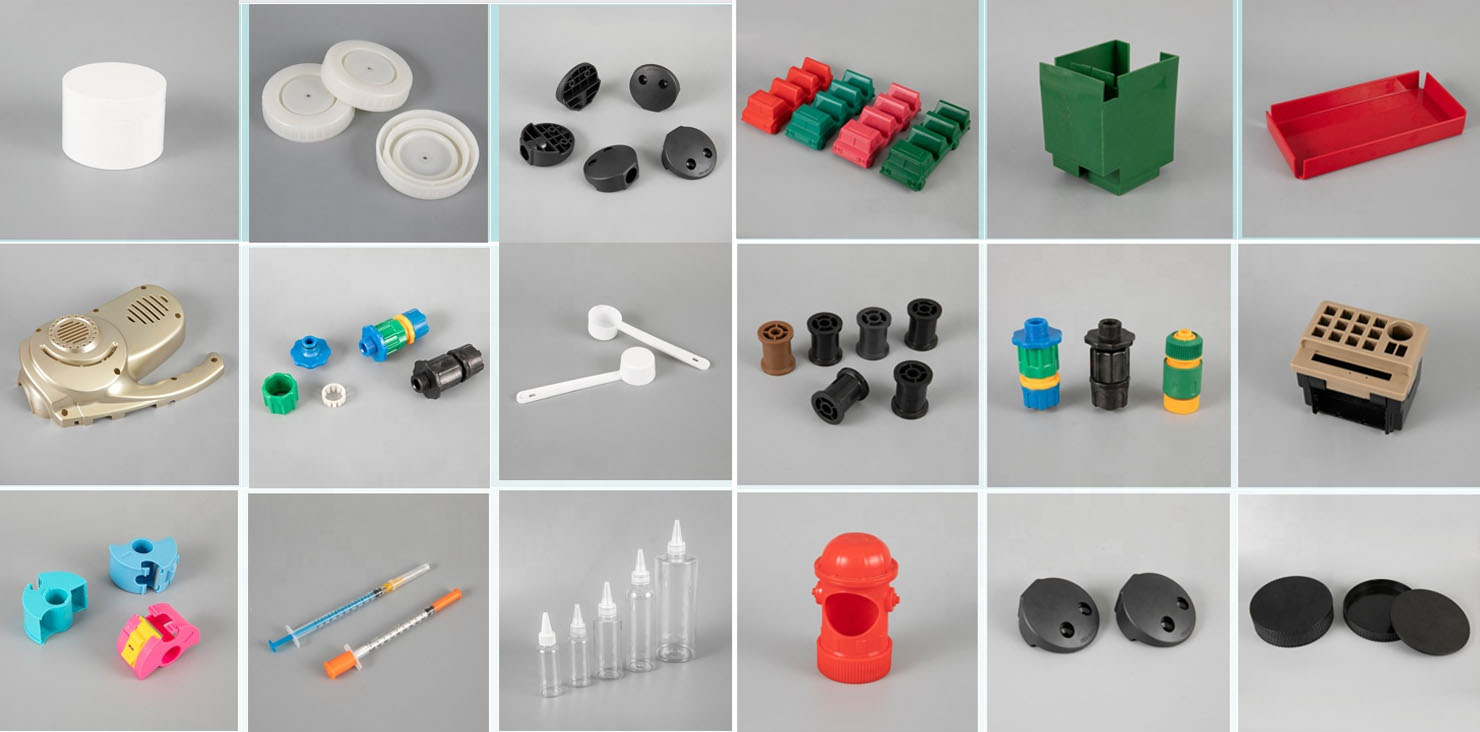
Plastic molding specifications
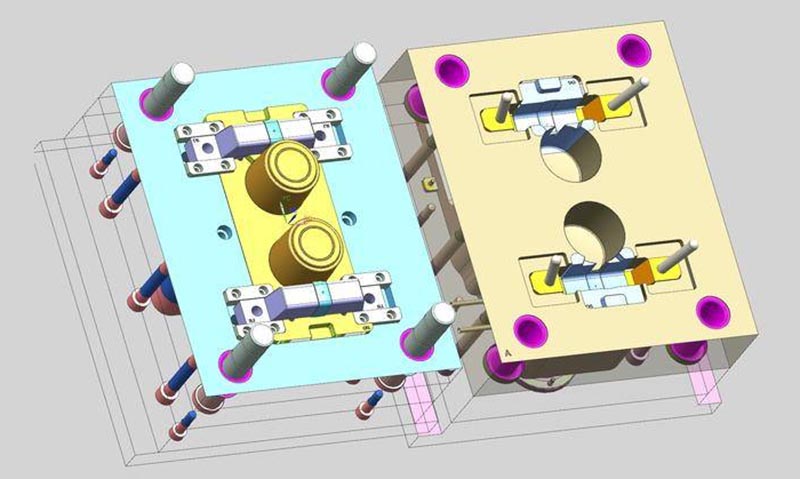
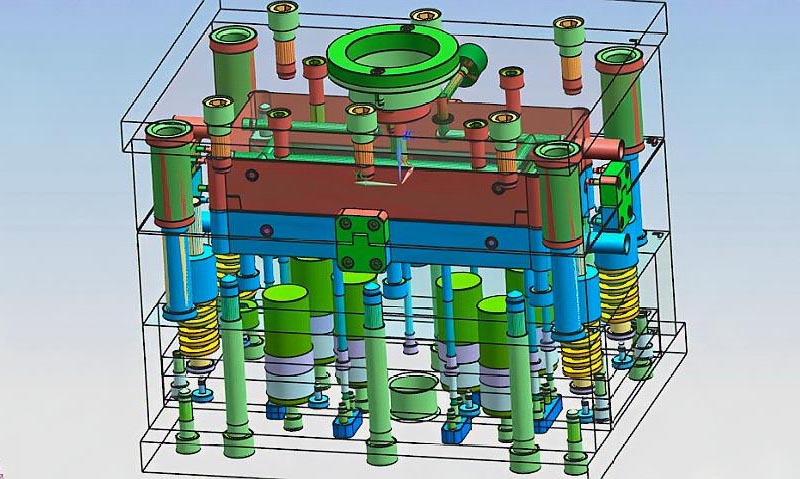
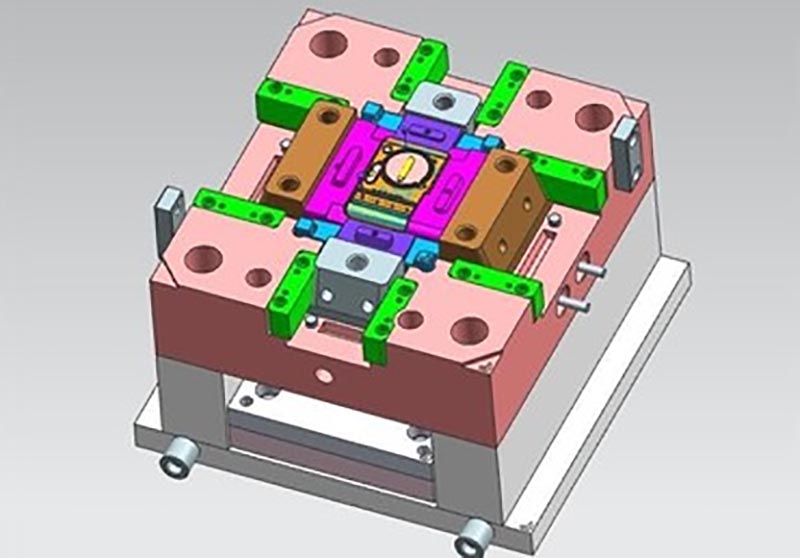
Mold design:
Transaction process:
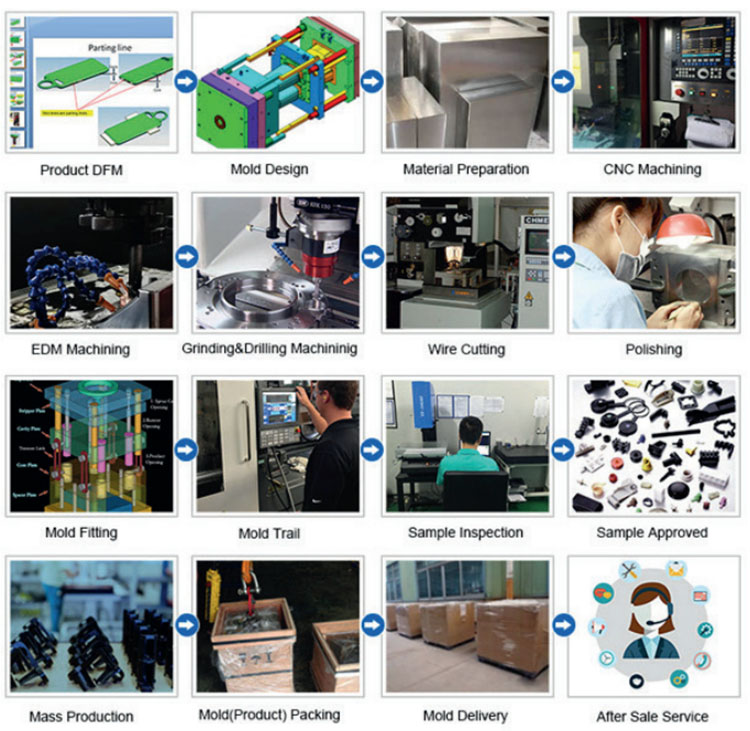
Mold testing:

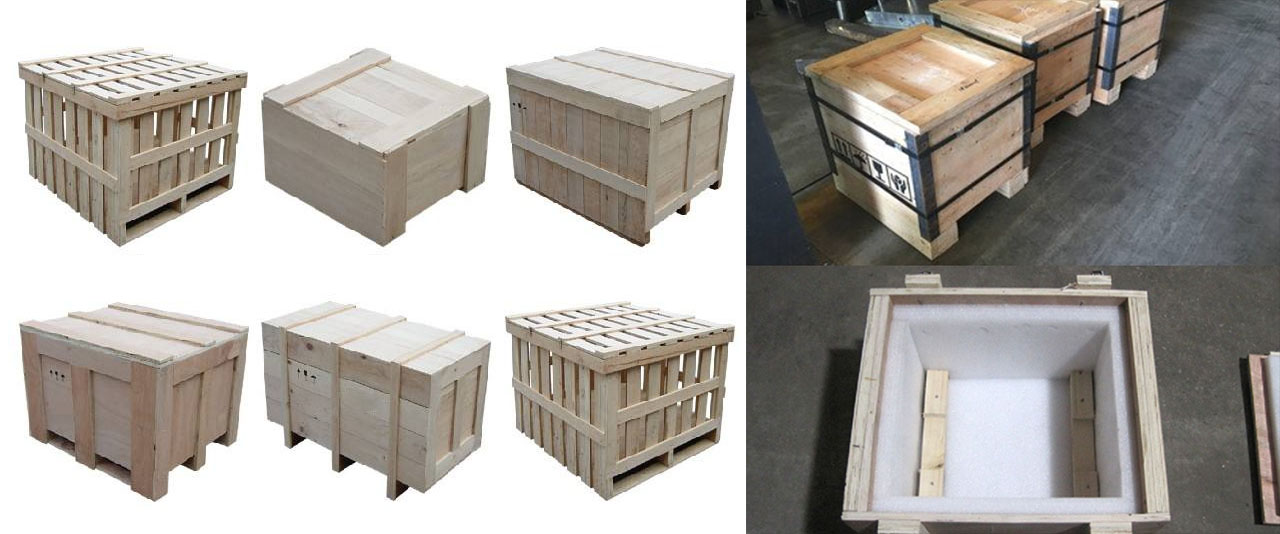
Product packaging
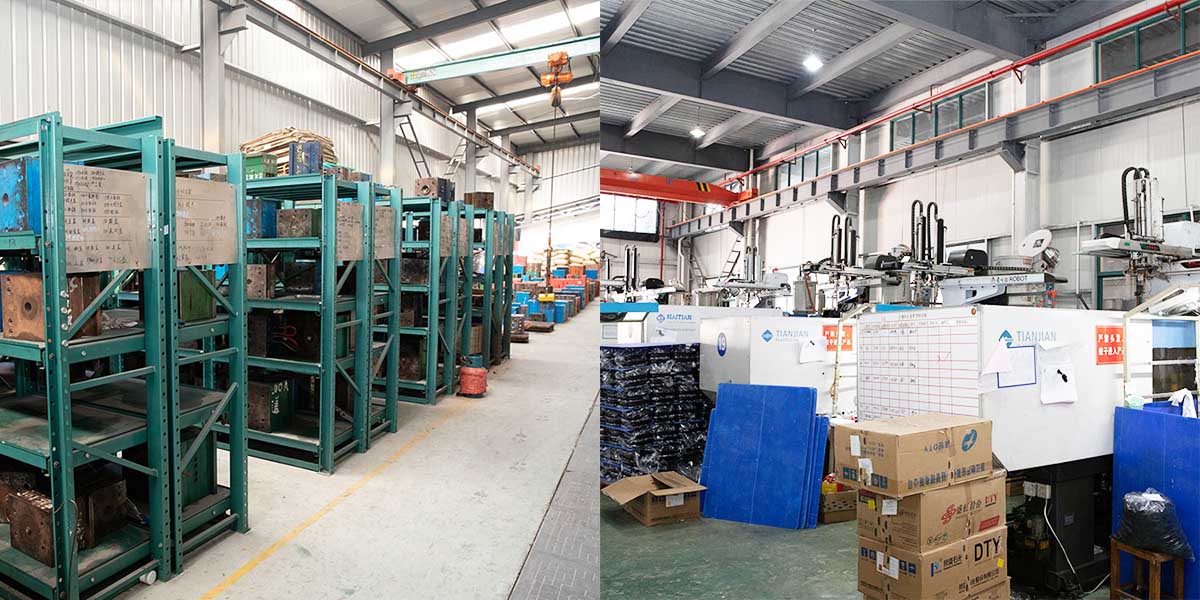
Factory
We are Custom Plastic Mold factory. Our factory is plastic injection mold maker. we has 17 years of experience in professional custom plastic mold and 10 years of foreign trade experience. We are custom Plastic Mold supplier. We can provide custom Plastic Mold service. Our factory can make the Injection molded plastic parts, and the quality of the products will satisfy you.
We have more than 50 high-end machines and hundreds of engineers and designers. We can provide one-stop service, from product design - mold making - product production - product packaging - transportation. We have a complete production chain. We can meet all your requirements.
Services we provide:
Professional custom mold service, Plastic mold design and manufacturing .plastic product production, product design, mold design, blow mold customization, rotational mold customization, die-casting mold customization. 3D printing services, CNC manufacturing services, product packaging, customized packaging, shipping services.

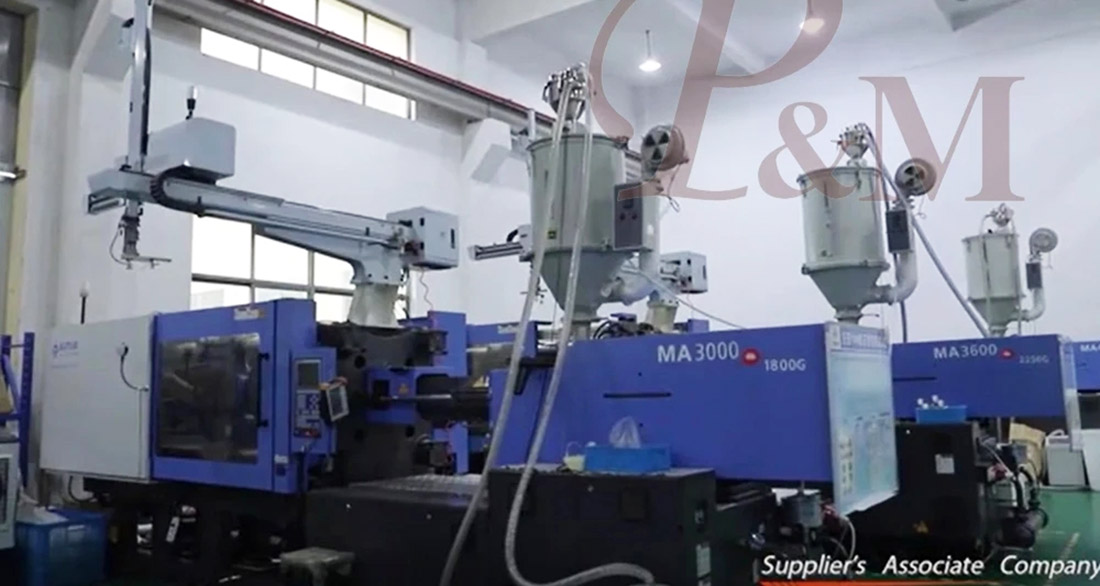
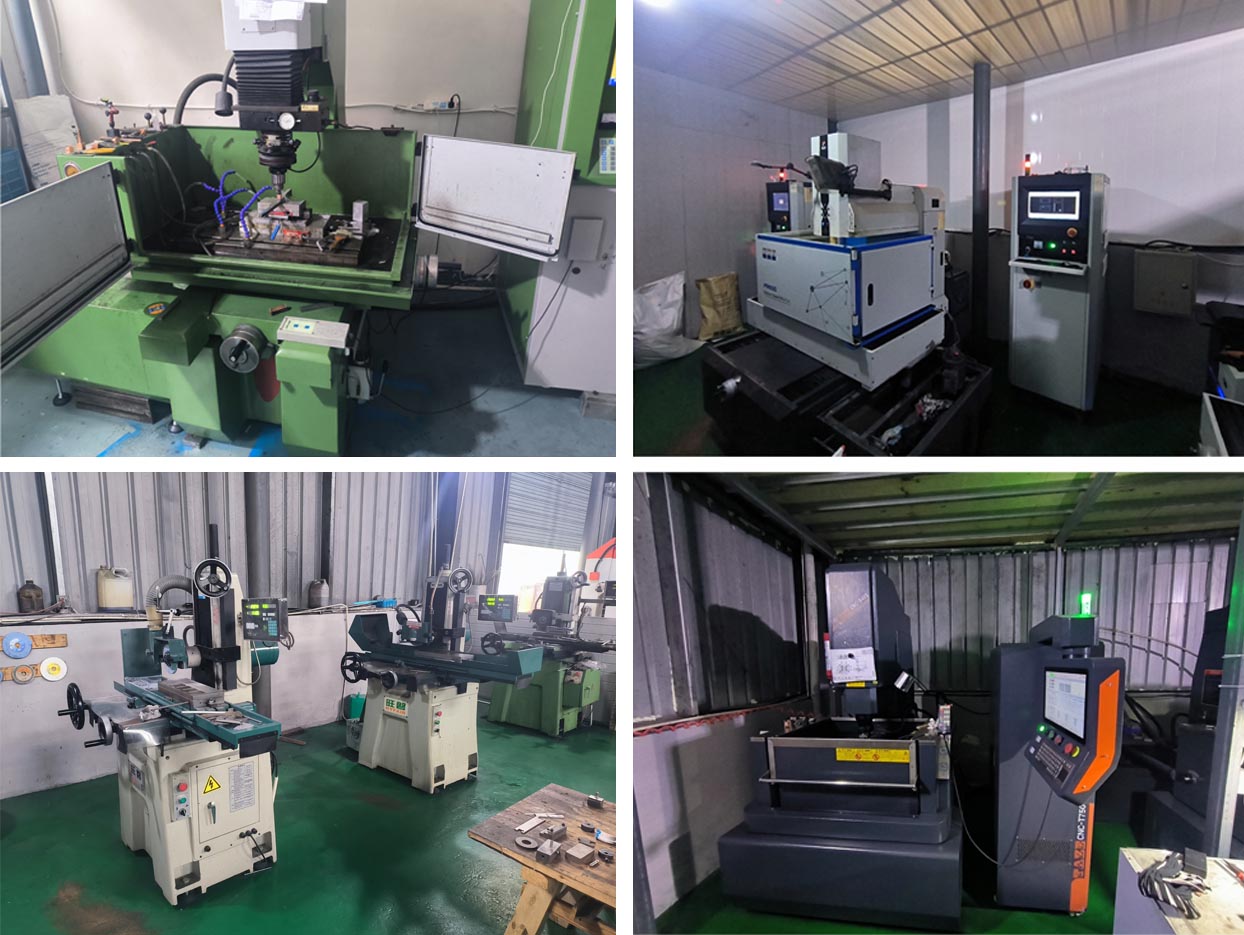
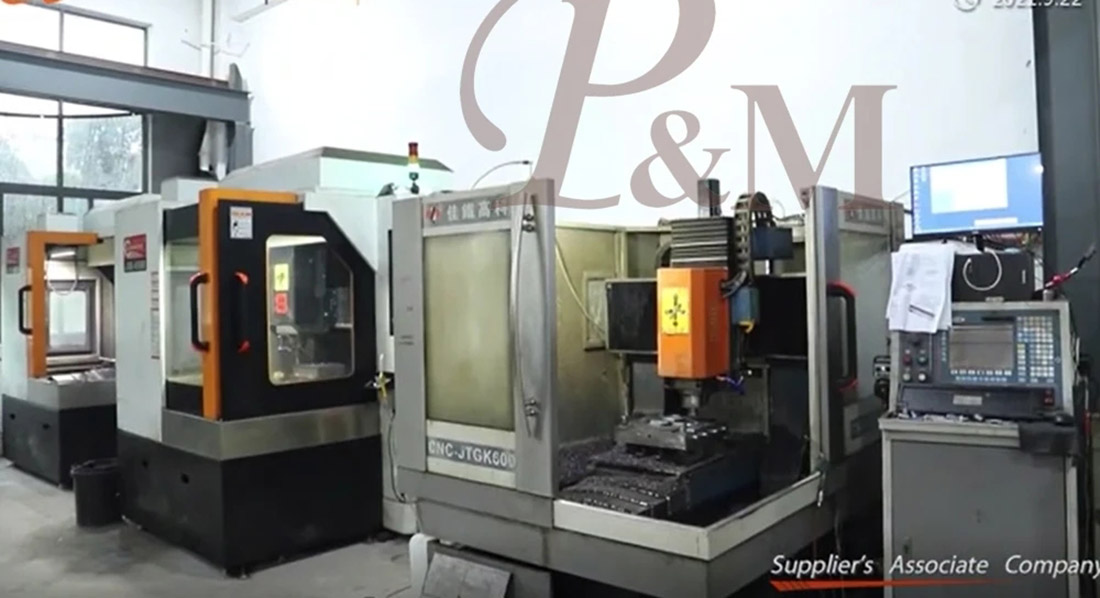
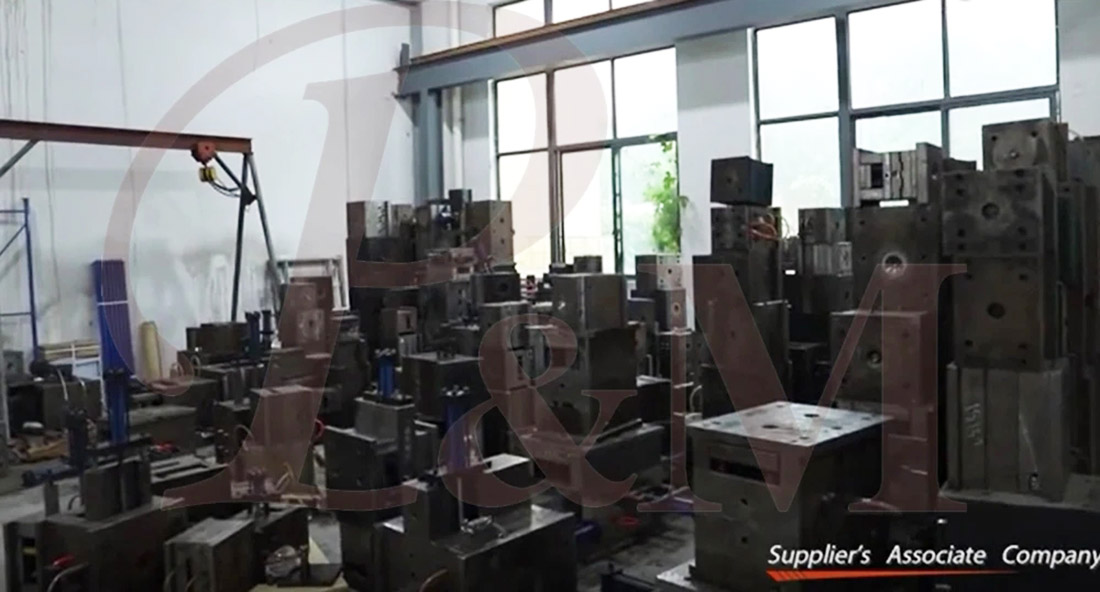
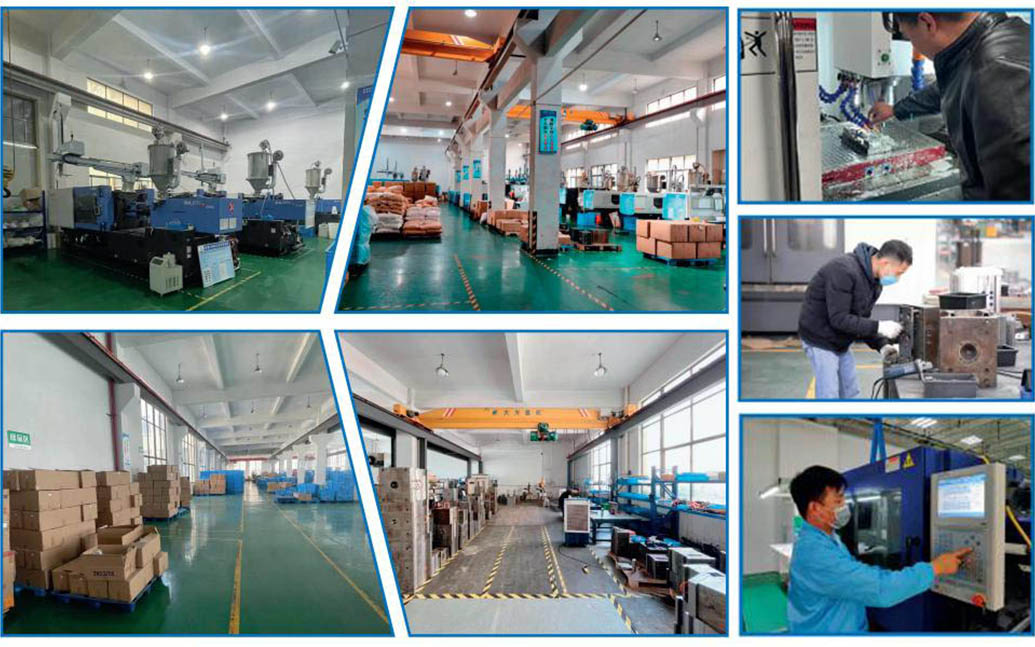
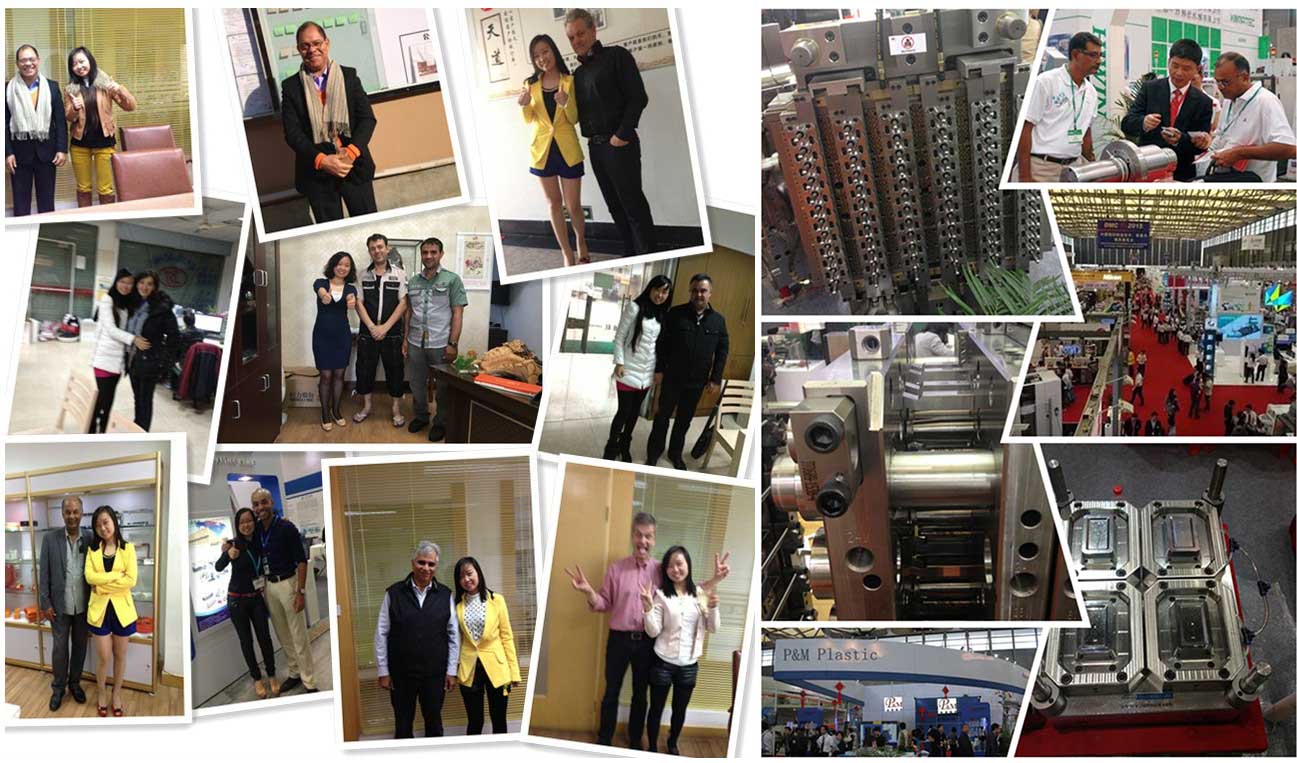
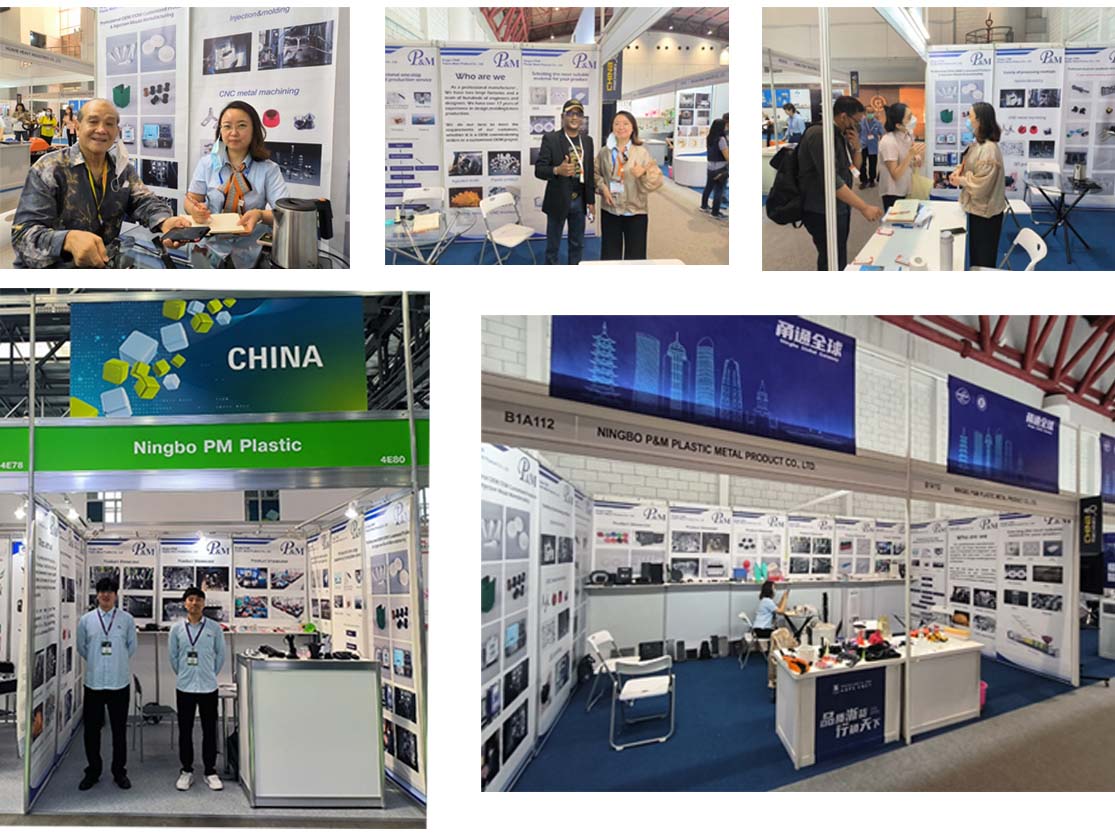
We always adhere to the principles of quality first and time first. While providing customers with the highest quality products, try to maximize the production efficiency and shorten production time. We are proud to tell every customer that our company has not lost any customer since its establishment.If there is a problem with the product, we will seek a solution actively and take responsibility to the end.

FAQ
Q1: Are you trading company or manufacturer ?
A: We are manufacturers.
Q2. When can I get the quotation?
A: We usually quote within 2 days after we get your inquiry.
If you are very urgent, please call us or tell us in your email so that we can quote for you first.
Q3. How long is the lead-time for mold?
A: It all depends on the products' size and complexity. Normally, the lead time is 25 days.
Q4. I have no 3D drawing, how should I start the new project?
A: You can supply us a molding sample, we will help you finish the 3D drawing design.
Q5. Before shipment, how to make sure the products quality?
A: If you don't come to our factory and also don't have the third party for inspection, we will be as your inspection worker.
We will supply you a video for production process detail include process report, products size structure and surface detail, packing detail and so on.
Q6. What is your payment terms?
A: Mold Payment: 40% deposit by T/T in advance, 30% second mold payment before sending out the first trial samples, 30% mold balance after you agree the final samples.
B:Production Payment: 50% deposit in advance, 50% before sending out the final goods.
Q7: How do you make our business long-term and good relationship?
A:1. We keep good quality and competitive price to ensure our customers benefit for best quality products.
2. We respect every customer as our friend and we sincerely do business and make friends with them, no matter where they come from.
Hot Tags: PP ABS PC plastic part moulding, China, Manufacturer, Supplier, Factory, Customized, Wholesale, Buy, Quality, Latest Selling, Made in China
Related Category
Send Inquiry
Please feel free to give your inquiry in the form below. We will reply you in 24 hours.