
Home
>
Product > Core Customization Service > Custom Molding > Customize plastic car parts custom moulding
Product
- Core Customization Service
- Health Care
- Electronic Appliances and Instruments
- Maternal and Child Supplies Molds
- Recreational Sports
- Home Furnishing Art
- Auto Accessories
- Transportation and Warehousing
- Lighting Fixtures
- Construction Equipment
- Packaging Product
- Educational & Laboratories
- Clothing Luggage Accessories
- Care and Cleaning Products
- Agriculture & Forestry
- Mechanical Equipment
- Pet Supplies
- Kitchenware
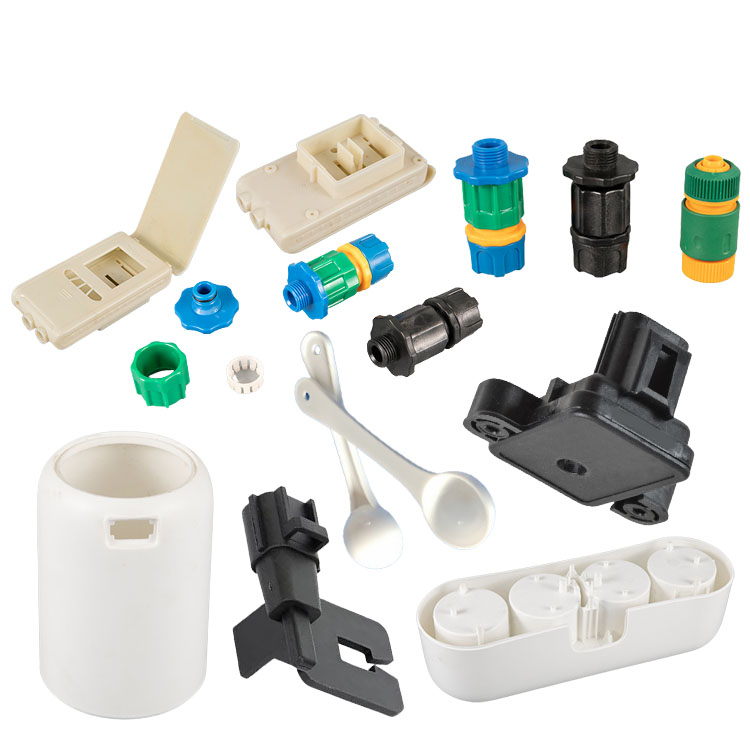
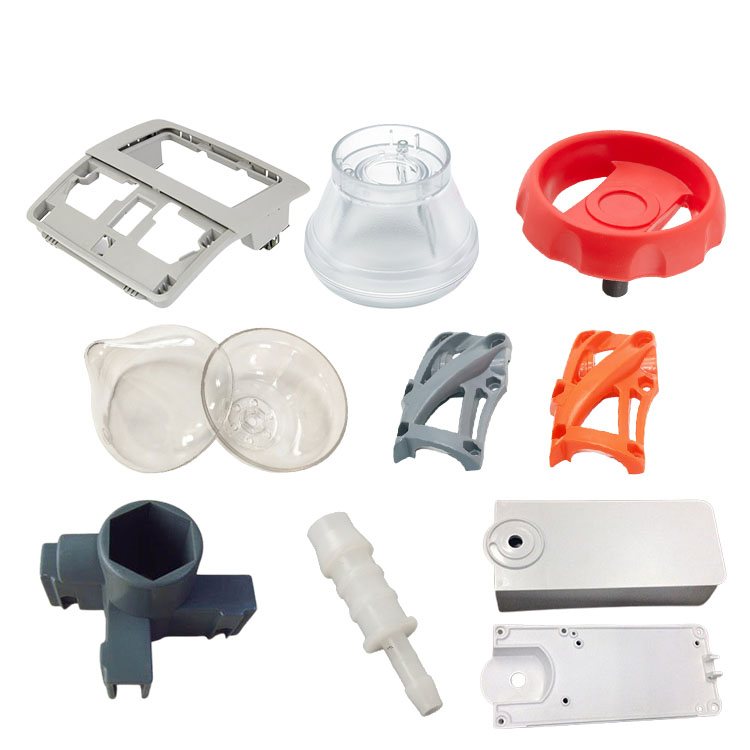
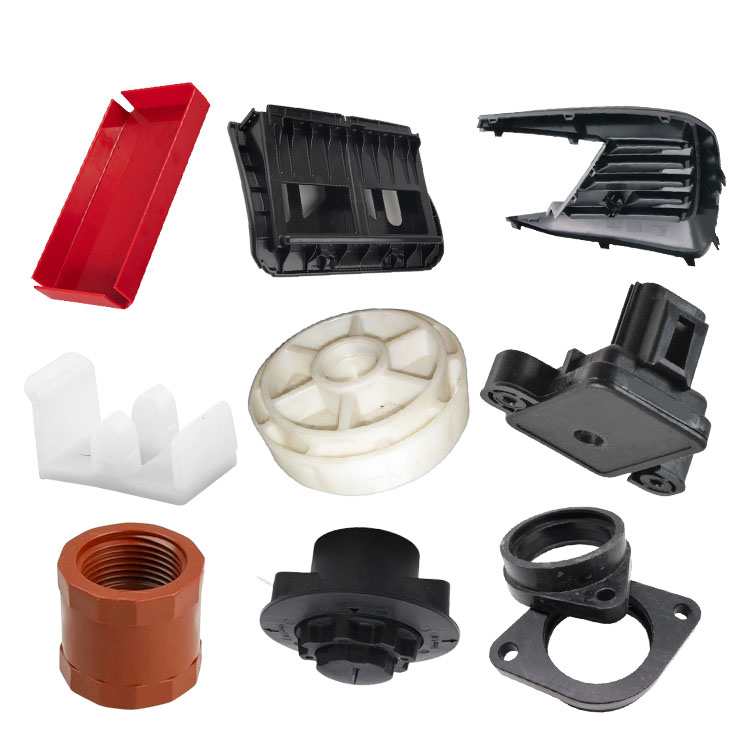
Customize plastic car parts custom moulding
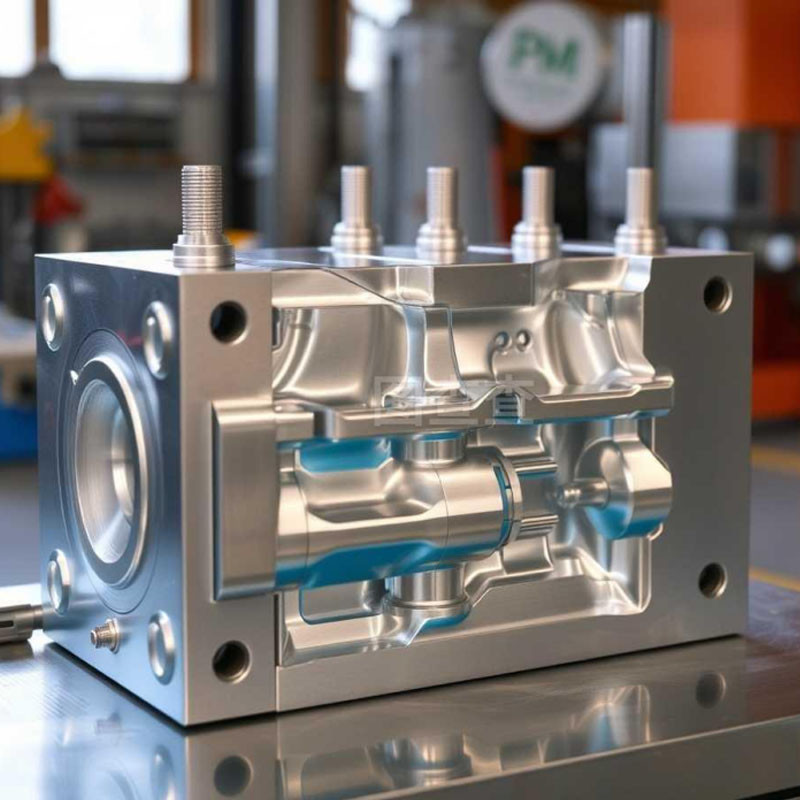
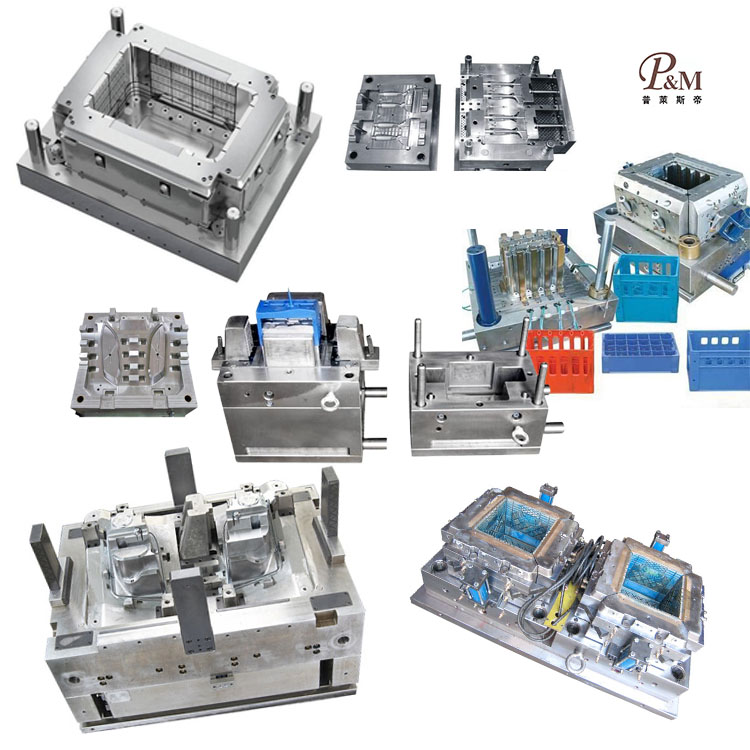
Ningbo (P&M) Plastic Metal Products Co., Ltd. has 17 years of mold manufacturing technology and can customize plastic car parts custom moulding. We provide professional customized plastic car parts custom moulding services, and we are a professional plastic car parts custom moulding manufacturer. We have sufficient experience in selecting product raw materials and mold materials. In the process of customizing plastic car parts custom moulding, our factory can provide one-stop service. We have design and production capabilities related to plastic car parts custom moulding, such as: CAD design, mold manufacturing, injection molding, plastic product production, assembly and other technologies.
Send Inquiry
Product Description
In addition, our company has established cooperative relationships with plastic raw material suppliers, printing manufacturers, etc. to ensure the supply of raw materials and printing quality. Through our rich experience and perfect supply chain, our company can provide customers with high-quality customized plastic car parts custom moulding products to meet their specific needs. At the same time, we have 10 years of professional foreign trade service experience, understand the foreign trade process, and better serve our customers. For plastic car parts custom moulding products, we can make corresponding plastic parts, which is mainly done through injection molds.
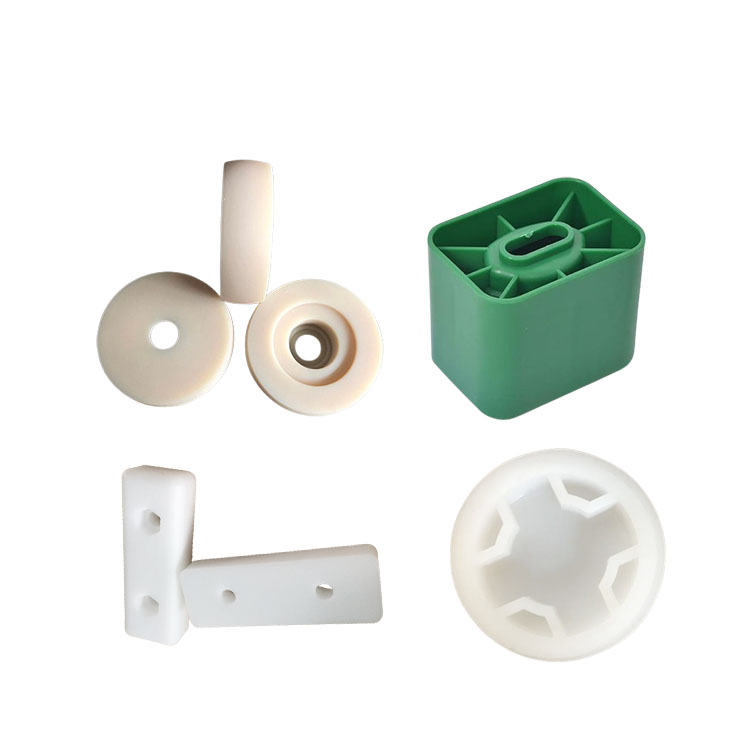
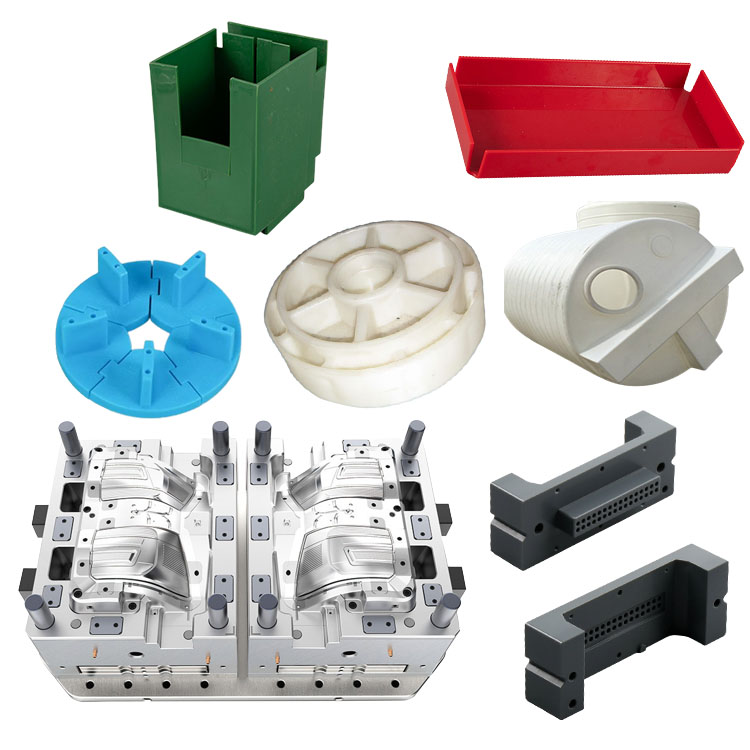
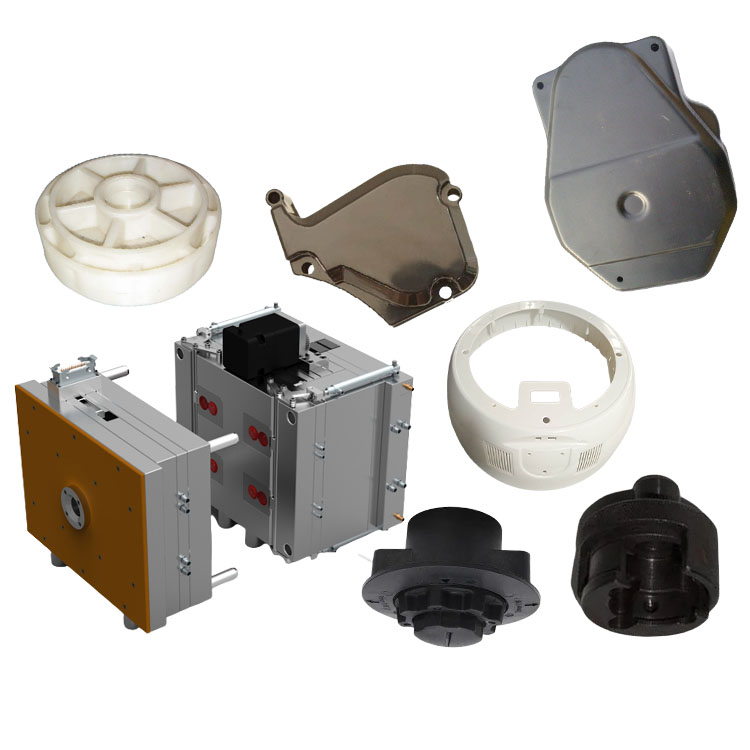
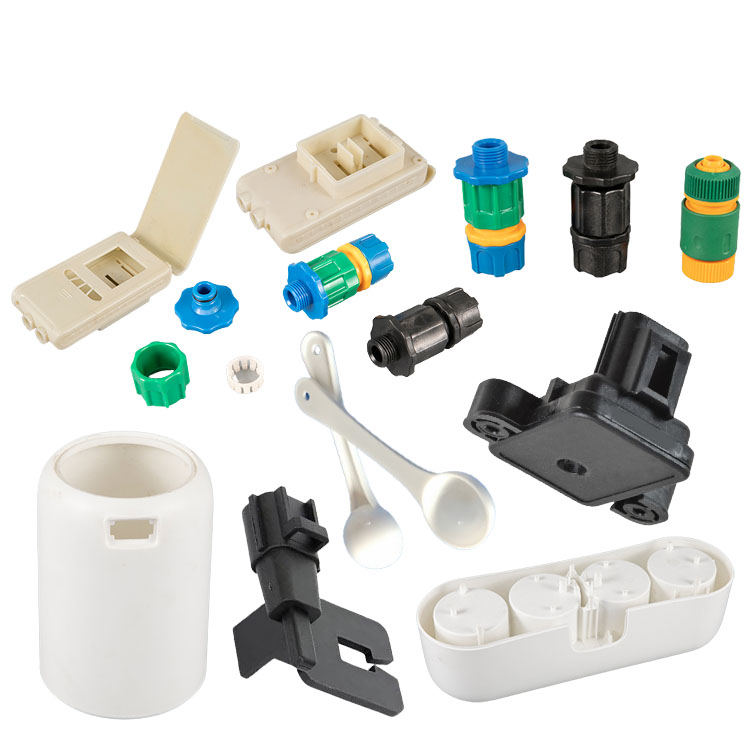
The custom manufacturing of automotive plastic components constitutes a comprehensive systems engineering discipline that integrates materials, structural design, manufacturing processes, performance characteristics, regulatory compliance, and cost management. It is required to simultaneously satisfy four core objectives: seamless integration with vehicle assembly, safety and durability, environmental protection and health standards, and stable mass production. The following section systematically outlines the critical requirements for the entire customization workflow across six key dimensions: material selection, structural design, tooling and processes, performance validation, environmental compliance, and mass delivery.
I. Material Selection: Precise Matching Based on Application Scenarios—Balancing Performance and Cost
Automotive plastic components are broadly categorized into three types: exterior parts, interior parts, and functional structural parts. The choice of material directly determines the service life of the individual component as well as the overall quality of the vehicle.
Exterior Parts (Bumpers, Grilles, Exterior Trim Panels)
Core Requirements: Weather resistance, impact resistance, tolerance to extreme temperatures (high and low), stone chip resistance, and UV resistance.
Common Materials: PP + EPDM + Talc (PP-T20/T30)—the mainstream choice for bumpers, offering low cost and excellent toughness; PC/PMMA—used for grilles and lamp covers, featuring high light transmittance and weather resistance; ASA—offers superior weather resistance compared to ABS, ensuring no discoloration during prolonged outdoor exposure.
Key Performance Indicators: Heat Deflection Temperature (HDT) ≥ 100°C; no cracking observed after thermal cycling between -40°C and 120°C; color difference (ΔE) ≤ 3 after 1,000 hours of UV aging.
Interior Parts (Instrument Panels, Door Panels, Center Consoles, Armrests)
Core Requirements: Low odor, low VOC (Volatile Organic Compounds) emissions, flame retardancy, pleasant tactile feel, and scratch resistance.
Common Materials: PP + Talc—used for structural frames, offering high rigidity and low cost; TPE/TPV—used for soft-touch overlays, providing an excellent tactile feel; ABS/PC Alloy—used for center console panels, featuring high gloss and scratch resistance; PU Foam—used for premium surface skins, offering softness and comfort.
Key Performance Indicators: Odor rating ≤ Level 3 (per VDA 270); VOC emissions compliant with GB/T 27630 standards; Flame Retardancy: UL94-HB rating; Scratch Resistance: Pencil hardness ≥ 2H.
Functional Structural Parts (Battery Housings, Intake Manifolds, Brackets, Gears)
Core Requirements: High strength, high rigidity, dimensional stability, fatigue resistance, oil and chemical resistance, and high-temperature resistance. Common Materials: PA66+GF30 (engine peripherals; tensile strength ≥ 150 MPa), Long Glass Fiber PP (LGF-PP) (lightweight structural components), POM (precision gears; wear-resistant), PPO (chassis underbody shields; stone-impact resistant).
Key Performance Indicators: Shrinkage rate ≤ 1.0%, Heat Deflection Temperature (HDT) ≥ 120°C, successful completion of 1,000 thermal cycles between -40°C and 85°C, and compliance with IP67 water resistance standards.
General Material Selection Principles: Prioritize modified PP (offering the best cost-performance ratio); select glass-fiber-reinforced PA or PC for critical components; select ABS/PC alloys for aesthetic/exterior parts; strictly adhere to the vehicle manufacturer's material specifications; and strictly prohibit the use of high-VOC or easily degradable materials.
II. Structural Design: Optimized for Injection Molding Processes to Ensure Assembly Integrity and Structural Strength
The structural design of automotive plastic components must balance moldability, assemblability, structural strength, and lightweighting objectives to prevent issues such as failure to achieve mass production or component failure during service.
Wall Thickness Design: Maintain a uniform nominal wall thickness of 2–4 mm; limit localized thick sections to ≤ 5 mm. Employ "coring out" (material removal) on the reverse side of thick-walled areas to reduce thickness, and incorporate reinforcing ribs (rib thickness ≤ 70% of wall thickness; rib height ≤ 3 times the wall thickness) to prevent sink marks, voids, and deformation.
Draft Angle (Mold Release Taper): Apply a minimum draft of ≥ 1° for exterior/visible surfaces, ≥ 0.5° for interior surfaces, and ≥ 1.5° to 2° for deep cavities or parts with numerous ribs. For soft TPE materials, the draft angle may be reduced to 0.3°. These measures prevent "pin push marks" (ejection whitening) and surface drag marks.
Fillets and Transitions: Apply a minimum radius (R) of ≥ 0.5 mm to all external corners/edges, ≥ 0.3 mm to internal corners, and ≥ 1 mm at the base of snap-fit features. This eliminates stress concentrations and prevents cracking.
Assembly Structures: Design snap-fit barbs with a maximum angle of ≤ 45°; maintain a mating clearance of 0.1–0.2 mm; and ensure a minimum retention/pull-out force of ≥ 50 N. Reinforce screw bosses with ribs, and size the screw hole diameter to be 0.1–0.2 mm larger than the screw diameter. Specify IT7–IT8 tolerance grades for locating pins and holes to ensure precise assembly alignment. Parting Lines and Undercuts: The parting surface should be selected at the largest cross-section; for complex undercuts, use angled ejectors or sliders to prevent parting lines from appearing on cosmetic surfaces. For cosmetic parts, parting lines must be concealed, and flash must be kept to ≤0.1mm.
Lightweight Design: While ensuring structural integrity, optimize wall thickness, incorporate ribs, and utilize hollowed-out structures to achieve a weight reduction of 10%–20%, thereby lowering material costs.
III. Mold and Injection Molding Processes: Ensuring Stable Mass Production and Dimensional Accuracy
Mold Requirements
Material: For mass production molds, use pre-hardened steel (P20, 718H); for critical components, use hardened steel (S136). Surface finishes may include polishing, texturing, or chrome plating. Mold life expectancy: ≥500,000 cycles.
Runners and Gates: The main runner should be enlarged, and the branch runners must be balanced. Select side gates, fan gates, or submarine gates to prevent direct impingement on the core. For multi-cavity molds, employ a symmetrical layout to ensure consistent filling.
Venting and Cooling: Cut vent grooves (0.02–0.03mm deep) at the parting surface, rib locations, and weld line areas. Cooling channels should be distributed uniformly; mold temperature fluctuation must be kept within ±5°C to minimize warping.
Ejection: Utilize a combination of ejector pins, ejector plates, and ejector sleeves. For large-area parts, use ejector plates to prevent "ejector marks" (whitening) and deformation.
Injection Molding Process
Temperature: Barrel temperature: 180–220°C for PP; 250–280°C for PA66+GF30. The nozzle temperature should be slightly lower to prevent drooling.
Pressure: Injection pressure: 40–80 MPa for PP; 80–140 MPa for glass-fiber reinforced parts. Holding pressure: 30–60% of injection pressure for PP; 60–80% for glass-fiber reinforced parts.
Speed: Use medium-to-high injection speeds for filling. Use high speeds for thin-walled parts; use multi-stage speed control for thick-walled parts to prevent air entrapment and floating fibers.
Mold Temperature: 30–50°C for PP; 60–90°C for PA66+GF30. This ensures proper crystallization and dimensional stability. Cooling: 5–15 seconds for PP parts; 10–30 seconds for glass-fiber-reinforced parts; ensure full solidification prior to ejection.
IV. Performance Verification: Comprehensive Testing to Ensure Vehicle-Level Reliability
Custom components must successfully pass vehicle-level performance tests; parts failing these tests are strictly prohibited from entering mass production.
Mechanical Properties: Tensile/flexural/impact strength, fatigue life, and snap-fit pull-out force ≥ 50 N.
Environmental Reliability: High/low-temperature cycling (-40°C to 120°C, 1,000 cycles), humid-heat aging, oil/chemical resistance, and stone chip resistance (impact by 200g of quartz sand at 80 km/h with no penetration).
Dimensional Accuracy: In accordance with ISO 2768-m; critical mating dimensions within IT7–IT8 tolerance grades; flatness ≤ 0.5 mm/100 mm; profile tolerance ≤ 1.0 mm.
Appearance Quality: Free from sink marks, voids (bubbles), weld lines, and flash; color difference ΔE ≤ 1.0; gloss variation ≤ ± 5 GU; permissible scratch length: ≤ 10 mm for exterior parts, ≤ 5 mm for interior parts.
Aging Tests: UV aging and xenon-arc lamp aging tests to guarantee no discoloration or cracking after 5 years of outdoor exposure.
V. Environmental & Regulatory Compliance: Global Adherence and Health Standards
Hazardous Substance Restrictions: Compliant with GB/T 26572, EU REACH, and ELV directives; limits for Lead (Pb), Cadmium (Cd), Mercury (Hg), and Hexavalent Chromium (Cr VI) ≤ 1,000 ppm; use of asbestos and polycyclic aromatic hydrocarbons (PAHs) is strictly prohibited.
Interior Air Quality: Interior components must meet standards for VOCs (Volatile Organic Compounds), aldehydes, and ketones; odor level ≤ Grade 3, ensuring the health and safety of vehicle occupants.
Recyclability: Priority is given to single-material designs to facilitate recycling and align with the principles of the circular economy.
VI. Batch Delivery: Balancing Cost, Efficiency, and Consistency
Tooling Selection vs. Batch Size: Small batches (< 500 units) utilize 3D printing or aluminum molds; medium batches (500–5,000 units) utilize aluminum alloy molds; large batches (> 5,000 units) utilize steel molds—thereby balancing cost-effectiveness with production efficiency. Production Stability: First-piece approval and in-process SPC control (Cpk ≥ 1.33) ensure batch consistency.
Cost Control: Optimization of materials, structural design, and manufacturing processes reduces unit costs and enhances cost-effectiveness.
We are a plastic car parts custom moulding manufacturer, providing high-quality plastic car parts custom moulding manufacturing. As long as you want to customize/develop plastic car parts custom moulding products, you can find us. We have professional injection mold design and mature manufacturing technology, providing you with one-stop service, from product design-mold making-product production-product packaging-product transportation, we can help you in every link. As long as you come to us, we will provide you with the ultimate service and satisfy you in terms of product quality, production time, information dialogue, etc.
|
Product Name |
Treadmill moulding |
|
Pls provide |
2D, 3D, samples, or the size of the multi-angle pictures |
|
Mould Time |
20-35 Days |
|
Product time |
7-15 Days |
|
Mould precision |
+/-0.01mm |
|
Mould life |
50-100 million shots |
|
Producing Process |
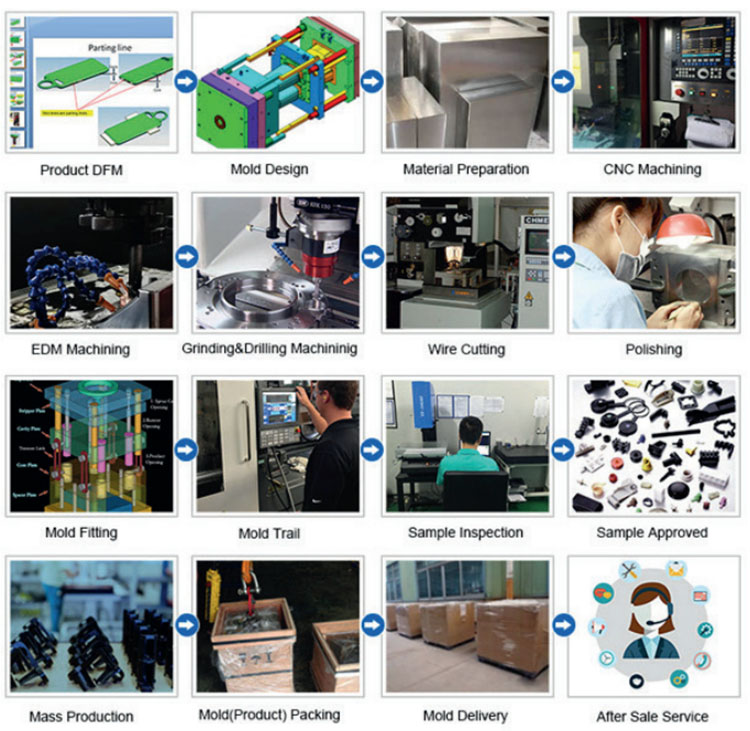
Audit drawings - mold flow analysis - design validation - Custom Materials - mold processing - core processing - electrode machining - Runner system processing - parts processing and procurement - machining acceptance - cavity surface treatment process - complex mode Die - The entire mold surface coating - Mounting plate - mold sample - sample test - sending samples |
|
Mould cavity |
One cavity, multi-cavity or same different products be made together |
|
Mould material |
P20,2738,2344,718,S136,8407,NAK80,SKD61,H13 |
|
Runner system |
Hot runner and cold runner |
|
Base material |
P20,2738,2344,718,S136,8407,NAK80,SKD61,H13 |
|
Finish |
Pitting the word, mirror finish, matte surface, striae |
|
Standard |
HASCO, DME or dependent upon |
|
Main technology |
Milling, grinding, CNC, EDM, wire cutting, carving, EDM, lathes, surface Finish, etc. |
|
Software |
CAD,PRO-E,UG Design Time: 1-3 days (normal circumstances) |
|
Product material |
ABS,PP,PC,PA6,PA66,TPU,POM,PBT,PVC,HIPS,PMMA,TPE,PC/ABS,TPV,TPO,TPR,EVA,HDPE,LDPE,CPVC,PVDF,PPSU.PPS. |
|
Quality system |
ISO9001:2008 |
|
Establish time |
20days |
|
Equipment |
CNC,EDM,Cutting off Machine,plastic machinery,etc plastic suitcase mould zhe jiang |
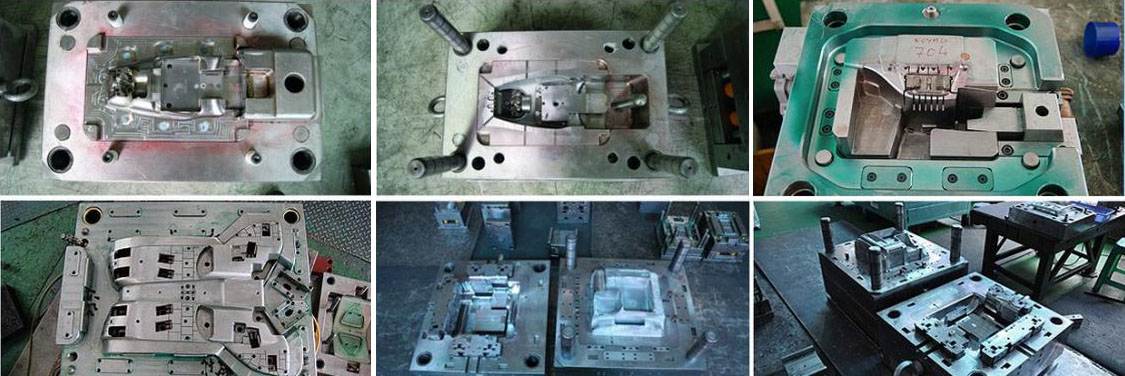
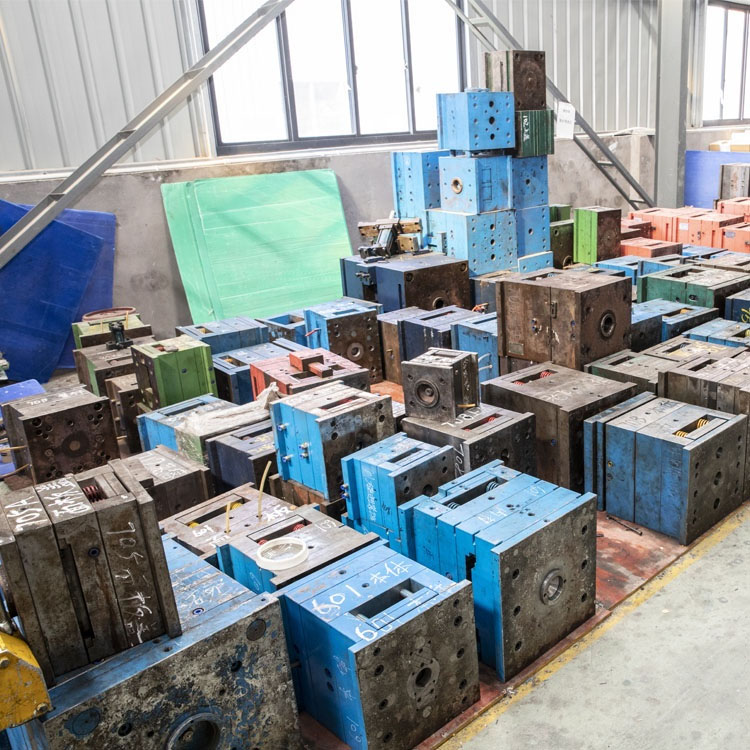
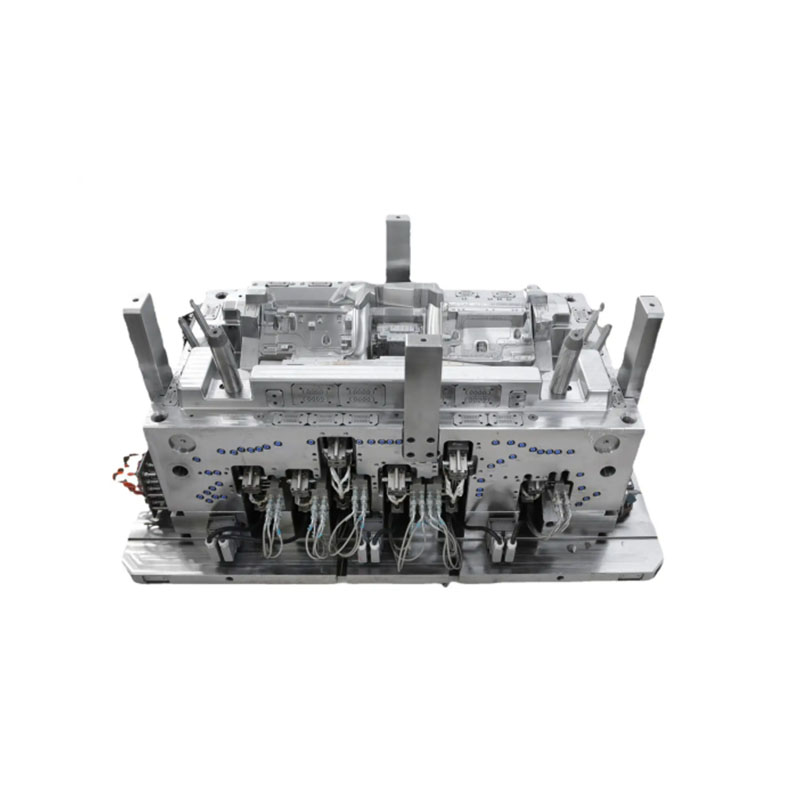
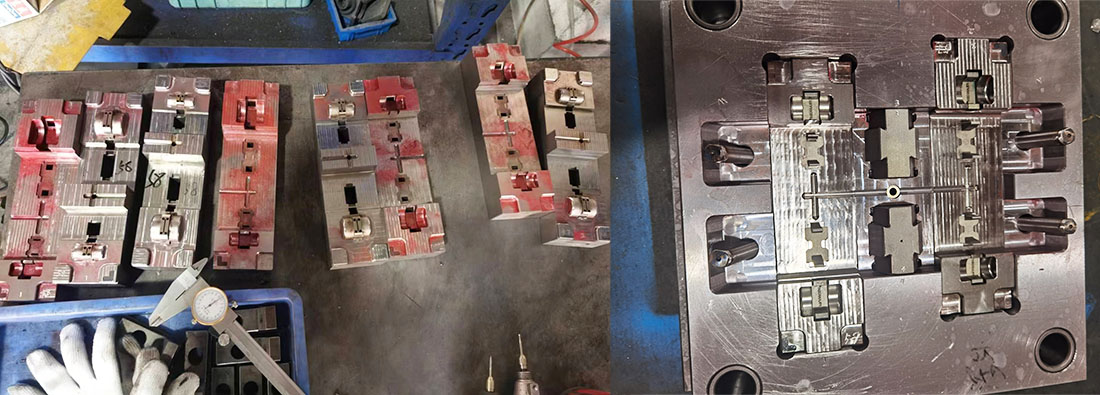
Plastic Injection Mould making
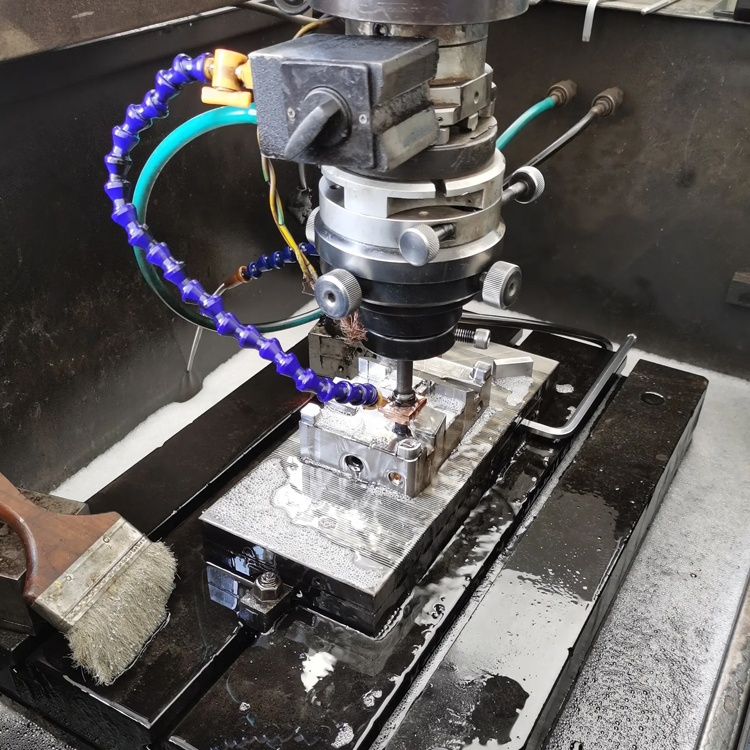
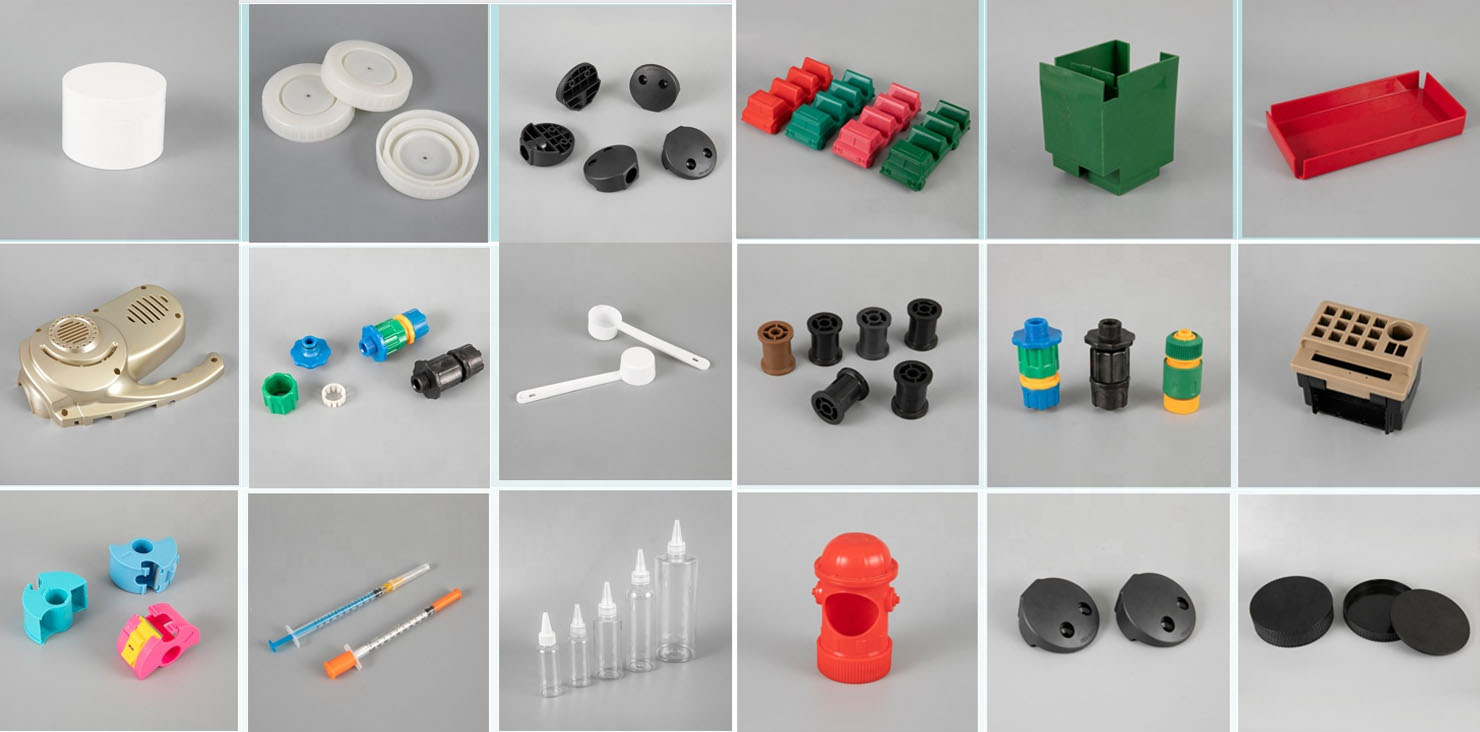
Plastic molding specifications
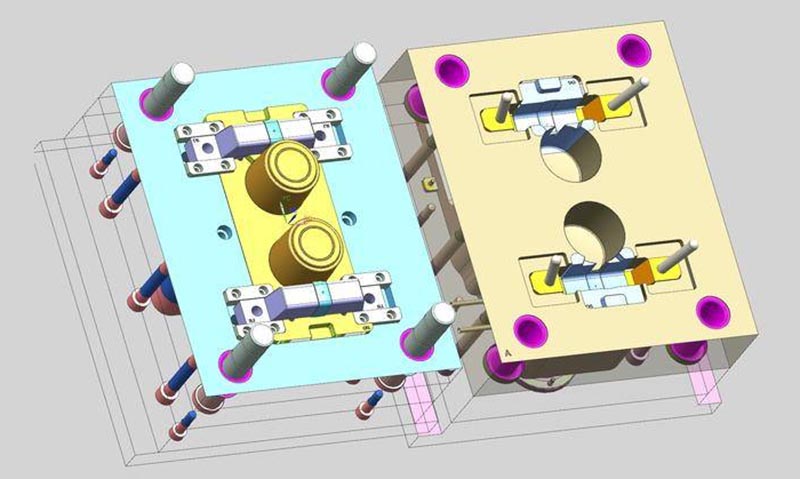
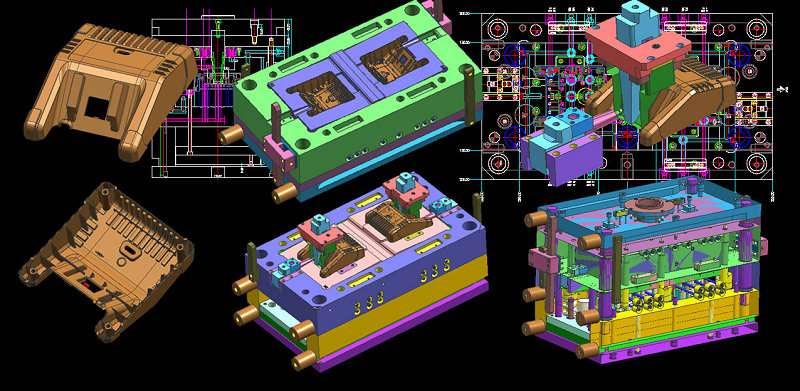
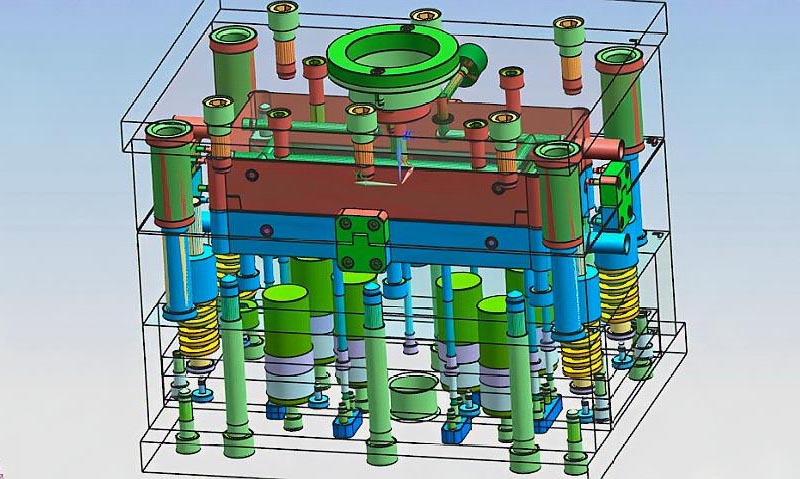
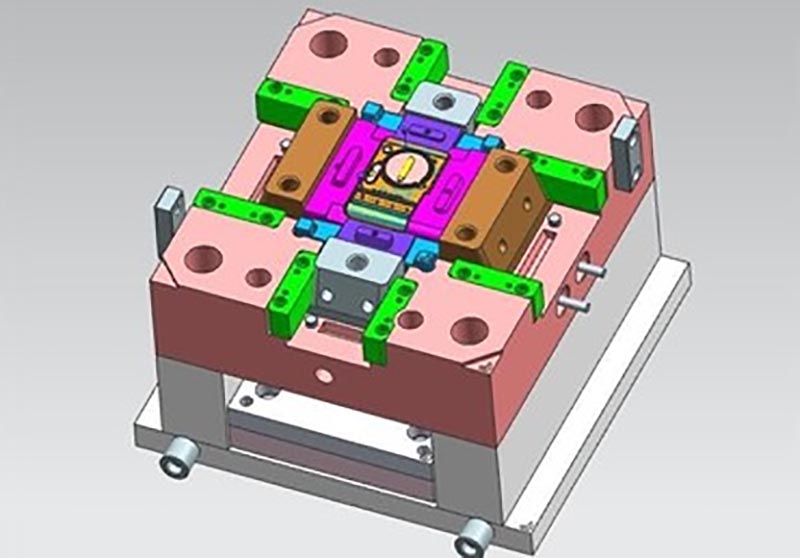
Mold design:
Transaction process:
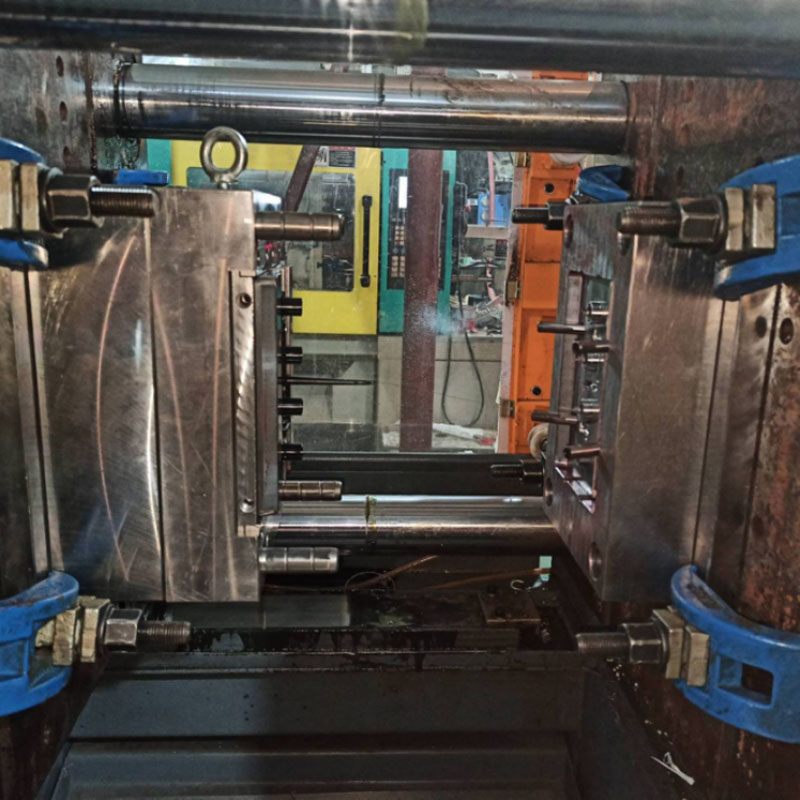
Mold testing:

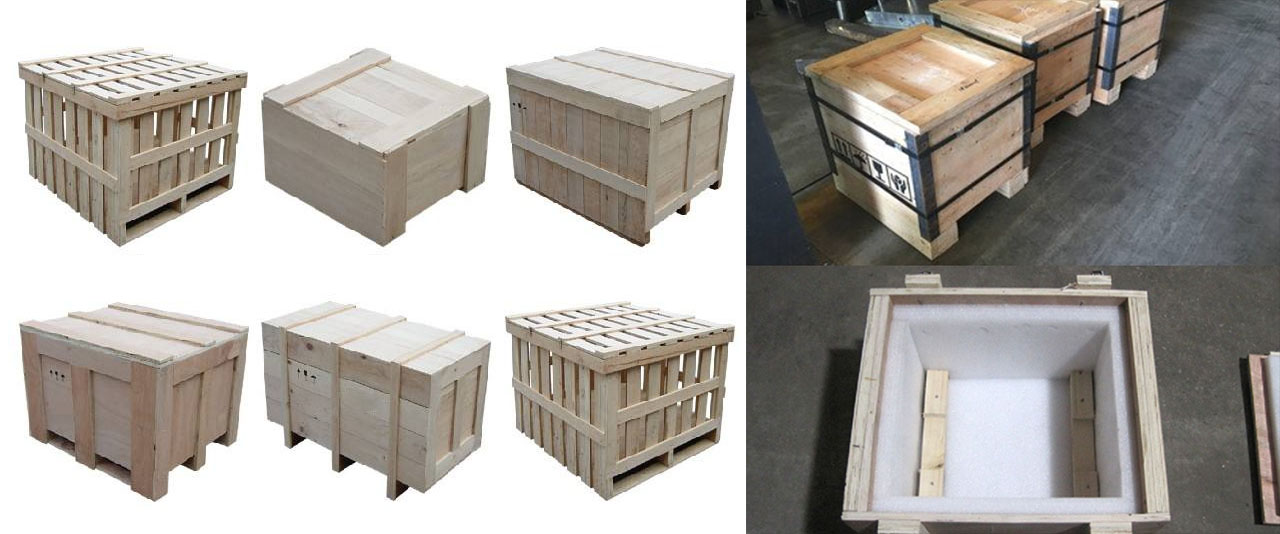
Product packaging
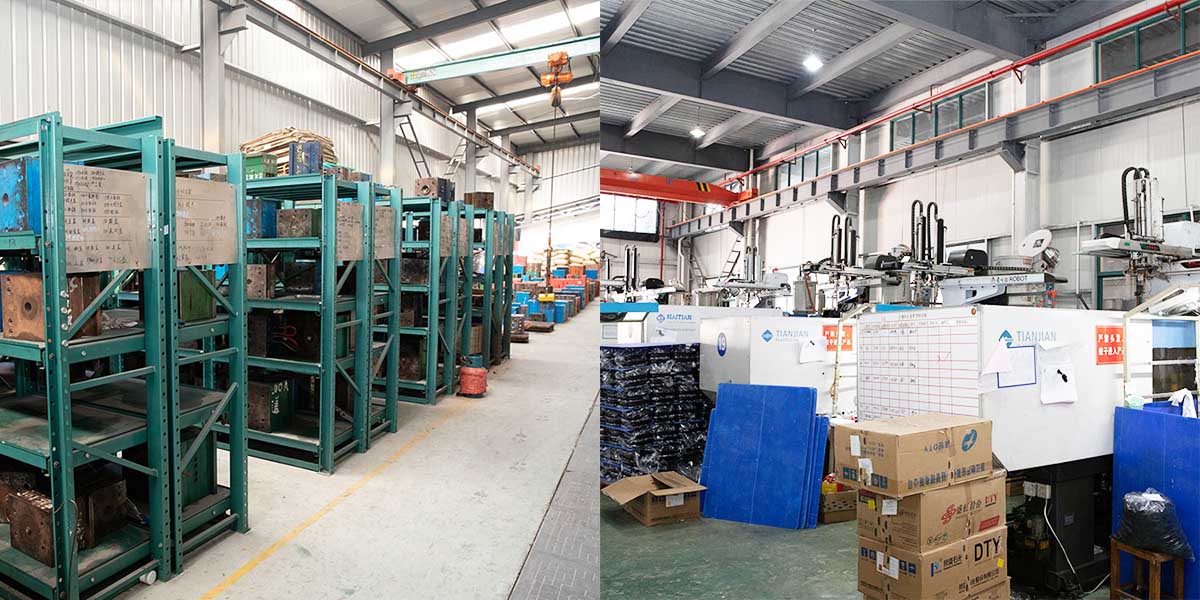
Factory
We are Custom Plastic Mold factory. Our factory is plastic injection mold maker. we has 17 years of experience in professional custom plastic mold and 10 years of foreign trade experience. We are custom Plastic Mold supplier. We can provide custom Plastic Mold service. Our factory can make the Injection molded plastic parts, and the quality of the products will satisfy you.
We have more than 50 high-end machines and hundreds of engineers and designers. We can provide one-stop service, from product design - mold making - product production - product packaging - transportation. We have a complete production chain. We can meet all your requirements.
Services we provide:
Professional custom mold service, Plastic mold design and manufacturing .plastic product production, product design, mold design, blow mold customization, rotational mold customization, die-casting mold customization. 3D printing services, CNC manufacturing services, product packaging, customized packaging, shipping services.
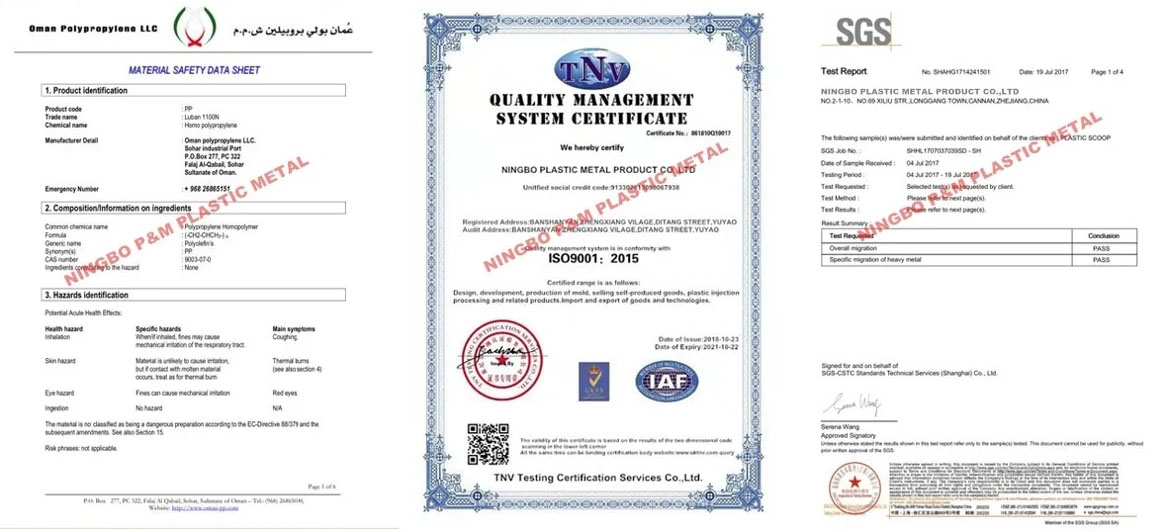

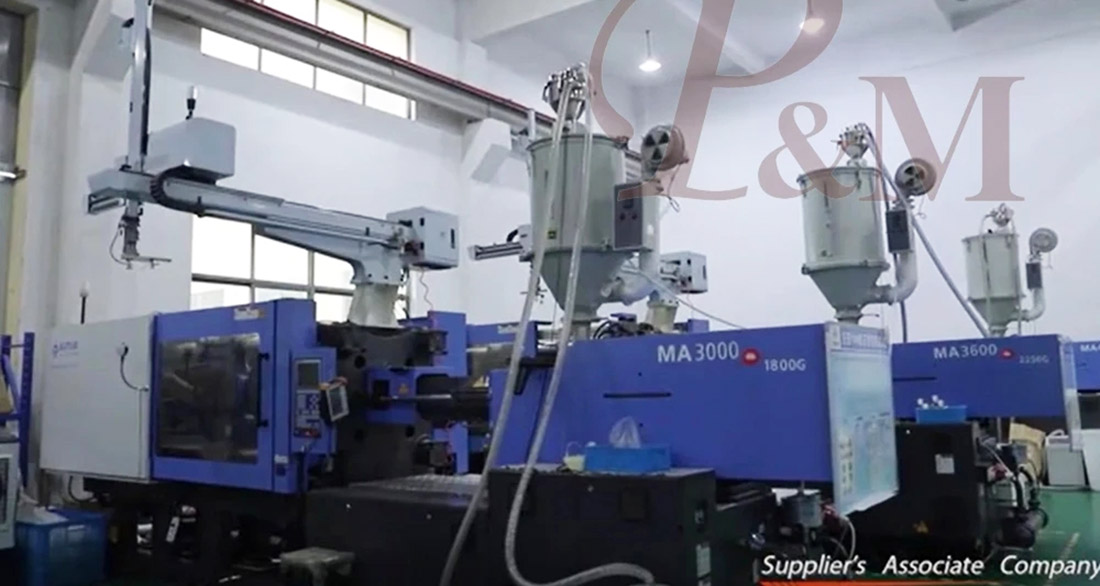
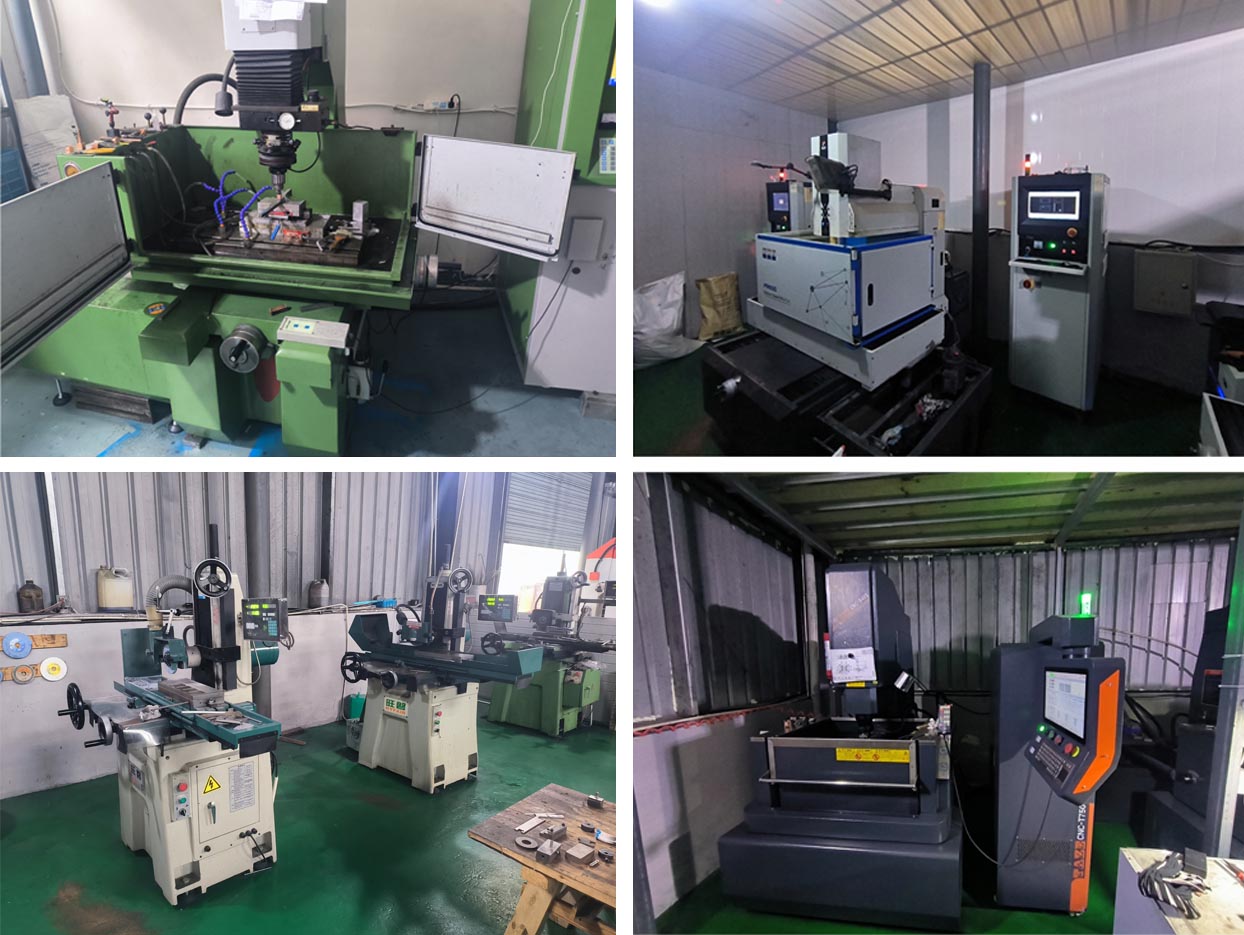
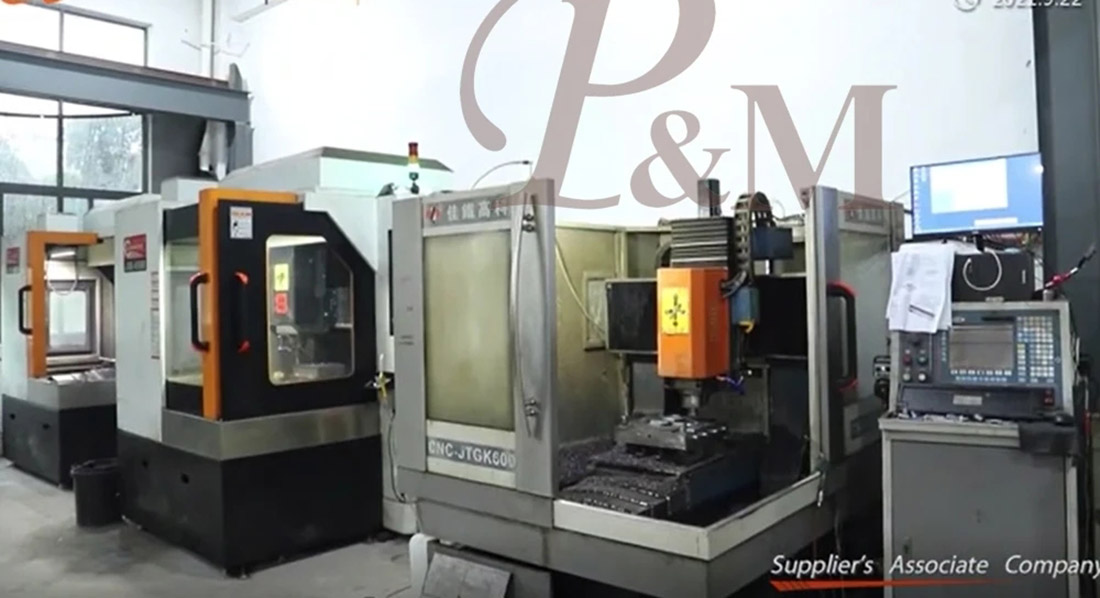
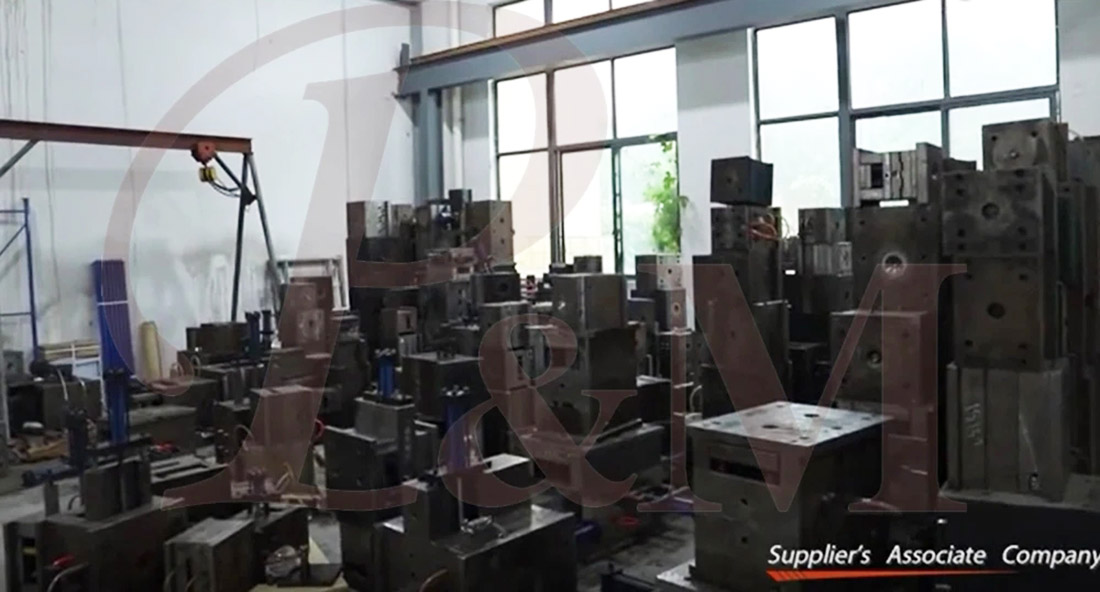
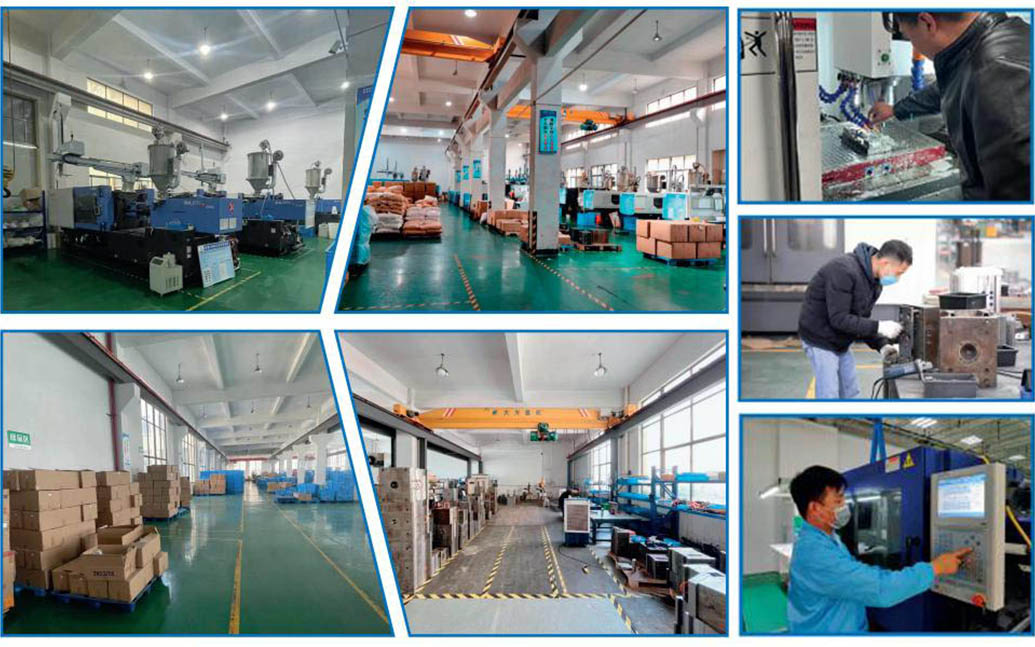
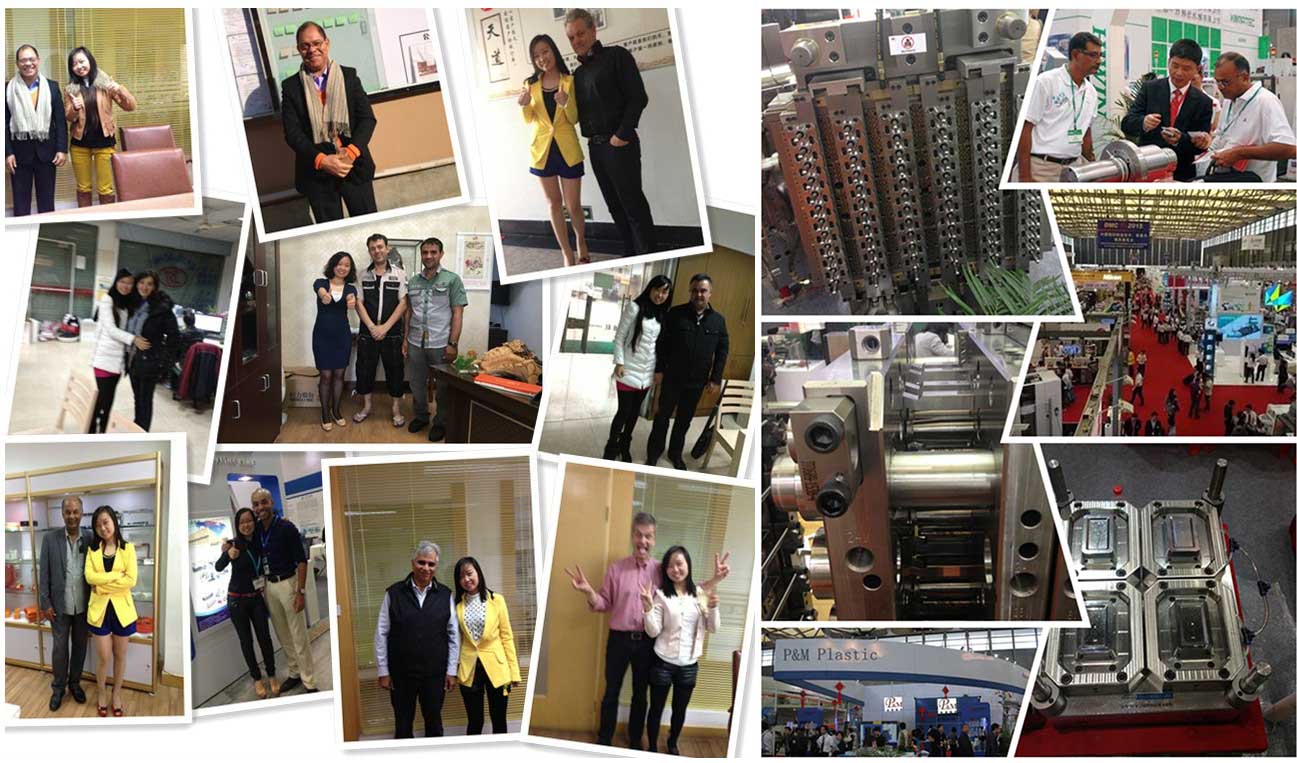
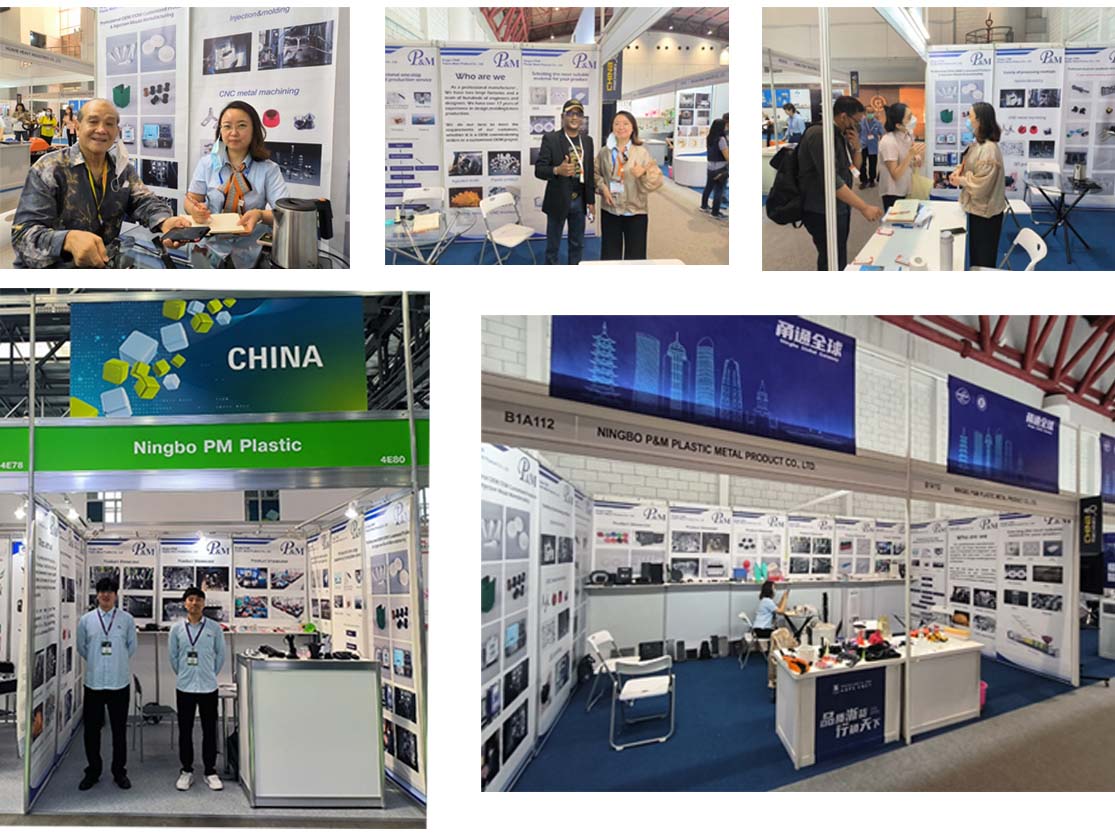
We always adhere to the principles of quality first and time first. While providing customers with the highest quality products, try to maximize the production efficiency and shorten production time. We are proud to tell every customer that our company has not lost any customer since its establishment.If there is a problem with the product, we will seek a solution actively and take responsibility to the end.

FAQ
Q1: Are you trading company or manufacturer ?
A: We are manufacturers.
Q2. When can I get the quotation?
A: We usually quote within 2 days after we get your inquiry.
If you are very urgent, please call us or tell us in your email so that we can quote for you first.
Q3. How long is the lead-time for mold?
A: It all depends on the products' size and complexity. Normally, the lead time is 25 days.
Q4. I have no 3D drawing, how should I start the new project?
A: You can supply us a molding sample, we will help you finish the 3D drawing design.
Q5. Before shipment, how to make sure the products quality?
A: If you don't come to our factory and also don't have the third party for inspection, we will be as your inspection worker.
We will supply you a video for production process detail include process report, products size structure and surface detail, packing detail and so on.
Q6. What is your payment terms?
A: Mold Payment: 40% deposit by T/T in advance, 30% second mold payment before sending out the first trial samples, 30% mold balance after you agree the final samples.
B:Production Payment: 50% deposit in advance, 50% before sending out the final goods.
Q7: How do you make our business long-term and good relationship?
A:1. We keep good quality and competitive price to ensure our customers benefit for best quality products.
2. We respect every customer as our friend and we sincerely do business and make friends with them, no matter where they come from.
Hot Tags: Customize plastic car parts custom moulding, China, Manufacturer, Supplier, Factory, Customized, Wholesale, Buy, Quality, Latest Selling, Made in China
Related Category
Send Inquiry
Please feel free to give your inquiry in the form below. We will reply you in 24 hours.