
Product
- Core Customization Service
- Health Care
- Electronic Appliances and Instruments
- Maternal and Child Supplies Molds
- Recreational Sports
- Home Furnishing Art
- Auto Accessories
- Transportation and Warehousing
- Lighting Fixtures
- Construction Equipment
- Packaging Product
- Educational & Laboratories
- Clothing Luggage Accessories
- Care and Cleaning Products
- Agriculture & Forestry
- Mechanical Equipment
- Pet Supplies
- Kitchenware
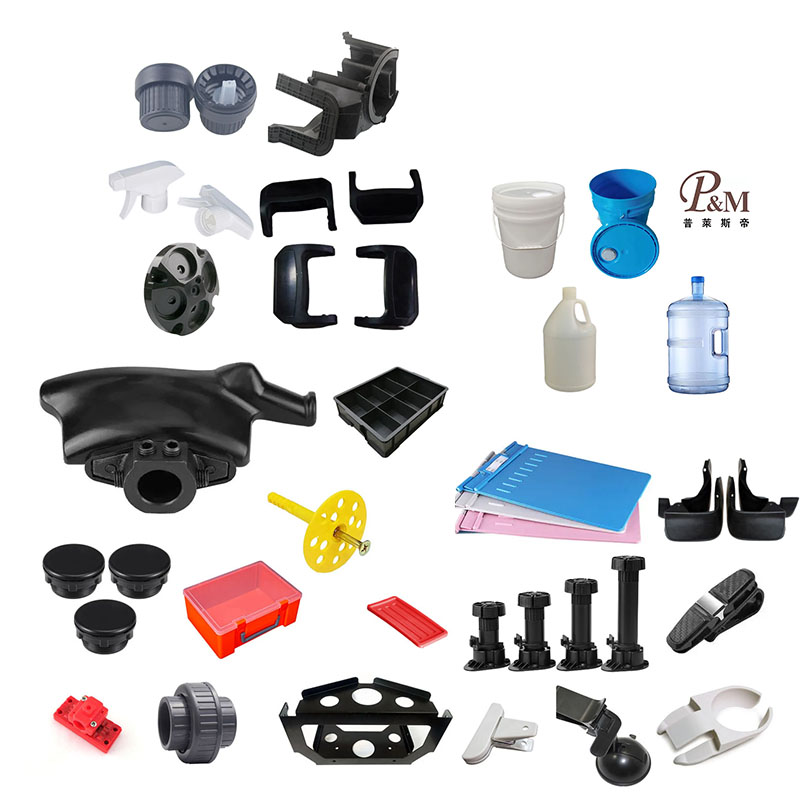
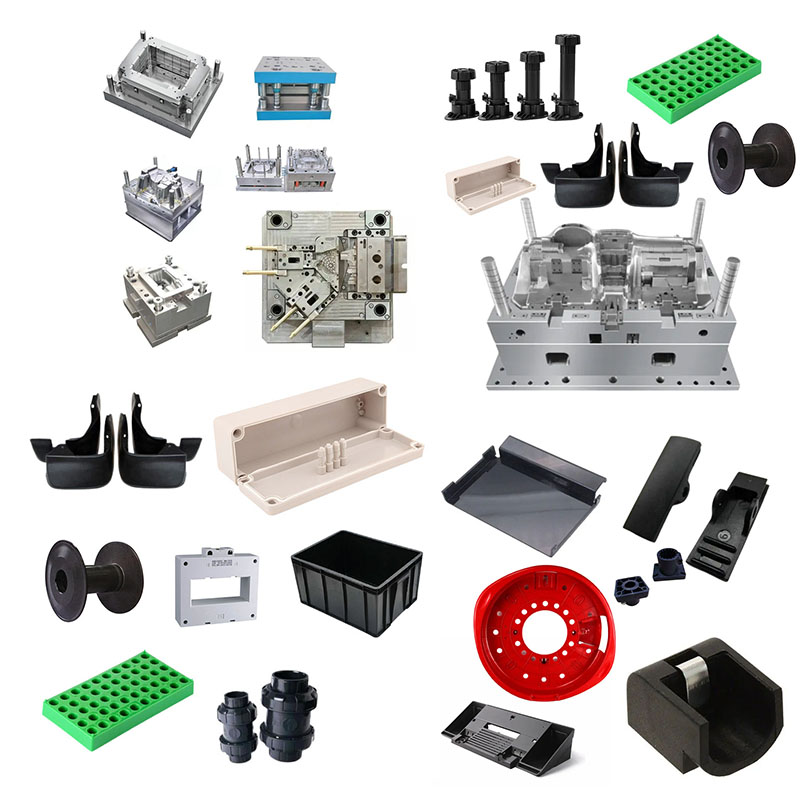
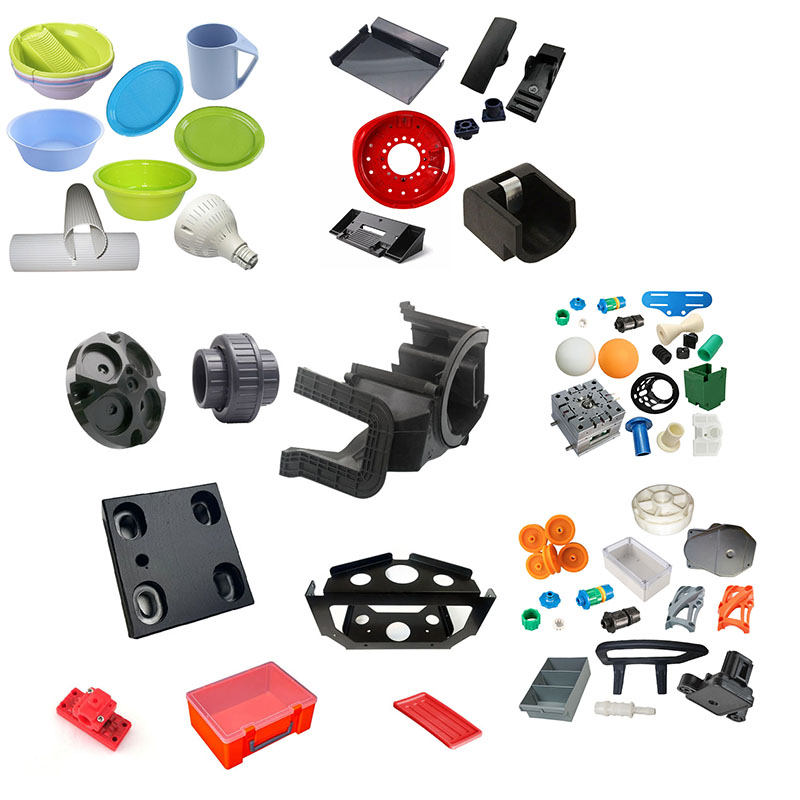
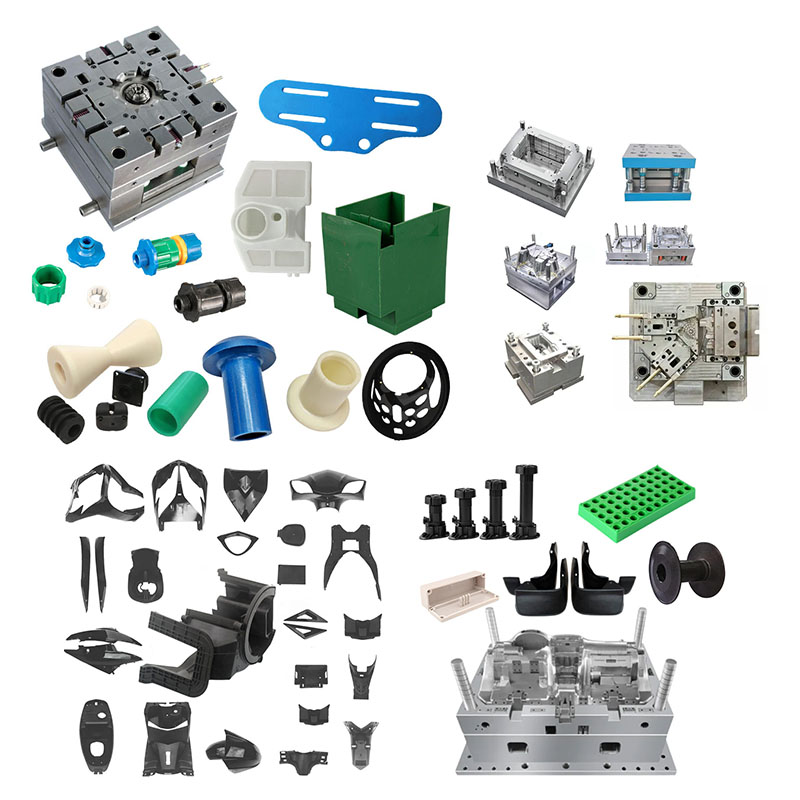
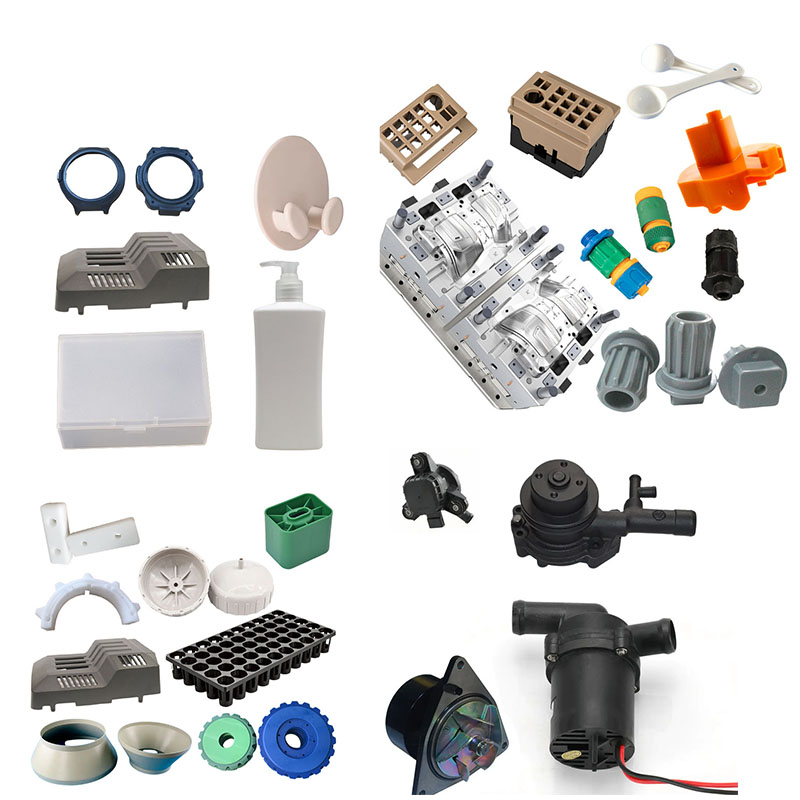
Shaving razor parts moulding
Ningbo (P&M) Plastic Metal Products Co., Ltd. has 17 years of mold manufacturing technology and can customize Shaving razor parts moulding. We provide professional customized Shaving razor parts moulding services, and we are a professional Shaving razor parts moulding manufacturer. We have sufficient experience in selecting product raw materials and mold materials.
Send Inquiry
Product Description
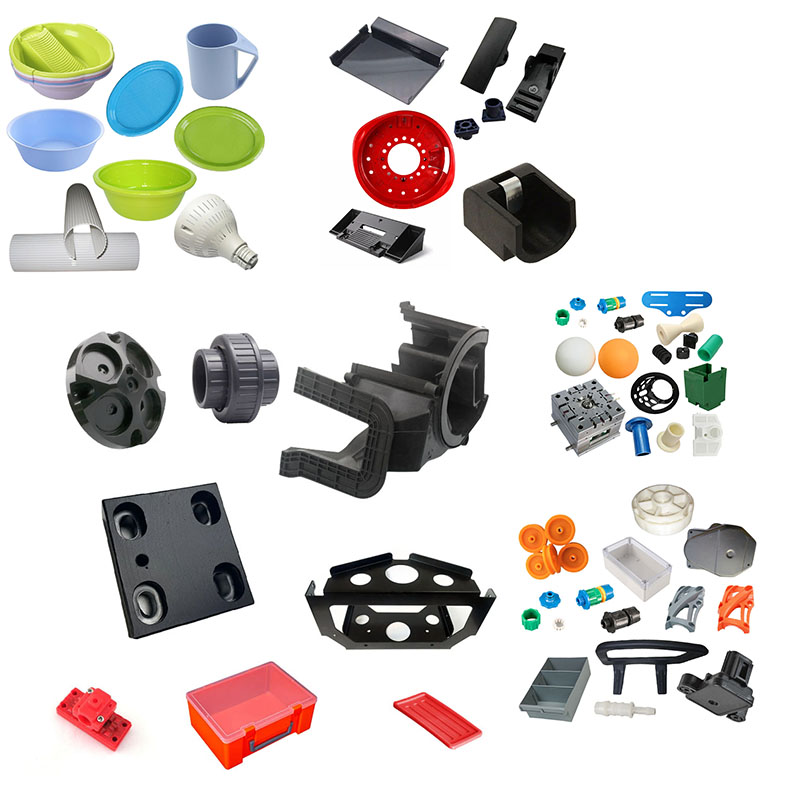
In the process of customizing Shaving razor parts moulding, our factory can provide one-stop service. We have design and production capabilities related to Shaving razor parts moulding, such as: CAD design, mold manufacturing, injection molding, plastic product production, assembly and other technologies. In addition, our company has established cooperative relationships with plastic raw material suppliers, printing manufacturers, etc. to ensure the supply of raw materials and printing quality. Through our rich experience and perfect supply chain, our company can provide customers with high-quality customized Shaving razor parts moulding products to meet their specific needs. At the same time, we have 10 years of professional foreign trade service experience, understand the foreign trade process, and better serve our customers. For Shaving razor parts moulding products, we can make corresponding plastic parts, which is mainly done through injection molds.
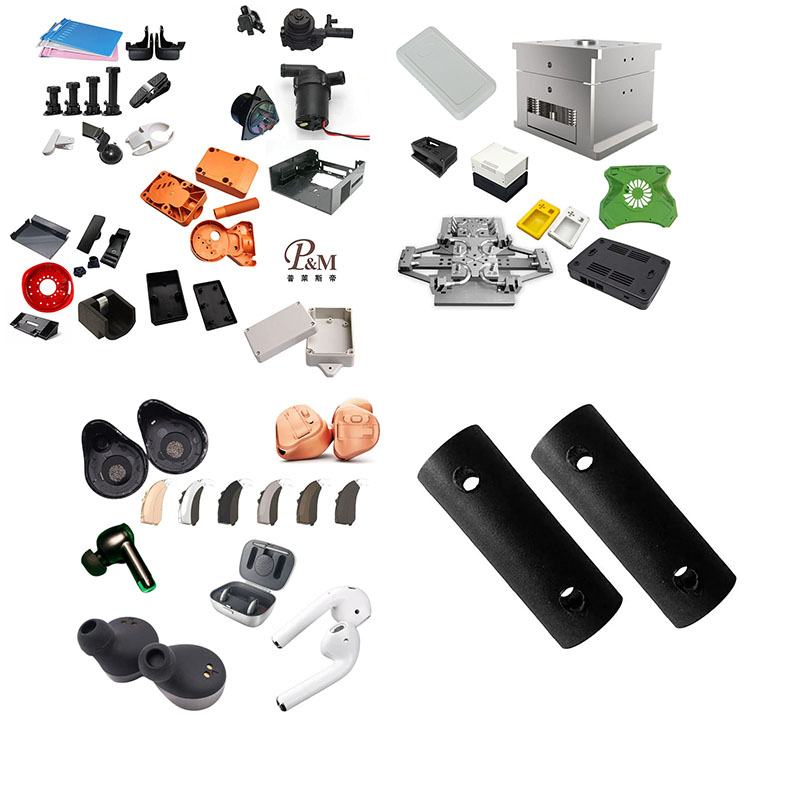
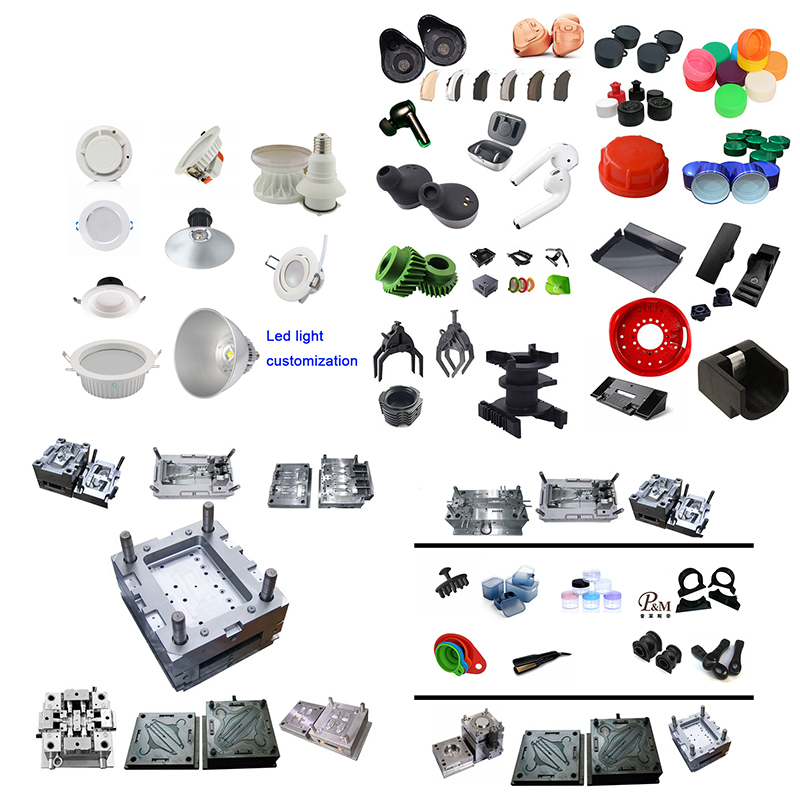
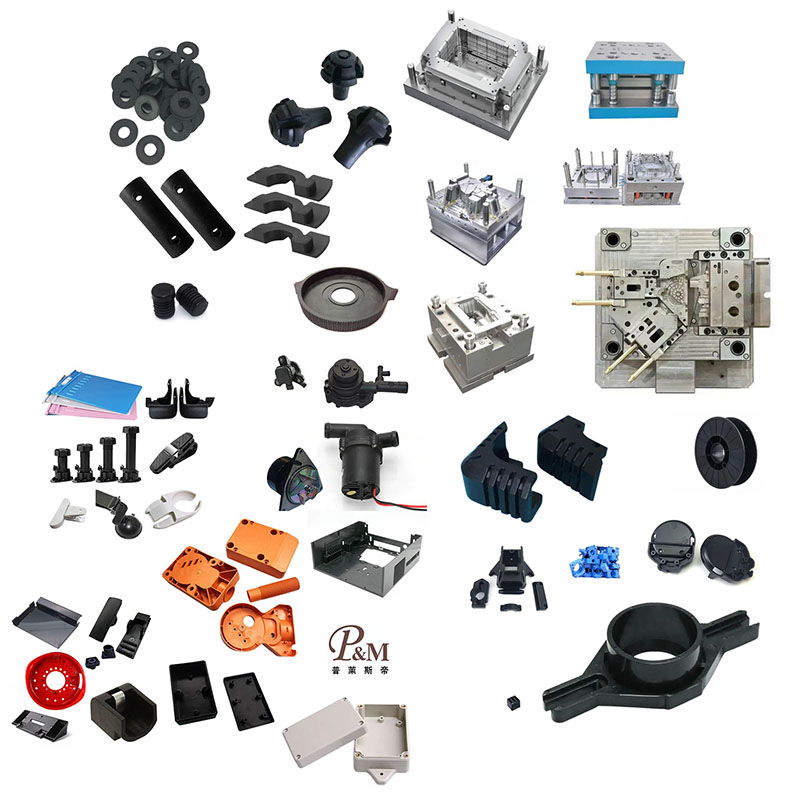
Electric shaver housings are predominantly manufactured from engineering plastics such as ABS, PC, PC/ABS alloys, and PP. As thin-walled components where aesthetics are paramount, they demand high standards regarding surface finish, dimensional accuracy, assembly fit, and drop resistance; they are classic examples of injection-molded parts for consumer electronics. A shaver housing typically consists of multiple components—such as the front cover, main body, bottom casing, and decorative panels—and is usually produced using multi-cavity molds. Some high-end models incorporate two-shot (multi-material) molding, soft-touch overmolding, and surface textures (e.g., leather grain or sandblasting). Molding the housing involves more than just the basic process of melting and filling the mold; every stage—from raw material preparation and mold tuning to injection molding and post-processing—directly impacts the product yield rate. The following section outlines the complete injection molding process for shaver housings and highlights the key control points at each stage.
I. Pre-production Preparation
1. Raw Material Selection and Pre-treatment
Material selection for shaver housings prioritizes a balance of rigidity, toughness, surface gloss, weather resistance, and flowability during molding. Standard, budget-friendly shaver bodies often utilize ABS, which offers a wide processing window and surfaces that are easily painted or electroplated. High-end models frequently employ PC/ABS alloys, which provide superior impact resistance and are less prone to cracking upon impact; TPU soft rubber is sometimes used for overmolding on non-slip handle sections. PP is rarely used for the main housing body but is commonly used for waterproof bottom covers.
Raw material pre-treatment is the step most frequently overlooked when producing cosmetic parts. PC and PC/ABS are hygroscopic materials; moisture within the resin can cause hydrolysis during the high-temperature melting process, leading to surface defects such as silver streaks and bubbles, as well as material embrittlement—ultimately causing the housing to crack under stress during assembly. Strict control over material drying is essential: ABS typically requires drying at 80°C–85°C for 2–4 hours, while PC/ABS requires 90°C–110°C for 4–6 hours, ensuring the moisture content remains below 0.04% after drying. The drying hopper requires thermal insulation to prevent the raw material from re-absorbing moisture; ideally, the material should be used within four hours of drying, and any material left sitting for an extended period must be re-dried.
Batch management of raw materials is essential, and the proportion of regrind (recycled material) added must be strictly controlled. For shaver exterior components, the regrind ratio should ideally be kept below 10%. Regrind must undergo grinding, screening, and re-drying; it must be free of metal shavings, oil, or off-colored plastics, as these contaminants can cause defects such as black specks or impurities. The use of regrind is strictly prohibited for parts with "Class A" cosmetic surfaces. Before switching materials, the barrel and hopper must be thoroughly cleaned to prevent cross-contamination that could lead to color discrepancies.
2. Mold Inspection and Preheating
Shaver housings are produced using molds designed for cosmetic parts, featuring polished or textured cavity surfaces; the maintenance status of the mold directly determines the product's appearance. Before startup, inspect the mold for scratches, rust, or oil stains on the parting lines and cavity surfaces; check that ejector pins and sleeves move freely without sticking; ensure air vents are not clogged; and verify that cooling channels are clear and free of leaks. Proper venting is critical for molding thin-walled housings, as air tends to get trapped at edges, ribs, and corners. Vent depth is typically controlled between 0.015 mm and 0.03 mm; vents that are too deep cause flash, while vents that are too shallow prevent air escape, leading to burn marks, short shots, or weld lines.
Mold preheating must be done gradually to avoid thermal shock, which could crack the cavity surface. Mold temperatures are set according to the material: 60–80°C for ABS and 70–90°C for PC/ABS. If the mold temperature is too low, the melt cools too rapidly, resulting in visible weld lines, high internal stress, and uneven gloss. Conversely, if the temperature is too high, the cooling cycle lengthens, increasing the risk of mold sticking and product deformation. Cooling channels should be zoned for temperature control: the temperature in areas corresponding to the housing's cosmetic surfaces can be raised to ensure a high-quality finish, while the temperature in non-cosmetic areas or thick rib sections can be lowered to shorten the molding cycle. ### 3. Injection Molding Machine Selection and Equipment Verification
Razor housings are typically thin-walled parts requiring long melt flow paths; therefore, the injection molding machine must possess stable injection pressure and speed control capabilities. A horizontal injection molding machine with closed-loop control is preferred; the screw specifications should match the material, with a recommended length-to-diameter (L/D) ratio of approximately 20:1. Before startup, inspect the hydraulic system, injection unit, and barrel heating thermocouples, and verify the accuracy of temperature and pressure sensor readings. Clean the barrel to ensure there is no residual carbonized plastic.
II. Core Injection Molding Process Flow
1. Barrel Plasticization
Raw material undergoes heating and screw shearing within the barrel, gradually melting and plasticizing into a homogeneous melt. Barrel temperatures are set in zones from the hopper to the nozzle, following a "low-to-high" temperature profile (lower at the feed end, higher at the nozzle end). Barrel temperatures are 180–230°C for ABS and 220–260°C for PC/ABS. The nozzle temperature is set slightly lower than that of the front barrel zone to prevent drooling.
During the plasticization stage, control of back pressure and screw speed is critical. Excessively low back pressure leads to uneven melt mixing and noticeable color variation; excessively high back pressure causes excessive shear heating and material degradation, resulting in yellowing and embrittlement. For cosmetic parts like razor housings, back pressure is typically set between 5 and 12 bar, and screw speed should be kept moderate to minimize shear heat. Sufficient melt cushion must be maintained to ensure a stable shot size and prevent dimensional or aesthetic inconsistencies caused by fluctuations in mold-filling volume.
2. Injection and Mold Filling
The injection phase employs a multi-stage injection profile, which is the most critical step in molding razor housings. Given the complex geometry of the housing—featuring thin walls, sharp corners, snap-fits, and rib structures—single-stage injection is prone to issues such as trapped air, jetting marks, and weld lines. Injection is typically set in 3 to 4 stages: the first stage uses low speed to allow the melt to pass smoothly through the runners and gates, preventing jetting or "splashing" at the gate; the second stage uses high speed to fill the main thin-walled sections; the third stage reduces speed to fill extremities such as corners and ribs; and the final stage uses low speed to prevent over-packing and flash.
Balancing injection pressure and speed is critical. Thin-walled housings require high injection speeds, yet excessive speed can cause shear-induced overheating, leading to burn marks at the end of the flow path. Gate design is also vital; shaver housings typically utilize side gates or submarine (tunnel) gates. Gates must not be placed on "Class A" (primary aesthetic) surfaces to avoid visible gate marks. Gate sizing must be optimized: undersized gates cause excessive shear, resulting in internal stress and stress whitening, while oversized gates leave large gate remnants that increase the post-processing workload.
Weld lines are the most common defect in shaver housings. Due to the numerous openings in the housing (for switches, shaver heads, indicator lights, etc.), weld lines inevitably form where the melt flow rejoins after flowing around these apertures. Weld lines are not only unsightly but also represent structural weak points; the housing is prone to fracturing at these locations during drop tests. Mitigation strategies include raising the mold temperature, appropriately increasing injection speed, and optimizing venting to shift weld lines away from aesthetic surfaces and high-stress areas.
We are a Shaving razor parts moulding manufacturer, providing high-quality Shaving razor parts moulding manufacturing. As long as you want to customize/develop Shaving razor parts moulding products, you can find us. We have professional injection mold design and mature manufacturing technology, providing you with one-stop service, from product design-mold making-product production-product packaging-product transportation, we can help you in every link. As long as you come to us, we will provide you with the ultimate service and satisfy you in terms of product quality, production time, information dialogue, etc.
|
Product Name |
Treadmill moulding |
|
Pls provide |
2D, 3D, samples, or the size of the multi-angle pictures |
|
Mould Time |
20-35 Days |
|
Product time |
7-15 Days |
|
Mould precision |
+/-0.01mm |
|
Mould life |
50-100 million shots |
|
Producing Process |
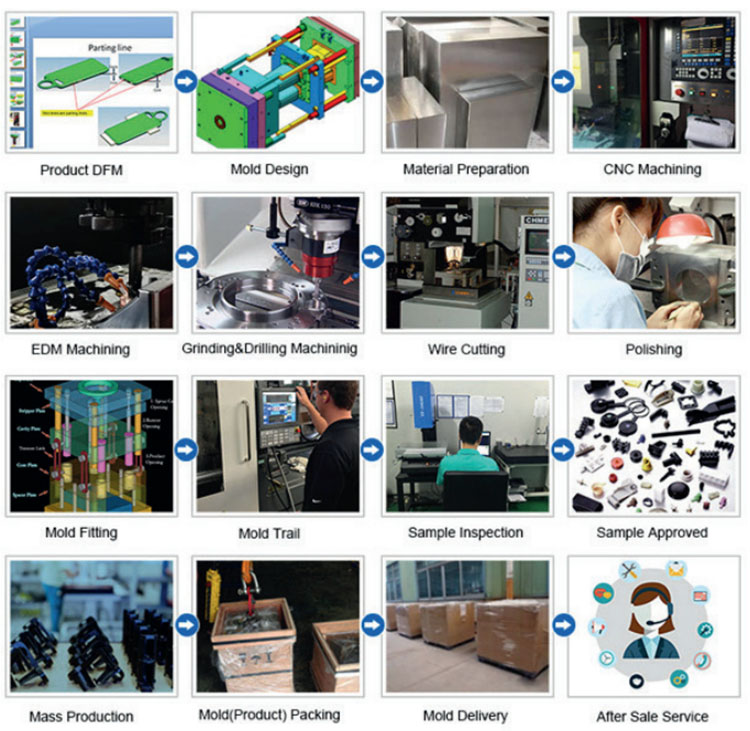
Audit drawings - mold flow analysis - design validation - Custom Materials - mold processing - core processing - electrode machining - Runner system processing - parts processing and procurement - machining acceptance - cavity surface treatment process - complex mode Die - The entire mold surface coating - Mounting plate - mold sample - sample test - sending samples |
|
Mould cavity |
One cavity, multi-cavity or same different products be made together |
|
Mould material |
P20,2738,2344,718,S136,8407,NAK80,SKD61,H13 |
|
Runner system |
Hot runner and cold runner |
|
Base material |
P20,2738,2344,718,S136,8407,NAK80,SKD61,H13 |
|
Finish |
Pitting the word, mirror finish, matte surface, striae |
|
Standard |
HASCO, DME or dependent upon |
|
Main technology |
Milling, grinding, CNC, EDM, wire cutting, carving, EDM, lathes, surface Finish, etc. |
|
Software |
CAD,PRO-E,UG Design Time: 1-3 days (normal circumstances) |
|
Product material |
ABS,PP,PC,PA6,PA66,TPU,POM,PBT,PVC,HIPS,PMMA,TPE,PC/ABS,TPV,TPO,TPR,EVA,HDPE,LDPE,CPVC,PVDF,PPSU.PPS. |
|
Quality system |
ISO9001:2008 |
|
Establish time |
20days |
|
Equipment |
CNC,EDM,Cutting off Machine,plastic machinery,etc plastic suitcase mould zhe jiang |
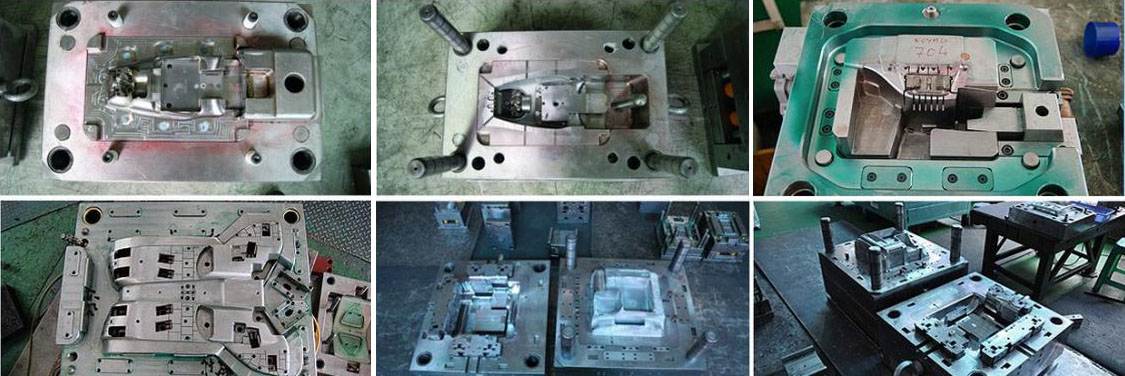
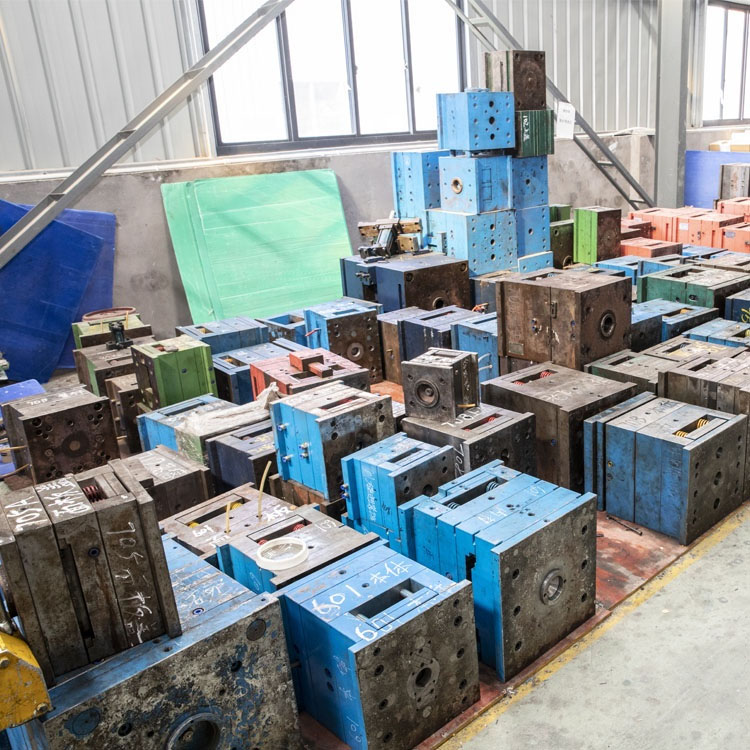
Plastic Injection Mould making
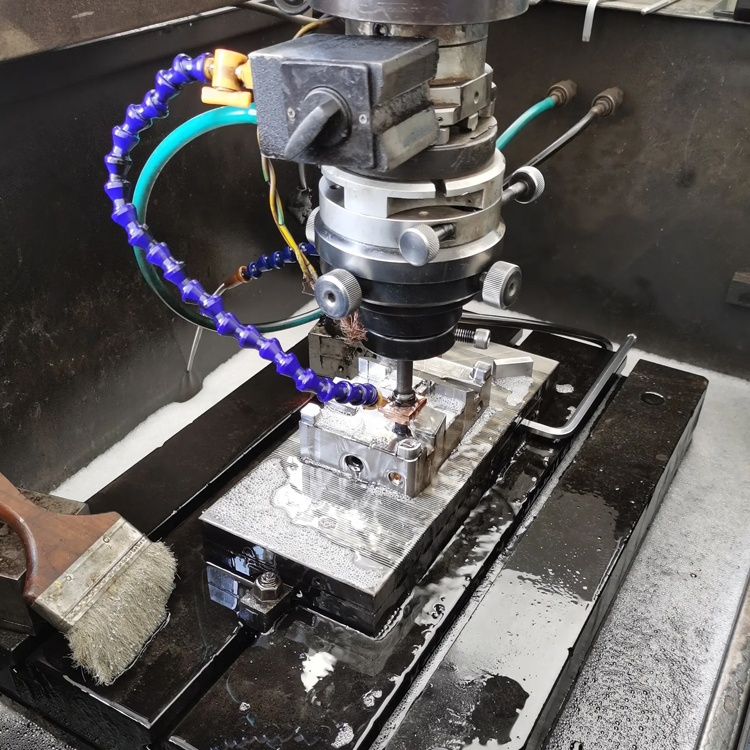
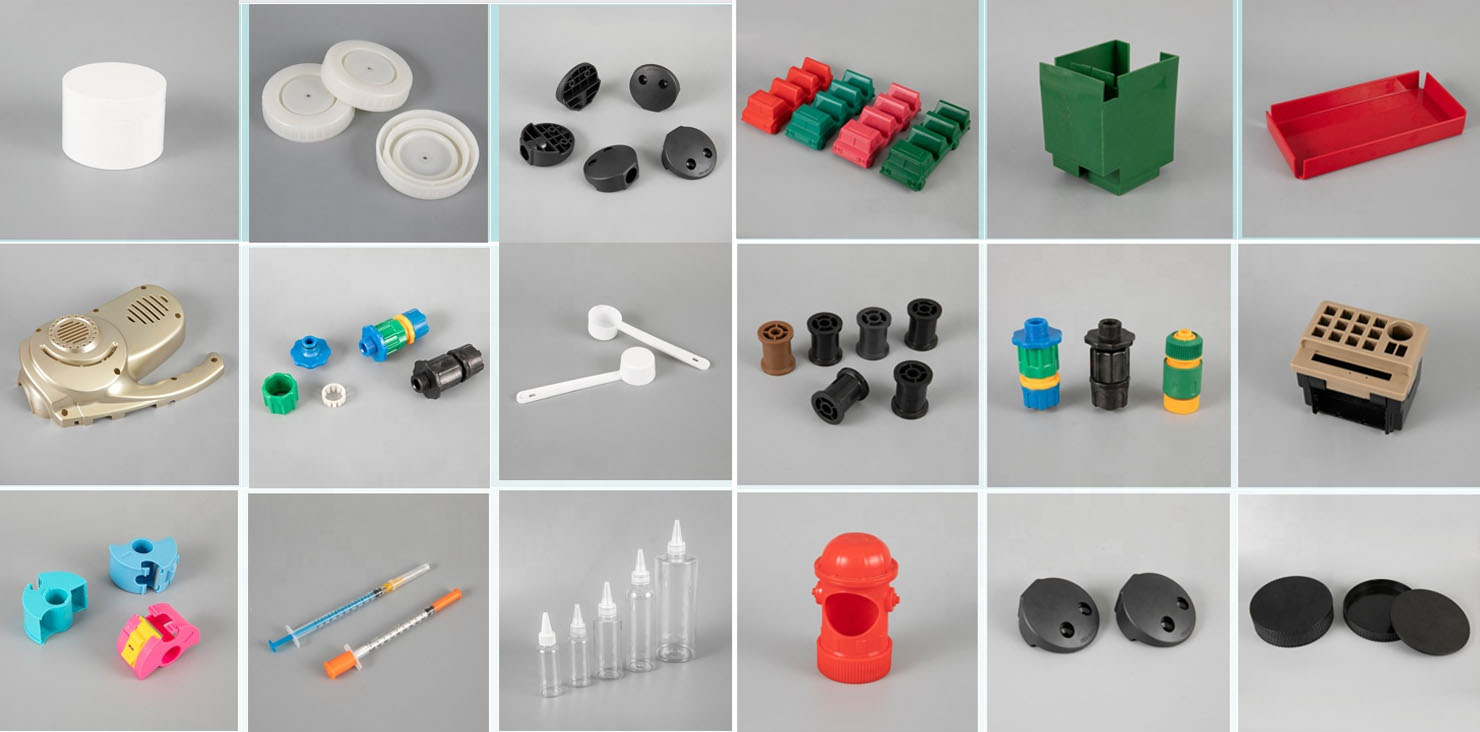
Plastic molding specifications
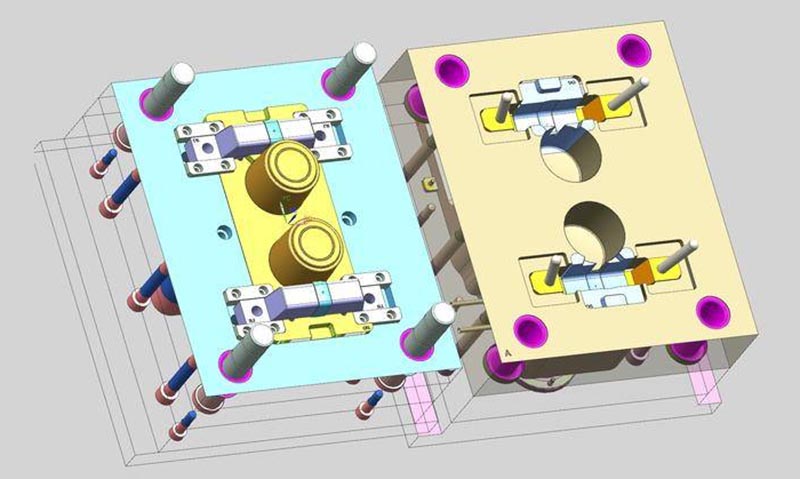
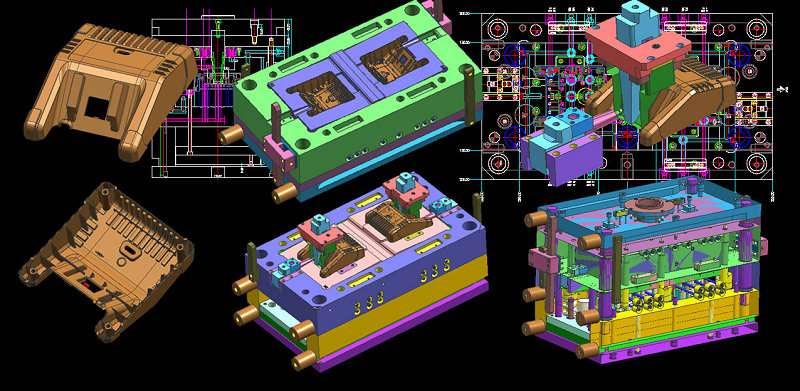
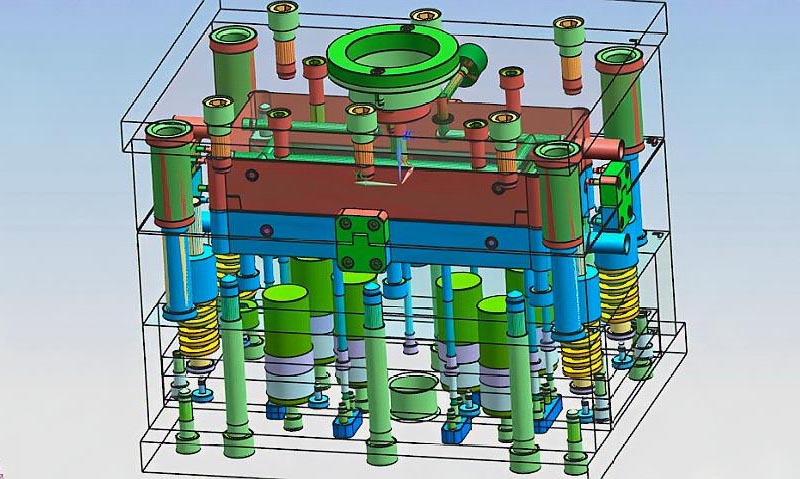
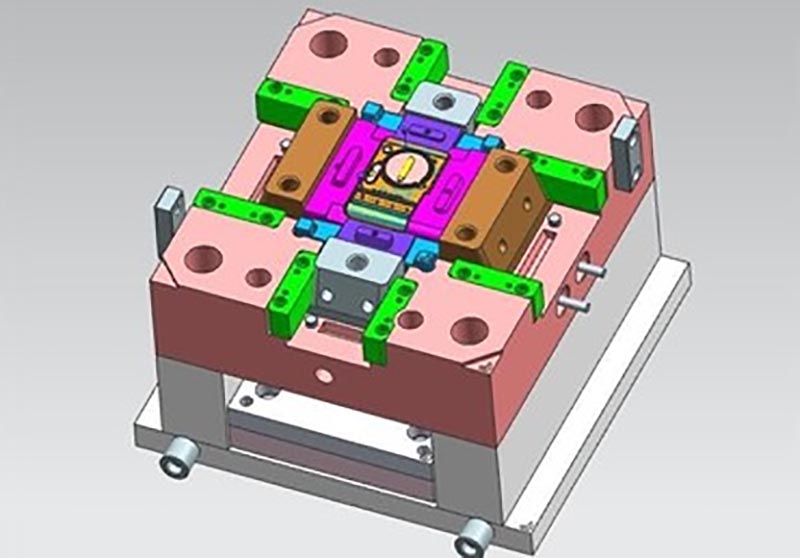
Mold design:
Transaction process:
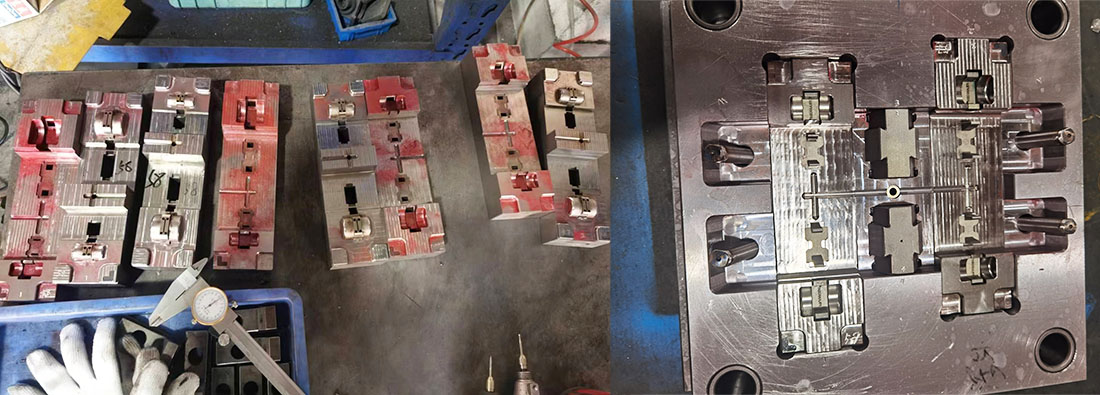
Mold testing:

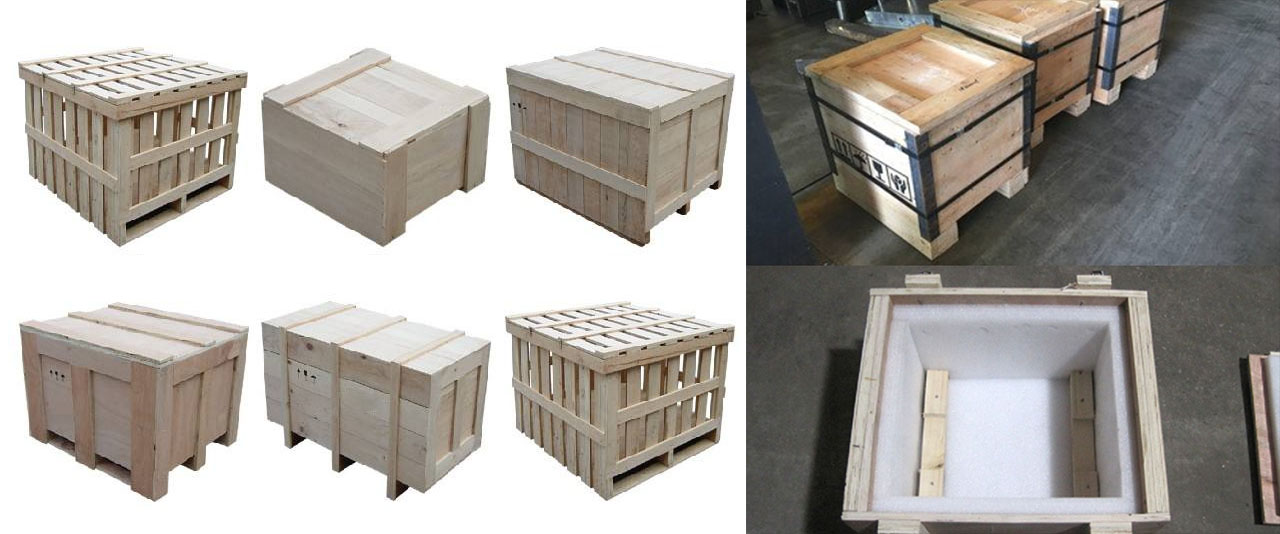
Product packaging
Factory
We are Custom Plastic Mold factory. Our factory is plastic injection mold maker. we has 17 years of experience in professional custom plastic mold and 10 years of foreign trade experience. We are custom Plastic Mold supplier. We can provide custom Plastic Mold service. Our factory can make the Injection molded plastic parts, and the quality of the products will satisfy you.
We have more than 50 high-end machines and hundreds of engineers and designers. We can provide one-stop service, from product design - mold making - product production - product packaging - transportation. We have a complete production chain. We can meet all your requirements.
Services we provide:
Professional custom mold service, Plastic mold design and manufacturing .plastic product production, product design, mold design, blow mold customization, rotational mold customization, die-casting mold customization. 3D printing services, CNC manufacturing services, product packaging, customized packaging, shipping services.
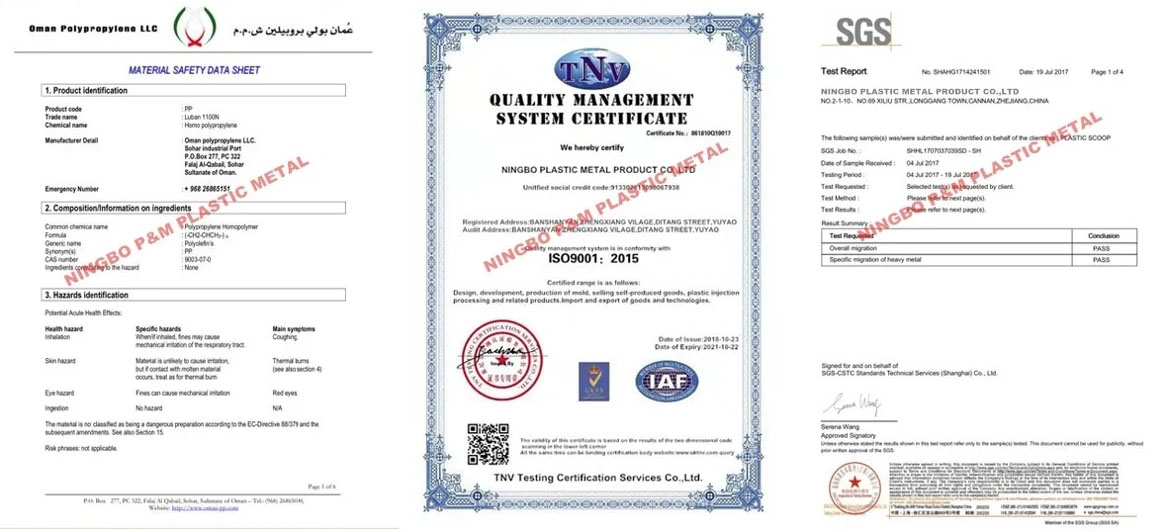

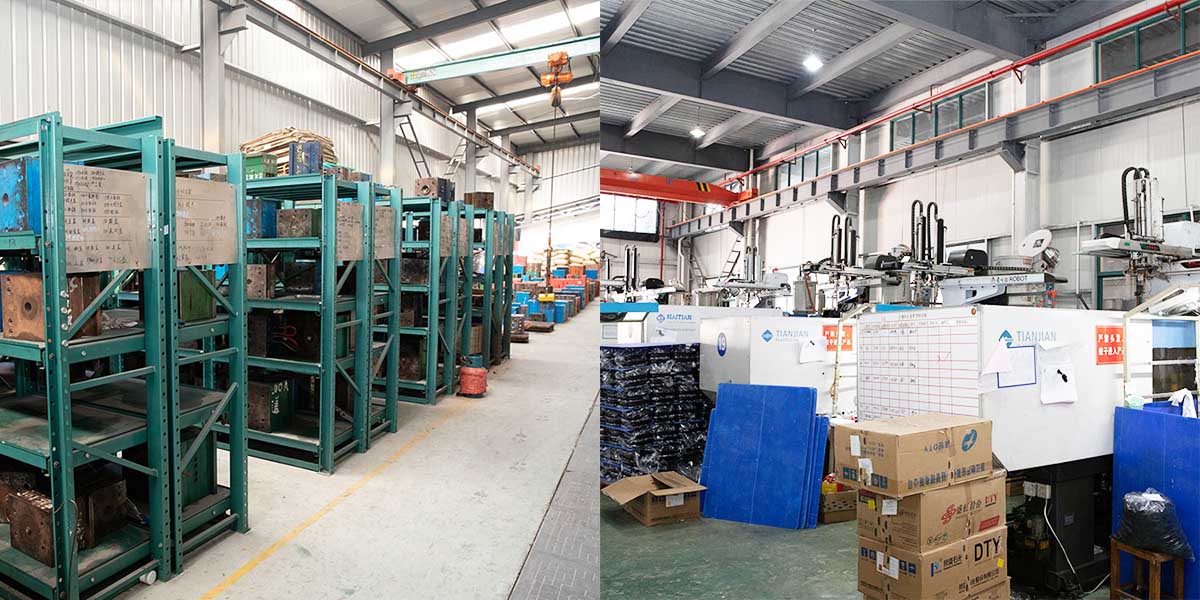
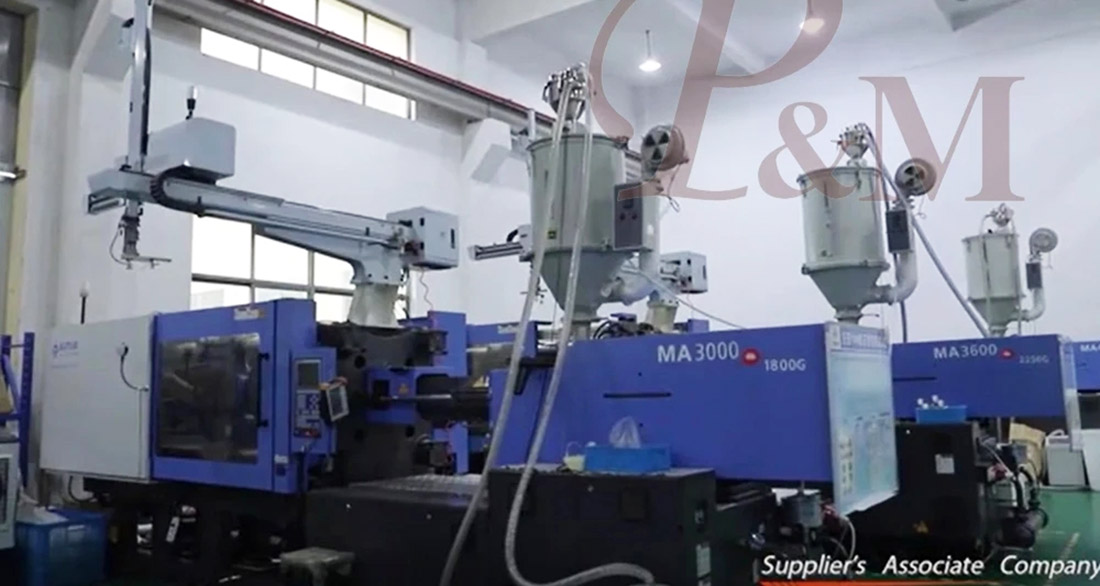
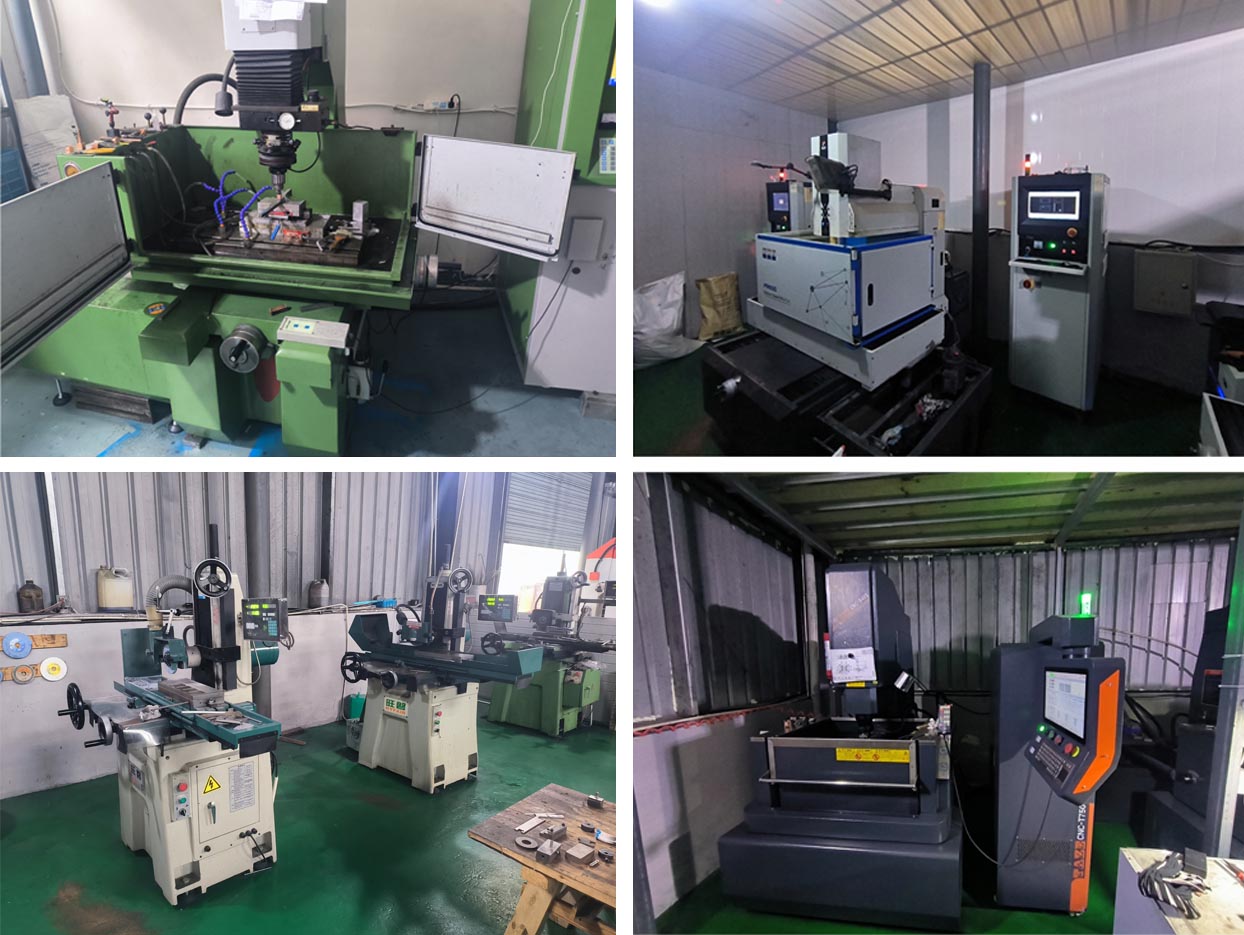
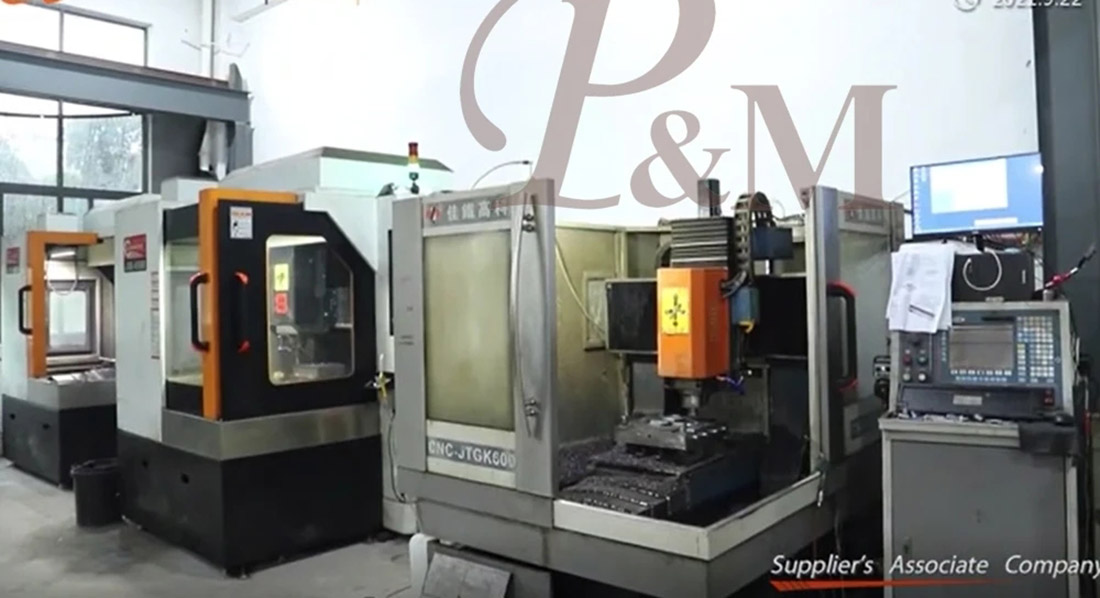
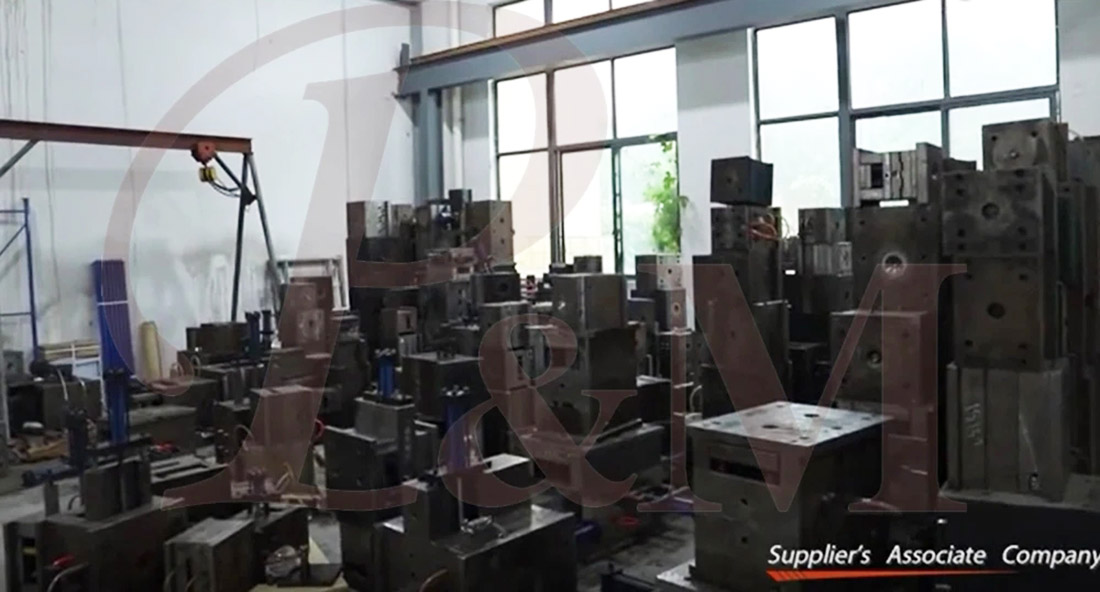
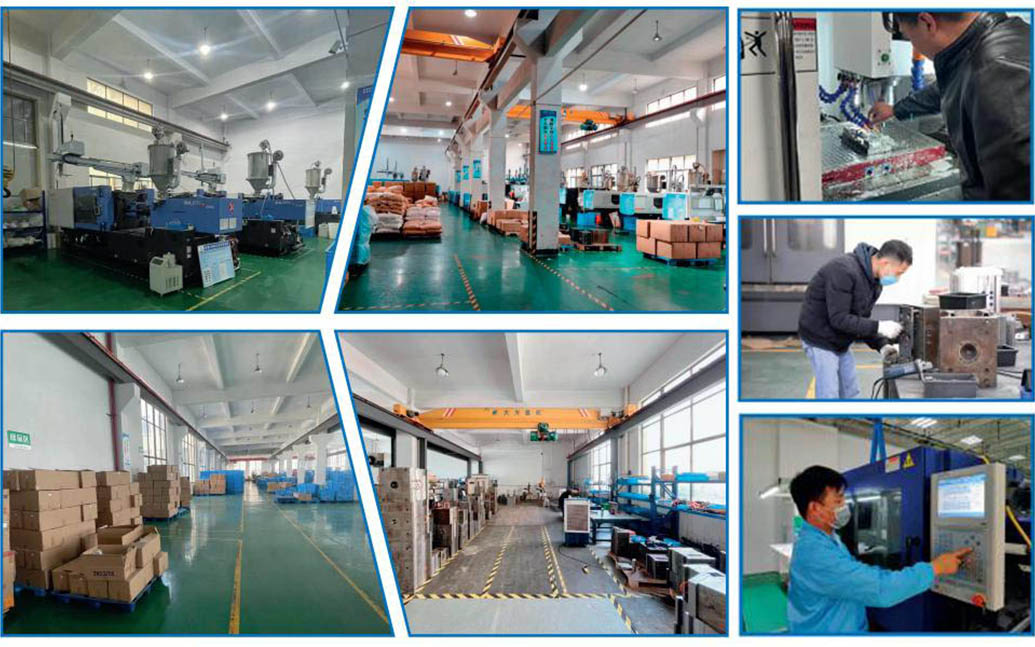

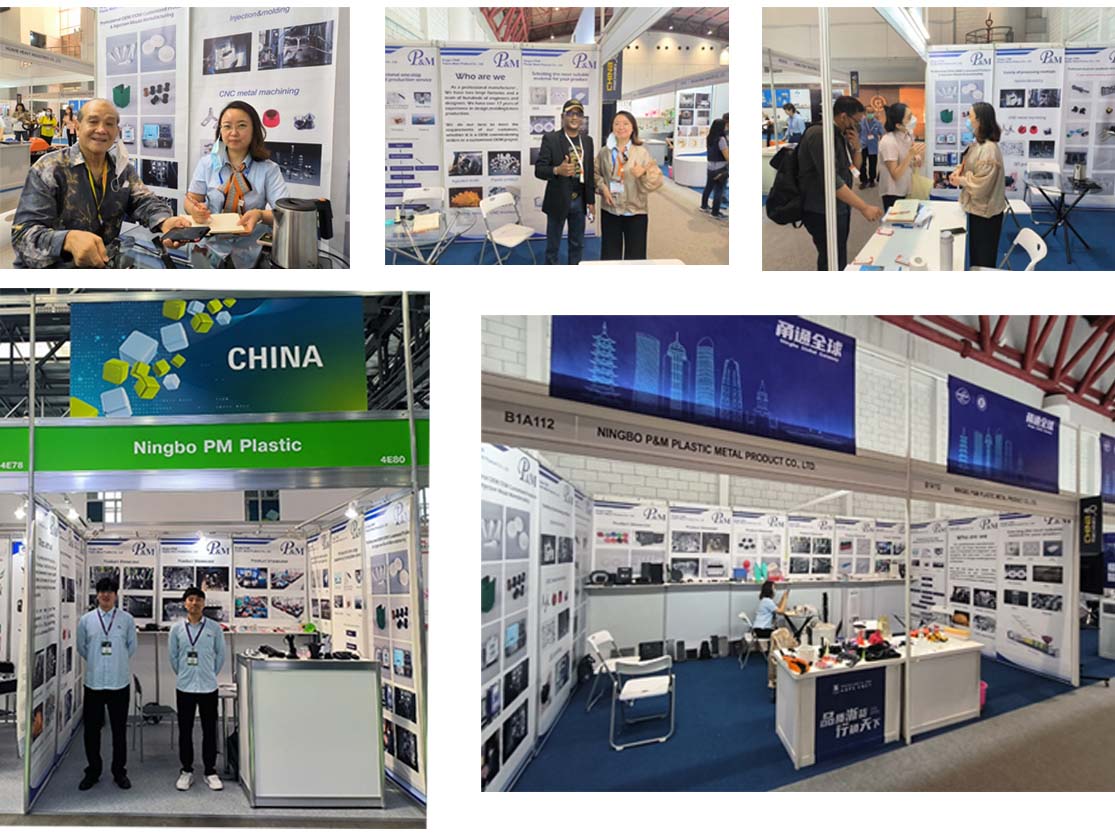
We always adhere to the principles of quality first and time first. While providing customers with the highest quality products, try to maximize the production efficiency and shorten production time. We are proud to tell every customer that our company has not lost any customer since its establishment.If there is a problem with the product, we will seek a solution actively and take responsibility to the end.

FAQ
Q1: Are you trading company or manufacturer ?
A: We are manufacturers.
Q2. When can I get the quotation?
A: We usually quote within 2 days after we get your inquiry.
If you are very urgent, please call us or tell us in your email so that we can quote for you first.
Q3. How long is the lead-time for mold?
A: It all depends on the products' size and complexity. Normally, the lead time is 25 days.
Q4. I have no 3D drawing, how should I start the new project?
A: You can supply us a molding sample, we will help you finish the 3D drawing design.
Q5. Before shipment, how to make sure the products quality?
A: If you don't come to our factory and also don't have the third party for inspection, we will be as your inspection worker.
We will supply you a video for production process detail include process report, products size structure and surface detail, packing detail and so on.
Q6. What is your payment terms?
A: Mold Payment: 40% deposit by T/T in advance, 30% second mold payment before sending out the first trial samples, 30% mold balance after you agree the final samples.
B:Production Payment: 50% deposit in advance, 50% before sending out the final goods.
Q7: How do you make our business long-term and good relationship?
A:1. We keep good quality and competitive price to ensure our customers benefit for best quality products.
2. We respect every customer as our friend and we sincerely do business and make friends with them, no matter where they come from.
Hot Tags: Shaving razor parts moulding, China, Manufacturer, Supplier, Factory, Customized, Wholesale, Buy, Quality, Latest Selling, Made in China
Related Category
Send Inquiry
Please feel free to give your inquiry in the form below. We will reply you in 24 hours.