
Product
- Core Customization Service
- Health Care
- Electronic Appliances and Instruments
- Maternal and Child Supplies Molds
- Recreational Sports
- Home Furnishing Art
- Auto Accessories
- Transportation and Warehousing
- Lighting Fixtures
- Construction Equipment
- Packaging Product
- Educational & Laboratories
- Clothing Luggage Accessories
- Care and Cleaning Products
- Agriculture & Forestry
- Mechanical Equipment
- Pet Supplies
- Kitchenware
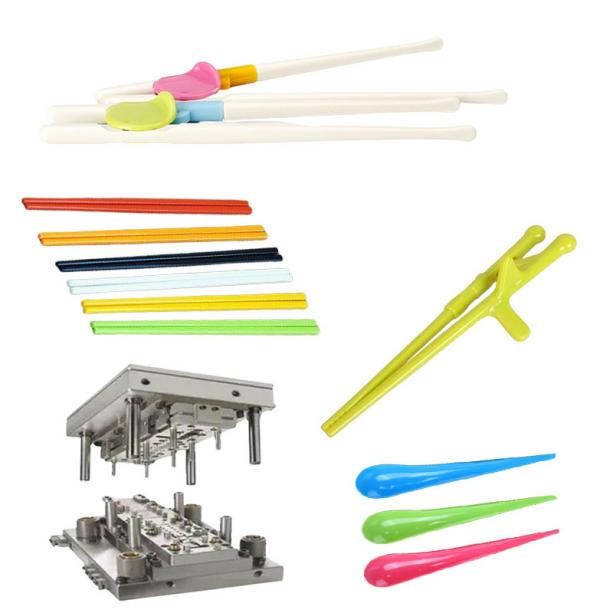
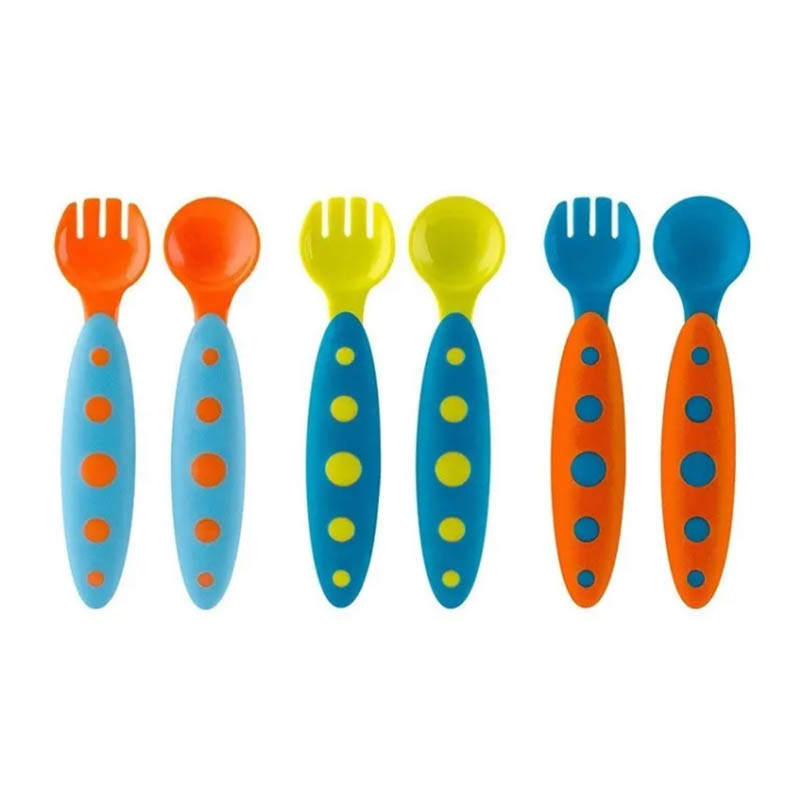
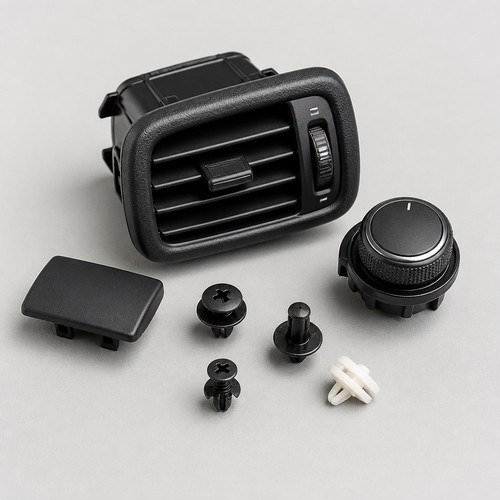
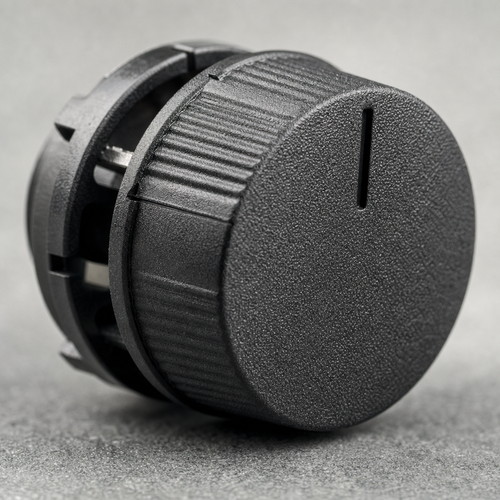
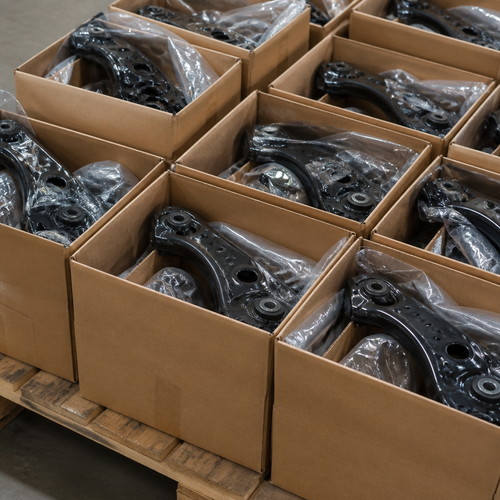
Silicone Custom Parts
&M is an injection-molding manufacturer of automotive custom parts for OEMs and Tier 1 suppliers. Our automotive custom parts cover glass-filled nylon brackets, connectors, and EV housings, backed by IATF 16949 quality, tight tolerances, and fast tooling. Request an automotive custom parts quote.
Send Inquiry
Product Description
P&M is an injection-molding manufacturer that builds silicone custom parts for medical, automotive, consumer electronics, and industrial equipment programs. We treat every silicone custom parts project as an engineering problem first and a production order second. That means we review the geometry, the sealing function, the chemical exposure, and the assembly method before we quote a single piece.
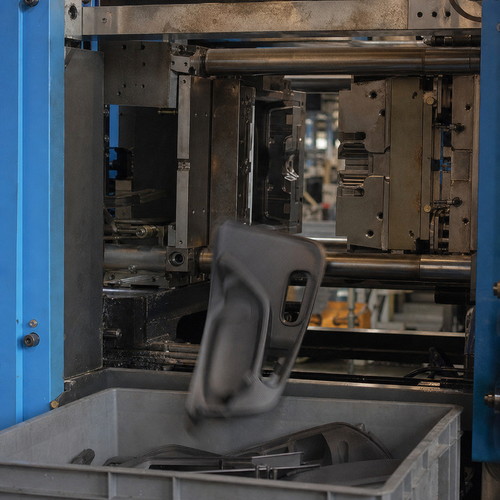
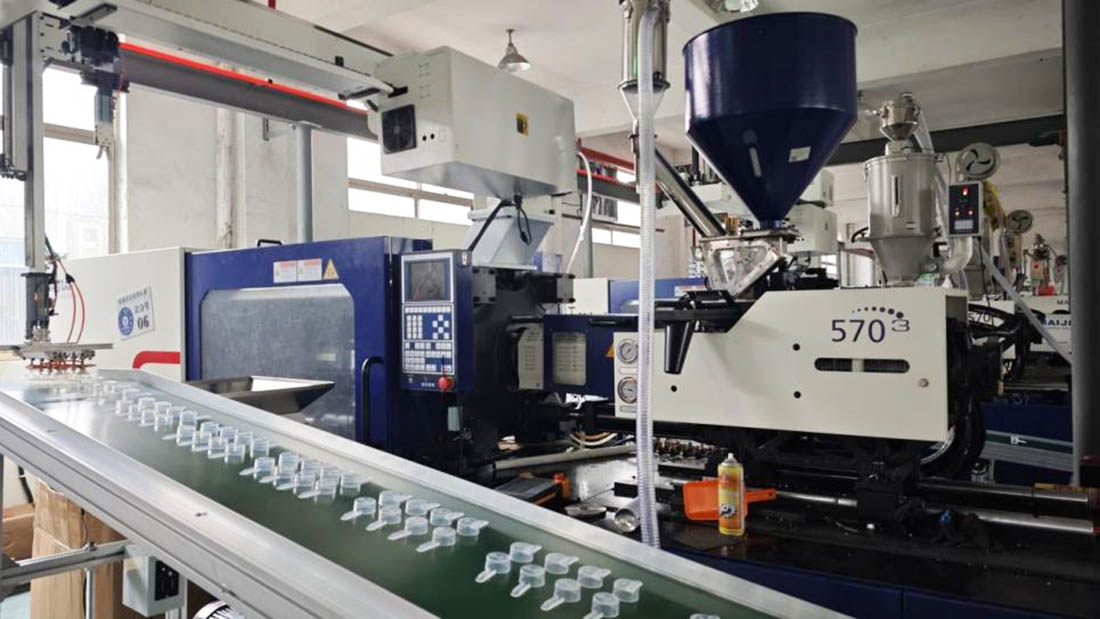
Our core process is liquid silicone rubber (LSR) injection molding, supported by high-consistency rubber (HCR) compression and transfer molding for parts with complex curves or high tear resistance needs. We machine our own steel tooling, run cold-runner and hot-runner systems, and validate each mold with first-article inspection before mass production begins.
Customers come to us with durometers from 30 to 80 Shore A, colors matched to Pantone or RAL references, and tolerances as tight as ±0.05 mm on critical sealing surfaces. We handle platinum-cure and peroxide-cure systems, food-contact grades, and medical grades that can be certified to USP Class VI and ISO 10993. Overmolding silicone onto plastic and metal inserts is a routine request, and we design the mechanical interlock so the bond survives thermal cycling.
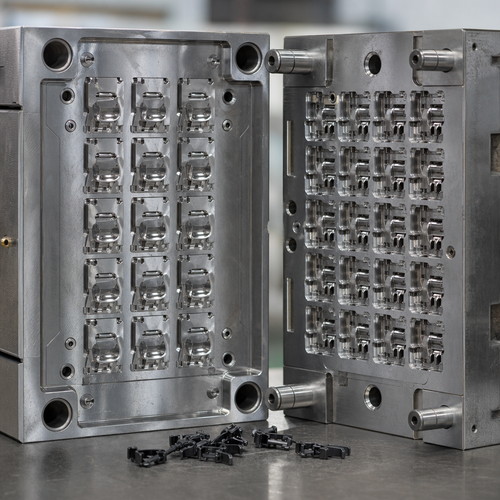
Because silicone custom parts are usually small, high-volume, and functionally critical, the details decide whether a program succeeds. Flash control, parting-line placement, degassing, and cure-time optimization matter more than any marketing claim. Our project engineers stay on the tool from kickoff through PPAP submission, so the part you approve is the part we ship, batch after batch.
We support programs from 500-piece pilot runs to multi-million-piece annual volumes, and we ship to OEMs and tier-one suppliers across North America, Europe, and Asia. Send us a 3D file and a functional description, and we will return a manufacturability review, a tooling plan, and a firm quotation.
P&M Silicone Custom Parts Molding Introduction
Silicone has properties that few other elastomers can match: it stays flexible from roughly -60°C to 200°C, resists UV, ozone, and water, and remains inert against a wide range of chemicals. Those characteristics make silicone custom parts the default choice wherever a component must seal, insulate, cushion, or protect something that a failure would compromise. The challenge is not choosing silicone. The challenge is manufacturing a silicone part that performs identically on piece one and piece one million.
P&M approaches the introduction of any silicone custom parts program through four gates.
Gate 1 — Application definition. We document the operating temperature range, media contact, compression set limits, sterilization method (autoclave, ethylene oxide, gamma), and regulatory framework. A part that will be autoclaved 200 times has a different material specification than a gasket used at room temperature.
Gate 2 — Material selection. LSR is chosen for high-volume, thin-wall, or high-precision parts because it flows easily, cures fast, and holds tight tolerances. HCR is chosen for thick sections, high tear strength, and lower tooling cost at low volumes. Additives change the answer: fumed silica for reinforcement, platinum catalyst for medical cleanliness, pigments for color matching, and post-cure ovens for reduced volatiles.
Gate 3 — Tooling and process design. Steel molds are built with the parting line placed where flash will not affect function. Gates are positioned to avoid weld lines on sealing surfaces. Vacuum-assisted venting removes trapped air before it becomes a void.
Gate 4 — Validation. First-article inspection, capability studies on critical dimensions, compression-set testing, and, where required, PPAP documentation. Only after validation do we scale to production.
This structured introduction keeps silicone custom parts predictable, whether the part is a 2 mm membrane valve or a 400 mm convoluted boot.
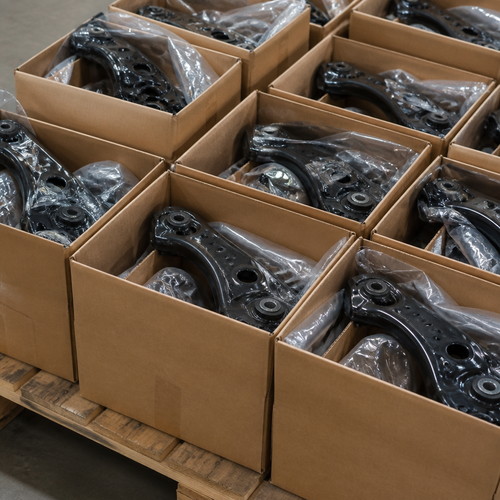
P&M Silicone Custom Parts Molding(Specification)
|
Mould Name |
Silicone Custom Parts Molding |
|
We promise |
All customer-centric, never for short-term profit, and sell long-term benefits |
|
We produce |
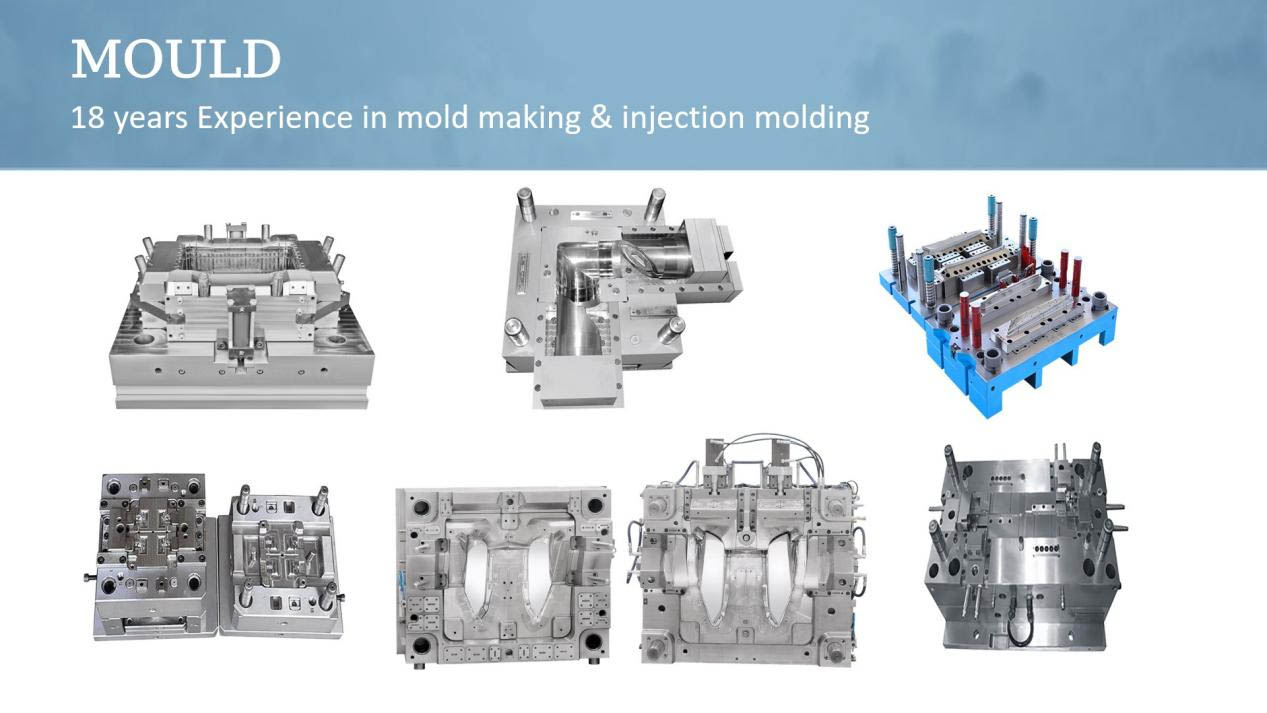
Mold, prototype, injection molding, product assembly, surface printing, spraying the surface integration |
|
Pls provide |
2D, 3D, samples, or the size of the multi-angle pictures |
|
Mould Time |
About 25 working days |
|
Product time |
7-15 Days |
|
Moud precision |
±0.1mm |
|
Mould life |
50-100 million shots |
|
Producing Process |
Audit drawings - mold flow analysis - design validation - Custom Materials - mold processing - core processing - electrode machining - Runner system processing - parts processing and procurement - machining acceptance - cavity surface treatment process - complex mode Die - The entire mold surface coating - Mounting plate - mold sample - sample test - sending samples |
|
Mould cavity |
One cavity, multi-cavity or same different products be made together |
|
Mould material |
P20,2738,2344,718,S136,8407,NAK80,SKD61,H13 |
|
Runner system |
Hot runner and cold runner |
|
Base material |
P20,2738,2344,718,S136,8407,NAK80,SKD61,H13 |
|
Finish |
Pitting the word, mirror finish, matte surface, striae |
|
Standard |
HASCO, DME or dependent upon |
|
Main thechnology |
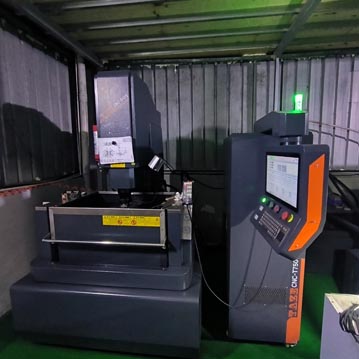
Milling, grinding, CNC, EDM, wire cutting, carving, EDM, lathes, surface Finish, etc. |
|
Software |
CAD,PRO-E,UG Design Time: 1-3 days (normal circumstances) |
|
Product material |
Food grade plastic raw materials |
|
Origin |
Made in China |
P&M Silicone Custom Parts Feature And Application
Silicone custom parts from P&M carry a consistent set of engineering features that determine where they can be used and how they perform over life.
Feature: wide thermal stability. Standard grades operate from -60°C to 200°C; specialty grades extend to 250°C for short excursions. This makes silicone suitable for engine-adjacent components, cooking appliances, and industrial ovens.
Feature: precise durometer control. We mold from 30 Shore A (very soft, used for skin-contact pads and membranes) through 80 Shore A (firm, used for structural grommets and wear pads). Batch-to-batch durometer is held within ±3 points.
Feature: chemical and biological inertness. Platinum-cured silicone is odorless, non-toxic, and available in grades compliant with USP Class VI, ISO 10993, and FDA 21 CFR 177.2600 for food contact.
Feature: dielectric strength. Silicone insulates well and resists tracking, so it is used for cable jackets, connector seals, and potting shrouds in electrical assemblies.
Feature: compression set resistance. Properly post-cured silicone springs back after long compression, which is why it dominates static sealing applications.
Feature: design freedom. Silicone custom parts can be molded with undercuts, thin membranes, bellows, ribs, and integral sealing lips that would be impossible to machine or assemble from other materials.
Typical applications include:
- Medical devices: syringe plunger tips, check valves, duckbill valves, respiratory masks, peristaltic pump tubing, and wearable sensor pads.
- Automotive: connector seals, wire grommets, spark plug boots, battery vent membranes, and NVH dampers.
- Consumer electronics: keypad membranes, button pads, thermal interface pads, waterproof port seals, and earbud tips.
- Industrial equipment: O-rings, vibration isolators, diaphragm valves, cable entry seals, and protective boots.
- Food and beverage: baking mats, sealing gaskets for processing lines, and dispensing valve components.
- Energy and lighting: LED optics seals, gaskets for outdoor enclosures, and solar junction-box seals.
Each application imposes its own tolerance, testing, and documentation requirements. That is why we treat every silicone custom parts project as a custom engineering program rather than a catalog purchase.
## Material Selection And Tooling For silicone custom parts
Material and tooling decisions drive both cost and performance, so P&M settles them early.
On material, the first question is cure system. Platinum-cure LSR gives the cleanest result: no peroxide byproducts, low extractables, high transparency, and excellent long-term stability. It costs more per kilogram but is mandatory for medical and food-contact parts. Peroxide-cure HCR is a strong option for thick industrial parts where cost per piece matters more than extractable limits.
The second question is hardness. Soft compounds (30-40 Shore A) deform under low load and are excellent for seals against fragile surfaces, but they tear easily and demand careful demolding. Hard compounds (70-80 Shore A) resist extrusion and abrasion but need more compression force. Our engineers will run a compression-deflection calculation to recommend a durometer rather than defaulting to a standard value.
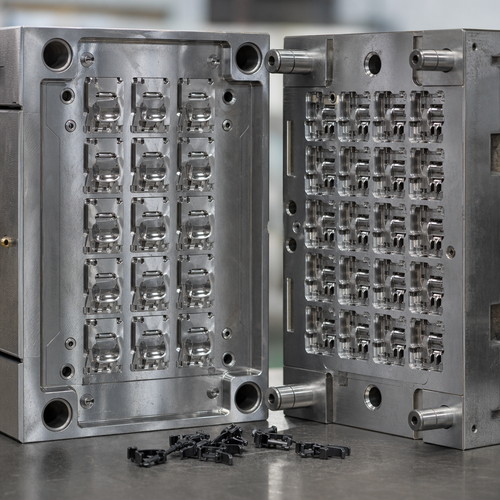
On tooling, we build multi-cavity steel molds with hardened cores for high-volume LSR programs. Cold-deck systems keep the material in the runner liquid while the cavities cure, which cuts waste dramatically at volume. For HCR, we use compression or transfer molds with carefully designed overflow grooves so excess material escapes without tearing the part.
Tool steel choice depends on volume and abrasive filler content. Standard P20-class steel handles most projects; hardened stainless is used where the compound carries abrasive fillers or where the part geometry creates high shear at the gate.
Prototype paths include cast silicone tools for design verification and aluminum molds for pilot production. Both let us confirm fit and function before committing to a production steel mold, which de-risks the capital spend on higher volumes.
## Quality Control, Certifications, And Traceability
Silicone custom parts often sit inside products where a leak or a tear creates a recall. Our quality system is built around that reality.
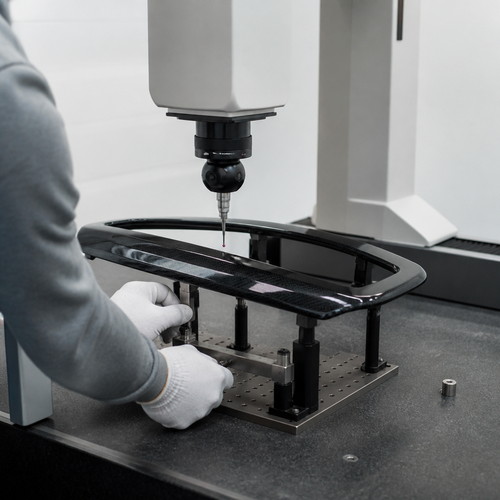
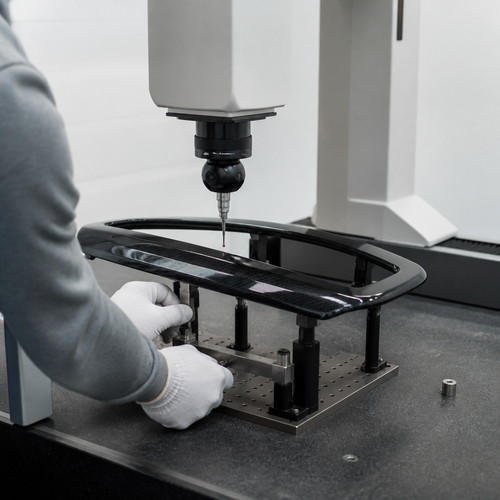
Incoming silicone compound is verified against certificate of analysis, including durometer, specific gravity, and cure rate. Each production lot is traceable to a compound batch. In-process checks include cavity pressure monitoring, cure-time verification, and visual inspection under controlled lighting. Final inspection uses optical comparators, vision systems, and, for critical dimensions, coordinate measuring machines.
Capability studies (Cpk) are run on critical-to-function dimensions before launch. Typical Cpk targets are 1.33 at minimum and 1.67 for safety-related seals. Where the part touches a patient or a food product, we provide extractables data, biocompatibility reports, and sterilization validation support.
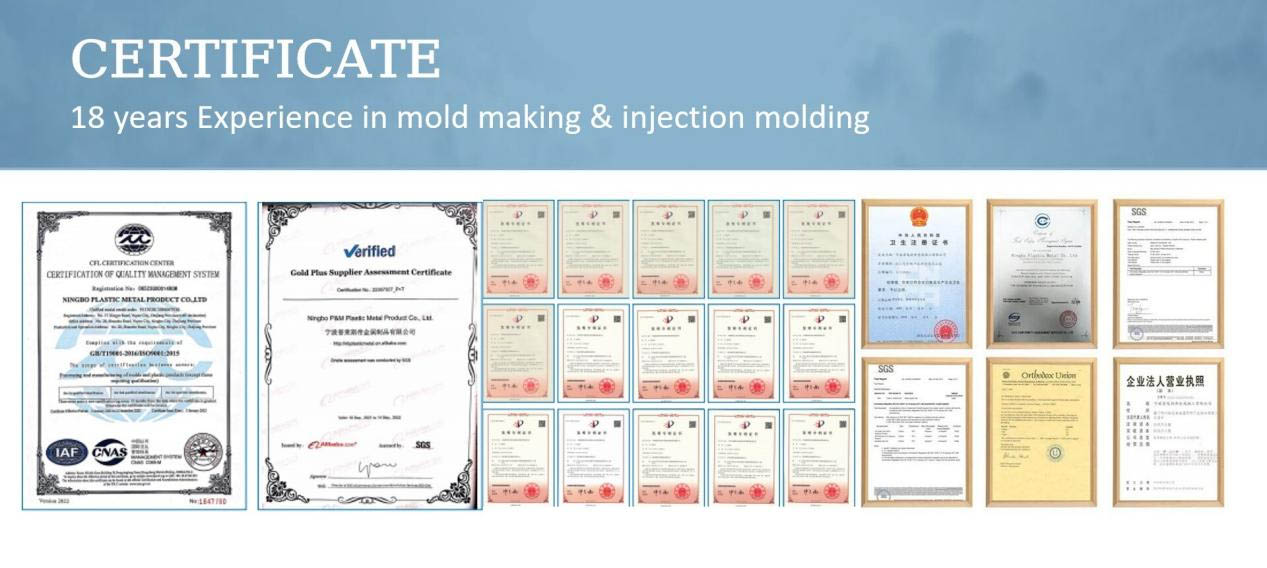
Documentation packages can include first-article inspection reports, material certificates, dimensional layouts, PPAP levels 1 through 5, and RoHS or REACH declarations. Our facilities follow ISO 9001 quality management, with ISO 13485 alignment for medical programs and IATF 16949 alignment for automotive programs.
## Why OEM Teams Choose P&M For silicone custom parts
Three things separate a reliable silicone supplier from a frustrating one: first-pass tooling accuracy, honest lead times, and consistent quality after year one.
P&M engineers molds in-house with mold-flow simulation for LSR, so gate and vent placement is validated before steel is cut. Standard lead time for a new steel tool is four to six weeks, with pilot samples delivered before production approval. Annual requalification keeps the process stable across the product life cycle, and we hold safety stock for long-running programs when the customer requests it.
We also handle the practical details that slow programs down: color matching to Pantone references, laser marking for traceability, cleanroom packing for medical parts, and automated deflashing where flash control is critical.
## Frequently Asked Questions About silicone custom parts
What is the minimum order quantity? Prototype and pilot quantities can start at a few hundred pieces using cast or aluminum tooling. Production steel tooling typically becomes economical from 5,000 pieces upward, depending on part size and cavity count.
How tight can tolerances be? On rigid dimensions and controlled sealing surfaces we routinely hold ±0.05 mm. On unsupported elastomeric dimensions, ±0.13 mm or AQL-based visual criteria are more realistic because silicone deforms under measurement.
Which file formats do you need for a quote? STEP, IGES, or native CAD files, plus a drawing if tolerances and inspection requirements are specified. A functional description of the sealing or insulation requirement helps us recommend material.
Can you overmold silicone onto metal or plastic? Yes. We design mechanical interlocks and use primers or self-adhesive silicone grades to bond silicone to substrates such as stainless steel, aluminum, PBT, and polycarbonate.
How do you control flash? Parting-line placement, precision mold fitting, cavity pressure control, and trimmed or cryogenically deflashed parts where the specification requires a clean edge.
## Conclusion
Silicone custom parts reward careful engineering and punish shortcuts. Choose the wrong durometer and a seal leaks. Skip post-curing and compression set climbs. Cut corners on venting and voids appear at volume. P&M removes that risk by combining LSR and HCR molding capability, in-house tooling, disciplined validation, and transparent documentation in one manufacturing partner. Whether you are developing a wearable sensor pad, a battery vent membrane, or an industrial diaphragm valve, we will help you specify, validate, and produce silicone custom parts that hold up through the entire product life cycle. Send us your drawing and functional requirements, and we will return a manufacturability review and quotation within a few business days.
Customization Process
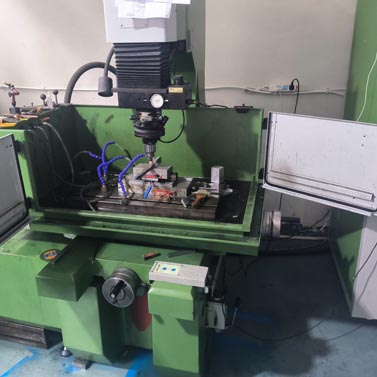
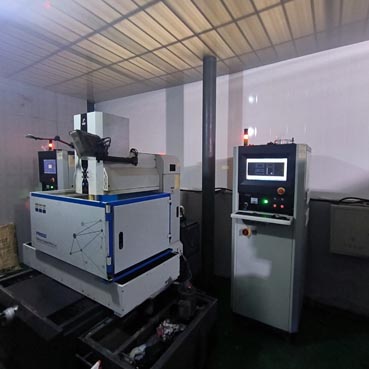
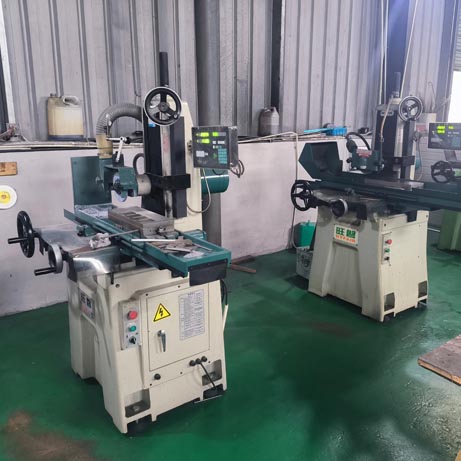
Factory&About US
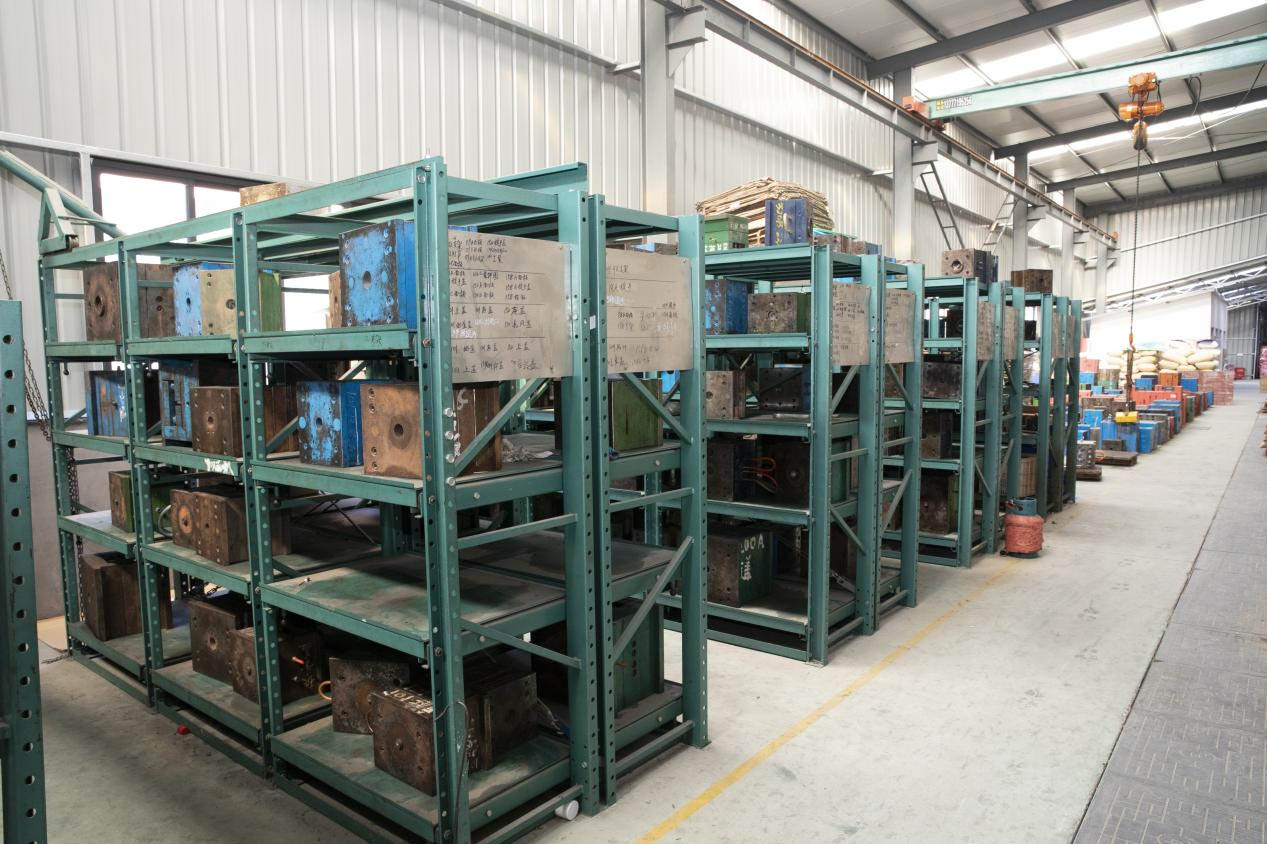
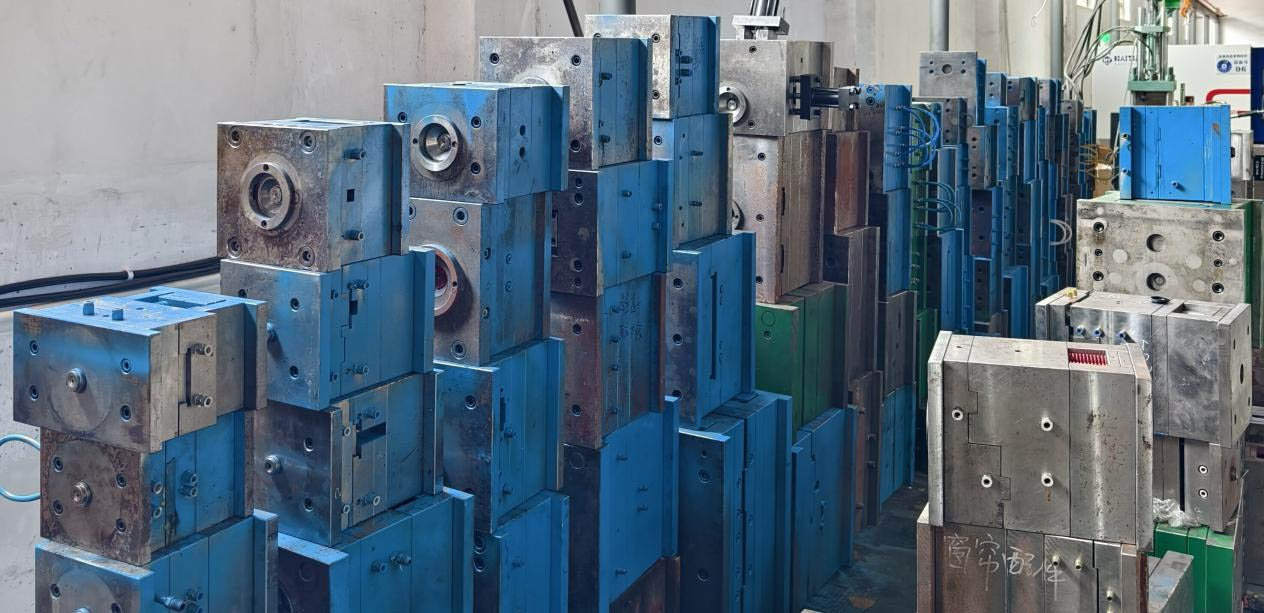
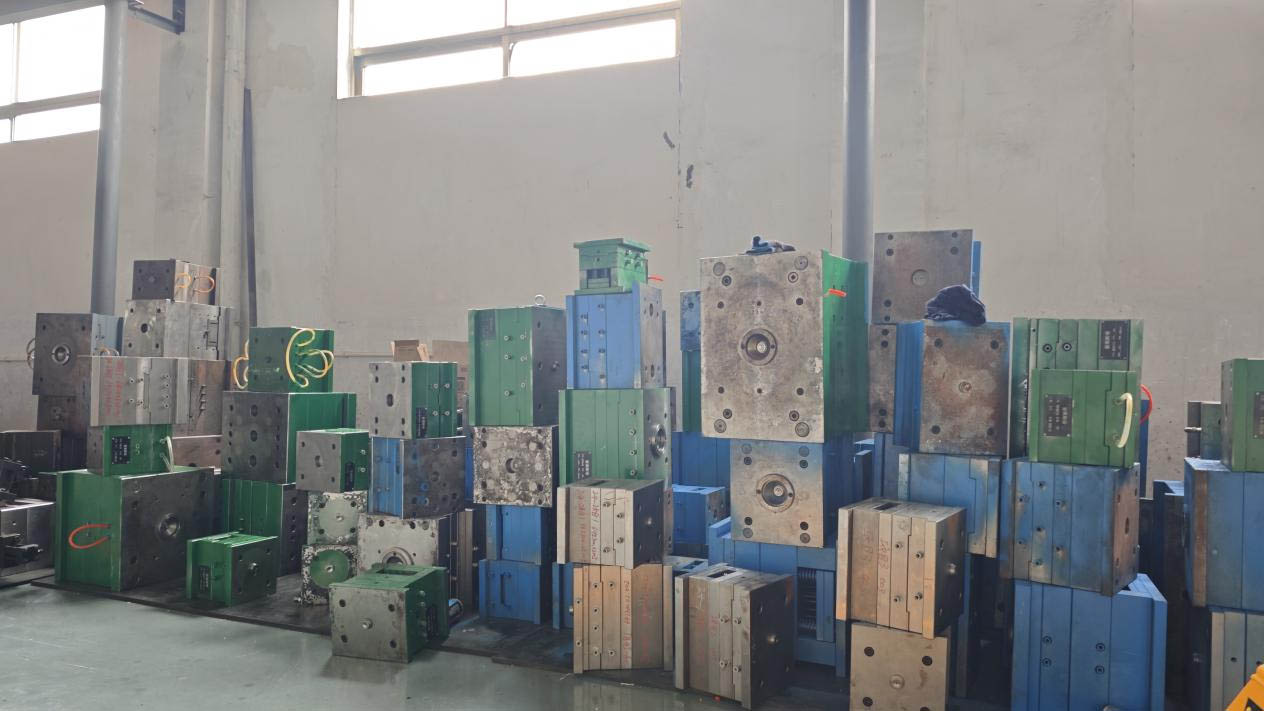
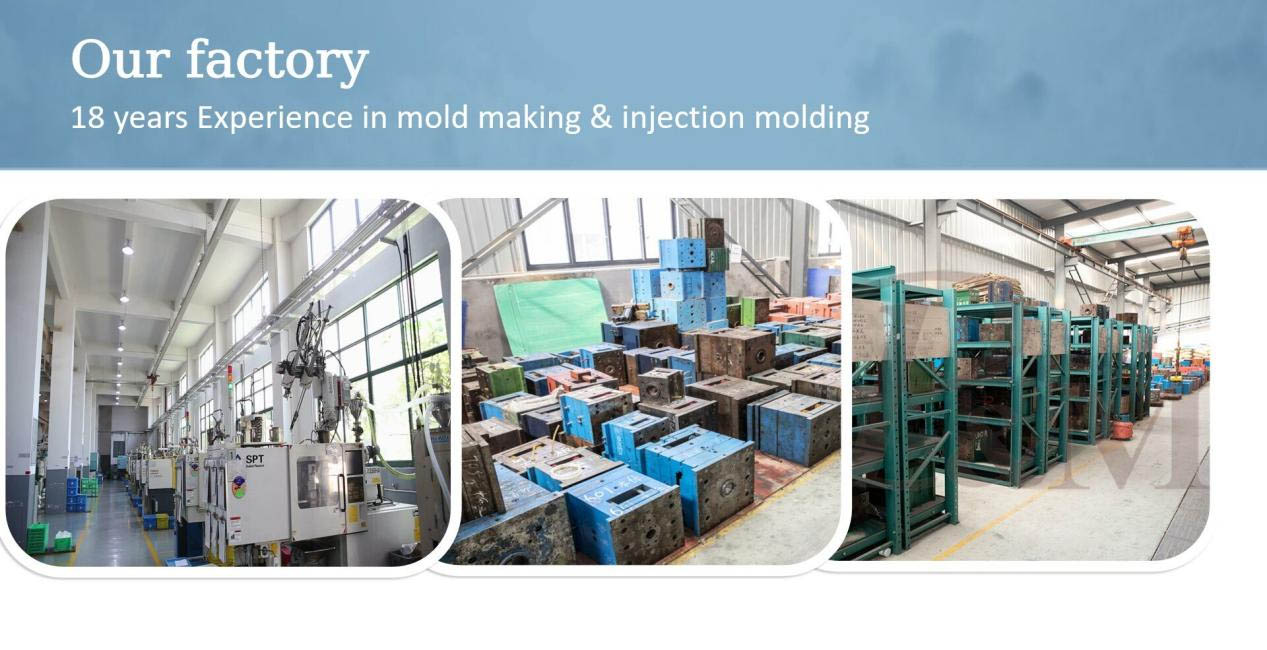
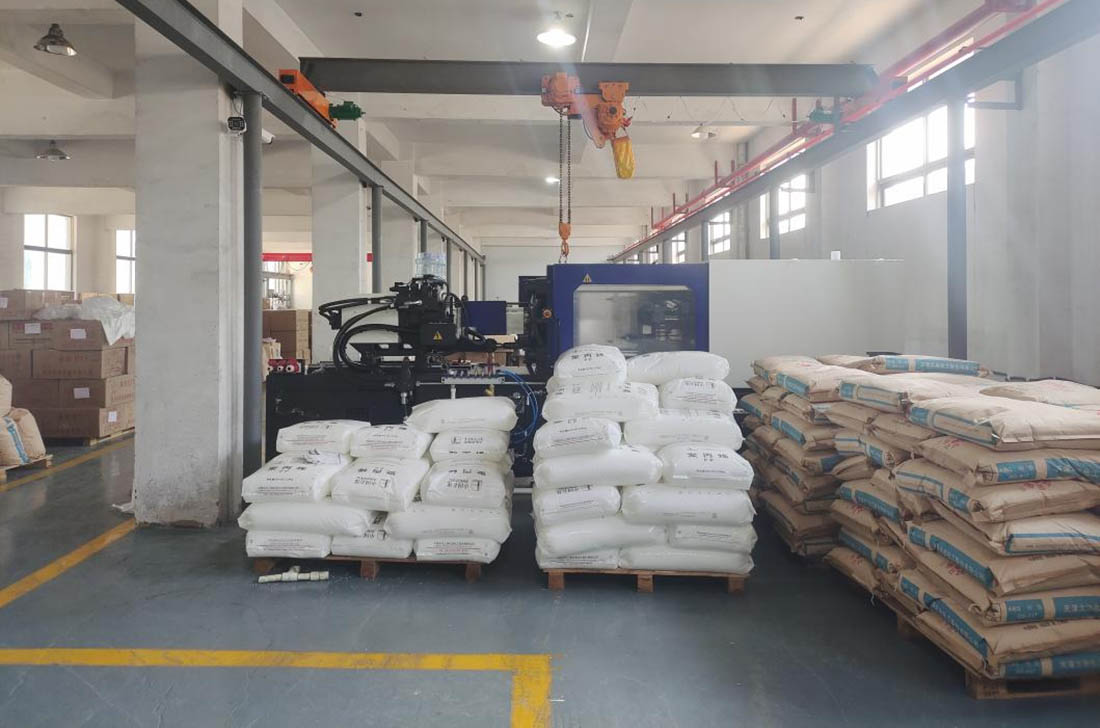
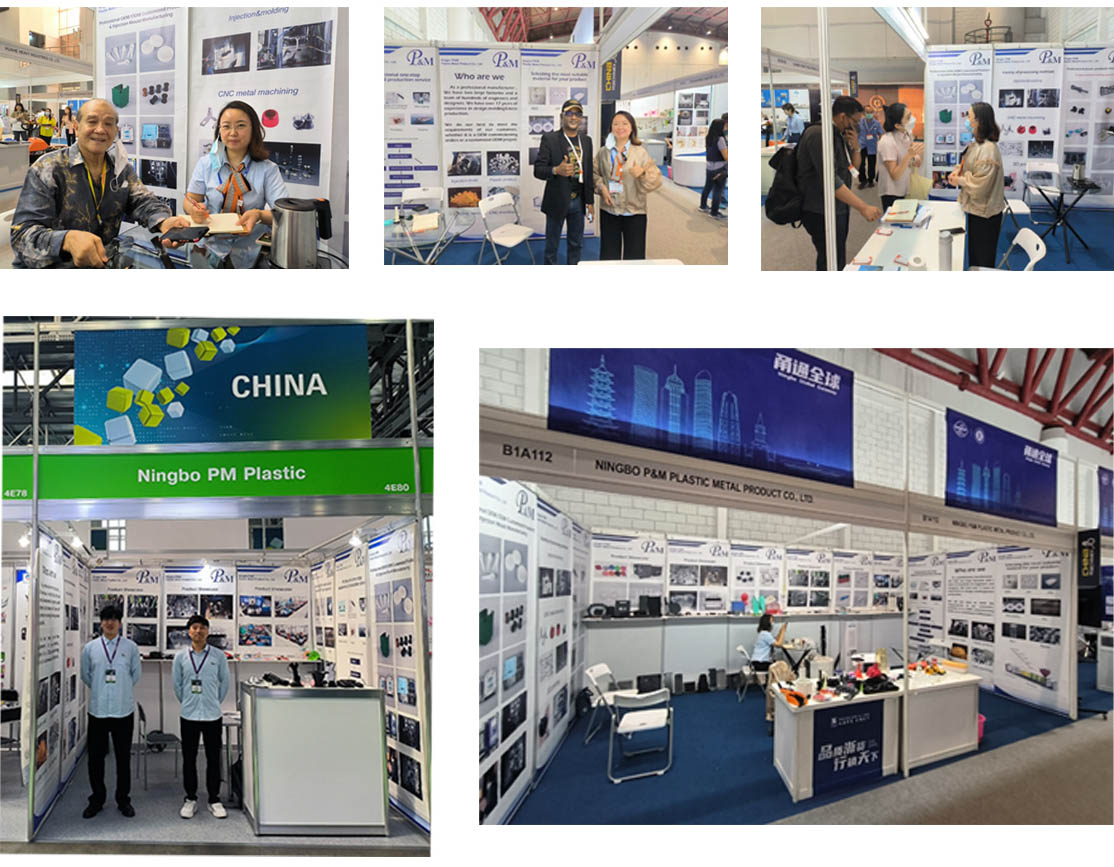
NingBo Plastic Metal Product Co.,Ltd (P&M) is located in Yuyao, the so-called Mould City, Plastic Kingdom, in the southern tip of Hangzhou Bay Bridge,north of Shanghai, the east of Ningbo Port,tight double line of State Road 329 on land, sea and air trafic into a network to facilitate transport.
By the abundant technical strength,scientific management methods and good after-sales service, product deeply trusted and welcomed by customers from all over the world. P&M holds improved system of development and production, to achieve mold design, plastic products manufacturing and automatic production. Our main products is design and manufacturing of plastic mold, plastic product, metal product. 90% products of our enterprise are exported to America, Europe, Germany, Japan, Australia, etc. For many years, the company has been committed to the research of raw materials. The company has its own trademark and dozens of patents, providing more convenient technical support for mold making and product production. P&M started domestic business from 2008,named Shundi Mould Factory. And opened the international market from 2014. We always adhere to the principles of quality first and time first. While providing customers with the highest quality products, try to maximize the production efficiency and shorten production time. We are proud to tell every customer that our company has not lost any customer since its establishment.If there is a problem with the product, we will seek a solution actively and take responsibility to the end.
P&M adheres to market-oriented to the quanlity of life and focus on quality service and continuous development of new products,determined to establish a better corporate image,and our friends at home and abroad to carry a wide range of business exchanges and cooperation, create brilliant.
Packing
Packaging according to your needs
1. By air ,it takes 3-7 days for delivery.
The goods can be shipped by DHL , Fedex , UPS .
2. By sea ,the delivery time is based on your port.
To South East Asian Countries takes about 5-12 days.
To Middle east countries takes about 18-25 days.
To European countries takes about 20-28 days.
To American countries takes about 28-35 days.
To Australia takes about 10-15 days.
To African countries takes about 30-35 days.
P&M Bike parts, centered around children, balances safety, health, and fun, aiming to add a bright color to children's beautiful childhood. We look forward to working together with you to serve our children.
The path of a child's growth is paved with bricks and tiles.


FAQ
1.Who are we?
We are based in Zhejiang, China, start from 2014,sell to North America(30.00%),Southern Europe(10.00%),Northern Europe(10.00%),Central America(10.00%),Western Europe(10.00%),Mid East(10.00%),Eastern Europe(10.00%),South America(10.00%). There are total about 51-100 people in our office.
2.How can we guarantee quality?
Always a pre-production sample before mass production;
Always final Inspection before shipment;
3.What can you buy from us?
Mould, Plastic Product, Metal Product, Dental Product, CNC machining.
4.Why should you buy from us not from other suppliers?
We main do all kinds of 3d design, 3d printing and plastic metal molds tooling and products. We have our own engineer and factory. One-stop supply: 3d design - 3d printing - mold making - plastic injection.
5.What services can we provide?
Accepted Delivery Terms: FOB,CFR,CIF,EXW,FCA,DDP,DDU;
Accepted Payment Currency: USD, EUR;
Accepted Payment Type: T/T,L/C,PayPal,Western Union,Escrow;
Language Spoken:English,Chinese,Spanish,French,Russian.
6.What are the characteristics of your service?
1. Your inquiry related to our products or prices will be replied within 24 hours.
2. Well-trained and experienced staffs to answer all your enquiries in fluent English.
3. Offering the support to solve the problem in the application or selling period.
4. Competitive prices based on same quality.
5. Guarantee samples quality same as mass production quality.
Hot Tags: Silicone Custom Parts, China, Manufacturer, Supplier, Factory, Customized, Wholesale, Buy, Quality, Latest Selling, Made in China
Related Category
Send Inquiry
Please feel free to give your inquiry in the form below. We will reply you in 24 hours.