
Product
- Core Customization Service
- Health Care
- Electronic Appliances and Instruments
- Maternal and Child Supplies Molds
- Recreational Sports
- Home Furnishing Art
- Auto Accessories
- Transportation and Warehousing
- Lighting Fixtures
- Construction Equipment
- Packaging Product
- Educational & Laboratories
- Clothing Luggage Accessories
- Care and Cleaning Products
- Agriculture & Forestry
- Mechanical Equipment
- Pet Supplies
- Kitchenware
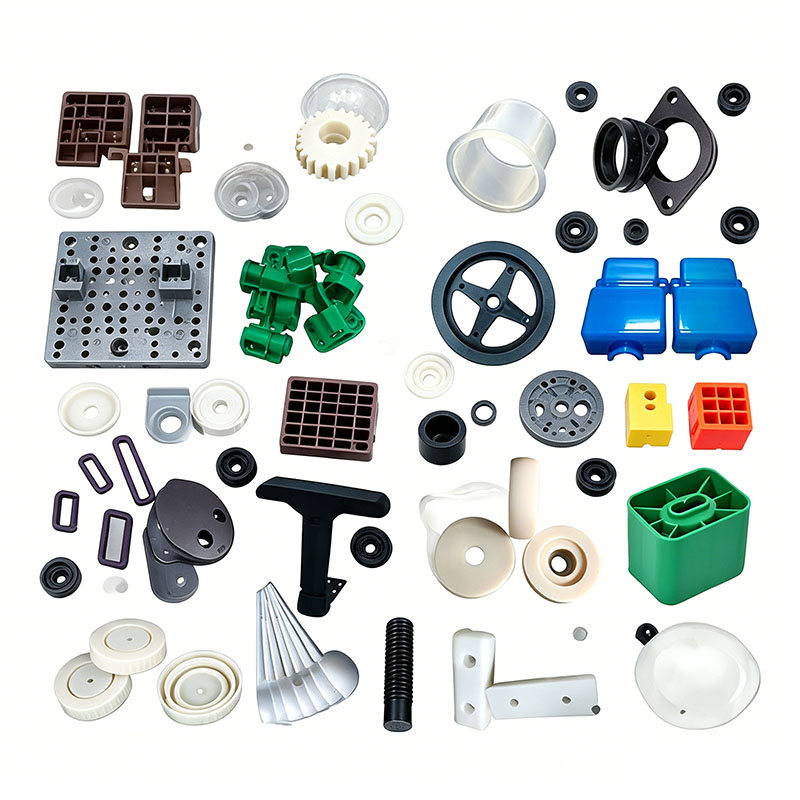
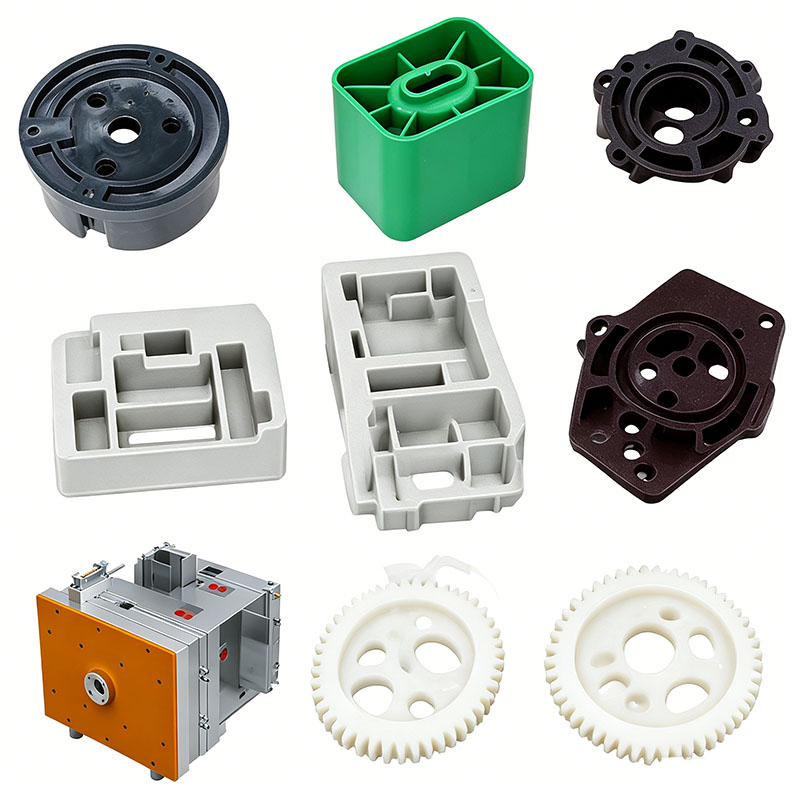
Umbrella plastic parts moulding
Ningbo (P&M) Plastic Metal Products Co., Ltd. has 17 years of mold manufacturing technology and can customize umbrella plastic parts moulding. We provide professional customized umbrella plastic parts moulding services, and we are a professional umbrella plastic parts moulding manufacturer. We have sufficient experience in selecting product raw materials and mold materials. In the process of customizing umbrella plastic parts moulding, our factory can provide one-stop service. We have design and production capabilities related to umbrella plastic parts moulding, such as: CAD design, mold manufacturing, injection molding, plastic product production, assembly and other technologies.
Send Inquiry
Product Description
In addition, our company has established cooperative relationships with plastic raw material suppliers, printing manufacturers, etc. to ensure the supply of raw materials and printing quality. Through our rich experience and perfect supply chain, our company can provide customers with high-quality customized umbrella plastic parts moulding products to meet their specific needs. At the same time, we have 10 years of professional foreign trade service experience, understand the foreign trade process, and better serve our customers. For umbrella plastic parts moulding products, we can make corresponding plastic parts, which is mainly done through injection molds.
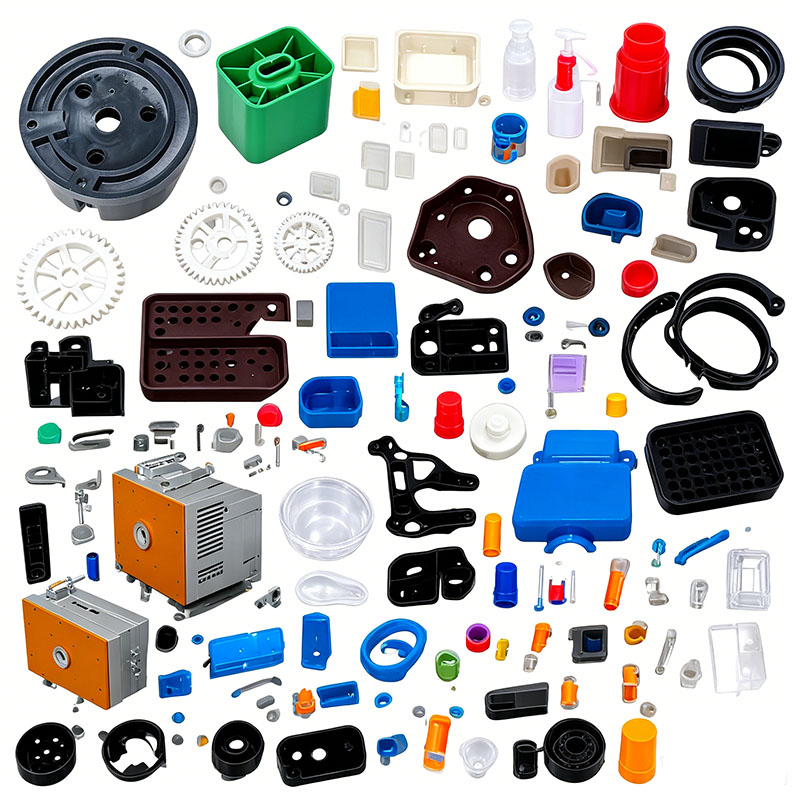
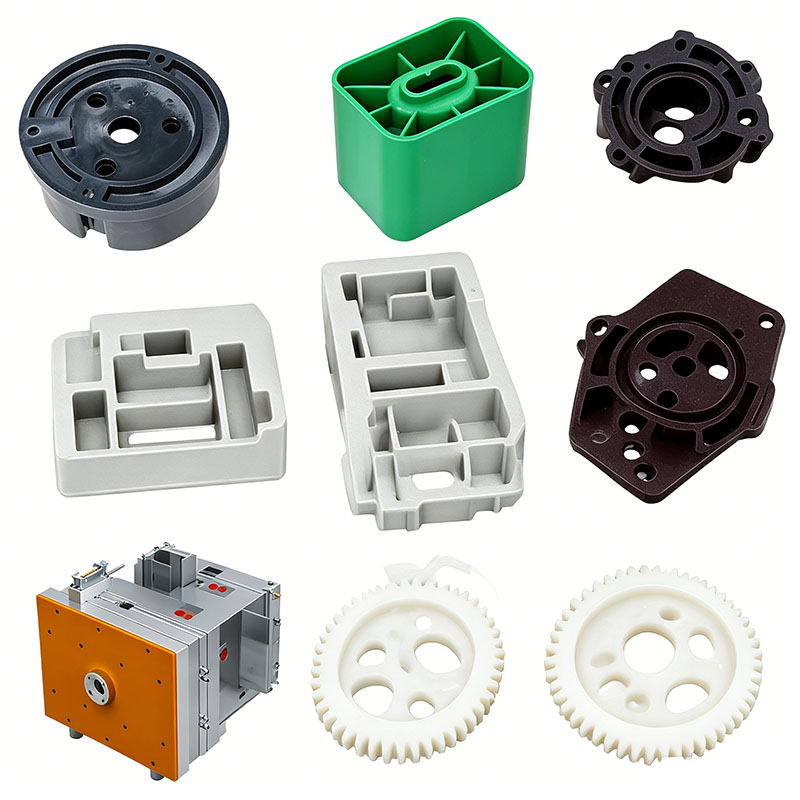
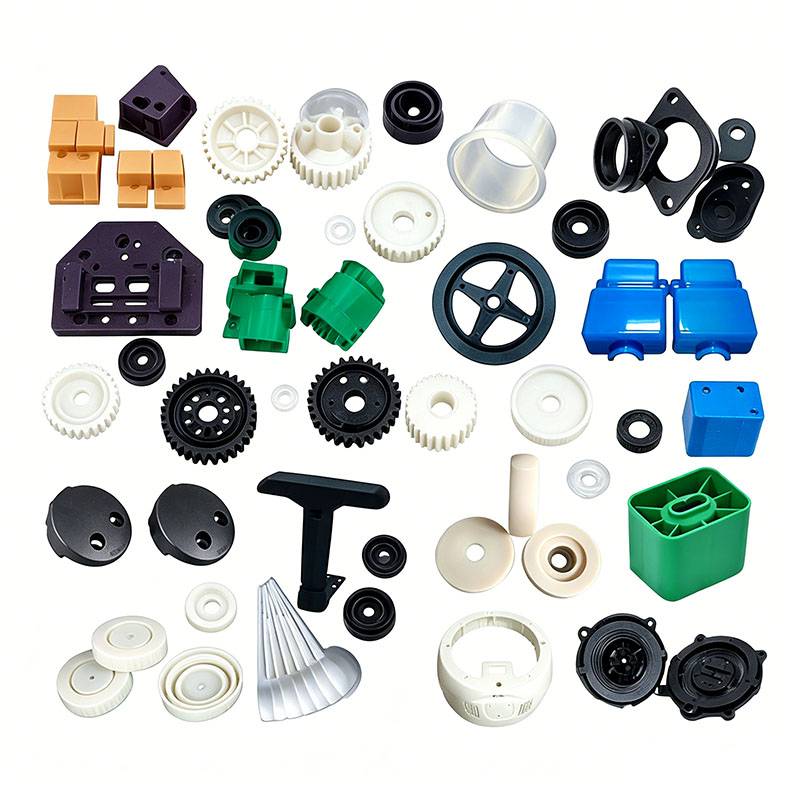
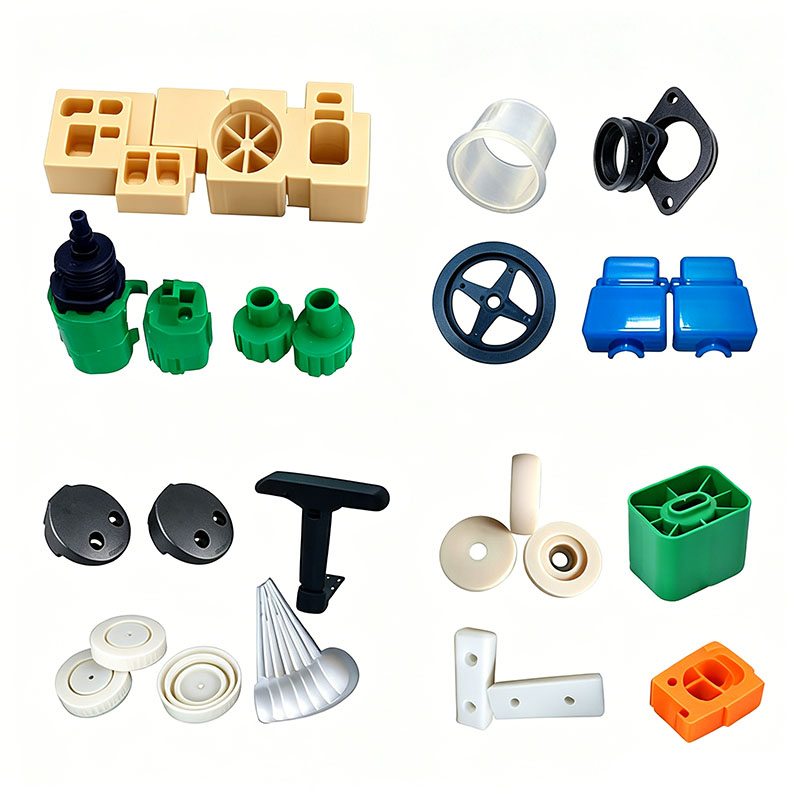
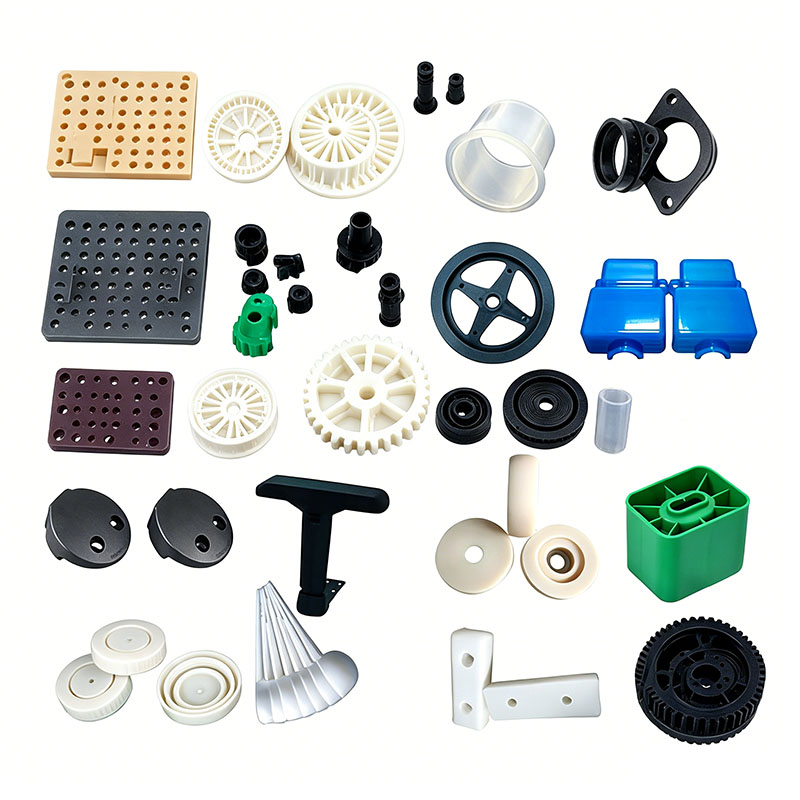
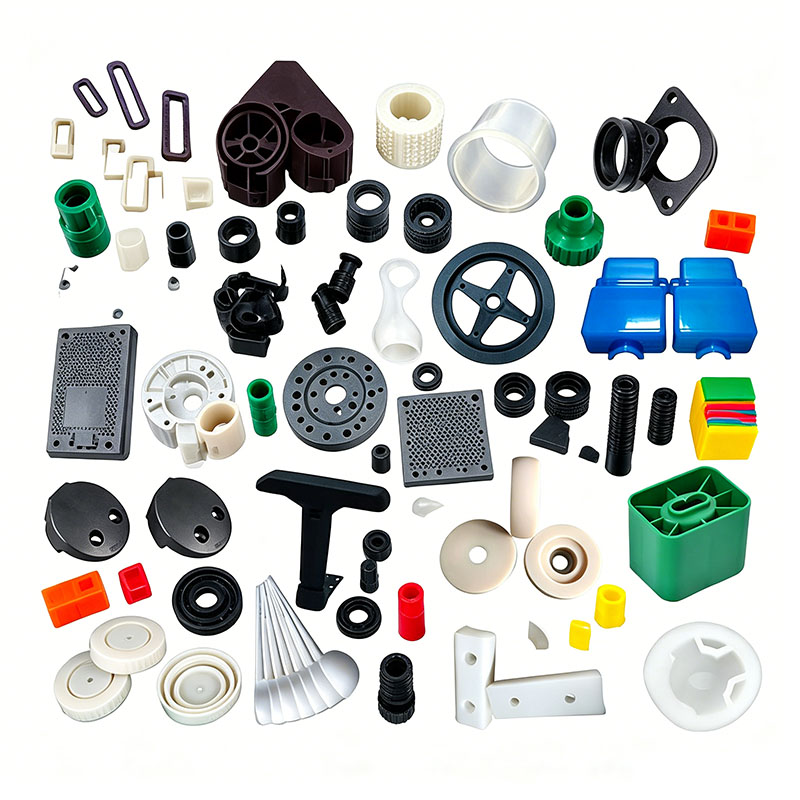
Plastic umbrella components—such as rib connectors, center shaft sleeves, handles, release buttons, tip caps, canopy fasteners, folding mounts, and spring sheaths—fall into three categories: structural load-bearing connectors, aesthetic/grip components, and small decorative parts. These products must withstand prolonged outdoor exposure to rain and sunlight, as well as repeated opening, closing, and pulling forces. They must not become brittle or crack in low temperatures; frequent operation requires high toughness, wear-resistant fasteners, and precise dimensional tolerances to ensure smooth movement without jamming. Mainstream materials include toughened/modified PP, high-impact ABS, wear-resistant POM, and soft TPR overmolding compounds. The molding process and key control points are outlined below.
I. Pre-production Raw Material Processing
Material Selection and Classification
Handles and aesthetic/decorative parts: High-gloss ABS (uniform color, smooth tactile feel);
Umbrella joints, connecting brackets, and tip caps: Toughened PP (low-temperature resistance, tensile strength, waterproof, and corrosion-resistant);
Switch sliders and moving catches: POM (self-lubricating and wear-resistant; withstands tens of thousands of cycles without whitening or wear);
Soft handle overmolding: TPR (non-slip, skin-friendly feel; dual-material/dual-color injection molding).
Compounding and Regrind Management
Load-bearing joints and folding mounts: Strictly prohibit the addition of regrind (recycled crushed material), as regrind suffers from reduced toughness and is prone to breakage during repeated operation. Only small aesthetic parts may incorporate up to 10% clean sprues/runners of the same material, provided they are crushed and sieved to remove coarse particles. Mix in hydrolysis-resistant and UV-resistant masterbatches to prevent whitening or aging from outdoor rain exposure. Keep POM, TPR, and ABS separate during mixing; do not cross-contaminate. Use a low-speed mixer for 5–8 minutes at speeds under 300 rpm to avoid damaging the toughening additives.
Drying and Dehumidification
ABS: Dry at 80°C for 3 hours to remove moisture and prevent internal bubbles or tensile failure;
POM: Drying temperature must not exceed 75°C; high temperatures can cause decomposition and the release of pungent gases;
Modified PP and TPR: These materials have extremely low water absorption; brief, low-temperature drying is sufficient, typically only during the rainy season. After drying, store raw materials in sealed hoppers to prevent moisture re-absorption.
Barrel Purging
Before changing materials or colors, purge residual material from the barrel using a purging compound to eliminate issues such as material mixing, delamination, embrittlement, and color inconsistency.
II. Mold Installation, Commissioning, and Structural Highlights
Umbrella accessories typically utilize small, high-precision, multi-cavity molds (16- or 32-cavity configurations). Sliders and connectors feature wall thicknesses of 1.2–2 mm; these thin sections are prone to stress cracking.
Mold Steel Selection
For cavities affecting the appearance of ABS and TPR parts, 718H pre-hardened mirror-finish steel is used. Cavities for POM wear-resistant parts and glass-fiber modified parts undergo nitriding to enhance wear resistance. All corners feature small radii to eliminate stress concentrations, ensuring the parts do not crack during opening or closing at low temperatures. Parting surfaces are precision-machined to minimize flash, preventing jamming or scratching of the umbrella fabric during operation.
Cooling System
Water channels for the multiple cavities are arranged with perfect symmetry; fine channels are positioned close to the cavities to balance cooling rates across all parts. Mold temperature control: ABS 50–60°C; PP 30–40°C; POM 80–90°C. High mold temperatures for POM increase crystallinity, significantly improving wear resistance.
Venting and Ejection Optimization
Micro-venting channels (0.010 mm deep) are cut into each cavity, with prioritized venting at sliders and weld lines to prevent weak weld seams or breakage. Given the small size of the parts and ejector pins, a multi-point distributed ejection strategy is employed, utilizing a two-stage low-speed ejection process to avoid stress marks ("whitening"), puncture, or hidden cracks.
Mold Installation and Trial Run
The mold is installed on a small injection molding machine (100T–250T) with uniform clamping force to prevent flash. Water channels are checked for leaks, and low-pressure mold-clamping protection is activated to prevent damage to the delicate cavities. After a 20-minute heat-soak period, a low-pressure, low-speed test shot is performed. Pressure and speed are gradually adjusted to produce a compliant first article; mass production begins only after quality control confirms the dimensions, toughness, and appearance. III. Standard Injection Molding Cycle
Steps for a complete single-mold cycle: Mold closing → Plasticizing/material accumulation → Multi-stage injection → Two-stage holding pressure → Cooling/setting → Mold opening → Low-speed ejection → Automatic part collection.
Barrel Temperature Zoning
ABS: 170–200°C (nozzle max. 205°C; high temperatures cause loss of toughness);
Toughened PP: 190–220°C;
POM: 180–205°C (strictly below 210°C; high temperatures cause decomposition and mold corrosion);
TPR (Soft Rubber): 160–190°C.
Multi-stage Variable-speed Filling
For small parts in multi-cavity molds with short flow paths: low-speed buffering at the gate, rapid filling in the middle section, and reduced speed at the cavity end to facilitate venting and improve weld line strength. Injection pressure: 70–95 bar; excessive pressure causes flash and high internal stress (leading to cracking during thermal cycling), while insufficient pressure leads to weak weld lines.
Staged, Short-duration Holding Pressure
Small parts have thin walls and minimal shrinkage; apply two-stage low holding pressure for 3–8 seconds to compensate for slight shrinkage and prevent sink marks on snap-fits and mounting posts. Synchronizing holding pressure with material accumulation shortens the molding cycle and boosts multi-cavity mold productivity.
Cooling and Part Removal
Cooling time is calculated at 2–3 seconds per 1 mm of wall thickness (e.g., 4–6 seconds for a standard 1.5 mm connector). Insufficient cooling leads to continued shrinkage after demolding, resulting in inconsistent fit/tension for switches and snap-fits. Mold opening and ejection are performed at low speeds throughout; parts are automatically collected in a bin beneath the mold. Avoid crushing or stacking hot plastic parts to prevent deformation of delicate connectors.
IV. Post-molding Processing
Gate and Flash Trimming
Submarine gates and pin-point gates break off automatically during mold opening; large gates are cleanly removed using small pneumatic cutters. Minor flash along parting lines is removed in batches via vibratory finishing; sliding snap-fit mating surfaces must be burr-free to ensure smooth, snag-free operation. Stress-Relief Annealing
ABS handles and decorative parts undergo low-temperature annealing at 60°C for one hour prior to spray coating to relieve internal stress, ensuring they do not crack during exposure to alternating hot and cold outdoor temperatures. PP and POM parts do not require high-temperature annealing; instead, they are allowed to sit for 12 hours after molding to relieve post-shrinkage stress before assembly.
Two-Color Overmolding (Umbrella Handle)
A rigid plastic skeleton is injection-molded first, then placed into a secondary mold for overmolding with soft TPR rubber; this ensures a secure bond between the rigid and soft materials, preventing delamination or detachment.
Surface Treatment
Handles can be screen-printed with logos and finished with matte or glossy paint; functional moving parts are left uncoated to prevent paint wear or flaking that could cause the switch mechanism to jam.
V. Multi-Stage Quality Inspection
First-Article Inspection: Caliper measurements of snap-fit apertures and joint assembly dimensions; visual checks for defects such as air bubbles, silver streaks, burn marks, and flash.
Patrol Inspection: Sampling every 30 minutes; manual repeated opening/closing tests to verify the smoothness of the snap-fit mechanism.
Reliability Spot Checks: Repeated pulling tests after low-temperature freezing to assess joint toughness; rain exposure and aging resistance tests; wear-resistance reciprocating tests for POM sliders.
Full Inspection & Sorting: Parts with cracks, deformation, or short shots are isolated and scrapped; defective load-bearing joints are prohibited from being reground and reused for structural components.
We are a umbrella plastic parts moulding manufacturer, providing high-quality umbrella plastic parts moulding manufacturing. As long as you want to customize/develop umbrella plastic parts moulding products, you can find us. We have professional injection mold design and mature manufacturing technology, providing you with one-stop service, from product design-mold making-product production-product packaging-product transportation, we can help you in every link. As long as you come to us, we will provide you with the ultimate service and satisfy you in terms of product quality, production time, information dialogue, etc.
|
Product Name |
Treadmill moulding |
|
Pls provide |
2D, 3D, samples, or the size of the multi-angle pictures |
|
Mould Time |
20-35 Days |
|
Product time |
7-15 Days |
|
Mould precision |
+/-0.01mm |
|
Mould life |
50-100 million shots |
|
Producing Process |
Audit drawings - mold flow analysis - design validation - Custom Materials - mold processing - core processing - electrode machining - Runner system processing - parts processing and procurement - machining acceptance - cavity surface treatment process - complex mode Die - The entire mold surface coating - Mounting plate - mold sample - sample test - sending samples |
|
Mould cavity |
One cavity, multi-cavity or same different products be made together |
|
Mould material |
P20,2738,2344,718,S136,8407,NAK80,SKD61,H13 |
|
Runner system |
Hot runner and cold runner |
|
Base material |
P20,2738,2344,718,S136,8407,NAK80,SKD61,H13 |
|
Finish |
Pitting the word, mirror finish, matte surface, striae |
|
Standard |
HASCO, DME or dependent upon |
|
Main technology |
Milling, grinding, CNC, EDM, wire cutting, carving, EDM, lathes, surface Finish, etc. |
|
Software |
CAD,PRO-E,UG Design Time: 1-3 days (normal circumstances) |
|
Product material |
ABS,PP,PC,PA6,PA66,TPU,POM,PBT,PVC,HIPS,PMMA,TPE,PC/ABS,TPV,TPO,TPR,EVA,HDPE,LDPE,CPVC,PVDF,PPSU.PPS. |
|
Quality system |
ISO9001:2008 |
|
Establish time |
20days |
|
Equipment |
CNC,EDM,Cutting off Machine,plastic machinery,etc plastic suitcase mould zhe jiang |
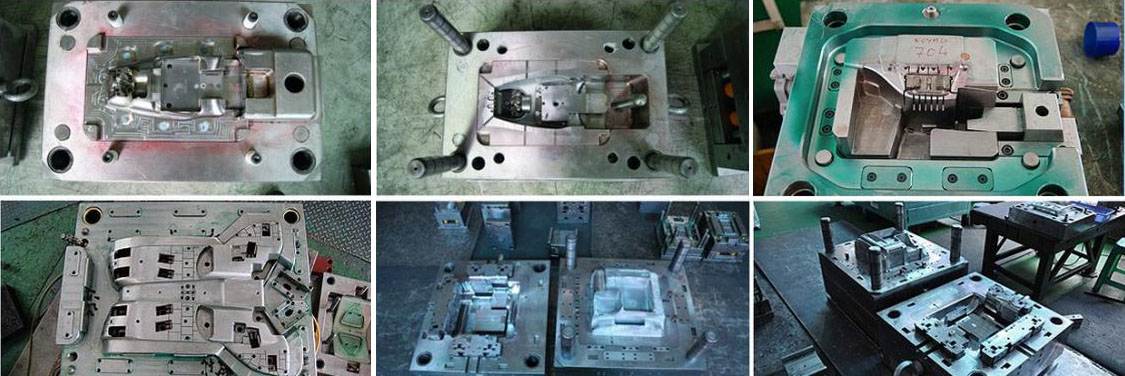
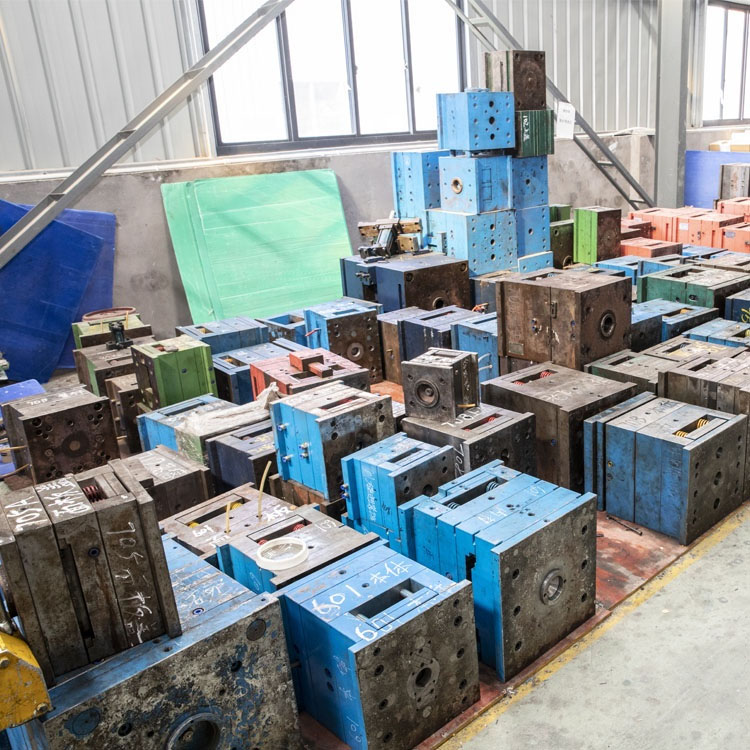
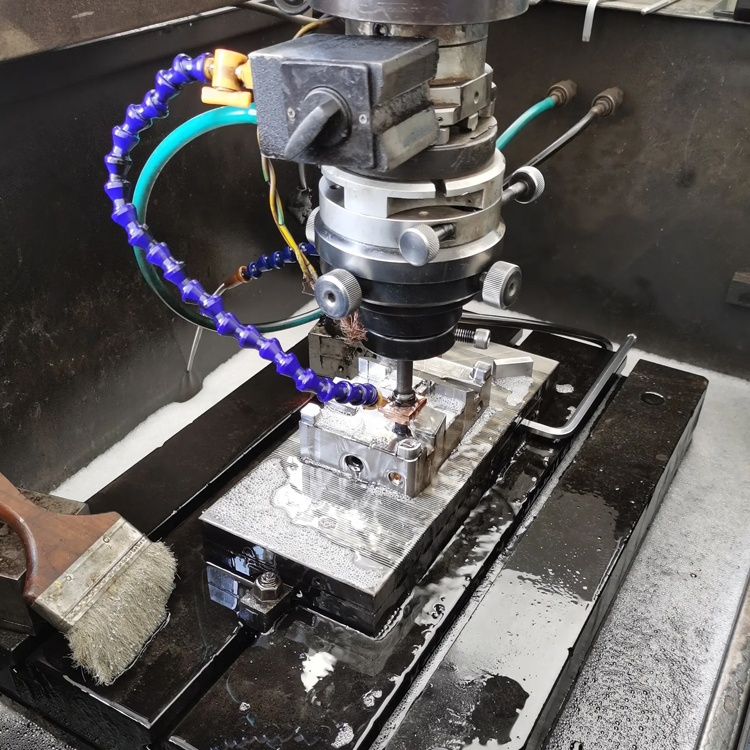
Plastic Injection Mould making
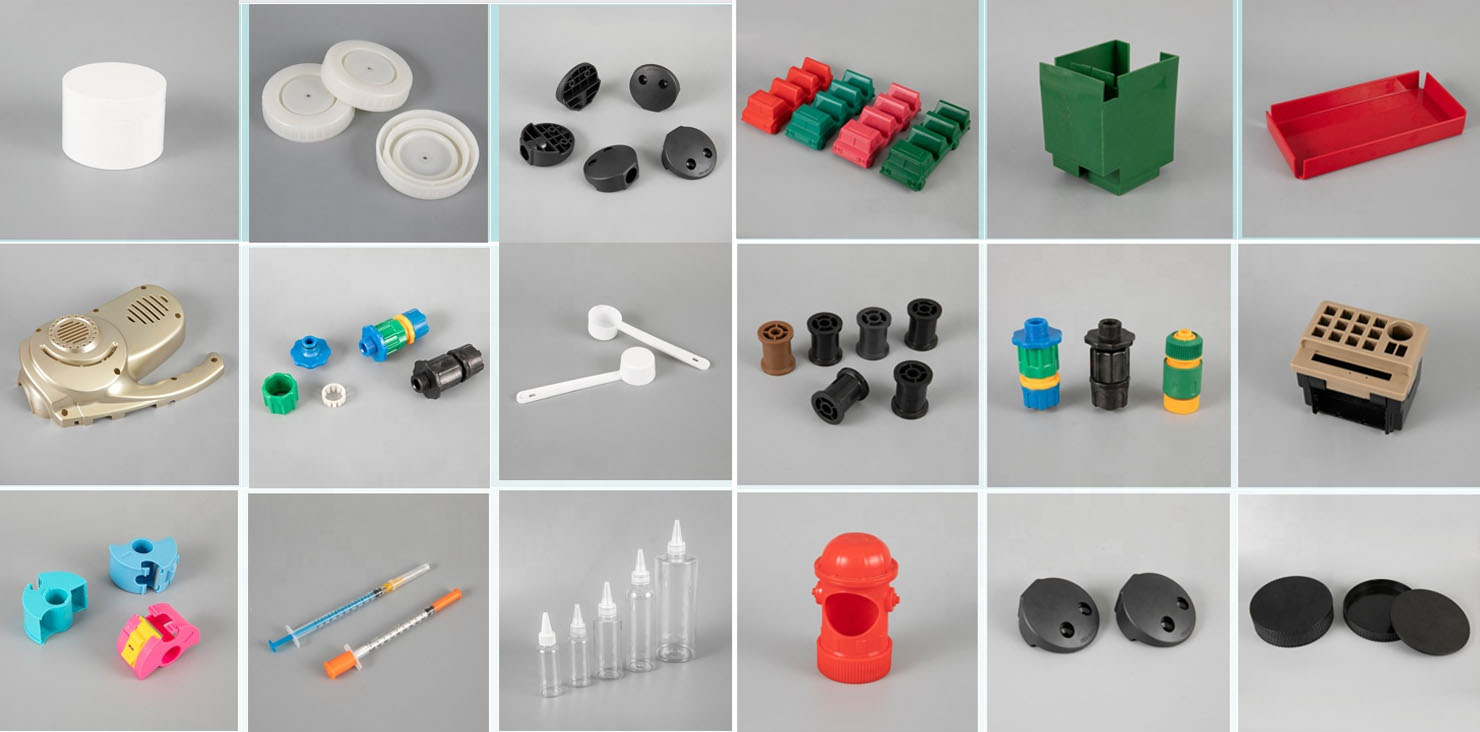
Plastic molding specifications
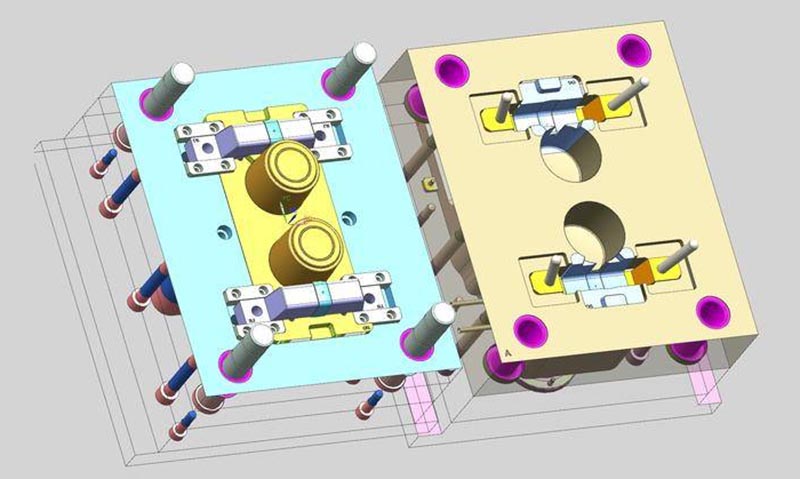
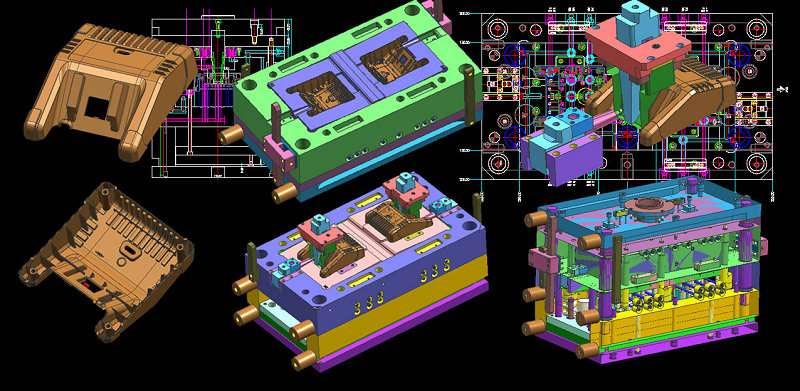
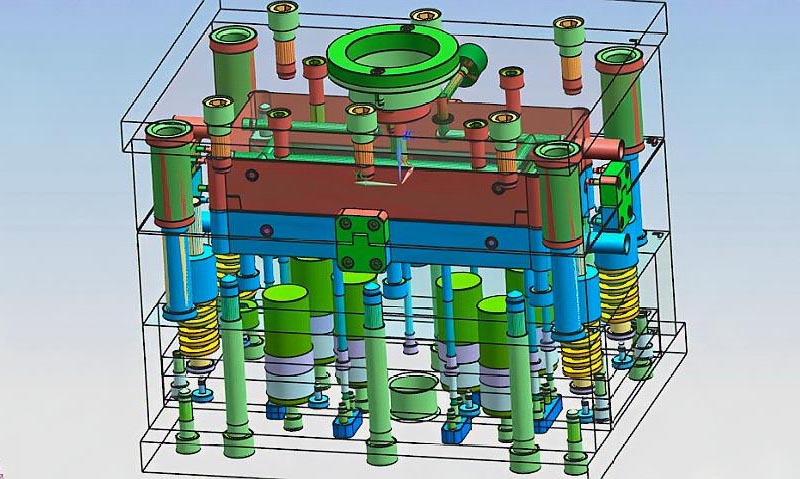
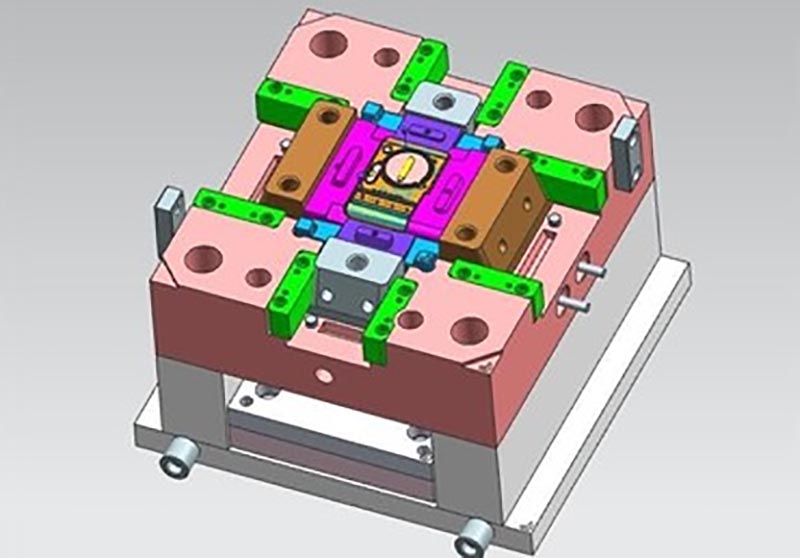
Mold design:
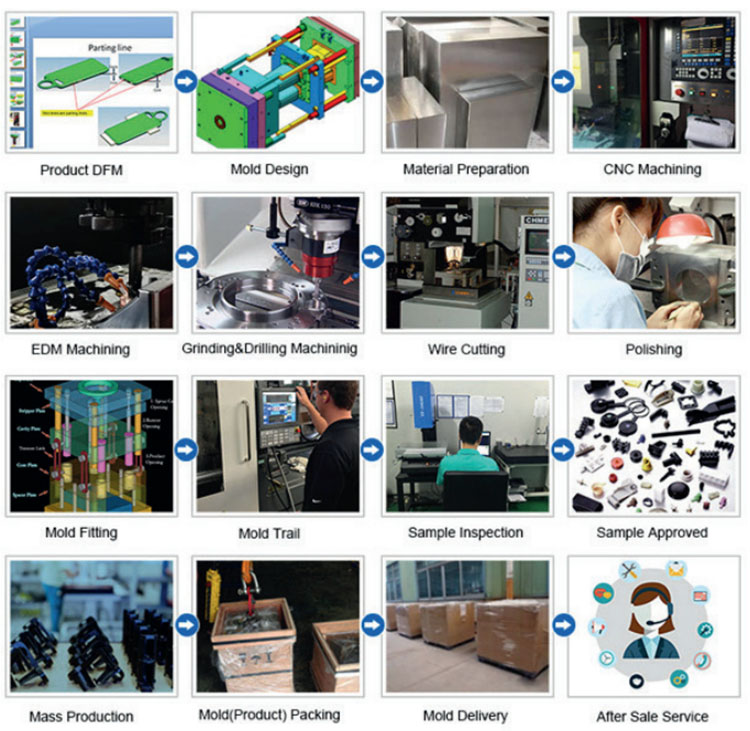
Transaction process:
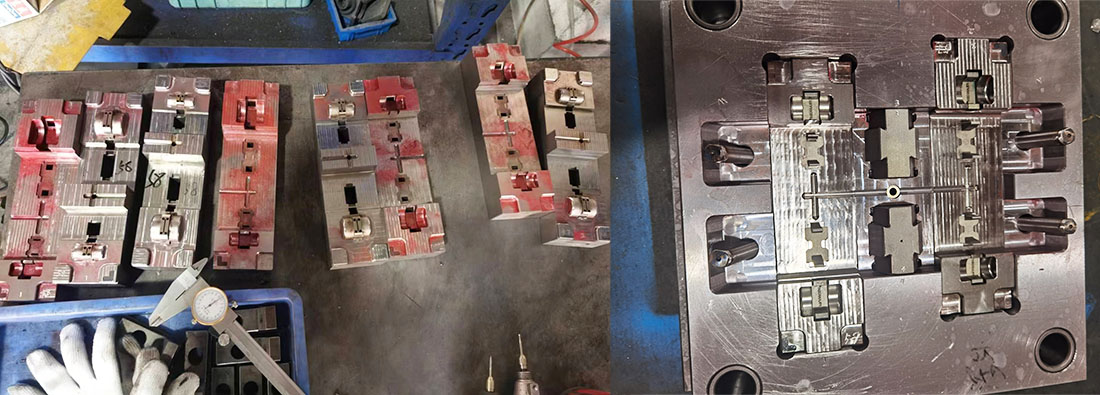
Mold testing:

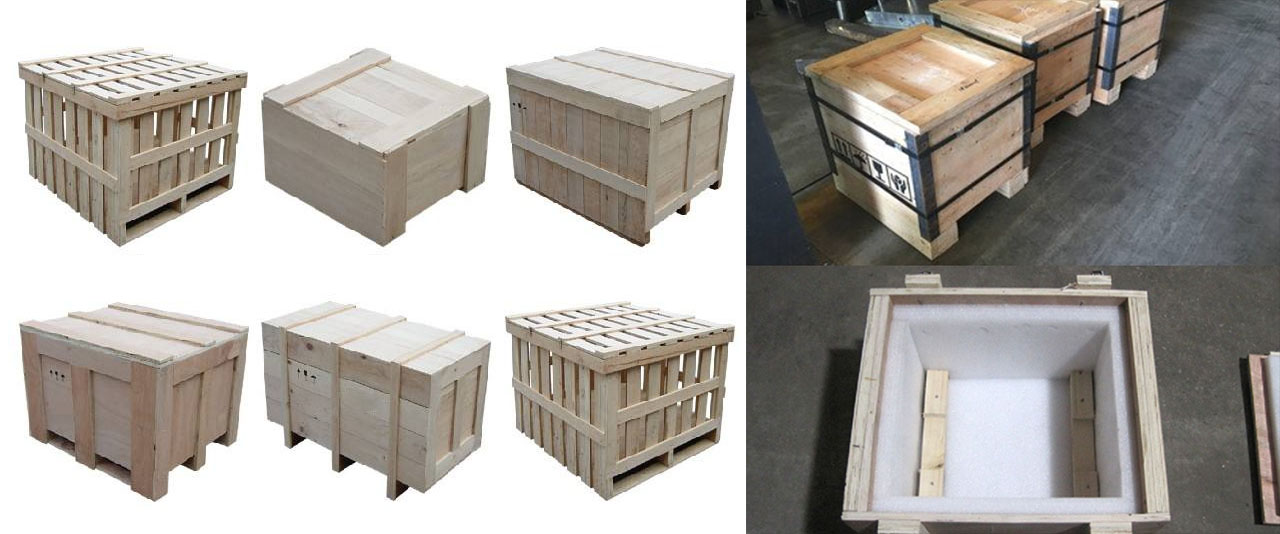
Product packaging
Factory
We are Custom Plastic Mold factory. Our factory is plastic injection mold maker. we has 17 years of experience in professional custom plastic mold and 10 years of foreign trade experience. We are custom Plastic Mold supplier. We can provide custom Plastic Mold service. Our factory can make the Injection molded plastic parts, and the quality of the products will satisfy you.
We have more than 50 high-end machines and hundreds of engineers and designers. We can provide one-stop service, from product design - mold making - product production - product packaging - transportation. We have a complete production chain. We can meet all your requirements.
Services we provide:
Professional custom mold service, Plastic mold design and manufacturing .plastic product production, product design, mold design, blow mold customization, rotational mold customization, die-casting mold customization. 3D printing services, CNC manufacturing services, product packaging, customized packaging, shipping services.
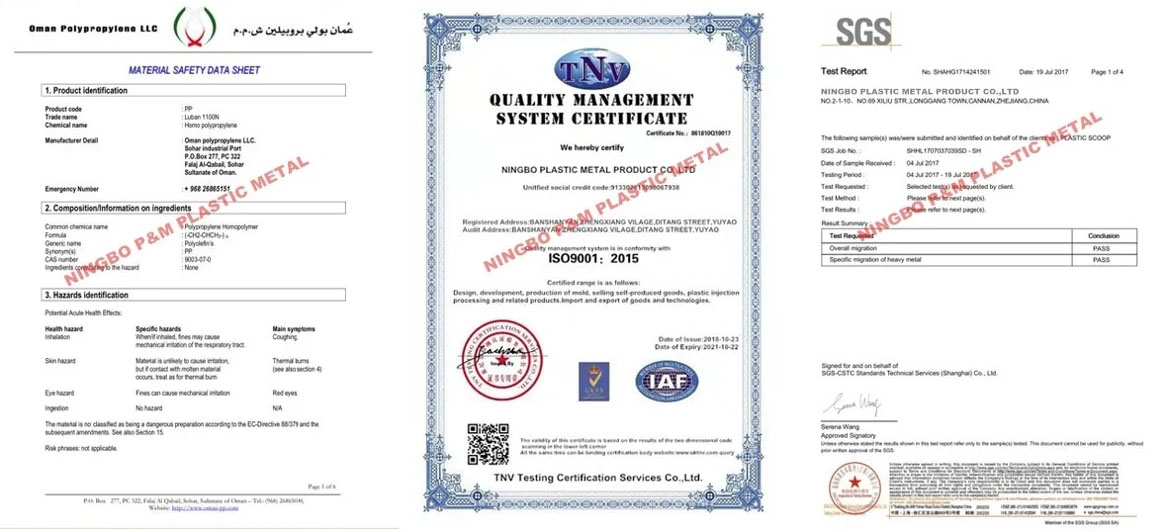

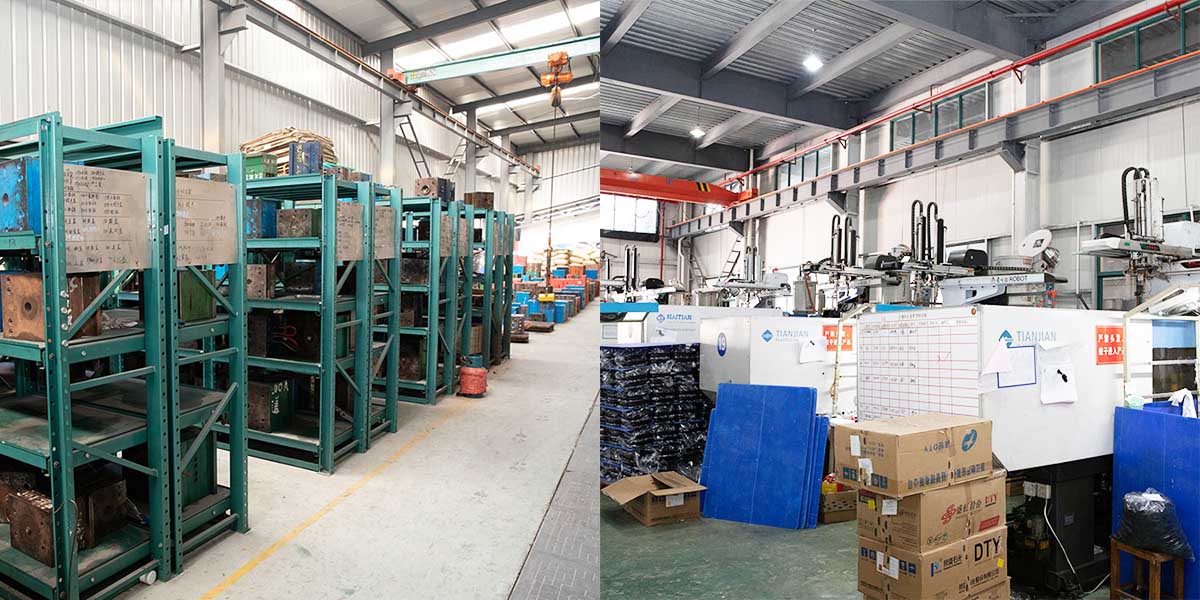
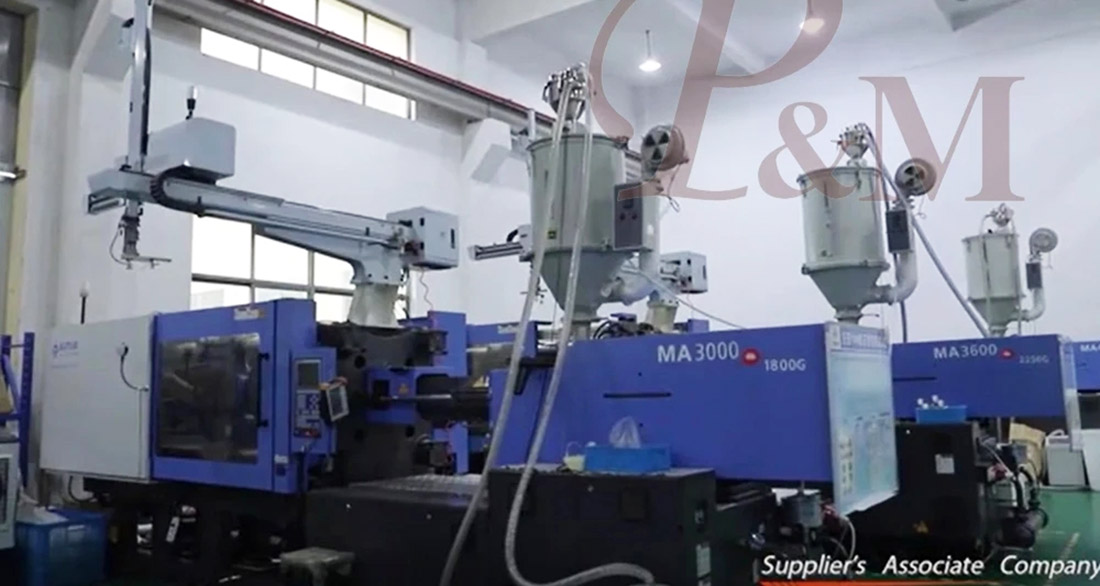
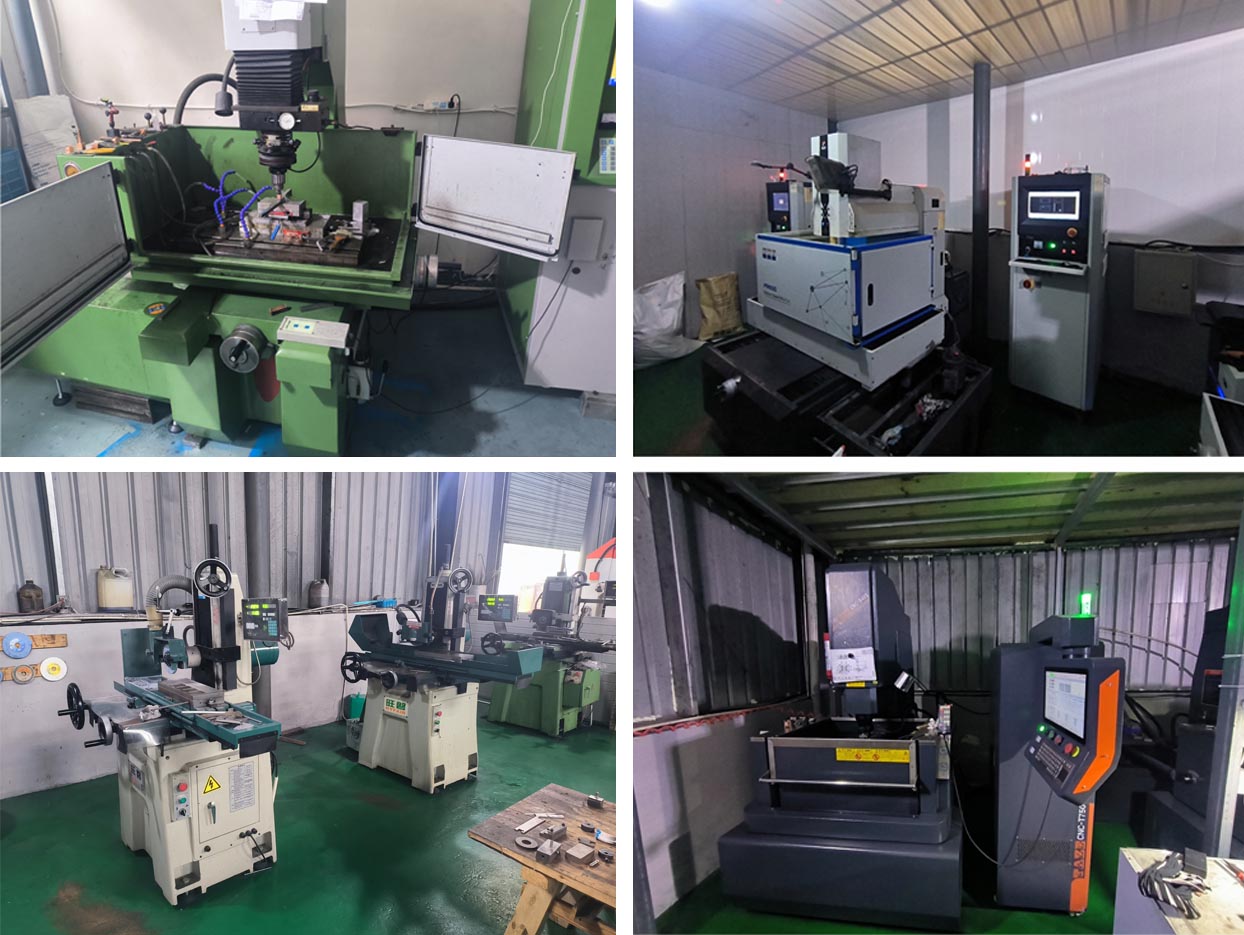
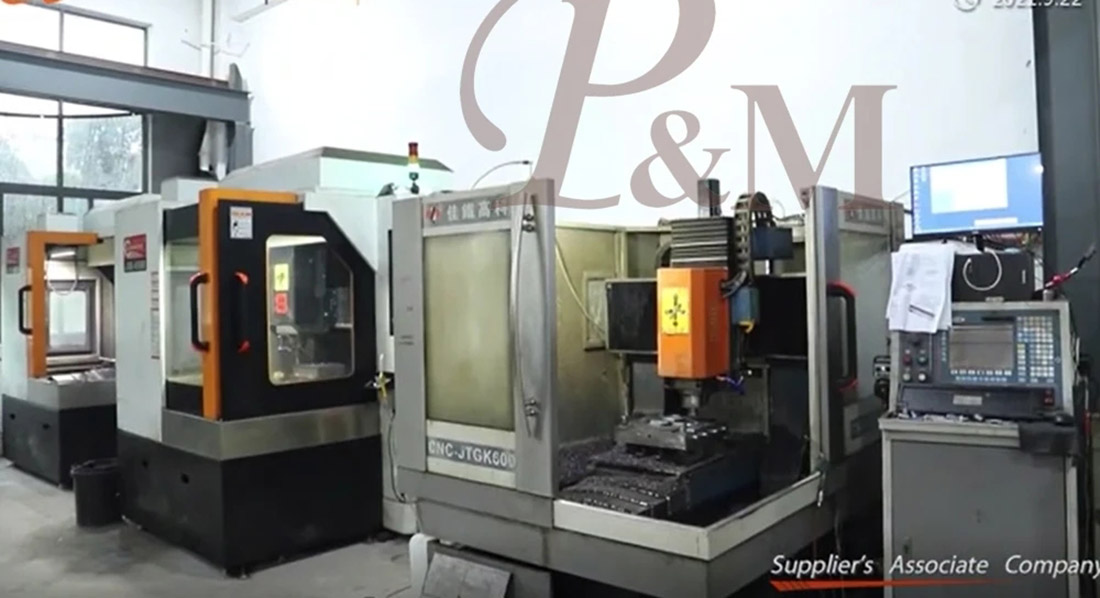
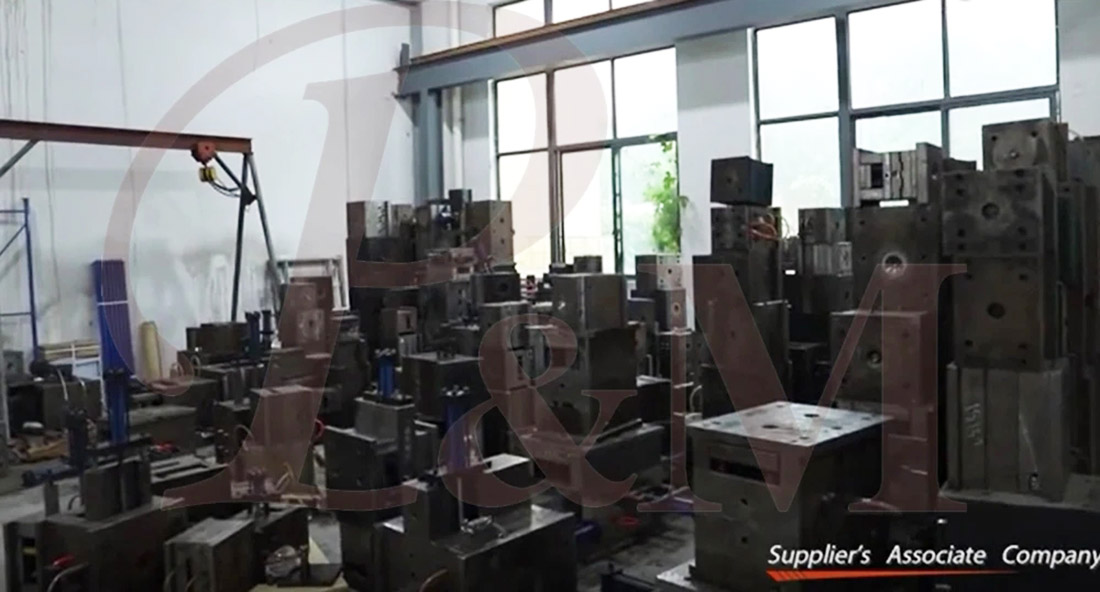
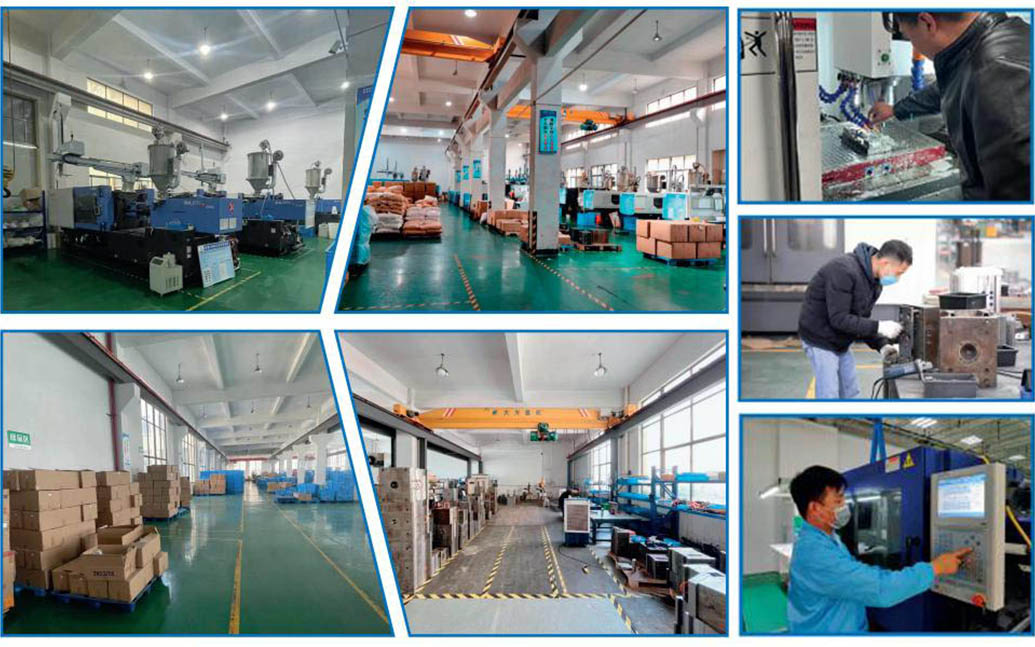
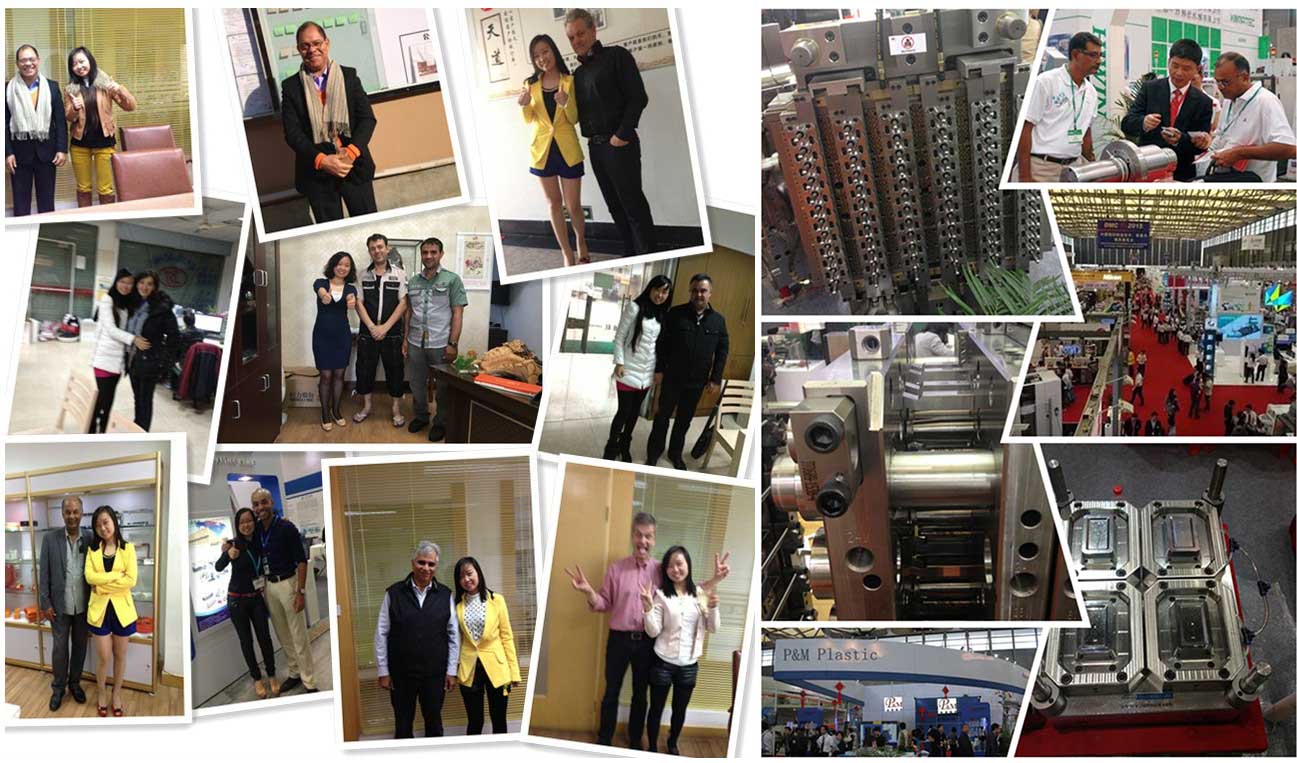
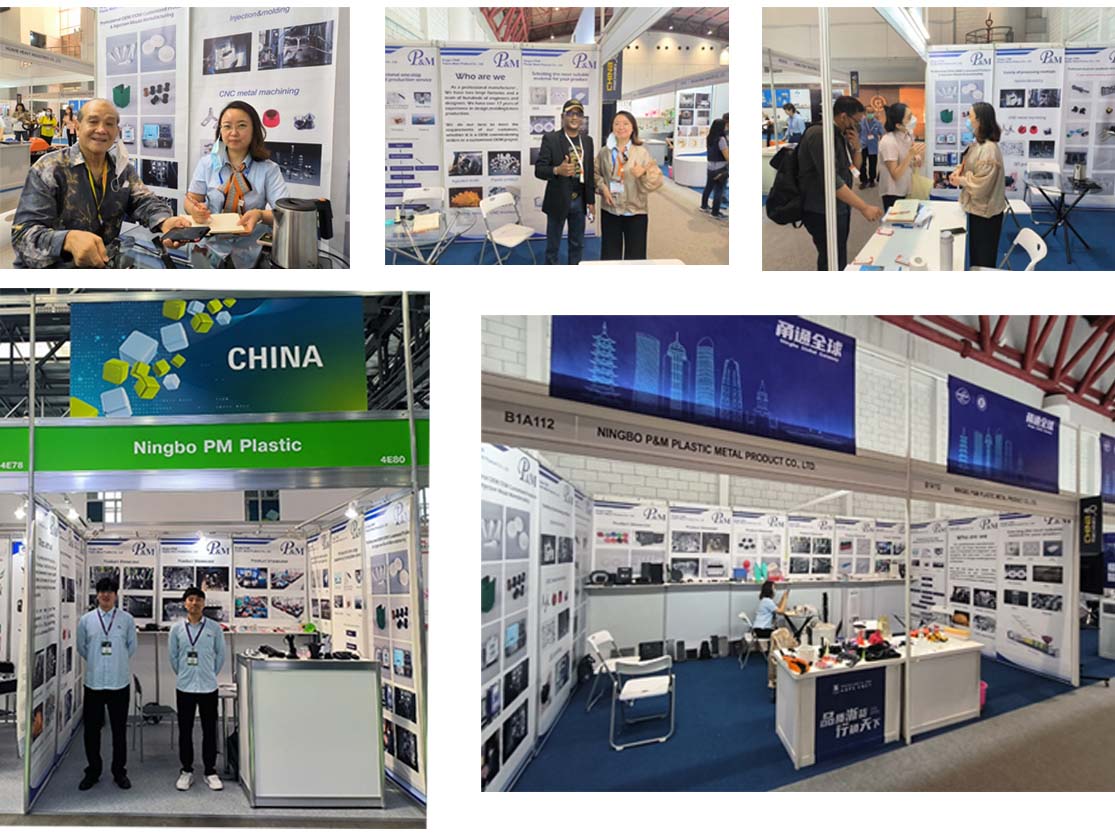
We always adhere to the principles of quality first and time first. While providing customers with the highest quality products, try to maximize the production efficiency and shorten production time. We are proud to tell every customer that our company has not lost any customer since its establishment.If there is a problem with the product, we will seek a solution actively and take responsibility to the end.

FAQ
Q1: Are you trading company or manufacturer ?
A: We are manufacturers.
Q2. When can I get the quotation?
A: We usually quote within 2 days after we get your inquiry.
If you are very urgent, please call us or tell us in your email so that we can quote for you first.
Q3. How long is the lead-time for mold?
A: It all depends on the products' size and complexity. Normally, the lead time is 25 days.
Q4. I have no 3D drawing, how should I start the new project?
A: You can supply us a molding sample, we will help you finish the 3D drawing design.
Q5. Before shipment, how to make sure the products quality?
A: If you don't come to our factory and also don't have the third party for inspection, we will be as your inspection worker.
We will supply you a video for production process detail include process report, products size structure and surface detail, packing detail and so on.
Q6. What is your payment terms?
A: Mold Payment: 40% deposit by T/T in advance, 30% second mold payment before sending out the first trial samples, 30% mold balance after you agree the final samples.
B:Production Payment: 50% deposit in advance, 50% before sending out the final goods.
Q7: How do you make our business long-term and good relationship?
A:1. We keep good quality and competitive price to ensure our customers benefit for best quality products.
2. We respect every customer as our friend and we sincerely do business and make friends with them, no matter where they come from.
Hot Tags: Umbrella plastic parts moulding, China, Manufacturer, Supplier, Factory, Customized, Wholesale, Buy, Quality, Latest Selling, Made in China
Related Category
Send Inquiry
Please feel free to give your inquiry in the form below. We will reply you in 24 hours.